Matox News

Truth Over Trends, always!

Audible drops new ‘Standard’ plan, taking on Spotify and cutting costs for young listeners

Audible Disrupts Audio Book Industry with Strategic Price Shift and Market Expansion

In a significant move demonstrating innovative disruption within the digital entertainment space, Audible, the audio content subsidiary of Amazon, has launched a new “Standard” subscription plan priced at just $8.99 per month. This strategic extension aims to attract a broader segment of consumers, especially those labeled as light or casual listeners. The plan, announced recently, offers one audiobook per month alongside unlimited access to a curated library of Audible Originals and popular titles, including content from the soon-to-be-defunct Wondery+ platform. Such a competitive pricing model exemplifies how Audible is leveraging low-cost tier strategies to capture market share amid escalating rivalry, notably from Spotify, which integrated audiobooks into its ecosystem in 2022, fundamentally shifting the industry’s business dynamics.

The implications for industry incumbents are profound: while the premium subscriber model—where users retain ownership of their audiobooks—remains attractive for dedicated listeners, the introduction of this lower-cost tier signifies a paradigm shift. It aligns with a broader trend of monetization through volume and freemium models that are becoming standard across digital content providers. The plan’s launch in multiple countries—US, UK, Canada, Australia, Germany, and France—signals Audible’s strategic focus on international expansion, with early testing showing promising growth in member sign-ups. By simplifying access and lowering entry barriers, Audible intends to redefine consumer expectations for audiobooks, akin to the disruption seen in the streaming video industry years earlier.

The evolving landscape is further underscored by data from industry analysts such as Gartner and MIT, which suggest that disruption in content consumption models is driven by unmatched technological innovation and shifting consumer preferences. Spotify’s report of a 36% increase in audiobook listening and a 37% rise in listening hours last year, with more than half of its premium subscribers engaging with audiobooks, underscores that further industry convergence is imminent. Audible’s move to bundle its new plan with nearly 200 titles from Wondery+—which is phasing out—indicates a deliberate attempt to consolidate market influence and diversify revenue streams through strategic partnerships and diversified product offerings. Analysts warn, however, that as tech giants deepen investments into the $15 billion audiobooks market, the battle for dominance will accelerate, requiring traditional publishers and new entrants to innovate rapidly or risk obsolescence.

Looking forward, the marketplace is poised at a critical juncture. Innovation, disruption, and strategic agility will determine which companies succeed in capitalizing on the shifting landscape. With Amazon’s major push into tiered pricing and international markets, combined with Spotify’s aggressive integration of audiobooks into its broader music and podcast ecosystem, the industry is moving towards a more interconnected and consumer-centric model. As industry experts like Peter Thiel and Elon Musk emphasize, outpacing competitors involves relentless innovation and execution. Companies that embrace these trends early—shifting from traditional ownership to access-based models—will not only survive but thrive in this rapidly evolving digital economy.

In conclusion, Audible’s latest move underscores a broader imperative for stakeholders in the digital content sector: disruption is not just inevitable; it’s necessary for survival. The next few years will likely see an unprecedented collision of technology, consumer behavior, and business strategy — a landscape demanding agility, innovation, and vision. As the industry gears for this transformation, early movers who harness these trends could dominate the future of audio entertainment, reshaping how millions engage with stories, knowledge, and entertainment in an increasingly digital world.


Score Big: Up to 75% Off L.L.Bean Outdoor Gear with the Latest Deals

Emerging Retail Strategies Signal Broader Disruption in Consumer Markets

In a landscape increasingly shaped by innovation and disruption, traditional retail models are being redefined through data-driven and digitally integrated strategies. L.L. Bean, a stalwart outdoor gear retailer, exemplifies this shift with hyper-focused marketing techniques leveraging digital coupons, strategic sales, and customer loyalty incentives. These tactics are not only enhancing their competitive edge but also signaling a broader industry trend of integrating seamless online experiences with personalized deals, an approach endorsed by institutions like Gartner which emphasize the importance of data-centric retail transformation.

Market shifts are underlining the importance of disruption in conventional retail dynamics. L.L. Bean’s phased flash sales, where new deals are announced twice daily at precise hours, mirror a strategy that leverages scarcity and urgency—tactics that challenge the static nature of traditional Black Friday sales. This approach offers consumers deep discounts, often comparable to major holiday deals, but within a continuously evolving, digital-first sales window. As analysis by MIT’s Sloan School reveals, such strategies are disrupting standard inventory management and consumer purchase cycles, emphasizing rapid engagement and instant gratification.

Business implications of this shift extend beyond mere sales figures. Companies adopting targeted campaigns—such as exclusive discounts for medical workers, first responders, teachers, and students—are carving out niche loyalty segments, enhancing brand affinity while simultaneously fostering goodwill in critical societal sectors. This nuanced approach to marketing not only reinforces corporate social responsibility but also establishes a new paradigm where customer engagement is intertwined with social validation. Moreover, the rollout of incentive offers like store-branded credit cards providing substantial benefits (up to 20% off and free shipping) reflects an evolving landscape where financial products are becoming integral to retail ecosystems, a trend predicted by industry analysts as a future growth driver.

Implications for Broader Industries and Future Disruption

As the retail sector embraces these innovative strategies, the implications extend into the fabric of the global economy and its digitalization trajectory. Emerging technologies such as AI-driven personalized marketing, dynamic pricing algorithms, and omnichannel engagement are set to accelerate this revolution. The recent surge in fast-paced, data-rich campaigns underscores the urgency for established players to adapt or risk obsolescence. Pioneers like Elon Musk and Peter Thiel have long championed the disruptive potential of technology, foreseeing a future where agility and innovation will determine market leaders. The challenge now lies in harnessing these advances to create seamless, customer-centric experiences that outpace competitors.

Forward-looking experts warn that organizations lacking agility and strategic foresight may fall behind, as the lines between retail, finance, and social engagement continue to blur. The next era of technological disruption is not merely about automation but about crafting integrated ecosystems that deliver value in real time—whether through customized discounts, instant rewards, or social impact initiatives. The brands that recognize and capitalize on these signals, investing in innovation today, will shape the economic landscape of tomorrow and define the future of commerce itself.

Anthropic powers up Claude’s memory to win over AI switchers

AI Innovation and Market Dynamics: Anthropic’s Strategic Moves

The AI industry stands at a pivotal crossroads as Anthropic, a rising star in artificial intelligence research, accelerates its technological advancements with recent feature rollouts aimed at enhancing user engagement and capability. Since October, Claude—the company’s flagship conversational AI—has gained a new suite of functionalities, notably the ability for users to import and export memories. This capability signifies a significant disruption in how AI models are personalized and retained, positioning Anthropic as a challenger in the evolving AI services arena.

Traditionally, such advanced memory features were restricted to paid subscriptions, limiting access to a select user base. However, now all Claude users can enable memory functionalities via settings, democratizing sophisticated AI customization. The inclusion of a memory importing tool—allowing users to copy prompts and outputs seamlessly—marks a new milestone in accessibility and user control. Industry analysts, including those from Gartner and tech think tanks like MIT, view this as a deliberate move toward increasing user engagement, loyalty, and data retention, which could fundamentally shift how enterprise clients and consumers leverage AI across multiple domains.

Meanwhile, Anthropic has been making headlines beyond feature enhancements. Recently, the startup publicly challenged the Pentagon’s attempt to relax constraints on its AI models, drawing what it describes as “red lines” around issues such as mass surveillance and fully autonomous lethal weapons. This stance signals a strategic positioning within the global AI arms race, emphasizing ethical boundaries and responsible innovation. As AI regulation tightens worldwide, companies that prioritize transparency and principled AI development are expected to gain a competitive advantage and set industry standards, potentially disrupting established players that favor rapid deployment over safety considerations.

From an investment standpoint, the implications are clear: industrial giants, government agencies, and private firms are closely watching these developments. The growing demand for customizable, ethically-conscious AI tools indicates a shift toward a more nuanced market—one where disruption is driven by innovation that balances technological advancement with societal responsibility. Experts like Peter Thiel and Elon Musk warn that losing sight of ethical boundaries could lead to severe consequences, fostering an environment where timely innovation and strict governance must go hand-in-hand.

The future of AI is unfolding at breakneck speed, with Claude’s new features exemplifying how disruptive technology reshapes user experiences and business models. As competitors scramble to keep pace, the key will be in their ability to innovate responsibly, balancing technological breakthroughs with strategic foresight. This evolving landscape signals an urgent call to action for industry leaders: those who pioneer ethically aligned AI while maintaining agility will not only dominate the market but also define the technological and moral standards of tomorrow. The trajectory suggests that the next few years will be crucial in determining whether AI becomes a tool for empowerment or an instrument of unchecked risk—making it imperative for stakeholders to stay vigilant, adaptable, and forward-thinking.

Apple Boosts the iPad Air to Keep Up with Top Tech

In a notable move emblematic of ongoing disruption in the consumer electronics sector, Apple has introduced its latest iteration of the iPad Air, now featuring the powerful M4 chip. While the update may appear incremental, shifting from M3 to M4, it highlights Apple’s relentless push toward innovation and efficiency within established device categories. The refresh primarily enhances performance with a significant boost in memory — moving from 8 GB to 12 GB of unified memory — at the same price point, signaling Apple’s intent to consolidate its hardware leadership amid global supply chain challenges.

The market implications of this move are profound. Apple’s decision to incorporate its N1 networking chip— supporting Wi-Fi 7 and Bluetooth 6 standards, along with Thread for smart home integration — signifies a strategic pivot toward disrupting the connected device ecosystem. Analysts from Gartner suggest that such integrated advancements not only reinforce Apple’s ecosystem dominance but also accelerate the industry-wide shift toward smart, seamless networks. This is reinforced by the adoption of Apple’s C1X modem, enhancing energy efficiency for cellular models with sub-6 5G support. These are the nuanced, yet critical differentiators shaping the future of mobile and IoT markets.

Furthermore, Apple’s focus on maintaining a competitive pricing strategy—keeping the iPad Air starting at $599 — amidst a memory shortage crisis— underscores its commitment to innovation accessible to a broad demographic of young, tech-savvy users. With storage options climbing up to 1 TB, the company is positioning itself to serve a variety of digital content creators and remote workers who require power and flexibility. The upcoming product announcements, including potential updates to MacBooks and other flagship devices, are anticipated to further disrupt traditional market segments, challenging competitors with superior integration, performance, and platform cohesion.

Industry thought leaders like Elon Musk and Peter Thiel have emphasized that disruption in tech is accelerated by strategic hardware advancements that push the envelope of what’s possible. Apple’s latest move with the M4 iPad Air exemplifies this trend—leveraging cutting-edge silicon and connectivity to redefine expectations and set new standards. As the company prepares for its “Special Apple Experience” event in New York City, the industry should brace for a wave of transformative product launches. The convergence of powerful hardware, network capabilities, and ecosystem integration signals a pivotal moment — one where innovation becomes the primary weapon in consolidating market dominance. For competitors and consumers alike, the future of tech is unfolding quickly, demanding both agility and foresight to remain competitive in this rapidly evolving landscape.

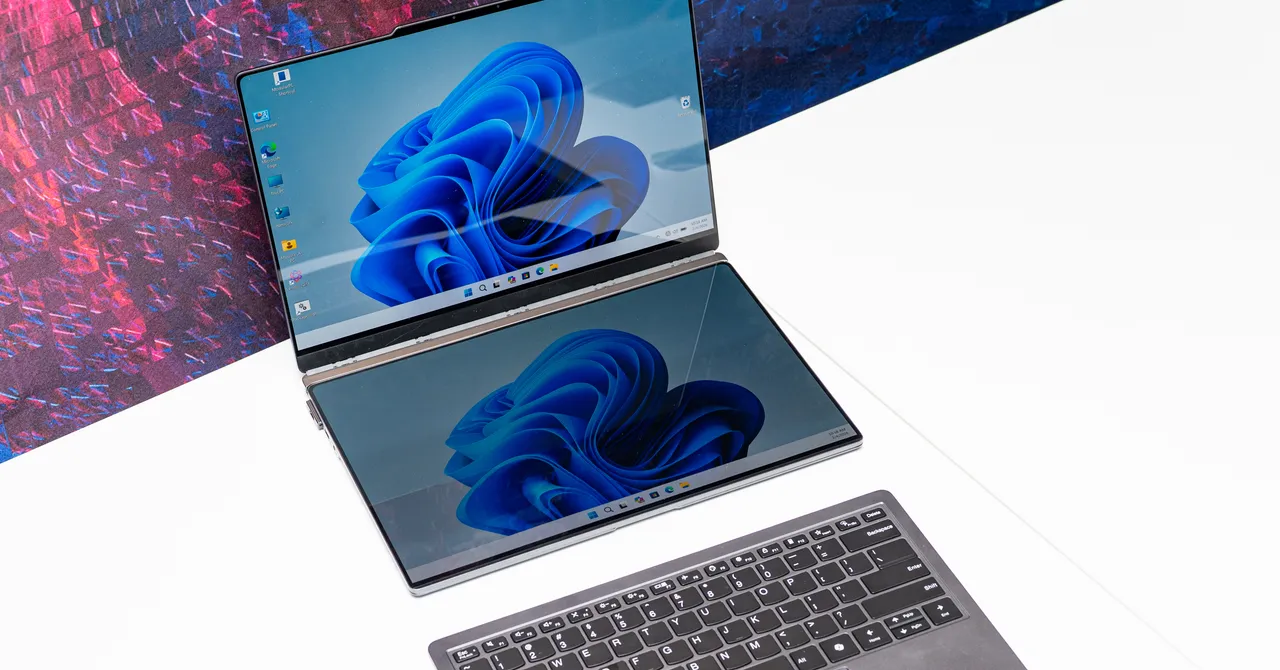
Lenovo’s Bold New Gear: Laptop with Built-In Portable Screen Sparks Buzz Among Young Tech Fans

Lenovo Unveils Innovative Yoga Book Pro 3D Concept: A Game-Changer in Creative Technology

In a bold move that exemplifies the ongoing drive toward immersive and tactile digital experiences, Lenovo has introduced the Yoga Book Pro 3D Concept—a revolutionary device aimed squarely at creative professionals and developers. Powered by the formidable Intel Core Ultra 7 processor and equipped with Nvidia’s GeForce RTX 5070, this concept reimagines the boundaries between digital and physical, blending cutting-edge hardware with innovative software to facilitate a new era of 3D asset creation. While still in the prototype stage, its disruptive potential signals a significant pivot in the industry, especially as it aims to serve creators rather than traditional gamers or consumers.

Disruptive Hardware and User Interface Innovations

The Yoga Book Pro 3D departs sharply from conventional portable devices. It features dual 16-inch OLED displays called Lenovo PureSight Pro Tandem, which connect to form a seamless, flexible workspace—effectively replacing the traditional keyboard with a touch-enabled, customizable surface. This approach not only enhances workspace ergonomics but also pushes forward the concept of a truly mobile creative workstation. The device employs Lenovo’s proprietary AI software to support 2D to 3D conversion on demand, allowing users to manipulate digital assets effortlessly. The integration of a built-in RGB camera enables gesture-based control, allowing users to interact with 3D objects through natural hand movements, eliminating the need for a mouse or stylus—an innovation that could redefine creative workflows.

Perhaps the most groundbreaking feature is the set of magnetic snap-on pads that users can attach to the lower touchscreen. These physical accessories serve as tangible triggers for digital shortcuts, such as opening a color palette or adjusting lighting in real-time, providing a hybrid tactile-digital interface. This fusion of physical and digital interfaces aligns with the evolving expectations of a new wave of digital creators seeking immersive, intuitive tools. By bringing tactile feedback into the fold, Lenovo’s design hints at a future where user interfaces become more responsive and naturally integrated into creative processes.

Business Implications and Industry Disruption

This conceptual device signals a potential industry shift—particularly in how creative tools are designed and commercialized. If Lenovo moves beyond concept into mass production, it will introduce a fresh competitive dynamic within tech giants such as Apple, Microsoft, and Samsung, who have pursued similar 3D and AR/VR innovations. The integration of high-performance hardware with novel form factors can disrupt established workflows and challenge traditional notions of portability and interface design.

  • Market potential: A niche yet expanding segment of digital artists, designers, and AR/VR developers eager for more tactile, portable solutions.
  • Innovation driver: Accelerating the adoption of hybrid hardware/software interfaces to make 3D content creation more intuitive.
  • Industry impact: Potentially catalyzing new hardware ecosystems centered around physical-digital interaction modes—setting a standard for next-gen professional devices.

As Elon Musk and Peter Thiel have warned about the importance of disruption and technological frontier-pushing, Lenovo’s Yoga Book Pro 3D serves as a compelling glimpse into the future of tech. If this device or its derivatives become widely available, it could accelerate the shift toward more immersive, user-centered design paradigms—a transformation that promises to reshape not only creative industries but the broader landscape of human-computer interaction. For forward-looking investors, developers, and innovators, understanding and engaging with these breakthroughs now will be crucial to maintaining a competitive edge in the rapidly evolving tech frontier.

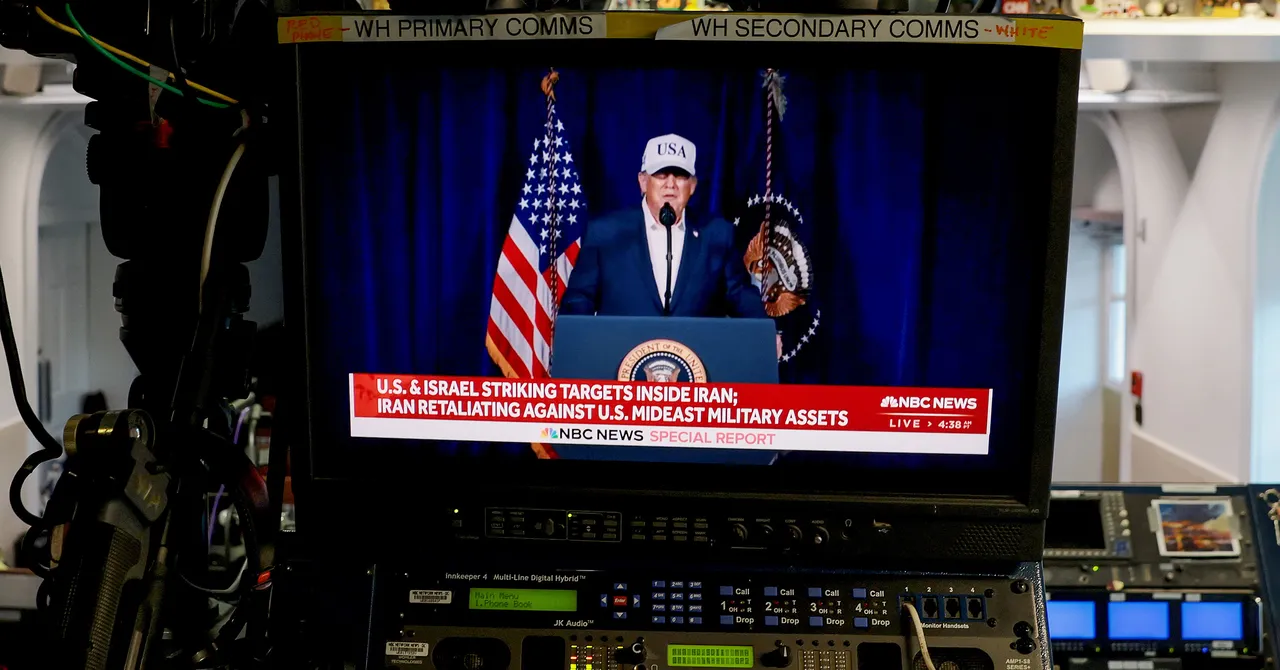
Top 5 Unknowns in Trump’s New Iran Showdown

Cyber Warfare and Geopolitical Disruption: Iran’s Strategic Edge

The landscape of modern conflict is evolving rapidly, driven by groundbreaking innovations in cyber technology that challenge traditional notions of security and sovereignty. Iran, once considered a regional player with limited cyber capabilities, has increasingly demonstrated a knack for exploiting vulnerabilities with calculated sophistication. As Jeff Greene, former assistant director at CISA, points out, Iran is adept at maximizing the impact of its cyber capabilities, making it a serious disruptor in the global arena. From attacks on Wall Street institutions in 2016 to destructive assaults on Saudi Arabia’s Aramco in 2012, Iran has established a track record of destabilizing critical infrastructure, signaling a shift in how state adversaries leverage innovation for geopolitical gain.

The implications for U.S. and allied forces are profound. As Iran’s cyber arsenal grows more sophisticated, its potential to deliver asymmetrical blows—whether through cyberattacks, destabilizing information operations, or even retaliatory cyber espionage—raises questions about future conflict scenarios. The proliferation of AI-enabled hacking tools and autonomous attack vectors means that even lower-scale cyber skirmishes can escalate swiftly, intertwining economic stability with national security. Industry analysts from Gartner and MIT underscore the need for rapid innovation and better threat intelligence to stay ahead of these disruptive tactics, emphasizing that disruption is no longer a matter of if, but when.

Beyond cyber, Iran’s strategic calculus appears to be expanding, linking cyber operations with traditional military and hybrid warfare techniques. The broader geopolitical implications are alarming; recent U.S. military strikes and confrontations suggest a shifting paradigm where conventional and unconventional tactics converge. Defense Secretary Pete Hegseth’s provocative rhetoric—reminiscent of a broader doctrine of ‘F-A-F-O’—signifies a newfound emphasis on demonstrating strength. Yet, Iran’s own historical resilience, shaped by pivotal moments like the 1979 revolution and lasting power struggles, indicates that its response to U.S. actions could involve a complex mix of cyber retaliation, proxy operations, and geopolitical maneuvering. As the post–World War II landscape illustrates, legacy conflicts evolve into long-term paradigms that reshape regional and global order, making the current crisis a mere chapter in a much larger story of upheaval.

Looking ahead, industry leaders, policymakers, and technology innovators must recognize that the intersection of disruptive tech and geopolitical strategy is accelerating at an unprecedented rate. The strategic environment demands not only more advanced cybersecurity defenses but also proactive innovation in AI, quantum computing, and autonomous systems—areas where companies like OpenAI and Boston Dynamics are pushing boundaries. The nature of future conflict is being rewritten in lines of code and cyber flux, with the potential to unleash consequences that could echo through global markets and political stability for decades to come. The urgency is clear: to prevent disaster, the world must accelerate its innovation cycle and recognize that today’s cyber and military disruptions are merely the vanguard of a new era—an era where technology and geopolitics are inextricably linked, demanding vigilance, agility, and relentless pursuit of what’s next.

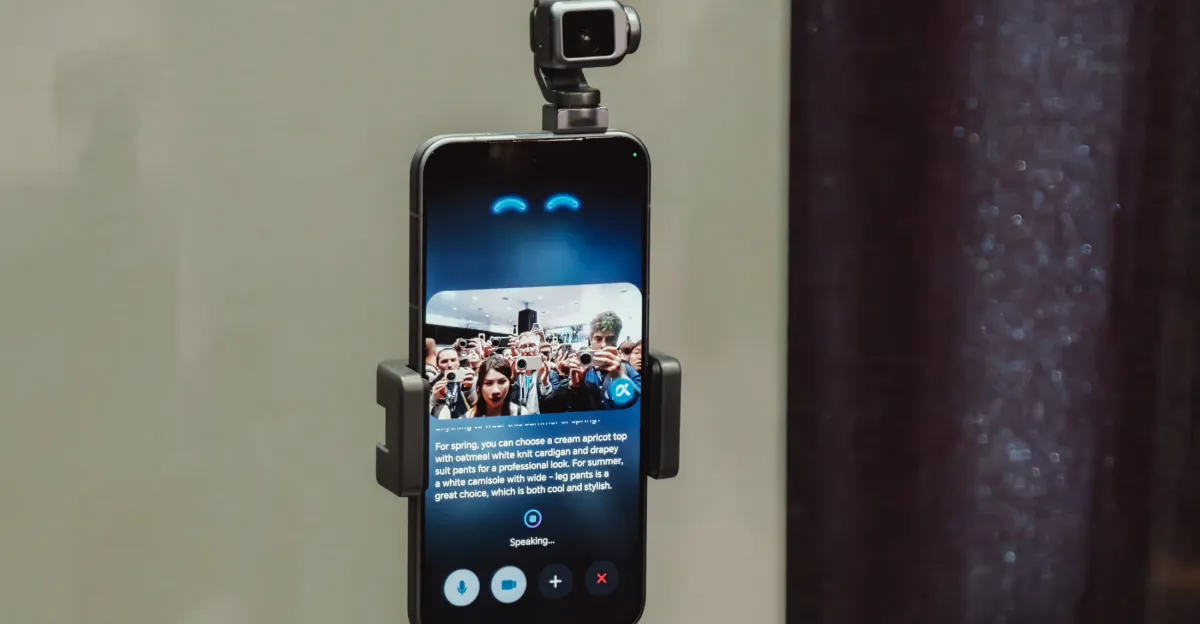
Honor’s Robot Phone is dropping later this year — tech just got even cooler for the next-gen.

Honor Unveils Robot Phone and humanoid robots at MWC 2026: A Disruptive Leap in Tech Innovation

The Mobile World Congress 2026 in Barcelona marked a significant milestone as Honor announced and demonstrated its pioneering efforts in robotics and mobile technology with the debut of the so-called Robot Phone. While details remain scant, the showcased device signifies a bold step toward integrating advanced AI and robotics into consumer electronics, signaling a potential shift in how technology interacts with everyday users. The demonstration featured a working prototype capable of holding AI-enabled conversations, movably folding back, and mimicking human gestures—hallmarks of disruptive innovation aimed at positioning Honor firmly in the forefront of next-generation device development.

During the event, Honor also exhibited a humanoid robot, which impressed spectators with its agility, including dance routines and backflips—albeit with some ambiguity about whether the robot was remotely teleoperated or acting autonomously. Demonstrations of the robot haltingly waving and shaking hands hinted at rapid advancements in robotics behavior, but also highlighted lingering questions about the maturity and reliability of such machines in real-world applications. This dual showcase underscores a broader industry trend toward integrating autonomous robotics into consumer platforms, promising to redefine service, security, and entertainment sectors. Notably, Honor’s willingness to reveal these prototypes signals an industry-wide pivot toward robotics as a core strategic area, with the potential to challenge incumbent tech giants entrenched in mobile and AI markets.

Market analysts and industry leaders, including Gartner and MIT researchers, underscore the business implications of these developments. The convergence of AI-enabled smartphones and humanoid robotics is poised to accelerate the disruption of traditional industries, from customer support to personal assistants. Honor’s pivot into robotics — coupled with the planned release of the Robot Phone expected in China later this year — exemplifies how innovative companies are leveraging rapid technological advances to carve out unique market niches. This strategic move could catalyze a new era of integrated AI ecosystems, where devices are not just tools but partners capable of complex interactions and autonomous functions.

As the industry hurtles toward this future, stakeholders face the dual challenge of harnessing the immense potential of robotics and AI while managing the risks associated with interoperability, safety, and ethical deployment. Experts like Elon Musk and Peter Thiel emphasize that the coming decade will be pivotal; failure to adapt quickly to the disruptive wave of AI and robotics could render current market leaders obsolete. With Honor’s latest prototypes nudging the boundaries of what’s technologically feasible, it is clear that the race for control of this new frontier is intensifying. The urgency for established corporations and startups alike to innovate at breakneck speed has never been greater. The industry’s trajectory suggests that those who lead in AI-powered robotics and ubiquitous intelligent devices will dominate the next wave of global tech dominance, making the immediate future one of unparalleled opportunity and strategic risk. The clock is ticking — the future belongs to the bold, the innovative, and those willing to disrupt.”

X Faces a Surge in Disinfo After U.S. and Israeli Strikes on Iran

Disinformation and Digital Warfare: The New Frontier of Geopolitical Disruption

The recent escalation between the United States, Israel, and Iran underscores a new era where technological innovation amplifies geopolitical conflicts, transforming both information dissemination and strategic dominance. As disruptive digital platforms become battlegrounds for truth and influence, the implications for business, security, and public perception are profound. Companies like X (formerly Twitter), under the stewardship of Elon Musk, are increasingly vectors for both real-time information and disinformation, blurring the lines between fact and falsehood, with tangible global consequences.

During this volatile period, the platform has been flooded with claims—many false—regarding the scope and scale of military actions. A trend identified by industry analysts indicates that *almost all viral disinformation* during recent conflicts originates from verified accounts behind high-profile subscriptions. These ‘blue check’ accounts, often incentivized by monetization models based on engagement, have inadvertently or deliberately amplified false narratives. This scenario typifies a broader shift in digital influence markets, where *accuracy is sacrificed for virality*, severely undermining public trust and strategic stability.

From a business perspective, the **disruption** extends beyond misinformation. AI-generated imagery, as flagged recently by independent intelligence analysts, is being used to craft convincingly false but highly impactful content—such as fabricated images of destroyed radar systems or missile strikes—posing new threats to cybersecurity protocols and market stability. As Gartner highlights, *the capacity for AI to create deepfakes and false narratives accelerates the speed at which misinformation can influence investor sentiment and geopolitical power balances*. Companies that can develop advanced verification technologies or AI-driven authenticity checks will ‘own’ the future of trustworthy digital engagement, creating substantial business opportunities amid these challenges.

The emerging landscape demands a forward-looking approach rooted in disruption-driven innovation. Institutions like MIT are advancing research on AI and blockchain-based verification systems to combat the proliferation of false content. Meanwhile, influential figures like Peter Thiel warn that failing to address these issues could lead to a breakdown in informational sovereignty, with nations, corporations, and citizens becoming pervasively vulnerable to manipulation. The strategic takeaway is that **control over digital narratives** has become as vital as military or economic strength in shaping global outcomes**. The urgency is clear: develop resilient, transparent, and innovative tech solutions now—or risk losing credibility and strategic advantage in an epoch where information warfare defines victory.

In summation, the convergence of technological disruption and geopolitical conflict signals a paradigm shift with significant business and security implications. As **AI, misinformation, and social media platforms** intertwine to influence global events, the call to action for innovators, policymakers, and entrepreneurs is to harness cutting-edge solutions that safeguard truth and foster strategic stability. The window for proactive innovation is closing fast. The future belongs to those who can master the digital battlefield not just with weapons, but with relentless ingenuity in information integrity and technological resilience. In this high-stakes arena, time is of the essence—disruption is inevitable, but control over the narrative remains within reach for the technologically prepared.

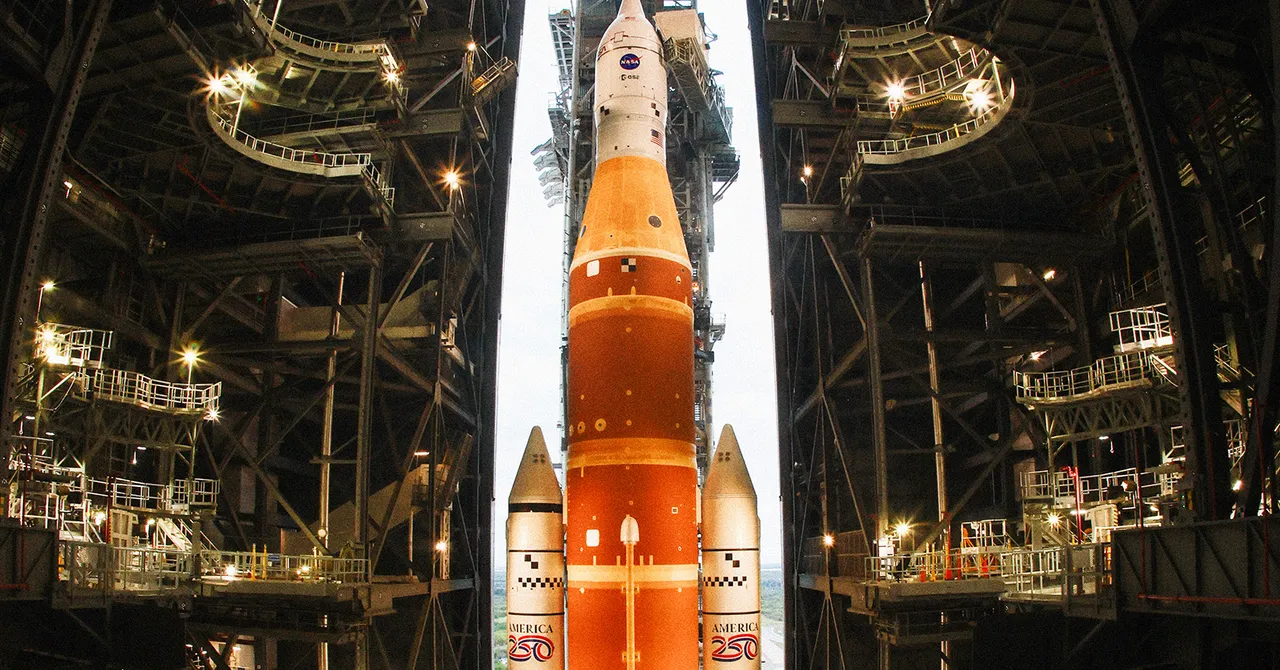
NASA pushes ahead with bold tweaks to turbocharge Artemis launch

In a clear signal that innovation and disruption continue to reshape aerospace ambitions, NASA is recalibrating its Artemis program with a newfound focus on reliability, cost-efficiency, and phased approach. After repeated delays—stemming from persistent hydrogen and helium leaks—as well as the inherent risks of launching advanced hardware infrequently, agency officials are pushing for a transformation that could reset the US’s lunar ambitions. The core strategy now emphasizes standardizing the SLS (Space Launch System) to a single configuration, aiming to launch approximately every 10 months—an aggressive timeline compared with previous iterations.

This move towards regularized, high-frequency launches reflects an underlying industry shift towards more predictable and scalable space operations. Industry insiders, including leading analysts at Gartner and institutions like MIT, recognize that such standardization could be a game-changer—not only enhancing safety and reducing costs but also disrupting the traditional space launch market. By prioritizing reliability over continual configuration tweaks, NASA aims to foster an ecosystem where commercial entities can soon step into the void, launching crews to lunar surfaces with unmatched precision and frequency. As congressional leaders are briefed on these initiatives, major contractors like Boeing remain cautiously supportive, acknowledging the need for an accelerated schedule that will test their supply chains and engineering capabilities.

Significantly, the program’s renewed approach echoes the philosophical lessons of the historic Apollo missions—returning to a phased, step-by-step timeline before achieving a lunar landing. “Skipping intermediate steps,” as some industry veterans warn, introduces a level of risk and complexity that could jeopardize long-term goals. The plan underlines that the jump from Artemis II’s lunar flyby directly to Artemis III’s landing is too ambitious without thorough groundwork. As Elon Musk and Peter Thiel have long advocated, disruptive innovation in space requires robust incremental milestones—precisely what NASA’s new strategy aims to institutionalize.

Looking ahead, the implications are profound. The industry’s future depends on a nimble, resilient launch architecture, where technological innovation is paired with strategic planning. Companies like SpaceX and Blue Origin are exploiting these institutional shifts with groundbreaking developments—ranging from reusable rockets to artificial intelligence-driven mission planning—that could upend NASA’s current trajectory. With the space race intensifying and global powers investing heavily in lunar and Martian ambitions, timing is everything. The coming months will be crucial as NASA’s bold, standardized approach matures into a blueprint that might define the next era of human space exploration—one driven by disruptive innovation, strategic disruption, and a relentless pursuit of expeditionary excellence.

Top 14 Travel Toiletry Bags for Young Adventurers: Tested & Trusted for 2026

Revolutionizing Travel Gear: The Future of Business Innovation in Personal Accessories

The world of travel accessories, historically characterized by simple, utilitarian designs, is undergoing a profound shift driven by cutting-edge materials and disruptive manufacturing techniques. Industry leaders such as Monos, Beis, and Aer are spearheading a competitive race to redefine what consumers expect from everyday travel essentials. In an era where innovation is no longer ancillary but fundamental, these brands are leveraging new fabric technologies, sophisticated construction, and strategic design to both elevate their market position and challenge established giants.

For instance, Monos’ Metro Toiletry Case exemplifies material innovation by incorporating ultra-durable vegan leather that balances resilience with lightweight portability. Its structured yet flexible design exemplifies disruption in product form factor—melding protection with packability—a paradigm shift recognized by analysts from Gartner and notable brands like Apple in embracing form-meets-function. Meanwhile, Beis’ Dopp kit exemplifies the application of advanced manufacturing processes such as seamless water-resistant compartments, raising the bar for durability and ease of cleaning—an essential for the burgeoning clean and sustainable travel trend.

Beyond material innovation, the integration of smart features signifies an industry-wide pivot towards business disruption. Brands like Tumi with their Alpha Bravo Response Kit embed tech integrations such as antimicrobial linings and tracking capabilities, setting a new standard in security and hygiene—key concerns for millennial and Gen Z consumers. Such features not only heighten user convenience but also create new revenue streams, as companies explore subscription-based models for accessories and complementary services, mimicking successful tech giants operating at the intersection of hardware and software.

Industry-Wide Impacts and Market Shifts

According to recent industry reports, the market for premium travel accessories is projected to grow at a CAGR of 8-10% over the next five years, spurred by disruption in traditional supply chains and consumer demand for innovation-driven products. This industry shift threatens legacy brands that rely on outdated manufacturing and minimal feature differentiation, while favoring those that embrace disruption and technological integration. Notably, startups adopting sustainable materials and digital diagnostics are already experiencing rapid growth, echoing strategies recommended by Peter Thiel’s insights regarding first-mover advantages in technology markets.

Furthermore, industry consolidation is gradually giving way to an ecosystem of niche, agile brands that focus intensely on innovation and customer engagement. The rise of manufacturers utilizing AI-driven design and advanced composites signifies a potential paradigm shift, reminiscent of Industry 4.0 trends transforming manufacturing sectors across the board. For consumers, this translates to more personalized, durable, and tech-enabled products, driving expectations that modern products must serve both form and function in a disruptive manner unparalleled in previous decades.

The Dynamic Outlook and Urgency for Innovation

As the boundaries of material science and digital integration continue to blur, the future of travel gear appears inexorably linked with business innovation and technological disruption. Industry leaders and startups alike face the imperative of staying ahead by investing in R&D, embracing sustainable practices, and deploying next-generation manufacturing processes. With big tech convergence on the horizon—such as AI-powered design tools and blockchain-enabled supply chains—the push for disruption should be accelerating, not stagnating.

The ongoing evolution in travel accessories serves as a mirror to the broader landscape of technological disruption affecting every sector. As Elon Musk and Peter Thiel have emphasized, those who leverage innovation and act swiftly will not only redefine market standards but also seize the exhilarating economic opportunities of the next frontier. The message is clear: disruption is no longer optional; it is the only way forward in an ever-accelerating technological race. The companies that recognize and adapt to this reality today will be the industry titans of tomorrow, shaping the future of consumer technology and global commerce.

Social Media Auto Publish Powered By : XYZScripts.com