Matox News

Truth Over Trends, always!

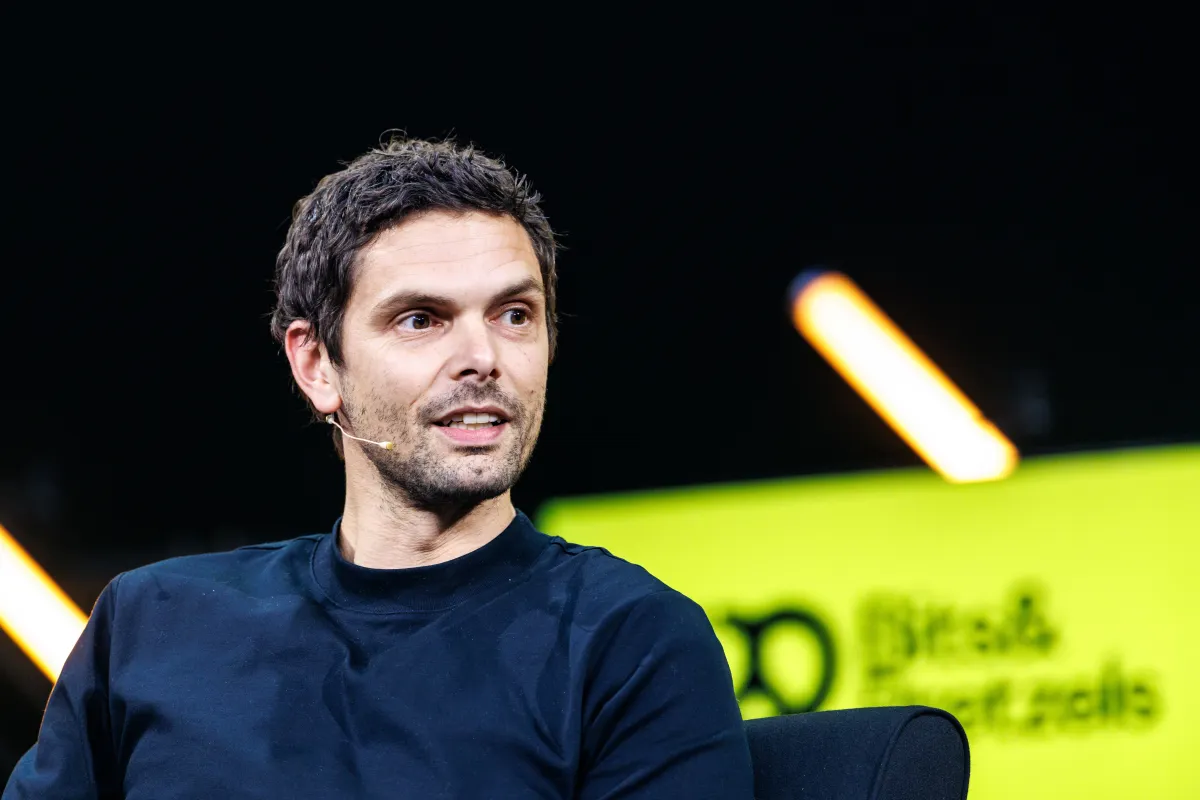
Antonio Gracias rallies for ‘proentropic’ startups—designed to thrive in chaos

Emerging Paradigms in AI-Driven Disruption: The Rise of Proentropic Startups

As the artificial intelligence revolution accelerates, a new term is gaining prominence among forward-thinking investors and entrepreneurs: proentropic. Coined by Antonio Gracias, founder of Valor Equity Partners, the term describes startups that not only survive but thrive amid chaos and disruption. Rooted in physics—where entropy reflects disorder—proentropic businesses are designed to adapt and capitalize on the unpredictable shifts fueled by geopolitical upheaval, climate volatility, and rapid technological change.

Gracias articulated this concept during his keynote at the Upfront Summit in Los Angeles, emphasizing that these companies possess a probabilistic mindset—one that anticipates edge cases and embraces uncertainty. Companies like SpaceX exemplify this approach, strategically positioning themselves to navigate an increasingly turbulent global landscape. As technological ecosystems become more interconnected, this mindset is provocatively disrupting traditional market models, forcing established firms to rethink agility as fundamental to long-term survival.

Innovation and Disruption in the Age of Chaos

The shift toward chaos-enabled innovation is fueling a wave of groundbreaking developments across sectors. Tesla, for example, shows how integrating software and hardware with minimal compute resources can yield extraordinary results—an approach Gracias advocates for. According to industry analysts like Gartner, the next wave of technological disruption will be driven by AI, hardware convergence, and decentralized innovation platforms. This convergence means that startups leveraging low-code/no-code tools could democratize entrepreneurship, unleashing unprecedented productivity and market dynamism.

Moreover, Gracias highlights a fundamental shift in macroeconomic strategy—one rooted in moral courage, where businesses must operate with a clear vision of building a better, resilient future. This outlook challenges the narrative that AI spells doom for jobs or social stability; instead, he advocates for leveraging AI’s potential to foster societal advancement. As pioneers like Elon Musk and institutions like MIT emphasize, innovation at the intersection of climate, energy, and hardware will be central to this new paradigm, providing both disruptive opportunities and formidable challenges.

Business Implications and the Future Outlook

  • Investors are increasingly seeking firms that embody proentropic principles, focusing on resilience, adaptability, and probabilistic thinking.
  • The rise of low-code/no-code platforms promises to revolutionize startup ecosystems, reducing barriers to innovation and leveling the competitive landscape.
  • Technological and geopolitical unpredictability is prompting a fundamental reevaluation of risk management, urging companies to develop dynamic, edge-aware strategies.

Looking ahead, the trajectory suggests we stand at a crossroads—where the difference between utopia and dystopia hinges on our capacity to harness AI’s disruptive power responsibly. The urgency is palpable: as Gracias notes, the coming decade will test whether businesses and society can adapt proactively or succumb to disorder. Disruptive innovation will not just be a feature of the future; it will be the defining principle shaping how economies, societies, and power structures evolve. The clock is ticking, and those who understand and embrace the principles of the proentropic era will lead the charge into a new age of technological sovereignty and resilience.
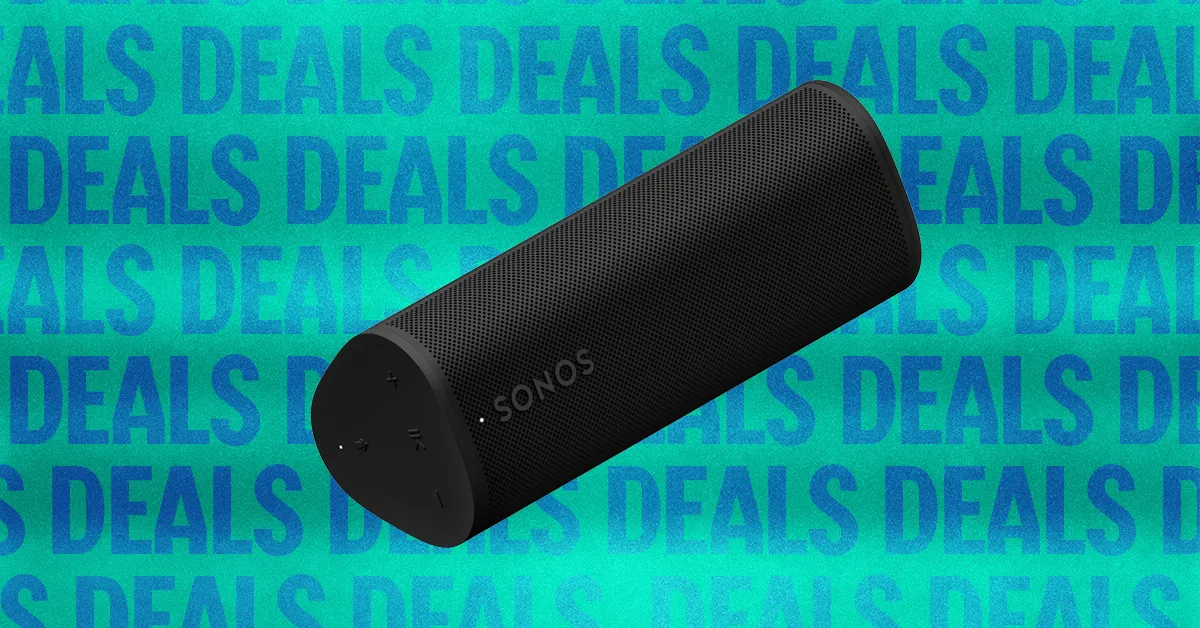

Top 15 Amazon Spring Tech Deals Worth Your Shot — We Verified the Prices (2026)

Market Disruptions and Industry Shifts During Extended Tech Sales Wave

In an era characterized by rapid innovation and relentless competition, the recent phenomenon of an almost week-long sales event—allegedly saturated with deceptive “deals”—has sparked significant debate within the technology sector. Experts analyzing this trend emphasize that such prolonged promotional activities, often masking superficial discounts, threaten to distort the competitive landscape. The proliferation of these misleading deals underscores a pressing industry need for transparency and authenticity, particularly as consumers become increasingly savvy and discerning. The impact is profound: genuine innovation risks being overshadowed by marketing hype designed to create artificial demand.

Major players such as Amazon and Best Buy have intensified their promotional calendars, but reports indicate that many offers during this extended sales period are fabricated or heavily inflated. Tech enthusiasts and analysts, including those from Gartner and MIT’s Sloan School of Management, warn that this practice could lead to a “race to the bottom” on price competitiveness, where brands prioritize short-term consumer engagement over meaningful product differentiation. Meanwhile, the tech industry’s overarching challenge remains innovation—delivering groundbreaking products that redefine user experience and technological capabilities—not simply employing aggressive discounts to maintain market share.

Despite the criticism, some market insiders see an opportunity for disruption. Elon Musk and other industry visionaries argue that these sales events reveal the underlying fragility of current e-commerce practices—often heavily dependent on marketing gimmicks rather than true product value. The focus on superficial deals risks diverting consumer attention from the real advancements of next-generation technologies, such as artificial intelligence, quantum computing, and interconnected platforms. As industry leaders like Google and Apple accelerate their innovation pipelines, the ability to stand out will increasingly depend on transparency, product integrity, and sustained R&D investment—rather than artificially inflated discounts.

The business implications are clear: the market is at a crossroads. Companies that can differentiate themselves through genuine innovation and reliable customer value are poised to gain a competitive edge. According to research from Gartner, firms investing heavily in emerging technologies such as autonomous systems and IoT are likely to disrupt traditional retail models, which have become vulnerable to practices that prioritize short-term sales at the expense of long-term brand trust. The ongoing proliferation of misleading sales tactics risks eroding consumer confidence—a critical asset in the age of digital transparency.

Looking ahead, the industry faces an urgent imperative: to redefine what constitutes authentic value in a marketplace increasingly flooded with noise. As technology accelerates exponentially, so too must the standards for what constitutes market disruption. The winners will be those who prioritize genuine innovation, leverage cutting-edge narratives, and foster consumer trust—reinforcing the old adage that not all that glitters is gold. The next wave of technological breakthroughs—ranging from AI-driven automation to sustainable computing—will be the true catalysts for market evolution. In this climate, complacency is not an option; the future belongs to companies ready to innovate beyond superficial sales tricks and deliver transformative value.

Aether OS: The Browser-Based Computer Powering the AT Protocol for Future-Forward Tech Enthusiasts

In a bold move showcasing disruption in the digital workspace, Aether OS is redefining the boundaries of how users interact with cloud-based desktops. Utilizing the cutting-edge AT Protocol, Aether OS seamlessly links to Bluesky accounts and promotes a decentralized social ecosystem, indicative of a broader shift toward user-controlled data sovereignty. This development signals a significant departure from traditional, siloed computing, emphasizing user empowerment through open protocols and distributed networks.

At the heart of Aether OS is its comprehensive suite of 42 applications—ranging from text editors and task managers to social media tools—crafted entirely within a browser environment. The platform’s design, inspired by cyberpunk aesthetics reminiscent of The Matrix, showcases a forward-thinking approach to digital identity and personalization. Notably, features like embedded audio trackers, digital audio workstations (DAWs), and video editors highlight the convergence of creative tools into a unified, accessible virtual desktop. According to industry analysts, such integration in a web-based platform accelerates the democratization of creative workflows, empowering youth and professionals alike to innovate without the constraints of hardware limitations.

However, as an alpha project, Aether OS currently faces considerable challenges. Its documentation is sparse, and the platform’s stability leaves much to be desired—early adopters report encountering bugs and usability issues. Importantly, security remains an open concern: since nothing is encrypted or permissioned, user privacy is vulnerable, with all data being publicly accessible. Experts caution that in its present form, Aether OS underscores the need for robust security frameworks to rival traditional desktop environments before it can truly disrupt established norms.

The implications for businesses and the broader industry are profound. As cloud computing advocates like Gartner emphasize, the future will belong to platforms that prioritize decentralization, user control, and interoperability. Innovators such as Elon Musk and Peter Thiel have long championed models that challenge conventional tech giants, and Aether OS exemplifies this ideology by fostering a disruptive ecosystem driven by open standards and community participation. The seamless integration with public records and social profiles suggests new opportunities for decentralized social networks and digital identities, which could reshape the landscape of online engagement and commerce.

Looking ahead, the trajectory points toward an era where browser-based desktops powered by open protocols become the norm for creative professionals, entrepreneurs, and digital natives. As the ecosystem matures, expect to see rapid innovation, with features like enhanced security, richer developer tools, and broad industry adoption. The sense of urgency is clear: delaying adaptation risks falling behind in a race where technological leadership and user-centric design are paramount. For those aiming to lead in tomorrow’s digital economy, understanding and engaging with developments like Aether OS will be essential—while the clock on innovation continues to tick, the window to shape the future narrows.

New at-Home Hair Growth Tech Gets a Price Drop—Level Up Your Look!

Revolutionizing Hair Restoration: iRestore Elite Helmet + Battery Sparks Industry Disruption

In a groundbreaking move that underscores the relentless pace of innovation, iRestore has announced a limited-time sale on its flagship product, the Elite Helmet + Battery. Priced at $1,879 after a $419 discount, this device exemplifies the convergence of health technology and consumer electronics, targeting a substantial market of individuals facing hair thinning and loss. Unlike traditional approaches, this helmet leverages cutting-edge phototherapy, backed by scientific validation, to stimulate hair regrowth without invasive procedures. The inclusion of a rechargeable battery, offering a two-week life cycle between charges, exemplifies the shift toward greater convenience—making high-tech wellness solutions intrinsically more adaptable to modern lifestyles.

Disruption in Hair Loss Solutions and Market Implications

Historically, hair restoration has been dominated by surgical procedures or topical medications that often come with drawbacks such as cost, invasiveness, or inconsistent results. However, the advent of at-home phototherapy devices like the iRestore Elite signals a paradigm shift towards accessible, evidence-based, and disruptive personal care solutions. This device’s features, including its technologically advanced LED therapy, position it as a direct challenger to both clinics and pharmaceuticals, with a clear emphasis on disruption of traditional business models. Financial analysts suggest that the company’s strategic pricing, coupled with positive clinical feedback, could catalyze a rapid industry-wide evolution, compelling established players to innovate or concede market share.

  • Features include hands-free operation, cordless convenience, and proven efficacy within weeks of consistent use
  • Potential to disrupt traditional hair clinics, reducing costs for consumers and reshaping industry standards
  • Market shift towards personalized, non-invasive health tech aligning with consumer demand for convenience and innovation

Notably, Julia Forbes, a Wired reviewer, tested the device extensively, confirming results that included new hair growth and scalp health improvements within just two weeks. Such testimonials, alongside endorsements from scientific institutions, are reinforcing the credibility of at-home phototherapy, challenging the monopoly held by costly clinical procedures. Industry experts like Gartner analysts and MIT researchers underscore that these technologies exemplify the broader trend of disruption and democratization within healthcare and wellness markets.

Business Outlook and Future Trajectory

The iRestore launch is emblematic of the increasing convergence of consumer electronics and healthcare—an intersection poised to redefine industry standards. As Elon Musk and Peter Thiel have long advocated, innovation that democratizes access while maintaining efficacy can create new markets and render obsolete outdated models. The increasingly competitive landscape calls for established players to accelerate digital transformation, focusing on affordability and user-centric designs. The potential of such devices extends beyond hair regrowth, hinting at a future where AI-driven, personalized wellness solutions become commonplace, providing consumers with unprecedented control over their health and appearance.

In conclusion, the **disruption driven by devices like the iRestore Elite** reflects a broader industry trend: technology is poised to fundamentally alter business paradigms, making health and beauty solutions more accessible and less invasive. The promising early results and evolving market preferences suggest that the industry is only at the cusp of a future defined by relentless innovation, increased competition, and significant consumer empowerment. For investors, entrepreneurs, and consumers alike, the message is clear: the next wave of personal health technology is here, and it is set to accelerate rapidly. Immediate attention and strategic action are essential to stay ahead in this fast-evolving landscape.

Drop Needles, Grab Pi: Simple Hack to Approximate the Constant

Pi Day Highlights Disruption and Innovation in the Tech Industry

As tech enthusiasts worldwide celebrate Pi Day on March 14, the appreciation for this irrational, infinite decimal number transcends mathematics, inspiring breakthroughs in industry and business. Pi, originally a fundamental geometric constant, now symbolizes the limitless potential of technological innovation and the relentless pursuit of disruptive advantages. From aerospace navigation to quantum mechanics, the versatile applications of pi exemplify an era driven by breakthroughs that challenge conventional limits.

In the realm of technological innovation, emerging methods for approximating pi—such as oscillating masses and probability-based experiments like Buffon’s needle—illustrate an intriguing convergence between classic mathematics and modern disruptive technology. Leading researchers and institutions like MIT and Gartner emphasize that the capacity to develop novel algorithms and simulation techniques accelerates not only scientific discovery but also transforms business models. Industry leaders such as Google and Microsoft leverage AI-driven calculations of constants like pi for optimizing complex systems, from climate modeling to autonomous vehicles, illustrating how foundational mathematics underpins future-forward solutions.

This relentless pursuit of precision and understanding portends profound industry implications. Disruptive technologies such as quantum computing are beginning to leverage these mathematical principles to leapfrog existing computational barriers. As Elon Musk and Peter Thiel push the boundaries of what’s achievable—be it through Tesla‘s AI or Palantir‘s data analytics—an understanding of pi’s infinite complexity underscores the importance of embracing asymptotic growth and exponential progress. The capacity to calculate pi to trillions of decimal places exemplifies how digital and quantum innovations are revolutionizing the precision landscape, making once-impossible tasks now routine.

Moreover, the industry’s momentum indicates a broader shift: the game is no longer about incremental improvements but about disrupting entire sectors with new algorithms that challenge traditional paradigms. For startups and established giants alike, embracing this wave of disruption involves mastering cutting-edge techniques—be it in AI, quantum physics, or advanced simulations—driven by an insatiable quest for ultimate accuracy and operational efficiency. As firms race to harness these tools, a future where computational limits are continually shattered becomes imminent, demanding a sense of urgency and proactive adaptation in tech development. Forward-looking observers must recognize that the pace of change is accelerating, and the window to capitalize on these breakthroughs may be fleeting.

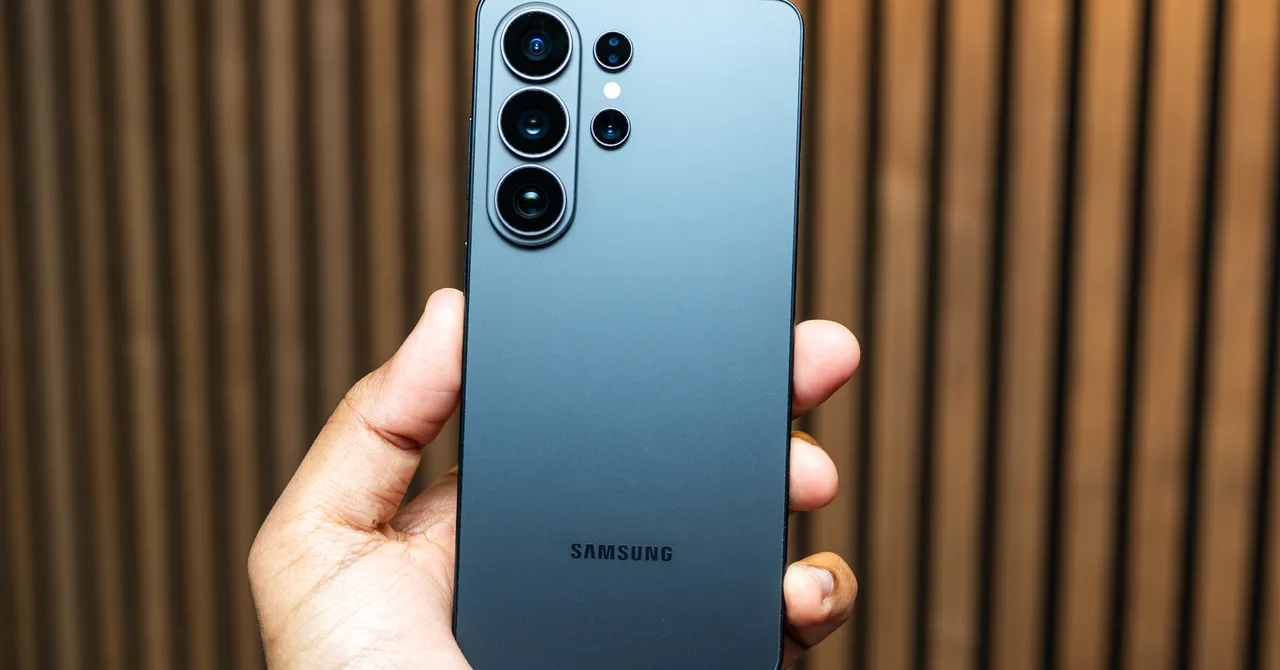
Samsung Galaxy S26 Ultra: The Future of Privacy Screens for the Next Gen

Samsung’s Privacy Display: A Disruptive Innovation in Mobile Security

In a move highlighting the ongoing revolution in mobile device privacy, Samsung has introduced an integrated Privacy Display feature that promises to redefine user security and disrupt conventional smartphone design. Unlike traditional privacy filters or static screen protectors, Samsung’s solution leverages software and hardware synergy, providing users with dynamic control over their screen visibility. This innovation is emblematic of the broader industry shift toward user-centric privacy features, a trend underscored by market analysts who stress the importance of privacy in consumer decision-making. Such features could place Samsung ahead of rivals and redefine standards for privacy in the mobile industry.

The Privacy Display offers customizable activation tied directly to select messaging, banking apps, and notifications. When enabled, the screen dims significantly from side angles, thwarting prying eyes without compromising overall usability. For maximum protection, users can activate a “Max Privacy Protection” mode, rendering the screen virtually unreadable from side views—perfect for sensitive transactions or private conversations. Interestingly, unlike traditional privacy screen protectors, Samsung’s approach doesn’t block the user’s own view but instead manipulates the display’s brightness and opacity, allowing for versatile privacy management. While some critics have voiced concerns about possible impact on display quality, early reports suggest that, when configured correctly—such as setting high-resolution displays—these issues are minimal. This demonstrates Samsung’s focus on combining innovation with user experience, setting a new benchmark for mobile privacy solutions.

From a business perspective, Samsung’s integrated Privacy Display represents a significant disruption in the smartphone security landscape. Industry giants like Apple have historically relied on hardware-based privacy measures, but Samsung’s software-driven approach may offer a more intuitive, adaptable alternative—potentially influencing competitors and forcing widespread industry adoption. Tech analyst firms such as Gartner note that privacy features increasingly drive consumer choices, with privacy-centric innovations fueling brand loyalty. This move also links to larger trends in the tech ecosystem, where privacy isn’t just a feature but a core component of product differentiation and user trust—an imperative in an era dominated by data breaches and surveillance concerns. As Fortune 500 companies pivot towards privacy-first policies, Samsung’s strategy signals a potent shift where privacy becomes a competitive advantage rather than an afterthought.

The implications extend beyond user experience and brand positioning. As industry leaders deploy these innovations, we can expect a ripple effect—pushing competitors to develop their own disruptive privacy technologies and reshape the mobile security market. With an increasing number of users demanding control over their personal data, the market for advanced privacy solutions is poised to grow exponentially. Forward-looking experts like Elon Musk and tech entrepreneurs like Peter Thiel emphasize that the next wave of disruption will come from startups and established giants alike, leveraging AI, biometric security, and flexible privacy controls to redefine trust. Samsung’s latest move underscores the urgency for companies to innovate swiftly or risk becoming obsolete in an increasingly privacy-conscious marketplace.

Smart Tips for Buying Used & Refurbished Gear in 2026

Revolution in Tech: The Rise and Disruption of Refurbished Electronics

In an era marked by true innovation and disruptive market shifts, the refurbished electronics industry is emerging as a vital force reshaping consumer habits and global supply chains. As the demand for high-quality, yet affordable devices intensifies, companies like Apple and Dell are leading the charge by certifying and offering robust warranties on their refurb products, sweeping aside traditional notions of secondhand tech being inherently inferior.

This burgeoning segment signifies a paradigm shift in sustainability and consumer empowerment. Industry analysts from Gartner highlight that the market for refurbished tech is projected to grow significantly over the next decade, driven by consumer desires to access premium devices at a fraction of the original cost. Larger firms are leveraging innovation in testing and repair technology, streamlining refurbishment processes, and integrating stricter quality controls—factors that disrupt established goods’ lifecycle management and challenge new-device dominance. Such shifts are not only eco-conscious but also represent a strategic divergence from heavy reliance on frequent new product launches, offering a more resilient and economically sustainable model for business.

More importantly, the business implications extend far beyond consumer savings. The push toward certified refurbishment channels and warranty-backed products could radically alter supply chain dynamics, fostering a secondary market that reduces e-waste and extends the lifespan of existing devices. Industry experts like Elon Musk and Peter Thiel have publicly emphasized the importance of disruption in hardware sustainment and reuse, promising a future where technology’s environmental footprint is minimized while maximizing the economic return for manufacturers and consumers alike. As these pioneers advocate for a new breed of ‘circular economy’ models, the tech industry faces pressing urgency to innovate or risk losing market relevance.

Moving forward, stakeholders—ranging from manufacturers to consumers—must prioritize rigorous testing, transparent grading systems, and robust warranties to capitalize on this shift. The strategy involves not only embracing innovation in refurbishment but also rethinking how value is generated in the tech ecosystem. With industry giants advancing aggressive certification standards, and the market for premium, certified pre-owned devices expected to expand, the industry stands on the cusp of a transformative epoch. The question remains: will today’s tech giants adapt quickly enough or fall behind in a fiercely competitive and environmentally conscious market? With the pace of technological evolution accelerating, those who act decisively will shape the future landscape, where innovation, sustainability, and disruption become the new pillars of success.

Your Guide to Dominating Vegas Business in 2026

Vegas Leads the Charge in Innovation and Disruption Across Food, Beverage, and Culture

Las Vegas continues to redefine its position as a global hub of industry disruption and innovation, setting new standards that command the attention of entrepreneurs and investors worldwide. The city’s thriving restaurant scene exemplifies this, with publicus and Tamba leading a culinary revolution by embracing borderless fusion cuisine and raw artistry that reshapes traditional dining paradigms. With a focus on incorporating state-of-the-art cooking techniques—from live-fire grilling to avant-garde raw bars—Vegas exemplifies a market aggressively adapting to consumer demand for experiential luxury and originality.

Beyond just food, the city’s beverage landscape is experiencing a comparable upheaval. Nocturno and The Bellagio’s speakeasy demonstrate a commitment to craft mixology at a super-premium level, pushing the envelope with rare spirits and vintage wines. Such establishments reflect a broader trend: Vegas is transforming into an epicenter of exclusive drinking experiences, catering to a new generation of connoisseurs who seek authenticity with an edge. Recognized industry experts like Mariena Mercer Boarini and Luis “Lu” Lopez underscore how Vegas’s rapid innovation is fueling a business model centered on ultra-personalized luxury and cutting-edge mixology.

Disruptive Innovation in Culture and Arts

Vegas’s artistic scene is also experiencing a renaissance, driven by venues like The Neon Museum and Meow Wolf’s Omega Mart, which challenge conventional notions of cultural experience. These initiatives embody a disruptive approach to arts and culture—blurring traditional boundaries between high art and pop culture—thus transforming Vegas into a nexus for creative experimentation and investment. Institutions such as Regis Galerie and Eden Gallery demonstrate how high-end art is augmenting the city’s entertainment ecosystem, attracting a young, affluent audience hungry for memorable, immersive experiences.

The implications for business are substantial: Los Vegas’s innovative model is a blueprint for other emerging entertainment economies. The city’s focus on combining luxury gastronomy, art, and nightlife under a seamless experience is creating a virtuous cycle of investment and innovation. As analyst reports from Gartner suggest, such integrated cultural-business ecosystems are poised to dominate the next wave of global urban development, where market disruption will no longer be an exception but the rule.

The Future is Now—A Call for Bold Investment

In this landscape of relentless innovation, tech entrepreneurs and capital pools are well-advised to watch Vegas as the early indicator of broader industry shifts. From cutting-edge culinary methods to immersive cultural venues, the city exemplifies a disruption-driven economy that demands agility, foresight, and bold investment. Figures like Elon Musk and Peter Thiel have long championed the importance of anticipating these seismic shifts. Vegas’s example underscores that the future of industry leadership will favor those who innovate faster and think bigger.

As we look ahead, this relentless march of disruption signals that the window for traditional players to adapt is closing. Capitalizing on Vegas’s innovations could set a precedent for other cities aiming to compete in a transformed global economy. For young entrepreneurs and investors, the call is clear: get involved now or risk getting left behind in the dust of tomorrow’s winners. The convergence of technology, culinary, and cultural innovation in Vegas signals a future where disruption is not just inevitable, it is the new normal.

Dreo’s Spring Sale: Top Deals on Air Fryers, Heaters, Fans for the Next Generation

Innovation in the Kitchen: Dreo Unveils the Game-Changing Chefmaker Combi Fryer

In a landscape dominated by traditional appliances, disruptive innovations are redefining culinary technology. Recently, Dreo introduced the Chefmaker Combi Fryer, a device that transcends the conventional air fryer to encompass multiple functionalities—from precision meat cooking to steaming and app-controlled roasting. This development underscores a broader industry shift: the convergence of smart technology, disruption of established cooking paradigms, and the quest for convenience, precision, and quality in modern kitchens.

The Chefmaker Combi Fryer exemplifies technological innovation with its robust feature set. According to industry assessments, it offers guided, probe-assisted cooking ideal for steaks, chops, and roasts, alongside steam functions to preserve moisture on large cuts of meat. This combination drastically disrupts traditional cookware competition, positioning itself as a comprehensive solution for both amateur and professional chefs. Analysts from Gartner and industry futurists like Elon Musk underscore that this kind of multi-functional device facilitates business disruption, challenging manufacturers of standalone appliances and igniting a competitive push toward intelligent, integrated kitchen equipment.

Beyond mere innovation, the device embodies a business model shift driven by consumer appetite for smarter, more efficient products. The current market trend indicates an increasing appetite for home automation and precision cooking, propagated by the rise of app-controlled devices. The price point—nearly 44% off during Dreo’s spring sale—demonstrates an aggressive strategy to capture market share and accelerate adoption among younger, tech-savvy demographics. Industry leaders predict that such pricing strategies will intensify, forcing legacy appliance companies to adapt or risk obsolescence. From a business implications perspective, the proliferation of smart, multi-use appliances could catalyze a wave of industry consolidation centered on AI-enabled kitchen tech, with dominant players like GE, Whirlpool, and emerging startups fighting for dominance.

However, the disruption isn’t without challenges. Critics note, particularly in tech circles influenced by Peter Thiel’s emphasis on monopoly-driven innovation, that early adoption depends heavily on reliable temperature regulation—something the Chefmaker still refines. While the probe-assisted mode is precise, non-probe operations can swing ±20°C, exposing a potential flaw that could hinder widespread trust. For businesses, this signifies the importance of continued R&D investment in sensor accuracy and AI calibration to ensure consumer confidence and longevity of the product line. The device’s ecosystem, bolstered by an active app interface, could pave the way for an era of connected, intelligent kitchens—aligning with future trends predicted by MIT researchers and industry analysts, highlighting the urgency for incumbents to innovate rapidly or face obsolescence.

As this wave of innovation progresses, it is clear that the future of culinary technology will be characterized by smarter, more integrated appliances. With companies racing to embed AI, IoT connectivity, and user-friendly interfaces into everyday devices, the disruption of traditional kitchen appliances offers a preview of how entire industries—from manufacturing to retail—must pivot swiftly. For the young, tech-driven consumer, this signifies an exciting frontier where convenience meets precision, and where early investment in disruptive technologies could yield substantial competitive advantages. Overall, the industry must move at a relentless pace—embracing innovation or risking being left behind in a rapidly evolving ecosystem driven by the relentless surge of smart technology. The Chefmaker Combi Fryer not only symbolizes this shift but also heralds the beginning of a new era for the global tech and appliance markets—one marked by disruption, innovation, and the imperative to adapt.

This startup’s already helping enterprises anchor themselves before quantum takes over

Quantum AI Disruption: QuTwo and the Future of Enterprise Innovation

The rapidly evolving landscape of artificial intelligence (AI) and quantum computing shows no signs of slowing down, with visionary entrepreneurs like Peter Sarlin leading the charge towards a new era of technological disruption. Just eighteen months after selling his startup to semiconductor giant AMD for an impressive $665 million, Sarlin has pivoted toward groundbreaking initiatives that could redefine industry standards. His new ventures, NestAI and QuTwo, are pioneering the next phase of AI development—specifically targeting the emerging quantum era.

QuTwo positions itself as “an AI lab for the quantum era,” innovating at the intersection of classical and quantum computing. Unlike many competitors that are biding time until quantum technology matures, QuTwo is already deploying solutions in collaboration with enterprise clients like European retailer Zalando. Their “lifestyle agents”—AI systems that proactively suggest products—exemplify how quantum-inspired algorithms could revolutionize customer experiences and retail logistics. This strategic move demonstrates a disruptive approach, aiming to mainstream the quantum-AI integration well before quantum hardware is fully ready, an approach supported by analysts at Gartner who emphasize the significance of early-stage hybrid solutions in maintaining competitive advantages.

The Business Implications of Hybrid Quantum-AI

Underpinned by a robust funding structure via Sarlin’s family office PostScriptum, QuTwo’s development strategy hinges on building the QuTwo OS. This orchestration layer facilitates seamless interaction between classical and quantum computational resources, enabling enterprises to shift workloads dynamically and optimize efficiency. Industry shifts towards hybrid hardware environments suggest that the immediate future belongs to solutions capable of navigating the “efficiency wall” that classic AI is approaching, as Sarlin notes. This aligns with insights from MIT researchers who warn that “AI’s energy consumption and scalability are unsustainable without quantum breakthroughs.” Consequently, companies investing now in hybrid infrastructures could secure a significant leap forward, shaping competitive landscapes for decades to come.

  • Key Partnerships: QuTwo’s joint ventures with firms like Zalando and OP Pohjola establish early market trust and demonstrate real-world applicability.
  • First-Mover Advantage: By engaging in large design collaborations, QuTwo accelerates product development aligned with enterprise needs, setting the stage for broader implementation.
  • Technology Leadership: By combining scientific expertise from quantum icons such as IQM cofounder Kuan Yen Tan and seasoned AI minds, the startup is positioned as a potential leader in quantum AI innovation.

Strategic Outlook and Industry Impact

With an experienced team comprising over 30 top-tier quantum and AI scientists, and key industry figures like former Nokia CEO Pekka Lundmark on its board, QuTwo exemplifies a formidable push towards future-proof enterprise solutions. Experts like Peter Thiel have long predicted that “the true value of quantum computing will be realized through hybrid algorithms that can be integrated into existing infrastructures.” As such, QuTwo’s strategic emphasis on early commercialization and flexible deployment signals a dramatic shift in how industries will approach AI and quantum technologies in tandem. These developments are not just incremental; they are disruptive, posing significant challenges to traditional computing models and opening avenues for unprecedented business efficiencies.

Looking ahead, the urgency to adapt to this technological revolution is palpable. As the industry braces for a potential quantum takeoff, companies that fail to embrace hybrid solutions risk obsolescence. The ongoing partnerships and rising investments underscore that the next decade promises to be pivotal, with firms that innovate at this frontier poised to dominate. The call to action for forward-thinking enterprises is clear: the quantum AI revolution is inevitable—and those who lead the charge will shape the future of global industry.

Social Media Auto Publish Powered By : XYZScripts.com