Matox News

Truth Over Trends, always!

Anthropic takes DOD to court over supply chain crackdown

Anthropic Challenges Pentagon’s AI Supply Chain Risk Designation: Disruption at the Heart of National Security Tech

The AI landscape is witnessing a consequential clash between innovation, government regulation, and national security interests, as Anthropic, a leading AI firm founded by former OpenAI researchers, announces plans to contest the Department of Defense’s recent classification of the company as a “supply chain risk.” This move underscores the growing tension between emerging AI capabilities and entrenched military policies, with profound implications for disruption in defense technology procurement and strategic autonomy.

According to Dario Amodei, Anthropic’s CEO, the designation is not only legally unsound but also threatens the firm’s core operations and innovation pipeline. Amodei emphasized that most of Anthropic’s customer base remains unaffected, asserting, “the risk designation applies only to AI use within specific Department of War contracts.” This nuanced distinction highlights the industry-wide challenge of balancing government oversight with evolving AI innovation—a challenge that, if unresolved, could stifle private sector endeavors in critical technology sectors. The legal contest aims to redefine the scope of government-mandated restrictions, potentially setting a precedent for other AI firms eager to innovate while navigating complex military oversight.

The contentious issue revolves around how much control the Pentagon seeks over AI systems. The department advocates for unrestricted access to AI tools for “all lawful purposes,” including potentially mass surveillance and autonomous weaponry, which opponents like Anthropic argue contravene fundamental rights and ethical standards. The controversy surrounding Anthropic’s leaked internal memo, in which CEO Amodei criticized OpenAI’s cooperation with the Defense Department as “safety theater,” signals a broader industry debate over security, ethics, and the military’s role in shaping AI standards. This discord reveals an industry at a crossroads—where safeguarding innovation from intrusive regulations is becoming increasingly urgent to maintain competitive advantage and technological sovereignty.

The complexities extend beyond legal and ethical kerfuffles: business implications are profound. With the Pentagon shifting its support to OpenAI—signing a major deal to replace Anthropic—industry insiders warn that government contracts will increasingly favor firms aligned with national security priorities. As noted by analysts from Gartner and MIT, “companies that can demonstrate robust security and compliance protocols will likely dominate defense-related AI markets,” emphasizing that disruption in government partnerships could redefine industry leadership. Meanwhile, Anthropic’s commitment to continue supporting U.S. military operations “at nominal cost” underscores the importance of agility and resilience in a landscape where futures are determined by legal battles and strategic alliances.

Looking forward, the implications extend beyond the U.S. borders. Emerging markets and global competitors are closely watching these developments, recognizing that the enforcement—and potential loosening—of such regulatory policies could shape the global AI arms race. Leading voices like Elon Musk and Peter Thiel warn that “regulatory overreach” risks throttling innovation at a time when technological supremacy may determine geopolitical dominance. The industry stands at a pivotal juncture where the challenges of embedding ethical oversight into disruptive AI systems are surging alongside the race to dominate the next era of warfare and economic power. For stakeholders across tech, defense, and policy realms, the urgency is clear: more than ever, strategic agility and innovation-driven disruption are essential to shape a future where AI not only advances prosperity but also secures national sovereignty amidst rising global rivalry.


Roblox rolls out live AI chat to shut down banned language, keeping gameplay clean and cool

Roblox Leads the Charge with Next-Generation AI-Powered Chat Moderation

In a move signaling a new era of disruption within online gaming and social platforms, Roblox has announced the rollout of a revolutionary real-time, AI-powered chat rephrasing feature. This innovation aims to combat toxic language while preserving the fluidity of user interaction, marking a significant step forward in community safety and user engagement. As digital communities grapple with maintaining civility amid rising concerns over safety and moderation, Roblox’s approach exemplifies how strategic AI deployment can redefine industry standards and create competitive advantages against rivals.

Traditional content moderation systems on platforms like Roblox relied heavily on keyword filters that often resulted in clunky, disruptive user experiences. When a banned word was detected, the message was replaced with a string of hash symbols, disrupting conversations and sometimes fueling user frustration. Now, according to the company announced, the new AI feature rephrases inappropriate language into respectful and contextually appropriate alternatives. This not only maintains conversational flow but also fosters a more positive environment—a critical factor in maintaining user retention among younger demographics.

Moreover, Roblox is enhancing its detection capabilities, employing machine learning models that identify variations of banned language, such as leetspeak and other sophisticated bypass tactics. The platform reports a >20x reduction in false negatives related to sensitive information sharing, underscoring the impact of these technological advancements. Industry analysts from Gartner highlight that these developments aim to balance real-time interaction with robust safety measures, a dual challenge in digital community management. Roblox’s move exemplifies how AI, when strategically deployed, can disrupt longstanding moderation paradigms and establish new industry benchmarks.

Supporting this shift is Roblox’s recent implementation of mandatory facial verification for chat access, a response to mounting lawsuits and concerns over child safety. Critics argue that such measures reflect a broader industry trend—where safeguarding young users becomes intertwined with technological innovation. This proactive stance positions Roblox as a market leader tackling social responsibility head-on, which could attract a broader user base and solidify its market dominance amid increasing regulation and scrutiny. As pioneers like Elon Musk and Peter Thiel suggest, embracing disruptive innovation today is essential for future industry resilience, and Roblox’s integrated approach underscores this philosophy.

Looking ahead, Roblox’s strategic investments in AI-driven moderation tools demonstrate that the industry must evolve rapidly to meet the dual demands of user engagement and safety. The integration of real-time rephrasing, sophisticated language detection, and biometric safeguards indicates a move toward an ecosystem where disruption isn’t merely about technology—it’s about redefining community standards and business models. With competitors observing closely, Roblox’s innovations could set the template for a new era of safer, more engaging digital playgrounds—an imperative for all platforms seeking relevance in an increasingly regulated landscape. As the digital frontier continues to expand, those who harness the power of AI-driven moderation will lead the charge into a future where community, safety, and innovation go hand in hand.

Bill Gates’ nuclear firm scores green light for breakthrough next-gen reactor

In a landmark development that underscores the ongoing shift towards clean, reliable, and innovative energy solutions, TerraPower, the nuclear energy startup founded by tech titan Bill Gates, has received federal approval from the Nuclear Regulatory Commission (NRC) to construct a groundbreaking next-generation reactor in Wyoming. This milestone marks the first time in U.S. history that a commercial-scale, advanced nuclear power plant has secured such a permit, signaling a significant disruption in the national energy landscape. The project is slated for completion by 2030 and redefines the trajectory of nuclear technology, emphasizing safety, efficiency, and sustainability.

The Wyoming plant is positioned at the forefront of disruptive innovation in nuclear engineering. Unlike traditional reactors, TerraPower’s design emphasizes a smaller, more modular approach that aligns with the evolving demands of modern electrical grids under the pressure of burgeoning AI data centers and digital infrastructure. According to industry analysts at Gartner and MIT’s Nuclear Innovation Initiative, this development could catalyze a new wave of nuclear deployment, significantly reducing reliance on fossil fuels and untangling the energy crisis intensified by climate change. With construction expected to conclude within five years, this plant symbolizes a pivotal shift where safe, sustainable nuclear power becomes a core component of national energy strategies.

  • Advanced reactor designs that prioritize safety and waste management efficiency
  • Smaller, faster-to-deploy modules suitable for diverse grid demands
  • Potential to revolutionize clean energy deployment amidst climate and geopolitical pressures

Bill Gates recently articulated the broader implications of this innovation in a 2024 interview with The Verge, emphasizing how nuclear energy’s evolving designs can play a crucial role in combating climate change. “We’re exploring reactors that not only minimize safety concerns but also optimize fuel use and waste handling,” Gates explained, highlighting the importance of disruptive technology in crafting resilient energy systems. This strategic push aligns with market trends that see nuclear power as an indispensable part of the transition away from carbon-heavy sources and toward a more sustainable future. Industry leaders and policymakers globally are watching closely, recognizing that the success of TerraPower’s Wyoming project could establish a new blueprint for business innovation in nuclear energy, opening doors for investors and entrepreneurs eager to capitalize on the clean energy revolution.

Looking ahead, the implications of this development extend far beyond Wyoming’s borders. As governments and private sector players enhance investment in nuclear innovation, the global energy market stands on the brink of a paradigm shift. The race is on to develop smaller, safer, and more adaptable reactors that can integrate seamlessly into complex energy ecosystems, responding swiftly to the demands of AI-driven economies and decentralized grids. The coming decade will undoubtedly be transformative, with the potential to disrupt traditional energy giants and establish new industry titans dedicated to sustainable and disruptive nuclear breakthroughs. The urgency to innovate has never been greater, and TerraPower’s Wyoming project exemplifies the aggressive pursuit of technological advancement essential for shaping a resilient, clean energy future.

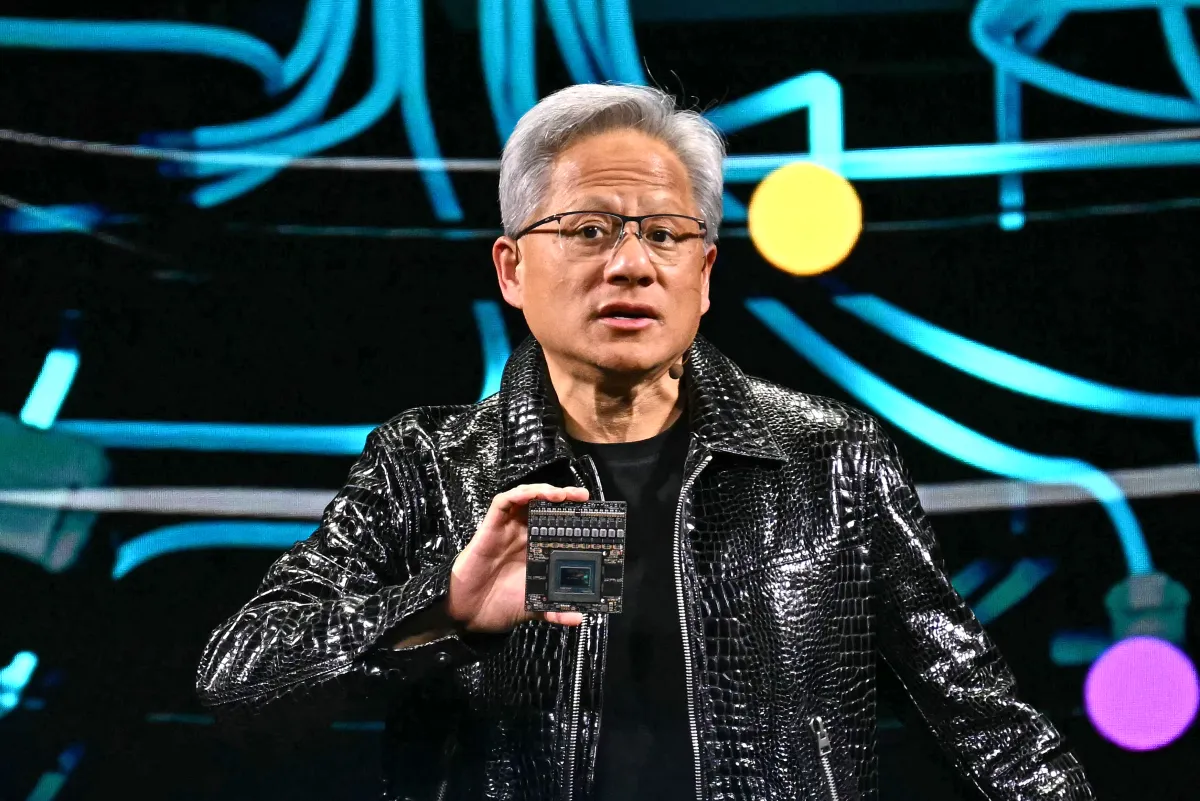
Jensen Huang Signals Nvidia’s Shift Away from OpenAI and Anthropic — What’s Really Going on?

Tech Industry Shakeup: Nvidia’s Strategic Investments and the Geopolitical Tensions Reshaping AI

In a landscape where innovation and disruption define the pace of progress, Nvidia remains a dominant force, yet recent developments expose the complex chess game shaping the future of artificial intelligence (AI). The company’s muted commentary on its latest strategic moves, coupled with a shift in investment scales, signals a nuanced recalibration. As Huang, Nvidia’s CEO, emphasized on the company’s Q4 earnings call, their investments are primarily aimed at “expanding and deepening” their ecosystem reach. However, the actual scale of these investments, particularly in OpenAI and Anthropic, reveals a story of caution and reevaluation amid industry turbulence.

Initially, Nvidia announced a lofty pledge to invest up to $100 billion in OpenAI last September—a move that drew skepticism from industry experts like MIT Sloan professor Michael Cusumano. The plan was described as “a kind of a wash,” highlighting the circular nature of AI investments where alliances and stakes tend to feed into each other. Recently, Nvidia finalized a significantly reduced investment—approximately $30 billion—less than half of their original commitment. This contraction underscores a market wary of overextensions amid signs of a possible bubble, where speculative investments threaten to distort valuation metrics. The changing scale points toward a strategic pragmatism as Nvidia recalibrates its AI ambitions, understanding that different industry shifts could impact both its market dominance and geopolitical positioning.

Adding another layer to this dynamic is Nvidia’s relationship with Anthropic. Despite recent investments, tensions have surfaced, notably with Anthropic CEO Dario Amodei comparing the U.S. chip industry’s export controls to “selling nuclear weapons to North Korea,” highlighting the geopolitical fragility endemic to AI supply chains. The Trump administration’s decision to blackist Anthropic—barring federal agencies and defense entities from deploying its models—illustrates the dangerous intersection of AI innovation with national security concerns. Meanwhile, OpenAI’s swift pivot to contract with the Pentagon—marked by a strategic, yet contentious, military technology deal—further accentuates the industry’s shifting alliances. This divergence in trajectories underscores a broader trend: AI firms are increasingly caught at the crossroads of innovation and geopolitics, with their business models and strategic partnerships under intense scrutiny.

Implications for the Industry: Innovation, Market Disruption, and Policy Challenges

  • Innovation and Disruption: Nvidia’s redefining of its AI investments exemplifies how disruptive innovations can outpace traditional strategic planning, unveiling new opportunities for startups and established players alike. As AI models become more advanced, the pressure to balance innovation with geopolitical prudence intensifies, pushing firms to adopt more flexible, diversified approaches.
  • Market Shifts and Industry Realignment: The stark contrast between Nvidia’s cautious scaling and the aggressive Pentagon deal underscores a tectonic shift in market alliances. Firms that align with government and defense sectors may unlock enhanced capabilities and funding, but at the risk of alienating other markets or inviting regulatory backlash.
  • Business and Geopolitical Implications: Major corporations need to prepare for a future where global supply chains, export controls, and international diplomacy directly influence AI development. The industry’s trajectory may well depend on policy decisions increasingly driven by national interests, which could either stifle innovation or propel it into new geopolitical realms.

Analysts from Gartner and institutions like MIT warn that industry leaders must navigate these choppy waters with agility—balancing cutting-edge technological breakthroughs against emerging regulatory and geopolitical headwinds. The move by Nvidia, and industry shifts like the Pentagon-OpenAI deals, signal that the future of AI is not just about technological supremacy, but also about strategic positioning within a rapidly evolving global framework. With new alliances forming and old ones fracturing, the industry faces an inflection point where urgency and anticipation are paramount.

As we look ahead, the key question remains: who will shape AI’s next chapter—those who innovate at the edge or those who control the geopolitical levers? In this high-stakes game, the winners will be those capable of maintaining technological leadership while navigating the complex matrix of international policy and market disruption. The clock is ticking, and the future of AI—along with its vast implications—hangs in the balance, calling for strategic foresight and unwavering resolve.

Google Pixel 10a: Smart Budget Choice for Young Tech Fans

Google Pixel 10a: A Mid-Range Smartphone That Disrupts Expectations

In the rapidly evolving world of mobile technology, Google continues to push boundaries with its latest release, the Pixel 10a. While the device features an incremental upgrade over its predecessor, notably housing the same Tensor G4 chipset paired with 8 GB of RAM, its significance lies in how it balances advanced features with affordability. Priced at approximately $599, the Pixel 10a succeeds in bridging the gap between premium smartphones and budget-friendly devices, challenging entrenched industry giants such as Apple and Samsung. As the smartphone market intensifies, this strategy underscores a broader trend—fostering innovation that disrupts traditional pricing models and democratizes access to cutting-edge technology.

One of the key areas where Google’s new model exemplifies disruption is in camera technology. The Pixel 10a maintains a dual-camera system with a 48-MP main sensor and 13-MP ultrawide lens, delivering photo quality that’s competitive with higher-end models. This capability, complemented by natural color reproduction and sharp details, signifies a shift towards delivering premium photo experiences on mid-range devices. Despite some minor white balance issues, the overall photographic performance positions Google as a formidable contender in mobile imaging—a market segment traditionally dominated by flagship models. Notably, industry analyst firms like Gartner have highlighted that the camera remains a critical differentiator in consumer purchasing decisions, thus making Google’s investments in this area a strategic move for market disruption.

Moreover, Google’s emphasis on smart software and AI-powered features signals a tilt towards value-driven innovation. Even with the same Tensor G4 chip, Google’s software enhancements facilitate seamless AI tasks, handling demanding applications with minor lag—an aspect that many competitors neglect in their mid-tier devices. Experts from MIT’s Media Lab emphasize that true innovation increasingly hinges on software capabilities, where AI ecological integration unlocks new possibilities for user engagement. Google’s approach, therefore, is not merely about hardware specifications but about creating an ecosystem that leverages AI as a core differentiator, an industry trend accelerated by Musk’s Neuralink and other AI giants pushing the envelope.

From a business perspective, Google’s strategy of offering a competitively priced device with high-value features represents a major challenge to the industry’s status quo. This industry shift signifies that consumers no longer need to pay flagship prices for innovative features, fundamentally altering market dynamics. The Pixel 10a’s success could prompt established leaders like Apple and Samsung to revisit their premium pricing strategies, chaotic with their flagship-only ecosystems. Additionally, Google’s focus on software and AI as key value drivers encourages other players to double down on AI-enhanced user experiences rather than just hardware upgrades.

Looking ahead, the smartphone industry stands at a pivotal juncture. The Pixel 10a exemplifies how disruptive innovation can redefine competitive landscapes—favoring agility, affordability, and ecosystem integration. As younger consumers become more discerning and demand more value, the industry must adapt rapidly or face obsolescence. With Google’s relentless push for smarter, more accessible technology, the future of mobile devices promises a landscape where innovation is not solely defined by hardware but by how seamlessly AI and software transform user experience—urging industry leaders and newcomers alike to keep a keen eye on emerging trends that could upend traditional business models. Ultimately, the message is clear: those who innovate intelligently and disrupt the market’s norm will shape the next era of technological dominance.

Cybercriminals hijack government iPhone hacking tools—could your phone be next?

Disruptive Developments in Cybersecurity: The Coruna iPhone Exploit Kit and Its Business Implications

Recent disclosures from Google have spotlighted a potent new threat in the cybersecurity landscape—the Coruna exploit kit. Identified first in February 2025, this suite of hacking tools has swiftly transitioned from government laboratories to the hands of cybercriminals, signaling a troubling trend that could redefine the parameters of digital warfare and private sector threat management. The kit’s appearance in multiple geopolitical and financially motivated campaigns—targeting Ukrainian users, Russian espionage groups, and Chinese hackers—illuminates the rapidly increasing sophistication and dissemination of state-backed hacking tools. This convergence of innovation and disruption underscores a fundamental challenge for security professionals: the blurring lines between targeted espionage, crime, and commercial interests.

What makes Coruna notable isn’t just its versatility but its potential to destabilize the security architecture of older iOS devices—especially those running outdated software. According to reports, components of the kit have roots in previous high-profile campaigns, such as Operation Triangulation, involving espionage efforts against Western institutions. This amalgamation of technologies indicates a new era of “secondhand exploits,” where highly sensitive government-developed frameworks are leaked, repurposed, and commercialized—potentially sparking a lucrative underground economy. As Gartner analysts warn, the proliferation of such exploits into the open market accelerates risks for enterprises and consumers alike, highlighting an urgent need for proactive cybersecurity intelligence and rapid patch deployment.

Moreover, the incident echoes recent cases such as the 2017 NSA Leak that introduced EternalBlue—the exploit that powered North Korea’s WannaCry ransomware. Cases like that of Peter Williams, a former defense contractor sentenced for selling exploits capable of hacking into millions of devices worldwide, exemplify the dangerous consequences of the unregulated proliferation of hacking capabilities. The business implications are stark: alongside the clandestine trade of these tools, cybercrime-as-a-service is evolving into a scalable, global industry that threatens to undermine the integrity of digital infrastructure. Tech companies, government agencies, and private corporations must now navigate an increasingly hostile environment—one where innovation fuels both defense and offense in the relentless pursuit of dominance over the digital realm.

Looking ahead, the emergence of tools like Coruna signifies more than isolated incidents—they serve as harbingers of a future where cyber warfare becomes an even more critical frontier of geopolitical rivalry. Industry leaders and policymakers must prioritize cybersecurity innovation—investing in next-generation threat intelligence, implementing comprehensive patch management strategies, and fostering international cooperation. The risk of “zero-day exploits” leaking from government labs into malicious hands underscores the necessity of closing loopholes and strengthening oversight. With the stakes higher than ever, the race to secure digital assets and maintain technological supremacy is relentless and urgently demands a forward-looking, aggressive stance. As the battlefield shifts, those who adapt quickest will define the future—not only of cybersecurity but of global stability itself.

Why AI Startups Are Offering the Same Equity for Different Prices—What You Need to Know

Innovative Valuation Strategies Shake Up AI Funding Landscape

Amidst fierce competition in the artificial intelligence startup ecosystem, a growing trend is reshaping how early-stage companies secure funding and project their market dominance. Leading venture capital firms are increasingly employing novel valuation mechanisms that consolidate multiple funding rounds into a single, audacious raise, often at inflated “headline” prices. The recent Series A funding round for Aaru, a synthetic-customer research startup, exemplifies this shift. Led by Redpoint Ventures, the round saw significant capital injected at a $450 million valuation, but subsequent investor participation and multiple valuation tiers inflated the perceived market value to an eye-popping $1 billion. This multi-tiered approach effectively creates an illusion of market leadership, even though the actual average investment price remains below the headline figure.

This disruptive financing tactic—characterized by investors paying a premium to secure a stake amidst oversubscribed rounds—reflects a strategic move by startups to generate market hype and attract top talent, clients, and future investment. In a landscape where perception often drives valuation, these “headline” numbers function like brands, signaling strength and competitive edge. According to industry analysts, such as those cited by TechCrunch, this practice is primarily aimed at deterring competitors and positioning startups as the dominant players early on. However, experts like Jack Selby warn that these artificially inflated valuations come with significant risks. If subsequent funding rounds do not justify the initial hype, companies may face a harsh down round, diluting ownership and undermining stakeholder confidence—a hard lesson from the 2022 market reset.

The implications for the broader business environment are profound. These emerging valuation strategies are not merely about securing capital—they’re about crafting narratives of market supremacy that can influence stakeholder decisions across hiring, partnerships, and customer acquisition. Startups like Serval, an AI-powered IT support company, have also adopted these tactics, navigating oversubscribed rounds by offering preferential pricing to marquee investors like Sequoia Capital. While such moves may provide short-term advantages, the sustainability of inflated valuations is questionable, particularly in the face of potential market corrections and investor skepticism.

Looking forward, industry executives, investors, and innovators must grapple with the rapid pace of change and the risks posed by these novel valuation techniques. As Elon Musk and Peter Thiel have frequently warned, chasing excessive valuations without solid fundamentals can lead to catastrophic busts. The tech sector’s future hinges on whether startups can balance innovative disruption with disciplined growth strategies. In a highly competitive environment, companies that fail to maintain credible valuations risk losing stakeholder trust and facing the consequences of a sharp market correction. As the global economy and technology landscape accelerate towards greater integration, the urgency for strategic clarity and genuine innovation has never been greater. The next wave of technological disruption will favor those who can leverage authentic value over flashy hype—marking a pivotal moment for the industry’s next chapter.

Audible drops new ‘Standard’ plan, taking on Spotify and cutting costs for young listeners

Audible Disrupts Audio Book Industry with Strategic Price Shift and Market Expansion

In a significant move demonstrating innovative disruption within the digital entertainment space, Audible, the audio content subsidiary of Amazon, has launched a new “Standard” subscription plan priced at just $8.99 per month. This strategic extension aims to attract a broader segment of consumers, especially those labeled as light or casual listeners. The plan, announced recently, offers one audiobook per month alongside unlimited access to a curated library of Audible Originals and popular titles, including content from the soon-to-be-defunct Wondery+ platform. Such a competitive pricing model exemplifies how Audible is leveraging low-cost tier strategies to capture market share amid escalating rivalry, notably from Spotify, which integrated audiobooks into its ecosystem in 2022, fundamentally shifting the industry’s business dynamics.

The implications for industry incumbents are profound: while the premium subscriber model—where users retain ownership of their audiobooks—remains attractive for dedicated listeners, the introduction of this lower-cost tier signifies a paradigm shift. It aligns with a broader trend of monetization through volume and freemium models that are becoming standard across digital content providers. The plan’s launch in multiple countries—US, UK, Canada, Australia, Germany, and France—signals Audible’s strategic focus on international expansion, with early testing showing promising growth in member sign-ups. By simplifying access and lowering entry barriers, Audible intends to redefine consumer expectations for audiobooks, akin to the disruption seen in the streaming video industry years earlier.

The evolving landscape is further underscored by data from industry analysts such as Gartner and MIT, which suggest that disruption in content consumption models is driven by unmatched technological innovation and shifting consumer preferences. Spotify’s report of a 36% increase in audiobook listening and a 37% rise in listening hours last year, with more than half of its premium subscribers engaging with audiobooks, underscores that further industry convergence is imminent. Audible’s move to bundle its new plan with nearly 200 titles from Wondery+—which is phasing out—indicates a deliberate attempt to consolidate market influence and diversify revenue streams through strategic partnerships and diversified product offerings. Analysts warn, however, that as tech giants deepen investments into the $15 billion audiobooks market, the battle for dominance will accelerate, requiring traditional publishers and new entrants to innovate rapidly or risk obsolescence.

Looking forward, the marketplace is poised at a critical juncture. Innovation, disruption, and strategic agility will determine which companies succeed in capitalizing on the shifting landscape. With Amazon’s major push into tiered pricing and international markets, combined with Spotify’s aggressive integration of audiobooks into its broader music and podcast ecosystem, the industry is moving towards a more interconnected and consumer-centric model. As industry experts like Peter Thiel and Elon Musk emphasize, outpacing competitors involves relentless innovation and execution. Companies that embrace these trends early—shifting from traditional ownership to access-based models—will not only survive but thrive in this rapidly evolving digital economy.

In conclusion, Audible’s latest move underscores a broader imperative for stakeholders in the digital content sector: disruption is not just inevitable; it’s necessary for survival. The next few years will likely see an unprecedented collision of technology, consumer behavior, and business strategy — a landscape demanding agility, innovation, and vision. As the industry gears for this transformation, early movers who harness these trends could dominate the future of audio entertainment, reshaping how millions engage with stories, knowledge, and entertainment in an increasingly digital world.

Score Big: Up to 75% Off L.L.Bean Outdoor Gear with the Latest Deals

Emerging Retail Strategies Signal Broader Disruption in Consumer Markets

In a landscape increasingly shaped by innovation and disruption, traditional retail models are being redefined through data-driven and digitally integrated strategies. L.L. Bean, a stalwart outdoor gear retailer, exemplifies this shift with hyper-focused marketing techniques leveraging digital coupons, strategic sales, and customer loyalty incentives. These tactics are not only enhancing their competitive edge but also signaling a broader industry trend of integrating seamless online experiences with personalized deals, an approach endorsed by institutions like Gartner which emphasize the importance of data-centric retail transformation.

Market shifts are underlining the importance of disruption in conventional retail dynamics. L.L. Bean’s phased flash sales, where new deals are announced twice daily at precise hours, mirror a strategy that leverages scarcity and urgency—tactics that challenge the static nature of traditional Black Friday sales. This approach offers consumers deep discounts, often comparable to major holiday deals, but within a continuously evolving, digital-first sales window. As analysis by MIT’s Sloan School reveals, such strategies are disrupting standard inventory management and consumer purchase cycles, emphasizing rapid engagement and instant gratification.

Business implications of this shift extend beyond mere sales figures. Companies adopting targeted campaigns—such as exclusive discounts for medical workers, first responders, teachers, and students—are carving out niche loyalty segments, enhancing brand affinity while simultaneously fostering goodwill in critical societal sectors. This nuanced approach to marketing not only reinforces corporate social responsibility but also establishes a new paradigm where customer engagement is intertwined with social validation. Moreover, the rollout of incentive offers like store-branded credit cards providing substantial benefits (up to 20% off and free shipping) reflects an evolving landscape where financial products are becoming integral to retail ecosystems, a trend predicted by industry analysts as a future growth driver.

Implications for Broader Industries and Future Disruption

As the retail sector embraces these innovative strategies, the implications extend into the fabric of the global economy and its digitalization trajectory. Emerging technologies such as AI-driven personalized marketing, dynamic pricing algorithms, and omnichannel engagement are set to accelerate this revolution. The recent surge in fast-paced, data-rich campaigns underscores the urgency for established players to adapt or risk obsolescence. Pioneers like Elon Musk and Peter Thiel have long championed the disruptive potential of technology, foreseeing a future where agility and innovation will determine market leaders. The challenge now lies in harnessing these advances to create seamless, customer-centric experiences that outpace competitors.

Forward-looking experts warn that organizations lacking agility and strategic foresight may fall behind, as the lines between retail, finance, and social engagement continue to blur. The next era of technological disruption is not merely about automation but about crafting integrated ecosystems that deliver value in real time—whether through customized discounts, instant rewards, or social impact initiatives. The brands that recognize and capitalize on these signals, investing in innovation today, will shape the economic landscape of tomorrow and define the future of commerce itself.

Anthropic powers up Claude’s memory to win over AI switchers

AI Innovation and Market Dynamics: Anthropic’s Strategic Moves

The AI industry stands at a pivotal crossroads as Anthropic, a rising star in artificial intelligence research, accelerates its technological advancements with recent feature rollouts aimed at enhancing user engagement and capability. Since October, Claude—the company’s flagship conversational AI—has gained a new suite of functionalities, notably the ability for users to import and export memories. This capability signifies a significant disruption in how AI models are personalized and retained, positioning Anthropic as a challenger in the evolving AI services arena.

Traditionally, such advanced memory features were restricted to paid subscriptions, limiting access to a select user base. However, now all Claude users can enable memory functionalities via settings, democratizing sophisticated AI customization. The inclusion of a memory importing tool—allowing users to copy prompts and outputs seamlessly—marks a new milestone in accessibility and user control. Industry analysts, including those from Gartner and tech think tanks like MIT, view this as a deliberate move toward increasing user engagement, loyalty, and data retention, which could fundamentally shift how enterprise clients and consumers leverage AI across multiple domains.

Meanwhile, Anthropic has been making headlines beyond feature enhancements. Recently, the startup publicly challenged the Pentagon’s attempt to relax constraints on its AI models, drawing what it describes as “red lines” around issues such as mass surveillance and fully autonomous lethal weapons. This stance signals a strategic positioning within the global AI arms race, emphasizing ethical boundaries and responsible innovation. As AI regulation tightens worldwide, companies that prioritize transparency and principled AI development are expected to gain a competitive advantage and set industry standards, potentially disrupting established players that favor rapid deployment over safety considerations.

From an investment standpoint, the implications are clear: industrial giants, government agencies, and private firms are closely watching these developments. The growing demand for customizable, ethically-conscious AI tools indicates a shift toward a more nuanced market—one where disruption is driven by innovation that balances technological advancement with societal responsibility. Experts like Peter Thiel and Elon Musk warn that losing sight of ethical boundaries could lead to severe consequences, fostering an environment where timely innovation and strict governance must go hand-in-hand.

The future of AI is unfolding at breakneck speed, with Claude’s new features exemplifying how disruptive technology reshapes user experiences and business models. As competitors scramble to keep pace, the key will be in their ability to innovate responsibly, balancing technological breakthroughs with strategic foresight. This evolving landscape signals an urgent call to action for industry leaders: those who pioneer ethically aligned AI while maintaining agility will not only dominate the market but also define the technological and moral standards of tomorrow. The trajectory suggests that the next few years will be crucial in determining whether AI becomes a tool for empowerment or an instrument of unchecked risk—making it imperative for stakeholders to stay vigilant, adaptable, and forward-thinking.

Social Media Auto Publish Powered By : XYZScripts.com