Matox News

Truth Over Trends, always!

Trump vows to revive U.S. nuclear tests to boost national strength

President Trump’s Nuclear Posture Shift Signals Potential Disruption in Global Security and Tech Sectors

In a bold and controversial move, President Donald Trump has directed the Pentagon to resume testing nuclear weapons, citing the necessity to match other nations’ testing programs. This decision marks a significant departure from the longstanding post-Cold War nuclear testing moratorium, which has largely shaped global strategic stability over the past three decades. While few details have been disclosed, the announcement signals a possible new phase in military innovation, pushing the boundaries of nuclear capabilities and their associated tech ecosystems. The immediate implications could be profound, affecting international diplomacy, defense industries, and technological innovation in related sectors.

This move comes at a complex geopolitical juncture. Just before a high-stakes summit with China’s Xi Jinping, Trump’s statement appears to upend decades of American policy. Historically, the US maintained a strategic restraint on nuclear testing, aligning with global efforts for non-proliferation. However, Trump’s directive suggests a strategic pivot, possibly aimed at reasserting US military dominance amidst rising geopolitical tensions and global technological competition. But experts warn that such actions could destabilize existing treaties; the US, a signatory of the Comprehensive Nuclear-Test-Ban Treaty, has yet to ratify it. Meanwhile, Russia, which possesses the world’s largest nuclear stockpile, continues modernization efforts, injecting an element of disruption into the balance of global nuclear deterrence.

From an industry perspective, this escalation may act as a catalyst for innovation within the defense sector. Companies specializing in nuclear physics, materials science, and simulation technologies could see surges in demand. Emerging players in advanced warhead design and system delivery technologies might accelerate R&D investments or even disrupt existing supply chains. Yet, these innovations are fraught with ethical and regulatory challenges, complicating long-term business models. As analyst Peter Thiel might argue, disruption in high-stakes defense tech requires a careful balance between innovation, security, and international diplomacy.

The announcement also exposes the vulnerabilities of global non-proliferation efforts. With the US potentially resuming nuclear tests, other countries could follow suit, destabilizing the delicate international security architecture. This collapses the normative framework that discouraged nuclear tests for decades, and may incentivize rogue states or emerging powers to pursue clandestine programs. The ripple effect could further accelerate technological arms races, pushing industries toward more sophisticated satellite surveillance, advanced monitoring, and cyber capabilities—areas where innovation may be both a boon and a threat. As Gartner warns, the erosion of norms around nuclear testing could precipitate a broader disruption across defense and technology industries.

Looking ahead, this development underscores a pivotal juncture for global stability and technological advancement. The potential resumption of nuclear testing not only signifies a geopolitical gamble but also a catalyst for industry disruption in defense tech and international security. Fast-moving innovators and investors must now navigate this landscape with increased urgency, as the future of nuclear deterrence, international diplomacy, and technological progress hangs in a delicate balance. As authorities, companies, and nations grapple with these shifts, the imperative for strategic foresight becomes clear—those who proactively adapt to this new era of high-stakes innovation will be the ones to shape the trajectory of global security and technological dominance in the years to come.


India’s Snabbit doubles to $180M in 5 months on bold house-help play

Snabbit’s Rapid Expansion Signals Disruption in India’s On-Demand Home Services Market

In a clear indication of how consumer demand for instant convenience continues to reshape industries, Snabbit, an innovative home-help startup based in Bengaluru, has secured a fresh infusion of $30 million in Series C funding, propelling its valuation to $180 million. This accomplishment underscores a broader trend of disruption within the traditionally offline domestic services sector, driven by scalable on-demand digital platforms promising quick, reliable service with minimal friction. With the backing of prominent investors like Bertelsmann India Investments, alongside existing supporters Lightspeed, Elevation Capital, and Nexus Venture Partners, Snabbit’s momentum emphasizes a shift in how urban Indians access household help, aligning with the global trend of disruptive innovation in gig and platform economies.

Founded merely in 2024, Snabbit has transitioned swiftly from concept to market leader within its micro markets, delivering over 300,000 orders and increasing daily bookings from just 1,000 to more than 10,000 in a matter of months. Such rapid growth emphasizes the scalability of hyperlocal, tech-enabled service delivery—a model gaining traction worldwide, including giants like Urban Company. Spearheading this wave are features including

  • 100% women-led workforce of 5,000 specialists
  • Service options ranging from cleaning to kitchen prep, laundry, and dishwashing
  • Delivery within 10 minutes, leveraging dense urban networks

The startup’s strategic focus on deep, micro-market penetration over broad geographic expansion exemplifies a significant industry displacement: the era of “scale first” is giving way to “depth first” approaches that emphasize customer loyalty and local dominance. In the words of analyst firms like Gartner, this indicates a fundamental industry shift whereby hyperlocal, on-demand platforms will define urban consumer experiences. Furthermore, Snabbit’s targeted expansion into categories like cooking and elderly care signals an understanding that integrated, high-frequency services will be the next frontier for maximum disruption and revenue growth, potentially transforming household economics in India’s dense urban centers.

Indeed, the implications for traditional offline domestic help models are profound. With cost-efficient, on-demand solutions costing around ₹150 ($2) per hour and workers earning competitive salaries ($284–$340/month), startups like Snabbit are setting new standards for worker engagement, service quality, and consumer choice. As Peter Thiel and other Silicon Valley visionaries have long argued, disruption is about transforming fundamental market dynamics rather than merely digitizing existing models. In this context, the rising tide of innovation in Indian on-demand home services foreshadows the emergence of a globally competitive, tech-driven household services industry that could outpace more traditional sectors.

Looking ahead, the key question revolves around how incumbents and new entrants will adapt to this wave of disruption. With the continuous flow of venture capital, ongoing technological advancements, and increased consumer acceptance, the race for micro-market dominance is intensifying. Initiatives integrating AI, advanced logistics, and localized data analytics will be critical to sustain momentum and secure a competitive edge. As India’s digital economy accelerates, it is imperative for investors, entrepreneurs, and established players alike to recognize that this is not merely a regional trend but a harbinger of a fundamental shift in global domestic help markets. The future belongs to those who innovate at the micro-level, creating urban ecosystems where instant, reliable services become not just a convenience, but an unavoidable norm.

Score $30 Off the All-Clad Nonstick Fry Pan Set—Upgrade Your Kitchen Game

Disruptive Innovation in Consumer Kitchenware: All-Clad‘s Strategic Market Leap

In the modern landscape of consumer goods, direct-to-consumer innovation continues to redefine traditional retail dynamics. Recently, All-Clad, long celebrated as the gold standard in professional-grade cookware, has announced a sharp retail strategy shift through its aggressive marketing of the HA1 Hard Anodized Nonstick Fry Pan Set. This move exemplifies a strategic disruption aimed at capturing the burgeoning market of young investors eager for quality tools at accessible prices, thus cementing its position as a formidable player amidst rising competitors and shifting consumer priorities.

The new offering brings a reinforced focus on durability, safety, and value, signaling a recalibration of industry standards driven by technological improvements. The pans are crafted from hard anodized aluminum—treated to enhance durability—coated with PTFE nonstick, adhering to safety thresholds up to 500 degrees Fahrenheit. Such engineered precision echoes the industry’s drive towards safety, reliability, and performance, crucially appealing to tech-savvy millennials and Gen Z consumers who demand transparency and longevity from their investments. Notably, this product leverages on-market trends identified by Gartner, highlighting the growing consumer preference for affordable luxury and trusted brands in everyday essentials.

Innovation, Disruption, and Business Implications

Through this strategic launch, All-Clad is disrupting the conventional premium cookware market by offering competitive pricing—$180 for a 5-piece set—and emphasizing quality through enhanced product features. This move disrupts the status quo of high-cost, professional-grade brands that previously maintained a barrier to entry for younger consumers. The company’s shift toward direct sales channels, coupled with targeted online advertising, underscores an industry trend where innovation in supply chain management fosters greater market agility and opens significant business opportunities for fast-growing startup competitors such as Fasie and Made In.

Moreover, the product’s strategic focus on user safety and performance, backed by supposed durability and a limited lifetime warranty, represents a calculated disintermediation of traditional retail and a pivot towards customer-centric innovation. Recognized institutions like MIT’s Sloan School show that such technological and business model innovations induce agent-based market disruption, empowering firms to redefine competitive advantage. Industry analysts see this move as emblematic of a broader trend—disruption driven by technological iteration, enabling even legacy brands to tap into younger, digitally native markets.

Industry and Market Milestones

  • Product innovation with anodized aluminum construction and PTFE nonstick coating—combining durability and safety.
  • Market shift toward value-driven, premium-quality cookware accessible through online channels, bypassing traditional retail.
  • Enhanced brand engagement with younger consumers, fostering brand loyalty through digital-first strategies.
  • Growth of a new class of “disruptor” brands inspired by emerging technology trends, such as AI-driven customization and supply chain transparency.

Looking ahead, the stakes are high. Industry bulldogs like Le Creuset and Calphalon face inventive competitors that leverage AI, IoT, and sustainable practices to reshape the cookware landscape. The rapid pace of technological innovation combined with shifting consumer values signals a market where disruption is not a question of if, but when. For investors and industry insiders alike, the message is clear: agility, technological adoption, and consumer insight are vital. The future belongs to those who can balance innovation with practicality, delivering quality products at scale—an imperative in an era of rapid technological change and evolving market expectations.

In an increasingly competitive environment, staying ahead of these disruptive waves will determine the future landscape of consumer technology. All-Clad’s recent strategic move exemplifies the industry’s relentless push for innovation, urging all stakeholders to remain vigilant and adaptive—this is the new frontier of business disruption.

Windows Woes: The Real Hurdle for Handhelds

Microsoft’s Infamous Xbox Ally: A Reflection of Industry Disruption & the Rise of Linux-Based Innovation

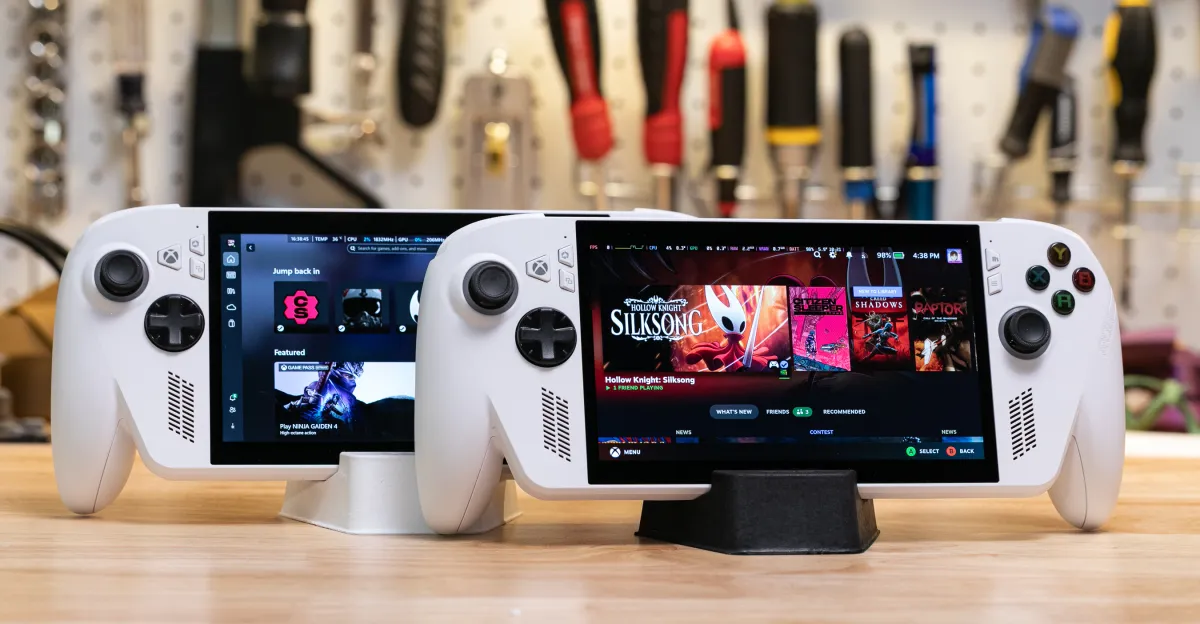
In an era defined by technological innovation and rapid disruption, the recent release ofMicrosoft’s Xbox Ally handheld console underscores a pivotal moment in gaming hardware evolution. Priced at a hefty $600, this device was engineered with high expectations—aiming to bridge the gap between traditional Windows gaming and portable entertainment. However, as reports emerge of fundamental flaws—such as unreliable sleep modes and battery drainage, the console highlights a disturbing reality: even the largest tech companies face critical challenges in optimizing hardware for portable, user-centric gaming experiences.

This misstep, seemingly a failure of Microsoft’s longstanding Windows ecosystem, starkly contrasts with Bazzite — a Linux-based firmware that is steadily disrupting the industry by delivering faster, more reliable performance. Notably, Bazzite significantly outperforms Windows in running Windows games, often by as much as 30%, and offers a smoother launch and wake experience, marking a notable shift in business implications. This Linux-driven innovation illustrates a broader trend where open-source communities, empowered by giants like Valve and MIT, are challenging established Operating Systems and forcing incumbents to rethink their strategies.

The Linux community’s rapid development of Bazzite showcases a disruptive capacity that rivals, and in some cases surpasses, major OS platforms in specific niches such as handheld gaming. The community’s ability to swiftly address hardware issues—like fixing sleep mode failures within days of obtaining the device—exemplifies a new paradigm of collaborative innovation. Industry analysts from Gartner warn of potential obsolescence for traditional OS paradigms if legacy players like Microsoft fail to adapt swiftly to this wave of open-source disruption. With Linux-based firmware offering more *customization, speed, and stability*, gamers and developers alike are reconsidering the value proposition of proprietary software monopolies.

Looking into the future, the industry’s battlefield is shifting. Companies that embrace adaptability, foster disruption-driven innovation, and forge successful partnerships with open-source communities will dominate the next frontier. The displacement of Windows in portable gaming, as illustrated by the success of Linux firmware like Bazzite, signals that the era of monopoly-based OS control may be waning. Industry leaders, including Elon Musk and Peter Thiel, have long championed disruptive entrepreneurship; now, it is evident that disruption is not only a trend but a necessity for survival. The race is on: those who fail to innovate risk being left behind as a new wave of hardware disruptors—powered by open source—reshape the landscape of gaming and beyond.

Tata Motors Cures Data Breach, Secures Customer & Company Info

Indian Automotive Titan Tata Motors Shaken by Major Data Breach

In a stark reminder of the rapid pace of digital transformation and the accompanying cybersecurity risks, Tata Motors, one of India’s leading automotive conglomerates, recently confronted a significant security lapse that exposed sensitive internal data. The breach, identified by security researcher Eaton Zveare, underscores the pressing need for secure cloud infrastructure in the automotive sector and raises questions about how traditional manufacturing giants are adapting to the digital economy.

Zveare uncovered critical vulnerabilities within Tata’s E-Dukaan e-commerce platform, which specializes in trading spare parts for Tata-made commercial vehicles. Alarmingly, the source code contained private AWS keys granting unauthorized access to a treasure trove of data, including hundreds of thousands of customer invoices, personal information such as names, mailing addresses, and India’s unique Permanent Account Numbers (PAN). In addition, the breach exposed over 70 terabytes of data related to Tata’s FleetEdge fleet management system, alongside backdoor admin privileges to a Tableau analytics platform housing data of more than 8,000 users, and API keys for Tata’s Azuga fleet management solution. These revelations highlight how interconnected data ecosystems are becoming | and how vulnerable they may be to cyber threats without robust security protocols.

The incident is emblematic of a broader industry-wide disruption in which traditional automotive manufacturers are racing to digitize operations for competitive advantage. As Tata Motors reasserted its commitment to security, experts like Gartner analysts emphasize that this event signals a larger trend: the shift toward cloud-native infrastructure must be paired with predictive security measures and preventive cybersecurity strategies. The risk isn’t merely data leakage but potential disruptions in manufacturing, logistics, and vehicle safety systems if malicious actors seek to exploit such vulnerabilities. The incident also spotlights the need for industry-wide standards to safeguard digital assets amid the migration toward autonomous and connected vehicles, which demand real-time data integrity and security.

With Tata Motors confirming that the vulnerabilities were patched in 2023, the incident acts as a wake-up call for the automotive and tech sectors. As security remains an evolving frontier, industry leaders such as Elon Musk and Peter Thiel underscore the importance of disruptive innovation—not only in creating advanced vehicles but also in establishing cybersecurity as a key differentiator. The allocation of resources toward building resilient infrastructure and incorporating AI-driven anomaly detection systems will be paramount to prevent future breaches. The stakes are high: more interconnected systems mean increased attack surface, but also immense opportunities for those able to turn security into a strategic advantage, disrupting legacy players and reshaping the automotive landscape.

Looking ahead, this incident signifies a pivotal juncture. As disruptive technologies like artificial intelligence, blockchain, and 5G accelerate, the industry must prioritize security innovation alongside product development. The urgency is clear: falling behind on cybersecurity could not only impact a company’s reputation but also threaten the very integrity of the transportation systems shaping our future. The evolution of automotive cybersecurity will be the determining factor in whether traditional companies like Tata Motors can leverage digital disruption for sustainable growth or become casualties of their own vulnerabilities. The path forward demands decisive action, unwavering vigilance, and relentless innovation—before the next breach jeopardizes industry trust and technological leadership.

Top 50 Must-Watch Shows on HBO Max This November — Stay Ahead of the Curve

HBO Max’s Evolution Reflects Broader Disruption in Streaming & Original Content Innovation

In an era marked by rapid technological shifts and fierce industry disruption, HBO Max exemplifies the strategic resilience and pioneering spirit necessary to remain relevant. Once lauded as a premier streaming service, HBO Max is now navigating a transformative phase driven by content diversification, technological innovation, and the relentless pursuit of business disruption. Despite facing challenges to its former prestige—highlighted by waning subscriber growth and intense competition from newcomers like Netflix and Disney+—the platform continues to push boundaries by investing in groundbreaking series and embracing new content formats that could reshape how audiences consume stories.

The platform’s foray into original programming underscores a broader industry trend: the shift from traditional broadcasting models to a business landscape where innovation and disruption serve as core survival strategies. Critics point to HBO Max’s decisive move in developing genre-defining series such as The White Lotus, Industry, and Dune: Prophecy, which encapsulate its commitment to a disruptive business model—one that leverages premium content to secure a dedicated niche amidst a crowded market. These offerings not only reinforce HBO Max’s brand as a haven for premium storytelling but also exemplify how streaming services are innovating through content that challenges industry norms and expectations, a move echoed by forward-thinking institutions like MIT’s Media Lab and analysts from Gartner who emphasize the importance of agility in media business models.

Disruption Through Innovation: Moving Beyond Conventional Narratives

The platform’s recent slate reveals a strategic pivot toward technologically innovative storytelling—from integrated AR/VR experiences to sophisticated narrative structures tailor-made for a younger, tech-savvy audience. Series like Tokyo Vice, which merges investigative journalism with high-stakes crime drama, leverage cutting-edge visual effects and multi-platform storytelling to amplify viewer engagement. Simultaneously, HBO Max’s dark and surreal offerings, such as Rain Dogs and True Detective: Night Country, exemplify the industry’s move towards more immersive and complex genres, disrupting traditional TV formats and setting new storytelling standards.

  • Expansion into global markets: HBO Max’s first Spanish series, When No One Sees Us, indicates a strategic diversification aimed at capturing and disrupting regional markets.
  • Innovative sub-genre exploration: Shows like The Franchise, which satirizes superhero universes, exemplify an industry trend towards meta-commentary and genre-blending that appeals to younger audiences eager for fresh narratives.
  • Enhanced viewer engagement: Utilizing AI and data analytics, HBO Max is reportedly exploring personalized content delivery, targeting market segments with tailored storytelling—an urgent response to how audiences demand more interactive experiences.

Business Implication: Realigning Strategies for Future Dominance

The ongoing transformation at HBO Max underscores the imperative for disruption-oriented business strategies. As industry experts from Gartner warn, traditional media models are increasingly untenable in the face of digital-native competitors and changing consumer expectations. HBO Max’s investment in intellectual property that merges high-concept narratives with technological advancements signals a recognition that future success hinges on agile adaptation and innovative content differentiation. This approach resonates with futurists like Peter Thiel, who argue that privileged monopoly positions in emerging spaces—such as immersive streaming and interactive content—are critical for sustained growth.

Looking ahead, the challenge for HBO Max—and similar platforms—is to harness these innovations not merely as gimmicks but as transformative business levers. The platform must continuously iterate on content delivery mechanisms, embrace global diversification, and invest in emerging tech to outpace rivals. Its ongoing series, including the upcoming First Day on Earth and a renewed True Detective, are only signs of a larger wave: the dawn of a new epoch where disruption and innovation are the currency for dominance in the streaming economy. To succeed, HBO Max and industry leaders must act swiftly before their competitors—digital giants and tech disruptors—seize the future, leaving traditional models—and perhaps even HBO Max itself—rendered obsolete.

DJI’s Romo Robot Vacuum: The Future of Clean Tech for Next-Gen Homes

DJI Launches Transparent Romo RoboVac: A Landmark in Cleaning Tech Disruption

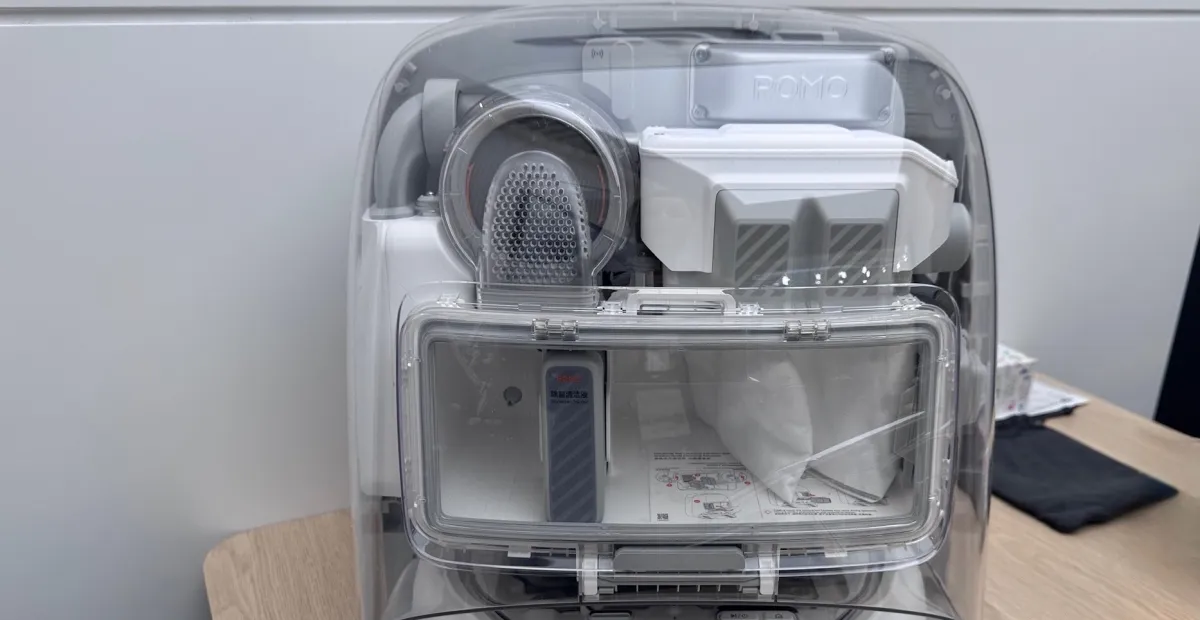
In an unexpected move that underscores the relentless pace of technological innovation, DJI, the renowned drone and camera manufacturer, has entered the competitive robotic vacuum market with the release of the DJI Romo. Debuting in Europe this week after its initial launch in China, the Romo represents a bold reimagining of home cleaning—fusing drone-level navigation tech with an eye-catching transparent design. This product signals a significant shift, revealing industry ambitions to disrupt traditional appliances with transparency, advanced sensors, and integrated AI, set against a backdrop of mounting market disruption.

The Romo’s release is notable not only for its innovative aesthetics but also for its combination of advanced navigation systems. Utilizing dual fish-eye vision sensors alongside solid-state lidar derived from DJI’s drone lines, it pushes the envelope in ground-based robotics. Vision experts and leading institutions like MIT have long emphasized lidar’s role in improving navigational precision in autonomous systems, and DJI appears committed to setting new standards here. The robot’s capacity to detect objects as thin as a 2mm cable exemplifies hardware engineering that prioritizes meticulous environment mapping, promising to elevate smart home automation to new heights. Its see-through design offers a peek inside the workings—akin to a hardware manifesto emphasizing transparency as a feature, turning a mundane appliance into a statement of tech prowess.

Market implications of DJI’s entry are profound. The Romo line comes in three models, with the flagship Romo P starting at €1,899 (~$2,200). Despite its premium pricing, the device’s disruptive features—such as a self-cleaning dock with a deodorizer slot, high-pressure jet cleaning for mops, and hot air drying—aim to redefine customer expectations for durability, convenience, and luxury in robotic home appliances. Its incorporation of mixed sensory modalities signals an industry-wide shift, challenging established brands like Roborock and IKEA, which have offered less sophisticated navigation tech. This disruption could force competitors to innovate or risk obsolescence, especially as younger consumers increasingly prioritize sophisticated gadgetry integrated seamlessly into their living spaces.

Technology analysts like Gartner and industry veterans warn that such innovation demands rapid adaptation from market players. The Romo’s design, which is substantially larger and heavier to house its advanced sensors, demonstrates DJI’s commitment to pushing technological barriers, bolstering the trend towards fully autonomous, context-aware cleaning solutions. As Peter Thiel and Elon Musk have suggested, the future belongs to firms that leverage cutting-edge sensors and AI to redefine ordinary tasks, transforming them into high-tech experiences. For now, DJI’s entry into this space confirms that the era of ordinary vacuum cleaners is ending, replaced by intelligent, disruptive devices capable of not only cleaning but also enhancing home environments through sophisticated sensors and AI-powered navigation. With no current US release plans, anticipation is high; an industry that once dismissed robotic vacuums as mere gadgets now faces the reality of a high-stakes innovation race.

Elon Musk’s Grokipedia Sparks Controversy with Far-Right Rhetoric

In a bold move reflecting the fast-paced evolution of artificial intelligence (AI), Elon Musk’s xAI startup launched Grokipedia this week, an AI-driven alternative to the longstanding, crowdsourced encyclopedia Wikipedia. Musk’s vision appears to transcend mere information aggregation; instead, he aims to leverage advanced AI to create a “massive improvement,” aligned with the broader mission of xAI to unlock a deeper understanding of the universe. This initiative signals a profound shift in how knowledge might be curated, verified, and consumed—disrupting the very foundations of established digital information platforms.

From the outset, Grokipedia exemplifies *disruption fueled by high-stakes innovation*. Initial access hurdles and content flagged for potential propaganda reflect the intense challenges faced by revolutionary AI projects operating in a politically charged space. Once accessible, the platform was found to host lengthy, AI-generated entries, many of which diverged sharply from Wikipedia’s neutral tone. Instead, Grokipedia displayed a clear ideological slant—highlighting conservative viewpoints, critiquing mainstream narratives like The 1619 Project, and even perpetuating historical inaccuracies. Such content raises critical questions for the industry: can an AI truly deliver unbiased knowledge, or will it serve as a tool for ideological influence?

The implications of this development are significant for both *business innovation* and *industry dynamics.* As noted by tech analysts at Gartner and MIT’s Media Lab, the rise of AI-powered knowledge bases presents opportunities for emerging players to establish dominance by redefining credibility and engagement. However, this innovation also introduces risks—particularly the potential for such platforms to reinforce bias, spread misinformation, and even serve political agendas. For established giants like Google and Microsoft, the threat is clear: disruption in digital search and information delivery could shift power away from traditional search engines toward AI-centric ecosystems increasingly influenced by private enterprise visionaries like Musk.

Furthermore, the controversy surrounding Grokipedia exemplifies an industry-wide challenge: how can AI-powered knowledge platforms balance innovation with ethical responsibility? Content themes emerging from Grokipedia’s launch highlight potential for *market shifts*—notably, a move toward more polarized, ideologically driven information sources. For businesses and tech investors, this signals a crucial inflection point: those who harness AI to enhance transparency, integrity, and user engagement could command market leadership in the next era of digital information. Conversely, neglecting these pitfalls could see industry reputation and consumer trust erode quickly in the face of emerging competitors who leverage similar AI capabilities to influence public discourse.

As Elon Musk and others push the boundaries of AI’s potential, the coming years will be pivotal in shaping an information landscape that is more dynamic yet potentially more divided. Industry forecasters like Peter Thiel warn that rapid innovation must be paired with rigorous oversight to avoid pitfalls of misinformation and ideological bias. The rapid pace of AI-enabled disruption demands strategic agility—from startups to behemoth tech firms—to realize the transformative revenue and societal gains ahead. The future of knowledge is no longer static; it’s a battleground where innovation, ethics, and competitive advantage collide, urging stakeholders to act swiftly. The countdown is on—those who adapt first will dominate the next chapter of digital civilization, while others risk being left behind in the dust of obsolescence.

Teen’s Record-Breaking 9-Month Livestream with Pig Kidney Comes to an End

Revolutionizing Organ Transplantation: The Breakthrough of Genetically Engineered Pig Kidneys

In a significant stride toward addressing the global organ shortage crisis, Massachusetts General Hospital has successfully transplanted a genetically engineered pig kidney into a living human recipient — a 67-year-old man from New Hampshire. This landmark procedure, confirmed by hospital officials, marks a pivotal moment in biomedical innovation and disruption, extending the functional lifespan of xenotransplants to nearly nine months, surpassing previous attempts by a sizable margin. The breakthrough directly responds to the staggering demand for kidneys, with the US alone experiencing a backlog of nearly 90,000 patients awaiting transplants, and only about 28,000 kidney transplants performed annually. This innovative approach promises to revolutionize healthcare by drastically reducing waiting times, which in many cases, can extend to years or even decades.

The transplantation of pig organs is a testament to the rapid advancement of gene editing technologies—particularly CRISPR-Cas9 and other genetic engineering tools—that are now enabling scientists to mitigate the issue of organ rejection. Due to the inherent genetic differences between pigs and humans, unmodified pig organs would be almost immediately rejected by the recipient’s immune system. To combat this, scientists have turned to sophisticated genetic modifications aimed at making pig organs more compatible with human physiology. Since the first genetically engineered pig heart transplant attempts at the University of Maryland in 2022 and 2023, which unfortunately resulted in patient mortality within two months, ongoing experiments have demonstrated improved outcomes and increased viability. The recent success at Massachusetts General indicates that we are on the cusp of a new era where biological innovation could become as routine as robotic surgery.

Major industry and academic players—including MIT, and various biotech startups—are pushing forward with this disruptive technology, viewing it as an urgent business opportunity with transformative implications. The ongoing evolution of xenotransplantation is poised to disrupt traditional transplant models and foster the emergence of an entirely new market for genetically engineered organs, which could generate billions in economic activity over the next decade. Additionally, regulatory adaptations are underway as agencies like the FDA begin to formulate frameworks suited for approving such experimental, life-saving procedures. Experts like Peter Thiel have expressed optimism that this convergence of biotech innovation and systemic market disruption could unlock vast economic and societal benefits, especially as organ shortages continue to threaten healthcare sustainability.

Looking ahead, the mounting success stories from Massachusetts General and other institutions—such as the recent transplant of a genetically modified pig kidney into a 54-year-old man—highlight an accelerating trajectory toward commercialization. This rapidly progressing landscape underscores a critical need for forward-looking policies, technological investments, and ethical frameworks that can keep pace with this disruptive wave. The future of transplantation—powered by synthetic biology, advanced gene editing, and AI-driven diagnostics—must be navigated with a sense of urgency, as the potential to save millions of lives hinges upon our ability to innovate and adapt. As the industry moves toward broader adoption, it’s clear that the traditional boundaries of medicine are being redrawn—disrupting longstanding paradigms and shaping the future of healthcare at an unprecedented pace.

Are Youth Still Chasing Careers in Tech?

Next-Generation Innovators Drive Disruption in AI and Healthcare

The emerging wave of youth-driven innovation underscores the transformative potential of artificial intelligence (AI) and healthcare accessible through community-focused initiatives. A recent survey highlighting perspectives from high school seniors across the United States reveals a generation poised to lead disruptive breakthroughs, emphasizing disruption at the core of technological and social paradigms. These aspiring scientists and technologists are not only witnessing rapid AI advancements but are already actively involved in solving attendant challenges, such as data privacy and ethical deployment.

One standout example is Laksh Patel, a 17-year-old from Willowbrook, Illinois, who exemplifies the new tech frontier. Patel’s pioneering work on algorithms that prevent AI models from disclosing private data such as API keys signals a crucial step toward establishing more secure, trustworthy systems. As AI, especially Large Language Models (LLMs), become embedded in everyday life, it’s clear that security features will define the future competitive landscape. Analysts from Gartner emphasize that the industry must prioritize robust privacy measures to sustain user confidence and prevent regulatory crackdowns. Companies like OpenAI and Google are racing to implement such safeguards, knowing that any breach could undermine entire markets and user trust.

This generation’s focus extends beyond just technological innovation; it reflects a broader disruption of traditional career pathways. Laksh Patel and his peers are questioning the necessity of formal degrees, as skills-based hiring gains traction in the tech sector. Non-traditional routes into industry, including direct industry entry and independent research, are now seen as viable alternatives, pressuring educational institutions to adapt swiftly. Such shifts could redefine the business landscape, favoring nimble startups and decentralized development. Institutions like MIT and industry giants like Elon Musk’s Tesla underline that adaptability is essential for future dominance, especially in AI where timing and execution are everything.

The transformation in healthcare access, as described by young advocates, adds another layer of disruption. Innovators emphasize that community-based efforts are vital for democratizing healthcare, ensuring that underserved areas are not left behind amid digital health revolutions. The advent of AI-powered diagnostics and personalized medicine signals enormous potential but also raises questions about equitable deployment. Forward-looking policymakers and startups like IBM Watson Health are prioritizing scalability and affordability in their innovations, recognizing that the true power of AI lies in its capacity to serve the most vulnerable populations. As Peter Thiel and other tech visionaries argue, the real market disruptors will be those who harness technology for social good, turning disparate communities into empowered hubs of innovation.

In sum, this new generation’s engagement in AI and healthcare signifies an epoch-defining shift. Their focus on security, skills-based pathways, and community health illustrates a future in which disruption is no longer a threat but a driver of progress. The industry must act swiftly to harness this energy, investing in innovation and infrastructure that can meet their expectations. With the pace of technological evolution accelerating, the time to lead is now—those who recognize this urgency will shape the blueprint of tomorrow’s digital economy, where agility and purpose become the new currency of success.

Social Media Auto Publish Powered By : XYZScripts.com