Matox News

Truth Over Trends, always!

India’s Sarvam Boosts the Game with Indus AI Chat App Amid Growing Rivals

India’s Sarvam Launches Indus: Disrupting the AI Landscape with Localized Innovation

In a strategic move emblematic of regional innovation disrupting global dominance, Indian AI startup Sarvam has announced the launch of its Indus chat app for both web and mobile platforms. This development arrives amidst a fiercely competitive landscape, where international giants like OpenAI, Anthropic, and Google continue to lead the generative AI revolution. Sarvam’s entry signals a pivotal shift, emphasizing localization, digital sovereignty, and tailored solutions for India’s unique linguistic and cultural landscape.

Innovation in Context: Building AI for India’s Market

The app is powered by Sarvam’s 105-billion-parameter large language model (LLM), labeled Sarvam 105B, an ambitious undertaking that reflects advanced innovation and a disruptive approach to AI development. Alongside its 30B model, Sarvam’s models aim to democratize AI, making sophisticated language processing accessible to India’s diverse linguistic demographics. Launched just days after unveiling its models at the India AI Impact Summit, Sarvam’s initiative exemplifies how disruption is no longer confined to Silicon Valley but now thrives in emerging markets.

  • Focus on local languages and dialects for better user engagement
  • Strategic partnerships, including collaborations with HMD for AI-enabled Nokia feature phones and Bosch for automotive AI applications
  • Expanding hardware capabilities and enterprise solutions tailored for India’s burgeoning digital economy

As analysts from Gartner and academic institutions like MIT emphasize, AI models trained on localized data are key to disrupting the global AI paradigm, shifting power towards regions like India capable of fostering innovation on their own terms. This signals not just technical progress but a strategic realignment that challenges the hegemony of Western AI giants.

Business Implications and Industry Impact

The launch of Indus is more than just a new app; it signifies a strategic attempt by Sarvam to carve out a dominant foothold in a market accustomed to global giants. With initial restrictions, such as limited compute capacity and the absence of certain user controls—features expected to evolve—Sarvam aims to attract feedback while gradually expanding access. The company’s recent $41 million funding round, led by prominent investors such as Lightspeed Venture Partners and Khosla Ventures, underscores confidence in its disruptive potential. This infusion of capital positions Sarvam to scale rapidly, pushing the boundaries of what AI can achieve within India’s unique language, cultural, and regulatory context.

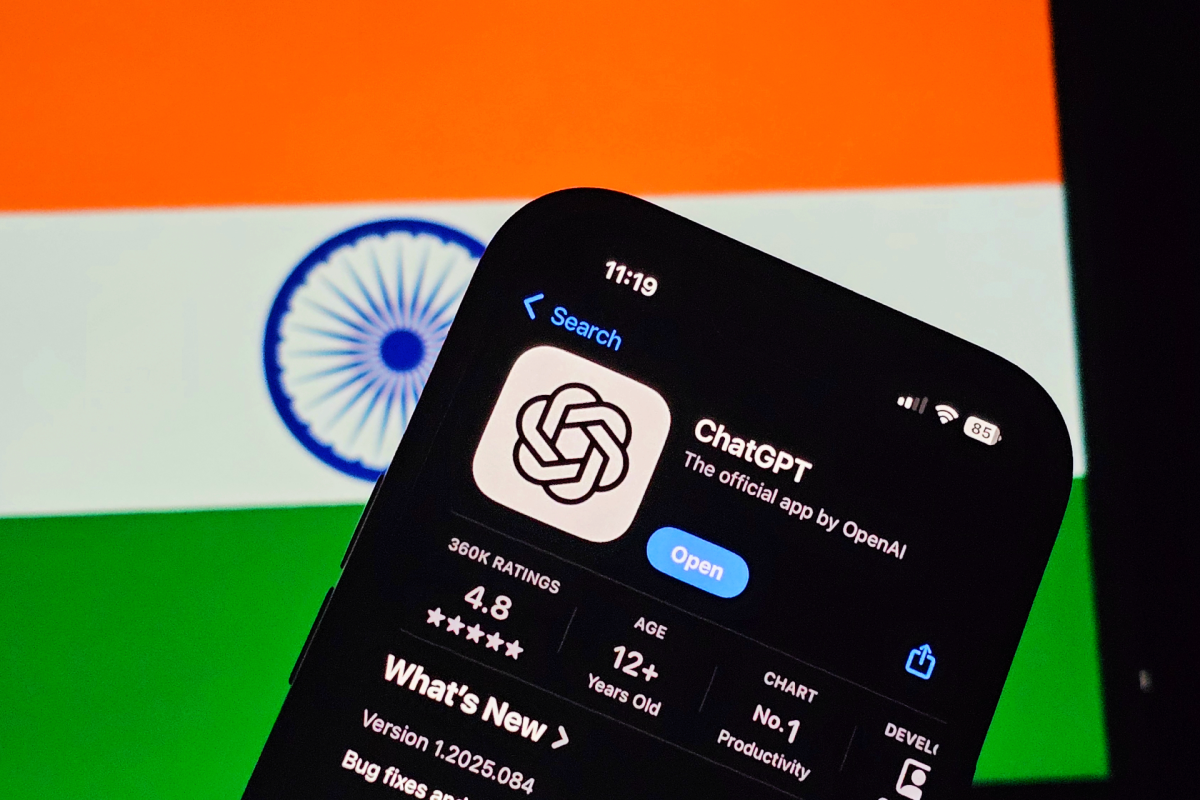
Industry leaders and investors are watching closely, especially as India’s AI adoption accelerates, with OpenAI’s Sam Altman reporting over 100 million weekly active ChatGPT users in India—a clear indicator of the market’s vast potential. The question now is: which regional players will leverage local innovation to disrupt this crowded space?

The Road Ahead: Urgency in a Rapidly Evolving Landscape

The emergence of Sarvam’s Indus app and its formidable models marks a turning point, highlighting both the opportunity and the necessity for regional actors to innovate rapidly. The AI industry’s trajectory is increasingly characterized by disruption fueled by localized solutions, high investment, and strategic partnerships. With India positioned as a vital AI market for the future, global competitors must adapt quickly or risk losing influence. As industry analysts warn, continued innovation and control over AI infrastructure will determine economic and strategic dominance in the coming decade.

In this rapidly evolving landscape, Sarvam’s push into the AI arena exemplifies the urgency for emerging markets to develop homegrown tech solutions that not only challenge global incumbents but also redefine industry norms. Stakeholders worldwide must prepare for a future where localized, innovative AI is at the forefront of technological progress, shaping the global digital economy for decades to come.

Trump hits back with new tariffs to dodge Supreme Court ruling

US Implements New Tariffs Amid Shifting Trade Policies, Igniting Innovation Risks for Tech Sector

In a bold move that underscores the increasing unpredictability of American trade policy, President Trump has announced a new 10 percent tariff on nearly all imports, effective February 24, 2026. This decision follows a recent Supreme Court ruling that overturned the bulk of tariffs previously imposed last year, highlighting the deepening complexities faced by global supply chains. The policy, rooted in Section 122 of the Trade Act of 1974, grants the administration sweeping powers to impose tariffs during trade deficits, significantly disrupting the established flow of goods—most notably in critical sectors like technology, manufacturing, and raw material sourcing.

The implications for innovation and disruption are profound. With tariffs impacting key components such as semiconductors, rare earth minerals, and critical tech inputs, U.S. industries may face increased costs and supply chain friction. Industry leaders, including giants like Apple and Intel, are already sounding alarms over potential delays and rising expenses that could stifle product development and market competitiveness. For emerging tech startups, these tariffs could represent a barrier to innovation, impeding access to essential foreign supplies and elevating costs at a time when technological leadership is fiercely contested. Less access to affordable components risks undermining the U.S.’s position as a global tech powerhouse, potentially ceding ground to competitors in Asia and Europe who could capitalize on these disruptions.

Furthermore, the strategic deployment of tariffs via Section 122—a rarely used authority—attests to a broader shift in U.S. trade policy. Experts like Gregory Husisian from Foley & Lardner LLP describe this move as a “bridge authority,” designed to leverage temporary measures while preparing for subsequent regulatory maneuvers. In this context, the U.S. government is positioning itself for a protracted battle during which it can invoke other measures, such as Section 301 and Section 232 investigations, to target unfair trade practices or national security threats. These tactics, combined with the suspension of the de minimis exemption, threaten to introduce _massive logistic bottlenecks_ in e-commerce and global trade networks, amplifying costs for consumers and businesses alike.

The broader business implications are unmistakable. As Elon Musk and Peter Thiel have emphasized, technological disruption is not merely about innovation but also about strategic adaptability. The ongoing tariff saga underscores a fundamental warning: in an era where geopolitical tensions escalate, companies must prioritize resilience and agility. The potential for prolonged tariff-related litigation—especially over refund processes and appeals—further amplifies the climate of uncertainty, compelling businesses to adapt swiftly or face obsolescence.

Looking ahead, this policy signals a sharp pivot toward a more protectionist U.S. economy, intensifying the stakes for innovators who rely on global supply chains. Time is of the essence; the window for strategic adjustment is closing swiftly. Industry observers and policymakers alike must recognize that these measures, if sustained or expanded, could reshape the global tech ecosystem—favoring those who innovate swiftly and adapt decisively. As the world watches, the urgency for U.S. companies to rethink supply chain strategies and sharpen their competitive edge has never been greater—an inevitable race toward a future where disruption is the new norm, and only the most agile will thrive.

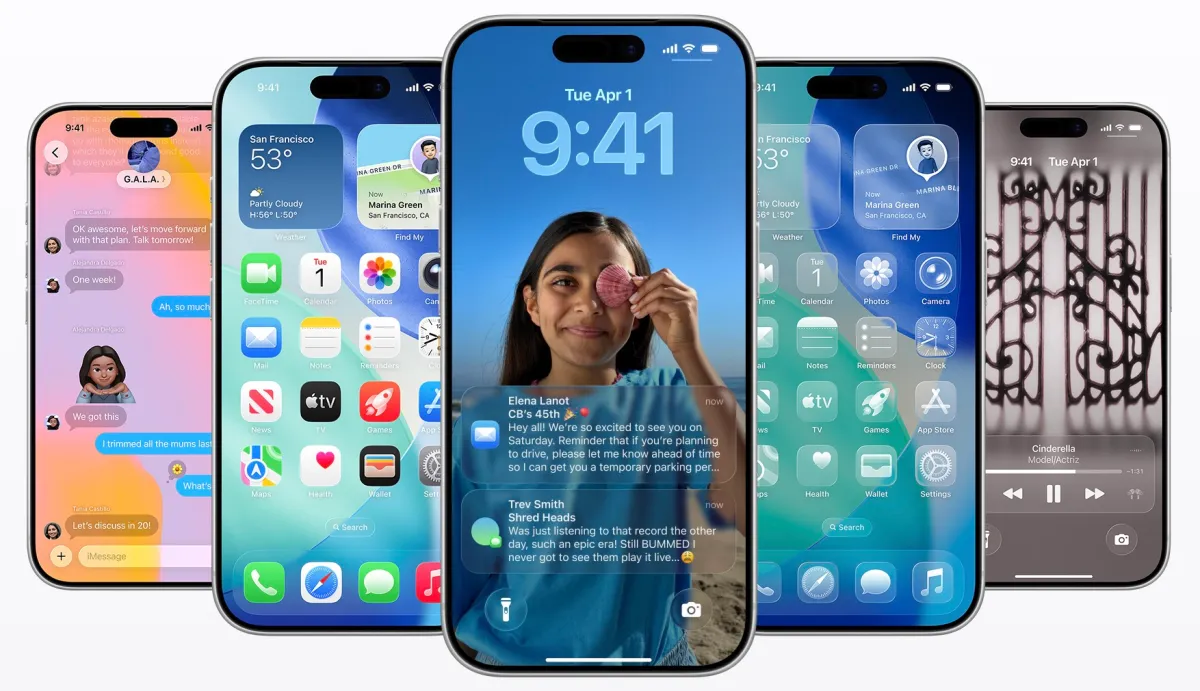
Apple’s iOS 26.4 Public Beta Drops: AI Playlists, Video Podcasts & More for Youths

Apple Unveils iOS 26.4: Disrupting Tech with AI-Powered Features

In a move that underscores its relentless push towards innovation and industry disruption, Apple announced the release of its latest mobile operating system, iOS 26.4. Currently available in public beta, this update anticipates a full rollout by March or April, promising to revolutionize user engagement with cutting-edge features leveraging artificial intelligence, security enhancements, and multimedia innovations. This strategic upgrade solidifies Apple’s positioning at the forefront of mobile technology, threatening rivals and reshaping how consumers interact with their devices and content.

AI-Driven Personalization and Business Disruption

The new AI-powered playlist generator within Apple Music exemplifies Apple’s commitment to integrating advanced machine learning into its core offerings. The “Playlist Playground” feature employs Apple Intelligence to craft customized 25-song playlists from text prompts, handling user preferences with unprecedented precision. This disruption not only enhances user experience but also impacts how music streaming services compete—ushering in an era where AI-driven content curation becomes standard. Industry analysts from Gartner suggest that AI personalization will be a key battleground, with companies that lead in this domain securing a dominant market share, potentially forcing competitors to adopt similar, disruptive algorithms or lose relevance.

Further, the refresh of the UI with full-screen artwork and the introduction of “Concerts Near You”—a feature that helps users discover live events—indicates Apple’s strategic pivot toward integrating content discovery with experiential social features. These innovations threaten traditional concert promoter and ticketing models, pushing the boundaries of how digital platforms monetize live entertainment, and creating new revenue streams that leverage AI for targeted recommendations and user engagement.

Security and Content Innovation Elevate Industry Standards

Security enhancements such as end-to-end encryption (E2EE) for RCS messaging mark a significant step towards harmonizing secure communication across platforms. Currently in testing, this feature promises to deliver iMessage-like confidentiality to Android users, broadening Apple’s influence in cross-platform messaging security—a critical concern in today’s increasingly digital society. The industry sees this as a disruptive move that pressures competitors like Google and Meta to elevate their security standards or risk losing user trust.

Meanwhile, video podcasts powered by HTTP Live Streaming (HLS) and integrated ad platforms exemplify Apple’s innovative push into multimedia monetization. Creators can now insert dynamic video ads, fostering a new digital advertising ecosystem that could undercut traditional radio, television, and even YouTube models. Industry giants like Elon Musk’s X (formerly Twitter) and startups such as Freenom are already exploring similar tech disruptions to redefine content delivery, but Apple’s seamless, ecosystem-wide integration gives it a formidable edge.

Security, AI, and Market Momentum Point Toward Future Dominance

By making Stolen Device Detection active by default and bolstering biometric authentication, Apple enhances device security, signaling a future where privacy and device integrity become standard expectations rather than added features. This approach pressures Android device makers to follow suit or risk user churn. Simultaneously, upcoming enhancements like support for in-car video playback via CarPlay and AI-powered camera tools introduce new avenues for disruption within connected vehicle markets and consumer multimedia.

Looking ahead, industry experts like Peter Thiel and MIT researchers emphasize that Apple’s emphasis on AI-driven content, cybersecurity, and seamless multimedia integration foreshadows a technological shift that demands urgency from competitors. As AI continues to evolve rapidly, Apple’s ecosystem becomes a battleground of innovation and disruption—propelling it towards an inevitable future where control over content, security, and user experience defines industry leadership. In this high-stakes race, only those who accelerate their technological development and adopt disruptive strategies will survive and thrive in the competitive landscape of tomorrow’s digital economy.

Will Stancil shakes up Minneapolis streets

Disruptive Civic Tech and Grassroots Resistance Shake Up ICE Operations in Minneapolis

In a landscape increasingly defined by disruption and citizen-led innovation, Minneapolitan activists like Will Stancil are pioneering a new form of urban resistance against federal immigration enforcement. His work exemplifies a broader shift—leveraging technology and grassroots coordination to challenge traditional police and enforcement mechanisms. Through what he dubs “commuting” — patrols by local residents armed with smartphones — communities are creating a novel form of counterpolicing that undermines the authority and operational scope of ICE. This model, while labor-intensive and arguably unsustainable in the long run, demonstrates a potent form of disruptive innovation with profound business and societal implications.

What this movement underscores is a *market*-wide recognition: traditional enforcement structures are no longer singular sources of authority or safety. Instead, decentralized civilian efforts are emerging as a disruptive force, challenging the assumptions of bureaucratic monopoly. As analysts like those at Gartner observe, this model introduces novel risks but also accelerates a shift towards participatory, community-driven security paradigms. In effect, local residents are transforming the concept of “community policing” from a formal, state-controlled police operation to an open-source, collaborative form of civil resistance that could ripple across multiple sectors.

Technology and Media: Amplifying Disruption in Real Time

The backbone of this grassroots revolution is technology. Stancil’s adept use of smartphones to record ICE actions in real time not only provides transparency but also serves as a form of public intelligence. His open engagement with media—ranging from mainstream outlets like CNN and The Atlantic to digital platforms like X—further amplifies the reach and impact of these civil actions. This blend of activism and viral media creates a feedback loop that accelerates societal change and citizen engagement, challenging the complacency of traditional political forces.

  • Real-time documentation of ICE tactics
  • Public exposure of enforcement abuses
  • Mobilization of broader support via social media

Despite critics warning about *OPSEC* vulnerabilities and the risks of making such efforts spectacle-like, it’s undeniable that this form of disruption introduces a paradigm shift for government accountability. As MIT researchers highlight, the ability for grassroots actors to use commercially available technology to undermine state operations signals a major technological disruption—an emerging form of citizen oversight that could redefine civic activism in the digital age.

Business and Policy Implications: A Shift Toward Decentralized Power

The growing success and visibility of these grassroots ICE watches have broader policy repercussions. Traditional enforcement agencies face mounting pressure to adapt or face obsolescence. Simultaneously, local communities are asserting a *business-like* control over their safety through decentralized, scalable networks—precursors to what futurists and strategists like Peter Thiel might describe as a move toward peer-to-peer governance. The challenge for policymakers is how to regulate and integrate these new actors without stifling the innovation or risking escalation of conflict.

Moreover, this model hints at a future where disrupted markets and civic sectors converge, fostering new entrepreneurial opportunities focused on community surveillance, legal tech, and digital transparency. As these grassroots efforts scale, both governmental and private-sector entities will need to reconsider their strategic positioning—either embracing openness and decentralized innovation or risking obsolescence in a rapidly evolving civic tech landscape.

Looking Forward

In this era of technological disruption and civic innovation, the pace of change demands urgent attention. Grassroots resistance like Minneapolis’s ICE patrols is not just a local anomaly but a signpost pointing toward a future where *bottom-up* civic power challenges and reshapes traditional authority. The question for industry leaders, innovators, and policymakers alike is whether they will adapt to this seismic shift or remain passive observers. The coming years will likely see rapid proliferation of similar models across the nation and possibly beyond, making it imperative to anticipate, regulate, and harness this disruptive force before it redefines civic governance itself.

Google’s Gemini Pro shatters benchmarks once more—powering the future of youth-focused tech

Google Pushes AI Frontiers with Gemini 3.1 Pro Release

In a decisive move that underscores the relentless pace of AI innovation, Google has announced the release of Gemini 3.1 Pro, its latest iteration of a highly advanced large language model (LLM). Currently available in preview, this model is poised to reshape the AI ecosystem once it transitions to a full-scale launch. Industry analysts and AI experts are already interpreting this development as a critical leap forward in the ongoing AI arms race, with Google sharpening its competitive edge against rivals like OpenAI and Anthropic.

Early benchmarks indicate that Gemini 3.1 Pro surpasses even its already impressive predecessor, Gemini 3, released last November. Notably, Brendan Foody, CEO of AI startup Mercor, lauds the model’s performance by placing it atop the APEX-Agents leaderboard, a benchmarking system designed to quantify real-world professional competency. Foody emphasizes that this achievement “demonstrates how quickly agents are improving at real knowledge work,” positioning Gemini 3.1 Pro as a key driver of disruption across sectors reliant on AI-driven automation and knowledge processing.

Implications for the Business Ecosystem and Industry Dynamics

The timing of this release coincides with a broader escalation in what is now being termed the AI model wars, where tech giants are committed to releasing increasingly powerful models capable of handling agentic tasks and complex multi-step reasoning. As the market shifts toward models that excel in productivity and professional-level cognition, industry analysts such as Gartner forecast an imminent transformation in enterprise AI adoption. Companies eager to leverage these innovations will find themselves at a strategic crossroads—those who adapt swiftly stand to redefine their operational paradigms, while laggards risk extinction.

Significantly, these advancements are not occurring in isolation. The recent launches by OpenAI and Anthropic highlight an accelerated competitive landscape driven by disruption and innovation. The race is now about more than raw power; it demands mastery of multi-modal reasoning, contextual understanding, and integration into business flows—all of which Google aims to reinforce with Gemini 3.1 Pro.

The Future of AI: Toward Hyper-Intelligent Systems and Market Disruption

Looking ahead, industry experts like Elon Musk and Peter Thiel warn of a future where AI advances leapfrog human capability, presenting both unparalleled opportunity and significant risk. The emergence of Gemini 3.1 Pro exemplifies the acceleration toward hyper-intelligent systems that could redefine entire industries—from healthcare and finance to legal services and beyond. As these models evolve, the imperative for organizations is clear: embrace innovation or become obsolete in the wake of transformative disruption.

With a major tech event scheduled for June 2026 in Boston, where industry leaders will convene to dissect these developments, the pace of change is unlikely to slow. Stakeholders across the tech ecosystem—including startups, global conglomerates, and policy makers—must remain vigilant, investing in the breakthroughs that will define the next era of AI-powered business. The window to shape the future is now, and those who act decisively will determine the trajectory of technological dominance in the coming decade.

Chrome ramps up with new features as browser battles heat up

tech giants and startups drive disruptive innovation in web browsers, signaling a new era of digital competition

In a landscape traditionally dominated by Google Chrome, 2025 is shaping up as a pivotal year for innovation and disruption in the browser market. As emerging AI-powered startups and tech companies leverage artificial intelligence to redefine user experience, Google is rallying to retain its dominance by rolling out a series of advanced features aimed at deep integration, enhanced productivity, and user convenience. This strategic move underlines an industry transition: the race for browser supremacy is intensifying, with innovation becoming the central battleground.

Google’s recent updates include features such as Split View, PDF annotations, and a new “Save to Google Drive” function, designed to boost productivity and keep users within the Google ecosystem. These enhancements reflect an acknowledgment that user engagement hinges on seamless integration and smarter workflows. Experts from MIT and industry analysts from Gartner argue that such features may serve as a defensive shield against innovative challengers that have brought AI-driven browsing experiences to the forefront.

  • Split View for multitasking across tabs
  • PDF annotations for in-browser editing
  • Direct save to cloud to prevent data loss

This upgrade exemplifies how legacy browsers are trying to adapt, but critics warn that unless these features are coupled with massive user experience overhauls, they risk becoming mere band-aids.

Meanwhile, startups like ChatGPT Atlas and others are unleashing AI-centric browsers that promise to revolutionize how we interact online. These new entrants focus on disruption through automation, personalized content, and autonomous browsing capabilities, forcing giants to reconsider their strategies. The industry observes that if these startups gain mass adoption, we could witness a seismic shift in how digital markets operate. Historically, Peter Thiel has emphasized the importance of monopoly via innovation, a lesson now resonant in the race for browsing dominance. The question remains whether legacy players can evolve swiftly enough to fend off these challengers or risk obsolescence.

The business implications of this shift are profound. As Google deepens its AI integrations and other companies introduce revolutionary functionalities, the boundaries between browsers and AI assistants are blurring. This suggests a future where the browser becomes an intelligent gateway to a personalized, autonomous digital ecosystem. Such a transition not only threatens traditional browser revenue streams but also opens new avenues for cloud services, AI subscriptions, and SaaS models. Companies that master these innovations will secure a competitive edge, while those slow to adopt risk losing relevance in this fast-changing industry.

As we move into this new epoch, the urgency for establishing innovation-driven monopolies has never been greater. The convergence of AI, cloud integration, and user-centric features points to a future where dominance will depend on technological agility and strategic disruption. Industry observers and investors must stay alert, as the next wave of breakthroughs could redefine the digital landscape altogether. With giants and startups alike accelerating their R&D efforts, the battle to shape the browser of tomorrow is not just about software—it’s about wielding the power to influence global information flows.

OpenAI teams with Tata for 100MW AI hub in India, targeting 1GW growth

OpenAI Sets Strategic Milestone with Tata Group Partnership in India’s AI Revolution

In a move signaling disruption and innovation in the global artificial intelligence landscape, OpenAI has announced a groundbreaking partnership with Tata Group to develop a robust AI-ready data center infrastructure in India. This partnership is a core component of OpenAI’s Stargate project, which aims to build scalable, enterprise-grade AI infrastructure on a global level. Starting with an initial capacity of 100 megawatts, the collaboration is set to expand to a staggering 1 gigawatt, positioning India as a key hub for AI innovation and enterprise adoption.

Leading industry analysts, including Gartner and MIT research teams, emphasize that this strategic shift underscores the importance of localized data processing for large-scale AI deployment. Hosting AI models domestically reduces latency—vital for delivering real-time solutions in sectors such as finance, healthcare, and digital governance—while enabling compliance with India’s data residency laws. Notably, the move positions OpenAI at the forefront of industry disruption, with capabilities rivaling the world’s largest AI data centers, exemplified by tech giants like Google and Amazon, who have already demonstrated the business potential of massive infrastructure investments.

Innovation Driven by Strategic Infrastructure and Enterprise Collaborations

The partnership is more than just a hardware upgrade; it symbolizes a paradigm shift in enterprise AI adoption. TCS’s HyperVault data centers, backed by approximately $2 billion in planned investments, will serve as the backbone for OpenAI’s local operations. This infrastructure will enable deployment of advanced AI models like GPT-4 locally, significantly improving turnaround times, data security, and compliance for Indian enterprises. Large-scale AI training, which demands intensive GPU clusters, underscores the scale of this operation, reflecting the company’s long-term ambitions for India as a regional powerhouse.

  • Deployment of ChatGPT Enterprise to streamline Tata’s workforce, empowering hundreds of thousands of employees with AI-driven tools.
  • Standardization of AI-native software engineering through OpenAI’s Codex tools, sparking a wave of innovation within Tata Group’s diverse portfolio.
  • Certification programs launched by OpenAI to upskill Indian professionals, ensuring a ready workforce equipped to harness the AI revolution.

Leading voices like Sam Altman have highlighted India’s rising influence, with over 100 million weekly ChatGPT users, driven by a surge of student, developer, and entrepreneurial activity. This rapid adoption rate signals an urgent window of opportunity for global AI firms to embed deeply into India’s digital economy. The collaboration also aligns with Tata’s vision to culturally and technologically position itself as a leader in AI, a move echoed by industry insiders as a disruptive force that could redefine enterprise software standards across Asia and beyond.

Future Implications and Next Steps

As OpenAI ramps up its local footprint, including upcoming offices in Mumbai and Bengaluru, the company’s strategy signals a recognition that AI’s future is rooted in regional infrastructure and enterprise integration. The partnership with Tata and the HyperVault platform signifies a critical inflection point—where innovation meets strategic deployment, and global AI leadership is renegotiated. With AI’s disruptive potential only accelerating, India is poised to become an engine of the next wave of digital transformation.

Market observers and industry leaders must remain vigilant. The acceleration of AI infrastructure development underscores the urgent need for regulatory clarity, ethical standards, and innovations that safeguard user interests. As giants like OpenAI position themselves for dominance, delay or complacency could render other players obsolete in this rapidly evolving landscape. The question is no longer whether AI will reshape industries—it’s about who will lead the charge. The future belongs to those willing to invest boldly now, shaping a world where AI drives unparalleled economic growth, technological breakthroughs, and societal transformation.

Etsy strikes big, sells Depop to eBay for $1.2B—youth culture goes mainstream

eBay’s Strategic Acquisition of Depop Signals Industry Disruption and Innovation

In a move set to recalibrate the landscape of online secondhand fashion, eBay announced the acquisition of Depop from Etsy for $1.2 billion in cash. This strategic deal underscores a notable shift within the e-commerce sector, emphasizing the importance of innovative, social-focused marketplaces appealing to Gen Z and millennial consumers. As widespread digital disruption continues to reshape consumer behavior, eBay’s move to acquire a highly social, community-driven platform signals its ambition to dominate the lucrative pre-loved fashion niche—an area experiencing unprecedented growth and innovation.

Depop’s Rapid Growth Highlights the Power of Innovation and Disruption

Founded in 2011, Depop has emerged as a trailblazer within the resale economy, generating an impressive $1 billion in gross merchandise sales in 2025. Its appeal to Generation Z—more than 90% of its active buyers under 34—and its vibrant community of over three million active sellers, underscore its position as a disruptive force in fashion retail. Unlike traditional marketplaces, Depop leverages social networking features, fostering a sense of community and purpose around sustainable consumer practices—an approach that resonates profoundly with the values of younger generations. Industry analyst firms like Gartner have highlighted how this social-commerce convergence is redefining e-tailing, and suppliers like MIT are exploring new paradigms of virtual community engagement as the future of commerce.

Furthermore, Depop’s year-over-year growth rate of nearly 60% in the U.S. demonstrates the disruptive potential of niche, community-centric platforms in a saturated market. This growth reflects a broader trend — consumers increasingly favor sustainable, unique fashion choices made through social platforms that foster authenticity and personal expression. While traditional retail models face pressure from digital transformation, innovative resale platforms are capitalizing on this market shift, disrupting longstanding dominance of fast fashion giants.

Business Implications and Future Industry Trends

The divestment by Etsy signals a broader strategic shift among online marketplaces towards specialization and targeted growth. By focusing solely on its core platform, Etsy aims to deepen its market penetration, emphasizing handcrafted and niche goods, as Kruti Patel Goyal indicated. Conversely, eBay’s acquisition of Depop positions it at the forefront of this social-driven resale revolution, with the potential to leverage its existing scale and infrastructure to accelerate Depop’s global expansion.

This move exemplifies the ongoing disruption in the online marketplace ecosystem, where traditional players are acquiring niche platforms to innovate and stay competitive. According to analysts from Gartner, such M&A activity reflects a recognition that in the age of digital capitalism, speed and innovation are critical for survival, and the ability to tap into younger, digitally-native audiences is a game-changer.

Looking ahead, industry experts warn that others must follow suite or risk obsolescence. The exponential growth of social e-commerce, bolstered by advances in AI, virtual communities, and immersive tech, will define the next wave of market disruption. As Elon Musk and Peter Thiel have often emphasized, the companies that invest early in innovative models—like social marketplaces and niche resale platforms—will control the future. The race is now on for legacy players and disrupting newcomers alike to harness these technological shifts and capture the lucrative, fast-evolving demographic landscape.

Conclusion: Urgency for Tech Innovators in the Face of Disruption

This latest deal exemplifies the relentless pace of innovation in digital commerce and underscores the importance of disruption for strategic advantage. With Gen Z and millennial consumers driving demand for authentic, community-driven shopping experiences, the companies that adapt swiftly will shape the industry’s future. As the landscape continues to evolve with emerging technologies and changing consumer behaviors, the imperative for agility, innovation, and strategic foresight becomes clear. The coming years will be decisive in defining the next generation of tech giants—those willing to disrupt, innovate, and lead the charge into the new economy.

Audible Boosts Focus by Syncing eBooks and Audiobooks for Young Minds

Audible Disrupts Traditional Reading Habits with Immersive Augmented Reading Technology

In a bold move demonstrating the rapid convergence of audio and digital reading platforms, Audible has unveiled its innovative “immersion reading” feature, signaling a decisive shift in how consumers engage with books in the digital age. This latest offering allows users to seamlessly synchronize audio narration with on-page text, highlighting the synchronized content in real-time. As the digital marketplace continues to evolve, Audible’s platform exemplifies how disruption can redefine traditional reading paradigms, making immersive content more accessible and engaging for the next generation of learners and readers.

The core innovation behind “immersion reading” capitalizes on enhanced interactivity and multi-sensory engagement, which experts suggest could significantly boost comprehension and retention. Users can activate the feature within the Audible app by tapping “Read & Listen,” and as the audiobook progresses, the corresponding text is highlighted in sync with the narration. This is particularly valuable for language learners, students, and avid readers seeking a more focused experience. Audible estimates that hundreds of thousands of titles—including numerous in German, Spanish, Italian, and French—will support this feature at launch, aligning with trends toward multilingual and multicultural digital content.

The business implication of this strategic enhancement is profound. By combining the strengths of both audiobook and e-book markets, Audible is effectively creating a hybrid ecosystem that emphasizes interoperability and user engagement. While the feature requires users to own both formats, it opens avenues for increased subscription and data-driven content personalization. Moreover, competing platforms such as Spotify are rapidly exploring similar innovations, with Spotify’s recent “Page Match” feature allowing users to scan printed pages and synchronize them with audiobooks, highlighting a broader industry shift toward immersive, synchronized experiences. These advancements pave the way for a future where the boundaries between different media formats—text, audio, and video—blur, challenging entrenched publishing and entertainment models.

Analysis by technology analysts like Gartner underscores that such features are indicative of a broader disruption in digital content consumption. In the emerging landscape dominated by AI-powered, interactive, and personalized experiences, the ability to offer multifaceted engagement will be a key differentiator. Companies that invest in these innovations not only appeal to tech-savvy youth but also capitalize on the growing demand for inclusive, accessible content that supports learning and leisure simultaneously. This strategic focus on immersive media also aligns with trends observed in leading institutions like MIT and Silicon Valley giants, emphasizing that the future of digital media hinges on how well companies can integrate multimodal content and foster deeper engagement.

Looking ahead, the rollout of features like Audible’s immersion reading signals a pivotal moment for the entire industry. As consumer expectations evolve rapidly, the race to innovate and disrupt traditional narratives will intensify. In this competitive and fast-evolving environment, the ability to leverage technology for enhanced engagement will determine industry leaders. The next decade promises to redefine storytelling and education through immersive, synchronized audio-text experiences—a convergence of innovation and disruption with far-reaching implications for content creators, publishers, and tech giants alike. The message is clear: those who embrace these transformative shifts—focusing on disruption, innovation, and strategic agility—will shape the future of digital media.

U.S. Court Blocks OpenAI’s ‘Cameo’, Unveiling Battle Over AI Power

Legal Victory and Industry Disruption: Cameo Wins Battle Against OpenAI Over Trademark

In a landmark decision that underscores the escalating tensions between innovation and intellectual property rights, a federal district court in Northern California has ruled decisively in favor of Cameo, the prominent platform specializing in personalized celebrity video messages. The court ordered OpenAI to cease using the word “Cameo” in its AI-driven products and features—a move that sends ripples through both the AI and creator economies. This ruling not only affirms the importance of protecting established brands in a rapidly evolving digital marketplace but also redefines the legal landscape for AI developers and content creators.

Following a temporary restraining order granted last November, OpenAI promptly rebranded its feature from “Cameo” to “Characters,” showcasing a swift, albeit cautious, response to legal pressures. However, the court’s decision reaffirmed the uniqueness of the Cameo brand, emphasizing that intellectual property rights remain a critical battleground in the disruption-driven AI industry. CEO of Cameo articulated confidence in this victory: “This ruling is a critical victory not just for our company, but for the integrity of our marketplace and the thousands of creators who trust the Cameo name.” Nonetheless, OpenAI publicly expressed disagreement, with a spokesperson asserting that “anyone can claim ownership over the word ‘cameo,’” illustrating the ongoing tension between innovative AI product development and legacy branding.

Surge of Legal Challenges Reflects Broader Industry Shifts

While the Cameo case captures headlines, it is part of a broader wave of legal disputes threatening the trajectory of AI and digital media innovation. In recent months, OpenAI has faced multiple lawsuits over intellectual property infringements, including the recent dropping of “IO” branding for new hardware and a suit from OverDrive over its “Sora” video app. This litany of legal challenges highlights a fast-changing industry where market dominance is increasingly intertwined with ownership of content, trademarks, and cultural assets.

Industry analysts from firms like Gartner and MIT warn that these legal disputes could temper the rapid disruption we’ve seen in AI and digital content. Despite the setbacks, the opportunities for disruptive innovation remain vast. Companies that can navigate the legal terrain and protect their intellectual property will secure competitive advantages, paving the way for an era where AI-driven content platforms redefine interaction, entertainment, and creator-driven economies.

Implications for the Future of AI and Content Creation

The legal tussles signal a

*bigger shift in how digital rights, branding, and AI capabilities will coexist.* The disruption caused by this case underscores a need for new frameworks of engagement, emphasizing the importance of respecting cultural and intellectual property boundaries while pushing innovation forward. As Elon Musk and Peter Thiel have often emphasized, the future belongs to those who master the intersection of technology and rights management.

Looking ahead, one thing is clear: the next generation of AI tools and platforms will be shaped by how companies adhere to, and challenge, current legal and market norms. Market leaders and startups alike must accelerate their strategic defenses against infringement claims or risk losing vital ground in this rapidly expanding digital arena. With new legislation and AI capabilities converging, the industry faces a pivotal moment, where innovation, legal acumen, and brand integrity will determine the winners and losers in the technology race of tomorrow.

Social Media Auto Publish Powered By : XYZScripts.com