Matox News

Truth Over Trends, always!

Florida Couple Targeted: Suspects Use Apple AirTag to Track and Ambush in Bold Attack

The Cultural Impact of AirTags: From Convenience to Controversy

In today’s fast-paced and interconnected society, technology companies continue to develop tools that shape our daily lives. Among the latest innovations, Apple’s AirTag stands out as a game-changer in personal item tracking, promising unparalleled convenience for the average user. With a simple attachment to personal belongings, users can now keep tabs on everything from keys to luggage, blending seamlessly into a lifestyle rooted in efficiency and security. This shift in behavior underscores a broader societal craving for control and peace of mind in an increasingly unpredictable world.

However, as with many technological advancements, the cultural impact of AirTags has extended beyond their initial purpose. The viral stories emerging from their misuse reveal a darker side: they are now being exploited for nefarious purposes. Recent reports from Florida highlight a disturbing trend where individuals use AirTags to stalk or track others without their knowledge, revealing a potential social rift. In a shocking incident, a Tampa couple was targeted by suspects who planted an AirTag on their SUV, tracking them to their home. The suspects then attempted an abduction at gunpoint before fleeing when an alarm was triggered. Such incidents have prompted public debates about privacy and security, reflecting a societal tension between innovation and the potential for misuse.

The Shift in Social Behavior and Norms

The escalating concerns about unwanted tracking highlight an urgent need for awareness. Apple’s efforts to educate users—through alerts and step-by-step guides—signal a recognition that technology’s social relevance is growing. For example, iPhone users are advised to activate location services, Bluetooth, and notifications to be alerted if an unknown AirTag is detected nearby. Android users are similarly encouraged to enable their own tracker alerts, emphasizing the shift in societal responsibility toward individual digital security. This evolution in user awareness demonstrates a societal acknowledgment that technological empowerment must go hand-in-hand with heightened vigilance.

Moreover, influencers and watchdogs on social media are amplifying these messages, encouraging young people to stay informed. Notable privacy advocates argue that these trends are not merely about gadgets but are central to understanding the social contract in a digital age. Sociologists suggest that this new awareness marks a cultural shift—from passive consumers of tech to active guardians of their own privacy. As tech companies continue to innovate, society’s collective behavior is echoing a need for ethical considerations and accountability—a move that could reshape future tech design and usage norms.

The Future: A Balancing Act

Where does this leave us? The narrative seems to be moving towards a delicate balancing act: innovation that enhances our lives without crossing into the territory of intrusion. The emergence of tracking misuse prompts a pressing question: will future advancements in personal technology prioritize privacy and ethical safeguards or continue to prioritize convenience at any cost? The next big question is whether society will leverage this awareness to push for stronger regulations and responsible design, or if the urge for convenience will outweigh concerns for individual rights.

As this debate unfolds, one thing remains clear: the technology we embrace today will inevitably shape the social norms of tomorrow. Young users, in particular, must ask themselves—are we crafting a future where innovation and privacy coexist, or are we unknowingly paving the way for a society where unseen eyes are always watching? The rise of AirTags may seem ordinary now, but the story they tell about our values and priorities could define the next chapter in the digital age.


Anthropic Drops Claude Haiku 4.5: Smarter, Cheaper, and Faster—The New Wave in AI!

In a landscape increasingly shaped by technological innovation, Artificial Intelligence (AI) remains at the forefront of cultural transformation. This week, the announcement of Anthropic’s Claude Haiku 4.5 marks a significant milestone—not only for AI development but also for its societal role. Designed for speed, affordability, and safety, this latest iteration of a compact yet powerful AI model showcases the industry’s relentless pursuit of making AI more accessible and practical for everyday use. With performance matching that of models twice as large but at a fraction of the cost, Haiku 4.5 symbolizes a democratization of AI technology that could redefine how youth and consumers interact with digital content and tools.

The cultural impact of this development is profound. For a generation that’s grown up immersed in technology, the blending of AI into daily life isn’t just about convenience—it’s about shaping their social narrative. Influencers and young creators are increasingly adopting AI tools like Claude to generate content, code, and ideas, effectively transforming how trends emerge and evolve. Interviews with sociologists highlight that this shift fosters a new form of digital literacy, where navigating AI-human collaboration becomes a key social skill. Moreover, the affordability and speed of Haiku 4.5 mean that even small creators can participate in the AI-powered content boom, making the AI ecosystem more inclusive and vibrant than ever before.

However, the timing of this launch is far from accidental. The broader political landscape around AI is tumultuous. Reports from Bloomberg reveal that Anthropic has found itself in the crosshairs of critics—particularly from the Trump-era AI czar, David Sacks, who has accused the company of “regulatory capture” due to their support for California’s new AI transparency law. This controversy underscores a social relevance: AI is no longer just a technological issue but a heated societal debate about regulation, safety, and the future of free enterprise in the digital age. As CEO Jack Clark points out, despite criticism, Anthropic remains aligned with the White House on responsible innovation, hinting at a future where AI safety and progress might be seen as complementary rather than conflicting.

  • AI accessibility: Lowering costs makes AI tools attainable for a broader demographic, especially youth eager to leverage the latest tech in creative pursuits.
  • Content creation revolution: Young influencers are increasingly integrating AI into their workflows, fostering a cultural shift towards digital craftsmanship.
  • Political and societal debates: The ongoing struggle between regulation and innovation reflects a society still grappling with what responsible AI development truly entails.

As we look toward the future, one must ask: Will AI, exemplified by breakthroughs like Claude Haiku 4.5, serve as a unifying force that bridges societal divides or deepen existing fractures through regulatory confrontations and ideological battles? The next chapter of AI’s cultural impact hinges on this pivotal question—one that will determine whether the digital revolution continues to empower youth and creators or stalls amid political discord. Ultimately, the trajectory of AI’s influence is still unwritten, but the, next big question might be whether society is ready to embrace AI as a shared, responsible tool—balancing innovation with safety in a digitally-driven future.

Vivienne Westwood’s granddaughter calls out brand as Riyadh Fashion Week deal sparks controversy

Fashion’s Fight for Social Justice: The Vivienne Westwood Legacy in a Changing World

The recent decision by Vivienne Westwood’s brand to showcase in Riyadh fashion week has ignited a fierce debate about the delicate balance between artistic expression and social responsibility. While the brand insists that their presence in the Gulf state is meant to facilitate dialogue and understanding, critics—including the granddaughter, Cora Corré—argue that such moves undermine the very values Westwood championed during her lifetime. This controversy underscores a larger, cultural shift within the fashion industry: the tension between global commerce and social activism, especially when powerful brands become unintentional agents of geopolitical diplomacy.

At the heart of this debate is the cultural impact of celebrity and brand influence on social values. Westwood, known for her punk rock ethos and outspoken activism, used her platform to challenge injustice—campaigning against fracking and advocating for Julian Assange. Yet, her brand’s decision to participate in Saudi Arabia’s glitzy fashion scene raises questions about how much influence elite fashion has in shaping societal norms. Influencers, sociologists, and analysts suggest that this dichotomy between style and substance exposes a broader societal undercurrent: are these gestures of cultural exchange or silent endorsements of controversial regimes? The fact that Kate Moss recently appeared in a charity T-shirt—featuring vintage Westwood graphics—further complicates the narrative, blurring lines between activism, fashion, and commercial interests.

This move also awakens concerns about the social relevance of fashion—particularly in nations with documented human rights violations. Human Rights Watch has called Saudi Arabia’s record “abysmal,” citing brutal repression of dissent and the criminalization of LGBTQ+ individuals—who face fines, flogging, or imprisonment. Despite this, Saudi Arabia is aggressively cultivating a global image as a hub of luxury and entertainment, investing heavily in high-profile events and celebrity-driven spectacles. Critics argue that these efforts, often endorsed by iconic brands, serve as a fine veneer masking deep-rooted abuses—raising the key question: are we commodifying human rights issues, or are these cultural exchanges genuinely fostering change?

As the winds of change blow through fashion, the implications extend beyond style into societal narratives. The questions that remain are profound: does stepping into an oppressive society simply normalize its realities, or can it be a catalyst for progressive dialogue? The answer may depend on perspective, yet one thing is clear—how iconic brands leverage their influence could define the next era of cultural activism. With Stella McCartney being approached for comment and ongoing discussions about the true impact of such high-profile endorsements, the next big question may be: Will fashion continue as a tool for social change, or will it become merely a business of appearances—lost in the glamour and gloss of luxury?

COROS NOMAD Unleashes Next-Level Navigation with Offline Maps — The Ultimate Watch for Trendsetting Adventurers

In a world increasingly obsessed with exploring the outdoors and embracing an active lifestyle, the COROS NOMAD is emerging as a symbol of how technology is reshaping our engagement with nature. This innovative smartwatch isn’t just a device for telling time—it’s a game-changer in outdoor navigation. Its lightweight design, combined with the powerful integration of full offline mapping, has caught the attention of trend-savvy consumers and outdoor enthusiasts alike, signaling a shift in how society perceives adventure and self-sufficiency.

What makes the NOMAD stand out is its ability to provide **detailed navigational information without reliance on cellular networks**. Unlike conventional smartwatches that depend on connected devices or Wi-Fi, this watch operates independently, giving users the confidence to venture into remote wilderness areas. This feature has catapulted it into the cultural lexicon as a symbol of independence and resilience. Influencer explorers, such as renowned outdoor adventurer Jessica Green, have leveraged the device for their expeditions, showcasing the blend of rugged utility with modern tech. Sociologists highlight that this meld of nature and innovation reflects a broader societal desire to reclaim agency over our environment, especially in a digital age which often feels overly connected and over-controlled.

The social relevance of this trend extends beyond outdoor recreation. It taps into a collective longing for authenticity, adventure, and self-reliance—values that resonate strongly among the youth. As urban environments become more saturated, the aspirational pull of raw, unfiltered nature is fueling a cultural shift, with consumers seeking gear that underscores this lifestyle. This isn’t merely about having the latest gadget; it’s about _how_ that gadget symbolizes a larger narrative of independence and self-empowerment. Top trend reports note that brands like Coros are not just selling a product but propagating a cultural movement—one that embraces active, minimalist, yet tech-savvy lifestyles.

  • The integration of detailed offline maps into wearable tech
  • The rise of adventure-driven social media content
  • The growing influence of outdoor lifestyle influencers
  • The redefinition of rugged masculinity and femininity in modern society
  • The shift towards sustainable and self-sufficient outdoor gear

As analysts suggest, this trend mirrors shifts in societal attitudes—moving away from dependency on technological infrastructure and toward fostering personal resilience. The NOMAD, with its sleek design and comprehensive offline capabilities, exemplifies how product innovation can serve as a cultural catalyst. It’s effectively transforming the outdoor experience into a statement of individual grit, appealing especially to a generation that values authenticity and self-determination. This empowerment theme echoes broader societal debates on independence, technology, and the reimagining of adventure in the 21st century.

However, as the popularity of such devices soars, a provocative question emerges: _Could this embrace of individual survival technology mark a larger societal pivot away from centralized systems altogether?_ The next big challenge may involve how these gadgets influence our collective understanding of community, safety, and reliance on infrastructure. If more young explorers begin to trust their own navigation skills over traditional tools, what does this mean for the future of outdoor recreation and our social fabric? As the boundaries between technology and society continue to blur, viewers are left pondering whether this trend is merely a passing fascination or the dawn of a new era of resilient, tech-powered individualism.

Judge lifts ban, letting OpenAI keep ChatGPT logs—big win for AI transparency and innovation

In a move that underscores the escalating tug-of-war between innovation and regulation, a recent court decision marks a significant shift in how AI companies like OpenAI are required to handle user data. After months of legal battles and public scrutiny, a federal judge has lifted the earlier preservation order that mandated OpenAI to retain all ChatGPT logs indefinitely. This ruling signals a potential realignment on data privacy, and it raises vital questions about the future of digital privacy amidst rapid AI expansion.

Initially, the court’s preservation order was a major win for The New York Times and other media outlets, like TheIntercept and Alternet, who accuse OpenAI of training its models on copyrighted news content without proper authorization. The order essentially allowed the news organizations to scrutinize ChatGPT’s outputs for copyright infringement, shining a light on the murky waters of AI training data. OpenAI, on the other hand, vehemently opposed the mandate, citing concerns about user privacy and data security. The company argued that such a requirement could set a dangerous precedent—one that threatens the confidentiality of user interactions and broader digital rights. When Judge Ona T. Wang decided in October to relax the preservation requirements, it sent a clear message: the balance of power might be shifting away from data accumulation toward privacy and individual rights.

This legal turn doesn’t just reflect a single case—it’s emblematic of a broader cultural impact shaping the digital landscape. AI-powered platforms like ChatGPT have become ingrained in the everyday lives of youth, offering everything from educational assistance to social interaction. As public awareness grows about the potential data footprints we leave behind, there’s a growing societal consciousness about digital footprints. Influencers, sociologists, and tech analysts are now debating whether the next frontier is ethical AI use that respects user rights or unchecked corporate data harvesting. For younger generations, who are often at the forefront of digital trends, this legal battle underscores an implicit societal shift — from raw data collection to empowering user privacy as a social norm.

  • Trend #1: Increasing demand for transparency from AI providers concerning data use and privacy.
  • Trend #2: Growing awareness among youth about the power of their digital footprints and the importance of safeguarding personal data.
  • Trend #3: An emerging cultural movement advocating for ethical AI development, framing privacy as a social justice issue.

As we observe these shifts, the question looming over this evolving digital landscape is as provocative as it is vital: Will the push for user privacy redefine the way AI is trained and deployed, or will companies find a way to circumvent these new rules to keep their competitive edge? With influential voices like tech lawyers and societal analysts raising concerns about a future where our digital selves are more protected yet more scrutinized than ever before, the next chapter in AI history might hinge on whether this turn away from indefinite data preservation will truly foster a more accountable and ethical technological era. The dominant question that remains: could this legal shift be the catalyst for a cultural revolution where personal data becomes our strongest form of digital independence?

BURDIFILEK Revolutionizes Retail: Fresh New Look for Cosmetics and Beauty Spaces to Capture the Next-Gen Shopper (TrendHunter.com)

In today’s fast-evolving consumer landscape, beauty and cosmetics are no longer confined to the markers of individual identity—they’ve become a statement of social belonging and cultural dialogue. Recent redesigns within major retail spaces, like the stunning overhaul of the cosmetics and beauty department at Hyundai Jungdong in Bucheon, South Korea, exemplify this shift. Designed by the acclaimed interior firm BURDIFILEK, the transformation isn’t just aesthetic; it signifies an industry-wide movement towards creating immersive, lifestyle-driven environments that appeal directly to the youth demographic.

This new wave of retail design emphasizes experiential shopping—transforming ordinary visits into engaging cultural moments. The use of sleek, modern elements combined with interactive zones reflects a deeper understanding of social media-savvy consumers seeking authenticity and connection. The broader social relevance of these designs speaks to a society once dominated by traditional beauty standards, now pivoting towards a more inclusive, dynamic approach. Influencers and emerging social analysts highlight how these retail spaces are functioning less like storefronts and more like cultural hubs: places where personal style, community, and shared values converge. As sociologists point out, the design isn’t just about product placement anymore—it’s about cultivating a lifestyle that resonates with younger generations making their mark online and offline.

Another fascinating facet of this trend is how self-expression becomes a collective experience. Brands and designers are tapping into the viral power of social media platforms, creating environments that are as much about the aesthetic as they are about community building.

  • Customized beauty zones that encourage young visitors to showcase their looks.
  • Interactive digital displays featuring trending makeup tutorials and beauty tips.
  • Inclusive design elements that celebrate diversity and promote a sense of belonging.

These innovative retail spaces aren’t just a reflection of current youth culture—they are actively shaping it. Influencers, such as beauty vloggers and fashion leaders, use these environments as backdrops for their content, turning retail stores into live stages of cultural expression. Meanwhile, trend analysts argue that the cultural impact goes well beyond aesthetics, influencing societal norms around beauty, gender, and identity. As the lines between consumer and creator blur, the question becomes: are we witnessing a new form of cultural diplomacy, one where retail spaces serve as the battleground for cultural values?

The future of the beauty retail landscape appears poised at a crossroads—where design meets social activism, and personal style becomes a collective movement. Yet, as these spaces continue to evolve, one question lingers: what’s the next big shift that will redefine how we perceive beauty and self-expression in a society increasingly driven by digital identity? The answer might just lie in the next wave of innovative, immersive environments that will challenge all notions we hold about beauty, community, and cultural influence.

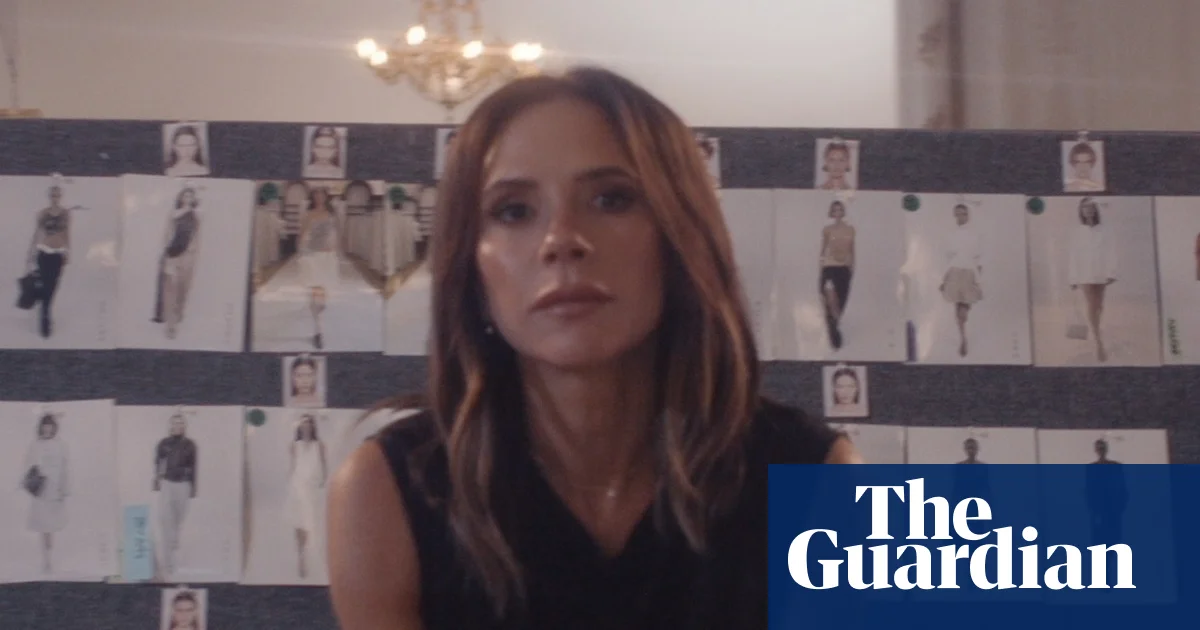
Nine Bold Lessons from Victoria Beckham’s Docuseries: Why We Had to End the Wag Era

The Beckhams continue to demonstrate that their social influence extends far beyond footballs and pop lyrics into the realm of lifestyle and societal trends. Their recent public appearances and candid moments reveal more than just celebrity gossip — they signify a larger shift in how the modern elite approaches personal branding and social relevance. Victoria Beckham’s increasingly curated habits, from her exclusive choice of drinkware to her carefully orchestrated public image, underscore a move toward a calculated minimalism that resonates strongly with today’s youth. Gone are the days of cluttered kitchen cabinets filled with questionable novelty mugs; instead, Victoria seems to embrace a less-is-more ethos, sipping from sleek sippy cups and monogrammed glass straws, signals of a subtle yet deliberate redefinition of luxury and authenticity.

This behavior highlights a bigger societal trend among the young, affluent, and aspirational — a push toward authenticity, simplicity, and personalized branding. Influencers like Kim Kardashian and Harry Styles have popularized a style of self-presentation that aligns with this shift, emphasizing curated minimalism and individual expression over ostentation. For sociologists and analysts, such as Dr. Lisa Buchanan, this transition indicates a broader cultural pivot: the image of effortless, almost mundane luxury that speaks to a generation eager to reject excess but still crave exclusivity. Victoria’s subtle walk-through of her daily rituals—such as her strategic positioning beside David for camera optics or her choice to “bury her boobs” for sleek elegance—emphasize her mastery at blending high fashion with relatable authenticity. This is an era where celebrity is crafted through nuanced behavioral cues.

And let’s not overlook her cultural power plays. Her interactions with legendary designers like Donatella Versace and media icons such as Anna Wintour serve as deliberate signals of her influence and credibility within the fashion world. Even her unconventional fashion choices — like her decision to customize her wardrobe by shortening dresses or altering runway pieces — challenge traditional notions of authority in the industry. Meanwhile, her home life, including a £70,000 investment in plants and the construction of a mansion dubbed “Beckingham Palace”, showcases how her identity now extends into her personal habitat as an extension of her brand. These seemingly superficial details actually function as social signals, reinforcing her status as a mogul who can blend lifestyle trends with cultural authority.

Yet, beneath the polished veneer lies a compelling question: as Victoria and David continue to navigate their personal narratives — from playful teasing about modestly-sized “magnificent” assets to tearful tears over fashion mentorship — we are left to wonder what the next evolution of this celebrity lifestyle will be. Will the rising generation of young influencers and entrepreneurs embrace this curated simplicity as a new form of luxury? Or are these carefully constructed images destined to be replaced by authentic, raw expressions that challenge the very notion of celebrity as a constructed identity? The future of celebrity lifestyle trends remains a fascinating conversation — one that blurs the line between authentic individuality and calculated social positioning. As we watch Victoria Beckham redefine elegance, the core question for tomorrow’s tastemakers might just be: how much authenticity can this curated minimalism sustain in a world obsessed with genuine connection?

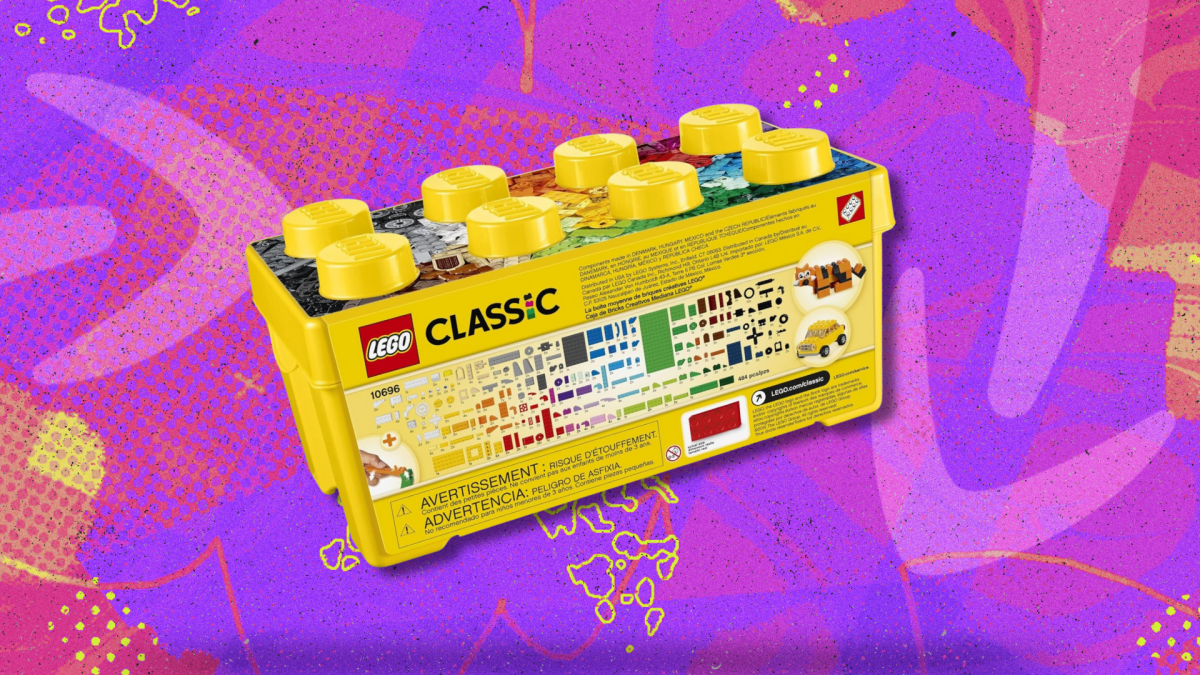
Top October Prime Day Lego Deals: Epic Star Wars Sets & Fresh Botanicals for Trendsetters

In recent years, Lego has transformed from simple children’s toys into powerful symbols of cultural evolution and social engagement. The emergence of targeted sales events like Amazon’s Prime Big Deal Days is reshaping how consumers approach holiday shopping, especially within the youth demographic. With the recent surge in Lego deals, it’s evident that the brand is not just about building blocks; it’s about building a cultural identity that resonates across generations. Influencers, artists, and social analysts agree that Lego’s strategic positioning during these shopping seasons fuels a larger societal conversation about creativity, nostalgia, and the power of DIY culture.

One of the most noticeable shifts—highlighted by savvy shoppers and trend trackers—is how Lego’s product range now caters to a broad spectrum of social interests. From Star Wars themed advent calendars to Vincent Van Gogh’s “Starry Night” sets, the brand taps into the prestige of pop culture and fine art alike. During Prime Day, these sets are not just discounted; they become a vessel for cultural expression. For example, the Lego Star Wars Advent Calendar offers fans a chance to build and preserve some of cinema’s most iconic characters, while also creating a sense of holiday tradition. Meanwhile, adult Lego enthusiasts tap into these deals to craft home decor or artistic installations, demonstrating how Lego blurs the lines between childhood entertainment and mature artistic pursuits. The brand’s strategic deals make it clear: Lego is evolving into a lifestyle staple that speaks to the ambition of its diverse audience.

Experts like Dr. Julia Sanchez, a sociologist specializing in youth culture, note that Lego’s ability to remain relevant amidst digital distractions is rooted in its social relevance. “Lego is no longer just a toy; it’s a language of self-expression,” she explains. With social media influencers showcasing their own creative builds—ranging from architectural marvels to trending pop culture memes—the brand gains a new layer of social currency. The potential for users to share their masterpieces on platforms like TikTok and Instagram turns Lego into an interactive, participatory activity that fosters a sense of community. This participatory culture is making Lego a digital-age phenomenon: a tool for storytelling, identity exploration, and even social mobility, as users showcase their ingenuity for a global audience.

The Future of Creative Consumption: What’s Next for Lego?

As the Lego movement continues to thrive in an era dominated by instant digital gratification, a compelling question remains: Will the brand be able to sustain its cultural relevance as societal values evolve? The next big frontier is how Lego integrates emerging technologies like augmented reality (AR) and AI-driven creative tools. Will future consumers build not only with physical blocks but also code and virtual materials that bridge the tangible and digital worlds? Artists and analysts are increasingly asking whether Lego’s rising influence will inspire new forms of hybrid creativity—perhaps blending traditional craftsmanship with virtual design. The core issue is whether Lego’s strategic investments can keep pace with societal shifts towards personalization, sustainability, and digital storytelling.

The evolution of Lego during prime shopping seasons reveals deeper societal currents—highlighting how a humble toy can become a mirror for cultural aspirations. As shoppers gear up for the holiday season, the question is no longer just about finding a deal; it’s about understanding how products like Lego shape—and are shaped by—society’s evolving values and dreams. The real challenge for the future lies in whether Lego can continue to inspire the next wave of innovators who will craft not just with blocks, but with the ideas that shape tomorrow’s culture.

Snag the Bose QuietComfort Ultras for just $284—Save $145 for a limited time and stay ahead in style and sound!

The New Wave of Lifestyle: How Tech Deals Shape Our Cultural and Social Landscape

In a world pulsing with constant innovation, consumer technology trends continue to redefine the way younger generations connect, work, and entertain. This season, the buzz is centered around not only groundbreaking products but also a societal shift driven by massive online deals and the desire for the latest gadgets at irresistible prices. Amazon’s recent Prime Big Deal Days exemplifies this cultural phenomenon, with hundreds of deals reaching record lows and symbolizing a new form of digital lifestyle ownership that’s increasingly tied to social status and personal expression.

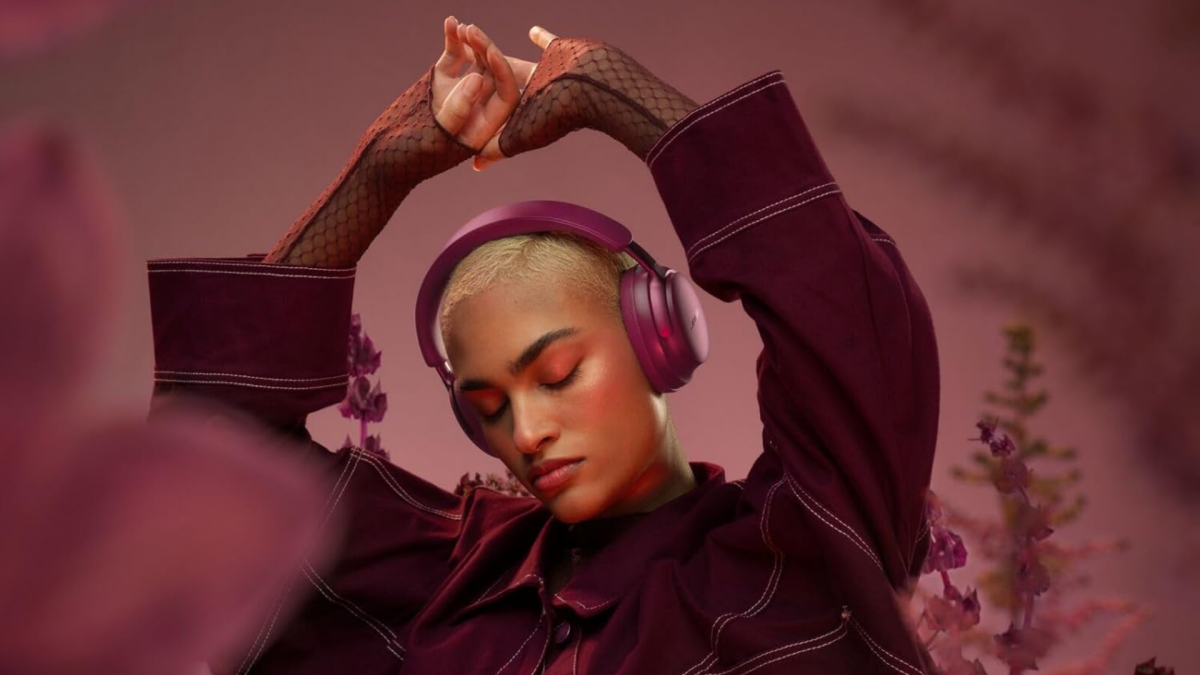
At the forefront of these trends are products like the Bose QuietComfort Ultra headphones. For the first time ever, the ultra-premium headphones have dipped below $300—specifically, a stunning $145 discount to just $284. The fact that this deal is available only in the Deep Plum color further highlights how brands are now cultivating a sense of exclusivity and individual style, resonating deeply with a generation eager to showcase personal identity through choice of accessories. These headphones aren’t just tools for better sound; they symbolize a societal shift toward prioritizing comfort, quality, and personalized aesthetics. As reported by influencers and tech analysts, this confluence of luxury and affordability is transforming how youth perceive their everyday tech, making it an extension of their #personalbrand and social currency.

This evolving lifestyle is underscored by a broader trend: the integration of high-tech gadgets into everyday life as social symbols. Leading sociologists argue that these tech purchases are serving a dual purpose—enhancing personal productivity while serving as a statement of modern identity in a digital age. The days of simply owning gadgets are fading; now, early adopters and trendsetters look for exclusive, stylish, and functional items that can double as conversation starters, especially amid a thriving culture of social media showcasing. As the younger demographic continues to influence market dynamics, companies like Bose are not just selling headphones—they’re selling a lifestyle rooted in tech-savviness, individualism, and social relevance.

Adding a layer of complexity, experts suggest that this consumer behavior is also reflecting a deeper societal shift toward **”digital exclusivity”** —where owning the latest tech isn’t just practical but a manifestation of social status. The review of Bose’s first-generation Ultra models highlights their comfort and battery life—the qualities favored by youngerusers. The fact that such high-end products are now more accessible than ever signals a shift in how youth engage with luxury, emphasizing entertainment, convenience, and identity expression over mere functionality. With brands tailoring limited editions and colorways to appeal to specific subcultures, we are witnessing the emergence of an entire consumer class for whom tech is not just utility but a form of cultural expression.

Yet amidst these cultural shifts, a poignant question arises: what does this evolving relationship with technology say about our future societal values? If the current trajectory suggests that possessions are becoming symbols of identity and social standing, then the next big question isn’t just about *what* we buy but how our shared consumption patterns shape societal norms. As influencers and sociologists debate whether this new tech-centric lifestyle fosters authentic self-expression or superficial status, the real puzzle remains: are we paving a future where our gadgets define us more than our actions or character? This ongoing societal experiment might redefine not only our trends but also the very fabric of social status in the digital age—nudging us toward a world where the line between lifestyle and social currency is increasingly blurred.

Acer’s New 2-in-1 Chromebook Packs Touchscreen and AI Power for the Ultimate Student and Young Professional Gear (TrendHunter.com)

In a world where digital lifestyles are rapidly evolving, technology brands like Acer are setting the tone for next-gen productivity and entertainment with innovations like the Acer Chromebook Plus Spin 514. This 14-inch convertible device is more than just a laptop; it embodies a larger shift in how young users approach connectivity—blurring lines between work, play, and social interaction. Powered by versatile configurations featuring MediaTek Kompanio Ultra 910 or Intel Core processors, the device caters directly to the ever-growing demand for mobility, efficiency, and style, making it a staple in the modern digital wardrobe.

What makes this trend particularly compelling is its cultural significance. As influencers and social media personalities continue to champion sleek, adaptable tech tools, convertible Chromebooks are emerging as social symbols of a new lifestyle—one that values flexibility and minimalism. According to analysts like Sociologist Dr. Emily Carter, the adoption of such tech reflects a broader societal move towards personalized digital ecosystems. Young consumers no longer see devices as static objects but as extensions of themselves—tools that adapt to their routines, passions, and social identities. The fashion-forward design and multi-functional capabilities of devices like the Acer Chromebook Spin 514 serve as a visual and practical statement: they embody a mindset where adaptability and efficiency reign supreme.

From an influence standpoint, this trend is driven by a cadre of trendsetting content creators and tech enthusiasts who demonstrate how convertibles foster a new level of productivity and communal engagement. Platforms like TikTok and Instagram are rife with showcases of how these devices facilitate everything from collaborative projects to streamed gaming, further cementing their social relevance. As youth culture continues to evolve around the ideas of personal authenticity and multi-dimensionality, the cultural impact of such devices signifies a larger shift toward embracing a hybrid digital lifestyle. It’s not just about owning the latest hardware, but about living in a state of dynamic versatility, where the boundaries between work and leisure are increasingly fluid.

Looking ahead, the question remains: How will this trend shape the future of our digital interaction? Will these convertible devices transcend the mere realm of functional gadgets and become a symbol of youthful independence and adaptability? Or will their growing popularity set the stage for a new standard—one where technology is less about devices and more about personal identity and societal values? As experts continue to analyze these shifts, it’s clear that the next big thing isn’t just the device itself but what it represents: a societal move toward flexibility, minimalism, and self-expression. The real question is whether this evolution will foster a generation more resilient and resourceful—ready to face the future with something as simple yet profound as a convertible laptop in hand.

Social Media Auto Publish Powered By : XYZScripts.com