Matox News

Truth Over Trends, always!

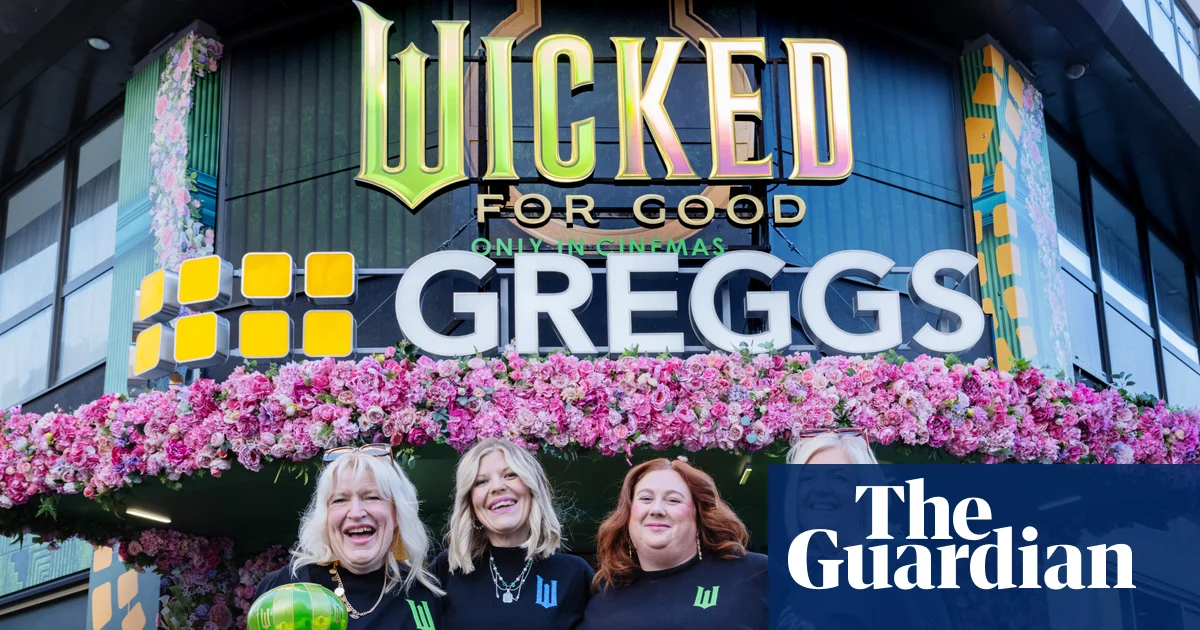
Bring the Magic to Leicester Square: Wicked Fans Light Up the Night with Fancy Dress Fun

In recent weeks, a fascinating cultural shift has taken hold among young moviegoers and fans of musical theater alike. Outside theaters and cinemas, crowds are gathering not only to watch the latest blockbusters or beloved musicals but to embody them through *themed dressing*. This phenomenon is no longer just about costume parties or quick Instagram posts; it’s evolving into a vibrant expression of identity, community, and societal values. The fervor around “Wicked” in the UK, especially with its opening in cinemas, has sparked a wave of fans turning their enthusiasm into full-fledged fashion statements—coordinated sets, glitter, and character-inspired outfits—transforming movie premieres into living, breathing art festivals.

At the heart of this movement is the idea that ***dressing up*** provides a shortcut to community and connection. For Nicola Deane and her sister Chloe, traveling all the way from Ireland to dress as Elphaba and her sister exemplifies how costumes transcend simple fashion. “Elphaba’s a bit of a badass, and I think I am too,” Nicola shares, emphasizing how this practice helps fans feel empowered and aligned with characters who embody strength, magic, and defiance. Sociologists like Dr. Amelia Harris suggest that this trend is a *reaction to a post-pandemic desire for collective joy* — an effort to reforge social bonds through shared experiences in an era where digital interactions often replace physical presence. Dressing in themed attire becomes a ritual that fosters a sense of belonging, transforming passive entertainment into active participation.

The *social relevance* of these trends goes beyond fashion. Whether wearing matching T-shirts or elaborate costumes, fans signal their values and aspirations—celebrating themes of individuality, bravery, and community support. Influencers such as TikTok creators and YouTube vloggers are fueling the movement, showcasing cosplay, DIY costume tutorials, and group outings that project a message of unity and activism. Industry data corroborates this cultural shift; recent reports reveal a 375% spike in Wicked-related costume searches, alongside a surge in themed nail art and karaoke renditions of “Defying Gravity”. These seemingly playful activities are actually *cultural signposts*, illustrating how entertainment becomes a platform for expressing social identity and even political ideology.*

What makes this trend especially powerful is how it intertwines *personal identity* with *collective storytelling*. Fans like Holly Inch and Tamar Hopkins are not just dressing as characters; they’re portraying a sense of self that refuses to conform and instead stands out — “that’s what Wicked is about, not being afraid to stand out,” Holly explains. It’s a form of resistance, a rejection of societal stereotypes, and an affirmation of authenticity. As fashion historian Lisa Carter notes, this phenomenon indicates a *shift towards perceiving entertainment as a catalyst for social change*. And with post-pandemic society craving *shared experiences* that amplify joy and creativity, this movement has the potential to evolve into a broader cultural wave — one that redefines how communities connect through the arts.

Yet, amid this new era of interactive fandom and fashion activism, the next big question remains: how long will this *whimsy-driven* wave last before it becomes a mainstream expectation in social life? Will themed dressing remain a niche pursuit, or could it evolve into a new form of social ritual, akin to traditional festivals and celebrations? As youth culture continues to embrace these collective creative outlets, one thing is clear: the future of fandom might not be just about watching but *becoming* — transforming entertainment into a powerful, ongoing act of cultural expression. The true question now is whether society is ready for a future where every movie, musical, or show becomes a personal statement and a community ritual—are we on the cusp of a revolution in how we define social belonging?

This Black Friday, Score the Hottest Budget Laptop Yet—Just $450 on Amazon for the Perfect Student Plug-In!

Black Friday Tech Trends: The Rise of Budget Laptops and Societal Shifts

As Black Friday approaches, a fascinating shift in consumer behavior emerges, revealing more than just a hunt for discounts. The spotlight is on affordable, high-performance laptops, with models like the Acer Aspire 16 taking center stage. Retailers such as Amazon have already launched a wave of live-deal events, signaling a societal move towards prioritizing accessible technology. The aggressively reduced price of $449.99—down from $699.99—embodies a larger cultural push: tech is no longer a luxury reserved for the elite but a staple for practically everyone, especially the youth.

This trend is underscored by the social relevance of how younger consumers are redefining what it means to be tech-savvy. Influencers and digital analysts note a growing preference for budget-friendly devices that pack features like Copilot AI assistant, touchscreen displays, and extensive battery life—traits previously associated with premium models. The Acer Aspire 16, in particular, symbolizes a new era where affordability meets performance, making it a critical purchase for students, remote workers, and the casually tech-inclined. The device’s 17-hour battery life and AI integrations exemplify the prioritization of mobility and functionality, reflecting a cultural shift where technology is tailored to fit a fast-paced lifestyle while democratizing access.

This is a defining moment of our digital epoch: how society values, interacts with, and depends on technology. According to sociologists like Dr. Lisa Grant, this surge in budget tech reflects a broader social shift—one that champions inclusivity and deliberate consumer choice. The early availability of these deals even before peak shopping days illustrates how brands are reshaping their strategies, emphasizing transparency, practicality, and connecting more intimately with a younger demographic’s aspirations. The intersection of affordability and performance isn’t just about saving money—it signifies a fundamental change in the cultural impact of technology, where the needs of everyday people are becoming the driving force behind innovation.

Considering this rapid evolution, a provocative question arises: what will be the next frontier in making technology truly universal? Will future innovations focus on further lowering barriers—perhaps through modular designs or revolutionary pricing models? Or will the societal appetite for smart tech deepen, shifting our entire digital landscape into an era where affordability isn’t just a selling point but a societal expectation? While the current Black Friday deals like this Acer Aspire 16 serve as a concrete example of existing aspirations, the *next big question* might be how this movement influences future tech development and social equity. Perhaps, the true revolution isn’t just in the gadgets we buy, but in how society redefines its relationship with technology itself.

Style Guide: How to Rock a Plaid Shirt and Make It Your Own

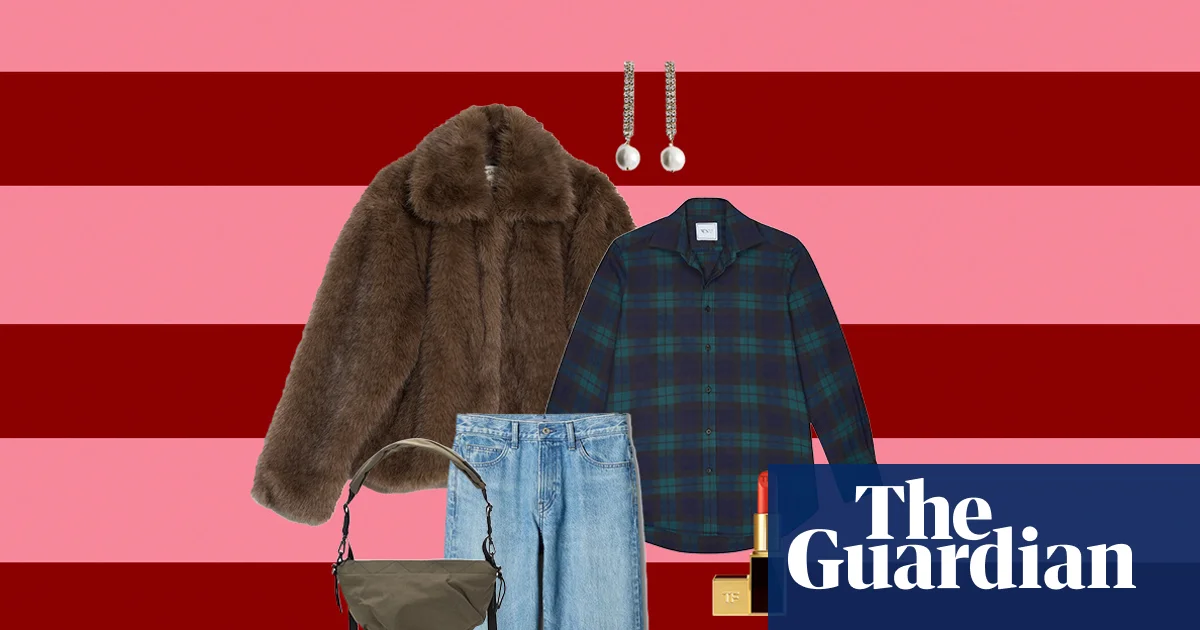
In an era where fast fashion often dominates, timeless pieces are making a surprising comeback—and one of the most unexpected stars is the lumberjack shirt. Traditionally associated with rugged outdoor work and classic Americana, this plaid staple has been transformed into a high-fashion streetwear must-have. Top influencers and trendsetting youth are now pairing it with unconventional textures like leather, velvet, or faux fur, turning what was once considered workwear into a bold statement of individuality and cultural commentary.

This resurgence isn’t merely about aesthetics; it reflects a deeper shift in societal attitudes toward masculinity, authenticity, and the value of tradition in a digital age. Sociologists note that the lumberjack shirt’s reintegration into trendy wardrobes underscores a desire among youth to reconnect with perceived simplicity and strength amidst the chaos of modern life. Influencers such as Hypebeast and Fashion Nova ambassadors are responsible for popularizing these layered, textured looks, emphasizing a rebellious yet nostalgic vibe that appeals to a generation seeking authenticity in a curated world.

Moreover, the cultural impact extends beyond mere fashion. It signifies a broader rebellion against fast-paced, disposable trends. The durability and longevity associated with the lumberjack shirt embody values that resonate with young consumers questioning the environmental and social costs of their consumption. Fashion analyst Sarah Jacobs explains that this trend embodies a *“return to craftsmanship and authenticity,”* connecting societal identity with the revival of past virtues cloaked in urban style.

  • Pulling heritage into contemporary settings
  • Encouraging sustainable and thoughtful fashion choices
  • Challenging the speed and short-lived nature of current trends

However, the narrative isn’t without controversy. Some critics argue that the lumberjack shirt’s mainstream success risks diluting its cultural roots, transforming a symbol of rugged independence into just another commercial commodity. Yet, regardless of whether this trend endures or fades, it raises a vital question: what’s next for youth-driven cultural expression in fashion? As the boundaries between streetwear, heritage, and high fashion continue to blur, one thing remains clear—this surge of authenticity-oriented style has tapped into fundamental social undercurrents, perhaps hinting at a broader cultural desire for meaningful, lasting symbolism in a disposable age. The next big question isn’t just about style but about what our clothing choices say about the society we’re shaping for tomorrow.

Black Friday 2025 Unveiled: Hot Deals, Price Match Hacks & Early Access for Savvy Shoppers

The Rise of Black Friday 2025: A Cultural and Social Shift

As we march further into the digital age, one tradition that continues to evolve—and shape our societal norms—is Black Friday. What started as a day reserved for early-morning rushes outside retail stores has transformed into an expansive, month-long phenomenon that reflects broader shifts in consumer behavior and social priorities. This year, with Black Friday 2025 scheduled for Friday, November 28, the spectacle isn’t just about snagging deals anymore; it’s become a mirror for society’s shifting attitude towards shopping, technology, and even community engagement.

Traditional scenes of crowds lining up outside brick-and-mortar locations, shivering in the cold, are gallantly giving way to a new online-first approach. Retailers like Amazon, Best Buy, and Walmart are kicking off their sales well before the actual Black Friday date, often starting as early as mid-November and extending into December. This shift isn’t accidental—it’s a direct response to the social relevance of convenience for younger generations. Influencers and tech-savvy consumers are less interested in fighting crowds for sales than they are in accessing deals from the comfort of their homes, which signals a profound change in consumer culture. The move online has also made Black Friday an event accessible to people regardless of geographical or physical limitations, democratizing the shopping experience and further embedding it into the fabric of social life.

Beyond the convenience aspect, experts highlight the cultural impact of Black Friday as a marker of our collective priorities. Retail analysts and sociologists note that the season’s deals—ranging from QLED TVs to Apple’s latest gadgets—are not just about consumption but serve as social rituals—virtual gatherings, online shopping competitions, and sharing of “best deals” on social media. Influencers such as tech reviewer Marques Brownlee and lifestyle icons are amplifying this shift by showcasing early deal finds, making Black Friday not just a shopping day but a social event where consumers are increasingly engaging through digital platforms. Interestingly, the social importance of bargain hunting has shifted from physical space to digital spaces, turning deals into virtual gatherings that foster a sense of community and shared experience, even across thousands of miles.

  • Early Black Friday deals like ultracompact power stations or high-end gadgets are already making waves online.
  • Price match policies are evolving, but a majority of stores are now less flexible—except for Target and Best Buy—highlighting shifting expectations in consumer rights and retailer policies.
  • Smart shopping tools like wishlist organizers and AI-powered price trackers are changing how the next generation approaches Black Friday—more strategic, less impulsive, and highly informed.

Looking ahead, the question that looms over this trend is whether the virtualization of Black Friday will continue to erode the traditional in-store experience or if a new hybrid model will emerge—one where social engagement is integrated seamlessly with instant digital access. As sociologists and trend analysts debate whether this evolution enhances or diminishes communal ties, one thing remains clear: Black Friday 2025 is less about the deals and more about the cultural redefinition of how, when, and why we shop within our society’s larger digital narrative. Could this evolving trend signify a long-term shift in retail culture, or is it simply a fleeting adaptation? The next big question for our society—perhaps even more important than the sales itself—is whether our collective approach to consumerism is truly progressing toward a more connected, yet socially conscious future, or if we’re merely trading the chaos of the storefront for the isolated clicks of the screen.

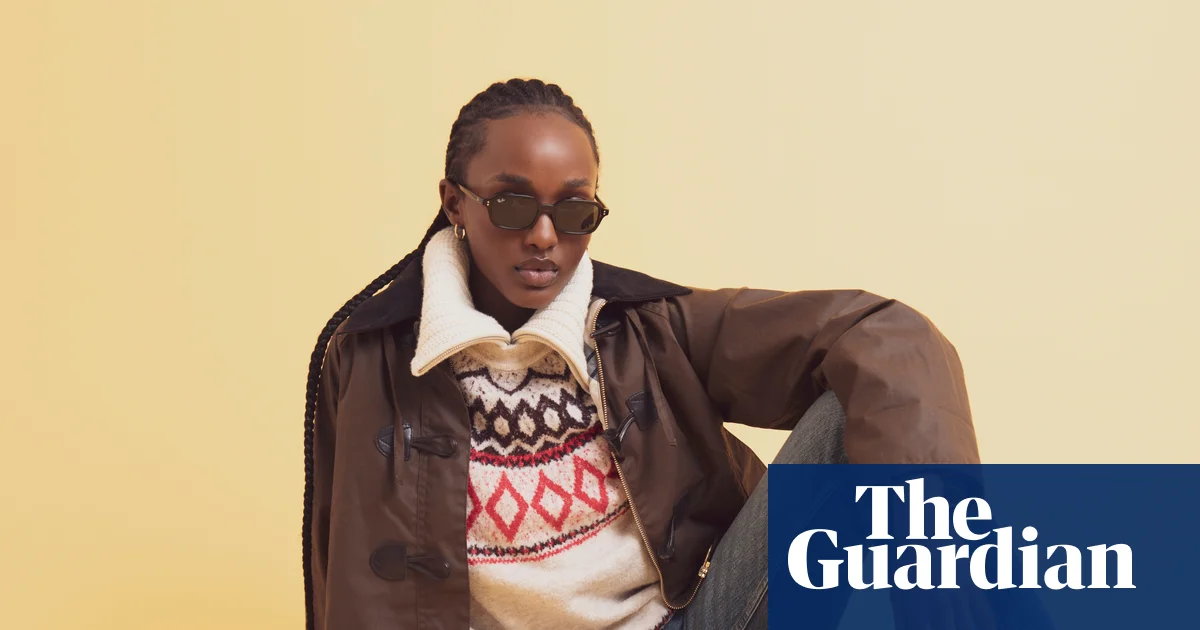
Jess Cartner-Morley reveals how the countryside style is making a fresh statement—ditch the flat cap clichés and stay ahead of the trend game

Every decade, the fashion industry seems to experience a cyclical retreat to The Countryside. But this isn’t just about a nostalgic throwback to pastoral living; it’s a cultural shift rooted in our collective longing for authentic, wholesome experiences amid a digital era that often feels overwhelming and disconnected. This seasonal trend, resurrected in recent months, is shaping not only how young consumers dress but also how they seek meaning and social relevance in their lifestyle choices. Influencers on platforms like TikTok and Instagram are championing this movement, showcasing a new kind of rural-inspired style that celebrates wholesomeness without the clichés of fishing hats and oversized flannel shirts.

What makes this reimagined countryside aesthetic compelling is its social relevance: it represents a form of resistance to the relentless pace of modern life. Sociologists note that amidst our hyper-digital existence, clothes that evoke nature—such as Fair Isle sweaters, rugged barn jackets, and sturdy hiking boots—serve as symbolic gestures of grounding and authenticity. For Gen Z and millennials alike, these garments act as armor against societal pressures, signaling a desire for simplicity, stability, and connection to a perceived natural order. As influencers like @EcoChic and @RusticRebel spread this vibe, fashion pundits are observing a steady shift: outdoor-inspired styles are no longer just for weekends but have become staples for everyday urban life, blurring the lines between city slicker and country dweller. This cultural phenomenon underscores an emerging movement—seeking physical and emotional balance in a chaotic world.

However, this countryside revival isn’t just about wardrobe aesthetics; it also reflects a broader cultural dialogue. Brands are jumping on the trend, offering classic items like waxed duffle coats and Fair Isle jumpers, signaling an embrace of heritage and craftsmanship. Meanwhile, lifestyle marketers push narratives of rustic tranquility, encouraging the younger generation to “touch grass”—a viral phrase encapsulating the desire to disconnect from screens and reconnect with nature. This trend has social media virality written all over it, with posts celebrating autumnal foliage, picnics in leaf-strewn parks, and outdoor cafés that mimic countryside charm, feeding a collective craving for simplicity amidst urban complexity.

  • Top items shaping this trend: Classic waxed jackets, ribbed wool vests, high-waisted jeans, sturdy hiking boots, vintage-inspired accessories like silver hoops and retro sunglasses.
  • Influencers to watch: TikTokers and Instagram personalities promoting sustainable, rural-inspired fashion that champions authenticity over commercial superficiality.
  • Social themes: Resistance to fast-fashion’s disposability, embracing heritage, and advocating for greener lifestyles rooted in nature.

As this countryside aesthetic firmly plants roots in contemporary culture, the next question looms: is this just a fleeting seasonal fad, or does it signal a deeper societal longing for authenticity and sustainability that will redefine youth lifestyles for years to come? Will we see a transformation in how the fashion industry approaches both design and marketing—moving away from hyper-processed trends towards more meaningful, environmentally conscious narratives? The future of this trend could very well hinge on whether authenticity can maintain its appeal in a world increasingly obsessed with the next big thing. Among the leaf-strewn paths and cozy cafés, one thing is certain: the countryside may no longer be a backdrop but a blueprint—drawing a new generation towards a more grounded, genuine future.

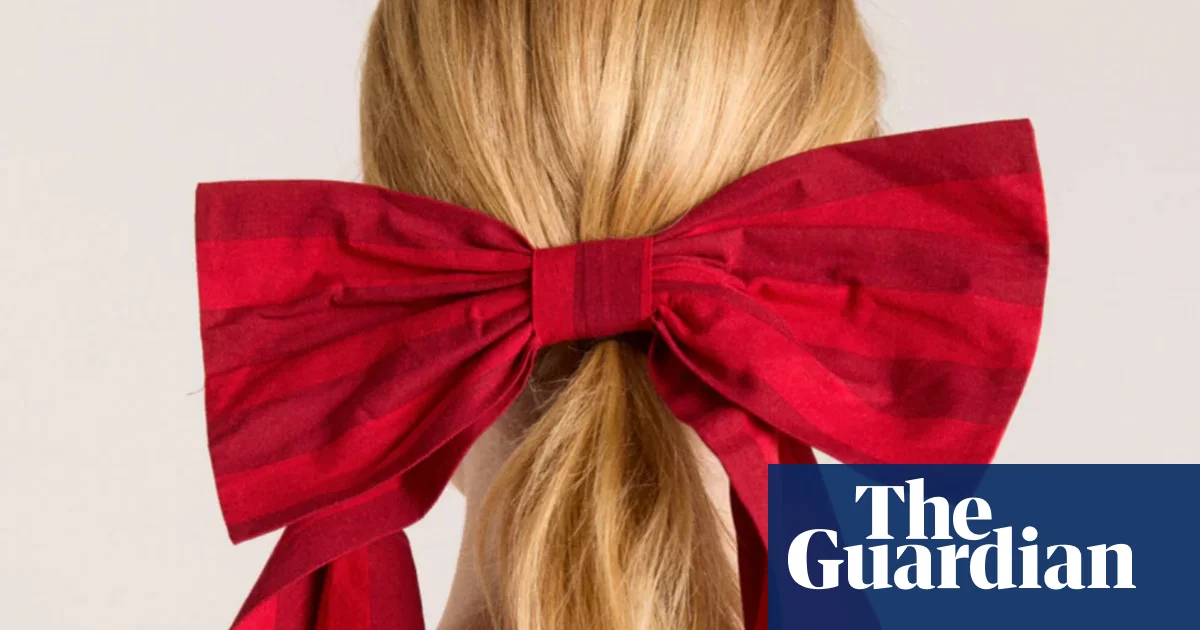
Unleash the Power of Big Bows: The Surprising Trend Blending Feminine Charm with Youthful Rebellion | Accessories

The Rise of the Bow: How a Vintage Accessory Became a Cultural Signal

Once just a simple decorative feature from Victorian childhoods or Marie Antoinette’s opulent court, bows are now making a *massive* comeback—shaping fashion, social discourse, and even gender norms. From the high-stakes runway shows of Dior to grassroots movements on the rugby field, it’s clear that the humble bow has transcended its traditional femininity to become a powerful symbol of identity, rebellion, and social change. Today, this accessory does more than just add flair; it embodies a cultural shift in how we communicate femininity, gender fluidity, and even political solidarity.

Leading this revival are influencers, fashion designers, and sociologists noticing that the bow is no longer just a cute detail—it’s a loaded statement. Young designers like Sandy Liang and Simone Rocha are pushing bows into unexpected territory, featuring them on everything from handbags to wedding dresses. Meanwhile, on the streets and social media, more people are embracing bows as a form of subversive symbolism. Take Welsh rugby star Georgia Evans, who was attacked online for wearing pink hair bows during a game, only to turn that criticism into a viral movement of solidarity. Over 1,000 bows appeared at her subsequent match, symbolizing strength and inclusivity under attack. It’s a testament to how something as simple as a bow can become a social rallying cry, especially for young people eager to challenge outdated gender roles and expectations.

On the fashion front, the cultural impact is undeniable. Major brands like Next and M&S are selling an array of bow-adorned items—cardigans, dresses, earrings, and accessories. The trends are also reflected on red carpets, where male stars like Harry Styles and Ncuti Gatwa sport oversized bows, challenging gender binaries and highlighting that fashion is a canvas for political statement. Historically, bows were symbols of aristocratic status or flirtation, but today they are a form of expressive rebellion. As fashion historian Valerie Steele explains, bows are now “a sort of code or identity,” often worn ironically or subversively. This evolution demonstrates that what once served as a mark of femininity now acts as an emblem of self-expression and defiance, especially among the youth who view gender and social norms as fluid and negotiable.”

Yet, the question lingers: are we witnessing a lasting shift, or is this just a fleeting trend? Unlike previous fashion cycles, the current bow renaissance is deeply intertwined with broader societal conversations about gender, identity, and social justice. As designer Jonathan Anderson opened Dior’s most anticipated collection with a bow-topped dress, and influencers flaunt bow earrings and accessories, it’s clear that the bow is no longer merely an aesthetic choice—it’s a *statement of cultural evolution*. The next big question: will future generations see the bow as a symbol of both eroticism and empowerment or will it be just another passing trend? The answer could reveal much about how society’s understanding of identity—and perhaps its tolerance for complexity—continues to evolve in unexpected ways.

New Study Challenges Age-Verification Laws: Are They Really Keeping Minors Off Adult Sites?

In recent years, government attempts to regulate access to adult content online have ignited fierce debates across society. Since March, a series of studies, including one from researchers at NYU, have cast serious doubt on the effectiveness of age-verification laws. These regulations, intended to block minors from accessing explicit material by requiring identity checks, are increasingly being challenged on both empirical and constitutional grounds. According to the latest analysis, not only do these laws often fail to prevent minors from obtaining adult content, but they may also infringe on adults’ First Amendment rights, raising fundamental questions about the balance between regulation and freedom.

Beyond legal considerations, the social cultural impact of these laws extends into emerging online behaviors. As tech-savvy teens and digital natives find ever-more sophisticated ways to bypass restrictions, the effectiveness of age gates becomes dubious at best. The analysis from Dr. George S. Ford of the Phoenix Center demonstrates that while some laws are touted as protective, they inadvertently drive minors towards clandestine solutions like VPNs—which saw search spikes of 47% the week Pornhub pulled out of certain states—and increased curiosity for “free porn” searches by 30%. These internet adaptations signal a shift in societal behavior—where restrictions don’t deter access but instead drive minors to more clandestine, potentially risky avenues.

Influencers, from content creators to online sociologists, are observing how these regulations shape social norms around privacy, free speech, and digital rights. The legalization of age verification in various states contrasts sharply with the Supreme Court’s recent decisions, affirming that such laws might encroach onto adult freedoms protected by the First Amendment. Ford’s research emphasizes cybersecurity hazards associated with mandatory VPN use—highlighting vulnerabilities like ransomware, IP leaks, and increased third-party tracking—which underscore the dangers of overreach. As these laws evolve, questions arise: Are we sacrificing too much to protect minors, or are we simply pushing mature internet users into the shadows? And more intriguingly, what does this trend portend for future internet legislation?

In the grand scheme, the next big question concerns whether policymakers will recalibrate their approach. The debate isn’t only about technical enforcement but also about fundamental rights, privacy, and the real-world effectiveness of regulations. Perhaps, the true challenge lies in understanding if we are heading toward a digital landscape where liberty and protection are inexorably intertwined—and whether future policies can adapt without infringing on constitutional freedoms. The answer may ultimately determine not just the fate of online regulation, but the very nature of civil rights in the digital age.

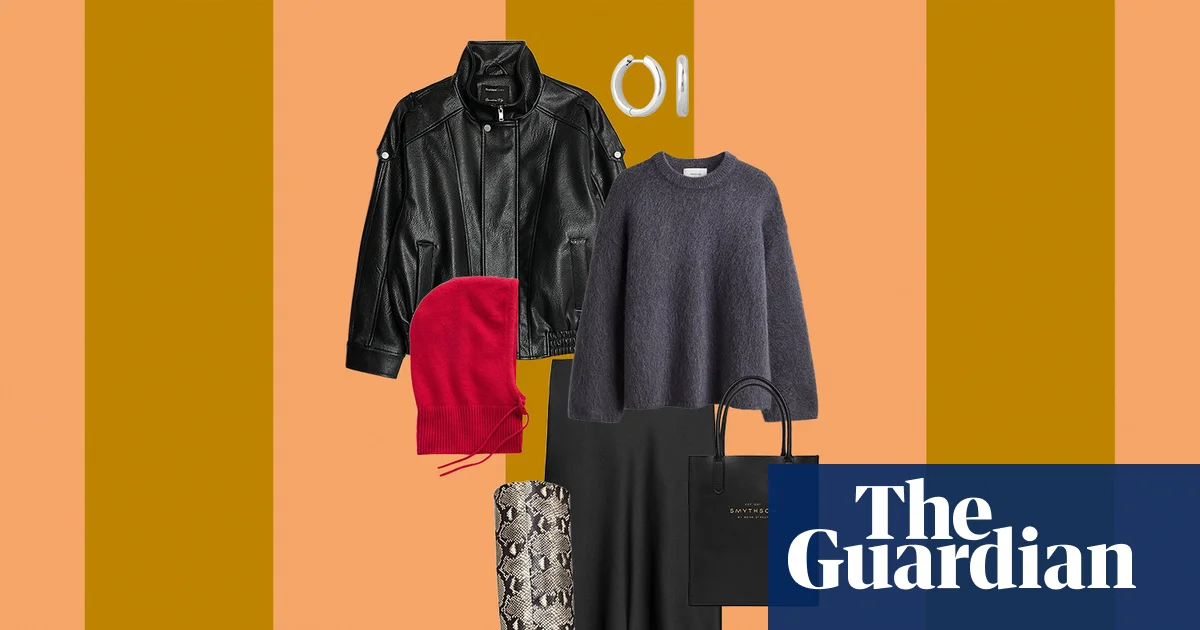
Level Up Your Style: The Top Knee-High Boot Looks for Trendsetters

Step into the Future of Fashion: Statement Boots as Winter’s Must-Have

As the temperatures dip and the season shifts, fashion enthusiasts are once again turning to statement boots to anchor their winter wardrobe. This trend has been gaining momentum, fueled by a blend of social media influencers, fashion-forward celebrities, and regional stylistic boundaries pushed wide open. The appeal is simple: instead of over-complicating ensembles with complicated accessories, autumn and winter dressing now revolves around one bold, eye-catching piece—the statement boot. This shift reflects a broader cultural movement towards minimalism in accessories, while allowing footwear to serve as the primary mode of self-expression.

Fashion analysts highlight that the enduring power of these boots lies not just in their aesthetic impact but in their social relevance. They symbolize confidence, rebellion, and individualism at a time when societal conversations about identity, expression, and authenticity are more urgent than ever. Influencers such as Emma Chamberlain and Lil Miquela have championed knee-high, metallic, or intricately detailed boots in their social media feeds, cementing their role as cultural markers for a generation eager to stand out. Sociologists note that this trend is also shifting perceptions of femininity and masculinity, part of a larger conversation about gender fluidity and personal empowerment facilitated by a serene yet defiant style choice.

Furthermore, the cultural impact of statement boots extends beyond mere aesthetics. They are becoming a social signal—an unspoken communication of attitude, status, and belonging. From haute couture runways to streetwear corners, civil society figures argue that such footwear styles are democratizing fashion, offering a canvas for youth to articulate their identity in a way that is accessible and unpretentious. Trend curators are documenting an increase in demand for brands like Stuart Weitzman and Dr. Martens, which offer a range of bold, durable options that defy seasonal limitations.

  • Bold, thigh-high leather boots
  • Chunky heeled ankle boots with metallic accents
  • Over-the-knee styles in vibrant colors

What’s fascinating is how this style shift is resonating with a broad demographic—young urbanites, college students, and even working professionals—who see in statement boots a way to challenge traditional fashion hierarchies. Fashion expert Dr. Lisa Rivera suggests that this trend represents “a move away from fleeting fashion trends toward lasting symbols of individual style that carry social weight.” Yet, amid this rising ascension of boots as cultural icons, a question lingers: *Will this trend evolve into a more permanent fixture of our societal identity, or is it just another fleeting chapter in youth-driven fashion innovation?* As digital influences continue to sculpt how we define style and status, the leap from trend to staple gathers momentum, stirring discussions about what the future holds for self-expression through footwear. Certainly, the next chapter of this trend may redefine what it means to truly “walk your own path.”

Challenging the Norms: How ‘Mom Style’ is Powering a New Generation of Trendsetters

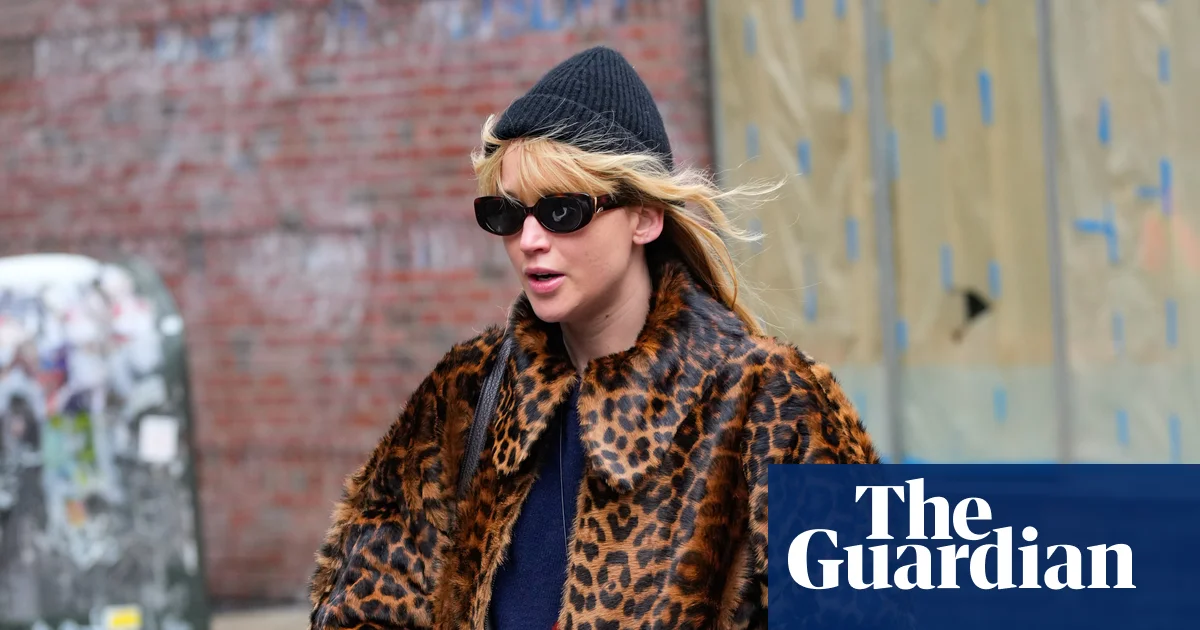
In the ever-evolving landscape of fashion, one of the most striking cultural shifts emerging today is how motherhood is reshaping the idea of “cool mom style”. Traditionally, society has viewed motherhood as a point where personal style takes a backseat, often replaced by clichés of frumpiness or sacrificing one’s identity for the sake of the family. Yet, recent trends, amplified by influential voices like Jennifer Lawrence and Rihanna, are challenging this notion—elevating motherhood from a stereotype of restraint to a powerful statement of identity and self-expression. The rise of what some call a “postpartum-forward” fashion ethos signals a broader cultural shift, one that centers on autonomy, experimentation, and even rebellion in how women present themselves after welcoming children into their lives.

  • The “momboy style” trend, coined by fashion insiders like The Cut, epitomizes this movement. With its mixture of tomboyish silhouettes, graphic T-shirts, and relaxed fits, it signifies a deliberate departure from the ultra-feminine ideals historically associated with motherhood. Women like Jennifer Lawrence and artists such as Beyoncé are embracing and showcasing their multi-dimensional identities—blurring conventional lines of femininity while asserting that parenting and style are not mutually exclusive.
  • This phenomenon also signifies the broadening of cultural representations. Sunny Shokrae, a Brooklyn-based photographer and mother, points out that the media’s portrayal of mothers has expanded, allowing women to take more liberties with their style without fear of judgment. From the CFDA awards to street-level interactions, women are making a statement: their fashion choices are directly tied to their life experiences, including motherhood, and should reflect that complexity rather than conform to outdated notions of decorum.

At its core, this trend is about more than just clothes; it’s about the social relevance of reclaiming identity. The once dominant narrative that motherhood inevitably diminishes a woman’s independence and style is being upended by a new generation of women who view dressing as a form of empowerment. Fashion analysts and sociologists highlight that these shifts are fueled by a desire to express agency and individuality amidst the chaos of early parenthood. Zoe Latta, of Eckhaus Latta, emphasizes that her evolving relationship with her changing body has led her to be less invested in traditional styles and more open to experimentation, illustrating a cultural appetite for embracing fluidity and personal reinvention.

Rihanna in postpartum-forward fashion
Rihanna’s ‘postpartum forward’ Alaïa suit exemplifies this new confident approach to motherhood and fashion.

Beyond individual choice, this movement underscores a larger societal dialogue about the social relevance of female self-reliance and the importance of reshaping cultural narratives around motherhood. Icons like Adwoa Aboah and Simone Rocha are standing at the forefront, pushing boundaries with hoodies, asymmetric outfits, and jewelry-infused Crocs—challenging not just fashion stereotypes but societal expectations. This evolution asks a pressing question: as more women redefine their identity post-motherhood, what does the future hold for the cultural standards of femininity? Are we headed toward a landscape where authenticity and self-expression become the new markers of style for women everywhere, regardless of their stage in life? The next big question for youth and society is whether this wave will catalyze a lasting shift—one that not only transforms closets but also redefines the social fabric of gender and identity itself.

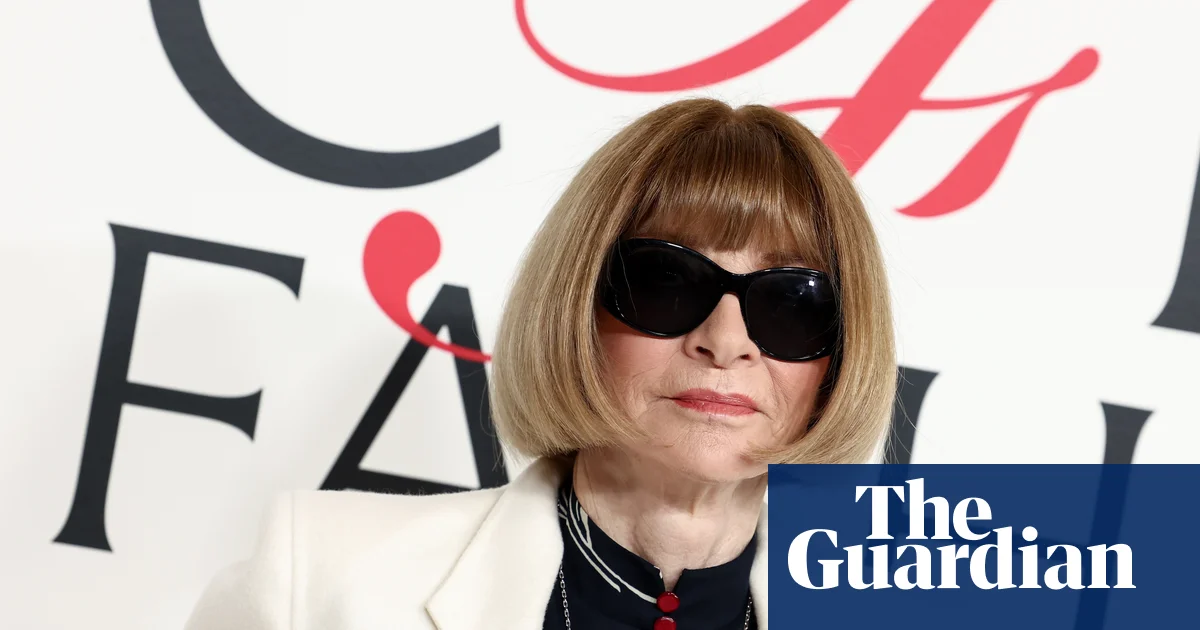
Anna Wintour’s Vogue Covers: A Bold Message at the Forefront of Fashion and Culture

As Anna Wintour prepares to step away from her nearly four-decade reign as the editor-in-chief of Vogue, the question on everyone’s lips is: what will the next chapter in high fashion’s cultural influence look like? During her tenure, Wintour redefined what a fashion magazine could be—shaking up industry standards, pushing social boundaries, and cementing Vogue’s place as a cultural icon. Her final December 2025 cover, featuring Timothée Chalamet photographed by Annie Leibovitz, symbolized her love for the avant-garde—yet, it also sparked controversy, highlighting an undercurrent of societal leverage that her departure could shift.

This cover, set against a cosmic backdrop provided by NASA, exemplifies Wintour’s penchant for making her magazine a platform for spectacle and conversation. Critics online dismissed it as “offensive” and questioned whether it represented anything more than art for art’s sake. However, industry insiders like Jeremy Leslie of magCulture argue that even the most perplexing covers serve a strategic purpose: keeping Vogue, and by extension fashion media, in the global consciousness. Her history of provocative choices—ranging from Madonna in 1989 to Beyoncé in 2018—underscores an enduring truth: fashion media acts as both mirror and molder of societal values, often pushing boundaries that society itself is hesitant to confront.

Wintour’s legacy is also marked by moments of controversy and cultural critique. Covers featuring figures like Beyoncé as the first Black photographer, as well as missteps like the 2008 Gisele Bündchen and LeBron James cover, reveal an industry still grappling with questions of representation and social responsibility. As Chloe Malle, now leading Vogue’s editorial content, prepares to reframe the magazine’s upcoming visual language, many wonder if her era will mirror Wintour’s knack for boldness or shift toward a more subdued, less provocative model. This transition isn’t just about style—it’s about social impact, and how fashion wields influence in shaping societal norms.

Meanwhile, Wintour’s recent focus on Vogue World, a series of fashion shows blending entertainment, philanthropy, and high style, signals another layer to her influence—one that moves beyond pages and into immersive cultural experiences. These events, held in iconic cities like Los Angeles and Milan, bring together stars like Kendall Jenner, Nicole Kidman, and others in a spectacle that marries fashion with societal outreach. As fashion’s landscape shifts to more experiential and socially conscious domains, the question remains: will future creative leaders harness this platform to redefine social relevance or will fashion become increasingly insular, serving just the wealthiest and most powerful?

As the evolution of Vogue’s influence unfolds, all eyes are on the next frontier. Will the digital age and social media democratization allow for more authentic representation and societal engagement from fashion’s power brokers? Or will the industry’s penchant for spectacle and controversy continue to serve as a distraction from deeper social issues? The next big question is: as traditional gatekeepers like Anna Wintour make way for a new era, what values will take center stage—artistry, activism, or pure spectacle—and how will they shape society’s expectations of culture in the decades to come?

Social Media Auto Publish Powered By : XYZScripts.com