Matox News

Truth Over Trends, always!

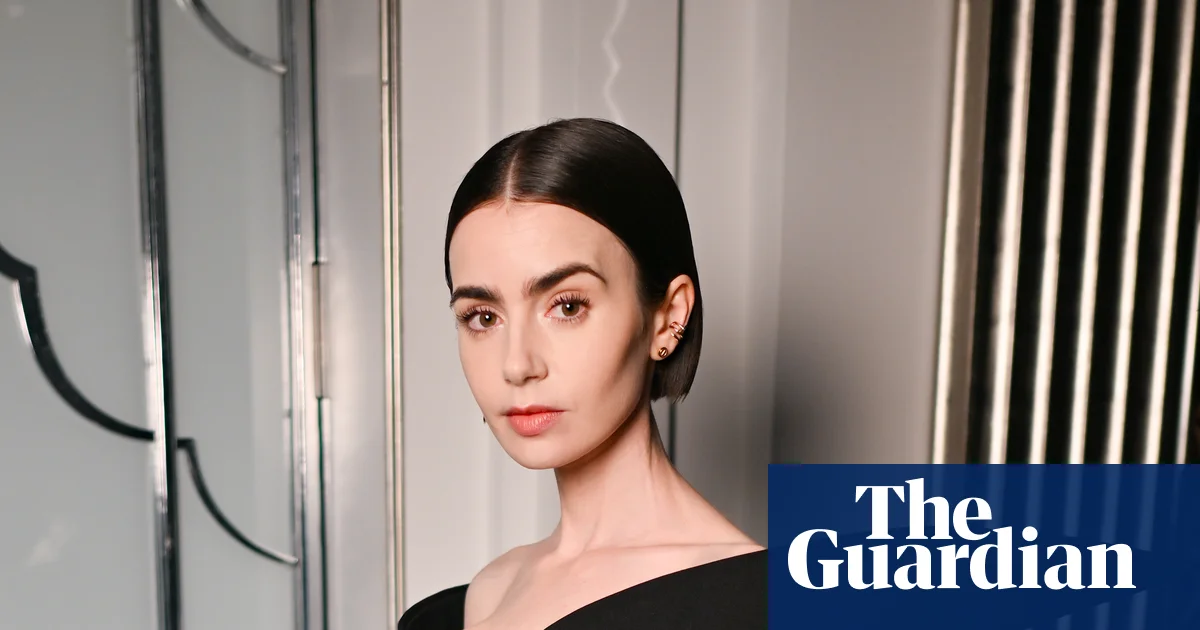
Lily Collins Channels Hollywood Legend as She Lands Role as Audrey Hepburn in ‘Breakfast at Tiffany’s’ Biopic

Hollywood Revisits the Iconic Audrey Hepburn with Modern Hollywood Talent

The allure of Hollywood legends never fades, yet it continually morphs to reflect the culture’s shifting tastes. The latest buzz involves Lily Collins, a rising star known for her role in Netflix’s Emily in Paris, taking on the mantle of Audrey Hepburn in an upcoming film about the iconic actress’s early career—specifically, her involvement in the 1961 classic Breakfast at Tiffany’s. This project, based on Sam Wasson’s nonfiction book Fifth Avenue, 5 AM, aims to peel back the curtain on Hollywood’s golden age and explore the social dynamics of the early 1960s. It’s not just a biopic but a cultural reflection—an attempt to recenter Hepburn’s legacy within contemporary conversations about gender, fame, and societal expectations.

The Cultural Response: Revisiting Classic Icons in a New Light

The decision to cast Collins as Hepburn signals more than just a starlet’s career move; it embodies a broader shift in how Hollywood treats its legendary figures. Amidst debates over representation and historical narratives, this film seeks to contextualize Hepburn’s early filmography, including her role in the glamorized yet complex Breakfast at Tiffany’s. The film’s focus on her early career will likely explore her transformation from a rising star into a cultural icon—a narrative resonant with the populist desire to humanize idols. Sociologists and film analysts see this as a reflection of society’s ongoing quest to redefine classic icons, making them relevant to a new generation that is eager to find authenticity in their role models.

From Hollywood Myth to Social Media Reality

In a context where viral reputation often eclipses traditional fame, this project underscores the way cultural icons are continually reinterpreted. Influencers and social commentators praise the trend of rebooting classics, noting that it’s about reclaiming narrative agency—presenting a fuller picture of Hepburn beyond her image as a ‘perfect’ starlet. The film’s production also stirs questions about authenticity in storytelling; how do Hollywood’s reimaginings impact public perception of historic figures? Critics like cultural theorist Dr. Jane McMillan argue that these projects serve as both homage and revision, shaping the future social relevance of timeless icons.

The Future of Classic Icons in a Youth-Oriented Culture

  • Influencers increasingly blend historicals with modern sensibilities, creating a hybrid nostalgia that appeals to youth audiences
  • Social platforms amplify discussions on iconography, often critiquing or celebrating the reinterpretation of historic figures
  • Upcoming films like Collins’ Hepburn project hint at a trend towards complex, layered portrayals that seek to humanize larger-than-life personalities

As Hollywood’s attention turns back to its legendary figures, one question lingers: Are these revisitations about honoring true legacy or reshaping it for today’s sensibilities? With the cultural landscape rapidly evolving, the real story might not be just about Hepburn or Collins, but about the next stage of icon-making itself: an era where social storytelling shapes history—and perhaps, even defines who we consider heroes in the future.


Zimbabwe vs. West Indies 2026 Live Stream: Catch the T20 World Cup Action for Free!

In recent years, a paradigm shift in how young audiences consume sports has been underway, driven by the proliferation of digital platforms and innovative streaming technologies. The 2026 T20 World Cup exemplifies this wave, offering live streams of matches like Zimbabwe vs. West Indies for free via ICC.TV. This move toward free access has disrupted traditional broadcast models, making high-stakes sporting events more accessible than ever and fueling a surge in viewer engagement among youth who prefer digital over cable. Influencers and social media analysts emphasize that this democratization of content aligns remarkably well with the social habits and technological fluency of today’s generation.

The cultural impact is profound. As media scholars highlight, this shift isn’t just about convenience; it’s redefining the social relevance of sports as a unifying cultural activity. No longer confined to TV screens or expensive subscriptions, young fans across the globe can now tap into live action with a few clicks, often through VPNs to bypass geo-restrictions. This technological democratization has sparked a sense of ownership and participation, turning casual viewers into active supporters. The result? A more inclusive, youth-centered sports culture that champions accessibility and instant gratification, driven by a generation that values \”instant access\” as an extension of their lifestyle.

Major brands and platforms are responding to this cultural shift by integrating social media, mobile streams, and VPN seamlessly into the viewing experience. For instance, ExpressVPN and other providers are now talked about in the same breath as sports fans, as they empower viewers to bypass regional restrictions and access premium content from anywhere. Analysts argue that this convergence of tech and entertainment is transforming not only how we watch but what sports mean socially. Influencers, especially those with millions of followers, are fueling the viral nature of this trend by sharing tutorials, reviews, and hype around exclusive streams, turning digital platforms into the new stadiums for youth engagement.

As the 2026 T20 World Cup demonstrates, this rapid evolution raises an intriguing question about the next frontier of sports consumption. If access becomes increasingly free and personalized through technology, will traditional broadcasting models survive, or are we headed toward an era where digital native platforms completely reshape the sports industry? The answer might lie in how society continues to embrace individualized digital experiences and whether the social fabric woven by shared athletic moments shifts to a more decentralized, on-demand ecosystem. The future of sports consumption — seemingly as fluid as the games themselves — is one to keep a close eye on.

Watch Sri Lanka vs. England 2026 T20 Showdown Live — Stream for Free and Catch the Action!

In an era where technology reshapes how we experience entertainment, sports fandom has undergone a profound transformation. The 2026 T20 World Cup, currently unfolding at the prestigious Pallekele International Cricket Stadium, exemplifies this evolution. Fans worldwide are tuning in, not just through traditional TV networks but via streaming platforms that offer free access, fueling a cultural shift that emphasizes instant connectivity and borderless engagement. The accessibility of ICC.TV for live streaming marks a turning point—sports are no longer confined by geopolitics or geographical limitations. This democratization isn’t just a convenience but a statement that the social relevance of sports is now intertwined with digital empowerment and global connectivity.

The renewed emphasis on free streaming resonates strongly among younger audiences—a demographic that values immediacy and interactivity. Influencers and sociologists note that this shift is a reflection of a larger societal move toward participatory culture. As teenagers and young adults abandon passive consumption, they are increasingly demanding access — free and seamless — to their favorite entertainment. This trend is exemplified by fans eagerly utilizing VPNs to bypass geo-restrictions, effectively creating an underground network of global sports enthusiasts. Such behavior underscores a core social value: the desire for instant access and platform independence, especially in light of rising content costs and regional restrictions. Analysts predict that this attitude will not just stick but grow, forcing broadcasters and rights holders to rethink traditional models of exclusivity and paywalls, eventually ushering in a more open digital sports culture.

Top influencers, like cricket analysts and digital trendsetters, highlight the cultural impact of this shift. They argue that the new wave of free streaming platforms fosters a sense of global community among young fans, who can now rally around shared experiences regardless of their physical location. Moreover, the social relevance extends beyond entertainment — it involves social activism, advocacies for digital rights, and redefining traditional barriers of access. As sociologist Dr. Lisa Garnier points out, this rising trend signals a broader societal pushback against monopolized content and the commodification of fandom. It’s a movement that celebrates authenticity, accessibility, and participation, reshaping how generations connect with sports and each other in the age of digital globalization.

Yet, amid these rapid shifts, a haunting question looms: as the barrier of entry diminishes and digital access becomes the new normal, what becomes of the traditional sports broadcasting industry? Will the fixture of paid subscriptions and televised exclusives fade into obsolescence, replaced by an open-access,互联 digital landscape? Or will new models emerge—perhaps layered with microtransactions, content personalization, or community-driven monetization—that preserve the economic viability of sports media? The next chapter remains unwritten, but what’s clear is that the social dynamics of sports consumption are pivoting towards a future where participation and access define the cultural landscape. As fans worldwide cheer for Sri Lanka and England—free and united—the big question remains: in this new digital playground, who truly controls the game?

Top Dating & Hookup Apps Dominating the UK Scene in 2026: What Young Brits Need to Know

The Rise of Pure: Redefining Casual Encounters for a Generation

In a world increasingly driven by instant gratification and the demand for authenticity, apps like Pure are pioneering a new wave in how young adults approach casual dating and hookups. Unlike traditional dating platforms, Pure offers an experience that is adventurous, no-strings-attached, and 100% anonymous. With features like self-deleting chats and photos that vanish within 24 hours, the app caters to a generation that values privacy, directness, and immediacy. Its rise mainly among Gen Z users is not accidental; it mirrors a cultural shift towards minimal effort connecting and eschewing societal expectations around dating.

The Cultural Impact: Challenging Traditional Courtship

Recent sociological analysis suggests that apps like Pure are more than just digital dating tools—they are symbols of a broader societal shift. Unlike mainstream apps that emphasize profiles, long conversations, and emotional investment, Pure strips down the experience, focusing solely on physical connection and quick gratification. This transition reflects a culture that increasingly values efficiency, honesty, and an unapologetic approach to sexuality. Influencers and analysts highlight that this trend pushes back against the traditional courtship ritual, emphasizing that Gen Z is redefining what intimacy means in the digital age. As social psychologist Dr. Emily Carter notes, this trend aligns with a desire for authenticity and transparency, although delivered through an intentionally minimalist interface. Such dynamics signal a shift in social norms, where societal judgments are sidestepped in favor of convenience and individual choice.

The Social Relevance and Controversies

Despite its niche appeal, Pure is stirring conversations about sexual expression, privacy, and societal standards. Critics argue that the app’s focus on heteronormative encounters and its smaller user base may reinforce limiting stereotypes and exclude more diverse experiences—something many sociologists warn could hinder broader social acceptance. Still, for a generation often dismissed as superficial or detached, Pure’s success underscores a growing demand for spaces where they can explore their sexuality unapologetically and without fear of judgment. The app’s impact extends beyond fleeting encounters; it is part of a cultural revolution that champions bits of personal freedom and authenticity. Influencers who promote youth liberation from traditional dating paradigms praise this as a sign of independent self-empowerment. However, the question remains: is this trend sustainable or just a fleeting phenomenon born of the digital age?

The Next Big Question: What’s Next for Casual Culture?

As Pure and similar platforms gain traction, the critical question emerges—what is the future of casual encounters in a society increasingly obsessed with authenticity and digital immediacy? Will this digital hookup culture evolve into more integrated forms of social interaction or remain a transient phase driven by generational impatience? And more importantly, how will societal norms adapt to the normalization of such openly digitalized, immediate forms of intimacy? The next decade might reveal whether these apps truly fulfill a new landscape of social needs or if they become a fleeting echo of a rapidly shifting cultural tide.

eBay’s $1.2B Swipe to Attract Gen Z: Buying Depop to Own the Next Big Youth Trend

The Resale Revolution: eBay‘s Bold Move into Gen Z Fashion

In a striking turn of events, eBay has announced the acquisition of Depop, the London-based secondhand fashion resale app, from Etsy for approximately $1.2 billion in cash. This move signals a deliberate strategic pivot by the e-commerce giant to deepen its engagement with younger, fashion-savvy consumers. While eBay has historically thrived among a broader demographic, its renewed focus on the resale market underscores a societal shift where sustainability, affordability, and individual style reign supreme among Generation Z. With over 7 million active buyers—almost 90% of whom are under 34—Depop embodies the vibrant pulse of this demographic, boasting annual gross merchandise sales of about $1 billion and rapid growth in the US market.

The cultural impact of this acquisition extends beyond mere commerce; it signals a profound transformation in how young consumers perceive fashion. Secondhand shopping is no longer a fringe activity for the eco-conscious or thrift enthusiasts but has emerged as a mainstream lifestyle choice driven by trends, social media influencers, and a desire for authentic self-expression. Influencers like Emma Chamberlain and James Marriott have propelled vintage and resale fashion into the cultural zeitgeist, making Upcycled, retro pieces, and personalized thrift finds a badge of honor for trendsetters. Sociologists analyze this shift as a rebellion against the flashy, fast-paced commercialism of traditional retail, favoring authenticity and individualism instead. The resale economy is not just about saving money; it’s about curating a style identity that resonates with authenticity in an era of social media validation.

  • Top Trends in Resale Fashion: Vintage sneakers, logo reworked designs, limited-edition collaborations, and eco-friendly apparel.
  • Major Platforms: Besides Depop, Vinted and Grailed are reshaping the secondhand landscape, with Vinted emerging as the UK’s third-largest fashion retailer, eclipsing traditional players.
  • Influencers & Sociologists: Influencers wield significant power in shaping consumer behavior, with social media serving as the modern marketplace for fashion trends and cultural expression. Sociologists argue that resale fashion promotes a sense of community, sustainability, and status, especially among young people seeking to stand out with unique or limited-edition pieces.

This shift has not gone unnoticed in the business world. eBay’s executive Jamie Iannone emphasized the importance of deepening its reach into this ever-expanding resale landscape, viewing Depop as a key vehicle to attract the “younger demographic” that increasingly values “recommerce.” The move also comes amidst fierce competition from platforms like Vinted, which has established itself as a major player in the UK, even challenging traditional retail giants like Primark and Next. Meanwhile, Etsy’s earlier decision to buy Depop for $1.6 billion now looks like a bold gamble that didn’t quite pay off, leading to a $400 million loss and a strategic retreat. This sequence of events reveals how market dynamics are rapidly evolving, driven by consumer preferences for more sustainable, individualistic, and social-validated fashion choices.

As this resale culture continues to embed itself into youth lifestyles, a provocative question emerges: Are we witnessing the birth of a new hybrid economy, where traditional retail begins to blur with social media-driven cultural movements? The next chapter might not only redefine how we consume fashion but could catalyze a broader societal shift—one where sustainability, authenticity, and self-expression become the core currencies of cultural capital. For young consumers, the question isn’t just about saving money or finding unique pieces; it’s about constructing a personal narrative that challenges the very notion of mass-produced identity. In this intersection of commerce and culture, the next big question is whether traditional brands and retailers will adapt quickly enough or be left behind in a revolution that redefines social relevance itself.

Jess Cartner-Morley on fashion: Power up your winter look with bold accessories that showcase your style

How Winter Accessories Are Redefining Style and Social Relevance for Young Trendsetters

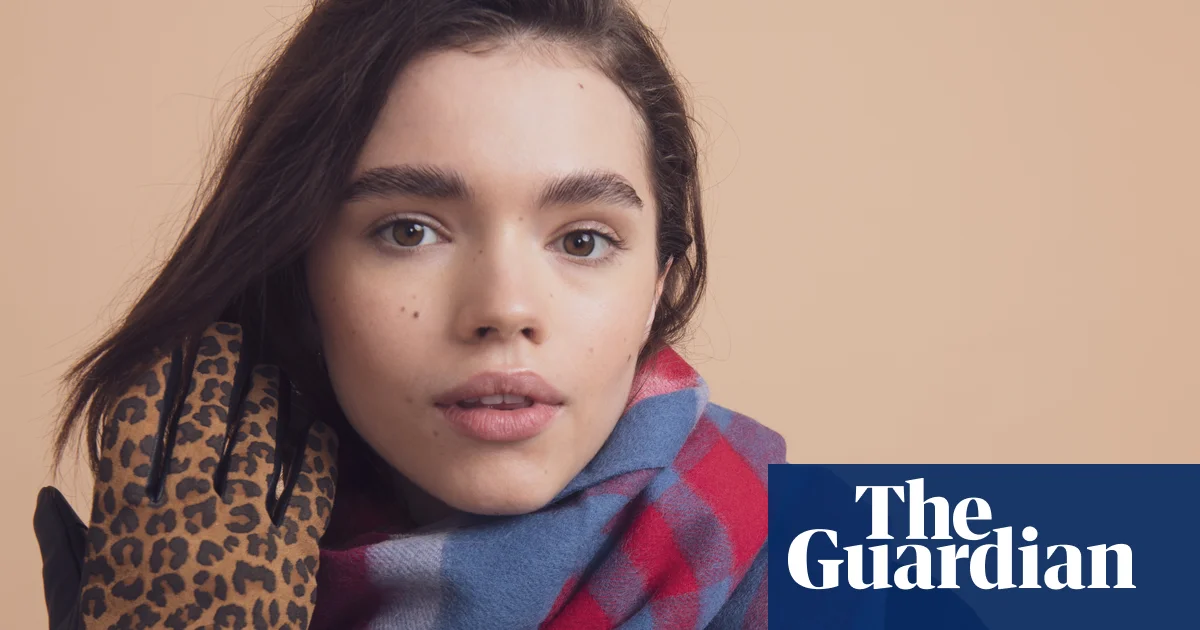
As the chill of winter sets in, many young people are discovering that the true power of cold-weather fashion lies beyond the basics of bulky coats and sturdy boots. In fact, a new shift in behavior is quietly underway—one that elevates accessories like scarves and gloves from simple functional items to essential expressions of personality and cultural identity. This shift reflects a broader societal move towards embracing individuality and creativity even when practicality demands uniformity. Influencers, stylists, and sociologists are tracing this evolution, noting that today’s youth are using these often-overlooked details to make bold statements, challenge norms, and reconnect with a sense of personal warmth amid the urban cold.

Think about the timeless appeal of a personality scarf. It’s no longer just about keeping warm; it’s about making an intentional style choice. Oversized, vibrantly colored, tied in bows, or looped with flair—all serve as a “cherry on top” that signals confidence and individuality. It’s a way for young trendsetters to express themselves unapologetically, reinforcing the idea that what you wear on your neck or hands can have social relevance. More than a fashion statement, this practice fosters a sense of community among those who see these accessories as a form of silent rebellion against the monotony of winter uniformity. As influencers ramp up their styling videos, and fashion-critical sociologists emphasize the importance of self-expression, accessories are becoming more than just utility—they are cultural statements in their own right.

Meanwhile, the social impact of this accessory renaissance is palpable. During major moments in recent history—such as Michelle Obama’s iconic inauguration outfit—accessories played a pivotal role in conveying relatability and authenticity. Her carefully chosen scarves and gloves, subtly contrasting with her elegant ensemble, showcased that fashion could be both functional and meaningful. These details told stories of hope, resilience, and identity—lessons that resonate strongly with young audiences seeking genuine connection in their style choices. Today’s youth are channeling this approach, pairing unexpected colors and details that challenge “safe” fashion norms. This movement shifts the focus from fast fashion to fostering a personal narrative through accessories, cementing their social relevance as tools for identity-building, especially in an age where visual communication is king.

Stylists and fashion analysts agree that embracing these accessory trends isn’t just about aesthetics—it’s about confidence in a climate that often feels impersonal and disconnected. From chic gloves in oxblood or soft green to looped sweaters doubling as scarves, every element becomes part of a larger storytelling canvas. As simple as tying a scarf in a bow or adding a brooch, these choices allow young people to set themselves apart. With coats and boots often standardized, accessories become the playground for individual style, the bits of wardrobe that enable flexible expression. The next big question looming in this evolution is whether this accessible form of self-expression can sustain its social power, or if it will become just another fleeting trend in the fast-paced world of fashion. As society continues to navigate a landscape of shifting norms and digital influence, the future of winter accessories may hold surprising shifts—where even in the coldest seasons, the hottest style conversation remains firmly rooted in the choices we make just above our collarbones.

From Underestimated to Over the Line: The Rise of Toxicity in America’s Next Top Model | New Documentary

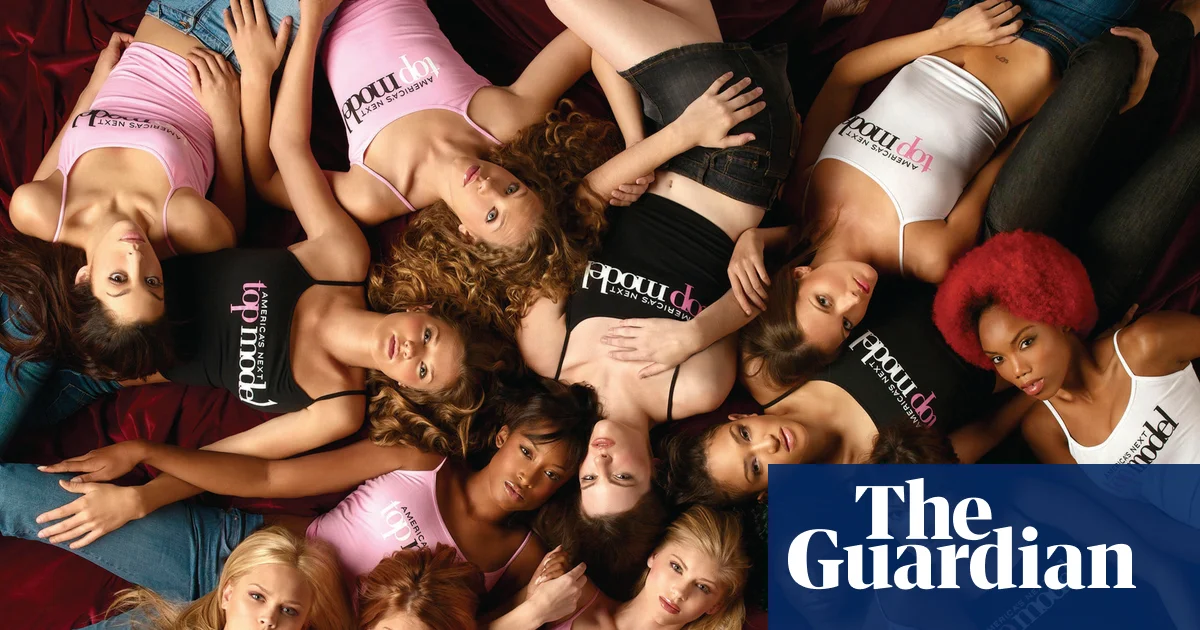
Few reality TV shows have captured the cultural zeitgeist quite like America’s Next Top Model. Launching in 2003, it became more than just a competition; it was a spectacle that showcased diversity, ambition, and the harsh realities of the fashion industry. But beneath the glamor and runway flashes lies a troubling history—an intricate web of toxicity and exploitation that now, two decades later, is being laid bare through a much-needed re-examination. A recent Netflix docuseries titled Reality Check peels back the curtain, revealing an industry that, while celebrated for its diversity, often echoed the worst traits of its time, including body shaming, racism, and even sexual misconduct. This revival raises pressing questions about the cultural impact of reality television and the shifting social relevance of such platforms in an era of social justice awareness.

Influencers, sociologists, and former insiders like Tyra Banks have publicly reflected on the show’s complex legacy. Banks, who starred as the show’s creator and host, struggled to reconcile her pioneering efforts for diversity—being the first Black woman on the covers of Sports Illustrated and GQ—with the show’s darker underbelly. She admitted that the production often prioritized sensationalism over the mental health and dignity of the contestants, many of whom were as young as 18 and subjected to harsh criticism, ridicule, and even harassment. The series, which was a global sensation, operated in an environment where public expectations of beauty and social media’s relentless scrutiny created a perfect storm of pressure and exploitation. “They started as misfits with very good intentions,” remarks co-director Daniel Sivan, noting how the show’s power dynamics shifted dangerously over its 24 cycles, culminating in a hideous descent into “bullies,” with contestants often caught in the crossfire of on-screen and off-screen abuses.

The revelations uncovered in the series spotlight how societal standards around beauty—amplified by social media—continue to influence cultural perceptions. Even with more formal **duty of care** in modern reality TV, critics argue that social media’s democratization of beauty has paradoxically deepened the obsession with physical perfection. On Instagram, the prominent images remain overwhelmingly thin, fit, and heavily surgically manipulated, creating a confusing message for impressionable youth. Fashion influencer and sociologist Dr. Lisa Hart warns that “Our own children are obsessed with makeup and filters, and that’s shaping their worldview of what beauty truly means.” It suggests that society remains trapped in a cycle where the glamorization of perfection continues to suppress authentic, diverse representations of beauty, making controversial shows like ANTM a mirror reflecting society’s unresolved tensions around identity and appearance.

Despite its troubled history, the prospect of a revived America’s Next Top Model sparks a passionate debate about whether the show can evolve or simply repeat its past mistakes. Banks hints at plans for Cycle 25, a comeback that could either be an opportunity for meaningful change or a rehash of old controversies. The docuseries emphasizes the importance of focusing on the **personality and resilience** of contestants over superficial appearances, a message many believe is crucial for the future of reality TV. However, the lingering question remains: Is society truly ready to confront and rectify the toxic shadows of our cultural icons, or are we simply craving more of the same under a new guise? As we stand at this crossroads, the next big question might be: Will this moment of reckoning lead to a genuine shift in how we define beauty and success, or will it fade into the background, leaving the cycle of exploitation intact?

Wordle Alert: Today’s Answer & Top Tips for February 17, 2026—Stay Ahead of the Trend!

In recent months, the word puzzle craze known as Wordle has transcended simple entertainment to become a significant social and cultural phenomenon. Originally created as a personal challenge, it swiftly gained momentum across social media platforms, particularly TikTok and Twitter, where users share their daily results and tactical strategies. The game’s rapid rise caught the attention of influencers, sociologists, and analysts, who see in it a reflection of contemporary society’s thirst for quick mental engagement and community-oriented activities in the digital age.

What makes Wordle extraordinary isn’t just its addictive nature but its ability to foster a shared cultural experience. Players worldwide connect through common language puzzles, creating a new form of collective participation. The game’s simplicity—solving a five-letter word within six guesses—belies its deep social relevance. As Mashable reports, the game was so popular that it was acquired by the New York Times—a testament to its cultural significance. The platform has become a virtual meeting ground, where daily victories and frustrations are openly shared, fueling a sense of identity rooted in intellectual engagement and social bonding.

Moreover, the influence of Wordle’s reach extends beyond casual players. Prominent influencers and community creators have livestreamed their attempts, turning individual puzzles into shared events. Sociologists analyzing trends suggest that this reflects a broader societal shift—an increasing desire for accessible yet meaningful social activities in an era of digital overstimulation. Cultural analysts point out that through its simple rules and communal sharing, Wordle taps into a need for authentic connection, which many feel is missing in our highly commercialized online interactions. Furthermore,

  • It encourages critical thinking and pattern recognition amidst a wave of fast-paced content consumption.
  • It reinforces a collective identity in communities that span borders and languages.
  • It sparks friendly competition, often leading to intergenerational and peer-based dialogues.

As we see this trend solidify, questions emerge about what this indicates for the future of social gaming and digital culture. Could Wordle merely be a fleeting viral stunt, or does it herald a new chapter where traditional social bonds are reimagined through simple, brain-teasing communities? The next step might involve examining how such minimalist games influence not just entertainment but also societal perceptions of intelligence and social cohesion. As young audiences continue to shape their online identities, the critical question remains: Will these shared puzzles evolve into more substantial social movements or remain a transient cultural blip?

“Nice kicks, mate: We take a spin on the brick-sized £199 Lego Crocs – the latest in youth street style”

When Fashion Meets Function: The Rise of Lego Crocs as a Social Phenomenon

In the ever-evolving realm of youth fashion and lifestyle trends, a new contender has emerged that challenges our conventional notions of style and comfort: Lego Crocs. These kitschy, oversized rubber clogs, priced at a hefty £199, are more than just footwear—they are a cultural statement that taps into a broader societal shift toward embracing the absurd, the playful, and the anti-establishment. Originating from niche influencers and social media daredevils, Lego Crocs have captured the imagination of young trendsetters eager to blur the lines between practicality and performance art.

What makes Lego Crocs a cultural impact worth analyzing is their role as both a viral sensation and a reflection of a collective desire for authenticity in an increasingly curated digital world. The creator behind these prototype shoes, for example, tested their limits navigating the urban jungle of London in what he humorously described as “portable Jenga towers” strapped to his feet. His candid accounts of navigating buses, being photographed during his park strolls, and ultimately realizing that these monstrous shoes are less about fashion and more about making a statement—highlight how deeply social media has elevated apparel into a form of performative art. Influencers like Anna Gordon of The Guardian have captured the vivid reality of this trend, illustrating how these shoes serve as a literal and figurative platform for satire, social commentary, and youthful rebellion.

And yet, beneath the humor lies a deeper social relevance. Young people today are increasingly driven by a need for originality—something that stands out in an oversaturated media landscape. The Lego Crocs symbolize this desire, turning footwear into a conversation piece and a symbol of identity beyond traditional fashion norms.

  • They challenge the notion of practicality, prioritizing boldness and self-expression.
  • They serve as a deterrent to conformity, inviting awe and mockery.
  • They create a shared experience among youth, fostering communities centered on humor, innovation, and spectacle.

Social commentators and sociologists are now analyzing this phenomenon through the lens of cultural resistance. The trend’s visibility among influencers on TikTok, Instagram, and Twitter underscores its significance, inspiring a new wave of “statement footwear” that champions absurdity as beauty. Critics, however, warn of the risk of fashion devolving into mere spectacle, where form often trumps function—highlighting a compelling question: Is this shift a sign of cultural vitality, or a symptomatic decline in taste? As trends like these accelerate, the next big question remains: will this paradigm of intentional absurdity fuel a genuine shift in fashion, or is it destined to fade as just another fleeting viral joke?

In the end, Lego Crocs exemplify a future where fashion and social commentary merge. Whether these shoes become a staple or remain a niche curiosity, their cultural ripple effect prompts us to rethink how society defines identity and self-expression. If this trend indicates anything, it’s that the next frontier of youth lifestyle may not be garments that last beyond a season, but ideas—bold, playful, and disruptive—that redefine what “style” truly means. The question lingering in our minds: are we witnessing the birth of a new era of rebellious fashion, or simply a passing viral fad that will someday be mocked in hindsight? Only time will tell, but one thing’s clear—these Lego Crocs stand as a bizarre yet captivating mirror to a generation unafraid to challenge convention.”

Celebrity Spotlight: The Iconic Figures Shaping the JFK Jr. Legend—A Youthful Take on a Timeless Love Story

In the midst of a new era dominated by rapid social change and redefined notions of legacy, television continues to serve as a mirror and mold of society’s evolving values. The recently premiered FX series Love Story: John F. Kennedy Jr. & Carolyn Bessette stands out not just as a dramatized recounting of iconic 90s figures but as a definitive cultural artifact that underscores a fascinating shift in societal narratives. This series deftly intertwines celebrity, fashion, and societal expectations, bringing a nostalgic yet critical lens to the glamour and intricacies of the early ’90s—an era often romanticized for its rebellious spirit but also scrutinized for its social hierarchies.

Remarkably, the series has captured the imagination of a youth demographic increasingly obsessed with nostalgia and the trauma of social media fame. Influencers and analysts have pointed out that it’s not just a biopic; it’s a reflection of a societal obsession with legacy and celebrity culture. Through characters like Calvin Klein and Kate Moss, the series spotlights how fashion and fame interacted to create the archetype of modern celebrity: a blend of style, scandal, and societal influence. Walking the tightrope between admiration and critique, the show’s depiction of figures like Mark Wahlberg and Madonna reveals how societal shifts have affected the public’s perception of morality and success. These stories reveal how societal values are *perpetually in flux*, with youth in particular questioning what it means to truly be authentic amidst a backdrop of hyper-glamorous illusions.

The cultural impact of this series extends beyond mere entertainment; it rekindles debates about how social identities and societal perceptions are constructed through Hollywood, fashion, and politics. Scholars like Dr. Lisa Miller suggest that these portrayals serve as a lens into the *shifting social norms*—especially how gender roles and power dynamics are portrayed and challenged through the personal stories of these high-profile figures. The narrative’s focus on Carolyn Bessette’s rise amidst Hollywood’s superficial allure hints at a deeper desire among today’s youth for authenticity in a social climate often dominated by curated images and fleeting viral moments. Meanwhile, the recurring references to iconic celebrities like Michael Bergin and Kate Moss present a layered illustration of how the fashion industry’s influence on personal identity has escalated in the digital age, intensifying the societal obsession with appearance and influence.

Interestingly, the series also sets the stage for one of the most compelling questions of today’s social media-driven world: *Are we witnessing the end of traditional celebrity?* As younger audiences increasingly seek genuine connections over curated personas, the enduring legacy of these 90s icons prompts us to ask—*what does fame really mean in an age where anyone with a smartphone can be a star?* With influencers emerging as the new cultural icons and platforms amplifying authentic voices, the next big question is whether society is headed toward a renaissance of genuine, unfiltered fame or if we are merely reshaping our obsession with superficial glamour into a new digital spectacle. As the lines between reality and social media blur, the true challenge will be understanding if the future of fame will be rooted in raw authenticity or further entrenched in curated illusions.

Social Media Auto Publish Powered By : XYZScripts.com