
Horror Movies: The Unexpected Cultural Statement for Today’s Single Youth
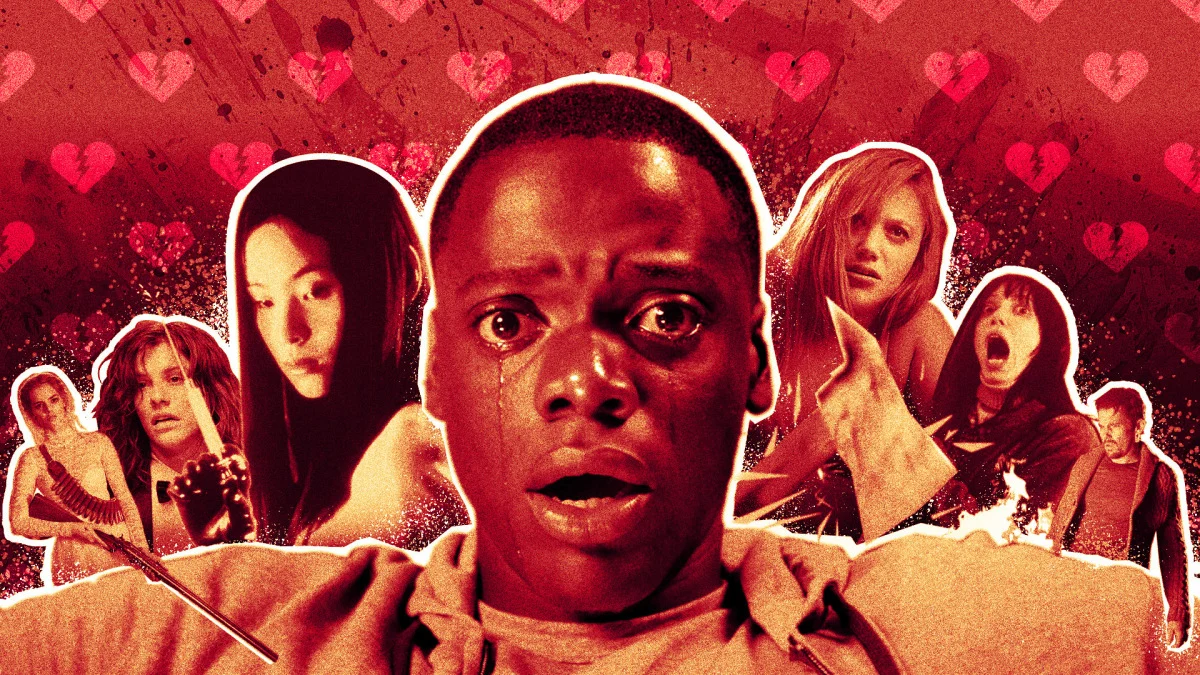
In a world driven by relentless streaming and cultural shifts, a fascinating redefinition of horror has emerged—one that resonates particularly with America’s single and youthful demographic. Traditionally, horror has been the domain of monsters, supernatural scares, and post-apocalyptic chaos. But lately, we see a cultural pivot: horror films now also serve as reflections of modern social dynamics, especially for those navigating the complex terrain of being single. Movies like It Follows, Get Out, and Ready or Not have tapped into the subconscious fears and societal attitudes surrounding independence and solitude, transforming horror into a social commentary as much as a thrill ride.
Within this context, the cultural impact is profound. These films aren’t just about scares—they embody the social anxiety of modern romantic and social relationships. Influencers and sociologists alike recognize a trend: the younger generation, often labeled as “digital natives,” increasingly find their social reality intertwined with themes of fear of rejection, societal pressure, and the unknown. For instance, the viral popularity of It Follows isn’t just about the supernatural entity—it symbolizes the dread of emotional baggage, transmitted not through sex but through the fear of intimacy itself. Similarly, Get Out mirrors the societal fears of assimilation and racial tension, becoming a modern myth that amplifies societal apprehensions through a horror lens.
- It Follows: An allegory for the stress of dating and the fear of emotional attach ment.
- Get Out: A reflection of societal fears about race, identity, and the nervousness of meeting new family members.
- Ready or Not: The paranoia surrounding in-laws, tradition, and the illusion of safety within familial ties.
Building on this, many social analysts note that these films have a shared social relevance: they validate the fears of a generation that often feels overwhelmed by the pressures to conform, find “the one,” or even just date without repercussions. Viral influencers have started using these movies as part of their online narratives, turning horror into a form of *lifestyle protest*—an expression of independence and the rejection of societal expectations. The social relevance of this trend isn’t lost on brands either, as streaming services and streaming-oriented brands like Fandango and Prime Video increasingly cater to this demographic with curated horror collections and social media campaigns that emphasize a “single and fearless” lifestyle.
As these movies flood social feeds, a more profound question emerges: Are horror films now serving as a mirror of the societal sovereignty of single youth? They challenge the assumptions about relationships, turning fears into a form of cultural identity. These films are not just entertainment—they are messages, alliances, and even subtle acts of rebellion. The next big question: will this cinematic trend evolve into a broader cultural movement that redefines how society views independence, fear, and social connection in the digital age? Perhaps, as social media continues to amplify individual narratives and new social norms, the horror genre might just become an important lens through which we understand the future of social identity among youth—single, fearless, and forging their own paths in a spooky, yet intriguing world.