Matox News

Truth Over Trends, always!

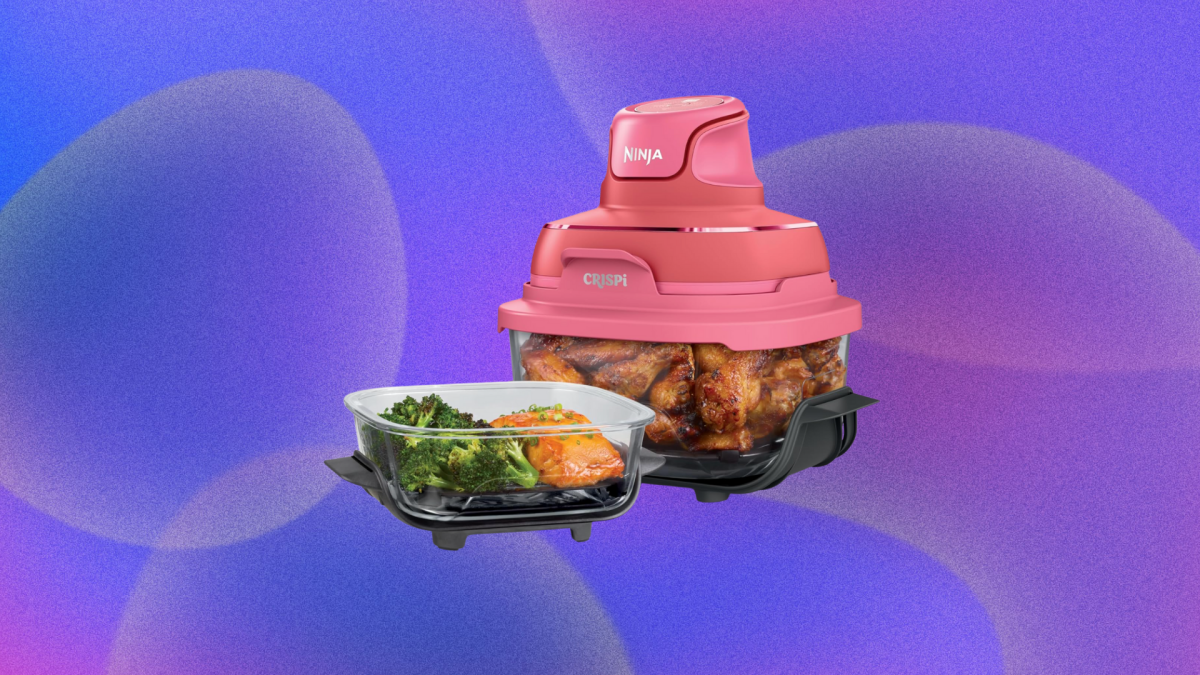
Level Up Your Kitchen: The Ninja Crispi Glass-Bottom Air Fryer is $40 Off on Amazon—Style Meets Innovation for Young Foodies

In an era where convenience and style blend seamlessly into daily routines, the latest kitchen innovation is captivating the youth demographic with its blend of technology and lifestyle appeal. Enter the Ninja Crispi Air Fryer—the newest must-have gadget that’s stirring a virtual buzz, partly fueled by savvy discounts like the recent $40 price cut from Amazon, bringing it down to a tempting $139. This device isn’t just about cooking; it represents a shift in social behavior, one where kitchen tech transcends functionality to become a statement of modern, health-conscious living.

What makes the Ninja Crispi particularly compelling isn’t solely its sleek design or its competitive price point—it’s the multifunctionality. Two different size options cater to a variety of culinary needs. The 6-cup glass-bottom bowl can quick-serve snacks like fries or veggies in as little as 7 minutes, perfect for the fast-paced lifestyle of younger consumers. Meanwhile, the 4-quart option allows for more ambitious recipes, like baking a whole chicken accompanied by vegetables, making it ideal for budding home chefs eager to experiment without the mess of traditional ovens.

Beyond its impressive capabilities, the device’s innovative materials underscore a broader cultural shift—embracing not just speed but safety and durability. The borosilicate glass, similar to the renowned Pyrex, guarantees thermal shock resistance, addressing safety concerns around high heat. Coupled with heat-protected feet that allow the device to sit atop any countertop—except plastic—the Ninja Crispi perfectly exemplifies the modern desire for appliances that combine performance with aesthetic and social relevance. As influencers and food bloggers showcase its versatility on TikTok and Instagram, the device’s cultural impact goes beyond the kitchen, becoming a symbol of a lifestyle that prizes efficiency and style.

This trend also signals a broader societal movement towards individualized culinary experiences. Young consumers are no longer satisfied with simple cooking—they seek devices that allow creative expression while fitting into their *socially conscious* identities. According to sociologists like Dr. Sarah Post, this shift marks a generation that balances health, convenience, and sustainability, often favoring products that are easy to clean and durable. The Ninja Crispi’s dishwasher-safe glass bottoms and sturdy construction make it appealing for a demographic that prioritizes both time-saving and environmental consciousness. Moreover, the affordable pricing and targeted marketing—highlighting the gadget’s ability to “reheat fries in 7 minutes”—resonate deeply with the social media-savvy youth who seek instant gratification without sacrificing quality or their image.

As the trend continues to grow, the burning question remains: will this be just a fleeting gadget or the beginning of a culinary revolution? With more brands pushing similar features and influencers touting their health benefits and sleek design, the next big question must be: how will this influence future kitchen designs and consumer habits? Will traditional cooking appliances eventually fade into the background, replaced by compact, multi-use devices like Ninja Crispi that embody a lifestyle of speed, safety, and social relevance? Or are we witnessing the dawn of a new era where the boundaries between technology, wellness, and social identity continue to blur in unexpectedly disruptive ways?
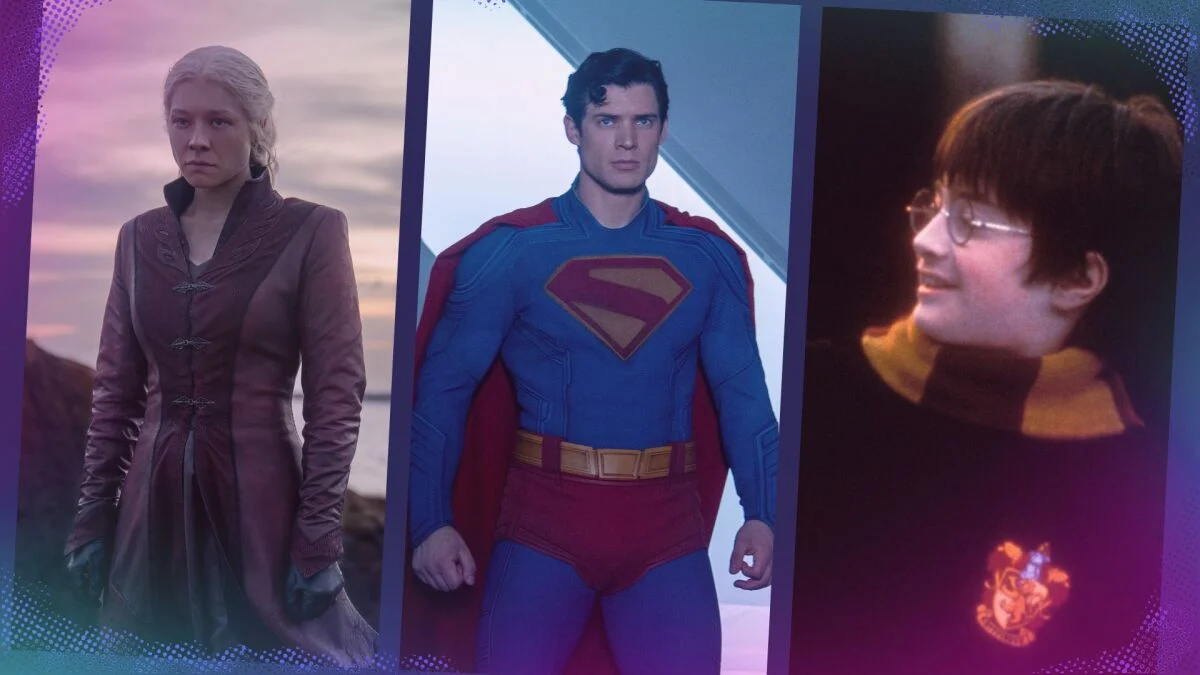

Netflix set to snag Warner Bros.: The 5 hottest properties joining the streaming giant

Netflix’s $82.7 Billion Power Play: Redefining the Cultural Landscape of Entertainment

In an unprecedented move that’s sending shockwaves through the entertainment industry, Netflix recently announced the acquisition of Warner Bros. for a staggering $82.7 billion. This strategic buyout grants the streaming giant ownership of a vast array of media assets, including legendary film and TV studios, as well as iconic franchises like Harry Potter, DC Comics properties, Game of Thrones, and Looney Tunes. This deal signifies more than just a business maneuver; it marks a pivotal shift in how youth culture consumes and interacts with entertainment, blending nostalgia with emerging digital trends.

One of the most immediate impacts of this acquisition is the consolidation of beloved franchises into a single digital ecosystem. The Harry Potter saga, which has enchanted generations for decades, will now be under Netflix’s umbrella, securing the rights to all eight movies and the upcoming HBO series scheduled for 2027, which continues to stir debate amid J.K. Rowling’s controversial social statements. This move not only promises to revitalize Harry Potter’s cultural footprint but also raises questions about the power dynamics of fandom and cancel culture, as critics and fans alike grapple with the creator’s complex legacy. Meanwhile, the DC Universe and Game of Thrones—with their massive, dedicated audiences—are poised to be reimagined, tested, or expanded on Netflix’s platform, potentially turning the streaming service into the new Iron Throne holder.

The Cultural Resonance of Iconic Franchises

This move is more than just a business strategy; it’s a reflection of the shifting sands of pop culture, where franchises shape social identities. Young viewers now consume content that blurs the lines between entertainment, nostalgia, and social activism—sometimes in conflicting ways. For instance, the Harry Potter series remains a cultural touchstone, but the ongoing controversy surrounding J.K. Rowling’s comments has intensified debates about authenticity versus responsibility in fandom. Similarly, the Game of Thrones universe continues to expand, offering fresh narratives within Westeros that are likely to influence social discourse, identity politics, and fan engagement for years to come.

With this merger, Netflix isn’t just expanding its catalog; it’s redefining the social relevance of these franchises. These stories now serve as platforms for cultural conversation, where issues of representation, legacy, and social responsibility intersect with blockbuster entertainment. Experts like media sociologists suggest that in this era of digital activism, franchises wield substantial social influence, acting as both escapism and catalysts for societal change. The question that looms, however, is whether Netflix can succeed as a steward of these cultural icons—preserving their integrity while also innovating them for new generations.

The Next Chapter in an Evolving Ecosystem

While the acquisition cements Netflix’s status at the top of the streaming hierarchy, it also invites a profound question about the future of entertainment consumption: Will this convergence of old and new media signal a shift toward a more unified cultural experience, or will it intensify competitive fragmentation as other players seek to carve out their own legacy? As Netflix becomes the custodian of these the stories that shaped much of modern youth culture, the next big challenge lies in navigating how to keep these franchises relevant in a rapidly changing digital landscape. Will they serve as enduring cultural touchstones, or will they be co-opted and commercialized to an unsustainable degree?

As the landscape continues to evolve, one thing remains clear: this acquisition is not just a business transaction but a cultural realignment that questions the very future of entertainment, legacy, and social relevance. The next big question for both creators and consumers is whether these iconic stories will be used to foster genuine cultural dialogue or simply become commodities in a relentless pursuit of streaming dominance.

Sali Hughes Reveals Her Top Hero Skincare Picks for 2025—Your Essential Beauty Guide for the Next Generation

Among the biggest breakthroughs in contemporary skincare this year is undeniably the Korean wave. Brands like Beauty of Joseon, Dr Althea, and Innisfree have captured a younger demographic eager for hydrated, youthful, glassy skin. This shift isn’t just about aesthetics; it embodies a cultural push towards kind and gentle skincare that emphasizes health, simplicity, and affordability. Influencers, YouTubers, and TikTok beauty gurus have amplified this trend, transforming Korean skincare into a social *movement* that challenges traditional standards and even disrupts established luxury skincare markets.

This new wave of beauty obsession is rooted in a broader societal craving for *authenticity* and *self-care that’s accessible*. Take the buzz around Beauty of Joseon’s Relief Sun Rice + Probiotics SPF50+: a product that merges effective sun protection with cultural significance, celebrating Korea’s rich heritage while pushing forward innovative yet affordable skincare. The product’s success underscores a societal shift: young consumers are favoring brands that combine heritage, efficacy, and value—rejecting overpriced, overly complex formulations in favor of straightforward, well-triggered solutions that can be part of daily life. According to sociologists studying Gen Z and millennial habits, this trend demonstrates a desire for products that reflect a smarter, more conscious approach to beauty—one rooted in provenance, science, and honest pricing.

Perhaps most notable is the disruption” caused by brands like The Ordinary. Its £13.50 GF 15% Solution anti-ageing serum has publicly shamed luxury brands charging over £200 for similar technology. This savvy positioning not only democratizes skincare but also speaks to a cultural shift: the younger generation prioritizes transparency and value. Top influencers and dermatologists praise such products as perfect for sensitive skin, paving the way for a new standard that questions the old hierarchies of skincare and beauty. It’s more than a trend; it’s a movement towards empowered, informed consumers demanding honesty and efficacy in their daily routines.

As mineral sunscreens like Sunsolve MD reclaim shelves worldwide, the future of sun protection looks distinctly modern and consumer-first. The rise of elegant, makeup-friendly zinc-oxide formulations indicates a societal desire for convenience without compromise. The anticipated UK launch of INN Beauty Project’s Mineral Sun Glow, a favored US product, exemplifies how a cultural shift towards accessible, high-performance SPF is gaining momentum, especially among youth seeking protection that seamlessly integrates into their aesthetic. This forebodes a future where effective, stylish, and affordable skincare becomes a non-negotiable staple.

In the end, the question facing the beauty industry is no longer merely about product innovation—it’s about understanding the social heart of these changes. As society’s values continue to evolve, will brands adapt to this new era of *authenticity, transparency, and affordability*, or will they risk being left behind in a cultural revolution driven by the youth’s demand for meaningful, accessible beauty? Only time will tell, but one thing is clear: this Korean-inspired shift is redefining what it means to truly care for your skin—and perhaps, for society itself.

Jess Cartner-Morley Takes the Lead: This Holiday, Dress to Impress — Your Ultimate Christmas Style Guide

Festive Fashion Trends Reflect Societal Shifts: The Future of Christmas Style

As the holiday lights flicker on and the aroma of turkey sandwiches in Pret become our seasonal soundtrack, a cultural transformation in Christmas fashion is quietly taking hold. It’s clear that this year’s festive dressing is more than just glitz and glamour; it embodies a broader *societal shift* towards authenticity, self-expression, and a reconsideration of traditional social norms. Influencers and fashion analysts alike are signaling that what we wear during this season is now a mirror of larger cultural currents—an outward expression of our *social relevance* and personal identity in an ever-evolving society.

At the heart of this trend lies a surprisingly liberated approach to holiday fashion. Gone are the days when party attire strictly adhered to the unspoken rules of modesty or expectations of sophistication through brand-new outfits. Instead, there’s a palpable emphasis on upcycling, vintage pieces, and sartorial boldness. Wearing something pre-loved or reimagined from your own wardrobe is now a flex — a statement that challenges consumerism and celebrates individuality. Fashion experts note that this embrace of a *more sustainable and authentic* aesthetic directly responds to the *social relevance* of environmental concerns among younger generations, who see fashion as a form of social activism rather than mere trend-following.

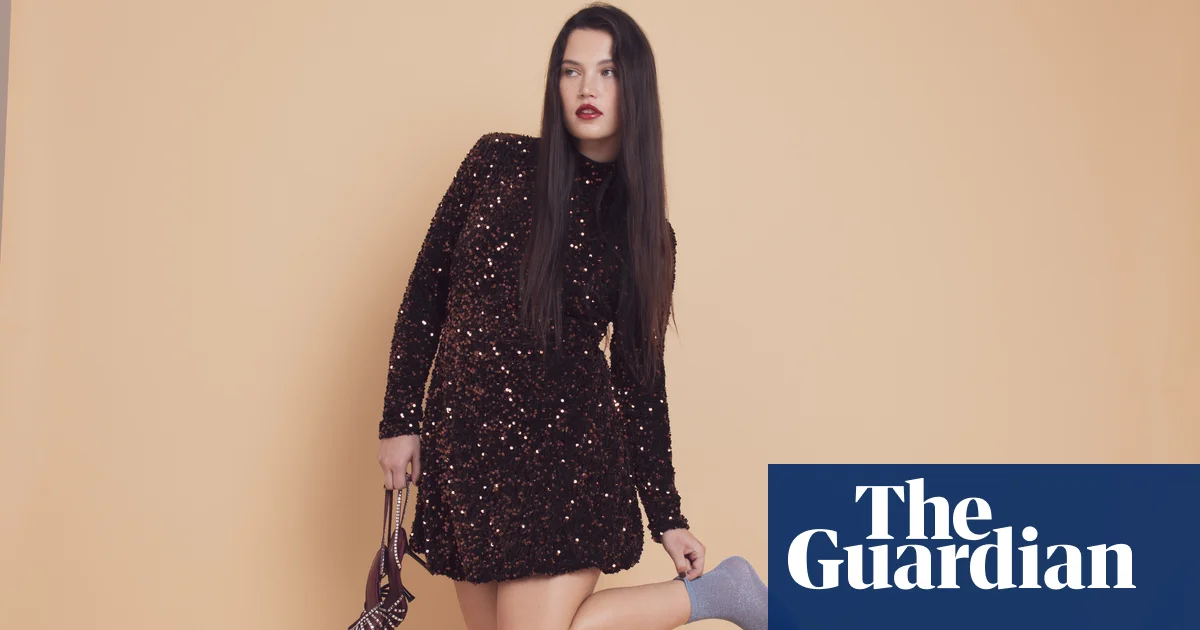
In the realm of party presence, the *new etiquette* champions ingenuity over conformity. Influencers such as Imogen May showcase outfits that turn the dial up on typical festive decor with sequined dresses, bold accessories, and playful socks that blend nostalgia with a modern edge. Dress, £110, from Albaray, and Heels from River Island exemplify how elevated eclecticism is shaping this year’s holiday wardrobe. The key takeaway? Clothing is now a deliberate act of *self-definition* rather than blind conformity. This shift underscores a *social relevance* where fashion becomes a tool of empowerment, especially among youth who seek to carve out their place in a cultural landscape that increasingly values authenticity over tradition.

As we peer into the future, the big question remains: could this *cultural shift in festive dress* be the catalyst for a broader societal movement? Will our holiday wardrobes become less about following worn-out traditions and more about **owning your style** unapologetically — not just during Christmas, but year-round? Sociologists and fashion commentators are debating whether this trend signals a new era where dress codes are less prescribed and more personalized, or if it’s merely a temporary revolt against outdated norms. What seems certain is that as the boundaries of societal expectation continue to blur, the next big question might be: **Are we witnessing the emergence of a new cultural paradigm—one where self-expression in fashion is the ultimate measure of social relevance?** Only time will tell, but one thing is clear: the future of festive fashion is about much more than just glitter — it’s about redefining who we are in every stitch and sequin.

Get Ready: Kobo’s Remote Is Finally Here—Your Next Must-Have for That Seamless Reading Vibe

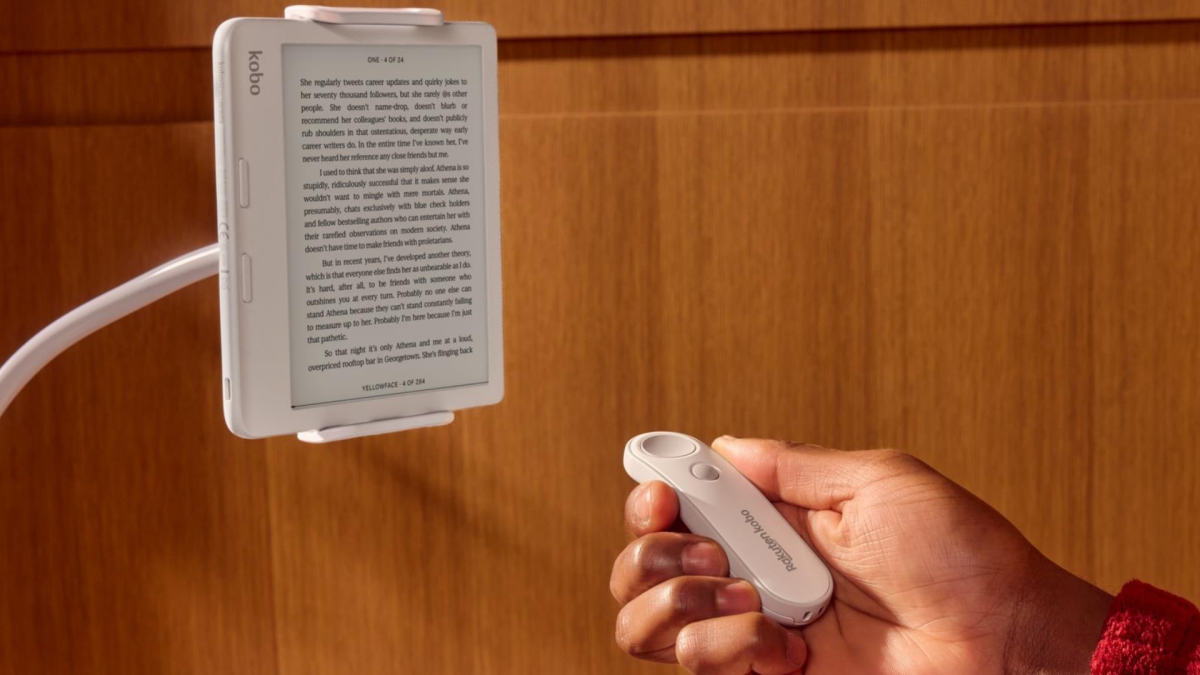
In an era where technology continually reshapes our lifestyles, the latest innovation from Kobo offers a glimpse into the future of digital reading. They’ve just launched the Kobo Remote, a Bluetooth-enabled device designed to work seamlessly with any Kobo e-reader. This accessory signifies more than just a new gadget; it underscores a turning point where interactivity and convenience in reading are moving into a new age.

Launched after a series of legal delays and anticipation, the Remote’s debut exemplifies how consumer electronics are evolving toward minimalism and enhanced user experience. Unlike Amazon’s Kindles, which currently lack native remote support, Kobo’s new offering embraces the rising trend of remote page turners—a phenomenon that has gained viral popularity on TikTok, especially among young readers who prize portability and effortless navigation. The remote’s ergonomic design ensures that long reading sessions remain comfortable, signaling a shift in behavior toward more accessible, extended engagement with digital content. As sociologists note, such innovations are not just about convenience—they are shaping our societal expectations of what reading and leisure mean in a fast-paced digital age.

The cultural impact of this new tech isn’t confined to convenience alone; it reflects a broader social movement towards personalized, tech-integrated lifestyles. Influencers in the tech and lifestyle sectors have lauded the Kobo Remote for its unobtrusive single-piece design, contrasting it sharply with existing multi-part remotes that clutter screens. Meanwhile, industry analysts highlight how this integration of remote control into e-readers may foreshadow a future where digital devices are no longer just tools but extensions of our personal spaces. The impact is evident: a generation increasingly accustomed to intuitive, seamless tech that elevates their daily routines without complicating them.

What makes this launch especially intriguing is its timing. With Black Friday and Cyber Monday deals in full swing, the Kobo Remote arrives as the perfect accessory to maximize the holiday shopping spree. For just $29.99, it complements the popular Kobo Libra Colour—a vibrant, color-rich e-reader now available at a discounted price—highlighting the strategic blend of functionality and marketability. This convergence begs a vital question: as technology continues to democratize access to personalized content, what will be the next frontier in making reading an even more integrated part of our social fabric?

Ultimately, Kobo’s latest move demonstrates that the future of digital reading might extend far beyond the device itself. It opens the door to broader reflections about how we are shaping our social identities through tech accessories and what this means for the next generation of consumers. As innovators blur the lines between utility and lifestyle, we are left pondering: will future tech innovations redefine not just how we read, but how we relate to information, community, and even ourselves?

Gift Lab by Mashable: The Ultimate Trend for Young Trendsetters

The Digital Shift: How Youth Culture is Reshaping Trends and Society

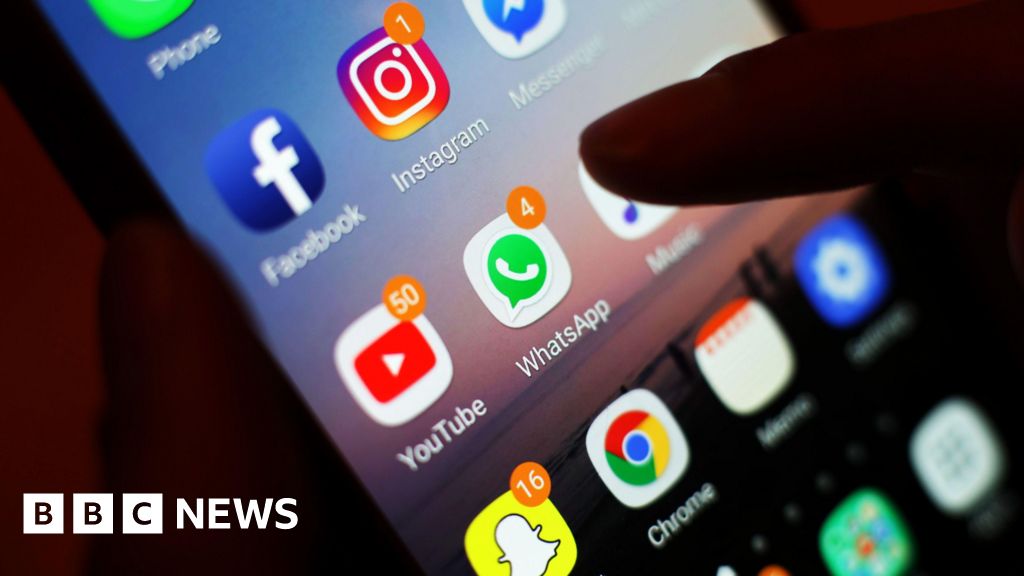
In today’s fast-paced world, social media influencers and online communities are redefining what it means to be engaged, expressive, and connected. Among the most compelling phenomena is the way young generations, especially Gen Z and Millennials, are shaping cultural narratives—often with more influence than traditional media ever could. From TikTok challenges to new lifestyle obsessions, this demographic is not just consuming content; they’re actively crafting it, steering the cultural ship in directions that leave older generations astonished and sometimes, even perplexed.

Particularly intriguing is the emergence of *new lifestyle trends* that resonate through platforms like Instagram and Snapchat. These trends often reflect deeper societal shifts such as a desire for authenticity, social justice, and self-expression. For instance, viral challenges centered around sustainability or mental health awareness are more than fleeting fads—they represent the social relevance of a generation eager to align their online personas with meaningful causes. Influencers like Emma Chamberlain and MrBeast exemplify this movement, blending entertainment with activism and prompting followers to rethink how they engage with the world around them.

The cultural impact of these developments extends beyond pop culture—they’re influencing consumer behavior and even societal norms. The shift in youth preferences toward ethical brands and self-empowerment is evident in the rise of companies that prioritize **sustainability** and truth-driven marketing. According to sociologists like Dr. Lisa Miller, this generation’s trend towards authenticity and social responsibility is rooted in a desire to build a community that reflects their values, rather than just chasing profits or superficial popularity. As a result, advertisers and brands are rapidly adapting, creating products and campaigns tailored to these emergent, youth-led priorities.

  • Viral Content remains king, with short-form videos rapidly going viral and setting new cultural norms.
  • Personal branding is now a primary concern for millions of young people, with social media serving as a modern-day portfolio.
  • Social activism has become a core aspect of digital engagement, transcending traditional political boundaries.

Yet, beneath the surface of this energetic trend lies an important question. As youth culture continues to influence societal norms at an unprecedented scale, are we witnessing the dawn of a {digital activism era} that could challenge established institutions long-term? Will the relentless pursuit of authentic self-expression and social justice foster genuine societal change, or will it devolve into performative activism driven by viral notoriety? As influencers and sociologists debate, one thing remains clear: this movement is not static—it’s evolving, and its future promises to be even more disruptive.

Bose ANC Headphones Drop $39 for Cyber Monday—Score the Deal Before It’s Gone!

The Rise of Cyber Monday Tech Deals and Their Cultural Relevance

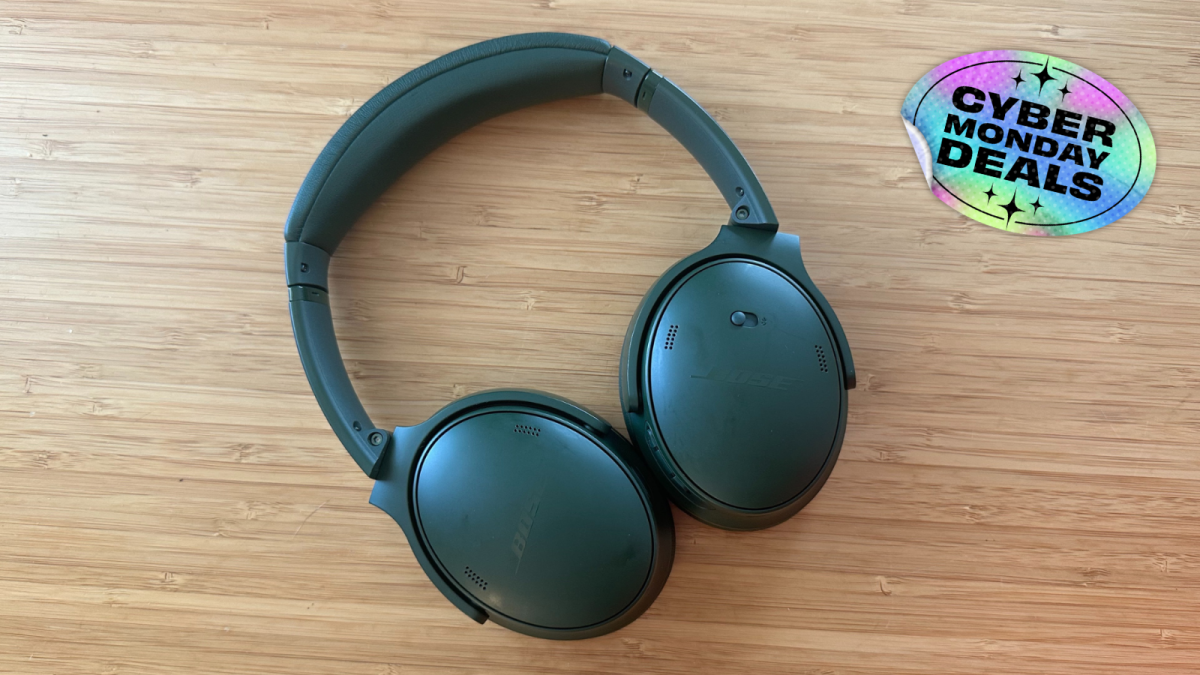
As the digital shift accelerates, Cyber Monday has solidified its position as the premier annual event for tech enthusiasts and young consumers eager to score premium gadgets at a fraction of their original prices. This year’s sales, such as the Bose QuietComfort headphones slashed to just $159.99 from a hefty $359, exemplify a broader cultural shift — where value-driven purchasing converges with the desire for modern lifestyle upgrades. Consumers, especially youths who are increasingly plugged into online shopping and social media trends, view these deals not just as discounts but as symbols of living the high-tech, fashionable lifestyle.

From influencers to sociologists, the emphasis has shifted from merely acquiring gadgets to embracing a social identity anchored in *tech-savviness* and *consumer confidence*. Major social media personalities have spotlighted these deals, transforming humble flash sales into cultural milestones. Content creators showcase their shopping hauls, turning these sales into viral phenomena that reinforce a *social construct* where affordability and access to advanced technology are seen as markers of status. The phenomenon fuels a *collective social narrative*: that to stay relevant and connected in the digital age, young individuals must seize these opportunities to invest in their personal and social assets.

Moreover, the social relevance of this trend is evident in the way it redefines traditional notions of consumerism. What once was a simple shopping spree has evolved into a socio-cultural movement—emphasizing self-optimization and digital immersion. Experts argue that the proliferation of these deals echoes a larger societal shift: technology as an extension of identity. As sociologist Dr. Emily Carter notes, “Today’s youth are shaping a new consumer culture where **accessibility to premium tech** correlates directly with social acceptance and self-expression.” This, in turn, influences how brands marketing these deals tailor their campaigns, crafting narratives that position their products as essentials for *the modern, connected life*.

But amid this frenzy of shopping and social validation, the next question looms: as technology becomes even more embedded in our daily lives and social identities, will this culture of instant gratification and deal-hunting foster a lasting appreciation for quality, or will it perpetuate a cycle of fleeting trends? With studies already indicating that younger consumers are making more impulsive purchases online, the crucial challenge will be understanding whether these widespread sales figures translate to genuine long-term engagement with technology or if they merely signal a short-lived brand obsession. As the trend continues to develop, one thing is certain: in the quest for the next viral deal, future generations are reimagining not just what they buy but how they define themselves in an increasingly digital world.

Stylish and bold, but always classy: sheer skirts punch above their weight in youth fashion trends

In an era where extreme fashion trends often push the boundaries of everyday wear, a compelling shift is quietly reshaping the style landscape. Enter the sheer skirt, a versatile piece that combines daring transparency with an innate sense of modern sophistication. While the concept of naked dressing—wearing transparent or minimal attire on red carpets—still turns heads at events like Cannes, today’s fashion scene is embracing a more accessible, yet equally impactful, alternative. This trend is bridging the gap between high-octane runway statements and wearable street style, signaling a societal shift toward more nuanced expressions of individuality.

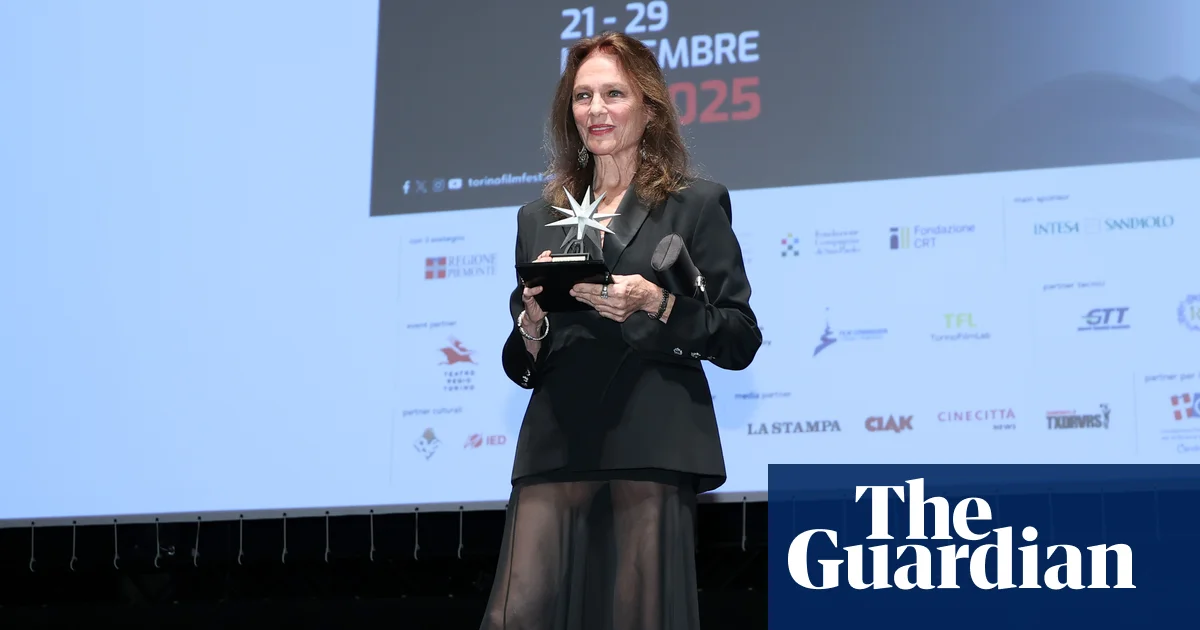
What makes the sheer skirt particularly noteworthy is its cultural and social relevance. With appearances on influential runways at brands like Chanel and Simone Rocha, and celebrities such as Jacqueline Bisset and Victoria Beckham sporting them at high-profile events and casual outings alike, the sheer skirt has transcended its initial novelty status. It’s not just a passing trend; it symbolizes a broader movement emphasizing layered, multi-dimensional fashion. According to sociologists and trend analysts, this shift mirrors society’s fascination with reinterpreting classic femininity and masculinity through the lens of subtle transparency, allowing wearers to convey confidence without fully revealing themselves. The trend’s popularity on platforms like Depop, with searches up nearly 100% since January, underlines its burgeoning appeal across generations, especially among youth eager to express their bold individuality within a socially conscious framework.

Experts like Gaëlle Drevet, founder of The Frankie Shop, highlight how the perceived balance of daring and subtlety makes the sheer skirt a modern staple. Drevet notes that their bestselling Peri skirt exemplifies this, striking a “sexiness” that remains approachable. Meanwhile, Karin Gustafsson, creative director of Cos, attributes its rising popularity to the “underwear as outerwear” trend” and a fresh approach to layering, especially with transparent fabrics that radiate color and light. This desire for innovation in self-expression is also reflected in how fashion-forward individuals imagine pairing sheer skirts with winter-ready pieces, such as turtlenecks, tights, and boots—making transparency a year-round statement of style.

Interestingly, the appeal isn’t solely rooted in exposing skin. Many see the sheer skirt as an elegant tool to hint at sensuality—a delicate balance that allows women to “show their legs without showing,” as Gustafsson describes it. This shift indicates a broader cultural conversation about the power of modesty and confidence in fashion. As layering becomes more sophisticated, the sheer skirt offers a platform for personal storytelling through style, emphasizing that fashion’s next frontier isn’t about revealing everything but about revealing just enough. So, as we enjoy this low-key revolution in the wardrobe, one glaring question remains: Will future trends continue to blur the lines, making transparency and layering not just a temporary phase but the next permanent evolution in how society defines beauty and self-expression? Only time will tell, but one thing is clear—fashion’s willingness to experiment with boundaries reveals much more than just style; it reflects a society increasingly eager to challenge norms and redefine identity.

Australian innovator, 26, crafts iconic Lady Gaga costumes, blending engineering brilliance with trendsetting style

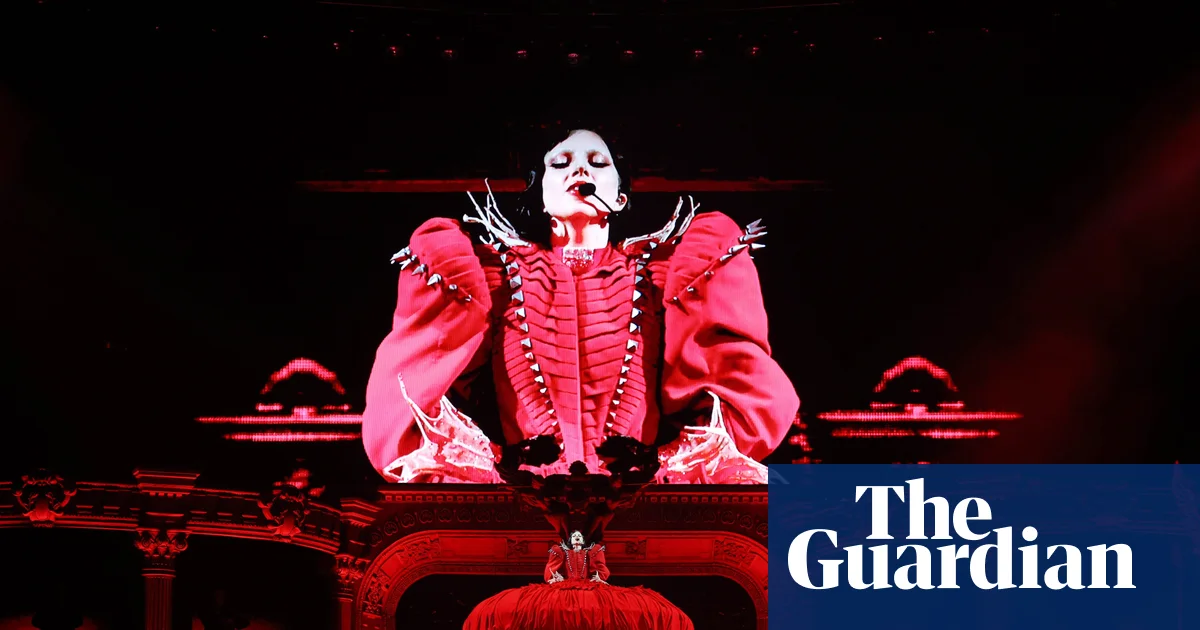
In a world where fashion continues to evolve as a potent form of social expression and cultural commentary, a new vanguard of designers is breaking the mold of traditional haute couture. Enter Samuel Lewis, a Melbourne-based visionary whose work blurs the lines between art, performance, and technological innovation. His recent collaborations with Lady Gaga exemplify how contemporary style now functions as a canvas for societal narratives, pulling viewers into a vortex of spectacle and meaning. Whether it’s a stage costume fashioned to resemble moving art or a dress inspired by decayed fabrics hinting at societal fragility, Lewis’s creations speak to a cultural shift toward embracing the expressive power of the extraordinary.

What makes this trend particularly compelling for impressionable youth is its cultural impact—it’s not just about designing visually stunning outfits but about challenging perceptions of beauty, identity, and social norms. Inspired by icons like Debbie Harry and the rebellious euphoria of rock and grunge eras, Lewis’s work embodies a renewed fascination with the imperfection, decay, and chaos that characterize our era. His aesthetic, heavily influenced by 70s rebel culture and 80s goths, employs intricate constructions—dresses within dresses, formidable corsetry—that are as much a statement of resilience as they are a fashion choice. Influencers, sociologists, and fashion critics such as Cameron Silver argue that these bold choices serve to democratize fashion’s social relevance, transforming celebrities into living artworks that challenge the boundaries of conventional style.

Designed to withstand the physical demands of stage performances and photo shoots, Lewis’s pieces symbolize how online visibility and social media have democratized access to high-end creative work. From the Philippines to South Korea, his rising international profile underscores how the internet has become a launching pad for local talent to reach global audiences. Brands and consumers alike are leaning into this digital revolution, seeking authentic, boundary-pushing styles that speak to the youthful psyche—styles that say, “This is who I am, and I’m not afraid to show it.” As influencers like Julia Fox and girl group Blackpink demonstrate, the avant-garde now sets trends in everyday life, shaping social attitudes and collective identity through their daring fashion statements.

Looking ahead, the next question on everyone’s mind is whether this relentless pursuit of the extraordinary will still serve traditional ideas of beauty or radically redefine societal standards. As Lewis prepares to launch his debut collection—an eclectic mix of made-to-order and ready-to-wear pieces inspired by the idea of “finding magic in everything without caring what it is”—the challenge remains profound: can fashion continue to be a cultural catalyst for societal conversations without sacrificing the accessibility that makes it relevant to youth? With celebrities and performers at the forefront of this movement, the real story might just be: Are we witnessing the birth of a new societal language through fashion—one that is less about superficial appearance and more about embodying a collective identity that’s as complex and layered as the art it produces? That remains the ultimate question for the future to answer.

Inside Our Vinted Wishlists: How Underboob Dresses and Midlife Knitwear Reveal Youthful Style Secrets

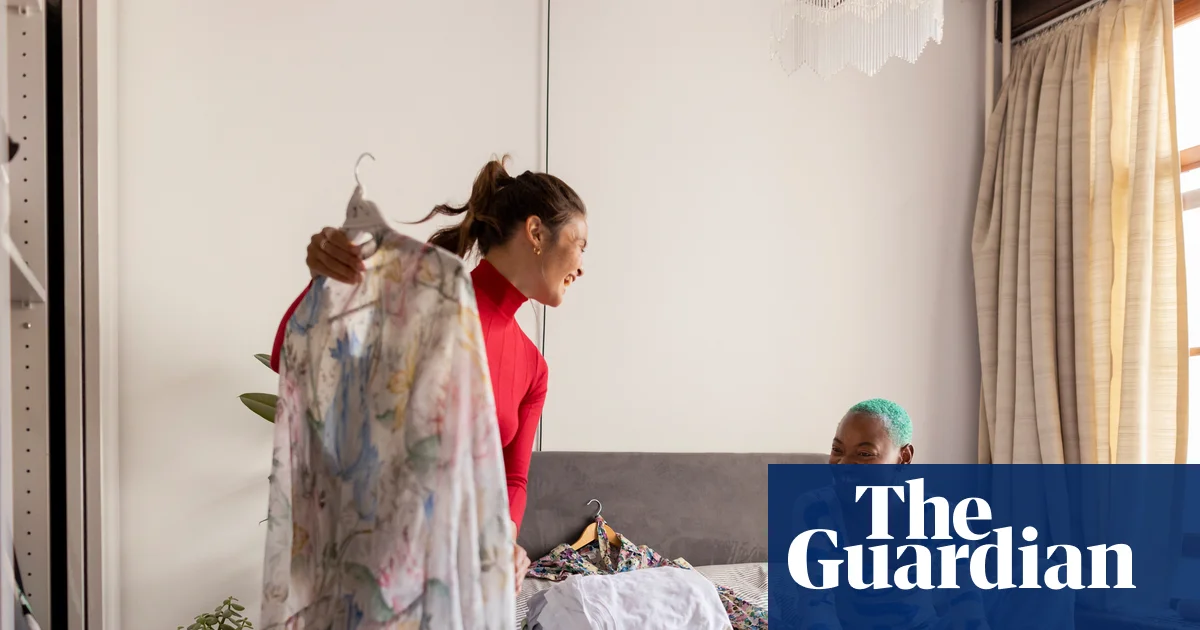
In an era where fast fashion seems increasingly disposable, a new wave of consumer behavior rooted in sustainability, nostalgia, and social identity has emerged, propelled by platforms like Vinted. Originally launched in Lithuania over a decade ago, Vinted has skyrocketed in popularity, particularly during the pandemic’s peak when many young people began to rethink their relationships with clothing. It’s not just about saving money; it’s about curating a version of oneself that aligns with values of authenticity, individuality, and eco-consciousness. This phenomenon is reshaping how we view fashion, transforming wardrobe swapping into a social and even political statement with a deep cultural impact.

At the heart of this shift is the cultural significance of the “Favourites” list—a digital reflection of our subconscious desires, social signals, and personal identity. Writers and influencers now openly debate what their Favourites reveal about their latest life phase or social aspirations. For instance, an eclectic collection of items, from leather trousers once associated with midlife crises, to trend-driven statement pieces like daring underboob dresses, serves as a mirror to our evolving self-image. Sociologist Dr. Emily Robertson explains that platforms like Vinted facilitate a form of social experimentation, allowing users to navigate between who they are and who they want to be—without the pressure of traditional retail or fast fashion’s fleeting trends.

This phenomenon is undeniably socially relevant. It signals a generational shift where identity, sustainability, and social status intertwine through the act of buying and selling clothes. Influencers such as Emma Loffhagen and Jason Okundaye exemplify this with their curated Favourites, each item representing moments of introspection—whether it’s battling midlife insecurities or healing inner childhood wounds through standout stripes or mod-inspired knitwear. The act of scrolling, favoriting, and purchasing becomes a form of digital storytelling, with each piece echoing broader cultural narratives about self-expression, economic empowerment, and the desire for authenticity. The social relevance is amplified by the fact that, in a world flooded with mass-produced nonsense, these curated virtual closets convey a sense of control and uniqueness—an antidote to the homogenized consumer landscape.

Yet, as we step into this disposable digital cabinet of curiosities and curiosities, a provocative question emerges: Are we on the verge of a new cultural revolution where our online wardrobes are not just expressions, but actual influences on societal values and economic models? The next big question isn’t just how platforms like Vinted shape individual identities but whether this behavior could ultimately challenge the entrenched norms of fast fashion and corporate retail. The enduring allure of vintage, designer resale, and the ability to craft a personal, sustainable fashion narrative raises the possibility that the future of style is less about what’s trending and more about what we actively *curate* and *share*—revealing more about who we are and what we stand for. As this trend continues to evolve, the ultimate cultural experiment may be whether the act of dressing ourselves could become the most powerful form of social activism in the years ahead.

Social Media Auto Publish Powered By : XYZScripts.com