Matox News

Truth Over Trends, always!

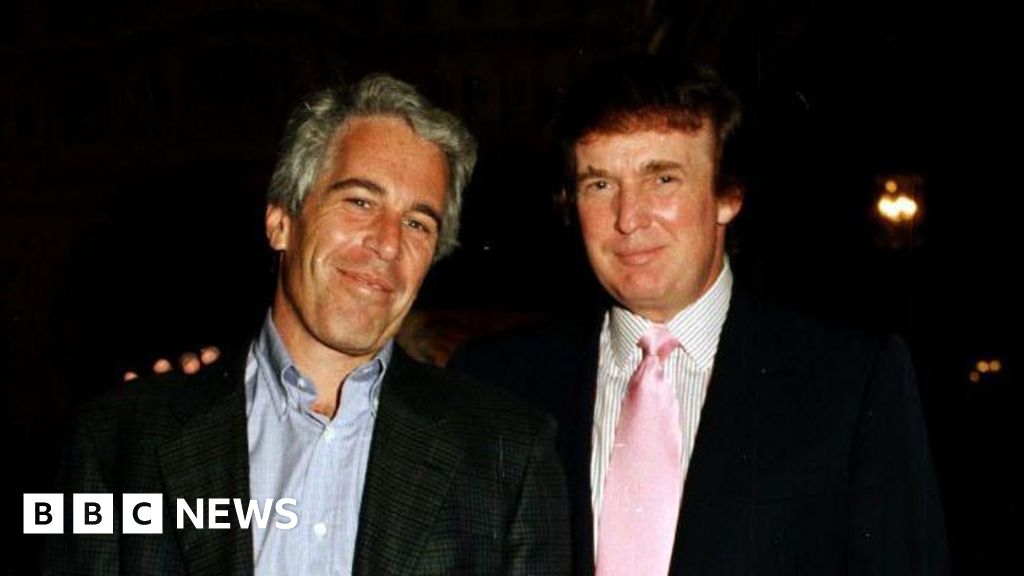
Latest Epstein Emails Mentioning Trump: What You Need to Know

Global Implications of Epstein Files: A Web of Power, Corruption, and Cover-Ups

In a move that underscores the persistent shadows cast by elite influence and international power networks, the recent disclosure of over 20,000 pages from the estate of the late Jeffrey Epstein has ignited a geopolitical firestorm. These documents, publicly released by US lawmakers, include private communications between Epstein, high-profile figures, and prominent political actors, revealing a tangled web of accusations, clandestine relationships, and allegations of misconduct that span multiple nations and societies.

Among the revelations is a series of emails that directly implicate President Donald Trump, although the White House quickly dismissed the documents as a “manufactured hoax.” Nevertheless, the contents illuminate a broader pattern of how powerful figures discreetly interacted with Epstein’s circle—a network that included royalty, politicians, and influential businessmen. For instance, a 2011 email from Epstein to his confidante Ghislaine Maxwell mentions Trump in a cryptic tone: “That dog that hasn’t barked is Trump,” referencing a victim who reportedly spent hours at Epstein’s residence with the president. The White House vehemently denies any involvement or wrongdoing, emphasizing Trump’s past actions of expelling Epstein from his club years earlier. Yet, the issue persists: how much did known elites know, and what consequences did their associations entail?

The Depths of Power and International Ties

Beyond the American scandals, the documents reveal troubling links to international figures, notably Lord Peter Mandelson, a key British political figure previously associated with the UK’s Labour Party. An email from Epstein in 2016 highlights ongoing contact, with Epstein commenting on Mandelson’s birthday and referencing the forthcoming US presidential election. These exchanges point to a disturbing reality: epitome of elite complicity stretches across borders, shaping policies and attitudes that influence millions. Moreover, the inclusion of Prince Andrew and the mention of allegations involving minors and massaging scandals exposes a pattern of powerful individuals attempting to shield their reputations amid mounting evidence.

Historic analysts warn that such exposure challenges the veneer of civility projected by global elites, hinting at a larger narrative: the entrenchment of social hierarchies that perpetuate misconduct and undermine transparency. International organizations and human rights advocates have long called for full accountability and the dismantling of covert influence networks. As the documents continue to surface, the international community faces a pivotal choice: either continue to turn a blind eye or confront a deeper truth about power’s corrupting influence on society’s foundations.

Voices of Survivors and the Weight of History

Victims and advocates have responded passionately, demanding complete transparency. A prominent survivor emphasized that the emerging revelations raise more questions than answers, asserting that the survivors deserve justice and full disclosure. The public now watches as the narrative shifts from whispered rumors to documented proof, challenging the very fabric of political and social foundations worldwide. These revelations are more than scandal—they are a mirror reflecting the urgent need for systemic reforms.

As history’s pen continues to write, the once-hidden depths of Epstein’s network have begun to expose a global system where influence, greed, and depravity intersect with devastating consequences. The documents serve as a stark reminder: history’s most pivotal moments are often born in darkness, waiting for the light of truth to break through. The question remains—how will the weight of this emerging chapter reshape society’s understanding of justice, power, and accountability?
For now, the story unfolds—an unending saga of shadows lurking behind the corridors of power, waiting to be illuminated.
Global Markets tumbling as Tech Slumps and China's Economy Sparks Worries
Global Markets tumbling as Tech Slumps and China’s Economy Sparks Worries

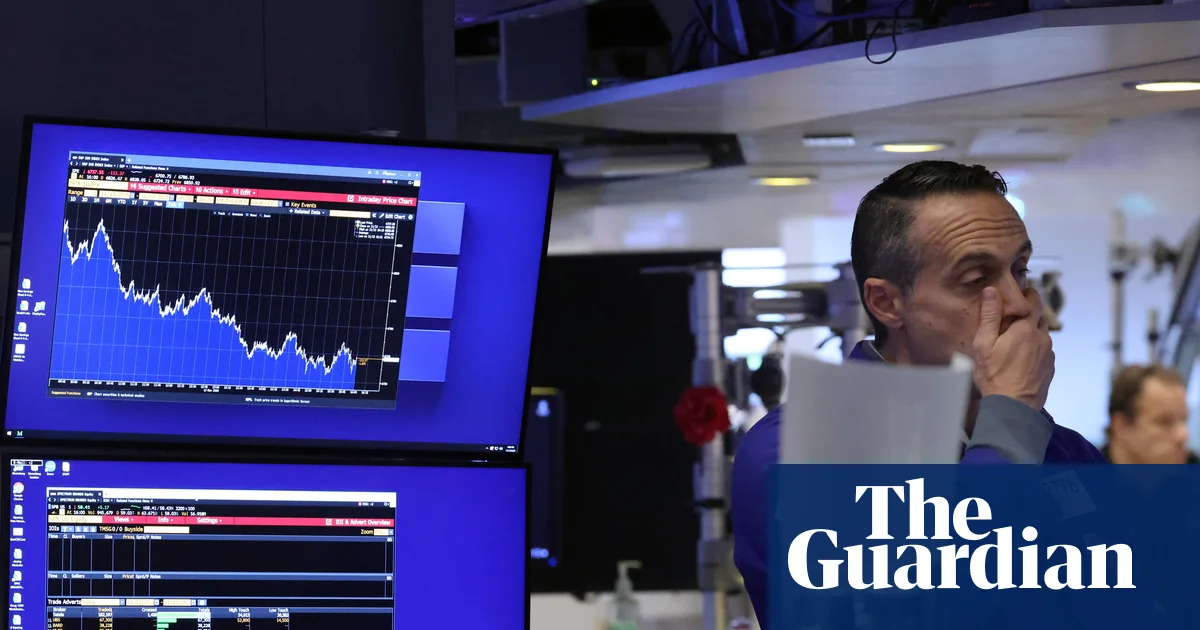
The world economy finds itself at a critical juncture, as recent trading sessions reveal a landscape marked by volatility and uncertainty. Across continents, markets have responded sharply to a confluence of economic signals, geopolitical shifts, and internal political crises. The FTSE 100 in UK experienced a significant dip of 1.1%, closing near the 9,700-point threshold as banking giants like Barclays, Lloyds, and NatWest fell between 2.7% and 3.6%. Despite earlier hopes that the index might breach the 10,000 mark, signals from political circles—particularly the abandonment of the planned income tax hike—destabilized investor confidence. Meanwhile, the pound weakened against the US dollar, illustrating the deepening impact of fiscal indecision on the British economy.

Across the Atlantic, US markets displayed similar trepidation. Despite a brief rally, the S&P 500 and Dow Jones faced downward pressure, with the Nasdaq Composite falling as much as 1.8%, then rebounding slightly by the end of the day. Wall Street investors appeared preoccupied with two dominant concerns: the lingering government shutdown—the longest in US history—and the reevaluation of artificial intelligence sector valuations. Notably, Nvidia, a titan in AI technology valued at $4.5tn, saw its stock tumble 3.6%, reflecting a broader sector reassessment, particularly following SoftBank‘s decision to liquidate its entire stake.

This adjustment in technological valuations sent shockwaves through Asian markets as well. In Japan’s Nikkei, stock prices declined by 1.8%, while South Korea’s Kospi plunged 2.6%, and Australia’s equities fell 1.5%. The decline was driven partly by fears that the recent tech sell-off in the West signals a cooling economy with repercussions extending beyond regional borders. An expert from the International Monetary Fund noted that the persistent collapses reveal a fragile confidence in long-term growth prospects, exacerbated by geopolitical tensions and unpredictable fiscal policies. Meanwhile, China’s economic data revealed a distressing picture: *record* drops in fixed-asset investment, totaling a 1.7% decline for the first ten months of the year. The CSI 300 fell by 0.7%, with Hong Kong’s Hang Seng and Taiwan’s Taiex dropping by 0.9% and 1.4%, respectively—signs of a dawning slowdown that could ripple globally.

Amid these tumultuous shifts, attentions are keenly focused on *how* the United States manages this economic turbulence. The ongoing shutdown has stymied key data releases, heightening uncertainty over the direction of monetary policy. Some analysts warn that this could force the Federal Reserve to reconsider rate cuts already factored into markets, which could further dampen investor sentiment. Experts like Jim Reid from Deutsche Bank warn of a *volatile week*, marked by balancing relief over the shutdown’s end with cautious optimism about AI valuations and 📉dovish signals from the Fed. Meanwhile, UK markets and politicians face their own political headwinds, with Rachel Reeves’s repudiation of the income tax hike fueling speculation about future fiscal stability.

This confluence of economic fragility and political unrest sets the stage for a *turning point* in global history. As nations grapple with internal disarray and external shocks, the world’s geopolitical fabric undergoes a quiet but inexorable transformation. Some see this as the prelude to a new era—one marked by instability but also ripe for profound change. The decisions made today—about debt, trade, and governance—will echo for generations. The weight of history presses ever harder, suggesting that this volatile epoch is not merely a passing storm but the forge of a new geopolitical order, where resilience and adaptability will determine the future of nations and peoples.

Trump to launch investigation into Epstein’s links with Clinton and financial institutions

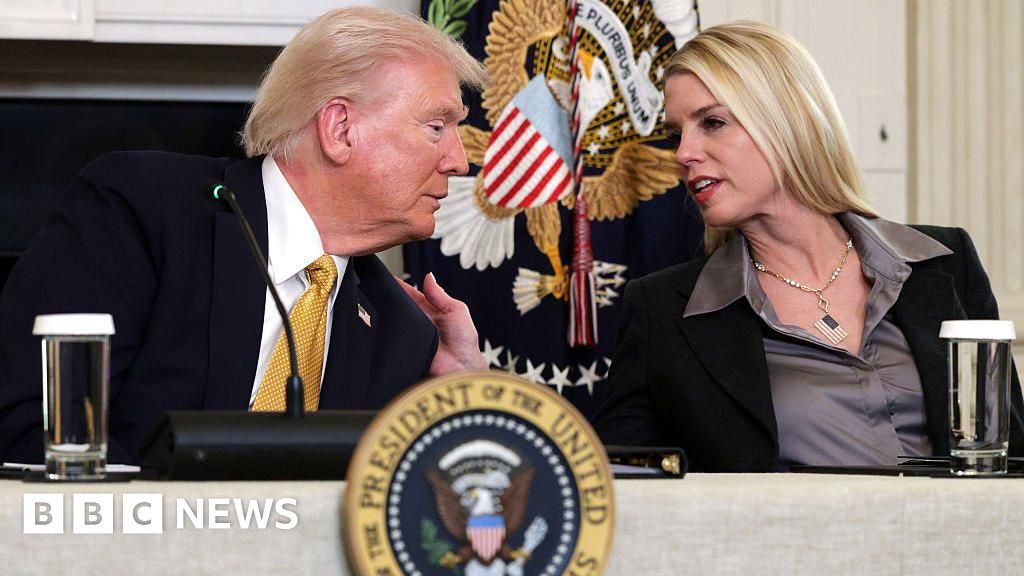
As U.S. politics continues to grapple with unresolved questions surrounding Jeffrey Epstein and his network, President Donald Trump has directed the Department of Justice (DoJ) and FBI to investigate alleged links between Epstein, major financial institutions, and prominent Democrats, including former President Bill Clinton. This move coincides with the recent release of over 20,000 pages of documents from Epstein’s estate, revealing connections that threaten to ignite a new wave of political turmoil. Critics and analysts warn that this investigation could significantly alter the geopolitical landscape, exposing the deep-rooted corruption embedded within America’s elite institutions.

The renewed scrutiny comes at a pivotal moment when the House of Representatives is poised to vote on whether to declassify and release official files related to Epstein’s death in prison in 2019. This decision, driven by Democrat Adelita Grijalva and a coalition of bipartisan support, threatens to unearth scandalous disclosures involving high-profile figures and financial giants like JPMorgan Chase and Reid Hoffman, a prominent Democratic donor and tech mogul. These revelations suggest a web of clandestine ties that, if confirmed, could redefine public trust and the perception of moral decay at the heart of global power structures.

Historically, the geopolitics of corruption has shaped international alliances and destabilized governments. Experts warn that America’s internal crisis echoes through the fabric of the global order, especially as international organizations like the United Nations and EU scrutinize Washington’s integrity. Political analysts cite the emails and correspondence from Epstein’s associates—such as former Harvard president Larry Summers—to demonstrate how elite networks operate behind closed doors, manipulating both policy and society. The revelation of Epstein’s associations with powerful voices raises alarms about the potential influence exerted over international finance and diplomatic negotiations.

Beyond the immediate political fallout, the attempts by House Republicans and conservative voices to push forward the release of Epstein-related files mark a significant shift in the ongoing struggle for transparency and accountability. Figures like Marjorie Taylor Greene emphasize the importance of pursuing justice for Epstein’s victims, framing this issue as a moral imperative to expose the hidden structures of power. As history watches with cautious optimism, the unfolding narrative underscores that the fight against corruption is not solely national but a pivotal chapter that will influence the global order for generations to come. The fate of these documents—whether they remain sealed or become a catalyst for revolutionary change—will be a defining moment etched into the chronicles of modern history, reminding us that the weight of scandal and redemption continues to shape the course of nations.

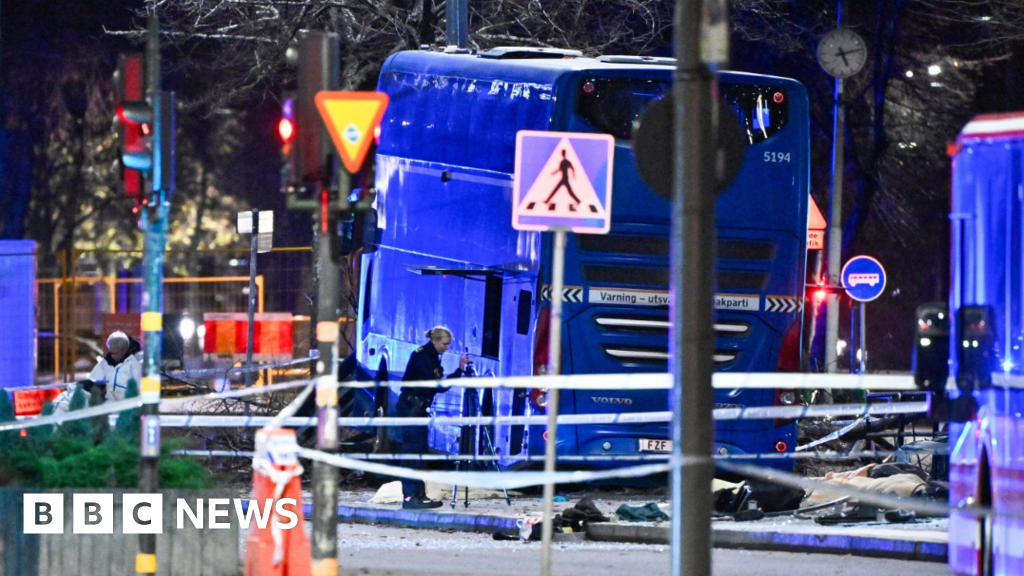
Multiple Dead as Bus Slammed into Stockholm Stop—Tragedy Strikes Again

The recent bus crash in central Stockholm marks a stark reminder of how fragile safety can be amid urban modernity, even in nations often seen as paragons of stability. At approximately 15:23 local time, a double-decker bus violently collided with a bus stop on Valhallavägen, near the esteemed Royal Institute of Technology. Initial reports indicate multiple casualties, with several individuals injured or killed; the full toll remains uncertain as authorities continue their investigations. Swedish police have confirmed the arrest of the bus driver and have launched a manslaughter investigation, emphasizing the gravity of the incident and the need for thorough accountability. While authorities seek clarity, the images emerging from the scene—rescues helping trapped victims—highlight the immediate human tragedy beneath the unfolding crisis.

This incident underscores the yet-unresolved challenges faced by European nations in maintaining robustness and safety within densely populated urban centers. Analysts point out that while Sweden has traditionally boasted high standards of living and effective governance, recent episodes—be they accidents or geopolitical shifts—expose vulnerabilities that cannot be overlooked. Some experts argue this tragedy might amplify calls for stricter safety protocols and infrastructure reviews, particularly on high-traffic routes. The location near a prominent university also raises questions about urban mobility, sidewalk safety, and emergency preparedness—areas where many European cities are trying to modernize amid mounting pressure to sustain societal resilience. Meanwhile, the international community observes closely, wary of potential repercussions for public safety policies across Europe, especially in the face of broader security concerns.

Looking beyond Stockholm, this event resonates with the global significance of how decisions shape societal safety. As noted by international infrastructural watchdogs and historians, the aftermath of such crises often prompts a reassessment of transportation safety, emergency response readiness, and government accountability. Institutions like the European Union are called upon to evaluate potential vulnerabilities in member states’ urban environments, advocating for preventive measures that could avert future tragedies. Moreover, the incident sparks reflection on how societal pressures—rising immigration, urban congestion, and political stability—interact with everyday safety issues. In this context, the tragedy becomes more than a localized accident; it symbolizes broader societal tensions and the imperative for prudence in policymaking.

As the world watches projections of geopolitical shifts and national stability, the Swedish tragedy leaves an indelible mark—a stark reminder that history remains in the making, written in moments of chaos and crisis. With each unfolding detail, the shadow of uncertainty lingers, calling into question whether societies are prepared to confront these vulnerabilities or if future calamities will continue to unfold just like this: suddenly, violently, and painfully. In the end, the lessons drawn here will echo through time, emphasizing that the true strength of nations is measured not in their peaks of prosperity but in their resilience against unforeseen upheavals. The weight of history, heavy and unyielding, continues to press down on Stockholm—waiting for a response, waiting for a new chapter to begin.

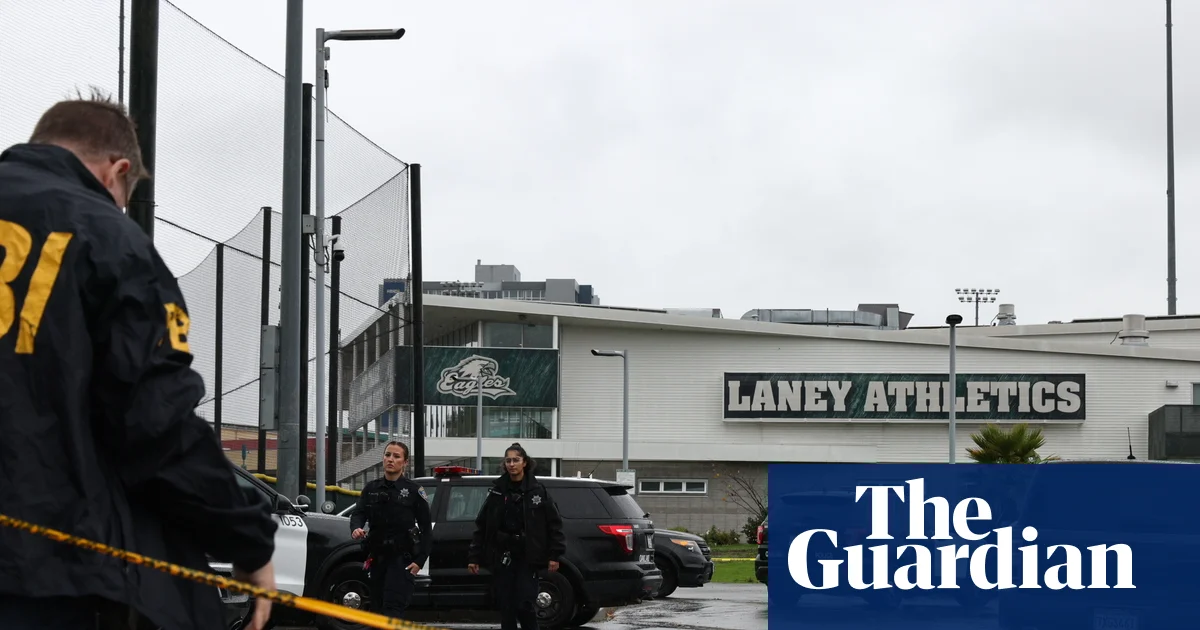
Coach from Last Chance U shot in Oakland campus attack—serious injury

US Campus Violence Escalates: A Wake-Up Call for Global Security

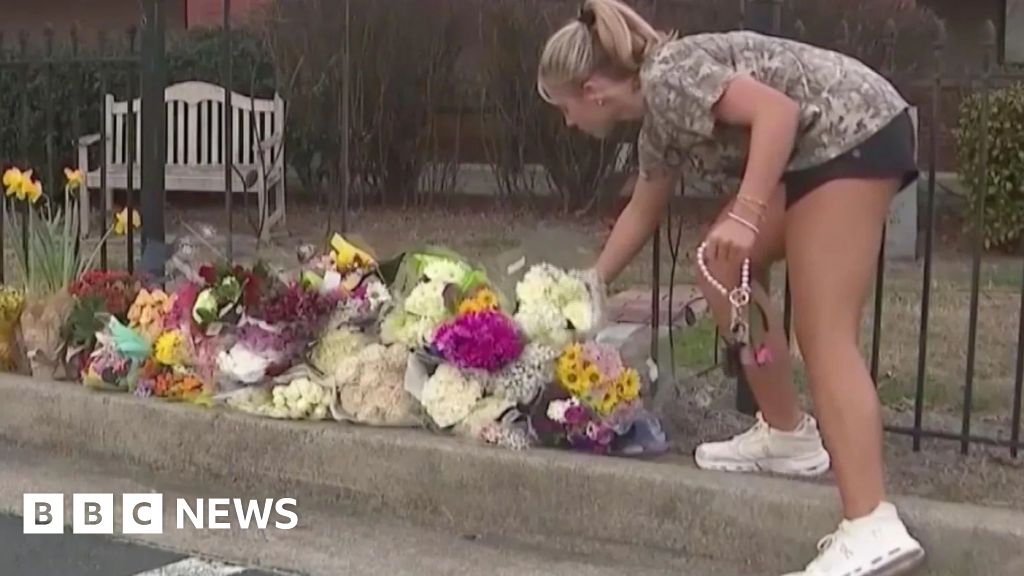
The recent shooting at Oakland’s Laney College, which critically injured its athletics director, John Beam, underscores a dangerous trend spiraling across America. This incident, occurring amidst a surge of campus gun violence, highlights a nation seemingly unable to stem the tide of firearm-related tragedies affecting students, educators, and communities alike. The incident unfolded as authorities responded swiftly, with Oakland police launching a campus-wide lockdown in pursuit of an armed suspect. Yet, it is emblematic of broader societal issues rooted in lax gun control policies, a crisis well-documented by groups like Everytown for Gun Safety.

Historians and analysts warn that these violent episodes—whether initiated by unmanageable social issues or systemic failures—threaten the fabric of American society. The United States has witnessed over 460 gunfire incidents on educational campuses in 2025 alone—numbers curated by the EveryShot tracker. This alarming statistic reveals that 33 of these tragedies occurred within California, a state often lauded for progressive policies, yet overwhelmed by an epidemic of gun violence. The death toll, with at least 73 fatalities nationwide, signals an urgent need for policy reassessment. Experts argue that the proliferation of firearms and the absence of stricter regulations continue to fuel these heartbreaking tragedies, placing the very institutions meant to nurture youth at risk.

The broader geopolitical impact of this domestic crisis resonates internationally. As global powers watch the United States grapple with internal security, questions are arising about the narrative of American exceptionalism in the realm of personal safety and civil liberties. International organizations, such as the United Nations, have called for reforms, yet the deep-rooted political divide hampers substantive progress. Many nations see the ongoing violence as emblematic of a country struggling to reconcile individual freedoms with collective security—an unresolved debate that impacts America’s standing on the global stage. Critical analysts suggest that unresolved internal conflicts over gun rights and societal values threaten to undermine America’s influence and the stability of its social fabric.

In the face of tragedy, the voices of leaders and communities grow more urgent. Oakland’s mayor, Barbara Lee, has condemned the violence, emphasizing that schools should be safe havens, not battlegrounds. Meanwhile, the incident echoes a series of recent recently heightened tensions around domestic violence, societal division, and law enforcement effectiveness. As the nation mourns yet another loss, some analysts warn that this cycle of violence may not be contained without decisive structural reform, both in policy and in societal attitudes. The unfolding narrative remains one of a society at a crossroads, where the decisions made today will, in a profound way, shape the course of history. The question lingers—will the United States confront the underlying causes of its crisis, or will it continue to grapple with the devastating consequences of complacency?

Second brother of French anti-drugs activist shot dead in Marseille—another tragic blow to the fight against crime

Marseille Violence: The Tragedy of Gang Warfare and Its Global Implications

The recent brutal murders in Marseille, France, underscore a critical escalation in urban violence, with profound geopolitical repercussions that extend beyond local boundaries. The killing of two brothers from the same family—Brahim in 2020 and now Mehdi in 2023—illuminates the destructive power of organized crime and its enduring grip over the city’s most vulnerable communities. The tragic pattern, with youth as young as 15 pulled into violent vendettas, serves as a stark reminder of the erosion of social stability within Western nations, challenging political leaders and law enforcement agencies alike. The fact that a young anti-drugs activist, Amine Kessaci, whose work aimed to mitigate this chaos, receives death threats underscores an unsettling turning point—a confrontation with the fracture lines in French society and the wider Western world.

Marseille’s endemic violence is emblematic of a broader uprising of urban insurgencies affecting many Western city-states. As gangs continue to carve out turf within high-immigration neighborhoods, their warfare spills into street-level shootings, often occurring in broad daylight, as seen with Mehdi’s murder by motorcycle gunfire. Local authorities acknowledge that these crimes are not isolated; they are part of a harrowing cycle of revenge and territorial disputes, often fueled by drug trafficking networks that have entrenched themselves in the city’s fabric. The European and international community, including analysts and historians, highlight that such violence threatens the very fabric of civil society, prompting urgent calls for comprehensive reforms. Yet, the persistence of these conflicts raises uncomfortable questions about how nations can reform immigration, law enforcement, and social policy to prevent a slide into lawless chaos.

The Shadow of Organized Crime and Political Reckoning

  • The murder of Brahim, linked to drug gang vendettas, encapsulates the threat posed by criminal organizations that often operate with impunity and difficulty for authorities to dismantle.
  • Mehdi’s murder, seemingly unrelated to gangs, is feared to be a warning aimed squarely at Amine, whose outspoken activism and political ambitions made him a target—symbolizing how criminal violence intersects with political activism.
  • Amine’s establishment of Conscience, an NGO dedicated to aiding families affected by drugs violence, underscores a new wave of civic activism aimed at combating these structures from within.

Such developments signal a warning of a wider societal breakdown, with international watchdogs cautioning that, without decisive action, these localized conflicts could spiral into a broader crisis of governance and security. The French government’s response, characterized by police protection for activists like Amine, reflects a recognition of the seriousness of these threats. Still, critics argue that current policies lack the strategic depth needed to truly unravel the roots of criminal networks. The European Union and other international bodies continue to monitor the situation, with some alarmed by the increasing youth involvement in gangs—an issue that threatens to undermine future generations’ prospects and social cohesion.

Consequences for Europe and Beyond

The violence in Marseille epitomizes a continuing challenge for EU nations attempting to balance multicultural integration with national security. As analysts point out, the situation could serve as a harbinger for similar strains across other European borders, especially in cities with large immigrant populations. The ongoing crisis also raises questions about international cooperation—whether global institutions will rise to the occasion or become overwhelmed by the complexity of such urban war zones. The historical perspective warns that neglecting these issues risks turning once-thriving urban centers into lawless enclaves, where de facto warlord rule replaces civil authority, echoing patterns seen in failed states worldwide.

As history unfolds, the death of Mehdi and Brahim Kessaci will be remembered not only as isolated tragedies but as symbols of a war within cities that threaten to rewrite the social contract. The weight of this moment challenges leaders and societies to confront uncomfortable truths about governance, integration, and the true cost of neglecting the roots of urban decay. The future remains uncertain—balancing on the precipice of change, where each decision could either mend a fractured society or plunge it further into the shadows of chaos. History, it seems, is still writing its darkest chapters, and the fate of Marseille may well serve as a cautionary tale for cities worldwide struggling beneath the weight of their own internal conflicts.

Australian Schools Close Over Kids’ Sand Safeguard Risk

In a startling development that underscores the ongoing challenges of global trade and public safety, Australia and New Zealand have mobilized substantial measures in response to the discovery of asbestos-contaminated sand products circulating within their educational sectors. The contamination, linked to imports from China, has triggered urgent school closures and recalls, raising serious questions about border security, regulatory oversight, and the health safety of young generations.

The Australian Competition & Consumer Commission (ACCC) announced a recall after lab tests identified traces of tremolite asbestos in children’s colored sand. These products, such as Kadink Sand, Educational Colours – Rainbow Sand, and Creatistics – Coloured Sand, had been distributed nationwide through major retail outlets like Officeworks. The health risk stems from the inhalation of asbestos fibers, which can cause severe lung diseases, including cancers; a warning that has led to the full or partial closure of at least 15 schools and seven preschools in the Australian Capital Territory. Similarly, in New Zealand, five early learning services and two schools have suspended operations as authorities conduct further testing. The Ministry of Business, Innovation and Employment (MBIE) swiftly issued advisories urging parents and institutions to cease using the contaminated products and seek professional disposal, highlighting the precautionary nature of this response.

This crisis underscores a broader geopolitical impact that points to the fragility of international supply chains and the importance of strict regulatory controls. Historically, asbestos has long been recognized by global health authorities—including the World Health Organization—as a carcinogen, yet trade restrictions have often been circumvented through imports. The incident reveals vulnerabilities within Australia’s and New Zealand’s border and commercial oversight, prompting analysts to question how widespread this contamination might be and whether other imported goods could pose similar risks. As historians warn, failures in supply chain transparency can unleash public health crises, especially within vulnerable communities such as children in educational environments. The recall and school closures serve as a stark warning of what can happen when economic interests overshadow safety protocols.

International institutions and regulators are now under pressure to tighten import controls and alert systems. The Australian government has reaffirmed that asbestos importation remains prohibited, yet the incident exposes potential gaps in enforcement. Meanwhile, New Zealand’s ongoing testing and voluntary recalls reflect a cautious approach but also highlight the need for more decisive policy action. As the global community watches, the incident could spur stricter international standards for importing hazardous materials, reshaping trade policies that often prioritize cost over safety. Yet, this unfolding story remains a chapter in a broader narrative about the collision of globalization, health security, and the protection of future generations—one where the delicate balance of power, policy, and public trust hangs in the balance.

In a world increasingly interconnected, the repercussions of this asbestos scare transcend borders, shaping the very fabric of societal trust and governmental accountability. The upcoming weeks will determine whether the lessons learned will lead to stronger safeguards or allow complacency to persist. As history continues to be written in moments of crisis, the weight of these decisions resonates: a reminder that in the unfolding mosaic of international relations, every detail—down to colored sand—can carry the profound burden of history yet to be made.

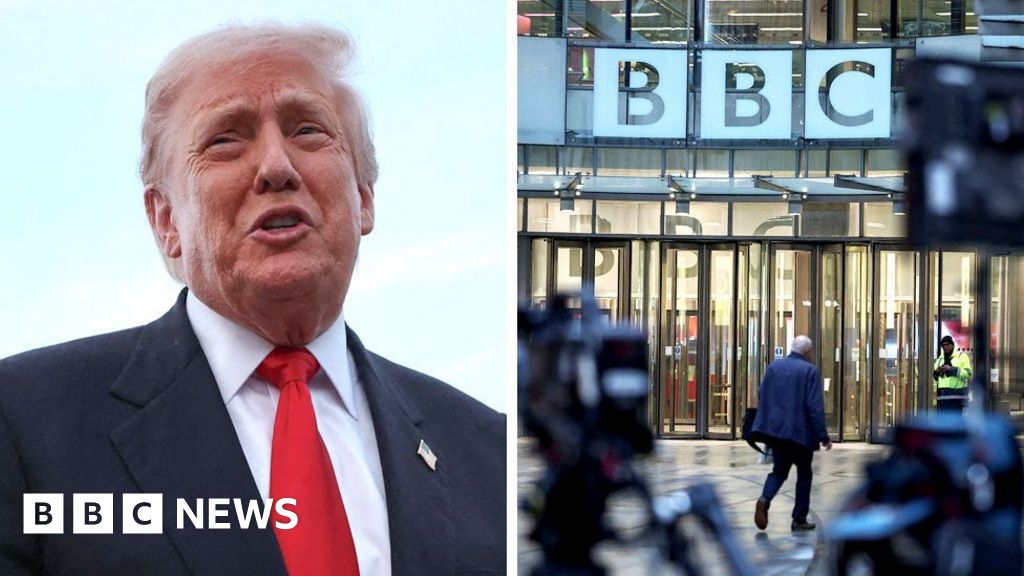
BBC Apologizes to Trump Over Panorama Edit, Won't Pay Compensation
BBC Apologizes to Trump Over Panorama Edit, Won’t Pay Compensation

International Political Landscape Shaken by BBC-Donald Trump Dispute

The escalating controversy surrounding the BBC‘s handling of a documentary featuring former US President Donald Trump exemplifies how media missteps can have profound geopolitical repercussions. The British broadcaster’s recent apology for a manipulated portrayal of Trump’s 6 January 2021 speech—which was edited to give a misleading impression of inciting violence—has ignited a legal and diplomatic firestorm. Lawyers representing Trump have demanded a $1 billion damages settlement, asserting that the BBC’s actions have tarnished his reputation and potentially influenced US-UK relations.

Analysts warn that this spat is not just about media ethics but a reflection of mounting global tensions. The BBC, a bastion of Western liberal values, is now embroiled in a crisis that questions the independence of mainstream media in the face of political interference. Historians and political commentators suggest this incident marks a turning point in how nations perceive media bias and propaganda in the era of information warfare. The incident also comes amidst wider concerns over UK’s sovereignty and editorial independence, as the government announces plans to review the BBC’s charter—an effort to ensure tighter oversight amid claims of bias and politicization, especially in politically sensitive content.

Global Institutions and the Future of Free Speech

  • International organizations, including the Organization for Security and Co-operation in Europe (OSCE), have emphasized the importance of safeguarding freedom of expression while maintaining journalistic standards.
  • The rising tensions have prompted calls from conservative voices in the US and the UK to reinforce national sovereignty over what they perceive as international media overreach.
  • Experts warn that if the BBC’s actions are deemed a precursor, other governments will scrutinize Western media more tightly, potentially leading to new forms of media regulation and censorship—an unsettling prospect for advocates of free press.

Meanwhile, political leaders across the Atlantic are divided. British Culture Secretary Lisa Nandy has pledged that the corporation will uphold the highest standards but also acknowledged gaps in editorial safeguards—a recognition that could reshape the BBC’s governance. Conversely, critics allege that internal political influence, exemplified by appointments like Sir Robbie Gibb, has compromised the broadcaster’s impartiality, fueling suspicion and eroding public trust.

This crisis underscores a broader global struggle: how to balance freedom of speech with responsible journalism, especially when powerful figures like Trump threaten legal action. The BBC’s internal review, triggered by leaked memos and mounting public criticism, reveals the deep fissures in contemporary media standards. As the specter of legal retaliation looms, the question arises: what unchecked narratives will shape history when impartiality is compromised? The unfolding drama leaves the world watching—knowing that in this new era of information, the lines between truth and perception are more fragile than ever.

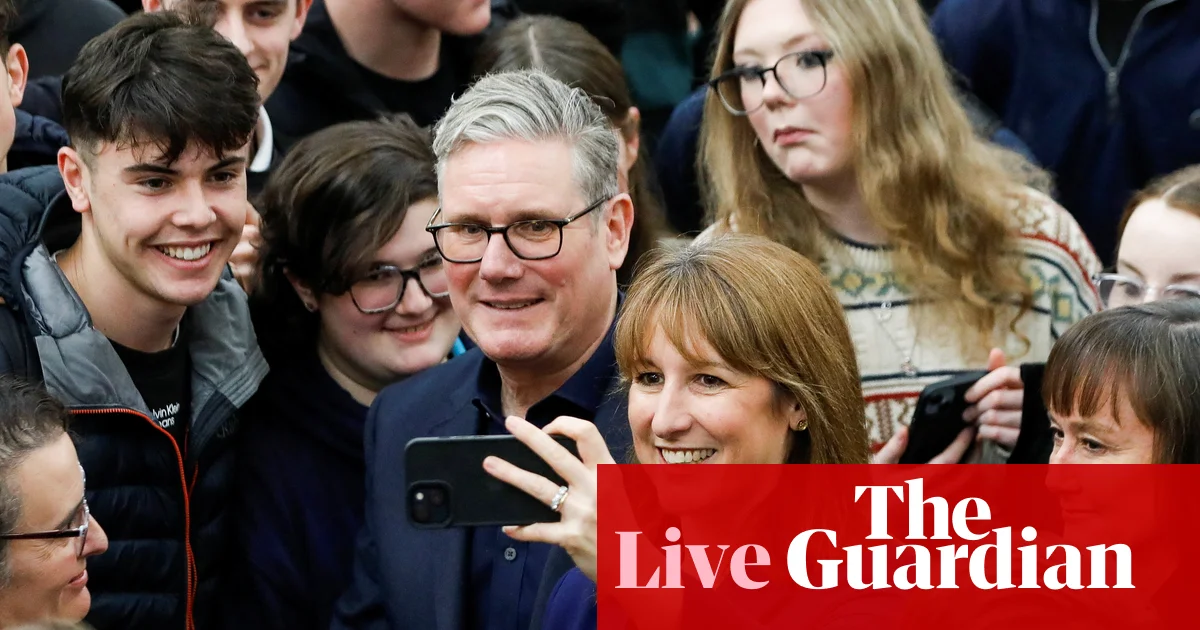
Reeves’ U-turn sends markets into a spin, hikes borrowing costs—UK politics live | Politics

Global Political Turmoil Escalates as UK Budget Shifts Shake Markets

In a striking display of political and economic chaos, the recent developments in Britain’s government paint a picture of a nation on the brink of financial and institutional disintegration. As Prime Minister Keir Starmer and Chancellor Rachel Reeves maneuver through a rapidly changing political landscape, their U-turns and strategic missteps threaten not only domestic stability but also the geopolitical standing of the United Kingdom. The core issue remains rooted in their apparent inability to uphold manifesto promises amidst a turbulent fiscal environment, echoing concerns voiced by international analysts about the risks posed by domestic political instability to global markets.

Historians and financial experts warn that political indecisiveness at such a critical juncture can have repercussions far beyond the shores of London. The UK’s bond markets have already begun reacting negatively, with yields on long-term gilts experiencing their worst day since July, reflecting a perception of increased fiscal risk. This market turmoil underscores the fragile confidence within the international financial community, which is closely watching British politics for signs of fiscal irresponsibility. Such volatility indicates a growing breach of trust in the UK’s ability to manage its debt, thereby undermining its influence and threatening to destabilize global financial corridors.

The internal political strife is amplified by the debate over taxes and public spending. Originally, Reeves had signaled a plan to increase income tax, a move that would have jarred with her manifesto commitments. However, the recent *dramatic U-turn*—prompted by an improved fiscal forecast—has seen the government ditch this unpopular initiative. Yet, this retreat raises questions about the true stability of the UK’s fiscal policy; critics argue it signals a government beholden to financial markets rather than steadfast policy principles. Meanwhile, the Conservative Party has seized on this shift, claiming victory while warning that the underlying issues—such as the possibility of cutting thresholds for higher income taxes—remain unresolved, risking further market instability.

The international community watches as the UK’s political whiplash exposes deeper systemic flaws. Economists argue that such indecision erodes investor confidence, which in turn jeopardizes the UK’s borrowing ability and raises borrowing costs. The International Monetary Fund, along with independent financial analysts, have repeatedly cautioned that unpredictable policymaking can cause long-lasting damage to a nation’s economic credibility. As the European economy and global markets tremble, the UK’s internal crises serve as a stark warning: political instability is no longer an internal affair but a signal that the global order remains vulnerable to the caprices of national politics.

As the dust settles on the UK’s turbulent political landscape, history will judge these events as a critical juncture—yet the narrative remains unfinished. The decisions taken today could ripple through the corridors of power for generations, shaping how nations respond to internal crises amid an interconnected world economy. For now, the UK stands as a testament to the perils of political brinkmanship, with the shadows of uncertainty looming large. Will it find its footing again, or will the current chaos be remembered as the moment the foundations of the mighty British Empire finally shook? Only time, still silently writing its story, will tell.

Russia hits Kyiv with deadly strikes in new wave, officials warn

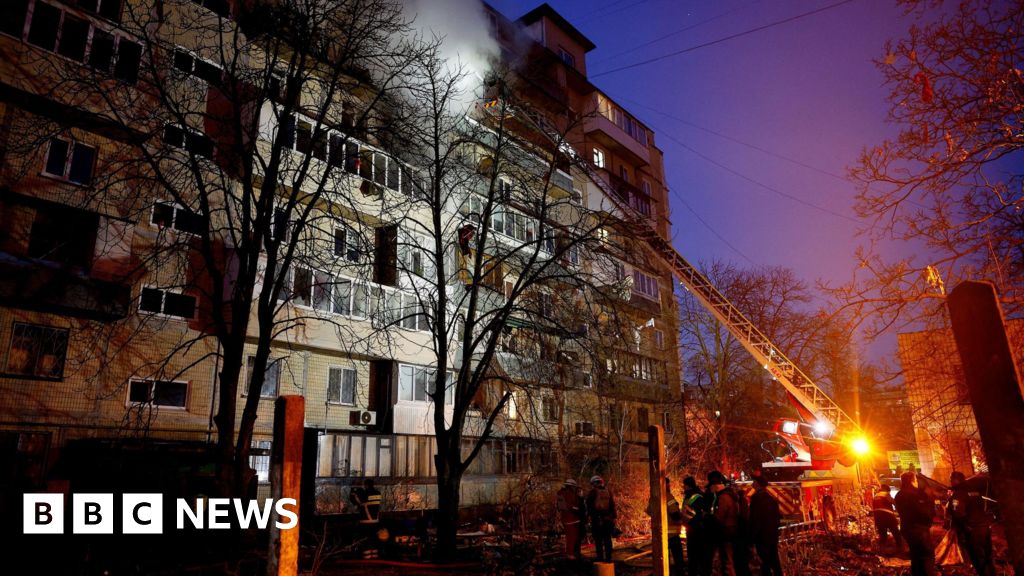
In a devastating escalation of the ongoing conflict in Ukraine, Kyiv has been battered by a wave of Russian drone and missile strikes, resulting in the deaths of three civilians and the injury of over 26 others. Kyiv’s mayor, Vitaliy Klitschko, described the attacks as “massive,” highlighting how residential neighborhoods, hospitals, and critical infrastructure have come under relentless assault. As explosions shook the city’s core, Kyiv’s energy infrastructure suffered severe damage, leaving parts of the city without heat—a bleak reminder of how war inflicts suffering beyond the battlefield. Emergency responders rescued dozens, including victims trapped beneath rubble, emphasizing the human toll of what Moscow claims are targeted military operations, but which Ukrainians see as deliberate acts of terror aimed at civilian populations.

While Russia asserts that its attacks aim to cripple Ukrainian military capabilities, Western analysts remain skeptical. The international community widely views this surge in airstrikes as a deliberate effort to destabilize Ukraine’s resilience—particularly by targeting energy networks that sustain civilian life and undermine morale. Ukrainian President Volodymyr Zelensky responded by demanding “no exceptions” to Western sanctions on Russian energy exports—an urgent call to weaken Russia’s economic backbone. This comes amidst a broader pattern of Moscow’s strategy: deploying drones and guided bombs to weaken Ukraine’s infrastructure, disrupt daily life, and garner pressure for negotiations on Moscow’s terms. Such tactics are reminiscent of a war of attrition where civilian suffering potentially serves as leverage, raising alarms about the broader geopolitical impact on regional stability.

The North Atlantic Treaty Organization (NATO), along with the United States, continues to monitor developments closely. NATO officials have condemned the recent strikes, emphasizing their support for Ukraine’s sovereignty and condemning Russia’s apparent escalation. The turning point came when the U.S., under President Donald Trump’s administration, initially imposed sanctions targeting Russian energy—yet, recent exemptions granted to Hungary reveal a nuanced and evolving geopolitical calculus. Analysts warn that Russia’s repeated targeting of energy infrastructure signifies an attempt to exhaust Ukraine’s civilian resilience and complicate Western efforts to sustain robust support. Additionally, Russia’s claims that these strikes are aimed at “military” targets are increasingly viewed as disingenuous, especially as civilians suffer the consequences.

Historically, conflicts of this nature have underscored a broader strategic contest—one where energy politics, alliances, and military might intersect with societal resilience. As the United Nations and international watchdogs issue warnings about escalating violence, the narrative is shifting toward a larger, more ominous story: a geopolitical chessboard where each strike and diplomatic move could have far-reaching consequences. The future of Ukraine, and indeed the stability of Europe, hangs in the balance, with each side trying to shape the narrative—while the echoes of destruction reverberate through history’s unfolding pages. As Kyiv’s skies burn and civilans endure, the world watches a relentless drama of power, endurance, and the high stakes of a war that threatens to redefine the global order—if not for today, then for generations to come.

Social Media Auto Publish Powered By : XYZScripts.com