Matox News

Truth Over Trends, always!

UK Eyes Denmark’s Strict Asylum Approach—But What’s the Reality? | Migration

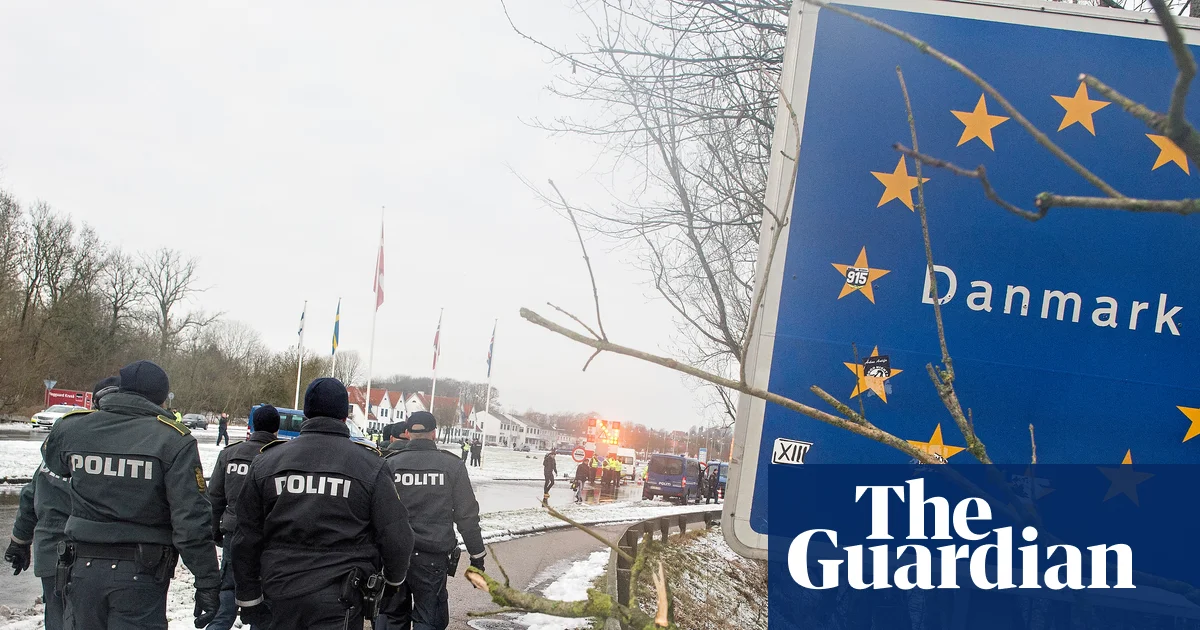
Over the past decade, Denmark has dramatically reshaped its approach to immigration and refugee policies, employing measures that reflect a broader trend amongst Western nations to prioritize national sovereignty and social cohesion over international humanitarian commitments. This shift, notably characterized by the replacement of permanent refugee status with highly restrictive, temporary permits, signals a deliberate effort by Danish policymakers to deter future asylum seekers. Since reforms enacted around 2015, accommodating the influx from conflict zones such as Syria, Afghanistan, and Iraq, Danish authorities have concentrated on deterrence, emphasizing language fluency, employment, and the unstable nature of residence as keystones of integration. Despite international criticism from organizations like the UN, these policies have clearly achieved their intended effect: a stark decline in asylum applications, from nearly 15,000 in 2014 to just over 2,300 in 2024. How long can a nation sustain such policies before societal cohesion suffers?

In the realm of geopolitical impact, Denmark’s example has reverberated beyond its borders. Following its lead, Britain’s recent efforts to emulate Danish measures show a growing trend among political elites to tighten borders and reduce refugee arrivals, aiming to curb what they perceive as burdens on national identity and social security. Such policies, often justified as pragmatic responses to immigration’s perceived threats, are under increasing scrutiny from international organizations and human rights advocates. Critics argue that the “deterrence-only” approach undermines global humanitarian norms and risks fostering extremism, especially when integration becomes a near impossibility under the current framework. Another layer of tension lies in how these policies reflect and influence internal political dynamics, where populist right-wing parties gain ground by advocating for “remigration” and the mass expulsion of immigrants, further polarizing societies already wrestling with identity and security concerns.

The impact on society and international relations extends beyond mere statistics. As noted by historians and analysts such as Dr. Lars Jensen, a geopolitical expert, Denmark’s policies represent an ideological shift: it’s less about humanitarianism and more about national self-preservation. Denmark’s “paradigm shift” under Prime Minister Mette Frederiksen, emphasizing repatriation and social segmentation, exemplifies a broader move within Europe toward populist political strategies. Internationally, this raises critical questions about the future of humane refugee protocols, especially as the continent faces demographic challenges—such as declining birthrates and an aging population—which threaten the very economies that are now tightening borders. Will the pursuit of short-term political gains compromise the long-term stability and moral fabric of Western societies? This dilemma frames a pivotal chapter in the ongoing contest between liberal values and nationalist sovereignty.

As history turns its uncertain pages, the story of Denmark’s policies underscores a sobering truth: the choices made today shape the societal and geopolitical landscape of tomorrow. While governments may believe they are protecting their nations’ future, their decisions carry the weight of a global narrative that is still being written—one in which the ideals of compassion, inclusion, and international cooperation are tested against the imperatives of national security and cultural identity. The world watches as these policies unfold, aware that the outcome will influence the fate of millions of lives and rewrite the boundaries of human solidarity. In this relentless march of history, the question remains: can a nation’s resolve to safeguard itself coexist with the moral obligation to uphold human dignity, or are we witnessing the birth of a new, fractured global order?

Russia Targets All of Kyiv, Igniting Fires Across the City

Russian Escalation in Ukraine Sparks Global Concerns

In what analysts are now describing as a conspicuous escalation of the ongoing conflict, Russia launched a massive combined attack on Kyiv early Friday, striking multiple districts across Ukraine’s capital. The assault, involving drones and missile systems, resulted in fires, destruction, and at least 11 casualties, including civilians and vulnerable populations such as a pregnant woman. City officials confirmed widespread damage to residential buildings and critical infrastructure, with emergency crews responding tirelessly to contain fires and evacuate the injured. The attack signifies a potentially decisive moment in the open conflict, signaling Moscow’s willingness to commit further resources to dismantle Ukraine’s resilience.

This offensive not only underscores the persistent renewal of hostilities but also highlights the fragile geopolitical stance of Western allies supporting Ukraine. Kyiv’s mayor Vitali Klitschko reported damage to the city’s heating system, power outages, and water disruptions—conditions that threaten to deepen the humanitarian crisis amid winter’s approach. Several districts, including Darnytskyi, Dniprovskyi, and Podilskyi, bore the brunt of the attack, with debris igniting fires and causing widespread destruction. Regional authorities also reported civilian injuries in the Kyiv region and damage to private homes, reinforcing the toll on everyday life amid ongoing military tensions.

International institutions, from the European Union to NATO, have expressed grave concern over the latest assault, warning of the broader geopolitical impact that extends well beyond Ukraine’s borders. The EU, still haunted by questions of Kyiv’s EU accession prospects, has sought to balance support for Ukraine with efforts to curb corruption—a major precondition for integration. European officials, as reported recently, continue to pledge aid, but the message is clear: the path toward stability remains hindered by persistent internal vulnerabilities and external threats. According to security analysts, this wave of attack might foreshadow a tipping point that could reshape regional alliances and accelerate NATO’s strategic positioning in Eastern Europe.

This brutal act of warfare, captured vividly in social media images of flames and rubble, portends a dangerous new chapter in the U.S.-Russia proxy struggle. Historians warn that such brutal tactics are reminiscent of Cold War brinkmanship, where the balance of power hinges on each audacious move. As international organizations monitor Kyiv’s response, the question remains: how will this escalation influence diplomatic negotiations, and what future does this fractured region face? Despite diplomatic overtures, the weight of history presses heavily; the destiny of Ukraine, its people, and indeed the stability of Europe, continues to hang in the balance, as the shadows of past conflicts stretch into an uncertain tomorrow.

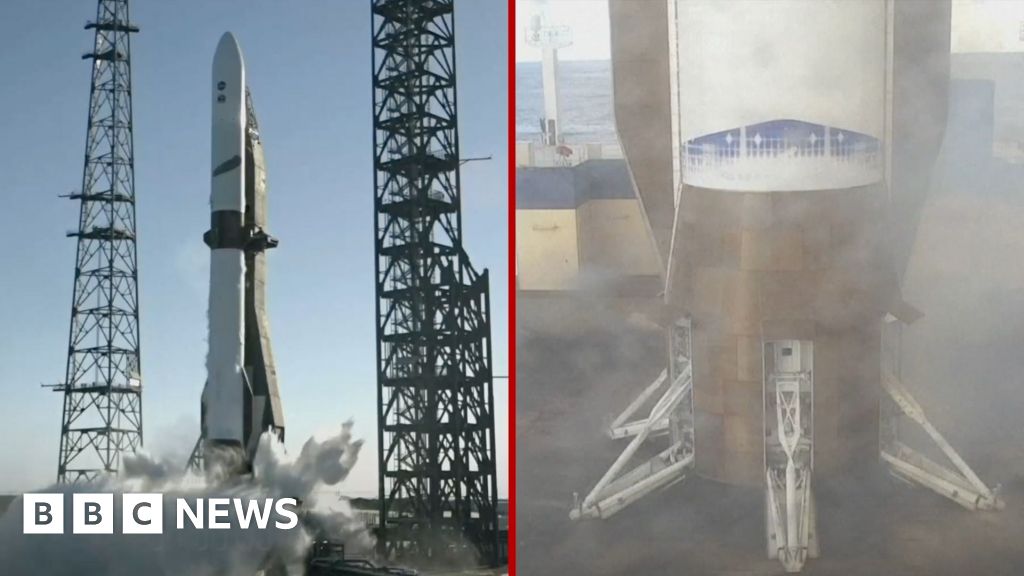
Blue Origin booster lands safely, showing strength and innovation during launch

Blue Origin’s Historic Launch Signifies Shifting Power Dynamics in Space

In a notable development that signals the intensifying competition for supremacy beyond Earth’s atmosphere, Blue Origin, the space enterprise owned by billionaire Jeff Bezos, successfully launched its New Glenn rocket from Florida. This mission, which carried two NASA spacecraft destined for Mars, underscores the strategic importance of commercial space ventures as nations and corporations vie for dominance in the final frontier. The successful landing of Blue Origin’s reusable booster on a floating Atlantic platform marks a crucial milestone, echoing the pioneering spirit that has historically fueled geopolitical influence.

This event underscores a broader shift in international space policy and power. NASA and private companies like Blue Origin and SpaceX are increasingly at the forefront of space exploration, redefining the boundaries of global influence. While SpaceX pioneered reusable rocket technology in 2015, Blue Origin’s recent achievement signals a rapid evolution in the commercial space sector, intensifying the race to establish military, economic, and scientific dominance. Many analysts, including those from the International Space Institute, see this as a compelling reminder that space has become the latest theatre for geopolitical leverage, where control of extraterrestrial infrastructure could translate into future global power.

Consequences of Commercial Space Expansion

As nations and private entities expand their reach into space, the geopolitical landscape is shifting. Historically, the United States has maintained a strategic lead—first through NASA’s Apollo program and later through space shuttle missions. However, the entrance of corporations like Blue Origin suggests a new paradigm—where private enterprise is becoming a pivotal actor in shaping future international order. This decentralization of space exploration creates both opportunities and risks, particularly concerning the potential for weapons proliferation, resource extraction, and sovereignty claims in space. While the Outer Space Treaty of 1967 remains the baseline legal framework, many experts warn that current policies are ill-equipped to regulate the fast-paced development of commercial space activities, potentially leading to a new kind of global conflict with extraterrestrial stakes.

  • The successful launch of Blue Origin’s New Glenn represents more than technological progress; it reflects a strategic move that could tilt the balance of power, especially if space becomes a domain for military and economic competition.
  • Private companies’ advancements catalyze a geopolitical narrative where traditional superpowers must adapt rapidly or risk losing dominance.
  • Major international organizations, including the United Nations Office for Outer Space Affairs, are under mounting pressure to update treaties and enforcement measures, balancing innovation with security concerns.

Unfolding Narratives: The Future of Humanity’s Extraterrestrial Ambitions

With each launch, global powers are rewriting history—shaping a future where space exploration is not solely the pursuit of academia or government agencies, but a strategic chessboard for economic control and military advantage. Many see the recent Blue Origin milestone as a turning point: a reminder that the “final frontier” is becoming a contested domain where alliances shift and new actors emerge with each technological breakthrough. As the world watches this space race escalate, one question remains —will international cooperation prevail, or will the battlefield for celestial dominance turn into a new arena of conflict? The weights of history hang heavy as humanity’s gaze turns upward, where the seeds of peace or chaos are quietly sown in the silence of space, now a vital frontier for those daring to shape the destiny of nations and societies for generations to come.

Multiple ACT Schools Close Amid Asbestos Concerns Over Colored Sand Products

Australia Confronts a Public Health Crisis as Schools Shut Over Asbestos-Laced Children’s Play Sand

In a startling development that underscores the risks of global sourcing and the fragile safety of public health, Australia’s Capital Territory (ACT) has ordered the immediate closure of more than a dozen primary and preschools, following the detection of asbestos in imported children’s sand products. This decision, made in response to serious environmental health concerns, highlights an ongoing challenge for nations navigating the complex web of international trade, safety standards, and domestic regulation. The ACT’s education authorities, led by Education Minister Yvette Berry, have prioritized safety above all, shutting down 15 schools outright and partially closing five others, as testing and remediation efforts continue.

This crisis traces its roots back to the importation of colourful children’s sand products, primarily from China, which later proved to contain chrysotile asbestos—a substance linked to terminal diseases such as mesothelioma. Authorities identified a range of products, including “Kadink Sand,” “Educational Colours – Rainbow Sand,” and “Creatistics – Coloured Sand,” all sold at major retailers across Australia over the last five years. The Australian Competition and Consumer Commission (ACCC) issued a recall of these items, cautioning the public about the potential health risks. Despite assurances from WorkSafe ACT that risk exposure is low, the precautionary closures reflect a growing concern over how unchecked imports threaten societal safety, especially when children are involved.

Implications of International Trade in Public Safety

The incident reveals a broader geopolitical issue that resonates globally: the tension between free trade and safety standards. Australia, like many countries, relies heavily on international manufacturing hubs—particularly China—for affordable consumer products. However, these supply chains can often bypass stringent safety checks, especially for hazardous materials banned since 2003 in Australia. Historians and analysts warn that such lapses threaten not only health but also international trust in trade agreements. The fact that these products were sold across Australia from 2020 to 2025, including via local distributors like Educating Kids and Zart Art, underscores the systemic vulnerability in consumer safety protocols.

Global organizations such as the World Health Organization (WHO) have long issued warnings about asbestos, emphasizing that its carcinogenic effects are well understood and that its importation should be tightly controlled. Yet economic pressures and lax enforcement have allowed hazardous materials to slip through regulatory cracks. This episode serves as a stark reminder of how decisions made in international markets can ripple across societies, impacting everything from public health systems to educational environments. Accordingly, the geopolitical impact is profound: nations must strengthen their trade oversight and internal safeguards if they are to prevent such hazards from becoming a national crisis.

Domestic Response and Rising Concerns

The response by ACT authorities demonstrates a determined, albeit reactive, strategy: immediate school closures, thorough testing, and clear communication to parents and staff. The closure of Cranleigh School and others not only disrupts education but also raises questions about how preparedness measures are structured and enforced. With similar incidents tracing back to older sites in Sydney and Melbourne, where asbestos was historically buried or processed, the broader challenge becomes clear: legacy contamination and the risks associated with historically unsafe disposal practices are still haunting Australian cities. International organizations warn that such legacy issues complicate cleanup efforts, demanding concerted policy shifts and increased investment in environmental remediation.

Experts reveal that vigilance must extend beyond reactive measures. Governments should establish mandatory testing of imported consumer goods, especially those intended for children. Public education campaigns urging safe disposal and raising awareness regarding imported hazardous materials are crucial in preventing future crises. As the Australian government works to ensure that such risks are contained, citizens are left grappling with the uncertainty of what other unseen dangers may lurk in everyday products.

As this unfolding crisis exposes vulnerabilities in international trade and domestic regulation, history reminds us that the true measure of societal progress lies in the capacity to anticipate and prevent disaster. With the specter of asbestos—a material associated with silent, deadly threat—still casting its shadow over Australia’s safe spaces, the weight of history presses upon policymakers worldwide. The question remains: will this incident be merely a fleeting warning, or a catalyst for profound structural change that reshapes how nations safeguard their future? The answer lies in the unfolding stories of remediation and resilience yet to come, where decisions today forge the landscape of tomorrow’s history.

Switzerland steps up charm campaign to slash damaging Trump tariffs

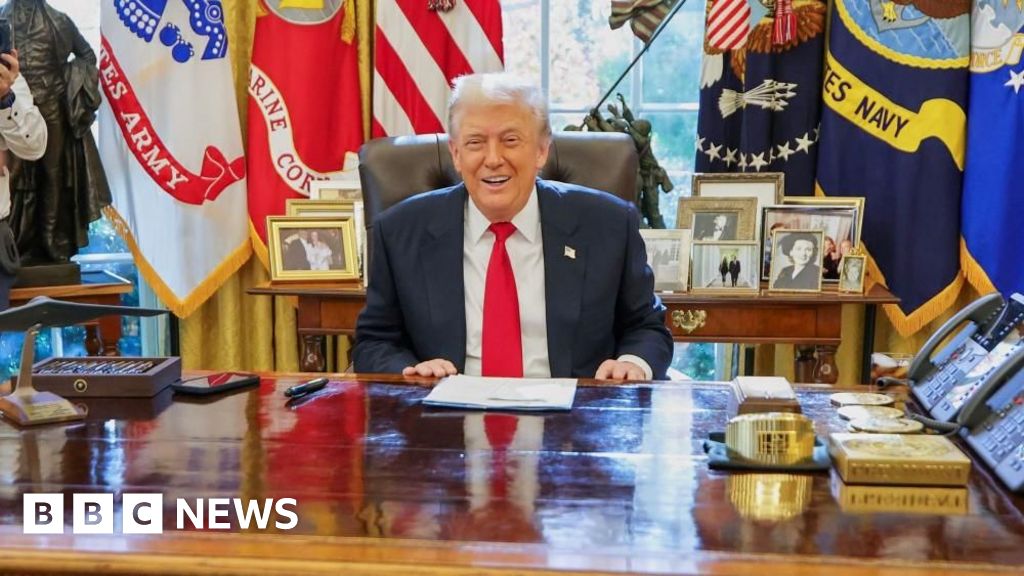
In a striking display of geopolitical influence and economic maneuvering, Switzerland has recently escalated efforts to negotiate a significant reduction of the steep 39% tariffs imposed by President Donald Trump on Swiss exports to the United States. These tariffs, reportedly the highest in Europe, have inflicted tangible damage on Swiss industries, especially the luxury goods and gold sectors. The diplomatic effort, which initially appeared to be a diplomatic dead end, took a decisive turn after a high-profile visit by Swiss business leaders bearing symbolic gifts—a rolex gold watch and engraved gold bar—from the Swiss-based gold refining company MKS. These gestures, viewed by analysts as an unconventional but strategic way to influence Trump’s decision, appear to have contributed to a shift in tone during recent negotiations, with a senior administrative official describing the talks as ‘very positive’ and ‘focused.’

The United States’ trade policy, under Trump, has been characterized by aggressive tariffs aimed at reducing trade deficits, often straining relationships with key allies. In this instance, the Swiss government’s diplomatic playbook was supplemented by an active corporate lobbying campaign, emphasizing the interconnectedness of international trade and national industry. Historians and trade analysts warn that this move could signal a broader realignment of U.S. trade policy—potentially opening the door for other nations to leverage similar tactics. As Swiss industries face potential relief, the global geopolitical impact could be profound, altering the supply chain landscape for luxury goods, pharmaceuticals, and commodities, with ripple effects reaching continents far beyond Europe and North America.

Meanwhile, the diplomatic dance extends beyond mere tariffs. The Swiss delegation’s visit to Washington was not solely about economic negotiations; it involved a display of diplomatic gift-giving, a tradition that underscores the importance of soft power in modern geopolitics. The presence of influential Swiss industry figures, including leaders from Richemont and MKS, alongside the Swiss economy minister Guy Parmelin, highlights a unified front aimed at safeguarding economic interests. Interestingly, Fifa president Gianni Infantino, a prominent Swiss citizen and a close friend of Trump’s, played a subtle but influential role—having previously handed over the World Cup trophy during an Oval Office visit—signaling that even sporting diplomacy could sway political decisions.

This evolving scenario exemplifies how decisions on tariffs are more than economic policies—they serve as a barometer of power, influence, and societal impact. The potential reduction of the tariffs, possibly down to 15%, would not only bolster Swiss exports but would also send a clear message: in today’s interconnected world, diplomatic ingenuity and strategic alliances are crucial in shaping national destinies. As Swiss industry anxiously awaits the outcome, the weight of history hangs in the balance, with the potential to reshape the narrative of U.S.-European economic relations.

Across the Atlantic and beyond, the story remains unwritten, yet undeniably consequential. As Trump’s policy shifts intertwine with international diplomacy—and as influential figures and nations navigate the treacherous waters of global influence—the echoes of these decisions will be felt for generations. Will this be a new dawn of diplomatic finesse, or yet another chapter in a saga of uncertain alliances? The answer, like history itself, continues to unfold amidst the relentless march of power and progress.

Germany moves toward conscription amid EU’s strongest army push in years

Germany’s Strategic Shift: Reintroducing Conscription in the Face of Rising Threats

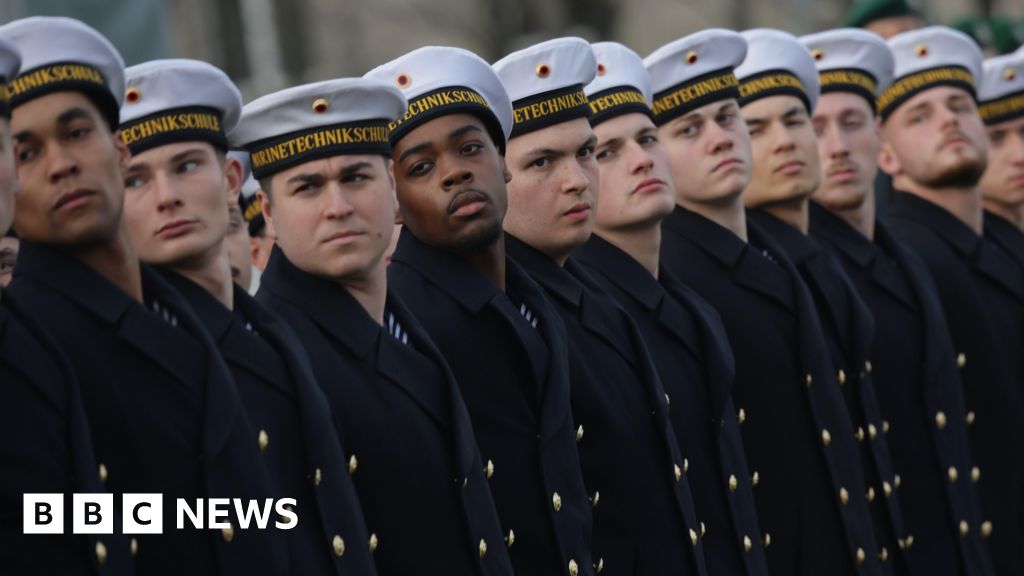
In a decisive move emblematic of its shifting geopolitical posture, Germany has announced a comprehensive overhaul of its military policy, aiming to bolster its defenses and position itself as Europe’s most potent conventional force. After months of political debate and strategic recalibration, Berlin committed to reintroduce voluntary military service, starting with a mandatory assessment phase for 18-year-olds. From 2027, all eligible men will also undergo medical screenings, signaling a clear intention to expand the Bundeswehr’s active troop strength to between 255,000 and 260,000 over the next decade. This development underscores a broader realization within the German establishment: the continent’s peace cannot be taken for granted, especially with the evolving specter of conflict in Eastern Europe.

Underlying Drivers: The Geopolitical Chessboard

  • Earlier this year, German Defense Minister Boris Pistorius emphasized that there was “no cause for concern” despite the escalation of military readiness, yet international experts remain skeptical. Analyses from NATO allies warn that Russia could launch an attack within the next four years, according to top military officials like Gen Carsten Breuer. This stark warning has prompted Berlin’s ambitious drive to deepen its military capabilities, aligned with President Friedrich Merz’s assertion that “whatever it takes” is now the rule for German defense—an unprecedented stance considering Germany’s Cold War-era reluctance to show military might.
  • In tandem, Rheinmetall, Germany’s flagship defense firm, forecasts that the country’s goal to establish Europe’s strongest army is achievable within five years, largely due to soaring demand for military technology, ammunition, and satellite capabilities—driven by the ongoing crisis in Ukraine. Its CEO, Armin Papperger, highlights a rapidly expanding market for military hardware, fueled by rearmament initiatives across NATO nations, many of which have faced increased pressure from the White House to raise defense spending. Such moves not only reshape Europe’s military balance but also position Germany as a critical player in the new era of hybrid warfare.

Societal Reactions and Consequences

However, strong societal currents oppose these reforms. Surveys suggest that while a slight majority of Germans support a reintroduction of military service, opposition among young adults is significant. A recent Forsa poll indicates that 63% of 18- to 29-year-olds oppose compulsory conscription, citing fears of war and a desire for peace. Students like Jimi voice profound reservations: “I don’t want to go to war because I don’t want to die or be shot at,” he explains, reflecting a deep-rooted aversion to violence. Conversely, young recruits like Jason see the military as a means to defend democracy and impose a deterrent effect on potential adversaries, illustrating a divided societal stance that could shape Germany’s future security policies.

Impacts Beyond Germany: A New Geopolitical Arena

The decision to ramp up military strength in Germany resonates far beyond its borders, significantly affecting the European security landscape and altering the fabric of international relations. With NATO’s adversarial dialogue sharpening and Russian territorial ambitions expanding, Germany’s military revival acts as a key strategic pivot—balancing the scales of power among Western alliances and potentially igniting a new arms race on the continent. Historically cautious and post-Cold War reluctant to display its military power, Berlin now faces a pivotal moment in history—one where the choices made today will echo through generations as the continent trembles on the edge of an uncertain future.

As historians and analysts observe, the unfolding trajectory of Germany’s rearmament reflects a broader truth: in a geopolitical chess game dominated by shifting alliances, emerging threats, and the enduring legacy of past conflicts, the decisions made now could determine the course of 21st-century history. Will Europe see peace restored, or will the shadows of conflict lengthen anew? Only time will tell, but the weight of history presses relentlessly forward as nations grapple with the dawn of a new dangerous era.

Serbia and Jared Kushner’s firm push quick deal to develop protected Belgrade site

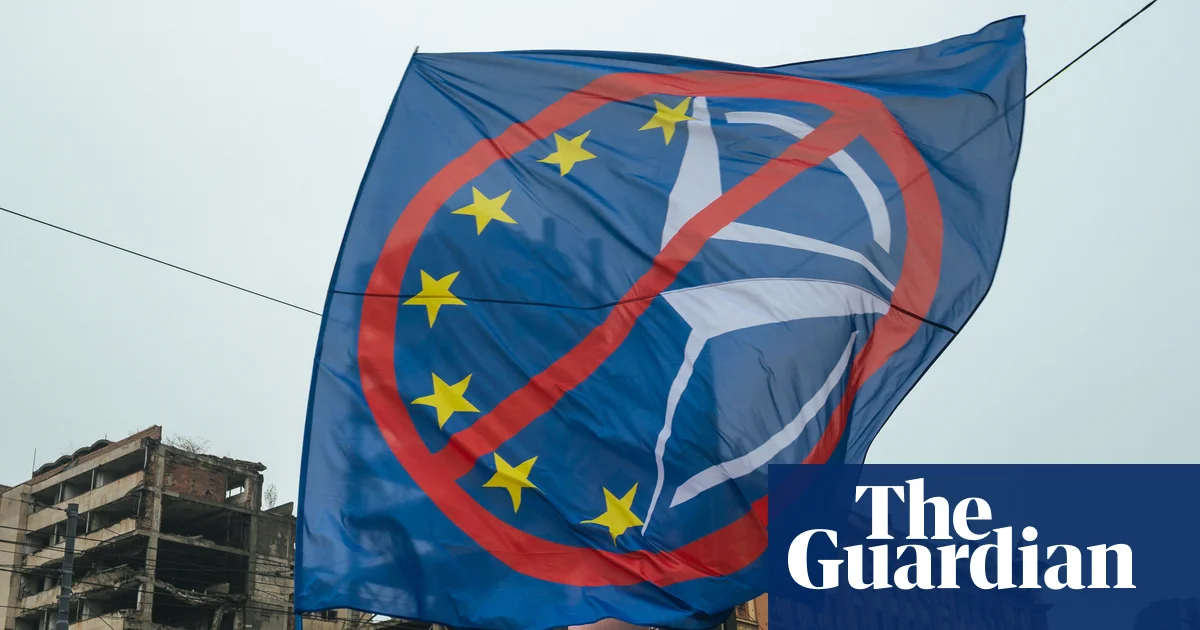
In an unfolding chapter of Eastern European geopolitics, Serbia is quietly but decisively charting a course that could reshape its alliances and domestic landscape. Recent revelations underscore a calculated move by the Serbian government to partner with Atlantic Incubation Partners LLC, a property development firm led by Jared Kushner, Donald Trump’s son-in-law. This joint venture centers on redeveloping a historically and culturally significant site—the former headquarters of the Serbian armed forces in Belgrade—damaged during the NATO bombing in 1999. Despite protests and local resistance, the government passed a groundbreaking law in Parliament, fast-tracking the project and bypassing traditional regulatory hurdles that once halted plans to demolish the site.

This clandestine yet decisive move has horizons far beyond local real estate. Analysts highlight how this alignment signals a broader strategic pivot by Serbia, seeking to deepen ties with the United States amidst tense relations with Russia. The agreement’s stipulations—such as the land lease extending over 99 years and the potential for full ownership—imply not just a commercial agreement but a diplomatic overture, emphasizing Serbia’s intent to recalibrate its geopolitical orientation. Such a shift risks upsetting the delicate balance in the Balkans, where history and ethnic divisions have long kept sway over regional stability. The decision to demolish a protected cultural site, along with the controversial hastening of development, paints a picture of a nation balancing modern economic imperatives with the shadows of its turbulent past.

Meanwhile, international organizations and domestic critics have voiced concern. Historians and activists warn that cutting cultural protections—especially for a site linked to Serbia’s modernist heritage and its wartime trauma—sets a dangerous precedent. The move aligns with broader efforts by President Aleksandar Vučić’s administration to curry favor with Western allies, particularly after sanctions on Serbia’s oil company, NIS, linked to Russia’s Gazprom. These sanctions have caused disruptions in energy supplies, pressing Serbia into a strategic dilemma: align more closely with Western interests or risk entrenching reliance on Russian energy. The Serbian government’s recent threats to suppress independent media, including outlets like N1 and Radio Free Europe, further underscore a push towards controlling domestic narratives and stifling dissent—a move that foreign observers warn threatens the democratic fabric of the nation.

As protests flare and societal tensions mount, the question remains: how will Serbia’s decisions today shape its future? The move to privatize a significant cultural and historical site under the guise of a “project of importance” echoes a pattern seen in other regions—where economic development is used as a tool to cement political alliances, often at the expense of national heritage and sovereignty. The international community watches with cautious anticipation, with voices from Europe and beyond warning of the long-term repercussions. The unfolding story of Belgrade’s skyline—destined to be transformed by foreign interests—becomes a symbol of a nation at a crossroads. The stakes are high, and the pages of history are turning with relentless momentum, leaving future generations to grapple with the legacy forged today.

South Sudan’s President Kiir ousts Vice President Mel in major shake-up

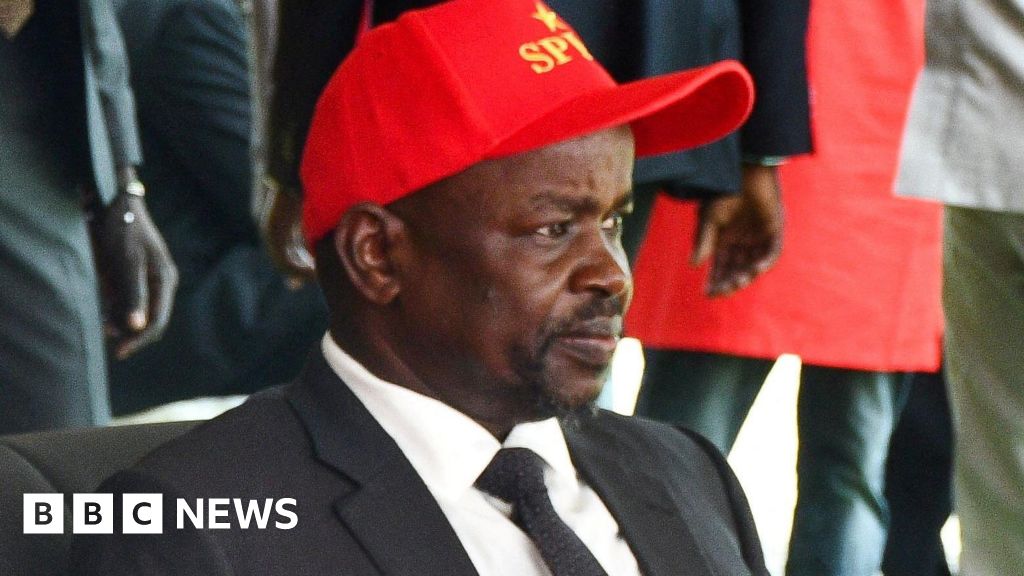
The recent dismissal of South Sudan Vice-President Benjamin Bol Mel by President Salva Kiir has sent shockwaves through the young nation’s fragile political landscape. This move, announced via decree and devoid of explanation, underscores the ongoing volatility in a country that only gained independence in 2011 but has been plagued by civil unrest ever since. The removal of Bol Mel—who previously appeared poised as Kiir’s likely successor—appears to symbolize a decisive consolidation of power amid mounting fears of renewed civil war. Analysts warn that such internal struggles threaten to unravel the last remnants of peace established under the 2018 power-sharing agreement, which has continuously faltered under the weight of old tensions and new conflicts.

South Sudan’s tumultuous history is well documented by international organizations and historians, recognizing its journey from a peaceful separation from Sudan into a maelstrom of violence. The recent crisis follows the escalation of fighting between government forces loyal to Salva Kiir and armed groups aligned with ex-vice-president Riek Machar. Notably, Machar was sacked earlier this year, arrested, and charged with serious crimes, prompting accusations from his supporters of a politically motivated witch-hunt that only worsened tensions. This cycle of power struggles exposes the underlying fragility of South Sudan’s state institutions, which continue to be vulnerable to internal divisions and external pressures, including sanctions and diplomatic isolation.

In the wake of Bol Mel’s removal, social media and local sources reflect a broad consensus: his dismissal signals an internal power struggle within the Sudanese People’s Liberation Movement (SPLM). A senior government official, speaking anonymously for security reasons, indicated that Bol Mel was viewed as a “divisive figure” whose presence was exacerbating factional discord. The apparent withdrawal of Bol Mel’s security detail and the lack of immediate replacements suggest a sudden and potentially destabilizing power vacuum. These events could accelerate the erosion of recent ceasefire efforts, with some regional analysts warning of a possible descent into chaos—a scenario that international observers, including the United States and regional powers, are desperate to prevent. Yet, the very nature of South Sudan’s regime suggests that internal factionalism remains unresolved, with entrenched elites vying for dominance amid a nation still scarred by years of violence.

The geopolitical impact of this upheaval extends beyond South Sudan’s borders. As Africa’s youngest nation, its stability affects regional security, oil markets, and international efforts aimed at fostering peace. The United States, which has historically played a dominant role in supporting South Sudan’s peace process, remains cautious, maintaining sanctions against figures like Bol Mel for purported corruption, despite his promotion to prominent security roles. The broader implications involve how neighboring nations and global institutions respond to escalating instability. As historians and analysts draw parallels with other post-conflict states, the specter of what if looms large: Could internal power struggles ignite a larger civil conflict, destabilizing the already volatile Horn of Africa?

As South Sudan’s leadership grapples with internal dissent, the weight of history presses upon its young democracy. The fate of a nation born from hope now teeters on the brink of chaos, with every decision in Juba echoing through corridors of power and across the continent. The unfolding story remains a stark reminder that in the heart of Africa—where oil riches and ethnic allegiances intersect—the future is written in moments of upheaval. History’s pen hovers, uncertain whether this chapter will forge a fragile peace or plunge South Sudan back into the shadows of conflict, a stark testament to the unpredictable course of nations in transition. And thus, the world watches, silent yet attentive, as the next pages of this turbulent saga are yet to be written.

Epstein email reveals Prince Andrew’s photo with Virginia Giuffre

The revelation of new documents connecting Prince Andrew to convicted sex offender Jeffrey Epstein has ignited a wave of international discourse on accountability, power, and the far-reaching consequences of unchecked privilege. An email from Epstein, published recently, explicitly confirms that Virginia Giuffre was photographed with the prince—a stark contradiction to Andrew’s prior denials. This disclosure underscores the persistent narrative that certain elites operate beyond the reach of legal scrutiny, raising critical questions about how international institutions safeguard justice and transparency in the face of such scandals.

Historically, Epstein’s network represented a nexus of influence, connecting high-profile figures across politics, royalty, and business. The discovery of Epstein’s correspondence suggests that powerful individuals like Andrew had maintained contact long after their publicly claimed detachment. The email exchange, uncovered by democratic investigators, indicates ongoing communication even after the prince’s public statements asserting an end to their association. Analysts argue that this pattern reveals a troubling tendency among the global elite to shield one another from accountability, contributing to a damaging erosion of public trust in authoritative figures and institutions.

The international repercussions of these revelations extend beyond Britain. Countries around the world watch in apprehension as questions surface about the integrity of monarchy, the influence of wealthy financiers, and the complicity of legal systems in protecting established power structures. The U.S. Congress, in particular, has intensified efforts to interrogate Epstein’s network, inviting Prince Andrew to testify remotely amid ongoing investigations into sex trafficking. Critics and historians warn that the inability or unwillingness of such figures to face accountability risks setting a dangerous precedent, inviting future abuses of power that could destabilize societal trust in leadership worldwide.

  • Recent disclosures strongly suggest epistemic double standards—where justice is selectively applied, often favoring the powerful.
  • Legal experts highlight the potential diplomatic fallout—once seen as an unassailable figure, Andrew’s reputation now faces international scrutiny, fueling debates about immunity and monarchy’s relevance.
  • International organizations like INTERPOL have expressed concern about sexual exploitation and transnational crimes, emphasizing that such scandals threaten the global rule of law.

Iconic historians, such as Neil Ferguson and various geopolitical analysts, warn that these revelations are symptoms of a larger crisis: the decline of societal trust in traditional sources of power. As the world grapples with this controversy, the broader lesson remains harrowing yet necessary to confront: that unchecked authority eventually corrodes the foundations of justice and morality, leaving history to judge the failures of its custodians. The unfolding narrative around Epstein, Maxwell, and Andrew is a stark reminder that the weight of past sins, once buried beneath layers of privilege, refuse to stay hidden forever. The question remains: will justice prevail, or is this scandal a prelude to deeper systemic decay, echoing through the halls of power in countries worldwide? The pages of history continue turning, bearing witness to a crisis that could redefine the character of leadership for generations to come.

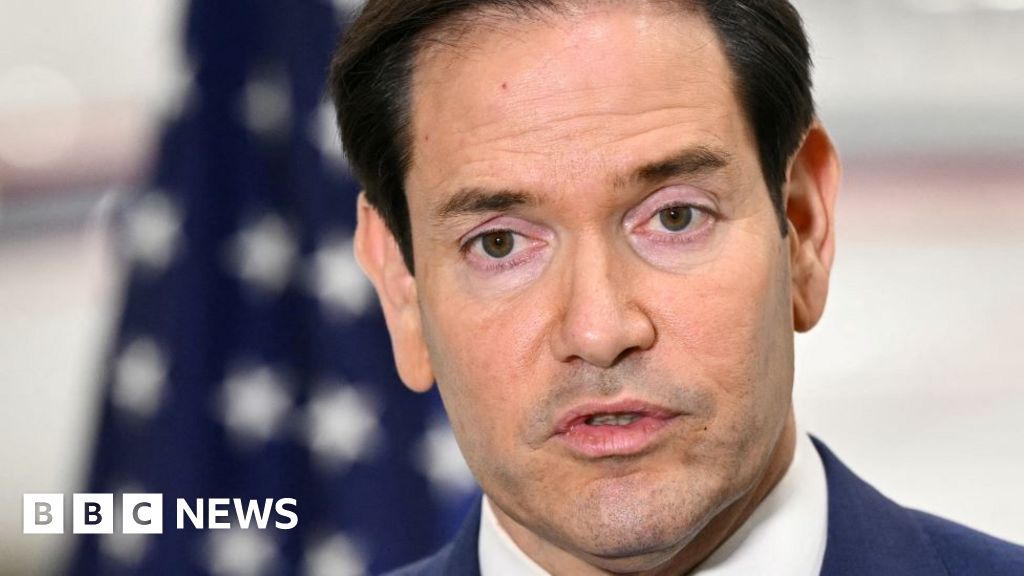
Rubio Urges Global Action to Halt Weapons Flow to RSF

In the shadowy corridors of international diplomacy, Sudan has again become a focal point of global concern, revealing how fragile peace can be amidst the relentless tug-of-war for influence. The ongoing conflict between the Sudanese army and the paramilitary Rapid Support Forces (RSF) has spiraled into what the United States and humanitarian groups increasingly describe as a systematic genocide. As fighting persists, especially in the western region of Darfur, the crisis underscores a broader geopolitical chess game involving regional and international powers, with horrific consequences for the civilian populations caught in its crossfire.

During the recent G7 foreign ministers meeting in Canada, US Secretary of State Marco Rubio issued an urgent call for action, condemning the RSF for their brutal atrocities, including mass murders, sexual violence, and ethnic targeting. “It needs to end immediately,” Rubio insisted, emphasizing that the RSF’s violence is not the result of rogue elements but a calculated campaign of systematic brutality. The US has been vocal about the flow of illicit arms fueling the conflict, with evidence pointing toward weapons manufactured in countries such as Russia, China, and Turkey. More troubling still is the role of the UAE, which Sudanese officials and investigative reports identify as a principal backer of the RSF, providing weapons and mercenaries through supposed regional channels. Despite repeated denials from Abu Dhabi, these allegations cast a long shadow over the Gulf state’s intentions, positioning it as a key player in the ongoing bloodshed.

This geopolitical entanglement raises profound questions about international accountability and the balance of influence in Northern Africa. The “Quad” — comprising the United States, Egypt, Saudi Arabia, and the UAE — has been endeavoring to broker peace, proposing a three-month humanitarian truce that has yet to see meaningful compliance. The RSF, having seized control of the city of el-Fasher after an 18-month siege, claims it is willing to consider the ceasefire, yet fighting continues unabated. As the United Nations and international analysts warn about the escalating humanitarian catastrophe, the question remains whether diplomacy can stem the tide of violence, or whether these complex alliances will deepen Sudan’s suffering. The United Nations has long imposed arms embargoes on Darfur, yet the smuggling routes continue to funnel weapons into conflict zones under the radar of global oversight, further entrenching the chaos.

Historians and security analysts emphasize that the Sudanese tragedy is emblematic of modern conflicts where external support and illicit networks sustain internecine wars beyond civil strife. As “one of the largest humanitarian crises of our time” unfolds, the risk of regional destabilization grows. More than 150,000 lives have already been lost, with millions displaced, making Sudan a stark reminder that the decisions of powerful nations ripple outward, shaping societies for generations to come. The international community stands at a crossroads: to act decisively and restore some semblance of order, or to watch as history’s darkest chapters are inked into the region’s collective memory. The weight of history is heavy, and the unfolding story of Sudan’s war may yet redefine the geopolitical landscape for years — perhaps decades — to come.

Social Media Auto Publish Powered By : XYZScripts.com