Matox News

Truth Over Trends, always!

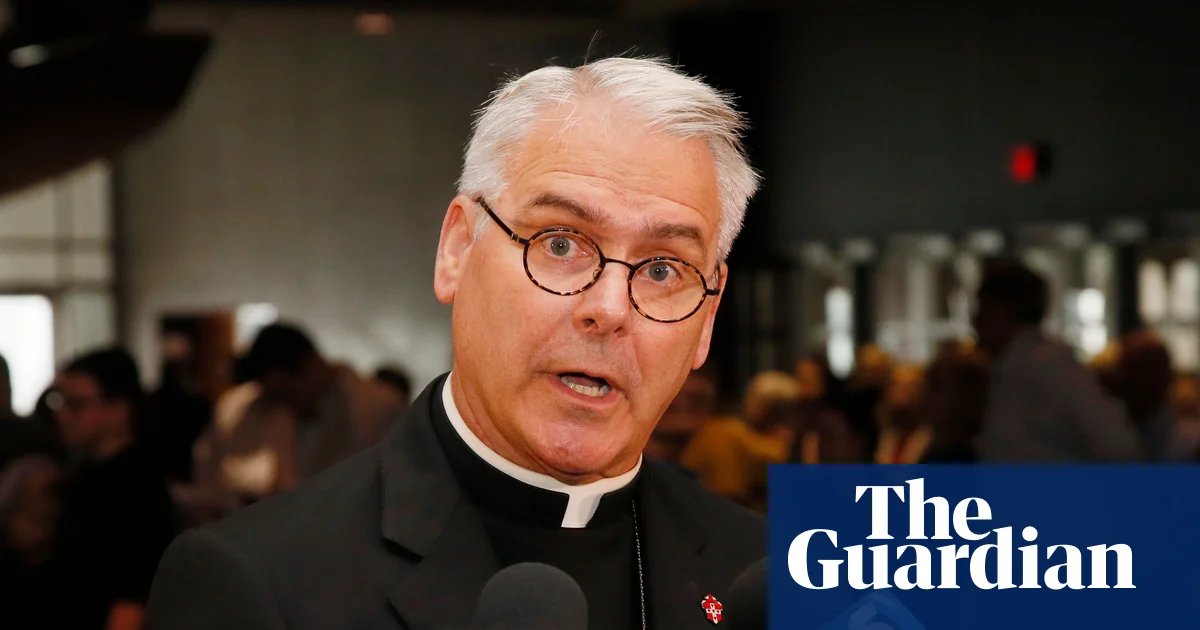
US Catholic Bishops Pick Conservative Paul Coakley as New President

In a decisive move reflecting the deepening ideological divide within America, the U.S. Catholic bishops have elected Archbishop Paul Coakley of Oklahoma City as their new president. His victory underscores a clear shift toward a conservative, culture-war orientation, positioning the church leadership in alignment with the policies of Donald Trump‘s administration. The vote, held amidst a landscape of internal division within the American hierarchy, reveals how longstanding religious institutions continue to influence, and are influenced by, broader geopolitical and cultural battles. The selection of Coakley, known as a staunch conservative with ties to the powerful Napa Institute, signals a strategic emphasis on defending traditional values against perceived societal erosion—a move that resonates beyond national borders, impacting the Church’s global posture.

Meanwhile, the bishops’ stance on immigration highlights the complex interplay between religious morality, national sovereignty, and international diplomacy. Despite their conservative leanings, the bishops have publicly affirmed their support for migrants, condemning harsh policies enacted under the Trump administration that have marginalized and detained countless individuals. Analysts from organizations like the International Crisis Group warn that such internal church debates mirror a larger geopolitical fissure: the clash between sovereign border control and international human rights standards. The bishops’ letter to the Vatican emphasizes their intent to stand with migrants, asserting that “the right to worship and due process” must be safeguarded, even as federal policies tilt toward stricter enforcement. This internal debate echoes in Europe and other regions, where migration remains a flashpoint of political conflict, and religious leaders are increasingly vocal about humanitarian obligations.

The international community watches intently as these internal church dynamics unfold amidst a global landscape riddled with uncertainty. The Vatican’s papal leadership, especially under Pope Leo XIV, whose recent call for “deep reflection” on the treatment of detained migrants, reflects a nuanced desire to influence American policy from within. Yet, their influence risks being overshadowed by the hardline policies embraced by segments of the global far right, which see in migration a threat to national identity and sovereignty. Prominent historians and geopolitical analysts argue that the internal polarization within the Catholic Church parallels the wider geopolitical shift toward nationalism and populism. The outcome of this internal religious struggle, coupled with national policy decisions, will almost certainly influence how nations cooperate—or clash—over issues of border security, migration, and human rights.

As this complex web of internal church politics and international relations continues to evolve, the weight of history presses heavily on future generations. The decisions taken now—whether to fortify national borders or to champion inalienable human dignity—will define the character of the 21st century. The world watches with bated breath, knowing that the lines of faith, policy, and power are converging in ways that could shape the global order for decades to come. The question remains: will the church and world leaders alike choose unity over division, or will this chapter of history be etched with further conflict, silence, and unresolved tensions—leaving future generations to navigate the fallout of decisions made in this pivotal moment?
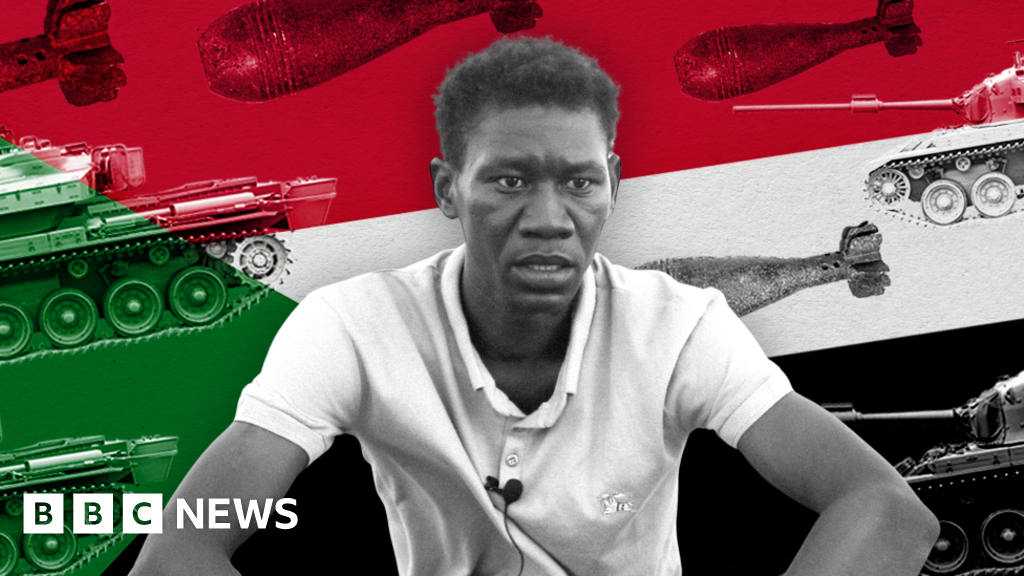
El-Fasher hospital worker warns of chilling terror ahead of suspected massacre exit

The ongoing Sudanese civil conflict has reached a catastrophic turning point with reports of mass atrocities in the city of el-Fasher. Since April 2023, a brutal power struggle between the Sudanese army and the Rapid Support Forces (RSF) has torn a nation apart, plunging countless lives into chaos, suffering, and despair. The recent escalation, especially in the western region, exposes a heartbreaking decline of humanity amid an already fragile geopolitical landscape. An eyewitness account from Abdu-Rabbu Ahmed, a doctor who survived the massacre at the Saudi Hospital, describes scenes of terror — bodies burned and buried in makeshift graves, hospitals devastated, and families shattered by violence. As analysts from international organizations highlight, this conflict is more than a domestic power struggle; it threatens regional stability and underscores the dangerous consequences when geopolitical interests collide with human rights.

Growing evidence indicates that the fighting has resulted in widespread atrocities, with satellite imagery suggesting the possibility of mass graves in el-Fasher’s hospitals and surrounding areas. Humanitarian agencies, such as the World Health Organization, condemn these acts as atrocities, while the RSF dismisses such allegations as propaganda, claiming all hospitals are abandoned. However, firsthand reports tell a starkly different story: witnesses describe bodies being dumped and set ablaze, medical staff kidnapped, and innocent civilians killed indiscriminately. These narratives, corroborated by satellite data and investigative footage, paint a grim picture of a city under siege. Historians and military analysts warn that such patterns of violence could establish a dangerous precedent for future conflicts in Africa and beyond, potentially destabilizing fragile states and encouraging similar tactics in regional insurgencies.

The geopolitical impact of this crisis extends far beyond Sudan’s borders. As neighboring nations grapple with the influx of refugees and displaced persons, global powers are divided in their responses, with some calling for intervention and others urging caution. The United Nations and regional bodies face mounting pressure to broker ceasefires, but institutional paralysis often hampers decisive action. Meanwhile, broader geopolitical interests — including strategic alliances, resource control, and influence over the Horn of Africa — complicate efforts to stabilize the country. Critics argue that foreign governments, by engaging in selective diplomacy, inadvertently embolden factions such as the RSF, worsening the humanitarian catastrophe. The loss of hope among Sudanese civilians, like Abdu-Rabbu Ahmed, serves as a stark warning of how international indifference can accelerate societal collapse. As the world’s gaze remains fixed on the unfolding chaos, many ask: how much longer can this cycle of violence continue before it tears the region apart?

The appalling images and testimonies emerge amid warnings from historians and political analysts that Sudan’s disintegration could ignite regional conflicts, drawing in rival states and creating a breeding ground for terrorism. The escalation demonstrates how international decisions—whether through embargos, peacekeeping missions, or diplomatic intervention—directly affect societal stability and the safety of millions. The conflict’s recent atrocities serve as a brutal reminder that the weight of history continues to unfurl, with each passing day shaping the future of a nation and the broader geopolitical universe. As Sudan’s cities burn and families flee, the silent question lingers: will the international community step up, or will Sudan be consigned to the pages of history as another victim of failed diplomacy and moral neglect?

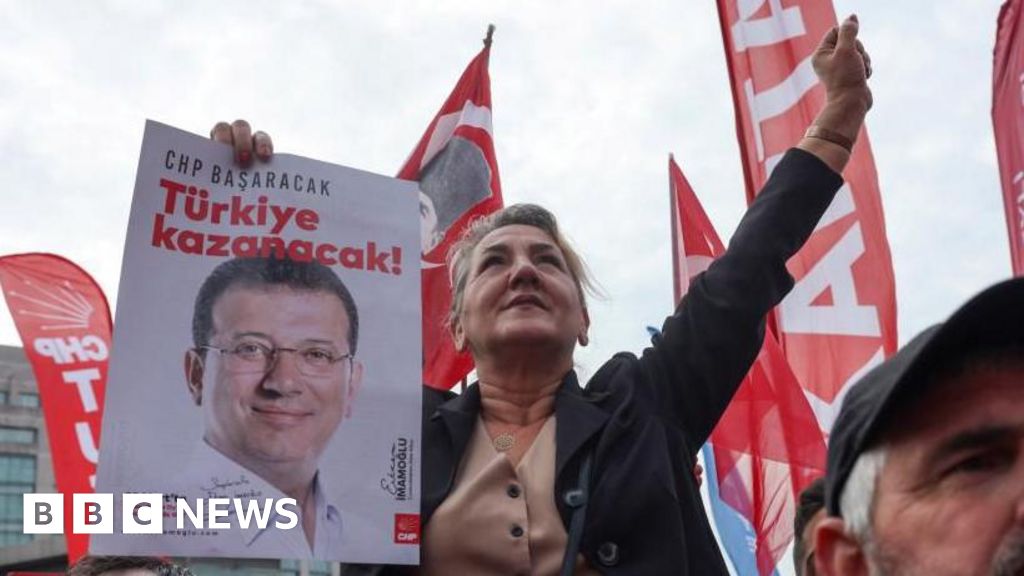
Turkey calls for over 2,000 years in prison for Istanbul’s popular Mayor Imamoglu

In a move that has sent shockwaves through Turkey’s political landscape, the mayor of Istanbul, Ekrem Imamoglu, faces a barrage of serious charges that threaten to reshape the nation’s trajectory. The prosecutor’s office in Istanbul has leveled accusations of 142 counts of corruption, bribery, and money laundering, claiming that Imamoglu was at the helm of a sprawling criminal network. Such allegations, if proven, could lead to a combined jail sentence exceeding 2,400 years — a staggering figure that underscores the gravity of what some analysts are calling an attempt to quash Turkey’s most prominent opposition figure.

The charges against Imamoglu, who achieved national prominence by defeating President Recep Tayyip Erdogan’s allies in the 2019 mayoral race and securing a landslide victory in April 2024, are widely viewed as a politically motivated crackdown. His supporters and opposition leaders alike argue that this move is aimed at dismantling the secular CHP’s strongest presidential contender for 2028. The Turkish government denies political bias, insisting that the judiciary operates independently and that these prosecutions are based on concrete evidence of corruption. Yet, many international observers, including analysts from the European Union and human rights watchdogs, see this as part of a broader pattern of eroding judicial independence under Erdogan’s increasingly authoritarian rule.

What makes Imamoglu’s case particularly significant is how it exemplifies the *turning point* in Turkey’s domestic politics — a nation increasingly polarized, with political rivals retreating into entrenched factions. Imamoglu, a figure representing secularism and democratic principles, has articulated a vision of reform that resonates with millions of Turks weary of authoritarian overreach. His detention, coupled with accusations of espionage, forging documents, and engaging in a criminal conspiracy, frames a critical geopolitical impact: Turkey’s internal political turmoil could ripple outward, unsettling regional stability and complicating its relations with Western allies. As society watches, the President’s supporters argue that this is a necessary step to root out deep-seated corruption, while opponents warn of the rise of a political witch-hunt disguised as justice.

Historically, such tactics — where judiciary processes are weaponized against opposition leaders — have been observed in other regimes transitioning from democratic ideals towards authoritarian consolidation. The United Nations and European Union have both expressed cautious concern over the increasing politicization of Turkey’s judiciary. Meanwhile, regional powers such as Greece and Europe are keenly monitoring the unfolding crisis, aware that Turkey’s internal stability directly influences broader geopolitical fluidity, especially in the context of conflicts in the Middle East and NATO dynamics.

As Imamoglu faces what many see as an orchestrated attempt to eliminate the opposition, the future of Turkey’s democracy hangs in the balance. His case has ignited protests across Istanbul and beyond, underscoring a profound societal divide. The decision of the courts next will forever shape the historical narrative of the nation: whether Turkey will regain its democratic footing or spiral further into a dangerous era of political repression. With history’s pen poised on the edge of a new chapter, the world remains watchful — for in Turkey’s fate lies a commentary on the resilience of democracy itself. The echoes of this tumult are sure to resonate, leaving a legacy that future generations will scrutinize — a story still being written with every bold step and every heavy silence in the corridors of power.

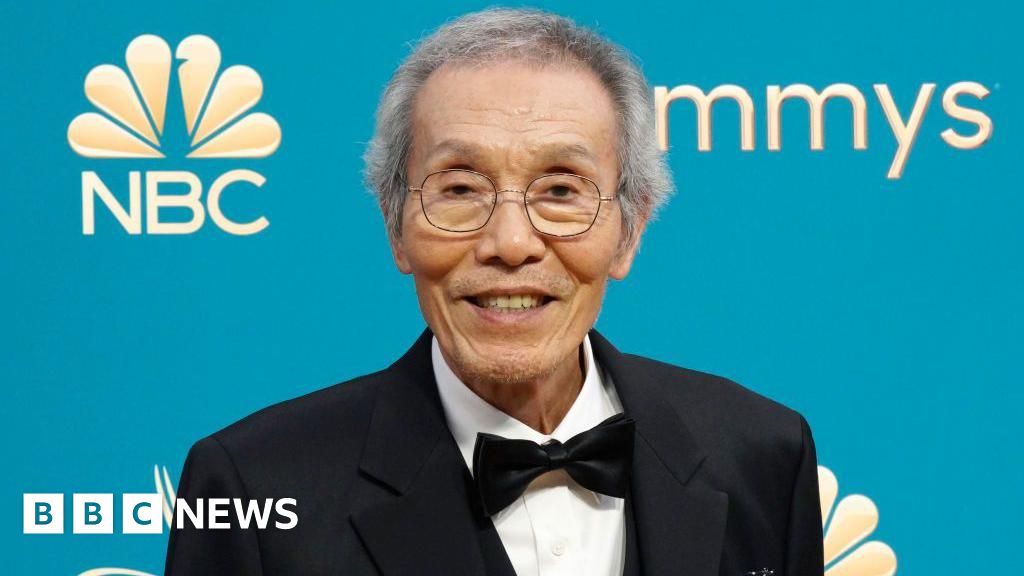
Squid Game star cleared of false misconduct allegations

The recent legal developments surrounding South Korea’s beloved actor O Yeong-Su, star of the global sensation Squid Game, underscore the complex intersection of fame, justice, and societal values in the modern era. Initially charged with allegations of sexual misconduct dating back to 2017, the case has ignited fierce debates both domestically and internationally about the boundaries of truth and the impact of social narratives. The court’s decision to overturn the guilty verdict and acquit O Yeong-Su raises vital questions about how nations grapple with accusations that threaten to tarnish cultural icons, especially when the alleged crimes are distant in time and clouded by evolving memory and societal pressures.

Turning Points in Justice and Cultural Shifts

  • In 2022, O Yeong-Su was convicted and sentenced to an eight-month suspended prison term, a verdict that immediately sparked outrage among feminist groups and social advocates who accused the justice system of shielding abuses within South Korea’s theatre and entertainment spheres.
  • However, in a dramatic turn, the Suwon District Court in South Korea overturned this conviction in 2024, citing the possibility that the victim’s memory could be distorted over time and noting her apology during the legal proceedings.
  • This decision has intensified the ongoing debate about the treatment of sexual assault allegations in a society where traditional values clash with progressive calls for accountability, especially within the arts and cultural sectors.

Distinguished **analysts** and **historians** have warned that such cases become pivotal points for the nation’s moral and judicial trajectory. They underscore the importance of safeguarding the presumption of innocence while confronting the societal undercurrents that influence public perception and legal outcomes. How South Korea balances these factors now will influence its legal worldview and societal cohesion for generations to come.

Implications for Global Perception and Social Justice

South Korea’s case is not isolated; it reflects a broader shift seen across several societies where public accountability collides with cultural sensitivities and social media’s influence. For international institutions, such as the United Nations and various human rights organizations, the verdict embodies a critical lesson: social justice must not be weaponized to silence dissent or protect the powerful. Yet, it also highlights the danger of rushing to judgment, especially when legal proceedings hinge on memories that can evolve or be tainted by societal biases.

As global eyes watch, escalating tensions could foment a precipice where justice and political correctness are misaligned. The case echoes debates about sexual violence in the *meToo* era but also reveals the potential for societal backing of such allegations to be manipulated, ultimately endangering genuine victims and fostering skepticism that undermines the very causes these movements seek to champion.

In the broader context, North Korea, China, and other authoritarian states observe these fissures cautiously. Their leadership likely perceives these controversies as opportunities to reinforce control over cultural narratives, positioning themselves as the guardians of tradition against what they portray as Western-influenced social liberalism. Conversely, Western and liberal societies risk sliding into complacency or overreach, as seen in instances where justice appears compromised or manipulated for ideological gain.

What Lies Ahead: The Weight of History

The case of O Yeong-Su is more than a trial of an individual; it embodies how nations confront their evolving moral standards amid a rapidly changing world. Historians project that the decisions made now will echo for decades, shaping how future generations perceive justice, arts, and societal accountability. With the weight of history bearing down, the ongoing tug-of-war between tradition and progress continues to carve its mark across East Asia and the globe at large. As the story unfolds, the world watches a society at a crossroads—where every verdict, every social debate, becomes a chapter in history’s relentless march towards an uncertain future.

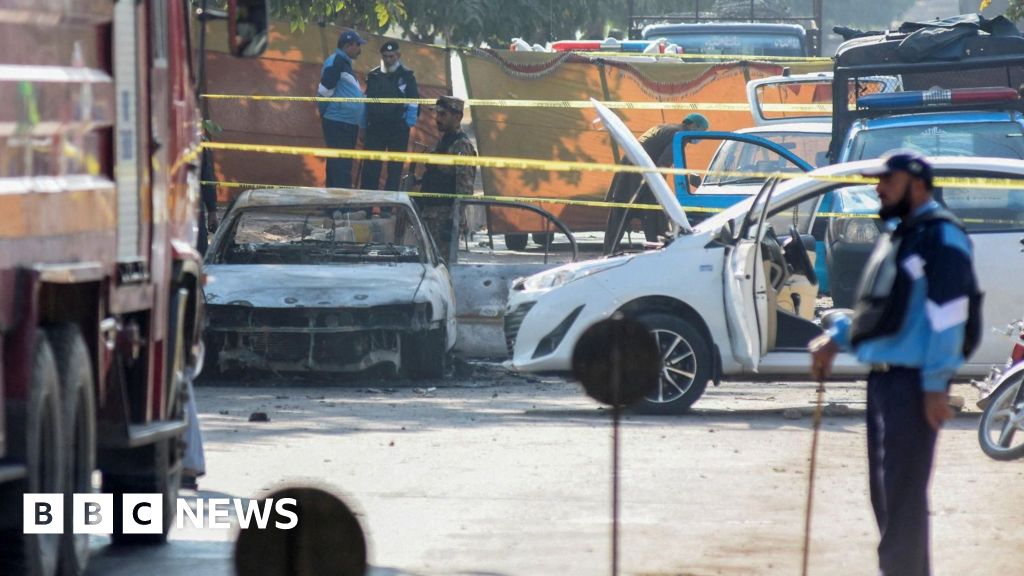
Islamabad Bombing Claims 12 Lives, Authorities Vow Justice

The recent suicide attack in Islamabad, resulting in the loss of 12 lives and devastating injuries to at least 27 others, underscores a troubling resurgence of violence in the heart of Pakistan. This attack, occurring outside a district courthouse, marks a significant deviation from recent trends, as Islamabad had largely been spared from the wave of terrorist violence that afflicted other regions of the country over the past few years. Pakistani authorities swiftly denounced the act, with Interior Minister Mohsin Naqvi emphasizing their resolve to identify and bring the perpetrators to justice. The incident, occurring at 12:39 local time, is a somber reminder of the complex internecine conflicts, regional insurgencies, and internal political strife that continue to threaten stability in this nuclear-armed nation.

Analysts suggest that this surge in violence may be indicative of deeper geopolitical shifts and internal struggles for power. Historically, Pakistan’s internal security has been challenged by militant groups linked to both state and non-state actors, often exploiting geopolitical tensions between neighboring India, Afghanistan, and superpower influences from China and the United States. The timing of this attack—coming three years after Islamabad’s last major suicide bombing—raises questions about the effectiveness of the country’s counter-terrorism policies. According to respected geopolitical analyst Rajat Sharma, such acts of violence are “a reflection of the fragile stability that underpins Pakistan’s internal security apparatus, especially in a regional climate heavily influenced by contestation over influence and sovereignty.”

In the broader context, this incident may also impact international perceptions of Pakistan. The United Nations and various regional watchdogs have often warned that fragile security in countries like Pakistan could serve as a catalyst for destabilization across South Asia. The Pakistani government now faces increased scrutiny from allies and adversaries alike—ewn governments seek stability, while militant factions aim to destabilize. As President Asif Ali Zardari condemned the attack, many regional experts pointed out the importance of strengthening societal resilience and security agencies, or risk allowing these acts of terror to spiral into broader chaos with unpredictable, possibly global, repercussions.

Historically, Islamabad’s last major terrorist event was three years ago, yet the recurrence of such violence indicates a persistent threat that could deepen regional instabilities. The international community, including actors like Russia and China, closely monitors Pakistan’s trajectory, aware that its internal security deeply influences regional and even global geopolitical balance. The significant costs of mounting internal conflicts are not only measured in lives lost but also in the fragility of international alliances, trade routes, and strategic interests spanning from the Middle East to Asia. As the dust settles over the charred remains of the scene, the weight of history presses down—these moments, fleeting yet profound, continue to shape the course of an increasingly interconnected world. Today’s violence in Islamabad could be a harbinger of renewed instability, a reminder that in the theatre of geopolitics, the stakes are nothing short of global security itself.

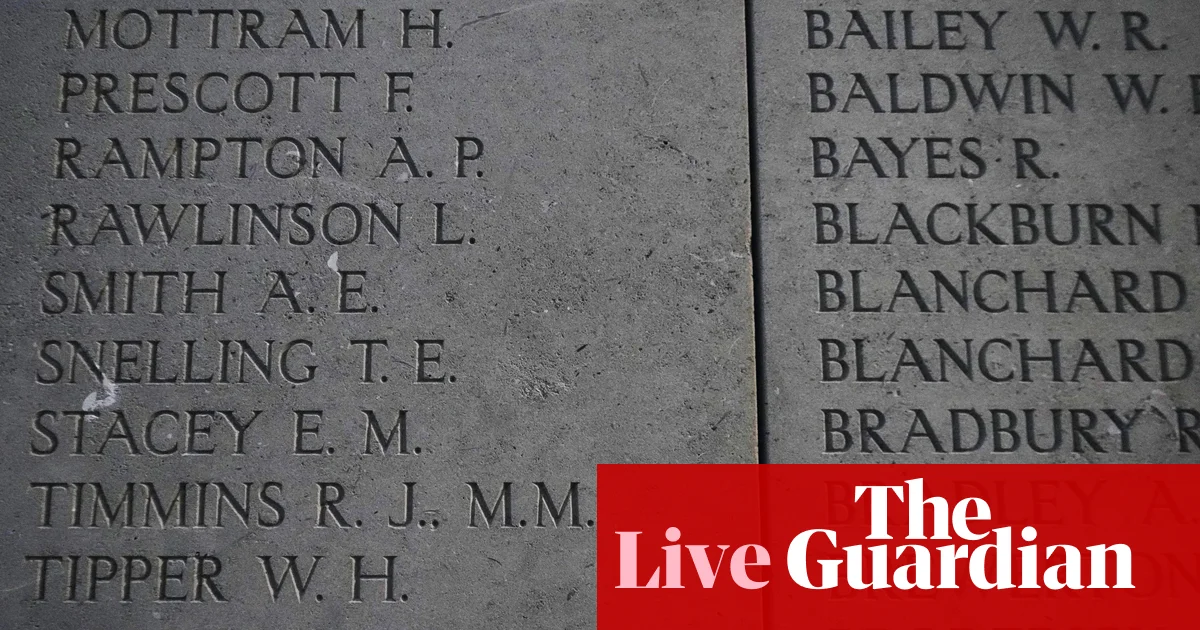
Europe Observes Armistice Day Amid Rising Tensions as Russia Bombs Ukraine Overnight — Live Updates

As Europe commemorates Armistice Day, a day historically rooted in ending the devastations of war, the continent finds itself embroiled in a new era of geopolitical turmoil. The recent claims from Russia’s Federal Security Service (FSB) of thwarting a clandestine operation by Ukrainian and British spies underscore the fragility of peace in an age dominated by shifting alliances and covert warfare. The alleged plot to commandeer a MiG-31 fighter equipped with hypersonic Kinzhal missiles, purportedly to be flown toward a NATO border in Romania, reveals a fresh dimension in the persistent Ukraine conflict. While Western nations mourn and honor the fallen, the shadows of espionage, sabotage, and ongoing military confrontations cast a pall over traditional commemorations, exposing a continent at a crossroads of peace and chaos.

  • Russian authorities claim to have intercepted an attempt by Ukrainian and British operatives to destabilize the region by stealing a highly advanced Russian jet, which was allegedly to be flown toward a NATO base in Romania, an escalation that could have drawn NATO directly into conflict.
  • The Russian state TV broadcast purported evidence—including messages and recordings—allegedly linking Ukrainian and British intelligence to the plot, with reports of a payment of $3 million to Russian pilots willing to defect. These claims, however, remain unverified by independent outlets like The Guardian and Reuters.
  • The incident reveals how the Russia-Ukraine conflict has transformed into a broader proxy battleground, with accusations of espionage and sabotage characteristic of post-Cold War warfare. Analysts warn that such narratives serve to justify further escalations while complicating diplomatic dialogue.

Geopolitical Ripples and Rising Tensions

The European Union and NATO are closely watching these developments, aware that any escalation could have profound repercussions for regional security and for global stability. Historian and geopolitical analyst Dr. Maria Jensen warns that such alleged plots, whether fully verified or not, serve to deepen the divide between Western powers and Russia, fueling narratives of insidiou conspiracy and imminent threat. Meanwhile, France’s President Emmanuel Macron and Polish authorities mark Armistice Day with solemn ceremonies—yet the shadows of ongoing conflict threaten to distort the very symbolism of reconciliation and peace.

Adding to the tense atmosphere, Romania reported a Russian drone incursion near its border with Ukraine, which the Romanian President, Nicușor Dan, dismissed as an accident. This incident underscores the underlying risk of unintended escalation as military activities become increasingly aggressive and unpredictable. Conflicts that once were confined to local terrains are quickly evolving into interconnected crises, with Ukraine’s battlefield and Romania’s border zones acting as potential flashpoints for broader confrontation. International institutions warn that the escalation fuels a spiral of mistrust and military posturing, threatening to unravel ongoing diplomatic efforts.

The Broader Impact—History’s Unfinished Narrative

In this tumultuous context, the annual observances across Europe—such as the marches in Warsaw and ceremonies at the Arc de Triomphe—serve as stark reminders of the price paid for peace. Yet, beneath the commemorations lies a sobering reality: the continent is navigating a delicate, volatile chapter where decisions made today will echo through history. Within geopolitical circles and diplomatic corridors, experts deliberate on the potential for these incidents to either ignite a larger conflict or serve as catalysts for renewed dialogue and mutual understanding.

The unfolding story of Ukraine, Russia, and the broader European theater is still being written, with each new claim and counterclaim adding lines to a narrative that history will scrutinize for generations. As world leaders grapple with the aftermath of their choices, the shoulders of future generations bear the weight of today’s decisions—decisions that could either forge enduring peace or plunge the continent into an abyss of perpetual conflict. The question remains: how will the pages of history remember this turbulent age, and what lessons will it carve into the collective memory of humanity?

UK Jobless Rate Hits Four-Year High at 5%—What Young Brits Need to Know

As Britain faces a notable deterioration in its economic landscape, official figures reveal an unsettling rise in unemployment to 5.0%, the highest in four years. These statistics, published by the Office for National Statistics (ONS), demonstrate a shift from 4.8% in the previous quarter, with the actual number of unemployed reaching approximately 1.8 million. This surge echoes a broader pattern of economic stagnation and signals a crucial turning point in the UK’s post-pandemic recovery. Economists warn that these figures suggest a fragile jobs market, possibly exacerbated by recent tax hikes and inflationary pressures, which could ripple across international markets if not swiftly addressed.

The geopolitical impact of this economic slowdown extends beyond Britain’s borders. Analysts and historians emphasize that a weakened UK economy—struggling under burdens such as the £25bn increase in employer national insurance contributions—could undermine Britain’s influence on the global stage. With the Bank of England contemplating potential interest rate cuts, the situation signals a testing of Britain’s economic resilience and a possible recalibration of its monetary policy in response to domestic instability. Such developments could embolden competitors, especially in the European Union and United States, to assert greater influence, potentially shifting the balance of economic power in the Atlantic and beyond.

International institutions and financial analysts caution that Britain’s choices now could serve as a cautionary tale for emerging and developed nations alike. The collapse in employment figures—including a drop of 180,000 workers on company payrolls—underscores the peril of overreliance on policies that may stifle growth at a critical juncture. Comments from renowned economists suggest that if the UK government proceeds with raising taxes, as planned in the upcoming budget, the risk of further job losses could mount, especially within the vital retail, hospitality, and leisure sectors. This scenario may produce a domino effect, constraining consumer spending and destabilizing international markets that are already under pressure from inflation and geopolitical tensions.

In the broader spectrum of global geopolitics, Britain’s economic struggles highlight a recurring theme: that internal policy decisions, such as tax increases and monetary tightening, can have profound backlashes beyond borders. The political class faces mounting pressure to balance fiscal responsibility against economic vitality. As Britain grapples with its internal challenges, the global community watches keenly, mindful that such domestic vulnerabilities could weaken alliances, alter trade routes, and influence diplomatic relations. Historians warn that neglecting these signs of economic distress risks ushering in a chapter of instability, where national fortunes are dictated not merely by strategic prowess, but also by the resilience of societies to withstand the weight of their own decisions.

With the echoes of history reverberating through the corridors of power, the unfolding story of Britain’s economic decline remains a powerful symbol of how fragile prosperity can be—easily undone when leadership falters in the face of complex challenges. The coming months may determine whether Britain can navigate these turbulent waters or join a broader trend of decline, as history’s relentless tide of change continues to surge forward, leaving behind a record of choices made and futures shaped in a fleeting moment of time.

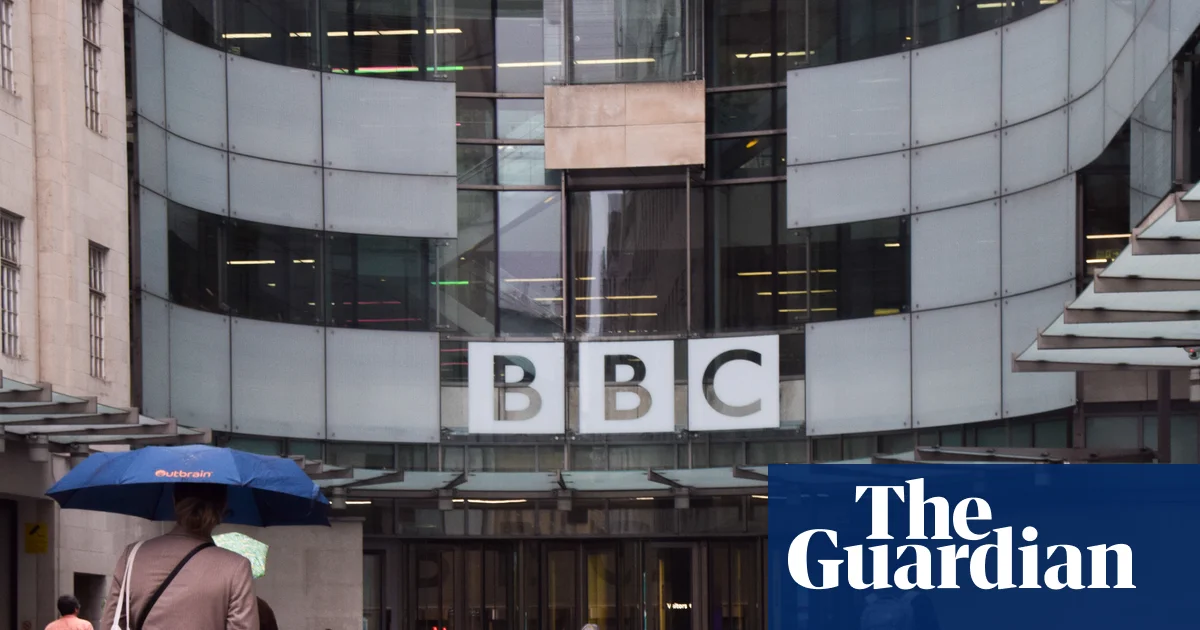
Tuesday Briefing: What the BBC’s Crisis Tells Us About Its Failures — and a Path Forward

The recent upheaval at BBC exemplifies the volatile state of Western democracies grappling with the tensions between political influence and institutional integrity. The resignations of Tim Davie, the director general, and Deborah Turness, head of news, unfold amid a barrage of criticism led by the right-wing press and aligned political figures, especially from Conservative-linked media outlets. This crisis is not merely about journalism; it is emblematic of the broader struggle for who controls the narrative in a society that faces mounting external and internal pressures.

Experts like Michael Savage, a seasoned media analyst, emphasize how this turmoil exposes weaknesses in the *governance* of the BBC. Amid what he describes as an environment of “weak oversight,” a small clique of board members—including Gibb, whose influence has leaned towards the politicization of the corporation—decided to appoint Prescott to a sensitive advisory role. The fallout reveals how internal decisions are increasingly weaponized, reflecting a pattern seen in other major democracies where institutional independence is compromised to suit specific political agendas. As Britain approaches the critical renewal of its public broadcasting charter in 2027, the question emerges: will this revered institution find itself subsumed into the ideological fold of a nation deeply divided?

On the international stage, the United States swiftly introduces a stark new development that has ramifications far beyond the Atlantic. The “impossible job” now facing BBC leadership is paralleled by the impending battle for influence over global narratives. As US President Donald Trump threatens to sue the BBC for over $1 billion, alleging biased coverage—an accusation echoing the broader fight for media dominance—it becomes clear that the confrontation extends beyond mere legal threats. Such threats are a reflection of how hostile the global political environment has become towards independent journalism. Analysts warn that this clash signals a shift in international power dynamics, where information is weaponized as a tool for shaping perceptions and controlling societies.

There is a rising recognition among geopolitical strategists that the battle for the soul of media is integral to national sovereignty. Countries like France confront their own crises; the recent release of former President Nicholas Sarkozy from custody is a stark reminder of how internal political conflicts can reverberate across borders, affecting diplomatic relations. Meanwhile, Brazil’s hosting of the Cop30 climate talks underlines how global consensus on climate change is fractured, with failing national policies blamed for international chaos—famine, conflicts, and the destabilization of vulnerable societies. As world leaders debate and often delay fundamental reforms, the world stands at a crossroads, with decisions made in the coming months likely to influence generations.

The tapestry of these interconnected crises culminates in a stark lesson: as history continues to unfold, the choices made by key nations and institutions will determine whether the principles of free societies persevere or collapse into new forms of authoritarianism. The BBC, a symbol of the enduring power of public service media, finds its very existence challenged by forces seeking to rewrite the narrative for their own gain. And as international tensions escalate—be it legal threats from Trump or ideological assaults on free press—one truth remains: the battle for truth and influence is the battlefield of the 21st century, where the echoes of today’s decisions will resound through the corridors of history, shaping the destiny of societies yet to come.

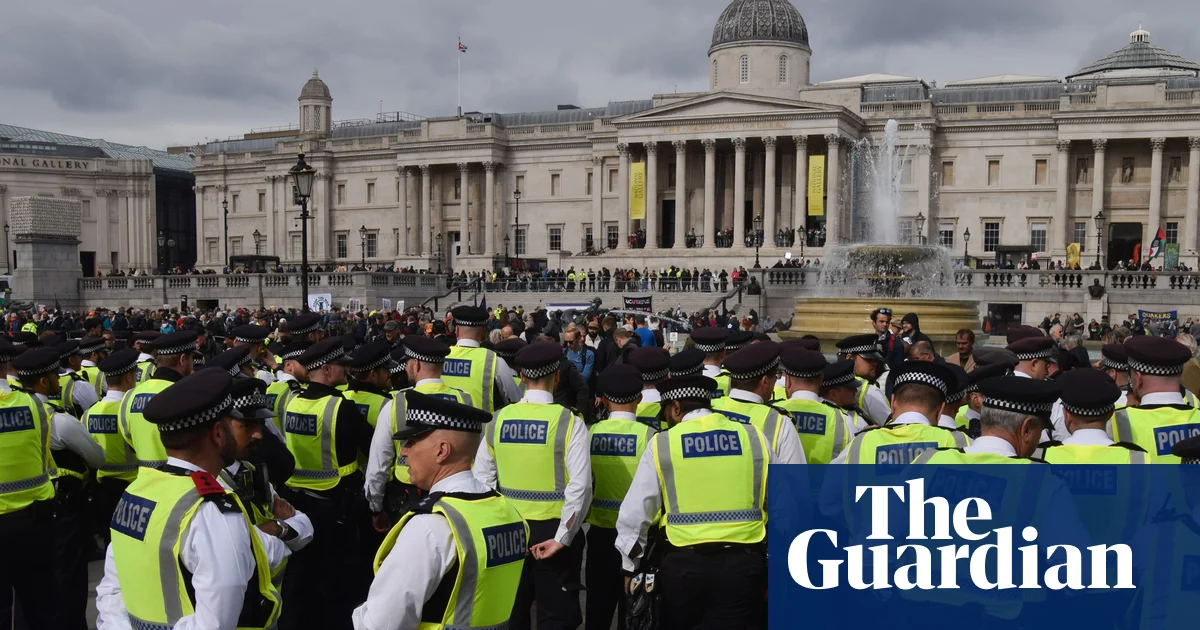
Advisers Warn Ministers: Banning Palestine Action Might Backfire Among Youth

In recent weeks, the United Kingdom has taken a contentious step by banning Palestine Action, a grassroots organization dedicated to confronting the UK’s arms trade with Israel. Despite advice from officials warning that such a prohibition could inadvertently elevate the group’s profile, policymakers proceeded with proscription under terrorism laws. This decision marks a significant chapter in the ongoing global debate over civil liberties versus national security, illustrating the complex interplay between domestic policy and international tensions, especially in Britain’s role in the Israeli-Palestinian conflict.

The decision was underpinned by a secretive community impact assessment, revealing internal debates about the potential repercussions of a ban. Officials cautioned that proscription might exacerbate Muslim-Jewish tensions within Britain, deepen societal divisions, and be perceived as government bias favoring Israel. Moreover, polling data indicated that a significant portion of the British public supported bans on arms shipments to Israel, reflecting a growing frustration with the military actions in Gaza. Nonetheless, the advisors warned that such a move could “become a flashpoint for controversy and criticism,” highlighting the perilous balancing act that policymakers face—demanding security while avoiding alienating critical segments of society.

Critics argue that the government’s crackdown on Palestine Action has backfired, boosting the organization’s visibility and support rather than diminishing it. Huda Ammori, co-founder of Palestine Action, expressed that “awareness of the issues and the group’s popularity has grown exponentially,” indicating that the ban has inadvertently strengthened their stature. This outcome underscores how decisions rooted in security fears and political expediency can often generate unintended consequences, further entrenching the divisions they seek to quell.

The policy shift also sheds light on the geopolitical impact of Britain’s internal security measures. Proscription under terrorism laws frames the conflict in moral and legal terms but also risks alienating Muslim communities and fueling anti-government sentiments. This, in turn, influences Britain’s international standing, complicating diplomatic relations with Middle Eastern nations and global organizations advocating for Palestinian rights. As analysts point out, the UK’s overt involvement in Israel’s defense industry—an issue that the government actively suppresses—has become a source of tension with other Western nations that are questioning the equity of their support for Israel.

In the broader context, Britain’s internal conflict over Palestine reflects a wider geopolitical contest. How Western democracies choose to engage—whether through silence, activism, or suppression—shapes the global narrative surrounding the Israeli-Palestinian dispute. The recent ban represents a symbolic battleground for values—security versus civil liberties, activism versus state control—marking a decisive moment where internal policy decisions echo into the larger arena of international diplomacy. The unfolding saga leaves history’s watchful eyes pondering: will this be a turning point towards greater governmental control, or a catalyst that emboldens those fighting for justice? The answer remains shrouded in the shadow of history, as the world watches, and the story continues to unfold.

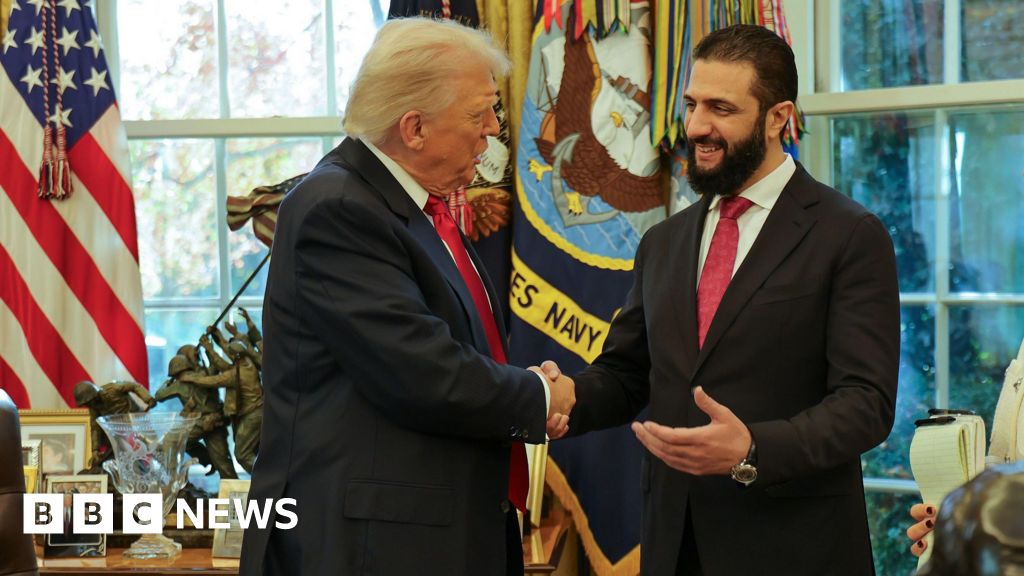
Syria joins coalition to fight ISIS after Trump talks

The United States has dramatically shifted its foreign policy stance toward Syria, signaling a potential turning point in the volatile Middle East. For years, Syrian relations with Western powers have been marked by sanctions, diplomatic isolation, and conflict. Yet, recent developments indicate a strategic pivot, as Syria prepares to join an international coalition against the Islamic State, marking it as the 90th member committed to eradicating remaining terrorist elements and addressing regional instability. This move not only signifies a notable diplomatic breakthrough but also underscores the complex dynamics of how international decisions can redefine national destinies. The breakthrough occurred amid a historic visit to the White House by Syrian President Ahmed al-Sharaa, an event unprecedented in diplomatic history, as the US government officially recognizes a figure once branded a terrorist as a government partner.

This unprecedented rapprochement is underpinned by a series of bold decisions, including the lifting of economic restrictions and a suspension of the Caesar Act, which had severely sanctioned the Syrian government since 2019. Announced by the US Treasury Department, these measures aim to foster economic development and rebuild Syria’s institutions—an effort supported by international organizations and analysts who emphasize the importance of stabilization in the region. Experts warn, however, that this apparent thaw could complicate long-standing regional conflicts and fuel geopolitical tensions, particularly with countries skeptical of Damascus’s intentions. In addition, the US intends to renew diplomatic ties, allowing Syria to reopen its embassy in Washington—a remarkable diplomatic gesture that suggests a reevaluation of America’s Middle East strategy.

On the international stage, Russia and China — longstanding allies of Syria—are watching closely, as the US moves towards a more pragmatic engagement. This shift signals a departure from earlier policies driven by regime change aspirations, and a realignment driven by pragmatic geopolitical concerns. As noted by scholars such as Dr. Steven Heydemann of the Middle East Institute, the United States is deliberately recalibrating its role—balancing counterterrorism efforts with a desire to influence the post-war reconstruction process. Meanwhile, how this policy shift impacts global power balances and local societies remains uncertain, but it undoubtedly redefines Syria’s place in the international order. The decision to involve Damascus in a coalition against global terrorist threats reflects a broader lesson on how wars reshape alliances, and how the past can be reinterpreted for geopolitical gain.

As history continues to unfold, the question remains: will Syria’s new diplomatic path truly pave the way for stability and peace, or will it deepen regional divisions? The world watches as the leaders of today, guided by the burdens of history and the weight of their decisions, attempt to forge a new chapter—one written in the uncertain ink of diplomacy, conflict, and fleeting hope. In this complex narrative, the true impact of these decisions will only be revealed with time, leaving future generations to ponder whether these moves will bring lasting peace or ignite new conflicts in an already fractured region.

Social Media Auto Publish Powered By : XYZScripts.com