Matox News

Truth Over Trends, always!

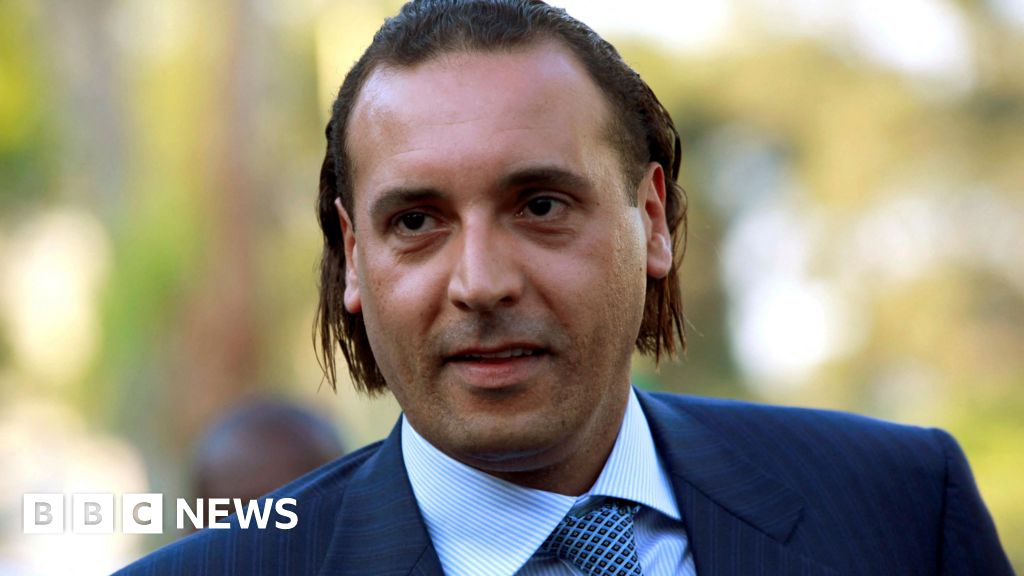
Gaddafi’s Youngest Son Freed After a Decade in Lebanese Detention

Hannibal Gaddafi, the youngest son of the late Libyan dictator Muammar Gaddafi, has recently been released from nearly a decade of detention in Lebanon, marking a noteworthy chapter in the complex geopolitical aftermath of the Arab Spring. His liberation after ten years underscores shifting paradigms within Middle Eastern politics, while also spotlighting the lingering shadows of regional conflicts and international interests. Despite the controversial circumstances surrounding his detention—initially linked to accusations over the disappearance of a Lebanese Shia cleric in 1978—his release raises questions about the influence of external forces and the fragility of justice in politically charged environments.

  • In 2015, Lebanese authorities detained Gaddafi, alleging he concealed information related to the longstanding disappearance of Musa al-Sadr, a pivotal figure in Lebanese Shia politics. However, human rights groups condemned these accusations as politically motivated, emphasizing potential abuses of Lebanon’s justice system. The legal proceedings, involving hefty bail amounts and appeals, illuminated how geopolitical scars still impact judicial independence across the Middle East and North Africa. His release was facilitated after a reduction in bail to approximately $900,000, marking the end of a chilling chapter for the Gaddafi family, which remains entangled in regional tensions and geopolitical rivalries.

Analysts from international institutions and historians have pointed out that Gaddafi’s detention and subsequent release exemplify the enduring influence of authoritarian legacies and regional power struggles. The shifting sands of Middle Eastern geopolitics, particularly the fall of Muammar Gaddafi in 2011 and the ensuing chaos, have profoundly affected legal and political systems across the region. Libya’s ongoing chaos has created a vacuum exploited by various factions, complicating diplomatic efforts toward stability. Meanwhile, Lebanon’s internal divisions have periodically spilled over into international disputes, particularly surrounding historical grievances like al-Sadr’s disappearance, which remains unresolved and a source of persistent tension. These tensions are emblematic of a broader, intertwined geopolitical battle in which external powers often manipulate regional actors to serve their strategic interests.

Despite Gaddafi’s transient presence as an individual, his case symbolizes broader ideological and political currents shaping the Middle East and Mediterranean. The decision to release him—amidst whispers of behind-the-scenes negotiations and shifting alliances—reflects the fragile balance of power and the influence of international actors like France, Italy, and the United States. The consequences of such decisions are profound, as they reverberate through diplomatic channels, influence regional stability, and impact local societies. The long shadow of Muammar Gaddafi’s rule—once a formidable force on the world stage—continues to cast a pall, as his legacy remains a potent symbol of both Arab nationalism and authoritarian resistance, now competing with new regional dynamics.

As international observers, including analysts from the United Nations and independent think tanks warn of the unstable trajectory of Middle Eastern geopolitics, Gaddafi’s release serves as a sobering reminder of history’s ongoing unwritten narrative. The unfolding story—the return of a figure once seen as a symbol of strength—may portend new challenges for regional stability and global diplomacy. In a world where alliances are ever-shifting and old grievances simmer beneath the surface, the echoes of this release will resonate far beyond Lebanon and Libya, inscribing yet another chapter in the relentless march of history’s tumultuous tide.
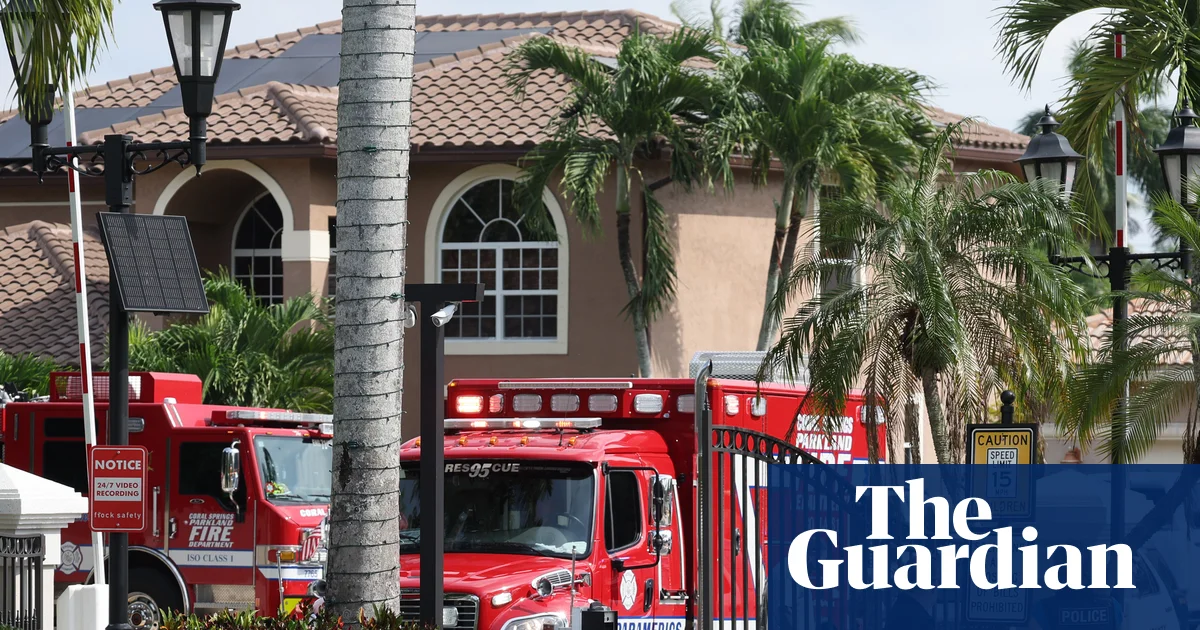
Tragedy strikes: Two dead after small plane crashes during hurricane relief trip to Jamaica in Florida

The recent crash of a small turboprop plane in Coral Springs, Florida has sent shockwaves through a region still reeling from the devastation wrought by Hurricane Melissa. The incident, which resulted in the tragic deaths of two individuals shortly after the aircraft took off on a hurricane relief mission, highlights the lingering vulnerabilities faced by communities in the Caribbean and their diaspora in the United States. While initial reports indicate no damage to nearby homes, the debris trail leading to a pond underscores the dangerous hazards associated with unregulated or poorly documented relief flights in post-disaster zones.

Analysts point out that the crash’s timing and context are significant, reflecting ongoing geopolitical realities. The plane, a vintage Beechcraft King Air registered to International Air Services, had made multiple recent trips to Jamaica—an island still recovering from the wrath of Melissa, which made landfall as one of the strongest hurricanes in Atlantic history. The fact that the aircraft operated through a company known for trust arrangements for non-US citizens indicates complex international aviation logistics, possibly aimed at circumventing regulatory oversight. This incident raises questions about how international relief operations are coordinated and the safety standards adhered to during these missions.

The geopolitical impact extends beyond mere accident statistics. Jamaica, a nation of strategic geopolitical importance amidst escalating tensions between global powers, relies heavily on international aid and diaspora support. The devastation caused by Melissa—leaving over 90,000 families displaced and thousands in shelters—has strained local resources, and aid efforts have become a focal point of regional diplomacy. The US’s role, whether through humanitarian missions or private relief contractors, becomes part of a broader contest for influence, especially as emerging nations seek to expand their footprint in Caribbean assistance and recovery. The crash consequently underscores a broader need for coordinated international oversight, lest relief efforts become entangled with geopolitical rivalries or neglect safety protocols in pursuit of quick aid delivery.

Meanwhile, local communities and international organizations are grappling with the immediate aftermath. Emergency responders, as described by officials like Mike Moser, responded swiftly, but the debris and fuel spill have created environmental and safety concerns. The ongoing investigation by federal aviation authorities aims to uncover whether mechanical failure, pilot error, or regulatory lapses contributed to the crash. Historically, experts like aviation safety analyst Dr. Raymond Chen warn that in the hurried rush to assist disaster zones, safety often takes a backseat, risking further tragedies. As authorities maintain a heavy police presence and continue evidence collection, the incident functions as a stark reminder of the fragile interface between aid, safety, and geopolitics in regions vulnerable to natural catastrophes.

As the world observes, this event underscores how aircraft, often seen as mere tools of aid, are also symbols of broader international dynamics. The hurricane’s aftermath, with Jamaica still in recovery, reflects the unending story of resilience underscored by vulnerability—a narrative that history keeps writing with each new chapter. The toll of Melissa, compounded by the tragedy in Florida, leaves a haunting question: in an era of rapid geopolitical shifts and climate turmoil, how will nations navigate aid, safety, and sovereignty? The weight of history presses heavily on the horizon, and as this unfolding drama continues, the global community watches, waiting for answers that could redefine the boundaries of international cooperation amid adversity.

UK Commentator Detained Over Israel Comments to Be Released, Family Confirms

The recent developments surrounding British political commentator Sami Hamdi underscore the escalating tensions between free speech and U.S. immigration policy amid rising geopolitical conflicts. Hamdi, who was detained by US Immigration and Customs Enforcement (ICE) at San Francisco international airport in late October, faced accusations linked to his critiques of Israel during a tour in the United States. His detention, initially characterized by the Department of Homeland Security as a security concern rooted in alleged ties to terrorism, highlights the complex interplay of domestic policy and international diplomacy—particularly in an era marked by intense scrutiny of political expressions related to Middle East conflicts. As his family reports that he will soon be released, the incident raises fundamental questions about the limits of free speech within the context of national security and the influence of diplomatic narratives on domestic policy.

While government officials framed the detention within the context of preventing threats to American national security, civil rights organizations, such as the Council on American-Islamic Relations (CAIR), condemned the move as an obvious suppression of dissent. CAIR publicly denounced what they called a “blatant affront to free speech,” emphasizing how such actions serve as a warning to critics of government foreign policy. Analyses from international organizations suggest that the case exemplifies a broader shift in U.S. policy—one that increasingly conflates political criticism with security threats, especially when it involves contentious issues like U.S. support for Israel and Palestinian rights. Historically, similar incidents have often been used to shape international perceptions, portraying critics as security risks—thus, influencing diplomatic relations across the globe, particularly in Middle Eastern and Muslim-majority countries.

In the context of ongoing conflicts such as the Hamas attacks and the subsequent escalation in regional tensions, Hamdi’s case carries significant geopolitical impact. It underscores how domestic actions in Western powers are often scrutinized through international lenses, impacting perceptions of free expression and foreign policy credibility. International analysts warn of a potential “chilling effect” on political discourse, as governments tighten restrictions while global institutions like the United Nations and European Union observe with concern. Furthermore, this incident exemplifies how decisions made in Washington could influence alliances—potentially prompting Muslim nations to reassess trust in Western democracy’s commitment to free speech, especially when critics articulate views that challenge mainstream narratives regarding conflicts in Palestine and the broader Middle East. As historians note, the narrative shaping these incidents feeds into a global contest over the values of liberty versus security, with each side claiming moral high ground.

As the saga unfolds, the weight of history being written in real time remains palpable. The release of Sami Hamdi, coupled with the controversy that swirled around his detention, marks only a transient moment in a larger struggle—one that transcends individual cases and probes the core principles of sovereignty, free expression, and national security. The world watches as nations navigate the treacherous waters of diplomacy, ideology, and internal security. Whether this incident becomes a turning point or a cautionary tale, it leaves us with a stark reminder: the decisions made today will echo through history, shaping the fate of societies and the contest over truth and liberty for generations to come.

Australia News: NSW Nationals Drop Net Zero; Keating Honors Laws — Youth Voice Matters

In a world increasingly shaped by the relentless march of geopolitical shifts and domestic reckonings, recent events underscore a decisive moment in the unfolding fabric of history. Australia, often viewed as a microcosm of broader global trends, finds itself at a crossroads as regional political forces realign on crucial issues like climate policy and national identity. Meanwhile, the passing of iconic figures like John Laws reminds us how media personalities have historically shaped societal discourse, bridging the gap between politics and the everyday citizen in an era when radio was king. The legacy of individuals like Laws and the recent political maneuvers collectively illustrate the profound influence of communication and decision-making on national trajectories.

At the heart of international concern is the abandonment of commitments to net zero emissions by 2050—a stance taken rigorously by the NSW Nationals in Australia, following their federal counterparts’ lead in a move that threatens to fracture the stable fabric of coalition politics. The decision, driven by internal party discussions and influenced by a thinktank aligned with Senator Ross Cadell, signals a direct challenge to the global climate agenda endorsed by many Western nations.

  • Government officials and analysts have warned this rollback could hinder international efforts to combat the climate crisis, and threaten Australia’s diplomatic standing in climate negotiations.
  • The decision sparks a rift within the Coalition, specifically testing the resolve of opposition leader Mark Speakman, who has faced mounting pressure amidst poor polling and internal dissent.

The geopolitical impact of this shift extends far beyond national borders. Countries watching Australia’s retreat from climate commitments may perceive a broader trend of de-escalation or skepticism toward global climate initiatives, especially in regions where economic and energy independence are prioritized over environmental concerns. Experts like economists and environmentalists have issued stark warnings that such domestic decisions undermine international climate accords and could embolden other nations seeking to resist similar targets, thereby threatening the collective effort to mitigate the effects of climate change. Moreover, Australia’s internal debate reflects a national societal divide—those pushing for environmental credentials versus those emphasizing regional economic interests—highlighting how domestic policies can send ripples through the international diplomatic arena.

Meanwhile, the death of John Laws, dubbed the “king” of radio before the rise of the digital age, signifies a pivotal chapter in the history of media influence. Keating’s tribute underscores how Laws partnered with policymakers to educate Australia’s middle ground crowd on complex social and economic matters. This dynamic exemplifies how influential personalities have historically shaped public perception and policy, wielding power that transcends mere entertainment. As history presses forward, the media’s role in transmitting societal values and political discourse remains central, even as new digital platforms challenge traditional broadcasts. Recognizing these shifts urges societies worldwide to reflect on the enduring impact media figures have historically played—and continue to play—in shaping national identity and policy directions.

As these stories unfold—whether through the deliberate reevaluation of environmental commitments or the remembrance of media giants—the pace of history seems to accelerate, leaving societies to confront the weight of choices made today. Decisive shifts in policy, politics, and perception are not isolated events but rather the vital threads of an evolving narrative, heavily influenced by those who lead and those who listen. With each decision, with each passing figure, the tapestry of history is rewoven—sometimes a step forward, often a step into uncharted, uncertain territory. And as nations navigate the turbulent waters of change, the foundations of tomorrow’s history are being laid today—silent witnesses to the ongoing story of power, influence, and the enduring quest for a future shaped by choices of unparalleled importance.

Edo Youths Rally Against New West African Art Hub in Bold Protest

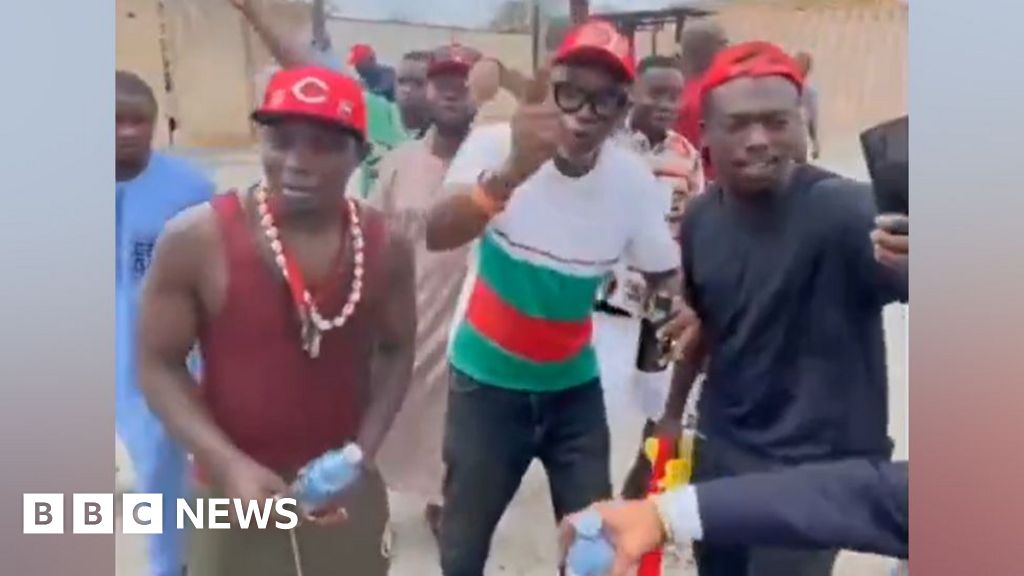
In a development that underscores the persistent tensions between cultural sovereignty and global prestige, Nigeria has faced a disruptive protest at its recently inaugurated Museum of West African Art (Mowaa) in Benin City. The museum, a $25 million (£19m) project designed by renowned British-Ghanaian architect David Adjaye, was intended as a hub for contemporary and historical West African art. However, its launch has been marred by unrest that highlights deeper undercurrents of cultural identity, national pride, and historical claims. Protesters, driven by feelings that the museum is a form of cultural hijacking, forced postponement of its opening and engaged in insulting foreign visitors, revealing underlying domestic discontent regarding cultural patrimony and governance.

This incident is not an isolated event but a strategic flashpoint within the broader dispute over ownership of the Benin Bronzes. These priceless artifacts, looted during British military incursions in the 19th century, have long symbolized colonial exploitation and the ongoing debate over rightful restitution. While the museum’s leadership clarified that they never claimed the Bronzes and focus primarily on modern and contemporary art, the controversy underscores the sensitive nature of cultural symbols in Nigeria’s national consciousness. As historians and analysts interpret these events, they emphasize how cultural controversies fuel *resentment and political leverage*, influencing Nigeria’s internal stability and its diplomatic posture on reparations and cultural sovereignty. The protests reflect a broader dangerous shift: from colonial legacy to sovereign identity, where control over cultural heritage becomes a vital aspect of national legitimacy.

The controversy extends into the realm of political influence and how decisions on cultural institutions impact societal unity. Critics argue that the museum’s development has been hijacked by political actors, with residents claiming that the project’s current trajectory sidesteps local traditions and authority. The Nigerian government, along with traditional rulers—particularly the Oba of Benin—has expressed dissatisfaction, viewing the museum as a symbol of erosion of their cultural authority. The museum’s independent and non-profit status, along with its broad regional scope, has sparked accusations of external interference and a neglect of Benin’s unique heritage. International organizations have weighed in, with some urging Nigeria to prioritize dialogue and respectful reconciliation, recognizing that these conflicts threaten not just cultural preservation but also regional stability. As one prominent analyst notes, “The battle over these artifacts and institutions is ultimately a struggle for national sovereignty.”

As the shadows of history stretch long over Nigeria’s future, the clash at Mowaa serves as a stark reminder of how cultural disputes are intertwined with geopolitics, colonial legacies, and national identity. The unrest signals a possible turning point—where the struggle for control over cultural symbols could either forge a stronger self-determined nation or deepen fissures that threaten regional stability. The weight of these unresolved conflicts hangs heavy, as history continues to unfold on the fragile stage of Nigeria’s evolving narrative—a testament to the fact that nations are often defined as much by their internal struggles as by their place in the international order, and that the outcome of this cultural war could reverberate far beyond Benin City. In the face of ongoing tension, the world remains watchful, knowing that history is at a crossroads—an uncertain path toward either reconciliation or further division.

Clashes in Nigeria’s northeast leave around 200 dead in violent terrorist skirmish

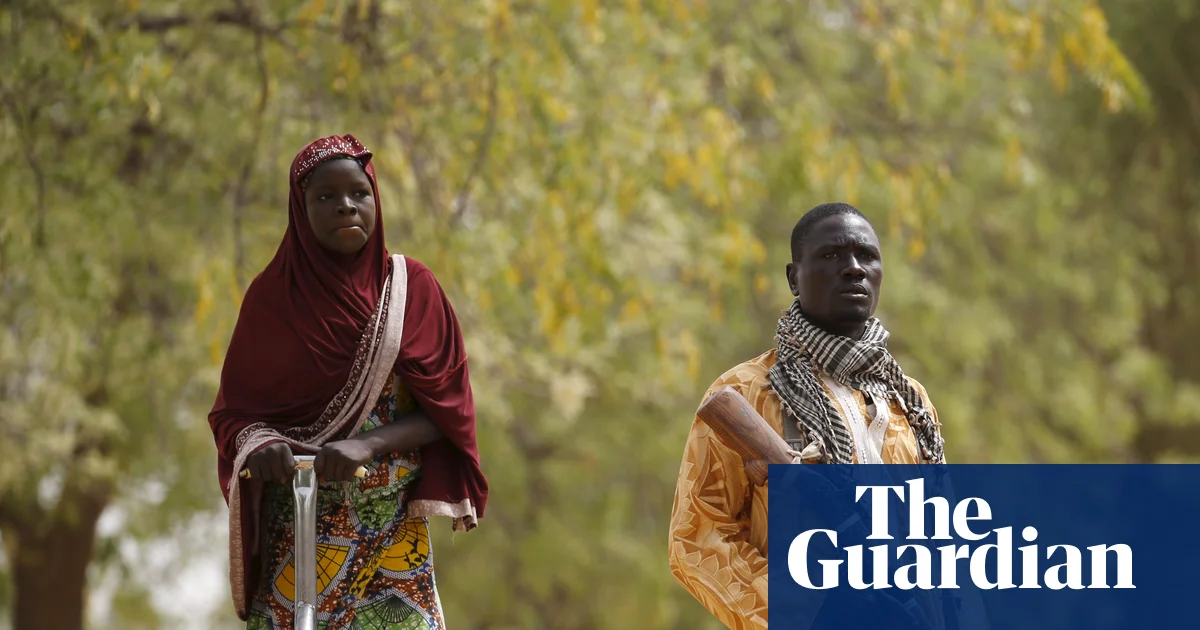
The ongoing insurgency in Nigeria has entered a new and dangerous chapter, with recent clashes between rival jihadist factions causing significant loss of life and further destabilizing the fragile region. Reports indicate that as many as 200 terrorists were killed in a fierce confrontation between Boko Haram and Islamic State West Africa Province (ISWAP) in the village of Dogon Chiku, situated along the shores of Lake Chad. This area—at the crossroads of Nigeria, Niger, Chad, and Cameroon—has long been a battleground for non-state actors vying for control over territory, influence, and economic resources.

Over the years, Lake Chad’s receding waters—having shrunk over 90% since the 1960s—have fundamentally altered the power dynamics in the region. As land routes and operational zones open up amid the shrinking shoreline, jihadist groups like Boko Haram and ISWAP are engaged in a relentless struggle for dominance. Analysts warn that this violent turf war isn’t just about local control; it reflects a broader competition for regional influence, with the potential to destabilize the Sahel and undermine fragile state institutions. The recent clash indicates a shift in the ongoing power struggle, with potentially the deadliest confrontation yet. Experts such as military analysts and international entities observe that ISWAP, once considered the more resourceful and organized faction, now faces serious setbacks amidst Boko Haram’s persistent efforts to maintain control of the Lake Chad basin.

  • The conflict has seen frequent raids and skirmishes, with the latest fighting reportedly resulting in one of the highest death tolls for ISWAP, including the loss of several boats used in the attack. The Nigerian vigilante Babakura Kolo confirmed that approximately 200 ISWAP terrorists were killed, highlighting the brutal nature of the engagement. Such clashes typify a brutal fight for territory where economic interests—such as taxing fishers, loggers, and herders—are intertwined with ideological and political motives.
  • It also signals an intensification of intra-jihadist rivalry, echoing broader trends observed by analysts and even some international organizations. The UN Environment Programme has documented how the environmental degradation of Lake Chad fuels conflicts, as the environmental crisis exacerbates scarcity, forcing groups into violent competition over diminishing resources.
  • Historically, these factions emerged from splits within Boko Haram, a group that, since the death of its founder Mohammed Yusuf in 2009, has inflicted immense suffering on Nigeria’s largely Muslim north-east, including the abduction of schoolgirls and attacks on civilian populations. The death of Abubakar Shekau, Boko Haram’s notorious leader, marked a turning point, but violence persists as factions continue to vie for influence. Recent operations, including Boko Haram’s raids on ISWAP bases, demonstrate the volatile state of affairs, with scores of fighters killed on both sides.

The geopolitical impact of this intra-jihadist struggle extends beyond Nigeria’s borders, echoing across the Sahel region and drawing concern from international actors. Governments and organizations warn that this chaos could serve as a catalyst for broader instability, fostering radicalization and inspiring other militant groups nearby. The United Nations, though primarily focused on humanitarian aid, recognizes that these conflicts threaten regional security and economic development. As countries grapple with the ramifications, the ongoing clashes serve as a stark reminder of how environmental decline, weak governance, and the appeal of extremist ideology converge to create a tinderbox that threatens to ignite a much larger conflagration. In this moment, history bears witness to the fierce struggle for control—one that could determine the trajectory of security and stability in Africa for decades to come.

Trump clears Giuliani and allies charged with election interference — latest updates

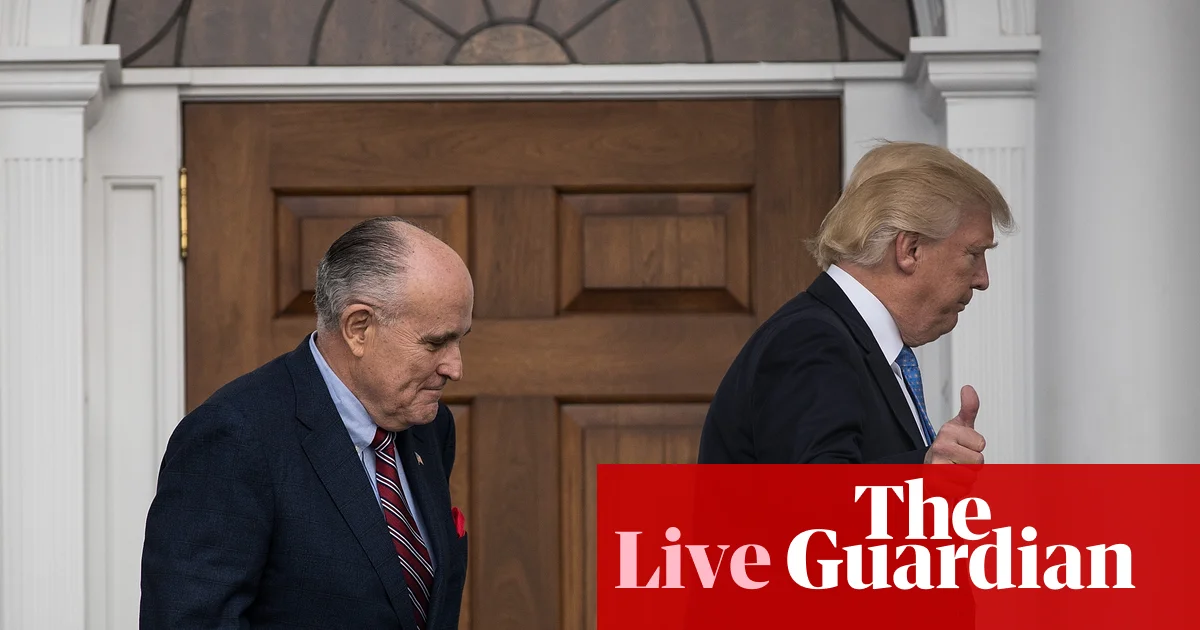
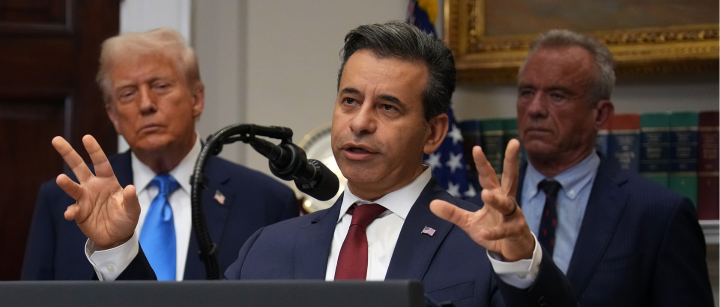
In recent days, the international stage has witnessed a series of seismic events that underscore the shifting landscape of global power and domestic stability, particularly within the United States. The dramatic pardoning by Donald Trump of his allies linked to efforts to overturn the 2020 election has sent ripples across both U.S. politics and the broader geopolitical arena. The pardons, including high-profile figures such as Rudy Giuliani and Mark Meadows, are viewed by many analysts as a calculated move to reassert influence and weaken institutional accountability, challenging the notions of rule of law and sovereignty. While none of those pardoned faced federal charges, critics argue this controversial decision could usher in a precedent where future administrations find immunity from prosecution, thereby eroding the integrity of the American legal system and emboldening authoritarian tendencies.

Simultaneously, the domestic crisis has been compounded by ongoing government shutdowns— the longest in U.S. history—affecting hundreds of thousands of workers, with flights canceled en masse and essential services disrupted. According to top officials, the shutdown continues due to political gridlock between the Democratic and Republican senators, despite efforts to pass a stopgap measure that would fund the government only until January. This short-term funding, essentially a Band-Aid solution, underscores the deep divisions that threaten the fabric of American governance, with the specter of a prolonged stalemate looming large. Historians warn that such political discord contributes to a climate where societal trust diminishes and chaos undermines the national stability vital to global order.

On the international front, President Trump made headlines with a historic visit to the White House by Syrian President Ahmed al-Sharaa, marking the first such diplomatic engagement since Syria’s independence in 1946. This summit, cloaked in secrecy, signals a potential realignment of American foreign policy amid a broader reshuffling of alliances in the Middle East and beyond. While specifics of discussions remain under wraps, the unspoken message is clear: the U.S. aims to recalibrate its stance on Syria, employing a strategy that includes sanctions and high-stakes diplomatic negotiations. Such diplomatic shifts are likely to recalibrate regional power balances, influencing allies and adversaries alike, especially in an era when assertive national interests are reshaping traditional diplomacy.

Brazilian and Latin American geopolitics are also in flux, with U.S. military operations expanding their reach — striking alleged drug trafficking vessels and known narco-terrorist groups in international waters, according to Pentagon statements. Such actions demonstrate an increasingly assertive U.S. military posture aimed at combating illicit networks that threaten stability beyond American borders, directly impacting regional sovereignty and security frameworks. The use of extrajudicial measures, including lethal strikes, raises concerns among international legal experts about sovereignty and the potential for escalation that could destabilize entire transit routes linking South America and the broader Western Hemisphere. These actions highlight the United States’ willingness to operate unilaterally in the name of national security, often outside traditional legal boundaries—a move with profound geopolitical implications that ripple through international institutions and diplomatic norms.

The entire sequence of events unfolding in Washington and around the globe reveals a pivotal epoch in history—a period where decisions by a single nation threaten to reshape the international order, challenge the rule of law, and redefine the future of liberty and governance. As history continues to be written in the crucible of reckless diplomacy and domestic chaos, the world watches with bated breath, recognizing that these are not mere isolated incidents but the echoes of a larger clash for influence, sovereignty, and the soul of democracy itself.

Senate Approves Deal to End Historic Govt Shutdown

Breaking News: US Government Shutdown Ends After Historic 40-Day Stalemate

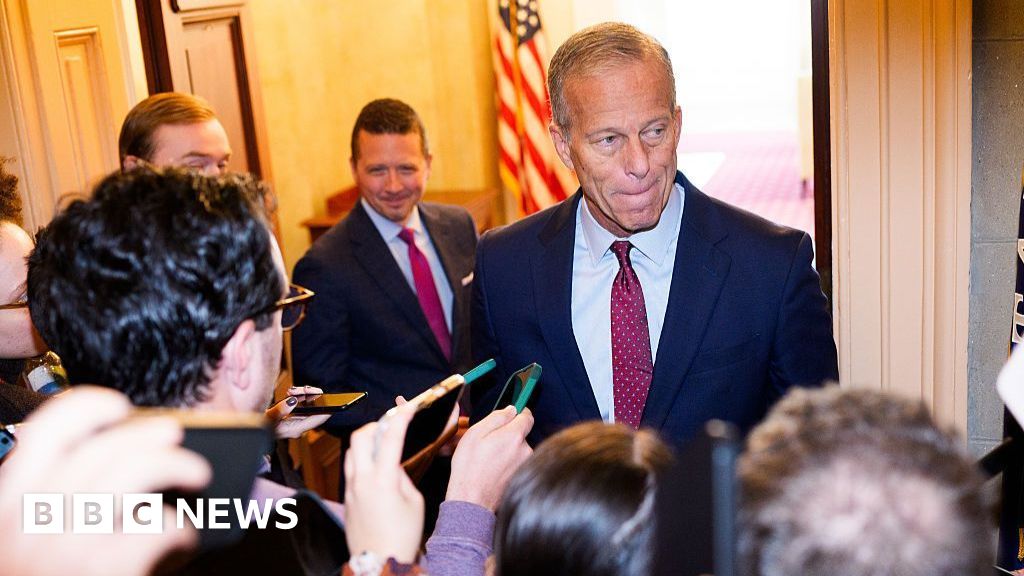
The prolonged shutdown of the United States government — the longest in history — has finally come to a tentative close, signaling a potential shift in the country’s political landscape. After intense negotiations over the weekend, Senate Majority Leader John Thune and a coalition of senators from both sides reached an agreement to temporarily fund federal operations. This deal, receiving a narrow majority vote, is seen as the first tangible step toward resolving the impasse that has left roughly 1.4 million federal employees unpaid and critical services suspended since October 1. The impact on everyday Americans has been profound: essential food assistance, air travel safety, and other services have been hamstrung by partisan gridlock, exposing the fragility of America’s political system.

Despite broad bipartisan support for ending the deadlock, the deal has exposed deep divisions within the Democratic and Republican parties. The agreement, which requires further approval from the House of Representatives, includes crucial provisions such as a vote scheduled for December to extend healthcare subsidies—an issue fiercely contested by Democrats. Analysts warn that unresolved healthcare crises and mounting debt threaten to send the nation tumbling back into turmoil. High-profile Democrats, including Chuck Schumer, have publicly criticized the deal for lacking substantive measures to address the broader healthcare crisis gripping millions of Americans. Meanwhile, Republican leaders emphasize this as a victory for pragmatic governance but acknowledge that the fight over long-term solutions remains unresolved.

Geopolitical Impact and How Decisions Shape Societies

The resolution of the shutdown underscores a critical lesson for international observers: in an era of mounting global challenges—climate change, economic instability, and shifting alliances—the internal stability of a superpower like the US is paramount. Historians warn that continuous political deadlock weakens America’s ability to project influence abroad and undermines confidence in its leadership. According to analysis from the Council on Foreign Relations, unsettled domestic politics can embolden rivals such as China and Russia, threatening the global balance of power.

Furthermore, domestic decisions regarding budget and policy priorities ripple globally, shaping markets and geopolitics alike. As European nations and Asia-Pacific countries monitor Washington’s commitments, the possibility of recurring shutdowns casts a shadow over future diplomatic negotiations. The rise of multilaterals and bilateral agreements cannot compensate for the unpredictability emanating from Washington’s Capitol Hill—a lesson learned painfully by allies and adversaries alike. Some international analysts warn that a weakened US could leave vacuum spaces that rival powers are already positioning to fill.

The Road Ahead: From Short-Term Relief to Long-Term Stability

While today’s agreement halts the immediate crisis, the underlying issues remain unresolved. Seasoned political analysts suggest that the real fight begins now, with debates over long-term fiscal responsibility and healthcare reform looming large. The Debt Ceiling, the rising national debt, and the future of social programs pose fundamental questions that threaten to ignite the next political firestorm. The coming weeks will test whether bipartisan cooperation is merely a temporary lull or the start of genuine reform.

This chapter in American history may be closing, but the story remains far from over. As the world watches with bated breath, the unfolding saga of governance—filled with negotiations, betrayals, breakthroughs—continues to write itself in history’s bleak yet hopeful pages. The weight of what is to come rests now on the fragile bridges of compromise that lawmakers attempt to build, for the turbulent currents of change threaten to sweep away the landmarks of the past.

Netherlands pushes ahead with plan to block imports from illegal Israeli settlements

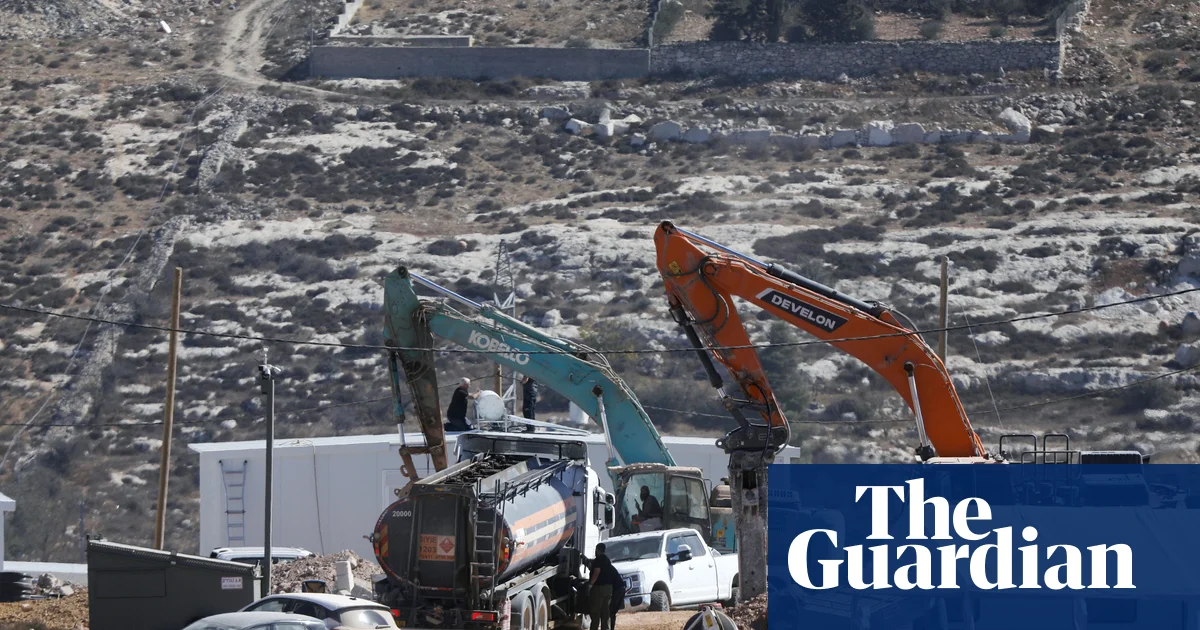
The European Union is witnessing a pivotal moment in its approach to the ongoing tensions in Palestine, as a coalition of European nations takes decisive steps to recalibrate their engagement with Israel. Historically a close ally of Tel Aviv, the EU now faces mounting pressure from its own member states—led by Netherlands—to implement targeted sanctions over the expansion of illegal settlements in the occupied West Bank. This shift signals a broader re-evaluation of European foreign policy, driven by the grim reality of escalating violence and a contentious debate over international law. The recent wave of legislative proposals and diplomatic actions underscores a deeper concern: how to balance economic interests with moral responsibility in a region teetering on the brink of irreversible conflict.

In May, the Netherlands, one of Israel’s most enduring European supporters, made a historic move by launching a comprehensive review of the EU-Israel association agreement. This agreement, which underpins tariff-free trade and Israel’s participation in key research programs like Horizon Europe, is now under threat as evidence mounts of violations of human rights obligations—highlighted by the International Court of Justice and numerous human rights organizations. Analysts from institutions such as the European Council on Foreign Relations warn that the EU’s leverage over Israel—representing approximately one-third of its global trade—has historically been underutilized. Now, with a push for sanctions including trade bans with settlement zones and restrictions on diplomatic functions, Europe may finally leverage its economic influence to deliver a political message: impunity for illegal occupation cannot continue unabated.

The growing internal dissent within Israel is also evident as the Knesset advances legislation that could effectively annex parts of the West Bank, in defiance of international consensus. Recent reports indicate an increase in attacks on Palestinian civilians—averaging eight daily incidents—including assaults on property, agriculture, and lives, with those percussive figures likely understated due to unreported cases. Israeli political factions demanding formal annexation, combined with aggressive settlement expansion, threaten the very viability of a peace process promised by international diplomacy. Such actions are raising fears among analysts that the two-state solution is slipping beyond reach, risking a permanent bifurcation that could destabilize the region for generations.

As global institutions and international lawmakers debate the future of Palestine, the geopolitical landscape is shifting. The European Union stands at a crossroads: sustain its historic commitments to dialogue and human rights, or wield its economic might to confront violations head-on.

  • The suspension of Israel’s access to Horizon Europe and potential sanctions on senior ministers embodies a new stance—one that emphasizes accountability.
  • Calls for total trade bans with settlement zones aim to send a clear, unwavering message—business as usual is over.

As diplomats and analysts grapple with the repercussions of these policies, the weight of history presses heavily upon the horizon. The decisions made today could reshape the geopolitics of the Middle East, determining whether peace can ever be achieved or whether the region plunges further into a cycle of conflict and unaccountable violence. In this fragile moment, the world watches, uncertain if diplomacy will prevail or if the weight of inaction will forge a future scarred by the echoes of unresolved conflict.

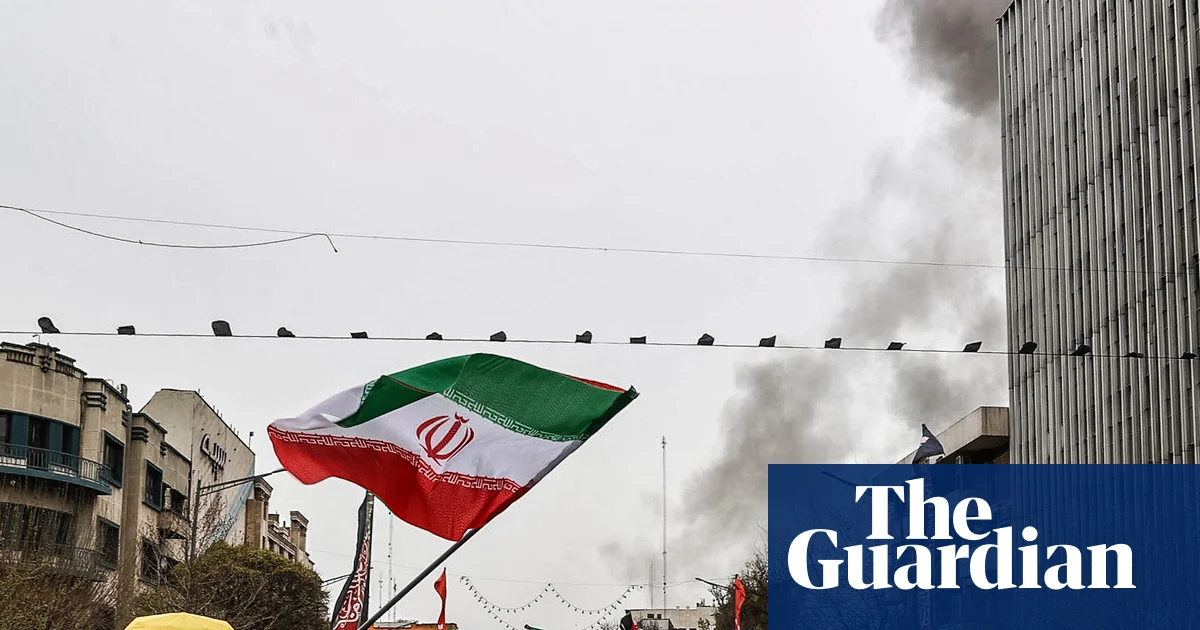
Iran’s Water Crisis Deepens as Tehran Faces Unprecedented Drought

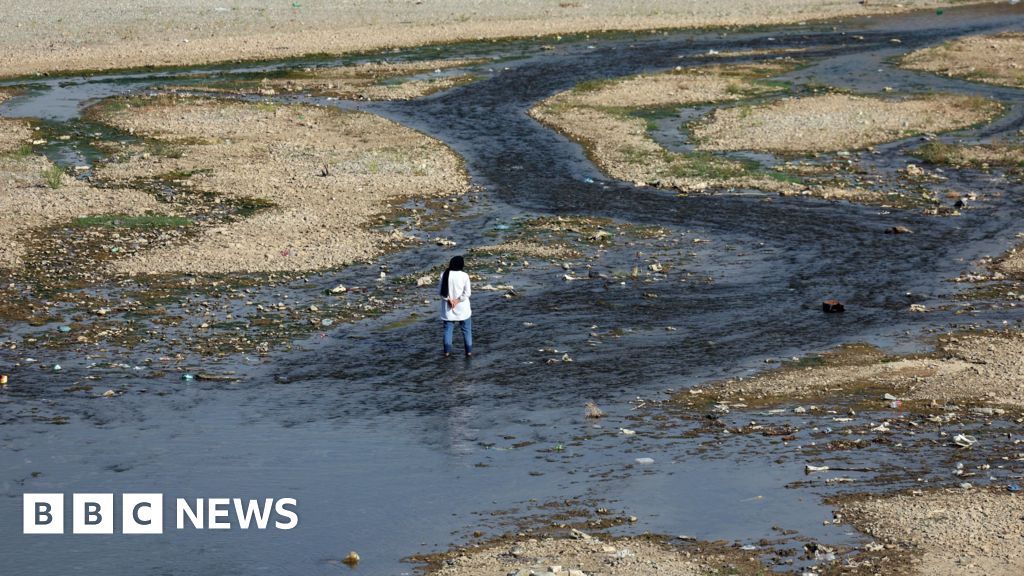
Iran, a country long embroiled in geopolitical tensions and economic sanctions, now faces an unprecedented internal crisis: a devastating water shortage that threatens the very fabric of its society and sovereignty. This month, Tehran’s reservoirs are nearing collapse, with officials warning that if the rains do not return soon, the capital may face the grim necessity of water rationing or even evacuation. Such stark warnings are not merely alarmist rhetoric—they are warnings of the profound geopolitical impact of environmental mismanagement, war, and climate change on a nation’s stability. As analysts like Dr. Samuel Livingston of the International Water Resources Group note, these crises have the potential to upend the regional balance, fueling unrest and destabilizing the already fragile landscape of Middle East geopolitics.

Experts suggest that Iran’s historic decades-long water mismanagement has reached a point of no return, exacerbated by recent conflicts and infrastructural decay. The management of reservoirs such as the Latian and Karaj dams, which are now holding less than 10% of their capacity, illustrates a country pushing toward environmental catastrophe. Mohammad-Ali Moallem, the manager of the Karaj Dam, reports a staggering 92% decrease in rainfall compared to the previous year, with most water deemed “dead” and unusable. The situation is compounded by the country’s aging water infrastructure and widespread leakage, factors identified by Iran’s Minister of Energy, Abbas Ali Abadi, as critical contributors to the ongoing crisis. Historically, Iran’s water woes have been dismissed as cyclical, but today they threaten to trigger a humanitarian crisis that could reshape the nation’s internal and regional dynamics.

Adding to Iran’s turmoil, recent military conflicts and targeted strikes have indirectly strained the country’s resilience. Following a 12-day war with Israel, the northern Tehran neighborhood of Tajrish experienced severe flooding, revealing the fragile state of Iran’s infrastructure amidst ongoing hostilities. The Israeli Defense Forces claimed strikes on military targets, but the aftermath underscores the broader impact of geopolitical conflicts on Iran’s capacity to manage natural disasters and environmental pressures. According to Iran’s National Centre for Climate and Drought Crisis Management, other provinces such as West and East Azerbaijan are also witnessing dangerously low water levels, with some dams dropping below three percent capacity—the sort of emergency that could threaten entire cities like Mashhad. The intersection of war, mismanagement, and climate change has created a perfect storm, with the potential to destabilize Iran further and ripple across the region.

From an international perspective, this crisis exemplifies the complex web of how environmental issues are intertwined with geopolitics. The officials’ reluctance to accept the full scope of the crisis, combined with sanctions-induced economic constraints, hampers Iran’s ability to invest in infrastructure or adopt sustainable water management practices. As seasoned analyst Dr. Emily Carter explains, “Iran’s water crisis is a microcosm of a larger trend—climate change exacerbated by internal missteps and external conflicts that will test the resilience of nations and societies in ways previously unimagined.” The looming threat of water shortages may ignite internal unrest, disrupt regional alliances, and pressurize the global community to address issues of environmental security that transcend borders. With rainfall forecasted to remain scarce over the coming week, the decision-makers face a moral and strategic imperative: adapt swiftly or face the chaos of a nation reaching its tipping point.

As history watches with bated breath, the unfolding tragedy in Iran serves as a stark reminder of the fragile balance between environment, geopolitics, and societal stability. The choice before Iran is clear—continue down this destructive path or confront the imperative of sustainable management and regional cooperation. Yet, with each passing day of drought, the once vibrant metropolis of Tehran and the resilient city of Mashhad edge closer to a future defined by scarcity and despair. The pages of history are being written in real-time — and what happens next may define the fate of Iran and the broader Middle East for generations to come. The questions remain: will this be a moment of awakening or the beginning of a long descent into chaos? Only the unfolding events will tell, but the weight of history urges us to watch closely.

Social Media Auto Publish Powered By : XYZScripts.com