Matox News

Truth Over Trends, always!

Six Killed as Russia Strikes Ukraine’s Energy and Homes

Russian Attacks Escalate as Ukraine Struggles to Hold Ground

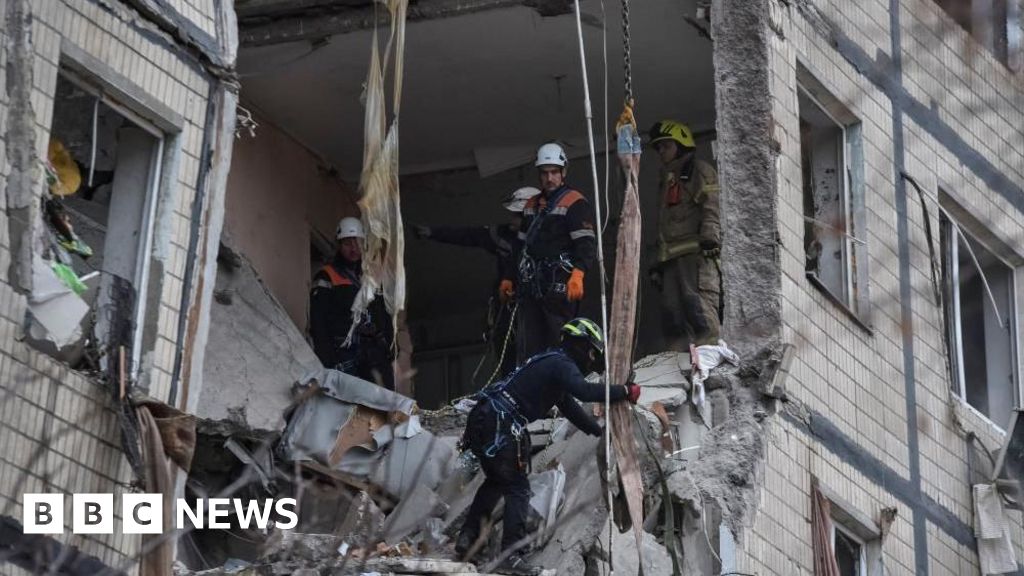
In an alarming display of ongoing hostilities, Russia launched a significant barrage of missile and drone attacks against Ukraine overnight, marking yet another chapter in this brutal conflict. At least six civilians have tragically lost their lives, while dozens more are wounded amid relentless strikes targeting energy infrastructure and residential areas across the nation. Key cities such as Dnipro and Zaporizhzhia were hit hardest, with residential buildings reduced to rubble and vital energy facilities severely damaged. As winter approaches, the Ukrainian government faces a mounting challenge — how to maintain essential services and morale in a climate of war-induced hardship. Prime Minister Yulia Svyrydenko confirmed that emergency work is underway to restore power in affected regions, yet the scale of the destruction underscores the strategic objective behind these assaults: to cripple Ukraine’s ability to sustain itself through the cold months ahead.

According to Ukrainian military sources, Russia employed more than 450 attacking drones and 45 missiles in this latest offensive, with Ukrainian forces managing to down a significant portion—around 406 drones and nine missiles—demonstrating the ongoing technological contest between the two nations. Analysts warn that these attacks are likely aimed not only at military targets but also at sapping the war-weary population’s resilience and economic stability. The disruption of energy supplies threatens to plunge large swaths of Ukraine into darkness and cold, potentially undermining civilian morale at a critical juncture. Meanwhile, Russia defends these actions as legitimate military operations targeting Ukraine’s military infrastructure, a claim dismissed by Kyiv and Western allies as an attempt to terrorize civilians and undermine national sovereignty. Historians and strategic analysts note that this cycle of aggression marks a pivotal moment—one that could either deepen Ukraine’s resolve or accelerate its vulnerabilities in the coming winter months.

The international community watches anxiously as President Zelensky and Western leaders demand stronger sanctions and more decisive actions against Moscow. Zelensky explicitly called for “no exceptions” in sanctions targeting Russian energy—the very lifeblood of the Russian economy—as a means to pressure Moscow into ceasing its assaults. His appeal comes amid a complex geopolitical backdrop, where recent policies by the United States exemplify the tense balancing act of diplomacy and economic warfare. Just hours before these attacks, the U.S. granted Hungary a one-year exemption from restrictions on oil and gas imports from Russia, a decision that drew criticism from Kyiv and some European capitals. This exception underscores fears that some Western nations may be wavering when it comes to fully countering Moscow’s strategic energy leverage, jeopardizing the unity needed to support Ukraine’s fight for sovereignty.

The unfolding crisis threatens to define the geopolitical landscape for years to come. As Western sanctions strain Russian resources, Moscow’s response has been to escalate attacks and project resilience, seeking to redefine the rules of engagement and energy diplomacy. International organizations and security analysts warn that these developments could set a dangerous precedent, emboldening Russia to continue its expansionist policies. Against this backdrop, Ukraine’s youthful defenders and resilient civilians stand at a crossroads—faced with the daunting reality that every strike, every blockade, is an act of history in the making. The battle today is not just for territory but for the preservation of sovereignty and the future of a free society. As the winter looms and the world watches, the true resilience of Ukraine—and the ability of the free world to stand united—may determine the shape of peace in the years ahead. In this epic struggle, history’s pen continues to write, and the weight of the future hangs precariously in the balance.
Typhoon Fung-wong approaches Philippines as Kalmaegi's destruction lingers
Typhoon Fung-wong approaches Philippines as Kalmaegi’s destruction lingers

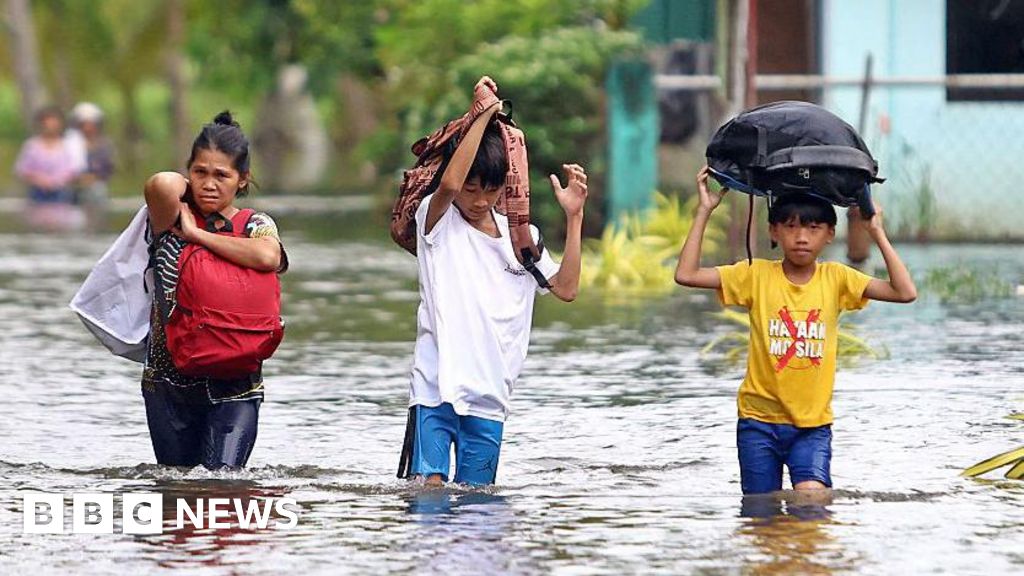
In a stark reminder of the Earth’s volatile climate and its **geopolitical** implications, the Philippines faces yet another catastrophic natural disaster as Typhoon Fung-wong — also known locally as Uwan — threatens to intensify into a super typhoon. Less than a week after a previous storm, Kalmaegi, devastated the nation with floods and claimed at least 204 lives, the specter of Fung-wong looms large, exposing the persistent vulnerabilities of this archipelago situated on the Pacific’s cyclone corridor. As the storm approaches Luzon, the country’s most populous and economically vital island, authorities have initiated urgent evacuations, highlighting the ongoing peril faced by millions unprepared for what may be an even more destructive force.

The forecast warns of sustained winds exceeding 185 km/h (115 mph) along with heavy rains and potentially life-threatening storm surges, which could once again cripple regional infrastructure and exacerbate a humanitarian crisis. The **Philippine meteorological service**, Pagasa, has issued cautious alerts, urging residents in low-lying coastal areas and small islands like Catanduanes to move to higher ground. The storm’s trajectory aims it directly at Luzon’s northern provinces, where evacuations are underway and schools are either closed or shifted online, reflecting a nationwide state of alert. This preparedness underscores a disturbing pattern—each storm’s ferocity seemingly amplified by **climate change**, which, despite not increasing the frequency of tropical cyclones, enhances their intensity through warmer oceans and atmospheric conditions.

International analysts and climate scientists have long warned that such conditions are not coincidental but are rooted in the broader **geopolitical** challenge of climate adaptation and environmental management. Notably, researchers warn that **climate change’s** impact creates a new, more dangerous normal, with storms capable of producing unprecedented wind speeds and rainfall. Countries like the **United States** and **China**, which contribute significantly to global emissions, find themselves under increased pressure to lead international efforts in climate mitigation. Meanwhile, vulnerable nations such as the Philippines, with limited resources, bear the disproportionate burden—faced with the devastating consequences of these weather events and with little capacity to effectively prepare or respond. Experts from institutions like the **World Meteorological Organization** emphasize that **these natural disasters** are reminders that international cooperation must be matched with robust local resilience strategies.

As history continues to writhe beneath the fury of the storm, some analysts caution that the pattern of devastation in the Philippines foreshadows a more turbulent future for the region. The death toll from Kalmaegi and subsequent storms underscores an ongoing humanitarian crisis, with poverty, inadequate infrastructure, and environmental degradation acting as catalysts for tragic loss of life. The world remains watchful, aware that each typhoon not only reshapes the islands but also redefines **global geopolitics**—where climate, economy, and security collide in the face of an evolving climate crisis. With every hurricane season, the weight of history presses upon us, reminding all that the forces shaping our collective destiny are still unfolding, and in their wake, they leave behind a trail not only of destruction but of urgent, unresolved questions about humanity’s resilience in the face of nature’s fiercest storms.

Youth-targeted stabbing in Birmingham city centre sparks concern

Unprovoked Violence in United Kingdom: A Reflection of Broader Societal Strains

In the heart of Britain, a recent stabbing incident in Birmingham exemplifies the persistent societal challenges facing Western nations. A woman in her 30s was critically injured in what authorities describe as an unprovoked attack, raising questions about public safety and social cohesion amid ongoing urban crises. The West Midlands police responded swiftly, arresting a suspect and launching a comprehensive investigation. Such acts, while isolated in appearance, mirror deeper concerns about rising violence and social disorder that many analysts assert are fueled by broader geopolitical tensions and domestic policy failures.

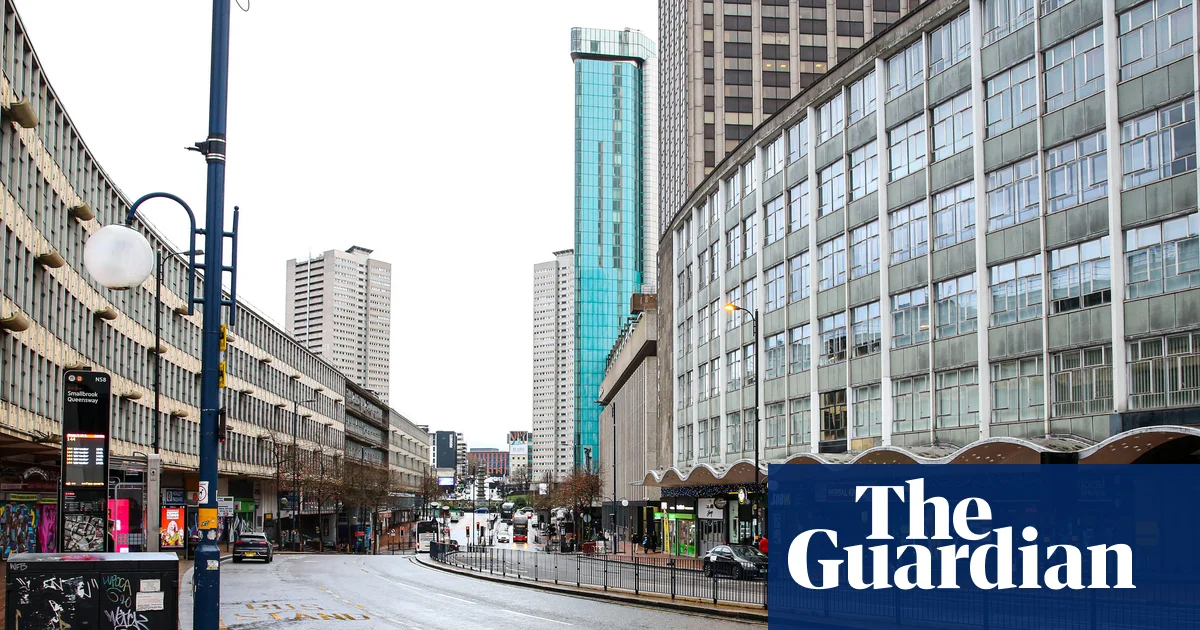
The incident, occurring on Smallbrook Queensway shortly before 9 pm, underscores the fragility of societal trust and the difficulty of maintaining order in increasingly complex urban environments. Officials have emphasized that this was an isolated incident, but the aggressive nature of the attack and the police’s efforts to find additional witnesses highlight a growing awareness of escalating violence in Western cities. Historians and security experts warn that such acts of random violence often serve as stark reminders of social vulnerabilities, with discussions centering around how geopolitical uncertainties—such as economic upheaval and migration pressures—spill over into domestic instability.

Global Instability and the Impact on Social Dynamics

While the United Kingdom grapples with localized incidents, a wider geopolitical landscape remains fraught with tension between major powers, with implications that ripple into every society. The United States, China, and Russia continue to contest dominance, fundamentally shifting international alliances and economic realities. Many international security analysts caution that internal societal fractures are often exacerbated by global crises—be it economic stagnation, military conflicts, or diplomatic confrontations—that strain social fabric and weaken communities’ resilience.

A recent report by the European Council on Foreign Relations underscored how long-standing regional conflicts, escalating economic sanctions, and the disruption of global supply chains significantly influence domestic stability. Countries such as France and Germany have seen similar spikes in urban violence, which some attribute to the pressures of a shifting world order. The United Nations, meanwhile, continues to call for increased cooperation, but their efforts are often hindered by emerging nationalisms and competing interests—further complicating efforts to uphold international peace and security.

Decisions with Lasting Consequences

  • Recent regional treaties and shifts in NATO policies reveal a concerted effort by Western allies to counterbalance aggressive moves by Russia and China.
  • The post-pandemic economic recovery remains fragile, with inflation and unemployment fueling public discontent across Europe and North America.
  • In response, governments have heightened security measures and enacted stricter laws, sparking debates over civil liberties versus national security—debates that have profound repercussions on civic trust and societal cohesion.

Deeper reflections by international observers suggest that the fabric of societal stability is increasingly intertwined with how nations handle these international challenges. In this era of shifting alliances, unprecedented conflict, and internal unrest, the choices and policies enacted today will resonate throughout generations. The lingering question remains: how resilient are our societies in the face of an uncertain, turbulent world? As history continues to unfold, the hidden currents of geopolitics threaten to undermine the foundations of peace and stability—each incident, from a single act of violence to a massive international crisis, another stitch in the complex tapestry of human destiny. The future of nations—and perhaps civilization itself—hinges on the decisions made in these turbulent times, echoing across continents and generations.

UK Eyeing Danish-Style Immigration System to Tackle Asylum Crisis

UK Eyes Denmark’s Stringent Immigration Model Amid Growing International Tensions

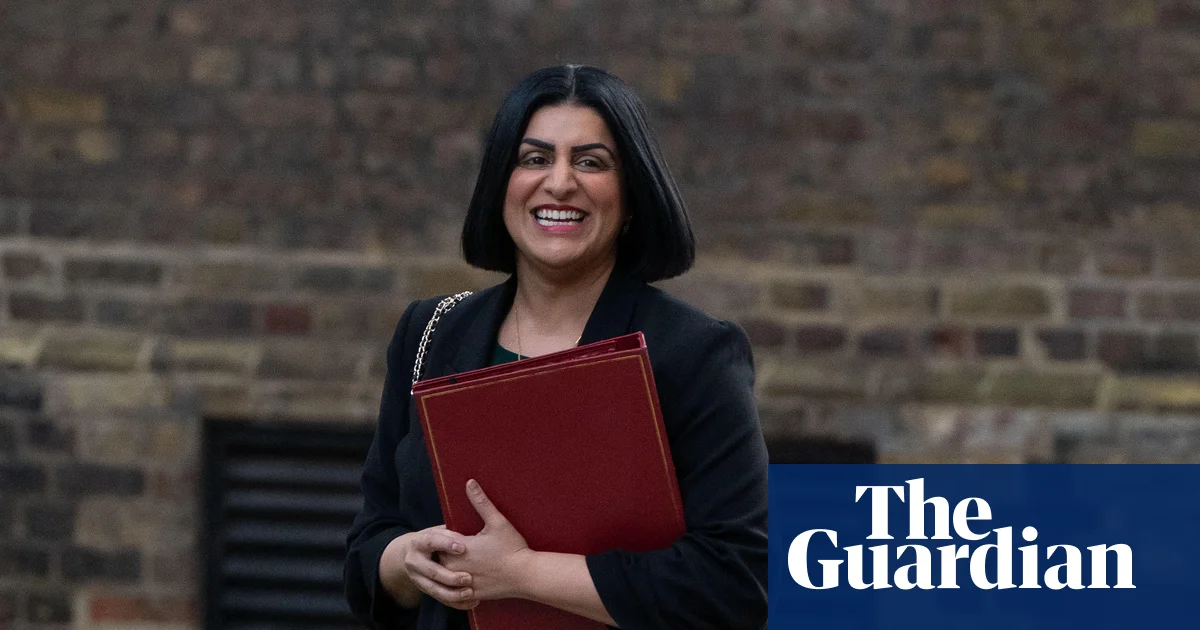
In a move set to reshape the United Kingdom’s approach to immigration, Home Secretary Shabana Mahmood is poised to introduce reforms modeled heavily on Denmark’s controversial policies, which are among the most restrictive in Europe. These proposed measures, understood to be announced later this month, signal a shift toward a tougher stance on refugee arrivals, family reunifications, and border control — policies that have already ignited fierce debate across the continent. Last month, UK officials traveled to Denmark to scrutinize its border policies and asylum restrictions, signaling a strategic shift in the UK’s immigration philosophy amid ongoing political pressures and a rising tide of populist sentiment.

The Danish model has gained notoriety for its uncompromising stance on immigration, with policies that include stringent family reunion rules and the designation of “parallel societies,” where residents from non-Western backgrounds face restrictions on family reunification. In 2022, Denmark rejected residency renewal for over 1,200 Syrian refugees’ in Damascus, considering the region safe enough for return— a move sharply opposed by international bodies like the UN and EU. Critics have labeled these policies as dangerously xenophobic, a charge levelled both domestically and abroad. Nonetheless, Denmark persists, arguing that these measures are essential safeguards for social cohesion and national security. By adopting similar policies, the UK risks aligning itself with this hardline approach, prompting concerns about the geopolitical impact of such a shift on Britain’s international reputation and its relations with neighboring European nations.

Analysts warn that adopting Denmark’s stricter policies could deepen the divide between Western nations and migrant communities, leading to increased social polarization and undermining the UK’s commitments to human rights. Historians like Eric Hobsbawm and modern think tanks warn that such policies may foster “parallel societies,” which could become breeding grounds for radicalization and discord. Meanwhile, some Labour MPs have expressed stark opposition. Clive Lewis criticized the government’s strategy, warning that moving toward a “hardcore approach” akin to Denmark’s could alienate progressive voters and turn Britain into an increasingly divided nation. Other members, including Nadia Whittome, described aspects of the Danish model—particularly concerning “parallel societies”—as inherently racist and dangerous, revealing growing ideological rifts within the political landscape.

More broadly, the move reflects a rising global trend toward stricter border controls and restrictive asylum policies, often at odds with international humanitarian commitments. The European Commission and human rights organizations condemn Denmark’s laws as harmful to migrant rights and social integration. Yet, the political momentum in the UK suggests a desire to outflank Eurosceptic and populist factions like Reform UK. This strategic maneuver raises questions about whether the UK is sacrificing its moral authority and historical commitments to asylum and refugee protections to appease domestic fears and xenophobic sentiments. As Britain recalibrates its immigration policies, it faces inevitably serious consequences—both for its social fabric and its standing on the world stage.

Ultimately, the decisions made today will echo through the corridors of history. As the UK pushes toward a more guarded, exclusionary stance inspired by Denmark, the global community watches, wary of a future where the lines between national interest and human rights blur dangerously. In this unfolding chapter of international politics, the stakes are higher than ever—where the choices of leaders may decide not just the future of migration, but the very soul of nations striving to define their identities amidst the chaos of a changing world.

Kenyan Activists Vanish in Uganda, Bobi Wine Reports
Kenyan activists who vanished in Uganda are finally safe—after five weeks on the run

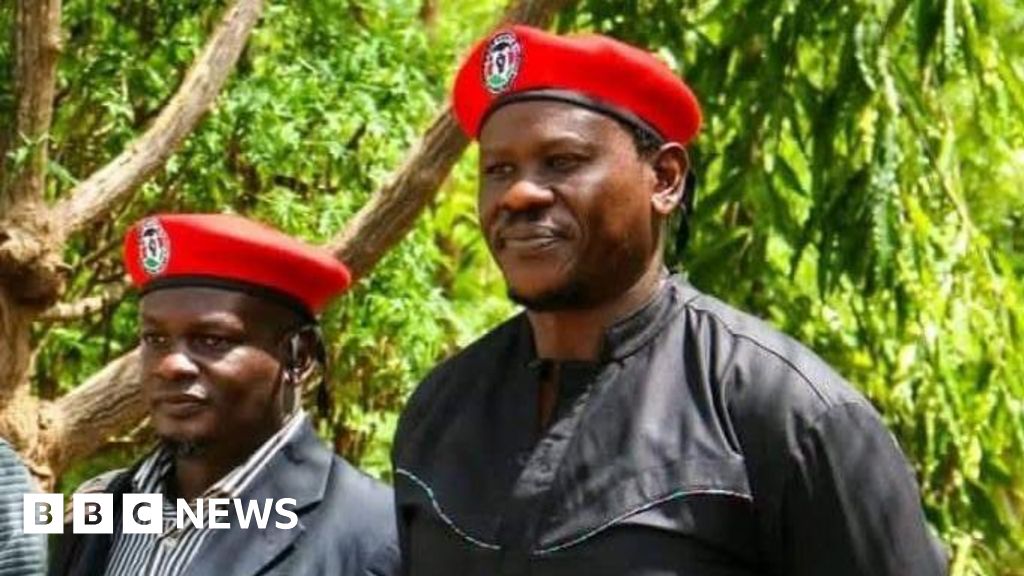
In a landscape marred by political turbulence and ongoing human rights violations, recent revelations from Kenya have cast a stark light on the escalating repression across East Africa. Human rights organizations report the unexpected return of two activists, Bob Njagi and Nicholas Oyoo, after being forcibly disappeared in Uganda for over five weeks. Eyewitness accounts depict masked security personnel kidnapping the men as they supported Bob Wine, the charismatic opposition figure challenging Ugandan President Yoweri Museveni. Despite Kampala’s denials of custody, the activists’ safe transition back to Nairobi signals a possible shift—and perhaps a warning—regarding how authoritarian regimes may be losing ground in their efforts to silence dissent.

Mets of Ugandan security practices, frequently condemned by international bodies, have long targeted opposition supporters and perceived critics, often operating under murky legal cover. The case of Njagi echoes previous episodes of enforced disappearances and mistreatment, which have become emblematic of regional efforts to suppress political opposition. Historians and analysts warn that these actions are emblematic of a broader pattern of authoritarian consolidation in Uganda and neighboring countries, where legal systems are weaponized against those daring to challenge the status quo. Notably, entities like Amnesty International have highlighted the dangers of such tactics, framing them as deliberate attempts to eradicate political pluralism under the guise of national security.

The incident also underscores growing regional tensions, as current geopolitical shifts threaten to redefine East Africa’s stability. Kenya’s role as a regional hub for diplomacy and activism appears increasingly vital, especially as Ugandan authorities face internal and external pressure. The interconnectedness of these events, reinforced by recent detentions of activists like Boniace Mwangi and Gather Atuhaire in Tanzania, reveals an unsettling trend: governments seemingly collaborating to quell opposition and monitor civil liberties. Such cooperation among authoritarian-leaning regimes risks destabilizing the region’s fragile democratic gains, prompting concerns from international observers about the potential erosion of liberties across eastern Africa.

Looking ahead, the unfolding narratives of suppression, resistance, and shifting alliances propel the region into uncharted territory. According to analysts from International Crisis Group and regional think tanks, these developments are not isolated but indicative of a broader, regional strategy to tighten control at a time when democratic voices threaten to resound louder than ever before. As the peoples of East Africa witness the resurgence of repression amid a rising tide of activism, history is poised at a pivotal juncture—one that will ultimately determine whether these countries march toward authoritarian stagnation or awaken to a new era of genuine democratic renewal.

Within this volatile crucible of power struggles and human rights reckonings, the region’s fate hangs in delicate balance. The journey of Njagi, Oyoo, and countless others reflects a broader, often unseen struggle—one that echoes across the corridors of history and challenges the very notion of sovereignty, justice, and liberty. As the world watches, the unfolding chapters of this conflict threaten to redefine the geopolitical map and leave an indelible mark on the fabric of history itself—an enduring reminder that the fight for human rights remains an enduring, global conflict.

Fire at Turkey perfume warehouse claims six lives, highlighting safety concerns

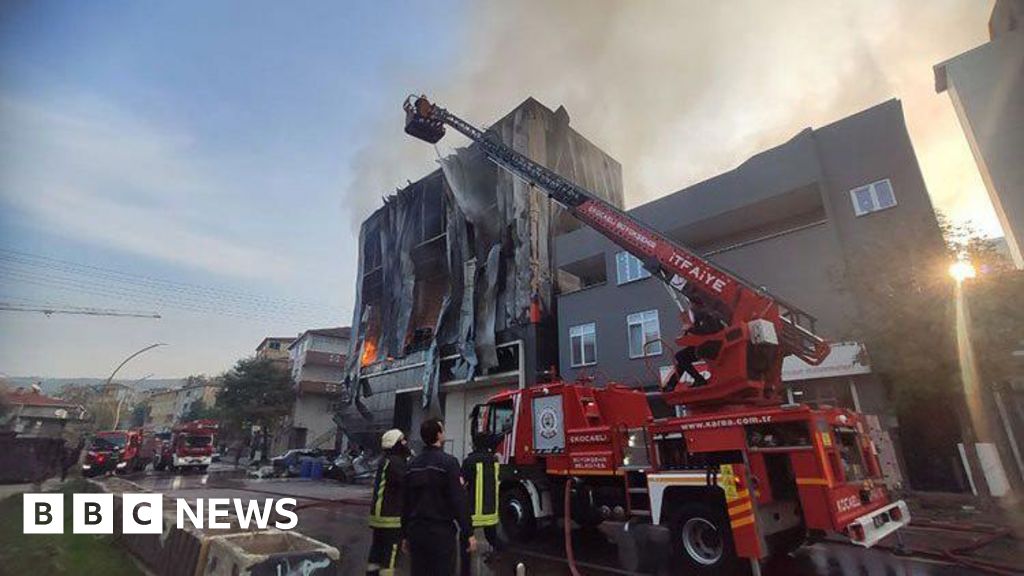
In a devastating incident that underscores Turkey’s ongoing industrial vulnerabilities, a fire erupted at a perfume warehouse located in the industrial hub of Dilovasi, in Kocaeli Province. The blaze, which broke out early Saturday morning, resulted in the tragic loss of six lives and left five others hospitalized. The incident highlights the dangers inherent in Turkey’s robust yet often perilously managed manufacturing sector, especially in regions teeming with factories and depots crucial to its economic infrastructure.

Authorities from both the Justice Ministry and the Labour Ministry have launched comprehensive investigations into the incident, aiming to determine the cause of the fire, which remains unspecified as of now. Witnesses describe a sudden explosion that ignited the flames, engulfing nearby facilities and creating a scene of chaos. The local government, led by Kocaeli Metropolitan Municipality, has reported that the fire has been fully extinguished but emphasized the importance of scrutinizing industrial safety protocols. The accident comes as a reminder that Turkey, despite its growing economic influence, continues to grapple with safety standards that often lag behind its rapid industrial expansion.

Analysts and international commentators suggest that this tragedy exposes the broader vulnerabilities within Turkey’s industrial and economic systems, which are intertwined with its increasingly complex geopolitical position. As Turkey navigates its ascent on the global stage, it faces mounting pressure from internal and external forces demanding greater accountability and safety. The incident could catalyze international calls for Turkey to align its manufacturing practices with more stringent safety and environmental standards, particularly from organizations such as OECD and EU regulatory bodies. This event also risks tarnishing Turkey’s reputation as a key player in regional commerce, potentially impacting foreign investment and diplomatic relations, especially with Western allies concerned about stability and rule of law.

Historically, Turkey has been a strategically vital actor straddling continents and cultures, with its industrial capacity serving as a cornerstone of its geopolitical ambition. Yet, as experts warn, such tragedies are a stark reminder that economic growth must never come at the cost of human safety. The fire at the perfume warehouse could serve as a turning point—pushing reforms or, conversely, deepening concerns over regulatory negligence. With Turkey’s strategic importance in the Eurasian corridor, how it responds to these setbacks will resonate far beyond its borders, potentially shaping the regional balance of power in unpredictable ways.

As the dust settles over the smoldering ruins of Dilovasi, history continues to be written—one chapter of industrial peril and geopolitical consequence at a time. The flames may be doused, but the questions about safety, governance, and international responsibility remain ablaze. For nations observing from afar, the unfolding response to this tragedy will be a testament not just to Turkey’s resilience but also to its capacity to reconcile economic ambitions with the fundamental duty of safeguarding its people. The weight of these moments hangs heavy in the air—waiting, as always, for the next turn in history’s relentless march.

Labour MPs warn Starmer cutting disease aid would be a moral mistake

UK Aid Funding Crisis Unfolds: A Battle of Morality and Geopolitical Strategy

In a remarkable display of internal dissent, seven Labour MPs who previously served as ministers under Keir Starmer have penned a private letter warning that a proposed 20% cut in UK aid funding for the Global Fund to Fight AIDS, Tuberculosis and Malaria would constitute not just a moral failure, but a strategic setback with far-reaching global consequences. As the UK government prepares to finalize its contribution to this vital multilateral initiative amidst mounting pressure, the debate underscores how national decisions are increasingly intertwined with geopolitical impact and the future stability of vulnerable societies.

Analysts and international organizations closely monitor this unfolding controversy, recognizing that the UK’s role in global health is emblematic of broader post-pandemic international strategy. The proposed decrease—potentially slashing the UK’s pledge from £1 billion to £800 million—comes amidst wider austerity measures that have already diminished Britain’s foreign aid budget to historically low levels, cutting its percentage of national income dedicated to aid from 0.7% to 0.3% by 2027. Critics argue such reductions threaten to derail advances made over decades, risking the lives of millions in the world’s poorest nations. According to reports from aid groups, a cut of this magnitude could result in up to 340,000 preventable deaths, undermining the incredible progress that has saved 70 million lives since 2002.

These developments occur at a time when international institutions such as the United Nations and the World Health Organization advocate for sustained multilateral cooperation, asserting that the relentless fight against preventable diseases is intertwined with global stability and security. Historians like Dr. Alan Turing have highlighted how health crises can foster instability, displacement, and conflict—emphasizing that investment in health infrastructure abroad is, in essence, an investment in national security. The UK’s apparent retreat from this strategy, especially after already withdrawing support from the Global Vaccine Alliance (Gavi), signals a troubling shift away from global engagement, risking the collapse of years of progress in fighting HIV/AIDS, TB, and malaria—diseases that know no borders.

Despite government claims of continued commitment, the political reality appears to be one of retreat and strategic retraction, with critics warning that such decisions weaken Britain’s standing in international affairs. The Foreign Office asserts that UK aid contributions have contributed to saving 70 million lives and a 63% reduction in death rates from HIV, TB, and malaria. Yet, with other nations decreasing their aid contributions—particularly the collapse of US aid funding—the global fight for these diseases is entering a perilous new era. As political scientists and international observers note, jeopardizing aid efforts at this crossroads risks reversing decades of momentum. In this context, the UK’s choice reflects more than a moral stance; it embodies a geopolitical gamble that could influence the shifting balance of power and the stability of developing societies for generations to come.

As history watches anxiously from the sidelines, the weight of this decision remains hung in the balance—an echo of Britain’s enduring role on the world stage and a test of its commitment to the principles of international cooperation. The coming days will reveal whether this battle is merely a policy debate or the beginning of a geopolitical realignment that challenges the very fabric of the global order—decisions that will echo through history, shaping destinies in the shadow of choices made today.

Serbia Approves Controversial Trump-Linked Development Plan

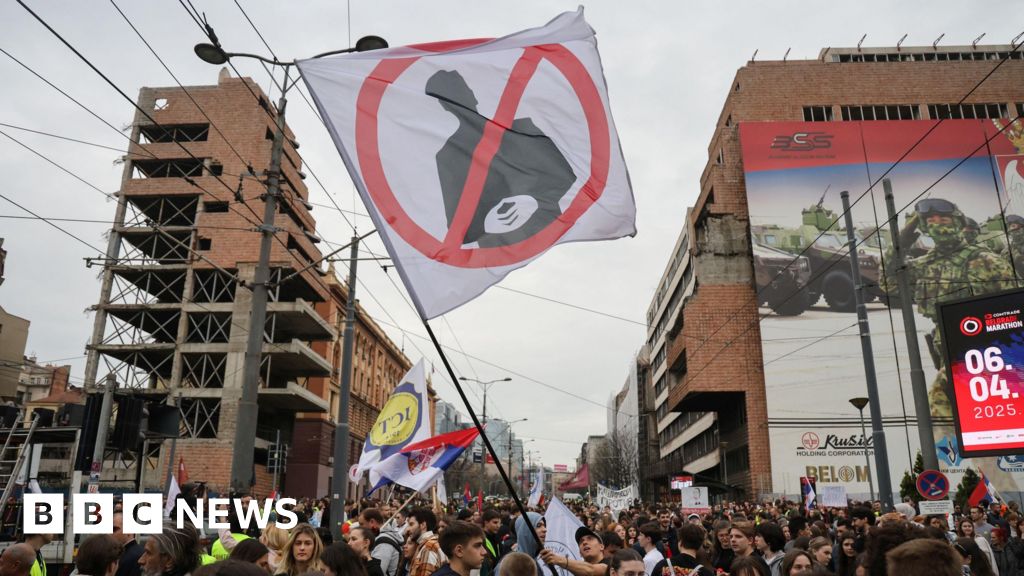
In a move that underscores the shifting sands of geopolitical influence, Serbia has recently passed legislation facilitating a controversial property development led by Jared Kushner, President Donald Trump’s son-in-law and head of Affinity Partners. This decision marks a significant pivot in Serbia’s domestic and international stance, as the government authorizes the transformation of a site imbued with historical symbolism—the former Yugoslav Army headquarters bombed during NATO’s 1999 intervention—into a luxury hotel and residential complex. Such developments are not merely economic in scope but resonate deeply within the societal fabric, touching on national identity, remembrance, and regional sovereignty.

The move has sparked fierce domestic protests and legal battles, illustrating the contentious nature of foreign-led developments transforming local landscapes. Critics within Serbia have condemned the legislation for undermining national heritage and violating constitutional principles, with opposition figures warning that the site will be replaced by casinos and frivolous entertainment. Meanwhile, the decision to strip the building’s protected status and lease it for 99 years to Kushner’s firm has intensified longstanding concerns about transparency, with investigations probing potential forgery of documentation used to facilitate this legal overhaul. The scenario exemplifies how internal political calculations intertwine with international diplomatic pursuits, culminating in a palpable tension that echoes far beyond Belgrade’s borders.

On the international stage, Serbia‘s strategic dance between Washington and Moscow is becoming increasingly delicate. While Vucic’s government seeks to bolster relations with the United States—evident in the professed desire to ‘overcome the burden from 1999’—it also maintains ties with Russia, especially in the spheres of energy and security. The decision to prioritize American investment, seemingly at the expense of historical memory, could have far-reaching consequences, threatening regional stability and complicating Serbia’s aspirations for broader European integration. Analysts warn that this development could ignite local opposition and possibly alienate Serbia’s traditional allies, setting the stage for a more polarized geopolitical environment.

As international observers and historians scrutinize the unfolding events, one thing remains clear: the decisions made today will shape the policies, identities, and allegiances of generations to come. With each passing moment, the legacy of the 1999 NATO intervention—once a symbol of international military intervention—transforms into a symbol of sovereignty challenges, economic shifts, and geopolitical contestation. The narrative of Serbia is still being written, and its next chapter will be dictated not only by its leaders but by the relentless undercurrents of history that choose to reveal or conceal the truth behind its rapidly evolving landscape.

British Ex-Soldier Detained Over 2012 Kenyan Woman’s Death

British Army Faces International Scrutiny as Extradition of Former Soldier Unfolds

The recent arrest and impending extradition of Robert James Purkiss, a former British soldier, to Kenya in connection with the 2012 murder of 21-year-old Agnes Wanjiru, have reignited debates surrounding accountability, justice, and the geopolitical implications of military conduct abroad. Detained in Wiltshire, Purkiss’s case epitomizes a long-standing struggle for justice by the victim’s family and the broader Kenyan community, questioning the effectiveness of British military oversight in overseas conflicts and the accountability structures of former colonial powers.

According to the National Crime Agency (NCA), Purkiss’s arrest followed a warrant issued in September, as Kenya rigorously pushes for justice decades after the tragic incident near a British army training camp in Nanyuki. Details reveal a disturbing pattern linking British soldiers to misconduct and unresolved crimes, a concern that has led Kenyan authorities yet again to demand international cooperation. This case, underscored by the victim’s family’s assertions of deliberate cover-ups, underscores how the intersections of military presence and local communities can lead to deep-seated trust issues and wider geopolitical consequences.

Historical and Political Contexts Shape the Case

  • The 2018 inquest concluded that Ms. Wanjiru had been unlawfully killed by British soldiers, with subsequent investigations revealing possible confessions from soldiers and alleged cover-ups. Such findings highlight ongoing questions about military accountability in overseas operations.
  • In 2021, a Sunday Times investigation reported a British soldier’s confession to colleagues regarding the killing, resulting in further controversy over the army’s internal discipline and transparency.
  • In response, the British army announced in 2024 it was conducting an internal review into its conduct in Kenya, uncovering at least 35 suspected cases of sexual exploitation, including after the army’s official ban on such conduct in 2022. This move signals an effort to address past abuses, but critics argue it raises questions about how those investigations are coordinated with international justice systems.

International organizations and analysts have warned that unresolved cases like these threaten to undermine Britain’s global reputation and complicate diplomatic ties with African nations. Critics argue that colonial-era attitudes and reluctance to confront past misconduct fuel a culture of impunity, emboldening further abuses. Historians such as Orlando Patterson and organizations like Human Rights Watch suggest that justice for victims, whether in London, Nairobi, or elsewhere, depends heavily on proactive accountability and transparency—premises that remain sorely tested in this case.

Geopolitical Impact and Societal Consequences

The decision to extradite Purkiss carries significant geopolitical impact. For Kenya, this symbolizes a potential shift toward greater judicial sovereignty, asserting that former colonial powers must confront their past misdeeds in new and tangible ways. For Britain, it highlights the challenge of reconciling its historical military presence with contemporary standards of justice and accountability, especially in fragile post-colonial contexts.

This case exemplifies the larger struggle for post-colonial nations to reclaim agency over their histories and seek justice for victims of past abuses. As Kenyan officials press for the suspect’s trial, questions arise about how many other unresolved cases linger behind a façade of diplomatic immunity. The international reaction underscores a growing demand for more robust accountability measures from Western military forces operating abroad, amid fears that past impunity could threaten future stability and international trust.

As history continues to unfold, the case of Agnes Wanjiru becomes more than just a local tragedy; it is a stark reminder that in the complex chessboard of geopolitics, the pursuit of justice can become a catalyst for wider systemic change. With each legal move and diplomatic negotiation, the weight of history presses down, shaping the future of international justice and the moral responsibilities of mighty nations. The question remains: how will the words of justice and accountability echo across continents, or will they fade into the shadows of history, leaving unresolved wounds that threaten to unravel fragile alliances?

Ugandan youth cheer ICC charges against LRA boss, standing for justice

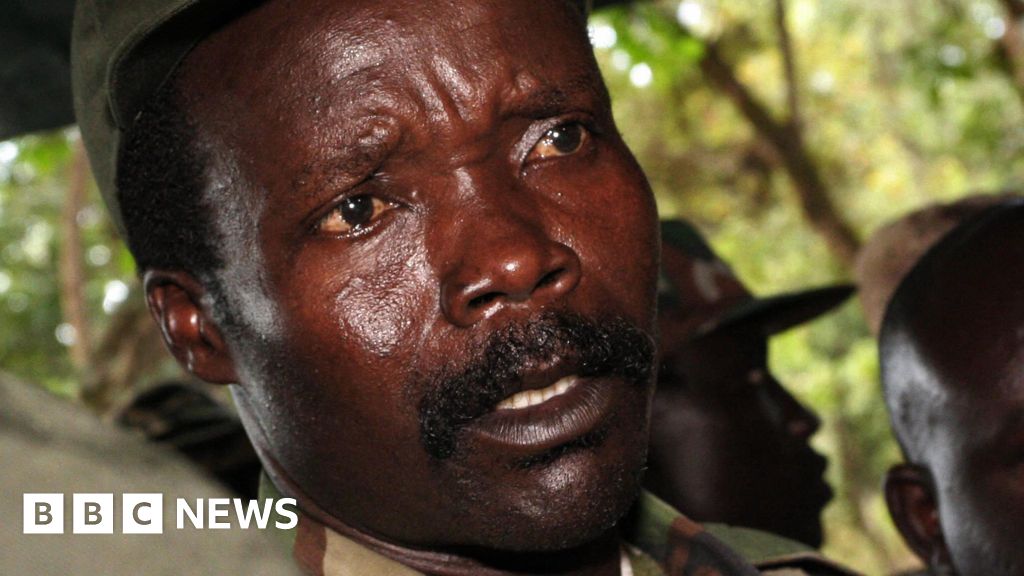
In a move that echoes decades of international diplomacy and military pursuit, the International Criminal Court (ICC) has officially confirmed charges against Joseph Kony—the notorious leader of the Lord’s Resistance Army (LRA). This militant group, infamous for perpetrating heinous crimes including limb hacking, sexual slavery, and child soldier conscription, has haunted the borders of Uganda, South Sudan, the Democratic Republic of Congo, and the Central African Republic for over thirty years. Despite mounting international pressure and efforts by the US and regional forces, Kony remains at large, hiding in the lawless corridors of Central African Republic, where he continues to symbolize a failure—yet also a warning—of global justice.

The ICC’s recent decision to charge Kony with 39 counts of war crimes and crimes against humanity marks a significant turning point in international accountability. The charges include murder, rape, and the forced use of child soldiers—a brutal blueprint that the international community hoped would finally bring a notorious warlord to justice. Despite an indictment issued in 2005 and a $5 million US reward announced in 2012, Kony’s ability to evade capture exposes the persistent gaps in enforcement among regional and global mechanisms. Analysts warn that unless Kony is physically apprehended and transferred to The Hague, these charges risk remaining symbolic rather than pragmatic, Birthing a moral victory rather than tangible justice.

The geopolitical impact of this prolonged pursuit extends far beyond Uganda’s borders. The LRA’s insurgency led to over 100,000 deaths, displacements of 2.5 million innocents, and leaving hundreds of children traumatized. Former victims like Evelyn Amon and Patrick Ochieng, now advocates for justice and reconciliation, underscore the importance of holding Kony and remnants of his group accountable. As regional conflicts intertwined with local rebellions, the pursuit of Kony became entangled with broader questions of sovereignty, regional stability, and international interventionism. Governments in the region have faced criticism for their inability or reluctance to fully dismantle the rebellion, highlighting the complex web of regional alliances, resource control, and diplomatic priorities that overshadow justice for victims.

International organizations, including the United Nations and humanitarian agencies, emphasize that the conviction and capture of Kony are more than mere symbolisms—they are a definitive step towards deterring future atrocities. Yet, how the international community responds moving forward will determine if justice can truly be served or if history’s darkest chapters risk being forever etched into the margins of a fractured continent. The global effort to bring Kony to trial serves as a chilling reminder: as long as unclaimed atrocities linger, the echoes of war and the cries of victims threaten to rewrite history and challenge the very pillars of justice.

As the weight of global attention converges on this saga, Kony’s expected arrest and subsequent trial in The Hague could serve as a watershed moment—not just for the victims, but for international law. Whether justice prevails remains a question that has haunted the region for decades, but what is undeniable is that the unfolding chapters in this relentless pursuit carry the profound potential to shape regional destinies and herald a new era of accountability. In the shadow of history’s ongoing pages, the pursuit of Kony is no longer just about capture; it becomes a test of the international order’s resolve to confront its most stubborn demons.

Social Media Auto Publish Powered By : XYZScripts.com