Matox News

Truth Over Trends, always!

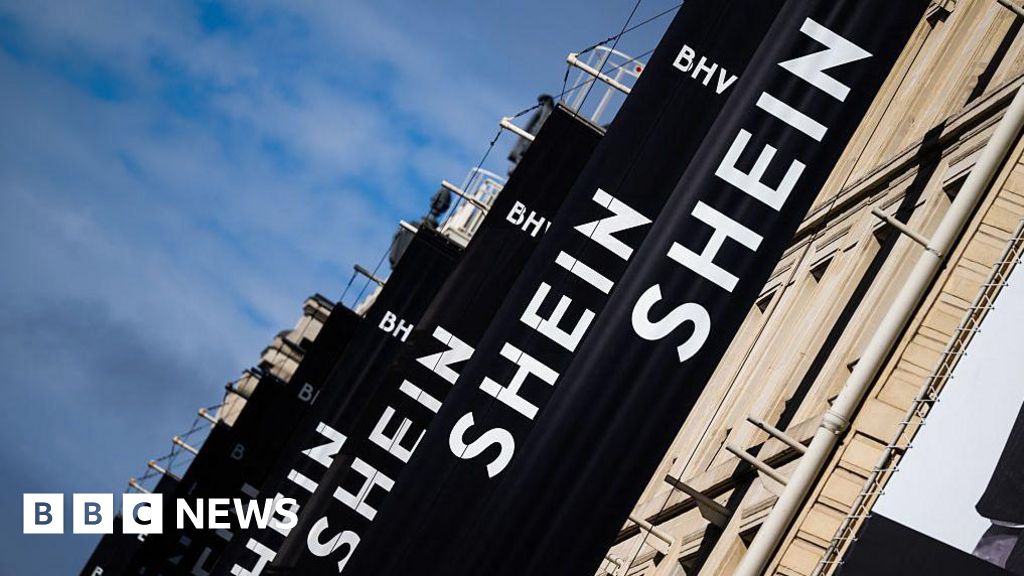
France probes Shein and Temu amid sex doll controversy, raising concerns for young consumers

In an era marked by rapid digital transformation, France has taken decisive action against major online retail giants such as Shein, Temu, AliExpress, and Wish amidst mounting concerns over their potential role in facilitating access to harmful content by minors. The Paris prosecutor’s office announced an investigation into these platforms for enabling minors to access pornographic and violent material, sparking an international debate on digital regulation and the protection of societal morals. As authorities scrutinize the content disseminated through these global marketplaces, particularly allegations of child exploitation and inappropriate material, the implications extend beyond France’s borders, casting a shadow on the operations of these companies worldwide.

  • Major platforms are under investigation for allowing minors access to inappropriate content, including violent, pornographic, and “undignified messages.”
  • Shein faces additional scrutiny concerning the dissemination of content related to children of a pornographic nature, with French authorities explicitly linking their product descriptions to potential child exploitation.
  • The Office des Mineurs, responsible for safeguarding minors, is now overseeing the legal case, highlighting the seriousness with which France is treating digital safety in tandem with traditional enforcement tools.

The global influence of these investigations cannot be understated. Experts and international organizations have increasingly voiced concerns over how unregulated online spaces threaten youth and societal values. The European Union, along with international watchdogs, has repeatedly warned that digital commerce platforms often escape stringent oversight, allowing harmful content to slip through the cracks. France’s move signals a potential shift towards tighter regulatory frameworks, with other nations watching closely. Particularly remarkable is the case of Shein, a Chinese-founded company preparing for its first permanent store in France, amidst protests opposing its expansion. These protests underscore how local communities are awakening to the broader consequences of unchecked digital and retail practices, driving discussions on sovereignty, morality, and economic influence in an interconnected world.

Historian and geopolitical analysts posit that such regulatory actions are reflective of a broader geopolitical contest. The United States and China are engaged in a quiet but relentless competition over digital dominance, with countries like France and other European nations becoming battlegrounds for establishing standards and safety protocols. As global institutions grapple with defining jurisdictional boundaries and enforcement, the decisions made today will shape the digital landscape for decades to come. The danger lies not only in protecting minors but also in how these policies could redefine sovereignty, digital independence, and cultural values in a new era of international diplomacy.

Ultimately, the unfolding story of France’s crackdown on online platforms encapsulates a crucial moment in world history—one where the powers of regulation and corporate influence collide amidst societal fears and the relentless march of technology. As the world watches, history continues to write itself, with each decision echoing across borders and societies. The weight of these choices will resonate for generations, setting precedents in the ongoing battle to secure a safe, moral, and sovereign future in an increasingly interconnected world. The scales of power are shifting, and history waits for no one.

Hegseth touts successful US strike on suspected drug smuggling boat

The United States continues its assertive military push in the South American and Caribbean regions, signaling a shift towards more aggressive tactics in its ongoing war against drug trafficking and perceived threats. Defense secretary Pete Hegseth announced a recent deadly strike against a vessel suspected of ferrying illegal narcotics. This strike, which claimed two lives, marks at least the 16th in a series of actions authorized by the Trump administration, raising crucial questions about the legal justifications and the broad implications of such unilateral interventions. The administration claims it is engaged in an armed conflict with drug cartels and foreign terrorist organizations, but critics and lawmakers alike demand more transparency and adhere to international norms.

This escalation coincides with the deployment of the USS Gerald R. Ford aircraft carrier to the Caribbean, a move that signifies the extent of America’s military buildup in the region. Having left the Mediterranean through the Straits of Gibraltar, it joins a formidable fleet—including destroyers like the USS Bainbridge and USS Winston Churchill—forming a show of force that many analysts see as an effort to assert dominance over critical maritime routes. Experts from think tanks warn that such actions could destabilize regional diplomacy, creating a climate of uncertainty that threatens both regional stability and international law. This buildup is not merely about combatting drugs but is viewed as a broader message of U.S. geopolitical resolve amid rising tensions with rival powers.

International response to these American maneuvers remains divided. While some narrative voices inside the U.S. emphasize a need for ‘tougher’ stance against illicit trafficking, others, including diplomatic organizations and historical analysts, interpret these moves as part of a strategic effort to project power and influence in an increasingly contested global arena. The deployment of large naval assets to Latin America underscores a broader trend identified by geopolitical scholars: the U.S. aims to capitalize on regional vulnerabilities, positioning itself as both protector and hegemon. Meanwhile, whether these actions will bring peace or further conflict remains a matter debated in global corridors, where the tension between security and sovereignty plays out.

As the smoke of recent bombings clears and the ships traverse international waters, the weight of history presses heavily upon the unfolding narrative. The decisions made today echo through decades, shaping the future alliances and conflicts that will define the global order. With each vessel, each strike, the silent story of ambition, power, and the relentless pursuit of America’s strategic interests continues—leaving the world on the precipice of a new chapter where the lines of engagement are redrawn and the true cost of such power is written in the shadows of history yet to be fully revealed.

Carney's federal budget ramps up spending to fight back against US tariffs, youth demand stronger economic resilience
Carney’s federal budget ramps up spending to fight back against US tariffs, youth demand stronger economic resilience

Canada’s Bold Fiscal Shift: Carney’s Budget Sparks Global Geopolitical Ripples

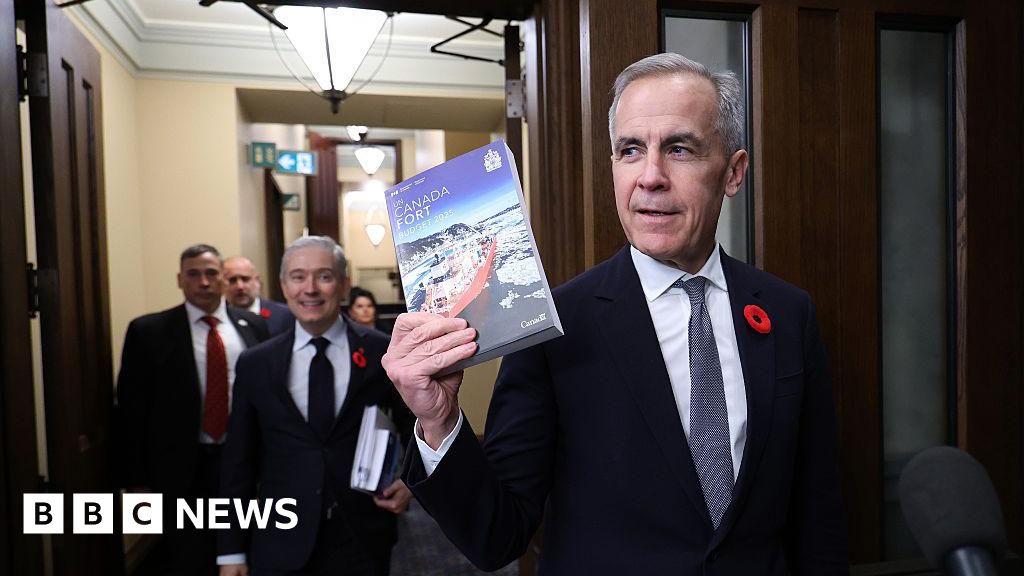
In a decisive move reminiscent of emerging economic strategies, Canada’s Prime Minister Mark Carney has unveiled his government’s inaugural federal budget, an ambitious blueprint aimed at transforming Canada’s economic landscape amid increasing US tariffs and trade tensions. Touted as an “investment budget,” it signifies a deliberate pivot towards resilience and global competitiveness, with a stark acknowledgment of Canada’s economic vulnerabilities and the need for swift, bold action. The plan projects a record-breaking deficit of C$78 billion—second only in Canadian history—yet underscores a strategic gamble: attracting C$1 trillion in foreign investment over the coming five years to offset the fiscal deficit and energize growth.

Internationally, the geopolitical impact of Canada’s budget resonates beyond its borders. By committing to a C$280 billion investment in trade infrastructure, the government aims to double exports to non-US markets over the next decade, signaling a strategic diversification of its trade dependencies—a move heavily scrutinized by analysts as a potential recalibration of North American economic ties. This shift is part of a broader bid to challenge the US’s economic dominance and make Canada a more attractive hub for international business than its southern neighbor. In tandem, the budget allocates nearly C$1 billion to integrate artificial intelligence into government and commercial sectors, reflecting a forward-looking approach in harnessing technological advancements to bolster national resilience and global influence.

However, critics skewer the plan as a double-edged sword, pointing to the austerity measures within its framework. The government plans to cut 40,000 federal jobs by 2029 and slash international aid to pre-pandemic levels, demonstrating a readiness to accept short-term societal pain for long-term strategic gain. This, combined with lowering immigration targets and restricting student visas, fuels internal debate about how decisions shape Society’s fabric. The budget’s passage, hampered by a fragile minority government and potential defections—such as the recent defection threat from a Conservative MP—heightens the risk of political upheaval, possibly even triggering a federal election. Such instability only underscores the *turning point* at which Canada finds itself—a nation at crossroads, balancing economic revitalization against social and political turbulence.

Recognized by international organizations and historians alike as a critical moment, this expansive budget reflects a broader blueprints for national sovereignty amid global shifts. Analysts from the International Monetary Fund and economic historians warn that Canada’s strategies could redefine the geopolitical landscape of North America, challenging the U.S.’s supremacy while building a more autonomous Canadian economy. Yet, the true impact remains uncertain—whether these bold initiatives will succeed in rescuing the nation’s future or merely deepen the shadow of mounting deficits and social unrest. As the dust settles over Ottawa, the world waits, shoulder to shoulder with Canadians, for the next chapter in this unfolding saga—an era where the decisions made today may well dictate the course of history for generations to come.

Israel receives purported Hamas coffin with Gaza hostage's body, says group
Israel receives purported Hamas coffin with Gaza hostage’s body, says group

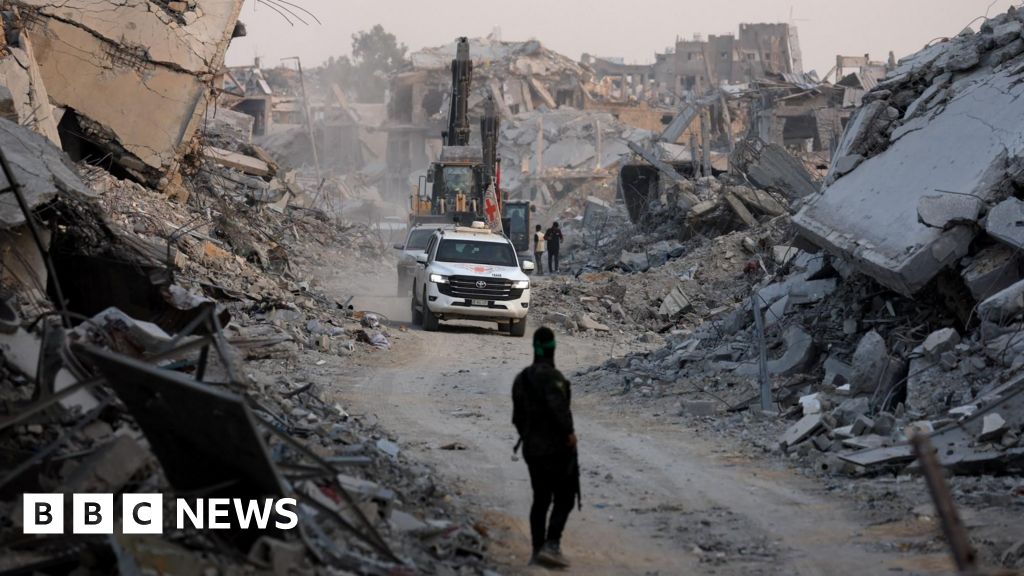
The ongoing conflict between Israel and Hamas has entered a new, unsettling chapter as recent developments reveal the grim reality of war’s toll on human lives and geopolitical stability. Reports confirm that Israel has received a coffin via the Red Cross, ostensibly containing the remains of a hostage believed to be deceased, according to the Israeli prime minister’s office. This development underscores the fragile progress—or lack thereof—in the broader context of the ceasefire agreement mediated by the United States, which aimed to de-escalate the violent escalation that began with Hamas’s brutal attack on Israel in early October. The transfer of remains to Tel Aviv’s National Centre of Forensic Medicine signifies an ongoing quest for accountability amid an environment riddled with mistrust and political motives that complicate recovery efforts.

Hamas’s military wing claimed to have recovered the body of an Israeli soldier in Gaza’s eastern Shejaiya neighborhood—an area still under __territorial control of Israeli forces__. Israel, on its part, accuses Hamas of intentionally delaying the return of hostages, both dead and alive, despite commitments made during the US-brokered ceasefire. The agreement stipulated that Hamas would release 20 remaining hostages and return 28 others within 72 hours—a promise that remains unfulfilled, fuelling accusations of bad faith. The complex negotiations reflect how these diplomatic efforts are deeply intertwined with the legacy of ongoing conflict, where each side contends over images of humanity and the perceptions of moral responsibility.

While Israel successfully secured the release of all its civilian hostages on 13 October in exchange for 250 Palestinian prisoners and 1,718 detainees in Gaza, the situation remains volatile. Israel has also handed over the bodies of 270 Palestinians, including those of two foreign hostages—one from Thailand and another from Nepal—in a grim exchange that highlights the human cost of this entrenched confrontation. The death toll on Gaza’s side exceeds 68,800, according to Gaza’s Hamas-run health ministry, underscoring the catastrophic scale of the ongoing military campaign. Historians and analysts warn that these levels of casualties could irrevocably shift regional dynamics, sowing deep-seated resentment that might seep into generations.

In this chaotic mosaic of international crisis, the geopolitical impact is clear: the conflict’s escalation threatens to destabilize broader regional alliances, challenge global diplomatic efforts, and threaten the fragile balance of Middle Eastern peace. Israel’s military actions have provoked condemnation but also garnered support from key allies, reaffirming its defensive stance. Conversely, Hamas’s rhetoric continues to galvanize its supporters, asserting that their actions are acts of resistance against occupation and oppression. As military strikes ripple into northern Gaza, with reports of civilians killed in areas like Jabalia, the world witnesses the horrifying human cost of unresolved conflicts that have persisted for decades. In the shadow of this unfolding tragedy, international observers ponder whether the tide of chaos can be stemmed, or if this chapter will become only the latest in a long and tragic saga of regional destabilization. The pages of history are still being written, and the world holds its breath before the inevitable next act of this enduring conflict.

RMT OKs Three-Year Pay Deal for London Underground Staff—A Win for Workers and Efficiency

London Underground Workers Secure Historic Pay Agreement Amid Global Labour Trends

In a significant development that underscores the shifting landscape of labor negotiations within the United Kingdom, the RMT union has accepted a three-year, inflation-linked pay deal for London Underground workers. This agreement concludes a contentious period marked by widespread strikes and travel disruptions that had frozen the city’s bustling transportation network in September. By securing a deal that increases driver salaries to nearly £80,000 by 2027, union leaders have demonstrated that organized, strategic strike action can effect substantial gains in negotiations traditionally shaped by government austerity and corporate resistance.

This deal, starting with a backdated 3.4% increase from April, ties wages directly to RPI inflation, a more generous index than the commonly used CPI. The broader impact is undeniable: it reflects a growing recognition that inflation adjustments need to include real costs such as housing, which has long been a source of worker frustration and economic hardship. The total value of the deal is projected to be at least 9.2%, setting a precedent for similar wage demands across the UK’s transport sector. The union’s assertion that it will pursue comparable increases elsewhere signals a potential wave of workforce activism, empowered by recent successes in collective bargaining.

Geopolitical and Social Ramifications: A Message for Global Workers

From an international perspective, this development has profound geopolitical impact. It exemplifies a shift toward more assertive labor movements in Western countries, challenging the narrative of dwindling union power. Historians and analysts, such as Dr. Emily Saunders from the International Labour Organization, point to this as a landmark moment where organized labor effectively leverages strike action to renegotiate power dynamics with both government and corporate interests. Such actions reverberate beyond London, inspiring workers across Europe and North America to mobilize around demands for fair wages and decent working conditions, especially amidst rising living costs and economic uncertainty.

For the UK, this agreement raises questions about how decisions made in the boardroom and negotiated through industrial action will shape societal stability and policy. The government and transport authorities face increased pressure to address systemic issues, such as housing affordability and productivity measures that historically marginalize workers. The union’s rejection of proposals like a reduced 32-hour workweek underscores ongoing tensions between labor interests and managerial visions of efficiency, which could serve as catalysts for broader reforms or intensified conflicts.

Decisions That Will Define Future Global Power Dynamics

As the UK navigates this new era of labour activism, international organizations warn of a turning point in global power dynamics. The European Union and OECD have closely monitored these developments, recognizing that the strength of trade unions directly influences national stability and economic resilience. The successful leverage of strike action in London may recalibrate how governments and corporations approach negotiations worldwide, especially as inflation continues to surge and societal inequalities deepen. Critics caution that without reforms, such victories could be short-lived or lead to unintended economic consequences, but proponents see them as a necessity for restoring fairness and societal cohesion.

In the haunting shadow of history, the potential for this wave of worker activism to catalyze seismic shifts in policy looms large. The question remains: Will this renewed assertion of workers’ rights be met with meaningful reform, or will it ignite further tensions that threaten to fracture societies? As these events unfold, the world watches with bated breath—history’s pen poised to inscribe the next chapter in the centuries-long struggle for justice and equitable power in the workplace.

Storm Devastates Philippines, 26 Dead as Chaos Unfolds

Natural Disasters and Geopolitical Implications in Southeast Asia

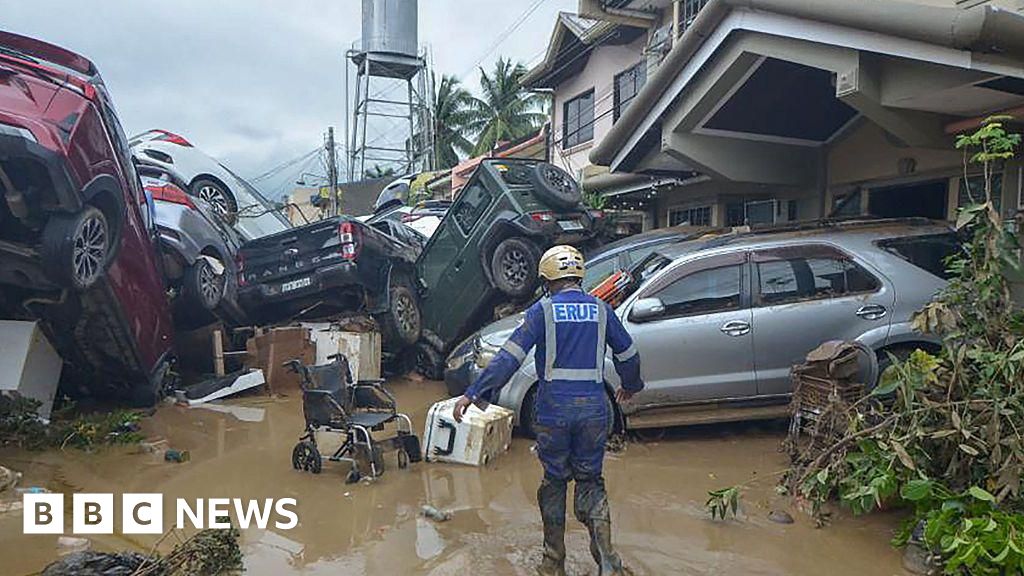
The recent onslaught of Typhoon Kalmaegi (locally named Typhoon Tino) has delivered a harrowing reminder of nature’s relentless power, devastating the central Philippines with widespread flooding, numerous fatalities, and displaced communities. With at least 26 confirmed deaths and hundreds of thousands fleeing their homes, this storm underscores the vulnerability of nations in the Pacific basin, especially amid a rising climate crisis. While the immediate tragedy is palpable, the event also spotlights the broader geopolitical and societal repercussions for a country already strained by repeated natural calamities.

Analysts and environmental historians warn that the frequency and intensity of such storms are likely to increase due to climate change, which disproportionately affects developing nations like the Philippines. The storm’s impact on Cebu—an economic and cultural hub—has been catastrophic, with entire towns submerged and infrastructure shredded by floodwaters. Rescue efforts reveal a strained system, with boats navigating muddy waters and aid temporarily halted as a military helicopter crashed, tragically killing all six crew members onboard. The incident emphasizes the *urgency* of enhancing disaster preparedness and resilience in Southeast Asian nations facing the dual challenges of climate change and geopolitical instability.

Human Cost and Political Response

  • Most fatalities resulted from drowning, as floodwaters surged through towns, washing away buildings and normalcy.
  • Relief operations faced setbacks, with helicopter crashes and communication failures revealing gaps in emergency management.
  • Local leaders, such as Cebu’s governor, described the situation as *unprecedented*, highlighting the water’s devastating role — not merely the wind.

In this context, international organizations like the United Nations and Asian Development Bank have called for increased aid and comprehensive climate adaptation strategies. However, critics argue that *corruption and inadequate infrastructure* hamper effective response and recovery. The months leading to this disaster saw protests over substandard flood control measures, exemplifying how *poor governance* exacerbates human suffering. As the Philippines remains besieged by a relentless succession of typhoons—Super Typhoon Ragasa (Nando) and Typhoon Bualoi (Opong)—it exemplifies what many global analysts call a *”climate-vulnerable society at the mercy of nature’s fury.”*”

Global Geopolitical Ramifications and Future Outlook

This relentless string of natural disasters has broader geopolitical implications. Southeast Asia, an increasingly strategic region, faces the challenge of balancing sovereignty with external aid and influence. Some nations, including the United States and China, have stepped up humanitarian assistance, yet critics contend that dependence on foreign aid can undermine national sovereignty and threaten regional stability. Former geopolitical analyst Matthew Thompson warns that prolonged disasters could distract \ the Philippines from asserting a stronger regional role, while also questioning whether local governments are prepared for the *next* inevitable crisis.

As the Philippines mourns and rebuilds, the world must recognize the *deeper significance* of these ongoing natural tragedies. They are not merely acts of weather but a profound *test of resilience* and governance. The unfolding saga of Typhoon Kalmaegi, amid mounting climate concerns and geopolitical shifts, leaves humanity confronting an uncertain future where the line between natural cataclysm and human failure grows ever thinner. This chapter in history, still unwritten, charges the international community to rethink its priorities before the next wave hits—with consequences that could shape the very fabric of societies for generations to come.

Dar es Salaam curfew lifted as unrest subsides—peace returns for the youth

Post-Election Turmoil in Tanzania: A Nation at a Crossroads

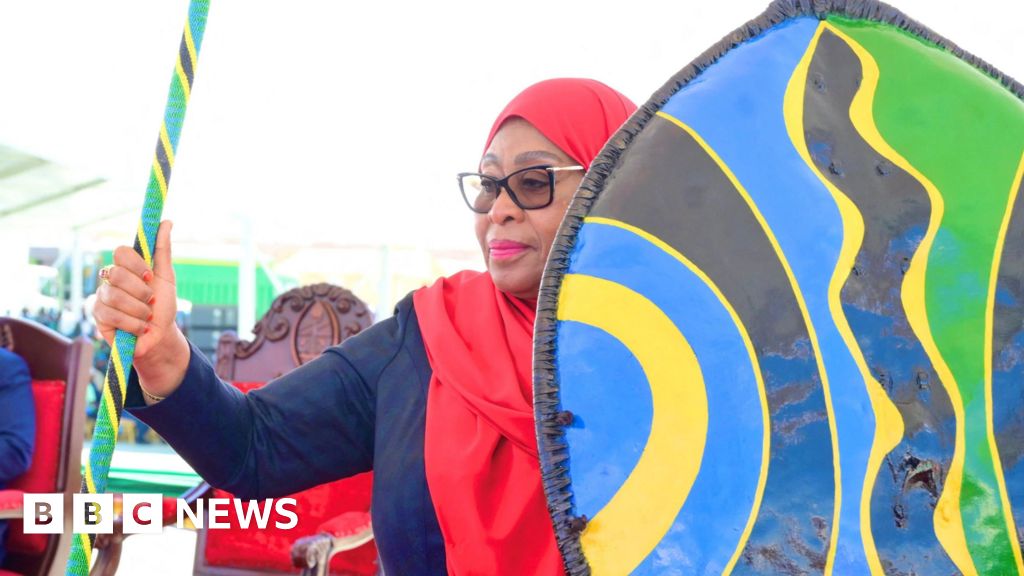
In a dramatic turn of events, Tanzania finds itself teetering on the edge of political chaos following its recent presidential election, which has been marred by allegations of violence, suppression, and international concern. President Samia Suluhu Hassan was sworn in amidst widespread unrest after securing an overwhelming 98% of the vote—an outcome questioned by regional observers and opposition leaders alike. The election, initially heralded as a step in Tanzania’s political evolution, has instead exposed underlying tensions that threaten to undermine the country’s hard-won stability.

As violence erupted in Dar es Salaam and other urban centers, the government responded with force, deploying lethal measures that international organizations—such as The United Nations and Human Rights Watch—have condemned as excessive. Reports from hospitals and diplomatic sources indicate that at least hundreds of individuals have been killed in days of clashes, with credible evidence suggesting the disappearance of bodies, arbitrary detentions, and the use of unidentified vehicles to remove casualties. This brutal response has cast a dark shadow over what was once considered one of Africa’s bastions of stability, raising questions about how far Tanzania is willing to go to safeguard its political power.

International reactions have been swift, with the Southern African Development Community (Sadc) issuing a preliminary report criticizing the election process for falling short of democratic standards. The exclusion of leading opposition figures—Tundu Lissu, detained on treason charges, and Luhaga Mpina, rejected on technical grounds—has further delegitimized the poll, fueling fears of authoritarian overreach. Historians like Professor Alex Mbeki warn that such developments could have broader geopolitical impacts, destabilizing the entire East African region and emboldening similar authoritarian tendencies elsewhere.

Meanwhile, ordinary Tanzanians bear the scars of this violence, with families devastated by loss and uncertainty. Stories of missing relatives and alleged police brutality have become common, as survivors recount harrowing accounts of chaos and repression. The government’s efforts to downplay the scale of unrest—blaming foreign nationals and dismissing reports of casualties—fail to conceal the depth of societal fracture now plaguing the nation. Historian and political analyst Dr. James Irie cautions that such suppression could sow seeds of long-term societal disillusionment, jeopardizing Tanzania’s trajectory towards democratic resilience. As the international community watches with concern, the weight of history hangs heavily, hinting that these tragic events may either become a dark chapter or a catalyst for deeper national reform.

With Tanzania facing an uncertain future, the choices made in the coming weeks will determine whether this country of 60 million will succumb to authoritarian decay or forge a path toward reconciliation and justice. As the echoes of gunfire fade into the night, the spirits of the fallen and the hopes of a nation’s youth remain a stark reminder that history is perpetually in the making—its course uncertain, yet undeniably consequential.

Youth voices demand change for ‘embarrassing’ Prince Andrew road names in Maidenhead

In a world increasingly scrutinizing traditional symbols of power and history, local disputes such as those unfolding in Maidenhead over streets named after Prince Andrew exemplify the palpable tension between legacy and societal values. Once regarded as innocuous commemorations, street names have become focal points of controversy, reflecting broader trends of re-evaluating historical figures and their associations. These small but poignant disputes are emblematic of a wider, global wave of social accountability that challenges entrenched establishments worldwide.

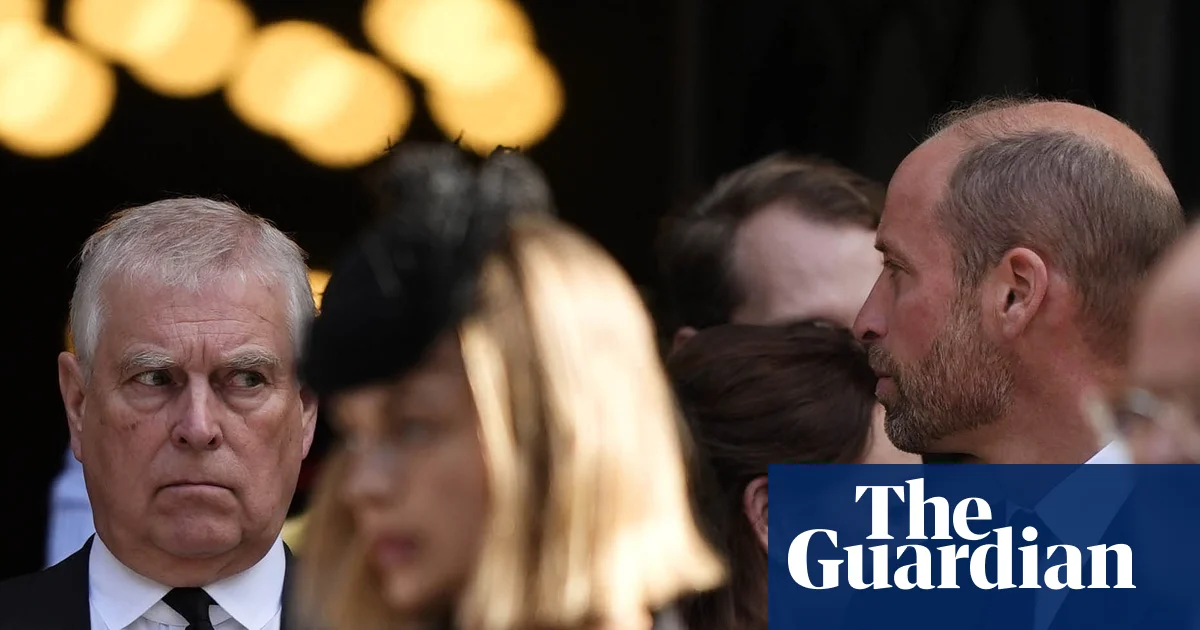
As King Charles moves to officially strip Prince Andrew of his titles following allegations linked to Jeffrey Epstein, the repercussions underline a crucial shift in the British monarchy’s public image and legitimacy. The decision to initiate a formal process to revoke the disgraced prince’s honors and to abandon his residence signal more than mere internal royal restructuring; they showcase a nation grappling with accountability and the need to redefine its moral compass amidst rising call-outs of historic misconduct. Internationally, the ripple effects resonate as other nations observe Britain’s handling of its colonial—and in this case, familial—legacy, examining their own historical narratives for potential reassessment.

  • According to international legal experts, such as Harvard Law Professor Alan Dershowitz, this type of public accountability framework in Britain reflects a broader trend where societal pressure influences legal and political recalibrations. Likewise, historians note that the monarchy’s shift mirrors a parallel phenomenon where societies are confronting difficult pasts, questioning earlier symbols of authority, and pushing for significant institutional reforms.
  • Meanwhile, international organizations like Amnesty International and other human rights groups continue to press governments worldwide to face uncomfortable truths about their histories, often using street renamings and symbolic acts as catalysts for deeper societal change.

In this context, the controversy over street names in Maidenhead underscores how local decisions become microcosms of larger geopolitical debates. The residents’ concerns about the association of their addresses with controversial figures reveal a collective desire to distance society from outdated symbols that no longer reflect contemporary values. It is a vivid example of society’s ongoing struggle—highlighted by political analysts like Dr. Elizabeth Holmes—between preserving history and forging a new moral narrative. Such debates, embedded in communities, often foreshadow shifts in national discourse and policy that can ripple outward.

As history continues to be written, the struggle to confront and reinterpret the past remains fraught with challenges. The decisions made today—whether it involves renaming streets or re-evaluating venerable institutions—carry profound geopolitical significance. They shape the moral fabric of societies and influence the global balance of power, testing whether nations can reconcile their histories with evolving standards of justice and accountability. The ongoing saga of Prince Andrew and streets in Maidenhead may seem localized, but they are woven into the broader narrative of a world where history’s weight remains in flux, urging humanity to consider whether the course set by past leaders is truly aligned with the future they aspire to build. The pages of history turn relentlessly, never forgiving, always compelling, as every decision tomorrow’s leaders make will echo through the corridors of eternity, shaping the course of nations in a turbulent, ever-changing world.

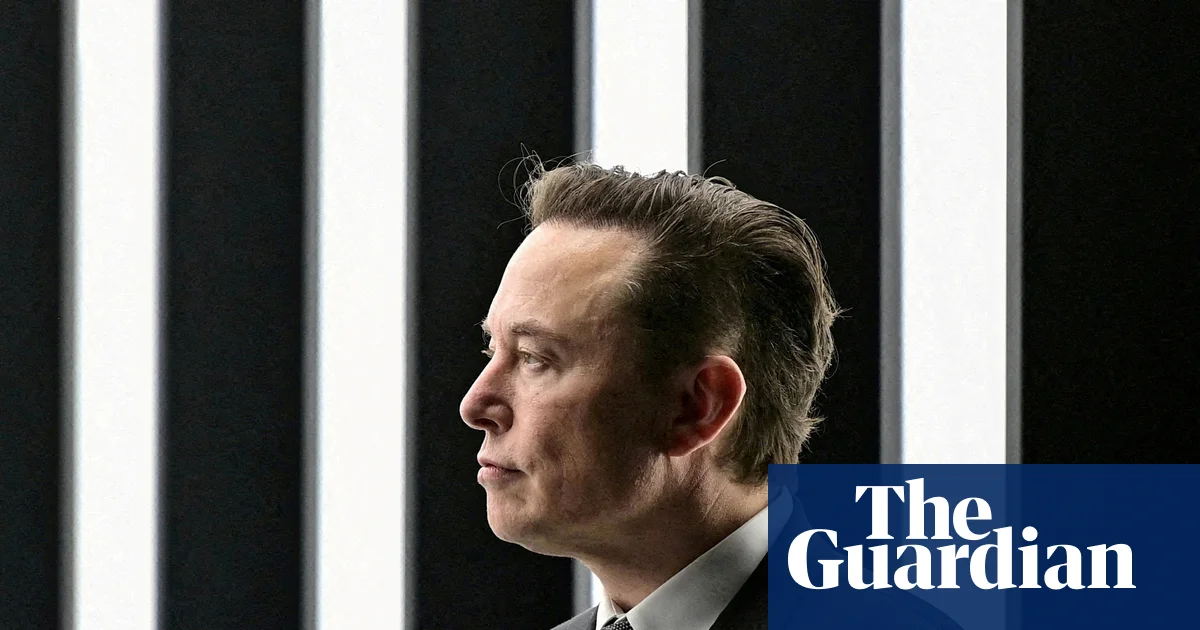
Huge Norway Fund Likely to Reject Elon Musk’s $1tn Tesla Pay Deal

In a decisive move that underscores the power struggle between global investors and corporate executives, Norway’s iconic sovereign wealth fund, the largest in the world, has announced its intent to vote against a staggering $1 trillion pay package proposed for Elon Musk, the visionary CEO of Tesla. This stance highlights a crucial shift in the international outlook on executive compensation and the moral questions surrounding excessive wealth accumulation at the expense of societal responsibility. While acknowledging Musk’s innovative role in transforming the electric vehicle industry, the fund’s administrators expressed concerns over the size and structure of the proposed incentive scheme, citing issues like dilution of shares and lack of adequate risk mitigation.

The geopolitical impact of this development resonates beyond corporate boardrooms. As one of the most influential national funds, Norway’s move sends a clear message: control of the narrative over corporate governance is gaining momentum among international investors. This decision comes at a time when pension funds and public institutions across multiple nations are increasingly scrutinizing the relationship between executive pay and shareholder value. Notably, groups like the American Federation of Teachers and the California Public Employees’ Retirement System have openly opposed Musk’s compensation, signaling a broadening public debate about wealth disparity — a cause for concern in many societies still grappling with economic inequality.

Adding complexity to this high-stakes saga is the personal dynamic between Tangen, the Norwegian fund’s CEO, and Musk. A recent controversy erupted when a private text exchange, uncovered through a freedom of information request, revealed Musk’s pointed remarks about reciprocity and friendship. Musk reportedly told Tangen: “When I ask you for a favour which I very rarely do, and you decline, then you should not ask me for one until you’ve done something above nothing to make amends.” This exchange exemplifies the clash of personalities and the undercurrents of influence that often lie beneath such monumental financial and strategic decisions. It also underscores the growing influence of internationally coordinated efforts to shape the legislative and cultural landscape surrounding global corporations.

The world is watching as the vote on Musk’s proposed incentive structure approaches this Thursday, and the implications reach far beyond the tech sector. If approved, Musk’s estimated net worth could soar beyond $2 trillion, making him potentially the world’s first trillionaire — a figure that exemplifies the staggering concentration of wealth among Silicon Valley elites. Conversely, a rejection by this influential fund would be a significant blow to Musk’s quest for extraordinary rewards, emphasizing that even the most innovative entrepreneurs cannot operate outside the grip of public and institutional oversight. As renowned analysts and global institutions warn of an era where economic disparity threatens social cohesion and geopolitical stability, these decisions are more than mere corporate governance; they are a mirror of our times, reflecting the growing demand for accountability and fairness.

Ultimately, history may well record this period as a pivotal chapter in the battle for economic justice and the shaping of the 21st century’s geopolitical order. As nations and societies watch the unfolding drama of power, wealth, and influence, they are left contemplating the legacy they wish to leave behind — one of innovation driven by ethical responsibility, or a future overshadowed by the shadows of greed and unchecked ambition.

US Elections 2025 Kickoff: Youth Vote at the Forefront as Americans Head to the Polls in Key States

International Eyes on United States as Crucial Elections Reshape Global Power Dynamics

Across the world, political analysts and international observers are keenly tracking the U.S. elections taking place on November 4, 2025. These elections are more than national affairs; they are a testament to the internal strife and shifting allegiances within America, a country whose decisions reverberate through every continent. Close attention is paid to how the results could influence geopolitical stability, alliances, and global economic trends. Leading voices in international diplomacy warn that the outcome may redefine America’s role on the world stage, especially amid mounting tensions with rival superpowers and fragile regional hotspots.

Renowned historians and policy analysts, such as Dr. Amanda Liu of the International Security Council, emphasize that this election could mark a decisive turn toward either renewed American interventionism or a retreat into isolationism—choices that will inevitably shape international relations. As the U.S. grapples with high-stakes local elections in New York City, New Jersey, Virginia, and California, the implications extend far beyond domestic borders. Reports suggest that global powers are already calibrating their diplomatic strategies based on potential shifts in American foreign policy, particularly when it comes to trade, military commitments, and climate change agreements.

  • In California, voters could reshuffle congressional maps, effectively tilting the balance of power, to counteract gerrymandered districts that favor Republicans.
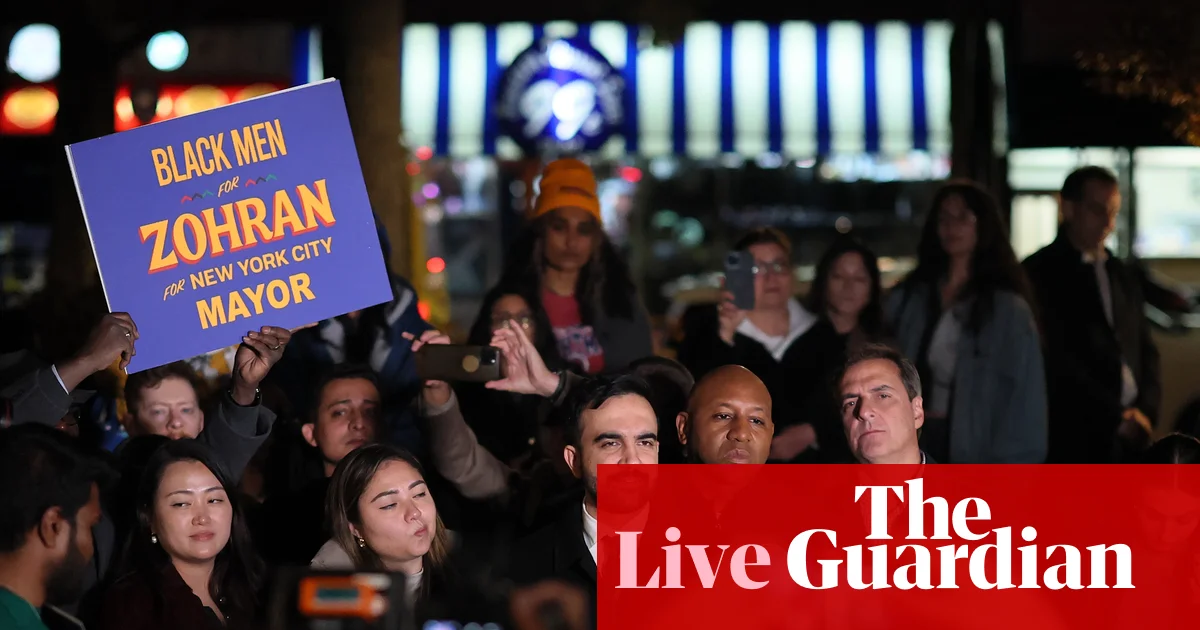
  • The volcanic political contest in New York City sees a democratic socialist, Zohran Mamdani, poised for victory over the ex-governor Andrew Cuomo, a development that could propel left-wing policies onto a broad urban platform with repercussions for national policy debates.
  • High-stakes gubernatorial elections in Virginia and New Jersey are perceived as a barometer for voters’ confidence in President Biden, potentially influencing the trajectory of the current administration’s foreign initiatives.

International organizations, including the United Nations, have issued cautious statements, urging the U.S. to uphold democratic norms regardless of the outcome. Yet, many seasoned analysts warn that the political instability and increased polarization threaten the very fabric of American diplomacy. The geopolitical landscape could face turbulence, especially if the electoral results catalyze an era of heightened partisan contention—an example, critics argue, of how internal divisions undermine America’s credibility and strategic partnerships worldwide.

This unfolding chapter is not lost on Russia, China, and other global rivals who tirelessly monitor American politics for signs of weakness or resurgence. Their diplomats and intelligence agencies interpret every vote as a potential shift in the balance of global power, preparing for recalibrations of their own foreign policies in anticipation of the coming administration. As Russian foreign policy analysts note, “The stability of the U.S. political system remains a cornerstone of world order; any cracks could be exploited by adversaries.”

As history continues to unfold, the outcome of these elections may set in motion a cascade of events—some predictable, others unforeseen. While the world watches with bated breath, the very fabric of global diplomacy awaits a new chapter—where decision-makers in capitals from Brussels to Beijing grapple with the echoes of a nation at a crossroads. Will the tide turn toward renewed American assertiveness or a cautious withdrawal? Only time will tell, but the burden of history presses ever heavier with each ballot cast in the shadow of the future of world order.

Social Media Auto Publish Powered By : XYZScripts.com