Matox News

Truth Over Trends, always!

Aid Delayed in Rebuilding Hurricane-Hit Jamaican Towns

Hurricane Melissa Ravages Jamaica: A Nation’s Fight for Survival and Sovereignty

The recent onslaught of Hurricane Melissa has left Jamaica grappling with one of the most devastating natural calamities in its history. As the strongest storm to strike the Caribbean island in modern times, with sustained winds of 185 mph (297 km/h), Melissa’s ferocity has exposed the vulnerabilities of this small yet resilient nation. According to official reports, at least 28 lives have been lost—a grim milestone that encapsulates the storm’s brutality, with the death toll likely to rise as authorities gain access to previously unreachable areas. This tragedy underscores how natural forces continue to test a country’s capacity for resilience and sovereignty in the face of divine and climatic upheaval.

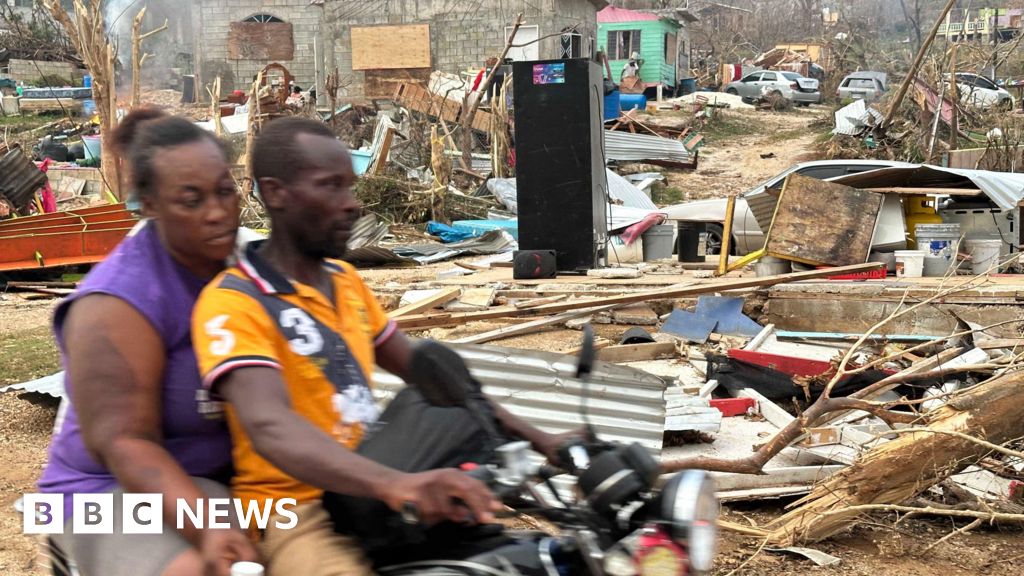
From the coastal town of Whitehouse in Westmoreland to the heart of rural farms, scenes of chaos and destruction dominate the landscape. The aftermath reveals piles of debris, mangled trees, and battered buildings that speak to the storm’s unrelenting power. Local authorities report that over 90% of homes have been destroyed in nearby St. Elizabeth, and communities are left in darkness—many without access to power, water, or communication networks. This emergency has prompted international aid efforts, with countries such as the United States deploying Disaster Assistance Response Teams and the United Kingdom pledging millions in relief. Yet, for thousands of Jamaicans, the immediate challenge remains: survival amid the ruins, with hope dwindling as frustrations mount.

The geopolitical impact of Melissa’s devastation extends beyond its immediate environmental consequences. It has laid bare the fragility of Jamaica’s infrastructure and the crucial need for sovereignty in crisis management. Prime Minister Andrew Holness has emphasized that priority must be given to clearing debris and restoring essential services—an effort impeded by blocked roads, inaccessible regions, and logistical hurdles. Meanwhile, the deployment of over 200 Starlink devices by the government signifies a step forward in bridging the communication gap, a vital move that highlights how international cooperation can serve as a lifeline during national emergencies. However, analysts warn that the true test lies in Jamaica’s capacity to maintain control over its own destiny amidst external aid, ensuring that aid reaches those most in need without becoming entangled in geopolitical interests.

Historians and international security experts point out that such natural disasters often catalyze broader political and societal shifts. While aid efforts are critical, the aftermath fuels a debate on whether Jamaica can build more resilient infrastructure or if it risks becoming increasingly dependent on foreign powers. As economist and geopolitical analyst Dr. Marcus Bennett notes, “It’s a stark reminder that sovereignty isn’t just contested in the realm of politics; it’s also forged in how a nation responds to nature’s fury.” The storm’s wrath could serve as a turning point—either galvanizing efforts toward greater self-reliance or exposing vulnerabilities that foreign players could exploit or influence. Such moments have historically redefined nations, and Jamaica now stands at a crossroads, with its future hanging precariously in the balance of resilience and external aid.

As the island continues its slow journey from despair toward recovery, the human spirit’s resilience shines through. Wounded communities, like that of Robert Morris, vow to rebuild despite losing everything, embodying a defiant hope that refuses to be extinguished. The narrative of this disaster remains unwritten, yet the weight of history presses heavily—doomsday warnings echo from the past about natural disasters catalyzing social upheavals or political realignments. As Jamaica walks this perilous path, the world watches—holding its breath as the product of countless choices, sacrifices, and struggles begins to shape the next chapter of Caribbean history. Whether the island’s sovereignty is preserved or further challenged, the unfolding saga of Melissa’s aftermath will be remembered as a stark testament to a nation’s relentless fight for survival in the eye of a relentless storm.

China ready to loosen chip exports in new trade deal, White House confirms

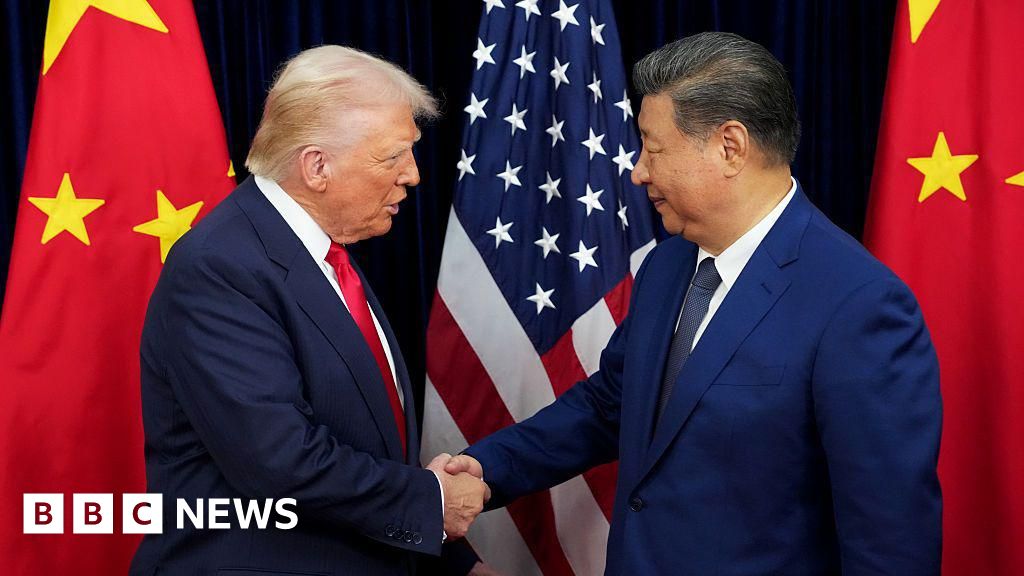
In a significant move that signals a cautious step toward de-escalating the simmering trade tensions between the two global superpowers, China has agreed to begin easing its export ban on critical automotive computer chips. This decision emerges from a landmark deal struck during a summit between Chinese President Xi Jinping and former US President Donald Trump in South Korea, the first major diplomatic breakthrough in the last few years of economic brinkmanship. The White House confirmed that this deal could have profound geopolitical impact, with trade policies once viewed as tools of coercion now potentially shifting toward cooperation.

This agreement is not merely about trade; it carries broader implications, affecting global supply chains, international relations, and the balance of economic power. According to analysts, the deal demonstrates how both nations recognize the cost of instability. The US and China jointly agreed to a series of measures that address bottlenecks and vulnerabilities, especially within high-tech manufacturing and raw material sectors. The reopening of critical chip supplies from China’s Nexperia—a Dutch-based Chinese-owned company—aims to stabilize global automobile markets, which have been thrown into disarray by previous restrictions. Historians cautious about the momentum note that these “breakthroughs” are fragile, warning that the geopolitical chess game remains incomplete, and recent policies could revert if disagreements resurface.

  • Trade war tariffs — Previously, Trump’s tariffs on Chinese goods aimed at boosting American industries but backfired by raising consumer prices worldwide. The new deal proposes a gradual lowering of these tariffs, signaling a possible return to more normalized trade relations.
  • Export controls on rare earth minerals — Beijing has agreed to pause export restrictions for a year, alleviating fears of a technological blockade that could cripple industries like aerospace and defense, underscoring the strategic importance of China’s resource control.
  • Supply of fentanyl-related chemicals — The delicate issue of chemical exports used in fentanyl manufacture is set to be addressed with new measures aimed at limiting the drug’s devastating impact on US society, amidst rising concern about the opioid crisis.
  • US soybean exports — China’s renewed commitment to purchase billions of dollars worth of American soybeans signals a move toward economic normalization, following a year of destructive trade disruptions that hurt American farmers profoundly.

International institutions like the World Trade Organization and economic think tanks have hailed the deal as a potential turning point, but many remain skeptical. This cautious optimism is echoed by analysts warning that the core issues—trust, sovereignty, and influence—remain unresolved, merely postponed for the moment. Historian Henry Kissinger and other diplomatic veterans stress the importance of robust, transparent commitments, cautioning that the path to lasting peace remains fraught with uncertainty and regional rivalries.

As the world watches these developments with bated breath, the ultimate question persists: is this agreement a genuine breakthrough or a strategic pause in a longer, ongoing contest for supremacy? With each handshake and signed document, history appears to hold its breath, perched on the brink of a new chapter—one that could reshape the global order, or plunge the world back into chaos and confrontation. The echoes of this moment will resonate through generations, reminding us that in the realm of geopolitics, peace is often fleeting and fragile—yet always worth striving for amidst the shadows of power.

Trump urges military to prepare for 'action' over Nigeria Christian crisis claims
Trump urges military to prepare for ‘action’ over Nigeria Christian crisis claims

The recent escalation of tensions between Nigeria and the United States signals a new chapter in the ongoing struggle for religious and geopolitical dominance in West Africa. President Donald Trump has issued a provocative directive, instructing the US military to prepare for potential intervention amidst claims of religious persecution—specifically targeting Nigeria’s Christian population. Citing alleged atrocities, Trump labeled Nigeria as a “Country of Particular Concern”—a designation with significant sanctions implications—arguing that thousands have been killed in what he describes as a genocide against Christians. While these claims have been met with skepticism by many analysts, the move underscores a broader strategy to leverage religious conflicts as a tool for geopolitical influence, and highlights the US’s repositioning amid a shifting global landscape.

Much of the international community remains divided over the narrative of widespread persecution. Human rights organizations and regional experts assert that evidence does not support claims that Christians are targeted more than Muslims in Nigeria, which is approximately evenly divided between the two faiths. Groups monitoring violence report that both Muslim and Christian communities have suffered atrocities, often driven by complex local conflicts—including the long-standing insurgency of Boko Haram and the Islamic State West Africa Province (ISWAP). These militant groups have wrought havoc in northeastern Nigeria for over a decade, causing unparalleled human suffering. Yet, the global media and narrative promoted by Trump’s administration portray Nigeria’s crisis as primarily religious—a framing that risks oversimplifying a multifaceted conflict rooted in economic, ethnic, and political issues A

  • Trump’s executive actions have included labelling Nigeria as a security threat, intensifying international diplomatic tensions
  • US threats to cut aid if Nigeria does not protect Christians have alarmed regional leaders
  • Analysts warn that such interventionist rhetoric risks escalating violence rather than resolving internal strife

Meanwhile, Nigeria’s President Bola Tinubu has vigorously rejected the US’s characterization of Nigeria as a religiously intolerant nation, emphasizing instead that his government promotes religious tolerance. Speaking amid mounting international pressure, Tinubu’s administration insists that violent incidents are driven by regional conflicts affecting communities of all faiths. Historians and regional experts argue that the US’s focus on religious persecution offers a skewed perspective, neglecting the broader socio-economic factors fueling violence. International organizations like the United Nations and African Union have called for measured diplomacy, but the United States’s aggressive stance signifies a potential shift toward more interventionist policies—a move that could reconfigure alliances and power balances across the continent. As debate rages, the unfolding international response will likely influence Nigeria’s trajectory for years to come, with repercussions extending well beyond its borders.

In the shadows of this rising geopolitical tension, history looms—the intricate web of faith, power, and influence that has defined Nigeria’s recent past is now on the brink of transformation. As America’s rhetoric casts a long dark shadow over the continent’s future, the weight of history presses heavily on all nations involved. Will this be the moment when outside forces redraw Nigeria’s destiny, or will local resilience and diplomacy prevail? The pages of history continue to turn, with each chapter more critical than the last, leaving the international community to ponder whether true peace is within reach or forever beyond grasp amid the tumult of prophecy and power.

Five German climbers tragically killed in avalanche in northern Italy

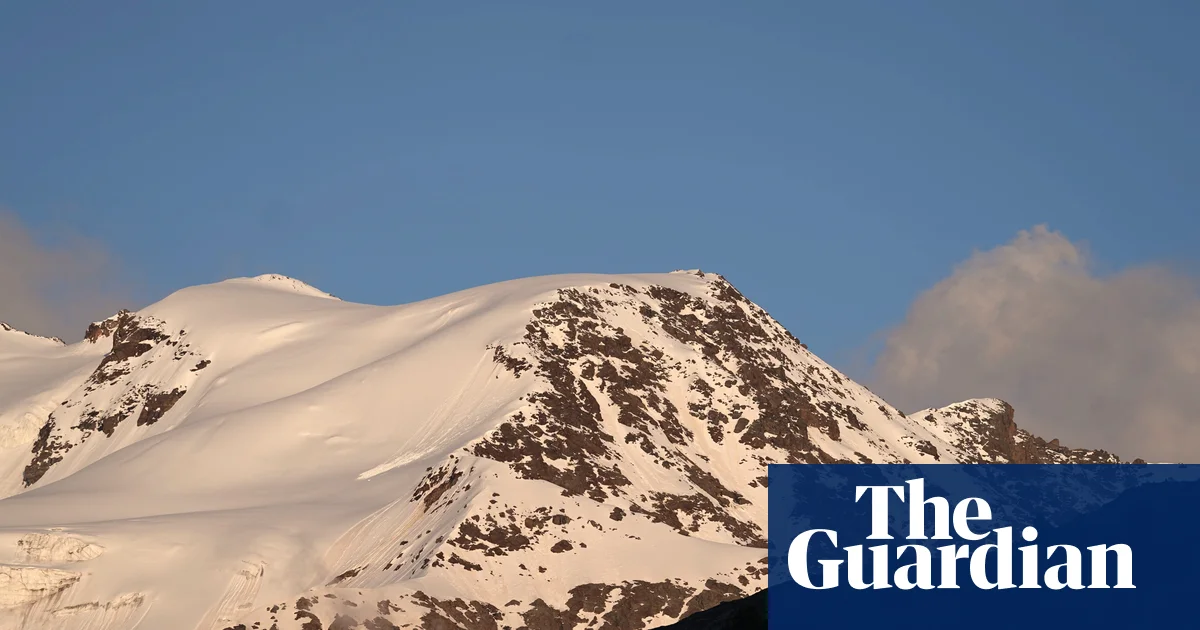
The Italian Alps, long a playground for European thrill-seekers, have recently claimed another tragic chapter in their storied history of mountaineering accidents. Five German mountaineers lost their lives after being caught in a deadly avalanche near the summit of Cima Vertana in the Ortles mountain range. The harsh realities of the high-altitude environment and the increase in dangerous backcountry activities highlight a broader issue that resonates far beyond Italy’s borders.

Rescue authorities reported that the avalanche struck around 4 pm on a Saturday, an hour when many climbers are seeking to reach or descend from the peaks. The victims belonged to three separate groups, each pursuing their own ascent independently—an indication of the expanding appeal and accessibility of alpine mountaineering among amateurs from Germany and neighboring nations. The bodies of three hikers—two men and a woman—had been recovered by Saturday evening, while two others— a man and his 17-year-old daughter—were tragically found the following morning. The incident illustrates how a single event can cascade into a national tragedy, emphasizing how choices to pursue dangerous pursuits without regard for conditions can have fatal consequences.

This tragic event is not isolated but instead underscores a persistent risk that endures across the European mountain regions. Avalanche accidents remain a significant concern in the Italian Alps, where fatalities average higher than in other major ski nations over the past decade. According to international hazard assessments, these tragedies are often compounded by factors such as unpredictable weather, increased snowpack, and rising numbers of adventure tourism enthusiasts heading into remote, less-charted terrains. European mountaineering experts warn that the increase in accidents correlates with more adventurous tourists eager to exploit fresh snow—an unfortunate risk that highlights the ongoing struggle between human ambition and nature’s unforgiving power.

The geopolitical impact of such incidents extends beyond individual tragedies, stirring debates over safety regulations, tourism policies, and regional cooperation in mountain rescue operations. As the Alpine regions attract record numbers of visitors from across the continent—to boost local economies and foster international camaraderie—the responsibility to ensure safety becomes a shared issue among nations. European organizations, including the European Avalanche Warning Services and Mountaineering Federations, are increasingly calling for standardized safety protocols and better risk education, yet gaps persist in enforcement and resource allocation. Meanwhile, the Italian government and local authorities are under pressure to balance economic interests—such as tourism—with the imperative to protect lives in increasingly perilous environments.

International analysts point to a broader climate shift and changing weather patterns that threaten to escalate the frequency and severity of natural disasters in mountainous regions, making the call for international cooperation even more urgent. In the words of historians, such as John Lewis Gaddis, history often teaches that human hubris and underestimation of nature’s power can have profound consequences. The recent avalanche serves as a stark reminder that in regions where nature’s beauty masks its ruthlessness, decisions by a few can alter the course of history—not just for those directly involved, but for entire societies watching from afar. As rescue teams brace for more adverse weather conditions, the stories of these five mountaineers become part of a larger narrative—one of ambition, vulnerability, and the relentless call of the mountain, echoing across borders and generations, whispering that the unfolding story of our highlands remains unwritten, and the weight of history presses ever closer.”

Hermosillo Shop Fire Claims 23 Lives, Authorities Report

In a tragic event that has once again underscored the fragility of public safety in Mexico, a devastating fire erupted at a branch of Waldo’s, the nation’s largest discount retail chain, located in the city of Hermosillo. The blaze, which broke out on a Saturday in the heart of northwestern Mexico, resulted in the loss of at least 23 lives and injured 11 others, including children. The incident has sent shockwaves through the community and raised questions about safety standards, corporate oversight, and the underlying vulnerabilities within Mexico’s urban infrastructure amidst a broader socio-economic climate that struggles to keep pace with rapid development.

Authorities initially described the fire as an explosion, though the cause remains under investigation. Regional Governor Alfonso Durazo emphasized that the cause had yet to be determined, ruling out the possibility of an attack or deliberate act of violence. This measured response appears calibrated to avoid unnecessary panic, but the incident raises concerns about the safety protocols of widespread retail outlets, many of which operate under similar conditions across the country, often with lax enforcement. The loss of life during a festive weekend—coinciding with Mexico’s *Day of the Dead*—also highlights how societal and cultural vulnerabilities intersect with ongoing issues of urban safety and economic inequality. Mexican President Claudia Sheinbaum expressed her condolences via social media, yet such expressions often seem inadequate in the wake of recurrent tragedies, exposing a gap between political rhetoric and actionable change.

The geopolitical impact of this disaster extends beyond Mexico’s borders, shedding light on ongoing debates about regional safety standards and economic stability. Experts warn that such incidents threaten to undermine confidence in Mexico’s retail sector and could provoke foreign investment hesitancy, especially in the wake of recent economic shocks and political turmoil. Historians and analysts have noted that urban disasters in Mexico are often symptomatic of deeper issues—weak government oversight, corruption, and insufficient emergency response infrastructure—that hamstring efforts to safeguard lives. As Mexico’s government promises an “extraordinary, transparent, and thorough” investigation, the incident becomes a stark reminder that how nations respond to moments of crisis shapes their international image and internal resilience.

Furthermore, the incident highlights an unsettling pattern of neglect that pervades many developing economies. The cancellation of cultural events linked to the *Day of the Dead* reflects the societal impact of such tragedies—disrupting traditions and communal mourning. As international organizations monitor Mexico’s response, questions persist about how political will and institutional reform can prevent future calamities. The loss of young lives, including a 15-year-old girl, is a poignant reminder that beneath the statistics lie innocent victims whose fates are intertwined with the decisions made in halls of power. As history continues to unfold, the world watches Mexico’s next steps—knowing that what transpires could well define its trajectory for decades to come, shaping the legacy of this generation’s response to tragedy.”

Victorian climbers question ban on Mount Arapiles Indigenous sites: "Are they really going to chase us away?"
Victorian climbers question ban on Mount Arapiles Indigenous sites: “Are they really going to chase us away?”

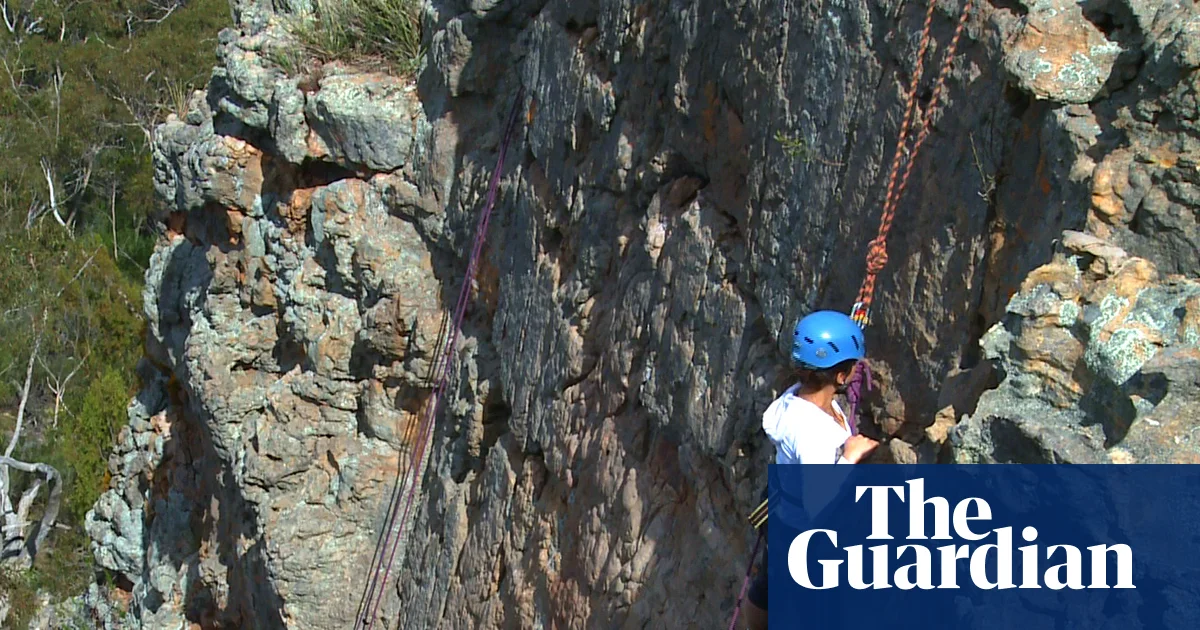
In a striking display of international tensions over land use, the ongoing controversy surrounding rock climbing in Victoria, Australia underscores a broader geopolitical debate over the recognition and respect of Indigenous heritage versus individual freedoms and recreational pursuits. At the heart of this dispute lies Mount Arapiles, a globally renowned climbing destination, which is also a site of immense cultural significance containing ancient rock art and artefacts dating back over 3,000 years. Despite governmental efforts to curb access—through voluntary bans and proposed legal restrictions—climbers, backed by passionate communities, continue to challenge these measures, highlighting the deep rift between cultural preservation and personal passion.

This spat isn’t just about climbing; it echoes worldwide conflicts over preservation of Indigenous sites and sovereignty. Australia’s Dyurrite region, as highlighted by officials from Parks Victoria, is teeming with tens of thousands of artefacts and a giant Indigenous stone quarry complex, demanding a nuanced management response. The state government’s proposal to amend the management plan, possibly leading to a full ban on climbing in key areas, has ignited fierce opposition. According to a recent consultation, involving over 1,000 voices—90% of whom are climbers—there’s a palpable sense of loss within the community. Many see restrictions as a dismissal of the land’s cultural and recreational importance, threatening the very soul of one of Australia’s most cherished outdoor pursuits. Analysts like Dr. John Edwards, a cultural historian, warn that such measures risk alienating local communities and emboldening anti-heritage sentiment, if not carefully balanced with meaningful respect for Indigenous rights.

The international impact of this conflict extends beyond the borders of Australia. As debates about Indigenous sovereignty and land rights intensify worldwide—spanning regions from North America to Africa—this saga serves as a proxy battleground for global discussions. The decisions made here could influence international policies on cultural heritage management, highlighting the delicate diplomacy necessary to navigate conflicting interests. The dispute at Mount Arapiles also exposes the potential for international organizations like UNESCO to step into the fray, urging governments to handle such matters with respect, transparency, and inclusivity. Meanwhile, climbing communities, inspired by stories of Indigenous resilience and ecological importance, are mobilizing with increased vigor, urging policymakers to reconsider restrictions.

As the struggle deepens, the climbers’ defiance stands as a testament to a broader cultural movement questioning not just land use, but the very nature of freedom and heritage in a globalized world. Despite official claims that “the great outdoors are to be experienced and admired, not locked away,” the fierce determination of activists and climbers alike magnifies the weight of historical responsibility and the enduring clash of values. With each new protest and legal challenge, history continues its relentless march, leaving the world to face the enduring question: can a nation honor its ancient past without sacrificing its modern pursuits? As the future of Mount Arapiles hangs in the balance, so too does the message that the decisions made today will echo through generations—defining the cultural landscape of tomorrow amid the echoes of history’s unfolding narrative.

LA Dodgers Dominates again, Secures Back-to-Back World Series Titles Over Blue Jays

In an era marked by geopolitical upheaval and shifting alliances, the recent World Series victory by the Los Angeles Dodgers over the Toronto Blue Jays somewhat mirrors the international landscape’s complex dance of competition and resilience. Just as baseball fans around the world observed tense moments in a gripping game seven—where both teams displayed remarkable strategic flexibility—nations worldwide grapple with the unpredictable nature of their geopolitical contests. The game’s culmination, highlighted by a dramatic home run from Smith that set the Dodgers within reach of the title, echoes a broader theme: in the global arena, pivotal moments often hinge on fleeting opportunities and decisive actions.

Historically, sports championships serve as microcosms of larger geopolitical dynamics, reflecting the interplay of strategy, timing, and resilience. Meanwhile, international analysts note that the current geopolitical climate is anything but predictable, with challenges emanating from resurging powers, technological rivalries, and regional conflicts. The recent series and its unpredictable turns remind observers of how swiftly alliances can shift and decisions can alter the course of history. The involvement of high-profile athletes and tactical substitutions in the game also exemplify the same strategic calculus that nations pursue on the diplomatic stage—where the sight of a single, game-changing move can redefine the outcome for entire populations.

Moreover, the series’ narrative of perseverance amidst adversity parallels the ongoing struggles of nations facing territorial disputes, economic sanctions, and ideological clashes. Just as Toronto’s Blue Jays threatened to take the game into extra innings—building up to a crescendo of collective anticipation—so too do global conflicts build to critical junctures where diplomacy, or lack thereof, determines whether peace holds or erupts into turmoil. According to international organizations like the United Nations, the world’s stability now hinges on whether leaders recognize the consequences of their choices—a concept vividly illustrated by the high-stakes performances of baseball pitchers like Yoshinobu Yamamoto, whose relief victory underscored the importance of resilience and tactical ingenuity.

As history’s echoes reverberate through today’s shifting alliances, it becomes clear that the decisions made now will echo through generations. The outcome of this ongoing saga, like the game’s final innings, remains unwritten—awaiting a decisive moment that could turn the tide of progress or plunge the world into further chaos. Just as fans held their breath during those critical last plays, the international community must reflect on the profound impact of leadership, foresight, and unity. In this fragile closing chapter of a complex game, the weight of history presses heavily upon us, reminding all that the unfolding narrative of global conflict and cooperation is far from over, and the playing field remains unforgiving and unpredictable.

Nationals ditch net zero goal after party room vote—getting back to real priorities

Australia’s Internal Political Shift Threatens Global Climate Commitments

The recent decision by the National party to dismantle its net zero emissions commitments marks a significant and controversial pivot in Australia’s domestic policy landscape. Following a unanimous vote in their party room, the Nationals declared their intention to abandon the 2050 climate target that had previously aligned Australia with international efforts to combat climate change. This move not only signals a fracture within Australian politics but also echoes a broader geopolitical impact—potentially weakening global climate initiatives and emboldening fossil fuel interests amid worldwide efforts to reduce emissions.

Led by David Littleproud, the Nationals now favor a trajectory that emphasizes “aspirations” over firm targets, aiming to synchronize Australia’s emissions reduction strategy with those of other OECD nations. This approach is rooted in reasserting regional economic priorities, claiming that regional Australia is suffering due to strict energy policies. Critics, including international analysts and climate advocates, warn that this shift effectively signals a retreat—one that could erode the UN’s global climate agenda and lessen Australia’s influence in regional environmental diplomacy. By rejecting the legally binding Climate Change Act and teetering on leaving the Paris Agreement, Australia risks isolating itself just as the world presses for collective action—an act viewed by many as a betrayal of its international responsibilities.

Internal Coalition Discontent and Its Broader Geopolitical Ramifications

The internal tensions within Australia’s traditional Coalition underscore a larger debate about economic sovereignty and environmental responsibility. While the Liberal Party continues its debates under the leadership of Dan Tehan and aims to resolve policy splits by Christmas, the Greens and independent analysts have characterized the Nationals’ stance as reckless. Some experts argue that Australia’s diplomatic standing in the Indo-Pacific region, especially with Pacific islands increasingly vulnerable to climate change, is at stake. As analysts from southern think tanks warn, the move is a stark demonstration of how short-term political gains can undermine long-term international relationships and regional stability.

  • In 2021, the coalition supported a net zero by 2050 target, legislated by the Albanese government in 2022—highlighting the depth of recent policy shifts.
  • The senator Sarah Hanson-Young, representing the Greens, denounced the decision, claiming it abandons future generations and Australian regional influence.
  • International organizations and climate experts fear that if Australia fully retreats from its climate commitments, the country could become a pariah, undermining not just environmental diplomacy but also regional economic stability.

The Larger Context: A Nation at a Crossroads

This development resonates beyond Australia’s borders, illustrating a global trend of energy sovereignty debates and the rising influence of fossil-fuel interests. As historians observe, such internal political shifts often serve as turning points—shaping the trajectory of national and international climate policies for decades to come. The Australian case exemplifies how internal partisanship, when rooted in economic nationalism, can threaten the fabric of global efforts to address climate change, which many say is *the* defining crisis of the 21st century.

With the strategic corridors of Asia-Pacific geopolitics hanging in the balance, the world watches as Australia’s leaders grapple with decisions that will influence energy policies, regional alliances, and the global reputation of a nation that once positioned itself as a responsible player on the international stage. Like a chapter in a grand saga, the unfolding story of Australia’s climate policy reflects the ongoing struggle between economic sovereignty and global responsibility—a struggle that history will record, shaped by the choices made in meeting the challenge of climate change. As the pages turn, the weight of these decisions will echo through time, signaling whether this pivotal moment will be remembered as a retreat from leadership or a step toward resilience in an uncertain world.

Obama Campaigns for Democrats, Highlighting the Lost Edge for the Party

International Tensions Escalate as United States and Global Forces Redefine Power

In an era marked by unprecedented political upheaval, the return of Donald Trump to the Oval Office in 2024 has set off a chain reaction that reverberates across continents. With America once again under the stewardship of a leader whose policies and rhetoric are sharply divided from traditional diplomatic norms, the global order finds itself at a critical crossroads. As analytical voices from Khan Institute and International Security Council warn of the deepening divide, the implications for trade, security, and international alliances come into sharper focus. The dominant narrative from Washington underscores an assertive pursuit of national interests, often at the expense of multilateral agreements designed to promote stability and cooperation. This shift, fraught with potential for conflict and realignment, underscores a new era where sovereignty and strategic interests are prioritized over collective global governance.

Meanwhile, the Russian and Chinese governments have capitalized on this turbulence, intensifying their efforts to expand influence in Asia, Africa, and Latin America. Recently, Beijing’s initiative to strengthen the BRICS economic bloc and Moscow’s assertive military exercises in Eastern Europe underscore a strategic pivot aimed directly at the United States. Military analysts warn that this could signal a new form of Cold War II, with alliances fraying and old conflicts resurfacing under new banners. The geopolitical impact here is profound: regional conflicts risk escalation, and global institutions—once the custodians of peace—are increasingly sidelined in favor of bilateral and multilateral power plays. The United Nations faces mounting questions about its relevance in an era where national interests are no longer mediated through consensus but through consequence.

Meanwhile, Europe gauges the sweeping change in U.S. policy. The continent’s leaders grapple with the fallout from America’s retrenchment from global commitments—particularly in climate change agreements and security pacts. Germany, France, and the UK now find themselves caught between the new isolationist stance of America and the assertiveness of Russia and China. The Nord Stream pipeline crisis, along with trade tariffs and disinformation campaigns, reveal a Europe at a crossroads: to forge a united front or to accept increased vulnerability in the face of rising autocratic powers. Historically, analysts note that moments of division often lead to conflicts that reshape borders and alliances, and the current environment could yet produce one of the most tumultuous decades in recent history.

The Middle East remains a hotbed of shifting allegiances, as regional powers reassess their strategies amid changing American priorities. The recent U.S. troop withdrawals from parts of Syria and Iraq have emboldened regional actors like Iran and Turkey, complicating the quest for peace. Nations like Israel brace themselves for unpredictable shifts in U.S. policy, risking either enhanced security cooperation or volatility. Historians remind us that power vacuums foster instability, and the current uncertainty threatens future peace efforts. As this global chessboard evolves, the decisions made today are shaping tomorrow’s history—a story yet to be fully written, where nationalistic fervor and geopolitical strategy collide, leaving societies to grapple with the uncertain fallout. The weight of history now bears heavily on shoulders worldwide, hinting that this period of upheaval may define the trajectory of nations for generations to come.

A Year On, Serbia Still Reeling from Train Station Tragedy

Serbia’s Tragedy and the Political Wake-Up Call to the World

In the heart of Europe, Serbia faces a profound moment of reckoning as the aftermath of the Novi Sad railway station disaster has ignited a wave of public outrage. A year after the catastrophic collapse of a concrete canopy claimed 16 lives—ranging from children as young as six to seniors aged 77—the nation witnesses a collective mourning that has transitioned into a powerful political statement. This tragedy, which emerged under the auspices of President Aleksandar Vučić‘s government, has cast a long shadow over Serbia’s development ambitions, exposing the deep-rooted issues of corruption, negligence, and cronyism.

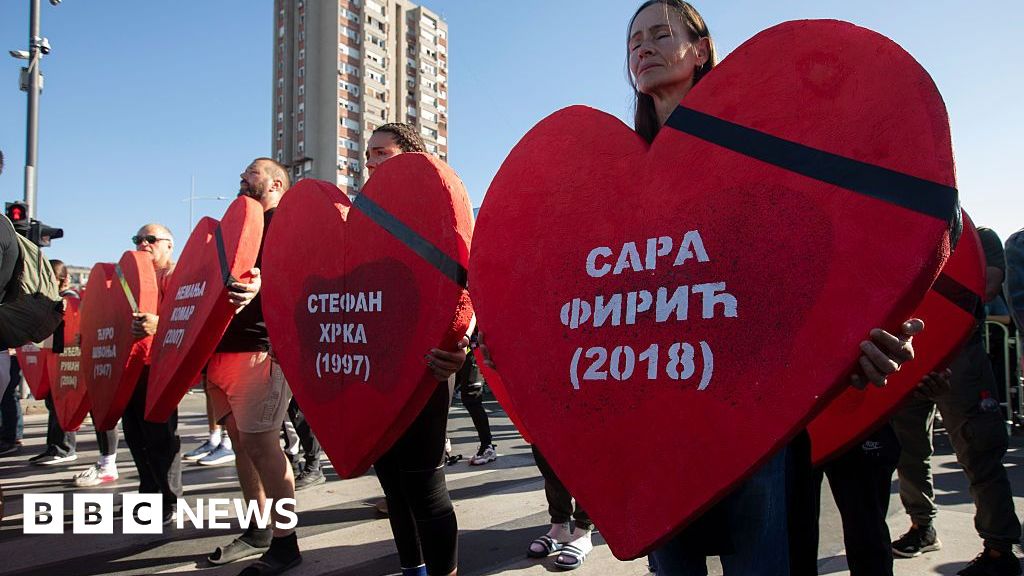
Upholding the memory of the victims and condemning the government’s failure, tens of thousands gathered at Novi Sad’s station to participate in silent homage—precisely one minute per life lost. Their grief was palpable, with families crying and supporters physically supporting women, as the nation grappled with the stark reality of how infrastructure projects, hailed as symbols of progress, had succumbed to deadly lapses in safety standards. Analysts from the International Crisis Group warn that such disasters underscore how corruption may have infiltrated Serbia’s public works, impairing essential safety protocols and endangering ordinary citizens. The incident has become a catalyst for widespread protests, accusing authorities of covering up systemic flaws that threaten the fabric of Serbian society.

Major internal and international responses have further heightened alerts. The European Parliament has called for full and transparent legal proceedings, emphasizing the importance of accountability in safeguarding public safety standards. Investigations have charged several former officials, including Goran Vesić, the ex-Minister of Transport, and deepened suspicion that the tragedy was a consequence of entrenched corruption. Serbia’s youth are leading the charge with a steadfast demand for institutional reform, independent justice, and a break from the corrupt practices that have marred the nation’s progress. Their protests, unlike the discredited political opposition, have gained widespread trust among ordinary citizens, signaling a generational shift that could redefine the country’s future.

This movement has also rattled the political establishment, with President Vučić’s previously combative rhetoric softening briefly, as he issued a rare public apology for his harsh language toward protesters. Yet, the deep wounds remain, and the discourse of “color revolutions”—a term once associated with Western-backed regimes—lingers ominously over the protests. The youth-led movement seeks the formation of a technocratic government, pushing for elections that would restore faith in Serbia’s institutions and root out corruption at its core. How this unfolding story will shape not just Serbia’s domestic policy but also its international relations remains a pivotal question for global observers.

As history continues to unfold at Novi Sad, the collective memory of the victims acts as a stark reminder of the stakes involved. The decisions taken today by Serbia’s leaders—whether rooted in transparency, integrity, or heedless power—will determine the trajectory of a nation wrestling with its past and forging its future. The world watches as a new generation demands justice and honesty, their voices echoing across the corridors of power, warning that history’s pen is yet to be finished. Will Serbia emerge from this tragedy stronger, more transparent, and committed to genuine progress? Or will it succumb to the entrenched corruption that has so often shadowed its path? The answer lies in the unfolding narrative of a nation at a crossroads, where each decision could mark a new chapter—one written in the blood of the fallen, and in the hope of those determined to rebuild a broken trust.

Social Media Auto Publish Powered By : XYZScripts.com