Matox News

Truth Over Trends, always!

Two more hit with charges in Louvre jewelry theft crackdown

Global Implications of the Louvre Heist: Security Failures and Geopolitical Ramifications

The recent audacious theft of priceless jewelery from France’s most iconic cultural institution, the Louvre Museum, has sent shockwaves through the international community. On October 19th, four suspects executed a swift daylight raid, infiltrating one of the world’s most heavily monitored museums. Utilizing a stolen vehicle-mounted lift and a disc cutter, they shattered display cases housing treasures valued at €88 million, including the famous Parure Marie-Amélie diadème, a sapphire-encrusted crown. The incident highlights glaring vulnerabilities in France’s cultural security and signals a broader geopolitical narrative: the erosion of national sovereignty in the face of organized crime and international looting syndicates.

French authorities swiftly responded, charging two additional individuals—one a woman from La Courneuve and a man with a criminal record—raising questions about deep-rooted security lapses. Despite initial optimism about the progress of the investigation, critics within France and abroad have condemned the Louvre’s security measures, revealing critical flaws. For years, concerns about perimeter security and camera placement—particularly in areas where the suspects gained entry—went unaddressed. Culture Minister Rachida Dati admitted that the museum authorities had “gravely underestimated the risks,” promising reforms. The fact that the sole surveillance camera pointed away from the breach indicates a failure in basic security protocols, exacerbated by bureaucratic finger-pointing between the Louvre and the municipal authorities of Paris. The ongoing inquiry underscores a stark lesson: neglect of national treasures invites international criminal syndicates to operate with impunity, risking the erosion of cultural heritage globally.

Underpinning Political and Social Unrest: A Crisis of Confidence

The Louvre heist is emblematic of a deeper crisis brewing across Europe. Many analysts, including European security experts, interpret this event not merely as a robbery but as a symptom of weakened institutions and rising organized crime networks that operate across borders. The incident comes amid heightened tensions surrounding the stability of the European Union and concerns about law enforcement’s capacity to protect national assets. How nations respond to such breaches will shape the future of cultural sovereignty and social cohesion in the continent’s most influential nations.

Several historians note that this event mirrors historical episodes of cultural plunder, where corrupt regimes and unscrupulous traders seized invaluable artifacts, often spilling into international black markets. Modern pundits warn that failing to bolster national security in cultural institutions paves the way for darker forces—organized crime, foreign state actors, and illicit trafficking—to threaten societal stability. International institutions like INTERPOL have emphasized this incident as a wake-up call, urging European governments to reassess their security frameworks. As societies debate budget allocations, critics argue that prioritizing monumental projects like Louvre’s New Renaissance—focused on renovations and expansions—has diverted funds from essential protections. This shift in focus exposes how political misjudgments and misallocated resources can weaken national resilience against external threats and internal vulnerabilities alike.

The Broader Geopolitical Impact: Looting, Security, and International Relations

This theft underscores a significant, potentially destabilizing flaw in the fabric of global security. Though the immediate focus remains on retrieving the stolen items—expected to have already traversed borders—the incident has broader geopolitical implications, as nations grapple with balancing tourism, cultural preservation, and security. France, historically a custodian of Western cultural heritage, finds itself at a crossroads where international cooperation is vital. The theft is likely to embolden organized crime syndicates operating acrossEurope’s porous borders, possibly strengthening alliances with foreign actors seeking to profit from black-market sales.

Most disturbingly, international organizations such as UNESCO have issued warnings that similar high-profile targets could become frequent if corrective measures are not swiftly adopted. The incident also signifies a potential shift in the strategic narrative—where the preservation of cultural assets becomes intertwined with national security. Critics warn that if Western countries continue to underestimate the importance of safeguarding their cultural patrimony, future crises—ranging from theft to outright destruction—could further erode societal resilience and international standing.

As history continues to unfold in this era of uncertainty, the weight of the Louvre heist—once seen as a mere criminal act—now looms large as a stark reminder: in this rapidly changing world, the battle for sovereignty extends beyond borders, security measures, and military might. The story of those stolen jewels remains unfinished, a volatile chapter waiting to be written by governments, criminals, and the relentless tides of history itself. The outcome may well determine whether nations can shield their collective memory from the shadows of lawlessness or succumb to a new age of cultural loss that history will inevitably记得—and judge.
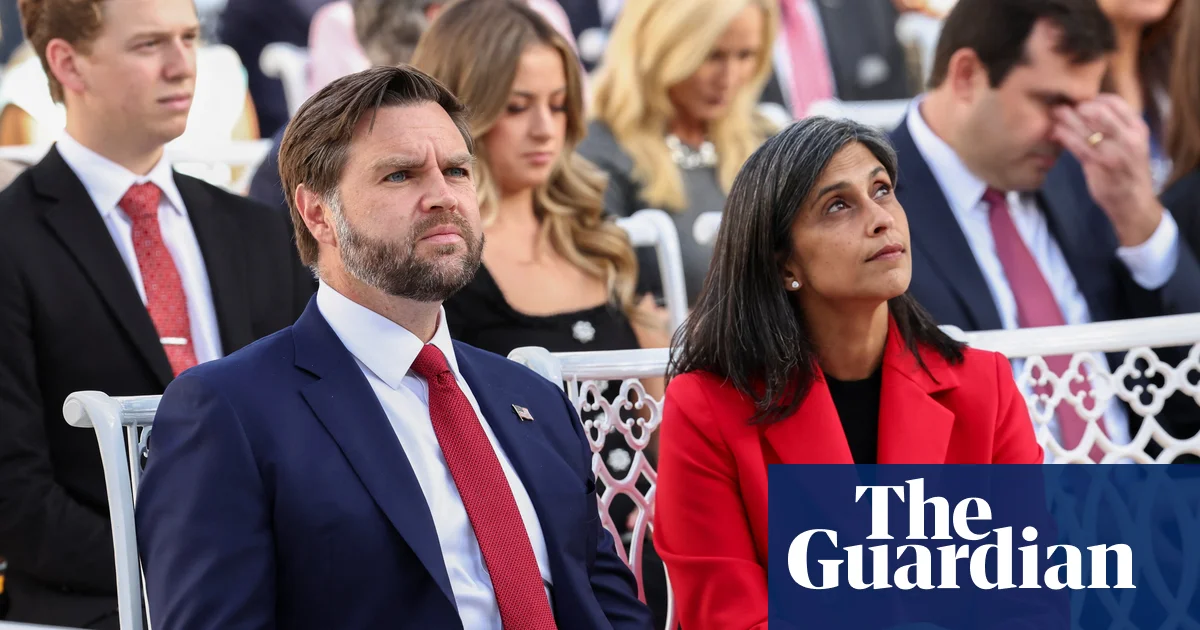

Vance Reiterates Desire for Wife Usha to Convert to Christianity

In today’s shifting global landscape, the ideological priorities of the United States continue to influence not only its domestic politics but also have profound repercussions on international relations. Recent statements by Vermont Senator JD Vance have sparked a ripple effect, showcasing the enduring polarization within the U.S. over religion, identity, and national loyalty. During a Turning Point USA event at the University of Mississippi, Vance emphasized the significance of Christianity in his personal life, revealing a nuanced perspective on diversity that nonetheless drew criticism from international observers and diaspora communities alike.

Vance’s fervent assertion that his children are being raised in the Christian faith, paired with his publicly expressed hope that his wife, Usha Vance, might convert, underscores a deeper ideological debate that transcends American borders. Critics, including the Hindu American Foundation, have condemned these remarks, warning of how such rhetoric potentially fuels religious intolerance and societal division. Far-reaching consequences can be observed as these internal cultural struggles influence U.S. foreign policy decisions, especially in regions where religious identity is intertwined with geopolitical loyalties.

Historians and geopolitical analysts argue that America’s internal religious discourse often mirrors broader international conflicts, such as the sectarian divisions in the Middle East or South Asia. When leaders like Vance publicly prioritize religious identity as a cornerstone of patriotism, it sets a precedent that complicates diplomatic relations with nations that are religiously diverse or where secularism plays a central role in governance. The State Department and various international institutions watch these developments with concern, interpreting them as signs of a potential shift toward more exclu­sivist national policies that challenge the traditional American image of pluralism.

This ideological momentum inevitably impacts how international communities perceive American values. For many, it highlights a growing tendency within the U.S. to intertwine national identity with religious allegiance, risking alienation of minority groups and destabilizing international cooperation. As analysts underscore, such domestic political moves resonate beyond borders, influencing America’s ability to act as a global leader committed to human rights and multiculturalism. These shifts threaten to undermine long-standing diplomatic efforts centered on tolerance and mutual understanding, leaving the world to wonder: Will America’s future be defined by a unity rooted in shared faith or fractured by religious exclusivism?

With history casting its long shadow, the unfolding narrative of religious identity within American politics serves as a powerful reminder that the decisions made today will shape the geopolitical landscape for generations. The weight of this moment hangs heavy, as the world watches whether the U.S. will embrace a more inclusive future or retreat into the divisions of its past. In this critical juncture, the question remains: how deeply will these internal struggles influence the course of international relations, and what legacy will they leave for history to judge?

Louisiana Teen Girl, 13, Rescued from Basement in Pennsylvania

Global Implications of the Louisiana Child Trafficking Case: A Wake-Up Call for International Security

The harrowing details emerging from a multistate human trafficking investigation within the United States serve as a stark reminder of the ongoing threats posed by transnational criminal networks leveraging digital platforms. The case involving a 13-year-old girl from Louisiana, who was found alive in a sealed box at a suspect’s home in Pennsylvania, underscores a disturbing trend that resonates far beyond national borders. The involvement of multiple states, law enforcement agencies, and the use of online tools to facilitate trafficking highlights the urgent need for a coordinated international response to combat these heinous crimes.

Experts such as international security analysts and historians have long warned about the evolving tactics of human traffickers, who increasingly exploit social media and encrypted communication to groom and lure vulnerable victims. As global institutions like INTERPOL push for tighter international cooperation and digital surveillance, cases like these expose the gravity of the poorly regulated online environment that traffickers exploit. The shocking reality that a minor could be transported across multiple states and manipulated into dangerous circumstances exposes the fragile state of border security and cyber control mechanisms. The case is also a wake-up call to the societal failure in protecting its most vulnerable, especially minors, from predators who operate within the shadows of the internet.

From a geopolitical perspective, this incident underscores the interconnected vulnerabilities that threaten both domestic stability and international order. As authorities continue their investigation, questions arise about how technological advances and lax regulation chair the way for criminal enterprises to thrive. The role of global law enforcement bodies and policymakers becomes paramount in establishing measures that effectively deter and dismantle human trafficking networks. The presence of accomplices in multiple states—ranging from Georgia to Louisiana and Pennsylvania—illustrates the distributed nature of these criminal operations. This case exemplifies how criminal organizations are increasingly transnational, requiring a unified global strategy aimed at intelligence sharing, digital monitoring, and harsher penalties, according to leading criminologists.

History and analysis warn that unless significant reforms and international collaboration are implemented, such heinous crimes will continue to threaten societal fabric. As experts like Dr. Anne-Marie Slaughter remind us, the fight against human trafficking must extend beyond borders—an arduous and ongoing battle in the face of the wild west of the online world. The consequences of failure to act are profound: more minors exploited, diminished trust in digital platforms, and a weakening of societal resilience. The story of this young girl, a victim and a reminder of the dark side of the digital age, leaves us contemplating the struggle still ahead — a battle to secure the innocence of the vulnerable amidst the relentless tide of criminal ingenuity.

Police Seize €1.3B in Campari Shares Amid Tax Evasion Probe

Italy is once again at the center of a high-stakes international financial controversy, as authorities have seized shares valued at over €1.3 billion from the beverage giant Campari, a globally recognized producer of spirits such as Aperol, Grand Marnier, and Courvoisier. This move follows an investigation into alleged tax evasion and illicit corporate maneuvers suspected of undervaluing capital gains prior to shifting assets abroad. The case, launched by Milan prosecutors, underscores the mounting scrutiny that international firms face amid the evolving landscape of global taxation and corporate accountability.

Though Campari maintains its innocence, asserting that neither the parent company nor its subsidiaries are involved in any wrongdoing, the investigation implicates high-profile figures, including Luca Garavoglia, the billionaire chairman who inherited the company from his late mother. According to Italian financial police, the company is accused of concealing €5.3 billion in capital gains between 2018 and 2020, avoiding what is known as an “exit tax” enacted specifically to deter companies from relocating assets solely for lower tax burdens. This allegations align with broader concerns voiced by international tax authorities and economists about the aggressive tax planning strategies of multinational corporations seeking to optimize profits at the expense of national tax bases.

This case carries significant geopolitical impact as it highlights the ongoing power struggle between nation-states and transnational corporations. Italy’s pursuit of legal action demonstrates a willingness to confront corporate elites that potentially undermine national revenues. Moreover, it exposes the pitfalls of global corporate governance and the complex web of cross-border asset transfers that often challenge enforcement. Historians of international economics warn that such cases serve as a wake-up call for countries to strengthen their legal frameworks and resist becoming playgrounds for tax avoidance. The European Union, along with the Organisation for Economic Co-operation and Development (OECD), has been increasingly vocal about the need for reforms to curtail such practices, erecting new standards to ensure corporations contribute fairly to the societies that nourish their success.

From a broader perspective, this controversy exemplifies the precarious balance of sovereignty and economic influence. As Italy asserts its legal rights, questions arise about the long-term stability of the multinational corporate landscape and whether such efforts will lead to a more equitable distribution of wealth or trigger retaliatory measures and regulatory crackdowns elsewhere. With mid-term economic forecasts indicating a more aggressive stance on corporate taxation, the case of Campari becomes emblematic of the ongoing war for control over national fiscal policies—a conflict destined to shape the course of global economic history. As the story unfolds, the world awaits, with each revelation adding a new chapter to the tale of how nations defend their sovereignty amid the relentless tide of globalization and corporate ambition, leaving the future of international finance hanging in the balance of justice and power.

Zelensky Prioritizes Defense of Donetsk as Special Forces Mobilized

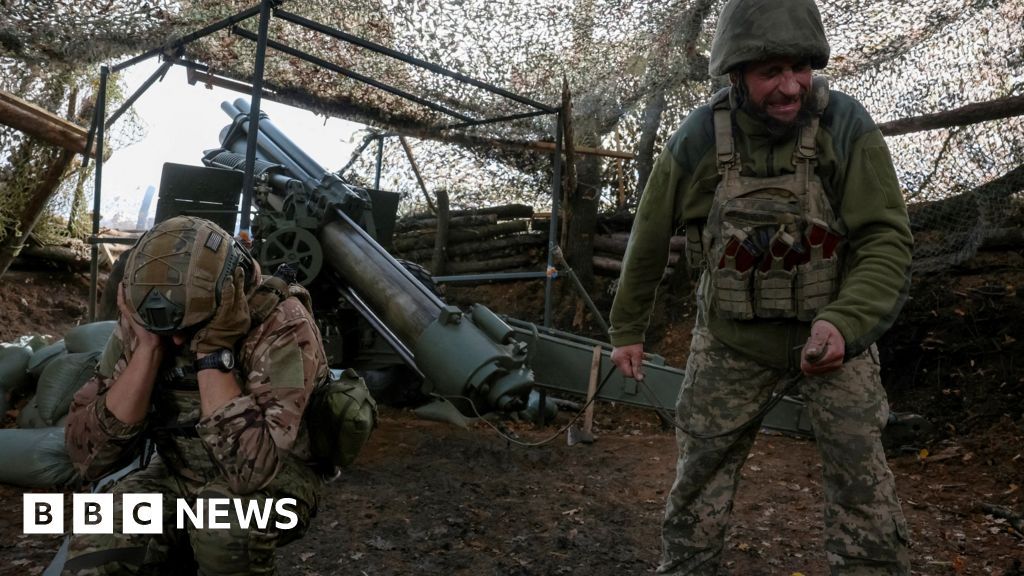
The ongoing Ukraine crisis has reached a critical juncture, with the city of Pokrovsk emerging as a focal point in the broader geopolitical chess match between Russia and Ukraine. Ukrainian President Volodymyr Zelensky has declared the defense of the town a “priority” amidst persistent Russian advances in the Donbas region. Reports from local sources confirm that Kyiv has deployed elite special forces—military intelligence and assault groups—to shield this strategic transport hub. The decision underscores Kyiv’s resolve to hold onto vital supply routes, which, if lost, could jeopardize Ukraine’s territorial integrity and its efforts to resist Russian expansion. Meanwhile, Moscow’s demand that Kyiv cede all of Donbas—including areas currently under Ukrainian control—forms part of its broader strategy to consolidate territorial gains and secure geopolitical leverage.

United efforts to secure Pokrovsk have become emblematic of the larger standoff gripping the region, where control over key infrastructure becomes a symbol of resilience or capitulation. The Ukrainian military reports indicate that approximately half of the city is a “grey zone“, a contested buffer where neither side has full control. The presence of Ukrainian special forces positioned against Russian advances highlights the high-stakes nature of this conflict, which analysts deem a critical battleground in Kyiv’s effort to reinforce sovereignty. The deployment of elite units—including officers from Ukraine’s GUR—reflects a strategic shift aimed at disrupting Russian advances and inflicting costs that could hamper Moscow’s ambitions in the region.

Meanwhile, Russia’s military claims they advanced by thwarting an attempted deployment of Ukrainian special forces near Pokrovsk, asserting that all 11 soldiers involved in an airborne operation were killed. This action signals that Moscow perceives Pokrovsk as a critical prize—one that could possibly unlock the remaining territories of Ukraine’s Donbas. The Russian Federation controls roughly a fifth of Ukrainian territory, including Crimea—the peninsula annexed in 2014—an act that still reverberates within the international community. The geopolitical impact of such territorial control cannot be understated, as Russia seeks to craft a new world order with Ukraine puppeteered by Moscow’s influence. The Biden administration and the United Nations continue to monitor the snap conflicts, wary of a broader escalation that could draw NATO into direct confrontation.

As military analysts and historians observe, Kyiv’s firm stance reflects a broader message: the resistance to Russian domination is not merely tactical but symbolic of a nation’s will to survive. The upcoming battles for the industrial zones and railway stations could determine whether Ukraine’s logistical lifelines endure or collapse into chaos. Washington’s frustrations with the Kremlin’s reluctance to pursue meaningful peace negotiations have manifested in new sanctions and diplomatic setbacks, further complicating the prospect of a swift resolution. Yet, the persistent resilience of Ukrainian forces and the strategic importance of Pokrovsk suggest that the conflict’s future remains unwritten, hanging precariously in a balance that history will remember. Will Kyiv hold the line, or will the tides of war carve a new, darker chapter in the annals of geopolitics? Here, amid the battlefield dust and geopolitical gambits, the true weight of history continues to unfold, with each decision shaping the destiny of nations and societies alike.

Spain Apologizes for Past Wrongs Against Mexico’s Indigenous Communities

In a significant development that underscores the ongoing recalibration of historical narratives and diplomatic relations, Spain has publicly expressed remorse for the pain and injustice inflicted upon the Indigenous peoples of Mexico during its colonial conquest. This shift in tone marks a departure from years of diplomatic tensions and denotes a broader reconsideration of colonial histories that have long haunted international relations. After years of reluctance, Spain now acknowledges its role in a painful chapter of world history—an acknowledgment that many analysts see as an attempt to soften its global image and reinforce diplomatic ties within Latin America and beyond.

This time, the gesture comes amidst renewed calls from Mexico’s President Claudia Sheinbaum for a formal apology. In March 2019, Mexico’s then-president, Andrés Manuel López Obrador, had urged King Felipe VI and Pope Francis to address the atrocities committed during the conquest, including massacres and systemic oppression. Four years later, the Spanish Foreign Minister, José Manuel Albares, has responded with a more conciliatory tone. During an exhibition inauguration dedicated to Indigenous Mexican women, Albares reflected on “the countries’ joint history”—a statement that political analysts interpret as a strategic recalibration amidst shifting regional dynamics.

Global institutions have started to weigh in on the matter, recognizing the importance of historical memory in shaping contemporary geopolitics. While some see statements of remorse as symbolic gestures, others argue that such apologies serve to build a platform for future collaboration, countering rising anti-colonial sentiments and fostering political stability.

  • Key events include Mexico’s 2019 appeal for an apology, and the recent Spanish acknowledgment that emphasizes “a first step” towards reconciliation.
  • International repercussions involve potential shifts in diplomatic alignments, especially as Spain seeks to bolster its influence within Latin America, where indignation over colonial abuses remains strong among growing youth populations.
  • The consequences for societal perception are profound, as recognition of past wrongs can catalyze debate about justice, reparations, and the legacy of colonialism in shaping modern identities.

Historically, the conquest of Mexico in 1519 marked the beginning of centuries of Spanish dominance, characterized by conquest, cultural upheaval, and the forced conversion of Indigenous populations. Yet, as international organizations like UNESCO and historians worldwide document this era, a new narrative emerges—one that calls for accountability, acknowledgment, and a reevaluation of what it means to belong to a shared history. The recent overtures by Spain, though symbolic, hint at an underlying shift in the geopolitical landscape—where past injustices are no longer hidden beneath diplomatic silence but are brought into the light of contemporary dialogue.

As global powers navigate this fragile terrain, the weight of history presses inexorably forward. Spain’s admission of guilt is not merely a historical footnote; it is a turning point that reverberates across borders, igniting debates about justice and sovereignty. With each diplomatic gesture, the past and present intertwine, shaping the future of international relations. In this unfolding story of reconciliation, history’s pen continues to write, leaving us to ponder: How will this chapter be remembered in the annals of a world still finding its moral compass? The answer remains unwritten, and the shadow of history continues to cast its long, indelible shadow across the pages of history’s ongoing narrative.

Reform Councillor Joins Tories Over Discomfort with Party Policies

Global Power Dynamics in Flux: The Tale of Political Shifts and Their Impact

Britain’s political landscape continues to evolve amidst a swirl of populist movements and international tensions. Recent developments highlight not only shifting allegiances within local councils but also reflect broader regional and global reverberations. The departure of Councillor James Buchan from Reform UK—a party closely associated with Nigel Farage—serves as a microcosm of this turbulent era. Buchan’s move to the Conservative Party underscores a growing disillusionment with populist rhetoric that, according to analysts, is increasingly seen as disconnected from tangible community needs. This episode is far more than a local political spat: it signals a deep transformation in how nations and societies negotiate the treacherous waters of immigration policy, identity, and governance.

Reform UK’s stance on migration—specifically plans to eliminate indefinite leave to remain in Britain—has generated widespread concern among voters and policymakers alike. The policy, designed to tighten immigration controls, has ignited fears of social division and economic instability. Critics argue that such measures rely heavily on nationalist rhetoric, risking the alienation of immigrant communities while fueling fears of exclusion. As international institutions and European analysts warn, the approach risks undermining social cohesion and provoking unintended consequences that ripple across Europe’s diverse societies. Historians like Dr. Emily Carter note that similar policies in the past have often backfired, leading to increased marginalization and unrest, which in turn threaten regional stability.

The internal conflicts within Reform UK—accentuated by its foreign ties and accusations of foreign influence—highlight the growing challenges faced by populist parties that have surged onto the political scene over recent years. The party’s association with controversial figures and allegations of foreign funding—particularly linked to Russia—have further fueled internal tensions and questions about legitimacy. Such instability not only impacts Britain’s domestic policy but also has the potential to influence international perceptions of the UK’s stability and its role within global alliances. The ongoing saga resonates beyond Britain, as nations across the Anglosphere grapple with similar populist wave dynamics, debating whether these movements are genuine expressions of national sovereignty or dangerous deviations that threaten international order.

As political analysts caution, the decisions made today—whether to endorse restrictive immigration policies or to challenge populist leaders—are shaping the future of alliances, economic cooperation, and regional security. The G7 and EU nations observe these shifts with profound interest, recognizing that such internal conflicts could serve as openings for adversaries or cause fragility within democratic structures. The rise and fall of populist parties serve as a stark warning: that unchecked nationalism and simplistic policies risk unleashing chaos capable of redrawing the geopolitical map. What is happening in Britain is a harbinger for other nations—signaling a moment when decisive leadership must confront the allure of populist rhetoric and recommit to pragmatic governance.

In the shadows of these mounting tensions, history seems poised to etch yet another chapter on the ledger of global change. As historians debate whether this era rivals the upheavals of the 20th century, the world waits with bated breath—on the knife’s edge between stability and chaos.

Britain’s Canals and Rivers at Risk as Funding Shortage Meets Climate Challenge

As climate change accelerates, Britain’s network of canals and rivers stands at a crucial crossroads, exposing vulnerabilities that go beyond local concerns. According to the Inland Waterways Association (IWA), a significant majority of these waterways—about 75%—are now under threat due to funding shortfalls and increasingly severe climate pressures. This revelation is not just a matter of domestic engineering but a stark reminder of how environmental and infrastructural decisions can ripple across an entire nation’s geopolitical landscape. With 99% of navigable waterways projected to face heightened risks under a predicted 2°C global warming scenario, the deterioration of Britain’s waterways signals broader challenges facing industrialized nations in managing aging infrastructure amid climate crises.

Historians and environmental analysts warn that such infrastructure failures underscore the pressing need for substantial investment and strategic planning. The collapse of the Bridgewater canal embankment earlier this year, despite being well-maintained, highlights the unpredictable damage wrought by extreme weather—storm surges, droughts, heavy rainfall—all amplified by erratic government support. As the CRT’s chief executive Campbell Robb points out, emergency repairs alone cost nearly £10 million last winter. It is a warning sign—climate pressures can cause catastrophic failures even in well-kept networks. This situation has profound how decisions affect societies; the loss of canals impacts local economies, disrupts wildlife corridors, and jeopardizes public access to nature, with ripple effects threatening social stability and economic resilience across the United Kingdom.

The geopolitical impact of Britain’s canal crisis extends outward, illustrating a global lesson. As climate change spurs international upheaval—flooding, droughts, resource conflicts—the domestic struggles over infrastructure funding mirror broader sovereign vulnerabilities. International organizations like the United Nations and World Bank have long warned about climate-induced destabilization, yet Britain’s reality demonstrates how even advanced nations face infrastructure decline without adequate foresight and investment. Infrastructure failures, compounded by underfunding, can erode public confidence, hamper economic activity, and deepen societal divides. This crisis is a microcosm of the tensions shaping the 21st-century global order: the pressing need for proactive strategies to preserve national stability in the face of environmental chaos.

At this juncture, the weight of history hangs heavy. With nearly 80% of waterways managed by entities like the Environment Agency and Scottish Canals—often operating under strained budgets—the path forward remains uncertain. As dissent grows—local authorities inevitability cannot meet maintenance obligations—Europe’s neighbor nations watch keenly, aware that these waterway failures could escalate into larger conflicts over water resources, climate migration, and economic survival. Without decisive action—an infusion of sustainable funding—Britain risks losing its navigable, cultural, and ecological treasures, turning historic canals into relics of a bygone era. The climax of this unfolding story serves as a warning: neglect today could very well write the chapter of irreversible decline tomorrow. The world watches with bated breath as the future of these vital arteries remains, for now, on the brink of an uncertain fate.

Samia Suluhu Hassan secures 98% victory amid national unrest

Election Controversy and Political Stability in Tanzania

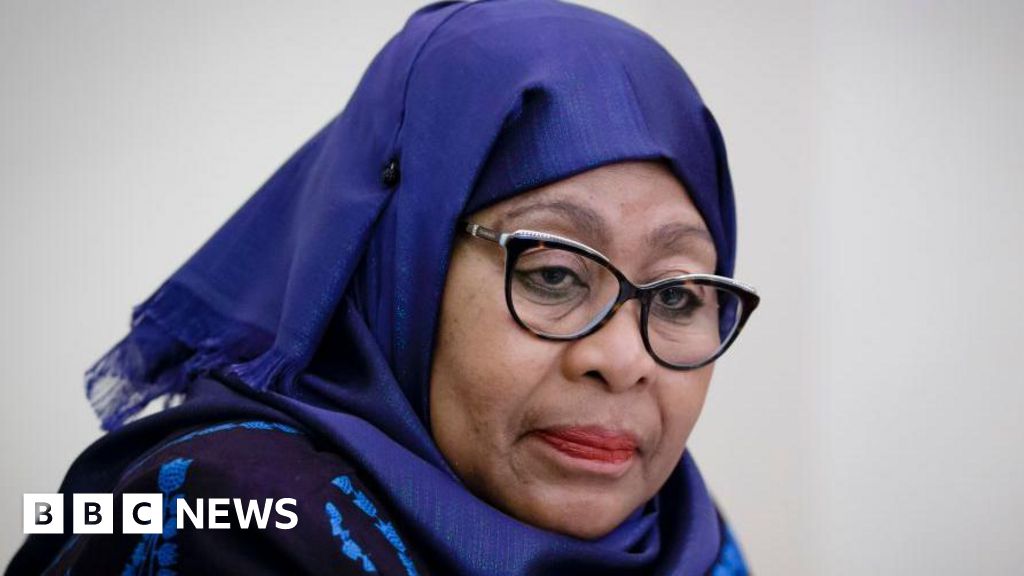
In a decisive yet turbulent moment for East Africa, President Samia Suluhu Hassan has been officially declared the winner of Tanzania’s recent presidential election. According to the electoral commission, she secured an overwhelming 98% of the votes cast in a process marred by unrest and claims of widespread fraud. This victory cements her position in a country that, since independence, has been a haven of stability under the dominance of the Chama Cha Mapinduzi (CCM) party, which has never lost power in post-colonial history. However, beneath the veneer of electoral success lies a nation teetering on the brink of political and social upheaval, with reports of violence, deaths, and suppressed dissent raising concerns about Tanzania’s sovereignty and future trajectory.

Internal Struggles Reflect Broader Regional Tensions

Analyzing the domestic turmoil, international observers and analysts have raised alarm over credible reports of hundreds of casualties amid ongoing protests. While the government attributes the violence to “isolated incidents”, opposition leaders and diplomatic sources estimate that fatalities could be as high as 700. This level of violence signals a fundamental challenge to democratic legitimacy in Tanzania, which has experienced recurrent repression of opposition figures—most notably the detention of key challenger Tundu Lissu. Historians and rights groups, such as Amnesty International, have condemned the crackdown, describing a “wave of terror” involving enforced disappearances and extrajudicial measures against dissenters. Such measures threaten not only political stability but also regional reputation and refugee flows, which already strain neighboring nations’ resources.

Geopolitical Impact and How International Shifts Shape Outcomes

The repercussions extend beyond Tanzania’s borders, with foreign diplomatic and regional institutions closely monitoring the unfolding crisis. As East Africa’s largest economy faces internal disorder, tensions ripple across the region, impacting trade routes, security cooperation, and the ongoing struggle for influence among China, the United States, and European powers. Beyond the immediate violence, the election’s integrity has become a litmus test for democracy in Africa, emphasizing how authoritarian tendencies threaten stability and pseudo-legitimate health of democratic processes. Scholars warn that if Tanzania’s government consolidates power through repression, it could set a dangerous precedent for rising authoritarianism across the continent. As the African Union and United Nations call for calm and transparency, the country’s future hinges on whether leadership can reconcile the legitimate demands of its youth and opposition with the relentless pressures of regional and global geopolitics.

A History in the Making: A Nation’s Fate at the Crossroads

From the streets of Dar es Salaam to the halls of international diplomacy, Tanzania’s election has become emblematic of a larger geopolitical chessboard, where power, influence, and democracy itself are continuously redefined. As a new chapter begins amidst chaos and controversy, history remains unwritten. The fate of Tanzania—much like that of its neighbors—depends on whether its leaders prioritize trust, transparency, and respect for human rights or succumb to the temptations of authoritarian rule. This moment is a stark reminder that the arc of history is long, yet sometimes, it bends sharply toward conflict—leaving little room for error as the world watches a pivotal story unfold.

Luxury cruise canceled after elderly passenger left behind on Lizard Island dies alone, exposing neglect in Queensland

The Australian Maritime Tragedy and Its Global Geopolitical Ripples

In a stark reminder of the dangers lurking in remote corners of the world, Australia is now grappling with not only a tragic loss of life but also growing questions about maritime safety and regulatory oversight. The recent death of 80-year-old Suzanne Rees aboard the luxury cruise vessel Coral Adventurer has reopened debates on how nations exercise authority over their once-secluded maritime territories. Rees, left behind on the Great Barrier Reef’s Lizard Island during a routine expedition, was not discovered until the following day, highlighting potential lapses in safety protocols. This incident has sparked outrage among Australians and international observers, hinting at broader questions of governance and accountability that resonate well beyond the shores of Australia.

Analysts from the Australian Maritime Safety Authority (Amsa) have confirmed they have issued a ban on the vessel to prevent further passenger intake while investigations are ongoing. As the cruise ship returns to Cairns, questions mount regarding the circumstances that led to Rees’ tragic demise, with reports indicating she was asked to descend unescorted after feeling ill—a testament to mounting concerns over maritime safety practices within Australia’s renowned but vulnerable reef territories. There is an underlying warning here for nations that hold prized but fragile territories: the sustainability of sovereignty and security must be matched by stringent oversight, especially on activities that attract global tourism and commercial operators.

The International Significance of Australia’s Aquatic Frontiers

This tragedy underscores how decisions made within Australia’s borders carry far-reaching geopolitical impact. As the continent continues to assert its sovereignty over its vast coastal and reef regions, international maritime law, combined with national safety standards, becomes a critical battleground for influence. Historians warn that neglecting these areas risks undermining national sovereignty, inviting external interference, and diminishing maritime security—core issues on global strategic forums such as the United Nations Convention on the Law of the Sea (UNCLOS). Moreover, the incident risks turning the spotlight toward Australia’s broader role within the Indo-Pacific—a region increasingly fraught with U.S.-China rivalries and contestations of influence over critical sea routes and resources. Any perception of governance lapses in protecting its maritime domains could embolden regional competitors and erode Australia’s soft power, particularly as it seeks to maintain stability in an era of strategic flux.

How Decision-Making and Societal Impact Shape Future Trajectories

The day after Rees’ death, the cruise company Coral Expeditions announced the cancellation of their tour, citing safety and mechanical concerns. This brief pause symbolized how even a single tragedy can serve as a turning point in national dialogue over safety, regulation, and the societal value placed on human life in delicate environments. As authorities investigate why Rees was allowed to go ashore unescorted and why her absence was not immediately flagged, a sense of urgent introspection emerges within Australia’s maritime oversight agencies. Such incidents threaten to fuel international skepticism about the efficacy of Australian governance—an issue that resonates in sectors like tourism, environmental protection, and security.

Furthermore, critics are warning that reliance on tourist dollars and the allure of untouched wilderness must be balanced against the genuine need for strict safety enforcement. In an era where fragile ecosystems and sovereign territories are increasingly targeted by covert geopolitical ambitions, the lessons from this tragedy could inform broader international policies. As global institutions like the United Nations call for greater ‘responsibility and safety,’ nations must realize that these decisions about safety protocols and environmental stewardship directly influence societal resilience, diplomatic relations, and the standing of a nation on the world stage.

Concluding Reflection: The Unfolding Chapter of History

As the Coral Adventurer sails back toward Australian shores with its tainted reputation, the tragedy’s true legacy remains unwritten. The weight of history presses heavily on the shoulders of policymakers, maritime authorities, and societies at large: how they respond next will script the future of Australia’s sovereignty and credibility. Critical questions linger about the adequacy of regulations governing the preservation of fragile environments and human safety in remote settings. In these unfolding moments, the necessity for decisive action is clear—fail to heed the lessons, and the echoes of this tragedy could resonate across borders, shaping the geopolitics of the Indo-Pacific for decades to come.

Social Media Auto Publish Powered By : XYZScripts.com