Matox News

Truth Over Trends, always!

UN backs Morocco’s claim to Western Sahara—Youth Defense of Sovereignty

In a watershed moment for international geopolitics, the United Nations Security Council has approved a landmark resolution supporting Morocco’s claim to Western Sahara, a contentious, phosphate-rich territory long marred by dispute and unresolved conflict. This decision, backed by a broad coalition of nations and notably sponsored by the United States, marks a decisive shift in the diplomatic landscape of North Africa. The resolution underscores a preference for autonomy combined with Moroccan sovereignty, effectively sidelining the long-held demand for a *referendum on full independence* advocated by the Polisario Front and its allies. As the global community’s focus shifts toward pragmatic solutions, the question remains: how will this influence regional stability and the broader balance of power?

This move is not merely about territorial sovereignty but about geopolitical impact. While the resolution has garnered support from most European Union member states and an increasing number of African nations seeking stability and economic development, it has faced fierce opposition from Algeria, a key supporter of the Polisario Front. Algeria perceives this shift as a threat to the independence aspirations of the Sahrawi people, who have endured decades of displacement and statelessness. The stalemate immediately raises critical questions: can diplomacy forge a new path or will this deepen tensions in a region historically plagued by conflict? Analysts from the International Crisis Group warn that while the resolution appears to favor Morocco, the core issues—self-determination, resource rights, and regional influence—are far from resolved, highlighting the persistent **u**tension and instability.

Historically, Western Sahara’s strategic importance cannot be overstated. Under Spanish rule until 1975, the territory has since been at the center of a bitter struggle involving Morocco, Polisario, and external powers vying for influence. The 1991 ceasefire was intended to set the stage for a referendum, yet voter eligibility disputes and ongoing clashes have indefinitely postponed resolution. More recently, Morocco has transformed the area through infrastructure development—constructing ports, highways, and urban settlements—further consolidating control. Meanwhile, the Polisario Front denounces any move perceived as legitimizing Morocco’s occupation, asserting that “peace *can never be achieved* by rewarding expansionism.” The UN’s heavy-handed measures, including decades of peacekeeping efforts, now face re-evaluation amidst shifting international support, threatening to alter the *status quo* entrenched for over thirty years.

As U.S. Ambassador Mike Waltz declared the resolution “historic,” the broader implications for international diplomacy become clear. The move aligns with Washington’s strategic interests, signaling a tilt toward pragmatic autonomy solutions that sideline calls for full independence. Yet, critics argue that this narrow victory could sow the seeds of renewed conflict, especially as the Polisario camp remains committed to self-determination. The broader regional calculus involves **u**s backing Morocco as a linchpin in North African stability, but it also risks heightening tensions with Algeria and other neighbors invested in Sahrawi independence. This pivot could fundamentally reshape how nations approach conflict resolution in contested regions, setting precedent for future geopolitical disputes rooted in resource control and sovereignty.

As the diplomatic landscape evolves, the next chapter remains to be written. The UN’s renewed mission and the international community’s divided stance are testaments to the complexity and high stakes of this conflict—a clash over land, identity, and influence. In the shadow of shifting alliances and unending aspirations for sovereignty, history’s relentless march continues, leaving the world perched on a precipice of uncertainty. What future awaits Western Sahara? The answer hinges on decisions yet to be made—and the enduring will of its people, whose hopes for justice echo in the ongoing contest for their homeland.


Maine mom wins $25M in wrongful death case after leukemia tragedy involving daughter

Recent legal proceedings in Maine have rekindled a global conversation about accountability and medical standards, illustrating how individual justice can echo far beyond local borders. A civil jury awarded $25 million to Lyndsey Sutherland for her wrongful death lawsuit against Mid Coast Medical Group. This case, centered around the tragic loss of her 15-year-old daughter, Jasmine “Jazzy” Vincent, exemplifies the profound impact that a single verdict can have on societal perceptions of medical responsibility and the pursuit of justice. Although the verdict—comprising $10 million for Jazzy’s wrongful death and $15 million for pain and suffering—is subject to appeal due to jurisdictional caps, its significance reaches well beyond the State of Maine.

Historians and analysts concur that this case serves as a potent reminder that when medical professionals fail to adhere to minimum care standards, the ripple effects are destructive and far-reaching. Jazzy’s initial diagnosis of pneumonia, followed by a misinterpretation of symptoms related to a steroid-related condition, underscores how crucial accurate diagnosis and timely treatment are—especially for pediatric patients. The failure to identify her actual illness, acute lymphoblastic leukemia, led to her untimely death from cardiac arrest, illustrating the deadly cost of negligence. Such instances in the United States have prompted international observers and medical watchdogs to reassess protocols and standards—highlighting a pressing need for global reform to prevent similar tragedies.

This case also underscores how the decisions made in local courts can serve as templates for international discussions on medical accountability. International organizations such as the World Health Organization (WHO) emphasize the importance of stringent medical standards and legal recourse. Yet, critics argue that in many parts of the world, similar cases go unresolved or unnoticed due to systemic flaws or corruption. The Maine verdict becomes more than just a legal victory; it acts as a rallying point for advocates demanding justice and transparency worldwide. Countries grappling with healthcare deficiencies are now watching closely, aware that the outcome of justice in one nation can inspire change global-wide. This case may ultimately catalyze discussions on legal reforms, insurance policies, and the role of medical oversight across borders—highlighting how decisions in small localities carry the potential to influence global health policies.

As the verdict sparks debate, the broader geopolitical impact becomes increasingly evident. America’s legal case at home casts a spotlight on the broader issues related to healthcare accountability, which has tangible effects on international diplomacy and economic stability. Nations are increasingly pressured to adopt more rigorous medical and legal standards, not just to meet global benchmarks but also to shape their national identities as responsible members of the international community. How a country handles its medical negligence cases, whether through litigation, reform, or oversight, signals its commitment to safeguarding its citizens and upholding justice. Meanwhile, critics within international organizations warn that neglecting these standards could promote a pattern of complacency—a dangerous precedent with potentially devastating consequences. Ultimately, the verdict and its aftermath serve as a stark reminder that justice is the bedrock upon which societal stability is built, and that the weight of history continues to be written in moments like these.

Pro-Israel Activist Files Suit Against Sydney Restaurant Over Shunning and Vilification Following News Corp Stunt

Global Power Struggles and the Ripple Effect of a Sydney Restaurant Incident

In an era marked by intensifying geopolitical tensions, a recent controversy in Australia showcases how local disputes can mirror and magnify global conflicts. The incident at Cairo Takeaway, a popular Sydney restaurant, began with an undercover journalist’s attempt to explore societal divisions through a masked visit. Clad in pro-Israel symbols amidst increasing Palestinian-Israeli conflicts, the visit became a flashpoint, igniting debates about media ethics, societal polarization, and international politics. As Australia grapples with its own issues of multicultural integration and political discourse, this affair exposes the profound influence of global conflict narratives on local communities.

The Incident and Its International Repercussions

The controversy revolves around Ofir Birenbaum, a pro-Israel activist who visited Cairo Takeaway dressed with symbols of Jewish identity. His visit, intended as a journalistic exploration of rising antisemitism, was carried out covertly with reporters from a major Sydney newspaper. The operation was initially dubbed “undercover Jew,” reflecting an alarming trend toward disguised journalism that raises serious questions about media responsibility. The restaurant’s subsequent social media posts claimed Birenbaum provoked a confrontation, implying that he verbally taunted staff with accusations of antisemitism and created an unsafe environment. However, these claims were later retracted, revealing a narrative heavily influenced by heightened regional conflicts and emotional reactions.

The incident quickly escalated, with Birenbaum launching defamation proceedings against the restaurant and its staff. Legal documents obtained by international outlets reveal a starkly different version of events from the restaurant’s initial social media claims. Critics warn that such misrepresentations risk inflaming societal divisions, especially amid the current rise in international tensions over Palestinian and Israeli pursuits, which many analysts say have become a proxy battleground for broader ideological struggles involving Western and Middle Eastern powers. The case exemplifies how media narratives in local contexts can influence international perceptions, especially when amplified by social media and sensational reporting.

Geopolitical Consequences and Societal Ramifications

As the United Nations and regional alliances such as the Arab League and European Union scrutinize the fallout, experts argue this incident underscores the fragility of multicultural societies facing external conflicts. Historians like Dr. Lisa Friedman warn that the escalation of emotional tensions over Israel and Palestine can destabilize community cohesion in diasporic populations. International organizations are increasingly concerned that misrepresentations and inflammatory media coverage can fuel divisiveness and extremism, undermining social solidarity and fostering political radicalization.

Analysis by geopolitical think tanks suggests that such localized controversies serve as microcosms of broader power struggles. Governments and political actors view these incidents as an opportunity to sway public opinion and reinforce ideological narratives, whether through diplomatic channels or wartime rhetoric. The case, therefore, is emblematic of a larger pattern: how the politics of identity and religion in local communities are deeply intertwined with and manipulated by global geopolitical agendas.

As history continues to unfold, this Sydney incident is more than a mere dispute over social media posts; it is a testament to an era where conflicts are no longer confined within borders but are woven into the fabric of daily life, shaping societies and policy on a fundamental level. The decisions made today—whether about media ethics, diplomatic relations, or social cohesion—will resonate for generations. The weight of history hangs heavily in the balance, as the world watches how these stories of division and unity ultimately unfold amidst a rapidly shifting geopolitical landscape.

Luxury Cruise Passengers Escape, But Suzanne Rees Was Left Behind and Died Alone on Remote Australian Island

Remoteness and Responsibility: Lessons from a Tragic Incident near Lizard Island

The recent tragedy involving Suzanne Rees, an 80-year-old tourist who died on Lizard Island, highlights significant concerns surrounding maritime safety and accountability in remote regions of the world, even as tourism industries expand across fragile ecological zones like the Great Barrier Reef. The incident, which unfolded after the cruise ship Coral Adventurer allegedly left without properly accounting for Rees, underscores the failure of basic safety protocols—a lapse that could have devastating geopolitical repercussions.

Historically, international maritime regulations and local safety standards aim to protect vulnerable travelers, especially in isolated environments where rescue operations are complex and costly. Yet, this event reveals how inertia and lapses in procedural accountability threaten not only individual lives but also the reputation of tourism operators and, ultimately, national tourism strategies. Analysts suggest that such failures are emblematic of broader systemic issues within maritime safety oversight, especially as more nations with burgeoning tourism sectors attempt to attract international visitors without sufficient infrastructure or regulatory enforcement.

International organizations like the International Maritime Organization (IMO) have long emphasized the importance of passenger accountability—something seemingly overlooked in this case. The incident’s fallout echoes incidents from the past, including the 1998 death of Tom and Eileen Lonergan on the Great Barrier Reef and the haunting accounts of rescue failures in shark-infested waters. Experts warn that such events threaten to undermine global confidence in maritime safety history, with consequences that ripple across diplomatic and economic spheres.

As investigations by Australian authorities unfold, the incident serves as a stark warning of the need for stringent safety protocols. The question of responsibility isn’t solely about individual lapses but about the distribution of accountability among cruise companies, local authorities, and international regulators. Such tragedies threaten to become emblematic of a fragile trust that, if broken, could have long-lasting implications not only for visiting nations but for societies that depend heavily on responsible tourism. The weight of history continues to press upon us: the unfolding narrative of this event will likely shape maritime safety legislation and accountability measures for generations to come, reminding us that in the pursuit of adventure and progress, human life remains the ultimate litmus test of our collective responsibility.

US judges: Trump admin must keep SNAP benefits flowing during shutdown

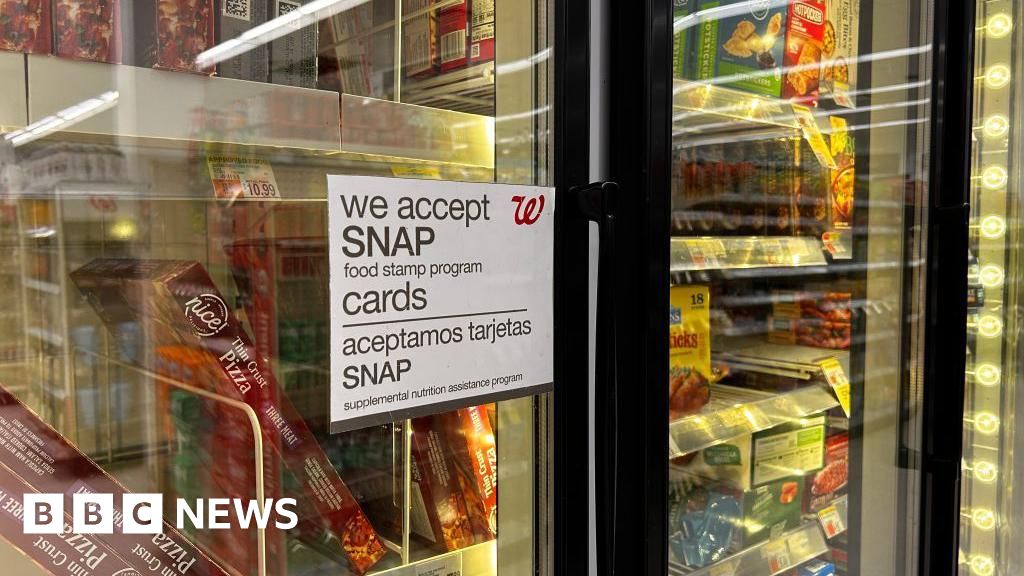
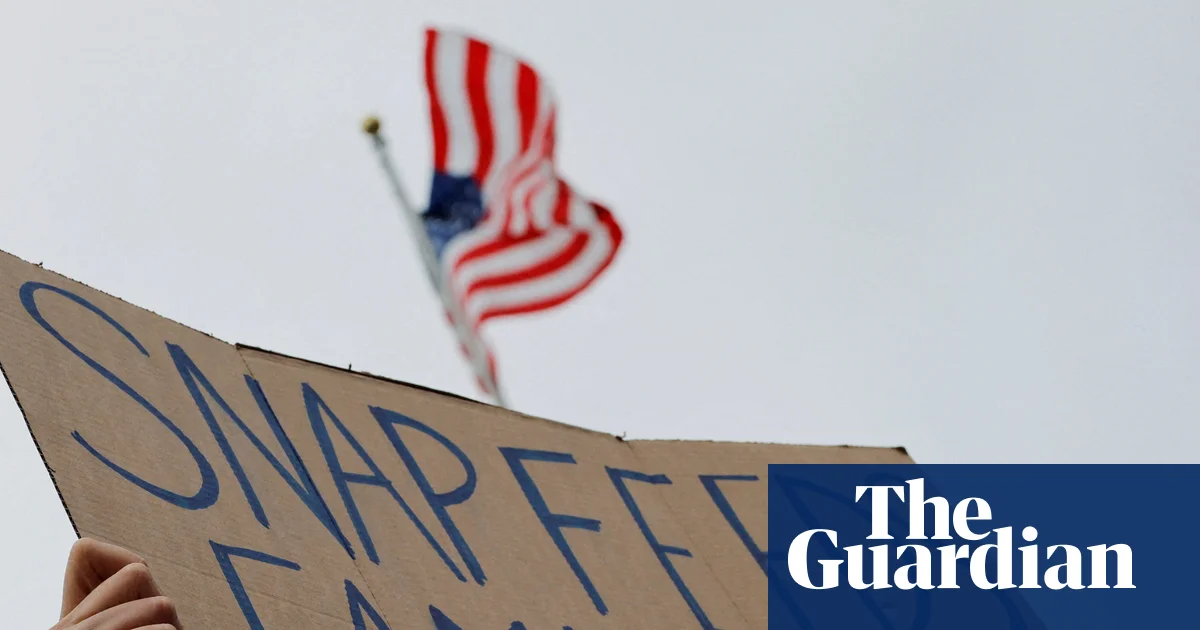
As the United States approaches its second month of a debilitating government shutdown, the focus has intensified on the humanitarian consequences unfolding across the nation, especially among its most vulnerable populations. Despite the political impasse that has paralyzed federal operations since October 1st, the judiciary has delivered a decisive blow to the Trump administration’s attempt to withhold food assistance for over 40 million low-income Americans. Two federal judges in Rhode Island and Massachusetts have ruled that the government must utilize emergency funds to continue the disbursement of SNAP benefits, commonly known as food stamps.

This legal intervention underscores a critical turning point in the ongoing crisis, emphasizing the fundamental role of judicial authority in safeguarding basic human needs against political stalemates. The courts’ rulings assert that funds necessary for essential aid cannot be arbitrarily withheld under the guise of budget disputes. Analysts highlight the geopolitical impact of such decisions in terms of American domestic stability. Historians warn that prolonged neglect of social safety nets can deepen societal divisions, trigger food insecurity, and exacerbate economic disparities, reflecting what they term a “moral failure.” Meanwhile, international organizations, such as the UN, have expressed concern about the global image of a superpower unable to meet the basic needs of its people, risking a narrative of decline amid domestic chaos.

At the core of the legal battles laid out in courtrooms is the Trump administration’s claim that the contingency funds meant for emergencies are insufficient for this crisis, a stance challenged as mistaken by judicial authorities. The USDA’s decision to halt SNAP distributions, citing “the well has run dry,” has been met with widespread backlash from both sides of the political aisle and society at large. Despite efforts by several states to fund benefits independently, the federal government’s warning that they will not be reimbursed only fuels fears that millions of Americans—families like those surviving on less than $6 a day per person—are being left adrift in a storm of political game-playing. The Center on Budget and Policy Priorities estimates that even if the contingency fund is accessed, it might only cover approximately 60% of the usual beneficiaries—another grim reminder of how decisions made in Washington resonate deeply in American living rooms.

In this moment of crisis, the echoes of history serve as a stark warning: when social safety nets are undermined, societal stability fractures. The dominant narrative echoing through policy circles and international commentators alike is that these conflicts are not merely political disputes, but fundamentally a test of American values and resilience. As the courts demand action and Congress remains gridlocked, the fateful question persists—will this be remembered as the point when the world’s most powerful nation chose to abandon its own people, or will it rise to the occasion? The unfolding story remains a testament to a society at the crossroads, with the weight of history pressing heavily upon the pages yet to be written. As the nation teeters on the brink of crisis, the true impact of these decisions will only be measured by how they shape the future of millions who depend on the promise of a better life—promised but now continually challenged by political indifference.

Trump Admin’s Attempt to Cut SNAP Benefits Blocked, Protecting Millions

U.S. Food Aid at Crossroads Amid Government Shutdown

In a striking display of judicial activism, federal judges across the United States recently issued rulings that threaten to uphold the continuation of food assistance programs amidst a prolonged government shutdown. The latest decisions, one in Rhode Island and another in Massachusetts, have ordered the Trump administration to utilize authority and contingency funds to ensure the uninterrupted flow of Supplemental Nutrition Assistance Program (SNAP) benefits — a move that could reshape the executive’s ability to control ancillary social safety nets during political impasses. These rulings underscore a pivotal human story—millions of low-income Americans caught in the political crossfire—yet they also illuminate a broader conflict over federal power and the rule of law that reverberates well beyond the borders of the U.S..

Judicial Intervention Versus Executive Authority

  • Legal actions initiated by Democratic attorneys general from 22 states and the District of Columbia, along with civil rights groups, challenged the administration’s plan to suspend SNAP benefits, highlighting that existing funds—specifically, $5.25 billion in contingency reserves—could sustain the program.
  • The courts, citing ample available funds and the unlawful suspension of benefits, barred the USDA from halting SNAP payments, defying the executive’s assertions that legislative approval was required to continue expenditures during the shutdown.
  • This judicial pushback exposes a fissure in the separation of powers; the judiciary has stepped into a supervisory role, interpreting the legality of budget management—a move that could set a precedential tone for future governmental crises.

Analysts assert that these judicial rulings reflect a growing skepticism towards executive overreach, especially in the face of a contentious shutdown that has exposed the limits of unrestrained presidential discretion. Historians warn that this interplay between courts and the executive could either become a constitutional safeguard or spawn prolonged legal gridlock, with consequences for social stability and international credibility.

Global and Geopolitical Implications of US Internal Crisis

The world watches as the U.S. grapples with its internal governance, a country still perceived as an economic and political beacon. The disruption of social safety nets such as SNAP, which aids nearly 42 million Americans, portends more than domestic hardship. Such instability risks undermining the international perception of American reliability at a critical juncture when global powers—like China, Russia, and emerging regional alliances—are vying for influence.

This crisis demonstrates how domestic political decisions ripple outward, affecting diplomatic leverage and economic stability. The International Monetary Fund and World Bank analysts warn that prolonged internal discord weakens the U.S.’s moral authority and its capacity to shape global policy. Meanwhile, strategic competitors may leverage U.S. disarray to promote alternative models of governance, emphasizing authoritarian efficiency over American constitutional traditions.

How Nations and Societies React and Adapt

States and local communities across the U.S. have responded with remarkable resilience, deploying their own resources to mitigate the crisis. Governors from California, Virginia, and other states have declared emergencies, deploying state funds and National Guard units to support food banks and vulnerable populations. These measures highlight a decentralized response that, while commendable, also underscores the federal government’s limitations in crisis management when facing political deadlock.

The ongoing crisis underscores an emerging trend: the fragmentation of national unity and the rise of state-level resilience. Yet, as the debate rages on about whether the government should tap into reserved funds—reserves that are rightly meant for *natural disasters*—the fundamental question remains: Who holds the power to safeguard the most vulnerable during times of crisis—an overburdened federal government or resilient states asserting their sovereignty?

As history unfolds in these turbulent days, the path forward remains uncertain. The judges’ rulings have altered the trajectory, but the underlying clash between programmatic authority and executive discretion is far from resolved. The fate of millions depends on decisions yet to be made — decisions that will echo through future generations and define whether the principles of law or the chaos of partisanship reign supreme.

The weight of history bears down heavily, and as the nation stands at this crossroads, the world holds its breath—watching how the **United States** will reconcile its laws with its leadership, and whether the bedrock principles of justice and constitutional order will prevail in the era ahead.

Canada’s Prime Minister Carney heads to China to meet Xi Jinping—a new chapter begins

Canada Eyes New Alliances as China and U.S. Trade Tensions Escalate

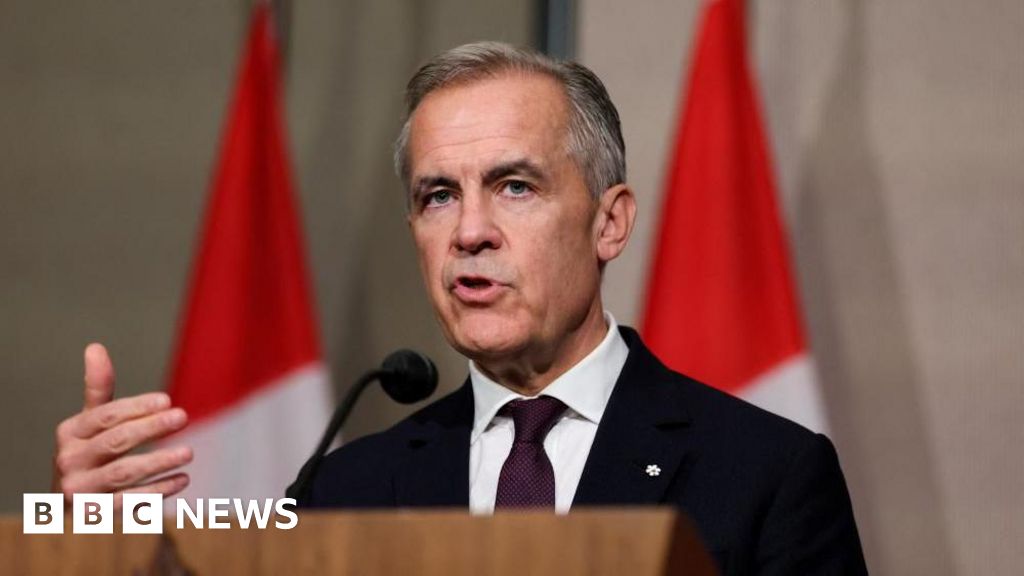
In a move that signals a significant shift in its diplomatic calculus, Canada has accepted an invitation to meet with President Xi Jinping. This diplomatic overture, announced after Prime Minister Mark Carney and Xi’s brief 40-minute discussion during the Asia-Pacific Economic Cooperation (APEC) summit, marks a “turning point” in the historically complex relationship between Ottawa and Beijing. The timing is critical: with escalating tensions emanating from ongoing trade disputes and geopolitical row, Canada’s engagement with China underscores a strategic recalibration that could reshape its international alliances.

Since 2018, relations between Canada and China have spiraled downward, culminating in a diplomatic crisis that saw Beijing arrest two Canadian citizens—Michael Spavor and Michael Kovrig—on espionage charges. Their detention closely followed the arrest of Huawei’s CFO, Meng Wanzhou, in Canada at the behest of U.S. authorities; a move that some analysts argue was a tit-for-tat diplomacy that underscored the fragile state of global diplomatic decorum. Despite their eventual release in 2021, tensions persisted, mounting further as Beijing imposed tariffs on vital Canadian exports like canola, while Canadian retaliatory tariffs targeted Chinese electric vehicles and other sectors. The period has thus evidenced what many call a “two-front trade war,” impacting Canadian farmers, especially in Western provinces, and threatening economic stability in sectors vital to national livelihoods.

The geopolitical impact of Canada pivoting towards China and other major economies is profound. As Analysts warn, this strategic move could serve as a blueprint for other Western nations disenchanted with the kinetic and economic warfare of the U.S.-China rivalry, amplifying the contest for influence in the Indo-Pacific and beyond. Decisions to deepen ties with Asian economic giants coincide with American efforts to tighten its grip on Canadian trade, evident in the recent tariff hikes and diplomatic freezes imposed by Washington, notably after the suspension of trade negotiations triggered by a controversial advertisement by Ontario’s Premier. This turns Canada’s international stance into a high-stakes chessboard, where its ability to navigate between the world’s two largest powers will determine its economic standing for decades to come.

Building on recent turning points, China has publicly expressed a willingness to work with Canada, seeking to “push relations back onto a healthy, stable, and sustainable track.” However, the shadows of the past—foreign interference accusations, trade sanctions, and geopolitical confrontations—loom large. Historians and international watchdogs contend that these diplomatic disputes reflect broader strategies, where entrenched national interests often clash beneath diplomatic veneer. The United Nations and major think tanks have warned that such multipolar tensions threaten the stability of global markets, emphasizing that the outcome hinges on the will and wisdom of leaders to prioritize peace over rivalry. Yet, as history illustrates time and again, the sands of international stability are shifting, and the decisions made today will resonate long into the future—when the fog of diplomacy finally clears and history either judges this moment as a smart realignment or a costly misstep.

Latvian MPs Reject Women’s Violence Treaty, Sending a Defiant Signal

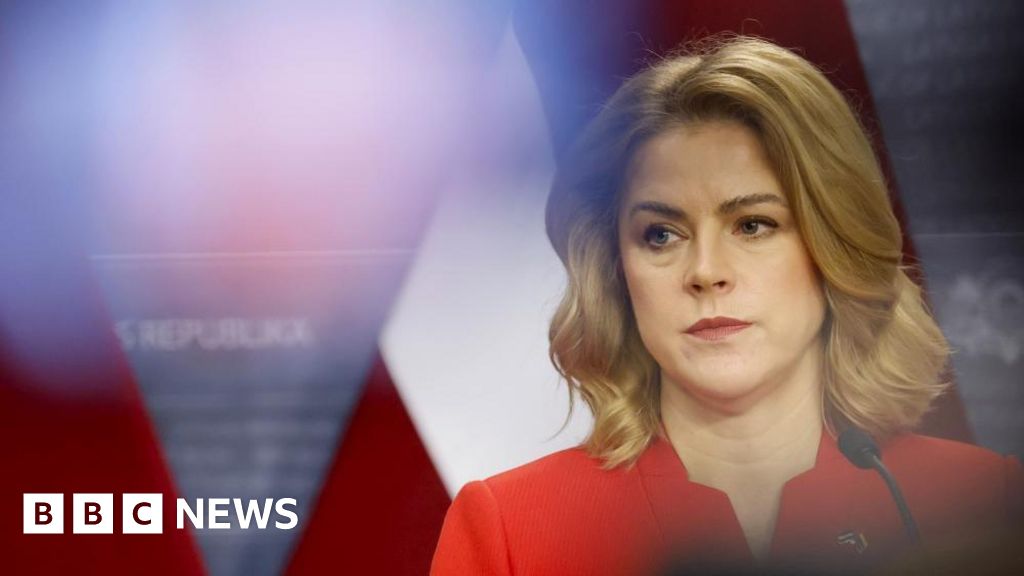
In a move that sends shockwaves through the European political landscape, Latvia has taken the unprecedented step of voting to withdraw from the Istanbul Convention, a key international treaty aimed at combatting violence against women, including domestic abuse. This decision, passed after a heated 13-hour debate in the Latvian parliament, marks a significant pivot away from the continent’s delicate consensus on human rights and gender equality. While the vote did not secure the necessary two-thirds majority, it places the onus on President Edgars Rinkevics to determine whether Latvia will fully step back from the treaty—an act that threatens to redefine the country’s stance on gender rights, societal norms, and its international commitments.

The move by Latvia is not an isolated incident but a part of a disturbing trend that resonates across borders. Turkey withdrew from the same treaty in 2021, citing concerns over what it calls “gender ideology,” a term critics argue is used as a weapon to undermine traditional family values. Experts and international organizations, including the Council of Europe, have condemned these moves as setbacks for human rights. The European Union ratified the treaty only last year, highlighting a commitment to protect women’s rights—an initiative now under threat from rising conservative forces within member states like Latvia. Such decisions are layered with geopolitical implications, as they threaten to fracture the fragile unity that the EU has tried to forge for decades, especially on issues related to social justice and human dignity.

Noteworthy is the political undercurrent fueling this shift. Parties like Latvia First, led by Ainars Slesers, push narratives opposing gender equality, framing the treaty as an attack on “family values.” These groups have rallied opposition, claiming that the convention promotes “gender ideology” and undermines what they deem natural social orders. Meanwhile, opponents argue that this withdrawal is a *dangerous regression* and a step backwards, exposing women to increased risks without legal protections. According to analysts from Human Rights Watch and the European Institute for Gender Equality, such retreats not only embolden domestic abuse but also undermine international efforts to combat femicide, which has notably surged in Turkey post-withdrawal. These developments underscore how decisions rooted in ideology threaten to unravel progress in gender equity within Europe and beyond, impacting not just policies but the social fabric of nations.

As the debate rages on within Latvia, the weight of history hangs heavy. The intervention by international bodies like the Council of Europe warns of the broader *geopolitical impact*—a ripple effect that could see other nations follow suit, fostering a divide on fundamental human rights. President Rinkevics has indicated he will evaluate the legislation “based on legal considerations and the constitution,” but the momentum among conservative factions suggests that this is only the beginning of a larger ideological struggle. With Latvia poised at a crossroads, the question remains: will this be a fleeting misstep or the beginning of a larger retreat that redefines European values, as nations grapple with the forces of tradition versus progress? As history watches with bated breath, one thing is clear—the unfolding chapter in Latvia’s political saga is a stark reminder that the battle for societal values is a battleground of geopolitics, identity, and the future direction of the continent itself.

Dutch Train Strikes Truck at Level Crossing—Young Commuters Safe

The recent train accident in Meteren, the Netherlands, has sent ripples across the global geopolitical landscape, illuminating the persistent vulnerabilities in national infrastructure security amidst rising international tensions. CCTV footage reveals the harrowing sequence where a truck, maneuvering carelessly on the railway line, becomes entangled in a tragic collision with an oncoming train operated by ProRail. Though authorities confirm minor injuries to five individuals involved, the incident underscores a broader concern: how nations safeguard vital transport corridors amid geopolitical shifts.

In the context of international infrastructure reliability, this event highlights the potential for localized tragedies to escalate into international issues, especially as cross-border trade and regional cooperation become increasingly critical. Leading global analysts have drawn parallels to other infrastructure failures in geopolitically sensitive areas, warning that such incidents, though seemingly isolated, may be symptomatic of systemic oversight or underfunding. Experts from organizations such as the International Transport Forum emphasize that preventative measures and international cooperation are vital as countries like Germany, France, and Belgium bolster their transportation security budgets in response to rising external threats and internal neglect.

Furthermore, this incident raises questions about the stability of European cooperation and defense. Despite the longstanding commitment to free movement through agreements such as the Schengen Area, vulnerabilities within national transportation networks can serve as choke points for larger security concerns. As European Commission officials reiterate, reliable infrastructure is the backbone of economic resilience and societal safety. Yet, the incident demonstrates that old vulnerabilities can resurface, exacerbated by the waning political focus on infrastructure investment. Historically, similar events have prompted much-needed debates about modernization and cross-national safety standards, but progress remains sluggish, leaving citizens exposed at crucial moments.

As nations grapple with internal reforms and international threats, the weight of history presses on policymakers’ shoulders. The Netherlands, known for its pioneering efforts in sustainable urban development, now faces a stark reminder that even advanced societies are not immune to oversight. The incident in Meteren acts as a stark metaphor for the fragile threads holding together the global order; a single lapse, a momentary misjudgment, can cascade into larger crises, leaving societies vulnerable and authorities questioning their readiness. The unfolding nature of this tragedy underscores an urgent truth: history is continuously written, and the stakes are higher than ever, as the world’s geopolitical landscape teeters on the edge of new, uncertain realities.

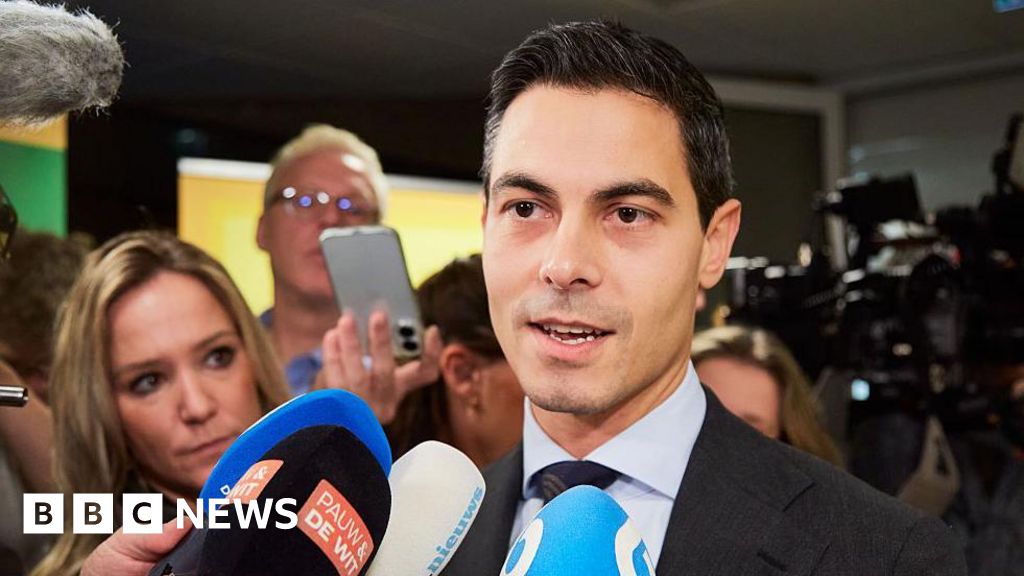
Rob Jetten’s Centrist Party Surges in Close Dutch Election, Youth Support Grows

In a significant turn of events that could ripple across the European Union and beyond, Rob Jetten and his centrist liberal party, Democrats 66 (D66), have narrowly edged out Geert Wilders of the Freedom Party in the recent Dutch general election. With projections indicating Jetten’s victory, this result signifies more than just a local political shift; it signals a potential recalibration of the Netherlands’ stance within the EU and its approach to overarching international alliances. Although Wilders had led opinion polls prior to election day, the final tally reveals that Jetten’s positive, unity-focused campaign strategy succeeded in consolidating vital city votes across Rotterdam, The Hague, and Utrecht. Projected at 26 seats with potential to reach 27, Jetten’s narrow majority underscores a fragile political landscape—a delicate balance that, if maintained, could influence European policy trajectories for years to come.

According to election officials and international analysts, Jetten’s victory is emblematic of a broader regional shift away from populist anti-immigration narratives promoted by Wilders. The Dutch electoral landscape now moves toward a coalition-building process requiring strategic alliances with conservative, left-wing, and centrist parties—a process fraught with complexity and potential delays. Historically, such multi-party negotiations in the Netherlands have taken months, often stalling reforms at critical junctures. International organizations like the European Parliament are watching closely, as shifts in Dutch leadership have historically impacted EU cohesion, especially on immigration, climate policy, and security initiatives. If Jetten, at just 38, becomes the youngest prime minister in Dutch history, his governance could herald a new era emphasizing pragmatic centrism, which analysts claim may soften some of the more radical EU populist waves but also risk alienating voters disappointed by the protracted coalition process.

From a geopolitical impact perspective, the election outcome serves as a geopolitical ballast, balancing internal European pressures with external threats. With Russia’s continued assertiveness in Eastern Europe and rising tensions over immigration, the Netherlands’ political orientation carries weight beyond its borders. European diplomats and foreign policy experts warn that a stable, centrist Dutch government might serve as a moderating influence on EU foreign policy, especially concerning the ongoing Ukraine conflict and relations with China. Conversely, a prolonged coalition formation process, as predicted by observers like former Dutch Prime Minister Dick Schoof, could leave the country vulnerable to external pressures—a scenario that history warns could embolden adversarial actors seeking to exploit political uncertainty in key EU states. The delicate dance of Dutch votes thus holds the power to tilt the continent’s geopolitical balance—an unfolding saga with ramifications far exceeding borders.

As history continues to write itself in real-time, the victory of Jetten’s centrists over Wilders’ populists reminds the international community that the currents shaping our future are often determined quietly—yet profoundly—in the ballot boxes of small nations like the Netherlands. The coming months will reveal whether Jetten’s coalition can finally forge a stable government, capable of confronting the pressing crises of our era, or whether internal missteps could usher in a new wave of uncertainty. With each vote, society writes a page into the difficult narrative of democracy—its contours swirling with ambition, fear, hope, and the relentless pursuit of stability amidst the chaos of a tumultuous age. For now, the world watches with bated breath, aware that this story—this pivotal chapter—has only just begun to unfold.”

Social Media Auto Publish Powered By : XYZScripts.com