Matox News

Truth Over Trends, always!

Death Toll Climbing as Aid Faces Blockades in Jamaica's Hardest-Hit Areas
Death Toll Climbing as Aid Faces Blockades in Jamaica’s Hardest-Hit Areas

Hurricane Melissa’s Devastation: A Stark Reminder of Nature’s Fury and Geopolitical Shifts

Hurricane Melissa, one of the most formidable storms to ever strike the Caribbean, has left a trail of destruction across multiple nations, reaffirming the continent’s vulnerability to increasingly powerful weather phenomena. Making landfall in Jamaica as a category five storm, with winds reaching 185 mph (295 km/h), the hurricane has demonstrated the intensifying severity of natural disasters linked to climate change, according to climatologists. Countries such as Haiti, Cuba, and even territories like Bermuda have experienced its wrath, exposing systemic weaknesses and the urgent need for international cooperation and robust disaster preparedness.

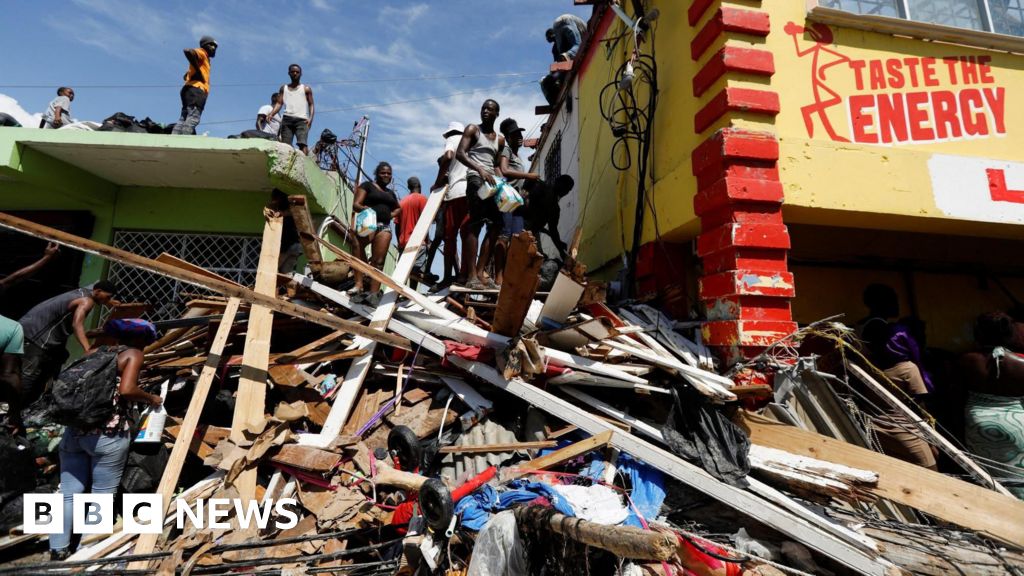
In **Jamaica**, the destruction has been severe, with entire communities cut off, homes flattened, and infrastructure left in ruins. Search and rescue efforts reveal scenes of devastation, especially in western regions where satellite imagery shows complete obliteration of some villages. Local residents articulately describe scenes of chaos, with roads blocked by fallen trees and widespread power outages—highlighting the challenge of providing aid in a country already strained by economic and social issues. Analysts warn that such natural calamities threaten to exacerbate existing inequalities, potentially destabilizing nations and fueling regional insecurity. It is a sobering reminder that the Caribbean’s geostrategic position has placed it on the frontline of climate change’s geopolitical impact, forcing neighboring nations and global institutions to confront a grim reality: the need for resilience in the face of unpredictable and increasingly destructive storms.

Meanwhile, in **Haiti**, the devastation intensified. According to UN reports, over 30 lives have been claimed, primarily due to flooding when a river overflowed in Petit-Goave. Around 15,000 civilians are sheltering across more than 120 relief centers, yet comprehensive assessments remain elusive due to inaccessible regions. Haiti’s fragile infrastructure—hindered by political instability and poverty—struggles to cope with such crises. International organizations like the UN warn that ongoing instability complicates disaster response efforts, threatening to turn localized tragedies into broader humanitarian crises. The storm’s impact underscores how conflicts and weaknesses in governance undermine a nation’s ability to survive such natural adversities, amplifying the impacts while exposing geopolitical vulnerabilities.

Turning to **Cuba** and its resilience, the island’s government reports that more than 3 million citizens faced life-threatening conditions. Nearly 240 communities have been cut off by landslides and flooding, with no fatalities yet, thanks to extensive evacuation campaigns. UN officials commend Cuba’s preparedness but emphasize that the island’s capacity to withstand such chaos is limited, especially with persistent economic constraints. The storm’s aftermath has increased calls within the global community—specifically from Western nations—to evaluate how aid and diplomatic support can bolster regional resilience. As international institutions analyze the repercussions, some argue that the response to Melissa reveals the urgent need for a restructuring of geopolitical alliances, prioritizing swift aid delivery and long-term climate adaptation strategies.

Beyond immediate relief, the storm intensifies ongoing debates over the geopolitical consequences of climate-induced disasters. Decisions by major powers to bolster humanitarian aid, or lack thereof, will significantly influence regional stability. The UK’s pledge of an additional £5 million, along with the United States deploying disaster response teams, exemplify how global actors maneuver in a landscape increasingly shaped by climate crises. As history demonstrates, failure to adapt and invest in resilient infrastructure amidst a changing climate could sow the seeds for future chaos, displacing millions and destabilizing entire regions. With the World Food Programme coordinating logistics across several nations, it becomes clear that the battle is as much about geopolitics as it is about saving lives.

As the world watches the Caribbean’s suffering unfold, the legacy of Hurricane Melissa underscores a profound truth—that our planetary fate is now intertwined with geopolitical choices, human resilience, and international cooperation. The storm’s wrath serves as a harrowing chapter in an ongoing story of climate change, conflict, and survival—reminding us that history is still being written, with every decision echoing through the corridors of power and the lives of countless innocents. Will this be a turning point leading to global unity, or merely another chapter in humanity’s struggle against the forces of nature? The answer remains uncertain, but the weight of history presses heavily upon our collective conscience.
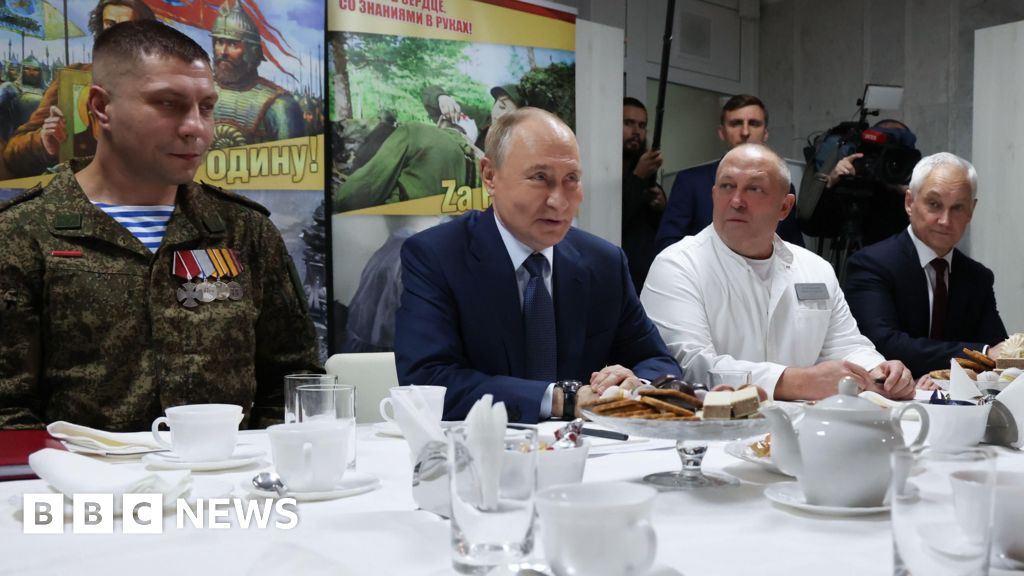

Are Russia’s new nuclear weapons real or just Putin’s bluster?

The recent series of military tests conducted by Russia signals a renewed push by Moscow to project strength amid mounting international tensions. President Vladimir Putin publicly announced the testing of advanced weaponry—namely the Poseidon underwater drone and the Burevestnik nuclear-powered cruise missile—just days apart, a move that analysts interpret as both showcasing technological prowess and strategic signaling. While Russia’s officials tout these weapons as “unmatched in the world,” experts like Mark Galeotti warn that the true military value remains uncertain. Historically, these claims dovetail with Russia’s broader doctrine of deterrence, emphasizing second-strike capabilities designed to uphold Moscow’s strategic ambiguity while testing Western resolve.

From a geopolitical impact perspective, these weapon tests come at a critical juncture. The timing—soon after tentative efforts by U.S. President Donald Trump to de-escalate the Ukraine conflict—appears deliberate. International organizations and security analysts suggest that Moscow’s gambit is meant to remind the West of Russia’s emerging military might, particularly in an era where conventional forces are under strain in Ukraine.

  • Since 2018, Russia has emphasized these weapons as “invincible,” yet their actual operational viability has been questioned, especially after catastrophic failures like the 2019 rocket engine explosion that claimed lives of nuclear engineers.

Despite claims of technological superiority, experts caution that the real capacity of these weapons remains uncertain, mirroring the ambiguity in Moscow’s broader military posture.

Meanwhile, the United States’s response has been notably restrained, with recent developments marking a strategic recalibration. The cancellation of a planned summit between President Trump and President Putin, combined with new sanctions on Russian oil giants, signals Washington’s frustration and wariness. U.S. officials have begun to, explicitly or covertly, prepare for a renewed nuclear arms race, with Trump justified resuming nuclear weapons testing as a means to maintain parity—an alarming sign of escalating tensions. On the international stage, NATO and global security think tanks warn that such displays deepen the risk of miscalculation, as Russia’s provocative tests seem designed not just for technological display but also to bluff against what it perceives as Western hesitation.

This escalation is further compounded by Russia’s strategic stance amidst a muddled battlefield in Ukraine. As David Heathcote of McKenzie Intelligence Services notes, the lackluster performance of Russian conventional forces has prompted Moscow to resort to “overexaggerated sabre rattling,” a bid to inflate its strategic importance while masking vulnerabilities. The announcements about these advanced weapons thus seem to serve a dual purpose: bolstering domestic morale and enticing international allies or adversaries into underestimating Moscow’s true military readiness. As history charts the course of nuclear proliferation, the world now stands at a critical crossroads—where each test, each declaration, shapes the fragile fabric of global security, leaving the future unsettled and the shadows of war looming larger than ever.

NASA Debunks Reality Star’s Moon Landing Hoax

NASA Firmly Denies Moon Landing Skepticism Amid Cultural Clash

In a notable episode reflecting the ongoing tension between scientific consensus and popular skepticism, NASA responded decisively to recent remarks by Kim Kardashian, a global celebrity whose comments questioning the authenticity of the 1969 Moon landing have ignited international debate. Kardashian, known primarily for her entertainment empire, expressed doubts about the historic Apollo 11 mission during her reality TV series, asserting that the Moon landing was faked. Her claims, though widely discredited, exemplify the persistent influence of conspiracy theories in an age increasingly dominated by social media and misinformation.

Contrary to Kardashian’s assertions, NASA acting administrator Sean Duffy made an unequivocal rebuttal on social platforms, emphasizing the agency’s extensive history of lunar exploration: “Yes, we’ve been to the Moon before… 6 times!” The agency’s response underscores a broader truth backed by decades of scientific evidence and expert analysis. The discrediting of claims that the Apollo missions were hoaxes highlights the resilience of factual history against the tides of misinformation. Such denials bear significant geopolitical weight, especially as nations like Russia and China intensify their own space programs, signaling a new era of international competition in outer space.

The incident has sparked a wider dialogue about the geopolitical impact of space exploration decisions. Critics argue that the United States’ continued leadership in lunar missions, exemplified now by the renewed Artemis program under the leadership of former Donald Trump, underscores a strategic effort to reassert dominance in the final frontier. As NASA promotes returning humans to the Moon, global analysts emphasize that such endeavors are not merely technological achievements but symbols of national prestige. The International Space Station has long been a platform for geopolitical rivalry—fueling debates over space militarization and the risks of resource contention far beyond Earth’s atmosphere.

Furthermore, the controversy surrounding Kardashian’s remarks underscores a shifting cultural landscape—one where personalities wield influence that can challenge established facts, potentially impacting societal attitudes towards history, science, and international diplomacy. International organizations, including the United Nations Office for Outer Space Affairs, have consistently emphasized international cooperation, warning that misinformation and misinformation-driven skepticism could undermine collaborative efforts. As the United States recommits to lunar exploration, the lessons of history serve as a stark reminder: these are more than symbolic battles; they are moments that shape the future of human progress and global peace.

As the weight of history presses on the shoulders of space-faring nations, the decision to pursue lunar ambitions carries an inevitably profound geopolitical impact. With each new moon mission, nations are not merely exploring celestial bodies—they are staking claims in a new geopolitical landscape where sovereignty, influence, and technological supremacy will determine the future. In this unfolding saga, the controversy over a celebrity’s dubious claims becomes a symbol of the broader struggle between truth and misinformation. As history continues to write itself in the stars, one thing remains clear: the quest for greatness and the battle for narratives are intertwined, and the outcome will influence human society for generations to come.

Ofgem Reveals Two Million Customers Could Claim £240 Million from Unclaimed Accounts

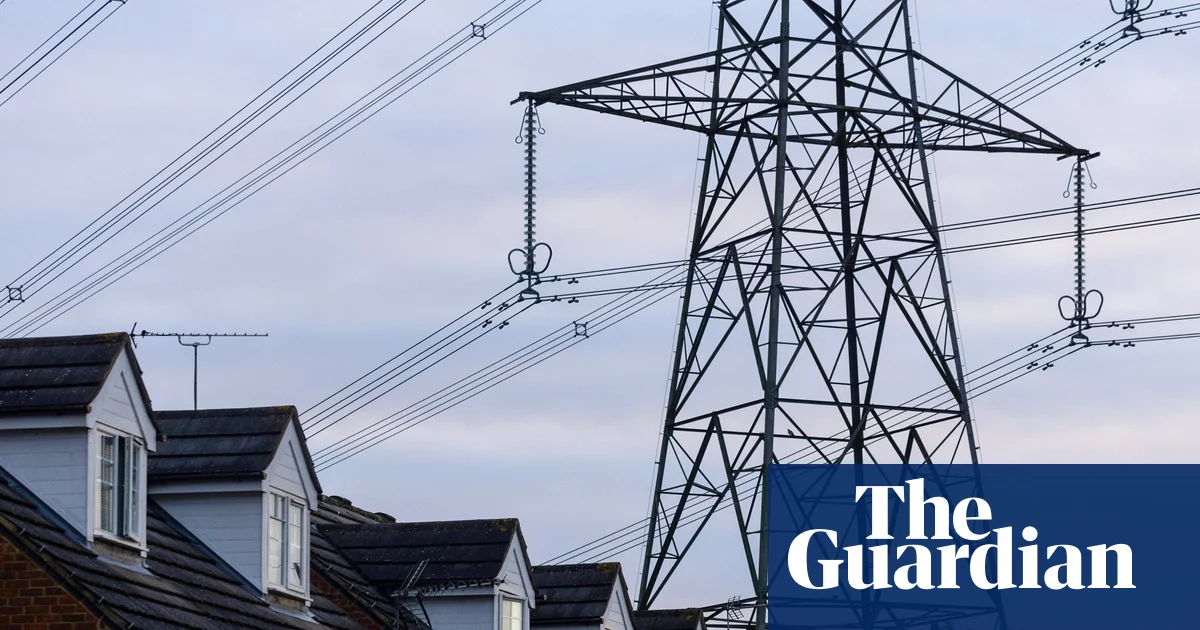
Recent data from Ofgem, the UK’s energy regulator, exposes a troubling trend amid the ongoing economic turbulence: over 1.9 million energy accounts have been closed within just five years, leaving behind an astonishing £240 million in unclaimed credit balances. While many individuals might overlook small refunds, the cumulative figure underscores a deeper systemic issue—families and consumers are increasingly unable to recover funds left in limbo after switching providers or moving residences. This phenomenon reflects the broader consequences of deregulation and market instability, leaving the average British household vulnerable as the nation faces an uncertain winter.

The core concern is not solely financial negligence but an urgent warning about the fragile state of the UK’s energy industry amid rising costs and geopolitical strategic realignments. Despite wholesale energy prices falling by 2% over the summer, the regulator has opted to raise the price cap by £35, pushing the typical dual-fuel bill to around £1,755 annually for households paying by direct debit. This decision, though justified under current economic pressures, sparks debate among analysts who argue that such measures disproportionately burden ordinary citizens, especially as energy debt piles—reaching a record £4.4 billion as of June—continue to deepen, exposing the nation’s vulnerable social fabric.

To mitigate this crisis, Ofgem announced plans to alleviate debt for nearly 200,000 low-income households, offering debt relief potentially exceeding £1,200 per account—an effort heavily financed by modestly increasing the average household bill in the coming years. Critics, however, warn that such measures are merely a temporary salve, unable to reverse the underlying issues of energy insecurity and economic disparity. According to international organizations and global analysts, these conditions exemplify how energy policies are increasingly intertwined with geopolitical struggles. As energy markets fluctuate amid ongoing conflicts and strategic realignments—particularly in regions like Russia and the Middle East—the UK’s situation reflects a broader pattern: nations are caught in a struggle for resource dominance, which directly impacts societal stability and international influence.

Historians and geopolitical analysts highlight that the UK’s current crisis isn’t isolated but part of a larger narrative of energy politics dictating global power. As supply chains are disrupted and nations jostle for control over critical resources, the decisions made in London will resonate not just domestically but across the international stage. In this age of strategic competition, energy debt and affordability become symbols of national resilience—or weakness. Today, Britain faces a crossroads where economic hardship is woven into the fabric of global power dynamics—an unfolding chapter that will be studied by future generations, perhaps as a pivotal moment in the shifting balance of international influence.

The weight of history presses heavily upon this moment, reminding us that the choices governments make now—how they balance economic stability, energy security, and social welfare—will shape the geopolitical landscape for decades to come. As the debate over the UK’s energy policies intensifies and the shadow of geopolitical conflicts lengthens, one truth remains clear: the ongoing struggle for resources is rewriting the rules of global power, leaving ordinary citizens caught amid a storm where the lines between national interests and societal well-being blur in the unfolding narrative of history.

Sagrada Familia in Barcelona Tops Global Charts as World’s Tallest Church

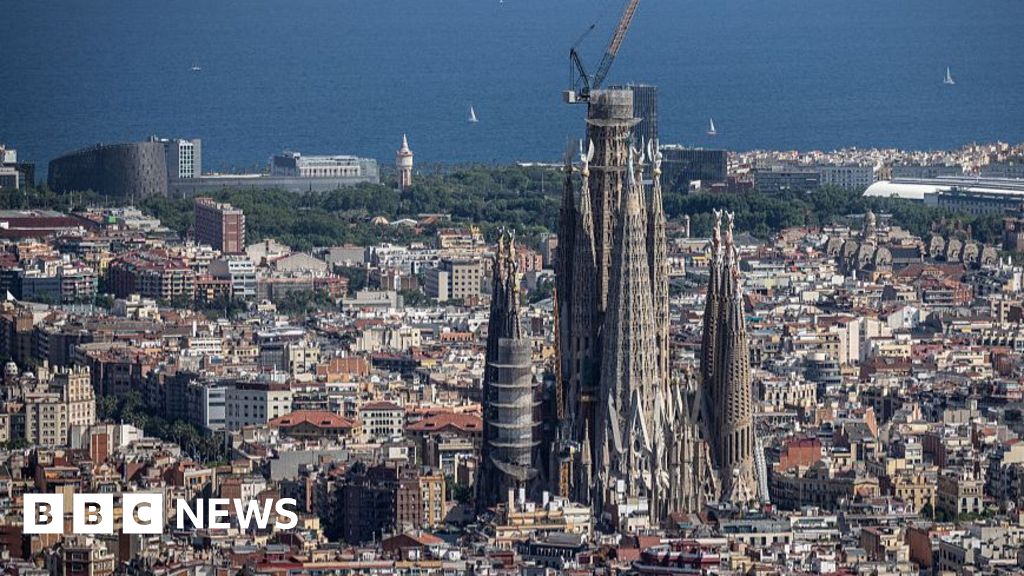
In a stunning showcase of architectural perseverance and cultural pride, the Sagrada Família in Barcelona has officially become the tallest church in the world. Rising to an unprecedented height of 162.91 metres after the placement of the first component of its central cross, this historic basilica has surpassed the Ulm Minster in Germany, which held the record since 1890. Designed by renowned architect Antoni Gaudí, the iconic structure has been under construction for over a century, symbolizing Spain’s resilience and relentless pursuit of grandeur amid geopolitical upheavals and internal challenges.

What makes this achievement especially noteworthy is the long, tumultuous history of the basilica’s creation. Gaudí, whose visionary designs transformed the initial plans into an ambitious masterpiece, tragically died in 1926 with only one of the planned 18 towers completed. Since then, the project has faced myriad obstacles, including the destructive Spanish Civil War, during which anarchists set fire to the crypt, destroying crucial plans and models. Despite these setbacks, the construction persisted, funded primarily through donations from visitors and enthusiasts from around the world, which exemplifies its symbolic importance far beyond mere architecture. International historians and analysts view the Sagrada Família as a testament to human dedication, with many considering it a cultural microcosm of Spain’s resilient national identity.

The recent milestone is viewed by many as a geopolitical emblem of Spain’s cultural revival and national sovereignty, especially amidst ongoing debates over regional independence and identity. The tower’s completion, projected for 2026 to mark the centenary of Gaudí’s death, is accompanied by a series of commemorative events that underscore the importance of preserving Spain’s rich architectural heritage. Yet, the construction’s slow progress, punctuated by the COVID-19 pandemic, highlights the fragility of such long-term national projects in times of crisis. Economic analysts warn that the temporary halt in tourism and funding reflects broader vulnerabilities facing Spain’s economy and cultural institutions, which are often caught in the crossfire of global geopolitical shifts.

As work continues on finishing the building’s decorative sculptures and the stairway leading to its entrance, leaders, historians, and international observers watch with cautious optimism. The Sagrada Família stands not only as an architectural marvel but as an enduring symbol of human aspiration in a world where political boundaries and societal values are constantly shifting. As the tower reaches skyward, so too does the recognition that history’s greatest changes are often born from patience, resilience, and unwavering faith—qualities embodied in this masterpiece, destined to watch over the city of Barcelona for generations to come, as the weight of history itself remains in perpetual motion, forever shaping the destiny of nations and societies worldwide.

Five suspects face charges in Robert De Niro's grandson's overdose death
Five suspects face charges in Robert De Niro’s grandson’s overdose death

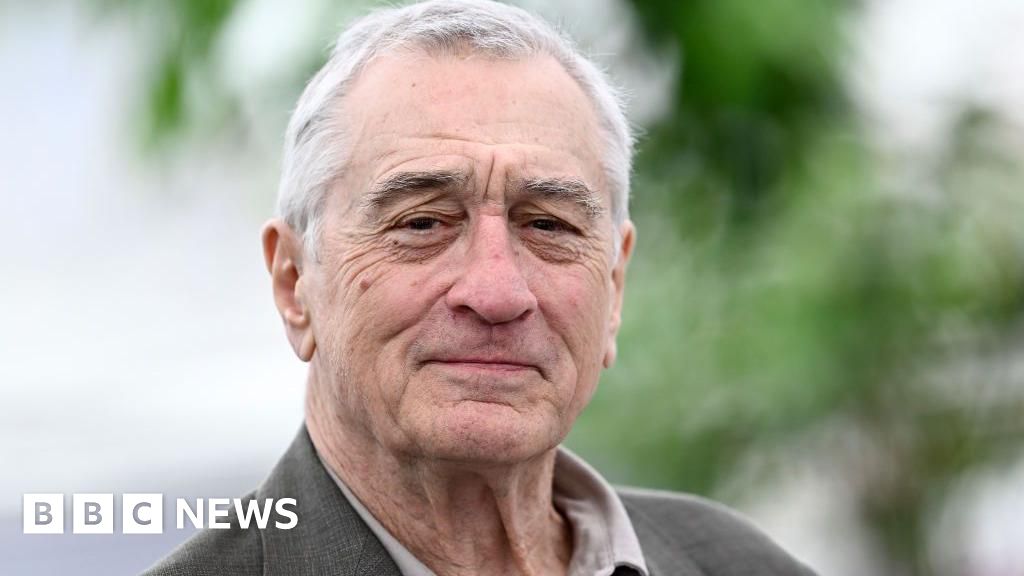
The recent crackdown on a fentanyl distribution network in New York has garnered international attention, representing a broader struggle faced by numerous nations grappling with the devastating opioid crisis. Five individuals—Bruce Epperson, Eddie Barreto, Grant McIver, John Nicolas, and Roy Nicolas—have been formally charged with conspiracy to distribute and possess with intent to distribute fentanyl-laced counterfeit prescription pills. This case underscores the lethal potency of illicit synthetic opioids, which have become a dangerous commodity in the global narco-economy and pose significant public health and security challenges to countries worldwide.

  • The suspects allegedly used social media platforms and encrypted messaging services to sell thousands of pills, resulting in at least three teenage deaths over the summer of 2023—highlighting how technological platforms are exploited for criminal enterprises.
  • The victims included Robert De Niro’s grandson, Leandro De Niro-Rodriguez, and others, revealing how the opioid epidemic is impacting prominent families and raising awareness among international audiences.
  • Authorities link these deaths to a broader network that traffics counterfeit pills containing fentanyl—a synthetic opioid many international organizations warn is up to 100 times more potent than heroin, significantly increasing overdose risks.

Analysts and international institutions, such as the United Nations Office on Drugs and Crime (UNODC), recognize this case as emblematic of a global epidemic. They warn that the proliferation of synthetic opioids—especially fentanyl and its analogs—has transformed the drug trade into a transnational battlefield. This escalation not only threatens national security but also destabilizes communities, especially among youth, whose vulnerabilities are exploited by organized crime syndicates. Turning points in law enforcement efforts—such as this recent case—highlight the importance of international cooperation in tracking illicit networks and dismantling supply chains that span borders.

The geopolitical impact of these domestic investigations reaches far beyond New York. Countries involved in or affected by the fentanyl trade face mounting pressure to strengthen border control, law enforcement capabilities, and international diplomatic efforts to curb drug flows. As historian and geopolitical analyst Dr. Maria Reynolds notes, “The drug trade has become a tool of asymmetric warfare—destabilizing governments and societies from within, while heightened enforcement can serve as a catalyst for greater international collaboration.” This case emphasizes that decisions made at the municipal level ripple through diplomatic channels, affecting relations between nations and shaping global drug policies.

Furthermore, the tragic death of Robert De Niro’s grandson serves as a stark reminder of societal vulnerabilities and the profound human toll of these clandestine networks. The narrative continues to unfold as authorities push for harsher penalties, with each conviction emphasizing the urgency of a global strategy against the synthetic opioid scourge. The charges, which carry mandatory minimum sentences of 20 years and up to life imprisonment if proven, represent a firm stance against organized crime but also raise questions regarding the social and economic factors that facilitate the surge of counterfeit pharmaceuticals. Society must recognize that battling this crisis involves not only law enforcement but also comprehensive public health initiatives and international cooperation.

As the world watches, history remains in the making. The story of this case intertwines with the broader arc of a dangerous era—one where synthetic drugs threaten to undermine social order and challenge national sovereignty. The sobering truth is that beneath these headlines lie potential flashpoints that could ignite larger conflicts—be they diplomatic, social, or economic. In this shadowy domain of modern drug wars, every arrest, court ruling, and international agreement shapes a future that remains unknowable, yet undeniably urgent—a stark reminder that, in the ongoing battle for global stability, history’s pen is still writing.

Australia News Live: Thorpe tells Albanese to move past Voice setback after Indigenous treaty clears Victorian parliament

Emerging Shifts in National Commitments and International Tensions Reshape Global Geopolitics

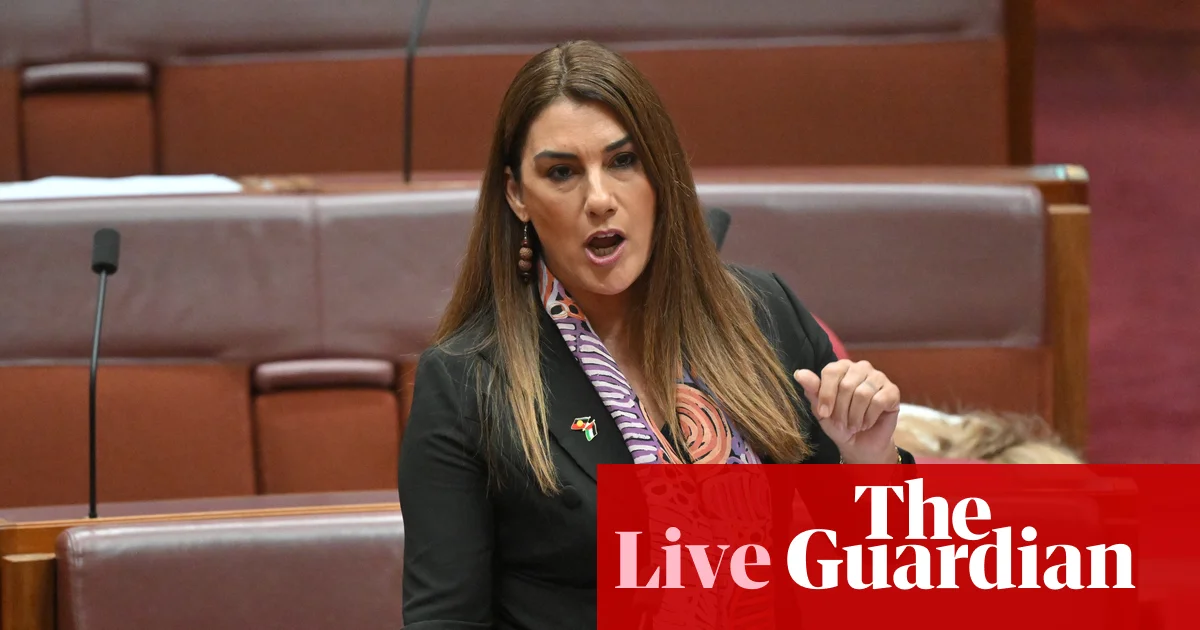
In a landscape steeped in rapid change, recent developments across nations reveal a profound transformation in how countries are engaging with issues of sovereignty, policy independence, and international cooperation. Australia has taken a historic step, passing its first treaty with traditional owners in a move that has sent ripples through geopolitics and Indigenous rights globally. This milestone signifies a break from past colonial frameworks and signals a potential recalibration of national identity and sovereignty. As Lidia Thorpe, a prominent Indigenous senator, asserts, this treaty marks a good start towards “real self-determination”, challenging the long-standing narrative that post-colonial states are resigned to their subordinate roles within global structures.

However, this progressive shift is not happening in isolation; it feeds into a broader contest for national sovereignty witnessed elsewhere. In Victoria, the passage of the Indigenous treaty aligns with a global increase in directly empowering indigenous and local governments—yet, critics warn that such victories could be undermined by overarching international pressures or domestic political stalls. Meanwhile, in Queensland, a tragic incident involving a young girl struck by lightning exemplifies the ongoing domestic crises rooted in local societal challenges—an inward reflection on societal resilience amid external geopolitical turbulence.

The international arena is also seeing strategic realignments. Australia and Papua New Guinea are deepening their security cooperation through new agreements designed to both enhance regional stability and counter transnational crime. These steps are emblematic of a wider surge in regional diplomacy, motivated by rising external threats from expanding powers like China and Russia. Similarly, Australia’s partnership with Papua New Guinea aims to fortify borders against illicit flows, emphasizing the importance of sovereignty while navigating the complex web of international alliances.

Within this context, debates over climate policy reflect a growing divide between economic independence and international commitments. Maria Kovacic and other members of the Liberal faction are grappling with the necessity for a feasible path toward net zero, including potential reliance on nuclear technology—a move that could alter the tectonic plates of global energy politics. Analysts warn that such policy debates are not merely domestic; they are the battlegrounds for influence over energy markets and technological dominances that will define the twenty-first century. Meanwhile, the Australian government faces accusations of opacity, with calls to improve transparency and accountability—an internal struggle that underscores tensions within the fabric of liberal democracies worldwide.

As history accelerates, we are witnessing the dismantling of old paradigms and the rise of new configurations—some peaceful, others fraught with conflict. The passage of treaties, the forging of security alliances, and the internal policy debates reflect a world that is both reshaping and being reshaped. Time will reveal whether these shifts forge a more sovereign, just, and balanced future or plunge nations into deeper crises of identity and trust, echoing the tumult of our most turbulent eras. The pages of history are turning—what will they record about this pivotal decade in global history?

Apple touts massive global rush for new iPhones amid youth anxieties

In a world increasingly driven by innovation, America’s technological titans continue to shape the geopolitical landscape with their latest achievements and challenges. Apple, led by CEO Tim Cook, announced record-breaking financial results amid a surge in global demand for its new iPhone 17 and the ultra-slim iPhone Air. Despite supply chain constraints and recent shipment delays, especially in China, the tech giant maintains an optimistic outlook for the upcoming holiday season, predicting its “best quarter ever.” This optimism, however, is not without a hint of caution—Cook pointed to ongoing issues balancing supply and demand and the lingering impact of the US-China trade war, exemplified by tariffs enacted during the Trump administration. These trade tensions continue to cast a long shadow over global supply chains and market stability, underscoring the fragile interdependence of the world’s largest economies.

The U.S. and China are at a pivotal crossroads. Recent meetings between Donald Trump and Xi Jinping have sparked a cautious hope for de-escalating trade conflicts, yet analysts warn that the trade war’s repercussions are still Rippling through industries worldwide. Market research firms like Counterpoint report that early sales of the new iPhone 17 models in the US and China are up 14%, a promising sign for Apple’s prospects. Nevertheless, concerns about tariffs and supply disruptions remain a top priority for investors, with many watching the ongoing geopolitical tug-of-war that could either propel or hinder technological advancements globally. Experts like Harvard political analysts warn that these trade disputes could redefine the rules of international commerce, potentially accelerating the shift towards localized manufacturing and economic decoupling.

Meanwhile, in the broader tech sector, rivals like Amazon are also jockeying for dominance, with quarterly results indicating robust performance—not only in e-commerce but crucially in its cloud computing division, Amazon Web Services (AWS). As AWS’s growth accelerates at 20% year-over-year, it underscores the intensifying competition in AI-driven infrastructure—a sector seen as the battleground for the next wave of technological and geopolitical dominance. Microsoft and Alphabet are also doubling down on their AI investments, making the race for technological supremacy more fierce than ever. Analysts contend that this AI race will influence global power dynamics, as nations align their economies to harness its vast potential, but also prepare for the strategic threats it poses. The geopolitical implications are profound, with each corporate move echoing national security concerns, and the world teeters on the brink of a new technological era that could reshape power structures in ways yet unseen.

As history nears yet another defining chapter, the narrative looms with a weight of the potential for both progress and chaos. The decisions made by superpowers, corporations, and international institutions today will echo through generations, carving the contours of a future where technology, trade, and sovereignty collide on the global stage. The unfolding story of America, China, and beyond is a testament to the relentless pace of change—an ongoing battle for influence that could redefine not just economies, but the very fabric of societies worldwide. In this volatile arena of innovation and geopolitical shifts, one thing remains certain: the future is unwritten, and history’s next great chapter is still awaiting its pen stroke.

Israel Identifies Hostages' Bodies Returned by Hamas
Israel Identifies Hostages’ Bodies Returned by Hamas

Gaza Conflict: The Thin Veil of Ceasefire and its Fractures

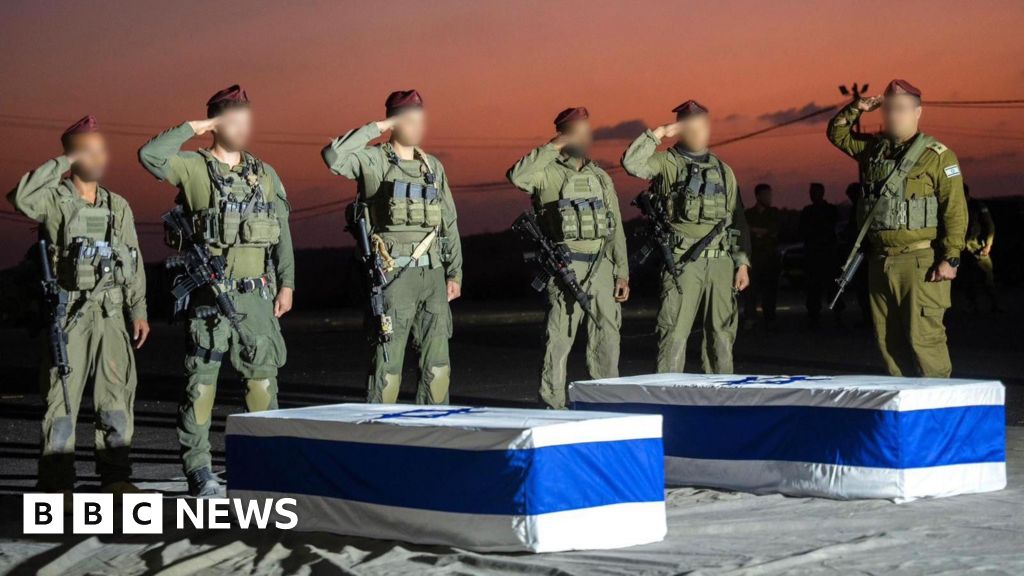
The recent developments in Gaza have once again shoved a fragile ceasefire into the abyss of uncertainty. Israel confirmed the identities of two deceased hostages, Amiram Cooper and Sahar Baruch, following the exchange mediated by the Red Cross. This grim confirmation underscores the tragic reality faced by families on both sides of this relentless conflict. Yet, beneath the surface of these mortal tolls, questions about the authenticity and transparency of Hamas’s actions are intensifying. The Israeli government accuses Hamas of staging the recovery of a body that did not belong to the deceased, revealing a staged scene captured by Israeli drones. This escalation of accusations signals not merely a breakdown in trust but a dangerous escalation that threatens to unravel the latest ceasefire deal brokered under international auspices.

The U.S. and international organizations initially heralded the ceasefire as a significant step toward de-escalation. This deal mandated the return of 20 living and 28 deceased hostages and a reciprocal release of Palestinian prisoners. However, recent events threaten to undo this fragile progress. The Israeli military reports that Hamas violated the terms by killing an Israeli soldier and staging the scene to falsely suggest continued hostilities, a move that Israel swiftly responded to with a series of airstrikes across Gaza. This tit-for-tat violence underscores how a handful of tactical breaches could spiral into broader regional instability, especially with Israel warning that it would respond “when its soldiers are targeted.”

» Geopolitical Reckoning: From Local Skirmishes to Global Shifts

The geopolitical impact of these events extends far beyond Gaza’s borders. International stakeholders — including the U.S., Qatar, Egypt, and Turkey — have played pivotal roles in brokering and maintaining the ceasefire. Yet, volatile incidents like these threaten to derail diplomatic efforts that were already precarious. Such moves could embolden extreme factions and reduce the chances of future peaceful resolutions, effectively prolonging the cycle of violence and suffering. Historians warn that this cycle, if unchecked, could cement a new era of regional instability, with the Middle East’s delicate balance of power teetering on the edge.

For analysts and international institutions, the lesson is clear: the decisions taken during these turbulent moments echo through decades of history. Miscalculations and staged deceptions risk igniting full-scale conflicts that transform localized violence into broader regional crises. Meanwhile, the humanitarian toll remains staggering, with reports from Gaza’s health ministry indicating over 104 Palestinians killed in a single day since the ceasefire, including many women and children. This human suffering emphasizes how international decisions on security, aid, and diplomacy carve the future of societies, potentially shaping generations to come.

» The Unfolding Conspiracy of War and Peace

As the world watches, the conflict in Gaza continues to morph into a theater of geopolitical chess, where every move is scrutinized for its long-term consequences. The each deception, attack, and peace accord reveals the complex web of interests, alliances, and betrayals that define this volatile region. The fate of countless lives hinges on resolutions that are often as fragile as the ceasefires they aim to secure. As history unfolds its thickening narrative, the question remains—will this cycle of deception and violence finally give way to genuine peace, or will the weight of unresolved grief and distrust plunge the region into renewed chaos? Only time will reveal how this critical juncture in history will be written, but the echoes of today’s decisions are certain to resonate for generations.

Russian push ramps up near crucial Ukrainian town, army chief warns

Ukraine under Siege: The Battle for Pokrovsk and Its Global Significance

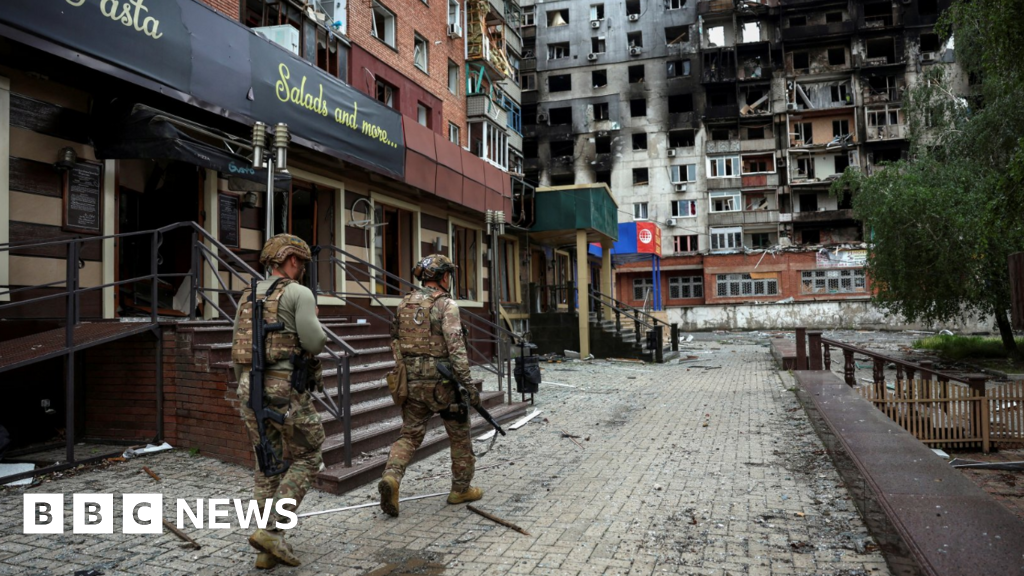
Amid the ongoing conflict in Ukraine, recent reports signal a disturbing escalation around the vital frontline town of Pokrovsk in the Donetsk region. Ukraine’s armed forces, led by Commander-in-Chief Oleksandr Syrskyi, have warned that Russian activity is intensifying, with Russian infantry massing and attempting to encircle the city. These developments are not merely localized skirmishes; they are a critical piece in the larger chessboard of Russia’s strategy to seize control of strategic transport and supply hubs in eastern Ukraine. The town’s fall could pave the way for Russian advances toward Kramatorsk and Sloviansk, the only significant Ukrainian-controlled urban centers still resisting in the region. This potential shift in control would significantly undermine Ukraine’s territorial integrity and complicate Western support efforts.

Official Ukrainian sources and independent analysts have painted a picture of a fierce and dynamic confrontation. Ukrainian General Syrskyi dismissed rumors of a blockade as propaganda, emphasizing that Russian forces are maneuvering around the town, seeking to infiltrate and weaken Ukrainian defenses. Despite the heavy Russian troop buildup, Ukrainian commanders are focused on maintaining a delicate balance—aiming to protect their soldiers while preventing encirclement. The situation remains “difficult,” according to Syrskyi, as Russian forces have been relentless in attempting to infiltrate deeper into Pokrovsk; some reports suggest the city is teetering on the brink of crisis. The battle for Pokrovsk symbolizes a broader struggle—one that involves not only regional territorial control but also the fight for world perception and geopolitical influence.

Meanwhile, international voices and intelligence assessments underscore the gravity of these developments. Ukrainian President Volodymyr Zelensky publicly declared Pokrovsk the “main target” of Russian advances and claimed Russia’s forces there are outnumbering Ukrainian defenders by a staggering ratio—eight to one. Zelensky asserted that Russia’s true aim is to demonstrate to the United States and NATO that Ukraine is on the retreat, a narrative Moscow desperately seeks to sell to bolster its strategic narrative. Analysts from organizations like Sybelline warn that the battle has entered a “highly dynamic and intense phase,” with Russian forces incrementally encircling and disrupting Ukrainian supply routes. Ukrainian monitoring groups suggest that time is running out—Pokrovsk is at a tipping point, and its loss could have rippling effects across the entire eastern front.

The stakes extend far beyond the battlefield. This confrontation encapsulates a broader geopolitical struggle—a symbolic battleground where Russia seeks to fracture Ukraine and redefine regional power balances, challenging the responses of Western allies. The international community, including NATO, watches anxiously as the outcomes here will determine whether Ukraine can withstand Russian pressure or if the tide will turn, forcing a reevaluation of Western support. This is a moment where history is not merely being written; it is being forged amidst gunfire and diplomacy, with the world hanging in a delicate balance. As the drums of war beat louder, global observers must ask—how will this chapter conclude, and what new order will emerge from the ashes of this relentless and pivotal confrontation?

Social Media Auto Publish Powered By : XYZScripts.com