Matox News

Truth Over Trends, always!

Trump limits refugee admissions to 7,500 to prioritize national security and sovereignty

Washington’s New Refugee Admission Limits and Its Impacts on International Relations

President Donald Trump’s administration has announced a significant reduction in the number of refugees permitted into the United States, capping the intake at 7,500 for the upcoming fiscal year—a stark contrast to the 125,000 set during the previous administration of President Joe Biden. This decision, delivered via an official notice, has raised eyebrows across global diplomatic circles, not least because no explicit reasons were provided apart from vague references to “humanitarian concerns or national interest.” It marks a continuing trend from Trump’s early days in office, including the suspension of the US Refugee Admissions Program (USRAP) in January 2025, which aimed at prioritizing national security and public safety.

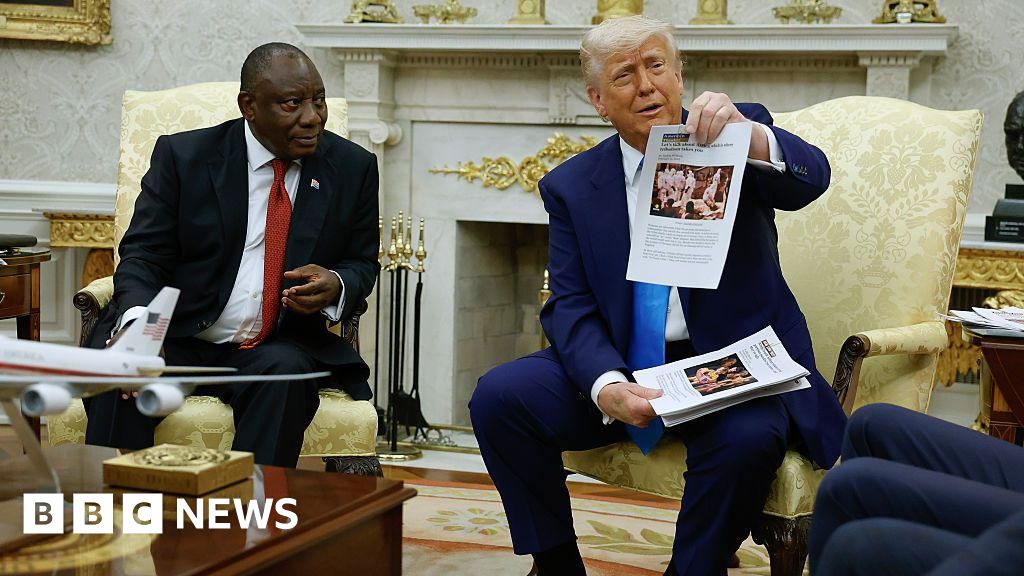
The focus of this new policy appears to favor white South Africans, primarily Afrikaners, with a sizable portion of the quotas allocated to victims of what the White House describes as “illegal or unjust discrimination” in South Africa. During a meeting in May, Trump sharply criticized South African President Cyril Ramaphosa, accusing his government of persecuting white farmers and showcasing disturbing images of burial sites representing murdered farmers—all scenes later clarified to be from protests material dating back to 2020. The White House’s overt regard for these victims underscored an overarching shift in U.S. refugee policy, apparently influenced by geopolitical and ideological considerations.

Geopolitical Impact and Rising International Tensions

Global analysts and historical experts have expressed concern that such selective refugee policies threaten the longstanding credibility of U.S. humanitarian commitments. Krish O’Mara Vignarajah, CEO of Global Refuge, contended that the decision “lowers our moral standing,” especially during a time when crises persist in Afghanistan, Venezuela, Sudan, and beyond. Critics argue that by focusing heavily on a specific demographic, the United States risks alienating its allies and betraying its reputation as a defender of human rights. Meanwhile, accusations of unfair treatment and discrimination against other persecuted groups have surfaced, suggesting a dangerous shift away from the country’s traditional openness.

Furthermore, this policy comes with serious geopolitical ramifications. As the U.S. tightens its refugee admissions, other nations are watching closely, questioning American values and leadership. Some analysts interpret this move as a sign of Trump’s broader desire to reshape U.S. foreign relations—favoring nationalist policies that prioritize domestic security over international cooperation. The impact is palpable: allies in Europe and Africa are now reconsidering their own approaches to asylum and diplomatic engagement. Historically, shifts in refugee policy have often prefigured more profound geopolitical realignments, and experts warn that the current trend could contribute to a fracturing of international consensus on humanitarian obligations.

Societal and Cultural Consequences: A Turning Point in U.S. Policy

As the policy unfolds, the consequences extend beyond diplomacy—deepening societal divisions in the U.S. itself. Immigration advocates have criticized the move as a betrayal of American values, arguing it discriminates against vulnerable populations and undermines the moral foundations of the nation. Critics further point out that this narrowed focus risks fueling policy shifts that favor ethnonational interests at the expense of universal human rights. The decision is emblematic of a broader ideological clash over identity, security, and what it means to be a nation of immigrants in a rapidly changing world.

Meanwhile, the undercurrent of international skepticism grows stronger. As a major power, the U.S. has long wielded influence over global norms surrounding refugees and human rights. With recent decisions seemingly departing from this tradition, the global community stands at a crossroads, watching whether the United States will uphold its commitments or retreat into a more insular approach. The unfolding story remains a dramatic chapter in the larger narrative of a world grappling with new realities—where decisions on refugee intake are less about compassion and more about geopolitical leverage. Indeed, the yet-to-be-written pages of history continue to turn, leaving the world uncertain if the U.S. will remain the beacon of hope it once was or drift into a new era of nationalist retrenchment.
US to Limit Refugees, Prioritize White South Africans in Immigration Policy

In a move that signals a profound shift in U.S. foreign policy and immigration stance, the Trump administration has announced plans to drastically reduce refugee admissions for the 2026 fiscal year to a mere 7,500 individuals. This decision marks a significant departure from the previous Biden administration target of 125,000 refugees, underscoring a more insular and restrictive approach to international migration. Behind the silence from official channels, rumors suggest that the majority of these limited admissions could potentially favor white South Africans, signaling a controversial prioritization that has alarmed advocates for humanitarian relief and critics across the globe.

Such drastic cutbacks inevitably carry geopolitical implications that extend far beyond domestic policy. Historically, refugee flows have been a barometer of global stability, and restrictions like these often send ripple effects through international relations and regional alliances. As analysts point out, the decision could embolden authoritarian regimes in regions beset by conflict, providing a signal that the U.S. may retreat from its traditional role as a refuge for the persecuted. The United Nations and other international agencies have expressed concern about the message this sends at a time when global crises, such as conflicts in the Middle East and Africa, are forcing millions to flee their homes.

Furthermore, this shift reveals deepening fissures in global migration policies and highlights the contentious debate surrounding national sovereignty versus international responsibility. Critics warn that such restrictive policies could undermine longstanding commitments to humanitarian ideals enshrined in international treaties like the 1951 Refugee Convention. More alarmingly, the silence and opacity surrounding the decision indicate a possible strategic move to reset America’s image on the world stage — yet at what cost? These policies risk alienating traditional allies and destabilizing regions where refugees seek safety, compounding the international community’s challenges in addressing human suffering.

Leading voices in geopolitics, including local historians and international think tanks, warn that these developments will be remembered as a pivotal point in the decline of American influence on human rights standards. As the global order continues to shift, the weight of history presses heavily upon the current leadership’s decisions, with the potential to reshape the coming decades. In an era marked by crisis and contention, the world watches cautiously, aware that the unfolding chapters of this story could define new alliances, fracture old ones, and leave a lasting mark on humanity’s collective conscience. As the borders tighten and the rhetoric hardens, the question remains: how will nations reconcile their ideals with the stark realities of a fractured world?

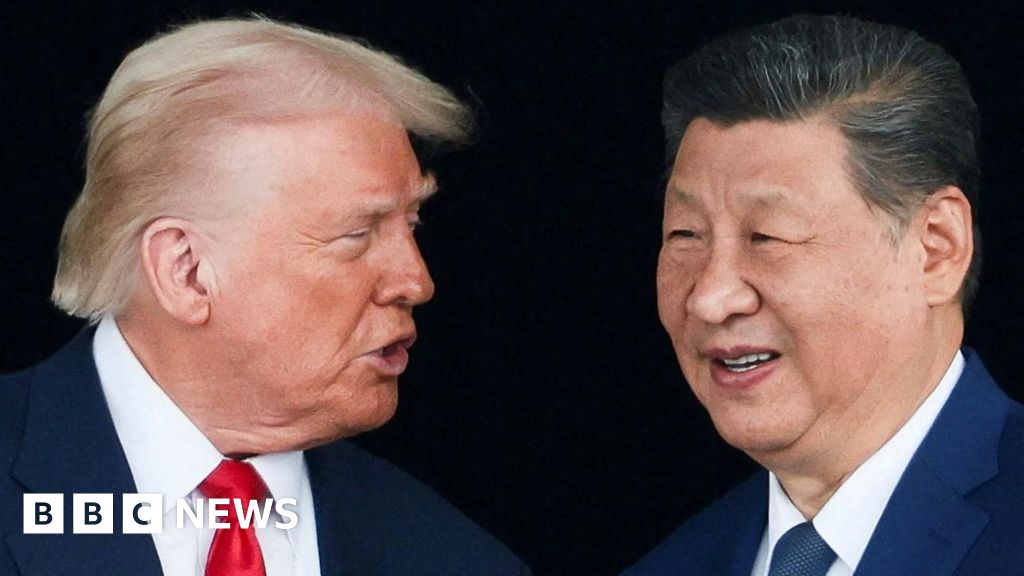
Trump praises 'strong' chat with Xi in South Korea
Trump praises ‘strong’ chat with Xi in South Korea

In an era defined by intense geopolitical competition and shifting alliances, the recent meeting between US President Donald Trump and Chinese President Xi Jinping marks a pivotal moment that may signal a tide of strategic recalibration. After a six-year hiatus, the leaders finally convened in South Korea, an event laden with implications for the delicate balance of power on the international stage. While not an outright treaty or comprehensive agreement, the summit has stirred hopes for a de-escalation of trade tensions that have gripped the global economy, revealing how individual decisions at the highest levels can ripple across nations and societies worldwide.

Although the talks did not produce a formal accord, they laid down a strategic framework that analysts and historians are already interpreting as a potential turning point in US-China relations. A key victory for President Trump was China’s agreement to suspend export controls on rare earths—crucial materials that power modern technology, from smartphones to advanced military hardware. The significance of this move cannot be understated; it demonstrates China’s recognition of its leverage and a shift toward engaging more constructively in global trade. Concurrently, Beijing committed to increasing purchases of U.S. farm exports, specifically soybeans, which had been a flashpoint due to retaliatory tariffs. This gesture, lauded by Trump as a major breakthrough, exemplifies how economic incentives and strategic negotiations intertwine to shaping the future geopolitical landscape.

Yet, beneath the surface, the complex chess game between two superpowers reveals entrenched interests and unresolved conflicts. Notably absent from the accord was progress on regulations surrounding TikTok, where U.S. authorities continue to push for extracting the app’s U.S. operations from Chinese ownership—an issue strongly tied to national security concerns. Moreover, the U.S. announced plans to relax tariffs on ingredients used in fentanyl manufacturing, a key issue in the ongoing fight over drug smuggling that has affected American communities and politics. Nevertheless, the continued presence of tariffs exceeding 40% on Chinese imports underscores how unresolved economic tensions remain core to the broader competition. Highlighting the strategic deadlock, Beijing’s permission for Trump to visit China in April symbolizes a cautious thaw, but also a reminder of the fragile diplomacy prevailing between the world’s two giants.

From the vantage point of global analysts and organizations like the International Monetary Fund, this summit is recognized as a critical juncture where decisions made today will ripple through the fabric of international society. China’s leadership, well aware of its strengthened position, entered the negotiations with a tone of measured restraint, clearly knowing its strategic advantage— having learned from previous confrontations, it has diversified its trade partnerships and leveraged its chokehold on rare earths. Meanwhile, Trump’s approach was more unpredictable, marked by tactical concessions and starkly different diplomatic styles, encapsulating the ongoing ideological and strategic contest that dominates the US-China relationship. As world history’s pages turn, the outcome of this diplomatic engagement, seemingly tentative yet undeniably consequential, promises to shape how nations navigate the complexities of global power for generations to come, leaving the informed observer to ponder: how much of the future is truly in our hands, and how much is being written by the strings of geopolitics beyond our control?

RSF Leader Vows Probe as Youth Fury Grows Over El-Fasher Killings

Sudan’s Escalating Crisis: A Grim Turning Point in Africa’s Last Civil War

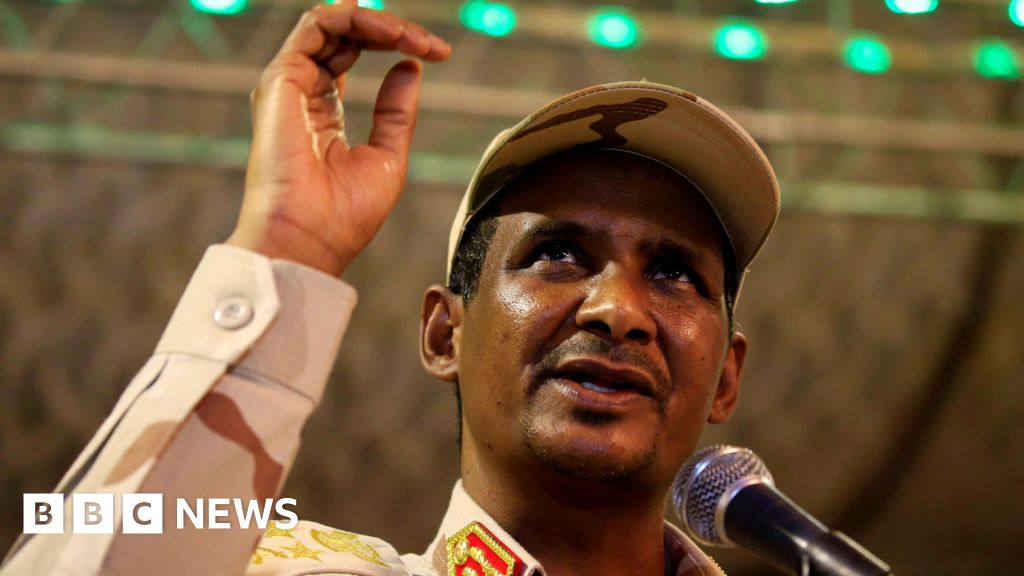
The conflict in Sudan has reached a devastating new phase, with widespread reports of violence that threaten regional stability and expose the profound failures of international diplomacy. The recent seizure of el-Fasher by the Rapid Support Forces (RSF)—a paramilitary group led by Gen Mohamed Hamdan Dagalo—marks a severe escalation in a civil war now in its third year. An investigation into human rights violations has been announced, but mounting evidence confirms the brutal reality on the ground: mass killings, ethnic targeting, and a humanitarian catastrophe that few in the international community can ignore. The United Nations Security Council is convening amidst growing outrage, exemplifying the crisis’s bipartisan concern but also underscoring the international community’s limited leverage in halting the bloodshed.

Eyewitness accounts and verified footage reveal a disturbing pattern of violence—particularly in the besieged city of el-Fasher. Reports from the WHO and humanitarian agencies depict scenes of chaos, with over 460 civilians shot dead at the last hospital alone, many of them unarmed and vulnerable. Social media videos, analyzed by BBC Verify, show RSF fighters executing civilians—an atrocity that compounds long-standing fears of ethnic violence and targeted killings of non-Arab populations. The RSF denies these accusations, claiming their actions are not ethnically motivated, but discrepancies between official statements and documented evidence deepen suspicions. As analysts warn, such denials only delay acknowledgment of a crisis rooted in deep-seated societal divisions and decades of failed state governance.

The geopolitical impact of the Sudanese conflict extends beyond its borders, igniting fears of regional destabilization and broader humanitarian fallout. Egypt and Ethiopia, along with other neighbors, monitor the chaos as refugees flee in the hundreds of thousands, many trapped in limbo, suffering violence, starvation, and disease. The role of external actors has come under scrutiny—most notably the United Arab Emirates (UAE), which faces persistent accusations of supplying military aid to the RSF despite official denials. This involvement signifies a dangerous tilt toward proxy conflicts that threaten to ignite a broader regional crisis, reminiscent of the chaos that engulfed Libya and Yemen in recent years. International organizations, including the African Union, call for urgent humanitarian corridors and neutral investigations to prevent further atrocities, but the challenge lies in enforcing these efforts amidst entrenched factional rivalries.

Historically, Sudan’s fragile statehood has been marred by persistent *exclusion* and tribal tensions—issues that the AU, UN, and regional powers have repeatedly failed to resolve. Analysts such as Dr. Mohamed Ibn Chambas emphasize that without addressing these root causes, military solutions are futile. The ongoing splintering of the country’s geography—control now divided between the RSF in the west and the Sudanese army in the capital—foreshadows a prolonged, possibly genocidal conflict that risks engulfing the entire region in chaos. As history watches silently, the narrative of Sudan remains a stark reminder: when societies are fractured by exclusion and power struggles, the true cost is paid by the innocent. The weight of history presses heavily, and the question remains—will the international community muster the resolve to prevent this crisis from spiraling into a new chapter of African hell, or will it be yet another chapter written in silence?

Trump Announces US to Resume Nuclear Tests After 30 Years

U.S. Reverses Nuclear Testing Moratorium Amid Rising Global Tensions

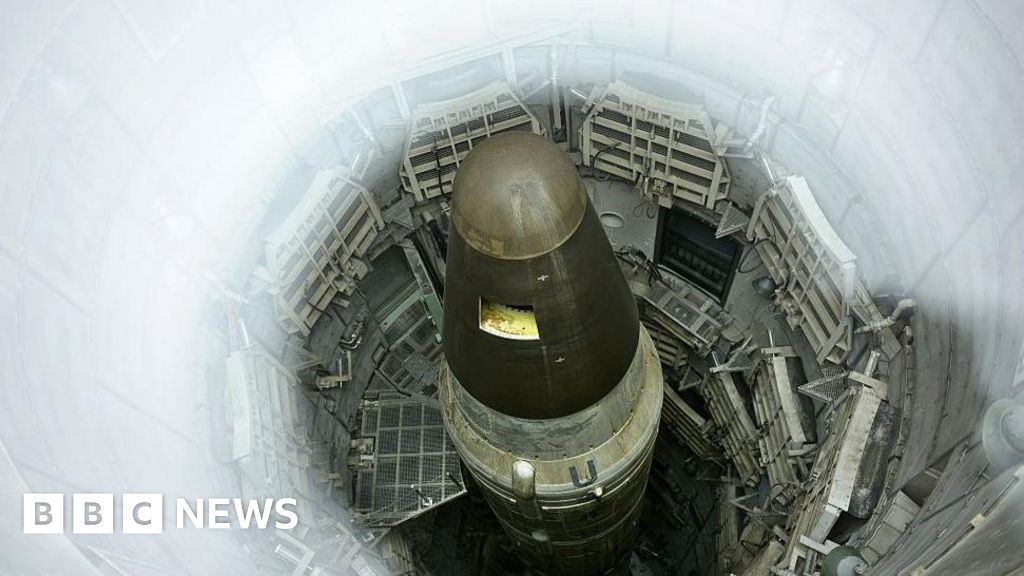
In a move that has sent shockwaves through the international community, President Donald Trump has announced the resumption of nuclear weapons testing, marking a stark departure from decades of U.S. policy aimed at nuclear non-proliferation. Just ahead of crucial diplomatic interactions with Chinese President Xi Jinping, Trump publicly declared that the United States would initiate testing “on an equal basis” with countries like Russia and China. This shift reflects mounting concerns over the rapidly evolving geostrategic landscape, where nuclear capabilities are increasingly seen as essential leverage and deterrence in a world marred by conflicts and technological advancements.

The decision to restart U.S. nuclear testing has notable geopolitical impact. Historically, the U.S. and Russia have maintained a delicate balance of nuclear arsenals, with recent estimates revealing Russia’s stockpile at approximately 5,580 warheads—more than the U.S.’s slightly lower count of about 5,225, according to the Federation of American Scientists (FAS). Meanwhile, China has dramatically increased its arsenal, reaching around 600 warheads and projected to exceed 1,000 by 2030, as per analysts from the Center for Strategic and International Studies (CSIS). By announcing a return to nuclear testing, the U.S. appears to be signaling a readiness to escalate the arms race, a move that critics warn could undermine the existing nuclear treaties and fuel further instability.

It’s worth noting that, since the last U.S. nuclear test in 1992, the international community has largely adhered to a moratorium on testing, reinforced by treaties such as the Comprehensive Nuclear-Test-Ban Treaty (CTBT). The recent Russian testing of advanced missile systems and the development of nuclear-capable underwater drones, like the Poseidon, showcase a new era of nuclear brinksmanship where technological innovation compounds strategic threats. The decision by the Trump administration, coupled with Russia’s own tests of new weaponry, may ignite a chain reaction of destabilizing responses among nuclear-armed nations. International agencies, including the United Nations and global disarmament advocates, have warned that a resumption of testing could jeopardize the nuclear non-proliferation regime, risking a future where nuclear conflict becomes more likely rather than less.

Leading historians and international analysts emphasize the gravity of this shift. For example, Dr. Hal Brands, a notable security expert, cautions that restoring a testing program could mark *”the end of the post-Cold War era of strategic stability”* and escalate the risk of nuclear proliferation among emerging powers. Meanwhile, opposition figures in Congress and advocacy groups have voiced fears over the revival of nuclear tests, arguing that this could “trigger a dangerous arms race” and undermine decades of diplomatic progress. The strategic calculus now moves perilously close to a precipice, with the future of global stability hanging in the balance. As the world watches, it remains uncertain whether diplomacy can contain this dangerous flashpoint, or if history will be rewritten in fire and radiation—an ominous testament to the fragile balance of peace and chaos that has defined the nuclear age.

Senate Question Time Turns Chaotic in Last-Minute Fight for Transparency, Breaking Records

Australian Senate Sparks Political Turmoil: A Turning Point in Transparency and Tradition

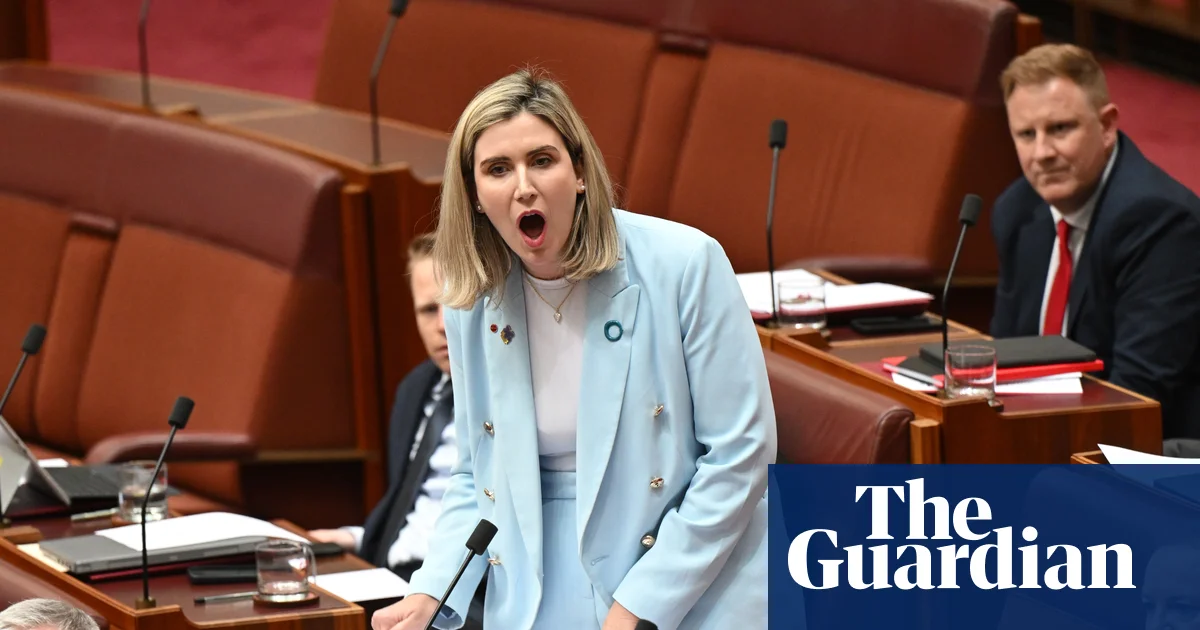
In an extraordinary chapter of Australian parliamentary history, a recent Senate session has challenged long-standing conventions and signaled a potential shift in the nation’s political landscape. Over a record-breaking 210 minutes, senators engaged in a marathon question time that exceeded the previous Federation-era record of approximately 150 minutes. This unprecedented event unfolded amidst a fierce debate over transparency and government accountability, highlighting broader tensions between the ruling Labor government and opposition factions, including the Coalition, Greens, and various crossbenchers.

Led by Senator David Pocock, a notable figure in advocating for government transparency, the opposition-inspired move aimed to extend question time, forcing ministers to answer a greater number of inquiries. This effort was met with fierce resistance from the government, which criticized the procedure as a breach of convention, with Minister Murray Watt dismissing it as a “dummy spit.” Yet, in an audacious procedural move, the Labor-led Senate continued the session well beyond the mandated end, orienting the debate around a critical issue: government secrecy regarding a report on public sector appointments. The report, compiled by former public service commissioner Lynelle Briggs, has been withheld for two years under claims of cabinet confidentiality, despite persistent demands for transparency from non-governmental members.

This defiance illustrates the growing conflict over truth and accountability within Australia’s political system, with analysts warning that such disputes undermine parliamentary tradition and public trust. International organizations, including Transparency International, have expressed concern over the government’s reluctance to release key documents, asserting that the persistent secrecy could weaken democratic institutions. The Australian Senate appears to be on a brink of a constitutional crisis, with critics arguing that the prolonged question time and procedural controversy symbolize a breakdown in the balance of power and the erosion of parliamentary decorum.

The recent upheaval serves as a stark reminder of how decisions made by political leaders ripple beyond national borders, affecting international perceptions of Australia’s democratic standards. As tensions escalate over transparency, the global community watches closely—experts warn that such internal strife could diminish Australia’s influence on the international stage, especially in regions where it seeks to assert leadership amidst competing powers. This internal discord echoes a broader pattern observed in democracies worldwide, where the suppression of information often signals more profound authoritarian tendencies.

As history continues to unfold within the hallowed halls of Parliament, the strain between tradition and reform intensifies. The question now remains: will this historic confrontation serve as a catalyst for genuine transparency and reform, or will it deepen the divisions that threaten the pillars of Australian democracy? The weight of this moment remains heavy on the shoulders of those who believe that, in a nation founded on the principles of openness and accountability, the truth cannot be silenced. The answers lie ahead, as the pages of history turn and the future of Australia’s political integrity hangs in the delicate balance.

K-pop group fails to win legal fight against agency, raising questions about artists' rights
K-pop group fails to win legal fight against agency, raising questions about artists’ rights

The recent legal confrontation involving South Korean K-pop sensation NewJeans and their agency, Ador, has sent ripples through the global entertainment landscape, spotlighting the underlying power dynamics within South Korea’s burgeoning cultural export. The notorious court decision, which upheld the validity of the group’s contractual commitments until 2029, underscores a broader trend of entrenched corporate control over artists that raises questions about the autonomy of creative talents in modern geopolitics and economics.

In a move that defies the normative expectations of artist-initiated rebellion, the Seoul Central District Court dismissed the group’s plea for contract termination, emphasizing the legal binding nature of their agreement. The dispute emerged amid allegations of mistreatment and manipulation by the agency, a scenario that echoes narratives from other big markets where corporate giants—such as America’s Hollywood or Japan’s idol businesses—hold disproportionate sway over their talents. Yet, what makes this case extraordinary is its potential to influence how nations strategize cultural diplomacy and the international community perceives Asian entertainment industries as geopolitical tools.

Analysts note that Hybe, South Korea’s largest entertainment conglomerate, operates not merely as a label, but as a soft power behemoth, shaping not only music charts but also international perceptions of Korea’s cultural economy. The case reveals a complex web of influence extending beyond the stage, affecting how governments and trade partners approach intellectual property rights and artist protections. The international community, including organizations like UNESCO and WIPO, is increasingly scrutinizing such disputes, recognizing their impact on cultural stewardship and legal sovereignty.

Furthermore, the fallout from this legal battle extends well beyond South Korea’s borders. The burgeoning global influence of K-pop—despite its cultural allure—faces challenges from internal power struggles that threaten to undermine its soft power agenda. This incident, with new Jeans asserting their desire to break free from entrenched corporate control, potentially signals a shift—a desire among young artists worldwide to assert their independence in an industry historically rooted in hierarchical, top-down directives. The international community watches intently as these developments unfold, understanding that these disputes reflect broader societal tensions over **autonomy, fairness, and the global governance of cultural industries**.

As the legal proceedings continue and NewJeans plans to appeal the court’s decision, history remains at a critical juncture. The story of this talented group and their battle against corporate giants echoes an enduring narrative: the struggle for autonomy against an overbearing system. This is a decisive moment in which the world’s eyes are drawn to how nations will adapt their geopolitical strategies to harness or curb the influence of cultural juggernauts. The outcome will not only shape the future of South Korea’s entertainment industry but also serve as a benchmark for how societies everywhere can balance the allure of soft power with the protection of individual rights—an ongoing saga that continues to unfold amidst the relentless march of history’s tide.

Trump orders Pentagon to ramp up nuclear tests to rival Russia and China | Donald Trump

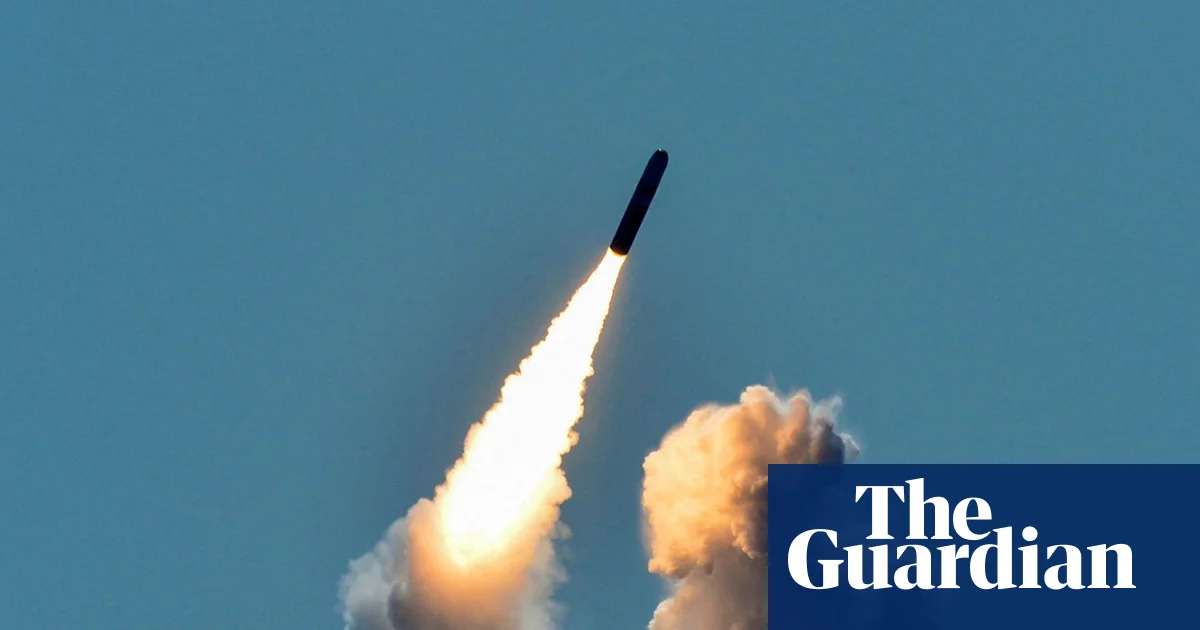
In a **dramatic escalation** of international tensions, Donald Trump has ordered the Pentagon to begin testing U.S. nuclear weapons in direct response to recent advances by Russia and China. This move, announced via social media, marks a **noteworthy shift** from years of US efforts to de-escalate nuclear tensions and cements a stark new reality—one where the world’s leading powers are engaging in a **dangerous game of nuclear one-upmanship**. Trump’s directive coincides with a backdrop where Moscow and Beijing have demonstrated their willingness to modernize and expand their nuclear arsenals, with Russia’s successful test of the Burevestnik cruise missile and Poseidon super torpedo exemplifying a clear intent to project power and undermine existing global stability.

Russia’s recent nuclear tests, including the Burevestnik nuclear-powered cruise missile and the Poseidon super torpedo, signal an **assertive posture** by the Kremlin amidst *breakdowns in diplomatic dialogue* with the West, particularly over the ongoing conflict in Ukraine. These developments are viewed by many analysts as a **deliberate display of strength**, intended to *deter Western interference* and reinforce Russia’s position as a formidable nuclear power. In response, Vladimir Putin has emphasized the need to ensure Russia’s national security, framing these tests as a necessary countermeasure in a new era of uncertainty. Meanwhile, the United States—despite a self-imposed moratorium since 1992—appears poised to re-engage in **nuclear testing**, threatening to ignite a new arms race. The move has sparked alarm among international organizations like the United Nations, which emphasize the catastrophic consequences of an escalated nuclear conflict and warn that such actions risk undoing decades of arms control efforts.

The **geopolitical impact** of Trump’s decision is profound and multifaceted. Not only does it **destabilize regional security architecture**, but it also threatens to undermine *existing treaties* such as the New START Treaty. The historic significance is clear: the revival of nuclear testing signals a departure from *diplomacy and mutual restraint*, opening a dangerous corridor leading toward a potential **nuclear crisis**. As traditional alliances and treaties waver, nations like India and Pakistan watch with concern, aware that a new arms race could destabilize a fragile global order. Leading international scholars, including arms control experts and historians, warn that such decisions “could unleash an era of instability and violence” that the world has sought to avoid since the Cold War’s conclusion.

Amidst this chaos, the **weight of history** looms heavy. The last full nuclear test conducted by the US was over three decades ago, and the silence that followed was seen as a *hope* for eventual disarmament. However, recent incidents suggest that the **axis of nuclear powers** is once again in motion, bringing the world closer to the “shadow of annihilation”. With *each test, each threat, and each escalation*, humanity edges toward an uncertain future. As nations grapple with the choice between peace and war, the question remains: will diplomatic efforts prevail, or will history once again be rewritten on the backdrop of nuclear shadows—a narrative where the clash of titans threatens to define the destiny of civilization itself?

Sudan kicks out UN Food Agency staff as chaos worsens

Sudan’s Humanitarian Crisis Deepens as Military Expels UN Aid Officials

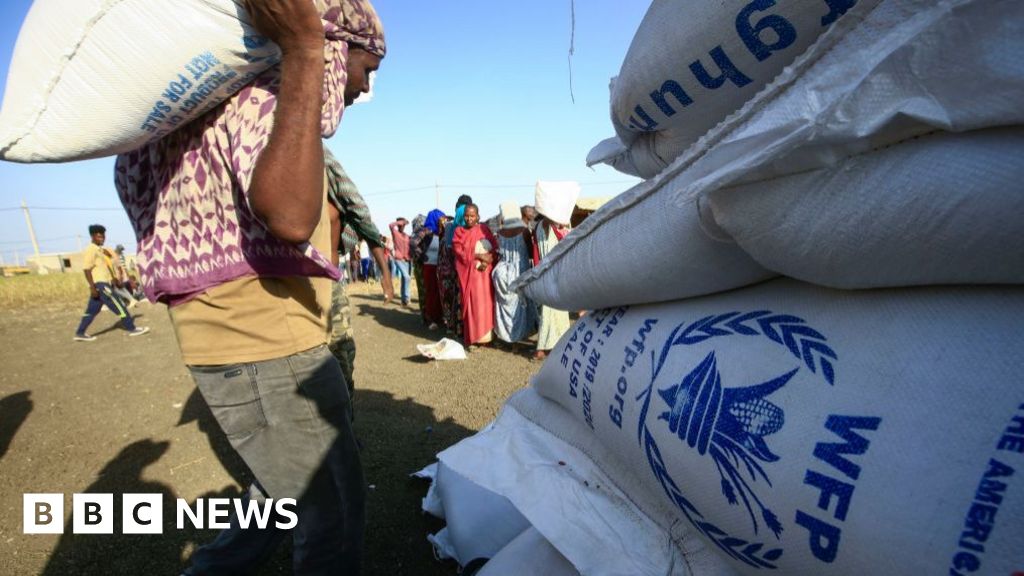
In a move that signals a troubling escalation, Sudan’s military government has ordered two senior officials from the United Nations’ World Food Programme (WFP) to leave the country within 72 hours. This unjustified expulsion comes amid a relentless civil war that has plunged the nation into an unprecedented humanitarian catastrophe. The ongoing conflict, which erupted in April 2023, has resulted in a catastrophic food blockade, leaving over 24 million Sudanese facing severe food insecurity. The removal of key aid personnel at this critical juncture is no coincidence; it underscores the regime’s intent to undermine crucial international aid efforts aimed at alleviating suffering in a conflict zone that has now become a battleground for influence and survival.

Conflict Escalation and Humanitarian Atrocity

  • The reprisals came days after the capture of el-Fasher in Darfur by the paramilitary Rapid Support Forces (RSF), a protracted victory following an 18-month siege that included a food blockade. This event has compounded fears that the violence in Darfur—once a region scarred by genocide—may be reawakened.
  • The fighting has directed international attention to the profound suffering of civilians caught amidst partisan violence, with reports of atrocities and mass killings spreading across the region.
  • Amidst rampant looting, shootings, and violations, eyewitnesses describe el-Fasher as a site of chaos and despair, reminiscent of Sudan’s darkest days during the early 2000s.

The situation illustrates a grim pattern: the resurgence of ethnic violence in Darfur’s rugged terrain, which has long been emblematic of regional instability. Historians and analysts warn that these events are a stark reminder of how internal conflicts can erupt into international crises, with regional and global consequences. The UN and regional bodies like the European Union and African Union have issued alarmed statements, condemning the escalation and calling for international intervention. Yet, the military government’s refusal to provide clear explanations for the expulsion of aid workers reveals an intention to clamp down on any external efforts to document or influence the conflict.

Geopolitical Ramifications and How International Decisions Shape Nations

The expulsions and escalating violence underscore a broader geopolitical shift where resilient regional powers and international organizations face renewed challenge in maintaining stability and order. As Sudan teeters on the brink of renewed genocide, the implications extend beyond Africa’s borders. The renewed violence threatens to destabilize neighboring countries, potentially fueling refugee flows, fostering militant recruitment, and creating fertile ground for larger regional conflicts.

Moreover, this crisis exposes the strategic weakness of international diplomacy, as the Sudanese military’s move to silence aid organizations indicates its defiance of Western and regional pressure. Experts point out that Sudan’s internal turmoil is emblematic of the failure of international efforts to broker lasting peace. If the situation continues to deteriorate, it could invite greater foreign intervention or, conversely, further entrenchment of regional conflicts, reshaping the geopolitical landscape of North-East Africa.

The academic and diplomatic community warns that actions taken today—whether through sanctions, peacekeeping, or diplomatic isolation—will ripple through the historical fabric of the region. How the global community responds to Sudan’s unfolding tragedy could determine whether the country slips further into chaos or emerges anew, scarred yet resilient. The weight of history is pressing heavily on this fragile nation, signaling a pivotal moment where choices made in the halls of power might either curb or catalyze the next chapter of its tumultuous story.

Conclusion: The Unfolding Shadow of History

As the world watches this unfolding tragedy, it becomes clear that Sudan’s plight is not merely a regional concern but a warning—a stark reminder that unchecked violence and international neglect can ignite a conflagration of human suffering that spans generations. The decisions made in the coming days could set a precedent for how the international community confronts future crises—whether with steadfast resolve or tragic indifference. The pages of history remain unwritten, and the shadow of Sudan’s unfolding chaos continues to cast a long and ominous pall over the pursuit of peace and stability in the 21st century.

Louvre Heist Suspects Partially Admit Role, Prosecutor Reveals

The recent audacious theft at the Louvre, one of the world’s most iconic cultural institutions, has sent shockwaves through international security and diplomatic circles. On October 19th, four thieves executed a meticulously planned raid, leveraging stolen vehicles and power tools to breach the museum’s defenses during broad daylight. The loss of priceless jewels valued at €88 million not only represents a significant cultural blow to France but also underscores mounting concerns over the security of global heritage sites amidst rising organized crime and militant threats. The arrest of two suspects, both with prior criminal records, signaling a partial breakthrough, has raised questions about the breadth of the gang behind this brazen act.

According to prosecutors, the suspects — both men in their thirties — used a stolen vehicle-mounted lift to access the Louvre’s Galerie d’Apollon, stripping display cases housing some of the crown jewels, including items linked to French imperial history, such as the illustrious Parure Marie-Amélie diadème. The robbers, arriving just after opening hours, were inside for merely four minutes, during which they exploited a disc cutter to shatter display cases and make off with their loot. The escape, orchestrated on scooters and rapid vehicles, illustrates a highly coordinated operation designed to evade authorities. Paris prosecutor Laure Beccuau confirmed that the jewels, including a crown associated with Empress Eugenie, remain missing—damaged during the theft—and highlighted that the gang’s full size and scope remain uncertain, with security officials warning of a possible wider network involved.

International organizations and security analysts have voiced alarm over the implications of such an event for cultural sovereignty. Experts from UNESCO and INTERPOL warn that *theft of priceless artifacts not only impoverishes a nation’s cultural heritage but also profits global criminal syndicates*, fueling underground economies that threaten national stability. The attitude among many youth and international observers is one of concern—highlighting the precariousness of protecting tangible history against organized, well-funded gangs motivated by lucrative black markets. The decision to transfer some of the jewels to France’s Bank of France and to bolster security measures reflects the national government’s recognition of the need for reinforced defenses, though critics argue that this is merely reactive, with deeper systemic issues neglected.

  • The suspected gang’s use of illegal tools and rapid getaway underscores the importance of advanced security measures at cultural landmarks.
  • The vague involvement of potential accomplices or receivers of the stolen items signifies a broader threat to European cultural assets.
  • Analysts like Dr. Jean-Marc Dupont underline that such high-profile crimes are *turning points* in how nations perceive and combat organized crime’s infiltration into cultural institutions.*

As international authorities deepen their investigation, the weighing of foreign intelligence cooperation and domestic security reforms takes center stage. The ongoing debate questions whether, in an era of geopolitical upheaval, cultural treasures are becoming more vulnerable—an unfortunate reflection of a world where history is often a pawn in larger struggles for power. The Louvre heist leaves a haunting reminder: in the complex chess game of geopolitics, moments such as these threaten not only treasures but also the collective memory of nations. The *turning point* remains clear—how countries respond to such assaults will define the security landscape of the future, forging a legacy for generations to come, yet still unfolding in the shadows of history.

Social Media Auto Publish Powered By : XYZScripts.com