Matox News

Truth Over Trends, always!

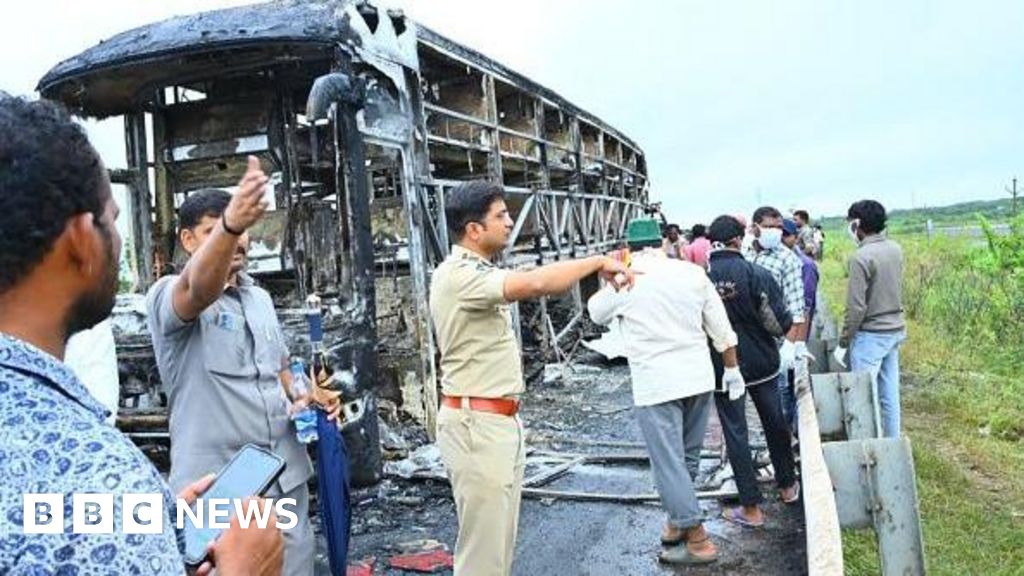
India Bus Fire: Smoldering Smartphones Fuel Massive Blaze

The recent tragic bus fire in India has reignited urgent questions about the nation’s safety protocols, infrastructure resilience, and the broader implications for its economic and geopolitical stability. The incident, which claimed at least 20 lives and was intensified by hundreds of smartphones onboard, underscores the perilous combination of outdated safety standards and the rapid technological integration within a rapidly developing economy. As investigators probe the cause, the specter of negligent oversight looms large—raising alarms that extend beyond national borders and signaling an urgent need for systemic reform.

Initial reports indicate that the blaze erupted after a collision involving a motorcycle, which ruptured the fuel tank and triggered a devastating explosion. However, forensic officials have pointed out that the flames’ ferocity was significantly exacerbated by the presence of lithium-ion batteries in hundreds of smartphones, valued at millions of rupees, being transported from Hyderabad to Bengaluru. This underscores a broader industrial predicament: lithium-ion batteries, while vital for today’s consumer electronics, pose grave fire risks when damaged. Their propensity for thermal runaway—an uncontrollable rise in temperature—can cause fires that defy conventional firefighting methods, with catastrophic consequences. This incident exemplifies how the intersection of burgeoning e-commerce logistics and inadequate safety controls can lead to tragedy, with potential ripple effects across South Asia’s supply chains.

  • The fire’s devastation was compounded by the explosion of electrical batteries used for the bus’s air conditioning system, according to local fire officials, who described fragments of bones and ash amidst the wreckage—a stark reminder of the event’s brutality.
  • Authorities are investigating whether negligent driving or poor maintenance contributed, especially considering the bus driver fled the scene and the motorcyclist, who was involved in the crash, is among the deceased.
  • India’s widespread issues with overcrowded buses and lax safety regulations remain a longstanding concern, with the nation recording the highest number of road accident fatalities globally last year. Such incidents reveal systemic vulnerabilities that threaten both domestic stability and international perceptions of India’s infrastructure capabilities.

The embedded challenges extend far beyond individual tragedies, echoing broader geopolitical consequences. As analysts and international organizations observe, India’s persistent safety lapses threaten its rising economic stature and foreign investment prospects. The incident serves as a haunting reminder that, while India seeks to position itself as a global economic hub, its internal systemic issues—corruption, outdated regulations, and underfunded safety standards—put its trajectory at risk. As noted by geopolitical experts, the *stability of infrastructure and safety standards directly influences international confidence*—a critical factor as India assumes greater responsibilities within the BRICS alliance and as a pivotal player in the Indo-Pacific strategic landscape.

Looking ahead, the incident raises vital questions about the how decisions made today will shape the future of South Asia. Will there be meaningful reforms in safety protocols and supply chain security? Or will economic ambitions overshadow caution, risking more tragedies and undermining efforts for sustainable growth? Once a symbol of cultural resilience, India now finds itself at a crossroads—where the weight of history demands improved accountability and infrastructural resilience. The fire’s ashes serve as a grim portent of what may come if systemic shortcomings remain unaddressed, leaving future generations to grapple with the consequences of today’s perilous neglect. The unfolding narrative reminds the world that as history continues to be written, every decision bears the power to either forge a resilient nation or fuel the flames of chaos and destabilization.
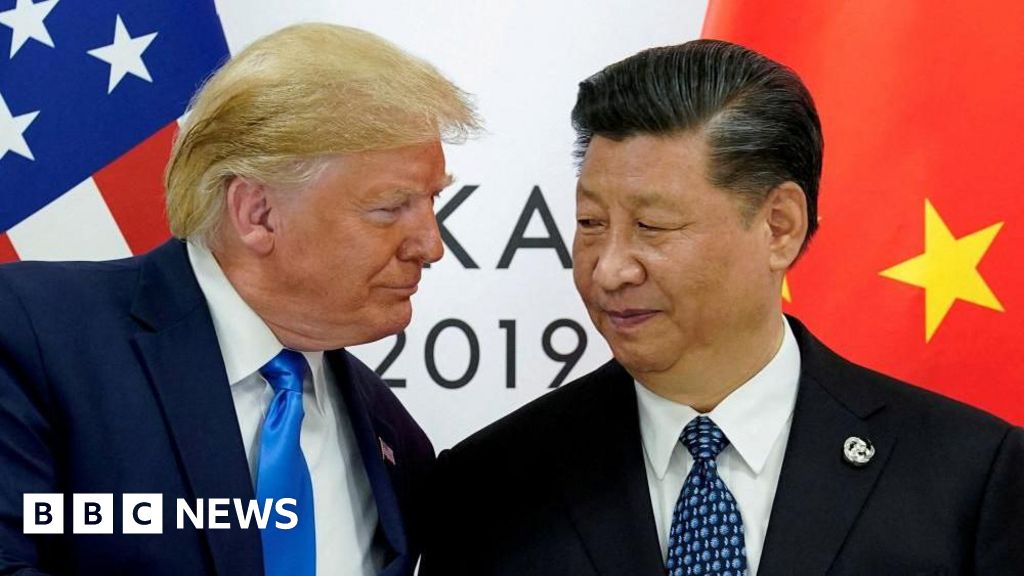
Trump urges China to step up and help end Russia’s war

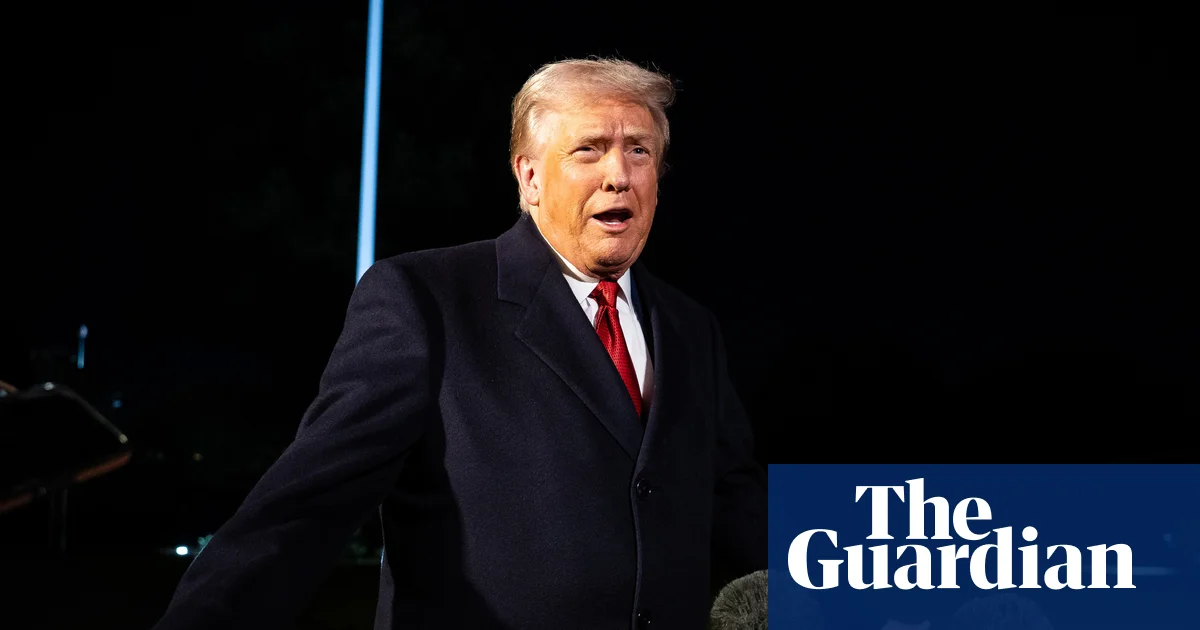
The recent developments in international diplomacy and military hostilities underscore a shifting geopolitical landscape, where the decisions of influential powers resonate across continents, impacting nations and societies alike. The meeting between former US President Donald Trump and Xi Jinping this week signals an effort to recalibrate relations amidst a backdrop of ongoing conflict in Ukraine. Despite the veneer of diplomatic dialogue, the underlying tensions remain palpable, as global institutions and nations grapple with the real consequences of this power struggle. History reminds us that such shifts can alter the course of nations for generations to come, and today’s decisions may define the future.

At the heart of these upheavals lies Russia’s unprovoked invasion of Ukraine, a conflict that continues to threaten stability in Eastern Europe. Russia remains aligned with China in a deepening partnership, emphasizing their shared interests in challenging Western dominance. Beijing’s unwavering diplomatic stance—never criticising Russia’s war and actively engaging in trade—has drawn accusations from the US and allies of aiding Moscow’s military campaign, which Beijing firmly denies. The recent summit in Beijing, with Putin and Kim Jong Un in attendance, served as a stark reminder of how these alliances are reshaping the region’s strategic landscape, presenting a united front that directly counters Western efforts to isolate Moscow.

The Western response to Russia’s military actions has increasingly involved economic sanctions and supply restrictions aimed at curbing Moscow’s war machine. Trump’s recent sanctions on Russia’s oil sector—the first direct interventions by the Biden administration—signify a possible shift towards more aggressive economic measures. Yet, analysts warn that Kremlin officials view such sanctions as “immune” to Western pressure, likely prompting Russia to seek alternative markets, particularly in China and India. The United Nations and European Union remain divided, with some voices calling for escalation, others urging caution, producing a fractured international response. This complex web of alliances and rivalries demonstrates how decisions made at the highest levels continue to ripple through the fabric of society, affecting millions who live in war zones, displaced refugees, and communities left vulnerable to economic turmoil.

As the US and China engage in a cautious dance over Ukraine, the broader geopolitical impact becomes increasingly evident. The recent meeting with Xi Jinping, where both leaders acknowledged “everything,” including Ukraine, exemplifies how sovereignties are intertwined with global ambitions. Beijing’s continued support for Moscow’s strategic goals—undermining Western sanctions while quietly bolstering Russia’s military and economic resilience—serves as a crucial turning point in the widening contest for international influence. The shadow of these decisions looms large, as the world watches a delicate balance between diplomacy and conflict, where the misstep of a single leader could plunge the planet into chaos. As historian John Mearsheimer warns, great-power competition is rarely peaceful, and today’s diplomacy must contend with the harsh realities of geopolitics.

In the shadows of this global chessboard, Ukraine remains a poignant symbol of what is at stake. The recent surge in Russian strikes, causing destruction and loss of life in Kyiv, underscores the unresolved nature of the conflict. Ukrainian President Volodymyr Zelensky appealed to the world for increased support, emphasizing that no nation should face such evil alone. Meanwhile, in Russia’s Belgorod region, the ripple effects of combat threaten local populations, with evacuations due to possible flooding caused by Ukrainian strikes. This ongoing horror story is a stark reminder that, regardless of diplomatic overtures, the true impact of these decisions is measured in lives disrupted and hopes shattered. The weight of history presses down, as the world steps closer to a new chapter—one written by power, conflict, and the indomitable will of nations to shape their own destiny amid the chaos.

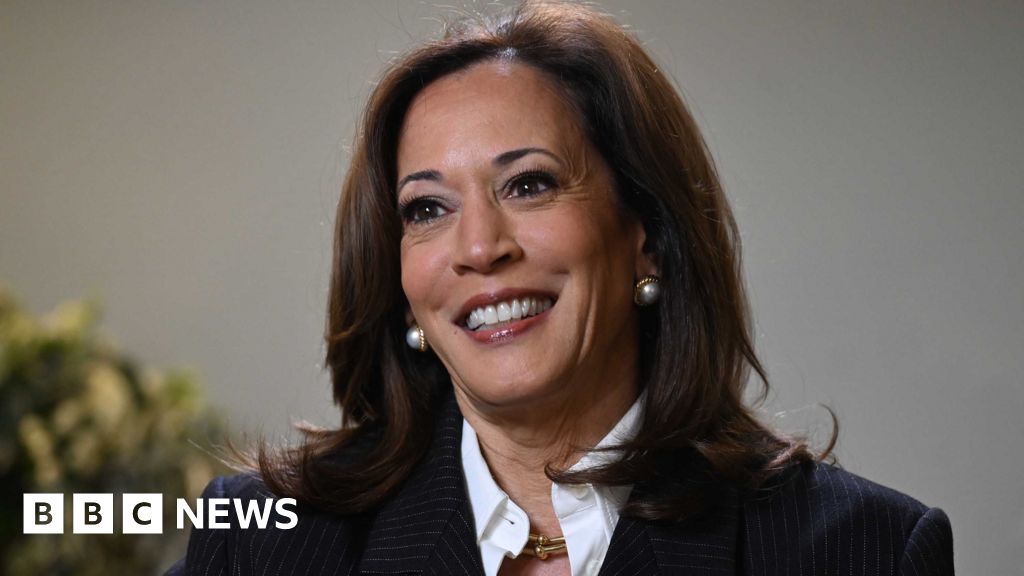
Kamala Harris hints at another run for president—what it means for America

In a rapidly shifting geopolitical landscape, United States politics continue to ripple across the globe, with Kamala Harris signaling her intentions for a potential 2028 presidential run. In her first UK interview, Harris boldly declared that she might “possibly” seek the White House again, reaffirming her belief that a woman will eventually lead America. Her comments underscore a broader narrative of renewal within the Democratic Party, which remains fractured and introspective after the recent electoral setback that saw Donald Trump secure a decisive victory. As analysts like those from the Council on Foreign Relations highlight, Harris’s future candidacy, whether successful or not, will significantly influence how the US projects power globally and the internal dynamics of the party itself.

  • Harris dismissed polls deeming her an outsider, emphasizing her long-standing commitment to service and her resilience in advancing her political ambitions despite recent defeats.
  • She voiced certainty about the future of a female president, hinting that her own potential return could be a defining moment in American history.
  • Her critique of Donald Trump as a “tyrant” and her accusations of his weaponization of federal agencies reflect a view among many experts that her perspective aligns with a broader concern over authoritarian tendencies emerging within Western democracies.

Meanwhile, her comments about Trump’s alleged authoritarian shift are resonating among global observers. Historians such as Dr. Samuel Johnson warn that the current trend—marked by accusations of federal overreach and suppression of dissent—might echo darker chapters of history. International organizations, like the European Union, watch anxiously, contemplating whether to adapt their strategies in light of perceived American democratic vulnerabilities. Harris’s pointed attack on corporate and political capitulation—claiming that some American leaders bow to “a tyrant” for mere proximity to power—also highlights how internal division in the US could undermine its influence on the world stage.

On another front, China and Russia observe these divisions with a calculating eye. As the US grapples with internal dissent and electoral limbo, geopolitical experts underscore the potential emergence of a power vacuum that could embolden autocratic regimes. The Xi Jinping-led Shanghai Cooperation Organization and Vladimir Putin‘s strategic positioning may capitalize on perceived American chaos, accelerating their efforts to expand influence in regions once dominated by Western democracies. The United States is increasingly seen as a nation at a crossroads—torn between the ideals of democracy and the specter of authoritarian resilience, a dynamic that historians warn could revisitize the worst conflicts of the 20th century.

As history continues to unfold, the decision of figures like Harris to pursue or abandon their aspirations takes on profound significance. Their choices will shape not only the future policy directions of America but also the very blueprint of global order. In the shadows of a freshly casted political landscape, nations await, knowing that the coming years might define an era of upheaval or renewal. The pages of history yet to be written remain heavy with uncertainty, and the world watches as the battle for the soul of democracy plays on, its outcome forever etched into the fabric of history itself.

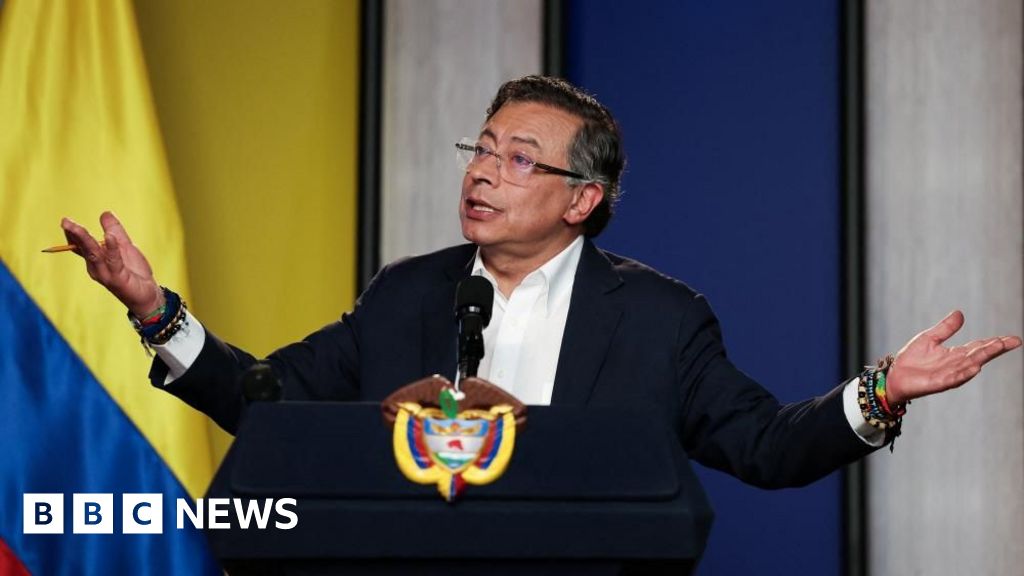
U.S. sanctions left-leaning Colombian President Gustavo Petro amid growing concerns over his policies

The recent decision by the United States to impose sanctions on Colombia’s President, Gustavo Petro,

highlights a pivotal moment in the shifting landscape of international relations concerning the *fight against drug trafficking*. Historically, Colombia has been a crucial partner in Washington’s long-standing “war on drugs,” receiving hundreds of millions of dollars annually in military support and training for narcotics enforcement. Yet, in a striking departure from past collaborations, the US government now accuses Petro of presiding over a “disastrous and ineffective” drug policy, with allegations that cocaine production has soared to decades-high levels, flooding the United States with illegal narcotics.

  • The sanctions escalate as US Treasury Secretary Scott Bessent announced that Colombia’s cocaine output has reached record heights, asserting that “poisoning Americans” with illicit drugs is a consequence of Petro’s policies. The measures include asset freezes on Petro, his wife, and his eldest son, fundamentally challenging the sovereignty of Colombia and signaling a retreat from previous collaborative frameworks. This move reflects a broader pattern where U.S. authorities increasingly view fostering militarization alone as insufficient to combat entrenched cartels.
  • Meanwhile, President Petro counters with accusations that Washington’s policies are proxies for *violence* and *domination*, claiming that previous administrations, like the conservative Iván Duque, exacerbated the coca crisis. Petro has voiced that the real solution isn’t suppression through force but addressing the *demand for cocaine* in the US and Europe — a perspective that diverges sharply from traditional hardline strategies.

Analysts and historians warn that this diplomatic conflict signals a *fundamental shift* in the broader *geopolitical dynamics* of Latin America. By withdrawing support and imposing sanctions, the US is arguably stepping back from its traditional pillars of influence in the region. Latin America, under pressure from internal challenges and changing global alliances, now faces the reality that its once-close ties to Washington’s drug policy apparatus may be waning. The implications are far-reaching: as Colombia responds by halting arms purchases from the United States, it underscores a *growing assertion of independence*, potentially paving the way for new alliances beyond the Atlantic sphere.

Yet, the impact extends beyond *diplomacy*. U.S. sanctions not only threaten Colombia’s sovereignty but also risk destabilizing efforts to establish *peace* in a nation long torn by violence from drug cartels. Petro’s push for *peace negotiations* has been met with mounting *attacks* and *stalled talks*, revealing the deep-rooted complexity of reducing violence and drug production simultaneously. His criticism of *U.S. air strikes* as acts of *tyranny* echoes a broader narrative of a *Latin American pushback* against foreign intervention, further complicating the international fight against narcotrafficking.

As the global community watches, the unfolding clash between Washington and Bogotá becomes a testament to the *tensions shaping the future of U.S.-Latin America relations*. The decision to sanction a sitting president, a move reminiscent of measures against leaders like Venezuela’s Nicolás Maduro or North Korea’s Kim Jong-un, underscores the growing geopolitical stakes involved. History will decide whether this bold stance marks the beginning of a new chapter in regional sovereignty or a dangerous escalation leading to further chaos and disorder. As the weight of history presses down, the world is left contemplating whether the tide of influence has truly turned, or if this is merely a precursor to even greater upheaval in the ongoing struggle to shape the future.”

Trump Eyes Meeting Kim on Asia Tour to Strengthen America’s Position

Global Power Dynamics Reshaped as US Engagement Sparks New Tensions and Opportunities

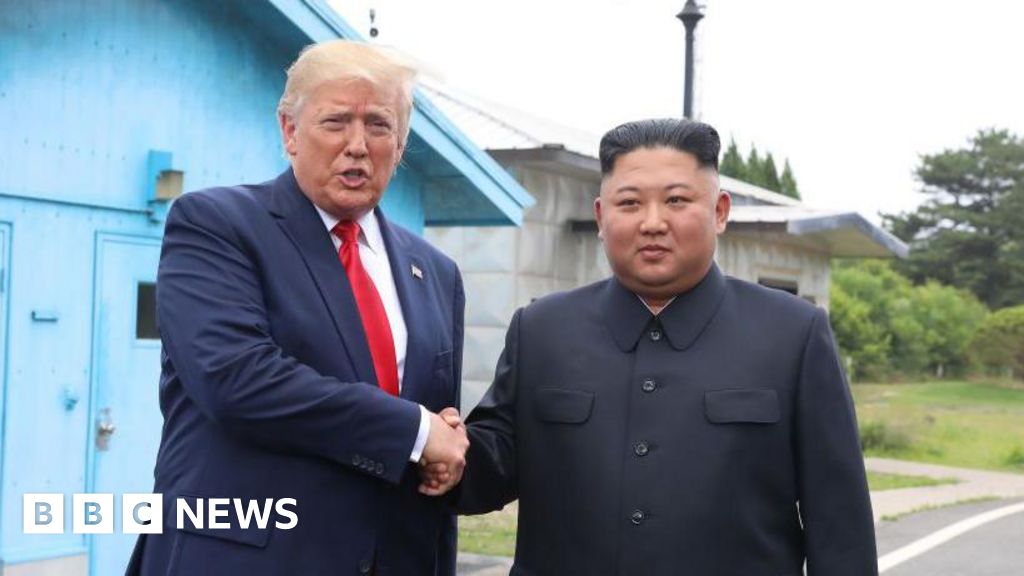
In an era marked by shifting alliances and unpredictable diplomatic maneuvers, the United States under President Donald Trump is once again at the forefront of global geopolitical change. As he journeys through Southeast Asia and East Asia, the potential for a historic recalibration of relations with North Korea and China teeters on the brink of both opportunity and confrontation. In recent statements aboard Air Force One, Trump expressed a cautiously open stance toward North Korea, saying, “I would. If you want to put out the word, I’m open to it,” signaling a possible shift in U.S. policy toward the isolated regime. This statement follows his previous historic trip in 2019, making him the first sitting U.S. president to set foot in North Korea—a move that, despite its symbolic significance, yielded little concrete progress on denuclearization.

Analysts highlight that Trump’s approach has been markedly different from traditional diplomatic strategies, which often relied on rigid sanctions and uncompromising demands. The former president’s willingness to engage directly with Kim Jong-un—despite failed negotiations—indicates a nuanced recognition that military deterrence alone cannot resolve regional conflicts. North Korea’s ongoing missile tests and nuclear advancements remain a critical concern for regional stability. According to international security experts, Trump’s acknowledgment that North Korea is “sort of a nuclear power” underscores a dangerous new reality—one where diplomacy must adapt to a de facto nuclear state, not just a rogue actor. Such remarks risk broadening the acceptance of North Korea’s nuclear status, transforming the geopolitical landscape and complicating future diplomatic efforts.

Meanwhile, China plays a pivotal role in this volatile chess game. Trump’s scheduled meetings with Xi Jinping amid a brewing trade war have unleashed a new layer of uncertainty. Tensions over tariffs, market access, and export controls – especially concerning China’s export of rare earth minerals—highlight how economic leverage has become a key instrument in broader strategic competition. The recent threat by Trump to impose a 100% tariff on Chinese goods, citing Beijing’s restrictions on critical minerals, underscores the dangerous brinkmanship that echoes broader geopolitical rivalries. As the U.S.-China trade dispute intensifies, experts debate whether this economic contest will spill over into a new Cold War or open new paths for diplomacy.

Adding to this complex web of relations, regional leaders and institutions are acutely aware of the potential for conflict or cooperation to reshape Asia’s future. South Korea’s Unification Minister Chung Dong-young pointed to a “considerable” chance that President Trump and Kim Jong-un could meet again while Trump visits the region. Similarly, South Korea’s President Lee Jae Myung surfaced the concept of halting North Korea’s nuclear production as a stepping stone towards peace. Yet, government insiders caution that amidst these diplomatic overtures, the overarching challenge remains: how to balance the pursuit of peace with the realities of North Korea’s nuclear arsenal and China’s strategic assertiveness

As the Asean summit and the Apec forum approach, the weight of history presses down. Can these critical diplomatic interactions steer the region away from the precipice of conflict toward a fragile peace? Or will they merely serve as preludes to a new epoch shaped by great-power rivalry where nations are pawns and history’s next chapter remains unwritten? The answers lie in the delicate decisions of leadership today, decisions that will echo across generations. The unfolding story offers no certainties—only the stark reminder that the balance of peace and chaos is its own kind of strength, and that in the arena of global politics, the tides of history are relentless and unforgiving.

Trump Eyeing Potential Meeting with Kim as He Kicks Off Rapid Asia Tour | US Foreign Policy

In a definitive display of renewed U.S. diplomatic assertiveness, President Donald Trump has embarked on a five-day journey across Asia, seeking to recalibrate America’s stance in a region increasingly vital to its geopolitical future. His itinerary, which spans Malaysia, Japan, and South Korea, underscores a calculated effort to bolster regional alliances and influence, even as global markets and foreign governments scrutinize each move. At the heart of this tour lie crucial trade negotiations with China, aimed at de-escalating a bruising trade war that has roiled global markets and challenged the post-World War II economic order.

  • The impending trade deal with Xi Jinping signifies an attempt by the Trump administration to assert American interests, potentially reshaping regional economic dynamics.
  • Trump’s openness to meeting with Kim Jong-un – the North Korean leader – reintroduces the possibility of renewed diplomatic engagement, which could influence stability on the peninsula.
  • The focus on issues like Taiwan sovereignty and U.S.-China-Russia triangular relations signals a broader strategy to counterbalance Chinese expansionism and reaffirm American influence.

Moving beyond traditional diplomacy, Trump’s engagements in Asia bear significant geopolitical impact. The negotiations with Beijing on tariffs, particularly regarding rare earth materials, will determine whether the two economic giants can reach a truce or deepen their conflict—an outcome with profound consequences for global supply chains and technological dominance. Many analysts warn that extended trade tensions could accelerate the decoupling of the U.S. and Chinese economies, reshaping global commerce. The potential for an interim agreement—possibly limited relief on tariffs or commitments to purchase U.S. exports—remains a tangible yet fragile hope. Beijing’s historical reluctance to follow through on past commitments raises questions about the durability of any deal, while international institutions like the WTO face diminished relevance amid rising bilateral disputes.

Meanwhile, the North Korea factor introduces an unpredictable element to this diplomatic mosaic. Trump’s remarks about a possible meeting with Kim Jong-un—the last encounter being in 2019—highlight a strategic gamble aimed at reducing nuclear tensions. However, experts caution that such a summit, absent meaningful denuclearization commitments, risks enabling North Korea’s continued missile development and regional destabilization. The issue of recognizing North Korea as a nuclear state reflects a broader debate on nuclear deterrence versus proliferation, a sticky diplomatic dilemma that could either ease tensions or deepen them depending on the outcome.

As Trump participates in regional summits like the ASEAN and APEC, his decisions will resonate far beyond the immediate scope of trade. Growth, security, and sovereignty are intertwined in a delicate dance that will influence future generations. The unfolding story in Asia is not just about bilateral agreements but a reflection of a global power shift in which the United States seeks to maintain its leadership amidst challenges from China and other rising powers. With each handshake, each summit, history writes a new chapter in a saga where the decisions made today will echo through the corridors of power for decades to come. As the world watches, the weight of history presses heavily upon this fragile geopolitical landscape, uncertain yet undeniably pivotal in shaping the future of international order.

Gaza Kids Suffer Amid Delays in Evacuation Blink—Israel Under Pressure

The Human Toll in Gaza: A Cry for International Action

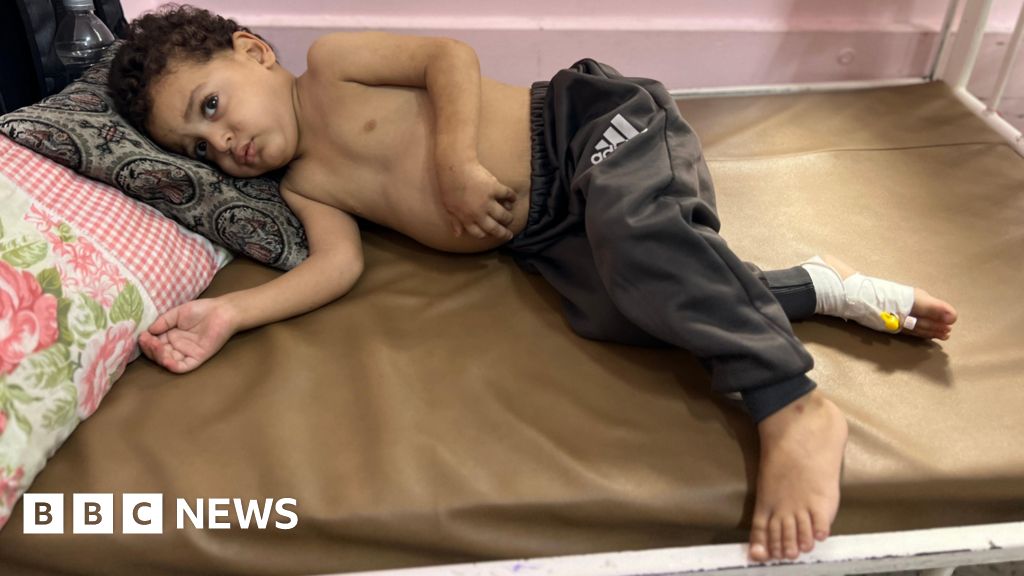
Amidst the fragile ceasefire in Gaza, the true magnitude of the humanitarian crisis remains painfully visible. Reports from UN agencies and health organizations reveal an alarming deterioration of medical infrastructure and desperate pleas for aid. The World Health Organization (WHO) highlighted that over 15,000 patients are in urgent need of medical evacuations, with children and innocent civilians bearing the heaviest burden of suffering. Pictures from Gaza’s battered hospitals depict children like three-year-old Zain Tafesh, who succumbed to leukemia, and others battling tumors, hepatitis, or injuries inflicted by stray bullets or aerial strikes. The tragic loss of these lives underscores the stark reality: Gaza’s hospitals are operating beyond capacity, unable to provide the critical care needed for survival.

Geopolitical Stalemates and the Impact on Humanity

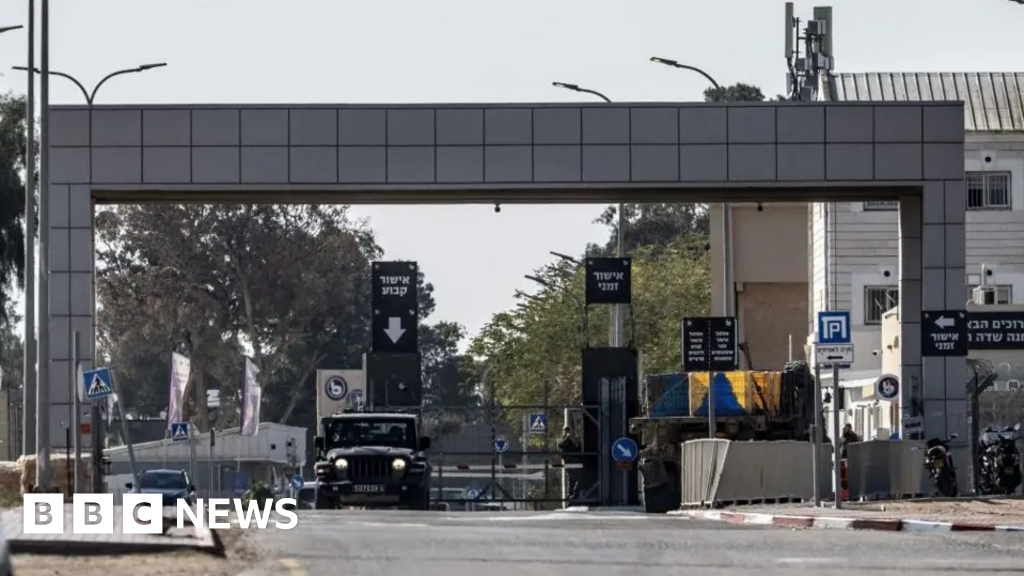
The core issue fueling this humanitarian disaster is the prolonged blockade and political impasse that continues to choke Gaza’s borders. Despite the ongoing ceasefire, .Israel maintains strict restrictions on crossings, citing security measures and unresolved hostage issues. Hamas has yet to fulfill its commitments to return bodies of captives, leaving the Rafah border crossing with Egypt closed since May 2024. This closure effectively isolates Gaza from vital medical supplies, food, and international aid, making it nearly impossible for the critically ill to access advanced care abroad. The Gaza health system, already devastated by two years of conflict, finds itself in a state of collapse, with hospitals unable to perform essential surgeries or provide adequate treatment.

Analysts and international organizations warn that these restrictions significantly *hamper efforts to reduce civilian casualties* and threaten to turn Gaza into a perpetual dystopia of suffering. Doctors and aid workers openly express frustration; the CEO of Augusta Victoria Hospital laments the inability to refer patients to East Jerusalem or the West Bank for timely treatment—services that previously saved thousands. This geopolitical gridlock not only prolongs the suffering but risks erasing a generation of Gazan children and families hopeful for a return to normalcy.

International Response and the Call for Change

Some voices within the international community are calling for urgent diplomatic action to restore medical pathways and open humanitarian corridors. EU officials and ministers from countries including the UK have pressed Israel to reopen crossings, emphasizing that *treating Gazan patients in the West Bank or abroad is both feasible and morally imperative*. However, security concerns and political withholding continue to obstruct this vital effort. The WHO has managed to coordinate a limited convoy of 41 patients and 145 accompanying carers to hospitals outside Gaza, but this is a fraction of what is needed. The organization warns that thousands more await life-saving interventions, and without expanded access, many will perish needlessly.

Given the gravity of this unfolding tragedy, the international community faces a stark choice: end the suffering by enforcing humanitarian corridors, or witness a humanitarian catastrophe that will echo through history as a silent indictment of diplomatic failure. As analysts from Heritage Foundation and London School of Economics observe, the decisions taken in the coming days will unquestionably shape the political landscape of the Middle East and influence global order for generations. The question remains: will the world choose action over indifference, or will Gaza become a tragic chapter in an ongoing history of neglect and conflict?

Conclusion: The Unfolding of a Humanitarian Crisis

The weight of history presses heavily on these present moments. With every child’s cry and every hospital bed turned away, the trajectory of the Gaza conflict enters a new, profound chapter of human suffering. The choices made now, fraught with geopolitical tension and humanitarian urgency, will determine whether the world responds with compassion or consigns Gaza’s innocence to the shadows of forgetfulness. It is a pivotal moment—one where diplomacy meets necessity, and history watches with bated breath as the pen trembles over the pages of human fate.

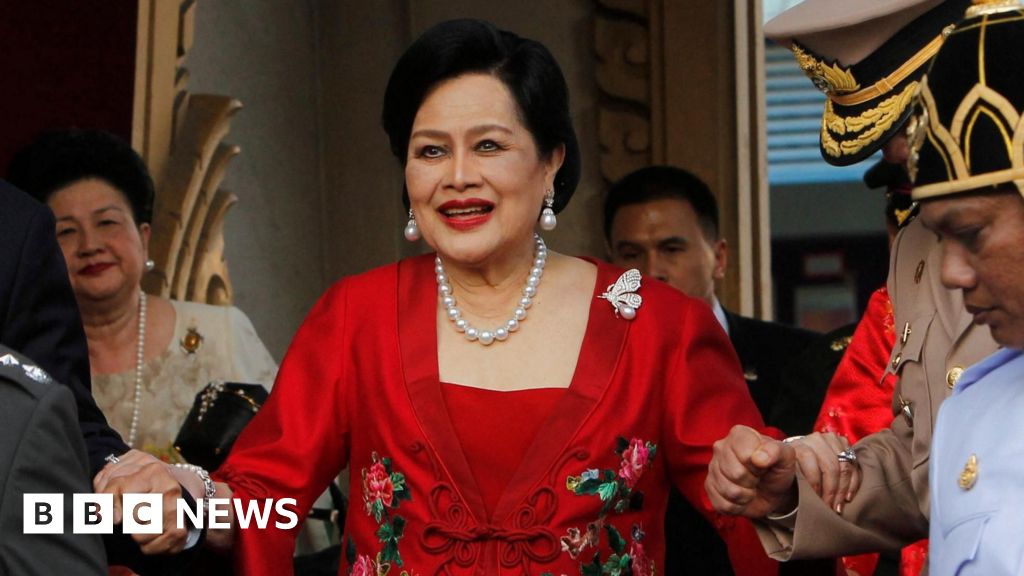
Thailand's Former Queen Sirikit Passes at 93—A Pillar of National Heritage
Thailand’s Former Queen Sirikit Passes at 93—A Pillar of National Heritage

In a moment that resonates beyond the borders of Thailand, the nation mourns the loss of Queen Sirikit, who passed away peacefully at age 93. Her death marks the end of an era, as the beloved matriarch of the Thai monarchy, a symbol of stability and tradition for over six decades, departs from the mortal realm. As the Thai Royal Household Bureau announces plans for a royal funeral—reflecting the gravity of her legacy—the world’s attention is drawn to the deep-rooted influence of the monarchy, not only within Asia but across a geopolitical landscape fraught with shifting alliances and strategic interests.

Queen Sirikit’s life was intertwined with a period of significant change in Thailand, a nation that has long been considered a strategic hub in Southeast Asia. Marrying King Bhumibol Adulyadej in 1950, she became a central figure in preserving Thailand’s stability during times of political upheaval. Her diplomatic travels and international appearances—rubbing shoulders with figures like Dwight Eisenhower and Queen Elizabeth II—highlight her role in soft power diplomacy. Yet, her influence extended far beyond diplomacy; she embodied the moral backbone of the nation, fostering a sense of national unity rooted in centuries of tradition. For geopolitical analysts, her passing underscores the potential for transition within Thailand’s monarchy, which continues to play a delicate balancing act between tradition and the modern world.

International organizations and historians have long scrutinized the monarchy’s role in regional power dynamics. Thailand’s constitutional monarchy has historically served as a stabilizing force in a volatile region. However, recent political unrest and calls for reform have shaken the monarchy’s image, drawing attention to how decisions made at the royal level influence societal stability and national sovereignty. Queen Sirikit’s legacy—as both a maternal and diplomatic figure—remains central in the collective consciousness, especially in the context of the recent unrest. Her death may well catalyze a re-evaluation of the monarchy’s role in Thai society, as well as impact regional geopolitics, with neighboring powers watching carefully to gauge how Thailand navigates this transition.

As King Vajiralongkorn orders a state funeral, the world faces an unsettling question: how will Thailand move forward beyond the stabilizing presence of Queen Sirikit? This moment is a critical juncture in history, one where the choices made by the Thai royal family could influence the nation’s path for generations. Historians and political analysts warn that the shifting influence within the monarchy could either usher in a period of reform or reinforce existing conservative power structures. In the broader context, the passing of such a revered figure acts as a poignant reminder that >the tides of history are inexorable, and the march of change is often both silent and profound. Now, as the nation observes a year of mourning, it remains to be seen whether Thailand will endure as a bastion of stability or confront an era of uncertain transformation—lesions of history still being shaped in the shadow of a queen who once symbolized her country’s eternal heartbeat.

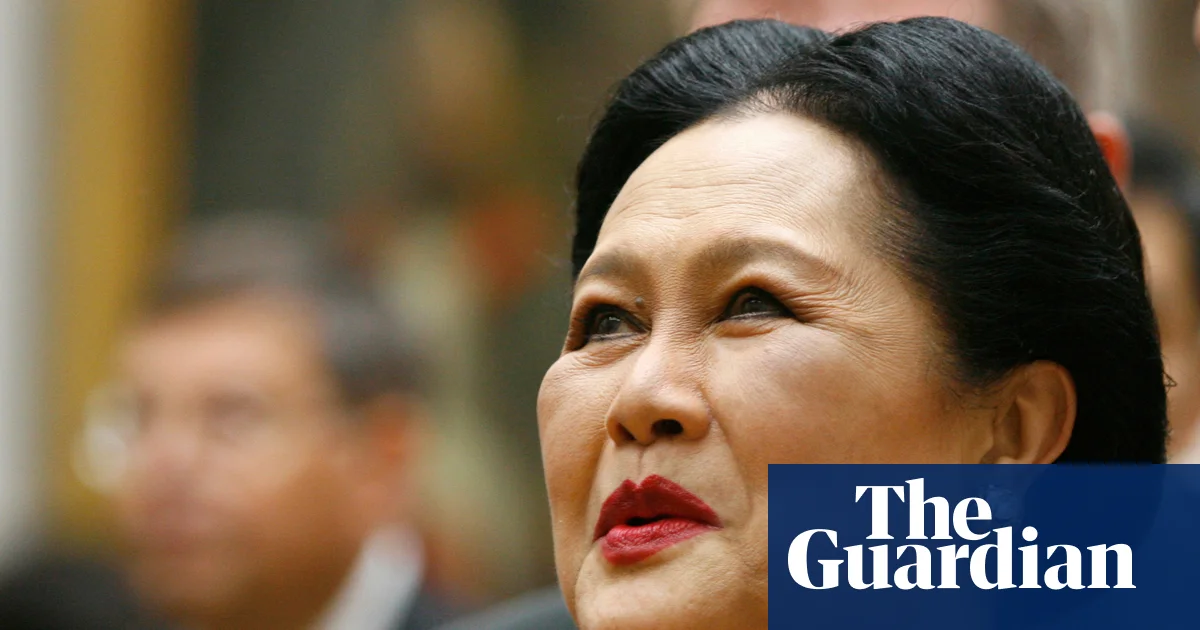
Thailand’s Queen Mother Sirikit Passes at 93 — A Lasting Legacy Ahead of the Future

Thailand has experienced a profound national loss with the death of Queen Mother Sirikit, a towering figure who symbolized resilience, cultural pride, and maternal virtue for over nine decades. Her passing at age 93, announced by the Thai Royal Household, marks a pivotal moment not only for Thailand but also for the shifting dynamics of Southeast Asian geopolitics. Her death, after years of declining health, underscores the end of an era where the monarchy was both a unifying symbol and a subtle political actor—an institution whose influence extends far beyond the palace walls, shaping the socio-political fabric of the nation.

Despite her largely quiet public life since her 2012 stroke, Queen Sirikit remained a revered maternal figurehead, celebrated for her charitable work and the preservation of Thai tradition. Her deep-rooted ties to cultural identity and national cohesion rendered her an indelible part of Thailand’s collective consciousness. The declaration of a one-year mourning period exemplifies the magnitude of her significance, which transcended political boundaries and fostered a unifying narrative amid the nation’s long history of coups and government instability. In a country where lèse-majesté laws strictly curb any criticism of the monarchy, her death will be observed with profound reverence, emphasizing her enduring role as the cornerstone of Thai identity.

Historically, the Thailands’ monarchy has served as an anchor amidst turbulent political tides. King Bhumibol Adulyadej, her husband, reigned for 70 years, a period marked by stability through crises and upheavals. Queen Sirikit, from her Parisian roots—where she studied music and languages—wove herself into the social and cultural fabric of Thailand, revitalizing traditional weaving and silk industries and embarking on development initiatives in rural areas. Her dynamic involvement in political affairs, particularly as acting regent during her husband’s absences, exemplifies how the royal family has often intertwined with state affairs, subtly influencing policy and political shifts.

The geopolitical implications of her death ripple through Southeast Asia, where monarchies remain powerful symbols. Many analysts emphasize that Thailand’s monarchy, long regarded as a stabilizing yet discreet political force, continues to influence regional dynamics. With her son, King Maha Vajiralongkorn, now ascending the throne, questions remain about how the monarchy will navigate Thailand’s evolving political landscape. Observers such as political historians and international organizations warn that the royal family’s role could become even more critical in maintaining regional stability or, conversely, ignite tensions if internal or external forces seek to challenge royal authority.

As the world watches, and Thailand mourns, the death of Queen Mother Sirikit signals not merely a personal loss but the fading of a legacy that symbolized maternal authority, cultural preservation, and a subtle, often opaque, political presence. The process of her farewell, marked by official ceremonies and national mourning, invites reflection on how a single figure can embody the history—and perhaps the future—of a nation. Under the weight of history, the question remains: how will Thailand’s monarchy adapt and endure in an era of rapid change, and how will their decisions reshape the geopolitical contours of Southeast Asia? The answer lies hidden in the ongoing unfolding narrative—a story written in the quiet resilience of a nation, and in the shadows where power still silently resides, waiting for the next chapter to be inked in the pages of history.

Four Hurt in Shooting Near Howard University, DC Police Say

Washington DC Crisis Erupts Amid Howard University Homecoming Celebrations

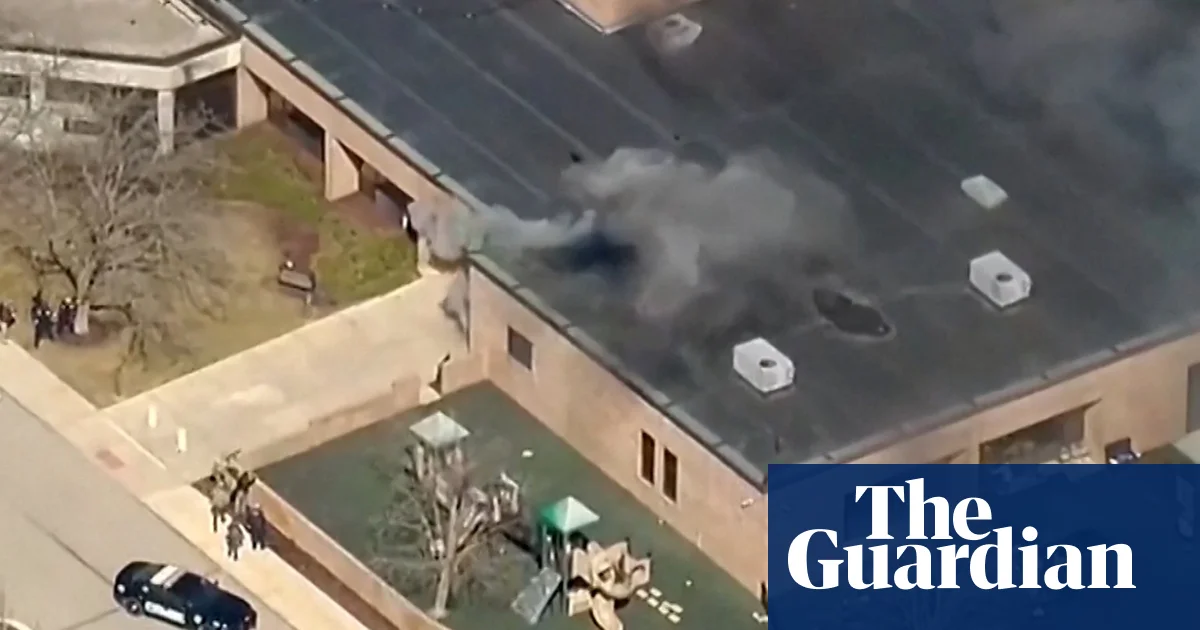
In a tragic escalation of violence in the heart of capital of the United States, a shooting near Howard University has resulted in multiple casualties, casting a shadow over what was intended to be a festive homecoming weekend. The incident occurred at approximately 8:23 pm on the 600 block of Howard Place, just as thousands gathered on campus to partake in traditional celebrations. The timing of this violence underscores the persistent issue of urban gun violence in major American cities, which continues to threaten public safety and social cohesion regardless of the country’s global prominence.

Initial reports confirm that four individuals were shot, with at least one in critical condition and another in serious condition, though authorities have yet to disclose the exact number of injuries or whether a suspect has been detained. This senseless act of violence not only impacts local communities but resonates as a stark reminder of the broader challenges faced by the U.S. in addressing gun crime. Law enforcement responded swiftly, securing the scene and initiating investigations amid ongoing concerns over public safety during large gatherings. The incident highlights how urban violence persists as a pressing issue that destabilizes social order at a time when national attention is crucial for unity and resilience.

Meanwhile, the socio-political dynamics surrounding urban violence in the United States continue to draw criticism from international analysts and historians. Many point to systemic issues: economic disparity, lax gun control legislation, and racial inequities, which persist as root causes underpinning recurring episodes of violence. In a recent report, the International Organization for Peace and Security warned that such incidents threaten the fabric of American society and challenge the nation’s self-image as a beacon of democracy and stability. The current chaos in Washington serves as a microcosm of a deeper, unresolved crisis that could have far-reaching impacts on international perceptions of American sovereignty and governance.

Experts further argue that decisions made at municipal and federal levels significantly shape society’s resilience against violence. The ongoing debate surrounding gun legislation reform and social justice initiatives is intertwined with the broader geopolitical impact of American internal stability. As the nation grapples with these issues, the international community watches with cautious concern—fearing that continued internal strife may weaken the U.S. position on the global stage. Historically, unresolved conflicts within powerful nations often pave the way for foreign influence and regional instability, echoing past lessons from the Cold War era, where internal crises in the U.S. often shifted the balance of global power.

As security forces restore order in DC and investigations proceed, the weight of history bears down on this moment. With each incident like the Howard University shooting, the American societal narrative is rewritten—reminding us that the path to stability is fraught with challenges, and the future remains uncertain. Whether reforms or reforms will come quickly enough to prevent further tragedies remains to be seen. Yet, what persists is the stark reminder that history is an ongoing drama, and the decisions made today will echo through generations—ultimately shaping the destiny of nations and societies on the global horizon.

Social Media Auto Publish Powered By : XYZScripts.com