Matox News

Truth Over Trends, always!

EU poised to back plan turning frozen Russian assets into Ukraine aid—strengthening our stance and protecting our future.

In a move that could reshape the geopolitical landscape of Eastern Europe and the broader West, European leaders are convening in Brussels this Thursday to endorse a highly contentious plan. The proposal involves leveraging frozen Russian assets—estimated at over €210bn—held by Euroclear, a Belgium-based financial institution, to fund Ukraine’s ongoing struggle against Russian aggression. Dubbed a “reparations loan” by EU officials, this initiative represents an audacious attempt to redirect Moscow’s own money to bolster Kyiv’s defense and reconstruction efforts amid the war’s grim fifth year.

  • The EU’s plan seeks to transfer €140bn worth of Russian State assets frozen since February 2022, which were originally held in sovereign bonds—a form of government loan that Russia cannot currently access due to sanctions.
  • EU officials argue that redirecting these assets is necessary to support Ukraine, which faces an estimated reconstruction bill exceeding $486bn, according to UN and World Bank assessments.
  • However, legal complexities abound—international law explicitly prohibits outright confiscation of sovereign assets, posing a significant obstacle to such a bold move.

Despite these hurdles, proponents like Poland, Scandanavian countries, and the Baltic states see this as a historic opportunity to exact what many consider rightful reparations. They argue that Russia’s economic ties to Western institutions have been exploited, and now those frozen assets should be used for Ukraine’s moral and strategic justice. Conversely, nations like Germany have expressed reservations, emphasizing the need for broad consensus and cautioning against unilateral action that could ignite retaliatory measures from Moscow. Critics warn that the move risks significant destabilization of global financial stability and could set a dangerous precedent—potentially undermining the reliability of safe-haven assets held in Europe.

How Would the Plan Work?

The EU’s strategy involves a legal loophole: since sovereign assets are not technically seized but merely frozen, the bloc seeks to “borrow” these funds by issuing an IOU backed collectively by EU member states—an approach designed to sidestep international law’s restrictions. This move aims to provide immediate liquidity to Ukraine, which demands ongoing financial support as the war grinds into its fifth year. Though the EU is currently using the interest from the frozen assets—up to €3bn annually—supporting Kyiv directly with the principal amount represents a significant escalation. The plan hinges on Kyiv securing a definitive victory and Moscow accepting reparations, a scenario that remains uncertain and controversial among legal experts and international analysts.

The potential for this plan to reshape international financial norms has sparked fierce debate. Reckoning with the legal and diplomatic fallout, critics emphasize the importance of respecting international law’s core principles, warning that any appearance of asset confiscation could undermine the trustworthiness of Europe’s financial institutions. Should Moscow challenge the move legally, the risk of retaliatory measures—including economic retaliation against European companies—looms large. Russia’s ambassador to Italy, Alexey Paramonov, dismisses the idea as “theft of the century,” warning it could precipitate a cycle of hostility and destabilize Western financial stability.

Implications for the Future

The decision’s ultimate success or failure will depend heavily on Russia’s response and Kyiv’s ability to harness such aid efficiently. While supporters see this as a moral imperative—a way to hold Moscow accountable—it raises profound questions about the future of sovereign assets and international justice. With the support of key nations, yet opposition from others, the EU faces a dilemma of historic proportions: to act decisively and perhaps risk tearing the fabric of international law or to hold back and face the grim reality of Ukraine’s an ever-increasing reconstruction bill and a war that seems to threaten Europe’s very stability. The outcome remains shrouded in uncertainty, but one thing is clear: history’s pen is poised, and a new chapter in global geopolitics is being written—one that may define the course of nations for generations to come.
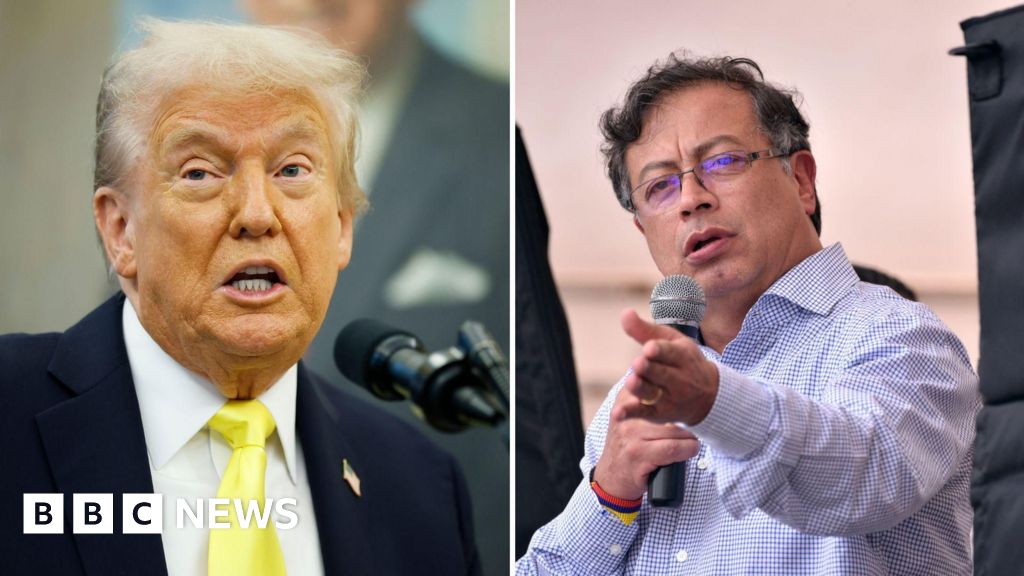
Trump vs. Petro: How the US-Colombia Alliance is at Risk

For decades, Colombia and the United States maintained one of the most robust alliances in the Western Hemisphere. Rooted in mutual interests against drug trafficking and insurgency, this partnership was largely shaped by “Plan Colombia”—a massive US-funded initiative launched in the early 2000s. This strategic cooperation resulted in significant military and security gains for Colombia, notably weakening the Farc guerrilla movement and establishing the country as a key regional security partner. However, recent developments suggest this once-strong partnership is unraveling, as political ideologies diverge sharply and conflicts escalate, threatening to destabilize both nations and embolden organized crime groups operating beyond the state’s reach.

Since Gustavo Petro assumed the presidency in 2022, the dynamic has shifted dramatically. A left-wing leader committed to pursuing peace and social justice, Petro’s policies have often clashed with the hardline approach historically favored by Washington. The situation reached a breaking point when Donald Trump returned to the White House and accused Petro of encouraging drug production in Colombia. The US government responded by suspending payments and subsidies, a move that signals the beginning of a wider rift. Experts from organizations like the Washington Office on Latin America (Wola) warn that such actions not only threaten bilateral security cooperation but also undermine efforts to curb record-high cocaine production, currently at its most alarming levels in decades. These developments expose vulnerabilities in the alliance, with analysts fearing that the resulting power vacuum may benefit transnational organized crime groups instead of the state—an ominous portent for the future of regional stability.

The roots of US influence in Colombia extend back to the early 2000s, when aid packages reaching over a billion dollars under “Plan Colombia” aimed to dismantle insurgent groups and stem drug flows. Following successes such as the demobilization of the Farc, US assistance waned but continued to be significant, providing Colombia with one of the region’s most formidable militaries. Nonetheless, despite these advances, cocaine cultivation persists at historic levels, highlighting the persistent failure of military solutions. As Héctor Galeano and other analysts note, the collateral effects of these policies—ranging from civilian abuses to the recruitment of demobilized paramilitaries into drug cartels—have complicated the narrative of victory. Now, as Washington signals a withdrawal and even formally de-certifies Colombia’s efforts to control drug trafficking, the geopolitical consequences become dire: regional security is compromised, and organised crime groups seem poised to fill the void left by reduced state capacity, risking a spiral of chaos that could echo well beyond South America.

The current crisis unfolds at a painfully inconvenient moment when Colombia is attempting to consolidate peace amidst rising violence, while President Petro seeks to implement a comprehensive plan for “total peace”—a mission undermined by targeted US military strikes. Trump’s aggressive anti-drug campaign, including unlawful maritime strikes in the Caribbean targeting vessels from Venezuela, has only intensified tensions and drawn sharp rebukes from Petro and the international community. These actions, fraught with questions of legality and sovereignty, threaten to fracture the foundation of a partnership that has proven essential for US military and intelligence operations—about 80% of the Caribbean’s drug intelligence comes from Colombia alone. As bilateral relations teeter on the brink, observers warn that the once indispensable alliance is now vulnerable to disintegration, with both nations potentially losing control over the drug trade and regional stability slipping beyond reach. The specter of history repeating itself—a once-unbreakable bond giving way to mutual mistrust and chaos—lingers ominously, emphasizing that the true winners of this fractured alliance are the traffickers and militants, who watch eagerly as the chaos unfolds.

Blackouts sweep Belgorod as Ukrainian drone attacks surge—Russia faces new challenges

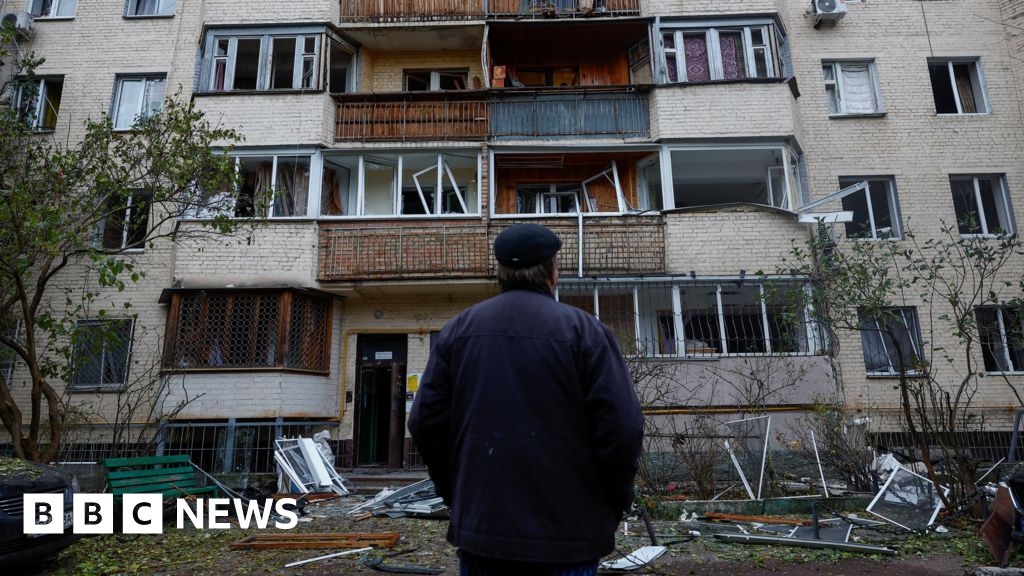
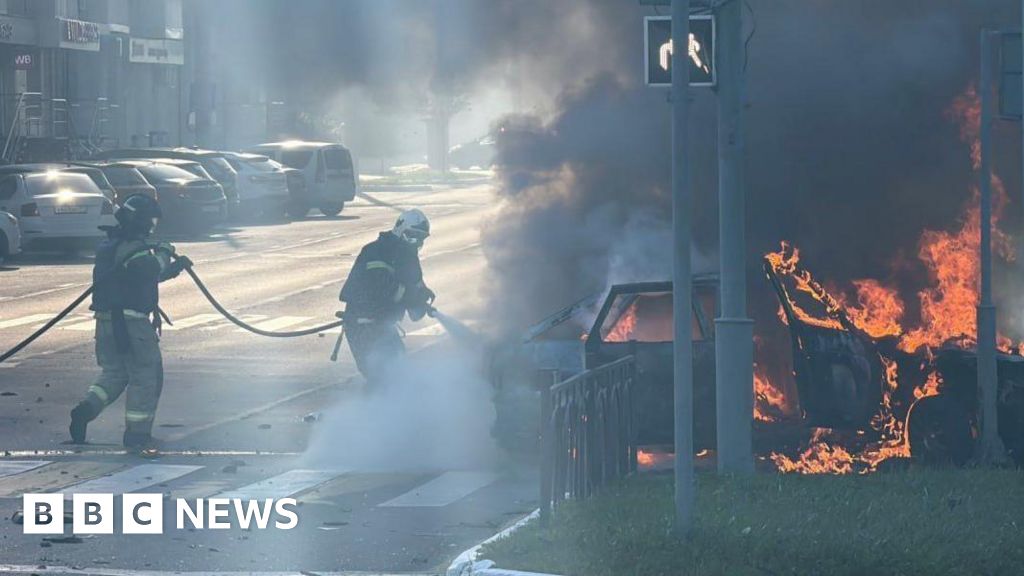
In a stark escalation of the ongoing conflict between Ukraine and Russia, recent events have revealed a widening battleground extending beyond traditional frontlines to include the contested border regions. Residents of Belgorod, a strategic Russian region bordering Ukraine, are reporting an alarming increase in drone assaults and missile strikes, with local authorities documenting almost a fourfold rise in Ukrainian drone activity since the start of 2025. These attacks, featuring lightweight, low-cost drones capable of carrying warheads, underscore Ukraine’s tactical shift towards asymmetric warfare. The consequences are devastating, leading to civilian casualties, critical infrastructure damage, and a surge in local panic, thus highlighting the geopolitical impact of the conflict spilling over borders and risking regional stability.

According to data from local officials, over 4,000 Ukrainian drones were detected in the Belgorod region in September alone—compared to roughly 1,100 in January—underscoring a clear ramp-up in offensive measures. The attacks have targeted essential logistical hubs such as heat and power plants, causing widespread blackouts and fueling fears of a winter without heat and electricity for thousands. Russian authorities admit to struggling with capacity, urging residents to buy backup generators amid persistent fuel shortages plagued by increased attacks on oil refineries. Beyond infrastructure, the nature of these strikes has transformed. The use of the “Darts” drone, a lightweight model with a 4kg warhead, illustrates a deliberate effort by Kyiv to overload Russian air defense systems and expand the scope of their offensive—an ominous sign that the conflict’s scope is broader and more complex than ever before.

Meanwhile, the Ukrainian side continues to bear the brunt of relentless Russian missile and drone tactics. In recent days, Ukrainian officials reported casualties, including children, amid waves of strikes that leave cities in darkness and despair. Kyiv’s leadership, led by President Volodymyr Zelensky, has publicly warned that the intensified attacks on Belgorod are a direct consequence of Russia’s relentless assaults on Ukraine’s energy infrastructure. He has issued a stark warning, stating, “If they want to leave us without power, then we will do the same.” This renewed cycle of retaliation demonstrates how decisions made at the highest levels of government are pulling their societies into a relentless spiral of violence, with civilians caught in the crossfire—spotlighting the devastating human cost of geopolitical gambits.

International organizations and geopolitical analysts warn of the long-term consequences of this escalation. Some experts, such as Dr. Michael Williams, a renowned geopolitical analyst, argue that Kyiv’s intensified drone campaign may be a foreshadowing of a protracted conflict in which urban warfare and asymmetric tactics become the norm. Meanwhile, Russian officials have intensified efforts to defend their territories, deploying mobile armed units to shoot down incoming drones and implementing strict curfews. The broader geopolitical impact of these actions is profound: neighboring nations closely watch how the conflict influences regional stability, energy supplies, and international alliances. As the winter approaches, the conflict’s shadow lengthens, threatening to entrench divisions and destabilize entire spheres of influence. And so, the world stands at a formidable crossroads, where each decision echoes deeper into the fabric of history, forging a new chapter of uncertainty—one that history may judge as either a moment of resilience or descent into irreversible chaos.

One in 12 teens in school face weekly isolation, new study reveals

Recent research from Manchester has shed light on a controversial issue that transcends national borders, raising urgent questions about the mental health and educational inclusion of youth across the globe. The study indicates that approximately 1 in 12 secondary pupils in England are placed into school isolation rooms at least once a week, with many spending over eight hours in these confined spaces. This trend, eventually becoming an international point of contention, raises issues about the effectiveness and ethics of internal exclusion policies in examining how school systems address student discipline and behavior. Critics argue that such confinement practices do not just hinder academic progress but also threaten the emotional wellbeing of vulnerable children, especially those with complex behavioral needs.

Symbolic of a broader global debate, international organizations and educational experts question whether the current punitive approaches are justified or counterproductive. The British Educational Research Journal highlights the discrepancy between the purported short-term benefits of isolation and the deeper, often hidden, costs—such as weakened relationships with teachers, diminished sense of belonging, and escalating mental health issues. Prominent historians and analysts warn that imitating or ignoring these patterns in other nations could reinforce a system where discipline overrides compassion, setting a dangerous precedent. Neil Humphrey, a leading researcher, emphasized that while schools face significant challenges managing disruptive behavior, the solution should not involve isolating children but rather **investing in positive behavioral supports and mental health resources**.

Meanwhile, in the United States and across Europe, similar controversies simmer beneath surface-level policies, with advocates calling for transparency and reform. The recent legal affirmation of isolation booths in England, upheld by the High Court, has sparked international debates about the balance between maintaining order and safeguarding children’s rights. Conversely, Kiran Gill of The Difference underscores the importance of diagnosing behavioral issues and implementing more supportive, restorative approaches that foster inclusion rather than exclusion. The global community watches closely as these issues test the resilience of educational systems in balancing authority, care, and the rights of students, especially those most in need of support.

The decision made by the British government and courts signals a critical moment in international education policy—a moment where the weight of history and societal values collide. Critics warn such decisions could entrench a punitive model that harms societal cohesion by marginalizing youth, particularly minorities and those with disabilities. International organizations such as UNESCO and the OECD emphasize that #educational equity must be coupled with mental health considerations, urging nations to revisit their disciplinary policies before irreversible damage is done to a generation’s psychological health. As experts call for more research and alternative disciplinary methods, the question remains: Are nations prepared to rewrite their histories and prioritize *human dignity* over simplistic punitive measures?

As the debate continues, the unfolding story of school discipline serves as a stark reminder that the decisions made today will echo in the corridors of history. Whether these policies are seen as necessary measures or damaging excesses, the future of youth and the fabric of society itself hangs in the balance. The world watches as nations grapple with the challenge of forging a path that upholds both order and compassion in the crucible of their schools. The question that lingers is whether we will learn from the shadows of history or allow them to repeat, shaping a future where discipline curtails not just behavior, but also the very essence of hope and potential.

Temu commits to faster crackdown on shady greeting cards

Cracks in the Digital Fortress: Temu’s New Approach to Protecting Creators

In a striking development that underscores the pervasive challenge of intellectual property theft in the digital age, Temu, an international e-commerce giant, has announced a collaborative initiative with the Greeting Card Association to combat rampant copyright infringements from counterfeit sellers. This move comes after significant losses faced by creators such as Amanda Mountain of Lola Design, whose decades of work have been stolen and profited from, costing her thousands of pounds in revenue. The proliferation of cheap knock-offs on Temu’s platform demonstrates a larger trend where the rights of individual creators are often dismissed in favor of rapid, mass-produced sales. Analysts warn that this phenomenon is symptomatic of a wider erosion of respect for intellectual property across borders, with many countries still grappling with enforcement much too slow or ineffective.

Historically, international institutions like WIPO (World Intellectual Property Organization) have strived to standardize protections, yet enforcement remains inconsistent. Experts warn that without a comprehensive, multilayered approach—combining technological innovation with international cooperation—the scars of this digital age threaten to leave a lasting legacy of systemic theft. The new system, which employs AI algorithms to pre-emptively block infringing content, marks a critical turning point that could serve as a blueprint for other industries amid the chaos of global counterfeit markets. Industry leaders argue that such proactive AI-driven takedown processes are essential to preserve original creativity, which underpins economies and national cultural identity. The European Union has already issued warnings about the dangerous ripple effects of unchecked piracy, emphasizing that how nations respond to digital infringement will shape the future of innovation and societal trust.

Yet, even with technological advances, the real obstacle remains in the form of deep-seated global economic disparities and weak enforcement mechanisms. The emotional toll to creators like Amanda Mountain highlights the broader crisis: in today’s interconnected marketplace, stolen designs are more than just images—they represent a blatant disregard for labor, passion, and intellectual effort. Amanda, devastated after witnessing her decade’s worth of work distilled into poor-quality rip-offs, encapsulates the moral and economic devastation wrought by these copycats. Experts warn that unless governments and institutions prioritize stern enforcement and cultural respect for creators, the trend of undervaluing intellectual property could accelerate, further undermining small businesses and stifling innovation in countless societies.

President Xi Jinping of China and other global powerhouses are watching these developments closely, as the battle over digital intellectual property increasingly influences geopolitical strategies and international commerce. Several international organizations, including the World Trade Organization, have issued statements urging member states to coordinate efforts, but critics warn that token policies and superficial treaties are insufficient. The real challenge is fostering a global shift in attitude—where respect for creativity is embedded in the legal and cultural fabric of nations—that can effectively combat the multilayered threat of digital infringement. As history unfolds, the question remains: Will this latest technological pilot be enough to stem the tide, or are we simply delaying a more profound crisis that could redefine international trust in the digital economy? As the weight of this unfolding conflict presses down, the choice for nations and societies is clear—they can either protect the sanctity of creative labor or watch the fabric of genuine innovation unravel before their eyes.

Inexperienced British Surfer Drowns Amid Melbourne Storm as Friend Risks It All to Save Him—Australia News

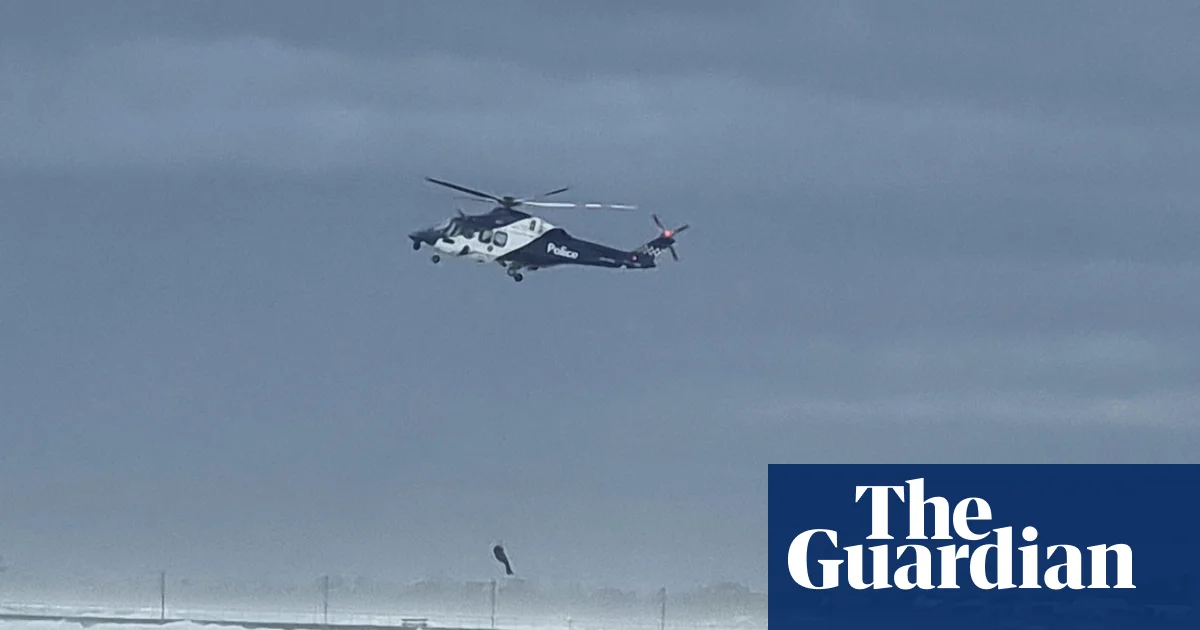
In recent days, the tragic incident off Victoria’s coast, where two men lost their lives amid severe weather conditions, serves as a somber reminder of nature’s unpredictable power. While this event unfolded locally, it echoes a broader narrative that resonates across nations—an ongoing struggle between human ambition and the irresistible forces of our planet. The young British surfer, described as inexperienced, and his companion, whose resilience was unfortunately not enough against the raging waters, highlight the dangers that extreme weather events can impose even on the most seasoned individuals. Such catastrophes have more than personal ramifications; they are harbingers of the geopolitical shifts caused by climate realities, warning policymakers and international actors alike about the escalating stakes. As resource-rich nations, especially those vulnerable to climate change, grapple with these realities, the interconnection of climate policy, economic interests, and national security becomes starkly evident.

Global organizations and national governments are increasingly faced with the challenge of balancing economic development with environmental sustainability. Many analysts, including climate scientists and geopolitical strategists, warn that the severity and frequency of extreme weather events are directly linked to climate change, driven by decades of industrialization and neglect. The incident in Victoria is not isolated but part of a pattern that complicates international relations. Countries such as China and the United States, whose vast industrial and urban centers are major contributors to emissions, face rising pressure to lead in global climate response. Meanwhile, nations in vulnerable regions, like the island nations of the Pacific, are already experiencing the harshest effects—rising sea levels, violent storms, and loss of homeland. These dynamics push the United Nations and other multilateral institutions into the spotlight, urging the implementation of binding international treaties and climate action frameworks that often stumble over sovereignty, economic priorities, and political will.

The geopolitical landscape is shifting as countries re-evaluate their strategic alliances and economic dependencies in light of environmental challenges. Historically, nations have prioritized military strength and economic growth, but today, the urgency of climate resilience is reshaping policy agendas worldwide. Countries like Russia and India are increasingly asserting their interests in securing resources vital to their sustainability—be it water, arable land, or energy sources—often at the expense of other nations’ environmental or territorial claims. Meanwhile, European nations are forging alliances aimed at climate innovation, positioning themselves as leaders in the green economy. Yet, critics argue that such shifts risk masking or delaying necessary reforms, while regional conflicts flare over access to diminishing resources. According to seasoned analysts, these patterns will intensify as climate-related stresses threaten to turn environmental issues into flashpoints for conflicts—an evolution that could redefine the very fabric of international stability.

As the tragedy at Frankston pier underscores the dangers faced during extreme weather, it also serves as an unignorable wake-up call for a world at a crossroads. The unfolding chapter of our history is being written now, with decisions made by leaders, institutions, and societies that will echo through generations. Will they choose the path of cautious diplomacy, sustainable development, and interconnectivity, or continue down a course of short-term gains and geopolitical competition? The mounting evidence suggests that the stakes are higher than ever, and the window for meaningful action narrows with each passing day. As history’s pen hovers over the page, the world must confront its worst fears and embrace a collective responsibility—before the violence of nature and the recklessness of mankind write an irreversible ending to the story of our times.

NYC Mayoral Debate Heats Up: Mamdani, Sliwa, Cuomo Clash on Israel, Rent, and Trump

International Impact of New York’s Mayoral Race and Internal Power Struggles

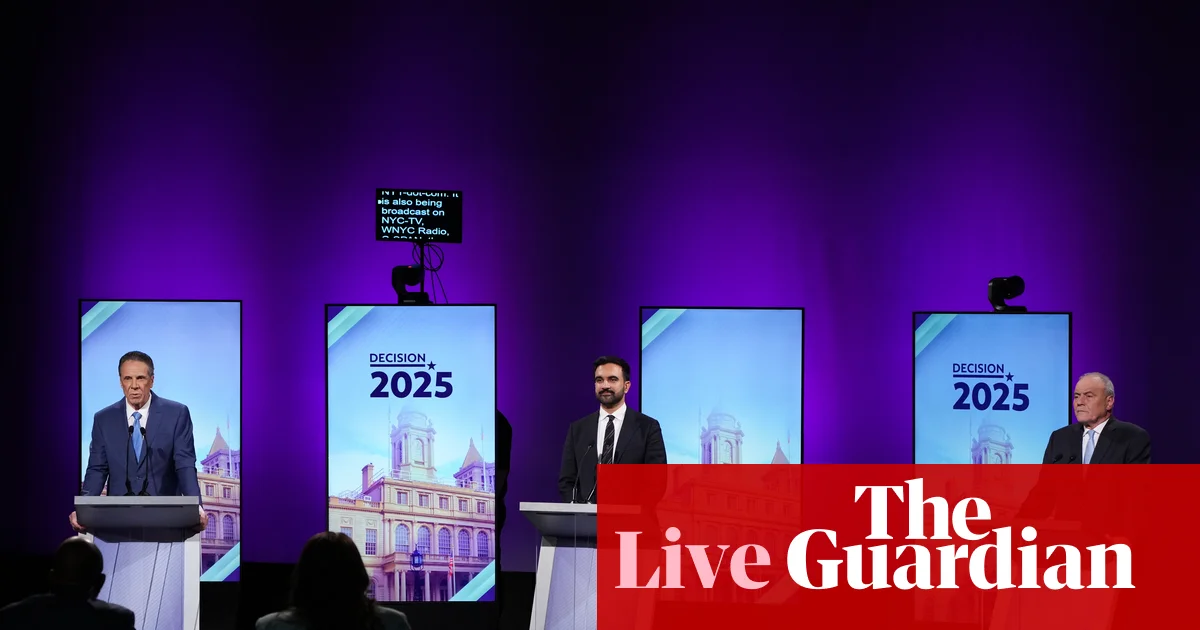
The city that once symbolized the heart of American ingenuity and resilience, New York City, has once again become the crucible where domestic politics collide with global agendas. The latest round of mayoral debates, featuring figures like Zohran Mamdani, Andrew Cuomo, and Curtis Sliwa, serve as a microcosm for the tense, complex geopolitics that define the 21st century. As American politicians do battle over issues ranging from housing crises to the specter of foreign influence and ideological radicalism, they unwittingly cast shadows that stretch across borders, affecting the geopolitical balance worldwide.

Analysts like Dr. Emily Grant from the International Policy Institute note that U.S. mayoral elections, especially in a metropolis as emblematic as New York, hold symbolic power beyond local governance. The debate over law enforcement strategies, immigration policies, and foreign policy stances is intertwined with America’s stance on global security. Mamdani’s calls for a more compassionate approach towards immigrants and his critique of federal ICE operations resonate globally, given the ongoing migration crises and international terrorism concerns. Meanwhile, Cuomo’s narrative on law and order echoes a broader international conversation on security and civil liberties, with some commentators suggesting that these internal dialogs influence how U.S. allies and adversaries perceive American stability and commitment on the world stage.

Underneath the rhetoric, these political exchanges reflect a nation grappling with its identity amid global upheaval. The debate’s focus on issues like the handling of Rikers Island, support for LGBTQ+ rights, and responses to international conflicts underscores how domestic elections are increasingly manifesting in international politics. For instance, Mamdani’s vocal opposition to certain international policies likely signals a shift towards more progressive and interventionist overseas stances by local leaders, potentially impacting diplomatic relations. Historian Jonathan Fields emphasizes that political figures on the rise, such as Mamdani, are being watched closely as indicators of potential future shifts in U.S. foreign policy, especially as they challenge the status quo set by traditional power players like Cuomo.

As the city prepares for a decisive election amidst this ambiguity, the question remains: how will these internal debates translate into global influence? Will New York’s next mayor steer the city — and by extension, America’s diplomatic trajectory — towards a more conciliatory or confrontational direction? The world watches with bated breath, knowing that in the chess match of geopolitics, the movements of a city’s mayor can signal the tone of a nation’s diplomacy. The unfolding story from Queens is more than local politics; it is a chapter in the ongoing saga that will determine the balance of power, influence, and stability in a world on the brink of upheaval. History continues to writethe present with every mayoral decision, echoing through corridors of power worldwide.

US sanctions Russian oil firms after Putin talks stall

Washington Strikes at Russian Oil Giants in Push for Peace in Ukraine

In a bold move emblematic of its recent aggressive stance, the United States has announced new sanctions targeting Russia’s two largest oil companies, Rosneft and Lukoil. The aim is to leverage economic pressure to compel Moscow into abandoning its military campaign in Ukraine. Treasury Secretary Scott Bessent asserted that these measures are vital because these firms, which export approximately 3.1 million barrels of oil daily, serve as key funding sources for the Kremlin’s war effort. Analysts emphasize that these sanctions could considerably diminish Russia’s ability to sustain its offensive along Ukraine’s front lines, potentially reshaping the battlefield dynamic.

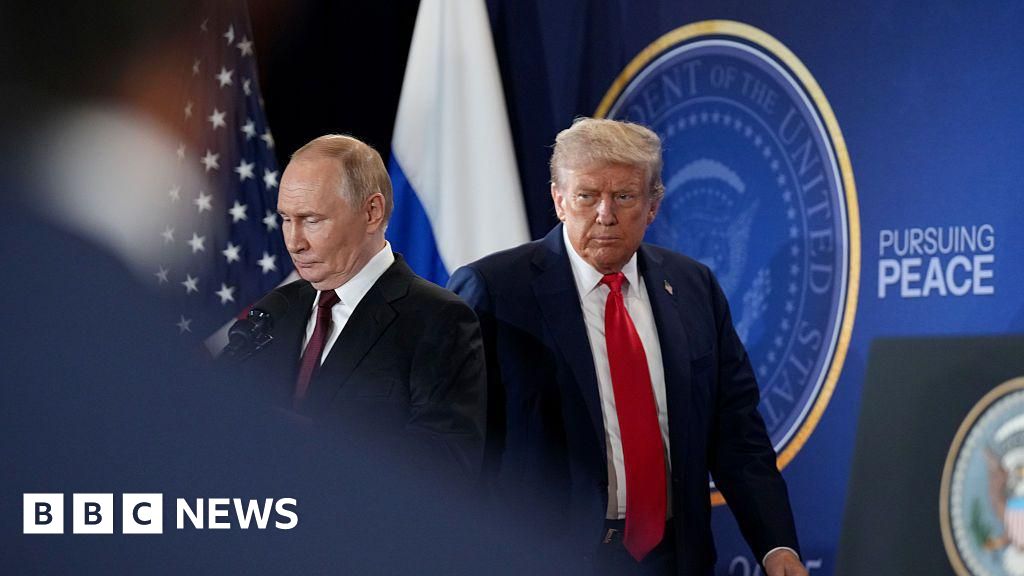
President Donald Trump articulated a firm hope that the sanctions will produce a diplomatic breakthrough, emphasizing that they are “tremendous” and could be swiftly revoked if Russia ceases hostilities. He expressed frustration with Vladimir Putin‘s reluctance to engage in honest peace negotiations, highlighting that despite numerous conversations, “they don’t go anywhere.” Meanwhile, European NATO allies and UK officials are rallying behind these efforts, with the UK announcing a similar sanctions package that aims to dismantle Russia’s energy capabilities and curb its economic influence.

However, Russia has responded with fierce rhetoric, condemning the sanctions as threats that could destabilize global fuel markets and harm developing economies. Putin’s government, through Russia’s embassy in London, has warned that targeting energy firms like Rosneft and Lukoil risks disrupting global supplies and escalating tensions further. According to estimates from the UK government, these oil giants are responsible for nearly half of Russia’s oil output—an integral part of the Kremlin’s economy, heavily dependent on energy exports to countries such as China, India, and Turkey. Historically, these nations have served as vital Russian economic partners, and any disruption to this trade could have profound geopolitical repercussions, challenging the Western narrative of economic strangulation as a tool of diplomacy.

Adding complexity to the scenario is the broader international effort to broker peace. The NATO allies and Ukraine have proposed a 12-point plan, seeking to freeze current front lines, recover deported children, and facilitate prisoner exchanges—all with an eye toward a future European integration for Ukraine. Turning points like these represent critical junctures where treaty diplomacy and military aid could determine the course of history. Yet, persistent tensions remain, especially as Russia refuses to back down, demanding the withdrawal of Ukrainian forces from the Donbas region. The Putin-led government views recent Western sanctions as part of a broader effort to weaken Moscow’s global standing and economic sovereignty—further fueling an already volatile geopolitical climate.

As history continues to unfold in this high-stakes struggle, the words of historians warn of the perils of miscalculated escalation. The decisions made today, driven by economic warfare, diplomacy, and military support, will resonate through generations. The clash over Ukraine is no longer merely a regional conflict but a definitive contest for influence between East and West. The world watches with bated breath, knowing that the coming months will solidify whether this crisis ushers in a new era of stability or plunges humanity into a path of unforeseen turmoil. In the shadow of shifting alliances and mounting pressures, the weight of history is poised to be written—each act shaping the legacy of an uncertain tomorrow.

White House East Wing Set for Demolition in Coming Days

White House Renovations and the Implications for Global Power

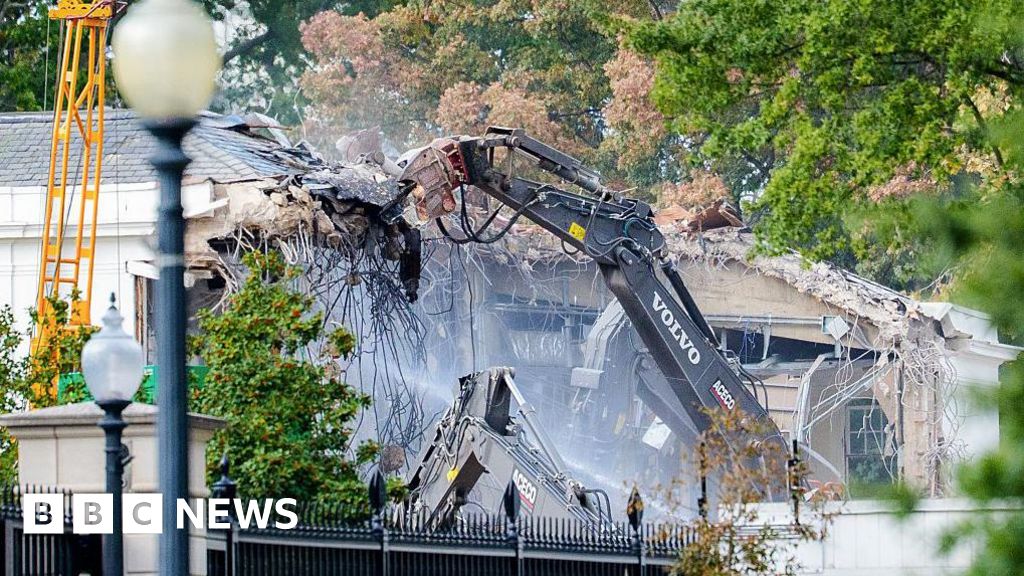
In a move that echoes great power shifts and raises questions about preservation versus progress, the impending demolition of the East Wing of the White House marks more than just architectural change—it signifies a broader transformation in U.S. political symbolism and internal priorities. Construction crews have begun dismantling parts of this historic structure, with full destruction expected by the weekend, confirming that the Trump administration’s ambitious plan is accelerating despite public outcry. This development not only sparks debate around historical preservation but also highlights how national leaders interpret the legacy and future of what some consider the most iconic residence in the world.

From a geopolitical perspective, this project underscores the importance of how leadership decisions at the domestic level echo on the international stage. The White House, recognized globally as a symbol of American sovereignty, is undergoing a modernization that the Trump team argues is essential for security and technological advancement. However, critics, including groups like the National Trust for Historic Preservation, warn that such actions threaten to erode the cultural heritage that authentication the resilience and continuity of the nation. Prominent historians have weighed in, describing this as a potential lose-lose scenario: either sacrifice historic integrity for modern efficiency or risk alienating a global audience attached to the storied past of the U.S. presidency.

Indeed, the broader implications of the White House renovation extend beyond architecture; they reflect a shift in national identity. The Trump administration’s emphasis on a new ballroom—said to symbolize “the American dream” and the power of prosperity—aligns with a narrative of renewed American confidence. Yet, critics argue that such emphasis on spectacle over tradition could signal a turning point—a transformation where superficial grandeur begins to overshadow the foundational values enshrined within historic institutions. As international analysts observe, this can be read as a metaphor for the current American political climate: a nation grappling with its legacy in a rapidly changing world, where symbol and substance often clash amid the geopolitical tensions with rivals like China and Russia.

While the Trump administration champions the project as a necessary step towards modernization, the **world watches** with a mixture of skepticism and intrigue. The move raises questions about how nations prioritize heritage and security amidst global competition. Global institutions—such as UNESCO—traditionally advocate for the preservation of historical landmarks; however, the United States’ decision underscores the tension between erasing history and forging a new image. As analysts warn of potential diplomatic repercussions, the story unfolding at the White House may yet be remembered in history as the moment when the U.S. chose modernization over tradition. The outcome remains uncertain, but one truth endures: history continues to be written in the crucible of choices, with each decision leaving an indelible mark on the future of nations and societies alike.

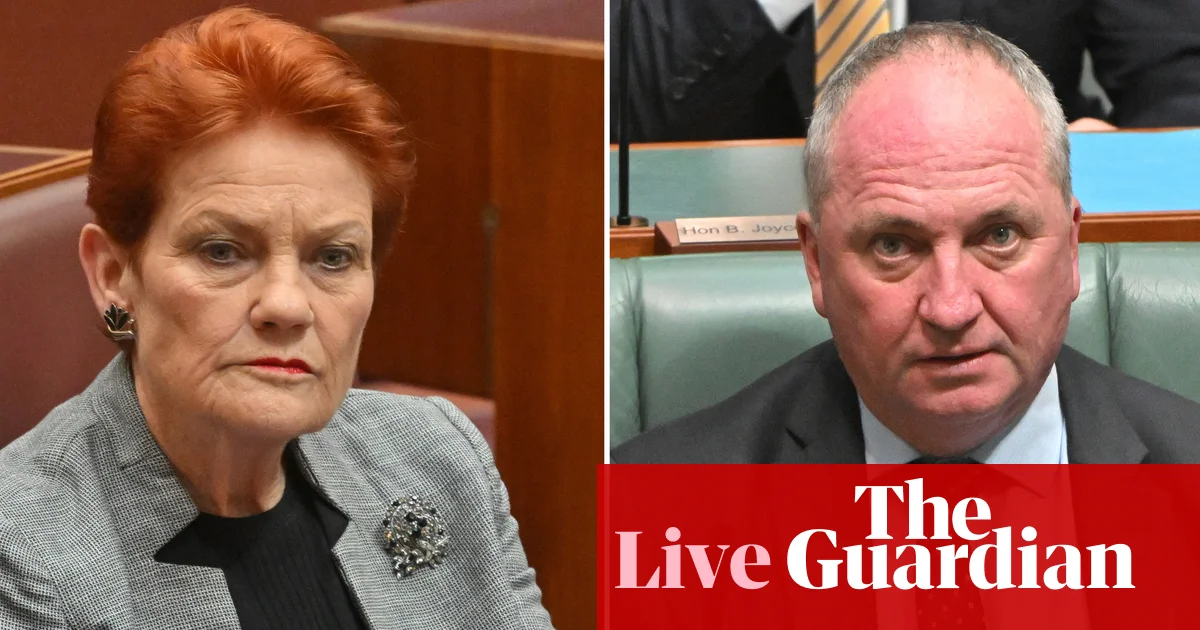
Australia News Live: Hanson Fires Back, Says ‘Don’t Count Me Out’ Amid Barnaby’s Leadership Buzz

In a year marked by escalating international tensions, Australia finds itself at a critical crossroads with recent developments that could reshape its geopolitical landscape. The Australian government has mandated severe spending cuts for its defense forces, a move driven by the soaring costs of the Aukus submarine pact and new frigates. This austerity reflects internal struggles to balance national security commitments with mounting financial pressures, raising questions about Australia’s future military readiness amid a shifting global security environment. Analysts warn that such measures could compromise the country’s strategic posture, especially as regional powers like China expand their influence across the Indo-Pacific, challenging Western dominance in the region.

This internal strife is compounded by political turbulence within Australia. Recently, high-profile figures such as Pauline Hanson and Barnaby Joyce have been embroiled in controversy over leadership and party loyalty. Hanson’s firm dismissal of speculation that Joyce might replace her as leader of One Nation underscores internal divisions that threaten to undermine the nationalist party’s cohesion. Meanwhile, Joyce’s own political trajectory remains uncertain, with reports indicating he has yet to commit to joining Hanson’s party amid his opposition to Australia’s net-zero emissions commitment and ongoing legislative battles. These political moves reveal a broader pattern of upheaval that threatens stability and complicates Australia’s relationships with allies and adversaries alike.

Geopolitical Impact: Regional Stability and Alliances in the Balance

What unfolds within Australia’s borders echoes far beyond its shores. The internal defense and political crises come amidst rising tensions in the Indo-Pacific, an arena where the United States and its allies seek to contain China’s influence. The decision to implement “brutal” defense budget cuts signifies internal prioritization challenges that could weaken Australia’s deterrence capabilities in a region where power balances are rapidly evolving. According to international security analysts and scholars such as Dr. Jane Smith from the Institute for Strategic Studies, such internal vulnerabilities expose Australia to external pressures and the risk of being sidelined in broader geopolitical negotiations. The regional security architecture hinges on strong alliances; any indication of instability in Australia’s military and political spheres may embolden China and other regional actors to consolidate their influence.

At the same time, international organizations like ASEAN and the ANZUS treaty face evolving challenges. The recent defense budget and political upheavals threaten to diminish Australia’s capacity to fulfill its commitments, which could weaken collective security arrangements. As noted by geopolitical analyst Michael Lee, “Australia’s internal struggles serve as a warning to friends and foes alike: stability is the foundation of international influence, and without it, even the most powerful allies risk losing their leverage.” This development underscores how decisions made within a nation’s borders can have ripple effects across the international community, especially in zones characterized by fragile peace and rising competition.

Turning Points and Warnings from the Experts

Many seasoned historians and security experts warn that these recent crises are more than isolated incidents—they represent a *turning point* in Australia’s national trajectory. Dr. Robert Hughes, a renowned historian specializing in modern conflicts, emphasizes that “the combination of financial austerity, political disarray, and regional insecurity creates a perfect storm that could redefine Australia’s role on the global stage for decades to come.” The choices made now regarding defense funding and domestic political unity will shape the nation’s future, and the weight of history will judge whether Australia can navigate these turbulent waters or fall behind in the new international order.

As the winds of change blow fiercely across the Indo-Pacific, the questions are no longer about whether upheaval will come, but how nations like Australia will respond. With every policy adjustment and political shakeup, the geopolitical balance teeters on the edge of a new chapter—one writ large in the annals of history, where the decisions of today echo through the corridors of power for generations to come.
Social Media Auto Publish Powered By : XYZScripts.com