Matox News

Truth Over Trends, always!

ICJ Demands Israel Let UN Deliver Essential Aid to Gaza’s Youth

International Judgment and Humanitarian Crises in Gaza

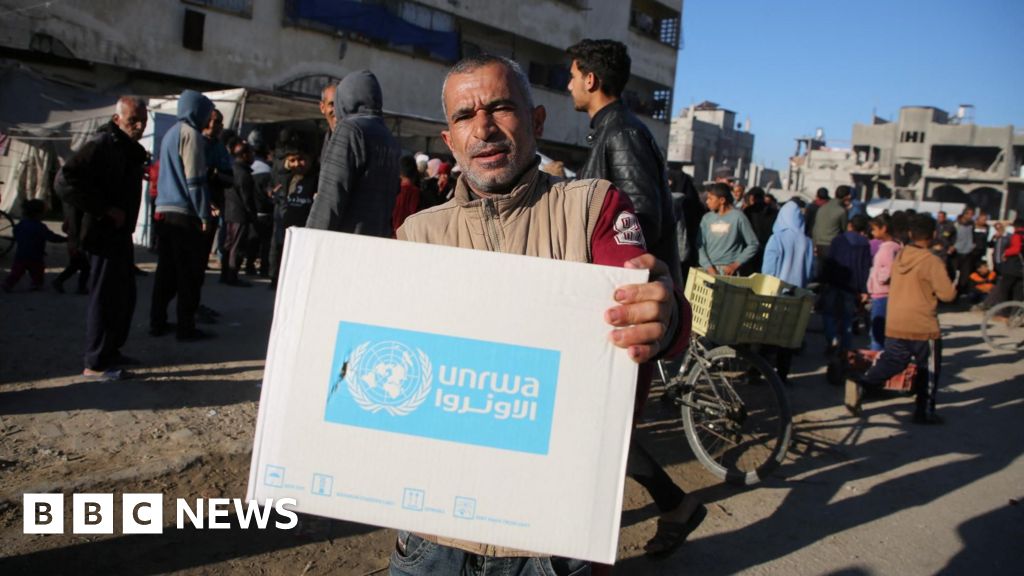
The International Court of Justice (ICJ) has delivered a significant advisory opinion regarding the ongoing crisis in the Gaza Strip, underscoring the legal responsibilities of Israel amidst escalating tensions in the region. The court’s ruling mandates that Israel facilitate the delivery of humanitarian aid by the United Nations and affiliated agencies, thereby emphasizing the international community’s stance on the dire need to meet basic human rights in the conflict zone. This opinion, while non-binding, carries immense diplomatic weight and accentuates the moral imperative for Israel to loosen its blockade that has effectively strangled Gaza’s civilian population for over two years.

The ICJ explicitly stated that Israel failed to substantiate claims that UNRWA — the UN agency responsible for Palestinian refugees — lacked neutrality or was infiltrated by armed factions like Hamas. The agency has repeatedly dismissed allegations of bias or clandestine affiliations, portraying itself as a neutral actor committed to humanitarian aid. Israel’s ambassador to the UN responded with unequivocal criticism, branding the ICJ’s opinion as “shameful,” illustrating the persistent divide over accountability for the humanitarian impasse. Historians and international legal analysts observe that the ICJ’s stance underscores a broader shift in international opinion toward prioritizing humanitarian obligations over political narratives.

Geopolitical Ramifications and International Reactions

  • The UN General Assembly had previously petitioned the ICJ in December to clarify Israel’s legal duties concerning operations in the West Bank and Gaza. This request followed a series of legislative measures by the Israeli parliament, which banned contact with UNRWA on Israeli soil and restricted aid activities—an act perceived by many as an escalation in the ongoing standoff.
  • Since the onset of hostilities with Hamas roughly two years ago, Israel has intensified its blockade, curbing access to essential supplies and implementing policies that have severely compromised the health, food security, and safety of Gaza’s 2.1 million residents. UN-backed experts warned of a “man-made famine,” with more than 640,000 people facing catastrophic shortages of food. Despite Israel’s insistence that aid flows are sufficient, independent assessments portray a starkly different reality.

The geopolitical impact of this crisis resonates well beyond the Mediterranean. Western nations, particularly those aligned with America and Europe, face mounting scrutiny over their diplomatic stance and relief efforts. Critics argue that uncontrolled aid restrictions serve as coercive tools, exacerbating suffering while political aims take precedence. International institutions, including the United Nations, are caught in a moral and strategic tug-of-war, with some analysts warning that failure to address these humanitarian concerns could fuel further instability and radicalization across the region.

Shifting Power Dynamics and the Weight of History

This moment in history beckons as a pivotal juncture where legal obligations, international diplomacy, and regional stability collide. The ICJ advisory adds fuel to the debate over accountability and sovereignty, spotlighting how their interpretations shape future interventions in conflict zones. As leaders and historians scrutinize these developments, the true test lies ahead: whether the international community’s moral authority can compel meaningful change or whether geopolitical interests will continue to weigh heavily in the shadows of diplomacy.

In the span of history, such decisions are destined to be remembered as either catalysts for humane reconciliation or as preludes to enduring cycles of violence. The unfolding story of Gaza’s suffering, and the global responses it provokes, serve as a stark reminder that the weight of history is still being written — with every act, every judgment, and every hope for peace shaping the world’s future.

Thousands of sea cucumbers wash up along Oregon coast, raising concerns about nature's chaos
Thousands of sea cucumbers wash up along Oregon coast, raising concerns about nature’s chaos

Environmental Phenomenon Strikes Oregon Coast: Thousands of Sea Cucumbers Wash Ashore

In a rare and striking display of nature’s unpredictability, Seaside, Oregon, has recently become the staging ground for an unusual marine event. Thousands of Leptosynapta clarki, or skin-breathing sea cucumbers, have been washed onto the beach following a combination of heavy surf and low tide. This event, which spans over an astonishing 2 miles of coastline, underscores the complex interactions within marine ecosystems and highlights the vulnerability of specific marine species to shifting oceanic conditions. As tourists and locals alike observe this bizarre spectacle, it is vital to understand the broader geopolitical implications linked to marine environmental shifts and the warning signs they present for future ecological stability.

Marine biologists and environmental analysts suggest that such phenomena occur sporadically, often triggered by specific confluence of surf and tide conditions. Dr. Michelle Yang, a marine ecologist at the National Oceanic and Atmospheric Administration (NOAA), pointed out that while these events can happen a few times a year or even less frequently, their scale and timing might be indicative of broader environmental stressors, including climate change and oceanic acidification. The sea cucumbers themselves, typically inhabiting the sand from northern California to the Gulf of Alaska, are incapable of returning to their preferred habitat after such displacements, leading to their eventual death and decomposition on the shore. This creates a temporary, yet significant, nutrient source for local invertebrates, which further alters the seaside’s delicate food chain.

Analysts warn that these increasingly frequent and widespread occurrences could have ramifications beyond local ecosystems—they are potential indicator signals of deeper, global marine disruptions. Many international experts warn that as ocean temperatures rise and weather patterns become more volatile due to climate change, similar incidents might become more common, affecting fisheries, coastal economies, and regional stability. The event in Oregon echoes past concerns expressed by organizations such as the United Nations’ Intergovernmental Panel on Climate Change (IPCC), which predicts that marine biodiversity could face unprecedented challenges in upcoming decades. This phenomenon might not only be an ecological anomaly but a harbinger of broader uprising shifts disrupting the relationship between nature and human progress.

Historian and geopolitical analyst Dr. Marcus Keller emphasizes that such marine disturbances serve as stark reminders of the interconnectedness of environmental health and international security. As nations grapple with climate policies and maritime disputes, the health of our oceans becomes an integral component of geopolitical stability. The deteriorating state of marine ecosystems, evidenced by events like the sea cucumber influx, underscores the urgency of global cooperation over environmental governance. The crisis in the Oregon coast exemplifies how localized natural events can reflect and influence international debates on environmental responsibility, resource management, and climate resilience. As history continues to unfold in the shifting tides of our planet, it remains clear that the choices made today about how we treat our oceans will echo in the halls of history—either as part of a sustainable future or as a chapter of neglect and loss.

In the end, the sea’s silent upheaval reminds us that nature’s fury and resilience are boundless, leaving humanity to ponder whether we are merely spectators or active participants in this unfolding story of planetary destiny.

NY Mayor and Police Step Back from ICE Raids as Chinatown Protests Grow — US Politics Update

Global Shifts and Domestic Battles: The Impact of U.S. Immigration Policies and International Alliances

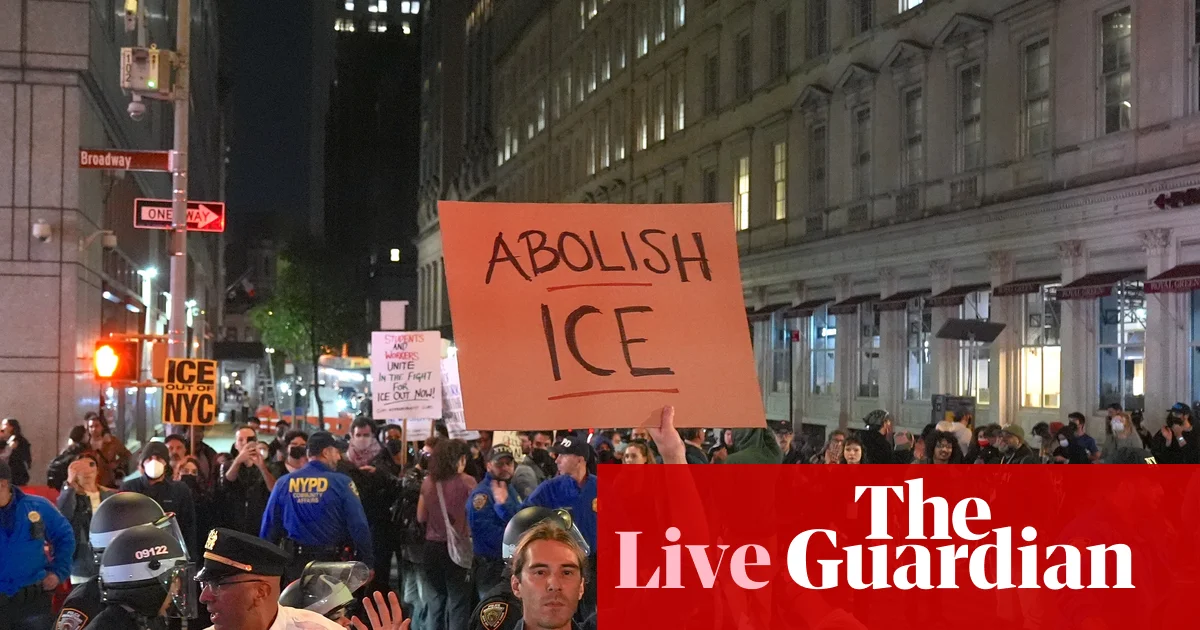
In a dramatic turn that underscores the volatile crossroads of domestic policy and international geopolitics, recent events in New York City and beyond reveal a landscape on edge. The city’s mayor, Eric Adams, has publicly distanced the local government from the controversial ICE raids targeting Chinatown under the pretext of counterfeit goods. Adams’s declaration that New York City has ‘no involvement’ in the federal operation reaffirms the city’s stance of non-cooperation with federal immigration enforcement, emphasizing that undocumented residents pursuing their American dream should not be targeted. This echoes a broader pattern in which local jurisdictions, especially in a nation divided over immigration, are pushing back against federal overreach—yet, the ripple effects threaten to destabilize national unity at a time of intense geopolitical friction.

The scenes in Lower Manhattan were a stark reminder of the simmering conflict between federal authorities and local communities. Protests erupted as hundreds gathered, loudly condemning ICE’s tactics. Video footage captures masked agents detaining individuals in the crowded streets, with onlookers vocally denouncing the operation amid powered-up tensions. The spectacle of armed federal agents and armored vehicles rolling silently through city streets symbolizes a shifting landscape where domestic law enforcement actions are increasingly intertwined with international narratives of migration, sovereignty, and social order. Such incidents influence how societies perceive their governments’ use of power and their obligations to vulnerable populations.

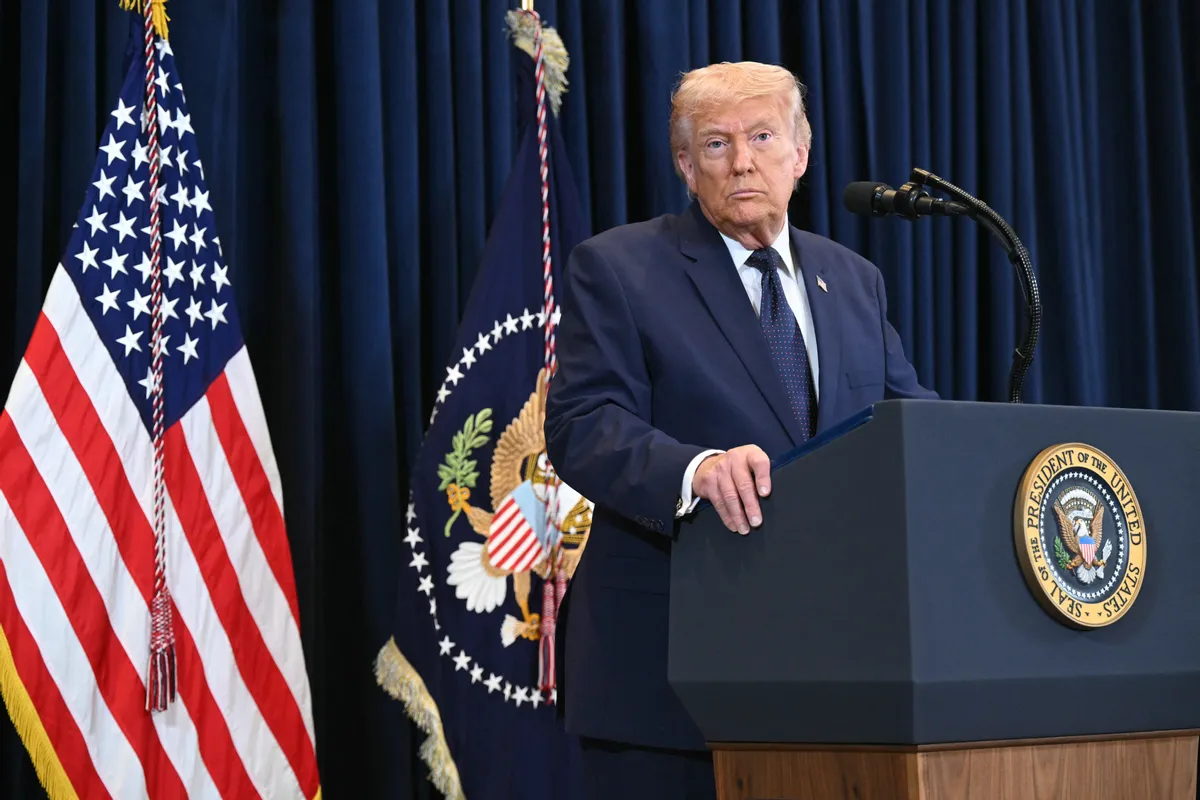
Meanwhile, on the diplomatic front, world leaders gather in diplomatic limbo, with President Donald Trump conducting an array of high-stakes meetings, notably with NATO Secretary-General Mark Rutte. Discussions are centered on military aid and the ongoing conflict in Ukraine, with Western nations coordinating the transfer of weapons often purchased from the United States. These diplomatic maneuvers, viewed through the lens of experts like analysts from the Atlantic Council, demonstrate that global alliances remain in flux—tied closely to the strategic interests of powerful nations shaping the future of Europe and beyond. The promise and perils of such alliances are evident, as NATO’s support for Ukraine intensifies the confrontation with Russia, with broader implications for European security and energy politics.

Domestically, the political landscape remains volatile, with key figures like JD Vance avoiding explicit deadlines for Hamas compliance in Gaza, highlighting the fragile balance in Middle Eastern diplomacy. On the home front, former Marine and political hopeful Graham Platner vehemently denies accusations linking him to extremist symbolism, illustrating the ongoing battleground of ideological identity in American politics. Meanwhile, the withdrawal of figures like Paul Ingrassia from critical government nominations demonstrates the increasing difficulty of confirming officials amidst a polarized political climate. These events, analyzed by political strategists, reveal a nation caught in the tension of internal dissent and international obligations, where each decision has deep and lasting consequences.

As President Trump prepares for a pivotal day at the White House, the weight of history presses upon him. His scheduled meeting with NATO’s Rutte at a time of mounting global instability exemplifies how the boundaries of diplomacy and domestic policy are dissolving into a complex tapestry of power plays and ideological warfare. Whether through false claims about fires in Portland or negotiations with European allies, the decisions made today could chart the course of history—drawing lines in the sand that will define generations. As nations grapple with upheaval and societies face internal divisions, the unfolding story remains a potent reminder: in the theater of world affairs, every move reverberates, and the true impact of these decisions will be felt long after today’s headlines fade into history.”

Louvre returns to normal after bold crown jewel theft—justice on the way

The Louvre Museum in Paris has reopened its doors only three days after a brazen daylight robbery that took away priceless artifacts valued at over 88 million euros. The audacity and precision of the crime, executed by a group of masked thieves wielding power tools, underscore a troubling wave of security vulnerabilities facing some of the world’s most treasured cultural institutions. The attack, which unfolded with shocking speed and sophistication, threatens not only the integrity of this iconic museum but also raises wider questions about international security protocols guarding humanity’s shared heritage. While visitors now flock back to the Louvre, the apparent negligence in surveillance, evidenced by a report that a third of the museum’s rooms lacked CCTV, paints a stark picture of the challenges facing cultural custodians worldwide.

The heist involved a small team of four accomplices who used a truck fitted with mechanical ladders to access the gallery near the River Seine early Sunday morning. Two of the thieves then cut through a glass window using battery-powered disc cutters—a tactic reminiscent of organized crime syndicates operating across borders. They threatened guards, who evacuated the building, and swiftly made off with a treasure trove including a diamond and emerald necklace once gifted by Emperor Napoleon to his wife, along with a tiara worn by Empress Eugenie, and jewelry previously owned by Queen Marie-Amelie. As security experts scramble to piece together the details, investigators have uncovered a damaged crown belonging to Empress Eugenie along the thieves’ escape route, fueling speculation about organized criminal involvement. French authorities, led by Interior Minister Laurent Nunez, express confidence in apprehending the culprits, but the broader issue remains: how well are nations prepared to defend cultural heritage in an era of rising organized crime and geopolitical uncertainty?

The incident has sparked intense debate among international analysts, with many warning that cultural institutions in Europe and around the world are increasingly targeted by criminal syndicates seeking lucrative art and jewelry. The attack on the Louvre’s security infrastructure—notably, the fact that alarm systems failed to trigger and CCTV coverage was incomplete—highlight glaring gaps in protecting vital national treasures. Some experts argue that the incident might be a wake-up call, urging governments and global institutions to adopt more advanced, integrated security measures against this new wave of threats. The potential for art and jewelry smuggling, driven by criminal organizations with international reach, presents a challenge not just for France but for the entire Enlightenment legacy that many nations aim to preserve. The European Union and Interpol are likely to increase collaboration, but critics contend that local authorities must prioritize infrastructure upgrades and intelligence sharing.

The fallout from this event extends beyond the immediate theft; it symbolizes a broader crisis of cultural sovereignty and national identity threatened by organized crime, geopolitical shifts, and lax security policies. Historians and analysts warn that if such breaches are not swiftly addressed, our global heritage risks becoming vulnerable to exploitation and loss. The Louvre’s roving security failures could set an alarming precedent, emboldening those with no regard for history’s sanctity. With every piece stolen, a fragment of cultural memory is lost—an irreversible dent in our shared history. As investigators pursue the thieves through a maze of criminal networks, the world watches with bated breath, acutely aware that this event might mark a turning point—either a catalyst for reform or a grim reminder of the increasing peril facing humanity’s culture. In this unfolding narrative of loss and resilience, one truth remains evident: history’s pages are still turning, and the stakes have never been higher.

Mosquitoes Strike Iceland for the First Time After Record Heat Wave

Record-Breaking Heatwave in Iceland Sparks Unforeseen Ecological Shift

In a startling development that underscores the profound effects of climate change on fragile ecosystems, Iceland has recorded the first-ever discovery of mosquitoes within its borders. Historically a haven of icy detachment, the once-impregnable barrier against these pests has been broken by this year’s unprecedented heatwave. Local insect enthusiast Bjorn Hjaltason identified and captured two female mosquitoes and one male, later confirmed by the Icelandic Institute of Natural History as Culiseta annulata, a resilient species capable of surviving frigid winters. This event has sent ripples through environmental circles and geopolitical analysts alike, spotlighting the tangible consequences of a scorching climate that now approaches Iceland’s northern shores.

Prior to this year, Iceland remained one of only two mosquito-free zones globally, with the only other being Antarctica. The cold climate and distinct ecological conditions historically prevented mosquitoes from establishing a foothold. However, the recent series of heatwaves—an anomaly according to the Met Office—have shattered previous temperature records, with May highs exceeding 20°C (68°F) and peaking at an all-time high of 26.6°C (79.8°F) at Eglisstaðir Airport. Such dramatic shifts are emblematic of the larger, more ominous trend of global warming, which the UN’s climate body affirms as driven by human activity. As global temperatures climb, scientists warn of destabilized ecosystems and unforeseen biological invasions, challenges that nations are increasingly ill-prepared to handle.

  • The key event: The first confirmed mosquito presence in Iceland amid record-breaking heat, signaling a disturbing ecological breach.
  • Potential consequences: Expansion of insect-borne diseases, disruption of local fauna, and strain on natural resources.
  • Broader implications: The event is a stark illustration of how climate change accelerates the erosion of natural barriers that historically protected regions like Iceland and Antarctica.

International organizations and experts are taking notice. Critics argue that these developments underscore the urgent need for a coordinated global response to climate change, focusing on both mitigation and adaptation. Historians and environmental analysts warn that this incident foreshadows a new era—one in which the impacts of human pollution and carbon emissions reach into the most remote corners of the world, rewriting the script of nature’s historical boundaries. The question now is whether nations will recognize the gravity of these signs or dismiss them as isolated anomalies. With each passing year marked by record heat and ecological upheaval, the line between natural resilience and human-inflicted vulnerability continues to blur.

As the story unfolds, Iceland stands as a stark symbol—a fragile outpost on the frontlines of a warming planet. The insect’s invasion, while seemingly minor, may herald a larger, more dangerous trend of ecological unravelling that knows no borders. The discovery leaves us with a haunting image: a once-untouched icy haven gradually succumbing to the relentless march of warming tides. Humanity, standing at a crossroads, must confront whether this is the prelude to a new world order—one shaped by climate-driven upheaval or the dawn of decisive action to halt the chaos. The weight of history is still being written, and the next chapter could determine whether the icy wilderness remains a sanctuary or succumbs to the scars of human neglect.

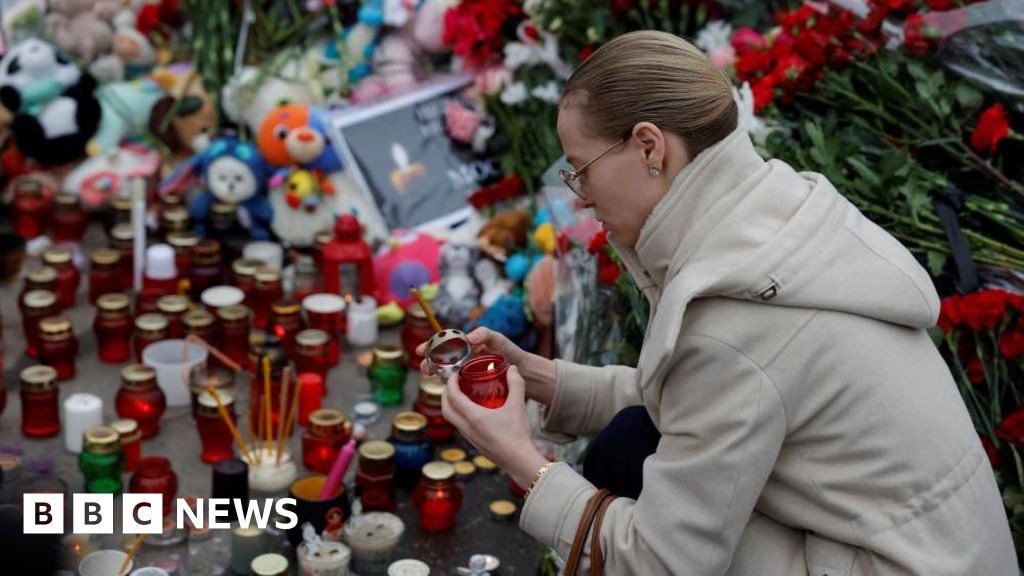
Six Lives Lost as Russian Drone and Missile Attacks Hit Ukrainian Cities

The ongoing conflict in Ukraine has entered a perilous new chapter, with recent Russian drone and missile strikes tragically claiming lives and unleashing chaos across the Ukrainian landscape. Ukrainian President Volodymyr Zelensky confirmed that at least six civilians had been killed, including two children, underscoring the brutal toll that escalation in hostilities continues to exact on innocent lives. The strikes, which targeted major cities including the capital Kyiv, also wounded 21 individuals and caused widespread destruction. The relentless barrage of attacks, including the targeting of energy infrastructure, signals a strategic effort by Moscow to destabilize Ukraine’s resilience and morale amid a deteriorating battlefield.

In the broader geopolitical context, the international community observes these events with mounting concern. The United States recent decision to abruptly shelve a planned summit with Vladimir Putin in Budapest exemplifies waning diplomatic engagement, with President Donald Trump citing a desire to avoid “a wasted meeting.” This diplomatic withdrawal highlights a significant shift in Western strategies—favoring pressure and military aid over dialogue, even as Russia dismisses calls from both Trump and European leaders to enact a ceasefire. Such decisions are poised to ripple through global alliances, complicating efforts for a unified response to Moscow’s military campaign.

Meanwhile, Ukraine’s military has intensified its defensive operations, notably targeting key Russian military infrastructure. The recent Ukrainian attack on a chemical plant in Russia’s Bryansk border region, facilitated by UK-supplied Storm Shadow missiles, represents a turning point in Ukraine’s tactical approach. Ukrainian officials describe the strike as successful, successfully penetrating Russian air defenses and compromising a site that produces components crucial for Moscow’s missile and artillery operations. Zelensky reaffirmed his strategic stance, emphasizing that the lack of long-range missile aid from the West has diminished Russia’s diplomatic interest. The Ukrainian leader’s insistence on military support underscores a broader debate about Western commitments and Ukraine’s right to self-defense amidst a conflict marked by relentless escalation.

As Kyiv reels from recent targeted assaults, including the tragic loss of civilians—a six-month-old baby among the victims—the conflict’s toll resonates beyond Ukraine’s borders. The wider geopolitical impact of these developments is profound. Analysts and historians warn that the current trajectory risks a prolonged, perhaps irreversible, destabilization of the European security order. The migration of destruction into civilian domains not only endangers sovereignty but also detonates societal cohesion, prompting fears of a ripple effect that could destabilize neighboring nations and global markets. What the future holds remains uncertain, but one thing is clear—the weight of history is now pressing down, with decisions made today echoing through the corridors of power and the stories of future generations.

Uganda tragedy: Over 60 lives lost in devastating road crash

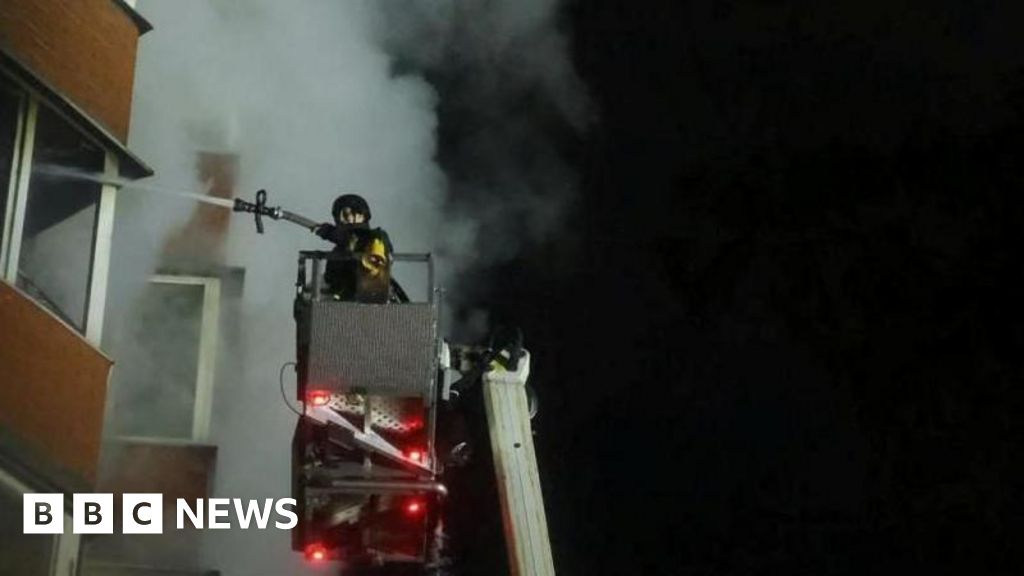
In a devastating incident that has sent shockwaves across Uganda, a catastrophic highway crash resulted in the deaths of 63 people, highlighting ongoing issues with road safety and the broader socio-economic challenges faced by the East African nation. The tragedy unfolded at approximately 00:15 local time on the Kampala-Gulu Highway, a critical artery connecting the capital with northern regions. Police reports indicate that two buses traveling in opposite directions collided head-on during an attempted overtaking maneuver—an act often driven by economic necessity and the pressures of rapid mobility in developing nations.

This incident underscores a deeper, systemic problem—the dangerous practice of overtaking on busy highways, which authorities have consistently linked to cause and consequence of fatalities. The police statement emphasizes that such reckless actions “remain one of the leading causes of crashes in the country,” revealing a societal issue intertwined with economic hardship and infrastructural deficiencies. Many analysts suggest that Uganda’s transportation infrastructure has not kept pace with population growth and urban expansion, forcing drivers into risky behaviors at the expense of safety. This tragedy echoes similar patterns seen in other developing nations, where quick economic growth often comes with a toll—an increasing number of preventable deaths and injuries that threaten to destabilize local communities and undermine development efforts.

From an international perspective, this incident is emblematic of broader regional challenges. East Africa, with countries like Kenya and Tanzania, faces infrastructural gaps that constrain economic progress and regional integration. It also raises questions about the effectiveness of governance and regulation, as governments grapple with balancing development and safety. Notable analysts, including those at the United Nations Economic Commission for Africa, warn that without targeted investments and stricter enforcement of safety protocols, such tragedies will persist, further entrenching social inequalities and hindering sustainable growth. Meanwhile, local governments are under mounting pressure to improve transport safety standards and public awareness, efforts that are often hampered by limited resources and corruption.

Historically, such events serve as poignant reminders of how decisions made today shape the future fabric of societies. The Ugandan crash is a stark symbol of the costs borne by nations in a period of rapid transition—costs that are amplified by geopolitical shifts and economic ambitions. As Uganda and other African nations seek to position themselves within the global economy, the need for resilient infrastructure and stronger institutions becomes crucial. The implications extend beyond transportation, touching on issues of governance, social justice, and national security, which are all interwoven in the quest for stability and prosperity. With international organizations calling for more comprehensive approaches, the question remains: how long can societies continue sacrificing safety in the rush towards modernization?

As history unfolds, the tragic echoes of this traffic collision leave a haunting message: the path forward is fraught with peril, and the choices made today will determine the legacy left for future generations. Will Uganda and similar nations heed the warning and prioritize safety and governance, or will they risk more preventable crises that threaten to unravel their social fabric? The weight of history presses down, reminding us that each decision—on roads, in policy, and in leadership—takes us one step closer to either progress or profound disaster. The story of Uganda’s roads is still being written, and its chapters could define the future of an entire region.”

Peru’s interim leader imposes emergency amid ongoing youth-led protests

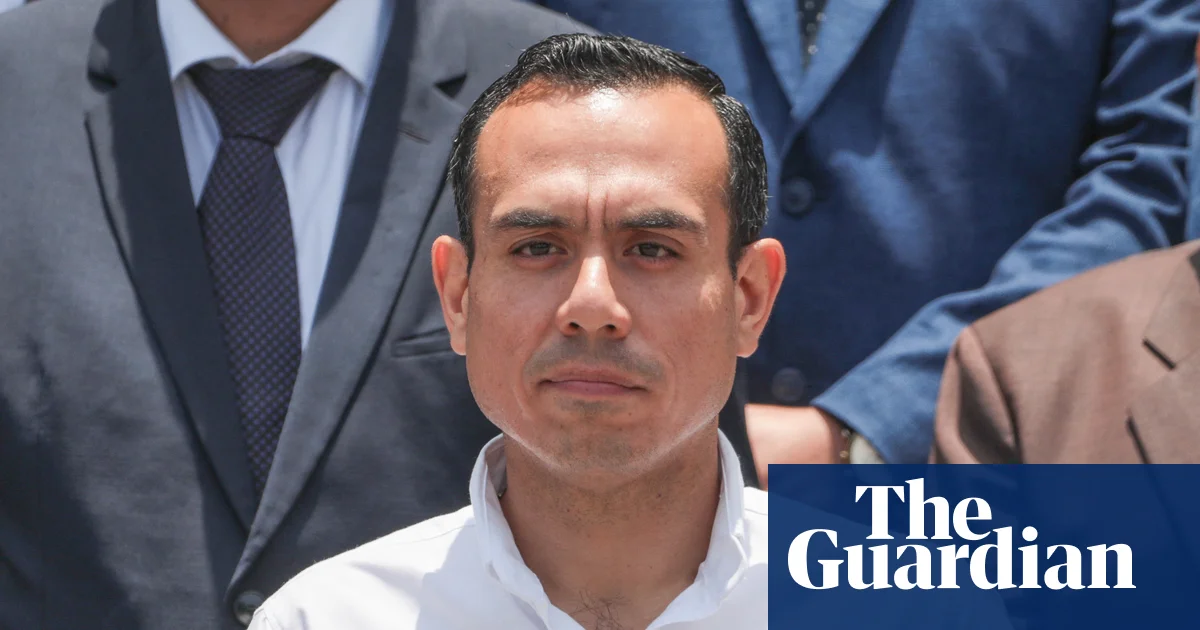
In a move that underscores the intensifying crisis gripping Peru, interim President Jose Jeri has declared a state of emergency in Lima and the neighboring port of Callao. Announced amid escalating anti-government protests driven by widespread discontent over corruption and organized crime, this decision marks a pivotal moment in the country’s turbulent political landscape. Beginning at midnight and lasting for 30 days, this measure grants authorities sweeping powers—including deploying the military, restricting civilian freedoms, and curbing assembly—highlighting the government’s urgent attempt to restore public order.

Since the impeachment and ousting of President Dina Boluarte earlier this month, the capital has transformed into a battleground for youth-led protests that have voiced frustrations over inadequate security and rampant crime. The demonstrators, inspired by a society fed up with corruption scandals and a surge in violence, have seen over 200 injuries—ranging from police officers and journalists to unarmed civilians—and tragically, at least one fatality. These unrests reflect deep societal fractures, which international security analysts warn threaten the stability of Peru. The country’s history of political volatility, with seven governments over the past decade, reveals a pattern of governance failures that have fueled this violent cycle.

The geopolitical impact of these developments ripples beyond Peru’s borders. Regional observers point to how internal crises can destabilize neighboring nations and challenge the influence of regional powers. The pervasive violence in sectors like transportation, with over 47 bus drivers murdered in what authorities suspect are extortion-related killings, signals a deterioration in law and order—an alarming trend that stirs fears of organized crime expanding its footprint across Latin America. Moreover, the international community, including organizations like the Organization of American States, cautions that prolonged instability could embolden anti-democratic forces and impede economic recovery efforts vital for Peru’s future.

Historians and analysts emphasize that the current emergency is a critical turning point in Peru’s political saga, with some warning that without meaningful reforms and accountability, the cycle of unrest may deepen. With interim President Jose Jeri serving until July 2026, the country faces a fragile period of transition where societal divisions risk widening. The decisions made in the coming weeks could determine whether Peru manages to restore its institutions or sinks further into chaos, paving the way for uncertain diplomatic or even destabilizing regional scenarios. As history continues to unfold, the world watches—intensely aware that the fate of Peru may serve as a defining chapter in Latin America’s ongoing struggle for stability and democracy.

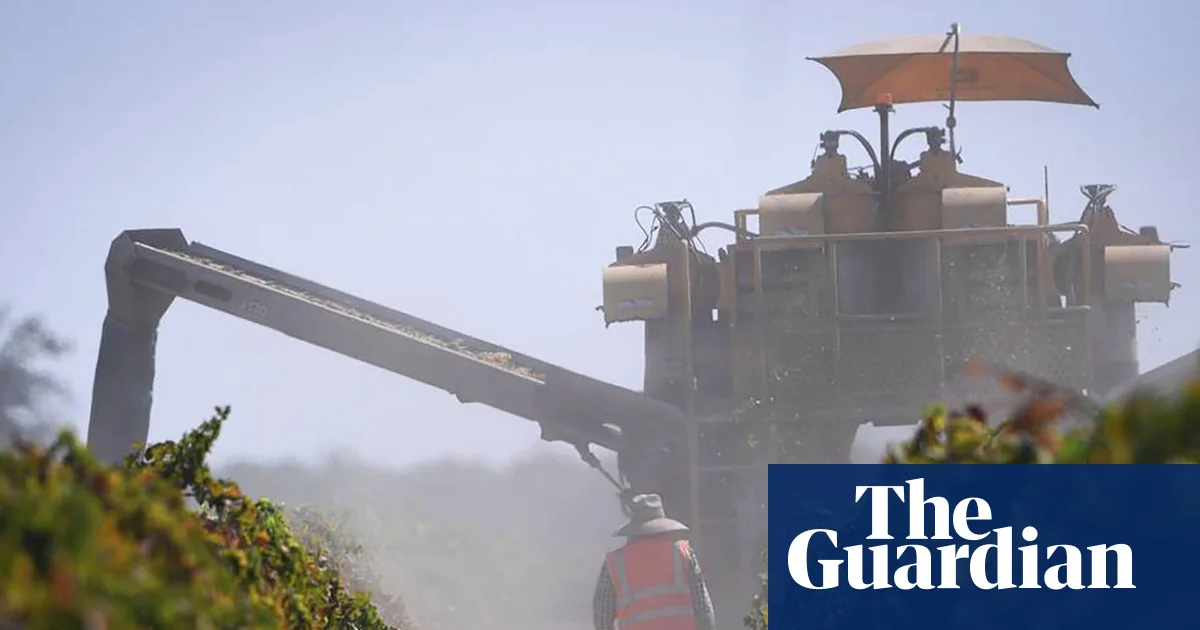
Sydney braces for fierce heat as record temperatures shift east and powerful winds threaten southern Australia

The Rising Temperatures and Political Stakes in the Age of Climate Crisis

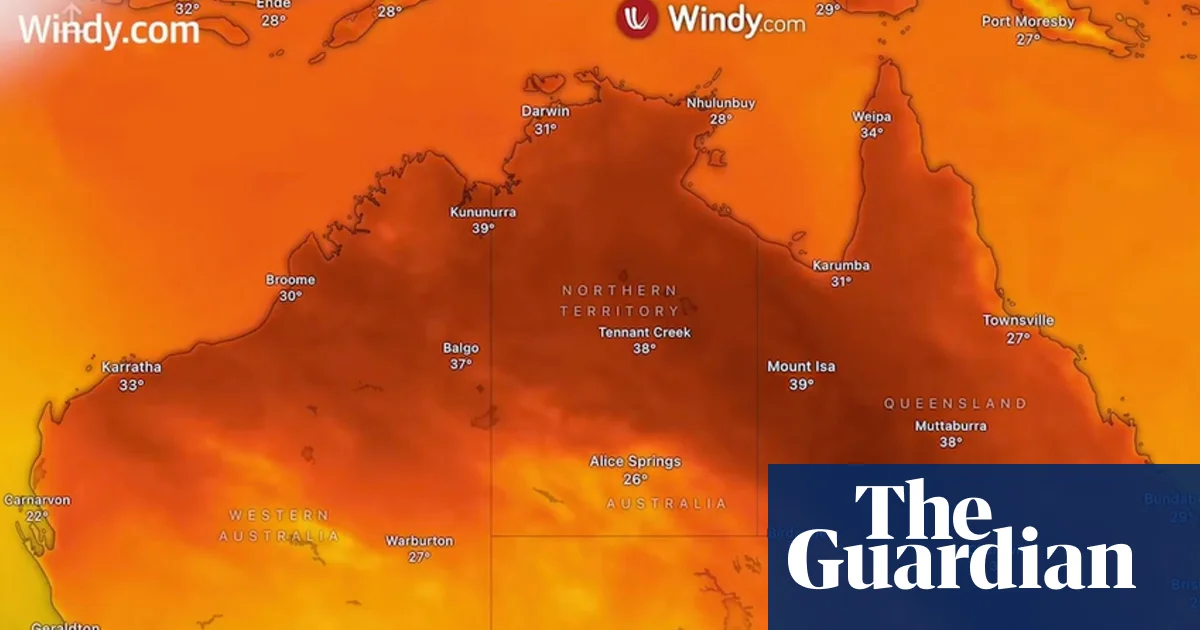
As the weather patterns across Australia reach unprecedented heights, the underlying message for the international community becomes clear: climate change is accelerating, and its geopolitical impact is profound and far-reaching. Recent reports from the Bureau of Meteorology reveal that both New South Wales and Queensland set records for their hottest October temperatures, with Birdsville in outback Queensland reaching 46.1°C and Bourke in NSW hitting 44.8°C. These extreme heatwaves reflect a disturbing trend that, according to climate analysts, is largely driven by human activity and the ongoing climate crisis.

The impact is not contained to environmental implications alone; it also bears heavily on political stability, resource management, and global reputation. Australia’s climate crisis has ignited intense debates among policymakers and environmental groups alike. As prime minister of Australia, Anthony Albanese, faces mounting pressure to implement more aggressive climate policies, international observers watch with concern that insufficient action could undermine the nation’s global standing and economic resilience. Historians warn that this era could be remembered as a pivotal point where inaction may have cost entire communities their livelihoods, especially vulnerable rural towns like Birdsville where heatwaves are becoming the new normal.

Disaster on the Horizon: Extreme Weather Spurs International Response

Simultaneously, severe weather warnings across Victoria, South Australia, and along the Australian coast underscore the growing risk of natural disasters. Widespread strong winds—up to 130 km/h— and raging bushfires reported by the NSW Rural Fire Service highlight the dangerous cascading effects of climate change—drought, heatwaves, and destructive winds—often intersecting into a perfect storm of environmental and societal crises. These developments heighten the warning issued by climate experts that borderless phenomena require the global community to intensify cooperation, sharing resources and technology to adapt and mitigate.

This global challenge transcends Australia. Regions from the United States to India are witnessing record-breaking heat and supercharged storm systems. International organizations, such as the United Nations and Intergovernmental Panel on Climate Change (IPCC), emphasize that these patterns are no longer isolated incidents but part of a grim trend that demands urgent policy shifts. Some analysts warn that failure to address these problems could destabilize regional economies, trigger displacement, and spur international conflict over scarce resources, namely water and arable land.

Decisions That Define the Future

The recent climate events serve as a stark reminder that international cooperation and national leadership must evolve in tandem if humanity is to navigate this crisis. Countries must confront their responsibilities; for Australia, this means not only reducing emissions but also preparing societies for the unavoidable consequences of climate extremes. Likewise, global leaders face a choice: continue on a path of short-term economic gains at the expense of environmental stability or embrace bold reforms that will safeguard future generations.

As climate scientists warn that the current trajectory could lead to irreversible damage, the decisions made in the coming years will be etched into history. The world stands at a turning point—one where climate resilience, geopolitical stability, and social cohesion hang in the balance. The ongoing narrative is still being written, yet the warning signs are unmistakable: history’s true test lies ahead, demanding leadership and willpower amid an unfolding era of climate upheaval.

Gaza Palestinians with Australian visas stuck as Israel tightens borders—what's happening to our immigration commitments?
Gaza Palestinians with Australian visas stuck as Israel tightens borders—what’s happening to our immigration commitments?

Gaza’s Humanitarian Crisis Sparks Global Reflection on Geopolitics

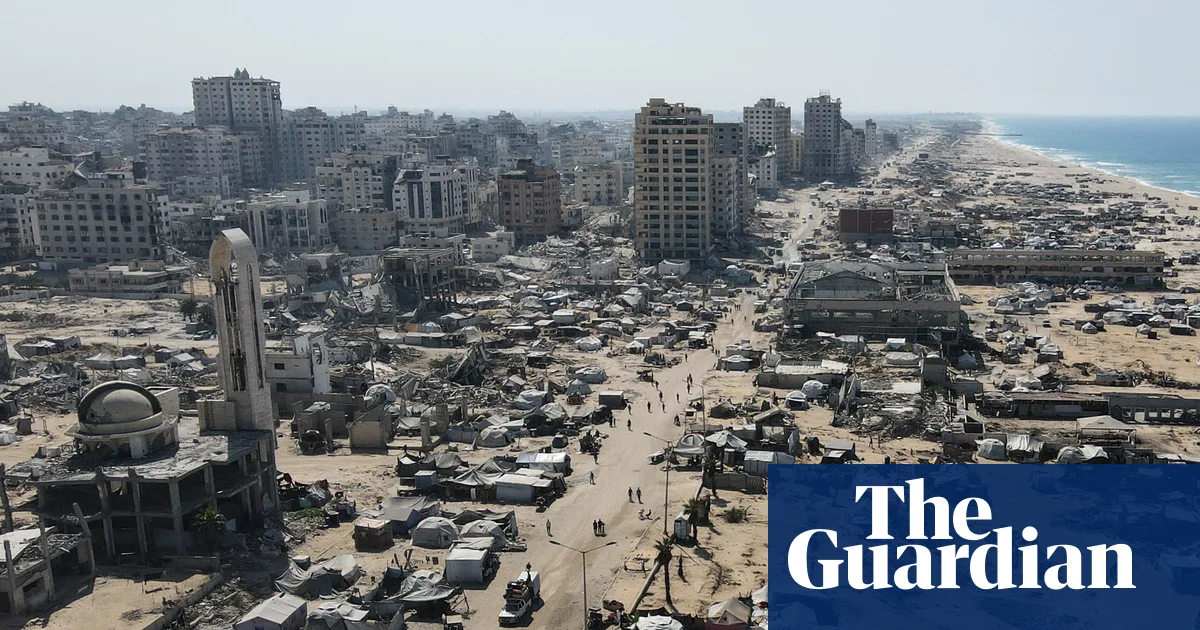
The conflict in Gaza continues to cast a shadow over international stability, revealing a complex web of humanitarian and geopolitical tensions. Despite a tentative ceasefire, the region remains a battleground of broken borders and unfulfilled promises. Notably, Australian visa holders trapped within Gaza epitomize the international system’s fractured response to the ongoing conflict and displacement crisis. As borders remain sealed and evacuation efforts stagnate, the situation underscores how decisions made in distant capitals — or inaction— deeply affect vulnerable societies and reshape regional alliances.

Since the outbreak of violence, an estimated 600 to 700 individuals with Australian-issued visas remain stranded in Gaza amid a deadly stalemate. Their plight is a stark illustration of the failed international mechanisms to safely evacuate civilians from war zones. The Australian government claims it is doing “all it can” to support its citizens and their families, yet the reality on the ground paints a different picture. Many, like Ahmed Abumarzouq, a Palestinian-Australian living in Perth, see their relatives—particularly teenagers and those in split-family situations—caught in a cycle of bureaucratic limbo, unable to escape the chaos and destruction wrought by escalating military operations.

How international decisions shape refugee flows and societal fractures

Analysts warn that international diplomacy is at a crossroads. The ceasefire agreement has merely provided a fragile pause in hostilities, not a resolution. As the U.N. and regional powers debate the long-term stability of peace accords, families in Gaza face relentless hardship. The refusal or inability of border crossings—primarily controlled by Israel—to reopen hampers evacuation efforts, fostering a humanitarian crisis that threatens to spill into neighboring regions. Historicians like Mark LeVine caution that prolonged exposure to war will deepen societal divisions and embolden radical factions, reshaping the geopolitical landscape for generations. Meanwhile, Australian officials admit that the “difficulties” of exit highlight flaws within political and diplomatic frameworks designed to protect citizens abroad.

The world’s failing response: a test of international morality

Palestinian organizations and refugee advocates emphasize that many in Gaza are unwillingly displaced—forced from their homes by relentless violence and the strategic might of powerful states. Rasha Abbas, founder of Palestine Australia Relief and Action, reflects this sentiment: “It’s forced displacement. Israel has taken away all security, all safety, and there’s nothing in terms of basic life needs.” With hospitals destroyed, food supplies exhausted, and safety absent, the conflict has become a battleground for global morality. Countries like Australia, the United States, and European Union grapple with their responsibilities and the perception that geopolitical interests often override humane considerations. International organizations warn that, unless collective action is taken, the entrenched suffering will entrench regional instability and fuel future conflicts—destined to echo through history’s corridors as a failure of moral leadership.

The plight of Gaza’s displaced and stranded exemplifies how international decisions—whether to engage, to support, or to turn away—*shape societies*. The current crisis challenges the international community’s capacity to uphold humanity amidst the chaos. As nations weigh strategic interests against moral imperatives, history continues to unfold — a narrative where hope flickers, shadows deepen, and the weight of unresolved conflicts remains heavy upon the pages of history.

Social Media Auto Publish Powered By : XYZScripts.com