Matox News

Truth Over Trends, always!

Trump slams 'wasted meeting' after Putin summit plans fall apart
Trump slams ‘wasted meeting’ after Putin summit plans fall apart

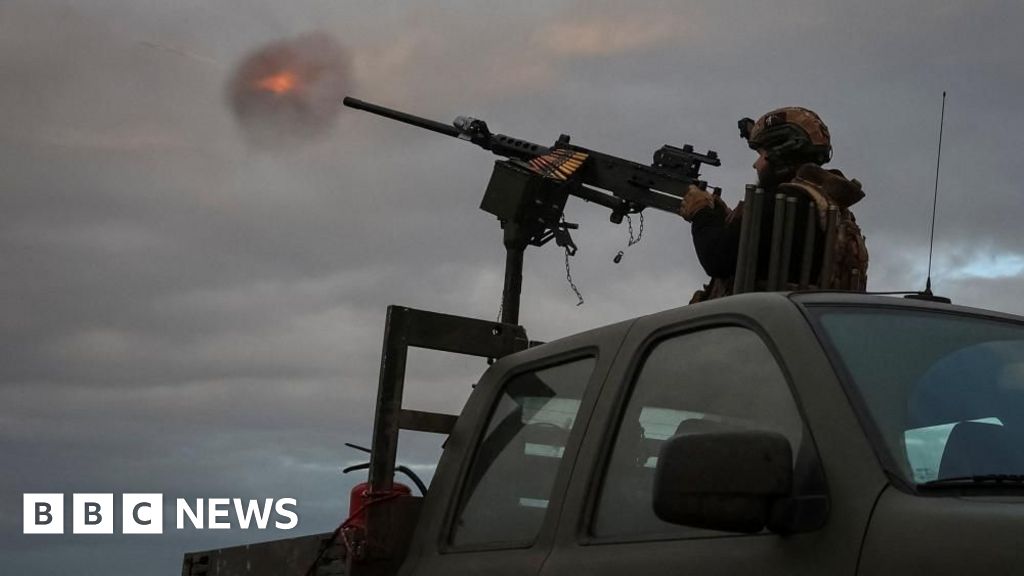
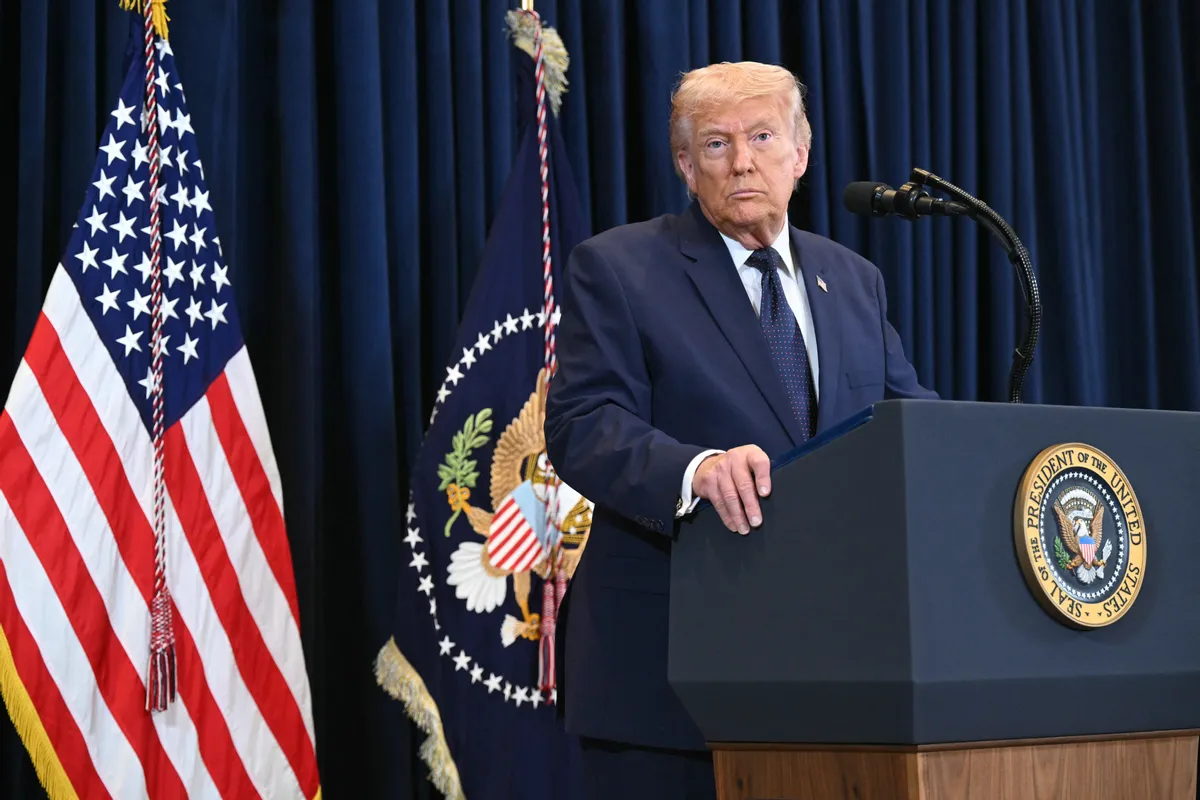
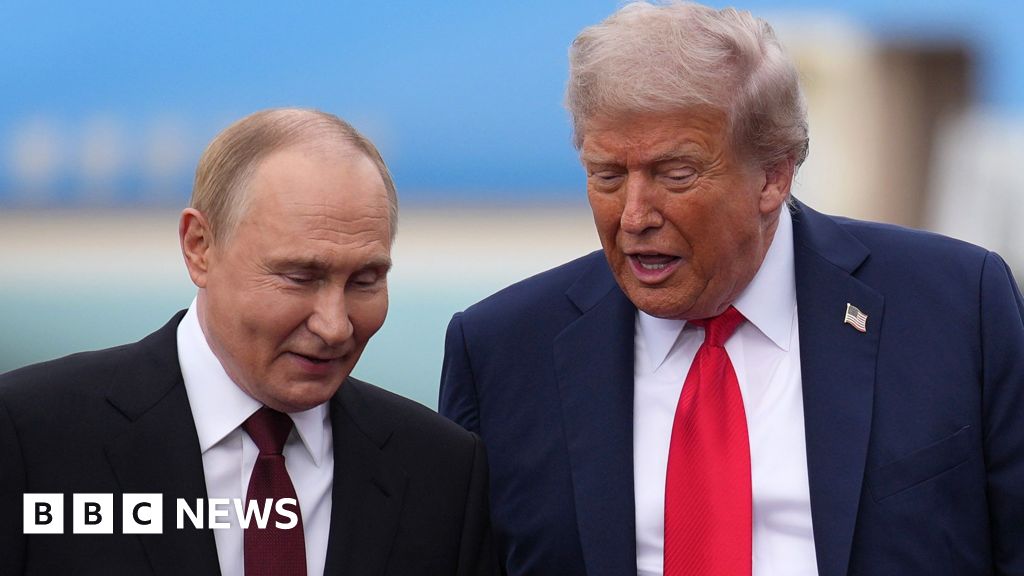
The geopolitical landscape surrounding the ongoing Ukraine conflict has entered a new, critical phase, with American and Russian leaders signaling escalating tensions and diplomatic deadlock. President Donald Trump, who recently engaged in high-stakes diplomatic maneuvers, emphasized the importance of meaningful dialogue but appeared to acknowledge the persistent divisions: “I don’t want to have a wasted meeting,” he stated, reflecting frustration over Moscow’s refusal to cease fighting along the current front lines. This reluctance from Moscow is viewed as a clear indication that the Kremlin’s demands remain maximalist, demanding full Russian sovereignty over the Donbas and the demilitarization of Ukraine—conditions unacceptable to Kyiv and its allies. The refusal to de-escalate has effectively shut down hopes for a face-to-face summit with Vladimir Putin, further stagnating diplomatic efforts and intensifying the risk of wider conflict.

International analysts warn that

the failure to reach a mutually acceptable peace deal could lead to prolonged instability, with serious consequences not only for Ukraine but for global security. The breakdown of negotiations, exemplified by the shelving of planned talks in Budapest, signals a broader realignment of international priorities. Pan-European leaders, allied with Kyiv, have condemned Russia’s unyielding stance, accusing Moscow of not being “serious” about peace and instead pushing for a “long-term, sustainable peace” that would uphold their maximalist demands. Meanwhile, Sergei Lavrov has underscored Russia’s intent to confront *the root causes of the conflict*, insisting on the recognition of Russian sovereignty over parts of Ukraine and a demilitarized Ukraine—a position met with fierce resistance from Kyiv and Western partners. These divergences accentuate the strategic depth of the current impasse, with stalemates threatening to entrench the war.

Historical perspectives and emerging risks

suggest that the crisis could redefine international alliances and the future of Eurasian stability. Experts like political analysts or think tanks like the Council on Foreign Relations warn that, if unresolved, this conflict might ignite a new era of proxy confrontations and regional power struggles. The United States, emphasizing a policy of supporting Ukraine’s sovereignty, has also pursued strategic military enhancements, notably discussing the potential delivery of long-range Tomahawk missiles to Kyiv—an issue that Russia claims almost provoked a direct engagement with Washington. Moscow’s initial silence was broken by an unscheduled call from Putin to Trump, a rare move that underscores how close the lines of diplomacy are to breaking. The question remains whether diplomacy can salvage the situation or whether this hardening of positions will plunge the world into a prolonged, multi-layered conflict.

In this pivotal moment, history writes itself through decisive yet uncertain actions, leaving the international community on the brink of a new chapter of instability. As the European Union and NATO brace for possible escalation, the weight of unresolved grievances and conflicting demands underscores a dire truth: the foundation for peace must be built on mutual respect, but the current path seems doomed to instability. The long shadow of this crisis looms large, with the future of Ukraine, Europe, and perhaps the entire global order hanging in the balance—destined to be shaped by choices made in rooms where history’s next chapter is quietly but profoundly unfolding.
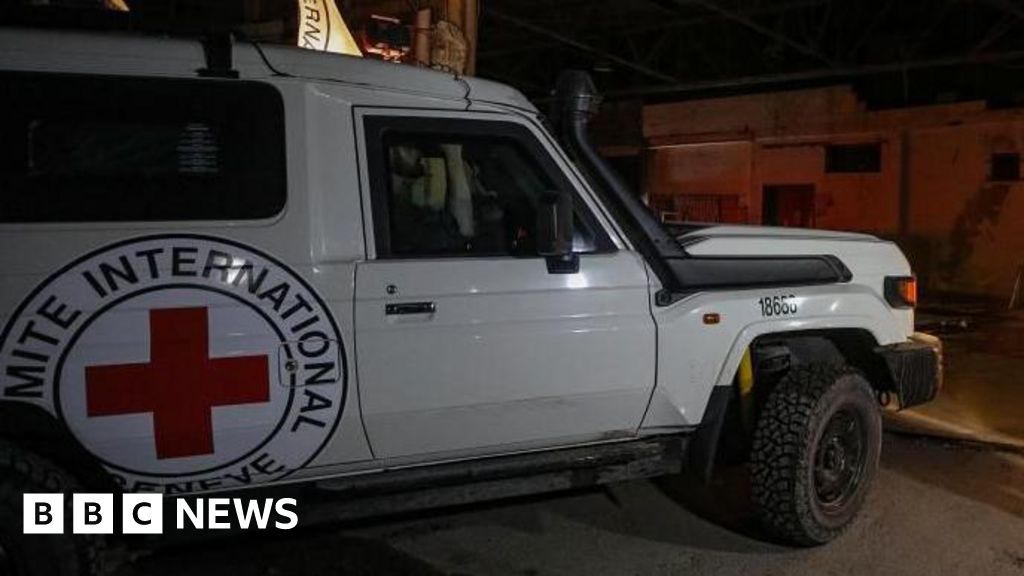
Israel recovers two bodies Hamas claims are hostage fatalities

The ongoing conflict between Israel and Hamas continues to shape the geopolitical landscape of the Middle East, with recent developments highlighting both progress and persistent tensions. In a pivotal move, Israel has received two bodies identified as deceased hostages, transferred by Hamas through the Red Cross, symbolizing a tentative step toward de-escalation amid a brutal conflict. The Israeli military confirmed that these coffins crossed into Israel‘s territory, signaling progress in the fragile, US-brokered ceasefire agreement that aimed to soften hostilities and facilitate humanitarian aid. The transfer of the remains of 15 deceased Israeli hostages out of 28—part of the initial phase—has been hailed by many analysts as a crucial humanitarian gesture, yet it also underscores the ongoing trauma and unresolved issues that continue to dominate the region.

Despite this, the Israeli government remains tense and cautious. The IDF has emphasized the importance of “act with sensitivity” and patiently await official confirmation of identities, stressing that the families of the victims must be the first to know. Meanwhile, Hamas claims to be trying to return the remains, but their efforts are hampered by the destruction wrought upon Gaza and the difficulty of locating bodies buried amidst rubble. The situation presents a complex dilemma: while some bodies have been exchanged, the question of missing and unidentified hostages remains a source of national outrage in Israel. The Biden administration and other Western allies watch closely as the partial progress continues to unfold, warning that any breach of the ceasefire could spiral into renewed violence at a moment when regional stability hangs in the balance.

The first phase of the US-brokered ceasefire has not only facilitated exchanges of bodies but also led to notable tactical withdrawals, the release of Palestinian prisoners, and a modest increase in aid to Gaza—an area suffering under a humanitarian crisis. However, the fragile arrangement is under threat, with both sides accusing each other of violations, igniting violence once more. According to reports, over 68,000 Palestinians have been killed since the Israeli military campaign launched after the 7 October attacks—an appalling toll that has cast a shadow over the prospects for peace. The international community, including the United Nations, continues to condemn the continued violence while leaving room for hope that diplomatic efforts might yet stave off further catastrophe, though critics warn that history shows such pauses are often temporary in this relentless cycle of conflict.

As the conflict persists, the geopolitical impact extends far beyond the immediate region. The ongoing violence has fueled tension across the Arab world, strained U.S. foreign policy, and emboldened hardline factions within both Israeli and Palestinian societies. Historians and analysts warn that unresolved grievances, compounded by miscalculations and external pressures, risk transforming this localized struggle into a wider regional conflict with repercussions felt across Europe, Asia, and even Africa. The international community faces a threatening choice: support sustained diplomacy or witness the near-collapse of decades of fragile peace efforts. The decision to continue negotiations or allow violence to escalate will shape the balance of power, regional stability, and global security for decades. Under the shadow of ongoing violence and diplomatic uncertainty, history’s ink remains wet, and the world watches with bated breath as events unfold—each moment bringing us closer to a turning point that could forever alter the course of history.

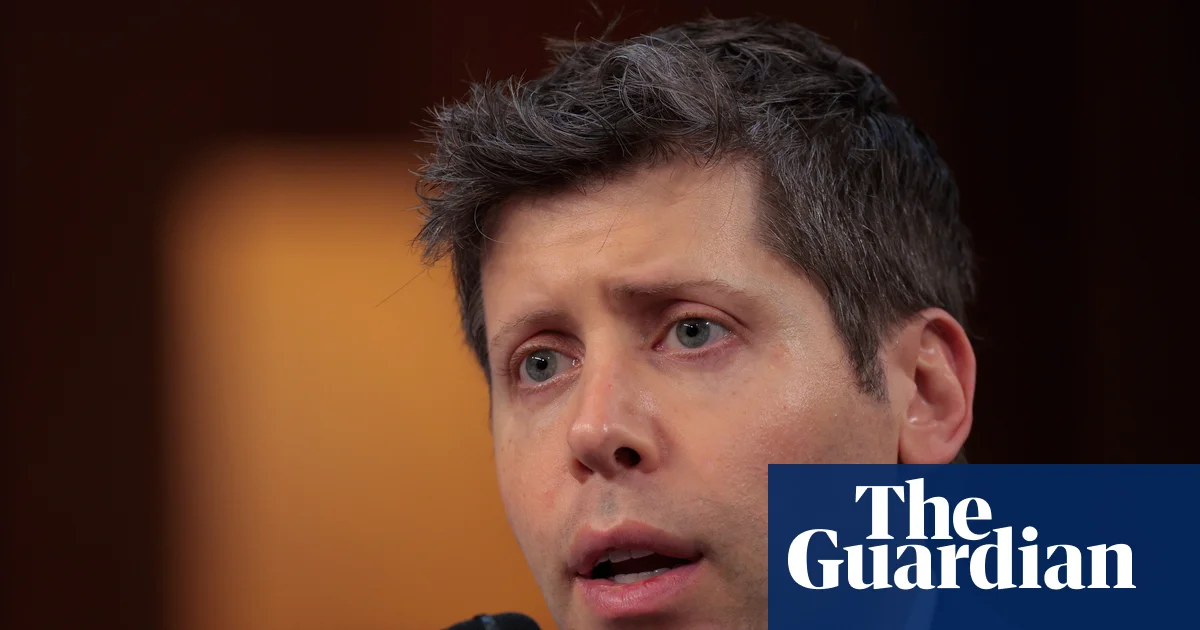
OpenAI Unveils ChatGPT Atlas: A New Web Browser Powered by ChatGPT for Young Tech Enthusiasts

OpenAI Launches AI-Powered Browser, Sparks Geopolitical Ripples

In a move that signals the escalating influence of artificial intelligence on global digital infrastructure, OpenAI unveiled ChatGPT Atlas, an innovative AI-enhanced web browser. This development has sent shockwaves through the tech world and geopolitical spheres alike, with critics and analysts quick to recognize its potential to reshape online navigation and information dissemination. The new platform, integrated with ChatGPT, promises a personalized browsing experience, empowering users to interact with websites via a sidebar that can summarize content, analyze data, and even modify text—features that could redefine user engagement worldwide.

This launch, albeit primarily technological, extends far beyond the realm of software. In the context of rapidly evolving AI capabilities and digital sovereignty debates, it underscores a new chapter in the competition for technological dominance among the world’s superpowers. As OpenAI makes Atlas available globally on Apple’s Mac OS and prepares for launches on Windows, iOS, and Android, glimmers of a digital arms race emerge in the shadows. Tech giants like Google, which recently integrated its Gemini AI into Chrome, are not sitting idly by. Shares of Google fell immediately after the announcement, reflecting investor fears that OpenAI could challenge Chrome’s supremacy, the world’s most used browser. This shifting digital landscape demonstrates how AI innovation is intrinsically linked to economic power and geopolitical influence.

World analysts, including those from Oxford’s Future of Humanity Institute and the United Nations’ digital policy division, warn that the race for AI-driven browsing tools could become a new battleground for international influence and control. Countries like China and Russia are reportedly ramping up investments to develop their own AI-driven web technologies, aiming to neutralize Western dominance in digital infrastructure.

  • For the United States, the emphasis on AI as a competitive edge in global innovation is paramount, with policymakers strategizing to secure digital sovereignty and protect critical infrastructure.
  • Meanwhile, European nations are calling for stricter regulation on AI, fearing the potential erosion of privacy rights and the emergence of a new “digital divide”.

In this context, decisions taken now — such as OpenAI’s push into the browser market — will shape who controls information flow and technological standards in the decades to come.

Historians of technology emphasize that past innovations, from the printing press to the internet, have always been catalysts for profound societal change and geopolitical shifts. Today’s AI-powered browsers mark a similar turning point, weaving digital sovereignty, economic dominance, and societal control into a complex tapestry that will define the future of international relations. As the global community watches unfold this new chapter, the stakes could not be higher: an uncharted landscape where the line between technological innovation and geopolitical power blurs, leaving history to judge those who dared to lead the charge into the unknown.

Chernihiv Shrouded in Darkness After Major Russian Attack

Ukraine Under Siege: The Geopolitical Fallout of Russia’s Latest Strikes

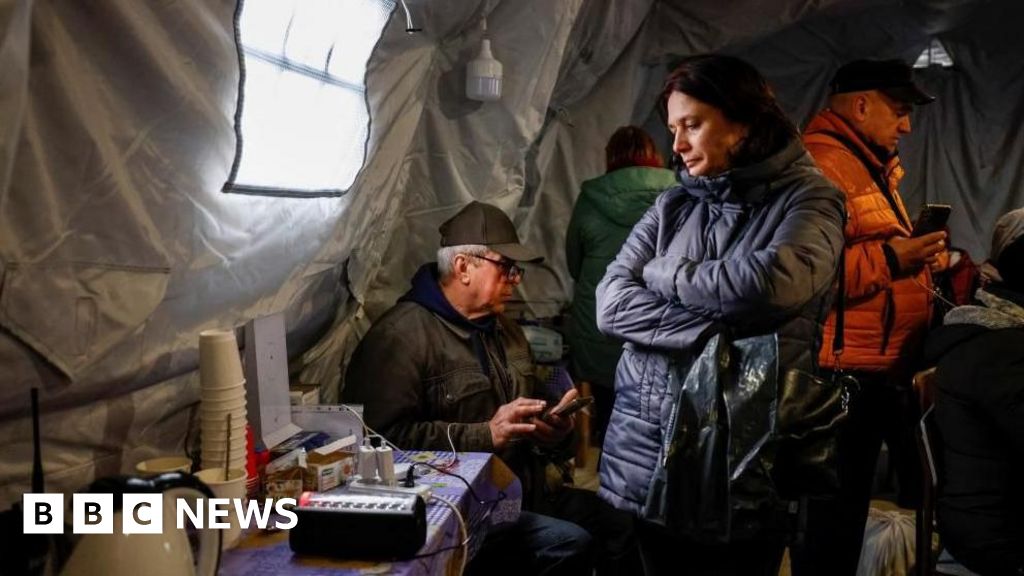
In an alarming escalation of its ongoing invasion of Ukraine, Russia has intensified its attacks on Ukrainian civilian infrastructure, with Chernihiv—a city in the country’s most northerly region—becoming the latest victim of what Kyiv describes as a “massive” missile and drone barrage. The attack has plunged Chernihiv into a complete blackout, leaving hundreds of thousands of residents without power and disrupting vital water supplies. This pattern of relentless assault signifies a clear shift in Russia’s military strategy, focusing on crippling Ukraine’s energy and logistic resilience, and raising profound questions about the future stability of the region.

Across the broader Chernihiv region, reports indicate that four civilians have been killed, including a 10-year-old girl, with ten others injured in the sustained missile strikes. The attacks have targeted the city’s electricity-generating facilities, with over 100 Shahed drones—Iran-designed UAVs carrying 50kg warheads—alongside ballistic missiles, wreaking havoc on the power grid. Deputy head of the Chernihiv Regional Military Administration, Andriy Podorvan, confirmed that these assaults are part of an alarming trend stretching back over six months, but recent months have seen a dramatic spike in frequency and intensity. The strategic targeting of energy infrastructure aims not only to weaken Ukraine’s wartime capacity but also to erode public morale, potentially paving the way for further instability in the transient ceasefire negotiations that have failed to halt hostilities.

The international community watches with growing concern. Analysts warn that sustained strikes on civilian infrastructure risk plunging Ukraine into a humanitarian crisis and further destabilizing Europe. The Biden administration and NATO allies remain cautious yet increasingly alarmed, recognizing that Russia’s escalation—be it through drone warfare or targeting of civilian targets—aims to push Kyiv into a strategic corner. The damage to Ukraine’s energy sector has exceeded $16 billion, as Kyiv grapples with the challenge of restoring power amidst dwindling supplies of replacement equipment, which can take more than a year to produce and install. In recent talks with US energy executives, Ukrainian officials have sought assistance in modernizing their grid, but tangible support—such as long-range missile systems—has so far been denied, reflecting a cautious approach driven by fears of broader escalation.

Yet, amidst the darkness, a resilient Ukrainian spirit persists. Citizens in Chernihiv remain defiant, with morale described as “high,” despite the daily hardships imposed by Russian attacks. Local leaders emphasize that they see through Moscow’s attempts to manipulate civilian suffering for political gain; instead, they find unity and resolve growing stronger. According to Oleksandr Babich, a Chernihiv resident, the city refuses to surrender, and the people are standing firm as Ukraine’s national identity is woven ever tighter by the shared experience of adversity. This crisis is not just about military conquest but a broader clash of values and sovereignty, with history now witnessing a pivotal moment that will shape the post-war order for generations.

As Russia’s assault intensifies, the full scope of its geopolitical impact begins to unfold. Politicians and military strategists alike warn that this relentless targeting of Ukraine’s infrastructure could destabilize regional alliances and provoke broader conflicts beyond Europe’s borders. Historians warn that such tactics—deliberate destruction of civilian infrastructure—are reminiscent of scorched-earth policies from past conflicts, designed to break the collective will of a nation. Yet, in the face of this new phase of warfare, the resilient Ukrainian people demonstrate that even amidst the shadows of war, hope and defiance continue to endure. With each missile launched and each city blacked out, the weight of history presses down—an indelible reminder that the future is forged today, amid chaos and conflict, where the outcome still hangs uncertain, waiting to be written by those who dare to resist.

Europe Supports Trump’s Frontline Freeze, But Russia Says No

The ongoing conflict in Ukraine continues to redefine the landscape of international geopolitics, with European leaders uniformly advocating for a pragmatic approach: freezing the current front lines as the basis for negotiations. This stance, supported by UK Prime Minister Keir Starmer and 10 other European nations, reflects a strategic desire to prevent further escalation while pressuring Russia to demonstrate a sincere commitment to peace. Their insistence that any meaningful dialogue commence from the established demarcation line signals a pragmatic reaction to Moscow’s perceived intractability and underscores the geopolitical contestation over the conflict’s ultimate resolution. According to analysts like Dr. Maria Svensson of the European Geopolitical Institute, this position reveals a complex balancing act — seeking peace without conceding strategic vulnerabilities.

Meanwhile, Russia under Vladimir Putin remains firm in its stance, rejecting calls for a freeze at the current contact line. Russian Foreign Minister Sergei Lavrov emphasized Moscow’s aim for a *”long-term, sustainable peace”*, implying that any temporary ceasefire is merely a tactical pause rather than a genuine resolution. Moscow’s position is driven by a refusal to accept the legitimacy of Ukraine’s territorial integrity, demanding the *”full withdrawal of Ukrainian troops”* from the Donbas and asserting sovereignty over the contested regions. This maximalist approach, as international organizations like the UN have noted, risks prolonging the conflict and destabilizing the entire Eurasian corridor, thus amplifying the crisis beyond Ukraine’s borders. The European statement’s reference to “Russia’s stalling tactics” highlights Moscow’s strategic goal of leveraging protracted negotiations to solidify territorial gains and weaken Kyiv’s resolve.

In parallel, diplomatic efforts continue to unfold, notably involving US President Donald Trump, who recently signaled an unexpected shift by endorsing a de facto ceasefire at the *current battle lines*. During a recent telephone call with Putin, sources reveal that Trump urged Ukraine to cede territory in the eastern Donbas regions, notably Donetsk and Luhansk, as part of a broader deal. While Trump later denied insisting on territorial concessions, he publicly supported “cutting” the conflict at the battle line and halted what he described as “killings.” Such positioning underscores a growing divergence within Western leadership—some advocating for a pragmatic halt, others viewing Ukraine’s territorial integrity as non-negotiable. The potential for a broader summit, including a direct meeting between Putin and Trump in Budapest, hinges on complex logistical and legal considerations, given international warrants for Putin’s arrest over alleged war crimes. Russia’s insistence on addressing the *“root causes”* — a euphemism for maximalist demands over Ukrainian sovereignty — continues to complicate prospects for peace, suggesting that the conflict may persist well beyond current skirmishes.

The geopolitical impact of these developments is profound. As analysts warn, the decisions made today will reverberate through generations, shaping Europe’s security architecture for decades. The contest over Ukraine’s future isn’t solely a regional dispute; it is a crucible for global influence, testing the resolve of alliances, the limits of diplomacy, and the efficacy of international law. The Baltic states, Poland, and much of Eastern Europe watch with rising anxiety, understanding that the fallout from failed diplomacy might ignite broader conflicts. The dramatic diplomatic dance—shuttling between negotiations, sanctions, and military support—embodies a vital struggle of our era: whether the world will capitulate and accept a new sphere of Russian dominance or unite to uphold sovereignty and lasting peace. As history’s pages turn, the unresolved conflict in Ukraine leaves the world perched on a knife’s edge, witnessing the unfolding drama that will shape the contours of power and peace—*a stark reminder that in geopolitics, moments of crisis often forge the new order, with the true outcome still hanging in the balance, uncertain yet inevitable.*

France’s Sarkozy Sent to Prison: A Bold Step Forward for the Nation

In an unprecedented chapter of French political history, former President Nicolas Sarkozy has become the first ex-leader to serve time behind bars, marking a rare moment of accountability within a nation long celebrated for its political resilience. Sarkozy, who held office from 2007 to 2012, was sentenced to five years in prison for conspiring to illicitly finance his election campaign with funds from the late Libyan dictator Muammar Gaddafi. This conviction not only tarnishes Sarkozy’s legacy but sends a powerful message about transparency and justice at the highest levels of government. His appeal against this verdict signifies that the judicial process remains active, yet the symbolism of his incarceration continues to reverberate globally.

The legal proceedings stem from a complex web of international influence and clandestine dealings that underscore the shifting sands of geopolitical power. According to experts and international organizations, Sarkozy’s case exemplifies the darker side of foreign interference in Western democracies. Historians highlight that the Libyan connection reflects broader strategies employed by authoritarians to wield influence abroad, often exploiting political systems for survival and expansion. The BBC’s Paris Correspondent Hugh Scofield described Sarkozy’s imprisonment as “a big moment” for France—possibly a turning point that signals a new era where international scrutiny and domestic accountability converge, setting a precedent for future political conduct.

Within the broader context, the ongoing debate about foreign influence and national sovereignty gains new urgency. France, a key pillar of the European Union, finds itself at the crossroads of internal reform and external threats. In light of rising geopolitical uncertainties, some analysts see Sarkozy’s fall as symptomatic of a broader shift—one where the old guard’s influence is being challenged, re-evaluated, or even eradicated to make way for a new political order. International observers warn that such high-profile legal actions could inspire similar scrutiny across other democracies, potentially unsettling longstanding political establishments. These developments underscore the fragile balance of democratic integrity and the relentless pursuit of justice, even for those who once wielded immense power.

As history continues to unfold, the repercussions of Sarkozy’s convictions extend beyond France. The case acts as a stark reminder that no leader, regardless of stature, is immune from the weight of their actions. The decision to imprison a former head of state reflects a broader international tendency towards transparency and the rule of law, championed by organizations committed to rooting out corruption. Yet, it also raises profound questions about the price of power and the ongoing struggle to curb international crime, influence, and embedded corruption infiltrating democratic institutions. As nations observe this landmark case, they are reminded that history’s true battle is for the very soul of sovereignty—an enduring clash between the desire for control and the imperative of justice, left unresolved and yet ever crucial. The legal drama surrounding Sarkozy may mark a chapter closed, but the larger story of geopolitics, morality, and national integrity continues to be written—an unfolding narrative that leaves the specter of history looming just beyond the horizon.

Trump plans White House gathering with GOP senators amid shutdown and construction chaos

In a landscape defined by relentless internal strife and mounting geopolitical challenges, the actions of the United States under President Donald Trump continue to reverberate across the global stage. Recent developments reveal a nation embroiled in constitutional crises, military deployments, and economic confrontations, which threaten to reshape the international order.

The internal chaos reached a new peak as the US government extended its longest shutdown in history into its 21st day, with no resolution in sight. As the Senate repeatedly failed to pass a funding resolution, millions of federal workers and critical services remain disrupted. Prominent Republican figures, such as House Speaker Mike Johnson, defend the shutdown as a strategic move against Democratic opposition—particularly over healthcare policy. Meanwhile, grassroots protests erupt nationwide, pressuring lawmakers and fueling political polarization. Many analysts view this as a critical turning point—a test of the resilience of American institutions amid turbulent times.

Amid the domestic turmoil, President Trump has taken decisive steps with undeniable geopolitical impact. Construction crews have begun demolishing parts of the White House East Wing to make way for a $250 million ballroom, stirring widespread controversy. Critics decry the renovation as a blatant indulgence at a time of national crisis, while opponents argue it symbolizes a deeper neglect of national priorities. Trump’s active engagement in this internal renovation underscores a broader trend—the consolidation of power and the spectacle of showmanship, often at odds with the global responsibilities the U.S. bears.

  • In a legal victory that further consolidates his authority, Trump’s administration secured a ruling allowing federal troops to deploy to Portland, Oregon, amidst ongoing protests.
  • Oregon’s governor, Tina Kotek, has called on the courts to review this decision, emphasizing concerns over federal overreach and the erosion of local sovereignty.
  • The tensions escalate as the Ninth Circuit Court of Appeals considers whether to rehear the case, a move that could broaden the legal framework permitting federal intervention in domestic protests—a concerning precedent with long-lasting consequences for civil liberties.
  • Simultaneously, in a disturbing display of partisan divergence, figures like James Comey seek to dismiss serious charges, exemplifying the judiciary’s partisan battleground and stripping away the veneer of legal impartiality.

Amidst these developments, international reactions are shaping the new geopolitical landscape. Trump’s endorsement of the AUKUS pact with Australia and PM Anthony Albanese signals a strategic pivot in alliance politics. The deal, emphasizing nuclear submarine cooperation and critical mineral exports—especially aligned against China’s tightening grip—underscores the shift toward militarized diplomacy and economic brinkmanship. While Trump praises Albanese’s leadership, behind closed doors, American military and diplomatic officials are reportedly seeking to clarify ambiguities in the controversial nuclear deal, reflecting an era of high-stakes stratagems.

Across the Atlantic and Eurasia, the postponement of President Trump’s planned Budapest summit with Vladimir Putin hints at mounting tensions with Russia—an indicator of how internal instability in America cascades outward, destabilizing international diplomacy. As nations watch with a mixture of skepticism and trepidation, the world faces an uncertain future where the decisions made within American borders echo across continents, sparking new alliances, rivalries, and conflicts—destined to influence the course of global history.

In this epoch of uncertainty, historians and international analysts warn that the choices made by U.S. leaders today will either sustain or fracture the fragile global order. As the nation faces unprecedented internal battles, the wheels of history continue to turn—often unnoticed by the masses—yet undeniably shaping the future of nations and societies alike. The unfolding drama remains a stark reminder that beneath the spectacle of power, the course of history is written with the ink of decisive, often tumultuous, action—a story still being authored, with humanity’s future hanging in the balance.

Bristol Zoo: ‘Loneliest’ Gorillas Thriving, Stronger Than Ever

In a world where geopolitical conflicts dominate headlines, the plight of individual species and local conservation efforts often fade into insignificance. Yet, recent developments at Bristol Zoo serve as a microcosm of broader issues facing humanity—balancing between conservation and human curiosity, security concerns, and societal perceptions. The controversy over the welfare of western lowland gorillas, confined behind barriers in Bristol, highlights how societal priorities and international commitments collide within the realm of animal conservation, carrying profound geopolitical implications. As global institutions face mounting pressure from environmental activists and local governments grapple with safety and funding, the decisions made at this tranquil zoo reverberate across borders, influencing international conservation strategies and the collective moral standing of nations.

Underlying the media frenzy is a larger narrative about how international cooperation and national policies influence conservation. The Bristol Zoo’s transition to the new Bristol Zoo Project exemplifies a strategic shift—one driven by costly infrastructure upgrades, security concerns, and modern animal welfare standards. The zoo’s management insists that their gorillas—an insurance population for their species—are thriving under their care, regardless of how the media or intruders portray their emotional states. This situation underscores the importance of international protocols such as those championed by the World Wildlife Fund (WWF) and TRAFFIC, which promote not only habitat preservation but also captive breeding programs crucial for maintaining genetic diversity. However, critics, including conservation charities like Born Free, argue that inadequate security measures risk undermining these efforts, raising questions about how nations prioritize human safety versus animal welfare.

In the broader geopolitical landscape, the fate of such species often reflects a nation’s global standing and commitment to environmental responsibilities. Countries participate in treaties like the Convention on International Trade in Endangered Species (CITES), aiming to combat poaching and illegal trafficking, yet progress remains uneven. The recent trespassing incident at Bristol—an act of urban exploration—symbolizes a larger discord: a society increasingly disconnected from conservation and ill-equipped to enforce protective measures. As international agencies warn of the catastrophic loss of biodiversity—particularly for vulnerable primate populations—these incidents pose not just local security issues but questions about the effectiveness of global environmental governance. The international community’s ability to ensure secure, well-funded, and ethically managed conservation programs directly correlates with a nation’s capacity to influence global ecological stability and human development.

As history unfolds, the silent echoes of these decisions continue to shape the course of future generations. The unresolved tension between human curiosity and animal welfare, security concerns and conservation priorities, exemplifies the complexities encountered by a world seeking sustainable progress without sacrificing legacy. The western lowland gorillas at Bristol stand as a poignant symbol—an emblem of how localized choices ripple outward, forging a legacy of environmental stewardship or neglect. The path the international community chooses will determine whether we are remember as guardians of creation, or as the architects of a bygone era where the voice of nature was drowned out by the noise of human ambition. In this narrative, each decision echoes across the corridors of time, leaving a legacy that can either save or condemn the fragile threads that bind our shared future together.

Gaza Ceasefire Update: JD Vance Heads to Israel as Another Hostage Is Recovered

International Tensions Rise as Israel and Gaza Maintain Fragile Ceasefire Amid Diplomatic Maneuvering

The ongoing conflict between Israel and Hamas has reached a precarious new phase, marked not only by battlefield developments but by an intense diplomatic effort from global powers seeking to stabilize what many describe as a deeply fragile ceasefire. After intense fighting that resulted in over 1,200 deaths and hundreds of hostages captured in October 2023, recent developments indicate that international actors are closely watching each move, understanding the significance of every diplomatic shift in this volatile arena. Yet, despite efforts to uphold peace, underlying tensions remain palpable, with the specter of renewed violence never far from the surface.

The situation intensified when *Israel* announced the successful identification of the remains of Sgt. Major Tal Chaimi, one of the hostages captured during the Hamas-led attacks. The Israeli Prime Minister’s office confirmed that the body, returned from Gaza, was definitively identified. Chaimi was a commander of the Nir Yitzhak kibbutz defense militia and was killed defending his community in the October assault that left approximately 1,200 Israelis dead and 251 taken hostage. His return—along with the remains of other victims—symbolizes an important, yet delicate, step forward in the ongoing negotiations mediated by international players. Meanwhile, Israel remains wary about the ongoing efforts, accusing Hamas of insincerity and insufficient effort in repatriating the remaining 15 bodies of hostages. The Palestinian militant group maintains that *war damage and military restrictions* imposed by Israel hinder their ability to locate all the deceased, underscoring the deep-rooted mistrust fueling the conflict.

Global Diplomacy in the Crossfire: The U.S. and Regional Mediation Efforts

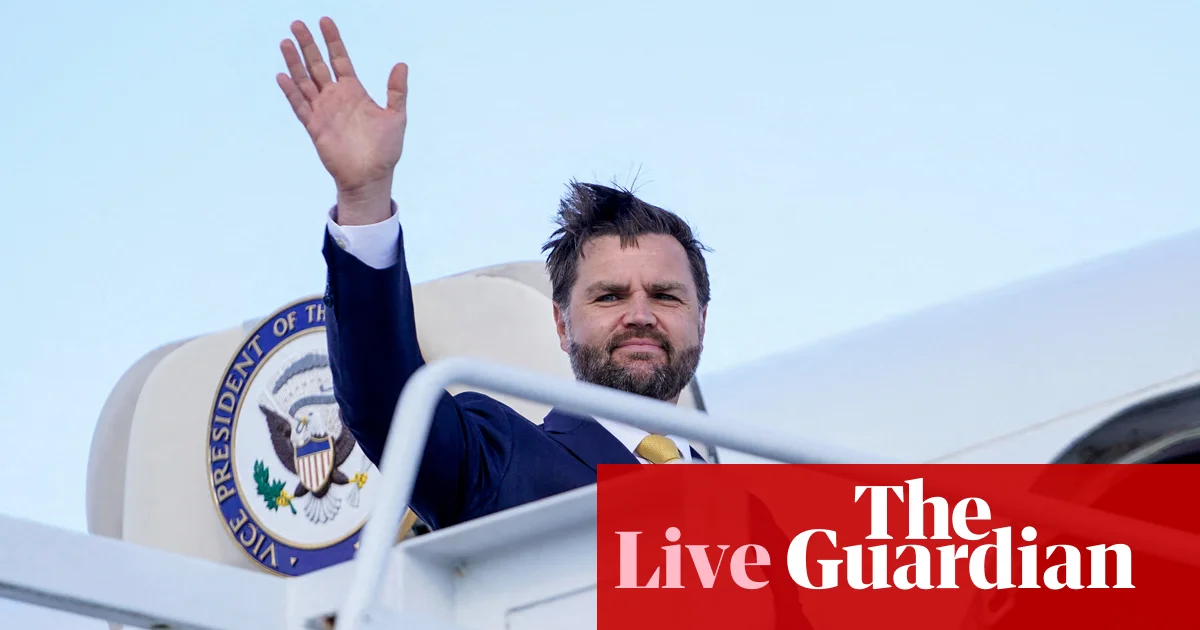
Amidst the tension, the United States has re-entered the scene with high-profile diplomatic initiatives. *US* Vice-president JD Vance is scheduled to visit Israel, a sign that Washington continues to prioritize its role in facilitating negotiations and maintaining the still-vulnerable ceasefire. In a recent speech, Israeli Prime Minister Benjamin Netanyahu outlined America’s ongoing efforts, emphasizing that discussions would focus on *security challenges and diplomatic opportunities*. This cautious rhetoric reflects the broader international anxiety about the potential for either side to trigger a renewed cycle of violence. Alongside U.S. diplomacy, Egyptian, Qatari, and Turkish mediators have been engaged in Cairo, attempting to shepherd a second phase of the Trump-era plan that includes *Israeli troop withdrawals* and *Hamas disarmament*, a proposal met with serious reservations from the militant group. Historians and analysts warn that without genuine cooperation, these negotiations could swiftly unravel, plunging the strip into further chaos.

Furthermore, *Hamas* officials attribute delays to the war’s devastation and Israeli military control over parts of Gaza, complicating efforts to recover all hostages’ bodies. As international mediators call for increased effort and transparency, the escalating warfare—marked recently by Israeli airstrikes and threats of aid cessation—raises alarms about the peace process’s sustainability. The U.N. and various NGOs watch anxiously, emphasizing the humanitarian crisis unfolding in Gaza, with little clarity on aid flows amid ongoing hostilities.

The Broader Geopolitical Landscape and Future Outlook

This ongoing scenario underscores the geopolitical impact of a conflict that has long threatened regional stability. *Israel*’s strategic calculations continue to be influenced by internal security concerns, regional alliances, and external pressures from global superpowers. Meanwhile, *Hamas* remains resolute, refusing to disarm unless their demands—including Israeli troop withdrawals and political concessions—are met. International organizations such as the United Nations and analysts from think tanks warn that these negotiations are often fragile, with the potential for missteps that could ignite full-scale war or ignite wider regional conflicts.

As diplomatic efforts unfold behind closed doors, the weight of history bears down on the region. The recent return of a single hostage’s remains and the limited progress in hostage negotiations serve as stark reminders of the delicate balance between peace and chaos—where a single miscalculation could ignite the next chapter of violent instability. The world watches as acts of diplomacy intertwine with the shadows of war, forever uncertain of how this story, still being written, will end. History is watching, and tomorrow’s decisions will dictate whether the strain in Gaza finally breaks—and what the aftermath will mean for the global order.

Amazon services bounce back as Snapchat and banks go offline during widespread outage

Global Power Shift and the Fragility of Digital Infrastructure

The recent massive outage of Amazon Web Services (AWS), one of the world’s most influential cloud computing giants, has sent shockwaves through the international digital landscape. Late Monday, AWS confirmed that it had resolved a disruption that temporarily incapacitated a significant portion of global web services, with user reports soaring to over 11 million. This incident underscores the profound geopolitical and economic impact of dependency on centralized digital infrastructure. As the backbone of many online platforms, AWS’s failure exposed vulnerabilities that extend far beyond inconvenience, threatening the stability of entire economies reliant on digital services. Analysts and historians warn that such incidents are a stark reminder of how interconnected and fragile the world’s digital ecosystem has become.

Vast swathes of the internet, including major platforms like Reddit and Lloyds Bank, experienced outages, demonstrating that the power of a single provider can have repercussions reaching across borders and sectors. Experts such as Professor Alan Woodward from the University of Surrey highlight that this episode lays bare the danger of over-reliance on a handful of American technology behemoths—primarily Amazon, Microsoft, and Google—which together control roughly 70% of cloud services. This monopolistic dominance, as Cloudflare’s CEO Matthew Prince notes, constitutes an unsustainable risk to our sovereignty, economy, and security. In an era where digital infrastructure underpins critical national functions, such vulnerabilities threaten to paralyze societies at their core, transforming routine outages into crises with ripple effects that can last for days or weeks.

The incident has sparked a renewed call among experts for a reassessment of global digital sovereignty. The incident’s root cause, linked to DNS resolution issues with DynamoDB in AWS’s US-EAST-1 region, remains partially understood yet unmistakably highlights structural flaws in the current system. The failure exemplifies what many analysts call the dangerous over-centralization of digital power, leading to debates among policymakers and historians about whether decentralizing cloud infrastructure could mitigate future risks. As Professor Mike Chapple from Notre Dame University points out, the cascading failures following the initial outage demonstrate the importance of building more resilient and diversified digital systems. The narrative emerging from this crisis echoes early discussions of the tragedy of the commons: the single point of failure that can bring the entire network crashing down, revealing how much we have surrendered our digital sovereignty to American corporate giants.

Beyond the immediate technical failures, the incident invites reflection on the moral responsibility of corporations and governments alike. Notably, some industry voices blame application developers for neglecting to implement adequate backup systems, emphasizing the need for stronger safeguards in cloud reliance. These failures may soon lead to legal battles as affected companies and institutions seek compensation for damages, reminiscent of past disputes like the $500 million claims by Delta Airlines after a previous outage. The broader lesson, however, is that the current model—highly dependent on US-based infrastructure—may jeopardize national security, economies, and personal privacy. As the world stands at this critical juncture, the debate intensifies: will we continue down this path of technological monoculture, or will we heed the warnings and consider a shift toward more resilient, localized systems?

As history continues to unfold, the shadows cast by this digital crisis loom large. How nations respond now could determine the future trajectory of global digital governance, shaping the balance of power in the international arena. One thing remains clear: in the digital age, the line between technological innovation and geopolitical vulnerability has become razor-thin. The fragility exposed by AWS’s failure is a stark reminder that the world’s fate is intricately tied to a handful of corporate and governmental decisions. As societies brace for the repercussions, the weight of history presses heavily—waiting to record whether this crisis will be a catalyst for meaningful change, or merely another chapter in the ongoing saga of human dependence on fragile digital monoliths.

Social Media Auto Publish Powered By : XYZScripts.com