Matox News

Truth Over Trends, always!

US Targets Venezuela Drug Boats: Is It Legitimate Action?

International Legal Debates Erupt as US Upholds Maritime Strikes in Caribbean Against Drug Traffickers

The recent series of military strikes launched by the US in the Caribbean Sea have ignited a fierce debate over the legality and geopolitical implications of unilateral military action in international waters. President Donald Trump announced the operation in September, claiming that multiple vessels linked to the notorious Tren de Aragua cartel were targeted, with reports suggesting that these ships were involved in transporting illicit drugs destined for the United States. While US officials argue that they are acting in self-defense—aiming to disrupt narcotics traffickings—their actions have drawn sharp criticism from neighboring nations, legal experts, and international organizations, raising questions about the limits of sovereignty, legality, and international law.

These strikes, carried out without formal congressional approval, have spurred controversy highlighting the geopolitical impact of American military policy in the region. Critics argue that the United States—notably absent from the United Nations Convention on the Law of the Sea—is overstepping its bounds, especially given the ambiguous legal framework surrounding operations against non-state actors such as drug cartels. Legal scholars, including Professor Luke Moffett of Queen’s University Belfast, emphasize that the use of force in international waters should be constrained by existing law, mainly principles of non-interference and hot pursuit. The absence of conclusive evidence about the legal justification for these strikes has only deepened the international divide, prompting the International Maritime Organization and other legal entities to scrutinize the actions of the US.

The Trump administration justifies the operations through allegations that the targeted vessels were operated by narco-terrorists and pose a threat to the homeland. However, critics like Prof. Michael Becker from Trinity College Dublin warn that lumping drug traffickers into the category of military targets could set a dangerous precedent. Under the UN Charter, nations are permitted to use force in self-defense only when under attack or when responding to an armed attack, a standard that many experts argue is not met here. Moreover, the leaked memo suggesting that the administration considers itself engaged in a “non-international armed conflict” with drug cartels has alarmed legal analysts and human rights advocates, fearing that such narratives could legitimize extrajudicial killings and military overreach, thereby destabilizing international norms.

Strategically, the geopolitical impact is palpable: the Venezuelan government swiftly condemned the strikes, denying any involvement in drug trafficking and accusing the US of attempting to justify military intervention to oust Nicolas Maduro. Meanwhile, the region has witnessed an impressive display of military might, with satellite imagery revealing at least 14 US naval ships—including guided missile destroyers and amphibious assault vessels—coordinating in what appears to be an extensive anti-narcotics network reinforced by drones and covert operations, including the authorization of CIA activities in Venezuela itself. This pattern of action reveals a shift towards a more aggressive stance by Washington in the pursuit of its anti-drug agenda, echoing decades of interventionist policies but with an unprecedented maritime dimension.

Amidst the unfolding drama, constitutional questions persist: can Trump or any US president launch such strikes without explicit Congressional approval? Under the constitution, the president is the Commander-in-Chief, yet the War Powers Resolution mandates consultation with Congress before deploying troops for hostilities. The reliance on the Authorization for Use of Military Force (AUMF), enacted post-9/11, has been cited repeatedly, but whether operations against drug cartels fall under this mandate remains contested. As history awaits its next chapter, the region stands on a precipice: a fragile balance of sovereignty, law, and power, where the actions of today will undoubtedly shape the geopolitical landscape for generations.

As the dust settles over these contested waters, one thing is clear: the unfolding narrative of the Caribbean sea is more than a story of drug busts and naval maneuvers. It is a reflection of a broader global struggle—where the rules shaping peace and conflict are being rewritten, and history remembers those who dared to challenge them. Whether in the corridors of Geneva, the courts of Havana, or the decks of American warships, the question remains—how far will the pursuit of security go before it risks unraveling the very principles that forge international order?
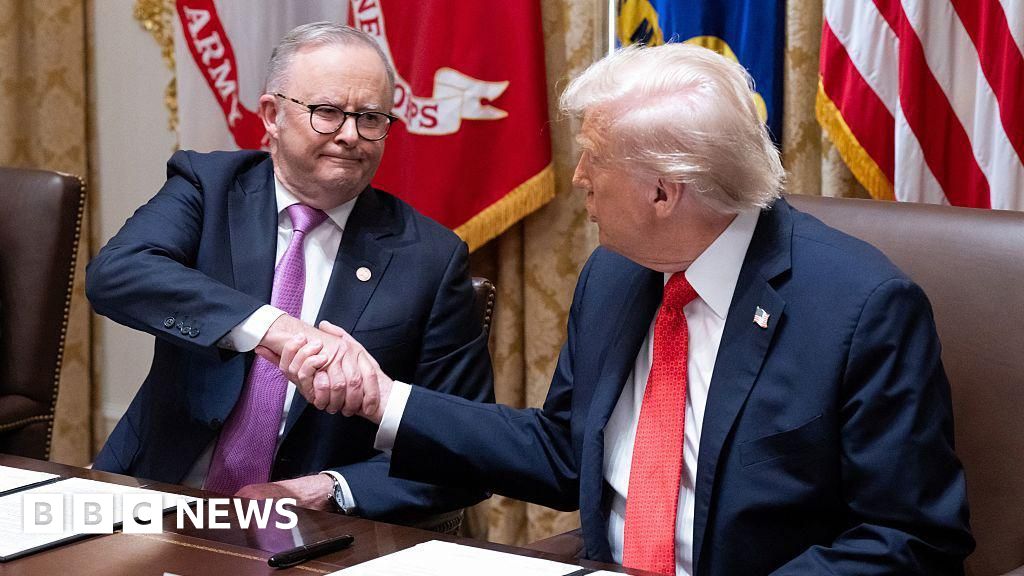
US and Australia team up on rare earths to push back against China's grip
US and Australia team up on rare earths to push back against China’s grip

The evolving geopolitical landscape continues to underscore the strategic importance of critical minerals in the global power struggle. On the recent front, the United States and Australia have solidified their alliance by signing a landmark agreement aimed at dominating the supply of rare earth elements. As tensions with China escalate over control of vital resources, this partnership signals a decisive move by Western nations to break China’s stranglehold—an alarming 70% of rare earths mining and 90% of processing. These materials are fundamental to modern defense systems, technology, and automotive industries. With China’s aggressive border restrictions and trade maneuvers, Washington and Canberra are actively seeking alternatives to secure their economic and military resilience.

Prime Minister Anthony Albanese emphasized the plan’s scope, revealing that this deal supports a pipeline of over $8.5 billion (A$13 billion; £6.3 billion) worth of projects, designed to expand Australia’s mining and processing capabilities. The agreement also commits an initial $1 billion investment over just six months, targeting critical supply chain vulnerabilities. Analysts observe that such investment is part of a broader strategic effort to foster self-sufficiency within allied nations, reducing reliance on China’s dominant market and circumventing future restrictions. Furthermore, a dedicated focus on developing advanced processing facilities, including a 100-tonne-per-year gallium refinery in Western Australia, highlights Washington’s commitment to undercut China’s control and bolster its own high-tech industries.

Alongside resource diversification, the agreement has significant military-strategic implications. Recently, President Donald Trump reaffirmed support for Australia’s Aukus submarine deal—an alliance with the US and UK—despite earlier delays and uncertainties over procurement aligned with the “America First” agenda. While current discourse suggests Australia may not receive US submarines in the near term, Trump’s unequivocal statement, “they’re getting them,” signals intention to strengthen traditional security ties. This dynamic infers a deliberate effort by Washington to leverage maritime dominance as a deterrent against an increasingly assertive China. As fireworks of diplomatic and military maneuvers intensify, the Pacific region remains the battlefield where the future of global supremacy is being forged.

The geopolitical impact of these moves is profound, altering alliances and reshaping regional balances of power. Experts warn that the strategies developed today will resonate for decades, influencing the capabilities of nations to sustain high-tech economies and military power. Historically, access to critical minerals has been a decisive factor in conflicts and economic dominance—patterns that repeat as nations scramble to secure the resources that fuel the 21st century’s technological revolution. As the US and Australia forge ahead to confront China’s resource monopoly, the world watches with bated breath, aware that these decisions are fueling a new chapter of international rivalry—one in which the raw materials of the future will define the winners and losers of the unfolding geopolitical saga. The pages of history are being written anew, and the stakes have never been higher.

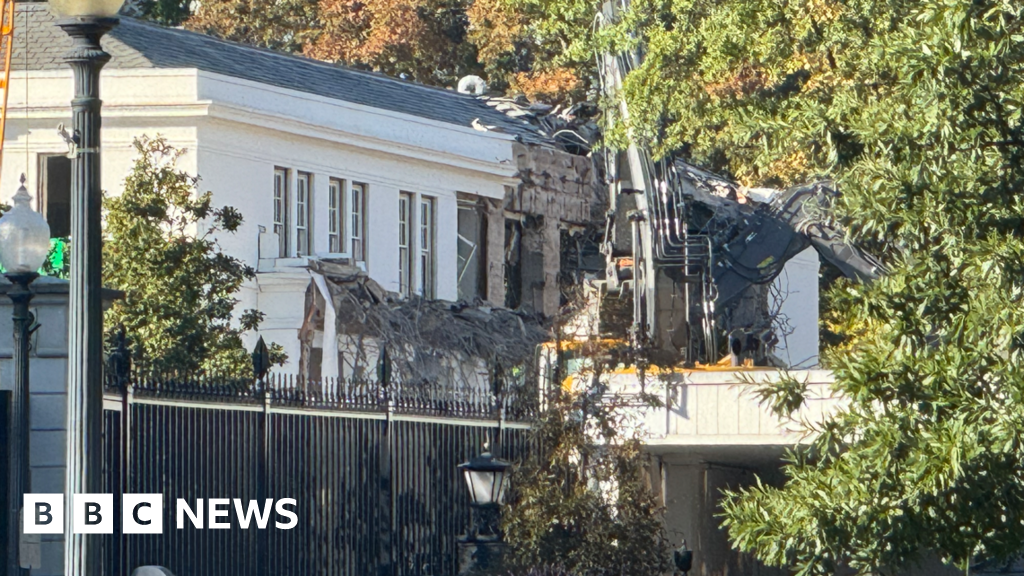
White House Starts Transforming East Wing for Trump Ballroom Upgrade

White House Renovation Sparks International Debate

The United States has embarked on a high-profile renovation project that signals more than just physical changes—it’s a reflection of shifting geopolitical priorities and domestic political narratives. Recently, construction began on a new ballroom within the historic White House, a move championed by President Donald Trump as a long-anticipated modernization effort. This project, estimated to cost around $250 million, has ignited a storm of controversy both domestically and among international observers, highlighting how major architectural decisions in the seat of power can carry profound implications for global perceptions of American leadership and stability.

Experts argue that the decision to refurbish the East Wing, which has stood since 1902, is emblematic of a broader cultural and political signal. While Trump asserts that the new ballroom is a respectful addition that will not interfere with the historic structure, critics see it as a symbol of a more assertive, image-conscious America. As historian Dr. Jane Walker notes, this renovation can be viewed as “a statement of renewed confidence and a desire to shape the narrative on the world stage.” International organizations like the United Nations and European Union monitor such developments closely, aware that physical upgrades to the White House often mirror internal shifts in America’s strategic posture.

Furthermore, the involvement of private donors—labeled by Trump as “many generous Patriots”—raises questions about the evolving relationship between public power and private influence. In an era where such decisions are viewed through a lens of nationalism and sovereignty, it underscores a resurgence of populist narratives emphasizing patriotic patronage as a form of sovereign empowerment. The impact of such projects extends beyond aesthetics; they shape how nations perceive America’s stability and its willingness to invest in its symbols amidst a turbulent geopolitical landscape. As international analysts warn, these moves may foster both admiration and suspicion, depending on how the global community perceives America’s domestic priorities in the context of foreign relations.

Ultimately, as construction crews drill and cranes hover over the historic edifice, the White House’s transformation remains a microcosm of a nation grappling with its identity and ambitions. In the shadows of these physical changes, history continues to unfold—each decision building a narrative that many nations are watching, and which might redefine the future of American influence. One thing remains clear: these renovations do not merely shape a building—they forge the legacy of a nation in the crucible of history’s unyielding march.

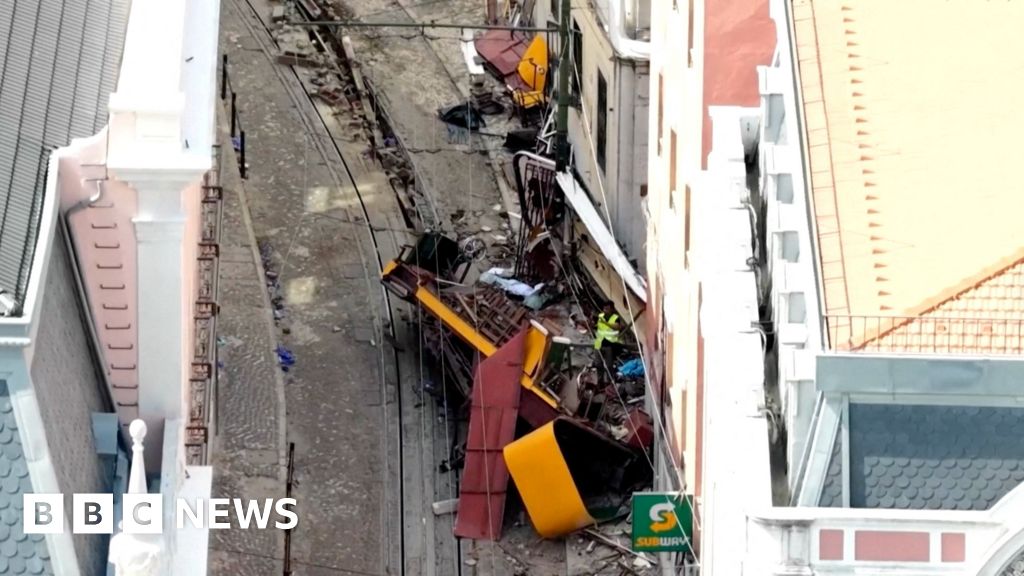
Lisbon funicular crash: Early reports expose numerous safety failures

Lisbon Tragically Reveals Flaws in Infrastructure Oversight

In a harrowing incident that sends shockwaves across the international community, Lisbon’s historic Glória funicular abruptly derailed on 3 September, resulting in the tragic loss of 16 lives and leaving 20 others injured. This tragic event, now under investigation, underscores the dangerous gaps that exist in infrastructure safety oversight worldwide, particularly in aging urban transit systems. The preliminary report released this week exposes a series of critical failures, including the use of untested, non-certified equipment, which have reignited debates about the accountability of public transport management and the importance of rigorous safety standards.

Analysis from industry experts and international organizations highlights that this catastrophe was not merely an accident but a symptom of deeper systemic failings. According to Portugal’s Air and Rail Accident Investigations Bureau, the root cause was a defective underground cable, acting as a counterweight between the funicular’s carriages. Disconcertingly, this cable was acquired in 2022 by Lisbon’s public transport operator Carris without proper certification for passenger transportation, revealing glaring oversight deficiencies. Moreover, the report indicates that the cable had been in use for over 600 days on the historic line without incident, raising questions about the decision-making processes of the authorities entrusted with public safety.

Magnifying this troubling reality, the investigation further exposes lapses in routine oversight, maintenance, and emergency preparedness. The emergency brake system, which could have possibly prevented the full extent of the tragedy, failed to activate properly because it had never been tested beforehand. The Linuxist report hints that multiple layers of safety checks either did not occur or were inadequately executed. Lisbon’s Mayor, Carlos Moedas, has publicly stated the incident “was due to technical causes, not political,” yet critics argue that insufficient oversight and bureaucratic neglect have long plagued the city’s aging infrastructure. These failures illustrate a broader, systemic problem: how governments and local entities often prioritize budget constraints over safety, leaving citizens vulnerable to preventable disasters.

The international ramifications of such failures are profound. As analysts warn, similar urban centers around the globe face the same risk if antiquated infrastructure remains unregulated. The incident in Lisbon serves as a stark cautionary tale—highlighting the importance of updated standards, transparent oversight, and responsible management—core principles championed by institutions like the International Association of Public Transport. Historians of urban development caution that neglecting maintenance and safety protocols can tarnish a city’s legacy and threaten its social fabric. While the full investigation into the Glória funicular accident is expected to take approximately 11 months, the incident has already sparked international calls for stronger safety measures and more accountability in public transportation systems.

As the city grapples with loss and the need for urgent reforms, the weight of history presses heavily on future decisions. Each failure, each avoided crisis, leaves behind a shadow, reminding the world that infrastructure is not merely steel and cables—it is a testament to societal priorities, accountability, and the rule of law. The unfolding story in Lisbon is more than a localized tragedy; it is a defining chapter in the ongoing struggle to safeguard human lives in an era where speed and innovation must never outpace responsibility. Humanity now stands at a critical juncture, where the decisions made today could either build resilient societies or pave the way for future, even more devastating, failures. In this moment of reckoning, the lessons from Lisbon are painfully clear: safety is non-negotiable, and neglect has its price—written in lives lost, and history’s unyielding judgment.

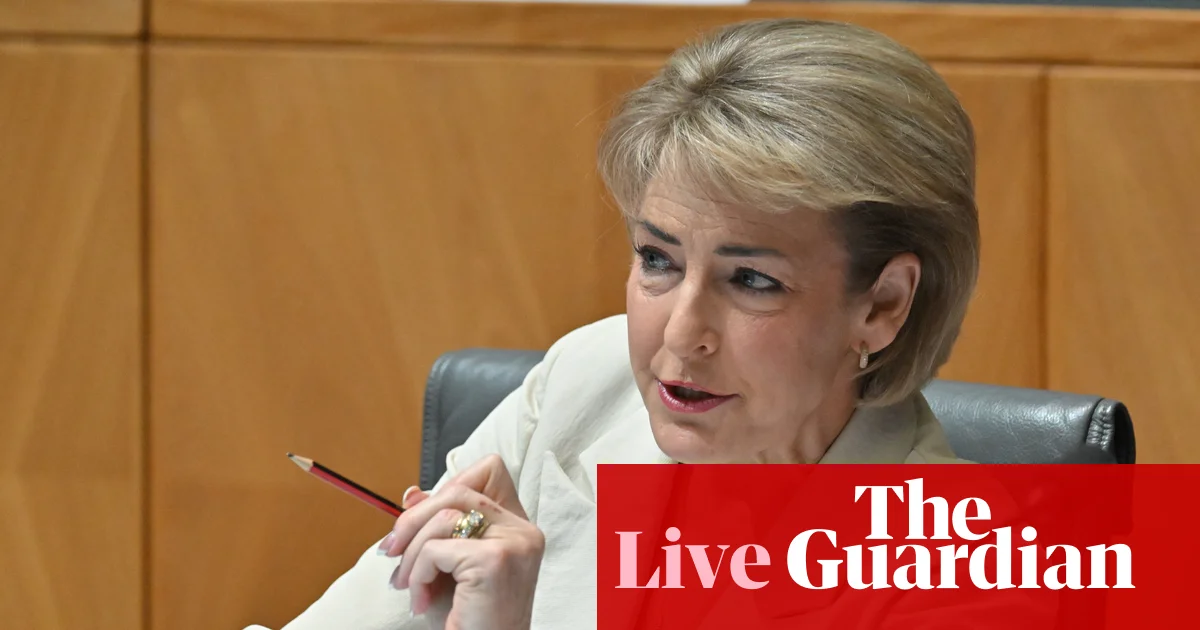
Australia News Live: Cash urges PM to condemn Chinese jet clash; Joyce grilled over One Nation shift

In a world continually edging closer to a new era of confrontation and uncertainty, recent developments underscore the volatile geopolitical landscape. From tense military encounters in the South China Sea to political maneuvering in Australia, the global stage is rife with flashpoints that threaten to ignite larger conflicts. Analysts warn that these incidents are more than isolated events—they reflect a broader strategic contest involving China, the United States, and regional powers, with international institutions often unable—or unwilling—to prevent deterioration.

The incident that has drawn significant international attention occurred over the South China Sea, where reports emerged of a Chinese fighter jet releasing flares dangerously close to an Australian surveillance aircraft. Michaelia Cash, Australia’s shadow foreign affairs spokesperson, condemned the act as a “serious escalation” that endangers the lives of Australian defense personnel. The incident marks the third provocation within a year, highlighting China’s provocative posture as it seeks to assert dominance in the strategic maritime region. In response, Cash called upon Prime Minister Anthony Albanese to publicly condemn the action, warning that failure to do so would be a “failure to stand up for Australia’s national interests.” These provocative maneuvers expose a pattern of Chinese military assertiveness that complicates diplomatic efforts and deepens regional tensions.

Meanwhile, within Australia, political dynamics are heating up as key figures like Barnaby Joyce and David Littleproud navigate complex intra-party relationships, with indications of potential shifts towards One Nation. Joyce, the member for New England, remains notably reticent about his political future amid rumors of defecting to the far-right party. Such moves could have profound geopolitical impact by emboldening nationalist sentiments and possibly altering Australia’s traditionally close alignment with the US on defense and foreign policy issues. The political realignments mirror a global trend where nationalist and populist movements threaten to undermine established diplomatic alliances and multilateral efforts to maintain regional stability.

Simultaneously, tensions extend beyond the Pacific with U.S. President Donald Trump and Australian Prime Minister Anthony Albanese engaging in a high-profile meeting at the White House. The visit saw the signing of a significant minerals and strategic partnership deal, signaling a pivot towards greater resource-driven cooperation. However, the broader message remains clouded by diplomatic undercurrents and the looming threat of military escalation. Historian and international security analyst Dr. Richard Martin notes that “these developments are indicative of a world where traditional power balances are shifting rapidly. The risk of miscalculation grows as nations test the limits of their strategic patience.” The risk of misunderstandings escalating into open conflict is heightened as superpowers and regional actors seek to secure their spheres of influence amid weakened international institutions.

As the world’s superpowers jostle for dominance, the flashes of military bravado, political confessions, and international diplomacy reveal a fragile geopolitical order. With Great Power dynamics on a knife’s edge, and regional allies watching nervously, the ongoing story remains one of tension—and opportunity—for those daring enough to shape it. The weight of history is pressing down, reminding us that every decision today writes the prelude to future conflicts. The question remains: how many more incidents of provocation and political upheaval can the global system withstand before shaping a new chapter—one written in the aftermath of chaos, or in the hope of a measured peace? The pages are still being turned; the unfolding drama continues to test humanity’s resolve and strategic wisdom.

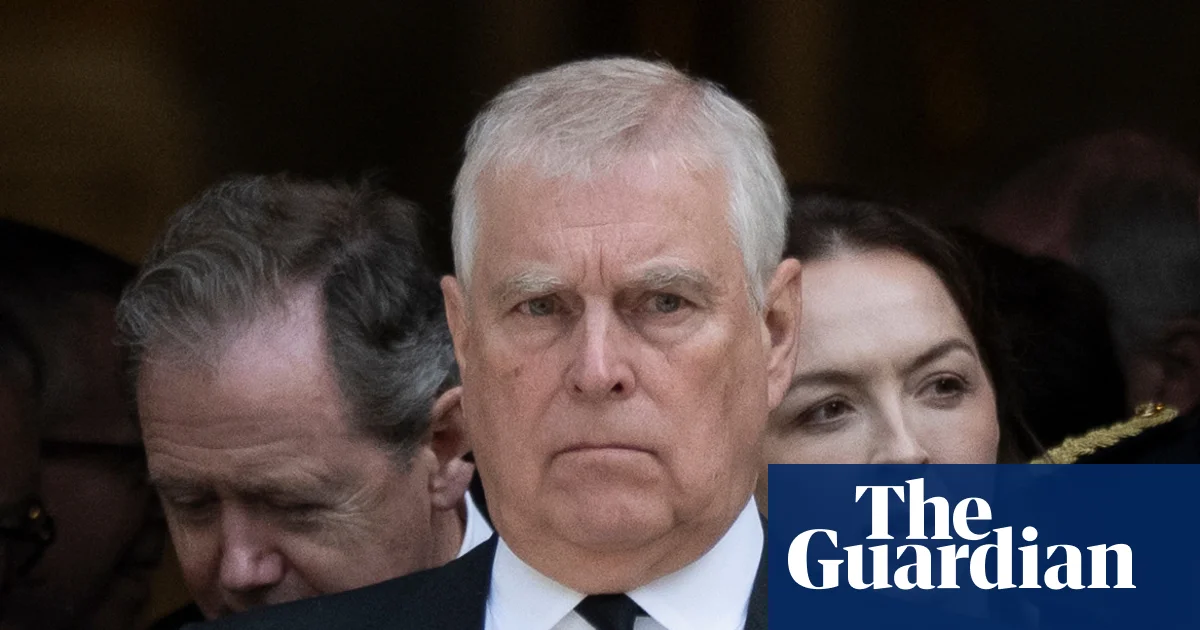
Labour avoids tackling Prince Andrew scandal amidst rising concern

The recent revelations surrounding Prince Andrew’s alleged connections with Jeffrey Epstein have ignited a firestorm of media coverage, exposing unsettling questions about the integrity of the British monarchy and its embedded influence on national politics. Despite mounting public outrage and calls for accountability, a notable parliamentary taboo hinders any official debate on whether the royal should be stripped of his titles. This restriction underscores a deeper, pervasive culture of institutional protection that transcends the borders of the United Kingdom, impacting international perceptions of accountability, sovereignty, and judicial independence. The political establishment, especially within Westminster, appears hesitant to confront powerful symbols of tradition, even as scandals threaten to undermine confidence in Britain’s longstanding monarchy.

The core issue revolves around parliamentary constraints, which are enshrined in Erskine May, the authoritative manual on parliamentary procedure. According to its guidelines, questions that “bring the name of the sovereign or the influence of the crown directly before parliament” or cast “reflections upon the sovereign or the royal family” are off-limits. This legal and constitutional safeguard effectively bars MPs from raising allegations against Prince Andrew or discussing his conduct, especially concerning the explosive claims of Virginia Giuffre. The outcome is a paradox where public interest, especially among younger voters and international observers, collides with a strict adherence to tradition that limits open discourse, perpetuating a veil of silence over critical issues of morality and justice within the monarchy.

Analysts such as political historians and international observers emphasize that this parliamentary silence has broader geopolitical implications. It signals to the world that Britain continues to prioritize the preservation of its aristocratic symbols over embracing transparency and accountability. For many in emerging democracies and authoritarian regimes, the refusal to confront such scandals openly feeds narratives about elite impunity and entrenched privilege. Furthermore, the ongoing scandal involves subtle shifts in Britain’s soft power—its ability to promote democratic ideals and moral leadership—being subtly eroded. As some MPs voice frustration and push for legislative reforms, the reality remains that the entrenched culture of royal privilege hampers efforts for civility and integrity that are increasingly demanded by the global community.

  • The British government faces mounting pressure to either uphold tradition or adapt to a changing moral landscape—yet, the political will remains tepid, with some officials viewing the issue as a distraction from more pressing economic or domestic concerns.
  • International institutions, such as the European Court of Human Rights and the International Criminal Court, watch with cautious optimism, as Britain’s refusal to confront its royal scandal may influence debates on accountability and rule of law across borders.
  • This controversy echoes broader themes of national sovereignty, elite impunity, and social justice—issues that ripple beyond the confines of Westminster, challenging the very foundations of Britain’s constitutional tradition.

As the debate smolders beneath the surface, some voices—both domestically and globally—warn that this reluctance to confront uncomfortable truths could precipitate lasting damage to Britain’s moral authority. Historians and political analysts warn that nations which shy away from transparency in moments of crisis risk fostering long-term disillusionment among their citizens and allies. The case of Prince Andrew serves as a potent microcosm of this larger struggle—how a society chooses between maintaining ancient privileges and embracing the demands of a new age of accountability. As history unfolds with each passing day, the enduring question remains: will the winds of change sweep away the old hierarchies, or will they be immortalized as monuments to a bygone era?

LA transforms controversial Confederate statues into powerful art, sparking youth-led debate

In recent years, the global debate over confederate monuments has escalated beyond American borders into a symbol of broader ideological conflicts. The recent transformation of a once-storied Robert E. Lee monument into a melted sculpture displayed in Los Angeles exemplifies this shift. The removal and subsequent artistic reimagining serve as a clear statement: societies worldwide are grappling with their history and confronting the lingering effects of white supremacy. As the United States experiences heated disputes over these statues, international observers and historians warn that such internal conflicts deeply influence geopolitical stability and societal cohesion.

Amid this controversy, President Donald Trump has vocally defended the preservation of Confederate icons, labeling efforts to dismantle them as misguided “revisionist history.” In 2017, the deadly clashes at Charlottesville’s Unite the Right rally marked a watershed moment, drawing international attention to the divisiveness of Confederate iconography. Vowing to uphold what he values as American heritage, Trump and others have sought to reestablish Confederate monuments—an action criticized by scholars, activists, and international organizations alike. Analysts from institutions such as the BBC and the Atlantic Council interpret these moves as strategic attempts to mobilize cultural nationalism, fueling tensions that threaten to destabilize social fabric.

The ongoing debate also illuminates how historical narratives are weaponized within political battles. Curator Hamza Walker pointed out that symbols like Lee and Jackson, despite losing the Civil War, are lionized because they embody a Lost Cause ideology. This construct seeks to portray the Confederacy as a noble fight for states’ rights, conveniently sidestepping its core commitment to slavery. Critics argue that redefining these figures as heroes threatens to distort history and perpetuate racial inequalities. As Kara Walker’s provocative exhibit demonstrates, artistic reinterpretations—such as melting down monuments and repurposing their materials—are emerging globally as powerful acts of resistance, challenging societies to confront uncomfortable truths. The transformation of these symbols from revered sculptures into artifacts signifies a pivotal cultural shift: a collective effort to deny the mythos of white supremacy and confront a legacy rooted in systemic injustice.

As history continues to unfold, the question remains whether these acts of dismantling and reinterpretation will ultimately foster reconciliation or deepen divisions. The weight of history presses down on societies that are torn between honoring their past and forging a more inclusive future. Will the tide of public opinion push nations toward acknowledgment and reckoning, or will it provoke further unrest? The answer lies in the choices made in these turbulent moments—choices that will define the narrative of justice and morality for generations to come. As the bronze remains of monuments are reborn through art and activism, the story of a fractured nation—and the world—remains conspicuously unwritten, waiting for its next chapter to be forged in the crucible of history.

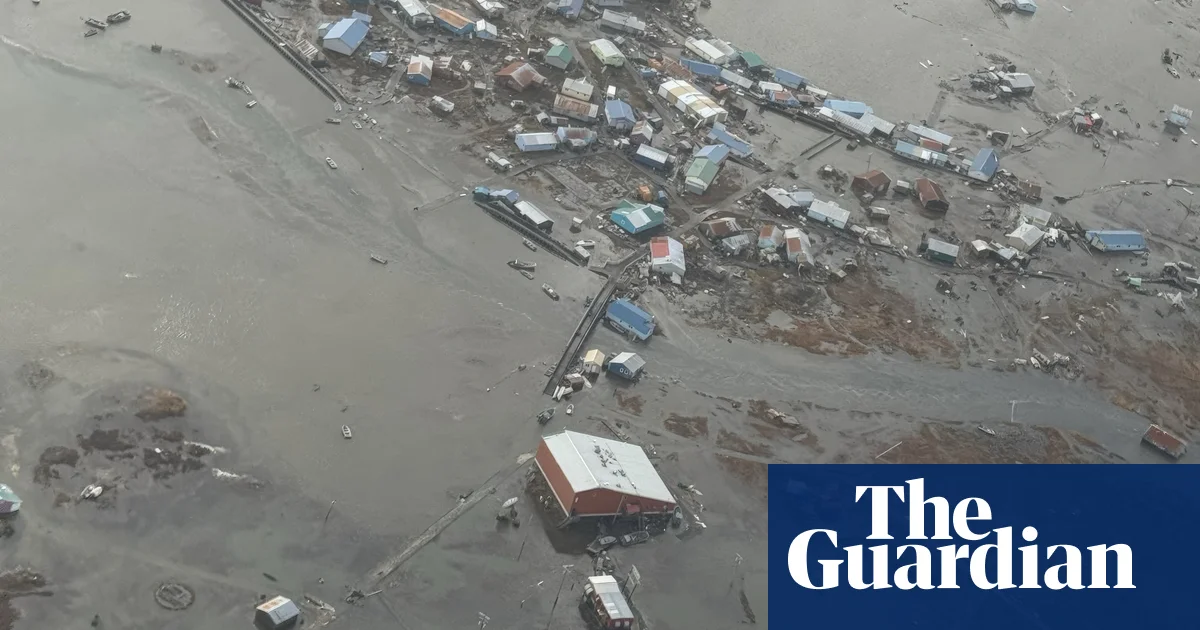
Alaska Communities Face Years of Struggle After Devastating Storm

The recent devastating storm in Alaska exemplifies the escalating toll of climate-related disasters and highlights the precarious balance between national preparedness and federal support. The storm, fueled by the remnants of Typhoon Halong, battered remote communities, leaving over 1,500 residents displaced, human casualties, and extensive infrastructural destruction. Local officials, including Senator Lisa Murkowski and Governor Mike Dunleavy, have issued stark warnings about the prolonged recovery process, with Dunleavy predicting it could take up to 18 months for many communities to restore basic livelihoods. Their appeals for urgent federal aid underscore the critical geopolitical issue that arises when a nation faces natural calamities that outstrip regional capabilities.

This crisis not only exposes the vulnerability of Alaska—a state already at the forefront of climate change’s tangible impacts—but also sparks a broader conversation about how the United States manages its resources and its strategic role in disaster response. The decision by the Trump administration to cancel a $20 million EPA grant aimed at coastal erosion and flood prevention in Kipnuk in May raised eyebrows, especially as climate experts warn of increased storm intensity and rising sea levels. Critics argue such cuts reflect a dangerous underestimation of the threat, highlighting a pattern where fiscal austerity and political ideology often undermine preparedness. An international analysis by think tanks underscores that climate-related disasters like this do not respect borders and signify a geopolitical challenge that demands sustained, proactive intervention more than reactive measures.

Moreover, the incident in Alaska reverberates beyond local borders, pressing into international terrain as global climate policies and U.S.-China rivalry on environmental issues come into play. While the Biden administration has signaled a renewed focus on climate resilience, critics argue that actual policy shifts lag behind the rhetoric, leaving vulnerable regions exposed. As United Nations-backed organizations and climate analysts warn of escalation, the importance of strategic alliances and technological innovation in disaster mitigation becomes undeniable. How the most powerful nation in the world responds to natural crises now will shape geopolitical stability for decades—whether it emerges as a leader in resilience or retreats into neglect.

This ongoing saga reminds us that climate disasters are intertwined with geopolitical uncertainties and societal resilience. As winter looms and Alaska struggles to rebuild amidst limited transportation and broadband connectivity, the weight of history presses heavily—signaling that decisions taken today will echo through generations. Will this moment serve as a wake-up call, prompting renewed commitment and strategic foresight? Or will it be just another chapter in the slow unraveling of governance amid global crises? The Earth’s climate and geopolitical landscapes are shifting rapidly, and the world watches keenly as the pages of this unfolding story are written with the stakes of all humanity in mind.

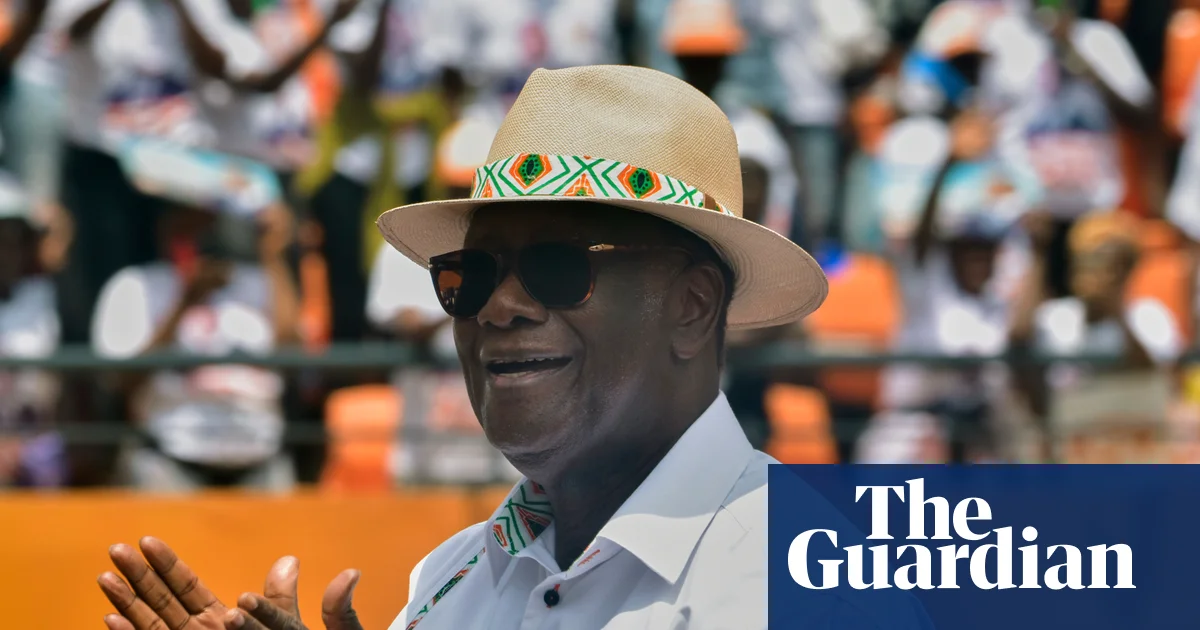
Ouattara’s bid for a fourth term sparks youth-led tensions in Ivory Coast

The recent developments in Ivory Coast reveal a nation at a crossroads, where progressive infrastructure projects clash with mounting political unrest, exposing the undercurrent of underlying societal discontent. President Alassane Ouattara has long championed a narrative of growth and stability. In 2023, he proudly inaugurated a bridge named after himself in Abidjan, proclaiming it a symbol of modernity and national revival. However, beneath these achievements lies a volatile political landscape, with protests escalating and dissent brewing among the youth and opposition factions. Analysts warn that such conflicts threaten the very fabric of future stability in the country, which is already grappling with numerous socioeconomic challenges.

A Nation Divided by Politics and History

Since taking office in 2011, Ouattara has presided over rapid economic growth, built prominent infrastructure, and sought to leave behind the violent crises that once plagued the nation. Yet, his decision to run for a controversial fourth term has ignited fierce opposition, with protests turning increasingly intense. Over the past month, more than 200 protesters have been teargassed and detained, revealing a government that appears more intent on quelling dissent than addressing its root causes. Opposition leaders, including the historic figure Simone Gbagbo, have denounced the electoral process, claiming that the disqualification of candidates like Tidjane Thiam and the sidelining of figures such as Laurent Gbagbo demonstrate a descent into exclusionary politics. For many, the events echo past political upheavals—where the specter of civil conflict has loomed large—casting a shadow over recent progress.

Geopolitical Echoes and Disinformation Strategies

The internal strife within Ivory Coast is compounded by what international observers describe as a deliberate campaign of disinformation. A rising tide of fake news, often traced to pro-Russian, anti-France sources based in neighboring Burkina Faso, seeks to discredit Western influence and exacerbate divisions. As Vanessa Manessong of the African Digital Democracy Observatory notes, this information warfare aims to undermine traditional alliances, deepen suspicion, and destabilize democratic processes. Such tactics are not new; history shows how misinformation can serve as a tool of foreign actors to exploit internal vulnerabilities, especially in fragile democracies. The ongoing crisis in Mali and the chaos in eastern Burkina Faso serve as cautionary tales, illustrating how regional instability can easily spill into neighboring nations, transforming internal dissent into a broader geopolitical contest.

Decisions that Reshape Societies and the Path Forward

The choices made in Abidjan now carry profound consequences for the nation’sfuture trajectory. Domestically, economic development is undermined by rising inequality, soaring living costs, and a life expectancy that lingers at just 59 years. The government’s narrative of rural electrification and poverty reduction faces skepticism amidst reports of disenfranchised youth and widespread disillusionment. International organizations, including the United Nations, warn that suppressed dissent could ignite violence, while traditional diplomatic alliances are tested by the internal divisions and rising populist rhetoric. With over 44,000 security personnel deployed to safeguard the electoral process, and opposition factions demanding reforms, the country stands on the brink of a pivotal moment—where the actions of political leaders may either forge a resilient democracy or plunge the nation into chaos.

As the world watches, history’s pen continues to carve its narrative—its pages inscribed with the hopes and struggles of a society caught between progress and upheaval. The coming days may reveal whether Ivory Coast will forge a new path rooted in legitimacy and unity or succumb to the turbulence of unresolved grievances. The weight of history presses down, reminding us that the decisions made now are not merely about an election—they are about the very soul of a nation, and how it will be remembered in the vast story of the African continent’s unfolding story.

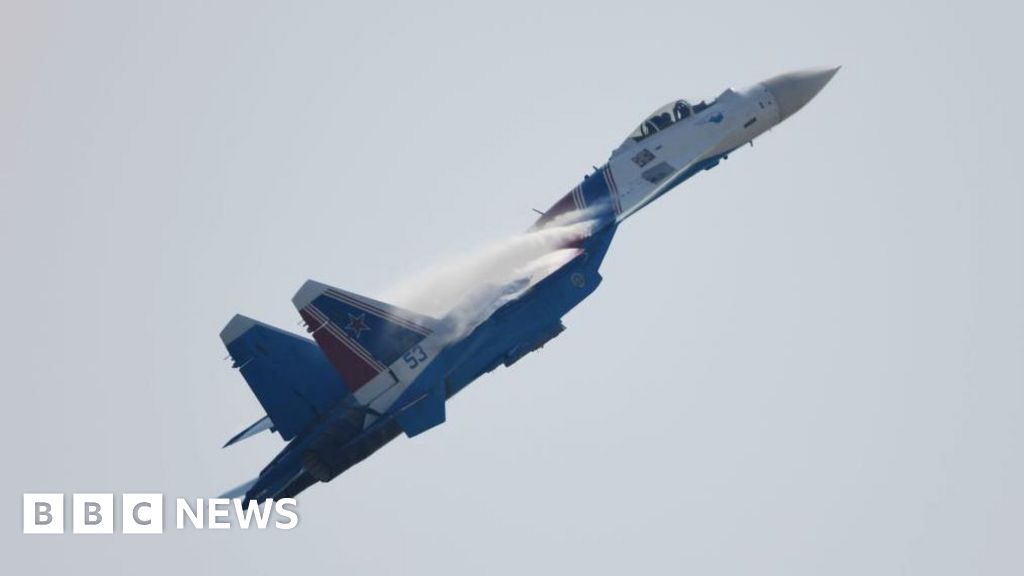
Australia calls out China’s risky jet maneuvers, raising tensions

The escalating military tensions between Australia and China continue to threaten the fragile stability of the Indo-Pacific region. Recent incidents, including a dangerous confrontation over the South China Sea, underscore the simmering rivalry that, if unchecked, could reshape the geopolitical landscape. Australia’s defense department publicly accused a Chinese military aircraft of releasing flares in close proximity to an Australian patrol jet, the P-8A, an act described as “unsafe and unprofessional”. Though no injuries occurred, the event signals a dangerous escalation in aerial encounters that have become increasingly frequent in the contentious waters where China asserts expansive territorial claims.

  • On the incident’s surface, the Chinese authorities dismissed Australia’s claims, asserting that the Australian jet had “illegally intruded” into China’s airspace and issued a demand for Canberra to cease what they termed as “provocative actions.”
  • Coinciding with this event, Australian Prime Minister Anthony Albanese was heading to the United States for high-profile talks with President Donald Trump concerning the AUKUS partnership—a trilateral deal involving Australia, the US, and the UK centered on developing nuclear submarines.
  • This series of confrontations is not isolated; it follows a pattern of similar encounters that include Chinese jets dropping flares near Australian planes and Navy vessels employing sonar pulses in international waters, injuring Australian divers off Japan’s coast last November.

Experts and global organizations warn that these dangerous displays of military bravado could spiral into full-blown conflict if not managed carefully. The United States and its allies consider China’s expansive claims over the South China Sea and its aggressive military posture as clear threats to regional security and international law. Political analysts suggest that China perceives these provocative actions as a means to assert dominance over vital maritime routes and surrounding island chains, challenging the sovereignty of various Southeast Asian nations. Meanwhile, historians caution that such persistent frontier brinkmanship echoes the perilous prelude to the South China Sea’s previous conflicts and even Cold War-era cruise tensions.

The geopolitical impact of these incidents extends beyond the immediate region. As Australia aligns more closely with American strategic interests through initiatives like AUKUS, Beijing’s response is to fortify its territorial claims and signal its willingness to confront Western influence head-on. The Chinese government’s recent assertions portray Australia’s actions as illegal and provocative, aiming to rally domestic support and project strength. In an era where military encounters risk miscalculation, analysts warn that such provocations could ignite larger confrontations with global consequences. The United Nations and international diplomatic efforts urge restraint, but the momentum for escalation persists.

As history continues to unfold, the confrontation in the skies and seas off Asia serves as a stark reminder: the arena of international diplomacy is fraught with peril, and the decisions made today will echo through generations. With each flare, each sortie, the world watches—and witnesses history in the making, teetering at the edge of chaos or peace. The question remains: will cooler heads prevail, or will these hostile shadows cast a long, dark future over the free nations?”

Social Media Auto Publish Powered By : XYZScripts.com