Matox News

Truth Over Trends, always!

Teacher who fatally stabbed student gets life sentence, justice served

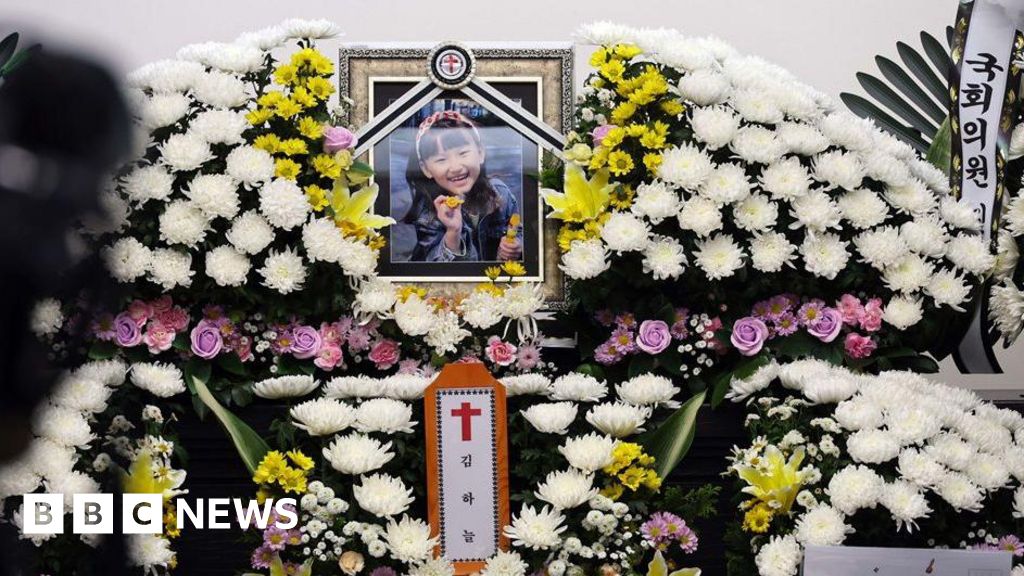
The recent tragic case in South Korea involving a teacher fatally stabbing an eight-year-old girl has sent shockwaves through the nation and reverberates across the international community. Myeong Jae-wan, a 48-year-old educator in the city of Daejeon, was sentenced to life imprisonment after a brutal attack that exposed vulnerabilities in the country’s educational and mental health systems. Such a disturbing incident underscores ongoing concerns about how institutions are failing to safeguard the most vulnerable—children—from internal threats and unaddressed mental health issues.

This case has sharply distinguished itself, not only because of the heinous act but also because of the broader geopolitical impact it carries. Analysts note that South Korea’s leadership faces mounting pressure to implement more rigorous safeguards within schools nationwide, emphasizing the necessity for improved mental health resources and security protocols. These measures are seen as vital in preventing similar tragedies and restoring public trust in education systems that are often heralded as models of discipline and societal progress. International organizations, including the United Nations, have long called for comprehensive child protection policies, but incidents like this illuminate the ongoing gaps even in developed nations.

The case also highlights how decisions made at the institutional and legislative levels directly shape societal safety and public perception. The court’s decision to sentence Myeong to life, rather than pursuing the death penalty, points to South Korea’s evolving judicial stance on sentences for offenders with related mental health conditions—a subject debated fiercely among legal scholars and human rights advocates. Meanwhile, Myeong’s own acknowledgment of her mental health struggles, coupled with her return to work shortly after a leave of absence, raises critical questions about the adequacy of mental health assessments and intervention strategies being in place within the educational sector. The case’s detailed conduct, including violent prior behavior and her plan to kill herself, reveals an urgent need for early detection and intervention strategies in high-stress environments like schools.

In response, South Korean authorities have called for stronger safety measures, including the mandatory wear of electronic monitoring devices for violent offenders, extending up to 30 years. The aftermath of the tragedy has also prompted renewed debates about the role of mental health support systems and school safety protocols—a clear reminder that the stability of a nation’s institutions intimately connects to the well-being of its citizens. Historians and analysts warn that the lessons learned from this incident could define the country’s future policies, serving as a stark milestone in the ongoing struggle against internal threats to societal safety. As the nation mourns yet strives to learn, the weight of history reminds us that security is never static—only as strong as the preparations and precautions we put in place.

Ultimately, the case leaves a haunting question lingering in the air: What are the true costs of neglecting mental health and institutional security? As South Korea struggles to rebuild trust and implement meaningful reform, the world watches closely. In the shadow of this tragedy, one thing remains painfully clear—the fight to protect lives is ongoing, and in the unfolding pages of history, the next chapter is yet to be written by those brave enough to face its consequences.

ABS Chief Pushes Back on Far-Right ‘Mass Migration’ Claims Amid Censorship Concerns

Data Integrity and Political Warfare: Australia’s Steadfast Stand Amid Global Disinformation

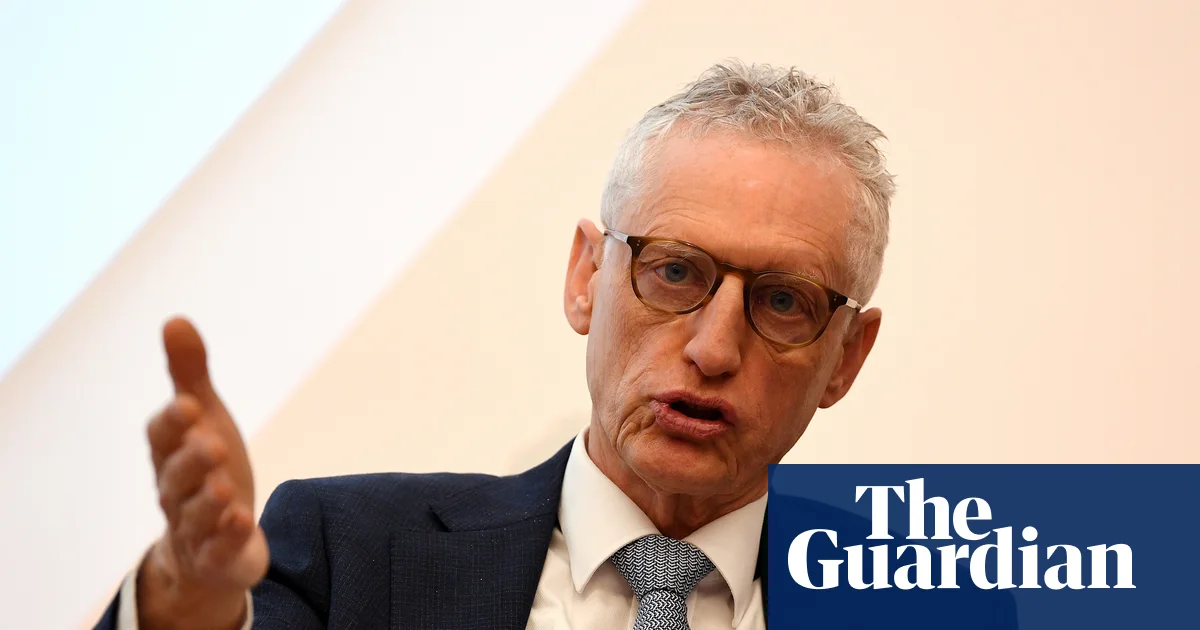
In an era where mis- and disinformation spread faster than ever, Australia has recently taken a decisive stand to defend the integrity of its national data. The Australian Bureau of Statistics (ABS), under the leadership of David Gruen, publicly refuted false claims made by right-wing factions about mass migration. The controversy erupted following an episode where these groups misused official figures to support inflated migration claims, despite the data showing a clear downward trend. Gruen emphasized that reliance on accurate, independent data is fundamental to a functioning democracy, warning that undermining statistical independence risks degrading democratic governance itself.

This development is not isolated; it exemplifies a broader global pattern of information warfare. Countries like China and Russia have long manipulated official data for political ends, but recent U.S. political upheavals, notably Donald Trump’s administration’s disruption of American statistical institutions, have underscored the fragile nature of data sovereignty. Across the international landscape, analysts from think tanks and organizations such as the OECD warn that the weaponization of data can distort the political discourse, influence migration debates, and sway public opinion to serve particular agendas—often at the expense of truth.

Political Battles Over Data and the Consequences for Society

  • On 22 August, ABS issued a public statement to counter claims that misrepresented migration figures, explicitly clarifying that inflows do not necessarily equate to increased population—highlighting a crucial distinction often exploited in political rhetoric.
  • The Institute of Public Affairs (IPA), a prominent right-wing think tank, accused the Albanese government of “weaponizing” the ABS, implying partisan censorship. Gruen dismissed these accusations, asserting that data is objectively presented and only contextually explained to prevent misinterpretation.
  • Universal concerns over the independence of statistical agencies reveal how deeply data integrity intertwines with national sovereignty and societal trust, especially amid rising populist movements and international misinformation campaigns.

Historians and political analysts warn that such battles over data are more than mere fights over numbers; they symbolize a larger struggle for geopolitical influence. As nations deliberate whether to tighten control over their own statistical data or to allow external voices, the decision impacts flooding to societal trust, international reputation, and the stability of governance structures. The incident in Australia reflects a turning point where independent agencies are compelled, under pressure, to defend not just data but the very foundations of democratic debate. Today’s decisions in Canberra could echo across the globe, shaping the future trajectory of how nations preserve truth amidst an onslaught of manipulated narratives.

In the Shadows of the Future

As the international community wrestles with the consequences of information distortion, one thing remains clear: the battlefield is shifting from traditional arenas into the realm of data and perception. With global institutions warning of a new age of information warfare, the resilience of independent statistical agencies becomes paramount. The unfolding debates and confrontations over data sovereignty signal an era where truth itself is a strategic asset—one that, if lost, could plunge nations into chaos, eroding trust and inciting societal fractures. With history still in the making, the weight of these decisions will resonate for generations, shaping whether societies will succumb to manipulation or stand firm on the pillars of transparency and truth.

China’s Growth Dip Sparks Concerns Amid Rising US Trade Fight

China’s Economic Slowdown and Rising Trade Tensions: A Turning Point on the World Stage

In recent weeks, China, the world’s second-largest economy, has signaled a noteworthy deceleration in its economic growth, with official figures revealing a 4.8% expansion in the third quarter of 2025—its slowest pace in a year. This downturn, while manageable within China’s broader economic ambitions, carries profound implications for the global order, especially given the recent escalation of trade conflicts with the United States. Over the past months, Beijing has tightened restrictions on exports of rare earth minerals, crucial to advanced technologies across the globe. Analysts warn this move could sharpen the already fragile trade truce with Washington, potentially spiraling into a new era of economic confrontation.

Despite official claims of resilience, China’s economic trajectory is now increasingly shaped by geopolitical forces. The country’s leadership, amid a pivotal summit this week, aims to chart a course for its economic blueprint between 2026 and 2030. The recent data, showing a slowdown from a 5.2% growth in July, underscores the mounting pressures from both internal challenges and external conflicts. Beijing’s government attributes ongoing growth to the vitality of its technology sector and business services—sectors that are vital to China’s ambitions of technological self-sufficiency—and it remains committed to a targeted annual growth rate of around 5%. However, as US President Donald Trump swiftly reacts to the export restrictions with threats of additional tariffs, the specter of a renewed trade war looms large, threatening to ripple across global markets.

Trade tensions are now central to the unfolding geopolitical narrative. Before the recent restrictions, Chinese businesses benefitted from a brief easing of tensions, with exports to the US rising 8.4% in September. Yet, the re-imposition of export controls, combined with potential tariff hikes, risks disrupting this fragile recovery. Meanwhile, US Treasury Secretary Scott Bessent indicated ongoing efforts to ease tensions through diplomatic engagements in Malaysia, seeking to foster dialogue between Xi Jinping and Donald Trump. The margins of compromise remain narrow as international observers, including esteemed historians and economic analysts, debate whether these moves signal mere tactical adjustments or the prelude to a sustained confrontation that could redefine the geopolitical landscape.

Meanwhile, China’s industrial output and service sector continue to perform strongly—growing 6.5% last month, driven by advancements in 3D-printing, robotics, and electric vehicles. These sectors exemplify China’s strategic pursuit of technological innovation amidst external pressures. Yet, the longer-term implications remain uncertain. Historians warn that a frayed trade fabric and rising nationalism could lead to a decoupling—a splintering of the global economic order that would leave many nations reassessing alliances and strategic dependencies. As policymakers and international institutions watch, the world teeters on the brink of a new geopolitical era—one that could favor a multipolar order or plunge into a prolonged conflict that reshapes the fabric of international society. The unfolding story of China’s economic voyage is far from over; in fact, it appears to be entering a new chapter, where every decision carries the weight of history, shaping the destiny of nations and societies in ways yet to be fully understood.

East Coast heads for heat surge following Western Australia’s record October temperatures

The recent surge of unprecedented October heat across Australia highlights the growing severity of climate change and its disruptive impact on global weather patterns. Meteorologists report that record-breaking temperatures are sweeping through states like South Australia, Queensland, and New South Wales, with Sydney and Brisbane facing high 30s—signaling a dangerous escalation in extreme weather events. According to Dean Narramore, senior meteorologist at the Bureau of Meteorology, the conditions represent “a very big day of weather,” with the potential for widespread record-breaking heat and destructive thunderstorms. These developments are not isolated anomalies but are consistent with a disturbing trend of rising temperatures—Australia’s land surface having warmed by 1.5°C since 1910, a trajectory that international climate experts warn could lead to even more catastrophic events in the future.

Over the weekend, the thermometer soared to alarming levels in Western Australia and South Australia, with locations like Telfer reaching a scorching 44.3°C. These temperatures are not only startling in isolation but serve as grim indicators of how climate crises exacerbate the severity and frequency of forest fires, heatwaves, and severe thunderstorms. As analysts from various international organizations emphasize, such extreme weather events threaten not only the environment but also the safety and socio-economic stability of nations. Experts warn that many regions could see temperatures between 10 to 16°C above normal, with some areas potentially exceeding 18°C—an indication that the resilience of societies will be tested as never before. The increasing frequency of these events underscores a stark reality: decisive global action on climate change is no longer optional but an urgent necessity.

The geopolitical impact of these climate-induced shocks is profound. Australian authorities are signaling a worsening fire danger, with models forecasting “extreme fire dangers” across multiple states, including parts of metropolitan Sydney and regional Queensland. Historically, such conditions have led to devastating wildfires, which displace communities, destroy ecosystems, and strain emergency services. This pattern is a stark reminder to international observers that climate change is no longer an abstract threat—it’s an immediate crisis capable of destabilizing entire regions. The significance extends beyond Australia; as global climate systems become increasingly volatile, nations must confront the reality that unchecked emissions contribute to a world where extreme weather is the new normal. International commentary concurs that geopolitics will increasingly revolve around climate resilience, resource management, and adaptation strategies.

As the weather worsens, the bleak horizon of climate diplomacy looms large. Critics argue that successive United Nations climate accords have failed to deliver meaningful reductions in greenhouse gases, thus amplifying the frequency of such catastrophic events. Some analysts suggest that the world is entering a new era—“where weather becomes the battleground for global power and stability.” This phrase encapsulates the notion that nations with the capacity for resilience and adaptation may gain an advantage, while others buckle under the weight of climate-induced turmoil. Historian and climate analyst Dr. Helen Roberts warns that the current trajectory risks a future where society’s most vulnerable face the brunt of environmental chaos—adversely impacting social cohesion and economic security. As the nations of the world continue to grapple with these unfolding realities, one thing remains clear: the clock is ticking, and the pages of history await the decisive chapters that will determine humanity’s fate amid the dawn of a new climate epoch.

Rodrigo Paz Pereira’s Victory Signals Bold Rightward Shift in Bolivia’s Presidency

Bolivia’s Political Shift Signals Geopolitical Repercussions

In a historic turn of events, Bolivia has elected Rodrigo Paz Pereira, a centre-right senator, as its new president, signaling a significant departure from nearly two decades of socialist dominance under the Movimiento al Socialismo (MAS). With approximately 97% of ballots counted, Paz Pereira secured 54.6% of the vote, defeating Jorge “Tuto” Quiroga by a notable margin. This electoral outcome not only embodies a national desire for economic stabilization but also shifts the country’s geopolitical orientation, resonating across regional alliances. The victory underscores a widespread disillusionment with MAS’s socialist policies, which critics blame for Bolivia’s deepening economic crisis marked by inflation, fuel shortages, and retreating social cohesion.

Analysts emphasize that Paz Pereira’s election is more than just a change in leadership; it marks a redefinition of Bolivia’s geopolitical stance. Historically aligned with Evo Morales’ socialist movement, the country now appears poised for closer ties with conservative Western nations, potentially recalibrating regional power dynamics. International organizations like the Organization of American States (OAS) and European observers noted the election day passed without incident, affirming the process’s legitimacy. Still, global powers keenly watch how Paz Pereira’s government will navigate Bolivia’s deep-seated economic woes and the legacy of MAS, especially with the ongoing legal complications involving Morales, who is currently facing arrest warrants. The new administration faces the formidable challenge of stabilizing Bolivia—an economically fractured nation—and resetting its external partnerships on a more conservative trajectory.

With Paz Pereira’s victory, the landscape of Bolivia’s internal politics is fundamentally altered. The collapse of the MAS party—the once-dominant force holding two-thirds of Congress—highlights the profound shift in political loyalties. His campaign, which centered on “popular capitalism” and economic reforms aimed at small entrepreneurs, resonates with a populace desperate for stability amid systemic turmoil. This signals to regional neighbors and global allies that Bolivia’s political future may steer away from socialist ideals, embracing a more market-oriented approach. Historians and political analysts project that this transition could expedite Bolivia’s reintegration into international economic networks, favoring trade, investment, and infrastructure development—crucial for a country grappling with unemployment and informal employment that touches 80% of its workforce.

However, the road ahead remains treacherous. La Paz’s new government must grapple with a fractured Congress, limited legislative capacity, and the lingering shadow of Mazist influence. Paz Pereira’s alliance with his popular running mate, former police officer Edman Lara Montaño, symbolizes a pivot toward law and order, promising to stabilize prices, combat corruption, and promote legal reforms. Yet, this transition also intensifies the geopolitical significance of Bolivia’s internal conflicts, as international actors observe whether this new regime will honor commitments of free, fair governance or become another chapter in the region’s tumultuous history. The echoes of Morales’ tenure—marked by social upheaval, economic decline, and legal quagmires—will remain embedded in Bolivia’s national psyche. As leaders and citizens brace for what lies ahead, the weight of history presses down, revealing a nation at a crossroads—its future yet unwritten in the grand narrative of regional geopolitics. The unfolding story of Bolivia’s resurgence will invariably influence the delicate balance of power across South America, foreshadowing challenges and opportunities that could reverberate well beyond its borders.

Emirates cargo flight veers off runway into sea at Hong Kong Airport, raising safety concerns

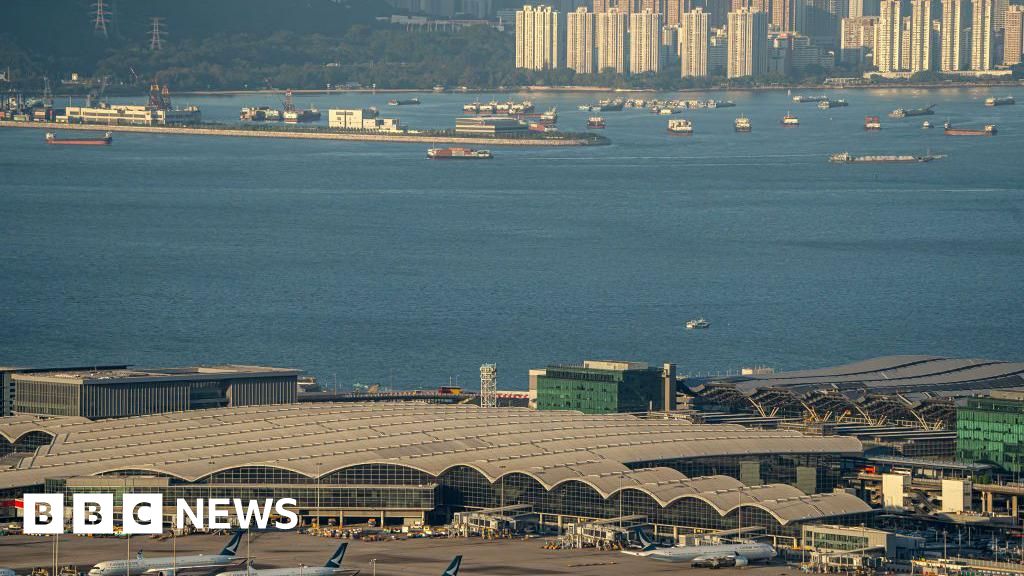
In a startling event that underscores the delicate balance of global transportation, a cargo plane has tragically skidded off the runway at Hong Kong International Airport, resulting in the loss of two ground staff members and highlighting the persistent risks faced by international hubs. The incident involved Emirates flight EK9788, operated by Aerotranscargo, which was arriving from Dubai early in the morning, around 03:50 local time. Reports indicate that the aircraft collided with a ground vehicle on the north runway, an area critical for the city’s freight and passenger operations, illustrating how even the most meticulously maintained facilities can face unforeseen calamities.

This accident arrives at a crucial juncture for Hong Kong as it struggles to maintain its status as a premier global transit centre amidst geopolitical upheaval and economic shifts. The airport’s closure of the affected runway—though the remaining two continue to operate—raises questions about the resilience of one of the world’s busiest airports. Analysts, including aviation safety experts from ICAO, emphasize that such incidents, while rare, can have ripple effects straining supply chains and logistical networks vital for regional stability. Many see this as a turning point, a stark reminder that even in a city famous for efficiency, the risks of transportation accidents remain ever-present.

The immediate response involved rescue operations by the Hong Kong Government Flying Service and Fire Services vessels, which coordinated above and below the ground to recover the crew and the ground personnel who fell into the sea. Unfortunately, the two staff members ultimately succumbed to their injuries, a tragic outcome that shines a light on the perilous nature of airport ground work. In the aftermath, authorities are set to hold a press conference at 10:00 local time, where safety investigations will undoubtedly dominate discussions. Such incidents often spark broader debate about international standards for airport safety, especially in politically sensitive regions where security and efficiency are intertwined with economic destiny.

Importantly, this event is more than a local tragedy; it operates within the larger geopolitical context of increasing tensions and shifting alliances. Hong Kong, once a renowned global trade hub, faces mounting pressure from Beijing’s grip alongside international scrutiny. The incident also prompts questions about how such crises are managed amidst escalating geopolitical stakes, where every safety lapse can be exploited to forge narratives of instability or neglect. Historians and international observers argue that it is moments like these — when human tragedy collides with geopolitical realities — that define the future of global aviation security and regional cooperation.

As the world watches, the fate of Hong Kong International Airport‘s corridors of commerce hangs in a fragile balance. The incident serves as a stark reminder that, beneath the surface of technological marvels and economic competitiveness, the human element — often for those working tirelessly behind the scenes — remains vulnerable. The weigh of history presses down, and the question remains: will this tragedy catalyze a renewed push towards safety and resilience, or will it fade into another chapter of transitory setbacks in a city that has, time and again, defied the odds? The answer, as with so much of the unfolding story, is yet to be written, but the echoes of this event will no doubt resonate through the corridors of power and policy for years to come.

Virginia Giuffre feared she might die a sex slave in Epstein's trap, memoir reveals
Virginia Giuffre feared she might die a sex slave in Epstein’s trap, memoir reveals

In an era increasingly defined by exposing the abuses of the powerful, the recent publication of Virginia Giuffre’s memoir, Nobody’s Girl, has sent shockwaves through international political and social spheres. The harrowing details recount her allegations of abuse at the hands of Jeffrey Epstein and his circle, notably implicating Prince Andrew. This revelation not only erodes the veneer of invincibility surrounding the British royal family but also exemplifies the profound geopolitical impact of global elites’ clandestine exploits. How nations perceive their leaders in the light of such scandals shapes alliances, diplomatic dialogues, and the moral fabric of society itself.

<p>Many analysts view this scandal as a critical bellwether in the ongoing struggle between transparency and the entrenched shield of privilege. Historians like Dr. Elaine H. Newton have argued that such disclosures mark a *turning point*—a stark reminder that no amount of institutional pride can fully shield the powerful from accountability. Meanwhile, international organizations such as <strong>Interpol</strong> have increased scrutiny into Epstein's extensive sex trafficking network, which spanned continents and involved dozens of high-profile figures. The fallout extends beyond individual reputations; it challenges the integrity of decades-old diplomatic assumptions about immunity and status, especially where *wealth and influence* intersect with crimes of the most heinous nature.</p>

<p>The <u>accusations against Prince Andrew</u> have ignited a fierce debate on the geopolitical ramifications of royal scandal. As the monarchy attempts damage control by relinquishing Andrew’s titles—a symbolic yet insufficient gesture—questions about the future of the British royal institution loom large. The decision to step back from formal duties and withdraw from the Order of the Garter underscores a shifting landscape where <strong>public morality</strong> and <strong>international reputation</strong> are increasingly intertwined. Experts such as geopolitical strategist Mark Evans warn that the scandal's ripple effects threaten to undermine Britain’s soft power, a vital tool in the delicate dance of diplomacy. As this crisis unfolds, the world watches with a mixture of suspicion and anticipation—<em>how long before this exposes deeper systemic rot?</em></p>

<p>Yet perhaps the most sobering aspect of Giuffre’s memoir is its revelation of how global elites abuse their power, weaving a web of influence that stretches across borders and cultures. Her detailed account of abuse, which includes troubling accusations involving some of the world’s wealthiest individuals, exposes a dark underbelly of sex trafficking and sadistic exploitation derived from a culture of impunity. Such revelations compel international watchdogs and legal authorities to intensify their investigations—while critics argue that true justice remains elusive in a system often more inclined to protect the privileged than the victims. As scholars examine this unfolding saga, the question remains: <u>will we see a reckoning that finally dismantles the secretive enclaves of influence?</u></p>

<p>In this turbulent moment, history hangs in the balance, waiting for the decisive actions that will either reinforce the old order or forge a new paradigm rooted in accountability. As the story of Virginia Giuffre converges with the ongoing upheavals surrounding global elites, the spotlight remains fixed on how nations evolve their moral compass in the face of unprecedented revelations. At the end of the day, the truth unveiled is a stark message: <em>power without accountability is a fragile illusion—one that, when shattered, leaves history forever changed.</em></p>
Fire on the horizon: Debris sparks concerns near WA mining hub

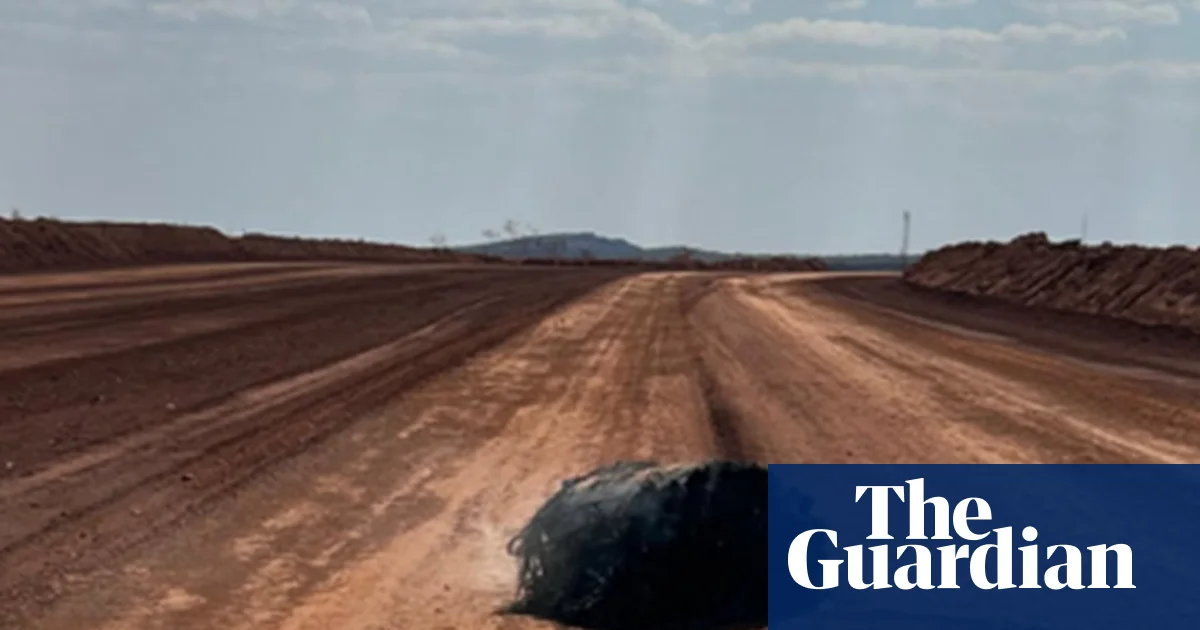
The mysterious discovery of suspected space debris in the remote outback of Australia has ignited international concerns about the increasing presence of “space junk” re-entering Earth’s atmosphere. As mine workers in Western Australia uncovered burning fragments near the town of Newman on Saturday, authorities swiftly responded, underlining the expanding complexity of managing space activities amidst the risk posed to global safety and sovereignty. The incident, while seemingly isolated, exemplifies the dangerous consequences of humanity’s prolific space exploration and satellite deployment, which continue to accelerate amidst a global race for technological dominance.

Initial analyses by police indicated that the debris was composed of carbon fibre, resembling aerospace components such as a composite-overwrapped pressure vessel or a rocket tank—a clear sign that this fragment originated beyond our atmosphere. The Australian Space Agency has been brought into the investigation, alongside other agencies like the WA Department of Fire and Emergency Services, reflecting a collaborative effort to determine the origin of this object. This incident falls within a broader narrative acknowledged by global space agencies and analysts: the mounting perils of space debris, which can threaten both terrestrial infrastructure and celestial navigation. As scientists warn about the increasing density of space junk, nations worldwide are grappling with how to regulate and mitigate this emerging hazard that could, if left unchecked, spark a new realm of geopolitical friction.

The re-entry of unidentified space debris isn’t just a technical issue—it’s a threatening reminder of the competitive, often reckless expansion of space capabilities. Experts fear that space debris could become a catalyst for international conflict, especially as key space powers like China, Russia, and the United States intensify their pursuits of commercial and military applications in orbit. The proliferation of satellites, especially under the banner of private sector ambitions like Starlink and other mega-constellations, complicates the efforts by global institutions to create effective space traffic management norms. Historian and space policy analyst Dr. Francesca Liu emphasizes that, “The unchecked growth of debris not only threatens future space missions but potentially destabilizes international relations, as nations may see this as a form of asymmetric warfare.”

Furthermore, the incident underscores a devastating irony—what goes up in space may very well come back down with unpredictable, potentially catastrophic consequences. The phrase “space junk” masks the seriousness of that debris. The risks associated with “re-entry” include the potential for harm to populated zones and critical infrastructures, calling for urgent international standards and treaties. Though currently the responsibility for tracking and mitigation largely falls to national agencies, there’s increasing pressure for global oversight, especially as nations race to secure strategic dominance both on Earth and in orbit. Critics argue that without robust treaties modeled after existing arms control agreements, the accumulation of space debris could turn Earth’s low orbit into a dangerous minefield, leading to what some analysts describe as an inevitable “space environment catastrophe”—a century-scale period of increasing orbital hazards.

As history witnesses humanity’s trail into the cosmos, a new chapter unfolds—one cloaked in geopolitical tension and unanticipated upheaval. The discovery in Australia serves as a stark warning of the tangible ramifications of neglecting space’s geopolitical implications. As international organizations labor to develop comprehensive frameworks, the choice remains to either tame this burgeoning threat or face the chaos that could ensue. In a world where the boundaries of sovereignty are no longer confined to terrestrial borders, the true battleground now extends beyond, into the void itself. What this incident signifies, ultimately, is that the stakes of space exploration are no longer theoretical—they are immediate, pressing, and potentially cataclysmic. The weight of history is on us, and the decisions made today will echo through time, shaping the future of humanity’s reach into the universe.

Ex-Kenyan leader Raila Odinga laid to rest after weeks of memorials

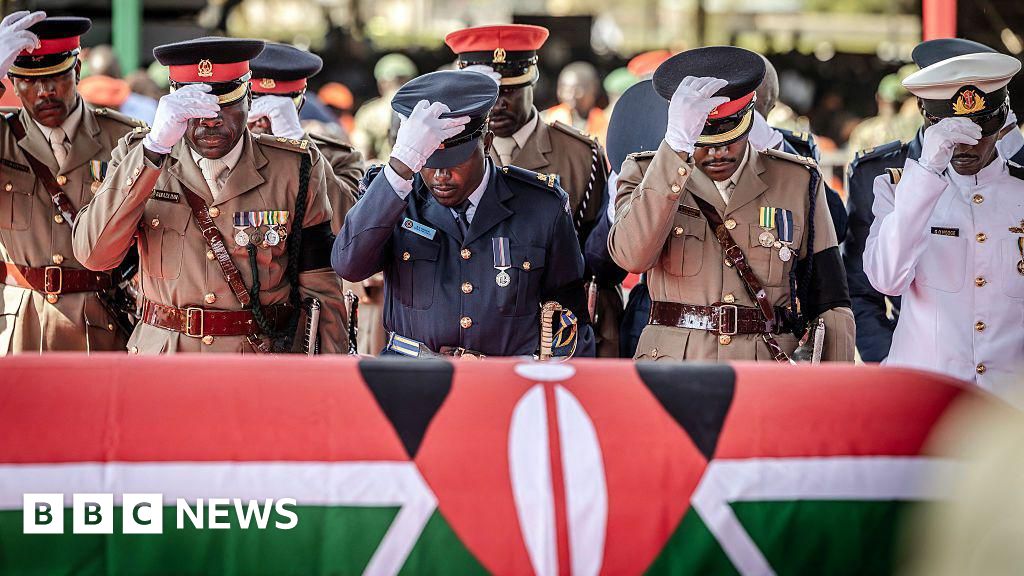
Kenya bid farewell to one of its most influential political figures, Raila Odinga, whose death at age 80 marked the end of an era defined by intense struggle, resilience, and unwavering dedication to justice and democracy. Odinga, a revered opposition leader and former prime minister, was laid to rest in his native Western Kenya, after days of mournful ceremonies that intertwined national pride with underlying tensions that continue to shape Kenyan politics. His funeral, attended by thousands and supported by prominent figures including President William Ruto, underscored the country’s ongoing voyage through complex democratic reforms and societal challenges.

<p>The life of Odinga was emblematic of Kenya’s tumultuous political landscape, where contested elections and deep social divides have often led to upheaval. Starting with his role following the disputed <u>2007 election</u>, which plunged Kenya into violence before he assumed the role of prime minister as part of a fragile power-sharing agreement, Odinga became a symbol of resistance against authoritarian tendencies. His repeated bids for the presidency—five campaigns in total—though ultimately unsuccessful, cemented his status as a leader who fought tirelessly for the country's democratic institutions. Analysis by <em>international political analysts</em> suggests that Odinga’s influence shaped Kenya's political trajectory, making him a figure pivotal not just nationally but within East Africa’s broader geopolitics.</p>

<p>However, Odinga’s passing exposes the delicate balance Kenya must maintain amidst evolving internal and external pressures. His supporters, especially in Western Kenya, see him as a patriot who embodied the fight for justice and unity, echoing the sentiments of figures like <strong>Barack Obama</strong>, who called him a “true champion of democracy.” Yet, the funerary rites were marred by chaos, with police firing on mourners at a public viewing, leading to casualties. Such scenes reveal deep-rooted social fissures and the ongoing struggle between state authority and civil discontent—dynamics that significantly influence the geopolitical stability of Kenya and its neighbors. According to <em>global security think tanks</em>, these incidents serve as a stark reminder of the fragility of Kenya’s stability, which is intertwined with regional security and economic development initiatives.</p>

<p>The <u>international community</u>, including the <strong>United Nations</strong> and regional bodies like the <strong> East African Community</strong>, monitors Kenya’s evolving political landscape closely. As Kenya navigates this period of mourning and transition, analysts warn that the choices made in the coming months could either strengthen democratic norms or deepen divisions that threaten regional stability. Odinga’s legacy, infused with dreams of unity and justice, continues to influence Kenyan society at its core. Historians emphasize that history often hinges on moments of collective memory, and the current memorials—marked by both reverence and chaos—may serve as a turning point in Kenya’s journey towards enduring national cohesion.</p>

<p>As the nation honors <strong>Raila Odinga</strong>, the weight of history presses heavily on its shoulders. His burial at the family mausoleum near his father’s homestead is a poignant symbol of the lasting power of legacy and sacrifice. The unfolding story of Kenya’s future remains uncertain, yet it is clear that in the shadows of loss, there lurks the potential for renewal—*a pivotal moment where the decisions of today will echo through generations*. For now, the nation mourns its hero, but it also steels itself for the tumultuous road ahead—an uncharted chapter where the spirit of resilience must endure against the darkness of division and despair.</p>
Gaza conflict shook up politics — peace may still be on the horizon for the Middle East

The recent ceasefire in Gaza has sparked a seismic shift in **Middle Eastern geopolitics**, signaling a potential turning point that could redefine alliances, regional influence, and international diplomacy. While some analysts urge caution, warning that ongoing violations by **Israel** and **Hamas** suggest fragile trust, the deeper implications point toward an emerging landscape where traditional rivals are compelled to cooperate under unprecedented pressures. As **U.S. President Donald Trump** pushes his controversial 20-point plan for Gaza, regional powers such as **Qatar** and **Turkey** are accentuating their influence by leaning heavily on **Hamas**, underscoring how external pressure can catalyze unexpected realignments across the Arab world.

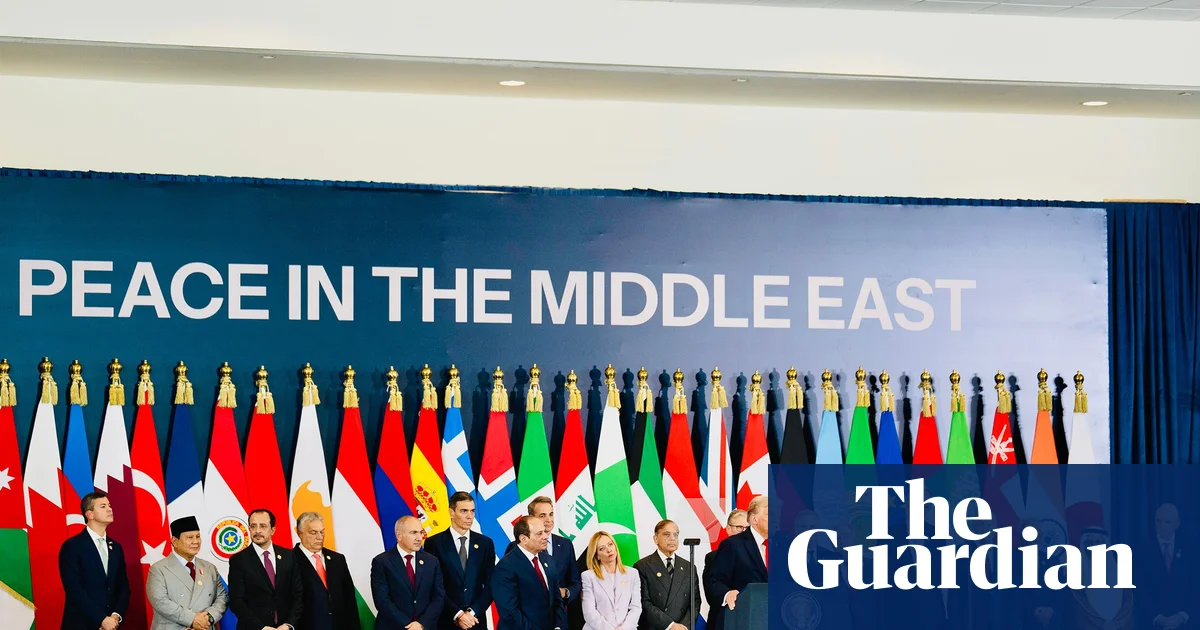
One of the most remarkable developments is the attendance at the recent summit in **Sharm el Sheikh**, which included **Iraq’s Prime Minister Mohammed Shia’ al-Sudani**. His visible support—symbolized by a thumbs-up with Trump and praise for Tony Blair’s proposed “Peace Council”—signals a potential shift. Historically, **Iraq**, a nation long under Iran’s heavy influence since the post-2003 U.S. invasion, is now spotted edging toward the **Arab orbit**, hinting at a significant realignment of regional power. According to analysts like Michael Knights of Horizon Engage, Baghdad considering troop contributions to a planned international stabilisation force in Gaza foreshadows an evolution in **Iraq’s** regional role, potentially diminishing its previous allegiance to **Iran**. Such a shift could accelerate **Arab** unity and influence—Movement that, if sustained, may undermine Iran’s geopolitical strategy of forward defense, which relies on a network of militant proxies like **Hezbollah** and **Hamas**.

This realignment comes at a time when Iran’s strategic position appears increasingly compromised. The short war with Israel has exposed Iran’s military limitations and economic vulnerabilities, especially as **European**, **UK**, and **U.S.** sanctions tighten around Tehran. The deterioration of Iran’s regional proxies—Hezbollah in Lebanon, the Assad regime in Syria, and militant factions in Gaza—marks the end of Tehran’s expansive **”forward defense”** doctrine. International analysts warn that the **ceasefire** may paradoxically serve as an engine of **region-wide integration**, rekindling discussions of land connections from the Gulf to the Mediterranean and promoting **diplomatic normalization** of Israel with Gulf Arab states. Nevertheless, the specter of Iran’s discontent remains, as Tehran faces a bleak diplomatic and military landscape that could push it toward more desperate measures.

Amid these developments, the U.S. and its allies appear to be seizing an opportunity to engineer a broader regional realignment. None other than **Trump’s** architect of the **“Riviera” plan**—initially met with skepticism—seems to have accelerated its implementation, potentially laying the groundwork for a new geopolitical equilibrium. If **Abraham Accords** expand to include **Saudi Arabia**, **Indonesia**, and other Arab nations, the potential for **diplomatic normalization** could radically transform the region, diminishing **Iran’s** influence and empowering **moderate Arab states** eager for stability and economic growth. However, such a trajectory hinges on the Palestinian issue—an obstacle that remains a persistent, unresolved question shaping the future of peace and stability.

As history continues to unfold, the **Middle East** finds itself at a critical crossroads. The fragile ceasefire, while temporary, exposes the deep currents of change beneath the surface—currents driven by shifting alliances, ideological battles, and the relentless pursuit of regional dominance. The world watches as these forces collide, and the fate of millions hangs in the balance. The narrative of this conflict is far from over; instead, it has entered a new chapter—one that could either usher in generations of peace or plunge the region into deeper chaos. The next moves made by regional and global powers will be remembered not just as political decisions, but as defining moments that could shape the geopolitical landscape for decades to come.

Social Media Auto Publish Powered By : XYZScripts.com