Matox News

Truth Over Trends, always!

Barnaby Joyce's resignation fuels talk of a One Nation shift, stirring youth debate
Barnaby Joyce’s resignation fuels talk of a One Nation shift, stirring youth debate

Global Salvo: Australia’s Political Realignment Sparks International Reflection

In a development poised to send shockwaves through the Australian political landscape, Barnaby Joyce, a prominent figure within the National Party, has announced his intention to exit the party. This move, reportedly driven by internal conflicts and ideological disagreements, signals a potential shift of one of the country’s most influential conservative leaders onto the crossbench—or even into the ranks of One Nation, Australia’s far-right populist party. The ripple effects of such a decision extend beyond national borders, challenging traditional political alliances and raising questions about the future of Australia’s domestic and foreign policy orientations.

The geopolitical impact of Joyce’s possible defection is multifaceted. Historically, Australia’s political cohesion has been a cornerstone of its stability and its strategic alignment with the United States and the West. However, this potential shift hints at mounting factional tensions within the conservative bloc, especially surrounding the contentious issue of climate policy and economic sovereignty. Joyce, long known for his vocal opposition to net zero by 2050 commitments, has campaigned furiously against renewable energy projects, positioning himself as a champion of traditional industries and core conservative values. Analysts warn that his departure from the Nationals could embolden similar populist voices, weakening Australia’s capacity to present a unified front on global issues such as climate change, regional security, and trade alliances.

International organizations and geopolitical analysts caution that such internal political fractures risk undermining Australia’s reliability as a key ally in the Indo-Pacific. John Mearsheimer, a leading realist scholar, notes that internal political instability can lead to unpredictable foreign policy decisions, which adversaries like China and Russia might exploit. Moreover, the potential realignment towards One Nation—which has a more skeptical stance on multiculturalism and foreign alliances—could impact Australia’s diplomatic posture, especially in the context of its longstanding security pacts with the US and regional partners.

Within Australia, the controversy has ignited debates about the direction of conservatism and the influence of populist parties. Pauline Hanson, leader of One Nation, has openly welcomed Joyce, fostering speculation about a broader political realignment that could sway upcoming elections. Historians warn that such shifts reflect a broader trend of polarization and fragmentation in Western democracies, undermining the bipartisan consensus that historically guided international engagement. As the nation teeters on the brink of unprecedented political change, the world watches—some in concern, others in anticipation—asking whether this is the beginning of a new chapter or the unraveling of longstanding alliances.

Every decision in this unfolding story narrative carries the weight of history—choices that could redefine Australia’s role in regional geopolitics and the global order. As Joyce ponders his next move, it remains clear that Australia’s internal political struggles are not isolated—they are threads woven into the larger fabric of international power dynamics. In the shadows, global powers survey with keen interest, ready to adapt to whatever terrain emerges from this political upheaval. The pages of history turn inexorably forward, and the outcome of this internal struggle could shape not only Australia’s future but also the delicate balance of power across the Indo-Pacific and beyond—leaving the world pondering whether these shifts herald a new era of resilience or chaos.


October heat records at risk across multiple states as scorching heat moves east through central Australia

Australia Confronts Record-Breaking October Heatwaves and Severe Storms

In an alarming turn of climate patterns, Australia is experiencing unprecedented weather extremes that threaten to leave a lasting imprint on its environment and society. According to the Bureau of Meteorology, parts of South Australia, Queensland, New South Wales, and the ACT are set to endure temperatures soaring up to 15°C above average this weekend. These climatic anomalies are not only breaking historical records but also signaling a potential shift in global weather systems, prompting international concern about the evolving climate crisis.

Climate analysts and historians warn that these rapid temperature increases, especially in inland regions such as Oodnadatta and Birdsville, could constitute a harbinger of intensified extreme weather events caused by human-induced climate change. Dean Narramore, a senior meteorologist at the bureau, highlighted the severity of the situation, noting that some locations may approach or surpass their October temperature records. The forecast predicts 45°C in Oodnadatta on Monday, while the interior states could see their temperatures reach the low to mid 40s. Such conditions highlight an urgent consequence of a warming planet—a phenomenon that international organizations like the UN have described as a threat to global stability.

Global Implications of a Warming Australia

These extreme temperatures are not an isolated event but part of a larger narrative about the **accelerating impacts of climate change**. As Australia faces this unusual early summer heat, the geopolitical impact reverberates beyond its borders. Nations vested in climate diplomacy are watching closely, understanding that Australia’s weather patterns could serve as an early warning for broader global disruptions. The intergovernmental panels and international agencies emphasize that such irregularities threaten agricultural production, water security, and urban resilience, with ripple effects felt worldwide.

Meanwhile, severe thunderstorms loaded with potential for giant hail are predicted to strike eastern Queensland and northeastern New South Wales, areas already vulnerable to extreme weather. This unpredictable combination of heatwaves and violent storms underscores the fragile balance of Australia’s climate system, but it also exemplifies the how decisions made today shape the resilience of future societies. Historically, climate science experts like Dr. Jennifer Francis warn that failure to mitigate these rapid shifts could lead to irreversible environmental damage, challenging societies’ ability to adapt and survive.

Contemporary Challenges and International Response

As Australia grapples with these climatic upheavals, the international community faces a stark choice: intensify efforts to curb emissions or watch as the pattern of devastation accelerates. The recent weather upheaval underscores a fundamental truth voiced by global policymakers and historians alike—the window for meaningful action is narrowing. The recent intense heatwave, coinciding with the threat of deadly thunderstorms, exemplifies how local climate phenomena are intrinsically linked to global issues, urging nations to forge coordinated strategies to combat the crisis.

Yet, amidst warnings and predictions, the unfolding events serve as a reminder that history is not yet written. The choices made by governments, industries, and societies will determine the trajectory of this crisis. As the sun blazes hotter year after year, and as storms grow more ferocious, the question remains: will humanity rise to meet this challenge or be swallowed by an indifference that leaves future generations to bear the consequences of today’s inaction?

In the shadow of this climate upheaval, the weight of history bears heavily on the present—each decision a stroke on the vast canvas of the future. And as the story unfolds, one truth remains undeniable: **the unfolding climate crisis is not just the story of Australia but a universal chapter, demanding unwavering resolve before the pages of history close on our chance to act**.

Anti-migration activists deny healthcare access to foreigners

South Africa’s Humanitarian Crisis Deepens Amid Growing Migration Tensions

The unfolding situation near Johannesburg signals a troubling shift in South Africa’s internal stability and the country’s complex relationship with migration. In recent weeks, a grassroots movement known as Operation Dudula, initially emerging as a civic pressure group, has metamorphosed into a political entity with tangible influence in local governance. Their campaigns against foreign nationals accessing public healthcare reflect broader social fissures — and geopolitical impact that extends beyond national borders, impacting regional stability and South Africa’s standing on the world stage.

Operation Dudula advocates for prioritizing “South Africans first,” often citing perceived resource scarcity amid South Africa’s entrenched inequality. The operation’s tactics—picketing clinics, checking ID cards, and turning away migrants—have led to clashes with law enforcement and widespread condemnation from political parties and human rights advocates. Critics, including legal professionals like Fatima Hassan from the Health Justice Initiative, warn that such actions are a breach of constitutional guarantees and threaten law and order. Meanwhile, authorities admit their resources are overwhelmed, unable to curtail such lawless acts, enabling the group’s expansion into new terrains such as public schools — with substantial repercussions for social cohesion and regional diplomacy.

At the core of this turmoil lies a fragile social fabric layered with economic hardship, high unemployment, and historical xenophobia. With approximately 2.4 million migrants—many from Zimbabwe, Mozambique, and Lesotho—South Africa grapples with entrenched anti-foreigner sentiment that sometimes erupts into deadly violence. This is compounded by an overburdened healthcare system, where long queues characterize the daily struggle for essential services. Turned away due to their lack of South African IDs or citizenship papers, vulnerable migrants and even some citizens find themselves without critical medical care—highlighting the destructive combination of policy, social prejudice, and resource scarcity.

International analysts, including economists and historians, warn that the decision to condone or suppress Operation Dudula’s actions could shape the nation’s future. Some suggest that South Africa’s government faces a choice: uphold the constitutional rights that enshrine healthcare access, or capitulate to populist nationalism that seeks to scapegoat migrants. The regional geopolitical impact reverberates, as instability in South Africa risks destabilizing neighboring nations with similar struggles, and encourages further migration turbulence. Meanwhile, international organizations like the United Nations have expressed concern about rising xenophobia, urging South African authorities to restore law and protect human rights—all while nation-building efforts strain under these compounding pressures.

As the echoes of protest and repression continue to reverberate across Johannesburg’s streets, the weight of history presses down on this southern nation. The choices made today—about migration, resource management, and constitutional adherence—will determine whether South Africa can emerge stronger or fall further into chaos. With each passing day, the story remains unwritten, and the true impact of these tumultuous decisions continues to unfold—leaving the world to witness whether this nation can navigate its turbulent course toward stability and justice or succumb to a future defined by division and despair.

Trump Reveals Commutation of George Santos’s Federal Fraud Sentence

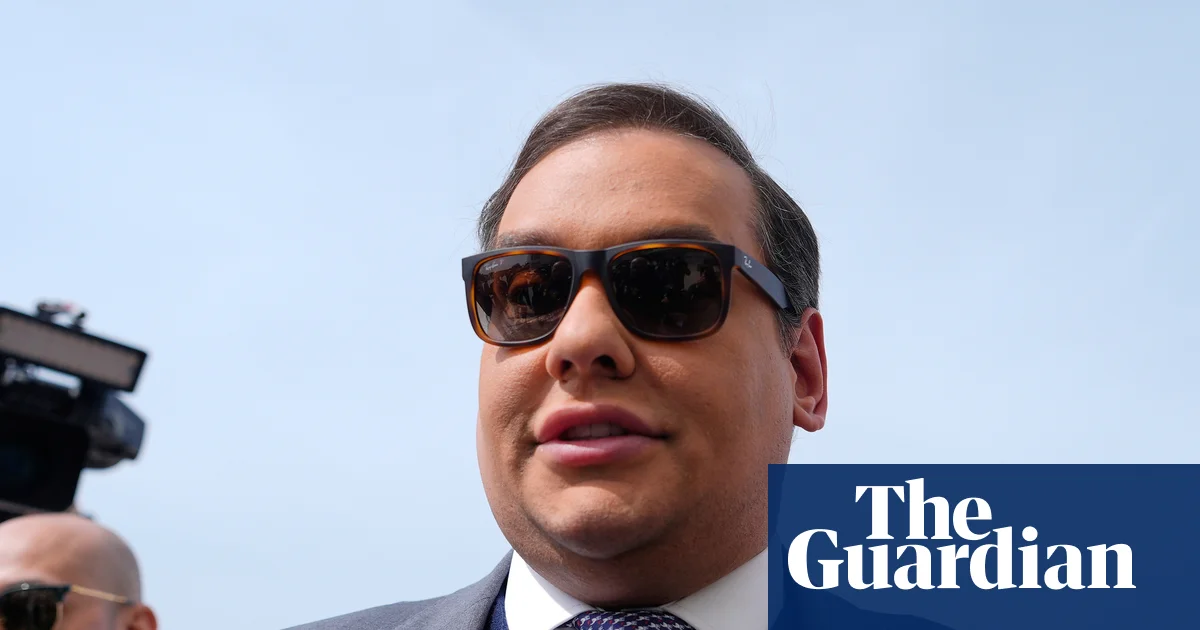
The recent decision by Donald Trump to commute the sentence of George Santos, the disgraced former New York representative, marks a significant moment in American political theatre with far-reaching geopolitical implications. Santos, once considered an up-and-coming star within the Republican Party, was sentenced to over seven years in prison following charges of wire fraud and identity theft—crimes that not only tarnished his personal reputation but also cast a shadow over the integrity of American governance. Trump’s intervention, announced via social media, underscores a long-standing pattern of political clemency that blurs the lines between justice and partisanship, and inevitably influences international perceptions of American law and order.

Notably, such pardons and commutations reach beyond American borders, signaling to allies and adversaries alike that the United States remains a nation where political loyalty can sometimes supersede the rule of law. Ensuing discussions among military strategists, international lawmakers, and historians emphasize how decisions within the American judiciary and executive branches ripple outward, shaping global perceptions of stability and fairness. Similar actions in the recent past—such as Trump’s pardons of other controversial figures like former Congressman Michael Grimm and Connecticut Governor John Rowland—are indicative of a broader pattern that raises questions about the rule of law’s resilience amid political tumult.

Meanwhile, the international community closely monitors these developments, understanding that trust in democratic institutions forms the bedrock of global geopolitics. Analysts from institutions like the International Crisis Group warn that such unilateral acts of clemency can be exploited by authoritarian regimes to justify their own abuses of power. The case of Santos, with its diplomatic echoes, reinforces a narrative that the United States remains a nation grappling with internal divisions—divisions that can either be healed or exploited in the ongoing contest for global influence. As historians note, these moments are pivotal; they serve as both mirror and magnifier of internal societal struggles with corruption, transparency, and justice.

In the broader scope, how the U.S. handles political scandals and clemencies significantly influences regional stability, especially in an era defined by shifting alliances and competing superpowers. While China and Russia observe with calculated interest, Western democracies watch with a mixture of concern and anticipation. The unfolding saga of Trump’s latest clemency decisions exemplifies how internal political decisions can become a battleground for international prestige and influence, setting precedents that shape the future of global diplomacy. As history continues to writ itself with every decision, the weight of these moments will echo through the halls of power for decades to come. The story of Santos, Trump, and their interconnected fates is far from over; it’s a testament to a nation still wrestling with its identity, and a reminder that history’s final judgment is yet to be written.

Polish judge refuses extradition of Nord Stream suspect, calls it a 'just act'
Polish judge refuses extradition of Nord Stream suspect, calls it a ‘just act’

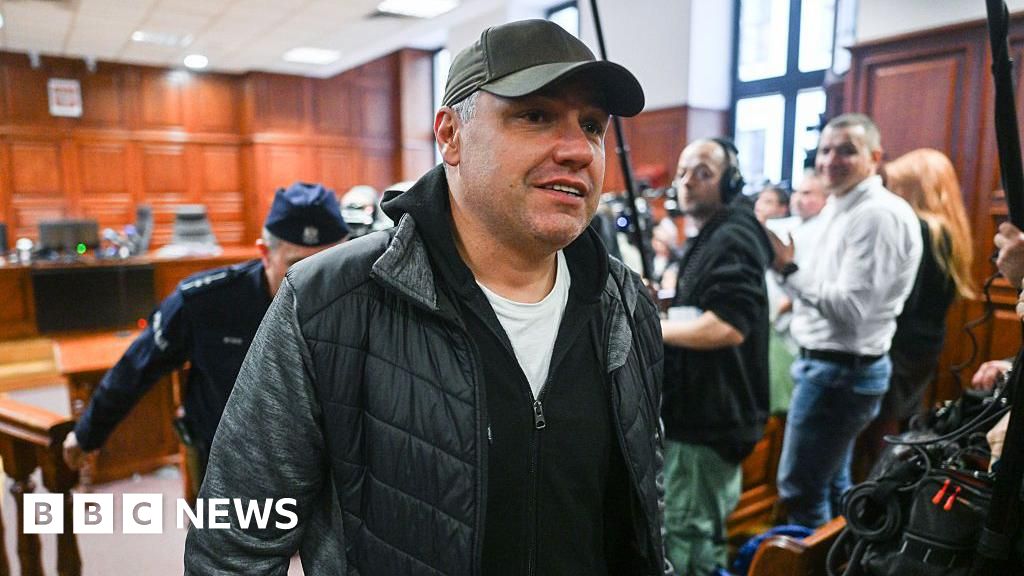
In a development that underscores the escalating geopolitical tensions surrounding energy infrastructure and national sovereignty, a Polish court recently made a highly controversial ruling regarding the suspected sabotage of the Nord Stream pipelines—an incident that has reverberated across Europe and beyond. The court refused to extradite a Ukrainian suspect, Volodymyr Zhuravlyov, accused by Germany of involvement in the September 2022 detonation. The judge’s decision has ignited fierce debates about the legality, responsibility, and geopolitical ramifications, shifting the narrative in ways that threaten to unravel the fragile balance of international diplomacy.

Initially, blame for the explosions was pinned on Russia, given its major stake in the pipelines that crisscrossed the Baltic Sea, connecting Russia to Germany. However, signs of Ukrainian involvement emerged—an assertion vehemently denied by officials in Kyiv. The case takes on added complexity considering Poland’s own stance: a vocal critic of the pipelines, especially Nord Stream 2, which Poland viewed as a geopolitical tool used by Berlin to deepen Europe’s dependence on Moscow. Polish Prime Minister Donald Tusk vocalized support for the court’s ruling, stating that the case was “closed,” fostering speculation about whether political motives are intertwining with legal adjudication. Critics and experts contend that these events could stir a storm of diplomatic retaliation, as nations grapple with the blurred lines between what constitutes acts of war and legitimate resistance in a time of conflict.

The court’s ruling, which highlights the war in Ukraine as a backdrop, sparks provocative questions about international jurisdiction and national sovereignty. Judge Dariusz Lubowski’s passionate speech framed the incident within a context of “justified” acts of defense, citing historical figures such as Aristotle and Saint Thomas Aquinas to justify what, in peacetime, might be viewed as sabotage. His assertion that Ukraine’s alleged actions were a “rational and just” response to “Russia’s bloody and genocidal attack” reveals an underlying political commentary that critics argue could set a dangerous precedent—favoring the view that acts of sabotage during wartime are morally defensible. Such a stance resonates deeply with many analysts warning that it could embolden other nations to justify targeted attacks against strategic infrastructure, risking global destabilization in the pursuit of national interests.

The geopolitical impact of this legal saga extends to Europe’s energy security and alliance structures. Germany’s halting of the Nord Stream 1 pipelines and the delayed entry of Nord Stream 2 represent more than just economic shifts—they symbolize Europe’s grappling with energy dependency and the broader contest of influence between the West, Russia, and Ukraine. The case also exposes gaps in the EU’s legal framework, with judges questioning whether Germany has jurisdiction over acts carried out in international waters, with ownership and responsibility clouded by complex legal and political layers. Analysts warn that the verdict not only complicates efforts to hold perpetrators accountable but also deepens divisions within the European Union—divisions that could be exploited by adversaries seeking to weaken Western unity in the face of ongoing conflicts.

As history turns another page, the story of the Nord Stream sabotage continues to unfold, leaving a trail of questions that threaten to define the new era of international conflict. The decision in Warsaw is more than a legal verdict; it is a snapshot of a world where lines of morality and legality are blurred amid the chaos of war and power struggles. In the shadows of courtrooms and diplomatic corridors, nations are watching as the fabric of trust and sovereignty is tested—reminding us all that in geopolitics, the stakes are nothing less than the future of freedom and stability itself. The weight of history presses down, and the question remains: who will claim the next chapter—peace, or chaos?

Can Putin's Flying Kremlin Pass Through EU Skies to Reach Budapest?
Can Putin’s Flying Kremlin Pass Through EU Skies to Reach Budapest?

In an era defined by evolving alliances and shifting geopolitical boundaries, Russia stands at a crossroads, with Vladimir Putin exploring possibilities that threaten to ignite further instability within the European continent and beyond. The prospect of a high-stakes summit with U.S. President Donald Trump in Budapest signals an intense phase in diplomatic chess, where decisions made in the coming weeks could either pave the way for a fragile peace or deepen the chasm of conflict. Despite the veneer of diplomatic efforts, the underlying tensions are palpable, rooted in decades of strained relations and recent aggressive moves by Moscow.

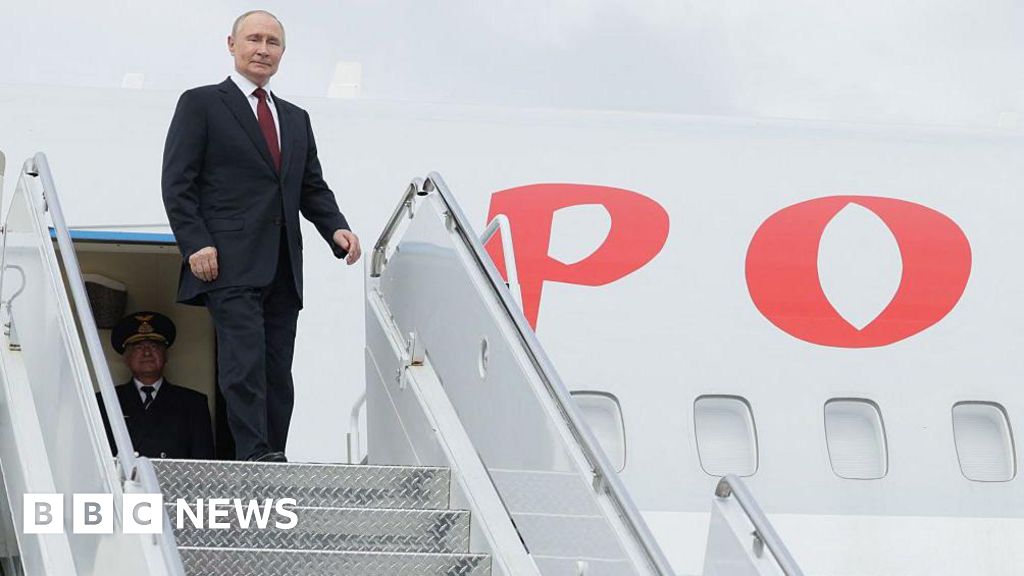
Putin’s planned visit to the Hungarian capital is encumbered by complex logistics and international restrictions. Russia’s planes are officially barred from EU and NATO airspace, meaning Putin would require emergency dispensation to bypass these restrictions—an unlikely event given the current political climate. Experts warn that even with special permissions, the likelihood of safe passage over countries such as Bulgaria and Romania remains uncertain, especially considering the ongoing NATO build-up on Europe’s eastern flank. The most straightforward route—through Serbia or Turkey—invites its own set of diplomatic challenges, as these nations are either non-EU members or official candidates, potentially serving as bridges for Putin’s flight without breaching international sanctions yet complicating the delicate balance of Western alliances. The scenario underscores a dangerous dance of sovereignty, where every move could deepen the rifts that threaten global stability.

Meanwhile, the European Union and NATO are meticulously examining the legal and strategic implications of such a summit. The EU’s executive commission has underscored that any move that advances “a just and lasting peace for Ukraine” is supported—but emphasizes that the methods of transit remain tightly regulated. The crux lies in whether member states will grant exceptions for Putin’s aircraft, risking further escalation or symbolic defiance of Western sanctions. Historians and analysts suggest that Russia’s continued defiance of international norms, including accusations by the International Criminal Court of war crimes related to Ukraine, have made genuine negotiations elusive, and such summits risk merely being tactical gestures rather than pathways to resolution.

The backdrop to this perilous moment reveals a Europe increasingly divided, with Hungary under Viktor Orban positioning itself distinctively. Orban’s close ties with Putin, combined with his outspoken skepticism of the EU’s stance on Ukraine, threaten to undermine consensus within the bloc. Orban’s overt rejection of Brussels’ pro-war rhetoric and his assertion that the EU will be “left out of peace talks” illustrates a broader pattern of internal discord and the resurgence of nationalist rhetoric that WEstern analysts associate with a potential realignment of power dynamics in Europe. This internal fracture complicates an already tense environment, as Orban’s government prepares to host Putin amidst mounting international sanctions and military build-ups. The move could be viewed as a calculated gamble by Orban, betting that good relations with Moscow may bolster Hungary’s strategic autonomy at a time when the continent faces existential threats.

The unfolding story is a stark reminder that history is still being written—each diplomatic maneuver carries the weight of nations’ future, and even the most cautious steps could lead to unforeseen consequences. As the world watchfully stares at Budapest’s horizon, the potential for a summit that could transform the geopolitical landscape remains looming. Will it be a groundbreaking step towards peace or the spark for a broader conflict? In this tense moment, history beckons us to reflect: the decision to meet or to refuse may determine the destiny of nations for generations to come, leaving us all spectators in an unpredictable saga that is far from over.

Shipping emissions levy dropped as US influence wins again

Intense Geopolitical Tug-of-War Delays Global Shipping Climate Initiative

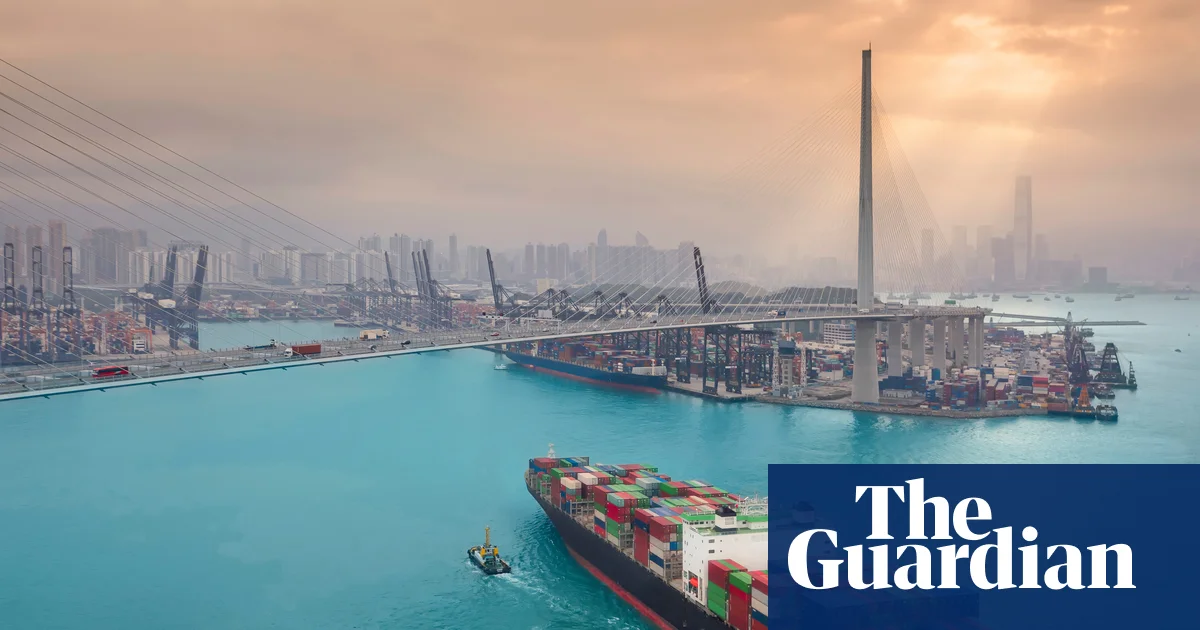
In a dramatic turn at the International Maritime Organization (IMO) headquarters in London, persistent pressure from the United States has effectively thwarted a long-planned effort to introduce a modest but crucial climate damage fee on global shipping. After days of contentious negotiations, a decisive vote resulted in the delay of a proposed emissions pricing mechanism, stalling a significant step forward in worldwide climate governance. This outcome underscores how the geopolitical interests of powerful nations, especially those heavily reliant on fossil fuels, continue to obstruct collective environmental efforts, revealing a stark divide between climate ambition and national self-interest.

Since April, when a majority of IMO member states initially supported the measure, opposition has surged, primarily driven by US lobbying and threats of tariffs, penalties, and visa restrictions. According to analysts, this aggressive stance exemplifies how fossil fuel-dependent states, including Russia and Saudi Arabia, leverage economic and diplomatic pressure to safeguard their carbon-intensive industries. They aim to undermine international consensus, prolonging uncertainty in global maritime trade and delaying tangible climate action. Arsenio Dominguez, the IMO secretary-general, openly criticized the discord, imploring delegates to reflect on their approach, warning that future discussions risk similar fractiousness. This internal chaos diminishes hope for swift reforms, jeopardizing the global shipping sector’s capacity to reduce its roughly 3% share of global greenhouse gases, projected to double by mid-century if left unregulated.

The decision also holds profound geopolitical significance, exemplifying how climate issues are becoming battlegrounds for broader strategic and economic interests. As small developing nations like Vanuatu express frustration at being sidelined—warning of growing climate impacts—the delay symbolizes a shift where the interests of petrostates take precedence over immediate environmental needs. Meanwhile, the prospect of future revenue from the proposed levy, estimated at over $10 billion annually, is concentrated within the shipping industry itself—revenue that many argue will benefit industrial modernization rather than aid vulnerable nations facing climate catastrophe. Such disparities highlight the increasing divide between wealthier, fossil fuel-based economies and poorer nations, which bear the brunt of climate disruptions but lack the means to adapt.

As international organizations and climate analysts interpret this setback, the overarching concern remains clear: the long road ahead for meaningful climate reform. Despite the delay, experts like Dr. Simon Bullock warn that blocking progress only intensifies the climate crisis, further entrenching the influence of fossil fuel interests. The postponement until next year means years of continued emissions, as the intended measures require technical assessment before implementation—possibly pushing real change into the late 2020s. Meanwhile, the upcoming Cop30 UN climate summit in Brazil looms as a critical forum where these unresolved tensions will surface anew, with the world watching how history chooses to unfold in what many see as the decisive decade for climate action. The fate of the planet now teeters under the weight of political power plays, reminding us that the struggle for a sustainable future remains as much a geopolitical battle as an environmental one—where the outcome will shape the course of history for generations to come.

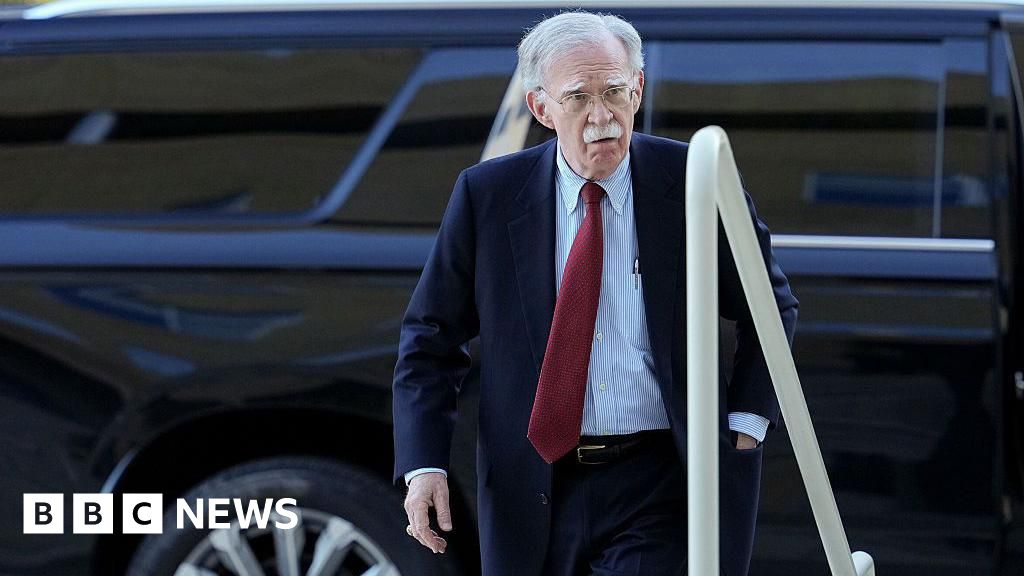
Former Trump adviser Bolton turns himself in over leaked classified info

In a move signaling a stark escalation in
the ongoing legal battles surrounding political figures in the United States, John Bolton, the former national security adviser to President Donald Trump, has surrendered to federal authorities on charges related to mishandling classified information. This development marks a significant chapter in the erosion of political norms and a deepening of partisan divides that threaten the fabric of American democracy. Bolton, a controversial figure who parted ways with the White House bitterly and publicly criticized Trump, now finds himself at the center of a high-profile legal controversy that could have profound geopolitical impact.

The indictment alleges that Bolton utilized personal messaging apps and email to transmit sensitive intelligence, revealing future attack plans, foreign adversaries’ strategies, and foreign policy negotiations—acts prosecutors argue constitute illegal conduct. Such revelations, if proven true, threaten the delicate international balance of security cooperation and risk exposure of classified information to hostile nations. The case underscores the increasingly contentious environment surrounding national security in the digital age, with experts warning that these developments could ripple beyond domestic politics, impacting global stability. Historians and international analysts alike point out that the mishandling or reckless disclosure of intelligence not only jeopardizes the safety of citizens but complicate diplomatic relations with key allies and adversaries alike.

Further, Bolton’s case has broader implications within the context of U.S. internal conflict and the weaponization of justice. Bolton’s lawyer, Abbe Lowell, dismissed the charges as part of a pattern seen in recent years, claiming that “many public officials throughout history kept diaries—that is not a crime.” However, critics contend that the Justice Department’s actions demonstrate a dangerous precedent where political rivals are targeted to undermine their influence, especially in a time when the country is polarized like never before. As international organizations scrutinize America’s internal stability, the case raises urgent questions about the rule of law and the limits of political accountability. Analysts argue that how the U.S. handles Bolton’s case could influence its global image—whether as a beacon of justice or a nation mired in political vendettas.

Adding further complexity, allegations of cyber attacks linked to
the Islamic Republic of Iran reveal that espionage and cyber warfare continue to be prime tools for hostile nations trying to influence U.S. political and security landscapes. The potential hacking of Bolton’s accounts underscores the broader threat posed by state-sponsored cyber operations, which increasingly target top officials in major powers —a development condemned by security experts worldwide. This attack highlights the perilous intersection of technology and geopolitics, where the security secrets of nations can be compromised with alarming ease, thus threatening international peace and stability. Many analysts warn that these cyber threats are a prelude to a new form of diplomatic warfare, demanding urgent international cooperation but also exposing the vulnerabilities of democracies grappling with pervasive digital espionage.

As the world watches, the trajectory of this internal U.S. saga will resonate far beyond its borders, casting shadows over global diplomatic relations and shaping the legacy of an American political landscape fractured by controversy. The headlines are only beginning to unfold, yet their echoes threaten to define an era—one marked by power struggles, evolving technology, and the relentless march of history’s worst conflicts. Future generations will remember whether the United States, once a symbol of stability, was consumed by internal strife or rose to redefine justice amidst chaos. As the courtroom doors close on Bolton’s legal battle, the larger question remains: how will this chapter be written in the annals of history, and what lessons will it hold for the world to follow?

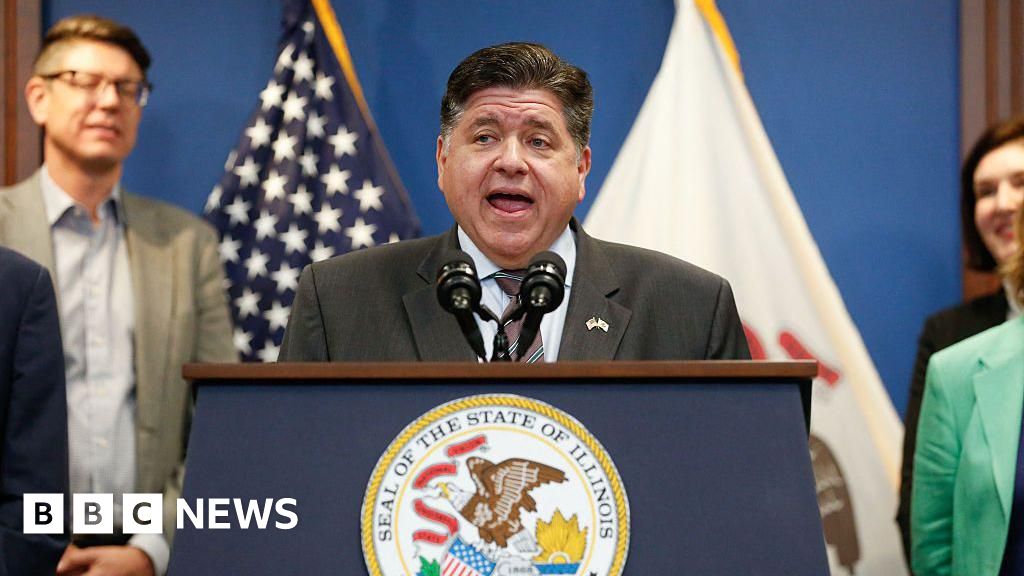
Illinois Governor scores $1.4M victory in Vegas—big win for the state’s leadership

United States politics remain deeply intertwined with global influences, with recent revelations highlighting the complex web of power, wealth, and policy. In Illinois, Governor JB Pritzker, a scion of the Hyatt Hotel fortune and a prominent Democrat, made headlines after his tax filings disclosed a $1.4 million windfall from gambling in Las Vegas. While Pritzker plans to donate the winnings to charity, the incident spotlights ongoing debates over wealth, privilege, and the role of affluence in governance. It also underscores the influence of individual actors within the broader framework of American political and economic power, which continues to be scrutinized by international analysts seeking to understand the prevalence and impact of the ultra-rich in shaping policy directions.

This incident occurs against a backdrop of escalating tensions between the Biden administration and former President Donald Trump, whose critics accuse him of undermining the rule of law and national cohesion. Pritzker himself has positioned as a critic of federal policies, particularly regarding the deployment of national troops to cities like Chicago, which Trump labeled as “authoritarian” efforts. Such political discord echoes beyond national borders, affecting international perceptions of democratic stability and the United States’ role as a global leader.

  • Critical questions are being asked about how the wealth of the American elite influences governance and policy-making.
  • Developments in Illinois exemplify a broader trend where state-level actors become focal points in an ongoing ideological struggle.
  • International organizations and geopolitical analysts argue that internal divisions in the United States have tangible consequences for global stability, especially amidst rising challenges from China and Russia.

Global institutions and historians warn that this internal turmoil, fueled by egocentric power plays, threatens to undermine the consensus needed to address pressing international crises—be it climate change, economic instability, or regional conflicts. The decision of one wealthy governor to indulge in high-stakes gambling may seem trivial, but it symbolizes the broader cavalcade of personal wealth and political influence shaping America’s future. As Pritzker seeks a third term in 2026, questions abound about whether such figures will prioritize the people’s interests or continue to navigate a landscape dominated by privilege. At a time when the world watches, the unfolding narrative of US internal politics remains a pivotal chapter in the story of how nations coalesce—or fracture—in an era of unprecedented global upheaval, leaving history to judge whether these choices herald renewal or impending chaos.

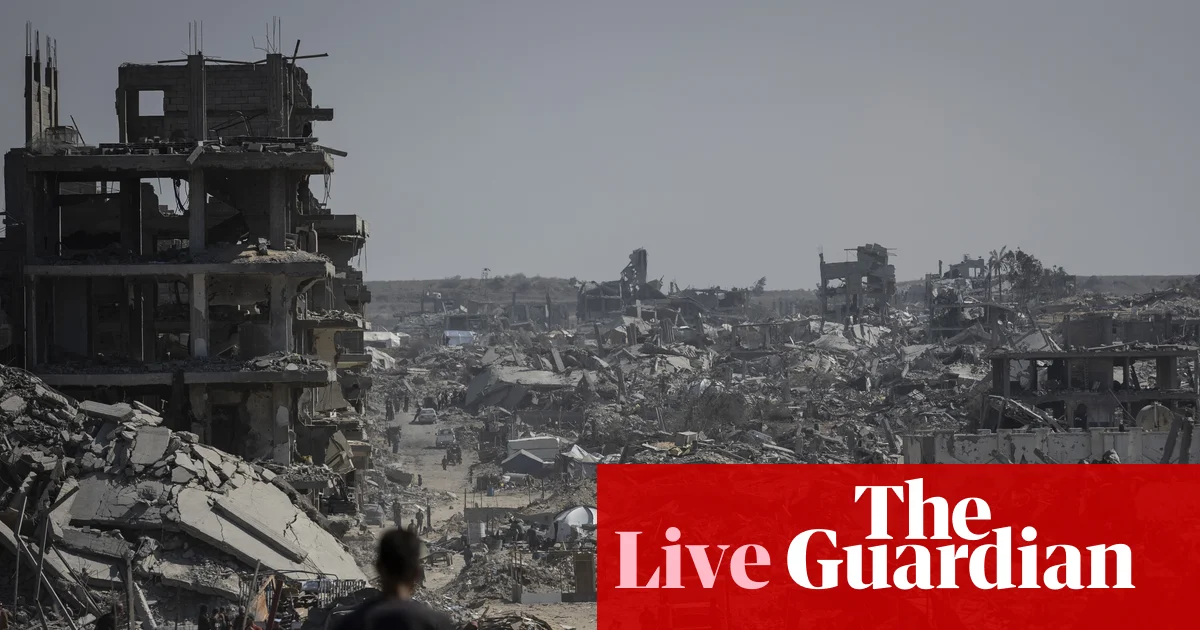
WHO: Infectious Diseases in Gaza Escalate as Crisis Deepens

The ongoing crisis in Gaza has escalated into a complex human tragedy with wide-reaching geopolitical consequences. The World Health Organization (WHO) has issued a stark warning, revealing that infectious diseases are “spiralling out of control” within the territory, where only 13 of the 36 hospitals remain partially operational. This collapse of medical infrastructure—highlighted by experts like Hanan Balkhy—underscores the catastrophic humanitarian toll of sustained conflict, which in turn threatens regional stability. As the UN warns that it will take “time to reverse the famine” in Gaza, international aid efforts work feverishly to mitigate the crisis, but the challenges are profound and interwoven with broader geopolitical shifts.

Despite a fragile ceasefire brokered by Egypt and the United Nations, the situation remains volatile, with declarations from western nations indicating plans to deploy international stabilization forces. France and the UK, in coordination with the United States, are preparing a UN Security Council resolution aimed at establishing an international force to restore order in Gaza—an unprecedented move that signals shifting strategies. According to analysts, such measures could reshape the very fabric of Middle East geopolitics, as external powers seek to balance pressure on Hamas and bolster the stability of Israel. The cause-and-effect extends beyond Gaza, with regional actors like Turkey deploying disaster relief specialists amidst mounting criticism of Hamas’s handling of remains and hostages, which have become symbolic of the ongoing gamble for regional influence and narrative control.

Meanwhile, the U.S. under Donald Trump has advanced a bold 20-point plan for Gaza, advocating the disarmament of Hamas, offering amnesty for leaders who decommission their weapons, and establishing governance for a postwar Gaza. This plan, articulated amidst warnings from Israel’s leadership and escalating military readiness, underscores a strategic shift: the push toward redrawing the post-conflict political landscape. Israeli officials, led by Benjamin Netanyahu, remain resolute, affirming their commitment to recover all hostages and reassert control, while Trump’s provocative rhetoric — including threats to “go in and kill” Hamas if ceasefire violations continue — signals a hardening stance globally. Such decisions are not made in isolation; they ripple through societies, igniting debates on sovereignty, interventionism, and stability, and leaving history to record whether these choices steer the region toward peace or prolonged chaos.

As the narrative unfolds, the weight of history presses heavily upon the present. The Gaza crisis exposes a treacherous web of human suffering, international diplomacy, and competing interests—a conflict where each decision echoes beyond the battlefield and into the future of geopolitics. The decade-long struggle remains unresolved, teetering on the cusp of deeper regional upheaval, with the world watching as leaders navigate the perilous line between humanitarian aid, military intervention, and diplomatic negotiations. The story of Gaza—marked by loss, resilience, and strategic gambles—continues to be written, and the heavy hand of history reminds us that the consequences of today’s decisions will shape generations to come.

Social Media Auto Publish Powered By : XYZScripts.com