Matox News

Truth Over Trends, always!

Australia’s ‘Messy’ Trend Fueling Youth Unemployment Concerns

The Fragile Equilibrium: How Economic Policies and International Shifts Reshape Global Power

As Australia projects confidence on the global stage, highlighting its resilient labor market amidst volatile economic indicators, broader geopolitical repercussions come into focus. During this week’s G20 summit in Washington, Finance Minister Jim Chalmers has been vocal about Australia’s economic growth, emphasizing the strength of its employment sector as a model for stability. Yet, beneath this veneer of resilience lies an undercurrent of uncertainty, revealing how national economic decisions impact global power dynamics and societal realities. Major international organizations, such as the IMF and World Bank, continue to monitor these shifts closely, warning that regional economic health is increasingly interlinked with geopolitical stability.

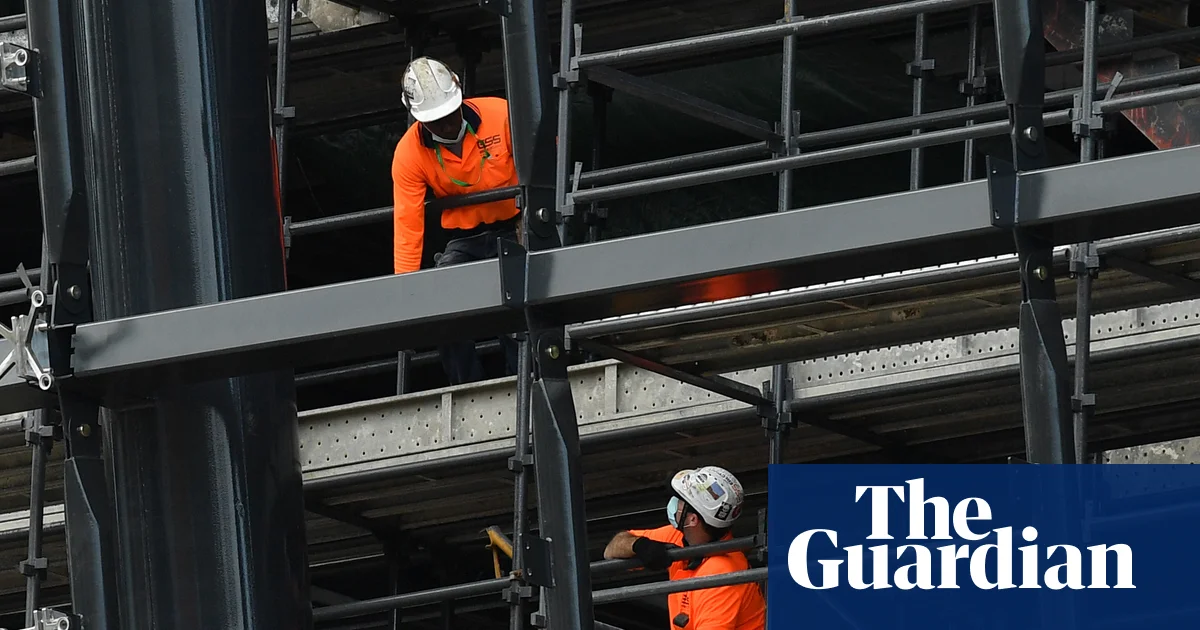
The recent uptick in Australia’s unemployment rate—rising unexpectedly to 4.5%, the highest in nearly four years—serves as a stark reminder of vulnerability despite apparent prosperity. Historians and analysts warn that such fluctuations are not merely localized technicalities but embody profound systemic vulnerabilities that can ripple across economies. The Reserve Bank of Australia (RBA) is caught between balancing inflation reduction and maintaining full employment, a dilemma common among central banks worldwide. As Shane Oliver, chief economist at AMP, notes, this “messy handover” from public to private employment sectors exposes the fragility of current economic strategies. When around 80-90% of recent employment gains came from heavily subsidized or taxpayer-funded sectors, questions arise regarding the sustainability of such growth models—an issue that reverberates across other nations with similar reliance on government-driven job creation.

Global Reflections: How Decision-Making Shapes Societies

The geopolitical impact of these economic shifts extends beyond regional borders, influencing the strategic calculations of China, the United States, and European Union. As fiscal strategies pivot in response to labor market tremors, nations find themselves recalibrating their geopolitical stance to safeguard their interests. For example, China benefits from the perception of economic resilience in nations like Australia, bolstering its influence in the Indo-Pacific region. Meanwhile, the United States faces mounting pressures from inflation and inflation control measures that could impact global markets, especially if the Federal Reserve follows suit with aggressive rate adjustments. The Eurovision of economic powerhouses is becoming increasingly intertwined with military and diplomatic posturing, underscoring the interconnectedness of trade policies and international security.

Experts warn that these economic decisions must be viewed through the lens of their long-term geopolitical implications. The article’s analysis reveals a pattern where minor policy shifts—such as a central bank’s rate cut—can have cascading consequences, influencing not just financial markets but also diplomatic alliances and regional stability. International organizations have repeatedly emphasized that economic resilience in one nation can serve as a stabilizing force or, conversely, a source of instability if mismanaged. As history has shown, the epoch-defining struggles of the 20th century—entities like the League of Nations or the early United Nations—were born in the crucible of economic upheaval, reminding the world that economic stability and peace are indivisible.

Uncertain Futures and the Weight of History

As the geopolitical ballet unfolds, the decisions made by central banks, governments, and international bodies will determine whether societies forge paths toward greater stability or slide into chaos. The signs of a “messy handover” in employment sectors, coupled with the geopolitical ramifications of economic policies, suggest that the world remains perched on a precipice—a fragile equilibrium requiring prudent leadership and foresight. Just as the global community watched the rise and fall of empires, today’s policymakers are carving their legacy amidst the shifting sands of economic and political power. This unfolding chapter in history serves as a stark warning: the interplay of economic imperatives and geopolitical ambitions will ultimately define the course of nations and societies for generations to come.


Authorities end search for Australian outback boy—hope remains alive

In a case that has captivated Australia and captured international attention, the mysterious disappearance of four-year-old Gus Lamont in the barren, rugged outback region underscores not only the human tragedy but also the profound implications of nationwide search and rescue operations. The local authorities, led by Commissioner Grant Stevens, have mobilized one of the largest land and air searches in South Australian history, yet almost three weeks on, the boy’s whereabouts remain unknown — exemplifying how disaster management becomes a test of state capacity, societal resilience, and technological resources.

  • The search has spanned roughly 470 square kilometers, an area twice the size of Edinburgh, with authorities deploying over 80 personnel from the Australian Defence Force.
  • Despite extensive efforts, no signs of Gus have emerged, prompting authorities to shift from active search to a “recovery operation”.
  • Social media has been flooded with misinformation, including AI-generated images, highlighting the challenges of managing public perception during crises, which authorities ask citizens to counteract by sourcing credible information.

This tragic case not only demonstrates the fragile nature of human life in remote territories but also exposes the vulnerabilities of state response to unpredictable scenarios. International analysts and emergency experts warn that the rugged terrain, unpredictable weather, and the delicate age of the missing child—described as shy and adventurous—have made the rescue efforts exceptionally difficult. Such circumstances amplify the challenges faced by local law enforcement and civilian volunteers, raising real questions about how nations build resilient systems for person-centered emergencies.

From a geopolitical perspective, this incident offers a stark reminder of how vulnerable communities in remote regions are to crises and the importance of international development in strengthening local emergency services. As Australian authorities try to balance their limited resources against the vast terrain, this case echoes broader debates on state capacity and societal cohesion. Historically, scholars such as Dr. Helen Clark have emphasized how effective public response systems often depend on a nation’s technological infrastructure, political will, and community engagement. The failure to find Gus in the current timeframe raises questions about the preparedness and resilience of isolated communities, especially in nations reliant on vast territories with sparse populations.

Furthermore, the incident has ignited global conversations about social media’s double-edged sword: while it accelerates awareness and mobilizes grassroots assistance, it also fosters misinformation and panic. The spread of fake images and speculative narratives can hinder official investigations, complicating trust in institutions and raising moral questions about privacy and dignity during crises. International organizations, including the United Nations, have long warned that mishandling information can hamper rescue efforts, emphasizing the need for responsible journalism and civic communication.

As the search continues amid warnings of shifting weather conditions and inaccessible terrain, the international community is watching with bated breath. The story of Gus Lamont encapsulates a universal truth: amid the chaos of nature and human vulnerabilities, nations stand at a crossroads—where decisions made in moments of crisis can either reinforce resilience or reveal profound systemic weaknesses. This tragic disappearance will undoubtedly be etched into the annals of history, a grim testament to the fragile boundary between safety and the unknown. As the world bears witness to the ongoing search, one can only ponder—how much longer can we ignore the lessons that such incidents impose upon our collective consciousness? We are left not with answers, but with the haunting echo that history’s most profound stories are often written in silence, waiting for the day when the truth finally surfaces.

Blue plaque honors Thomas the Tank Engine’s creator at his home

As Britain commemorates the 80th anniversary of the beloved Thomas the Tank Engine series, it serves as a stark reminder of how cultural icons rooted in heritage can shape societal identity and influence international perceptions. The recent unveiling of a historic plaque at the Rev W Awdry’s former residence in Stroud exemplifies a broader recognition of the profound impact that cultural figures can have across generations. The ceremony, part of the Railway 200 celebrations, highlights not only nostalgia but also underscores a nation’s investment in preserving its history amid the tumult of global geopolitics.

From the vantage point of international commentators, the enduring success of Awdry’s literary universe, further amplified by televised adaptations, demonstrates the power of cultural diplomacy. Renowned historians note that such stories serve as international bridges, often creating a sense of shared history and values. The ongoing fascination with a fictional island like Sodor, and its real-world commemorations, shows how a nation’s cultural exports can transcend borders, fostering admiration and soft power. Nonetheless, these cultural landmarks also reflect how decisions about heritage preservation and cultural promotion can be manipulated within larger geopolitical narratives, especially when countries seek to project influence under the guise of cultural diplomacy.

Meanwhile, European and global organizations such as Historic England emphasize that heritage isn’t static but a living component of national pride. Duncan Wilson, the agency’s chief executive, eloquently described the significance of the foundation laid by Awdry’s stories as a “global phenomenon rooted in the magic of steam trains,” a narrative that resonates universally. These initiatives parallel the strategic efforts of nations to mobilize cultural assets as a form of resilience and soft power amid geopolitical shifts. Critics argue, however, that the over-commercialization of such icons risks diluting their genuine historical value, turning beloved stories into mere commodities in a rapidly shifting international order.

The geopolitical impact of heritage decisions extends beyond cultural diplomacy into the realm of international stability. As emerging powers like China and Russia galvanize their own cultural narratives to bolster national identity, Western nations face a crucial task in balancing heritage preservation with strategic interests. The symbolism of an old house or a stained glass window might seem insignificant, but these tokens become battlegrounds for influence, echoing the larger conflicts over history, national pride, and sovereignty. As history continues to unfold, the legacy of such icons remains a testament to how societies craft their narratives — a narrative that, in today’s world, is more contested than ever, leaving the future’s story written not just in books, but in the very fabric of international powerplays.

Aid groups halt Gaza work amid ceasefire uncertainties

International Tensions Escalate as Gaza Humanitarian Efforts Face New Challenges

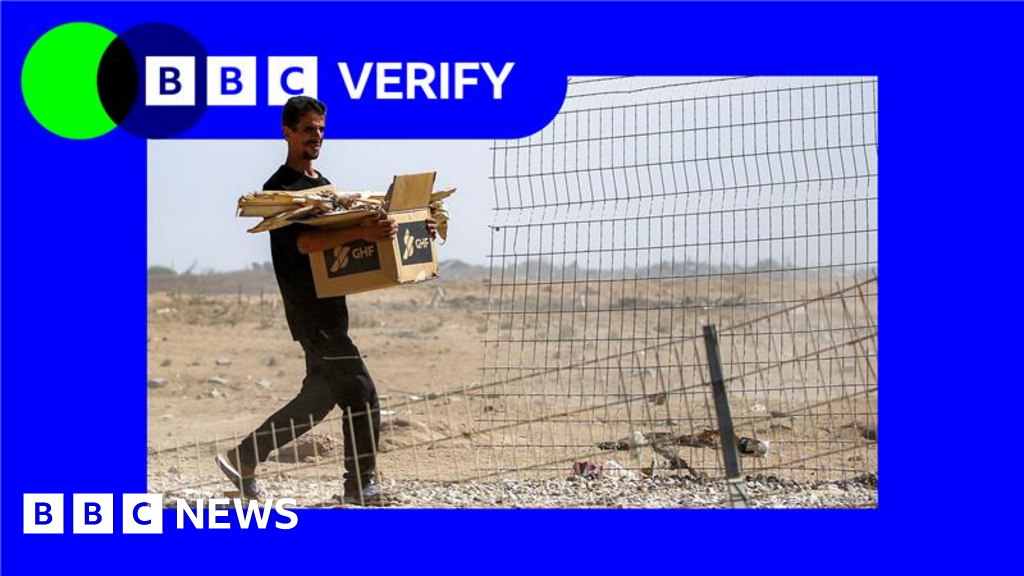
In the wake of the recent ceasefire between Israel and Hamas, the fragile stability of the Gaza Strip remains under intense scrutiny from international watchdogs and geopolitical strategists alike. The Gaza Humanitarian Foundation (GHF), a US and Israeli-backed relief organization, has officially suspended operations after its aid distribution sites, including the critical SDS4 site, were dismantled following the ceasefire’s inauguration on 10 October. Satellite imagery shows the dismantling was swift and deliberate, highlighting how the shift in control and territorial boundaries directly impacts aid efforts and raises deep concerns about the humanitarian crisis unfolding on the ground.

Despite promises of increased aid flows in the midst of this ceasefire, United Nations data reveals a sobering reality: only about 20% of aid crossing into Gaza since May has reached its intended recipients. Since the ceasefire, the daily aid collected has hovered at levels comparable to those of September, with UN analysts warning that the volume and efficiency of aid delivery remain inadequate for the needs of vulnerable Gazan populations. Amidst reports of aid trucks being intercepted—either peacefully by local populations desperate for essentials or forcibly by armed groups—the international community’s ability to influence the situation remains limited. The ongoing looting and lawlessness threaten to undermine the peace process, and many experts warn that without sustained efforts to restore civil order, the humanitarian crisis could deepen further.

How Decisions Shape Societies and Global Power Dynamics

The disassembly of aid sites and the suspension of operations by organizations like the GHF encapsulate the geopolitical tension that underpins this entire conflict. Analysts from institutions such as the Brookings Institution suggest that these actions are telling of the broader struggle for influence in the region, where the United States and Israel seek to consolidate strategic dominance while managing volatile regional alliances. The dilemma facing international policymakers is stark: uphold the ceasefire and allow aid delivery to flourish, or risk further destabilization if aid efforts are perceived as partial or insufficient. Meanwhile, Hamas and other militant factions leverage the chaos to justify their continued resistance, complicating diplomatic efforts and making it difficult for aid to reach those most in need.

Public sentiments across different nations are also shifting. Youths and students, increasingly aware of the long-term consequences of foreign interference and limited aid access, have begun questioning official narratives and demanding more transparent and effective international intervention. Historical analysts underscore that this ongoing crisis isn’t merely about land or resources, but about the contest for influence and narrative control in a region where global powers are vying for supremacy. The UN and various humanitarian agencies warn that failure to establish a sustainable, law-governed environment in Gaza could have repercussions far beyond the Middle East, including migrant flows, regional instability, and a reconfigured global order where chaos becomes the norm.

The Unfolding Story of Power and Humanity

As the dust settles over the dismantled aid sites and broken ceasefire promises, the world stands at a pivotal moment. The fate of Gaza—every crushed hope and every thwarted effort—becomes a symbol of the broader struggle for justice, security, and sovereignty. The UN warns of “looting, lawlessness, and unmet needs,” echoing the warnings of historians who differentiate between fleeting peace and durable stability. The weight of history presses heavily upon international shoulders, yet the pages are still unwritten. Will the global community learn from past failures or become complicit in an unfolding tragedy that threatens to redraw the geopolitical map? Only time will tell, but the continuing narrative reminds us that history is, after all, written by those who dare to shape the future amidst chaos and conflict.

Venezuelan Fishermen Fear for Safety as U.S. Strikes Hit Caribbean Boats

Shifting Tides: The US-Caribbean-Venezuela Geopolitical Crisis

The Caribbean, long a nexus of geopolitics and maritime strategic interests, has recently ignited a new chapter of tension as the United States escalates its military activity in waters adjacent to Venezuela. The deployment of warships, fighter jets, submarines, and thousands of troops signals not just a routine antinarcotics campaign but a profound shift in international diplomacy and regional stability. US officials claim their operations target “narco-terrorists” linked to the Maduro government, while critics argue that these actions threaten to destabilize an already fragile society and undermine sovereignty. Historians specializing in Latin American geopolitics highlight that such military interventions confront decades-old regional skepticism of US influence, fueling narratives of imperial overreach and provoking mass resistance among Venezuelan citizens.

  • Since last month, at least six strikes have been launched against vessels suspected of drug trafficking, resulting in the deaths of at least 27 individuals, though the US claims that the vessels originated from Venezuela.
  • President Donald Trump has publicly considered initiating strikes on Venezuelan soil and has sanctioned a $50 million reward for the capture of Nicolás Maduro, accusing him of leading the infamous Cartel of the Suns. Maduro dismisses these allegations as a “slanderous campaign,” framing US actions as part of a broader strategy to topple his government and reassert dominance over Latin America’s resource-rich territories.
  • Venezuela’s leadership, including President Maduro and Defense Minister General Vladimir Padrino, warns of serious threats ranging from aerial bombings to sabotage, signaling an era of escalating confrontation that could ignite the region at any moment.

On the ground, the impact of these geopolitical maneuvers ripples through small fishing communities along Lake Maracaibo. Fishermen like Wilder Fernández, who has been at sea for over a decade, now harbor fears that their daily livelihood could be turned fatal amid US military patrols. Fernández and many others are increasingly wary of venturing into waters where the US has conducted strikes, with some even questioning whether their boats could be mistakenly targeted. The concern extends beyond immediate military threats; experts warn that such violence and instability could entrap local fishermen into the hands of drug traffickers and arms smugglers desperate for recruits or cover, thereby entwining economic despair with organized crime. The livelihoods of over 115,000 Venezuelans employed in fishing hang precariously in the balance, as political tensions jeopardize not only their work but their very safety.

In a remarkable act of defiance, hundreds of fishermen in Venezuela recently set out onto Lake Maracaibo in protest, displaying national pride in opposition to US intervention. Spokesman José Luzardo declared his willingness to defend his homeland with his life, epitomizing a burgeoning resistance rooted in a complex mixture of patriotism and desperation. Meanwhile, the Maduro government mobilizes its civilian militia, rallying thousands to stand against what they perceive as a foreign incursion aimed at regime change. This narrative of defiance illustrates that, amidst diplomatic cold war, local societies are thrust into the maelstrom of international power struggles, where their voices risk being drowned out by the thunder of military planes and the echo of sanctions.

As history continues to unfold, the Caribbean’s delicate balance of sovereignty and strategic interests faces a pivotal test. The decisions made by Washington, Caracas, and regional allies today will echo through generations, shaping the geopolitical landscape of Latin America and beyond. While the world watches with bated breath, one thing remains certain: the tides of war and peace in this tumultuous region are still ebbing, with the relentless march of history reminding us that, in the currents of power, no nation is unassailable and no society immune. The question persists—whose legacy will be written in these waters and on these shores? Only time will reveal whether the Caribbean becomes a beacon of resilience or a scarred battlefield of tomorrow’s conflicts.

Trump vows to meet Putin again after promising call advances U.S.-Russia relations

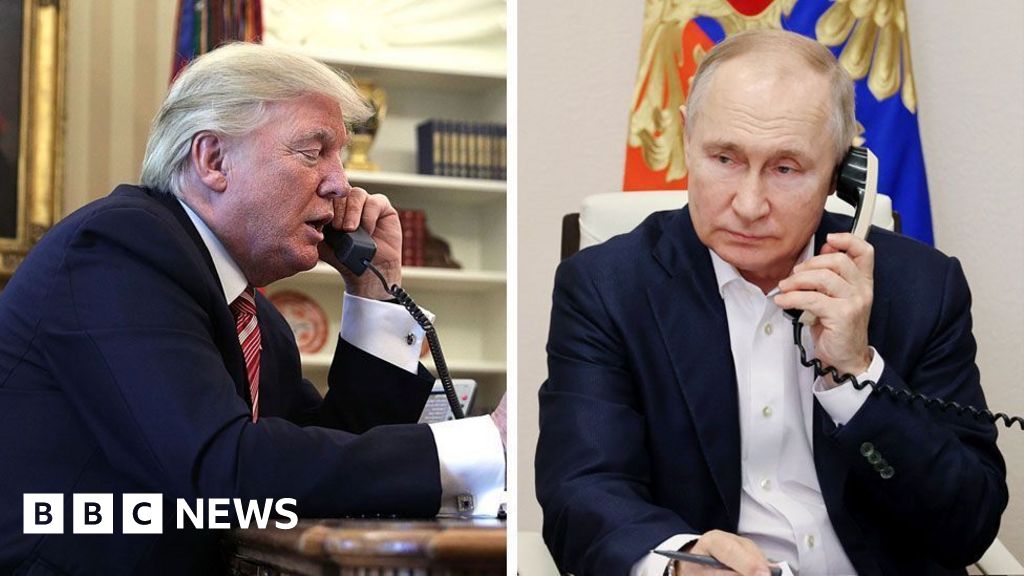
In a series of high-stakes diplomatic maneuvers, the United States and Russia are embroiled in a complex game of strategic brinkmanship at a critical juncture in global affairs. This latest development follows President Donald Trump‘s recent exchange with Vladimir Putin, marked by a phone call described by Washington as “very productive” and the anticipation of a face-to-face summit in Hungary. The geopolitical impact of these conversations reaches far beyond bilateral relations, affecting not only Ukraine but also the broader European and international stability. In a world seeking avenues for peace, the specter of renewed conflict looms large, driven by decisions made in backroom negotiations and public posturing.

  • On Thursday, Trump and Putin engaged in their first significant dialogue since mid-August, concluding with an agreement to convene more detailed discussions next week. The Kremlin highlighted that work on the summit would commence “immediately” after what they called an “extremely frank and trustful” call. This marks a notable shift from previous tensions and underscores how key leaders are maneuvering in the shadows of war, attempting to influence the geopolitical landscape with limited transparency.
  • Meanwhile, Ukrainian President Zelensky faces mounting pressure as the Biden administration contemplates arming Kyiv with advanced Tomahawk missiles, capable of deep strikes into Russia. Zelensky’s statement that Moscow is “rushing to resume dialogue” as soon as it perceives these weapons underscored the fragile, volatile nature of the ongoing conflict. The decision to supply Ukraine with such capabilities could drastically alter the war’s dynamics, leading to a potential escalation or stalemate, depending largely on how Russia perceives these moves.

Analysts and historians are warning that the recent diplomatic activities signal a shift toward greater unpredictability in an already volatile region. International organizations like the United Nations have cautioned against the escalation of hostilities, while European leaders such as Viktor Orban of Hungary advocate for diplomacy over confrontation—calling for patience, strength, and dialogue as the only viable path to peace. But the question remains: are these overtures genuine attempts at resolution, or just tactical steps in a broader chess game designed to influence the post-conflict order?

As Washington and Moscow continue to clasp onto their divergent visions for global dominance, the potential repercussions extend to economic spheres. Trump’s insistence that high-level advisors from both nations will meet to discuss trade “when the war is over” reflects the deep interconnection between geopolitics and economic strategy. Conversely, on the battleground, Russian missile strikes amid diplomatic talks serve as a grim reminder that peace remains elusive, and the path to stability is fraught with peril. Domestically, these developments are resonating among young people worldwide, keenly aware that the decisions made today will shape the future they inherit.

Indeed, the thread of history is being woven with each diplomatic encounter, each missile launch, and each negotiation. The world watches with bated breath as world leaders navigate a landscape where old alliances are tested and new rivalries emerge. In this relentless pursuit of power and peace, the curtain has yet to fall on the drama that will determine whether the 21st century will be remembered as an era of harmony or chaos. The weight of these choices, forged in the crucible of conflict and diplomacy, echoes through generations, reminding us that the unfolding story is far from over — it is only just beginning.

Former Officials Warn: US Headed Toward Authoritarianism Under Trump Era

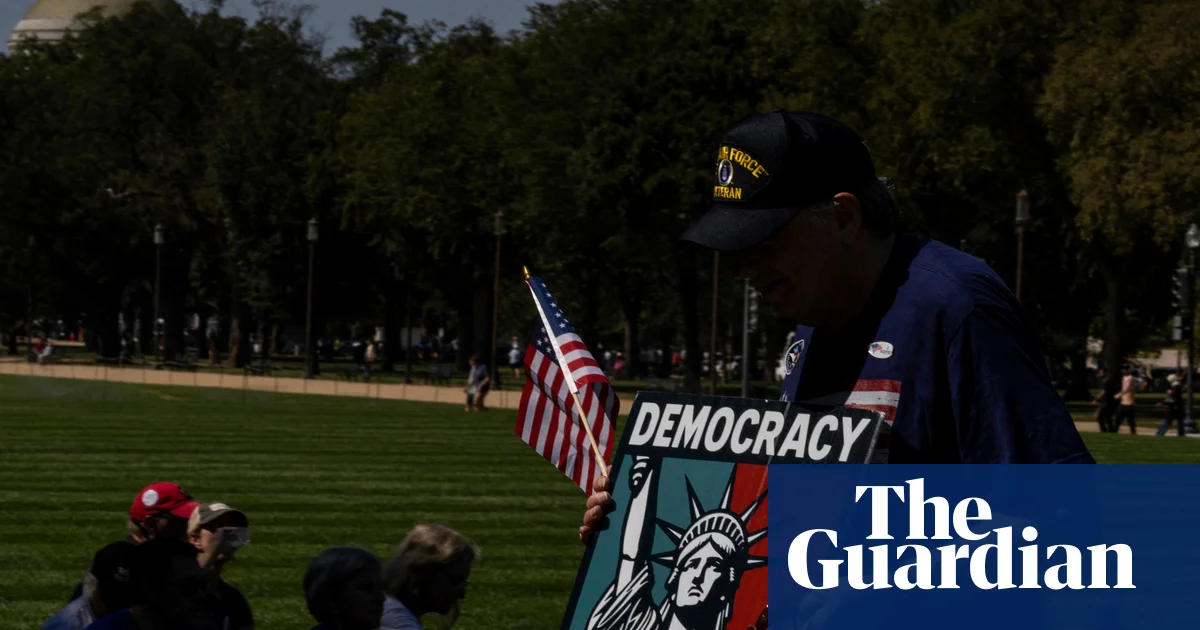
The United States, long heralded as the beacon of democracy, now faces sobering internal challenges that threaten to reshape its constitutional fabric. A recent assessment by a coalition of former US intelligence and national security officials paints a stark picture: the country is “on a trajectory” toward authoritarianism. Drawing from the methods once used to evaluate foreign democracies, the report titled “Accelerating Authoritarian Dynamics” warns that democratization in the US is now in jeopardy. Despite the outward appearance of electoral processes and judicial institutions, the assessment concludes that systematic manipulation—fueled by unchecked executive power—threatens the core principles of checks and balances that have long defined the nation’s political identity.

This internal crisis echoes historical patterns observed during periods of upheaval worldwide. Analysts warn that what is unfolding in the US resembles what scholars call “competitive authoritarianism”, where elections continue but are marred by tactics designed to weaken opposition and control institutions. The current trajectory, accelerated under Donald Trump’s administration, has seen clear strategies to ensure loyalty within federal agencies, influence the judiciary, and undermine independent watchdogs. The assessment highlights how figures within the White House have consistently tested legal and constitutional boundaries—from deploying federal troops in cities to aggressive purging of officials deemed disloyal. Such moves recall authoritarian playbooks designed to concentrate power and erode civil liberties from within.

Global observers and democracy scholars worldwide are watching with concern. International organizations have issued warnings that the US‘s democratic backslide could have ripple effects across democracies everywhere, especially as other nations face rising populism and executive overreach. The European Union and OECD, for instance, are scrutinizing America’s internal shifts, emphasizing that how decisions are made at home influences global stability and societal trust. Historians caution that if these trends continue unchecked, the US could be headed toward a period of political instability reminiscent of years marked by civil unrest and institutional decay. Meanwhile, the implications for the world stage are profound: a weakened democratic superpower may embolden autocratic regimes elsewhere to tighten their grip on power, undermining international stability.

As the report underscores, the fundamental question remains: how can America reverse its decline? With a society polarized and institutions under assault, the international community faces a defining moment. Will internal resistance to authoritarian drift — from grassroots movements, civic society, and political leaders dedicated to preserving democratic values — rise to challenge this ominous trend? Or will recent actions, like politically motivated indictments and executive overreach, entrench a new normal where liberty is sacrificed on the altar of power? History’s pen is poised, history is still unwritten, and the weight of the future rests on whether the US can reclaim its democratic destiny before it is lost forever.

Israel and Hamas Clash Over Hostage Remains as Tensions Escalate in Gaza

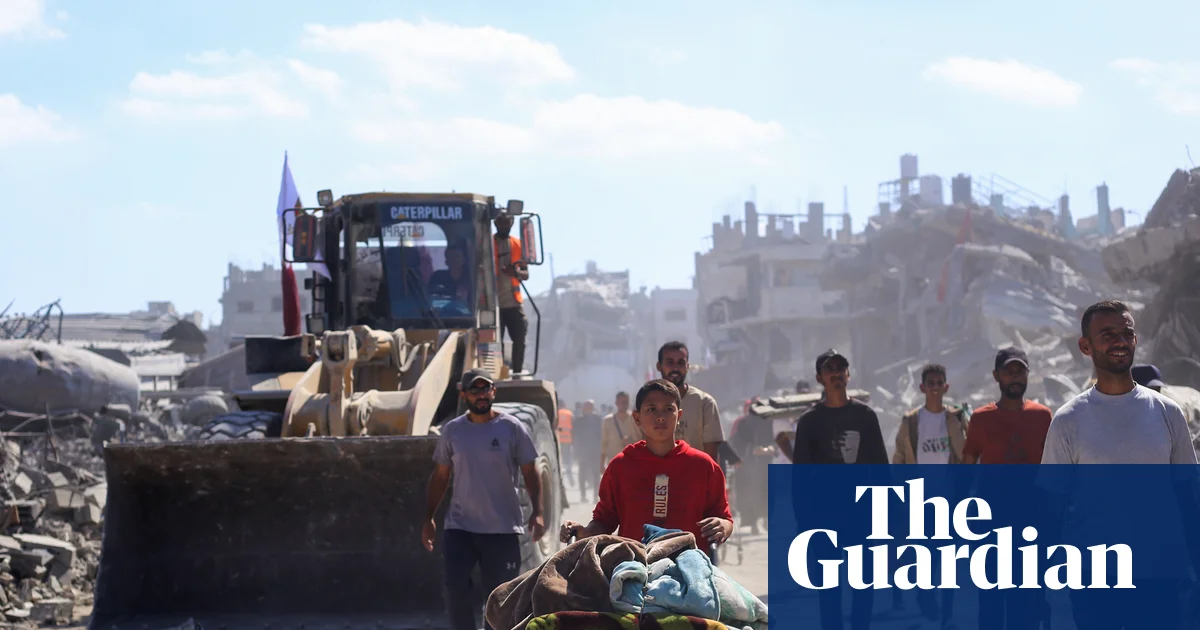
In the ongoing tumult of Israel and Hamas, recent events highlight the fragile veneer of hope amid a deepening humanitarian crisis in Gaza. Despite the recent ceasefire agreement, which promised a surge of crucial aid and the return of hostages, the reality remains far complex and dangerous. The ceasefire deal signed last week initially raised hopes for a shift in the two-year conflict, yet most restrictions on aid deliveries and movements have persisted. The delay in opening vital access points, notably the Rafah crossing controlled by Egypt, underscores the geopolitical tensions and hesitancies that continue to inhibit the flow of food, fuel, and medical supplies—an urgent need acknowledged by international health organizations such as the WHO.

The international community, including the United Nations and prominent analysts like those from Harvard and the Council on Foreign Relations, emphasize the dire consequences of these delays. Aid agencies warn that the lack of medical supplies and fuel is pushing Gaza toward a catastrophic collapse of its healthcare system. With only a fraction of hospitals operating amid outbreaks of infectious diseases, the death toll and human suffering threaten to escalate. Meanwhile, Israel remains locked in accusations, with Prime Minister Benjamin Netanyahu vowing to retrieve the remains of all hostages and asserting that “the fight is not over yet”. His rhetoric signals a determined stance, reinforced by military statements that portray their ongoing operations as necessary to ensure security against threats they deem existential.

Amidst this, the U.S. and regional mediators are caught in a balancing act. While attempts are made to sustain the ceasefire’s fragile hold, Hamas accuses Israel of violating the agreement through violent shootings and continued military operations. These repeated violations illustrate the unstable ceasefire environment, where both sides are reluctant to fully trust each other’s commitments, echoing warnings from historical analysts who suggest that territorial disputes and entrenched hostility make lasting peace elusive without profound geopolitical shifts. The return of prisoners and the recovery of bodies, often marked by signs of violence and torture, further complicate matters, fueling public anger and distrust on both sides. Such incidents, as detailed by Gaza doctors, serve as stark reminders of the brutal cycle of violence that persists beneath diplomatic negotiations.

If history is any guide, the current pause in the conflict is likely to be short-lived unless substantial international pressure and diplomatic breakthroughs occur. As regimes and their supporters watch from afar, the geopolitical impact extends beyond Gaza, affecting regional stability and global alliances. The challenge remains: how to forge an environment where aid can flow freely, hostages are returned safely, and long-term peace becomes a tangible goal rather than just an elusive hope. The weight of history presses down, as the world trembles on the brink of another chapter in this North African saga—a chapter that, whether it leads to peace or further chaos, will be written by the decisions yet to be made. As the dust settles, the eyes of history remain fixed on Gaza, waiting to see if this fragile ceasefire can hold or if the violence will erupt once again, perpetuating the cycle of suffering that has defined the Israeli-Palestinian conflict for decades.

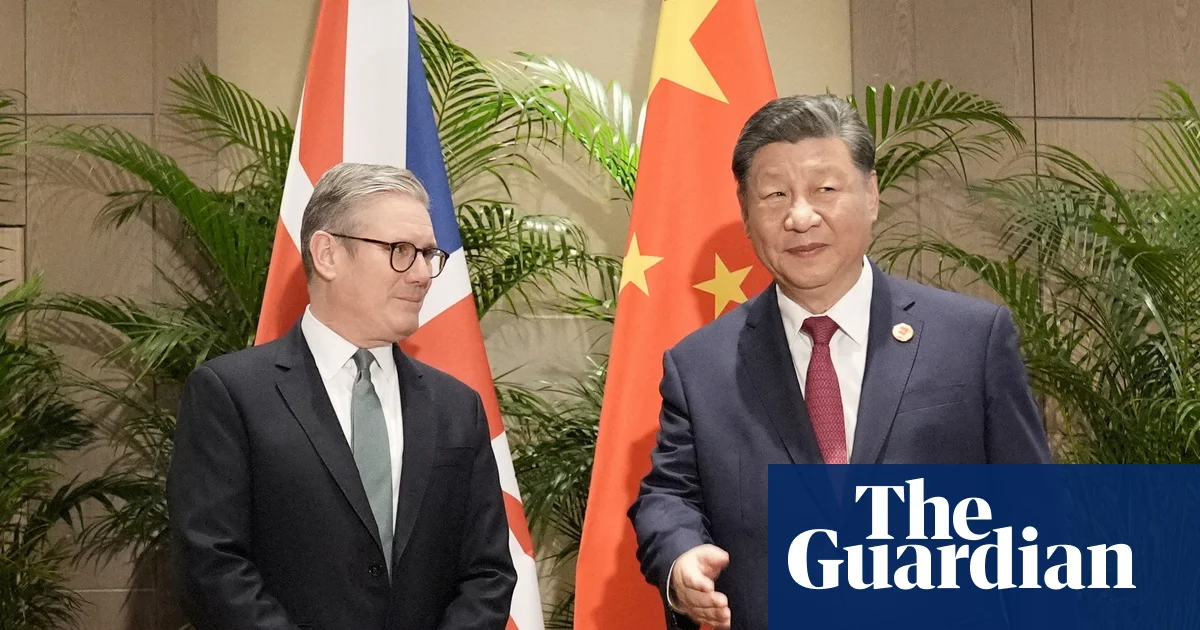
Ministers gear up for China visits amid spying trial backlash, Labour critics warn

The United Kingdom is charting a precarious course in its renewed engagement with China amidst the turbulence of global power shifts and internal controversy. Despite simmering tensions sparked by the recent abandonment of espionage charges against two individuals accused of spying for Beijing, UK ministers have signaled a strategic intention to resume high-level talks before the year’s end. This includes plans for Jonathan Powell, the national security adviser, to visit Beijing in November—an effort aimed at fostering a “long-term and strategic” relationship, as emphasized by government officials. Such moves are not merely diplomatic gestures but carry profound geopolitical impact, signaling the UK’s attempt to balance economic interests with national security concerns amid China’s global rise.

This renewed diplomatic pursuit comes at a critical juncture. While official statements insist that engagement is rooted in “UK interests,” critics argue that this signals a recalibration—possibly a capitulation—to Beijing’s influence. Notably, the recent controversy involving the dismantling of charges against individuals linked to espionage suggests a possible diplomatic *trade-off*. Leaders like Keir Starmer are navigating a complex landscape, balancing the desire to reopen channels with fears of China’s expansionist reach and surveillance overtures. Many analysts, including security experts and historians, warn that this strategy risks emboldening Beijing at a time when U.S.-China tensions are intensifying. Global institutions such as the IMF and diplomatic commentators have voiced concerns that the UK’s embrace could undermine the collective effort to contain China’s geopolitical ambitions, thereby threatening regional stability.

Furthermore, these diplomatic overtures extend beyond government talks. Key figures like Rachel Reeves and Oliver Robbins have undertaken visits to China, promoting economic investment and revitalizing bilateral ties. Reeves’s recent involvement in unveiling £600 million of Chinese-backed investments underscores Britain’s attempt to capitalize on economic opportunities—yet such moves are fraught with risks. Chinese officials have openly communicated their displeasure over UK restrictions targeting their security apparatus, warning of potential retaliation that could destabilize diplomatic efforts. As international organizations track this evolving saga, they emphasize that decisions made today will shape the future of global power dynamics, with the UK caught squarely in the crossfire of a new Cold War landscape.

The unfolding developments evoke reflections from foreign policy analysts and historians who see this as a defining moment in 21st-century geopolitics. The last British Prime Minister to visit ChinaTheresa May in 2018—once spoke optimistically about a “golden era,” yet recent events reveal how swiftly that narrative has unraveled. The proximity of Kemi Badenoch and other senior officials to the Chinese government indicates a profound shift, perhaps towards a pragmatic yet perilous engagement policy. As Starmer’s alleged plans for a bilateral visit in February and Trump’s own sudden interest in China demonstrate, the global chessboard is realigning rapidly, with the UK positioning itself delicately amidst the rising tide of Chinese influence.

In the shadow of these high-stakes negotiations, history warns that such pivotal moments are often fraught with unforeseen consequences. The decisions taken in Parliament’s chambers and diplomatic suites will resonate through decades, shaping the balance of power in the Indo-Pacific and beyond. As the world watches, the UK’s future hinges on whether these diplomatic gambits will uphold sovereignty and security or succumb to the seductive allure of economic gains at a perilous geopolitical cost. The pages of history are turning once more, and the weight of global destiny hangs in the balance—an intricate dance of strategy, influence, and power, with the world on the edge of a new epoch.”

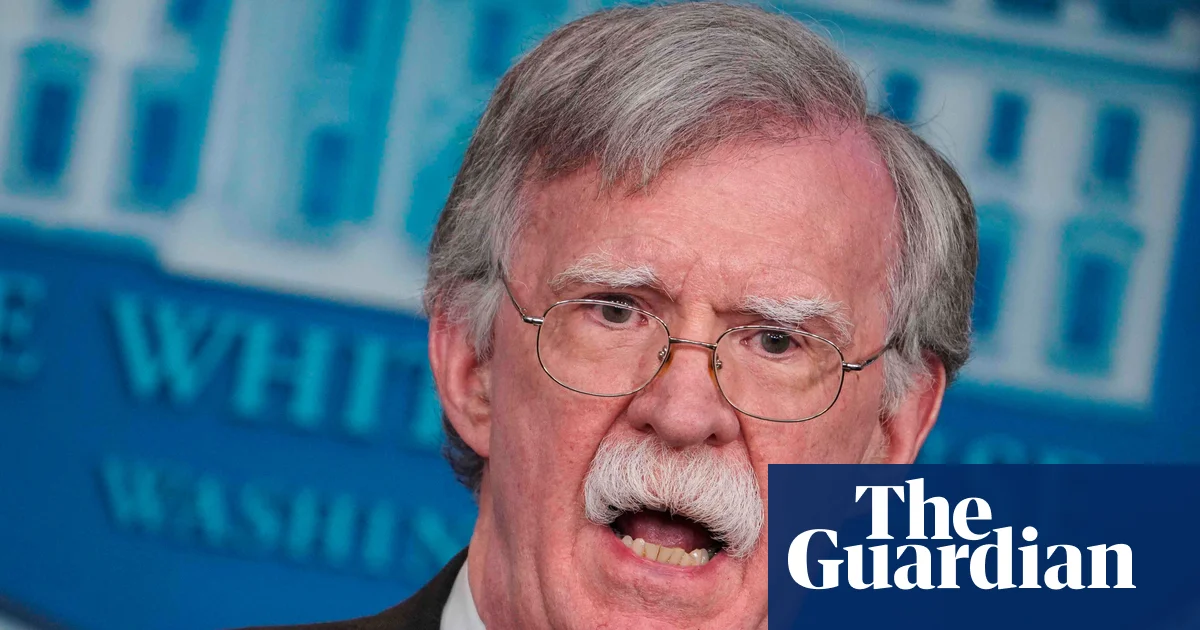
Grand jury expected to indict Trump critic John Bolton—big political showdown looms

In a development that promises to reverberate through the corridors of global power, a potential indictment of John Bolton, the former U.S. National Security Advisor, signals yet another chapter in the ongoing tumult surrounding U.S. domestic politics and the manipulation of the justice system. According to trusted sources Bloomberg and Reuters, a federal grand jury is expected to consider charges against Bolton for violations of the Espionage Act. While details remain elusive, the case underscores a deliberate trajectory by the U.S. Department of Justice to scrutinize figures close to the former administration, ostensibly as part of a broader effort to target political opponents.

This move comes amid mounting controversy over how classified information and state secrets are handled at the highest levels of government. Critics argue that the justice department, under political influence, increasingly functions as a weapon for partisan agendas. The indictment, if handed down, would threaten to further tarnish the image of law enforcement as an impartial arbiter when perceived as weaponized against political rivals. Conversely, supporters see it as a necessary step to uphold accountability and transparency in matters of national security. Here, the geopolitical impact extends beyond America. It raises alarm across allies and adversaries alike, as questions of trustworthiness in U.S. leadership and institutions come under intense scrutiny.

Moreover, the case reflects a broader pattern of internal discord within Washington—highlighted by recent indictments against former high-profile officials like James Comey and Attorney General Letitia James. These actions, driven by politically charged motives, threaten to deepen the political divide and influence how other nations perceive U.S. stability and rule of law. Historians and international analysts warn that such internal strife risks damaging the America’s global reputation as a beacon of democracy and legal integrity. Meanwhile, the emerging narrative suggests that decisions made within U.S. borders are increasingly intertwined with global strategic calculations, especially with Great Power rivalries heating up.

As the situation unfolds, international organizations and alliance partners remain attentive. The case against Bolton, intertwined with reports of his private notes and the potential mishandling of classified documents, exemplifies the contentious debate over state secrets, loyalty, and transparency. It also reflects an era where information security and political loyalty are weaponized in a bid for power. The outcome of this legal process could not only alter Bolton’s legacy but also serve as a stark warning to foreign actors—highlighting how internal U.S. conflicts have the capacity to reshape international diplomacy and security architectures. As the world watches, history has again come to a crossroads, where justice and political rivalry collide to write a new chapter in the annals of American power.

Social Media Auto Publish Powered By : XYZScripts.com