Matox News

Truth Over Trends, always!

Former Bush Adviser Charged with Stockpiling Top Secret Files—Threatening National Security

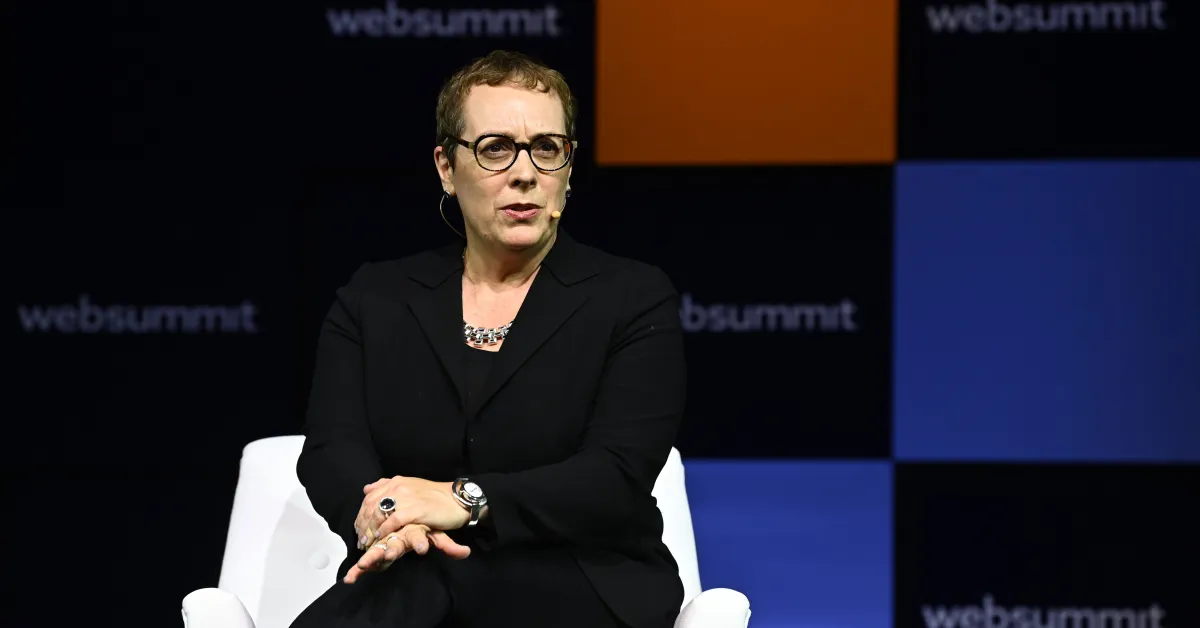
In a revealing turn of events that underscores the fraught landscape of international security, India-born scholar and former US government adviser Ashley Tellis has been arrested on charges of unlawfully possessing and sharing top secret information. This arrest, occurring amidst rising tensions within global intelligence communities, signals a potential new phase in the ongoing contest for technological and military supremacy. The case is not merely a matter of individual misconduct but a reflection of broader geopolitical struggles that are shaping the future of international power balances.

Tellis, a prominent figure who has played a significant role in negotiating the historic US-India nuclear deal, was found in possession of thousands of classified documents—including material related to U.S. military capabilities—raising alarm bells about the security of sensitive information. According to federal authorities, the FBI discovered these documents at his residence in Virginia, where he held a top-secret security clearance due to his past employment. Allegations orbiting his interactions with Chinese officials further complicate the narrative, suggesting a web of espionage that spans continents and threatens diplomatic stability. These developments come at a time when Western nations and China are engaged in a high-stakes race for technological dominance, especially in areas like artificial intelligence, military systems, and cybersecurity.

This incident sparks a broader debate among international analysts and historians about the authenticity and reliability of global alliances. According to experts at the Council on Foreign Relations, such breaches are not isolated but indicative of a new era where the transnational flow of information can destabilize long-standing diplomatic agreements. For nations like Russia and China, tension-filled espionage cases like Tellis’s serve as both warnings and opportunities—reminders that information is the most potent weapon in the modern geopolitical arsenal. Officials have promised stringent measures in prosecuting those who mishandle classified information, echoing the warnings issued by US intelligence agencies about the potential security risks involved.

The repercussions extend far beyond the United States and directly impact the global geopolitical fabric. The arrest sends a powerful message about accountability and the fragile trust between allied nations, underscoring that even high-profile intellectuals and policymakers are not immune to the relentless tides of espionage and cyber warfare. How this case will influence future intelligence-sharing agreements, especially between India and the US, remains uncertain. Yet, its significance is in how it underscores the perilous fragility of modern diplomacy where secrets are currency—more valuable than ever, but increasingly vulnerable. As international organizations and national governments recalibrate their security protocols amid these revelations, the shadow of espionage looms large over the corridors of power. The true weight of history in the making can be felt palpably, reminding the world that in this intricate game of shadows, the line between ally and adversary can shift with a single revelation.
French PM survives no-confidence vote—Europe watches as new chapter begins

France’s Political Turmoil: A Look at Yesterday’s No-Confidence Votes

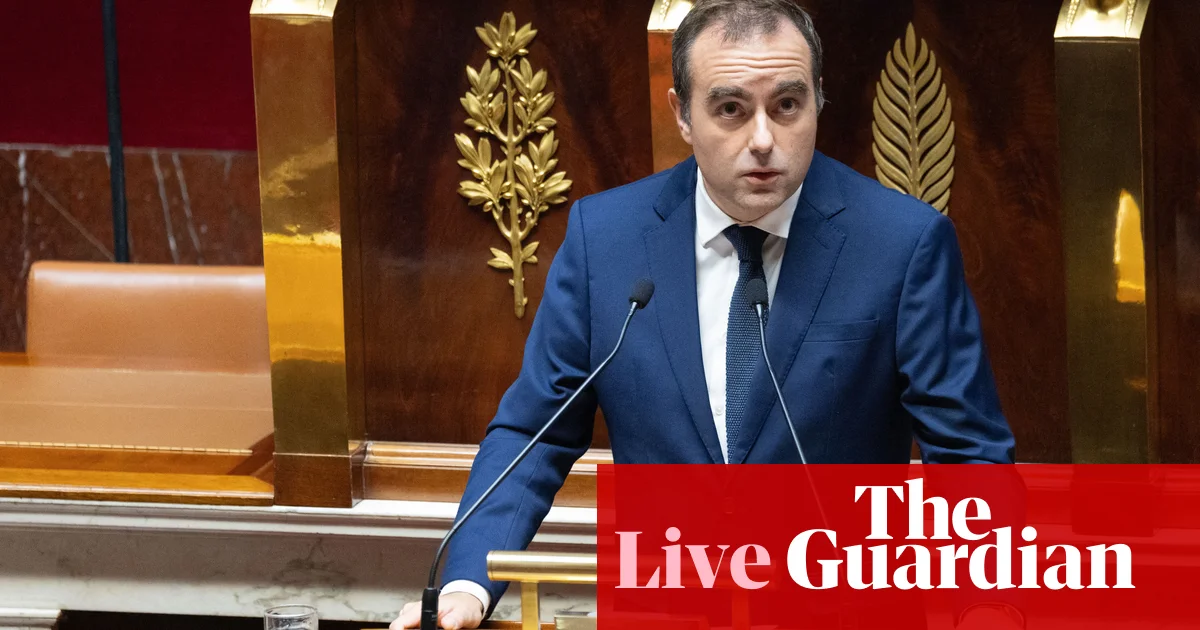
In a tumultuous turn for France, the government narrowly escaped a series of high-stakes no-confidence votes that threaten the stability of Emmanuel Macron’s leadership amid unprecedented legislative fragmentation. The recent votes in the French parliament highlighted a nation grappling with deep ideological divides and a strained economic landscape, with the veteran president’s political legacy hanging in the balance. The episode underscores geopolitical impact not just domestically but across Europe, as the continent watches a proud democracy teeter on the brink of upheaval.

Yesterday’s no-confidence votes—initiated by opposing factions—brought to light an intense confrontation between Macron’s centrist policies and the fragmented opposition bloc. A total of 271 MPs voted to topple the government, falling short of the required majority of 289. Notably, Sébastien Lecornu, Macron’s prime minister, faced potential resignation but survived narrowly after he proposed delaying a cornerstone pension reform that would raise France’s retirement age to 64. This move was a calculated attempt to buy time amid a crisis rooted in the nation’s perennial resistance to reforms that threaten the social safety net cherished by many citizens. Such decisions have profound societal consequences, affecting the collective well-being and shaping future policies that will decide the country’s direction.

Moreover, the political landscape remains fragile. The Socialist Party, despite refusing to support the no-confidence motions directly, is preparing to leverage the upcoming budget debate to push for a “Zucman tax,” a targeted levy on the ultra-rich, aiming to raise revenue from France’s most affluent—affecting a mere 0.01% of taxpayers. Analysts suggest that this reflects a broader strategy by the left to capitalize on Macron’s economic challenges, including a $30 billion squeeze involving tax reforms and social welfare adjustments. On the other flank, Marine Le Pen’s National Rally has struggled legally, with her legal challenges to electoral rules decisively rejected by France’s highest administrative court. With a conviction and subsequent ban on running for office, her capacity to lead the far-right in the 2027 presidential race remains uncertain—yet her rhetoric and support base continue to influence the political discourse, adding layers of complexity to France’s impending leadership choices.

The international ramifications of France’s internal crisis are manifold. As historians and international agencies warn, political instability in France ripples through the European Union, potentially undermining markets and amplifying regional geopolitical uncertainties. Since Macron’s controversial decision to dissolve parliament amidst the crisis, the country faces a constitutional „permacrisis“, marked by a dangerous stalemate over budget and policy reforms. Meanwhile, France’s neighbors—Poland, Estonia, Germany, and Denmark—have recorded incidents of breaches and drone activity, underscoring that the continent’s peace is increasingly fragile amidst rising tensions between NATO and Russia. This upheaval occurs at a critical juncture, as global powers navigate conflicts and alliances, with European stability vital for broader geopolitical balance.

History is watching, and the course of France’s future remains unpredictable. As political leaders scramble for control and societal factions clash over reforms and ideology, France’s destiny seems poised on a knife’s edge, as the weight of history presses upon the nation’s shoulders. In this unfolding saga, each parliamentary vote, legal decision, and policy debate not only shapes France’s future, but also echoes across a geopolitically sensitive world where the tides of democracy and authoritarianism collide—reminding us all that, in politics, as in history, the only certainty is uncertainty.

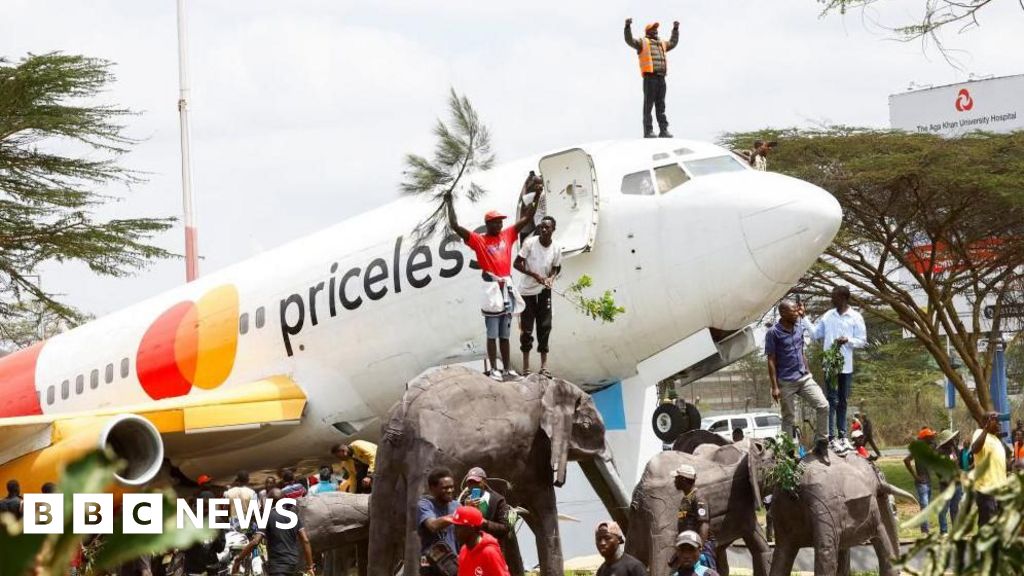
Kenyan Airport Closes as Youths Gather in Massive Welcome for Ex-PM's Body
Kenyan Airport Closes as Youths Gather in Massive Welcome for Ex-PM’s Body

In a dramatic turn that has gripped Kenya and reverberated across the African continent, the nation is currently grappling with the loss of Raila Odinga, a towering figure in Kenyan politics. His death in India at age 80, following a cardiac arrest, marks not just the end of a political era but signals an imminent shift in the nation’s political landscape. Thousands of Kenyans gathered in mourning, breaching security at Jomo Kenyatta International Airport to receive his body—a clear indication of the deep emotional and political connection Odinga commanded. Authorities had to suspend operations at the airport amidst the chaos, illustrating how his influence transcended politics, resonating with the very fabric of Kenyan society.

This unprecedented turnout underscores Odinga’s role as a unifying yet contentious figure whose politics mirror the nation’s complex identity struggles. Recognized internationally, Kenyan officials and world leaders have poured out condolences, with Indian Prime Minister Narendra Modi hailing Odinga as a “towering statesman” and “a cherished friend of India.” Such sentiments highlight his diplomatic significance and the enduring bonds between Kenya and many nations, especially in a global environment increasingly marked by geopolitical competition and shifting alliances. Back in Kenya, President William Ruto—who now inherits Odinga’s political mantle—praised him as a “beacon of courage” and the “father of our democracy.” A seven-day mourning period and a state funeral with full military honors further cement Odinga’s legacy, setting the stage for his influence to continue shaping national policies and societal outlooks.

The circumstances surrounding Odinga’s death expose the delicate internal dynamic within Kenya. Despite his repeated presidential campaigns—losing five times—his persistent opposition work made him an icon of resilience, inspiring millions and challenging entrenched political structures. The decision to move his public viewing from Parliament to Nairobi’s Moi International Sports Centre responds to the extraordinary national outpouring, indicating his widespread impact. International analysts suggest that such a response reflects Kenya’s own internal tensions—balancing tradition with the revolutionary fervor of its youthful population—while demonstrating the power of a leader who, despite setbacks, remained a symbol of hope and resistance.

As global institutions monitor this moment, the geopolitics of Africa faces a major crossroads. Odinga’s death comes at a time when Russia and China are increasingly vying for influence across the continent, while the United States seeks to sustain its strategic partnerships. His political journey embodied the struggle of balancing domestic democratic aspirations with external geopolitical pressures, a challenge faced by many emerging nations in the 21st century. What Kenyan society chooses next could serve as a bellwether for regional stability and the future of democratic governance across Africa. As history’s pages turn, the weight of Odinga’s legacy presses heavily upon the nation. His life—marked by resilience, opposition, and unyielding dedication—becomes a chapter in the unfolding narrative of a continent on the cusp of transformation. The question now is whether Kenya will forge a new path inspired by his ideals or succumb to the turbulence that has long defined its political landscape, leaving the world to wonder: who will shape the next chapter of this historic story?

US officials confirm Titan sub’s tragic implosion due to faulty engineering—youth concerns grow

OceanGate’s Titan submersible disaster has ignited a fierce debate across international corridors about the responsibilities of private firms venturing into deep-sea exploration. The implosion of Titan in June 2023, which resulted in the tragic loss of all five onboard—including OceanGate’s chief executive—has cast a stark spotlight on **faulty engineering practices** and **lukewarm regulatory oversight**. According to a recent report by the US National Transportation Safety Board (NTSB), the tragedy was not an unforeseen act of nature but a consequence of **”inadequate” engineering processes that failed to meet established safety standards**. Such findings underscore how, in the pursuit of adventure and profit, safety deficiencies are often brushed aside, with deadly consequences.“

At the core of this catastrophe lies a **daring yet dangerously flawed vision**—one where a private firm sought to capitalize on ultra-wealthy thrill-seekers paying up to $250,000 for a seat in an experimental deep-sea vessel. It was the company’s reckless disregard for adequate testing that set the stage for disaster. The NTSB’s report elucidates how OceanGate’s testing protocols were superficial at best, leaving critical structural weaknesses unaddressed and the vessel unfit to withstand the immense pressures of the North Atlantic’s depths. This failure to ensure safety not only endangered lives but highlighted a broader systemic issue—how the lack of stringent regulation allows profit-driven entities to gamble with human lives under the guise of exploration.

The **geopolitical impact** of this incident extends beyond the oceanic depths. It raises urgent questions about the regulation of commercial deep-sea operations—a sector increasingly driven by private enterprise and ambitious billionaires’ projects. Analysts warn that such failures threaten to erode public trust and could result in international calls for tighter oversight. International organizations and regional governments are watching closely—fearful of a domino effect that might embolden similar risky endeavors across other frontier zones such as space or uncharted territories. Furthermore, the incident underscores how the decision to prioritize profits over safety can undermine the diplomatic stature of nations hosting or regulating such activities. Several experts, including maritime safety authorities and historians of exploration, emphasize that this tragedy is a stark reminder of the perils of deregulating high-stakes ventures.

In the wake of the investigation, revelations of **internal culture and alleged corruption** at OceanGate have raised alarms about the nature of private sector involvement in hazardous exploration. The NTSB’s findings reveal that some internal employees voiced concerns over **”safety being ignored”** and even criticized the *business model*, which involved **accepting paying clients as “mission specialists,”** contrary to US safety regulations that prohibit transporting passengers in experimental vessels. Disturbingly, accounts describe how OceanGate’s leadership, including Stockton Rush, allegedly dismissed these warnings, with reports suggesting attempts to manipulate oversight through corrupt political influence—an issue that many analysts argue highlights the risks of privatized exploration operating outside the bounds of strict governance.

As history unfolds, it becomes clear that the maritime tragedy involving Titan is emblematic of a broader shift in how nations and societies negotiate the boundaries of exploration and commerce. While mankind’s quest for discovery is integral to progress, it must not be unchecked. The sinking of Titan, and the subsequent revelations, serve as a grim warning **that unchecked greed and lax regulation** can turn daring ambitions into existential dangers. In the face of this deadly lesson, international institutions and governments are increasingly called upon to assert control—integrating strict safety standards with accountability—to ensure that the wave of exploration does not drown mankind in its wake. As the oceans remain veiled in mystery, the danger now is that history’s ongoing struggle with tragic hubris may repeat itself, leaving future generations to ponder whether we learned enough from the depths’ darkest secrets.

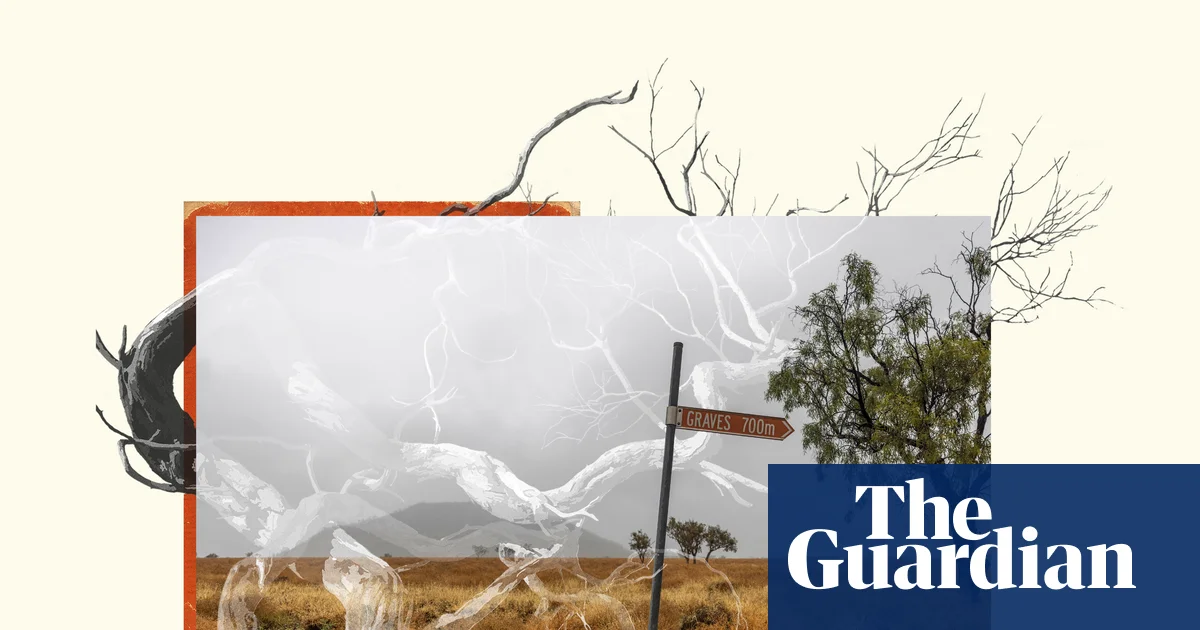
From The Descendants to Gina: Guardian Australia Leads Walkley Nominations in Youth-Focused Awards

In an era marked by geopolitical upheavals and complex international conflicts, the significance of investigative journalism continues to grow—serving as a vital check against abuses of power and informing societies navigating turbulent shifts. Recently, Guardian Australia demonstrated its commitment to this critical pursuit by earning four nominations at the 70th annual Walkley Awards for excellence in journalism, highlighting a broader global trend where fearless reporting is increasingly essential. These nominations, particularly in categories exploring Indigenous affairs, prison conditions, and economic influence, underscore the vital role media plays in exposing uncomfortable truths that challenge official narratives and hold governments and corporations accountable.

Among the distinguished entries was The Descendants project, a multi-part series examining Australia’s dark history from both sides of its frontier, built on the foundations of their 2019 award-winning work The Killing Times. Led by Lorena Allam, a former Editor of Indigenous Affairs now a professor at UTS, the series used innovative data visuals and interactive storytelling to probe the deeply personal and often traumatic process of truth-telling. Such initiatives shine a spotlight on how historical injustices and contemporary policies intertwine, affecting both indigenous populations and national identity. Analysts at the Australian Strategic Policy Institute note that this form of journalism not only informs but also shapes national discourse—potentially steering policy reforms or sparking public dialogue on reconciliation.

Similarly, the series Fatal Inaction exposed a tragic pattern of neglect within Australia’s prison system, where 57 inmates have died by hanging in 19 facilities despite clear warnings and repeated recommendations for reforms stemming from the 1991 royal commission into Aboriginal deaths in custody. Crisis investigations led by Christopher Knaus and Ariel Bogle reveal that authorities knew about these hanging points yet failed to act, reflecting broader systemic failures. Such revelations come at a precarious time when global human rights organizations emphasize the importance of prison reform and accountability, with the United Nations warning that neglect and inaction in detention facilities often catalyze social unrest and undermine rule of law.

The reach of Guardian Australia’s investigative efforts extends even into realms of economic influence, illustrated by their nomination in the podcast category for Gina: Power, Privilege and Influence. The series, explored by senior journalist Sarah Martin, dissected the life and ambitions of Australia’s wealthiest individual, Gina Rinehart. Analytically, this narrative reveals the powerful role elite economic actors play within national and global markets, and how their influence might tilt policy decisions in favor of corporate interests over societal wellbeing. Echoing concerns expressed by international economists, such as those at the International Monetary Fund, these stories underscore how concentrated wealth can accelerate inequalities and destabilize democratic institutions if left unchecked.

As the global landscape continues to shift with the ongoing U.S.-China rivalry, Russia’s military endeavors, and regional conflicts in the Middle East and elsewhere, the impact of investigative journalism cannot be overstated. Historians like Timothy Snyder warn that without vigilant scrutiny, authoritarian tendencies may flourish under the guise of stability, eroding liberties and fostering societal divisions. International organizations such as the United Nations stress that the free press is the backbone of resilient democracies, especially in times of crisis. Guardian Australia’s recognition serves as a reminder that, even amid the chaos and uncertainty, the beacon of truth-telling remains a profound weapon—one capable of shaping history’s course, for better or worse. The coming months will reveal whether these journalistic standouts will inspire change, or if the forces opposing transparency will silence these stories—and thus, the truth—once again. Until then, the weight of history presses on, reminding us that the fight for accountability and justice is as urgent as ever, echoing through the corridors of power and into the consciousness of future generations.

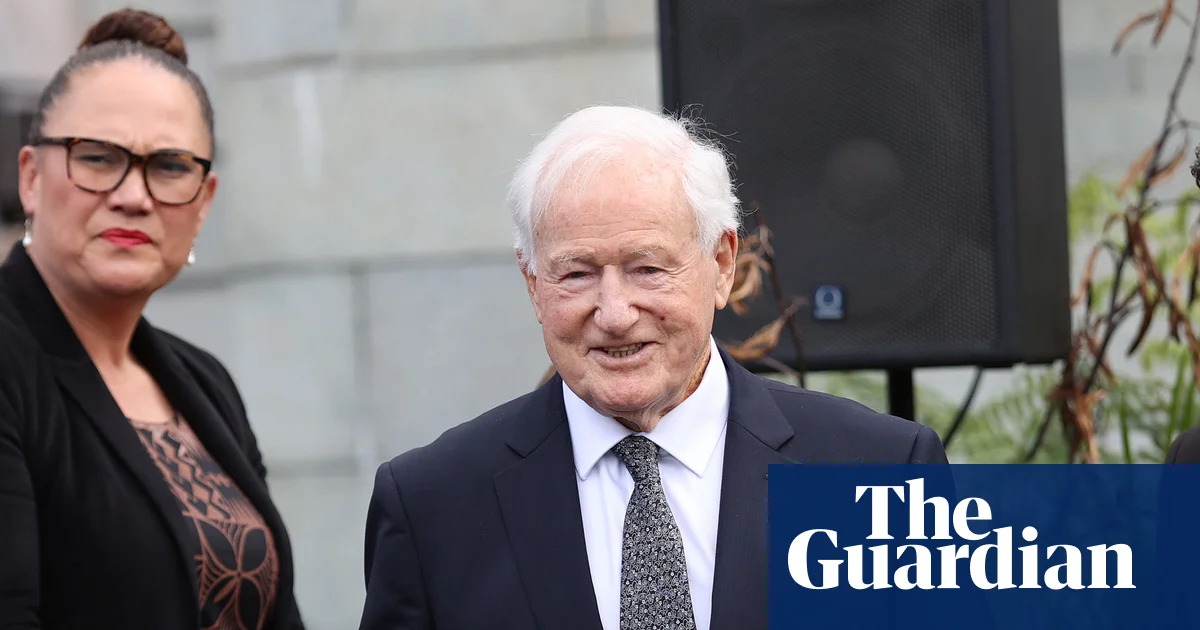
Jim Bolger, Kiwi PM Who Bridged Gaps with Māori, Dies at 90

Global Reflections on the Passing of Jim Bolger: A Legacy of Reconciliation and Economic Controversy

The international landscape mourns the loss of Jim Bolger, a prominent New Zealand statesman whose tenure as prime minister from 1990 to 1997 marked a complex era of reform, reconciliation, and ideological shift. Bolger’s death at 90, surrounded by family, signals the end of an influential chapter in Oceania’s political history, yet the debate surrounding his legacy persists, resonating across global geopolitical and economic corridors. His contributions reflect the persistent tension within nations striving to balance social justice with economic liberalization, raising questions about the long-term impact of such policies on societies worldwide.

Behind the scenes of Bolger’s political career lies a narrative of both pragmatic reconciliation and aggressive neoliberal reforms. His government’s implementation of the *“mother of all budgets”* in 1991, orchestrated by his finance minister, Ruth Richardson, epitomized a radical push toward *deregulation and austerity*. These measures drastically cut welfare and health spending, igniting intense public backlash that nearly cost Bolger’s government re-election. Yet, this stance was consistent with the broader trend in Western nations at the time, driven by a wave of neoliberal dogma championed by international bodies like the International Monetary Fund and World Bank. Analysts warn that such policies prioritized fiscal austerity over social cohesion, often exacerbating inequality — a concern Bolger would later acknowledge, criticizing neoliberalism’s failure to generate sustainable growth and its skewed benefits toward the elite.

The *geopolitical impact* of Bolger’s leadership extended beyond economic policy; it significantly influenced New Zealand’s cultural reconciliation efforts with Māori tribes through the *treaty settlement process*. Bolger’s government was pivotal in concluding the first settlements aimed at addressing breaches of the *Treaty of Waitangi*, setting a precedent that altered how post-colonial states navigate historic injustices. His open recognition of Māori grievances and innovative approach to redress helped modernize reconciliation, earning praise from Māori leaders such as Tukoroirangi Morgan, who called Bolger’s efforts “unsurpassed.” This move towards ‘historical justice’ highlighted a broader international shift, where post-colonial nations grappled with their pasts, often balancing sovereignty with social healing. Yet, critics argue these settlements face future challenges, risking political polarization and societal divides, especially as demographic and cultural landscapes evolve.

Meanwhile, Bolger’s political career encapsulates the philosophical divide fueling global debate. A committed republican, he famously declined a knighthood, opting instead for the *Order of New Zealand*, a symbol of his principled stance against monarchical symbolism. His legacy raises questions about national identity and sovereignty, reverberating in current debates across the Anglosphere surrounding republicanism versus constitutional monarchy. Moreover, Bolger’s disavowal of neoliberalism in his later years underscores a *turning point* that many international analysts interpret as a sign of the failures inherent in unrestrained free-market policies. His acknowledgment of inequality’s pervasiveness indicates a society increasingly conscious of the social costs of economic liberalization, echoing similar debates taking place around the world, from the United States to Western Europe.

As the world watches, Bolger’s passing leaves a profound imprint on history’s tapestry—a reminder that leadership is a constant negotiation of complex moral, economic, and cultural forces. His journey from austerity to reconciliation reflects a broader narrative of nations striving to forge identities amid conflicting influences. With history still unfolding, the echoes of his choices—both celebrated and criticized—serve as a stark reminder: no society can escape without bearing the weight of its past, and every decision today shapes the global landscape of justice, prosperity, and sovereignty tomorrow.

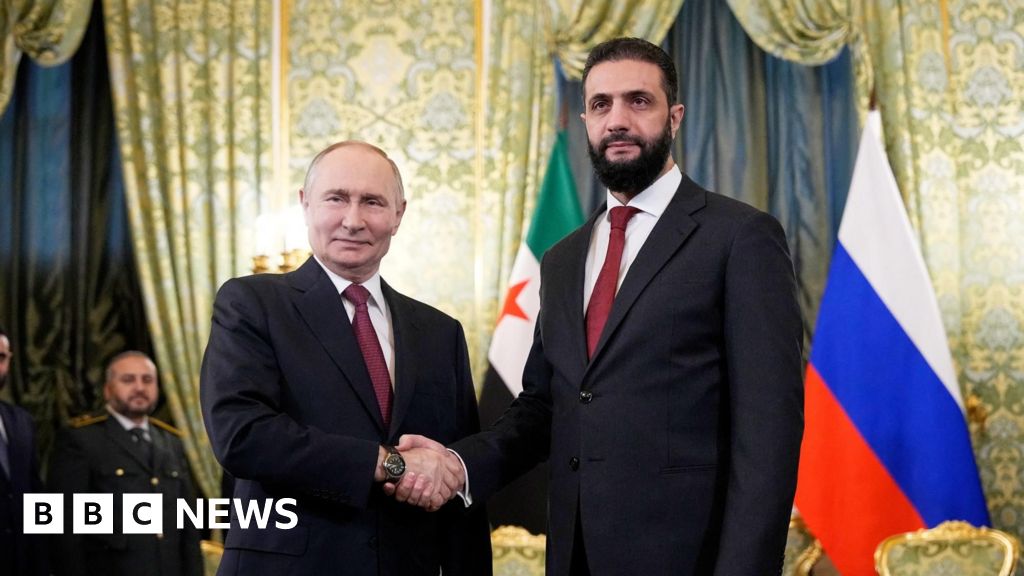
Sharaa Meets Putin in Moscow: First Contact Since Assad’s Fall

In a remarkable shift of alliances and perceptions, Syria’s interim President, Ahmed al-Sharaa, recently held his first high-level talks with President Vladimir Putin in Moscow, signaling an unprecedented thaw in longstanding enmity. Once firmly embroiled on opposite sides of Syria’s brutal civil war, both leaders demonstrated that pragmatic interests now overshadow ideological divides. Putin’s reference to their “special relationship” underscores an emerging geopolitical calculus wherein regional stability and strategic access take precedence over past allegiances. Such a diplomatic overture hints at a broader recalibration of Middle Eastern alliances, with Moscow seeking to cement its influence even as some Western powers question the legitimacy of Assad’s exiled regime.

The meeting in Moscow highlights a significant realignment where former enemies now seek common ground. Last year, Bashar al-Assad was ousted from power after years of brutal repression, supported by Western sanctions and military backing from regional actors. Yet, in a surprising turn, the Syrian leadership appears receptive to partnering once more with Russia, a key guarantor of regime survival, primarily through access to strategic military bases at Tartous and Hmeimim. Analysts see this as a calculated move by Damascus to leverage Russia’s military prowess and economic resources for sovereignty preservation. Sharaa’s commitment to allowing Russia continued military access reflects a tacit acknowledgment that without Moscow’s support, Syria’s stability remains fragile, vulnerable to future geopolitical upheavals.

Despite the seemingly cordial tone, the deep-rooted tensions of history linger beneath the surface. Russia’s decision to grant asylum to Assad, accompanied by Lavrov’s candid admission that Assad and his family faced “the risk of physical elimination,” demonstrates the complex layers of geopolitics at play. Russia’s strategic interests extend beyond mere military presence; they encompass economic investments, diplomatic influence, and the prevention of regime collapse that could destabilize the entire region. Meanwhile, Sharaa’s expressed desire to restore Syria’s relations with the world, especially with Russia, underscores an intent to secure vital international support for rebuilding Syria’s battered economy and maintaining territorial integrity. However, international organizations and foreign policy analysts warn that such alliances might entrench authoritarian rule and delay the quest for genuine democratization in the country.

The geopolitical impact of this renewed partnership extends far beyond Syria’s borders. A Russia-Syria alliance shifts the regional power dynamics, challenging Western influence and complicating efforts by entities like the US and the European Union to shape the future of the Middle East. For Moscow, maintaining its foothold in the Mediterranean through Syria is a strategic priority, reinforcing its global ambition to project power in areas once dominated by Western influence. Conversely, Syria’s push to redefine its sovereignty by seeking aid from Russia raises critical questions about the future of international diplomacy, sovereignty, and the limits of Western-led democracy promotion. The delicate balance between cooperation and dependence is now at the crux of regional stability, with echoes felt across neighboring nations and global power centers.

As the corridors of power continue to turn and history writes new chapters, the global community watches with bated breath. Will this pragmatic alliance forge a durable peace or sow the seeds for future conflicts? The answers remain mired in shadows of geopolitics and the relentless pursuit of national interest—an unfolding drama that will define the region’s destiny long after today’s headlines fade into history’s archives. The world stands on the precipice of a new chapter, where alliances are rewritten and the true cost of power is measured not just in treaties, but in centuries to come.

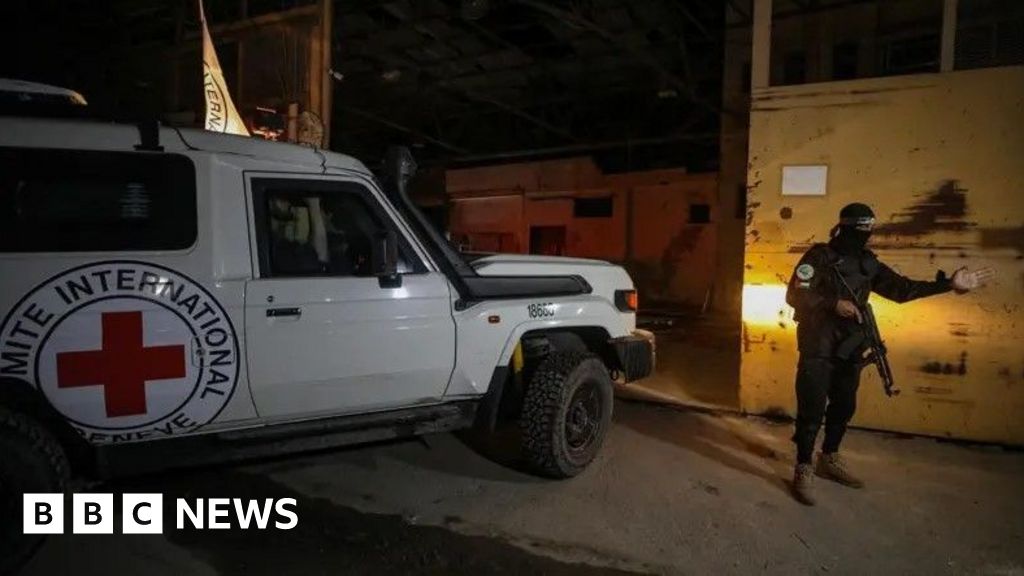
Hamas hands over two bodies amid ongoing hold on remaining hostages

The recent developments in Gaza highlight a fragile and complex geopolitical landscape that continues to threaten regional stability. Following the US-brokered ceasefire agreement, Hamas claims to have handed over the bodies of two additional Israeli hostages, yet the group’s armed wing emphasizes that full recovery of all deceased remains a formidable challenge requiring specialized equipment and sustained effort. Meanwhile, Israel maintains a stern stance, insisting that the mission is incomplete until all hostages are returned—a position that underscores the relentless cycle of tension and mistrust defining the conflict. The handling of these remains, intertwined with the broader ceasefire accord, signals that the path toward lasting peace remains fraught with uncertainty.

International reactions reflect a delicate balancing act between diplomacy and military readiness. US President Donald Trump has warned that if Hamas fails to uphold the ceasefire, Israeli forces could resume hostilities. Notably, US advisors overseeing the peace plan assert that Hamas is acting in good faith by releasing live hostages and cooperating with international efforts, though the reconciliation of remaining bodies still demands intense operations. These decisions are crucial; as analysts caution, any perceived breach of trust could reignite violence, potentially plunging the region into broader conflict. The geopolitical impact of this diplomacy is profound: the peace plan hinges on the fragile cooperation of factions and the global community’s resolve to prevent catastrophe.

Amidst these tensions, the humanitarian situation in Gaza becomes more desperate. UN humanitarian chief Tom Fletcher has called for the immediate opening of border crossings to deliver essential aid, warning that withholding assistance risks irreversible suffering. Local traders and residents report surging food prices and hoarding, driven by fears of renewed warfare, revealing a society on edge. The conflict’s long-term consequences threaten to destabilize societal foundations, fostering environments where fear and scarcity dominate. At the same time, international leaders remain focused on “de-confliction” strategies—creating safe zones and ensuring aid flows—always aware that these measures are temporary fixes amidst a larger, unresolved geopolitical crisis.

Forecasts from various international organizations and historical analysts suggest that the current ceasefire, while momentarily halting violence, is merely a pause in an ongoing conflict defined by deep-rooted grievances and strategic calculations. Previous attempts at peace have repeatedly unraveled, and the current pause challenges the very foundation of international diplomacy in the Middle East. As the world watches with bated breath, the destiny of Gaza and the broader region hangs precariously in balance. The unfolding narrative of conflict, negotiation, and tension not only reshapes local societies but also influences global power dynamics—reminding history’s witnesses that, oftentimes, peace negotiations are merely brief respites before the storm’s inevitable return.

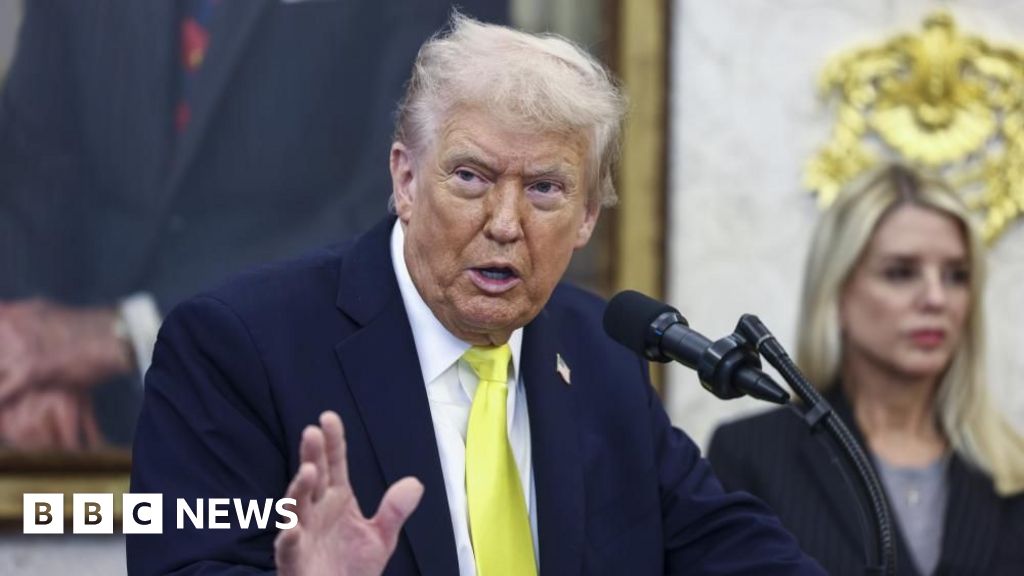
Trump Affirms Authorization of CIA Operations in Venezuela

The United States has taken a dramatic shift in its policy towards Venezuela, confirming that it has authorized the CIA to engage in covert operations within the South American nation. This move, announced by President Donald Trump, signals an escalation in the ongoing struggle for influence and control over Venezuela’s vast natural resources and strategic position. The US’s increased military posture, which includes deploying eight warships, a nuclear submarine, and fighter jets to the Caribbean, underscores a broader aim to counter what Washington perceives as illicit activities, namely drug trafficking and potential regime destabilization.

The US leadership openly admits to considering *further strikes* on suspected drug-carrying vessels, with recent operations killing 27 individuals in what critics have labeled *extrajudicial executions*. These strikes exemplify a hawkish approach in American foreign policy, driven by the desire to disrupt regional black markets linked to the so-called *Cartel of the Suns*—allegedly comprising high-ranking Venezuelan military figures. While the US administration claims that these actions are justified by concerns over drug trafficking and illegal immigration, critics from the United Nations and international human rights organizations argue that such operations undermine international law and threaten regional stability. The ideological divide deepens as Caracas responds with military exercises, mobilizing the country’s military, police, and civilian militias in a show of defiance against what it considers US interference.

Analysts point out that this escalation is emblematic of the larger geopolitical tug-of-war between the US and Russia and China—who have historically backed Venezuela’s government. While the US aims to dislodge Maduro’s regime, perceived by Washington as illegitimate following disputed elections, Caracas maintains that such actions are part of a broader conspiracy to *plunder its rich oil reserves*. The Venezuelan leadership has issued stark warnings, mobilizing its military and civilians to defend the nation and rallying the population by invoking the legacy of liberation hero Simón Bolívar. “Let no aggressor dare” resounds through official channels, underscoring how deeply entrenched the conflict is within the national consciousness.

According to respected international organizations and foreign policy experts, these developments could have profound long-term effects on regional stability and global energy markets. The US perceives Venezuela’s oil wealth as a prize worth fighting for, and its actions risk igniting broader conflicts in Latin America. Historian and geopolitical analyst John Smith warns that this renewed brinkmanship echoes Cold War-era interventions, which often resulted in protracted instability and humanitarian crises. As Maduro and his supporters dig in, the world faces a pivotal moment—one that could redefine the future of the Americas and challenge the rules-based international order itself. As history continues to unfold, the weight of these decisions will echo through generations, with the very fabric of sovereignty and international law hanging in the balance.

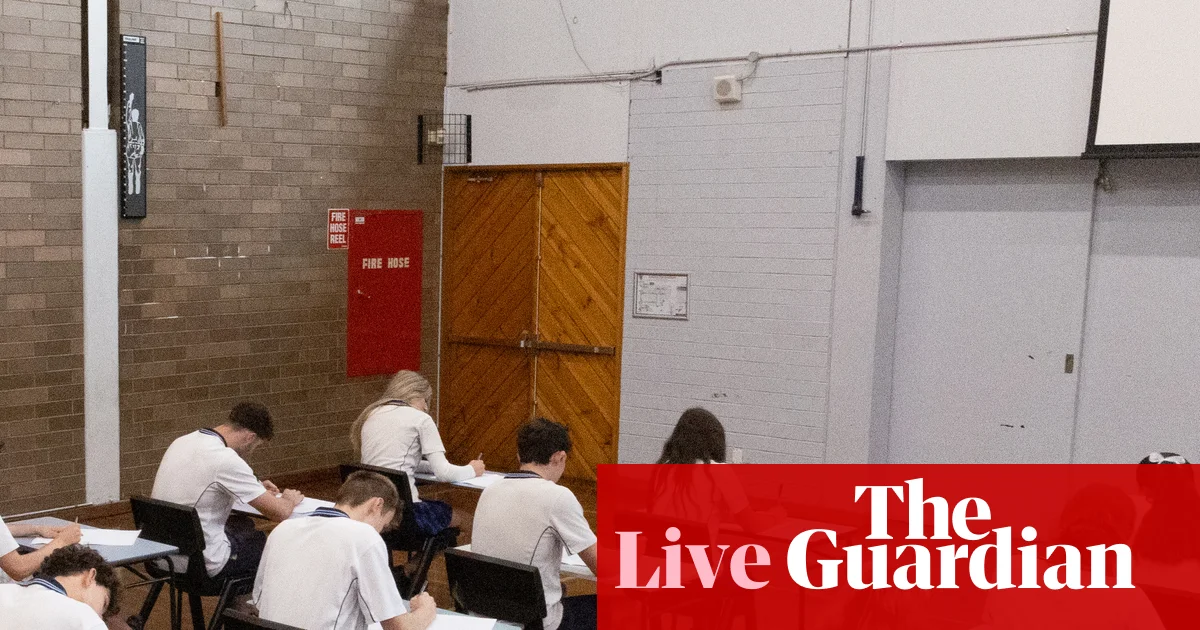
Australia News Live: HSC Exams Kick Off in NSW, ADF Falls Into Incident Near Townsville

In an era marked by rapid international shifts and strategic realignments, strong nations and alliances are navigating transformations that will influence global stability for decades to come. The recent enthusiasm surrounding AU-KUS—a trilateral security pact between Australia, the United States, and United Kingdom—symbolizes a new chapter in the international order. According to defense analysts, this alliance aims to counterbalance China’s expanding military reach and assertive regional presence, particularly in the Indo-Pacific. This move underscores a profound strategic shift, forging a collective front that seeks to secure economic and military dominance in an increasingly contested region.

  • The US is demonstrating unprecedented enthusiasm for AU-KUS, with Pat Conroy, the defense industry minister, highlighting the “hugely encouraging” support from congressional leaders. This solidifies the alliance’s significance on the diplomatic front, as each nation seeks to safeguard their interests amid rising geopolitical tensions.
  • Simultaneously, Australia is bolstering its defense capabilities with the deployment of advanced submarine technology, reflecting a broader push by regional powers to strengthen deterrence against external threats. Such military advancements, however, carry the risk of escalating regional arms races, impacting the security landscape of the Indo-Pacific.

Parallel to these military developments, global finance and security are witnessing a crackdown that signals a shift towards greater control. Australian authorities, led by Tony Burke, announced sweeping reforms targeting cryptocurrency ATMs—a vital tool used for illicit activities such as money laundering and terrorism financing. With Australia hosting the third-largest number of crypto ATMs worldwide, the government’s move to empower Austrac with expanded oversight aims to curtail criminal misuse of digital currencies. This policy shift exemplifies how nations are increasingly viewing financial regulation as a tool to reinforce national security—an approach that might spark similar actions worldwide.

However, the economic implications are stark: despite a 3.2% growth in household income from 2023 to 2024, many Australians remain under financial strain. Recent research from the Australian Institute of Health and Welfare reveals that approximately 1.26 million low-income households face housing stress, underscoring the widening gap between economic growth and societal well-being. This divergence signals that national prosperity is concentrated among the wealthiest, while the young and vulnerable struggle under mounting economic pressures—a trend that could fuel unrest and reshape domestic politics in the coming years.

As history continues to unfold, these developments reveal a complex tableau: the forging of international alliances designed to shape a new power dynamic, coupled with domestic reforms aimed at controlling emerging threats and addressing societal inequities. It is in this crucible of change that the future of geopolitics will be forged—an epoch where strategic decisions made today will echo through the corridors of history, defining the fate of nations and societies for generations to come.

Social Media Auto Publish Powered By : XYZScripts.com