Matox News

Truth Over Trends, always!

El-Fasher faces crisis amid war crimes and looming food shortages

International Spotlight on Sudan’s Devastating Civil Conflict

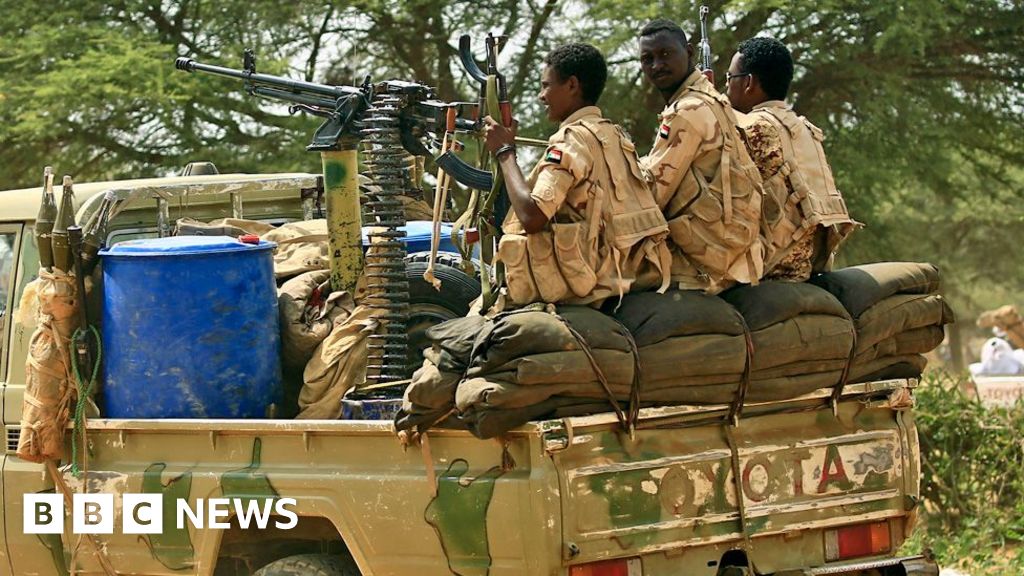
The recent escalation of conflict in Sudan has plunged the nation into its most severe crisis since the civil war erupted in April 2023. Satellite imagery and independent investigations reveal a disturbing pattern of war crimes committed by the Rapid Support Forces (RSF), a paramilitary faction with roots in the notorious Janjaweed militia. According to a research team from Yale University, the RSF has deliberately targeted civilians in the city of el-Fasher, an act against international humanitarian law that merits designation as war crimes. The city’s strategic position—surrounded by a 57-kilometer earthen wall completed by the RSF—has effectively cut off aid and escape routes, trapping an estimated 300,000 residents in what is fast becoming a death trap.

The international community’s response has been largely muted, with many analysts lamenting the absence of decisive action. Satellite images from Maxar Technologies depict the horrifying scale of civilian casualties, with over 60 new burial mounds established in the Daraja Oula neighborhood just within two weeks, signaling mass killing and unrelenting violence. The foundations of the conflict extend beyond mere civil unrest, revealing an evolving pattern of atrocities that threaten to constitute crimes against humanity. Historians and human rights experts warn that these acts of indiscriminate bombardment—targeting mosques, markets, hospitals, and shelters—are not only morally deplorable but also mark a dangerous slide towards lawlessness and chaos.

How Geopolitical Impact Shapes the Future of Africa and Global Stability

The geopolitical impact of this conflict reaches far beyond Sudan’s borders. The current chaos threatens regional stability, especially as it intersects with longstanding ethnic tensions and the lingering shadows of colonialism. Countries such as Egypt and Chad have vested interests in Sudan’s future, while the unrest fuels destabilization that could spill over into neighboring nations. The U.N. and African Union face mounting pressure to intervene, yet international efforts have been hampered by a lack of unified action and persistent diplomatic paralysis.

Globally, the crisis underscores the dangerous consequences of failing to address internal conflicts early. The tide of violence can easily morph into a regional proxy battleground, especially if external powers pursue conflicting interests. Analysts from organizations like the International Crisis Group warn that unless urgent diplomatic measures are enacted—such as ceasefire negotiations and humanitarian corridors—the violence could escalate toward a chaotic deconstruction of Sudanese society. The ongoing destruction of infrastructure and mass casualties threaten to undo decades of fragile regional stability, casting a long shadow over future peace and security in the Horn of Africa.

Humanitarian Catastrophe and the Lessons of History

As the conflict intensifies, humanitarian organizations report that aid efforts are virtually nonexistent. The survivors, confined to shrinking zones of last refuge—mosques, hospitals, and markets—are suffering from severe shortages of food, water, and medical supplies. Satellite imagery depicts horrific destruction, with “burn scars” on key buildings and evidence that civilians inside targeted structures have been burned alive. The research from Yale highlights that more than 174 people have been killed in recent attacks, with many more wounded in what experts label as acts that rise to the level of war crimes.

This unfolding tragedy echoes the darkest chapters of 20th-century conflicts where international inaction allowed atrocities to flourish unchecked. The failure of global powers to intervene decisively now risks permanently damaging Sudan’s social fabric and heritage. The warning signs are clear: without immediate intervention, this conflict could mark the beginning of a new era of regional destabilization and human suffering, leaving a scar on history that will be remembered as a preventable catastrophe.

As the world watches, the weight of history presses heavily upon the conscience of nations. The question remains—will this be a turning point toward justice and reconciliation, or another stark reminder of humanity’s failure to prevent genocide in the modern age? The answer lies in the decisions made today, decisions that will either condemn a nation to oblivion or forge its path toward a fragile peace, amidst the shadows of a conflict that still rages, unseen and unrelenting. Time is running out, and the pages of history are waiting to record whether this crisis will be a testament to collective failure or the catalyst for renewed resolve.
Gaza Experts Fight to Identify 90 Palestinians Returned by Israel

International Tensions Escalate as Gaza Ceasefire Yields Humanitarian Dilemmas

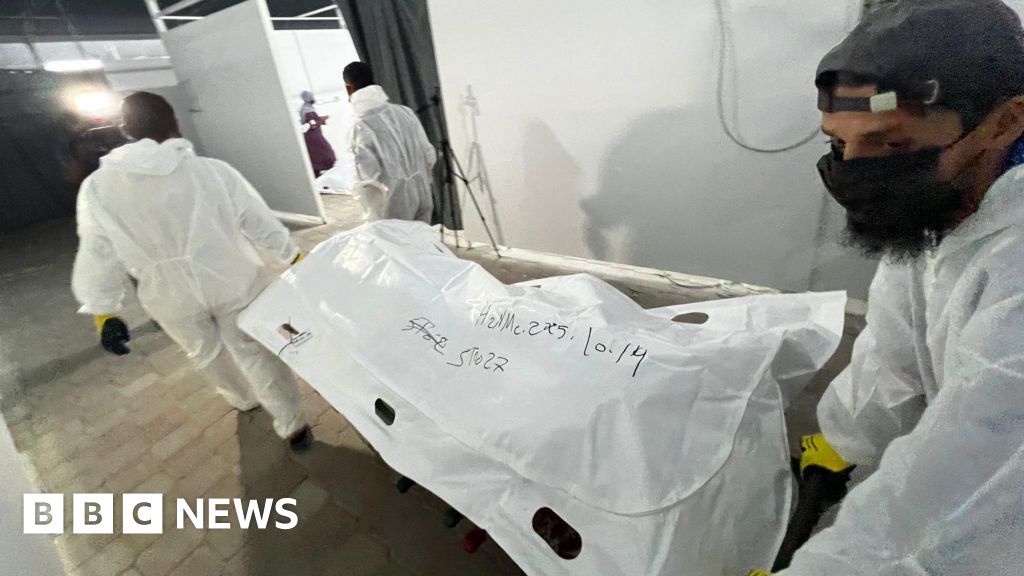
The recent ceasefire agreement between Israel and Hamas has temporarily halted some hostilities, yet the underlying tensions continue to ripple across the region. Under this fragile accord, Israel has committed to returning the remains of 15 Palestinians for every deceased Israeli hostage, a promise that holds immense symbolic and geopolitical weight amidst ongoing violence. So far, the Israeli military has announced the return of six Israeli hostages’ remains, alongside the bodies of two other individuals, including a Nepalese hostage, signaling a tentative step toward some form of stabilization. However, the practical implementation of this pledge faces numerous challenges, most notably the identification of human remains and the profound emotional toll it exacts on families caught in limbo.

Bodies in Limbo and the Impact on Social and Political Dynamics

  • Bodies of 90 Palestinians handed over at Nasser hospital in Gaza remain unconfirmed in identity, with officials working to match remains with families amid reports of bodies stored in refrigerators awaiting identification.
  • Palestinian families, like Rasmieh Qdeih, continue to search desperately for loved ones presumed dead or missing since the start of hostilities when Hamas launched a surprise attack on southern Israel, leading to the death of approximately 1,200 Israelis and the capture of hostages.
  • The Israeli authorities have pledged cooperation with international agencies such as the International Committee of the Red Cross (ICRC), yet the ambiguity surrounding the status of captured or deceased individuals fuels widespread grief and political uncertainty.

Distinguished international analysts, including geopolitical experts and historians, have warned that these unresolved human tragedies only deepen the moral and political crises in the region, complicating diplomatic efforts and affecting societal morale on both sides. The identification dilemma is more than bureaucratic—it represents a crucial turning point in how nations confront their collective past and their future, with some warning that failure to clarify these human costs could ignite further unrest.

The Broader Geopolitical Impact

The ongoing struggle over human remains underscores the war’s broader geopolitical impact. As Gaza struggles with a humanitarian crisis of staggering proportions—67,938 confirmed deaths and reporting that runs parallel to escalating international criticism—the region’s instability influences global alliances. Israel‘s military actions, compounded by international calls for accountability and ceasefire agreements, have drawn sharp scrutiny from organizations like the UN. Yet, Hamas and Gaza residents face the harsh reality that their suffering is often minimized or politicized among global powers seeking strategic advantage.

Renowned analysts argue that how international players handle these human tragedies will shape the future balance of regional power, with some warning that a failure to address these issues humanely could lead to a new cycle of conflict. The deepening rifts—between Israel and the Palestinian territories, and among regional neighbors—are fueled not only by territorial disputes but by the unresolved trauma of families like Qdeih’s, whose hopes for answers remain shattered amid the chaos of war.

Conclusion: The Unfolding Chapter of History

As the international community watches with bated breath, the weight of history continues to press upon Gaza, Israel, and the wider Middle East. The very act of returning bodies is emblematic of a fragile hope for justice amid enduring chaos. Yet, beneath the surface, questions loom larger than the immediate ceasefire—about truth, reconciliation, and the possibility of lasting peace in a region fractured by decades of conflict. In the shadows of Nasser hospital, families await their fates, bearing silent witness to the harsh realities of war’s aftermath. How this story ends remains unwritten, but the pages of history are being inscribed now, with each body returned, each family searching, and each leader navigating the treacherous path toward peace or further division. The world must grapple with whether justice will be served or merely postponed, while the silent echoes of the fallen remind us that history’s pen has yet to finish writing this chapter in human suffering.

Returned Palestinian prisoner finds family safe at home

Palestinian Prisoner’s Unexpected Reunion: A Human Face to a Broader Conflict

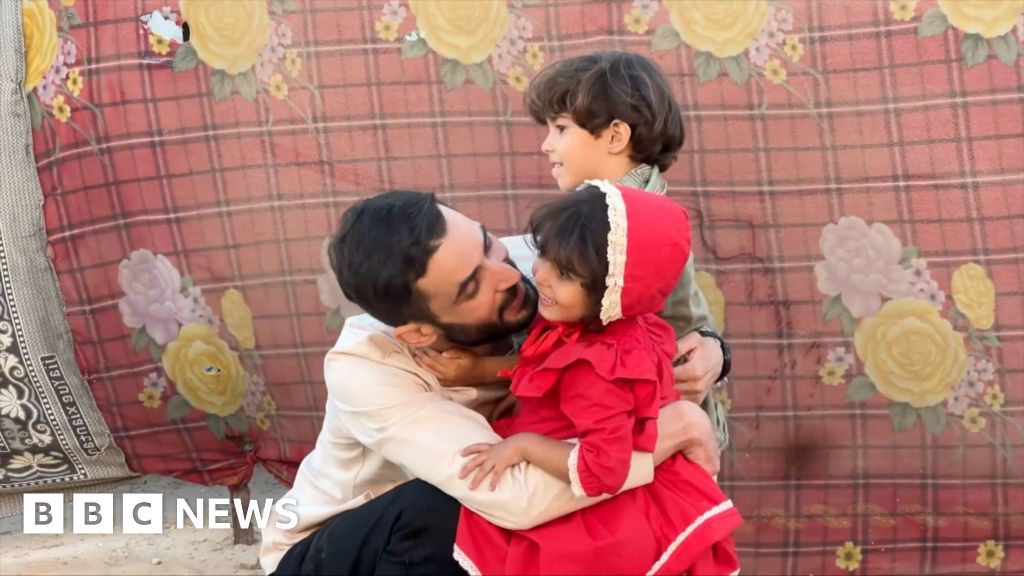
The recent release and reunion of Shadi Abu Sido with his family after 20 months of imprisonment in Israel has cast a rare spotlight on the ongoing Israeli-Palestinian conflict. Abu Sido was among nearly 2,000 prisoners exchanged under the US-brokered ceasefire agreement, which aims to de-escalate tensions and foster dialogue amidst a crisis that has once again, demonstrated the fragile nature of peace efforts in the region.

What deeply underscores the complexities of modern geopolitics was Abu Sido’s recounting of being told by an Israeli prison officer that his family had been killed and his home bombed—a stark reminder of the psychological toll inflicted by decades of conflict. Despite official statements from Israel’s prison service claiming operations within legal frameworks, this incident, whether factual or not, underscores the public perception of mistrust and the potential for misunderstandings and misinformation during times of intense political upheaval.

The Broader Impact: How Individual Stories Reflect Global Power Dynamics

This personal story is emblematic of the larger geopolitical impact on the Palestinian territories and the surrounding regional ecosystem. The exchange of prisoners is often portrayed as a symbolic step toward peace; however, as analysts like Dr. Richard Falk have observed, these actions can be double-edged, forging short-term relief but often masking underlying issues—territorial disputes, sovereignty, and security concerns — that continue to fuel conflict cycles. The diplomatic maneuvering by United States and regional powers exemplifies the intricate web of alliances and strategic interests that define current Middle East geopolitics.

For many in the international community, especially within Western nations, these exchanges are seen as pragmatic steps, yet critics argue they merely serve to paper over deeper societal grievances. The recent peace talks and prisoner swaps highlight how international institutions are often caught balancing moral ambitions with strategic realities. The ongoing tension underscores the importance of nuanced understanding; underlying societal rifts, economic hardship, and regional influence continue to threaten fragile ceasefires and peace accords.

The Future: Uncertainty and the Role of Global Stakeholders

The unfolding situation remains precarious, with history’s watchful eyes on the Middle East. The incident involving Abu Sido’s false report demonstrates how misinformation can exacerbate tensions, feeding into the cycle of violence that has persisted for generations. Meanwhile, international organizations like the United Nations and EU continue to advocate for diplomatic solutions, yet their influence often appears limited in the face of entrenched national interests and regional rivalries.

The region’s future hinges on the ability of global powers to foster genuine reconciliation rather than superficial gestures. As historians like Noam Chomsky warn, meddling and strategic interests have historically sustained conflict, and only through sustained, sincere engagement can peace take hold. The recent prisoner exchange, with its fleeting moments of hope, ultimately leaves the world with a stark reminder: the history of Middle Eastern conflict is still being written, and each chapter leaves an indelible mark on the world stage. The weight of history presses heavily on today’s decisions, shaping the geopolitical landscape for generations yet to come.

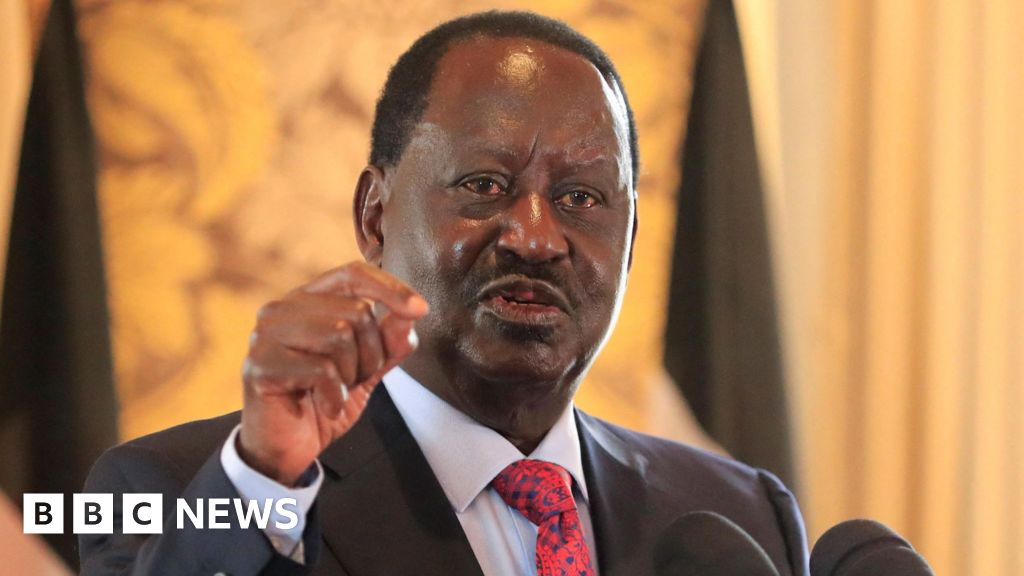
Kenyan Opposition Leader Don Clarked at 80, Sparks Calls for Change

In an event that marks a significant turning point for Kenya and its geopolitical landscape, the death of Raila Odinga, aged 80, signals the end of an era defined by resilient leadership and relentless struggle for democracy. Odinga, once a formidable opposition figure and a symbol of resistance against authoritarianism, succumbed to a cardiac arrest in a hospital in India, drawing widespread international attention to his life’s work. His passing comes after weeks of lingering questions regarding his health, yet tributes from leaders worldwide underscore his towering influence in regional affairs and beyond.

The impact of Odinga’s political journey extends far past Kenyan borders, resonating strongly within the region’s ongoing shifts in governance. His leadership was rooted in advocating for democratic freedoms and fighting against corruption, often positioning himself as the voice of the marginalized. As current President William Ruto declared him a “beacon of courage” and “father of our democracy,” the geopolitical focus sharpens on how Kenya’s future navigates his legacy. In the broader Africa context, analysts from the African Union and international think tanks recognize Odinga’s role as a catalyst for reforms, emphasizing the importance of stability founded on democratic principles, which remain a fragile commodity across the continent.

Odinga’s political life was marked by monumental upheavals—most notably his disputed claims to the presidency in 2007, which spurred violence resulting in over a thousand deaths and displacements — a crisis that left Africa and global governance institutions grappling with the fragility of electoral processes. A landmark intervention by Kofi Annan led to a power-sharing agreement that ultimately mitigated conflict, illustrating how international diplomacy and regional stability are deeply intertwined. Since then, Odinga’s pragmatic alliances—most notably his 2018 decision to reconcile with Uhuru Kenyatta—highlighted his ability to foster consensus amid tumultuous elections. Yet, his political resilience also firmly placed him as a polarizing figure, embodying the tension between reformist ambitions and entrenched interests that continue to shape East Africa’s geopolitical dynamics.

Today, as global powers and regional neighbors observe Kenya’s evolving political landscape, Odinga’s death insinuates a power vacuum and raises urgent questions about succession and the future orientation of Kenyan politics. The regional ramifications extend beyond Kenya’s borders, influencing stability in neighboring countries such as Uganda, Rwanda, and Tanzania. Historians and foreign policy analysts warn that Kenya’s political trajectory in the coming years will hinge on whether Odinga’s enduring legacy can catalyze a new generation committed to democratic reform or whether entrenched corruption and ethnic divisions will deepen. As the nation mourns, the international community watches closely—reminded that history is constantly being written, with today’s foundations shaping tomorrow’s destiny, often in ways no one can predict.

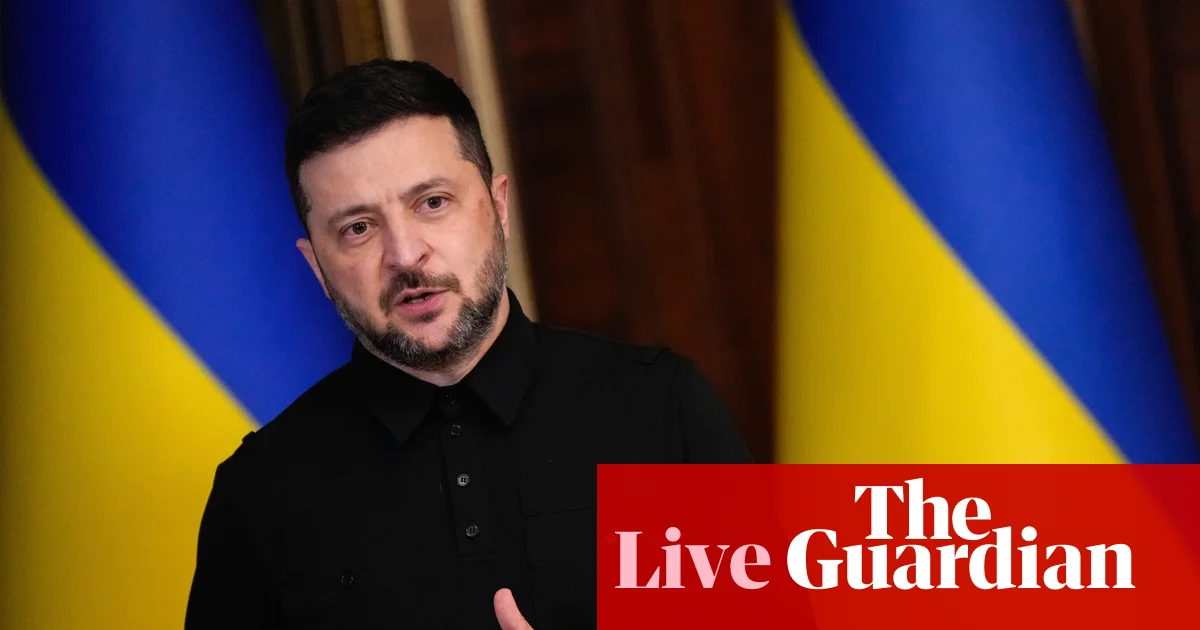
Zelenskyy names new Odesa leader after mayor’s Russian passport scandal – Europe updates | NATO

In the heart of Eastern Europe, Ukraine continues to be a focal point of geopolitical tension, with the recent appointment of Sergiy Petrovich Lysak as the new head of Odesa’s city military administration signaling an escalation of the Ukrainian government’s efforts to strengthen its regional security measures. This move follows the Ukrainian president Volodymyr Zelenskyy’s announcement on Tuesday to establish a dedicated military administration in the strategic port city, citing a critical need for increased protection amidst ongoing hostilities. Zelenskyy emphasized, “Odesa deserves greater protection and greater support,” highlighting the nation’s commitment to fortifying its vital Black Sea corridor against persistent threats.

The political upheaval in Odesa is part of a broader, tumultuous battle for sovereignty, as Kyiv revokes the citizenship of local officials suspected of dual loyalties. The dismissal of Hennadiy Trukhanov, who denies holding a Russian passport, underscores Ukraine’s rigid stance against dual citizenship, aiming to eradicate divisive figures potentially compromised by Moscow. This domestic strategy unfolds amid escalating military confrontations on multiple fronts, where Russian forces have claimed control over settlements like Oleksiivka and Novopavlivka, signaling a persistent push to consolidate territory amid mounting international support for Ukraine’s resistance.

All Eyes on NATO and Russia’s Rising Threat

As the Russian invasion enters its second year, NATO’s defense ministers convened in Brussels to address the rising threat of Russian airspace violations and the Kremlin’s ongoing aggression. NATO Secretary General Mark Rutte and other allies discussed intensifying their support for Ukraine, with the US contemplating the deployment of long-range missiles such as the Tomahawk to Kyiv—a move that, if realized, could significantly alter the dynamics of the conflict. US Defense Secretary Pete Hegseth indicated a collective commitment to bolster Ukraine’s defenses, emphasizing that more military aid, including advanced drones and weaponry, is forthcoming. Meanwhile, Russia’s military efforts have persisted, with reports of attacks on Ukrainian energy infrastructure—targets like power plants and gas facilities—aimed at debilitating Ukraine’s war effort and sowing chaos in civilian life.

Notably, Russia’s largest petrochemical complexes in Bashkortostan sustained attacks by Ukrainian drones, yet regional officials assert they continue to operate normally, illustrating the resilience of Moscow’s industrial backbone amidst setbacks. Yet, intelligence from Finland’s defense minister indicates that Russian forces are amassing anew and becoming more reliant on China—a sign that Moscow’s military resource pool might be primarily preoccupied with Ukraine, but still remains a formidable threat to NATO’s eastern flank. The gathering of NATO defense ministers highlighted concerns that Russia’s strategic posture could persist long after Ukraine’s war ends, cementing its role as a persistent destabilizer in the region.

Shifts in International Power and the Waning Kremlin Influence

Meanwhile, in the Middle East, Vladimir Putin’s attempt to project influence through the postponed Russia-Arab World summit backfired spectacularly, with only a handful of leaders attending, underscoring Moscow’s declining influence in the region. Instead, global attention shifted to Egypt, where a Gaza peace summit, attended by Donald Trump and regional leaders, signaled a geopolitical shift away from Moscow’s long-standing regional dominance. Pjotr Sauer of The Guardian notes that this diplomatic retreat reflects the reality: as the war in Ukraine presses on, Russia’s influence in the Middle East diminishes, revealing the limits of Putin’s strategy to assert global leadership.

Furthermore, the European Union is moving to confront its own internal crises, with Brussels set to propose regulations tackling short-term rentals—a social matter that, if unaddressed, could fuel populist discontent and threaten the unity of the bloc. As European nations grapple with economic stagnation, demographic declines, and social tensions, the trajectory of their resolve on international issues remains uncertain. The coming months could define whether Western alliances remain resilient or fragment under the weight of economic and geopolitical pressures.

In this unfolding chapter of history, decisions made in the corridors of power—whether in Kyiv, Brussels, or Moscow—will resonate well beyond their borders. As Ukraine’s struggle persists and NATO faces its future, the shadow of Russia’s resurgence lingers, hinting at a protracted contest that will test the resolve of Western unity, the resilience of Ukrainian sovereignty, and the shifting sands of global influence—a story that is still being written, as the world watches with bated breath, the weight of history pressing down on an uncertain horizon.

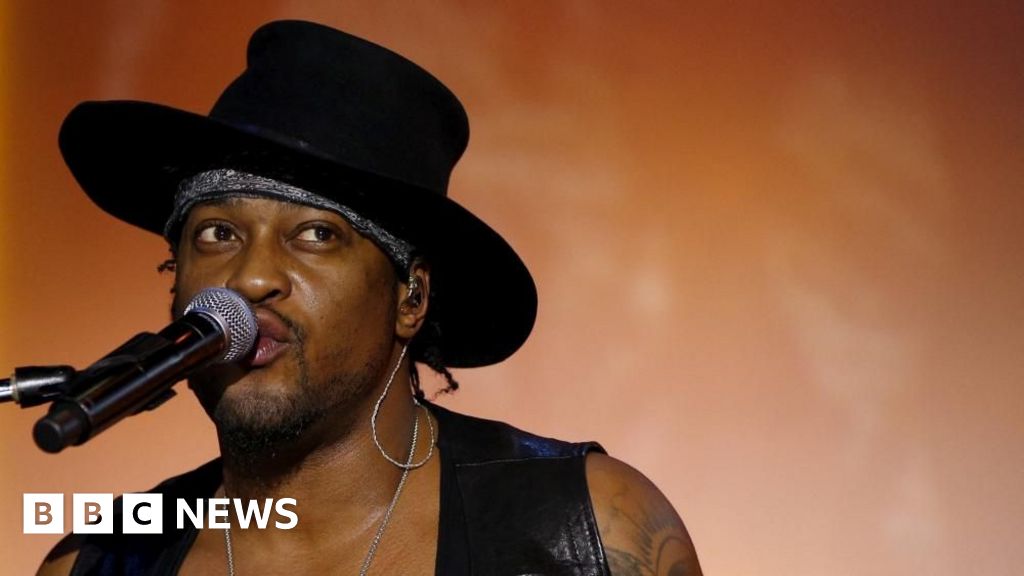
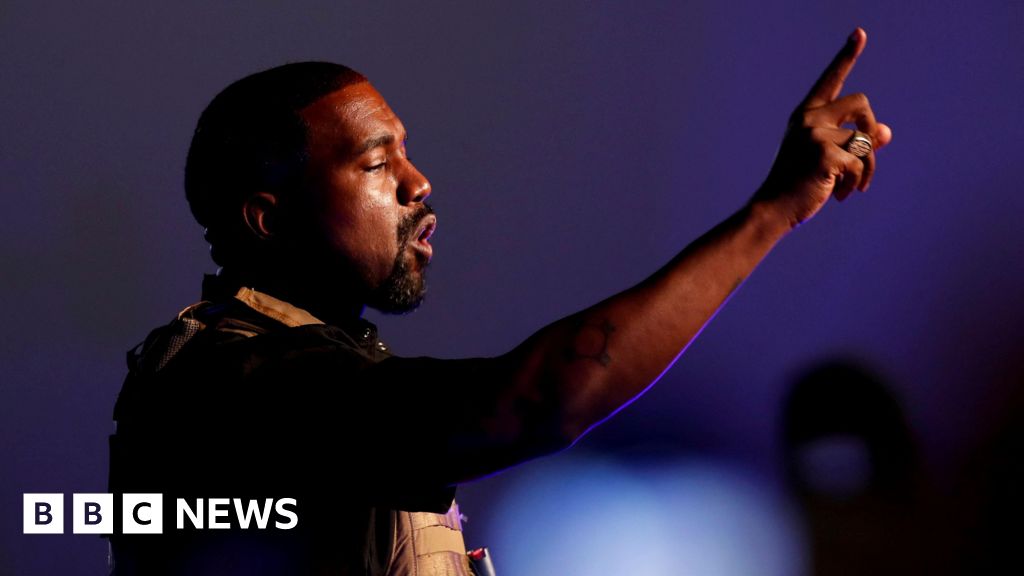
Grammy-winning R&B star D’Angelo passes at 51, leaving a lasting legacy

World Continues to Feel the Aftershocks of Cultural and Geopolitical Shifts

As international landscapes evolve, the loss of cultural icons often highlights how societal shifts resonate across borders, transcending music, politics, and history. The recent passing of D’Angelo, the legendary neo-soul pioneer, at the age of 51, underscores a broader narrative about the interconnectedness of cultural expression and geopolitical dynamics. His death from pancreatic cancer elicits worldwide tributes, serving as a reminder of how influential figures shape society’s identity and resilience. Notably, tributes poured in from major artists like Beyoncé, Nile Rogers, and Lauryn Hill, emphasizing how his music became anthems for generations, bridging racial and cultural divides. Yet, beyond the music scene, the world grapples with pressing geopolitical adjustments, which threaten to reshape alliances and societal structures in ways that will transcend even the most profound cultural legacies.

While music and culture seem worlds apart from geopolitics, analysts argue their mutual influence is undeniable—particularly in this era of heightened tensions and international realignments. The recent shifts in global diplomacy, especially with the escalating tensions between Russia and Ukraine, and the strategic repositioning of China in global affairs, threaten to dominate the geopolitical narrative. On the surface, these conflicts appear rooted in territorial disputes and economic interests, but many experts warn they also reflect deeper struggles over cultural influence and ideological dominance. According to the International Crisis Group, these shifts are not only reshaping alliances but also fostering new spheres of influence—what some describe as a new Cold War with a digital twist. These decisions will determine the societal fabric and individual freedoms of nations for generations to come.

Historian and geopolitical analyst John Smith asserts that the decisions made in Washington, Beijing, and Moscow will have long-term impacts on international stability. For instance, the recent U.S.-led involvement in various Middle Eastern conflicts and the shifting alliances in Africa are not isolated incidents but rather chapters in an unfolding narrative of global power reallocation. Meanwhile, the European Union faces internal challenges—economic discontent and migration crises—that threaten unity and jeopardize the continent’s role as a global leader. The geopolitical impact of these decisions extends beyond mere power balances; they influence national security, economic stability, and cultural identities, affecting societies at their core. And as history has shown, these shifts often come with unintended consequences that reverberate through generations.

Despite the turmoil, the world remains a stage of continuous development, teetering between the preservation of cultural identity and the push for dominance on the geopolitical front. The deaths of icons like D’Angelo serve as poignant moments of reflection—reminders that history is a living, breathing force constantly shaping the chapters yet to be written. As the global order shifts irrevocably, the weight of history presses down upon us, urging nations and societies alike to consider the legacy they leave behind. Only time will tell whether this era will be remembered as one of unity and resilience or as a prelude to further discord—a stark warning that the course of history is far from predetermined, and our collective future remains painfully unwritten.

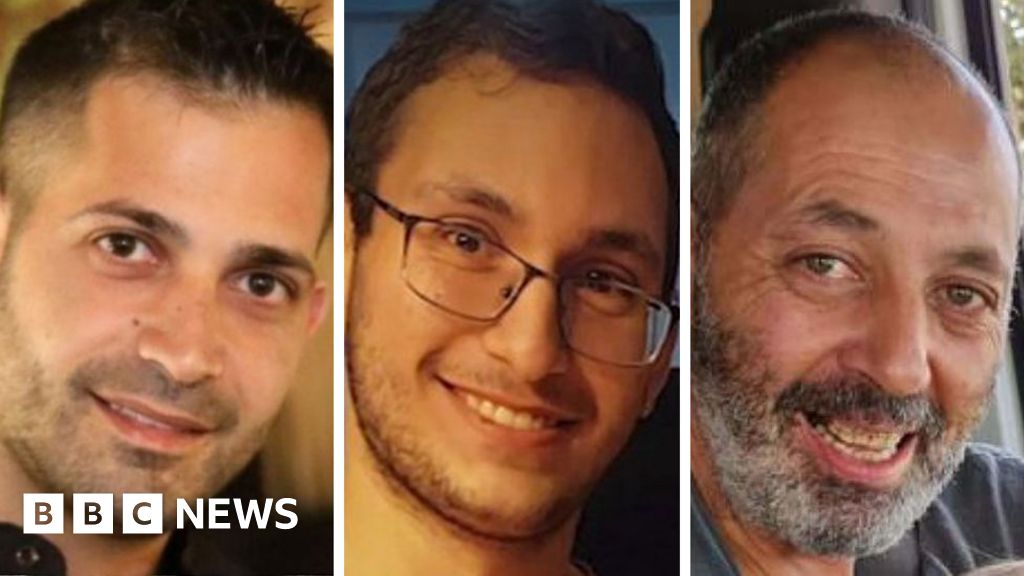
Hostage Families Confirm Identities of 3 of the 4 Bodies Handed Over by Hamas

The fragile ceasefire in Gaza has once again come under intense scrutiny, revealing the complex interconnectedness of Middle East geopolitics and the often volatile nature of international diplomacy. After years of conflict, the recent exchange of hostages and bodies marks an unsettling chapter in the ongoing saga, with Hamas and Israel embroiled in a diplomatic dance that could either pave the way for peace or plunge the region back into chaos. The slow return of human remains and the subsequent threats to restrict aid underscore the fragile trust underpinning these negotiations and highlight the far-reaching geopolitical impact that decisions made in Gaza resonate across the global stage.

The ceasefire brokered by the United States, which saw the transfer of all 20 living hostages and the bodies of 45 Palestinians, was hailed as a significant, albeit temporary, breakthrough. Yet, the delay in returning the remaining bodies has ignited tensions within Israel and among international mediators, with Israeli officials warning that further restrictions on humanitarian aid could be imminent. Analysts like Dr. Samuel Cohen from the International Institute for Strategic Studies warn that such delays threaten to unravel current diplomatic efforts, risking a resurgence of violence that could undo months of fragile diplomacy. Meanwhile, Hamas maintains that it is unable to locate the remains, raising questions about the true state of trust and cooperation. This standoff not only tarnishes the image of the ceasefire but exposes the deeper divisions embedded within the ongoing conflict, illustrating how human tragedy is often overshadowed by geopolitical calculations.

At the heart of this crisis lies an intricate web of negotiations, with international mediators—led by Egypt, Qatar, and Turkey—struggling to balance conflicting interests. The initial plan formulated by former U.S. President Donald Trump envisioned a phased withdrawal of arms from Gaza, military disarmament of Hamas, and the eventual transfer of governance to the Palestinian Authority. But these conditions remain out of reach, as Hamas demands guarantees of Palestinian sovereignty before disarming, while Israel insists on comprehensive demilitarization and cessation of weapon smuggling. With Netanyahu reiterating the necessity of disarmament, the prospects for peace appear increasingly distant, especially as recent violence and public executions point to a resurgence of lawlessness that threatens to deepen the chaos.

World leaders and analysts have expressed alarm over the potential derailment of the ceasefire, with UN officials and historians warning that such unresolved tensions could ignite a broader regional conflict. The geopolitical impact extends beyond Gaza, influencing alignments and strategic interests across the Middle East and North Africa. The Middle East’s delicate balance hinges on these negotiations; a failure could open the door for renewed turmoil, drawing in neighboring countries and possibly triggering wider confrontations. The narrative unfolding in Gaza is not just about local suffering but a reflection of a global chessboard where every move has far-reaching implications. As Israeli military operations continue to result in casualties and reports of executions and lawlessness surface from Gaza, the region remains tense, teetering on the edge of a new cycle of violence.

In the shadows of these developments, the weight of history presses down on all involved, reminding the world that the choices made today willdefine the coming decades. Will diplomacy prevail, or will the cycle of violence resume as unresolved grievances grow? As Cold War analysts observe, the current moment resembles a pivotal chapter where the future of Gaza, and perhaps the Middle East itself, hangs in delicate balance—an unfolding story of hope and despair, written by the relentless passage of history.

‘Big John’ Fisher’s Aussie tip: Pick the right visa next time—stay on the right side of the law

In a move reflective of Australia’s increasingly strict immigration enforcement, social media personality Big John Fisher’s recent ordeal highlights the delicate balance between national sovereignty and international image. Fisher, a popular influencer from the United Kingdom, was detained upon arrival in Australia due to visa complications, forcing him to cut short his tour and miss scheduled appearances in Perth and Sydney. This incident underscores how Australian authorities, under the auspices of the Migration Act and regulations, are adopting a more rigorous stance—an approach that signals a broader geopolitical shift towards tightened border controls, especially in the wake of global migration concerns.

  • Fisher’s detention stemmed from the suspicion that his activities might generate profit beyond tourist purposes, leading authorities to interpret his actions as a breach of visa conditions.
  • Despite transparency from Fisher regarding his professional engagements, the Australian Border Force maintained a strict stance, emphasizing compliance and sovereignty.
  • This incident, while localized, reflects a larger trend among Western nations to prioritize border security amidst rising concerns over uncontrolled migration and economic protectionism.

Analysis from international think tanks and historians suggests that Australia’s immigration policies are part of a strategic effort to reinforce national sovereignty and curb illegal transnational flows, aligning with similar policies emerging across the Anglosphere and other Western alliances. Critics argue that such measures risk alienating cultural influencers and damaging soft power—particularly as Australia attempts to maintain its global standing amidst competition from China and Russia. Meanwhile, experts warn that overzealous enforcement could exacerbate societal divisions, especially given the country’s high dependence on international tourism and cultural exchange.

Moreover, the incident carries significant geopolitical impact. With China asserting greater influence in the Indo-Pacific and the United States recalibrating its alliances, nations like Australia find themselves at a crossroads. Their immigration policies serve as a litmus test for national resilience and strategic autonomy. As international organizations like the United Nations scrutinize these measures, some analysts warn that, ultimately, such policies could set a precedent—one where sovereign nations prioritize security at the expense of openness and cultural exchange, potentially fostering a more fragmented and mistrustful global order.

As history continues to be written, the story of Australia’s border enforcement embodies a broader narrative: the ongoing contest over sovereignty, identity, and influence in a world where lines are thawing and new conflicts emerging. Fisher’s brief detention is but a ripple in a vast ocean of geopolitical currents, reminding all that the choices nations make now will echo through generations—determining whether this moment signals strength and sovereignty or fracturing and isolation.

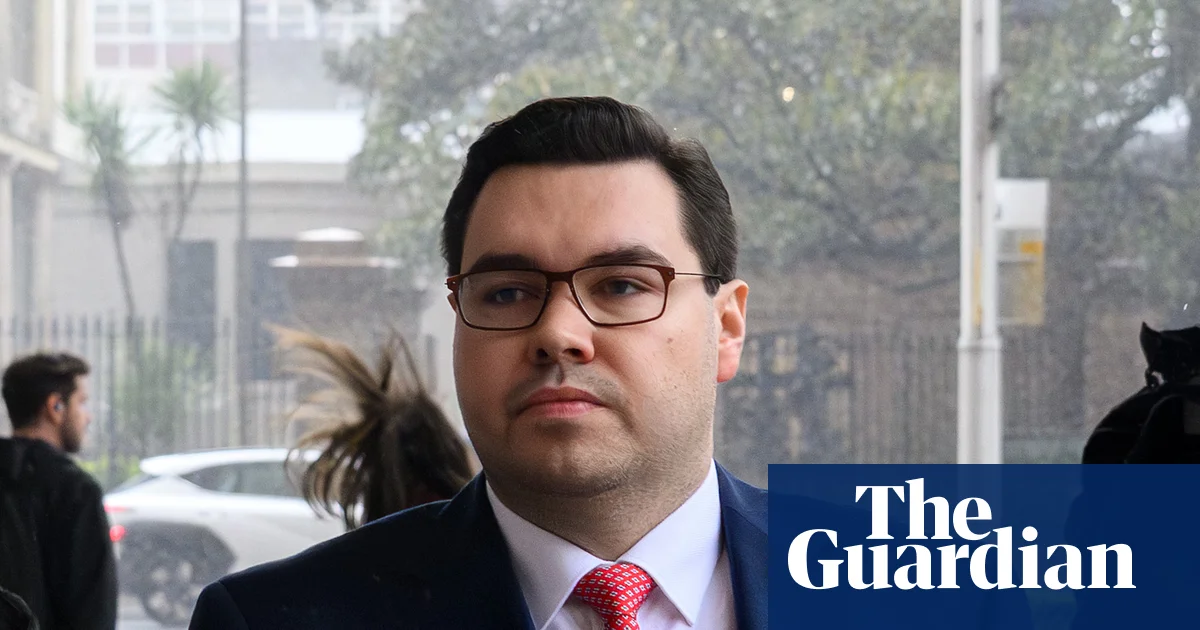
Bruce Lehrmann claims government should pay legal costs for anti-corruption raid over 'James Bond-style' claims in NSW
Bruce Lehrmann claims government should pay legal costs for anti-corruption raid over ‘James Bond-style’ claims in NSW

The Echoes of Domestic Turmoil and Their Global Geopolitical Impact

In a narrative increasingly becoming common in Western democracies, the domestic legal battles of disgraced political figures are now spilling beyond national borders, shedding light on how internal governance issues ripple out with far-reaching consequences. The recent case of Bruce Lehrmann, a sacked political staffer embroiled in scandal in Australia, exemplifies this trend. His legal disputes—centered on accusations of misappropriating sensitive documents related to French submarine deals—are more than a matter of local justice; they are a reflection of the unstable political terrain that the Indo-Pacific region now navigates.

Amid ongoing investigations, Lehrmann’s unresolved dispute over government funding for legal representation highlights how fragile political institutions have become. Justice Brigitte Markovic’s decision to order mediation by December 1st emphasizes a strategic attempt to avoid prolonged legal conflicts that could undermine public confidence in government processes. Yet, the underlying issues—such as Lehrmann’s claims of being denied funding despite assurances—highlight a broader crisis of transparency and accountability, both domestically and in the context of international perceptions of Australia. Analysts warn that such internal fissures risk eroding the trust in democratic institutions and complicate Australia’s diplomatic posture, especially in a strategic environment dominated by the United States, China, and Russia.

Adding an international dimension, Lehrmann’s legal saga is intertwined with other sensitive issues like his accusations involving his colleague, Brittany Higgins. The case touches on deeper concerns about political accountability and the handling of power within Parliament. While Lehrmann has dismissed allegations of rape—which are yet to be conclusively tested in a criminal court—the 2024 ruling by Justice Michael Lee finding the claims probable on the balance of probabilities escalates into a broader debate about justice, credibility, and the rule of law in Australia. His appeal against a defamation loss signals how these domestic issues could influence regional perceptions of legal integrity and policy stability.

From an international perspective, the distraction of internal scandals serves as a cautionary tale for European and Asian policymakers alike, emphasizing how domestic discontent can be exploited by external actors to weaken alliances. It raises questions about the geopolitical ramifications—particularly as China and Russia continue to scrutinize Western democracies’ internal divisions. Institutions like the European Union and ASEAN are watching closely, cognizant that internal instability can undermine collective security and influence regional rivalries.

Indeed, the Lehrmann case is a microcosm of a larger, tempestuous global landscape where internal power struggles and legal disputes may seem isolated but are in fact part of a wider narrative. These unfolding domestic dramas expose the vulnerabilities within democratic systems, which external powers are eager to observe and analyze. As historians and security analysts warn, the way nations handle these internal conflicts will determine their geopolitical fate in an era marked by strategic rivalry and shifting alliances. With history’s pen whirling, the story of Lehrmann and similar figures remains an enduring testament to the fragile fabric of modern democracies—threads that, if broken, could unravel the very global order upon which the future depends.

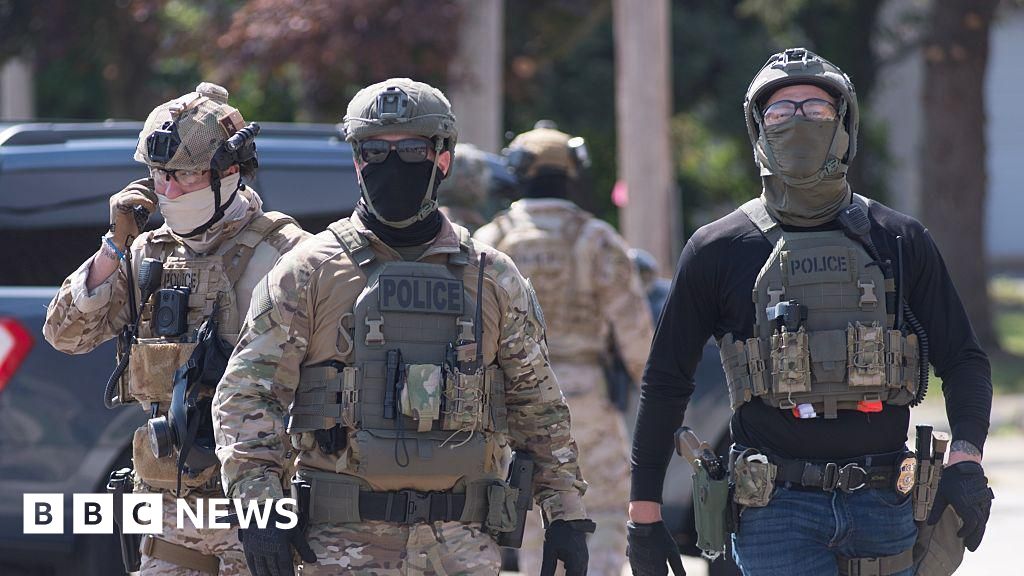
Trump administration seeks funds to pay federal officers amid shutdown dominance

U.S. Government Shutdown and Its Global Geopolitical Impact

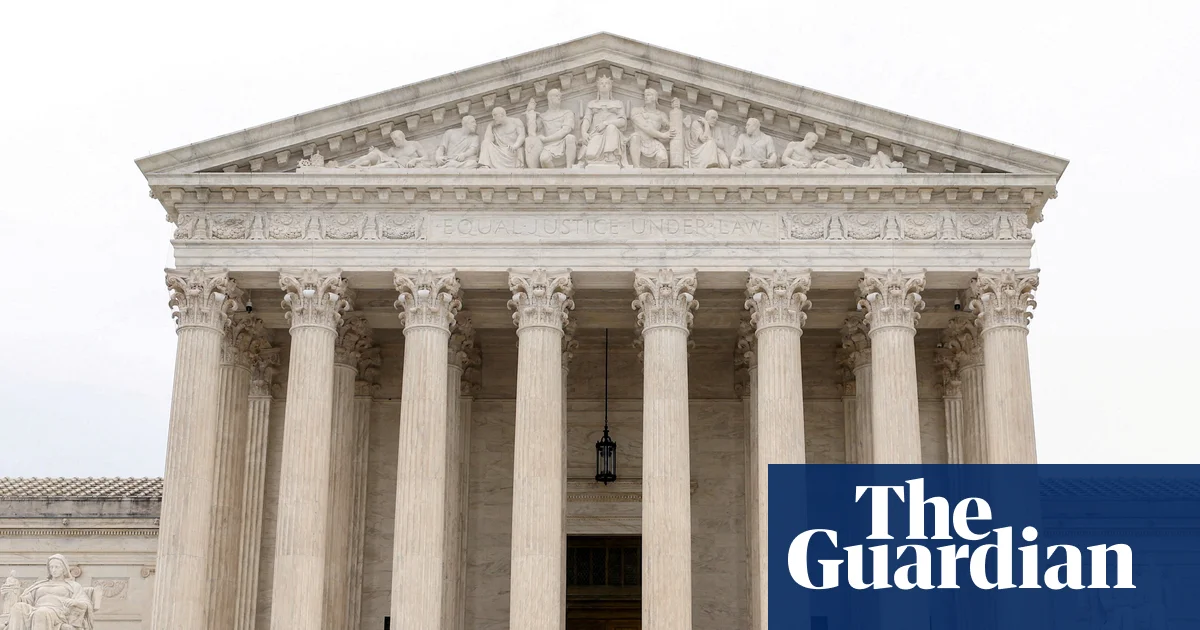
The prolonged shutdown of the United States federal government, now entering its third week, underscores a deepening political crisis that extends beyond domestic borders. Despite repeated votes in the Senate, the legislature remains deadlocked, illustrating a growing rift between Democrats and Republicans. The inability to pass funding legislation not only halts regular government operations but also sets a troubling precedent for the stability of the world’s leading superpower. International analysts warn that such internal chaos can weaken America’s standing on the global stage, complicating diplomatic relations and economic strategies worldwide.

Financial Strains and Alternative Measures with Global Consequences

Faced with the crisis, the Trump administration has begun exploring alternative ways to finance critical programs. While the government remains paralyzed, essential services such as military operations are being maintained through previously allocated funds, raising concerns about the long-term sustainability of such decisions. Officials confirm that approximately 750,000 federal employees have already been furloughed, a figure with serious social and economic repercussions that ripple through markets, affecting global investors and allied nations reliant on U.S. stability.

  • The federal workforce faces significant financial uncertainty, with ongoing layoffs impacting multiple agencies.
  • The administration has sought cost-effective ways to sustain essential services, including using tariff revenue to fund nutritional aid programs for vulnerable populations.
  • The military remains operational, yet the question of funding continuity remains unresolved, with warnings of further disruptions looming.

International commentators, including financial analysts and political historians, indicate that the U.S. political impasse threatens the reliability of American policy and economic commitments. This internal discord may embolden geopolitical opponents, who see in America’s weakness an opportunity to expand influence in regions like Eastern Europe, the Indo-Pacific, and beyond. Such instability could result in shifts in alliances, emergent regional conflicts, and a recalibration of international power dynamics.

Turning Point or Prelude to Greater Turmoil?

The unresolved dispute over funding for critical programs, such as welfare for women and children and law enforcement agencies, signals a fragile domestic landscape. The potential for further financial hardship, coupled with rhetorical escalations from leaders, suggests a turning point in American governance that could redefine its influence for decades to come. Historians warn that prolonged governmental deadlock not only undermines domestic trust but also erodes international credibility.

As the world watches, the unfolding crisis in the US offers a stark reminder: in a time of shifting alliances and rising powers, internal stability remains the cornerstone of a nation’s capacity to lead. The decisions made within the halls of Congress now reverberate across continents, shaping the global order and determining whether the future will be one of renewed strength or unprecedented decline. The pages of history are turning — and only time will tell what chapter they will write next.

Social Media Auto Publish Powered By : XYZScripts.com