Matox News

Truth Over Trends, always!

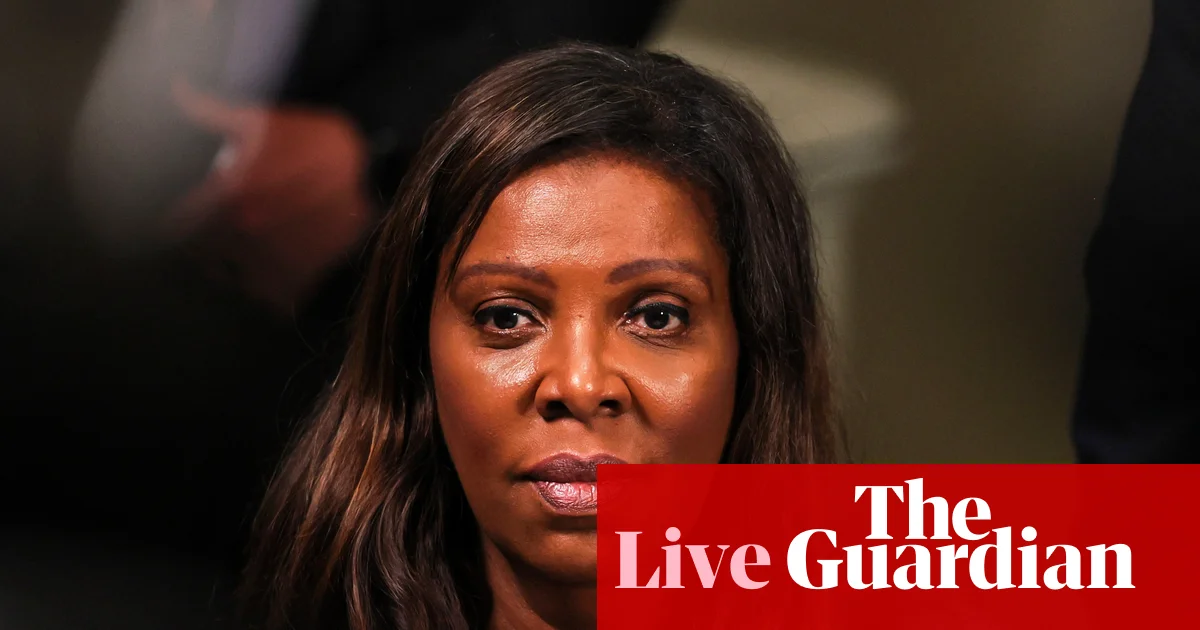
Letitia James Claims Trump’s Using Justice System for Personal Gain—US Politics in Flux

Global Geopolitical Tensions Escalate Amid U.S. Political Turmoil

In an era marked by deepening international instability, recent developments in the United States underscore how internal political strife can reverberate globally, challenging the delicate balance of power and alliance. As the nation grapples with a series of political indictments and legislative deadlocks, the flames of foreign policy crises threaten to ignite broader conflicts, strategically shifting the world’s geopolitical landscape.

The indictment of Letitia James, the New York attorney general, exemplifies the ongoing strategy by President Donald Trump to weaponize the justice system against political rivals. Critics argue that this is a clear demonstration of how internal upheaval in the United States can be exploited to weaken its standing on the global stage. International analysts highlight that such internal conflicts diminish the U.S.’s moral authority, especially as it seeks to navigate crises like the Middle East turmoil or challenges from rival superpowers. Moreover, President Trump’s efforts to rival his previous diplomatic achievements, such as the contentious support for Israel with troop deployments and the failure to secure a Nobel Peace Prize, reflect a nation that is increasingly unpredictable and divided—a reality that complicates U.S. international commitments at a time of rising global tensions.

Meanwhile, the U.S.-Israel alliance faces new tests as American troops, initially deployed to support a ceasefire monitoring mission, have become a focal point of international concern. The decision to send 200 troops to Israel underlines the U.S.’s urgent pursuit to project power in the region after years of instability, but it also raises questions about escalation. Meanwhile, federal courts across the nation have issued rulings that hamper the deployment of National Guard troops, highlighting how domestic unrest can threaten international peace initiatives. These legal battles exemplify the ongoing struggle between legal authority and executive powers, revealing a nation where internal legal conflicts threaten to spill over into global diplomatic spheres.

The geopolitical impact becomes even more apparent as the world witnesses the U.S. remain deadlocked on domestic legislative issues: a government shutdown that not only compromises its internal stability but also dilutes its influence abroad. The Senate’s inability to pass crucial defense and budget bills signals to allies and adversaries alike that America’s commitments are shaky at best. Additionally, the warning from the head of America’s largest bank about the >possibility of a market crashem> underscores the rising economic instability that inevitably impacts nations worldwide. As international organizations observe these developments, the consensus among global taxonomies and think tanks is that the USA’s internal chaos emboldens competitors like China and Russia, who view the disarray as a strategic advantage.

As history continues to unfold, the lingering shadow of internal U.S. conflict raises a sobering question: How much longer can the world’s most powerful democracy maintain its gravitational pull without risking a broader collapse? The stages are set—alliances are tested, and the nation’s internal fissures threaten to become cracks that could fracture the global order. In this moment, the weight of history presses heavy on the collective conscience of nations across the globe, awaiting the next chapter in an unfolding saga of power, betrayal, and the relentless pursuit of control.
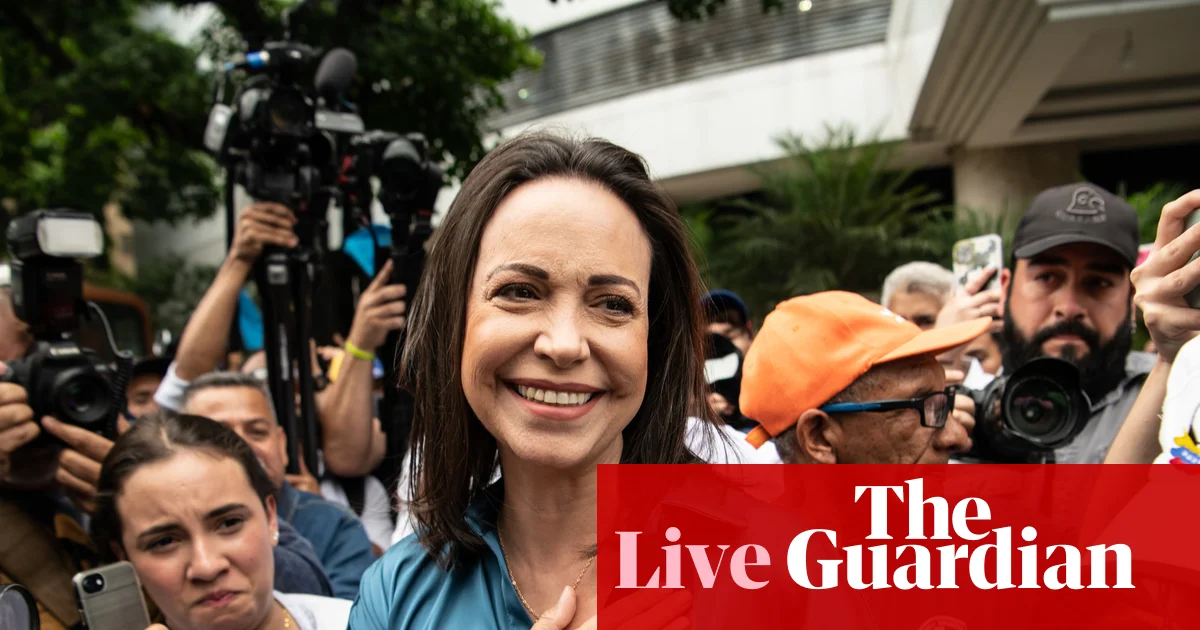
Nobel Peace Prize 2025: María Corina Machado Recognized for Defending Democracy in Venezuela

Global Impact of the 2025 Nobel Peace Prize: A Reflection of Shifting Geopolitical Currents

In a move that has resonated across continents and stirred debate among international observers, María Corina Machado, Venezuela’s most prominent opposition leader, was announced as the recipient of the Nobel Peace Prize 2025. Her recognition is not merely a testament to her personal resilience but signals a broader geopolitical statement, emphasizing the importance of democratic advocacy amid worsening authoritarian regimes. The Norwegian Nobel Committee lauded her efforts for promoting democratic rights, yet critics and analysts argue that this year’s decision also subtly addresses pressing global conflicts and the wake of recent diplomatic fissures.

Historian and geopolitical analyst Dr. Jonathan Steele notes that the choice “strikes a chord in a world teetering on the brink of regional and global crises.” He highlights that current conflicts in Ukraine, the Middle East, and tensions surrounding US-Norway relations serve as the backdrop for this year’s award. The Norwegian committee, infamous for maintaining strict confidentiality about nominations, appeared to have intentionally sent a clear message — one of resilience and defiance in the face of authoritarianism. Meanwhile, the committee’s emphasis on “courage and integrity,” especially in a climate where global order appears fragile, underscores how *the Nobel Peace Prize is often a reflection of international moral resistance* against tyranny and violence, a view supported by international organizations assessing the shift in global realpolitik.

  • The committee’s recognition of Machado, who has been forced into hiding amidst threats for her activism, frames the award as a beacon of support for oppressed populations globally. Her statement that “this is an award for an entire movement” resonates with the international community’s understanding that democracy depends on persistent resistance and that fighting against authoritarianism is a universal cause.
  • In contrast, the decision to sideline controversial figures, notably former US President Donald Trump, who publicly lobbied for the prize, highlights the committee’s emphasis on moral clarity. As Nobel experts explain, this year’s choices are shaped not only by individual merits but also by *the geopolitical symbolism* they convey, especially as nations grapple with internal unrest and external threats.
  • Machado’s recognition is also seen as a quiet rebuke to Nicolás Maduro’s regime, which the committee describes as increasingly authoritarian — a judgment echoed by independent human rights groups. This stance reflects a broader international narrative casting Venezuela as a cautionary tale for autocracies, with the prize serving as a reminder how *authoritarian machinery crushes dissent and human rights*.

International organizations and democracy advocates alike interpret this event as a declaration of moral steadfastness—a call for nations to uphold principles of justice and human dignity during turbulent times. Yet, beneath the public accolades lies a complex diplomacy. The committee’s explicit acknowledgment of Machado’s sacrifices, combined with veiled criticisms of Maduro’s government, exemplifies how awards like these influence **geopolitical alignments** — potentially softening or hardening international responses to crises. As Dr. Stein concludes, *“The Nobel Peace Prize remains a potent tool in shaping the moral contours of international diplomacy, especially when conflicts threaten global stability.”* And in an era where the future remains unpredictable, these decisions are not just awards—they are signals in the ongoing chess game of world politics.

As history continues to unfold, the true significance of this year’s Nobel Peace Prize will be measured in how it sustains or shifts the global balance of power. From the streets of Caracas to the corridors of global power, the choices made today might just echo for generations, reminding us that in the struggle for peace, moral conviction remains a formidable force.

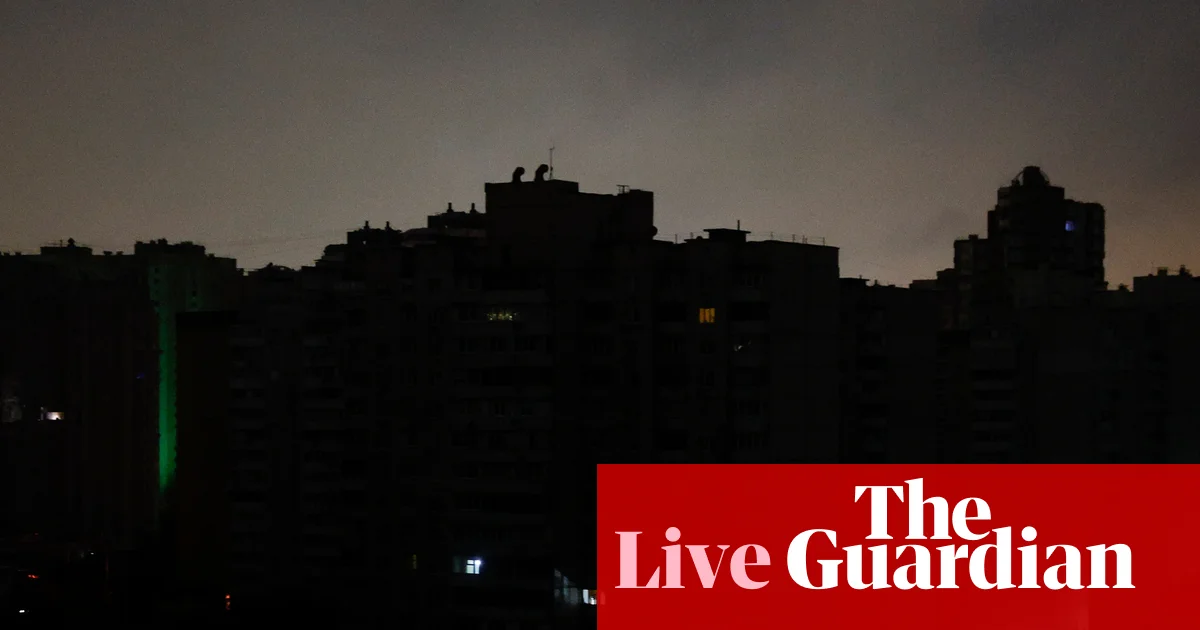
Kyiv hit hard by Russia’s large-scale strike on Ukraine’s energy grid—Europe watches as power is cut back

Global Power Dynamics in Chaos: Russia’s Assault on Ukraine and Europe’s Political Turmoil

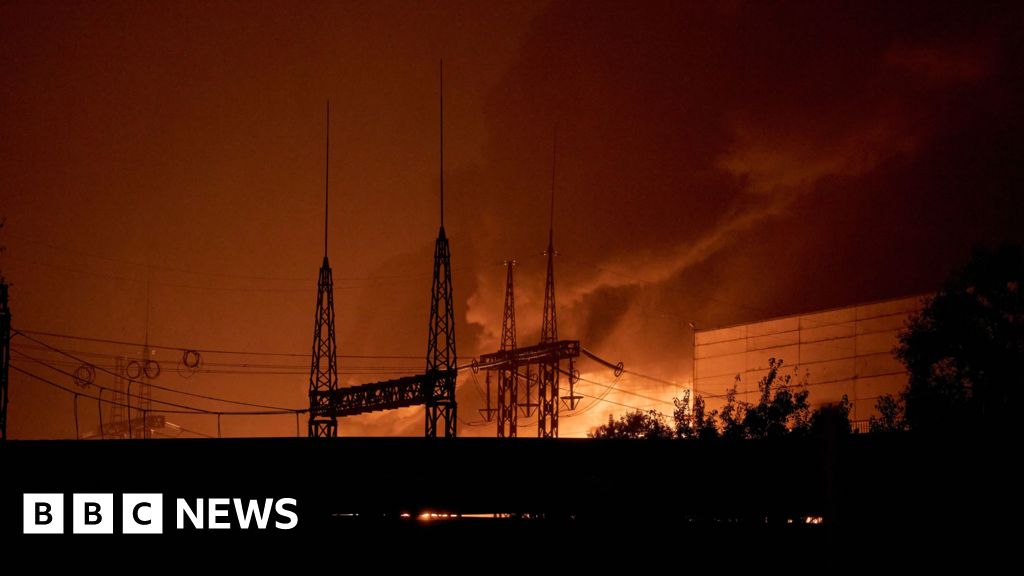
In a stark demonstration of geopolitical instability, the recent escalation of attacks against Ukraine by Russia has plunged Kyiv into darkness and chaos, compelling the international community to reassess the delicate balance of power. Early Friday morning, Kyiv was hit by what the Ukrainian Air Force called a “massive attack,” involving over 450 drones and 30 missiles, targeting critical infrastructure and energy supplies across the country. These relentless assaults resulted in power outages in nine regions and ignited fires in residential buildings, including a high-rise in Kyiv, exemplifying Russia’s strategic effort to weaken Ukraine’s resilience amidst ongoing conflict.

The Ukrainian President Volodymyr Zelenskyy condemned the attack as a blatant act of aggression aimed at undermining Ukraine’s sovereignty and destabilizing its fragile infrastructure. The attack’s scale, which included ballistic missiles and strike drones, marks a significant escalation in Moscow’s campaign to cripple Ukraine’s energy grid, which the energy minister Svitlana Grynchuk described as “a massive strike.” This attack not only disrupts daily life but also signals Russia’s intent on prolonging the conflict, further testing Kyiv’s capacity for resilience and its allies’ support. Analysts from the International Atomic Energy Agency (IAEA) have indicated efforts are underway to restore power to the Zaporizhzhia nuclear plant, which has been isolated from external power sources for over two weeks—highlighting the dangerous brinkmanship and the persisting threat of nuclear instability in the region.

How These Decisions Shaped a War’s Turning Point

  • Russia’s deployment of hundreds of strike drones and missiles explicitly aims at crippling Ukraine’s infrastructure, forcing widespread blackouts and mounting civilian casualties.
  • Kyiv desperately seeks international support, especially advanced air defense systems, to counter such relentless aerial assaults, emphasizing the international stakes of Ukraine’s sovereignty.
  • Within Russia, Kremlin strategists, historians, and military analysts debate the limits of this new escalation, as Moscow’s rhetoric remains unwaveringly aggressive, signaling the possible extension of hostilities into broader European territory.
  • The international community, led by voices such as NATO officials and United Nations representatives, warn that these acts could push the region toward a new Cold War era, with global repercussions and strained alliances.

Amid the chaos, Europe faces internal contractions among its political fabric. French President Emmanuel Macron convened an emergency meeting of mainstream political parties to navigate a crisis rooted in fragile governance, as the country grapples with persistently low growth and a fractured parliament. Meanwhile, in Belgium, authorities uncovered a plot to ignite drone-mounted explosives targeting politicians, including the Prime Minister, reflecting the growing shadow of radical extremism in the continent’s security landscape. These security risks, coupled with Europe’s increased defense investments—most notably Sweden’s billion-crown plan to expand anti-drone systems—highlight a continent awakening to new aerial threats with Eurasian powers as central players.

New Alliances and Shifting Borders: A Clash of Empires

Meanwhile, on the international stage, US President Donald Trump has reignited long-standing tensions by suggesting that NATO should consider expelling Spain over its lagging military expenditures in the face of the European security crisis. Trump’s demands underscore an ongoing push for European nations to shoulder more responsibility, aligning with a broader, more confrontational American stance on European defense matters. Conversely, NATO nations are contemplating the rising threat of aerial violations; Sweden’s €367 million investment in anti-drone technology exemplifies a continent-wide recognition of hybrid warfare’s evolving landscape, with accusations of Russian involvement in drone sightings rattling European skies.

As the whirlwind of violence in Ukraine and the shifting sands of European political stability threaten to ignite a broader conflagration, the weight of history hangs heavy. The decisions made in the coming weeks—whether Ukraine’s allies strengthen their resolve or Russia escalates further—will determine whether this is merely a preamble to a larger war or the dawn of a new era shaped irreversibly by the choices of powerful nations. The pages of history are turning swiftly, and amid the shadows of conflict, the world holds its breath, gazing toward an uncertain horizon where the currents of geopolitics continue to carve their indelible marks into the fabric of history.

Russian strikes blackout Kyiv, Ukraine’s heartbeat under attack

Ukraine Battles Escalating Russian Attacks, Geopolitical Echoes Resound

In a stark reminder of the ongoing conflict in Eastern Europe, Ukraine is enduring intensified assaults on its critical infrastructure, as Russia increases missile and drone strikes targeting energy facilities and civilian zones. Recent overnight strikes have plunged large sections of Kyiv into darkness and disruption, with nine injuries reported and residents facing not only power shortages but also threats to water supply and safety. Meanwhile, further south in Zaporizhzhia, a tragic incident unfolded, claiming the life of a seven-year-old child due to Russian drone strikes, a harrowing testament to the relentless toll of Moscow’s strategic aggression. Such attacks—highlighted by Ukrainian officials and corroborated by international analysts—are designed to sow chaos, weaken morale, and exert psychological pressure on an already battered nation.

Experts warn that Russia’s renewed offensive on Ukraine’s energy infrastructure signifies a critical turning point in the conflict, as Moscow aims to destabilize the country’s resilience during winter months. Ukrainian Energy Minister Svitlana Hrynchuk described these attacks as a “massive strike,” emphasizing that repair crews are under immense pressure to restore functionality amid relentless assaults. Ukrainian President Volodymyr Zelensky attributes Moscow’s escalation to an intentional effort “to create chaos and psychological pressure,” and international organizations, including the International Crisis Group, have voiced concern over the strategic objective of Russia’s campaign—especially with the looming threat of hypersonic Kinzhal missile strikes, which can evade early detection and pose a severe threat to Ukrainian defenses.

This intensification of hostilities not only imperils Ukraine’s sovereignty but also ripples across the geopolitical landscape. Western nations, led by the United States and European Union, have condemned Russia’s actions while ramping up military and humanitarian aid, viewing this as a clear geopolitical struggle between democratic resilience and authoritarian aggression. Many analysts, including professors of international relations and seasoned strategists, warn that the renewed attacks threaten to prolong the conflict well into the winter, potentially destabilizing regional security and testing the resolve of allied nations committed to Ukrainian sovereignty. For Moscow, these strikes serve as a calculated attempt to undermine the narrative of Ukrainian resistance, pressing Kyiv to divert resources and attention from Ukraine’s diplomatic and military priorities.

As the world watches, the unfolding crisis echoes a broader struggle for influence in a rapidly shifting geopolitical climate. The United Nations and other international institutions face mounting pressure to respond effectively, though critics argue that their sluggish diplomatic efforts often falter in the face of blatant strategic aggression. The haunting specter remains: how will history judge the actions of Russia and the response of the international community? Will Ukraine’s steadfast resistance turn the tide or succumb to the relentless wave of destruction? As the shadows lengthen over Kyiv and Zaporizhzhia, the weight of future history hangs in the balance, waiting for the next chapter to be written—one that could define the fate of a nation and echo through the corridors of power for decades to come.

Philippines shaken by powerful 7.6-magnitude quake—damage hits home

Philippines rocked by 7.6-magnitude quake amid regional instability

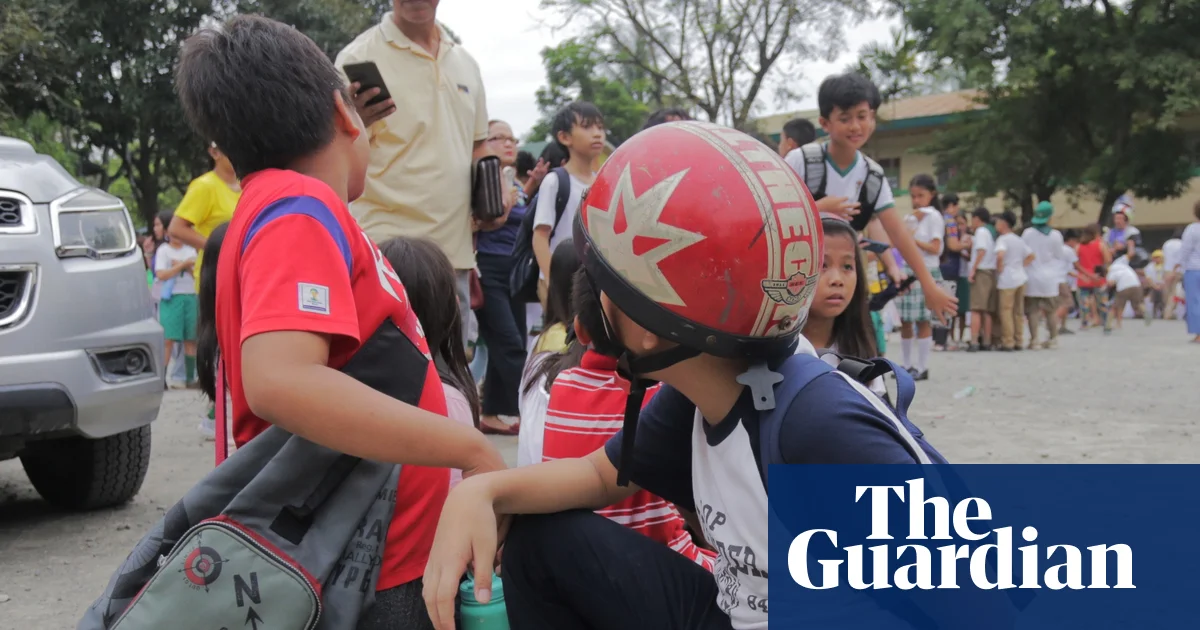
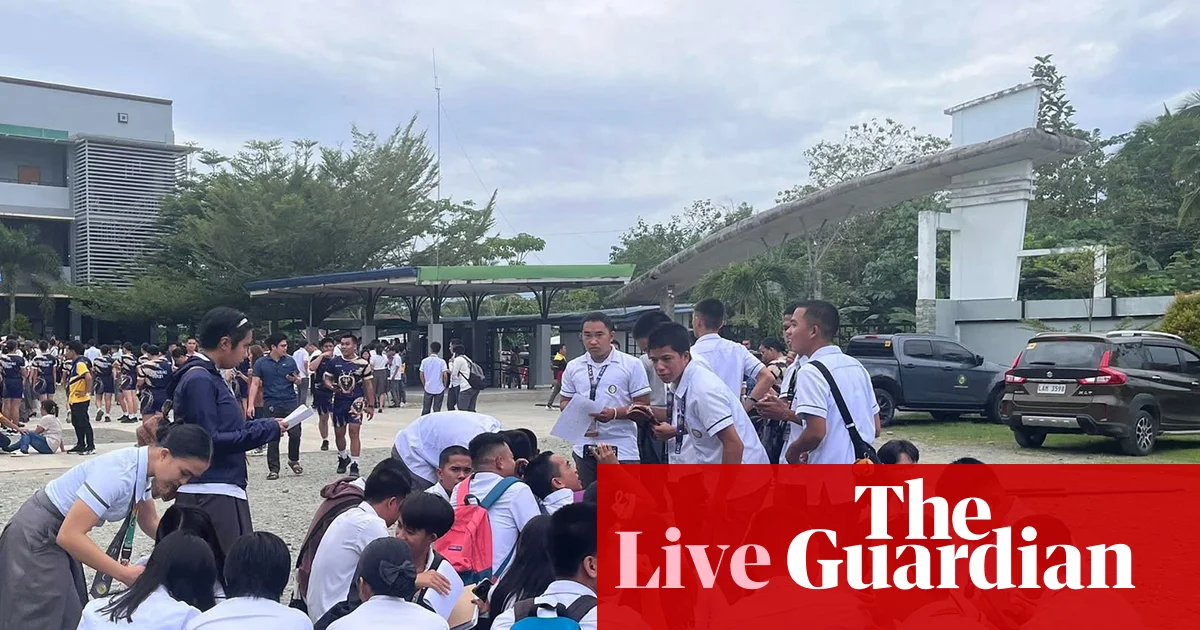
The southern Philippines faced a ferocious natural disaster on Friday as a 7.6-magnitude earthquake struck in the region of Mindanao. The seismic event, occurring in waters near the town of Manay, caused immediate panic and infrastructural damage across affected areas. Initial warnings of a potential tsunami prompted authorities to issue alerts within a 300 km radius, though these were eventually lifted as the Pacific Tsunami Warning Center confirmed the immediate threat had subsided. However, the physical and psychological toll on local communities remains significant, raising questions about the nation’s preparedness for such recurring crises tied to its geographic and geopolitical realities.

Regional and national responses highlight ongoing vulnerabilities and geopolitical stakes

  • The province of Davao Oriental reported widespread panic among residents, with buildings suffering damage, including cracks on vital infrastructure like the Magsaysay Bridge in Butuan City. Philippine President Ferdinand Marcos Jr. assured the public that urgent search and rescue operations were underway, emphasizing the importance of coordinated government response. Alongside local authorities, Philippine energy officials are monitoring power outages triggered by the quake, underscoring the potential destabilization of critical infrastructure amid natural disasters.
  • The disaster occurred only ten days after a devastating 6.9-magnitude quake hit Bogo City in Cebu, leaving 71 fatalities. This sequence of tremors underscores a volatile seismic profile characteristic of the (Pacific “Ring of Fire”), a zone that contributes to over 800 earthquakes annually, as per Philippine seismologists. Experts from the European-Mediterranean Seismological Centre estimate a slightly larger magnitude at 7.4 and a depth of 58 km, illustrating the complexity of accurately assessing such events amidst a history of regional vulnerability.

How international and regional factors complicate the geopolitical landscape

The uprising of regional tensions and geopolitical interests in Southeast Asia are intertwined with natural disasters in ways that shape the broader security calculus. The neighboring Indonesia issued an early tsunami warning for parts of North Sulawesi and Papua, highlighting regional fragility and interconnectedness that can escalate conflicts of aid and responsibility. Western nations, global institutions, and international aid groups are watching closely as Manila navigates both the immediate crisis and its larger strategic role in the Indo-Pacific. The Philippines’ geographical position as a US ally within the U.S.-China rivalry amplifies the geopolitical impact, with local events taking on significance well beyond the Pacific archipelago.

International analysts, including those from the Council on Foreign Relations and regional think tanks, warn that such propitious moments of natural disaster can serve as catalysts for larger geopolitical shifts. As the Philippines faces an increasing frequency of quakes, it must also contend with rising military and economic pressures from regional powers. The government’s ability to respond effectively will not only determine the survival of infrastructure and lives but will also influence regional stability and the perception of the Philippines as a resilient partner in Asia’s future.

As the dust settles over Mindanao, the true test begins—not only in rebuilding damaged homes and facilities but in forging a path that recognizes both the enduring power of nature and the imperatives of geopolitical strategy. For history’s pages yet unwritten, this quake may prove a mere chapter—or the prelude to a broader transformation in Southeast Asia’s fragile geopolitics. The weight of what lies ahead rests heavily on the shoulders of leaders, communities, and nations as they face the relentless march of the Earth’s restless crust, reminding all that sometimes, the most profound impacts are felt long after the tremors cease.

Philippines rocked by 7.6 quake amid tsunami alert for coasts, including Indonesia – latest updates

Global Tensions Surge as Asia-Pacific Faces Catastrophic Earthquake and Tsunami Threats

The Philippines has been rocked by a powerful 7.4 magnitude earthquake targeting the southern island of Mindanao, causing widespread panic and immediate evacuations in coastal communities. The seismic event initiated a tsunami warning across the region, prompting governments and international agencies to brace for possible waves exceeding three meters in some areas, especially near the earthquake epicenter. The Philippine Seismology Agency reports significant damage, with reports of collapsed buildings and injured civilians, as authorities scramble to mount rescue efforts amidst ongoing aftershocks. This catastrophe comes mere weeks after the last devastating quake in Cebu, which claimed more than 70 lives, underscoring the region’s vulnerable geopolitical position within a seismically active zone.

Meanwhile, neighboring Indonesia has issued its own tsunami warning for North Sulawesi and Papua regions, highlighting a regional escalation of what analysts call a “cascade effect” of tectonic instability. The Indonesian government warned of hazardous waves potentially reaching 3 meters, forcing thousands in coastal settlements to evacuate inland. The Pacific Tsunami Warning Center in Honolulu underscored the danger, describing waves as “life-threatening” with the possibility of destruction within a 300km radius of the epicenter. As international organizations like the United Nations Office for Disaster Risk Reduction coordinate emergency responses, experts warn that the sequence of seismic activities may signal a tectonic shift with broader geopolitical consequences for Indo-Pacific stability.

Regional Power Dynamics and International Reactions

This natural disaster occurs against a backdrop of simmering geopolitical tensions in the Asia-Pacific, where China and the United States vie for regional influence amid claim disputes and strategic alliances. Some analysts argue that the timing of these seismic events could be exploited by regional powers to justify military posturing or to accelerate diplomatic negotiations under the guise of humanitarian aid. The Philippine President, Ferdinand Marcos, has already mobilized multiple agencies, including the armed forces and coast guard, to assist in evacuations and damage assessment, emphasizing a “national unity” stance. Yet, the rapid mobilization reflects an underlying reality: the region’s fragile security architecture, where natural calamities can deepen existing divides or, conversely, serve as opportunities for cooperation.

Historians specializing in Indo-Pacific geopolitics note that these events expose how climate and natural disasters are increasingly influencing international stability. The clustering of seismic activity along the Pacific Ring of Fire exemplifies the tectonic vulnerabilities that threaten to redraw regional power maps. As governments in Jakarta, Manila, and even Taipei reevaluate their strategic priorities, voices within international organizations warn that the compounding effects of ongoing natural hazards could destabilize fragile political terrains, making the next few years critical for shaping the geopolitical future of the region. The unfolding crisis reminds the global community that the forces of nature remain an unpredictable weapon of change—one that can alter societies faster than any diplomatic negotiation.

The Weight of History and the Unfolding Future

With each tremor, history seems to pause—holding its breath, waiting to see whether these events trigger a new chapter of regional resilience or a descent into chaos. The Philippines, Indonesia, and their neighbors find themselves at a critical juncture, where their responses will not only determine immediate survival but will also set precedents for regional solidarity or conflict in the face of climatic and tectonic upheavals. As experts warn of larger aftershocks and potential further waves, global observers are compelled to ask: how will nations adapt to a world where natural disasters are becoming the catalysts of geopolitical change?

As the skies darken with the weight of history still unfolding, one question remains unavoidable: in the face of nature’s fury, will humanity choose the path of division or unity? The answers lie buried beneath the shifting plates of our restless Earth—a reminder that the true battle for stability is fought not only in geopolitics but in our resilience and resolve to confront the forces shaping our collective destiny.

Are Tech Billionaires Overreacting? Is Doom-Prepping the Future?

The enduring landscape of geopolitical power is shifting beneath our feet as technological advancements and covert developments reshape the global order. Recent revelations about the private pursuits of Silicon Valley billionaires and the silent expansion of military-grade bunkers signal more than mere eccentricity—these are signs of a deeper stratification of society and a potential prelude to conflicts that could redefine nations’ futures. Mark Zuckerberg’s clandestine construction of a sprawling compound on Hawaiian soil, reportedly including a bunker-like storage with self-sufficient energy and food supplies, exemplifies a trend among the ultra-wealthy to insulate themselves from global disruptions. Neighboring residents hint at these projects being “bunkers” or “billionaire’s bat caves,” yet the true magnitude of their intent remains hidden behind high walls guarded by non-disclosure agreements.

While the wealthy fortify their retreats, >international organizations< and security analysts warn that, given the rapid progression of artificial intelligence (AI), a new kind of existential threat is emerging. Prominent voices like Harvard historian Yuval Noah Harari and the World Economic Forum suggest that exceptional technological breakthroughs in AI and the concept of “the singularity” could catalyze a fresh round of global chaos if mismanaged. Experts report that OpenAI’s chief scientist Ilya Sutskever has even discussed the importance of constructing underground shelters for scientists ahead of the release of artificial general intelligence (AGI), fearing unpredictable outcomes. Such disclosures highlight a disturbing narrative—tech insiders are aware of the risks, yet society at large remains unprepared for the potential consequences.

Predictions of a Near Future

Leading tech entrepreneurs and visionaries are increasingly confident that AGI could arrive sooner than most expect, with figures like Sam Altman of OpenAI claiming that the breakthrough is imminent. Such assertions, echoed by DeepMind‘s Sir Demis Hassabis, point to a future where superintelligent AI surpasses human cognition. This prospect fuels hopes of solving climate change, eradicating disease, and achieving “sustainable abundance”—visions espoused enthusiastically by billionaires like Elon Musk. Yet, skeptics, including esteemed academics such as Dame Wendy Hall of Southampton University, argue these claims are nothing more than marketing hype designed to excite investment. They stress that fundamental breakthroughs required for true AGI remain elusive, and that artificial superintelligence (ASI)—an intelligence that outstrips all human capability—is still a distant, perhaps impossible, horizon.

Nonetheless, history warns us that humankind’s greatest dangers often come from its own pursuits. The concept of “the singularity”, initially attributed to John von Neumann in 1958, underscores the risk that AI could develop in unpredictable ways, threatening human sovereignty. “The development of ASI could be the biggest risk in history,” warns Neil Lawrence, professor of machine learning at Cambridge University. The question remains: are we truly prepared to engage with a power that might decide our fate?

In the shadows of their private fortresses, societies around the world hold their collective breath, while debates about control, containment, and unintended consequences intensify. As Sam Altman and fellow tycoons hint at a future where machines might govern or even eliminate human oversight, the historical weight of these choices becomes undeniable. We are witnesses not just to the dawn of a new technological era, but to a pivotal point where the course of history hangs in the balance—a story still being written by the bold, the reckless, and the foresighted alike. The question that remains echoing in the corridors of power and across the silent depths of underground bunkers is clear: what will tomorrow hold, and who will have the last say?

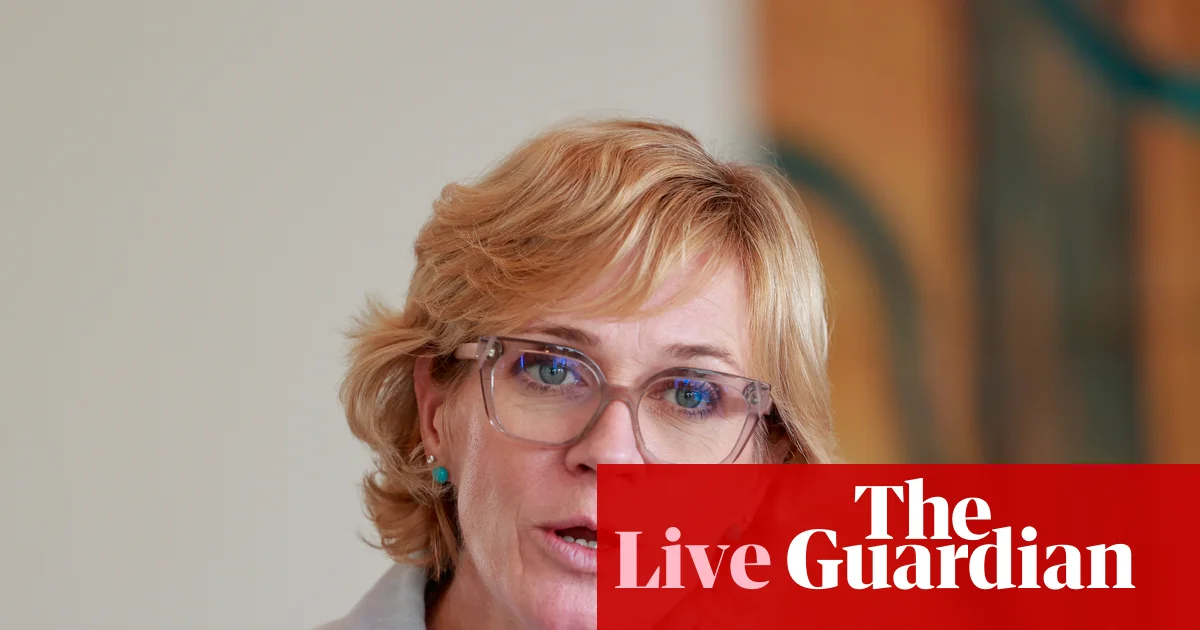
Australia News Live: Zali Stegall warns of looming crackdown, Gaza flotilla return sparks debate

Global Tensions Rise: Democracy Under Threat as Major Powers Engage in Controversial Crackdowns

In recent weeks, the international landscape has become increasingly volatile, with nations at the forefront of geopolitical shifts exhibiting contrasting approaches to civil liberties and global diplomacy. Australia’s recent legal and political debates exemplify this divide, raising serious questions about the future of free speech, protest rights, and governmental accountability amid a backdrop of rising authoritarian risks. Meanwhile, major global actors such as Israel, the United States, and China continue to shape a complex web of alliances and conflicts, with pivotal decisions leaving a lasting impact on societies and international stability.

Within Australia, the government faces mounting scrutiny over its handling of civil protests and freedom of expression. Independent MP Zali Steggall has issued a stark warning against mimicking the alleged “totalitarian crackdown” observed in the United States, where recent police actions against activists have sparked global concern. The NSW court’s decision to threaten contempt charges against protesters planning a demonstration outside the Sydney Opera House marks a turning point, indicating a disturbing trend toward constraining civil liberties under the guise of safety. As historian Dr. Richard Holmes asserts, such restrictions threaten to undermine the very foundations of a democratic society and set a dangerous precedent for other nations recognizing similar measures.

Decisions That Echo Beyond Borders: How International Policies Reshape Societal Norms

  • Israel’s deportation of Australians attempting humanitarian aid—among them Juliet Lamont and Abu Bakr Rafiq—has ignited international protests, exemplifying the risks faced by human rights advocates caught in regional conflicts.
  • The ongoing Gaza flotilla incident, with activists vowing to return in larger numbers, demonstrates an unwavering commitment to humanitarian causes, yet also highlights the stark geopolitical divide over the legitimacy and legality of Israel’s blockade on Gaza.
  • In the United States, the recent crackdown on protests coupled with expansive government surveillance has led analysts to warn of a slide toward totalitarianism, echoing fears within Australia’s political discourse.

As noted by global policy analyst James Carter, such decisions—often justified as necessary for security—do little to address underlying crises but instead exacerbate societal divisions and erode trust. The ongoing debate in Australia over a proposed transparency bill, which critics claim threatens to deepen secrecy and diminish government accountability, exemplifies this struggle. Former judge Helen Archer laments that these measures are “working against Australians’ right to trust their institutions,” echoing worldwide fears that democracy is unraveling in favor of opaque governance and authoritarian control.

Global Instability and the Future of Free Expression

Across continents, the tried and tested balance between security and liberty is tipping dangerously. China’s detention and suppression of dissent in Hong Kong, along with Russia’s crackdown on opposition, serve as stark warnings against losing sight of fundamental rights. Meanwhile, the Pope’s recent plea to uphold journalism as “a public good” and to combat clickbait reflects a moral stand for truth in an era dominated by misinformation and sensationalism. His call for responsible communication safeguards democracy’s core—yet the challenge remains to resist the tide of censorship and control that many nations are increasingly embracing.

As international organizations like the United Nations call for adherence to human rights while powerful actors shift towards authoritarian tactics, the weight of history presses heavily on the future. The confrontation is no longer confined to borders but is a global struggle that will define the direction of Western societies and beyond. The choices made now—whether to silence dissent or defend free speech—carry the profound risk of forging a new era, one where the guardians of liberty must confront the forces seeking to reshape democracy into a tool of control. The ink of history is yet to dry, and the world watches with bated breath, awaiting the verdict of those who dare to resist the slide into irreversible darkness.

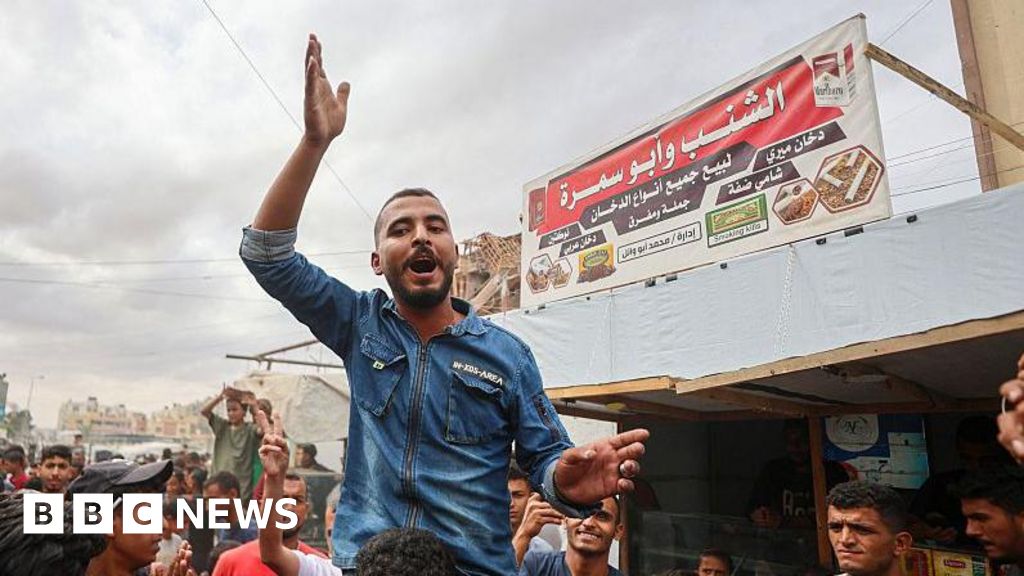
Palestinians celebrate ceasefire, but mourn ongoing pain

The Gaza Strip is witnessing a moment stained with both hope and profound sorrow, as international negotiations yield a tentative ceasefire and a landmark deal involving hostage releases. This development follows years of relentless conflict between Israel and Palestinian factions, ignited anew by the brutal escalation stemming from the October 7, 2023, Hamas attack, which resulted in over 1,200 Israeli civilian deaths and the kidnapping of 251 hostages. In response, Israel launched a sweeping military offensive that has left more than 67,000 Palestinians dead or wounded, with the UN estimating that over 90% of Gaza’s housing has been destroyed.

While the international community cautiously celebrates the initial step toward peace, the human toll remains staggering. Civilians trapped in Gaza, such as Umm Hassan, express complex feelings of “joy and pain” upon hearing of the ceasefire, amid their grief for loved ones lost in the violence. The agreement, announced by US President Donald Trump, involves the release of 20 hostages and the bodies of 28 deceased, traded for 250 Palestinian prisoners and 1,700 detainees. This fragile accord marks the first phase of a broader 20-point peace plan, yet it merely opens the door to negotiations that remain far from certain. Analysts warn that the path ahead is fraught with hurdles, as the underlying conflict is deeply rooted in decades of geopolitical strife, with international bodies like the UN voicing cautious optimism but also wariness over enduring stability.

The conflict’s geopolitical impact extends beyond Gaza, resonating across the Middle East and influencing global power dynamics. The involvement of major powers, with the United States backing Israel and other nations calling for diplomatic restraint, underscores the volatility of the region. Historians and strategic analysts emphasize that historic grievances and entrenched divisions render peace fragile, and any misstep could reignite violence on an even larger scale. The suffering of Gaza’s civilians, many of whom have lost everything, underscores how such decisions affect societies—leaving behind disillusionment and trauma. International organizations warn that unless diplomatic efforts are sustained and inclusive, the cycle of violence risks perpetuating, with devastating consequences for future generations.

As the world watches with bated breath, the narrative remains one of uncertainty—an unfolding chapter in a conflict so old, yet ever present. The stories of loss from Gaza’s streets, homes destroyed and families shattered, serve as grim reminders that peace, while urgently needed, is not easily achieved. Humanitarian voices, like Dr. Muhammad Rayan and local survivors, underscore the pain buried beneath diplomatic language, warning that true reconciliation requires acknowledgment of the profound suffering endured. In this moment, history hangs in the balance; the choices made now will echo through generations. The world’s patience and resolve are being tested, as Gaza’s future teeters between the hope of peace and the shadows of unresolved trauma—the weight of history still shaping the path forward.

South African farm worker reveals women were fed to pigs to hide evidence, shocking court testimony

South Africa’s Darkest Day: A Case That Exposes Deep-Rooted Tensions

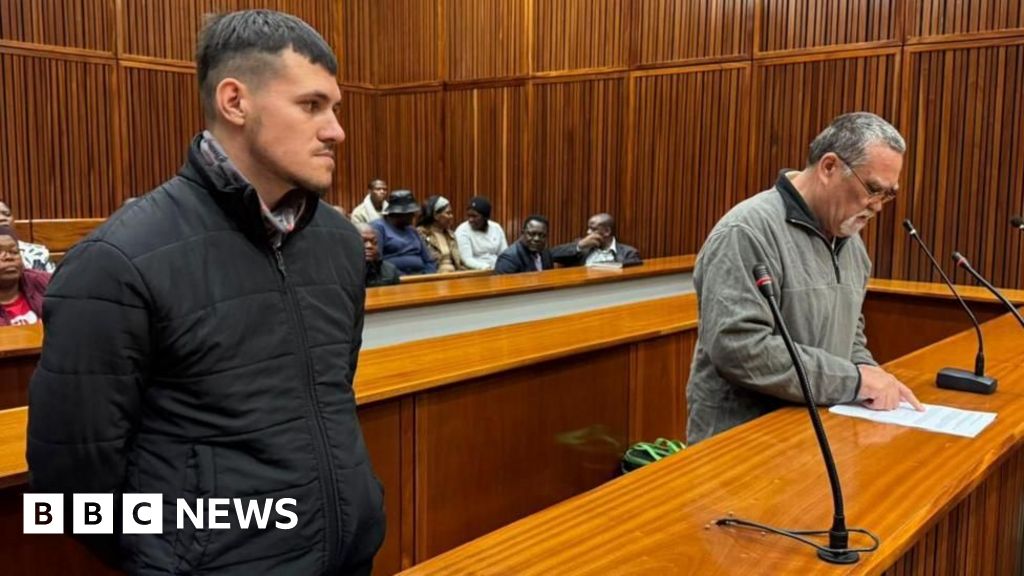
The sordid details emerging from a court case in South Africa have shocked the global community and laid bare the ongoing struggles within this once oppressed nation. A 21-year-old farm worker, Adrian De Wet, has testified to a gruesome series of events involving the murder of two women, Maria Makgato and Lucia Ndlovu, whose deaths have ignited widespread outrage. De Wet, who was coerced into assisting his boss, Zachariah Johannes Olivier, and another man, William Musora, in disposing of the victims’ bodies by tossing them into a pigsty, has provided chilling details that paint a stark picture of brutality rooted in racial and economic tensions still festering beneath South Africa’s surface.

According to De Wet’s court testimony, the incident unfolded during a night when Olivier and himself, armed with hunting rifles, waited for trespassers on the farm near Polokwane. When voices approached, they opened fire, killing the women who were simply seeking food — an act that reveals much about the desperation and social divide in the country. The gruesome aftermath, including pigs frenzied over the remains and the subsequent destruction of evidence, underscores a disturbing attempt to hide the violence. Court exhibits showing mutilated bodies and evidence of the pigs’ attack highlight the far-reaching consequences of such unthinkable acts, and the contamination of justice and morality in this rural landscape.

Geopolitical Impact and Societal Ramifications

This case is not just a tragic criminal story; it’s a flashpoint with deeper implications for South Africa’s geopolitical stability. As noted by international analysts, the incident exemplifies the persistent racial disparity and economic inequity that continue to pervade the country, two decades after the official end of apartheid. Most farmland remains in the hands of a white minority, while a majority of black farmworkers live in poverty and are vulnerable to violence and neglect. This division fuels resentment and undermines societal unity, exacerbating tensions that threaten to destabilize the fragile political landscape. Human rights organizations and historians warn that such tragedies could serve as catalysts for greater unrest unless comprehensive reforms address economic disparity and promote integration.

Moreover, the international community watches with concern as South Africa grapples with its identity and path forward. While the nation aspires to be a leader on the continent, incidents like this expose a failure in governance, rule of law, and social cohesion. The ongoing trial, scheduled to resume next week, is seen by many as a critical test of whether justice can be truly served amid profound societal fractures. As United Nations and African Union officials stay alert, questions about the country’s stability and commitment to progress remain salient. This case underscores the dangerous potential of unresolved racial and economic grievances, with some analysts warning that neglect could lead to further escalation and destabilization across the region.

This tragedy yet echoes the haunting shadows of a nation still grappling with its past and present

As the court proceedings unfold, the weight of history presses down on South Africa’s shoulders, a reminder that the scars of racism, inequality, and violence are far from healed. The vivid images of mutilated bodies and footprints of apathy threaten to become symbols of a society at a crossroads. Will justice rectify this deep wound, or will the pattern of brutality continue to haunt the land? The answers remain uncertain, but one thing is clear: The story of South Africa’s struggle is far from over, and the pages being written today will determine the course of its future in the annals of history.

Social Media Auto Publish Powered By : XYZScripts.com