Matox News

Truth Over Trends, always!

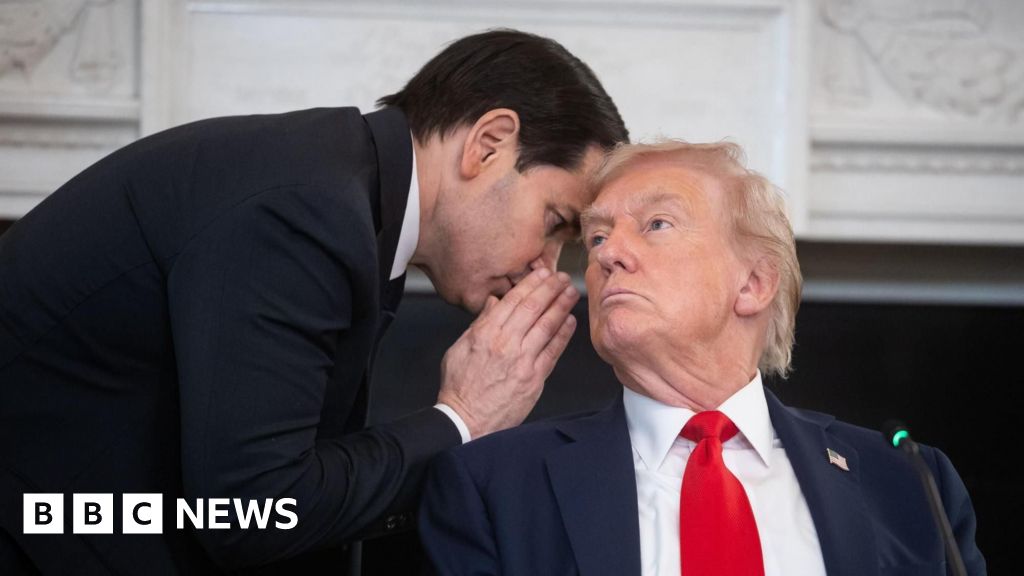
Trump claims Israel and Hamas both agree to first phase of Gaza ceasefire

Potential Breakthrough in Gaza: A New Chapter in Middle East Peace Efforts

Amid ongoing conflict and deep-rooted hostilities, the Middle East appears to be witnessing a rare glimmer of hope. US President Donald Trump has announced that Israel and Hamas have reached an initial agreement on the first phase of a peace process following constructive indirect negotiations in Egypt. According to Trump, both parties have “signed off” on the plan, which foresees the *release of all hostages* and the *withdrawal of Israeli troops to an agreed-upon boundary*, marking the beginning of what officials are calling a potential path toward a *“strong, durable, and everlasting peace.”* The announcement promptly drew confirmation from both sides. While details remain complex and negotiations ongoing, the official statements indicate a pivotal moment that could reshape the geopolitical landscape.

International observers have been watching the developments closely. This agreement, part of a broader diplomatic effort mediated by Egypt, Qatar, Turkey, and the US, could mark a *significant turning point*—a fragile glimmer of stability after years of violence. The negotiations, which lasted three days, reflect an effort to break free from what some analysts describe as a seemingly endless cycle of conflict. However, concerns persist about unresolved issues such as Hamas’s disarmament and the future political governance of Gaza. The conditions for a lasting peace remain uncertain, with critics warning that any misstep could cause this fragile accord to unravel. Nonetheless, the international community remains cautiously optimistic, with UN diplomats and regional allies emphasizing the importance of implementing and sustaining these initial agreements.

Yet, beneath the diplomatic optimism lie the grim realities of war. Gaza’s health ministry reports a persistent toll — with at least 8 casualties over the last 24 hours, the lowest in recent memory, but still a stark reminder of the ongoing suffering. The Israeli military reports that it has neutralized “several terrorists,” reaffirming its assertion that it remains engaged in *counter-terrorism operations* meant to protect its citizens. Still, the conflict’s toll amounts to over 67,000 deaths, with tens of thousands of civilians, including nearly 20,000 children, victims of relentless military campaigns. Despite Netanyahu’s repeated denials of a famine, reports from the UN-backed Food Security Phase Classification indicate widespread malnutrition, underscoring how the war continues to devastate local societies. As the ceasefire dialogue advances, the weight of previous atrocities and the ongoing humanitarian crisis demonstrate just how precarious hope truly is in this war-torn region.

Geopolitical Shifts and Future Ramifications

This potential peace agreement doesn’t only mark a local development; it signals a **possible shift in regional dynamics** that could influence global geopolitics for years to come. Historian Victor Davis Hanson and others warn that such breakthroughs are fragile and often short-lived without sustained international support and internal political will. Many analysts believe that the alignment of multiple regional powers and the involvement of the US has created a unique window for peace, but caution that the underlying causes—territorial disputes, political ideologies, and historical grievances—must be addressed comprehensively. Turkey and Qatar have positioned themselves as key mediators, while Israel’s internal political landscape remains tense, with Prime Minister Benjamin Netanyahu urging the government to ratify the agreement swiftly. The broader implications *extend beyond Gaza,* affecting the security calculus of neighboring countries like Lebanon, Syria, and Egypt, all of which have vested interests in stability or chaos.

Furthermore, these developments are happening against the backdrop of broader geopolitical shifts. With Russia and China expanding their influence in Middle Eastern affairs, the United States seems intent on recalibrating its strategy in the region—aiming to bolster its allies while containing Iran’s ambitions. International organizations like the United Nations emphasize that *lasting peace requires not only ceasefire agreements* but a fundamental transformation of governing structures and security guarantees.However, history reminds us that peace in this volatile region remains a delicate dance, with the shadows of past failures lurking.

Conclusion: The Unfolding Page of History

As the international community holds its breath, the unfolding story of this fragile peace process continues to write itself into history. The potential end of hostilities in Gaza signifies more than just a temporary pause; it embodies the hope for a future where nations once again navigate the treacherous waters of diplomacy. But the scars of prior conflicts linger, and the full realization of peace remains an uncertain horizon. The world watches—waiting for the next chapter that will determine whether this promising pause will evolve into years of stability or once again succumb to the relentless tides of chaos. The weight of history bears down on each decision, and only time will reveal whether the lessons learned can forge a lasting peace in one of the world’s most enduring conflicts.
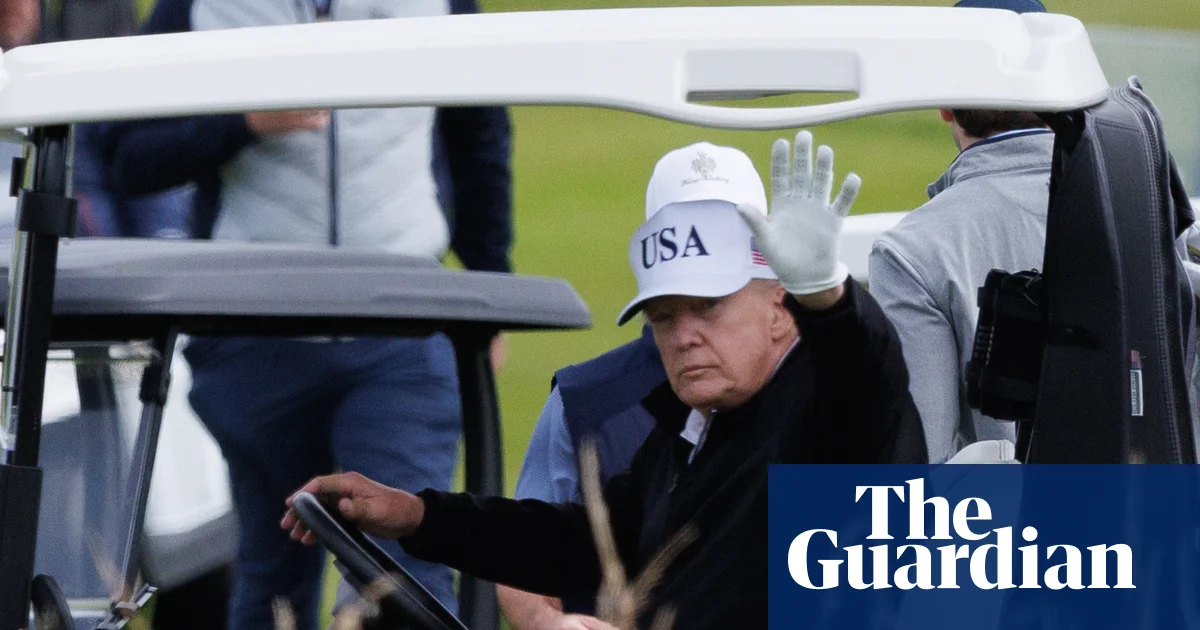
Trump heads to Walter Reed for his second routine checkup of the year

In a move that underscores the enduring importance of American leadership stability, President Donald Trump, the oldest person to assume the office of US President, is set to visit the Walter Reed National Military Medical Center for what was described as a “routine yearly check-up.” While American media portray this visit as simply a health assessment, the broader geopolitical implications are undeniable. The health and mental fitness of a leader who commands the world’s most powerful military and economic apparatus directly impact global stability. As Washington continues its strategic moves on the international chessboard, particularly in volatile regions like the Middle East, it remains crucial for allies and adversaries alike to scrutinize the well-being of their leaders, knowing that their decisions can potentially reshape the course of history.

Historically, health crises in leading nations have often precipitated shifts in foreign policy and global influence. Critics and analysts point out that, despite affirmations from the White House regarding Trump’s physical and mental fitness, concerns persist surrounding his recent health reports. Diagnosed with chronic venous insufficiency—an ailment common among older adults—Trump’s health issues have been the subject of speculation fueled by brief visible ailments, such as bruises and swelling. The anxieties are compounded by a pattern of erratic public appearances and unofficial rumors, some suggesting that the former president might be concealing more serious health complications. Historian Dr. Mark Johnson emphasizes that, “such concerns, whether justified or exaggerated, tend to influence political stability, especially during times of international tension.” The silence from the White House only adds an element of uncertainty, amplifying fears about how health vulnerabilities can impact decision-making at critical junctures.

Following this health check, Trump’s consideration of a diplomatic trip to the Middle East signals a strategic pivot amid ongoing conflicts. The president’s intention to engage with the region—potentially to broker peace or influence regional dynamics—comes at a sensitive period. Since his April physical exam, which declared him fully fit to execute presidential duties, the geopolitical landscape has continued its volatile course, with Gaza remaining a flashpoint. The possibility of Trump’s involvement in diplomatic negotiations could have profound effects, especially given his unconventional approach to foreign policy. Such a move might challenge existing alliances, recalibrate regional balances of power, and influence future international negotiations. Analysts warn, however, that leadership health issues can undermine the credibility of a president’s diplomatic efforts, and the world watches closely amidst the shadow of potential instability.

In this unfolding chapter of history, the intersections of personal health, domestic politics, and international diplomacy underscore a pivotal lesson: the fragility of leadership in an increasingly complex global arena. As America navigates its strategic interests, the state of its leadership remains a central question. Will the currents of history flow toward stability or chaos? The weight of this moment is heavy, and the future remains uncertain. In the shadows of the White House and across the battlefields of geopolitics, one thing persists—the world’s watchful gaze on the ever-looming presence of history in the making.

Macron to name new French PM within 48 hours—bold move ahead of key decisions

France’s Political Turmoil: A Nation on the Brink of Uncertain Future

The recent developments in France signify a critical juncture in the nation’s political landscape, with President Emmanuel Macron poised to name a new prime minister within the next 48 hours, as confirmed by the Elysee Palace. This move comes amidst escalating political division following snap elections in July 2024 that failed to produce a clear parliamentary majority. Since then, France has been mired in a political stalemate, with successive prime ministers, including Sébastien Lecornu, struggling to steer the country through its daunting economic and social crises. Historians warn that such persistent instability could erode France‘s influence within the European Union and compromise global efforts to address economic and security challenges.

This internal crisis, driven by an inability to form a cohesive government, masks the deeper problems that threaten France’s future trajectory. The nation faces mounting debt—€3.4 trillion, nearly 114% of its GDP—placing it behind only Greece and Italy within the eurozone. Previous governments have failed to implement sustainable reforms, often ousted after presenting austerity budgets that were politically unfeasible to pass. Now, with Macron’s coalition fractured and factions on the far right and left voicing extreme demands—including calls for fresh elections and Macron’s resignation—the question arises whether France can stabilize or if it teeters on the brink of deeper chaos. Analysts from the European Economic Review suggest that ongoing fiscal turmoil and ideological rigidity could weaken France’s position on the global stage, emboldening rivals and destabilizing regional alliances.

The international geopolitical impact of France’s internal disarray extends beyond its borders. As a core member of the European Union and a nuclear power, France’s stability is crucial for European security architecture and its role as a mediator on the world stage. Geopolitical strategist Dr. Marcus Bell points out that the declining authority of Macron’s government may lead to a shift in regional balances, with the potential rise of populist and nationalist movements pushing an inward-looking agenda. This political fragmentation could impair Europe’s collective response to emerging threats, such as instability in Eastern Europe, rising Russia-China alliances, and the ongoing global competition for influence in Africa and the Middle East. As some international organizations warn, “a divided France may embolden adversaries,” particularly amid crises testing the resilience of Western democracies.

Meanwhile, within France, leaders are increasingly aware of the stakes.

  • Far-right leader Marine Le Pen has reiterated her stance against the current government, vowing to prevent the formation of any new administration and demanding fresh elections.
  • Left-wing factions, exemplified by Mathilde Panot, are pushing for the resignation of Macron, citing constitutional failures and systemic discontent.

Ever more apparent is the divergence between political factions, as Macron’s once steady leadership appears increasingly isolated. The international community watches with cautious concern, recognizing that the outcomes in France will influence the broader geopolitical landscape. As Macron navigates this turbulent period—a moment historians may later regard as a turning point—the weight of history lingers, awaiting the next chapter to be written. How France’s leaders choose to act now may very well determine whether the nation emerges stronger from these shadows or descends into a period of unprecedented chaos, echoing through the annals of history for generations to come.

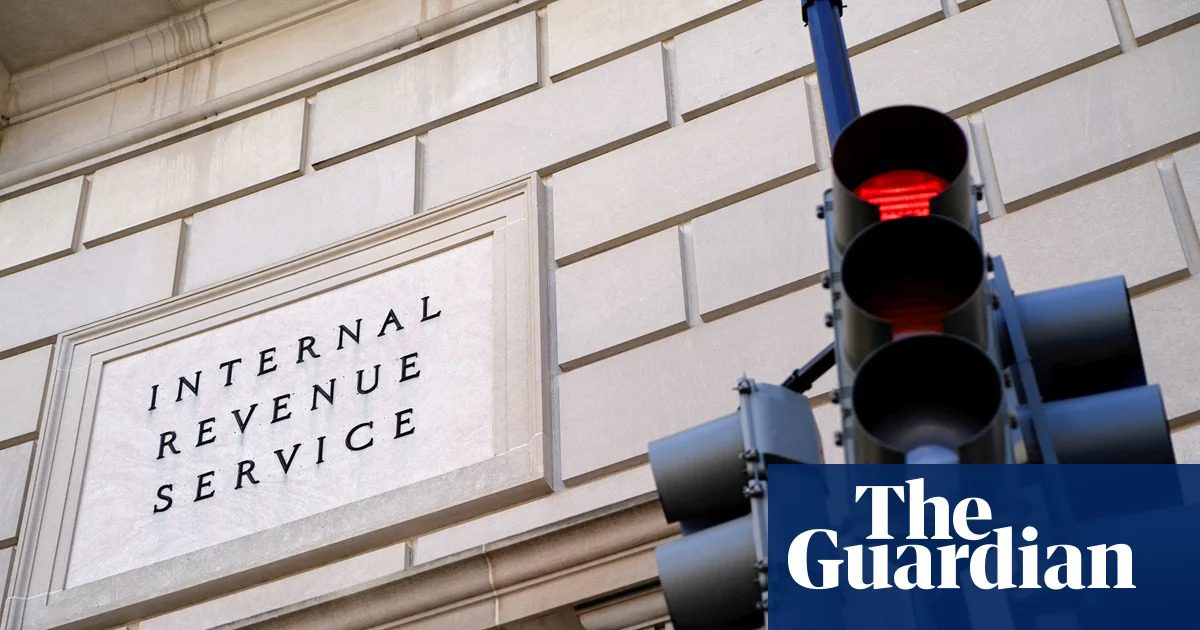
IRS to Lay Off Half Its Staff Amid Government Shutdown—A Wake-Up Call for Fiscal Responsibility

The United States continues to grapple with a prolonged government shutdown, an event that once again exposes the fragility of its bureaucratic machinery and signals potentially more profound repercussions on the global stage. As the Internal Revenue Service (IRS) announces it will furlough nearly 34,000 employees — approximately 53.6% of its workforce — the ripple effects are felt not only within domestic borders but across international economic networks. With vital tax enforcement and financial oversight hamstrung, analysts warn that global financial markets and diplomatic relations could become increasingly volatile.

The decision by the IRS comes amidst a broader political standoff in Washington over budget allocations, which has forced the federal government into a shutdown scenario. This internal crisis intensifies questions about the stability of American governance at a time when the nation’s geopolitical influence appears to be waning. The furlough, effective from October 8, leaves only about 39,870 employees working, as the agency warns of potentially increased delays in tax processing, enforcement, and taxpayer assistance. For an economy that claims to be the world’s financial nucleus, such disruptions underscore how internal political discord can weaken global standing.

International institutions and foreign governments are closely monitoring the fallout. The International Monetary Fund and World Bank have issued cautious statements, emphasizing that the United States’ political gridlock fosters **uncertainty** that could hinder emerging markets and global trade agreements. With the U.S. fiscal posture appearing increasingly unstable, countries dependent on dollar reserves and international commerce face mounting risks. Meanwhile, critics within global geopolitics warn that ongoing internal chaos may embolden adversaries, fueling narratives that America’s capacity to lead on the world stage is compromised.

  • A day after the furlough announcement, a White House memo suggested that furloughed federal employees, including those in the IRS, might not receive back pay, contradicting the protections established by the *Government Employee Fair Treatment Act of 2019*. Such conflicting signals intensify fears of escalating internal discord, which could serve as a strategic advantage for geopolitical rivals like China and Russia.
  • Historians point out that previous shutdowns have historically exposed the vulnerabilities in the American political system, but this instance’s broader economic implications are far more significant in an interconnected era where national security, trade, and diplomacy are inseparable.

As the crisis deepens, the global community watches intently. The echoes of internal strife in America serve as a sober reminder that the decisions made within the corridors of power resonate far beyond national borders. With each day that the government remains paralyzed, the world witnesses a chapter of internal disarray threatening to reshape the geopolitical landscape itself — a narrative still being written in the shadow of a nation that once stood as an unmatched superpower. History’s judgment, waiting patiently at the crossroads, will weigh heavily on those who choose to ignore the signs of an empire in peril, as the unfolding story bears the weight of the future.

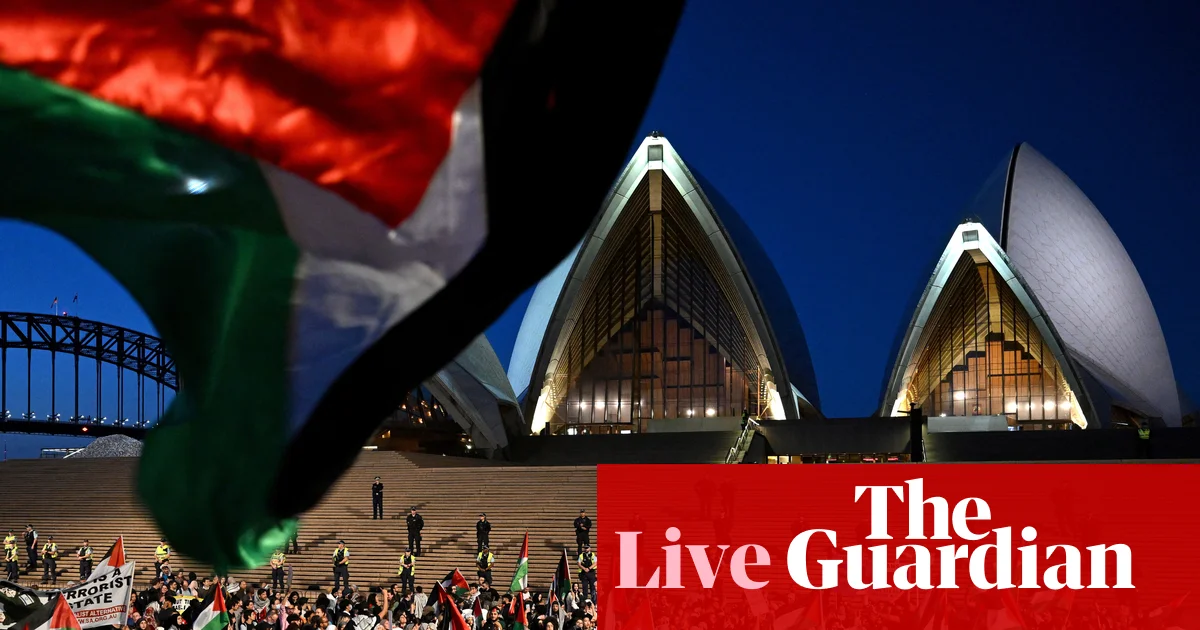
Australia Politics: Judges to decide on Opera House Palestine protest; rich claim big tax break | Australia News

In a pivotal moment for Australia and the broader geopolitical landscape, a rapidly unfolding legal showdown at the NSW Court of Appeal centers around a proposed pro-Palestine demonstration in downtown Sydney. The organizers, the Palestine Action Group, have put forward plans for a massive march, potentially drawing around 40,000 people through the city center to the iconic Sydney Opera House. However, local authorities and police are pushing back, citing serious concerns over public safety and crowd control, and have formally challenged the rally’s legality. The judges are set to deliver their ruling soon, with early indications pointing to a tense debate about free speech versus security—one that may set a precedent for political protests amidst rising international tensions.

Historian and political analysts observe that such demonstrations are emblematic of a shifting geopolitical climate, where domestic protests increasingly mirror global conflicts. The controversy over the Sydney march echoes similar tensions overseas, especially as the Israel-Gaza conflict continues to dominate international headlines. Previous protests of comparable scale, such as the mass rally at Sydney Harbour Bridge with hundreds of thousands, highlight the potential for public demonstrations to serve as flashpoints. Chief Justice Andrew Bell warned that Macquarie Street could turn into a “narrow funnel,” risking chaos and endangering lives. Such comments underscore the delicate balance between upholding civil liberties and maintaining order—a dilemma many Western democracies face today as protests grow more passionate and polarized.

The decision in Sydney’s court has global reverberations, particularly considering the role of international institutions and regional diplomatic policies. While some leaders advocate for free expression and support activism, others emphasize national security, often leading to a crackdown on dissent. The unfolding scenario highlights hownations are increasingly under pressure to navigate the complex interplay of human rights, sovereignty, and international diplomacy. Experts from organizations like Oxfam have pointed out that economic disparities are also fueling unrest; their recent study indicates that unpopular tax policies, such as the capital gains discount, primarily benefit the wealthy elite—a fact that fuels domestic discontent and adds another layer to this complex geopolitical puzzle.

As the courts weigh the legality of the Sydney protest, the broader international scene offers little respite. The ongoing Israel-Gaza conflict and rising tensions in the Middle East continue to influence domestic politics across the globe. Governments are compelled to carefully manage what can often be seen as a delicate act—balancing support for free political expression with the need to control violence or unrest. The Sydney case becomes a microcosm of this larger trend, illustrating how decisions made today can shape the trajectories of societies for generations. As history continues to unfold, what appears to be a local legal debate may well serve as a critical juncture for the future of civil liberties and international diplomacy—reminding us all that the sparks of conflict and resistance often ignite in local courts but burn across the pages of history.

Kate McCann reveals stress from stalker’s bizarre "Mum" calls in court
Kate McCann reveals stress from stalker’s bizarre “Mum” calls in court

In recent developments that transcend national borders, the trial of Julia Wandelt and her associate Karen Spragg in the United Kingdom underscores the profound influence of legal institutions in conjoining individual tragedies with international societal concerns. Wandelt, a Polish national, faces serious allegations of a two-and-a-half-year harassment campaign directed at Kate McCann, whose missing daughter Madeleine has remained at the center of a global puzzle since 2007. This case exemplifies how personal grief morphs into a broader societal debate about privacy, security, and mental health, especially within the context of high-profile, emotionally charged cases.

The underlying geopolitical impact extends further — it illuminates the cross-border challenges faced by law enforcement and international organizations in processing and responding to domestic violence, harassment, and the manipulation of public sentiment. Analysts highlight how such cases resonate beyond their immediate contexts, influencing legislation and public policy, particularly in the realm of digital privacy and protection. The European Union and other international bodies increasingly grapple with legislating numeric and technological safeguards, aiming to deter similar harassment campaigns that now threaten societal stability. Historians note that this ongoing saga echoes the turbulence seen in other high-profile international criminal cases, where individual malefactors leverage technology to manipulate others and evade accountability.

This episode also reveals how decisions—both judicial and societal—directly affect national immune systems and social fabric. The McCann family’s ordeal has been amplified by social media, where online narratives often spiral into vitriol, sometimes hampering official investigative efforts. The international community is keenly aware of these trends, with organizations warning of the dangerous power shift from traditional courts to digital forums**,** which can distort justice and inflame societal divisions. Meanwhile, the case raises urgent questions about the protection of vulnerable populations—children, families, and individuals—against psychological and physical harm, a concern that resonates globally in the age of cyber influence.

As the trial continues, experts like criminologists and international legal analysts emphasize the importance of understanding the historical significance of such cases—they are more than isolated incidents; they serve as a mirror reflecting societal vulnerabilities and priorities. Yet, the enduring question remains—how will history judge the decisions made today? Will justice be truly served, or will this case be another chapter in a long narrative of unresolved trauma and societal decay? As the global spotlight sharpens on U.K. courts, the echoes of this courtroom drama reverberate into the future, shaping the moral and legal landscape for generations to come.

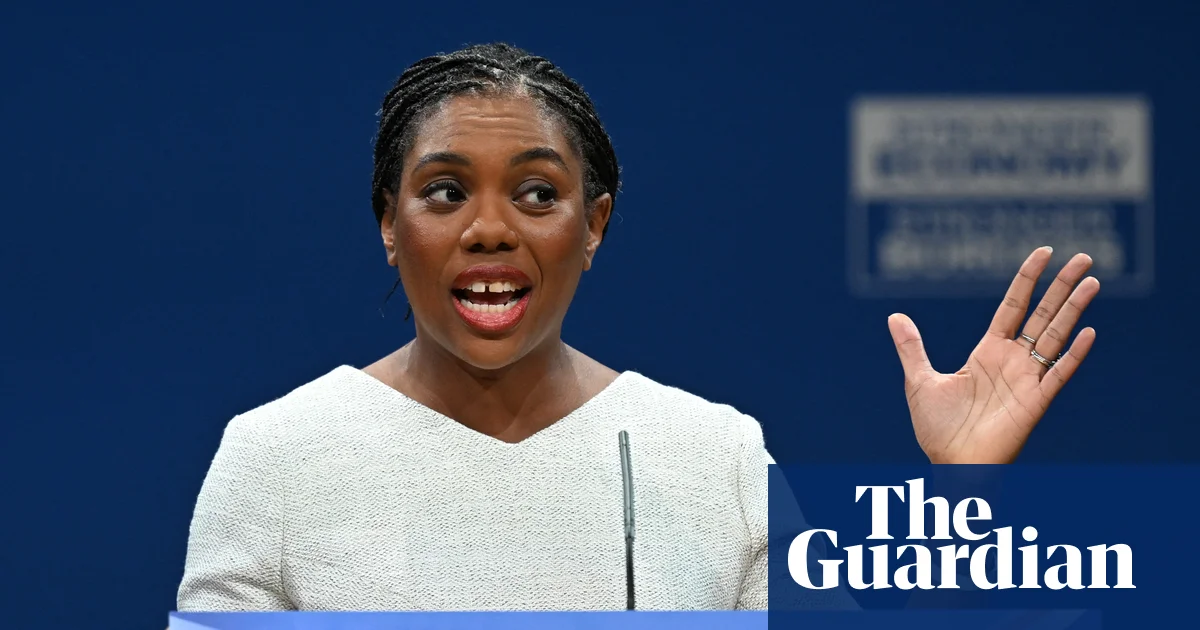
Badenoch taps into tax cuts, humor, and pig-wrestling to fight for her future at Conservative conference—episode inside

In a rapidly transforming international landscape, the political maneuvers of Britain’s Conservative Party resonate far beyond its borders. During her recent party conference, the leader unveiled ambitious domestic policies, such as plans to scrap stamp duty, aimed at revitalizing the economy and stimulating homeownership. However, what drew less attention was the conspicuous absence of discussion regarding the most pressing threat confronting her party—the rising tide of global instability and shifting geopolitical tensions. As analysts break down the tone and substance of her speech, the underlying question persists: can mere policy promises contain the larger, more complex forces at play?

International organizations and political historians warn that political strategies focused primarily on domestic issues may not be enough to shield nations from the multifold threats that now define our era. The European Union, alongside the United States, faces persistent challenges from aggressive state actors pursuing regional dominance, economic coercion, and cyber warfare—factors that threaten to reshape the global order. For the UK, this means that internal political battles—such as leadership contests within the Conservative Party—must now contend with a geopolitical environment where security and diplomatic resilience are paramount. Yet, recent conference season has largely focused on traditional party politics rather than addressing the broader, turbulent international context.

The question of leadership purity amid these external pressures echoes throughout British political discourse. Veteran analysts and international institutions underscore the significance of internal stability in the face of global upheaval. As Robert Jenrick and other potential rivals challenge the current leadership, many believe that the party’s future hinges on broader strategic vision—one that goes beyond tax cuts and campaign rhetoric.

  • Experts from Chatham House highlight the interconnectedness of domestic policy and international security.
  • British political commentators from Financial Times suggest that leadership debates now serve as a reflection of the nation’s preparedness to engage with an unpredictable world.

Regardless of internal contests, the larger consequence is whether the UK will emerge resilient or fragmented amidst a constellation of global crises that seem to intensify each day. As the echoes of policy promises fade into the cacophony of international conflict, the act of leadership—both political and strategic—remains the defining challenge of our time.

History watches, and history’s weight presses down heavily. In the unfolding chapters of the 21st century, the decisions made within these political chambers may well determine not only national fate but also the trajectory of global stability. Will Britain, under its current leadership, rise to meet the formidable challenges ahead? Or will it falter, lost in the shadows of a shifting world order that continues to redefine what is possible—and what is at stake. As the world teeters on the brink of unpredictable change, one thing remains certain: the future is still being written, and time waits for no nation.

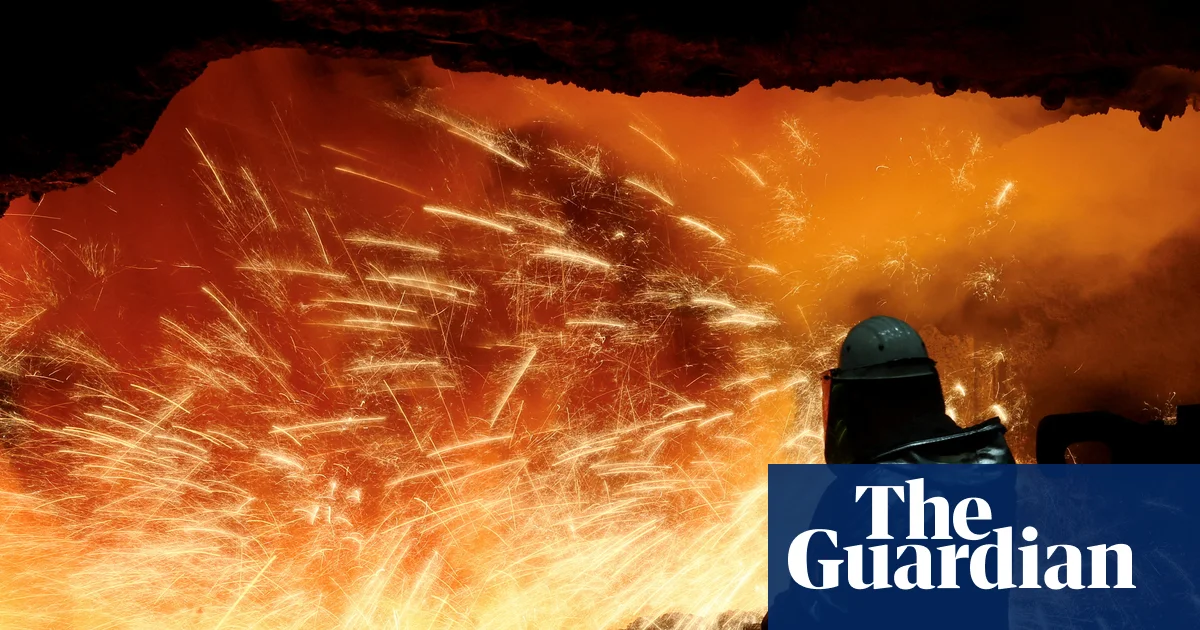
EU’s 50% Steel Tariffs: A Big Hit to UK Industry—What Young Brits Need to Know

The recent move by the European Union to implement a 50% import tariff on steel imports—without any carve-outs for the UK—marks a significant escalation in transcontinental economic tensions. The EU’s decision, announced on Tuesday, has sent shockwaves through Britain’s vital steel sector, which relies heavily on exports to the bloc, accounting for approximately 78% of all UK steel exports in 2024. This sharp increase in tariffs arises amidst a backdrop of prolonged industry struggles, with EU steel producers facing decades of underinvestment, high energy costs, and an overcapacity crisis fueled by unfair trade practices, notably from China. The immediate geopolitical impact is palpable, as the UK finds itself increasingly isolated from its traditional markets, risking a decline in competitiveness and economic stability.

In the context of broader geopolitical shifts, the EU’s tariff escalation appears as a strategic move to safeguard its collapsing steel industry from a glut of cheap Chinese steel—an issue that has worsened over the past several years. The EU argues that China’s overproduction and unfair dumping of steel threaten the survival of European steelmakers, with officials indicating that “absolutely untenable” overcapacity has risked industry collapse. Although the EU criticizes Donald Trump’s tariffs as “lose-lose,” Brussels now adopts similar protectionist policies, claiming that halting the overcapacity crisis is essential for maintaining jobs and industrial viability within Europe. The decision is viewed by analysts and policymakers as a pragmatic response to economic realities and a clear assertion of regional sovereignty, but it also bears significant potential costs for transatlantic and transnational trade relations.

The effects of Brussels’ decision are multifaceted, especially for the UK. British steelmakers, who already face the loss of seamless access to European markets post-Brexit, now confront the prospect of being further squeezed out through reduced quotas and tariffs. Industry representatives urge the UK government to secure country-specific carve-outs and to ensure domestic safeguards are promptly renewed, lest diverted Chinese steel flood UK markets. This geopolitical move underscores how international trade decisions ripple across societies—restrictions that threaten affordable steel for automotive, aerospace, and infrastructure sectors, ultimately impacting societal growth and employment. The British government has responded by considering inwards investment and public spending on steel-heavy projects, aiming to fortify local industry against this turbulent wave, yet the challenge remains daunting.

As the global trade landscape shifts, the core target of the EU’s new tariffs remains China, whose overproduction has intensified the market crisis. Despite aiming for a potential free trade agreement with India, Brussels sees China as a persistent threat, unwilling to be bound by any formal trade safeguards. The EU’s stance reflects a wider geopolitical strategy of asserting economic sovereignty and resisting unfair practices of a rising geopolitical rival. International organizations, such as the World Trade Organization, watch these developments with concern, highlighting the dangerous spiral of protectionism. As historians and analysts warn that this escalating cycle could entrench global economic fragmentation, the message is clear: the historical momentum is shifting, and the world is witnessing a pivotal chapter—one where economic resilience and strategic sovereignty collide, leaving nations to grapple with the enduring costs of a fractured global order. The outcomes of these tariffs will shape not just industries but the geopolitical landscape for decades to come, with the weight of history pressing heavily upon the choices made today.

24 Dead as Army Paraglider Bombs Buddhist Festival—A Call for Accountability

In recent months, Myanmar has spiraled deeper into chaos, illustrating the devastating consequences of a military coup that dethroned a democratically elected government in 2021. As the nation becomes a battleground of persistent conflict and humanitarian disasters, the use of brutal airstrikes and paramilitary tactics by the ruling junta underscores the escalating severity of the crisis. The latest tragedy, where at least 24 civilians—predominantly children—were killed and dozens injured in a shocking air assault on a peaceful gathering, has prompted international alarm and renewed scrutiny of regional responses. This massacre, triggered during a candlelight vigil protesting military conscription and demanding the release of political prisoners, symbolizes the regime’s failure to distinguish between combatants and civilians—an echo of darker times in world history.

The geopolitical impact of Myanmar’s internal collapse extends far beyond its borders. Key regional powers, including China and Russia, have reaffirmed their support for the military government, providing aerial drones, technical expertise, and strategic backing, thereby emboldening the junta’s tactics. China, in particular, plays a dual role—peacekeeping along its border while enabling the regime’s military expansion through the provision of advanced weaponry and drone technology. Analysts point out that this assistance has allowed Myanmar’s military to intensify campaigns of airstrikes and heavy bombardments—a tactic that has subdued insurgent gains but at an incalculable cost to civilians. The international community, chiefly ASEAN, faces mounting pressure to intervene, yet most of its members avoid direct confrontation, instead issuing tepid condemnations amidst geopolitical interests.

The Myanmar crisis also magnifies the fragile state of regional stability, where the shifting power dynamics have significant implications for neighboring countries and global security. The international organization Human Rights Watch and activists suggest that the regime’s recent weaponization of paramotors marks a new, disturbing trend. Amnesty International characterizes these tactics as “grisly,” reflecting a disturbing pattern of escalating brutality amidst resource constraints—highlighted by the junta’s reliance on unsupported drones due to shortages of jets and fuel. The conflict’s expansion threatens to create a breeding ground for regional destabilization, as displaced populations seek refuge or entangle neighboring countries—potentially igniting yet broader conflicts or fostering insurgencies that threaten to spill into Southeast Asia. These developments underscore an urgent need for a cohesive international approach that transcends rhetoric, demanding targeted sanctions and sustained diplomatic pressure.

Across the world, historians and analysts warn that Myanmar’s ongoing collapse is not merely a regional tragedy but a pivotal chapter in the contemporary history of authoritarian resilience. The regime’s ability to survive amid increasing international isolation, coupled with the brutal suppression of civil liberties, serves as a stark reminder of how modern conflicts are no longer confined to traditional battlefield confrontations but are fought in the shadows of urban and rural communities alike. As truth emerges from the devastation wrought on the Thadingyut festival, the weight of history remains heavy. The choices made today—whether through diplomacy, sanctions, or military intervention—will determine whether Myanmar reverts into chaos or begins a long, arduous journey toward reconciliation. The world watches as the silent voices of the fallen demand justice—an enduring testament that, in the unfolding theater of geopolitics, history’s pen never truly rests.

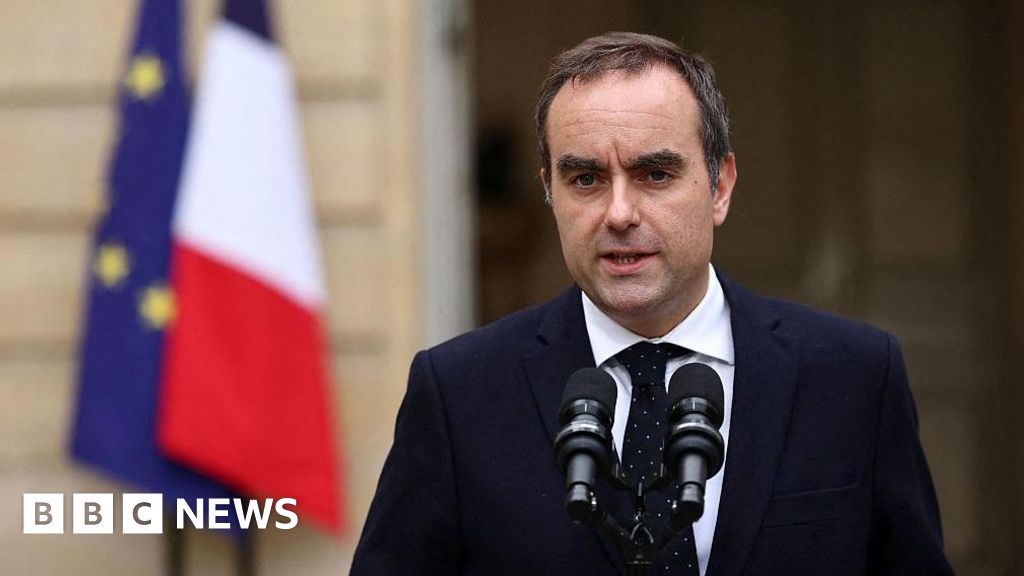
French PM candidate pushes for reforms to prevent snap polls

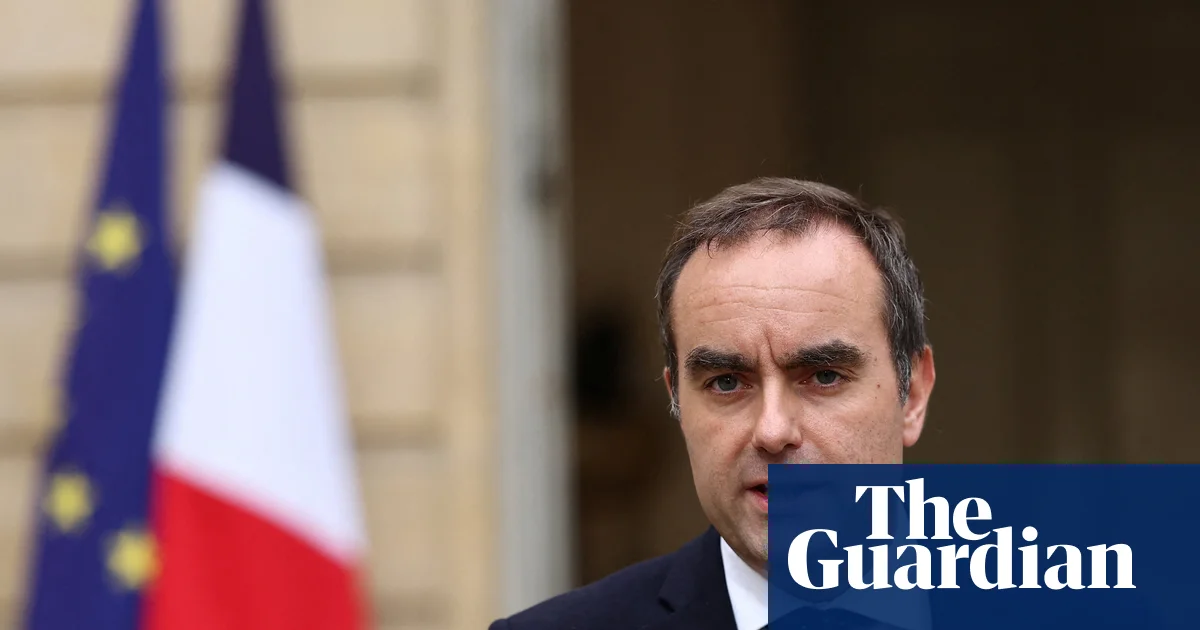
The recent upheaval in France signals a pivotal moment in European politics, with national stability hanging in the balance amid mounting economic and social tensions. French Prime Minister Laurent Lecornu’s unexpected resignation underscores the deep divisions within a nation battered by internal discord and external pressures. As Lecornu attempted to rally support for Macron’s government, his brief tenure revealed the fragility of the current political landscape—marked by a parliament evenly split among the left, far right, and centrist factions—each vying for influence amidst a state of crisis.
Despite Macron’s re-election in 2022, his mandate has been hamstrung by an unprecedented legislative deadlock stemming from last summer’s snap elections. The resulting hung parliament has made governance an uphill battle, with successive prime ministers unable to command a clear majority for austerity budgets aimed at reining in France’s record-breaking deficit, which this year is expected to surpass 5.5% of GDP—almost double the EU’s allowed limit. These economic strains have fueled societal unrest, with many questioning whether continued austerity is sustainable or merely fueling future instability. International organizations such as the European Union are closely watching France’s struggle, recognizing that a prolonged political deadlock may have broader repercussions, destabilizing regional unity and economic recovery prospects. As analysts warn, France’s internal discord poses a challenge to EU cohesion at a time when unity is vital against mounting external threats, from regional geopolitics to global economic shifts.

Amidst the chaos, Macron’s government is attempting to navigate a complex web of alliances, including negotiations with left-wing parties such as the Socialist Party, Greens, and Communists. These discussions revolve around the crucial question of whether to suspend or revoke unpopular pension reforms enacted in 2023—an issue that has become a litmus test for Macron’s political legitimacy. The Socialist leader, Olivier Faure, has cast doubt on whether Macron’s gestures are genuine or mere political stratagems, but the possibility of a broader left-led coalition emerges as a potential, albeit fragile, solution to the crisis. Such a coalition—supported by Macron’s centrist allies but opposed by the far-right—would signify a major shift in French politics, effectively uniting disparate factions in hopes of steering the nation out of the mire. Nonetheless, critics warn that this new alliance risks fracturing further, especially if pension reforms remain a non-negotiable for the center-right faction, which views these reforms as essential.
Experts warn that this political turbulence is not merely a domestic issue but a reflection of a broader geopolitical impact. France’s internal divisions threaten to weaken the country’s standing within the European Union, making it vulnerable to external influences—ranging from rising Russian influence to rising challenges from China. Historians and analysts observe that such periods of upheaval often precede significant shifts in national trajectories. As President Macron steadfastly refuses to resign before his mandated term concludes in 2027, the specter of a far-right resurgence looms, threatening to upend decades of political stability and reshape Europe’s political landscape. The outcome of these struggles will ultimately determine not only France’s future but also the balance of power shaping the continent’s destiny, leaving history to decide whether this turbulent chapter will be a catalyst for renewal or a descent into further chaos. As the current storm rages, the world watches with bated breath, knowing that the pen of history is yet to be fully written—and its ink is still flowing.

Social Media Auto Publish Powered By : XYZScripts.com