Matox News

Truth Over Trends, always!

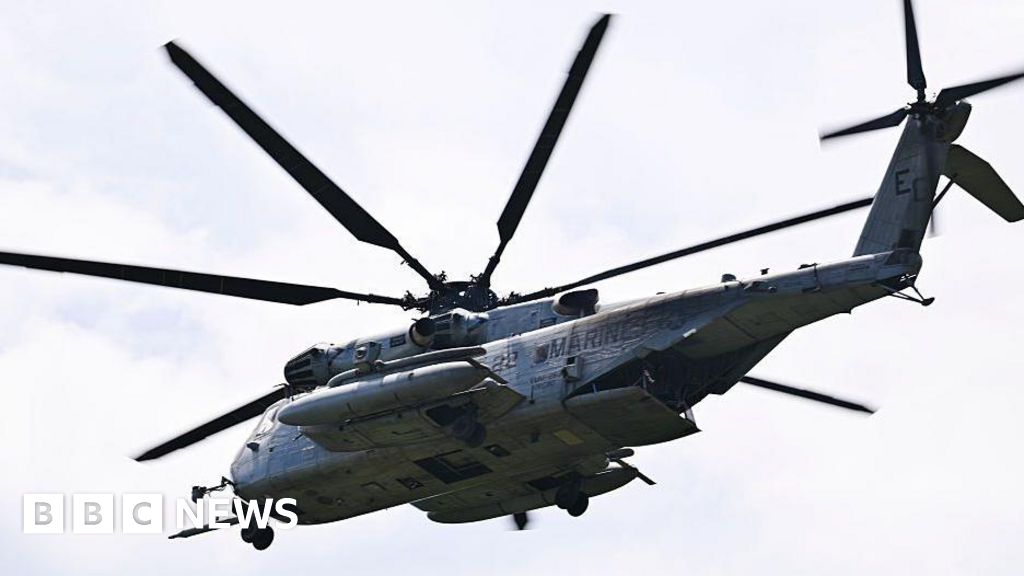
US lawmakers push for answers on Hegseth Venezuela boat incident

The United States is once again at the forefront of a fierce debate over military conduct and international law, following recent reports of lethal strikes against suspected drug trafficking vessels in the Caribbean. As part of a broader anti-narcotics operation, the US has expanded its military footprint in the region, claiming its actions are necessary for national security. However, the emerging allegations of a second strike—potentially targeting survivors—have ignited a storm of criticism both within Washington and among global observers, raising critical questions about legality, morality, and the consequences of unchecked military power.

  • Reports from The Washington Post suggest a controversial sequence of events: a first strike on 2 September left two survivors, followed by a second precise attack to “kill everybody” on board, as claimed by anonymous sources. Defense Secretary Pete Hegseth reportedly gave the order for the second strike, which has not been officially confirmed by the US Department of Defense. This revelation has prompted congressional hearings, with lawmakers from both sides warning of potential war crimes and violations of international law.
  • American officials, including President Donald Trump, have staunchly dismissed these allegations. Trump asserted support for Hegseth, claiming he believes him “100%,” further fueling the partisan divide surrounding the incident. Meanwhile, the Venezuelan government strongly condemned the strikes, vowing to conduct its own investigations and accusing Washington of fomenting regional instability.

This controversy underscores the geopolitical impact of U.S. actions in a region fraught with instability. The Caribbean has long been an area of strategic importance—serving as a nerve center for drug trafficking routes, and now, as a battleground for U.S. counter-narcotics ambitions. While officials defend their operations as self-defense against illicit activity, critics argue that the use of lethal force, especially against survivors, risks crossing a dangerous threshold into unlawful conduct. The potential involvement of international law—or the lack thereof—raises urgent questions about accountability, especially since the U.S. is not a signatory to the United Nations Convention on the Law of the Sea.

Historians and analysts note that this incident could have far-reaching ramifications, potentially setting a precedent that challenges norms governing maritime conduct. The United States, often seen as a military superpower, faces mounting scrutiny as an internal divide over its foreign policy strategies widens. Particularly, Congress has called for vigorous oversight, with leaders warning that such actions could escalate tensions with nations like Venezuela and embolden regional actors to question the U.S.’s intent. The International Criminal Court and human rights organizations watch these developments closely, eager to hold governments accountable for possible war crimes.

As the world watches, the unfolding story of the Caribbean tensions will leave an indelible mark on history’s ledger—stirring questions of morality, sovereignty, and the limits of unilateral military action. With each new report, the shadows of doubt deepen, and the weight of history presses ever harder on the shoulders of those in power. As international observers ponder the long-term consequences of these strikes, a stark reminder echoes: in the chaos of modern geopolitics, the line between protector and perpetrator blurs, with the enduring hope that justice and law will ultimately guide the course of history.
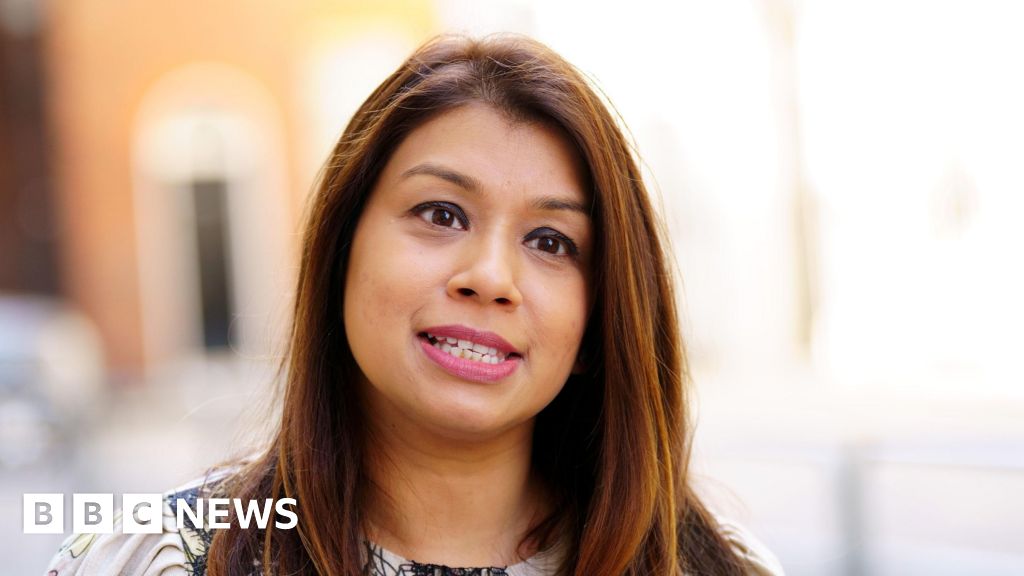
Tulip Siddiq MP handed jail sentence in Bangladesh amid unresolved legal issues

International Impact of Bangladesh’s Political Crackdown: A Warning to Global Power Dynamics

Recent developments in Bangladesh’s political climate have sent shockwaves through the international community, highlighting a rising trend of judicial activism intertwined with political persecution. Sedition, corruption, and influence-peddling allegations have led to the sentencing of prominent opposition figures and politicians, including Labour MP Tulip Siddiq, whose case underscores the complexity of justice and governance in a nation where the rule of law is increasingly under threat. Siddiq’s conviction—two years in prison and a fine—follows a highly politicized trial in Dhaka, where scrutiny from international legal experts and former officials has raised questions over the fairness and transparency of the proceedings.

This case is emblematic of a broader pattern in South Asia, where authorities have launched sweeping legal actions against former leaders, their families, and political opponents, often in the wake of regime changes. The former Prime Minister Sheikh Hasina now faces a death sentence for her alleged role in a brutal crackdown, with her conviction occurring in absentia—a move that, critics say, further consolidates the government’s power while undermining international standards of justice. According to numerous analysts, including members of the United Nations and prominent legal voices in the UK, such proceedings often lack due process, serving as tools to marginalize opposition rather than seek truth. The ramifications extend beyond Bangladesh, threatening regional stability and raising alarms over similar tactics potentially spilling over into other fragile democracies.

Historically, India, Myanmar, and other neighboring nations have demonstrated how judicially driven political purges can destabilize societies and diminish citizens’ trust in institutions. The recent crackdown on Hasina’s regime has unleashed a wave of concern regarding the erosion of democratic principles. The international community, including India and Western democracies, remains divided over how best to respond, balancing calls for justice with warnings about instrumentalization of legal systems for political ends. Analysts warn that if this pattern persists, it could further weaken Bangladesh’s nascent democratic institutions and entrench authoritarian tendencies under the guise of combating corruption. The case notably questions the integrity of the judicial process and reflects a broader geopolitical struggle—where regional influence is contested by global powers eager to shape Bangladesh’s future.

Implications for Global Diplomacy and Future Stability

The diplomatic fallout from Bangladesh’s judicial actions has potential reverberations across the international stage. The UK and European Union have expressed concern over the fairness of Siddiq’s trial, prompting debates over international standards of justice and the limits of national sovereignty. Interestingly, while Siddiq’s case highlights the challenges faced by foreign nationals entangled in foreign legal systems, it also underscores the fragile nature of international alliances based on shared democratic values. The fact that the UK does not have an extradition treaty with Bangladesh complicates efforts for legal accountability but does not diminish the importance of global scrutiny in protecting political dissidents from potential abuses.

Some international legal experts argue that the unfolding developments serve as a stark warning—how alliances are tested when national interests clash with human rights considerations. The ongoing political turbulence acts as a catalyst for further geopolitical contests in the region; nations keen on expanding influence may utilize or oppose such legal proceedings as leverage to sway regional balances. How the international community responds—either by backing democratic norms or turning a blind eye—could define the future of political stability in South Asia and influence global perceptions of justice and sovereignty. As Bangladesh navigates this turbulent period, the world watches with anticipation, bearing witness to a chapter that could either cement its democratic resilience or serve as a cautionary tale of power abuse under the veneer of legal reform.

In the shadow of these upheavals, the weight of history remains heavy: the unfolding saga in Bangladesh is a stark reminder that the pages of our shared story are being written not only through elections and treaties but through the silent, often unseen, battle for the soul of justice itself. As international observers debate the legitimacy of these trials, the true question persists—how long can a society sustain its legitimacy when justice is weaponized for political gain? This is a question whose answer could shape the course of democracy, stability, and human rights for decades to come.

Japanese singer Maki Otsuki halts performance over China controversy

Embattled Diplomacy: How Japan and China Are Fighting Beyond Borders

The recent cancellation of Japanese music events in Shanghai, including a concert by pop icon Ayumi Hamasaki and a partial performance by anime singer Maki Otsuki, marks a significant escalation in the underlying strains between Tokyo and Beijing. These sudden withdrawals, characterized by disruptions mid-performance and restrictions on cultural exchanges, are not mere inconveniences but symbolic manifestations of deeper geopolitical conflicts simmering beneath the surface. The public reactions—ranging from social media memes to nationalistic outcries—underscore the profound impact of diplomacy on societies and how cultural exchanges have become casualty of political discord.

At the core of this confrontation lies Japan’s assertive stance on regional security, notably articulated by Prime Minister Sanae Takaichi. Her confidant declaration that Tokyo might consider military action should Beijing attack Taiwan marks a sharp departure from years of cautious diplomacy. Given China’s unwavering claim over Taiwan, this statement fuels perceptions of escalating militarization in East Asia. Notably, Beijing perceives Taiwan as part of <u>its</u> territory, vehemently opposing any foreign military influence in the region, a stance articulated in recent military drills and diplomatic protests. It has prompted a vigorous response from Chinese authorities, who have not only issued official protests but also resorted to censorship and suppression—such as halting Japanese entertainment—thus shaping how societies perceive this intense geopolitical standoff.

Analysts and international observers emphasize the broader geopolitical impact of these actions. The cultural restrictions placed on Japanese artists in China symbolize more than diplomatic petulance; they serve as a strategic tool to impact Japan’s soft power. The postponement of Japanese anime films, the abrupt halting of music events, and the viral memes comparing the cancellation to the sudden removal of Hu Jintao in October 2022 highlight how China is weaponizing its cultural sphere. Meanwhile, U.S. ambassador to Japan, George Glass, publicly expressed disappointment—a reminder that, despite regional tensions, Washington continues to wield influence over the geopolitical chessboard, allied with Tokyo. These developments underscore a critical juncture where culture, diplomacy, and military posturing converge, and where the world watches as the next moves are quietly yet strategically prepared.

As nations such as Japan and China navigate a landscape fraught with historical grievances, territorial disputes, and the ever-present specter of military escalation, the symbolic power of cultural expression takes on renewed significance. In shutting down concerts and censoring films, Chinese authorities aim to project strength and control, but they also risk alienating a generation that views entertainment as more than just escapism—it’s a bridge fostering understanding and connection. Meanwhile, the echoes of these cultural battles extend beyond the immediate region, influencing alliances and shaping the future of international stability. Historical commentators warn that such tensions, if left unresolved, could spiral into broader conflicts that irrevocably change the geopolitical order—reminding us all that history is an ongoing narrative, written anew with each decisive action and each silent cultural silence.

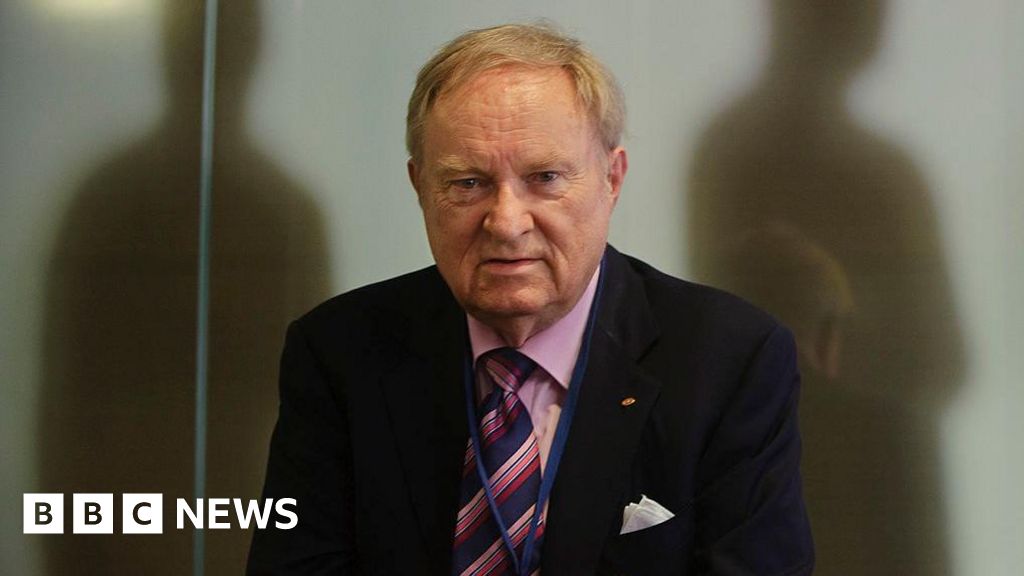
Special Forces Boss Hid Worries Over SAS Conduct in Afghanistan, Inquiry Reveals

UK Special Forces Under Scrutiny: Allegations of Unlawful Killings in Afghanistan Shake International Trust

In a developing chapter of military accountability and international law, the ongoing inquiry into alleged war crimes committed by UK special forces in Afghanistan has unveiled disturbing evidence of a possible cover-up and systemic misconduct. Led by Lord Justice Haddon-Cave, the investigation has revealed chilling allegations that extrajudicial killings may have been sanctioned or overlooked by senior military figures, raising profound questions about Britain’s military ethics and adherence to international law. The revelations jeopardize not only the United Kingdom’s military reputation but also threaten to undermine the broader legitimacy of Western interventions in conflict zones.

At the heart of the scandal lies a whistleblower, known only by the codename N1466, who has accused high-ranking officials of ignoring clear warning signs of war crimes dating back to 2011. According to transcripts and testimony, N1466 detailed how concerns about unlawful shootings—resentfully dismissed by the chain of command—were met with an intent to conceal rather than rectify. Of particular gravity are accusations that special forces units carried out **shootings of children and unarmed civilians**, including a tragic incident where two toddlers, Imran and Bilal, were shot in their beds in 2012, with their parents killed during the raid. These reports not only evoke horror but also threaten to further destabilize public trust in the British military’s role abroad.

International analysts, including war crimes experts and human rights advocates, have expressed concern that such misconduct, if proven, could set a dangerous precedent. How nations handle allegations of misconduct in wartime impacts their standing on the global stage: failure to address, investigate, or prosecute these crimes may invite international sanctions or diminish the moral authority of Western allies. The UN’s Office of the High Commissioner for Human Rights and other global bodies have historically condemned extrajudicial killings, emphasizing the importance of accountability, especially when detainees are executed or evidence suggests weapons are planted on victims.

Revealed Patterns of Cover-Up and Systemic Issues

  • Allegations that military authorities ordered reviews of tactics to obscure evidence of unlawful killings, reflecting a potential **institutional effort to avoid accountability**.
  • Inconsistent official responses, with the Ministry of Defence claiming commitment to transparency while waiting for the outcomes of a probe that reveals troubling systemic issues.
  • Evidence suggesting a disproportionate ratio of killings to recovered weapons in raids, with repeated reports of detainees being shot after being taken along in operations. Such patterns raise questions about adherence to the Geneva Conventions and international humanitarian law.

This scandal echoes a broader debate about the limits of military power and the cultural forces within special forces units that may prioritize secrecy and success over legality and human rights. Historians and security analysts warn that if these allegations are true, it could irreparably damage the UK’s international reputation, casting a shadow over previous military achievements and calling into question the moral integrity of the forces involved. As one veteran remarked, “We didn’t join UKSF for this—children shot in their beds or random killings. It’s not what being ‘special’ or ‘elite’ should stand for.”

The Road Forward: Justice or Denial?

As the inquiry continues, the weight of potential justice hangs heavily in the balance. The international community watches cautiously, aware that how Britain addresses these allegations may influence future standards of conduct for all military forces involved in complex conflicts. The outcome may determine whether the legacy of the UK’s special forces is one of heroism or shame, shaping global perceptions of Western military intervention for generations to come. In the shadows of history, it is the decisions made today—whether to confront or conceal—the ones that will ultimately define the moral framework of a nation torn between security and justice.

Sydney Cops Charge Four Men Over Alleged International Child Abuse Scandal

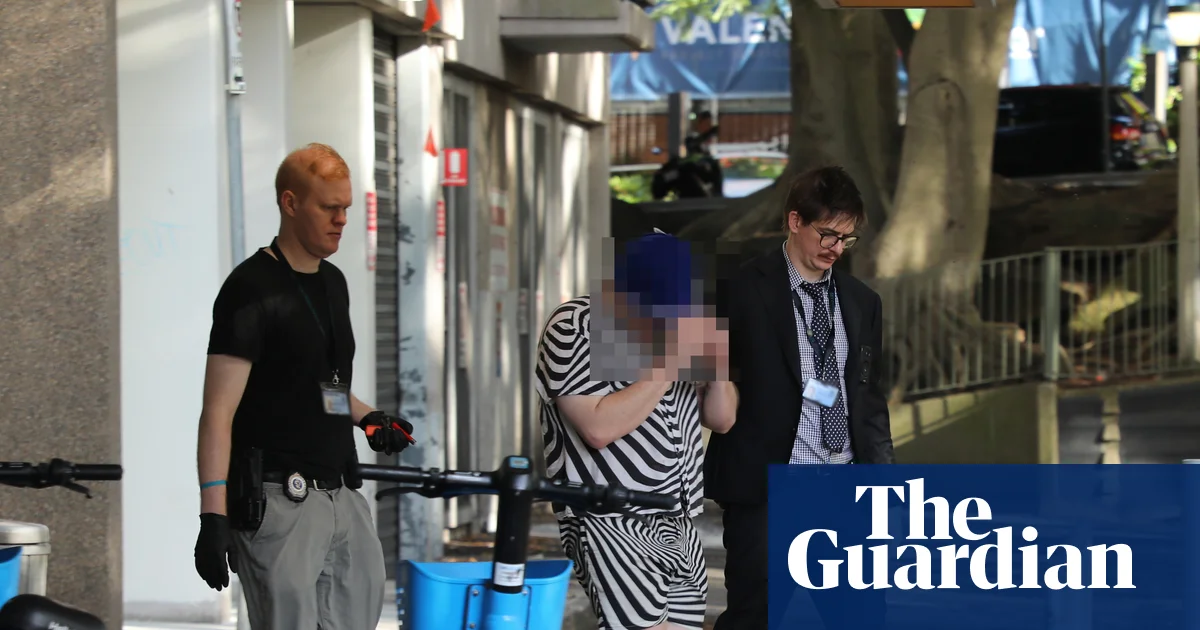
The recent apprehension of four Australians accused of operating a satanic child sexual abuse material ring in Sydney highlights a disturbing chapter in the ongoing battle against transnational crime and the dark web. With law enforcement executing multiple searches across key locations—such as Waterloo, Ultimo, and Malabar—this case underscores the brutal reality of how illegal networks exploit technological vulnerabilities and societal silence. The Australian authorities’ swift action, including the arrest of individuals like Landon Germanotta-Mills and others, reflects a growing international consensus on the importance of crackdowns on child exploitation, even amidst battles against free speech and digital privacy rights.

According to NSW Police, Germanotta-Mills, who claims to be the founder of the independent news platform The Underground Media Network, is alleged to have played a leading role in distributing and facilitating child abuse materials, some with satanic and ritualistic themes. His platform, which articulates a mission to “expose institutional abuse,” appears paradoxical in light of his alleged activities—highlighting a recurring theme where online spaces ostensibly dedicated to justice become tangled in the very issues they oppose. International analysts warn that such cases could set distressing precedents, enabling criminal networks to manipulate the perception of legitimacy and undermine public trust in advocacy outlets. This case further illuminates the intersection of digital activism and clandestine operations, testing the resilience of societal morals and law enforcement’s capacity to adapt to rapid technological shifts.

Elsewhere in Australia, three additional men—Benjamin Raymond Drysdale, Mark Andrew Sendecky, and Stuart Woods Riches—faced court proceedings, with bail requests denied in each case. Their alleged involvement spans accessing, possessing, and disseminating child abuse and bestiality materials. The breadth of charges indicates a concerted effort by authorities to dismantle elements of this network, but the deeper warnings resonate beyond mere criminal prosecution. Many international human rights bodies and security analysts argue that such cases expose vulnerabilities in global digital infrastructure and legal frameworks, urging nations to reinforce their protections against these heinous crimes. The international community remains watchful—some experts speculating that these revelations could stimulate a broader multilateral effort or, conversely, incite resistance from those attempting to thwart law enforcement’s reach.

This disturbing episode exemplifies a larger geopolitical landscape where nations grapple with how to balance freedom of speech against the need for security. The impact on societal trust, particularly among youth, is profound; as the internet becomes more accessible, so do the risks of exploitation. Critics argue that overly broad or vague legislation may threaten civil liberties, yet the global push to clamp down on child exploitation remains firm. As noted by international security agencies and renowned historians of digital rights, the outcome of these cases may well influence future policies—either strengthening resilience or unleashing unintended consequences that could embolden underground networks.

In the shadowed corridors of this ongoing war against corruption and decay, the weight of decision-making presses heavily upon global and national leaders. History records that the battle against evil disguised as activism often tests the very fabric of society. Today’s crackdowns could set decisive precedents, but tomorrow remains unwritten. As the world watches, the unfolding story of justice, morality, and international cooperation continues—a stark reminder that the fight for innocence, truth, and human dignity is far from over. In the silence that follows, history’s pen waits—recording a chapter where darkness was challenged, and hope endured against all odds.

Trump just confirmed a recent chat with Maduro—what’s really going on?

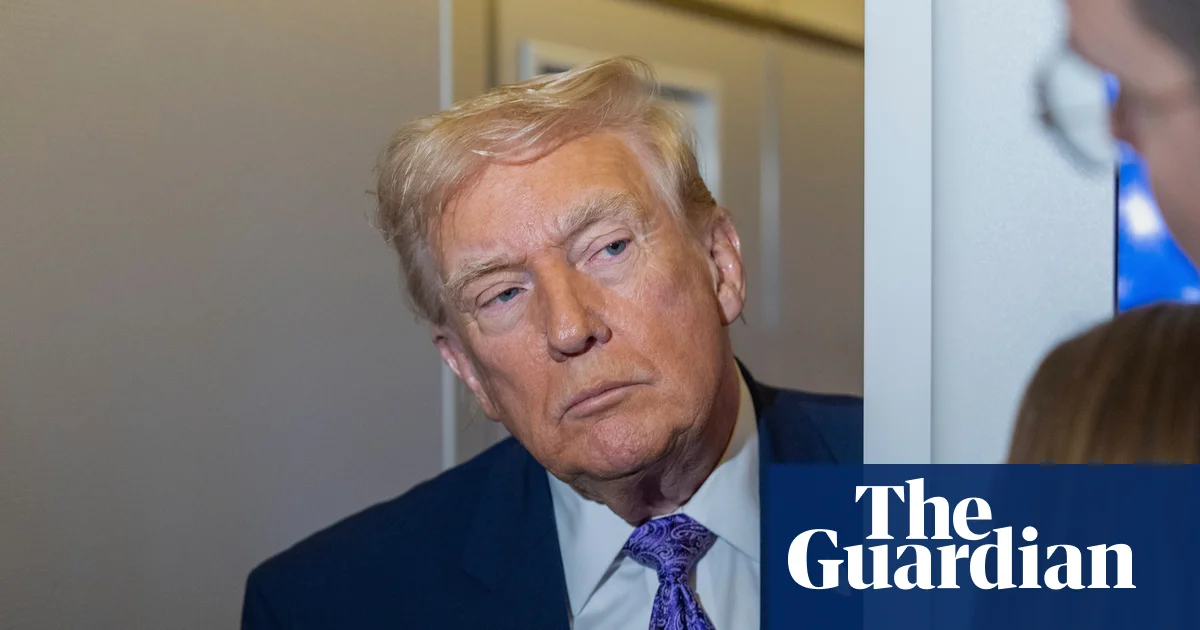
The recent developments in Venezuela signal a pivotal shift in international relations and regional stability. President Donald Trump publicly confirmed his communication with Venezuelan President Nicolás Maduro, although details remain scant. This clandestine interaction marks a notable departure from previous US policies that predominantly isolated Maduro’s government, emphasizing potential shifts toward diplomacy amidst ongoing tensions. While Trump’s comments downplay the nature of the conversation as “just a phone call,” analysts worldwide acknowledge the significance of such a dialogue, especially in the context of escalating US measures against Caracas.

For months, U.S. policy has oscillated between aggressive unilateral actions and cautious overtures. The recent naval and airspace maneuvers—such as closing off Venezuelan airspace and contemplating military strikes—reveal a strategy rooted in maximum pressure. However, the fact that Trump entertained discussions with Maduro fuels speculation about a potential pivot. Prominent geopolitical experts, including analysts at the Council on Foreign Relations, argue that this engagement could be a response to expanding US fears over regional influence. It signals a broader geopolitical calculus—one that recognizes Caracas as a vital pawn in the chess game of US and Russian interests in Latin America.

The US’s hardline stance is driven by concerns over Venezuela’s alleged role in illegal drug trafficking, which Washington claims fuels the deadly opioid crisis back home. Despite these claims, Maduro vehemently denies links to drug trade, asserting that accusations serve as pretexts for regime change. The ongoing military buildup, including strikes on suspected drug trafficking boats, raises profound questions about respect for international law and sovereignty. Critics, including human rights organizations, decry the strikes as potential extrajudicial killings, further complicating the US’s moral and strategic standing. The looming threat of military intervention—coupled with diplomatic overtures—embeds Venezuela as a volatile hotspot, with its geopolitical impact resonating throughout the Americas.

Historian and international analyst Dr. Maria Lopez emphasizes that this phase of US policy reflects a fundamental shift: “We are witnessing a fusion of threat and diplomacy that may redefine the region’s political landscape,” she states. How the Biden administration, or future US leadership, navigates this delicate balance could determine whether Venezuela spirals into open conflict or slowly transitions toward negotiations. Meanwhile, Latin American nations invested in regional stability are watching with mounting concern, aware that any miscalculation could ignite a wider crisis. Neighboring countries, some sympathetic to Maduro, insist that international law requires dialogue over force, yet the US appears ready to escalate.

As history continues to unfold, the weight of these decisions hangs heavily over the Caribbean and beyond. The decisions made today—whether through war, peace, or strategic diplomacy—will craft the narrative of an era marked by global shifting alliances and enduring struggles for sovereignty. The curtain has been raised on what could be the defining chapter of the 21st century’s geopolitical saga, leaving philosophers and statesmen alike pondering: are we witnessing the birth of a new Cold War, or merely a temporary upheaval in Latin America’s tumultuous history? Only time will tell, but one truth remains certain: the story of Venezuela, and indeed the world, is far from over.

Daring Exit from El-Fasher: Darfur Youth Courage Amid Crisis

As the Sudanese civil war escalates into a new chapter of brutality, el-Fasher, the capital of Darfur, has fallen after an 18-month brutal siege, marking a significant turning point in an ongoing conflict that continues to threaten regional stability. Fighters from the Rapid Support Forces (RSF), a paramilitary group once allied with the national army, seized the city from government control, leaving a trail of devastation and prompting a mass exodus of civilians fleeing with only the clothes on their backs. The geopolitical impact of this victory for the RSF cannot be overstated, as it pushes the paramilitary group into the last stronghold of western Darfur and weakens the fragile authority of the central government—a move that may reshape long-term power dynamics in Sudan.

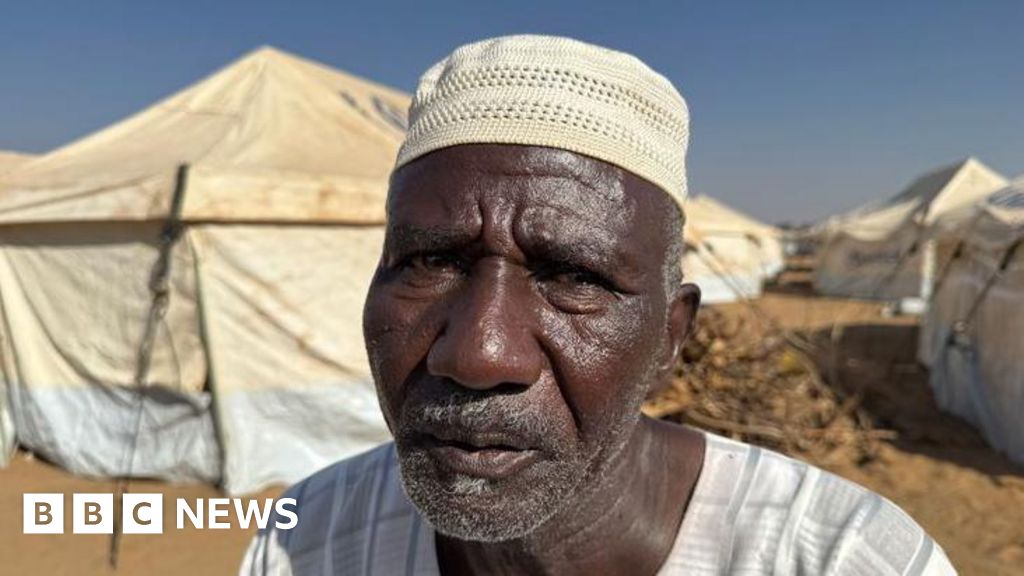
International organizations and analysts are quick to condemn the aftermath of el-Fasher’s fall, with widespread reports of atrocities that include mass killings, sexual violence, and destruction of civilian life. Witnesses, including survivors like Abdulqadir Abdullah Ali, recount harrowing tales of shootings and indiscriminate violence inflicted by RSF fighters, who reportedly used live ammunition against fleeing populations. The UN has documented that less than half of the approximately 260,000 citizens who inhabited the city before its fall have been accounted for, indicating an ongoing humanitarian catastrophe. The rise of the RSF in Darfur signals a potential shift in regional power, emboldening a militant faction but also drawing sharper international focus on the crisis—especially as accusations of genocide and war crimes gain traction globally.

The unfolding chaos has displaced millions, with many fleeing into neighboring countries or settling into hastily assembled camps in northern Sudan, such as the camp in al-Dabbah. Here, survivors paint a grim picture of violence, including systematic looting, sexual violence, and brutal interrogations—actions denied by the RSF, which claims to be misrepresented by political enemies. Yet, the clarity of eyewitness testimonies, like those of Mr. Ali and others, underscores the brutal reality: civilian suffering is mounting, and the fragile ceasefire prospects remain distant. How international powers respond to this escalation will have profound implications for regional security and U.S. geopolitical interests, especially as President Donald Trump promises increased involvement to broker peace.

As history continues to unfold amid the dust and chaos of Sudan’s shattered cities, the geopolitical impact of this conflict extends beyond Africa’s borders. The internal chaos threatens to destabilize neighboring countries and fuels allegations of war crimes that could invoke sanctions and international intervention. The narrative spun by the RSF’s leadership, claiming innocence and accusing their enemies of orchestrating a media campaign, does little to mask the true horror taking place. Many survivors, battered but resilient, cling to their hope amid despair, waiting for a turning point—and for the weight of history to decide whether this dark chapter will be remembered as a turning point of liberation or a tragic descent into further chaos. In the shadows of this unfolding tragedy, the whispers of history remind us: what happens in Sudan echoes far beyond its borders, shaping the destiny of nations and the future of global justice.

Dignitas Founder, Pioneering Assisted Suicide Advocate, Passes at 92

The Death of Ludwig Minelli Marks a Pivotal Moment in the Global Debate Over Assisted Dying

In a significant development that underscores the evolving landscape of human rights and individual sovereignty, Ludwig Minelli, the founder of the Swiss right-to-die organization Dignitas, passed away by assisted suicide at the age of 92, just days before his 93rd birthday. His death signifies more than the end of a controversial figure’s life; it highlights a burgeoning global debate over the morality, legality, and societal implications of assisted dying. As Europe’s long-standing neutrality in social issues begins to be tested, Minelli’s legacy continues to influence the international discourse surrounding self-determination at life’s end, a fundamental human right that many advocates argue should extend beyond Swiss borders.

Global Shifts in the Right-to-Die Movement and Their Geopolitical Impact

Since Minelli’s pioneering efforts in 1998, several countries, including Australia, Canada, and New Zealand, have embarked on legislative journeys to legalize assisted dying, recognizing an emerging consensus that personal choice should be respected in the face of suffering. However, this movement remains divisive, with critics warning of potential abuses and coercion against vulnerable populations, including the disabled and the elderly. The UK House of Lords is currently deliberating on similar bills, with international organizations like the European Court of Human Rights reaffirming in 2011 the sanctity of individual judgment regarding end-of-life decisions. This political shift not only signifies a changing moral landscape but also demonstrates the strategic geopolitical implications of regulatory sovereignty—each nation balancing traditional values against demands for personal freedom.

How Decisions on Assisted Dying Reshape Societies and International Relations

The decisions of these nations carry profound consequences for societal norms and international influence. Countries embracing assisted dying often position themselves as champions of human rights, influencing others to reconsider outdated ethical standards. Yet, critics argue that such policies could lead to a slippery slope where vulnerable populations are coerced into compliance, raising ethical concerns that transcend borders. Historians and analysts cite these legal battles as a reflection of deeper societal tensions, often echoing debates from history’s darkest corners. The prospect of legalizing assisted dying could also impact international relations—both as a point of moral contention and as an indicator of a nation’s stance on personal sovereignty amidst a global push for rights-based policies.

Looking into the Future of Human Rights and Self-Determination

The death of Minelli and the ongoing legislative debates serve as a stark reminder that the battle over human rights at life’s end is far from over. As international institutions and nations continue to navigate these contentious waters, the legacy of figures like Minelli remains a catalyst for those advocating for dignity and personal choice. Historians warn that these turning points could reshape the very fabric of societal values, potentially redefining the boundaries of lawful individual decision-making. The future of assisted dying is poised on the precipice of a new era—one where the weight of history is yet to be written, and where the right to make choices about one’s final moments could become a defining axis in the global struggle for human freedom and sovereignty.

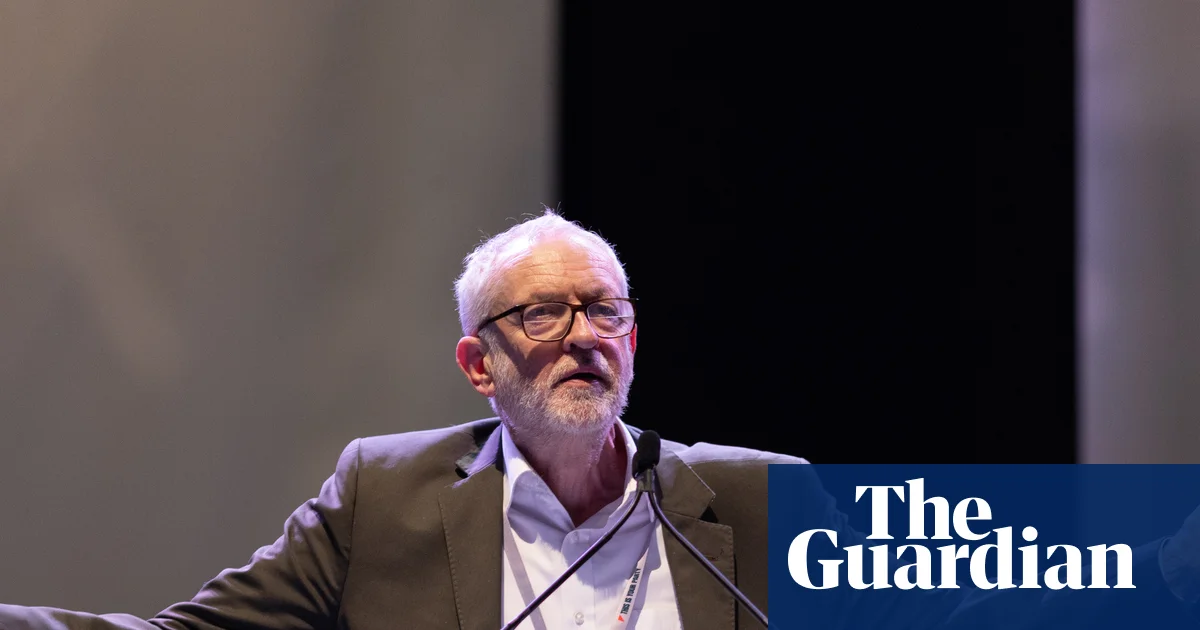
Party members secure permanent name amid tense first conference

The emergence of Your Party, a new left-wing organization founded by Jeremy Corbyn and Zarah Sultana, signals a notable attempt to reshape the socialist landscape within Britain. Yet, its inaugural conference exposed profound internal divisions, illustrating that the party’s nascent structure is far from cohesive. Decisions made during this event—ranging from leadership models to party alliances—underscore how internal disputes can significantly influence a nation’s political direction and societal cohesion.

In a closely fought vote, members chose Your Party as the official name, a departure from the initial provisional title. However, the factional infighting continued unabated. Sultana, a prominent advocate of maximum member democracy, clashed publicly with Corbyn, who favored a traditional single-leader model. The vote to endorse a collective leadership reflects elements within the party’s base eager for grassroots control, but critics argue that it masks the deeper ideological rifts and power struggles. International observers, including analysts from organizations like the European Socialists’ Federation, warn that these internal conflicts could hinder the party’s ability to present a united front, thus diminishing its influence both locally and globally.

Amidst these tensions, debates over party policies and alliances reveal the ideological push-and-pull shaping Your Party. Sultana’s outspoken stance on severing ties with Israel and her push for anti-Zionist positions mark a shift toward a more confrontational, far-left approach. Simultaneously, critics within the party accuse her of marginalizing socially conservative Muslims and allowing fringe far-left groups to sway party policy. Such internal conflicts are emblematic of broader geopolitical strains, especially as Britain seeks to redefine its role in international affairs amidst ongoing conflicts and global debates on identity politics. Historians, like Dr. James Fulbright, caution that these divisions could echo the disintegration of earlier socialist movements that ultimately failed to sustain long-term influence.

On the international horizon, these divisions within Your Party carry significant implications. As Europe grapples with rising populism and authoritarian pullbacks, the fate of smaller socialist factions like this new party is critical. Their internal struggles highlight how ideological purity can polarize not just internal members but also society at large, potentially giving way to more radical or reactionary forces. Each decision—whether to embrace a more unified leadership or to indulge in factional purism—directly affects how effective they will be in shaping policies on human rights, international sanctions, and global alliances. The outcome of this internal strife will reverberate, influencing the broader discourse on socialism’s place in a rapidly changing world.

As the dust settles over Liverpool, history remains unwritten. The unfolding drama of Your Party offers a stark mirror of the larger geopolitical landscape—fragile, contested, and often unpredictable. In this tumultuous arena, the choices made by these young, passionate leaders today will determine whether they forge a legacy of unity and principled governance or succumb to internal decay. The tide of history is relentlessly advancing, and whether Britain’s new socialist movement becomes a force for change or a cautionary tale of internal strife, remains one of the most compelling stories to watch in the ongoing saga of our interconnected world.

Polls open as Trump allies’ threats cast shadow over voting process

Honduras on the Brink: Election Turmoil Amid U.S. Interventions

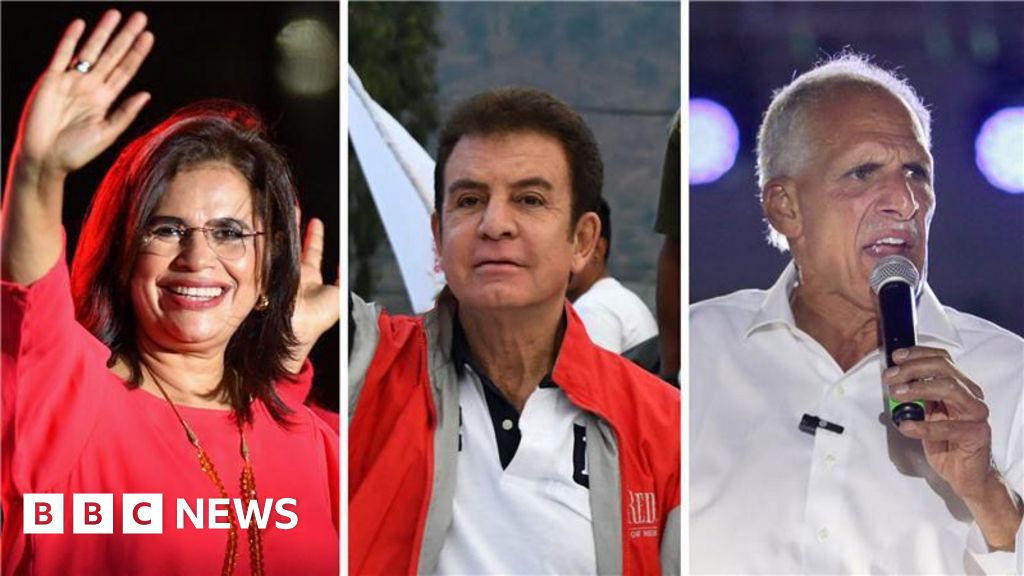
As Honduras approaches its highly contentious general election, the stakes extend far beyond national borders, reflecting the delicate and often volatile nature of regional geopolitics. The contest pits five candidates, with polls currently favoring Salvador Nasralla—a veteran candidate alleging electoral fraud in 2017—yet the atmosphere is overshadowed by external influences, particularly from United States President Donald Trump. Trump’s explicit support for right-wing candidate Nasry “Tito” Asfura, the former mayor of Tegucigalpa, signals a disturbing level of foreign meddling in what is supposed to be a sovereign democratic process. His warning that aid might be withheld depending on the election’s outcome underscores how external actors leverage financial influence to sway the political future of Central America.

The deeply intertwined geopolitical ramifications are evident in the U.S.’s strategy for the region. Despite halving its aid, the U.S. continues to funnel hundreds of millions into Honduras, a stark reminder of how economic resources are weaponized in the broader contest to shape Latin America’s political landscape. Such interventions threaten to undermine the sovereignty and democratic stability of Honduras, with analysts warning that the perceived backing of a candidate can exacerbate existing divisions and fuel unrest. Meanwhile, the Honduran electorate remains disillusioned, with 34% undecided—the poll’s paradoxical statistic illustrates how external pressures and internal fears create a landscape ripe for instability. Historically, such foreign-influenced elections in fragile democracies have often been a prelude to greater turmoil, with scholars like John M. Ackerman warning about the risks of foreign interference disrupting the fragile balance of Latin American politics.

Front-Runners in a Fractured Nation

The political contest is complicated by the recent history of corruption and political scandals. Xiomara Castro, the outgoing president and Honduras’s first female leader, is constitutionally barred from seeking a second term but remains influential through her endorsement of Moncada. Her claims of Trump’s interventionist tactics echo a broader narrative of U.S. meddling, which critics argue aims to install a government more amenable to Western interests. Meanwhile, Asfura, initially distancing himself from disgraced ex-President Juan Orlando Hernández, seeks to mainstream himself amidst allegations of corruption—an issue that recent indictments and convictions have thrown into stark relief. The US’s move to potentially override Hernández’s 45-year sentence for drug trafficking casts long shadows over Asfura’s campaign, raising questions about ongoing American influence and double standards in Latin American justice.

At the same time, the current *front-runner*, Salvador Nasralla, emerges as a symbol of opposition to external interference and entrenched corruption. His campaign platform promises to open the economy, create jobs, and pivot away from the influence of foreign players like China and Venezuela—both of which are embroiled in their own regional conflicts. The recent escalation of tensions between Venezuela and the U.S. has added another layer of complexity, with Washington increasing military exercises and carrying out targeted strikes against alleged drug traffickers, actions vehemently denounced by Maduro as attempts at regime change. Trump’s declaration that Venezuela’s airspace is “closed”—despite lacking legal authority—further underscores the high-stakes nature of the confrontation between U.S. imperial ambitions and Latin American sovereignty.

Uncertain Futures and the Weight of History

With elections underway amid widespread accusations of pre-emptive fraud and political intimidation, Honduras stands at a crossroads. The national electoral council’s calls for calm reflect a fragile attempt to maintain order, but underlying tensions threaten to explode into violence. The geopolitical chessboard, with its array of regional and global actors, underscores the peril in dismissing the importance of this election: it is not merely a vote but a test of resilience for Honduran democracy amidst foreign manipulation and internal decay. As history watches, the unfolding drama in Honduras becomes a mirror for the broader struggle between sovereignty and external influence—a struggle that could shape the entire region for decades to come. The outcome remains uncertain, yet the weight of recent events leaves no doubt: in this volatile crucible of modern geopolitics, the future remains unwritten, and the echoes of today’s decisions will resonate through history’s corridors for generations to come.

Social Media Auto Publish Powered By : XYZScripts.com