Matox News

Truth Over Trends, always!

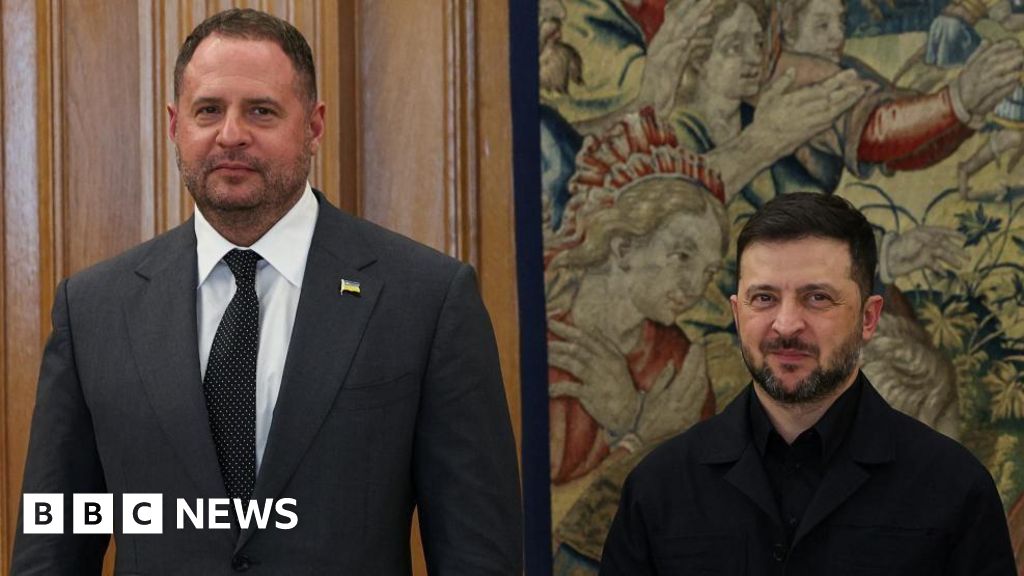
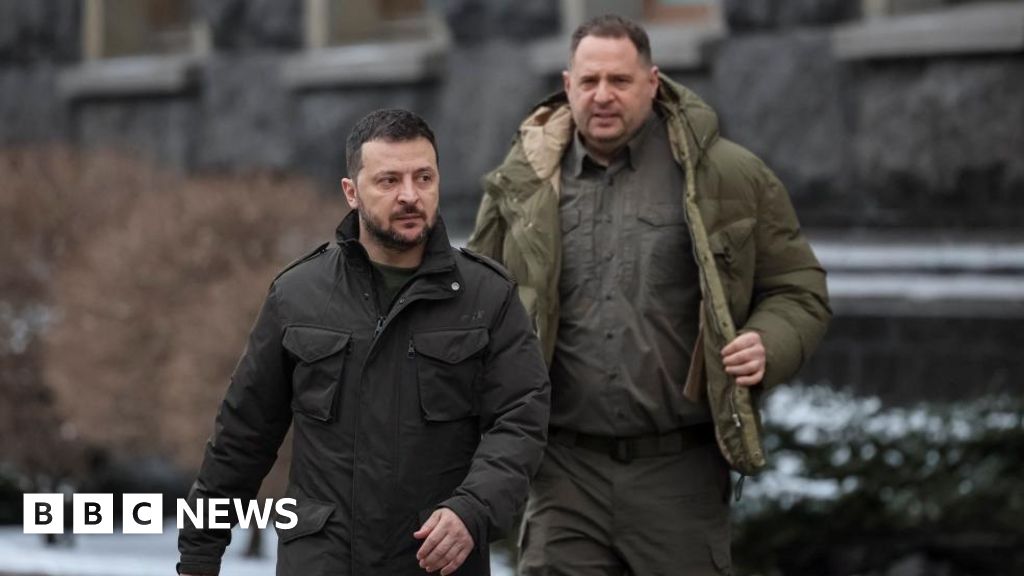
Yermak Steps Down After Corruption Raid Sparks Crackdown

Ukraine’s Political Stability in Jeopardy Amid Corruption Scandal and Diplomatic Turmoil

In a development that has sent shockwaves through the international community and raised pressing questions about Ukraine’s internal stability, President Volodymyr Zelensky announced the resignation of his chief of staff, Andriy Yermak. The resignation follows a high-profile anti-corruption raid on Yermak’s residence in Kyiv, which analysts are assessing for its potential impact on Ukraine’s diplomatic negotiations and internal unity. Yermak, the long-standing confidant and a key figure in Zelensky’s administration, has played a pivotal role in steering Ukraine through the tumult of Russia’s ongoing invasion and the complex diplomatic efforts aiming for resolution. Despite not facing any formal charges, the raid symbolizes the heightened scrutiny, both domestically and internationally, on Ukraine’s fight against corruption—a persistent sore point that critics argue hampers Kyiv’s quest for legitimacy and stability amid war.

This diplomatic shake-up comes at a critical juncture, as Ukraine’s leadership faces mounting pressure from Western allies and U.S. officials to make concessions that could alter Ukraine’s territorial integrity. On the heels of Yermak’s departure, U.S. Secretary of the Army Dan Driscoll is scheduled to arrive in Kyiv to discuss President Donald Trump’s} recent push for a peace plan—an indication that international powers are intensifying efforts to broker a settlement that risks encroaching on Ukraine’s sovereignty. Kyiv’s leadership, under immense strain, has reiterated their stance that “no territory will be surrendered,” a line that echoes the steadfast resistance historically championed by Ukraine’s defenders. Nevertheless, analysts such as Dr. Robert C. H. Peters, an international security expert, warn that the window for diplomatic victory is narrowing, and inner political stability is crucial if Ukraine is to stand firm against external pressure.

Despite Ukraine’s official assertions of resolve, the scandal has exposed vulnerabilities within Zelensky’s government, leading to concerns about how internal discord may weaken their negotiating position. The continued conflict in the Donetsk region, where Russia demands the return of strategically vital cities, remains tense, with President Vladimir Putin warning that failure to withdraw by Kyiv could result in military escalation. Yermak’s remarks prior to the raid underscored the gravity of Ukraine’s stance, emphasizing that “as long as Zelensky is president, no one should expect us to cede territory,” encapsulating the indomitable spirit of Ukrainian resistance. The situation is further complicated by Russia’s relentless offensives and the international community’s divided response, which hinges on balancing diplomatic negotiations with the imperative to deter aggression.

As the dust settles over Kyiv and Moscow’s forces gird for further advances, the unfolding drama signifies more than mere political intrigue; it reflects the geopolitical stakes at play. Ukraine’s internal resilience, the capacity of its leadership to navigate scandals, and the international community’s resolve to support Kyiv are all critical factors in shaping the future of Eastern Europe. Facing an uncertain horizon, history may yet judge this moment as the early chapters of a new Cold War chapter—where the global order hangs precariously in the balance, and the fates of nations are dictated not only by soldiers but by the unseen battles of diplomacy and corruption. As the international spotlight intensifies, the weight of history presses down, reminding the world that the choices made today will echo through generations to come, defining the very fabric of freedom in a world teetering on the edge of chaos.

National Guard shooting suspect to face murder charges amid Trump's aggressive immigration crackdown
National Guard shooting suspect to face murder charges amid Trump’s aggressive immigration crackdown

The recent surge of violence and political upheaval surrounding Washington, D.C. has ignited a firestorm with far-reaching geopolitical impacts that ripple across the international landscape. The escalation of violence—marked notably by the deadly shooting of National Guard members during a targeted attack close to the White House—has cast a shadow over what was once regarded as a symbolic safe zone. The attack, suspected to have been conducted by an Afghan national, underscores the complex challenge faced by U.S. authorities, who are now grappling with the security implications of foreign nationals involved in domestic violence. The incident further fuels Donald Trump‘s narrative that America’s borders and national security are compromised, prompting calls for stringent immigration policies.

The international community watches keenly as Trump vows to “permanently pause migration from all third-world countries,” signaling a potential shift away from America’s longstanding commitment to being a haven for immigrants. His promise, announced in a late-night social media post, aims to “end all federal benefits and subsidies to non-citizens” and remove those deemed “not a net asset” to the country. Yet, these aggressive rhetoric and policy proposals defy the legal and societal realities within the United States, where previous bans faced judicial hurdles and legislative resistance. Global analysts and human rights organizations caution that such measures could destabilize international efforts to support refugees and undermine America’s moral standing.

The incident has become a clear turning point, marking heightened tensions between the Biden administration’s policies and the growing nationalist wave, with many fearing increased institutional crackdowns and deepening societal divisions. As the Trump-era policies of mass deportations and immigration restrictions take a renewed shape, international voices—especially within Europe and Canada—warning that America risks retreating into isolationism and xenophobia. Renowned historians such as Professor Laura Sanchez argue that these developments threaten to turn the clock back on decades of inclusive policies, risking economic consequences due to the significant contributions of foreign-born workers, who fuel roughly 31 million American jobs.

This crisis also amplifies the debate about how internal decisions affect societal cohesion and international perceptions. The attack’s suspected perpetrator, linked to Biden’s post-2021 Afghan evacuation program, exemplifies the unintended consequences of rapid resettlements. As Trump calls for reexamining the status of Afghanistan nationals and intensifying immigration enforcement, international observers wonder whether the US is steering itself toward a more insular, security-focused approach—one that risks alienating traditional allies and destabilizing regional geopolitics. Historians warn that such internal rifts, if unaddressed, could lead to long-term societal fragmentation, with echoes that may reshape international relations for generations.

As the dust settles, the weight of history presses down—highlighting a moment where America’s founding ideals clash with burgeoning fears and nationalistic impulses. The choices made by its leaders in this perilous era could either forge a path toward renewed unity or fracture the social fabric beyond repair. The story of this chapter is still being written, but one thing remains certain: the unfolding narrative will influence the world’s outlook on democracy, security, and human rights for decades to come.

Hong Kong Tower Fire Claims 128 Lives, Youth Voice Demands Action

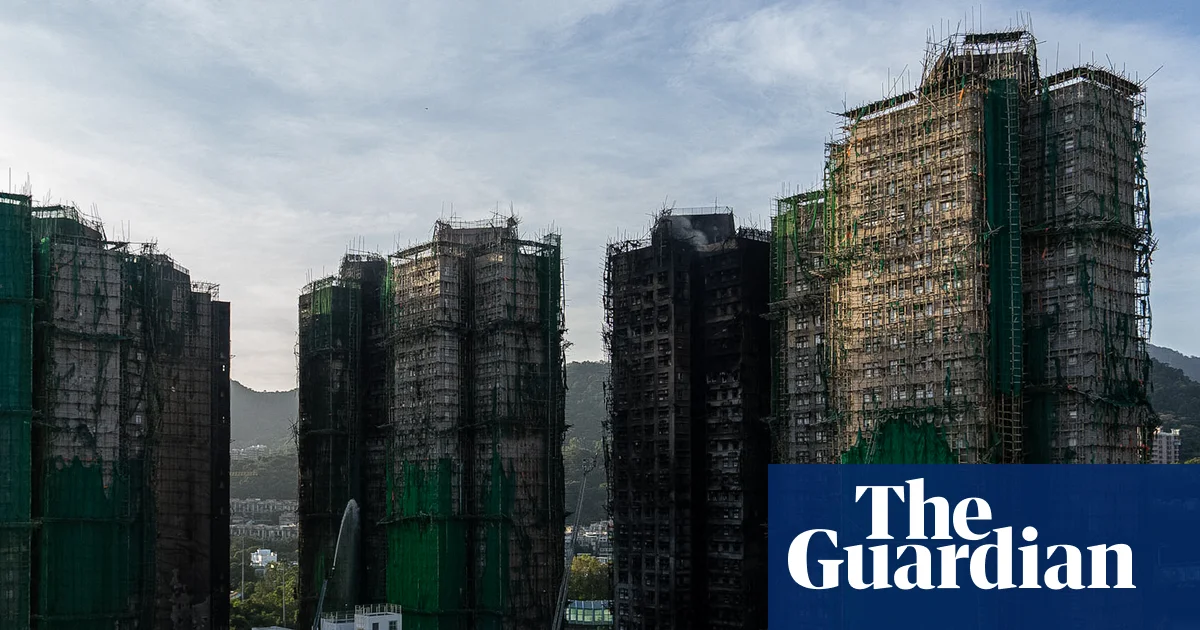
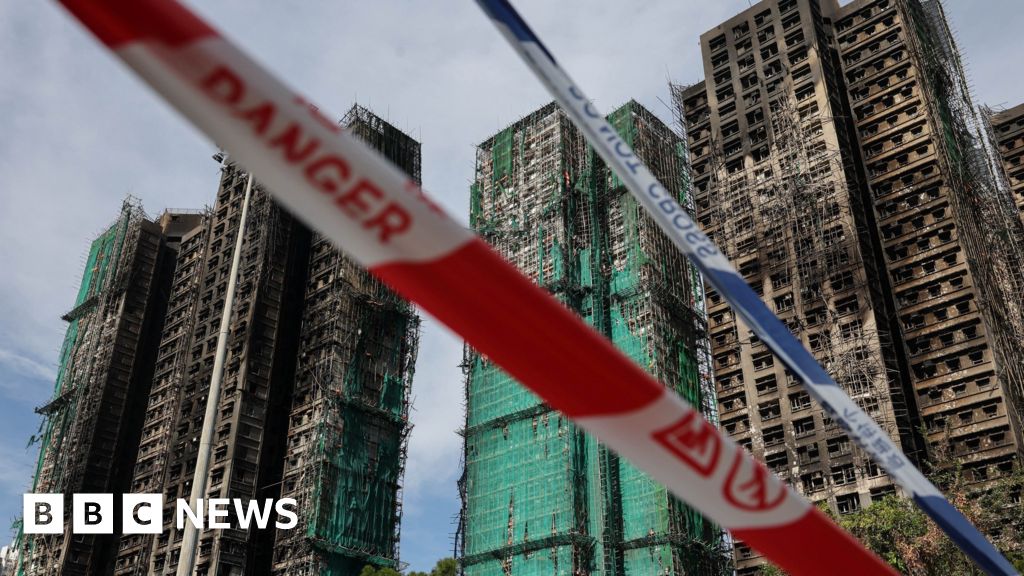
The recent fire outbreak at Wang Fuk Court in Hong Kong marks one of the most devastating tragedies in the territory’s modern history, with **128 lives lost** and dozens still missing. This catastrophe underscores profound failures in building safety standards and , igniting questions about how local governance and international investors manage safety protocols amidst ongoing urban renovations. As rescue operations conclude and emergency agencies tally the damage, the impact on Hong Kong’s societal fabric and global image becomes unmistakably clear, reflecting broader issues of urban neglect and corruption entrenched in the city’s development.*

This disaster, which saw flames rip through seven of the eight apartment blocks, speaks to systemic vulnerabilities. Firefighters worked tirelessly, with over 2,300 personnel involved in containment efforts, but the rapid spread was exacerbated by combustible exterior materials such as Styrofoam, which officials now link to the uncontrolled blaze. Experts from the International Fire Safety Organization warn that such negligence is indicative of a larger pattern—where cost-cutting and lax regulation compromise safety, especially in densely populated zones with aging infrastructure. Moreover, testimonies of missing safety alarms and allegations of turned-off fire systems by construction workers reveal a disturbing neglect that goes beyond mere oversight, pointing to potential criminal negligence***. These revelations resonate internationally as a warning of what unchecked corruption and profit-driven development can lead to, endangering vulnerable populations.

International analysts and historians have already contextualized this tragedy within Hong Kong’s longstanding struggle with urban density and governance. The 1948 fire that claimed 176 lives remains a dark chapter, and the current incident has reignited debates about urban planning failures—especially amidst recent protests over housing affordability and public safety. The fact that nearly 40% of residents are seniors who have lived in Wang Fuk Court since its 1983 construction emphasizes rising concerns that neglect of the elderly and marginalized communities is a symptom of broader societal disparities—disparities widened by the interplay of local government policies and international economic pressures. Such failures have drawn sharp criticism from international watchdogs and local civil society groups, who argue that the tragic loss could have been prevented had safety oversight been prioritized over profit gains.

The geopolitical repercussions extend beyond Hong Kong’s borders. As a major global financial hub, the city’s stability is vital to international investors and regional powers, notably China, whose leadership faces increasing scrutiny over transparency and governance. The incident fuels broader worries about urban resilience in the face of rapid development and challenges international perceptions of Hong Kong’s autonomy and rule of law. Some experts suggest that this crisis could catalyze reforms, but others caution it might deepen authoritarian tendencies, where accountability remains elusive. The story of Wang Fuk Court is thus not merely a local tragedy, but a symbol of the struggle between neglect and resilience, a chapter still being written in a consequential saga that shapes the very future of Hong Kong and, by extension, China’s global image.

As smoke clears and the city grapples with the enormity of the loss, history urges caution. Every life lost etches a scar into Hong Kong’s collective memory—an indelible reminder that the spirit of a society is measured by how it confronts its darkest hours. Yet, as with all moments of profound crisis, the question remains: will this catastrophe serve as a catalyst for meaningful reform, or will it fade into the backdrop of ongoing urban struggles? The weight of this tragic chapter lingers, leaving the world with a haunting realization—that sometimes, the flames of destruction threaten to consume not just buildings, but the very foundation of societal trust and safety, until a return to vigilance becomes the only path forward.

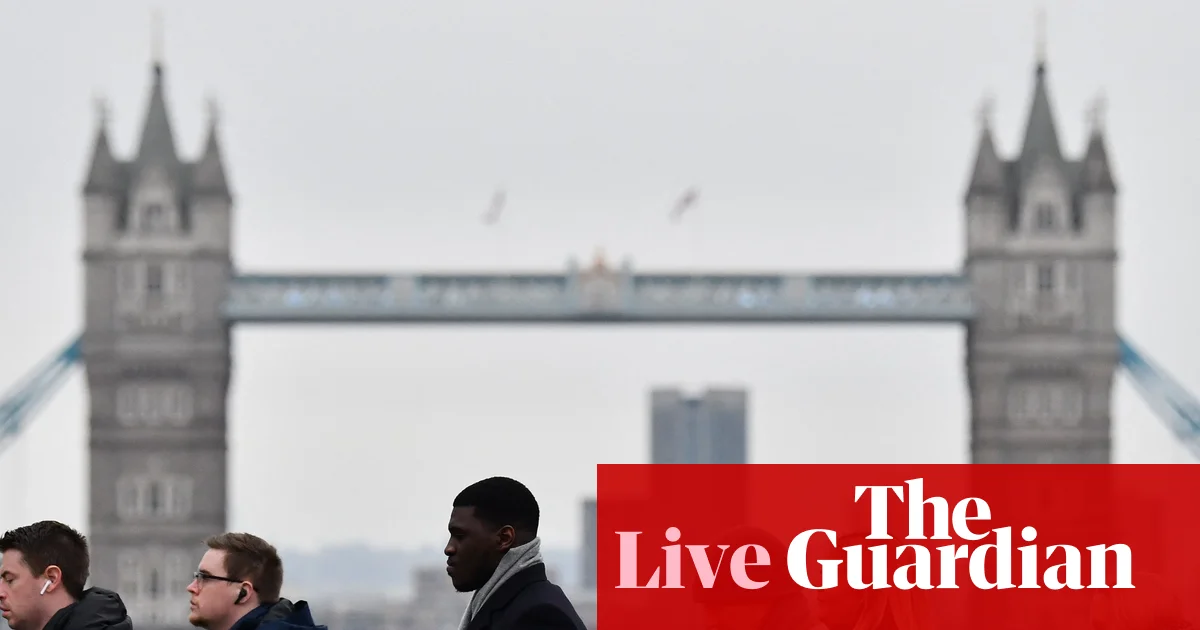
Starmer under fire from Labour youth over U-turn on workers' rights bill
Starmer under fire from Labour youth over U-turn on workers’ rights bill

Global Implications of the Labour Rights U-turn Amid Political Turmoil

In a remarkable turn of events that has sent shockwaves across the international political landscape, Britain’s Labour Party appears to be embroiled in a seismic policy shift that risks fundamental upheaval within its own ranks. Campaign promises made openly in the party’s manifesto, such as introducing ‘day one’ protections from unfair dismissal, have been swiftly abandoned in the face of mounting political and economic pressure. This retreat, characterized by a notable U-turn on employment legislation, has rekindled deep divisions within Labour, with its former allies and critics questioning the party’s commitment to its core principles.

Historian and political analyst Dr. Michael Armstrong notes that such policy reversals by major parties are not uncommon in parliamentary democracies, but the scale and public manifestation of Labour’s pivot mark a distinctive moment of crisis. Official statements from figures like Angela Rayner, once a prominent advocate for workers’ rights, highlight the internal tensions; her strong opposition to the *climbdown* underscores the broader implications for Labour’s social base and its relationship with labor unions. Union leader Sharon Graham has openly condemned what she describes as a “shell of its former self” legislation, warning that the Bill’s dilution—particularly the exclusion of reforms like fire and rehire bans and zero-hours contract restrictions—severely undermines trust in Labour’s promises.

The geopolitical impact of Britain’s internal discord reaches beyond its borders, serving as a cautionary tale to global democracies grappling with electoral mandates and governing realities. International organizations and foreign diplomats observe with concern the apparent unraveling of Labour’s electoral commitments, pondering whether this signals a broader trend of political expediency overriding genuine reform. Some analysts suggest that this collapse of ideological clarity could embolden populist and nationalist forces elsewhere, capitalizing on perceived governmental unreliability. As geopolitical strategists warn of a potential decline in political stability within the UK, European allies and transatlantic partners scrutinize the developments for signals of increased volatility, which could influence investment climates, alliance strategies, and the future of the UK’s role on the world stage.

In the hallowed halls of Westminster and the dusty corridors of history, this moment will be remembered as a symbol of the complex dance between policy promises and political pragmatism. As the battle lines within Britain are redrawn—highlighted by colorful debates over leadership ambitions, party loyalty, and the very fabric of democratic representation—the weight of the decision lingers. With Britain teetering on the cusp of a pivotal crossroads, the choices made today threaten to echo through generations, leaving an indelible mark on the annals of modern democracy. The unfolding saga of Labour’s legislative retreat serves as a stark reminder that, in politics, the line between ideals and reality is often blurred—a domain where the fate of nations and societies is ultimately forged amidst chaos and compromise, in the shadow of history still waiting to be written.

Ukrainian Anti-Corruption Raids Target Zelensky's Adviser Yermak’s Home
Ukrainian Anti-Corruption Raids Target Zelensky’s Adviser Yermak’s Home

In a move that underscores the volatile landscape of Ukraine’s internal politics amidst ongoing conflict, Ukraine’s anti-corruption agencies have initiated searches at the residence of President Volodymyr Zelensky’s chief of staff, Andriy Yermak. This development, confirmed by the anti-corruption bureau Nabu, signals a significant turn in the domestic fight against corruption, a persistent issue that has long hampered reform efforts in Ukraine. Despite these investigations, neither Zelensky nor Yermak have been formally accused of wrongdoing, but the unfolding events highlight internal struggles that threaten to destabilize Zelensky’s fragile political base.

Ukraine’s fight against corruption takes on particular importance amid the broader geopolitical contest involving Russia. Yermak, once praised for orchestrating diplomatic efforts and serving as Kyiv’s primary negotiator in peace talks with Western allies, now faces increasing scrutiny. Critics within Ukraine argue that the scandal reveals deeper issues of transparency and accountability, which could undermine foreign aid and international support crucial for Ukraine’s resistance against Russian aggression. As Ukrainian analysts and historians debate the significance of these events, some warn that internal divisions may be exploited by Moscow to weaken Kyiv from within, further complicating the fight for sovereignty.

International organizations, including the European Union and United States, watch closely. Their support remains conditional on Ukraine’s ability to demonstrate political stability and good governance. Yet, the political shakeup raises the stakes; each move of domestic power struggles resonates beyond national borders, reshaping perceptions of Ukraine’s resilience. As Yermak publicly cooperates, with full access granted to his lawyers, his case symbolizes the broader international dilemma: can Kyiv maintain unity and focus on defeating Moscow or will internal conflicts fracture its fragile front?

  • Yermak’s role as Kyiv’s chief negotiator makes his investigation a potential turning point in Ukraine’s diplomatic standing.
  • Critics suggest the scandals may be a result of internal power struggles more than genuine corruption.
  • Ukraine’s internal stability is essential for securing continued Western military and economic aid.
  • Geopolitical analysts warn that prolonged political infighting could embolden Russia’s ambitions.

The broader geopolitical imprint of these scandals extends beyond Ukraine’s borders, affecting international perceptions of its leadership and governance. As historians continue to analyze the unfolding events, the question remains: will Ukraine emerge from this crisis with strengthened resolve or fracturing alliances? The narrative of a nation fighting both external invaders and internal disloyalty hangs in the balance, carrying with it the weight of history still being written. Each action, each investigation, echoes across the halls of power in Kyiv and beyond, shaping the future of a country at the crossroads of East and West, caught in the relentless tide of history’s unfolding story.

Hong Kong apartment blaze nearly contained as death toll hits 94—rescue efforts ongoing

The devastating fire that swept through the Hong Kong housing complex in Tai Po has once again brought into focus the perilous state of urban safety standards amidst rapid development. With a death toll rising to 94 and over 250 still missing, this tragedy marks one of the deadliest fires in Hong Kong’s history in over 70 years. Rescue operations, which are now nearing their end, have uncovered harrowing details about the flames’ ferocity and the vulnerabilities inherent in densely populated, poorly regulated apartment complexes. This disaster underscores a broader dilemma facing many urban centers in the Asian-Pacific region, where modernization disproportionately outpaces safety enforcement.

Experts and international organizations have expressed concern that this tragedy reflects systemic issues rooted in the region’s construction and safety regulations. Analysts from the International Safety Council warn that without stricter enforcement, such accidents will remain commonplace. Investigators have focused capsule-like on the bamboo scaffolding, green mesh coverings, and the highly flammable styrofoam used in elevator window coverings—elements that significantly contributed to the fire’s rapid spread. The controversy over the construction materials highlights how cost-cutting and lax regulation can turn urban infrastructure into deathtraps. However, the most urgent question remains whether Hong Kong’s authorities will reform safety standards or continue to allow shortcuts that risk lives.

Amidst this chaos, Hong Kong’s government and officials from the construction oversight agencies are under intense scrutiny. Arrests have been made involving three employees linked to a company involved in the ongoing renovations. This incident has sparked wider debates about the efficacy of current fire safety laws. Critics point to the absence of mandatory flame-retardant regulations, emphasizing that current codes merely serve as guidelines rather than enforceable mandates. Lee Kwong-sing, chair of the Hong Kong Institute of Safety Practitioners, stated that turning these codes into legal requirements could serve as a crucial deterrent. This event is prompting calls for sweeping reforms within the construction sector—a sector where shortcuts can cost lives in a matter of minutes.

This tragedy dramatically illustrates the geopolitical impact of urban safety neglect, especially for a city like Hong Kong, known for its dense populace and economic prominence. How a society manages its urban environments reflects its respect for human life, and failure to adapt safety standards can lead to international criticism, damage to reputation, and heightened social unrest. Historically, urban fires such as the Great Chicago Fire and London’s Grenfell Tower tragedy serve as stark lessons—reminders that neglecting safety regulations publicly endangers entire communities and influences policy globally. As international observers monitor Hong Kong’s response, the world waits to see if this moment will catalyze a genuine overhaul of safety standards or if it will be yet another statistic in the ongoing tragedy of urban neglect.

In the shadow of flames and loss, history still unfurls—urging societies to heed the warnings of the past. If this disaster proves anything, it is that the spectacle of human tragedy can serve as a catalyst for meaningful reform or become yet another chapter in a pattern of ignored safety laws. As survivors and grieving families seek justice and accountability, the international community’s concern deepens—reminding us that in the race toward progress, neglect is an enemy that must be held at bay, lest history repeat itself at an even greater cost.

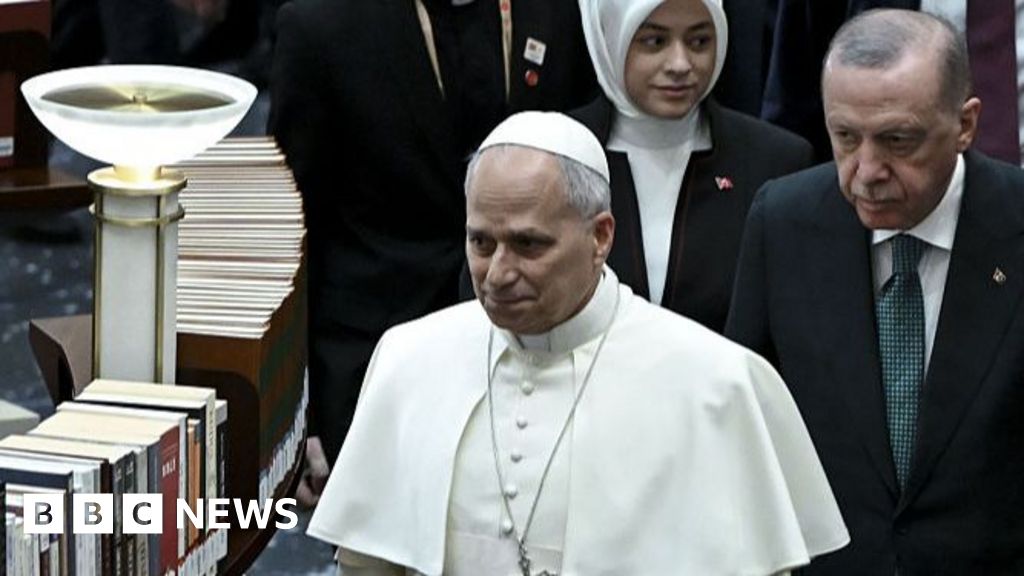
Pope Leo Visits Turkey, Warns Humanity’s Future Hangs in the Balance amid Rising Conflict

Global Implications of Pope Leo XIV’s Historic Diplomatic Trip

Amid mounting global tensions and an accelerating geopolitical chess game, Pope Leo XIV has embarked on a trip that carries significant weight beyond religious corridors. His visit to Turkey and Lebanon represents a conscious effort to foster interfaith dialogue, regional stability, and unity across fractured Christian communities. As he was welcomed by President Recep Tayyip Erdogan in Ankara, the pope issued a stern warning against “a heightened level of conflict on the global level,” emphasizing the importance of dialogue in shaping humanity’s future. This move is not just diplomatic window dressing; analysts suggest it could influence the shifting alliances and tensions that threaten to destabilize the Middle East and beyond.

This trip carries a weight of historical significance, highlighting the Pope’s desire to heal ancient schisms within Christianity while acting as a moral anchor amid regional turmoil. One of the pivotal moments took place in Iznik, the site of the ancient Council of Nicaea. There, amidst relics of early Christian unity, leaders of various traditions gathered to mark the 1,700-year anniversary of the Nicene Creed—an anchor point for Christian doctrine. In the current climate, where regional conflicts are increasingly entangled with religious identity, the pope’s call for “messages of togetherness and healing,” aims to remind the world of the enduring power of unity. Leaders and historians, including those from the Vatican and international think tanks, see this as a decisive attempt to rekindle dialogue and possibly curb future conflicts rooted in doctrinal divisions.

Meanwhile, in Turkey, Pope Leo’s visit to iconic sites such as the Blue Mosque symbolizes an effort to promote inter-religious dialogue. His meetings with other faith leaders are viewed by many analysts as strategic acts of soft diplomacy, aimed at fostering mutual respect in a region often scarred by religious tensions. This approach reflects a broader shift toward *practical engagement* amidst a sea of instability—particularly as regional alliances shift in response to rising conflicts and international disputes. The Pope’s cautious diplomacy continues to shape the *geopolitical landscape*, signaling a nuanced effort to prevent escalation and promote peace. The significance lies in how such gestures, often overlooked in the realm of geopolitics, can ripple outward and inspire societal resilience or, conversely, deepen fractures if misinterpreted.

The regional context has been further complicated by recent Israeli airstrikes on Beirut, an act that critics argue underscores the fragility of Lebanon’s stability. Despite this, the Vatican has affirmed that Pope Leo XIV’s plans for his Lebanon visit remain unchanged. He plans to meet with civic leaders and voice support for Lebanon’s besieged Christian community—an influential minority struggling for recognition amid chaos. His final Mass at the Beirut waterfront, on the anniversary of the 2020 port explosion, is expected to serve as a powerful act of remembrance and a plea for peace. International observers, including strategic analysts from NATO and the World Council of Churches, note that this act—and the overall trip—may be subtly pushing back against the rising tide of regional instability, seeking to remind global powers of their moral responsibility.

As the world watches this carefully calibrated diplomatic dance, the weight of history presses heavily upon each step. Pope Leo XIV’s trip is more than spiritual outreach; it is an act of moral diplomacy that may influence the geopolitical currents shaping future decades. The decisions made in these quiet corridors of dialogue will echo through generations, dictating whether nations can build bridges over centuries-old divides or descend further into chaos. The world remains poised at a crossroads, and history, ever-watchful, continues to unfold its story—an enduring saga of hope, conflict, and the relentless pursuit of peace amid chaos.

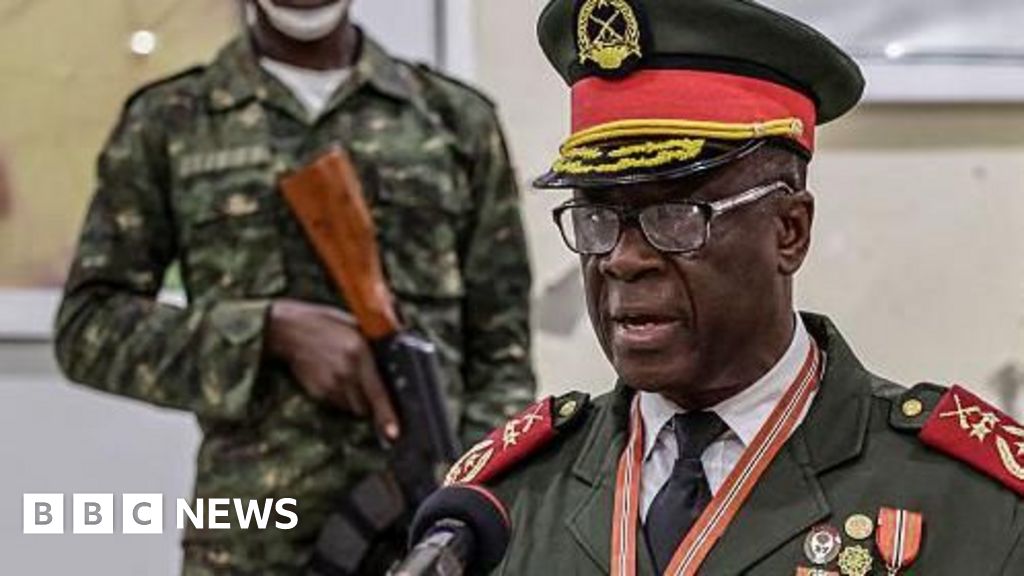
Guinea-Bissau Army General Declared President After Sudden Coup

Guinea-Bissau: Military Coup Sparks Unrest and Challenges Regional Stability

The recent upheaval in Guinea-Bissau, a nation long plagued by political instability, has taken a dramatic turn as the military announced a coup d’état, seizing control amidst claims of thwarted electoral processes. The country’s interim leader, Gen Horta N’Tam, who was sworn in as the transitional president just a day prior, now faces the daunting task of navigating the crisis. The coup came after persistent allegations that outgoing President Umaro Sissoco Embaló may have orchestrated a “simulated coup”—a supposed ploy to block the release of electoral results—fueling suspicions of manipulation and widespread dissent. This event underscores the fragility of Guinea-Bissau’s democracy, where previous coups and attempted putschs total at least nine since independence in 1974.

International organizations, notably the African Union and the Economic Community of West African States (ECOWAS), have responded swiftly, condemning the military’s action and calling for the immediate reinstatement of constitutional order. Leaders from the AU, emphasizing the importance of respecting democratic processes, demanded the “immediate and unconditional release of President Embaló and all detained officials.” The crisis reflects the region’s ongoing struggle with stability amidst a broader context of illegal drug trafficking, militant influence, and political corruption—a dark legacy that has made Guinea-Bissau a notorious narco-state. Its strategic coastline, dotted with uninhabited islands, has long been exploited by drug traffickers moving cocaine from Latin America toward Europe, which international analysts say exacerbates the country’s descent into chaos.

The geopolitical impact of this upheaval extends well beyond Guinea-Bissau’s borders. Neighboring nations—especially Senegal and Guinea—face increased instability, as uncertainty in Bissau threatens regional security and the fight against transnational crime. Historically, Guinea-Bissau’s military influence has oscillated between fragile governance and outright coups, often manipulated by external criminal networks and internal power struggles. The current crisis threatens to deepen regional fragmentation, complicate efforts by Western nations to monitor drug routes, and could possibly embolden other military factions in West Africa, stirring fears of a domino effect that could destabilize an already volatile zone.

Historians and security analysts warn that Guinea-Bissau’s political crisis is more than a local issue—it is a critical indicator of the wider geopolitical challenges facing the West African region. Dr. Emmanuel Osei, a renowned regional political analyst, states: “What we’re witnessing isn’t just a coup; it’s a symptom of external interests intertwined with internal fragility. The integrity of democratic institutions is under siege, and the repercussions will be felt far beyond the shores of Guinea-Bissau.” The regional body, ECOWAS, has urged restraint and a return to dialogue, but as gunfire erupted in Bissau’s streets, fears mount that the nation’s future could be decided by guns rather than ballots. As the international community closely monitors the unfolding drama, all eyes turn toward a nation whose story remains unwritten, yet whose decisions could sway the course of regional stability for years to come. The weight of history presses heavily, leaving the world to ponder: will Guinea-Bissau find its way back to peace, or will it slip further into the shadows of instability—a dark chapter in the ongoing saga of West Africa’s fragile sovereignty?

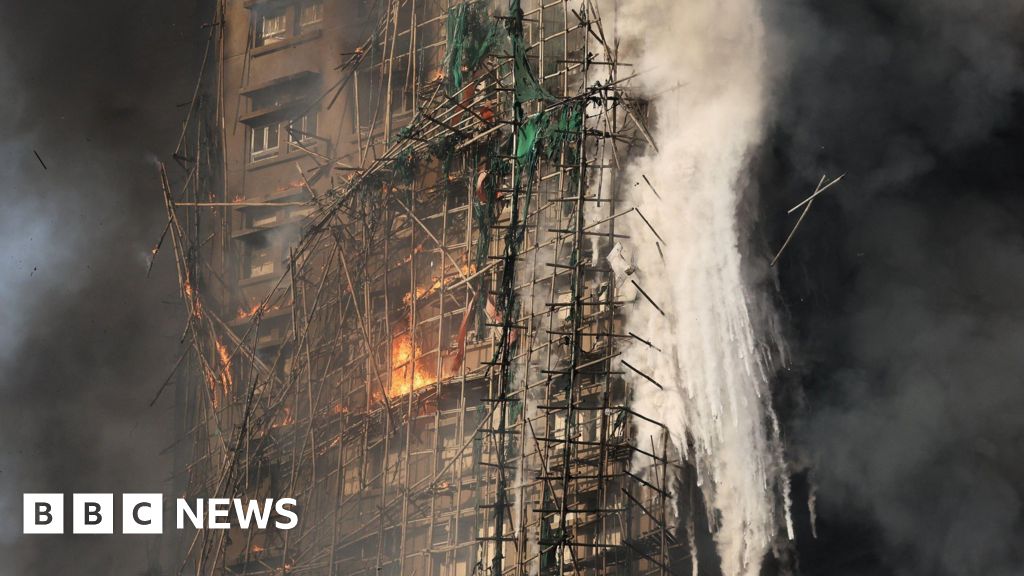
Firefighters hunt for missing amid deadly tower blaze

Hong Kong’s Tragic Blaze Sparks Global Outcry Over Safety and Governance

The recent devastating fire in Hong Kong, a city renowned for its skyline of towering skyscrapers and bustling urban life, has marked a grim milestone. The inferno engulfed the Wang Fuk Court complex in Tai Po, leaving at least 83 confirmed fatalities and dozens more unaccounted for. This tragedy, the deadliest in the city in over seven decades, underscores a critical turning point in the region’s ongoing discourse on fire safety, governance, and urban construction practices. Firefighters battled intense heat, falling debris, and the threat of building collapse, exposing systemic vulnerabilities that have long been on society’s radar but rarely addressed with urgency comparable to their severity.

As authorities scramble to contain the crisis, questions about accountability dominate public debate. Investigations have already led to the arrest of three construction firm executives on suspicion of manslaughter and gross negligence, highlighting concerns over building materials and renovation protocols. Social media and resident testimonies have revealed a disturbing pattern — fire alarms had been disabled during renovations, and the external components such as plastic sheets and polystyrene were identified as potential catalysts for rapid fire spread. Notably, critics contend that older infrastructure, like bamboo scaffolding prevalent in Hong Kong, might have played an unintended role in exacerbating the blaze. The government, led by Chief Executive John Lee, has promised a comprehensive inquiry, but many fear this may only be a prelude to deeper systemic failures.

The geopolitical impact of this crisis extends beyond public safety. Hong Kong, as a global financial hub, balances a fragile autonomy under Chinese sovereignty with its own legal and administrative systems. The leadership’s response to the fire, especially in regard to safety regulations and accountability, influences perceptions of stability and governance. The recent tragedy has reopened debates about fire safety regulations, urban planning, and the use of controversial construction materials, which are under increased scrutiny. Analysts warn that neglecting such issues risks undermining investor confidence and further fueling social unrest. Meanwhile, China’s leadership, embodied by Xi Jinping, has issued messages of sympathy and calls for swift action, underscoring the incident’s resonance across the international stage.

  • Hospitals and rescue teams continue to search for missing individuals amid ongoing dangers posed by structural instability.
  • The use of plastic and polystyrene on exterior building surfaces, coupled with alleged lapses in fire alarm systems, is now central to investigations.
  • Authorities are considering a review of bamboo scaffolding practices, a traditional method in Hong Kong construction, amid concerns over its collapse risk during fires.

Such tragedies serve as stark reminders of how deeply intertwined urban development, safety regulations, and governance are in shaping the destinies of societies. Historians and safety experts warn that the failure to learn from past disasters can inexorably lead to repetition of history’s darkest chapters. The 1948 fire that killed 176 and the recent incident both highlight the costs of complacency. As the dust begins to settle and officials vow reforms, the weight of history presses heavily. Meanwhile, the residents of Wang Fuk Court, many of whom are elderly and have called this complex home for decades, now find their lives forever altered by a moment that will be etched into the chronicles of Hong Kong’s history. The city watches in agonized silence, as the question looms: will lessons be learned, or will this tragedy become but another chapter in a pattern of neglect? As the world bears witness, the story of Hong Kong’s fight for justice and safety continues — a story not yet finished, and perhaps one destined to define an era.”

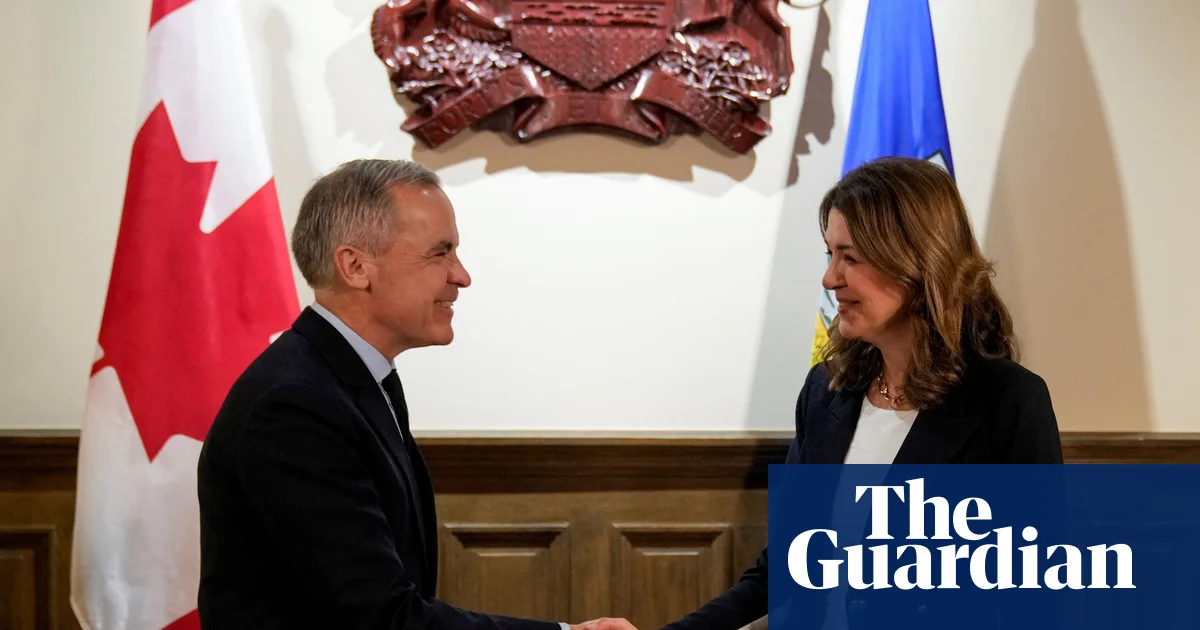
Mark Carney strikes deal with Alberta on pipeline despite First Nations opposition

Canada’s Energy Shift: The High Stakes of the Alberta Pipeline Deal

In a move that signals a pivotal shift in Canadian geopolitics, Prime Minister Justin Trudeau and Alberta Premier Danielle Smith have announced an unprecedented energy agreement centered on the construction of a new heavy oil pipeline spanning from Alberta’s oil sands to the Pacific coast. This deal, brokered after weeks of tense negotiations, aims to facilitate increased oil and gas exports and promote an industrial renaissance in Alberta, yet it is fraught with political, environmental, and social challenges. Promoted as “Canada working,” the initiative underscores a strategic reorientation that could redefine the nation’s economic trajectory amidst confrontations over climate policy and Indigenous rights.

This agreement does not simply represent a pipeline project; it embodies a broader industrial transformation involving nuclear power and data center investments, with the federal government and Alberta claiming this as a step toward energy independence and economic revitalization. However, the move has ignited fierce opposition, with critics highlighting the environmental risks and indigenous sovereignty concerns. Notably, British Columbia and several First Nations communities along the coast have declared unequivocal rejection of the plan, citing environmental fears and violations of their constitutional rights. Indigenous leaders, including Marilyn Slett of the Coastal First Nations, emphasize that no economic payoff justifies risking ecological disaster, especially given their direct connection to oceanic ecosystems that could be compromised by tanker traffic and pipeline spills.

International organizations and analysts warn that this domestic shift could have profound geopolitical impacts. The lifting of existing moratoriums and exemptions from emissions caps threaten to undo years of climate commitments while risking regional stability. The deal also exposes the internal contradictions of Canadian policy—pledging to meet climate goals while expanding fossil fuel infrastructure—a paradox that many argue will have long-term consequences on global efforts to combat climate change. Moreover, the absence of interest from private investors signals deep uncertainties about the project’s viability, with many experts suspecting that public and political pressures will only intensify as opposition mounts.

Central to the unfolding drama are the voices of historians and international observers, who interpret these developments as a crucial flashpoint in the global energy debate. At the heart of the controversy lies a fundamental question: how will nations balance their economic ambitions with the urgent need for environmental stewardship and respecting indigenous sovereignty? As Alberta prepares to submit its proposal, and as entrenched opposition from First Nations threatens the project’s future, the decision looms large in history’s ever-unfolding narrative. Will political leaders heed the lessons of past resource conflicts, or will they forge ahead into a future where the weight of history’s judgement hangs heavy in the air? The world watches as Canada, a nation at the crossroads of economic growth and environmental responsibility, faces a defining moment—one that could echo through generations as either a beacon of energy independence or a cautionary tale of ecological hubris.

Social Media Auto Publish Powered By : XYZScripts.com