Matox News

Truth Over Trends, always!

Gazans and Israelis React: Trump’s Plan Sparks Divergent Views

The recent announcement of U.S. President Donald Trump’s peace proposal to resolve the ongoing conflict between Israel and Hamas has sparked a wave of reactions across the Middle East and beyond. The plan, unveiled in coordination with Israeli Prime Minister Benjamin Netanyahu, proposes a transitional governance structure for Gaza—a region long battleground for violence and political upheaval. At its core, this initiative envisions a “board of peace,” headed by Trump himself, to oversee a transitional administration in Gaza, ostensibly paving the way for long-term stability. While some local leaders and international allies have expressed cautious support, the plan also faces heavy skepticism and deep-rooted concerns about its feasibility and implications.

Among the voices converging on this issue, some Israelis interviewed in Jerusalem have voiced guarded optimism, though their doubts remain palpable. They question whether Hamas, after nearly two years of persistent conflict, will genuinely disarm or accept a negotiated settlement. “It’s a step in the right direction,” one Israeli commented at a local café, “but the real challenge is whether Hamas will abide by such agreements. The history of failed peace processes weighs heavily on us.” Conversely, Palestinian residents of Gaza—some displaced by violence—have sounded a different alarm. They ask whether the plan considers their needs or is primarily focused on regional stability. Many express frustration that prior international efforts have overlooked the human toll, especially amid reports suggesting that Trump’s broader diplomatic ambitions might include economic projects, such as resorts, on Palestinian land—an idea that has inflamed tensions and raised questions about whether actual peace is the goal or merely a facade for territorial and economic gains.

This historic shift in diplomacy has drawn mixed reactions from across the geopolitical spectrum. European nations and regional powers such as Egypt and Jordan have expressed qualified support, urging caution and emphasizing the importance of addressing core issues like refugee rights, borders, and Jerusalem’s status. Notably, the European Union and the Arab League have called for comprehensive negotiations, warning that partial solutions could exacerbate existing fractures. International organizations, including the United Nations, have also issued statements stressing the importance of respecting international law and fostering dialogue rooted in mutual recognition and respect. However, critics, including renowned analysts and historians, warn that such high-level interventions risk overlooking the grassroots realities and the deep-seated grievances that fuel the conflict. Their concern is that a superficial diplomatic fix might merely postpone inevitable volatility, with history’s lessons from unresolved conflicts in the Balkans and the Middle East repeatedly cautioning against hasty peace impositions.

Ultimately, the geopolitical impact of this new initiative hinges on how each side perceives its legitimacy and efficacy. Israel views the plan as a potential breakthrough—a possibility to embed a lasting peace after years of instability—while Palestinian factions consider it a threatening capitulation if their core rights are sidestepped. The conflict’s complexity emphasizes that decisions made today will ripple through generations, shaping societies and borders for decades to come. As the international community watches with bated breath, the weight of history hangs in the balance: will this new chapter finally forge a lasting peace, or will it serve as a fleeting pause before the next storm erupts? The story remains unwritten, but the coming days will determine whether hope or despair claims the day.
Trump and Hegseth to Hold Rare Meeting with Top US Generals

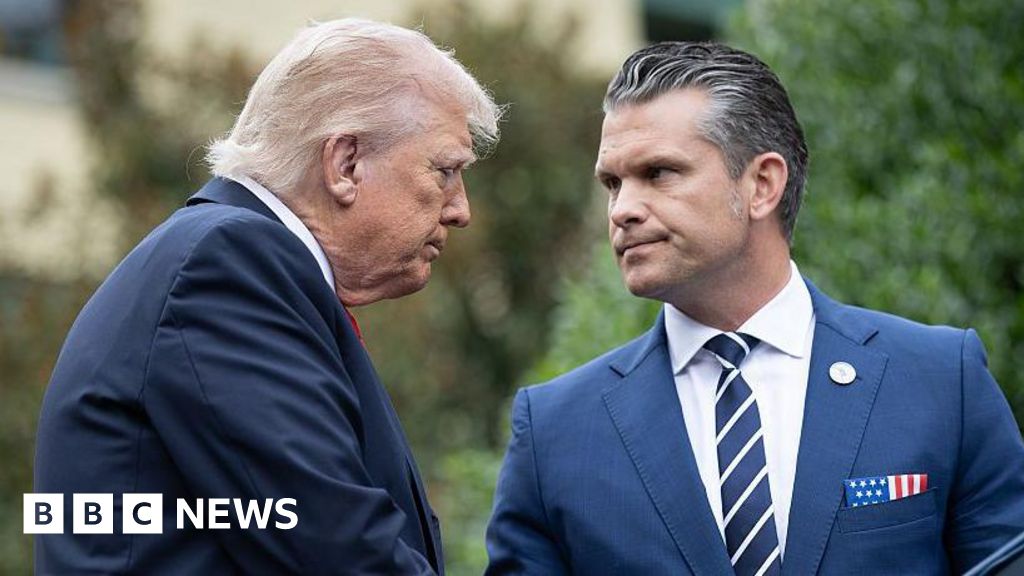
In a move that has sent ripples through the international geopolitical landscape, President Donald Trump and Defense Secretary Pete Hegseth convened a rare, high-level gathering of over 800 senior military officials at Marine Corps Base Quantico, Virginia. The significance of this assembly extends beyond the United States, as it signals a potential shift in America’s military posture amidst ongoing global tensions. The event, shrouded in secrecy and characterized by extreme security measures, marks an extraordinary departure from traditional military diplomacy, which routinely favours virtual meetings for logistical reasons.

This summit, initially met with skepticism and dismissed by Vice-President JD Vance as routine, has prompted analysis from military strategists and international observers alike. Giuseppe Cavo Dragone, the Italian admiral and chair of the NATO Military Committee, emphasized the unprecedented nature of the gathering, remarking that, in his 49 years of service, he had “never seen that before.” Meanwhile, Mark Cancian from the Center for Strategic and International Studies expressed puzzlement over the decision to hold such a large in-person event, considering the advances in digital communication. His theory suggests that Hegseth likely sought the tangible impact of face-to-face dialogue, which he believed could bolster military esprit de corps and national resolve in a period of mounting threats.

The geopolitical impact of this summit is multi-layered. On one level, it serves as an internal reinforcement of the U.S. armed forces, emphasizing a message of strength and unity in a volatile world. On another level, it raises questions about the direction of American military policy under the current administration, especially as global actors like Russia, China, and Iran continue advancing their strategic objectives. The presence of officers from Europe, South Korea, and the Middle East underscores a clear signal of preparedness and global reach. However, critics warn that such high-profile gatherings could escalate tensions, particularly if they are perceived as provocative or as a show of force rather than a genuine step towards diplomacy. Amidst the backdrop of historical destabilization, analysts like those from the United Nations suggest that decisions made today will reverberate for decades to come, shaping the balance of power and the destiny of multiple nations.

As history continues to unfold on this stage of global geopolitics, the implications of America’s military reaffirmation remain uncertain. What begins as a strategic display of unity might evolve into a defining moment of how nations interpret strength and resolve in the 21st century. The world watches with bated breath, knowing that each decision echoes across borders, determining the future trajectory of geopolitics, warfare, and diplomacy. In this complex theater of power, the weight of history persists, waiting for the pages to turn and reveal whether these moments of show of force will forge peace or ignite the flames of conflict in an already fractured world.

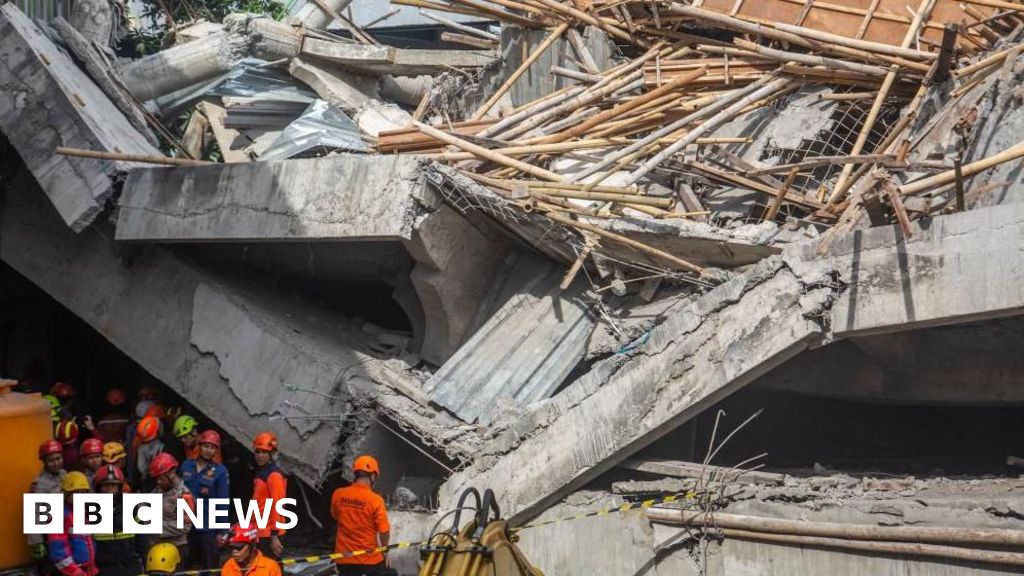
School Collapse Traps Dozens, Three Dead: Warning Signs Ignored

Indonesia School Collapse: A Stark Reminder of the Underlying Risks in Global Construction and Oversight

In a tragic event that has resonated across the international community, East Java, Indonesia has witnessed a devastating school collapse that has left dozens of young victims trapped under rubble. The incident occurred at the Al Khoziny Islamic Boarding School, a traditional pesantren in the Sidoarjo region, where 38 students remain feared missing amid a pile of collapsed concrete and twisted steel. With the death toll rising and rescue operations hampered by unstable debris, this catastrophe highlights a persistent issue: the perilous state of Indonesia’s construction sector, notorious for safety violations and lax oversight, as documented by organizations such as the International Labour Organization.

Geopolitical Impact: How Indonesia’s Domestic Crisis Reflects Broader Regional Challenges

The geopolitical implications of this tragedy extend far beyond local concerns. Indonesia, as Southeast Asia’s largest economy, has long struggled with balancing rapid development with safety standards. Critics, including leading historians and analysts, point out that a largely unregulated construction boom—often driven by informal, semi-legal projects like the pesantren—creates systemic vulnerabilities. The fact that authorities like the Sidoarjo town’s regent have admitted that the school lacked necessary permits for its expansion underscores a broader pattern of weak enforcement and the endemic informalism that hampers national safety initiatives. These issues can foster regional instability when neighboring nations perceive Indonesia’s inability to control hazards as a failure to meet international safety standards, thereby weakening diplomatic confidence.

International organizations like the United Nations and regional bodies have repeatedly warned about the social and economic costs of neglecting infrastructure safety. The collapse echoes earlier warning signs, where similar accidents in West Java resulted in multiple casualties earlier this month. Such events serve as a stark reminder to the global community that unchecked development and insufficient regulation can quickly lead to tragedy, undermining societal stability and the perceived strength of national governance.

Effects on Society and Policy: The Human Toll and Lessons for Governance

As rescue teams scramble amid dangerous debris, the personal stories emerging from survivors and relatives add a somber tone to this tragedy. Young students recount frantic escapes, while families mourn loved ones, exemplifying how these incidents do not only jeopardize physical safety but also destabilize community trust in governmental institutions. The school’s caretakers’ poignant admission, blaming the incident on “God’s will”, highlights a troubling tendency to obfuscate accountability rather than address systemic failures. Historians warn that without decisive reforms, Indonesia risks further calamities that will compound social fragility.

The incident also exposes the peril of operating **informal** educational institutions that often lack oversight, a problem prevalent across many developing nations where rapid expansion frequently outpaces regulatory capacity. The collapse underscores a dire need for stricter enforcement of safety standards, comprehensive inspections, and international cooperation to establish resilient infrastructure—especially in sensitive sectors like education. The global dialogue must now pivot from reactive rescue to proactive reform, as Indonesia’s tragedy exemplifies how neglect in governance can turn into a catastrophe with lasting consequences.

How the disaster’s aftermath unfolds will likely serve as a pivotal test for Indonesia’s leadership and its ambition to modernize infrastructure responsibly. For the world, the question remains: When history looks back on this moment, will it be remembered as a wake-up call or a catalyst for urgent change? The weight of history—still unwritten—hangs heavy over the unfolding chapters of this tragedy. The sands of time continue to shift, and in their wake, the lessons of accountability, safety, and governance echo louder than ever.

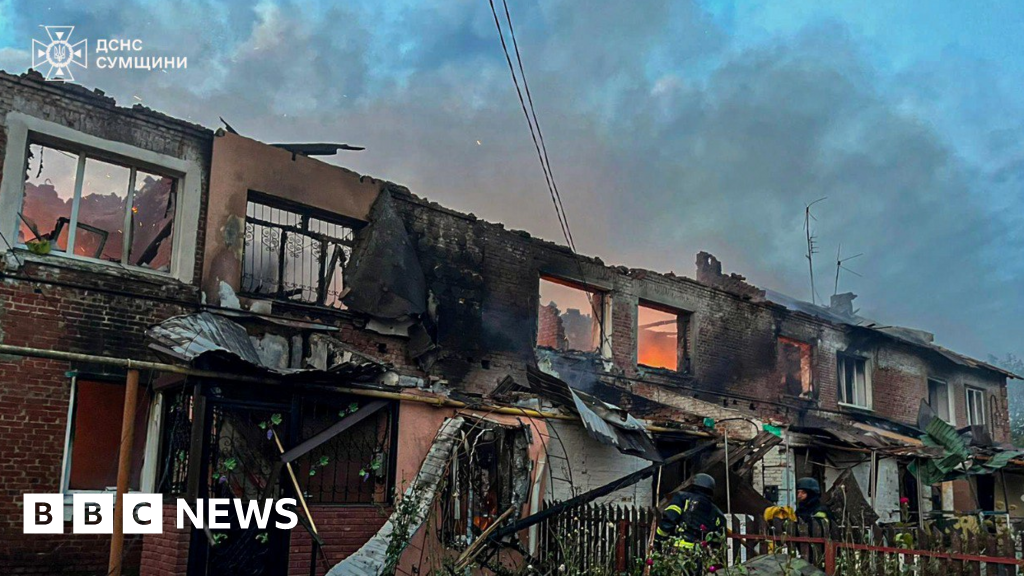
Ukrainian family of four wiped out in Russian drone attack, officials confirm

The ongoing conflict between Russia and Ukraine continues to escalate, illustrating the profound geopolitical impact of Moscow’s relentless pursuit of influence and control. In the recent overnight attack in Ukraine’s Sumy region, a tragedy unfolded as a family of four was confirmed dead, struck by a Russian drone missile targeting a residential building. Local officials, including regional head Oleh Hryhorov, condemned the strike as a deliberate act of violence against civilians, a disturbing sign that the conflict’s brutality has become normalized. Amidst the chaos, Ukraine’s air defenses demonstrated resilience, shooting down 46 out of 65 inbound Russian drones — yet the remaining 19 caused deadly hits across six locations. Such persistent assaults highlight how Russian military tactics have evolved, emphasizing infiltration and aerial bombardment to destabilize Ukrainian society.

Since Russia’s wide-scale invasion in February 2022, the international community has watched in concern as the conflict morphs into a protracted stalemate, with significant consequences for global stability. While Moscow remains comparatively silent on specific losses, it claims to have destroyed 81 Ukrainian drones within Russian borders, framing its actions as defensive. Conversely, Ukraine’s appeals for advanced Western weaponry, including long-range missiles capable of striking deep into Russian territory, index a strategic shift aimed at balancing Moscow’s aggression. Prominent analysts, such as those at the European Council on Foreign Relations, warn that the ongoing Western defense aid, totaling €2 billion for drone technology alone, significantly impacts Ukraine’s capacity to resist and persevere, yet also risks expanding the scope of the conflict.

The decision by Western powers to supply Ukraine with sophisticated weaponry—especially the possible deployment of long-range missiles like the U.S.-considered Tomahawk — signals a critical juncture. If these supplies are sanctioned, Kyiv’s ability to target key Russian military hubs and logistical nodes could significantly weaken Moscow’s operational capabilities. The American administration and European Union officials argue that empowering Ukraine with these tools is essential, contemplating whether such support might force Vladimir Putin into negotiations or prolong the war by widening its geographic scope. Yet, some international voices caution that this escalation could ignite a broader regional confrontation, risking unintended consequences that threaten global peace and security.

As the conflict persists, predictions from historians and international security analysts emphasize that the true turning point remains uncertain. The war’s toll—both human and geopolitical—is staggering. Ukrainian civilians pay a devastating price in lives and homes, while the Russian military’s determination to press its advantage tests the resolve of Western allies. The conflict’s potential to morph into a wider confrontation, perhaps involving NATO or other global powers, embodies a dangerous crossroads. With every drone strike, diplomatic maneuver, and international aid package, the pages of history are being written—an unfolding narrative of resilience, geopolitical chess, and the profound costs of modern warfare. As the war drags on, the weight of this moment rests heavily on the collective consciousness of the world, reminding us that in the storm of history, the future remains fundamentally uncertain.

Russian woman living in Karnataka cave with kids finally heads back home

Russia recently witnessed a peculiar chapter in its ongoing saga of international migration and human rights complexities, when Nina Kutina, a woman who gained global attention after her discovery living in a cave in India with her young daughters, was finally repatriated. Her case isn’t merely a story of survival; it underscores the broader geopolitical and societal implications surrounding urban migration, refugee management, and international legal responsibilities. While her situation initially drew media focus on her remarkable living conditions—residing in a remote, leaky cave—the geopolitical ramifications resonate far beyond personal hardship, affecting global diplomacy, legal protocols, and the perception of border sovereignty.

India continues to grapple with this complex incident involving Kutina and her children, as the courts navigated the delicate balance between humanitarian intervention and international legal obligations. According to reports, the High Court of Karnataka instructed the federal government to facilitate the return of the woman and her daughters to Russia, citing their lack of valid documents and the need for lawful repatriation. This legal action highlights how international treaties such as the United Nations Convention on the Rights of the Child are interpreted and applied differently across the world, especially in cases involving undocumented migrants or those who have deliberately chosen isolated lives over urban society. Analysts suggest that this case could be a precedent for how third countries respond to unusual migrant situations, especially when they cross into territory of strategic interest.

Yet, beneath the surface, the incident has exposed the underlying tension regarding sovereignty, human trafficking, and the right to self-determination. The woman’s claim of living in caves — and her subsequent rescue — prompted officials to question her motives and the factors driving her drastic choice of refuge. Her lawyer in India, Beena PK, invoked India’s commitment to international conventions to argue against immediate deportation. Conversely, government officials and legal experts pointed to her expressed desire to return to Russia, noting the importance of respecting individual sovereignty and legal extradition protocols. The decision to facilitate her repatriation—amid debates about her motives and well-being—serves as a microcosm of the ongoing global struggle to balance humanitarian concerns with national security and legal sovereignty.

This incident is emblematic of the broader geopolitical impact—highlighting how individual human stories are intertwined with larger international power plays. Navigating the pathways of migration, refuges, or illegal stays often leads to diplomatic tensions, especially when political alliances, legal frameworks, and societal narratives intersect. International organizations like INTERPOL and the United Nations continue to emphasize the importance of protecting human rights, yet their guidelines are frequently tested in such unpredictable scenarios. Historians note that in an era where borders are both vital and vulnerable, decisions made today echo in the corridors of history, shaping the narrative of sovereignty and global justice for generations to come.

Ultimately, the case of Nina Kutina encapsulates an unfolding chapter in a broader narrative of insecurity, migration, and sovereignty that the world must confront. As the woman departs for Russia and society debates her fate, the weight of history hangs heavily—reminding nations that their decisions today carve the contours of the future. The shadows of conflict, diplomacy, and the human spirit intertwine in this story, leaving the international community to ponder: in the relentless pursuit of justice and national integrity, how will the lessons of this seemingly isolated case influence the shaping of global policy? The pages of history continue to turn, and the future remains unwritten, awaiting the decisions that will define the fate of countless individuals caught at the crossroads of human rights and sovereignty.

Optus CEO Faces Tough Days After Singtel Meeting Amid Outage Crisis, Says Anika Wells

Australia’s Telco Crisis Illuminates Geopolitical Stakes in Critical Infrastructure

The recent series of outages plaguing Optus, one of Australia‘s largest telecommunications providers, has sparked immediate national concern and highlighted broader issues surrounding critical infrastructure resilience. The Australian government’s intervention — calling for an external review after two major triple-zero outages within a fortnight — underscores the fragile trust in essential services that underpin civilian safety and national security. Prime Minister Anthony Albanese publicly condemned Optus for “letting down its customers and the nation,” marking a significant moment where private enterprise’s failures impact the entire societal framework.

What elevates this domestic issue to a matter of geopolitical significance is the role of Singtel, Optus’s parent company based in Singapore. The communications minister, Anika Wells, engaged directly with Singtel’s leadership, signaling the importance of international corporate accountability—particularly in an era where digital infrastructure increasingly intertwines with national sovereignty. Analysts argue that such outages, and the subsequent inquiries, serve as a litmus test for whether Singapore’s corporate interests align with Australian security and resilience. Historically, foreign-based companies operating critical infrastructure in allied nations have often become channels through which broader geopolitical tensions are expressed or mitigated.

Deciphering Systemic Challenges & International Ramifications

The outages exposed at least one significant technical vulnerability: a firewall upgrade on September 18th unintentionally disabled emergency call capabilities across multiple regions, including South Australia and Western Australia. Despite assurances that individual human errors contributed, concern remains whether Optus and its parent will undertake comprehensive reforms needed to restore faith. The Australian Communications and Media Authority’s investigation aims to quantify whether such failures are systemic or isolated cases, with Wells warning of “significant consequences” if lapses persist.

In the broader geopolitical context, these events serve as a reminder that critical infrastructure is a battleground where sovereignty and national stability are continually tested. Countries worldwide are increasingly wary of reliance on foreign corporations or jurisdictions that may have competing strategic interests. As geopolitical analysts have pointed out, trust in foreign technology providers can become a vulnerability, especially when national security is at stake. The push for legislation to appoint a triple-zero custodian reflects an urgent desire for sovereignty over emergency services and critical communications—highlighting a critical turning point in Australia’s approach to managing and safeguarding its national infrastructure.

Unfolding Crisis & Lessons for the Global Community

Despite the government’s resistance to larger inquiries, the tone of Australian officials suggests that the outages could have far-reaching consequences. The Labor government’s calculated move to fast-track legislation indicates a clear recognition: trust once broken in essential services can have profound social and political repercussions, both domestically and internationally. The controversy surrounding Wells’s leadership and the ongoing investigation are emblematic of a wider debate about the firm’s ability to uphold national security protocols in an era where technological vulnerabilities can translate into geopolitical vulnerabilities.

As historians and security analysts warn, this episode could serve as a pivotal moment in how nations balance the pragmatism of foreign investment with the imperatives of sovereignty. The looming uncertainty surrounding Optus and Singtel’s future underscores that when the foundations of civil trust are shaken, the course of nations may be altered—for better or for worse—by the decisions made in boardrooms and government chambers alike.

Now, as Australian society grapples with the immediate fallout, the weight of history presses heavier—to remind us that the integrity of our infrastructure isn’t merely a matter of corporate accountability, but a defining frontier in the international contest for influence, security, and sovereignty. The escalating crisis offers a stark warning: in the relentless march of modern geopolitics, invisible lines are being redrawn, with support and resilience of national systems hanging precariously in the balance. The question remains—how many more such moments will it take before the world recognizes that in the shadows of seemingly trivial outages, the future of sovereignty itself is being written?

Australia Backs Trump’s Bold 20-Point Peace Plan for Gaza—A Fresh Hope for the Future

Global Reactions to Trump’s 20-Point Peace Plan for Gaza: A New Chapter in Middle Eastern Diplomacy

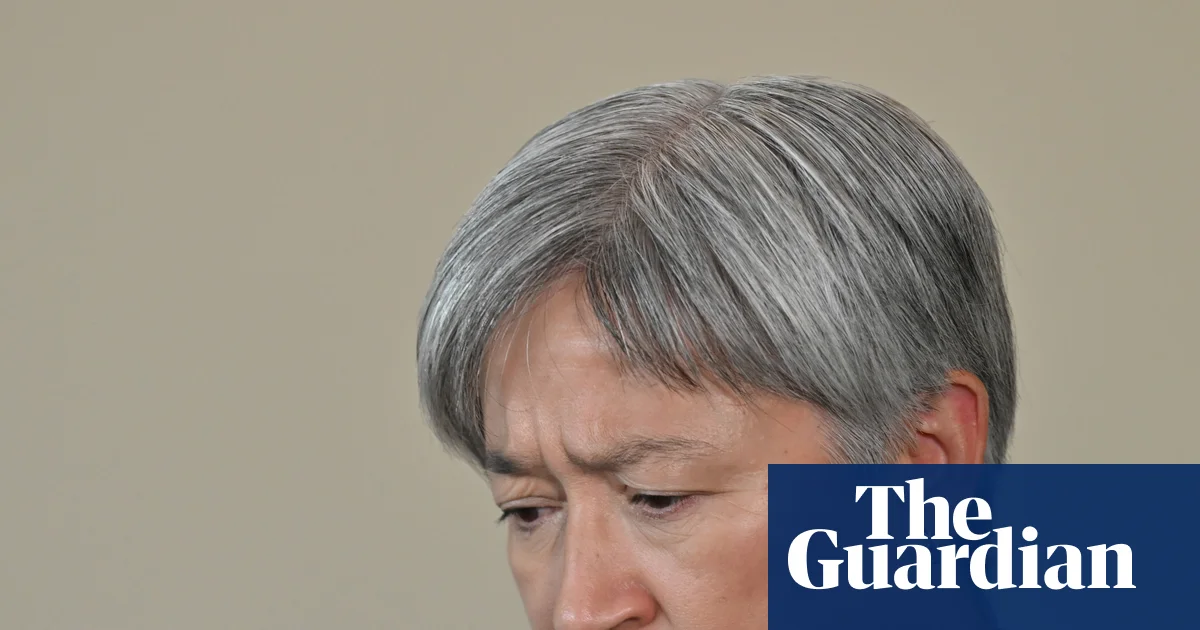
The recent announcement of President Donald Trump’s 20-point peace plan for Gaza has ignited a complex web of international responses, reflecting both cautious optimism and deep skepticism. The plan, unveiled alongside Israeli Prime Minister Benjamin Netanyahu, proposes a transitional “apolitical” governance committee for Gaza, with the United States potentially leading the effort. Australian Prime Minister Anthony Albanese has publicly welcomed the initiative, calling it a ‘door open’ to the elusive two-state solution that many analysts believe is the only sustainable pathway to peace. Albanese’s diplomatic comments, made during his trip to the US, UK, and UAE, underscore a shift among allies toward supporting specific diplomatic proposals amid ongoing regional turmoil.

Particularly notable is the broad regional backing for the plan’s emphasis on Palestinian self-determination, with Indonesia and Pakistan explicitly endorsing the proposals. These nations have traditionally shown solidarity with Palestinian aspirations, and their support signals a regional consensus that, despite its flaws, the plan might serve as a foundation for alleviating suffering and reducing violence. Nevertheless, the plan’s effectiveness hinges on Hamas’s willingness to disarm and accept the transition, a condition that commentators and former experts warn could predicate future failure. As international organizations like the UNO and analysts from think tanks observe, the plan’s success depends on whether key players—most critically Hamas—are willing to abandon violent opposition, a move seen by many as tantamount to signing their own political death warrants.

Nevertheless, the plan’s details are a matter of fierce debate. Critics from the Greens, citing Palestinian sovereignty, argue the initiative may be yet another iteration of external forces imposing a solution without genuine Palestinian agency. Mehreen Faruqi contends that the US-led effort, with figures like Tony Blair involved, does little to foster authentic independence for Palestine, warning that it could merely perpetuate a cycle of occupation under a new guise. Meanwhile, Australia’s opposition remains divided—some see it as a *beacon of hope*, whereas others worry it could undermine Palestine’s right to self-governance. The Coalition’s stance, to revoke recognition of Palestinian statehood, signals a potential retreat from diplomatic recognition, which could destabilize regional prospects further.

Throughout this evolving diplomatic theater, the geopolitical impact remains profound. The plan’s anticipated impact on regional stability, coupled with potential shifts in alliances—especially between the US, Britain, and Middle Eastern nations—could alter the balance of power for decades to come. Historians and international analysts warn that these decisions will be scrutinized in the corridors of history, as one of the most pivotal moments in the Middle East since the original accords. As leaders grapple with the aftermath of decades of conflict, the question remains whether the region can pivot toward peace or whether it risks yet another cycle of violence, entrenching divisions that threaten to spiral out of control.

In the shadows of these high-stakes negotiations, the weight of history lingers, whispering of past hopes dashed and wars fought over uncertain promises. The world now watches as the chapters of this story are written, unsure whether this latest diplomatic effort will spark a new dawn or plunge the region deeper into chaos. For the youth across continents—those who will inherit the future—the decisions made today may very well determine whether peace, elusive yet desperately yearned for, becomes a genuine possibility or remains a distant, fading dream.

Army deployed to secure Etosha National Park amid rising threats

Namibia’s Etosha National Park Fires: A Critical Test for Sovereign Response and Global Conservation

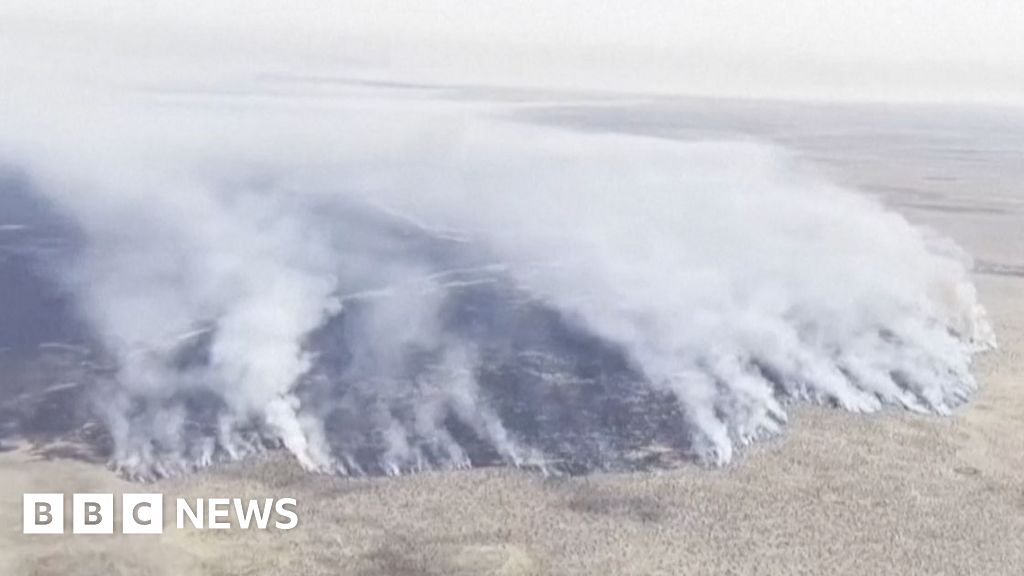
The recent devastating wildfire that engulfed a third of Namibia’s renowned Etosha National Park marks a significant moment in Africa’s ongoing battle to preserve its natural heritage amid mounting environmental challenges. According to the country’s environment minister, Indeleni Daniel, the fire has been “now contained”, but the ramifications of this natural catastrophe underscore the fragile balance between ecological conservation and geopolitical stability. This incident has ignited international attention, highlighting the role of national sovereignty in addressing environmental crises that transcend local borders.

Historically, Etosha has been a pillar of conservation, home to critical species such as the critically endangered black rhino and an array of migratory birds. The fire, which spread for more than a week across approximately 22,935 square kilometers, has not only devastated vital wildlife habitats but also threatened the socio-economic backbone of Namibia’s tourism industry. With some 200,000 visitors annually, the park’s economic significance reflects how environmental health directly influences national income and community well-being. Analysts from the United Nations Environment Programme have warned that such wildfires, exacerbated by climate change and mismanaged response strategies, could escalate into regional instability if not effectively contained.

In response to the crisis, Namibia mobilized a substantial firefighting effort, deploying helicopters and hundreds of soldiers to combat the flames. The government’s decision to send more than 500 troops highlights a shift towards a more militarized, coordinated approach to natural disaster management—a move that could serve as a precedent for other nations facing similar threats. Underlining the gravity of the situation, opposition voices, such as MP Likando Rodrick, have criticized the government’s preparedness, arguing that past responses were insufficient, and calling for more comprehensive long-term strategies to prevent future outbreaks.

The wildfire’s regional implications extend beyond Namibia’s borders, with authorities reporting that the flames have spread into bordering regions of Angola, threatening both ecosystems and local communities. This raises urgent questions about cross-border cooperation and the role of external agencies in protecting vital transnational ecosystems. As international analysts point out, the event underscores an unsettling reality: climate change is not just an environmental issue but a geopolitical challenge that tests the resilience and sovereignty of nations. The wildfire’s aftermath serves as a stark reminder that ecosystems, wildlife, and local economies are interwoven into a complex web of national identity and international diplomacy, demanding coordinated efforts that transcend borders and political differences.

As aerial imagery begins to reveal the full extent of destruction, the incident remains a potent symbol of the urgent need for adaptive, resilient environmental policies that can withstand the pressures of a warming planet. The unfolding story of Namibia’s fight against nature’s fury is a chapter still being written, but one thing remains clear: in the wake of these flames, the path toward sustainable coexistence with our environment has become more critical—and more uncertain—than ever before. The question now is whether global leadership will rise to the challenge or whether this disaster will simply serve as another mark in history’s long, tumultuous struggle between humanity and the forces of nature.

Afghanistan Suffers Internet Blackout as Taliban Cuts Fiber Optic Cables, Raising Concerns

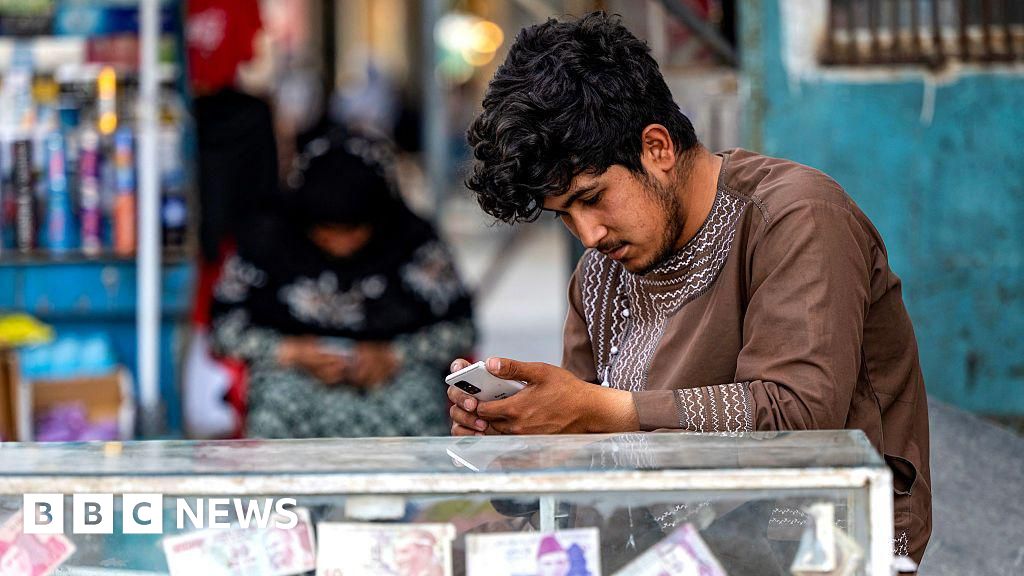
The recent total internet blackout in Afghanistan marks a significant escalation in the Taliban’s concerted effort to control information and suppress dissent within the country. Weeks after severing fibre-optic internet connections under the guise of moral enforcement, Taliban authorities now enforce an all-encompassing shutdown of telecommunications, including services vital for daily life, commerce, and international communication. As reported by the internet watchdog Netblocks, this blackout not only curtails access to information but strategically isolates the nation, leaving its population in a silence that echoes across the international stage. Such measures have profound geopolitical impact; they serve as a stark indication that the Taliban’s grasp on Afghanistan is tightening, with potentially far-reaching consequences for regional stability and global diplomacy.

Analysts warn that this shutdown represents a deliberate move to consolidate control, particularly over the country’s youth and political opposition. The Taliban, since their 2021 return to power, have aggressively enforced a strict interpretation of Sharia law, removing women from universities, censoring books, and restricting individual freedoms. The recent telecommunications blockade compounds these efforts, effectively cutting off Afghan voices from the outside world. Observers such as historians and international agencies note that this level of information suppression is unprecedented—not even during North Korea’s isolationist regimes has a nation entirely blacked out the internet in this systematic manner. The impact on society is palpable: many Afghan citizens report feeling isolated, their ability to communicate and access vital services abruptly halted. The blackout thus not only disrupts daily life but signals a dangerous normalization of authoritarian control that could persist for years.

In response, regional and international actors are watching cautiously. While the Taliban claim the shutdown is temporary, experts warn that it sets a dangerous precedent and signals a deeper attempt at to entrench their totalitarian rule. Governments in neighboring Pakistan and India, along with global powers like the United States and China, scrutinize this development for its potential to ignite instability or spark humanitarian crises. The United Nations and human rights organizations have issued cautious statements, condemning the restrictions on fundamental freedoms but lacking concrete leverage to alter Taliban policies. Meanwhile, many Afghan citizens living abroad lament the loss of their compatriots’ voices, echoing the sentiment that Afghanistan now stands on a precarious brink—where the **dictatorship’s grip tightens amidst a silenced population**. History warns that prolonged information blackouts tend to consolidate power while dehumanizing dissent, thus threatening to permanently alter Afghanistan’s social fabric.

As the world observes an unfolding chapter of repression, the shadow of history looms large. This blackout is more than a technological failure—it’s a stark symbol of how emerging power factions redefine sovereignty through control over information. The voice of the Afghan people, muffled and crippled, becomes a tragic testament to the cost of inaction by the international community. The question remains: will this silence usher in a new era of darkness for Afghanistan, or will global resolve ignite a response capable of breaking this cycle? Time will tell, but the echoes of this moment will resonate through the corridors of history, reminding future generations of the dangers when nations choose silence over liberty, and control over the human spirit. Thus, the story of Afghanistan’s current silent crisis continues to be written—one that may yet define the fate of a nation in the crucible of a new geopolitical epoch.

Trump and Netanyahu Back New US Peace Initiative for Gaza

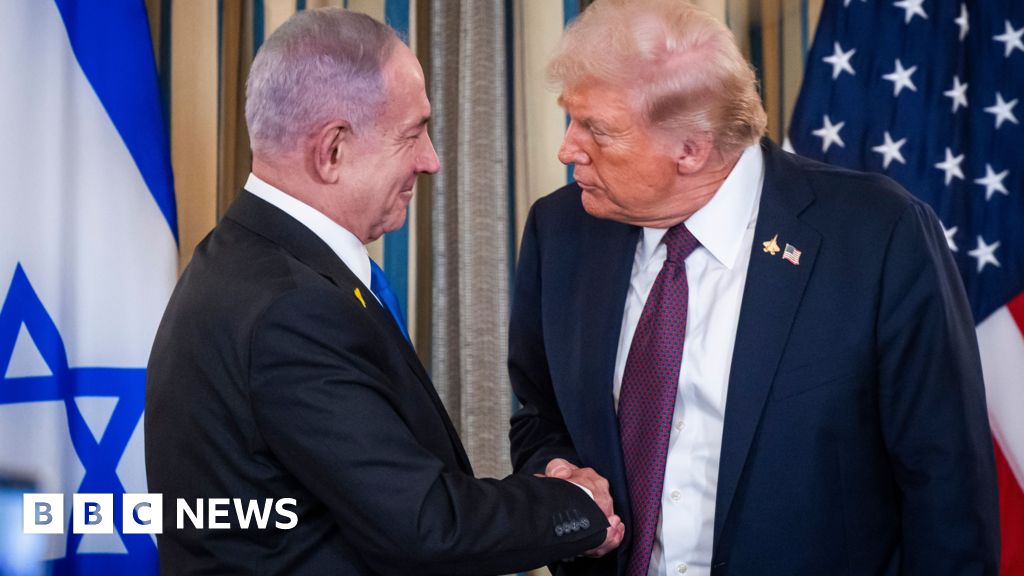
US President Donald Trump and Israeli Prime Minister Benjamin Netanyahu have unveiled a groundbreaking peace plan aimed at deescalating the catastrophic conflict in Gaza. Announced amid mounting international pressure, the proposal signals a significant diplomatic shift with the potential to reshape the geopolitics of the Middle East. The plan’s core demands include an immediate ceasefire, Hamas’s disarmament, and the release of hostages, laying the groundwork for a staged withdrawal while offering a glimmer of hope for an elusive peace. Yet, the initiative also exposes the profound struggles of compromise in a region haunted by decades of resentment, violence, and geopolitical rivalries.

The deal stipulates that Hamas, the militant group controlling Gaza, must relinquish its weapons, dismantle its tunnels, and relinquish control in favor of a technocratic Palestinian-led governing body. An international transition body, spearheaded by the US under the leadership of Trump, would oversee the administration, indicating an unprecedented American role in Palestinian affairs. This arrangement, praised by figures such as former UK Prime Minister Tony Blair as “bold and intelligent,” underscores a strategic departure from previous policies that prioritized direct Israeli control or diplomatic neglect. The proposal also emphasizes economic reconstruction, with immediate full aid to Gaza contingent on compliance, aiming to counter the humanitarian crisis worsened by ongoing hostilities.

International reactions have been mixed but reveal a shared desire for diplomatic resolution. British Prime Minister Sir Keir Starmer, along with other Western allies, has called upon all parties to seize this historic opportunity. The plan hints at a future Palestinian state, though details remain vague, and recognizes that the path toward Palestinian sovereignty is deeply intertwined with the cessation of violence. However, the sense of cautious optimism is shaded with skepticism; Hamas officials have expressed willingness to consider the proposal but stressed that Palestinian interests and the complete Israeli withdrawal are non-negotiable. Meanwhile, geopolitical analysts warn that the plan’s success hinges on the authentic commitment of all parties to peace—not just rhetoric—especially as tensions remain high in the broader Middle Eastern arena.

The geopolitics of the region are poised on a knife-edge, with the US and Israel seeking to recalibrate their strategies amidst a landscape of persistent hostility, shattered trust, and external influences. The timing is critical, as Netanyahu sharply condemned efforts at Palestinian recognition by Western nations, labeling such moves as signs of “shame” and a security threat. His recent UN speech, filled with accusations and inflammatory rhetoric, reflects the deep divides that still threaten to unravel any nascent peace efforts. This new proposal is, therefore, more than just an attempt to end hostilities—it’s a larger chess move aimed at consolidating regional and international influence, even as critics question the likelihood of enduring stability given the entrenched grievances and differing visions of sovereignty.

As history watches with bated breath, the silent stones of Gaza—once again under the weight of diplomatic negotiations—bear witness to a moment that could either mark the dawn of a new era or deepen the shadows of conflict. The unfolding story remains uncertain, with each decision echoing far beyond the confines of war zones and diplomatic chambers; it threatens to redefine notions of sovereignty, human rights, and global order. In an arena where the stakes are life and death, all players—the superpowers, regional actors, and local communities—must confront the enduring question of whether peace is merely a fragile promise or the foundation of a resilient future. The unforgiving pages of history await, ready to record whether this chapter will end in reconciliation or further chaos — the great narrative of the Middle East is still being written.

Social Media Auto Publish Powered By : XYZScripts.com