Matox News

Truth Over Trends, always!

Millions of UK workers set for pay boost as Reeves announces higher minimum wage — Budget 2025

In the latest move reflecting domestic economic policy intertwined with global labor trends, the United Kingdom has announced a significant increase in minimum wages, aiming to bolster the living standards of its low-paid workers. The country’s leadership under Prime Minister Rishi Sunak has committed to raising the national living wage from £12.21 to £12.71 per hour for over-21s starting April, an increase of 4.1%. This escalation is designed to lift approximately 2.4 million workers, pushing their annual earnings up by around £900—an effort to counteract stubbornly high inflation and resolve the ongoing cost-of-living crisis. At the same time, the government is narrowing the gap for younger workers by increasing rates for 18- to 20-year-olds by 8.5%, signifying a preference for wage equality that continues to shape the nation’s economic landscape.

International and economic analysts observe this development as a reflection of a broader global shift toward protecting worker rights, yet caution that such measures carry complex geopolitical repercussions. Critics argue that steep wage increases, particularly for youth, could hinder employment opportunities by discouraging employers from hiring entry-level staff, especially amidst a backdrop of rising national insurance and economic uncertainties. According to the Resolution Foundation, youth unemployment has surged to 14.5%, up from 13.7% a year ago, illustrating the delicate balance between social welfare and economic vitality. Empirical data suggest that artificially inflating wages without concurrent productivity growth risks hampering economic competitiveness—a concern echoed by business leaders who report struggles in hiring due to increased labor costs.

This policy debate, however, extends beyond UK borders and touches on international labor standards. European countries, with their own history of wage regulation, brace for potential shifts in investment and migration patterns should wage policies influence business decisions. Meanwhile, the International Labour Organization and various global economic think tanks warn that inconsistent wage policies across nations could exacerbate trade imbalances and disrupt global supply chains. The UK’s push to elevate wages is, in part, a reflection of how rising populist sentiments and economic nationalism are reshaping traditional international relations, increasingly framing labor rights as elements of national sovereignty and economic resilience.

Historian and geopolitical analyst Dr. Emily Carter emphasizes that these internal economic choices are also part of a larger narrative—one where nations are reasserting control over their economic destinies amid a shifting international order. As China and the United States grapple with their own wage and inflation issues, smaller nations like the UK are making bold moves that could ripple through the global geopolitical landscape. The decision to safeguard jobs and raise wages can be viewed as an attempt to secure social stability, but it also leaves out the broader question: will such measures ignite a race to the top—or to the bottom in global labor competitiveness?

As history continues to unfold in the coming months, the UK’s wage policies serve as a stark reminder of how domestic economic reforms are intertwined with international trends. The world watches as nations balance between protecting their citizens and maintaining economic strength in an era marked by upheaval and uncertainty. Decisions taken today are likely to set precedents for future global interactions—where the tug-of-war between social justice, economic stability, and geopolitical influence remains as fierce and unpredictable as ever. The stage is set for a new chapter in history—one written not only through policies and politics but through the lives and futures of millions caught in the crossfire of a rapidly changing world order.

German 'Hammer Gang' Trial Targets Communist Extremists Behind Violence
German ‘Hammer Gang’ Trial Targets Communist Extremists Behind Violence

Germany Faces Critical Point in Fight Against Extremism as Trial Unfolds

In a landmark case unfolding in Dresden, seven individuals are on trial accused of membership and support for Antifa Ost, a militant, far-left extremist organization labeled as a terrorist group by the United States. This trial not only exposes the brutal tactics employed by the suspects—including attempted murder, severe assaults, and property damage—but also signals a shifting tide in Europe’s ongoing struggle against violent political extremism. As this case garners international attention, it underscores the geopolitical impact of domestic radical groups and how their violence influences broader security policies across borders.

Extremism’s Cross-Border Reach and Political Ramifications

  • Antifa Ost, founded in late 2017 or early 2018, allegedly orchestrated attacks targeting those perceived as part of right-wing circles in Germany and Budapest. Prosecutors allege meticulous planning, including spying on targets and launching violent assaults with hammers and batons, causing severe injuries.
  • The US government’s decision to designate Antifa Ost as a terrorist organization earlier this month marks a significant escalation in its crackdown on extreme-left affiliated groups, aligning with a broader geopolitical trend. Some analysts see this move as a response to mounting concerns over violent extremism destabilizing democratic societies.
  • Moreover, the AfD, Germany’s far-right party, publicly welcomed the US designation, arguing that Antifa and similar groups pose a threat to national security. Stephan Brandner explicitly called on the German government to follow suit, warning that without decisive action, radical left-wing violence could undermine societal cohesion.

How These Decisions Reshape European Security Policies

International organizations, including Interpol and EU security agencies, have closely monitored organizations like Antifa Ost amid fears of escalating violence. The trial in Dresden and the U.S. classification reflect a turning point in how nations treat domestic terrorism—particularly ideologically driven violence—by blurring the lines between political activism and criminality. Historians and security analysts warn that such shifts could lead to increased government overreach, yet they acknowledge that leaving these groups unchallenged risks societal upheaval.

The global community observes that this case presents a broader lesson about the importance of strength and vigilance in the face of extremist ideologies. As each nation grapples with its own radical factions, the world watches to see if Germany and allies will adopt a more proactive stance in banning and dismantling these dangerous groups. The trial is not merely about justice for those victims but a mirror held up to Europe’s collective responsibility to preserve order and safeguard constitutional values amid a rising tide of violence.

Fate of a Continent at a Crossroads

As the trial continues, the atmosphere grows tense with unspecified warnings of potential retaliation or escalation. Germany, with its history deeply rooted in conflict and resilience, now faces tensions that threaten to ignite again if radical groups gain ground. The shadow of historic conflicts looms, urging a cautious but firm stance. Political leaders, security forces, and international partners must decide—will they confront this burgeoning wave of extremism with conviction or risk losing the fragile fabric of societal harmony? The unfolding narrative remains a stark reminder that history is rarely linear, and the future of Europe’s safety hinges on the decisions made today.

Tanzania Cancels Independence Day Festivities Amid Election Turmoil

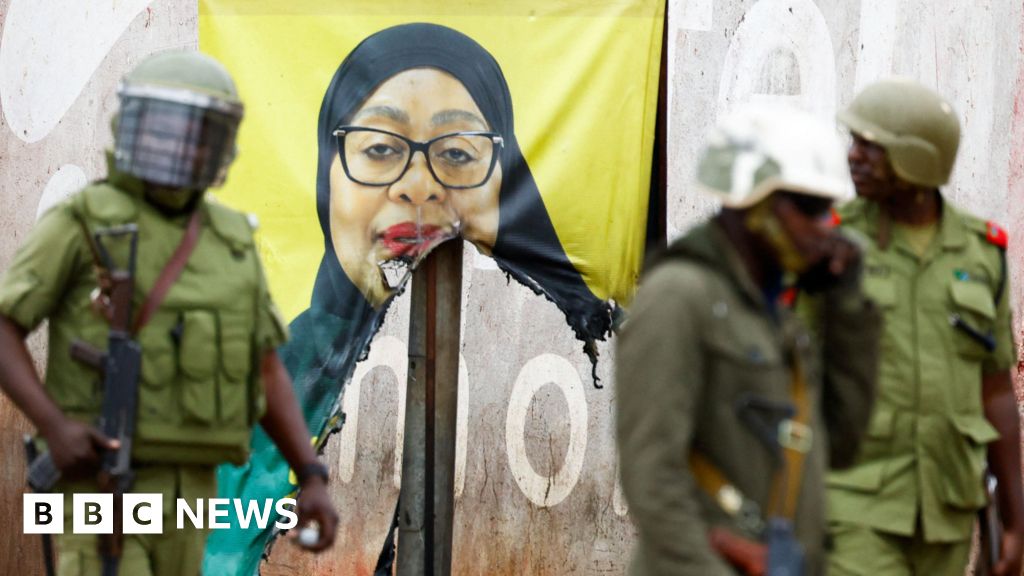
Tanzania has made a controversial decision to cancel its upcoming Independence Day celebrations, redirecting national funds toward rebuilding infrastructure damaged amid recent election unrest. Prime Minister Mwigulu Nchemba announced this shift, emphasizing the government’s focus on internal stability over patriotic festivities. This move underscores the deepening political crisis in East Africa’s second-largest economy and raises questions about how destined to be a model of stability Tanzania is becoming. Nevertheless, international analysts warn that such austerity measures reflect underlying political fractures that threaten both regional and global security.

The backdrop to this decision is a disputed election perceived by many experts as a clear deviation from democratic norms. President Samia Suluhu Hassan secured a landslide victory with 98% of the vote—an outcome widely dismissed by opposition figures as a “mockery of democracy.” Her main rivals were either detained or disqualified, fueling accusations of electoral manipulation. Election observers, including representatives from renowned organizations, pointed to irregularities and a flawed process, suggesting the vote fell short of fair standards. Meanwhile, the government responded with an internet blackout during the vote, and a crackdown on protests, which has resulted in the deaths of hundreds—an assertion still denied by authorities but corroborated by numerous eyewitness reports. The international community watches this unfolding crisis with concern; the African Union and United Nations have urged transparency and dialogue, but the substance of their influence remains uncertain.

Amid these circumstances, the Tanzanian government has sought to reframe its narrative, claiming that the protests and political repression are exaggerated efforts by critics aiming to tarnish national pride. Yet, reports of mass arrests—including charges of treason against at least 240 protesters—along with the perceived erosion of democratic space, serve as stark warnings of how fragile Tanzania’s political fabric has become. Historians and geopolitical analysts alike warn that such internal strife in pivotal regional nations not only impacts national stability but also shifts the global balance of power. Analysts from International Crisis Group emphasize that sustained instability in Tanzania could embolden authoritarian tendencies in similar states and undermine regional cooperation efforts, which are central to Africa’s economic development initiatives.

As President Hassan seeks to navigate this turbulent period, her administration’s push for political dialogue and appeals for national unity appear increasingly symbolic. The decision to halt Independence Day celebrations, a hallmark of national pride, highlights both internal dissension and the potential for long-term consequences on Tanzania’s geopolitical standing. How this crisis unfolds will sculpt the narrative of East Africa’s future: a region caught at the crossroads, where the choices made today will echo through history’s corridors for generations. Making perhaps the most solemn reminder of the weight carried by leaders: in the grand chessboard of international relations, the game is far from over—and the stakes have never been higher.

South Korea’s beloved TV dad passes away at 91—legacy of family values endures

The Passing of an Icon and Its Broader Cultural Significance

The recent death of South Korean actor Lee Soon-jae at age 91 marks not only the end of an era in entertainment but also underscores the cultural clout of Korean wave (Hallyu) as a significant soft power in the global geopolitical landscape. Lee’s career, spanning over seven decades, positioned him as a universal figure whose influence extended beyond South Korea’s borders, embodying a cultural bridge that has helped shape perceptions of the nation on the world stage. His roles in television classics like High Kick! and in acclaimed films fostered a sense of shared identity among Korean youth and diaspora communities alike. As analysts from the International Institute for Cultural Diplomacy note, figures like Lee serve as cultural ambassadors, contributing to the positive diplomatic image of South Korea amidst the fierce regional competition for influence.

How Cultural Diplomacy Intersects with Geopolitical Strategy

  • The rise of South Korean popular culture has been a deliberate facet of global soft power strategy by the South Korean government, aiming to elevate national prestige and economic strength.
  • Leaders such as President Yoon Suk-yeol have explicitly linked entertainment exports to security policy, recognizing the importance of cultural influence in shaping international alliances and alliances formations.
  • Meanwhile, institutions like the United Nations have called on countries to leverage cultural assets for peacebuilding, but critics argue that cultural influence alone cannot mitigate underlying geopolitical disputes, particularly in the East Asian region where territorial tensions persist.

Such decisions are set against the backdrop of ongoing regional conflicts—notably, the Uighur crisis in China and the escalating militarization of the Korean Peninsula. Historians like Dr. Samuel Parks suggest that the cultural sphere serves as a strategic battleground, shaping narratives and perceptions. While South Korea’s cultural exports, including K-pop, TV dramas, and revered actors like Lee Soon-jae, foster unity and national pride domestically, their role in international diplomacy is double-edged. These cultural symbols are increasingly leveraged in hard power strategies to counterbalance China’s expanding influence and to Visegrad the United States’ regional interests, particularly in navigating the complex geopolitics of the Indo-Pacific corridor.

The Impact on Society and the Future Trajectory

However, the death of such a towering figure also sparks reflection on the fragile nature of cultural influence amid volatile geopolitical currents. South Korea’s ability to sustain its cultural ascendancy depends on continuous innovation and strategic diplomacy, as emphasized by international security analysts. The legacy of Lee Soon-jae, who remained active well into his nineties, exemplifies the endurance and depth that cultural figures can offer in fostering societal resilience and national identity. Yet, as the geopolitical landscape shifts with U.S.-China tensions and ongoing territorial disputes, the question remains whether cultural influence can translate into tangible security guarantees.

Just as Lee Soon-jae’s career conveyed warmth and familiarity, the broader process of nation-states maneuvering through international tensions often hinges on storytelling—narratives crafted by leaders, media, and cultural icons that shape global perceptions. With history witnessing a rising tide of powerful alliances and rivalries, the words of seasoned analysts echo with gravitas: the pages of history are still being written, and the world watches with bated breath as this complex story unfurls, leaving a legacy that will influence generations to come.

Minister Warns of Rising Student Asylum Claims Amid Visa ‘Abuse’ Concerns

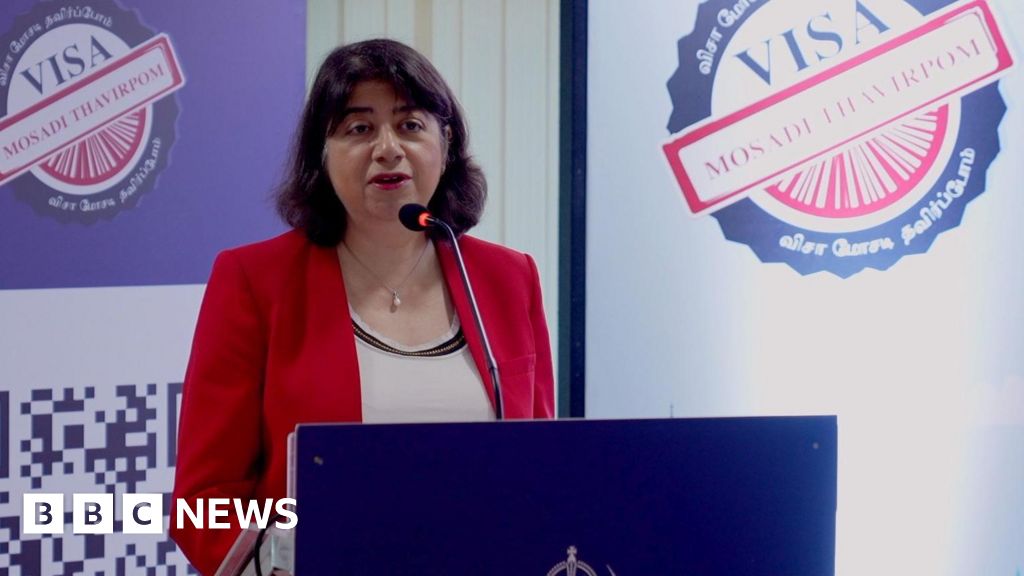
The United Kingdom is currently navigating a pivotal turn in its immigration and trade policies—an effort that reveals much about its strategic priorities within the Indo-Pacific and its relationship with India. UK’s Indo-Pacific Minister Seema Malhotra recently defended sweeping immigration reforms during a diplomatic visit to India, asserting that they are “in line with what countries around the world do” to curb system abuse. Yet beneath this rhetoric lies a complex web of geopolitical signals and domestic challenges that could reshape not only Britain’s immigration landscape but also its broader positioning on the global stage. The reforms, which could delay permanent settlement for migrants up to 20 years and extend eligibility for indefinite leave to remain from five to ten, target an estimated 2.6 million arrivals since 2021, reflecting a stark shift towards greater national control amid increasing pressure from both political factions and public opinion.

While Malhotra insists these policies aim to promote fairness and order, critics—ranging from Labour MPs to international analysts—highlight the potential fallout. The UK, long distinguished for its openness to international students and skilled migrants, now faces a decline in Indian student arrivals—off by 11% from last year—fueling anxiety among universities and economic stakeholders. India, historically the UK’s leading source of foreign students accounting for 25% of arrivals, is witnessing a cooling demand as higher visa restrictions are implemented. This is not merely an educational issue; it signals a shifting geopolitical dynamic. India’s significant role as a crucial nation of origin for migrant workers and professionals makes the restrictions a point of tension, especially as UK-India relations evolve through recent free trade agreement (FTA) negotiations—including the opening of UK university campuses in Bengaluru. London’s push to deepen economic ties while tightening migration controls underscores a broader phenomenon: a cautious balancing act between fostering international cooperation and safeguarding domestic political stability.

Analysts warn that these inward-looking policies could have far-reaching consequences that extend beyond the UK’s borders. Historians and policy experts observe that such shifts respond not only to immediate political pressures but also to an international climate where migration becomes a pawn in larger competitions for regional influence. Sir Keir Starmer’s recent pledge to retain strict visa rules for Indians, despite trade ambitions, exemplifies the tension between economic cooperation and political sovereignty. Meanwhile, the UK’s move toward a “contribution-based” immigration system—favoring economic merit over temporal residence—may redefine what it means to be a migrant in Britain. The implications for nations like India are immense: as a significant source of skilled labor, especially in healthcare, the potential exodus of nurses and care workers could weaken the very sectors critical for societal stability, with many falling prey to visa scams and financial ruin. Such internal fissures threaten to undermine the societal fabric the UK seeks to protect, revealing an inherent dilemma where global ambition clashes with domestic reality.

In the unfolding saga of Britain’s future direction, each policy shift echoes as a chapter in the larger narrative of a nation wrestling with identity, influence, and survival. The geopolitical impact is unmistakable: Britain’s effort to tighten borders and prioritize economic contributions signals a defiance of the permissive migration policies characteristic of its past. As the world watches, the decisions taken now are not just about border controls—they are about who Britain is and what it aspires to be in a rapidly shifting international landscape. The weight of history hangs heavy, as the UK’s leadership steers through storms of domestic discontent and global rivalry—constructing a future where sovereignty and prosperity hinge on choices that will resonate for generations to come. The unfolding story remains one of resilience, risk, and the enduring quest for national place amid the tumult of today’s interconnected world.

Justice prevails as charges dropped against Australian debt collector Panthera Finance

Global Impact of Australia’s Shift in Debt Collection Laws

In a landmark decision, Australia has once again highlighted the delicate balance between consumer protections and corporate oversight, with significant geopolitical reverberations potentially influencing international standards. The recent court case involving Panthera Finance, a prominent debt collection firm, underscores shifting legal interpretations that extend beyond domestic borders. This case, centered on whether Panthera was technically engaged in illicit debt collection practices, marks a pivotal moment in how nations temper regulation with economic competitiveness in a rapidly globalizing financial industry. As legal experts and international organizations analyze the ruling, the core question persists: How do such decisions influence societal perceptions of corporate accountability and state sovereignty?

Legal Nuances and International Ripple Effects

  • The Victorian magistrates’ court dismissed charges against Panthera Finance, citing a narrow interpretation of debt collection statutes that hinge on whom the debt is owed to.
  • Legal counsel for the company argued that their client was in fact the owner of the debts, hence not technically engaging in prohibited collection activities.
  • The ruling raises a significant ambiguity in Australian law—one that many analysts fear could be exploited by other corporations operating across jurisdictions with varying laws.

Most notably, this outcome sparks debate among international legal circles and global economic policymakers. While some experts warn that broadening legal loopholes endangers consumers, others, like certain Australian lawmakers, see the decision as a safeguard against overregulation stifling economic activity. The situation draws parallels with past international legal shifts where corporate interests have challenged regulatory frameworks in pursuit of profit, often at the expense of societal protections. Thinkers such as Professor James Smith of the International Law Institute warn that such legal pragmatism must be balanced with international commitments to consumer rights, especially in a climate where cross-border transactions are becoming the norm.

The Geopolitical Impact and Societal Consequences

This legal outcome exemplifies the broader geopolitical impact of national regulatory philosophies. As Australia navigates its relationship with *international bodies* and trade partners, decisions like these signal a more cautious approach—one that could embolden other nations to relax rules under similar presumptions. Meanwhile, the economic repercussions of such legal shifts can ripple globally, influencing how financial firms operate in diverse regulatory environments. Consequently, societies face increasing pressure to adapt — balancing growth with transparency and making sure vulnerable consumers aren’t left behind in the pursuit of economic freedom.

Indeed, the case exemplifies a phenomenon observed by analysts—how strategic legal interpretations and international policy shifts shape the future of global commerce and societal trust. Governments, international organizations, and corporate players are now locked in a complex dance, where the slightest constitutional or legal nuance can define the trajectory of national and global stability. As historians like Dr. Anna Rodriguez reflect, this moment signals not just a legal victory or defeat, but a step in the larger evolution of how societies will regulate, control, and protect their citizens amidst a pluralistic and interconnected world—a story still being written with each court ruling, treaty, and policy change.

In the unfolding saga of nations striving to find the right balance of power, regulation, and economic liberty, the decision in Melbourne serves as a stark reminder: the true weight of history is carried not just in today’s verdicts, but in the future frameworks they forge — frameworks that will define what kind of world justice and societal harmony can withstand the test of time.

Four Killed in Nighttime Strikes on Neighborhoods—A Wake-Up Call for Our Streets

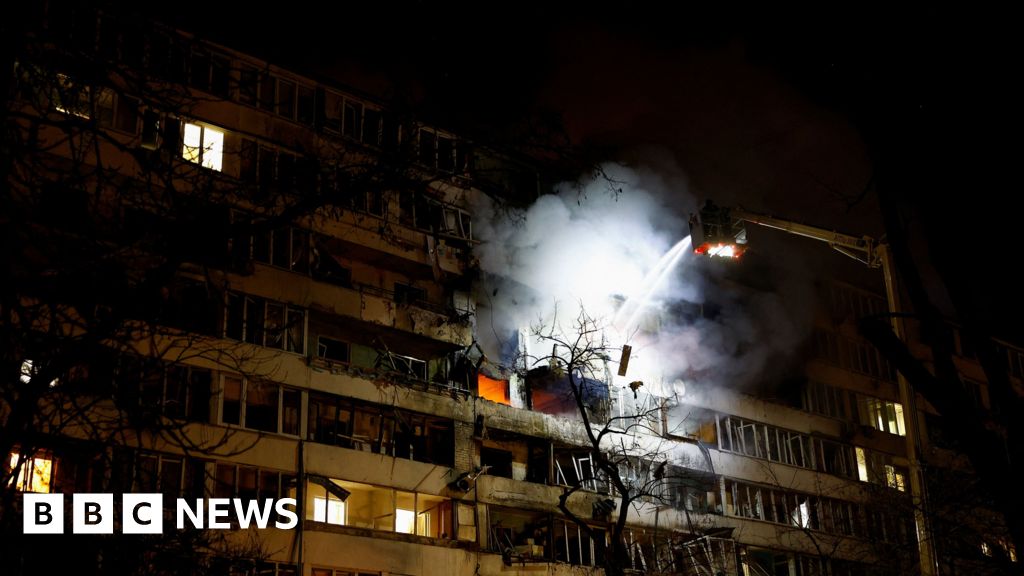
The recent surge in hostilities between Russia and Ukraine underscores the volatile state of Eastern Europe’s geopolitical landscape. Overnight drone strikes launched by both nations have resulted in tragic casualties and widespread destruction, highlighting a relentless cycle of violence that threatens regional stability. Kyiv reported a “massive” Russian drone assault targeting the Ukrainian capital, causing fatalities, injuries, and damaging critical infrastructure. Meanwhile, Moscow’s accusations of Ukrainian strikes in the Rostov region reveal how this conflict has expanded beyond conventional borders, with civilian lives caught in the crossfire.

This deteriorating situation follows palpable shifts in diplomatic negotiations. Ukrainian President Volodymyr Zelensky welcomed proposed modifications to a controversial 28-point peace plan brokered with the backing of the United States. However, these adjustments were swiftly dismissed by the Kremlin as “completely unconstructive,” exposing deep fissures in the international effort to forge a sustainable resolution. Analysts from the International Crisis Group warn that such dismissals portend a scenario where diplomatic efforts remain deadlocked, prolonging the suffering on the ground and entrenching divisions among allies.

Furthermore, the recent attacks underscore how disrupted energy and civil infrastructure amplify the war’s toll on societies. Kyiv’s authorities have reported multiple residential high-rises ablaze, with emergency services evacuating countless residents amidst ongoing threats. Ukraine’s energy ministry announced a “massive, combined enemy attack” targeting vital electrical and water supplies, a move that risks plunging the nation into deeper hardship during winter. These actions reflect not just military strategies but also a calculated effort to undermine Ukraine’s resilience, a move widely condemned by global observers. The impact of such destruction reverberates beyond immediate casualties, threatening to destabilize civilian life, hinder recovery, and test the endurance of the Ukrainian people.

On the geopolitical stage, the events illuminate how Russia and Ukraine serve as pivots in a broader contest involving Western allies and Eastern powers. US policymakers, including White House spokesperson Karoline Leavitt, express cautious optimism about the diplomatic process, citing hope that a comprehensive plan may eventually materialize. Yet, historical analysts warn that the war’s escalation, combined with entrenched national interests, could entrench a protracted conflict with unpredictable outcomes. Some experts interpret this turmoil as a pivotal moment—the potential for a breakthrough or the slide into further chaos—hinges on external diplomatic finesse and internal resolve.

As the frontlines continue to shift and the war’s toll mounts, the international community faces a profound moral and strategic dilemma. The story unfolding in Ukraine is not just a regional conflict but a defining chapter in the 21st century’s geopolitical narrative. Each decision, each strike, and each diplomatic gesture writes a new line in the chronicles of history—an unfolding drama where the weight of nations and the hopes of millions hang precariously in the balance. The shadows of this crisis threaten to shape the landscape of global power, with consequences echoing long after the fighting ceases, leaving future generations to grapple with the scars of today’s choices, while the world watches in tense anticipation of what tomorrow may bring.

15-Year-Old Facing Christmas Behind Bars After Sydney Teen Murder

Teen Violence in Sydney: A Microcosm of Societal and Geopolitical Shifts

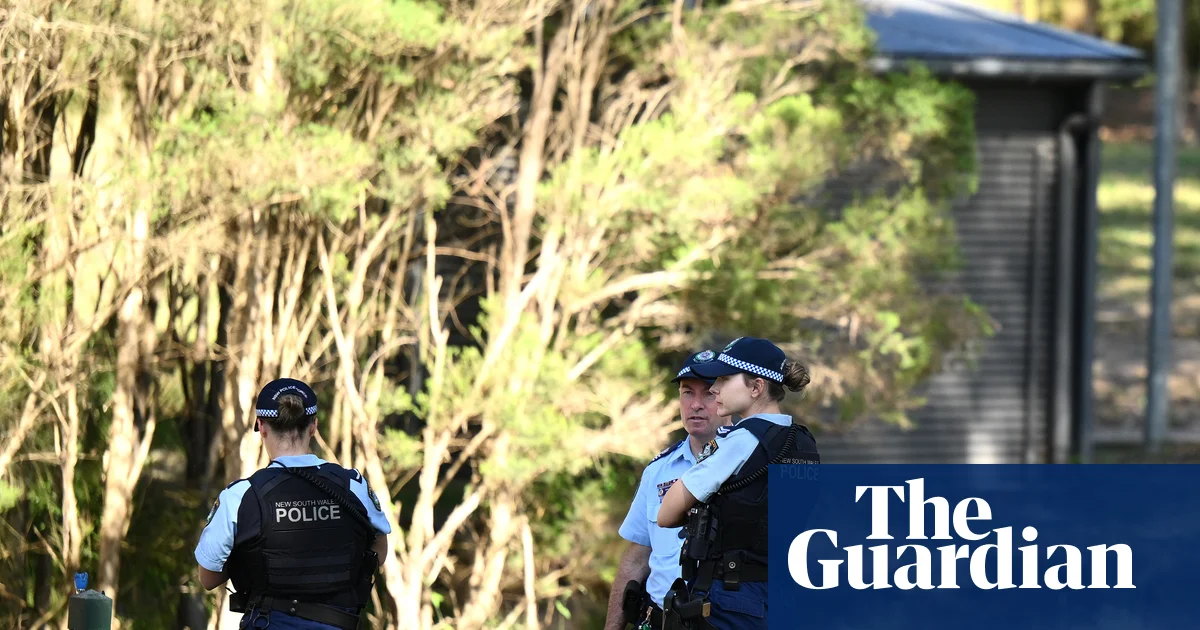
The recent tragic incident in Sydney, where a 17-year-old boy lost his life after a stabbing near a local high school, underscores a disturbing rise in youth violence affecting even the most peaceful societies. The suspect, a 15-year-old, was accused of the brutal murder, an act that has sent shockwaves through the Australian community and raises pressing questions about social instability, youth crime, and the broader societal influences fueling this violence.

Analysts and international observers have pointed to a global trend where societal discontent, economic disparities, and cultural shifts contribute to increased violence among youth. Historian Dr. James Thornton notes that such incidents often reflect underlying fractures within a nation, exacerbated by declining social cohesion and economic uncertainties. This tragic event took place in broad daylight, close to several schools and within view of the community—highlighting how fragile societal order can be, especially when morals and law enforcement are strained by the complexities of modern urban life.

The geopolitical impact of localized violence, however, extends beyond Australia’s borders. It acts as a stark reminder that internal societal stability influences a nation’s reputation on the global stage, especially as China and Russia continue to challenge Western democratic values and institutions. In a time where Australia aligns increasingly with U.S. interests, incidents like these threaten national cohesion and national security by fueling societal divisions. Moreover, international organizations such as the United Nations have long warned that domestic instability distracts nations from engaging effectively in global geopolitics, exacerbating regional tensions and allowing authoritarian influences to gain ground.

The response from Australian authorities underscores the seriousness with which such violence is treated. The young suspect was remanded in custody, with forensic evidence—including a DNA swab—being collected to establish further details. This case, due to return to court in January, highlights the ongoing challenge of juvenile justice and law enforcement’s efforts to combat youth violence in an increasingly volatile social climate.

Critical voices from across the political spectrum insist that resolving these issues requires addressing root causes—namely, inequality, cultural dislocation, and lack of opportunities for youth. Prime Minister Anthony Albanese has expressed condolences to the victim’s family while emphasizing the need for community resilience and policy reform. But the clash between social well-being and rising violence reveals deeper fractures within<typeof "Western" societies, which now confront the ongoing repercussions of rapid globalization, identity shifts, and internal divisions.

As the world watches, the event in Sydney becomes more than a localized tragedy—it serves as a bleeding symbol of how internal societal struggles can have far-reaching consequences. When youth are pushed to the brink, societies risk losing their future, and the weight of history continues to unfold, reminding all nations that peace is fragile and must be fiercely guarded against the tides of chaos and discord.

Teen 'Slender Man' attacker Morgan Geyser caught after fleeing custody
Teen ‘Slender Man’ attacker Morgan Geyser caught after fleeing custody

In recent years, young individuals across the globe have become entangled in developments that underscore the fragility of societal safety nets and the influence of digital folklore. The case of Morgan Geyser, the 23-year-old involved in the infamous 2014 Slender Man stabbing, exemplifies how online mythologies can transcend virtual boundaries, inspiring real-world violence that shocks entire nations. Her escape from a group home in Wisconsin, and subsequent arrest at a truck stop in Illinois, serve as a stark reminder that the confluence of mental health challenges, youthful impressionability, and digital subcultures demands urgent international policy attention.

  • The attack was carried out by Geyser and her childhood friend, Anissa Weier, both aged 12 at the time, motivated by stories from creepypasta—the internet’s dark folklore describing the shadowy figure known as Slender Man.
  • Geyser was sentenced in 2018 to 40 years in a mental hospital—an outcome that reignited debate over juvenile justice, mental health treatment, and the influence of cyberspace on impressionable minds.
  • Her recent attempt to flee detention highlights the ongoing security and societal risks posed by individuals who have been conditionally released, especially when societal cohesion is strained by misinformation and the unchecked spread of fringe narratives.

This incident underscores a >concerning trend recognized by international organizations such as the United Nations, which warns that digital ecosystems can radicalize youth and obscure the line between myth and violent reality. Historians and analysts have long debated whether modern media amplify youthful vulnerabilities or simply reveal existing societal fissures. The Geyser case starkly exemplifies the <psychological toll> of digital mythology, which can distort perceptions of reality, especially among the most impressionable. Many experts argue that the online environment, unlike traditional folklore, is less regulated and more potent in shaping dangerous beliefs—an aspect nations worldwide are now grappling with.

The geopolitical impact of such incidents extends beyond criminal justice. They highlight potential vulnerabilities in national security frameworks, as online subcultures and misinformation networks can proliferate violent ideas across borders without regard for state sovereignty. Some international security agencies are advocating for strengthened cooperation to monitor and counteract the spread of harmful narratives that could incite violence, emphasizing the need for a coordinated approach that involving technological, educational, and legal measures. As nations prioritize these strategies, the consequences of their decisions—whether stronger mental health initiatives or internet regulation policies—will have lasting effects on how societies manage youth wellbeing and digital literacy.

In the broader context of an increasingly interconnected world, the Geyser case is a stark chapter in a narrative still being written. It reminds policymakers, communities, and families that the digital age demands vigilant stewardship of the minds of future generations. History will judge whether decisive, collaborative action can stem the tide of such tragedies or whether mankind will continue to watch helplessly as the line between myth and reality blurs in the chaos of a digital dawn—not with hope, but with the weight of the lessons lost and the future yet to be shaped.

Indian research shows music speeds healing even under anesthesia

In a world where geopolitical stability often hinges on economic strength, military power, and diplomatic influence, recent developments in the realm of international health and technological innovation serve as a stark reminder of how decisions in one sector can ripple across nations. A compelling example emerges from India, where groundbreaking research at Maulana Azad Medical College has shed light on the subtle yet profound impact of musical intervention during surgeries. This seemingly modest discovery could herald a new paradigm—reducing drug dependency in operating theatres worldwide and possibly lowering the healthcare burden for developing countries, ultimately affecting global health policy and economic stability.

Meanwhile, across the Atlantic and in Europe, the global scene grows increasingly tense as geopolitical competitors vie for influence, often leveraging strategic alliances and regional conflicts. Under the shadow of ongoing conflicts, such as the Ukraine crisis and tensions in the South China Sea, international institutions face mounting pressure to maintain stability without escalating hostilities. These crises serve as a stark warning: decisions made in distant theatres of conflict may deeply influence economic markets, global security, and even technological partnerships. Analysts warn that ongoing disputes threaten to fragment the international order, forcing nations to reassess their strategic alignments and defense postures in a multipolar world.

Within this web of shifting alliances and regional conflicts, the United States and China emerge as central actors, each vying to cement their influence through trade, technology, and military preparedness. Institutions like the United Nations emphasize diplomacy, yet the reality remains that power politics are increasingly characterized by a competition for technological mastery and economic dominance. As AI developments, cyber capabilities, and emerging markets grow in importance, so too does the importance of aligning national interests with broader geopolitical strategies. It is clear from the perspectives of international analysts and historians that this era is shaping up to be one of the most pivotal since the Cold War, with repercussions that could determine the global order for decades to come.

In this unfolding chapter of history, the delicate balance of peace and conflict is often dictated not just by treaties or military might, but by capacity to innovate, adapt, and influence societal perceptions on a global scale. As nations grapple with the long-term effects of recent upheavals and scientific breakthroughs—such as the integration of music into anesthesia care—the world stands at a crossroads. Will humanity harness its collective resources to promote stability and prosperity, or will the chaos of competing interests lead to an irreversible fracture of the world order? The answer lies in the choices that policies, leaders, and societies make now—decisions that echo through the corridors of history, their weight still unfolding, as the future of the world hangs precariously in the balance amidst the ongoing march of history’s relentless tide.

Social Media Auto Publish Powered By : XYZScripts.com