Matox News

Truth Over Trends, always!

U.S. Teen Freed by Taliban After Nine Months Behind Bars

In a development that underscores the fragile yet persistent thread of diplomacy woven into Afghanistan’s tumultuous landscape, Qatar has successfully facilitated the release of Amir Amiry, a US citizen held hostage by the Taliban for nine months. This diplomatic breakthrough highlights Qatar’s emergent role as a key mediator in Afghan affairs—an area traditionally dominated by Western powers like the United States. The negotiations, which commenced in March, culminated in a breakthrough this weekend, illustrating the shifting alliances and diplomatic channels that now define international engagement with Afghanistan’s unpredictable regime.

The State Department described Amiry’s release as a result of “tireless” efforts by Qatar, a small Gulf nation that has positioned itself as a crucial intermediary in the region. Such efforts are increasingly pivotal, given the U.S. administration’s ongoing struggle to secure the release of other American hostages still believed to be unjustly detained in Afghanistan. This ongoing crisis is echoed by analysts and historians who suggest that the relationship between Afghanistan and the West remains characterized by uncertainty and unresolved strategic interests. The U.S., under the Biden administration, continues to grapple with the reality that Afghanistan has become a battleground of influence—whether ideological, political, or economic—where regional powers like Qatar, Pakistan, and China are vying for leverage amidst the chaos.

Significantly, the recent prisoner swap in January saw the U.S. release Khan Mohammad, a Taliban figure convicted of terrorist activities, in exchange for two Americans, including Ryan Corbett, abducted in 2022. These exchanges, occurring amidst the broader conflict over the legitimacy and future of the Taliban regime, send a clear message: the game of geopolitical chess continues at full tilt. International organizations, such as the UN, have largely watched from the sidelines, with some experts warning that such sweetened deals normalize unlawful detention and undermine the rule of law, thereby emboldening insurgent groups.

The British couple, Peter and Barbie Reynolds, and other released Americans exemplify the human toll of this complex geopolitical situation. Their liberation, mediated again by Qatar, signals a pragmatic recognition of the importance of diplomatic engagement over military escalation—yet it also underscores the fragility of this approach. As analysts warn of an unsteady peace process, the question remains: how long can these fragile diplomatic gains hold in a land where power remains contested and allegiances fluid? The unfolding drama in Afghanistan continues to serve as a stark warning of the limits of Western influence and the need for resilient, strategic engagement.

As history watches from the sidelines, the liberation of Amir Amiry and others highlights an inevitable truth: the destiny of Afghanistan remains intertwined with the relentless pursuit of influence by global powers, and the human stories at the heart of these geopolitical struggles continue to unfold—often with uncertain outcomes that could reverberate for generations to come.
Moldovans Gear Up for Crucial Election Amid Russia Interference Concerns

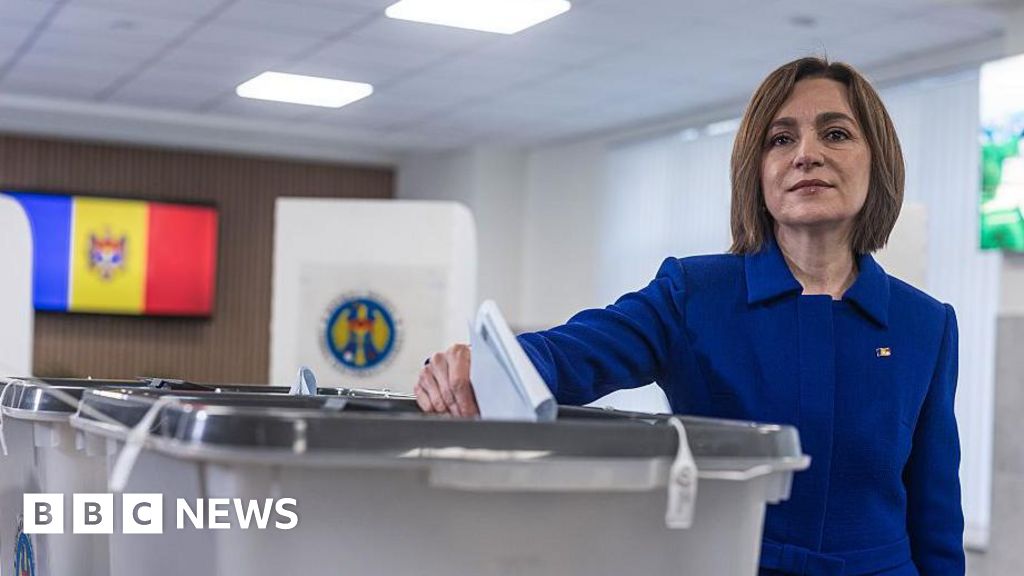
The recent parliamentary elections in MOLDOVA have become a focal point in the ongoing geopolitical contest between Western alliances and Russian influence. With a nation caught between its desire for EU integration and the lurking shadow of Russian interference, Moldova’s future is more precarious than ever. Voters, expressing their democratic will despite the smoke of disinformation and external meddling, are making a decisive choice that could redefine the nation’s trajectory—either towards the West or back into Moscow’s sphere of influence. As analysts and historians warn, these elections are not just about local politics; they are a pivotal chapter in the broader geopolitical struggle for influence in Eastern Europe.

The electoral landscape was heavily influenced by claims of massive Russian interference, with Moldova’s security forces alleging that Moscow-backed actors actively sought to sway the outcome. The authorities reported an unprecedented effort to spread disinformation and mobilize perceived pro-Russian sympathizers, including coordinated efforts to buy votes and spread fake news, as uncovered by an investigation from the BBC. The narrative was stark: Russia aims to maintain its grip on Moldova, especially in the shadowed enclaves like Transnistria, where Russian troops remain a tangible presence and pro-Moscow sentiments run deep. The anxiety surrounding these claims was amplified by reports of bomb scares, signaling the tense atmosphere during the voting process. Such actions underscore how security and sovereignty in Moldova have become a proxy battleground in a larger international conflict.

At the heart of the political tug-of-war are two major forces vying for control: President Maia Sandu’s Party of Action and Solidarity (PAS), committed to a European path, and the pro-Russian Patriotic Electoral Bloc, led by Igor Dodon, which pushes for closer ties with Moscow. The partial results suggested a neck-and-neck race, with proponents for EU integration and neutrality battling fiercely against Moscow-aligned factions. Notably, over 270,000 Moldovans participated in the diaspora voting, predominantly in Western countries, highlighting the country’s split identity. Meanwhile, Transnistria, with its Russian military presence and pro-Moscow population, remains a contested zone, where voters face logistical hurdles to participate—yet their votes carry significant symbolic weight in this unfolding geopolitical drama.

This election has also revealed the deep societal divisions within Moldova, worsened by spiraling prices and endemic corruption. President Sandu, resilient and warned by many analysts as a pragmatic reformer, reinforced her commitment to EU integration, reminding voters that their democracy is fragile and must be defended. The stakes are high: if her party loses its parliamentary majority, Moldova may face further instability, potentially swinging back into Russia’s orbit. Conversely, a win for pro-Western parties could accelerate Moldova’s integration into European structures, but at the cost of escalating tensions with Moscow, which perceives such moves as threats to its strategic interests. The international community watches closely, aware that Moldova’s choice could influence the balance of power in Eastern Europe amid the ongoing turmoil in Ukraine.

As the results slowly unfold, one thing remains clear: Moldova’s democratic experiment is a critical piece of a larger puzzle—one where history is still being written at the ballot box. With a nation divided but determined to forge its own path, the outcome is more than just a local election; it is a decisive step in the relentless contest for supremacy in Europe’s eastern frontier. As voters cast their ballots amidst whispers of disinformation and foreign influence, the world must wonder: which way will Moldova tilt—toward stability and sovereignty or into the shadows of empire? The answer will shape the geopolitical landscape for years to come, etching the next chapter in an unfolding saga that could determine the future of regional security and international order.

Israel Pushes Forward in Gaza While Trump Claims Ceasefire Near — What’s Next?

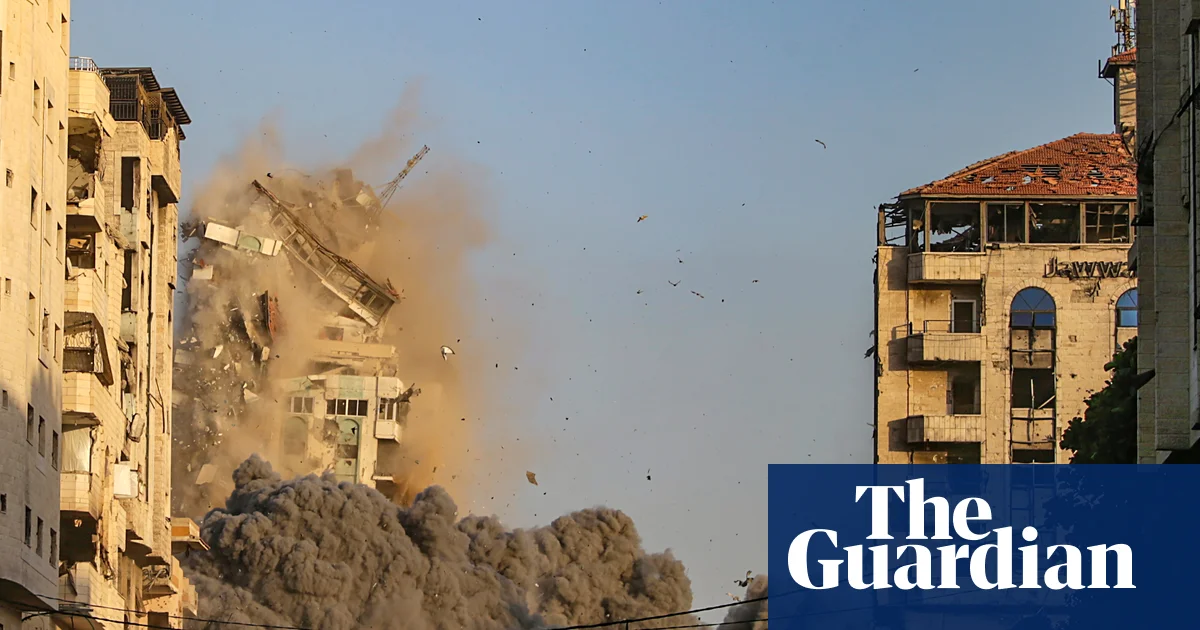
The ongoing conflict in Gaza continues to reverberate across the global stage, illustrating how local violence can rapidly escalate into a geopolitical crisis with far-reaching consequences. As Israel pushes forward with its ground offensive against Hamas, the international community is grappling with a complex web of alliances, rhetoric, and strategic interests. Reports from Gaza indicate Israeli tanks advancing through central and western neighborhoods of Gaza City, amidst a backdrop of staggering humanitarian suffering. Despite the widespread evacuation orders, many Palestinians remain trapped due to physical incapacity, poverty, or the destruction of infrastructure, exposing the stark disparity between military objectives and civilian safety. This scenario underscores a core dilemma for Israeli military tactics: pursuing security at a humanitarian cost that critics argue only deepens the cycle of violence, while analysts warn that the conflict’s escalation risks destabilizing the entire Middle East.

Within this crisis, the U.S. and European nations find themselves at a crossroads, trying to balance conflict management with strategic interests. Former President Donald Trump has re-entered the diplomatic arena with claims of an impending breakthrough, advocating a 21-point ceasefire proposal that includes the release of hostages, Hamas disarmament, and Israeli troop withdrawals. Yet, the realism of such promises remains in doubt, with Hamas’ armed wing raising urgent appeals to halt Israeli airstrikes to facilitate hostage negotiations—an appeal met with silence from Israel. Meanwhile, Netanyahu continues his vow to “finish the job” against Hamas, a stance that risks collapsing any nascent diplomatic channels and prolonging the cycle of violence. Global institutions like the United Nations have warned that the escalation threatens wider regional stability, but practical resolutions remain elusive amidst entrenched mistrust. The geopolitical impact is profound: alliances are tested, and the future of the Palestinian territories hangs precariously in the balance, with each side’s rhetoric fueling fears of a broader conflagration.

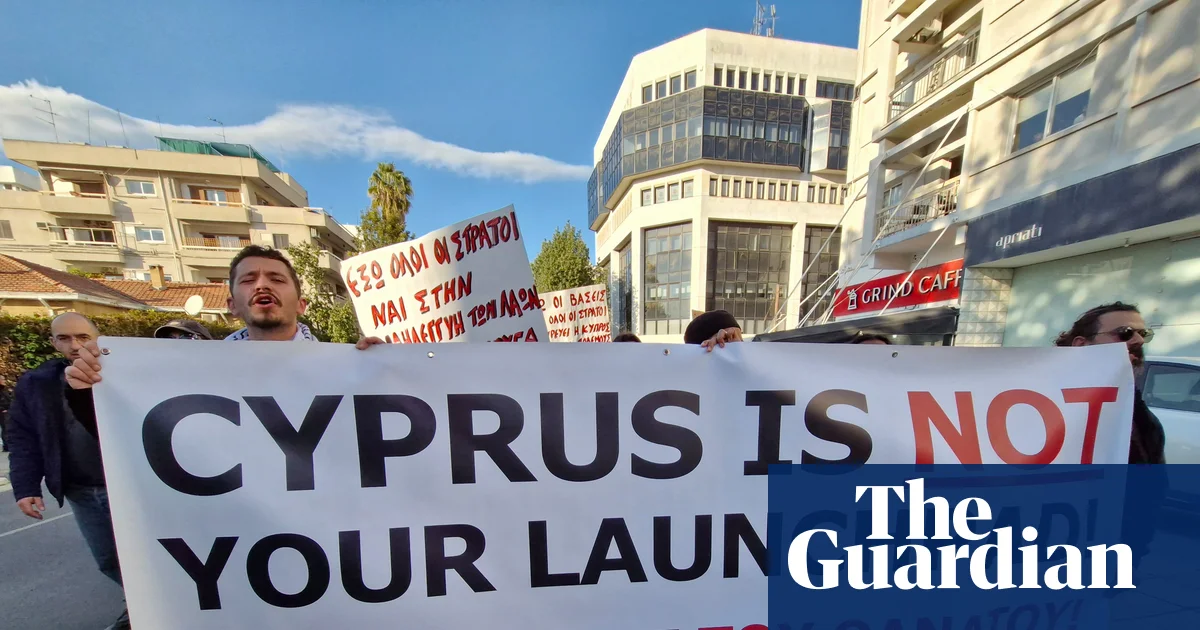
Adding to the complexity, regional players like Egypt and Qatar are mediating with limited success, as proposals for humanitarian aid and ceasefire remain on the table but unimplemented. Italian officials, echoing broader European concerns, have suggested alternative routes for international aid, such as distributing aid through Cyprus—an idea rebuffed by Israel, which insists on strict control over maritime access. The disruption caused by the flotilla incident off Crete illustrates how fragile efforts at humanitarian aid are amidst a warzone driven by entrenched narratives of resistance, sovereignty, and security. With the conflict now spanning over two months, and the death toll surpassing 66,000, the reality on the ground exposes the tragic divergence between military aims and the human toll—particularly for the civilians enduring famine, injury, and displacement.

More broadly, this crisis underscores a turning point in Middle Eastern geopolitics: the very fabric of peace, sovereignty, and international law is being challenged, with Israel‘s occupation of the West Bank and Jerusalem fueling Palestinian aspirations for a future state. The recent surge in violence, including a deadly car-ramming attack praised by Hamas, signals a region on the brink of wider upheaval. Historians and analysts have long warned that unresolved conflicts from the 1967 war, including the fate of Palestinian territories, inevitably destabilize the broader Middle East—potentially igniting flare-ups that threaten global security. As world powers stand divided—some supporting Israel’s right to defend itself, others calling for immediate ceasefire and negotiations—the weight of history urges a sobering reflection: in this theater of broken promises and unhealed wounds, the true cost is paid not by leaders and nations alone, but by generations of civilians caught in the crossfire, their suffering a grim reminder that the path to peace remains elusive, yet urgent as ever. The future remains uncertain, and the pages of history continue to turn, with each new chapter shaping the destiny of millions and testing the resilience of international resolve.

Multiple shootings target Mormon church in Michigan and bar in North Carolina — rising crime concerns alarm Americans

In a weekend marked by violence from the United States, a renewed focus has been cast upon the nation’s internal stability and the far-reaching geopolitical implications of its ongoing crisis of law and order. Multiple incidents, spanning from a heinous shooting at a Mormon church in Michigan to a series of gun-related tragedies across states, have resulted in widespread fatalities and injuries. The crisis of violence exemplifies the deep-rooted societal challenges that threaten to undermine America’s global standing, especially as the nation grapples with internal discord and calls for reform.

Among the most harrowing events was the targeted attack during a waterfront gathering in North Carolina, where a suspect piloted a boat to attack civilians with premeditation. Authorities identified Nigel Edge, of nearby Oak Island, as the perpetrator, who now faces a cascade of charges including multiple murders and attempted murders. The incident, described by police as “highly premeditated,” underscores a disturbing trend of organized violence that erodes public trust. Such acts of terror are increasingly viewed both as symptomatic of domestic instability and as potential catalysts for international concern, prompting analysis from security experts and international agencies.

Meanwhile, in Texas, a separate shooting at the Kickapoo Lucky Eagle casino resulted in the deaths of two individuals and injuries to several others. Law enforcement has yet to determine a motive, leaving the nation’s porous gun laws and escalating violence under scrutiny. The complications are compounded by ongoing debates in Congress where political deadlock hampers substantive reforms. Many international bodies, including the United Nations, have issued warnings that continued internal unrest could embolden adversaries and weaken America’s diplomatic clout. These events serve as a stark reminder of how internal weaknesses ripple outward, presenting vulnerabilities that rival states might exploit in pursuit of strategic gains.

The global community watches closely as the United States confronts its internal crisis—an example of how fragile stability can be in an era of widespread societal division. Critics point to the failure of legislative bodies to implement meaningful gun control, arguing that this not only compromises domestic safety but also tarnishes America’s image as a beacon of liberty and rule of law. As historian Dr. Patricia Mullen notes, “The inability of Congress to address structural issues reflects a broader decline in political cohesion, with consequences extending well beyond its borders.” The United States’ internal discord now threatens to reshape international alliances and influence global markets, especially as nations seek to position themselves around the emerging vulnerabilities of their superpower neighbor.

The unfolding of this violence-ridden weekend hints at a future where internal instability could serve as a turning point in global geopolitics, demanding vigilance and decisive action from leaders worldwide. The question remains: how much longer can a nation of such profound internal fractures project strength abroad before history’s weight finally compromises its global influence?

US Private Prison Firm Snags $790M Deal to Detain 100 on Nauru in Secret Expansion

Australia’s Offshore Detention: A Costly and Controversial Engagement with U.S. Private Prison Operators

The recent extension of Australia’s offshore processing regime on Nauru exemplifies a troubling trend of escalating expenditure and opaque decision-making that has significant geopolitical impact on the nation’s reputation and international standing. A US private prisons operator, Management and Training Corporation (MTC), now stands to receive over $157 million annually to manage the small offshore detention facility, currently holding just over 100 asylum seekers. This contract, quietly expanded by more than $350 million—a move critics argue was undertaken absent public scrutiny—reflects a broader pattern of governmental disregard for transparency and accountability. Such decisions, occurring in a climate of ongoing controversy, threaten to diminish Australia’s moral authority on human rights issues and signal an entrenched reliance on controversial private security interests intertwined with foreign policy ambitions.

Historian and international analysts trace this approach to a disturbing cycle of cost overruns, mismanagement, and allegations of systemic corruption. The contract’s multiple amendments, including a recent extension that inflates its value to nearly three-quarters of a billion dollars, exemplify inefficiencies reminiscent of past government procurement failures. Critics such as Geoffrey Watson SC have decried the costs as “absurd,” illustrating how economic interests are increasingly dictating policies initially justified on humanitarian grounds. The use of for-profit corporations with troubled histories—notably MTC, which has faced civil suits in the US for security failures and alleged bribery—underlines concerns that Australia’s offshore detention policies serve economic motives over legal and ethical considerations. This approach risks alienating global allies who champion human rights and threatens to cast Australia as a pariah state entrenched in a corrupt and opaque system.

Amplifying this concern is the international dimension of the offshore processing program. The recent $2.5 billion, 30-year deal with Nauru for accepting forcibly removed non-citizens underscores how Australia’s pursuit of border control solutions extends beyond national borders, entangling it in geopolitical negotiations rife with corruption. The historically high-risk environment—described in the 2023 Richardson review—pictures Nauru as a hotbed of cronyism, bribery, and illicit influence. Former officials and watchdogs warn that the entire regime is sustained by a web of financial entrapment and questionable practices, effectively turning the island into a pawn in broader regional power plays. As countries like Papua New Guinea and Cambodia observe such developments, concerns mount over how these policies impact regional stability, potentially encouraging other nations to emulate Australia’s costly and ethically dubious approach.

At the heart of these controversies lie questions about how nations manage their moral authority amidst economic and political pressures. The revelations of historical misconduct, from civil suits alleging gross negligence to allegations of conspiracy and corruption, have cast long shadows over Australia’s reputation. International organizations and advocacy groups warn that the continuation of these policies not only undermines human rights but also destabilizes diplomatic trust. The weight of history suggests that without decisive reform, Australia risks embedding these practices into its national identity—turning what was once a beacon of Western democracy into a cautionary tale of greed, neglect, and the relentless pursuit of border control at any cost. As the offshore detention saga unfolds, the world watches with wary eyes, aware that the choices made today will resonate for generations, shaping the narrative of a nation still determined to grapple with its conscience amidst the shadows of war, greed, and ultimately, history’s judgment.

Namibia Calls in Army to Battle Devastating Wildfire in Etosha

Namibia has taken urgent steps to address a rapidly spreading wildfire that has devastated approximately one-third of the Etosha National Park, one of Africa’s most critical ecological and tourism landmarks. The government’s decision to deploy an additional 500 soldiers underscores the severity of this environmental crisis, which not only threatens countless species and fragile ecosystems but also highlights the geopolitical importance of safeguarding natural resources that are vital for regional stability and international reputation.

The fire, ignited on 22 September, has burned through nearly 8,600 square miles, destroying habitats and risking the extinction of endangered species such as the black rhinoceros. Experts from organizations like the International Union for Conservation of Nature (IUCN) have sounded alarms about ecological irreparability. As analysis from environmental specialists underscores, these fires often result from unsustainable land-use practices and lack of adequate fire management policies—factors that in many cases are exacerbated by economic hardships or weak enforcement of environmental regulations. The Concerns over ecological degradation underscore an urgent need for greater international cooperation to protect biodiversity in Africa’s fragile environments.

The decision to deploy troops reflects not just Namibia’s national crisis management but also reveals important geopolitical implications. As the country grapples with environmental emergencies, it signals the importance of national sovereignty in protecting natural assets against external pressures and illegal activities like charcoal production, suspected to be the fire’s origin. The government’s effort to mobilize military resources demonstrates that environmental security is no longer just an ecological issue but integral to national stability and regional influence. Countries with vested interests in Namibia’s natural resources—such as neighboring nations and global powers with stakes in Africa’s strategic corridors—are watching closely, recognizing that ecological crises can destabilize broader geopolitical frameworks.

  • In response to the disaster, Namibia’s government has increased environmental regulation and emphasized the importance of sustainable land management, a move praised cautiously by analysts who warn that economic reliance on resource extraction complicates conservation efforts.
  • International organizations, including the United Nations Environment Programme (UNEP), have offered aid, emphasizing that this fire serves as a stark warning for the continent’s broader environmental vulnerabilities.
  • Historically, Africa has faced recurrent challenges with wildfires, but the scale of this incident underscores a potential turning point in how nations coordinate responses and integrate environmental resilience into national security strategies.

As flames continue to consume the unique Etosha salt pan and its surrounding plains, Namibia’s crisis exemplifies the intertwined fate of environmental stewardship and national sovereignty. The world watches as the young nation strives to contain the fire’s destructive path, a metaphor for the larger battles being fought across the globe—battles for survival, security, and a sustainable future. With the historical weight of ecological neglect and geopolitical competition bearing down, Namibia’s response in the coming days will serve as a pivotal chapter in the unfolding story of environmental resilience and sovereignty, shaping the legacy that future generations will inherit from a land scarred but not defeated by the flames of crisis.

Iran sanctions return, a decade after the nuclear deal — a clear message on stability and security

Reinstatement of UN Sanctions on Iran: A Critical Moment in Global Geopolitics

The international landscape is once again teetering on the brink of escalation as UN economic and military sanctions have been reimposed on Iran, nearly a decade after the landmark Joint Comprehensive Plan of Action (JCPOA) was signed in 2015. This move, triggered by the European signatories – the UK, France, and Germany – underscores the high-stakes game of diplomacy and power politics in the Middle East. Their decision to activate the “snapback” mechanism, citing Iran’s continued nuclear escalation and non-cooperation, signals a pivotal divergence from the initial optimism that once surrounded the deal. As the European nations accuse Tehran of violations, the sanctions aim to curb Iran’s nuclear activities, which they argue threaten regional and global stability.

The situation escalated further after Iran suspended inspections of its nuclear facilities—an obligatory component under the 2015 agreement—following devastating Israeli and American airstrikes in June on Iran’s nuclear sites and military bases. These strikes, led by the US and Israel, were intended to reverse Iran’s nuclear advancements and punish its support for regional proxies. However, many analysts, including voices from the International Atomic Energy Agency (IAEA), question whether such military actions have significantly hindered Iran’s capabilities, or if they merely escalate tensions without solving underlying issues. Iran’s President Masoud Pezeshkian insists that his country harbors no ambition for nuclear weapons, framing the reimposition of sanctions as “unfair, unjust, and illegal”. But the global community remains divided, with Western powers worried that Iran’s nuclear program has strayed far beyond peaceful development into the realm of weaponization.

The geopolitical impact of these decisions is profound. The reimposition of sanctions strengthens the US and Israeli narratives that Iran’s nuclear ambitions pose an existential threat. Meanwhile, Iran warns that these measures undermine diplomatic efforts and threaten regional stability. The European allies, despite their hopes for renewed negotiations, expressed “no choice but to trigger the snapback,” citing repeated breaches by Tehran—notably its failure to cooperate with the IAEA and its refusal to disclose its stockpile of high-enriched uranium. These moves could potentially isolate Iran further, but they also risk deepening the cycle of hostility and mistrust—a game where today’s sanctions could set the stage for tomorrow’s conflict. International organizations like the United Nations warn that, absent fruitful diplomacy, the risk of a regional war or nuclear proliferation increases exponentially.

As Iran dismisses the sanctions as “illegal” and “unjustified,” it signals a refusal to capitulate, further complicating international efforts for a peaceful resolution. The Iranian government has also vowed to respond firmly to any actions that undermine its sovereignty, warning that attempts to weaken its rights could lead to “appropriate responses.” The current standoff marks a critical juncture—one that could decide the future trajectory of Middle East stability. Historians and geopolitical analysts emphasize that these escalations are not isolated incidents but part of a larger pattern of emerging superpower struggles, where alliances are tested and global order is under relentless strain. How these decisions ripple across borders and societies will ultimately define the next chapter of 21st-century history—an unfolding saga of diplomacy, defiance, and the relentless pursuit of security.

Zelenskyy: Russia's Brutal Strike Includes 500 Drones and 40 Missiles on Ukraine – Live Update
Zelenskyy: Russia’s Brutal Strike Includes 500 Drones and 40 Missiles on Ukraine – Live Update

International Tensions Surge as Russia Unleashes Massive Attack on Ukraine and NATO Responds

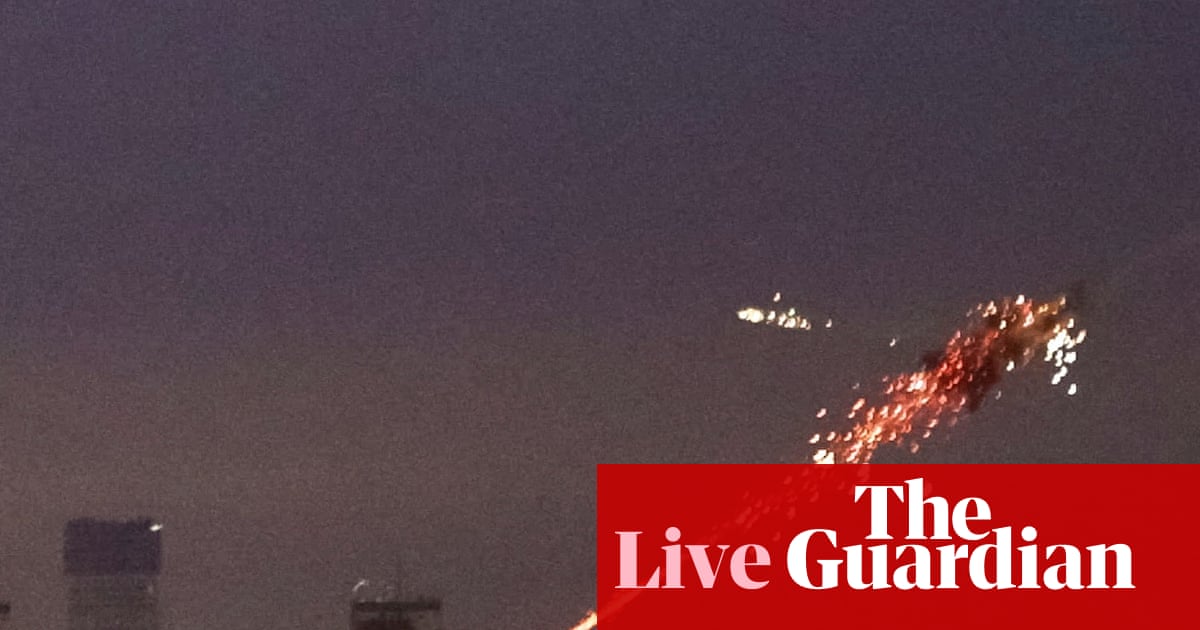
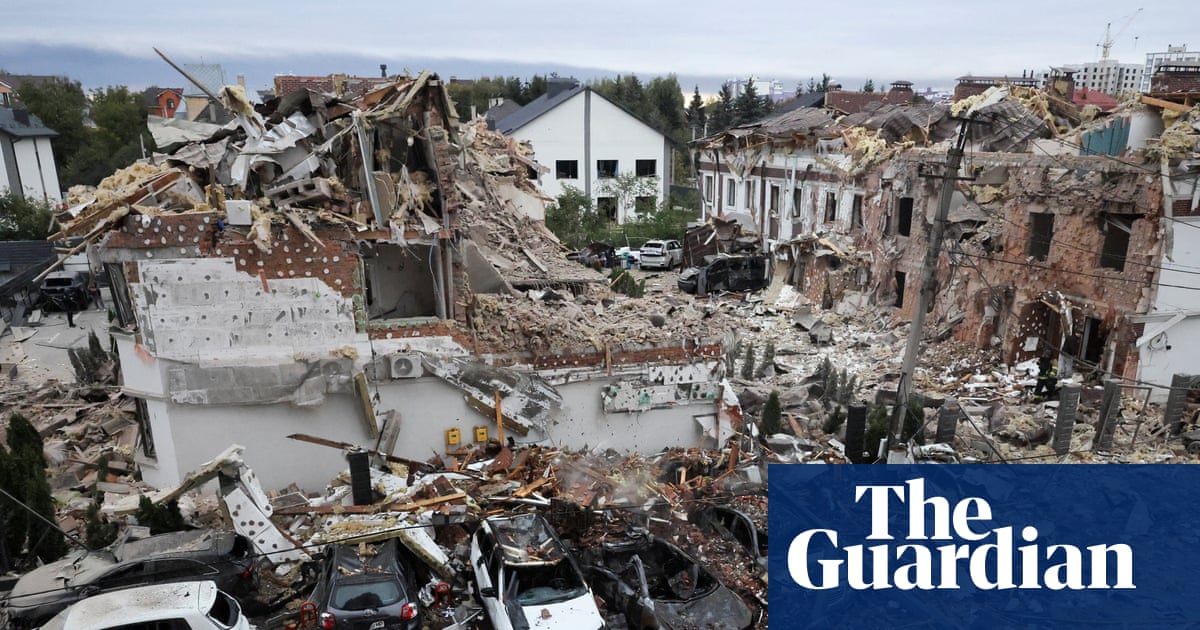
The ongoing conflict between Russia and Ukraine has entered a perilous new chapter, with Moscow launching an unprecedented barrage of military strikes that threaten regional stability and global order. According to Ukrainian President Volodymyr Zelenskyy, over 500 drones and more than 40 missiles targeted multiple regions at once, causing widespread destruction and civilian casualties. Kyiv, the heart of Ukraine’s resistance, was hit with devastating force—an attack the Ukrainian leader describes as part of Russia’s ‘vile attack’,’ aimed not only at strategic infrastructure but at undermining the resilience of Ukraine itself. Analysts warn that such brute force underscores Russia’s determination to continue the war despite mounting international pressure and economic sanctions.

The geopolitical impact of these events resonates far beyond Ukraine’s borders. Poland’s military responded swiftly, scrambling fighter jets and raising alerts near the border, signaling that the conflict’s reach extends into NATO territory. The alliance, already tense due to recent Russian violations—more than 20 drone incursions into Polish airspace last month and accusations from Estonia and Romania—faces a stark choice: confront Russian aggression directly or allow incremental escalations to dismantle European security one drone at a time. NATO officials and military strategists emphasize that recent violations, including alleged Russian fighter jets over Estonia and near Romanian skies, test the alliance’s resolve and unity. As Andrius Kubilius, EU’s defense commissioner, highlights, Europe is moving rapidly towards establishing a formidable ‘drone wall’ at its eastern flank—an essential defense mechanism to prevent further incursions and signal that Western resolve is unwavering. Historians caution that the current crisis is a pivotal moment reflecting the shift towards a new confrontation of global powers with a Russia emboldened by its energy resources and shadow navy, benefiting from “continuing war and terror.”

Meanwhile, Vladimir Putin’s Kremlin remains unbowed, claiming that their forces targeted Ukraine’s military-industrial complex and infrastructure—an assertion met with skepticism by Western allies, who see this as yet another layer of Russian escalation. Ukraine’s widespread counterattack, including drone strikes and missile attacks, demonstrates the escalating intensity of the conflict, with Kyiv’s residents fleeing to metro stations amid relentless bombardments. This campaign of destruction is a calculated effort to break Ukrainian resistance and demonstrate raw Russian power on the international stage. The strikes send a clear message: Russia intends to fight to the bitter end, wielding military might as a tool of coercion and territorial assertion.

The very fabric of European security is under threat, with NATO members like Poland, Estonia, and Romania raising the alarm. Russia’s recent breaches, in combination with its denied involvement, reveal a clear strategy to destabilize the alliance from within. The escalating tension cautions the West that the time for passive diplomacy may have long passed, replaced by the urgent need for decisive collective action. As geopolitical analysts warn, “The specter of a broader conflict — and perhaps a direct confrontation between NATO and Russia — looms ever larger,” underscoring the gravity of the unfolding crisis. With Russia’s military and political posture in flux, the global community stands at a threshold, witnessing how decisions made today will shape history’s next chapter—whether in the preservation of sovereignty or in the descent into a new era of conflict.

Kyiv suffers major Russian strike, mayor warns

The recent escalation of hostilities in Ukraine has once again thrust the continent into the forefront of international concern. Over a 12-hour period, Russian forces launched an unprecedented aerial barrage, utilizing nearly 600 drones and dozens of missiles across seven regions, including Kyiv, Zaporizhzhia, Khmelnytskyi, Sumy, Mykolaiv, Chernihiv, and Odesa. This relentless attack resulted in the death of at least four civilians, including a 12-year-old girl, and injured dozens more, illustrating the brutal nature of Russia’s ongoing invasion. Such a major assault highlights the severity of this conflict’s third year and signals that Moscow remains committed to its military campaign, despite international condemnations and mounting sanctions.

Ukrainian President Volodymyr Zelensky described the bombardment as “vile,” emphasizing that many projectiles targeted critical civilian infrastructure, such as Kyiv’s Institute of Cardiology, factories, and residential buildings. The attack, which also injured three children and resulted in the death of a 59-year-old man in Sumy, demonstrates how deeply intertwined the conflict’s repercussions are for daily life. Zelensky issued a stern warning, asserting that Ukraine would retaliate to “force diplomacy” and called on its allies in Europe and America to provide stronger support. This plea underscores the broader geopolitical impact: a persistent conflict that risks drawing NATO into a larger confrontation and forcing global powers to reassess their commitments to regional stability.

Meanwhile, the wider international response reveals a landscape fraught with tension and uncertainty. Russia, on its part, continues to deny responsibility for recent incursions into Denmark, Estonia, and Romania, claiming no intent to attack NATO or EU countries but warning of a “decisive response” to any aggression against Moscow. Analysts warn that these provocations are part of a calculated strategy to test the resolve of Western military alliances, while Russia’s Foreign Minister Sergei Lavrov asserts that Moscow’s actions are defensive rather than offensive, aiming to protect its interests amidst what it perceives as encroaching NATO expansion. European nations, under the shadow of these threats, have responded by bolstering their defenses and increasing NATO’s eastern presence, as the alliance seeks to deter further Russian aggression. Yet, the risk remains palpable, with some voices, including Donald Trump, suggesting that NATO nations should shoot down Russian aircraft if necessary, revealing a growing divide over how to confront Moscow’s assertiveness.

Underpinning all of this is a shifting global strategic landscape where the decisions of Moscow, Washington, and European capitals are shaping the contours of 21st-century geopolitics. Historians and international analysts warn that the current trajectory could lead to a broader conflict, especially if diplomatic efforts continue to falter and the cycle of escalation persists. The recent drone and missile strikes, combined with NATO’s increased military activity in Eastern Europe, create a tense climate teetering on the edge of a much larger confrontation. As the world watches this unfolding drama, the weight of history presses down—each decision, each attack, each diplomatic maneuver could determine the future of not just Ukraine but global peace and stability. With tensions reaching this critical juncture, the question remains: will diplomacy prevail or will the chaos of war reshape the European continent once and for all, writing yet another chapter in the tumultuous saga of human conflict?

Russian Missiles and Drones Pound Ukraine as Poland Ships Jets to Defend NATO Borders

The escalating conflict in Ukraine has once again plunged the region into chaos, with Russian forces deploying an unprecedented barrage of hundreds of drones and missiles early Sunday. The attack, resulting in at least four civilian deaths—including a 12-year-old girl—and dozens of injuries, underscores the persistent threat of Russia’s military strategy of targeted strikes against civilian infrastructure. Ukrainian officials, including Foreign Minister Andrii Sybiha and Kyiv’s mayor, Vitali Klitschko, have described the missile attack as a clear violation of international norms, emphasizing the deliberate targeting of residential areas. Analysts, such as those from NATO and the European Union, warn that this pattern of aggression aims to break the will of the Ukrainian people and test Western resolve.

The geopolitical impact of these assaults extends beyond Ukraine’s borders, particularly in neighboring Poland and the broader NATO alliance. Poland, a key front-line state and member of NATO, quickly activated its military response by scrambling fighter jets and elevating ground-based air defenses—the move described as “preventive” to secure airspace in the face of increasing Russian incursions into regional skies. The swift Polish reaction demonstrates how Russia’s military actions are strategically designed to destabilize neighboring NATO countries. This aggressive posture has prompted renewed calls for a cohesive Western response, with some strategists warning that Moscow’s intention is not only to bully Ukraine but to test the West’s capacity for collective defense, potentially opening new corridors for conflict across Europe.

Furthermore, Ukrainian President Volodymyr Zelenskyy has publicly accused Russia of deliberately probing Europe’s defenses, citing recent drone sightings over Denmark, Romania, and incursions into Estonian airspace. Zelenskyy’s assessment aligns with intelligence reports suggesting Russia’s goal is to destabilize NATO institutions and soften European resistance, preparing conditions for broader conflict. “Putin will not wait to finish his war in Ukraine,” Zelenskyy warned at the UN, suggesting that Moscow’s ambitions might eventually expand beyond Ukraine’s borders. Meanwhile, Russia’s Foreign Minister Sergei Lavrov dismissed Western concerns, warning the international community that any aggression against Russia would be met with a *“decisive response”*. This rhetoric indicates that the dispute has reached a dangerous crossroads, where diplomatic talks are overshadowed by threats of escalation.

  • Russian missile strikes result in civilian casualties, emphasizing the human cost of ongoing hostilities.
  • Poland and NATO ramp up air defenses as Russian actions threaten regional stability.
  • European nations face increasing pressure to address Ukraine’s security challenges amid Russia’s strategic testing.
  • International organizations and military analysts warn that escalation risks pushing Europe toward a broader conflict.

Historians and geopolitical analysts warn that the current dynamics could redefine the European security calculus for decades to come. Some suggest that Russia’s increased military harassment signals an intent to erode NATO’s unity or leverage chaos for diplomatic gains. The EU’s plans for a drone wall—a significant development aimed at creating a layered defense system—highlight the continent’s urgent efforts to counteract Moscow’s calculated destabilization. Yet, amid these measures, the risk of miscalculation or unintended escalation looms large.

The world watches with bated breath as the sun rises over shattered cities and scars on the European continent deepen. As diplomats scramble and armies stand on heightened alert, history’s pen continues to write the next chapter—one where the stakes are nothing less than the survival of sovereignty and the balance of power in an increasingly volatile globe. This conflict is no longer just about Ukraine; it is a wake-up call echoing through the corridors of international diplomacy about the true cost of unchecked aggression. The arc of history bends toward an uncertain future, and only time will reveal whether nations will unite to halt the descent into chaos or succumb to inevitable consequences.

Social Media Auto Publish Powered By : XYZScripts.com