Matox News

Truth Over Trends, always!

Argentina shocked and angered by brutal killings of young women

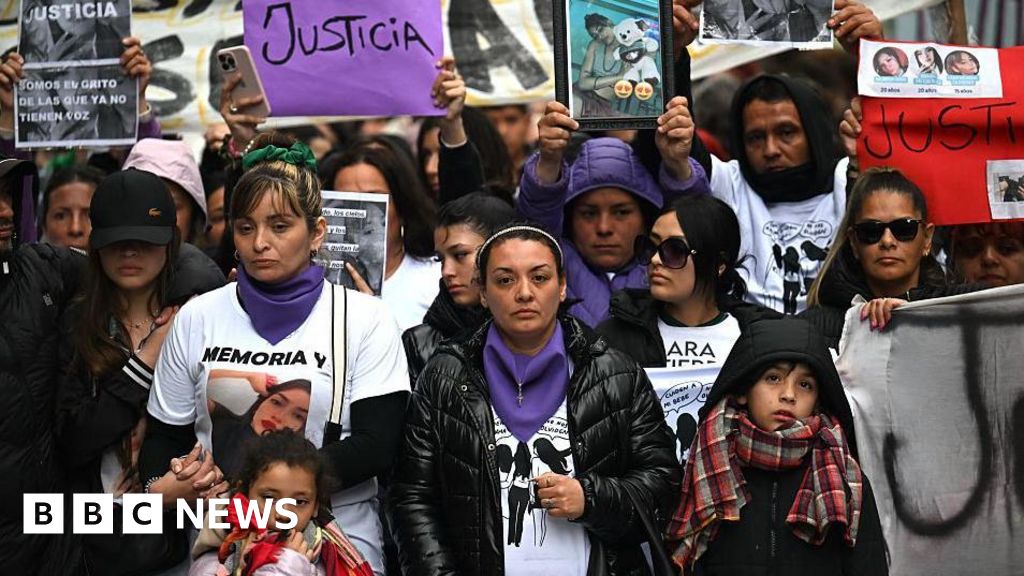
The recent brutal murders and public outrage in Argentina serve as a stark reminder of the pervasive issues of gender-based violence that continue to grip many societies worldwide. Thousands of Argentinians gathered in Buenos Aires to demand justice for Lara Gutierrez, a 15-year-old girl, and Morena Verdi and Brenda del Castillo, both 20, whose heinous deaths—captured in livestreamed videos—have ignited a nationwide debate about the authorities’ capacity to protect vulnerable citizens. As analysts highlight, these acts of extreme violence are not isolated; they are symptomatic of larger, systemic failures linked to organized crime, social decay, and weak legal deterrents.

The crime, reportedly orchestrated by a drug-trafficking gang, achieved notoriety when police uncovered a disturbing video in which the gang’s leader warned that the murders were meant as a warning to others involved in drug theft. This chilling footage underscores a broader turning point: organized crime’s blatant infringement into social norms and justice, posing dire geopolitical repercussions. International security experts warn that such violence, especially when intertwined with drug cartels, destabilizes entire regions, weakening state authority and creating fertile ground for further criminal expansion. The Argentine authorities, though arresting five suspects, have not yet apprehended the gang’s Peruvian leader—an omission that raises concerns about impunity and the ability of the justice system to confront transnational crime networks effectively.

The local community’s response reflects a growing awareness housed within a fragile social fabric. Mass protests and sentiment expressed by relatives reveal a society demanding accountability, yet the tragedy exemplifies how persistent violence against women remains a acute crisis—one cited elsewhere when a woman is murdered in Argentina every 36 hours. As historian Dr. María Fernández notes, these incidents are indications of deeper societal failures that threaten to widen inequalities and fuel instability. International organizations like the United Nations and regional bodies continuously monitor such femicide rates, emphasizing the urgent need for comprehensive reform and stronger legal protections to safeguard societal stability.

As the story unfolds in Buenos Aires, the symbolic weight of this violence transcends national borders. The victims’ families, united in grief and resilience, stand as a stark symbol of the ongoing struggle for justice—an enduring reminder that the fight against organized crime and gender-based violence is far from over. Each step in this tragic saga modifies the global landscape, testing how the international community responds to threats that threaten the very foundations of law and order. With history’s pages turning, it remains to be seen whether justice will be fully realized or whether, in the shadows, the criminal networks will continue to shape the future of societies caught in the crossfire. The world watches, knowing that these acts of violence, grievous as they are, are part of a larger, unfolding battle for dignity, safety, and sovereignty amid the chaos of modern geopolitics.
UN Sanctions Hit Iran as Nuclear Talks Collapse

In a move that marks a pivotal moment in the ongoing saga over Iran’s nuclear ambitions, the United Nations has reinstated widespread sanctions against Tehran—its first in a decade. This reimposition follows failed diplomatic negotiations between Iran and Western powers, punctuated by a trio of recent military strikes involving Israel and the United States. The sanctions, effective from late Saturday, target Iran’s nuclear and ballistic missile programs, aiming to choke its economy and curtail its military capabilities. This decision underscores the enduring geopolitical struggle over nuclear proliferation and regional dominance, with implications resonating across the Middle East and the wider international order.

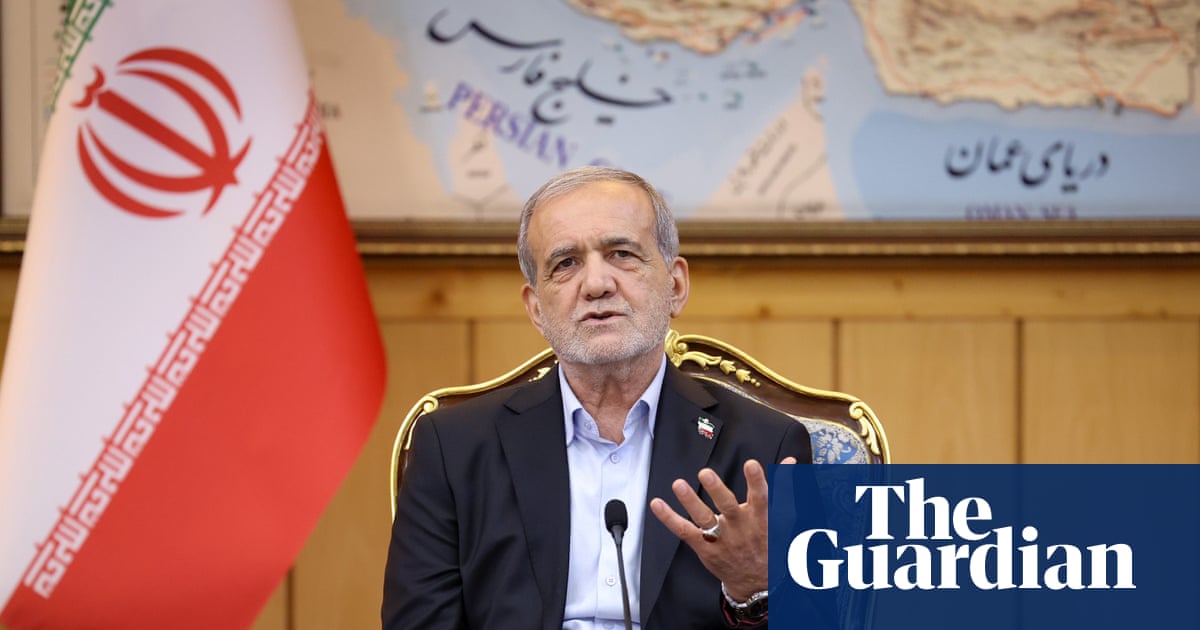
Despite the renewed sanctions, diplomatic efforts remain alive, as European and US officials insist that dialogue has not ended. Secretary of State Marco Rubio called for Tehran to accept “direct talks held in good faith,” emphasizing that the measure is intended as a pressure tactic rather than a permanent solution. Similarly, the foreign ministers of Britain, France, and Germany reiterated their commitment to diplomacy, underscoring the importance of preventing Iran from ever acquiring nuclear weapons. However, the reality on the ground is complex: Iran’s government has allowed UN inspectors to revisit nuclear sites, yet its President, Masoud Pezeshkian, has dismissed a recent proposal to surrender its stockpile of enriched uranium as “unacceptable,” signaling a potential standoff in negotiations. Here, decision-makers face a stark choice—continue diplomatic engagement or risk a broader confrontation that could ignite regional instability.

International dynamics further complicate the scenario. Russia has made it clear that it does not recognize the legitimacy of the sanctions, decrying them as attempts by the West to sabotage constructive solutions. “The sanctions expose the West’s policy of blackmail and unilateral concessions at the expense of international stability,” Moscow proclaimed. Conversely, Germany’s Foreign Minister, Johann Wadephul, stressed the necessity of preventing Iran from obtaining nuclear weapons, framing the sanctions as an essential, if regrettable, measure. This divergence highlights a fractured international landscape: while the West seeks to contain Iran’s nuclear ambitions through sanctions, Russia’s stance hints at a potential for resistance and realpolitik, further destabilizing the broader geopolitical environment.

The Iranian leadership maintains that it’s not pursuing nuclear weapons, insisting that its program is purely for civilian purposes. Nonetheless, the sanctions’ ripple effects are tangible: Iran’s currency plummeted, inflation soared, and everyday life for its citizens—already strained by economic mismanagement—worsened, casting a pall over prospects for social stability. The exchange rate surge to record highs exemplifies this economic downturn, fueling fears of societal unrest. Meanwhile, Iran has recalled envoys from UK, France, and Germany, signaling displeasure and a potential diplomatic rupture. The global community faces the crucial question: how long can Iran withstand economic isolation before the internal pressures threaten to spill into regional instability?

Founded upon a history of failed negotiations and mutual suspicion, the unfolding crisis in Iran poses profound questions about the limits of diplomacy and the potential for escalation. As international observers—including analysts from the International Crisis Group—note, Iran appears relatively resilient to renewed sanctions, having already adapted to US unilateral pressures. Yet, experts warn that the “snapback” measures—dormant since 2015—are difficult to reverse once activated, risking a potential cycle of escalation. As China and others sidestep US-led sanctions, the global balance of power teeters, with the Middle East once again at a crossroads—closer to confrontation or convergence. In the shadows of these decisions, the weight of history presses down, reminding the world that the next chapter in Iran’s story could carve a new era of conflict or peace, depending on whether diplomacy or force prevails.

Australia News: Albanese rules out republic vote after meeting with King Charles

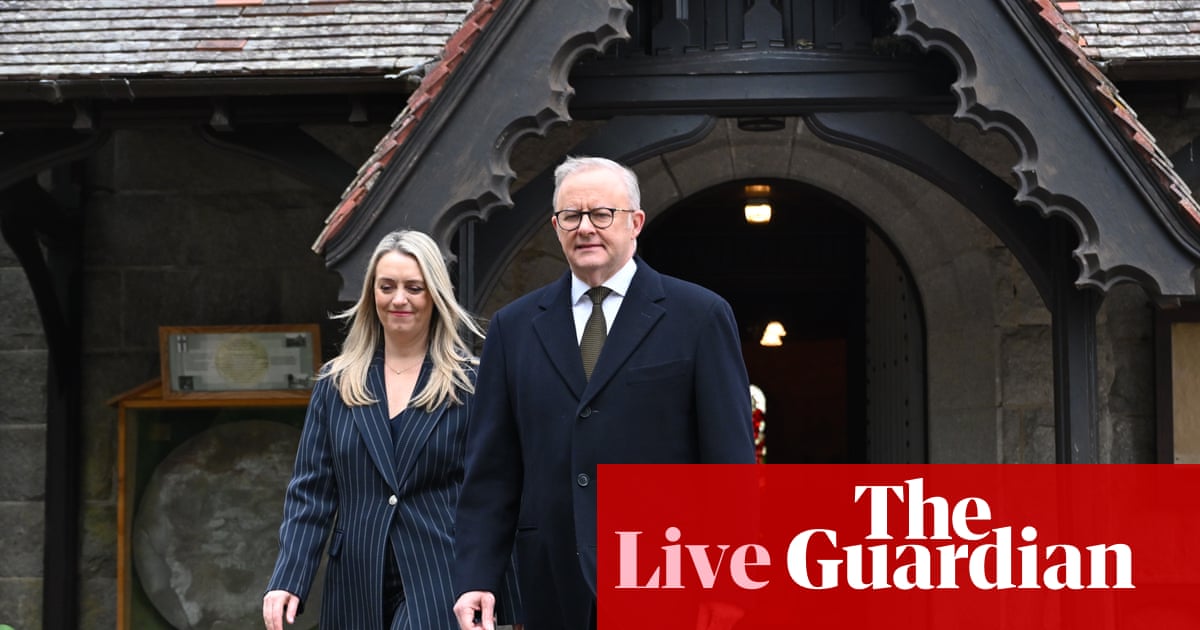
In an era defined by rapid geopolitical shifts and surging international tensions, Anthony Albanese, the Prime Minister of Australia, has recently positioned himself at the heart of global diplomacy. His week of international engagements culminated in a historic visit to the Scottish Highlands, where he met with King Charles at Balmoral Castle. This meeting symbolizes not only a strengthening of diplomatic ties between Australia and the British monarchy but also signals Australia’s ongoing effort to assert its global presence amidst rising geopolitical upheaval. Albanese’s visit highlights a nation eager to balance historical ties with strategic interests, especially as alliances such as AUKUS and the shifting dynamics within world powers reshape international order.

The details of Albanese’s conversations with the monarch remain under strict protocol, cloaked in diplomatic discretion. Yet, official statements mention discussions on world affairs, emphasizing the country’s engagement with broader global issues. This diplomatic outreach coincides with Albanese’s broader international itinerary, which included addressing the United Nations and briefly engaging with US President Donald Trump. Analysts from the International Crisis Group and geopolitical experts suggest that such interactions reflect Australia’s intent to elevate its voice on issues like regional security, resource management, and adherence to international rules of law. As the world faces conflicts like the Ukraine crisis and regional disputes in the Indo-Pacific, Australia’s diplomatic posture appears aimed at reinforcing alliances and asserting sovereignty in a turbulent geopolitical landscape.

Meanwhile, domestic politics intertwine with these international maneuvers. Albanese’s firm stance against holding a referendum on Australia becoming a republic signifies a focus on stability and national identity, contrasting with his earlier openness to the idea. Critics from opposition factions, including Senator Michaelia Cash, critique his international diplomatic commitments, arguing that excessive overseas engagement might detract from pressing domestic issues such as the cost of living and national economic resilience. These criticisms underscore a broader debate on how nations prioritize their global strategy while maintaining societal stability. Yet, veteran political observers warn that such disputes could overshadow the country’s long-term strategic interests, especially as geopolitical tensions escalate.

Historians and analysts warn that the unfolding decisions and diplomatic nuances of today may well echo through future generations as a pivotal chapter in Australia’s national and international history. Albanese’s measured approach aims to forge a balanced path—asserting Australian sovereignty, cultivating strategic international alliances, and maintaining constitutional stability. In a world where ideals are often challenged by realpolitik, the choices made now will determine whether this young nation can punch above its weight or become hidden beneath global conflicts and shifting alliances. As diplomats and citizens alike watch these unfolding events, history quietly witnesses the emergence of a new global landscape, where the balance of power is neither fixed nor predictable—yet forever in flux, shaping the course of nations and societies for decades to come.

Russia’s Foreign Minister Affirms No Plans to Attack EU or NATO Nations

Geopolitical Flashpoints and the West’s Response: A World on Edge

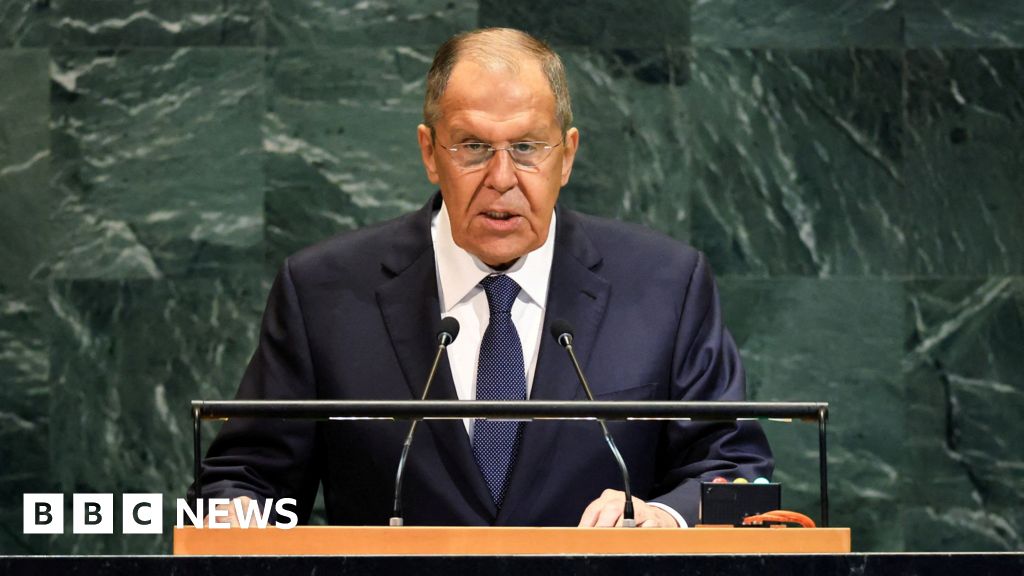
As Russia reaffirms its stance at the UN General Assembly, the world watches with increasing concern. Foreign Minister Sergei Lavrov declared that Russia has no intention of attacking EU or NATO member states but warned of a “decisive response” to any perceived aggression. His remarks come amid rising tensions in Europe, where reports of Russian drone flights over Danish airports and incursions into Estonian airspace have heightened fears of a new Cold War confrontational dynamic. NATO has responded with a series of rapid defense measures, including air patrols over Poland, signaling that the alliance is prepared to defend its members should provocations escalate.

Meanwhile, the simmering conflict in the Middle East remains a focal point of international instability. Lavrov condemned the recent attacks by Hamas on Israel, emphasizing that Russia believes there is no justification for the brutal killings of Palestinians in Gaza or for Israel’s plans to annex parts of the West Bank. As reports indicate that over 65,000 people have been killed in Israeli strikes, with some 1,200 victims of Hamas attacks, the region teeters on the brink of a larger conflagration. Russia’s stance underscores the growing divide: Western nations largely support Israel, while Russia advocates for a more balanced approach, criticizing what it calls “Israeli aggression” that threatens regional stability. These developments could have profound geopolitical impact, fueling broader alliances and conflicts worldwide, especially given Moscow’s accusations of U.S. and Western involvement in destabilizing the region.

On the diplomatic front, Lavrov highlighted that Western efforts to reimpose sanctions on Iran were unlawfully sabotaged, reflecting Moscow’s opposition to Western policies that threaten to destabilize the region further. As sanctions are set to reenter force, Russia and China remain committed to resisting U.S.-led economic pressures, signaling a shift towards a more multipolar power structure. Analysts warn that this reinforcement of alliances could cement a new geopolitical landscape, challenging U.S. hegemony and Western diplomacy, while fostering a dangerous divergence in international norms.

The United States, under the recent comments of Donald Trump, seems to adopt a more aggressive stance. Trump’s suggestion that NATO nations should shoot down Russian planes in their airspace exemplifies a dangerous escalation that risks sparking open conflict. NATO’s warning that it will deploy “all necessary military and non-military tools” underscores the fragile state of peace. As these developments unfold, historical voices warn that the world might be approaching a turning point—one where diplomacy could be overshadowed by escalation, pushing humanity closer to a potential battlefield of global proportions. The unfolding narrative reminds us that the choices made today by powerful nations will echo through the corridors of history, shaping the future of global stability and peace.

Over 30 Dead in Tamil Nadu Political Rally Attack—Security Must Do More

Deadly Crush at Tamil Nadu Political Rally Sparks International Concern over Safety and Governance

The recent crush at a political rally in Tamil Nadu, India, resulting in at least 36 fatalities, underscores deeper issues related to crowd control, governance, and public safety that reverberate far beyond the Indian subcontinent. The incident, which unfolded during a campaign event for actor-turned-politician Vijay, reflects an alarming pattern of preventable tragedies that have plagued India’s mass gatherings. As tens of thousands of spectators packed into the Karur district, the delayed start and inadequate safety measures culminated in chaos, leaving families shattered and authorities under scrutiny. Analysts and international organizations are now raising questions about the capacity of Indian institutional frameworks to safeguard both public and political assemblies.

Global stakeholders and security experts warn that such tragedies are symptomatic of broader governance failures. In recent years, India’s reputation has been tarnished by repeated incidents where poor crowd management, insufficient emergency preparedness, and lax regulatory oversight have contributed to avoidable loss of life. The incident echoes past calamities at the Kumbh Mela festival and stadium crushes, which have triggered calls for urgent reforms. Organizations like Amnesty International and Human Rights Watch have criticized Indian authorities for neglecting critical safety audits and emergency infrastructure, with some analysts emphasizing that political appeasement often outweighs practical safety considerations in such mass events.

The geopolitical impact of these recurring tragedies extends beyond domestic borders, influencing India’s international image amid an increasingly tense global environment. India’s leadership under Prime Minister Narendra Modi has faced mounting pressure to demonstrate competence and responsiveness, especially as the nation seeks to assert its regional dominance and attract foreign investment. The incident has drawn condemnations from various international bodies, with some voices warning that neglecting public safety erodes the foundation of social trust needed for nation-building. Historians like Ramachandra Guha note that such failures threaten to undermine India’s reputation as a burgeoning global power, emphasizing that persistent safety lapses risk long-term international credibility.

In the wake of this tragedy, India’s government has promised an inquiry into the event and announced compensation to the victims’ families. Yet, many experts contend that these gestures, while necessary, are merely stopgaps in a larger systemic failure. Emergency response teams are often strained, and the regulatory environment remains fraught with loopholes that allow unsafe practices to persist. How nations respond to such incidents is a litmus test of their governance resilience and commitment to human life. Meanwhile, voices from the international community warn against complacency — highlighting that the longevity of India’s democratic institutions depends on their ability to prevent such preventable tragedies, rather than merely reacting to their aftermath.

As the dust settles and the world watches, the tragic toll at Tamil Nadu serves as a haunting reminder that history’s pages are still being written. This incident is not merely a story of loss but a stark call for accountability and reform. The questions of safety, governance, and societal responsibility loom large — as the weight of history presses upon the present, urging nations and leaders alike to confront the urgent need for systemic change. In the shadows of this tragedy, the future remains uncertain, yet unmistakably tense, awaiting the decisive actions that could prevent the next bloodstained chapter from unfolding in the annals of international history.

Trump sends troops to Portland, promises 'full force' in crackdown
Trump sends troops to Portland, promises ‘full force’ in crackdown

United States Faces Rising Internal Tensions as Federal Troops Deployed to Portland

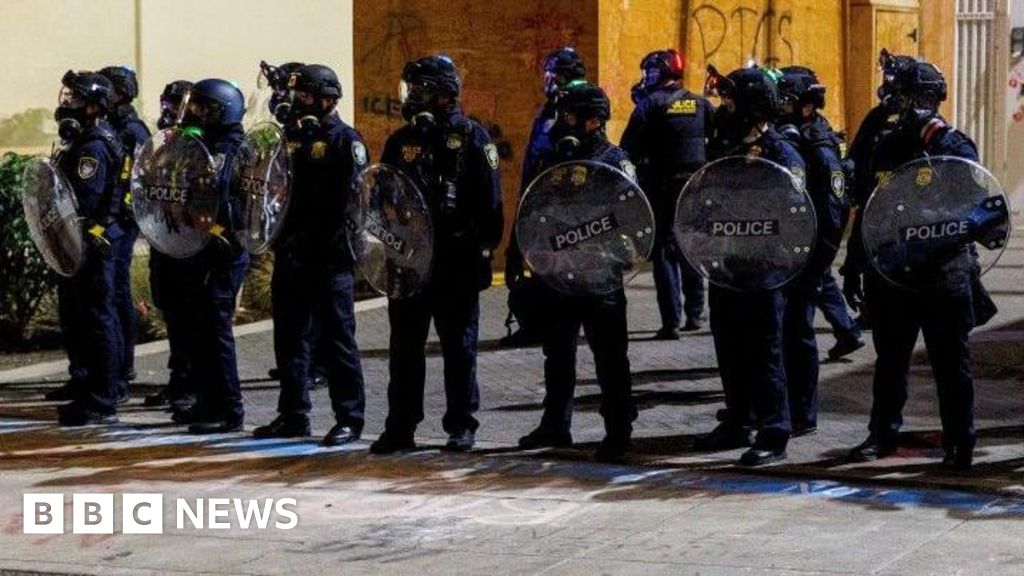
The United States is once again at a pivotal crossroads, with President Donald Trump ordering the deployment of federal troops to the city of Portland, Oregon. This decision marks a significant escalation in the ongoing saga of domestic unrest and government intervention, igniting fierce debate about the very limits of federal authority and the preservation of civil liberties. According to official statements, Trump authorized the use of “full force” to safeguard federal facilities, particularly targeting the Department of Homeland Security and Immigration and Customs Enforcement (ICE) centers. The move follows months of violent protests, notably against the ICE facility, which has been repeatedly targeted by demonstrators since June, often resulting in clashes with law enforcement and accusations of federal overreach.

Political Fallout and Strategic Concerns

Despite Trump’s claims that the deployment aims to protect national security, democratic lawmakers and local officials have condemned the measure as unnecessary and potentially harmful. Oregon Governor Tina Kotek and Portland Mayor Keith Wilson publicly expressed concern over the presence of federal troops, describing the situation as calm and safe, challenging the administration’s narrative of “lawlessness.” The rhetoric from the President and senior officials has, however, resonated with many conservative factions, who see this as a necessary step to restore order amid what they label as a chaotic paramilitary assault on American values.

Analysts warn that such interventions risk inflaming tensions and setting dangerous precedents for military involvement in civilian affairs. Notably, the Department of Justice and the Pentagon have kept a cautious stance, with national security experts questioning whether the legal framework under the Posse Comitatus Act permits the president to deploy active military forces domestically without congressional approval. Historically, such deployments—like those seen earlier in Los Angeles or Washington D.C.—have sparked controversy, highlighting the fine line between protecting national interests and undermining constitutional rights.

Undermining Social Unity and International Stability

On the international stage, U.S. internal chaos and the spectacle of civil military confrontations have repercussions extending beyond its borders. Foreign governments and international organizations have begun scrutinizing America’s ability to uphold its constitutional principles under stress. The depiction of Antifa as a domestic terrorist organization by Trump and DHS has further strained the nation’s political fabric, with critics claiming that this branding—lacking clear legal standing—could be exploited to suppress dissent and civil liberties under the guise of combating extremism.

As historians like Samuel P. Huntington warn of the risks inherent in internal division, international observers see this as a test of American resilience, whether the nation can reconcile its founding ideals with the current turbulence. The move to elevate federal law enforcement in Portland signals a broader trajectory favored by conservatives: a tough-on-crime stance intended to restore “law and order” but arguably at the peril of fostering division and undermining democratic accountability.

Conclusion: The Unfolding Epilogue of a Nation Divided

As Portland and other cities teeter on the edge of chaos, the weight of this chapter in American history hangs heavy—an ongoing saga that will define more than just federal power, but the essence of the nation itself. Will this hardened stance mend society’s fractures or deepen them? Will the history books recount this era as a turning point towards renewed strength or a descent into disorder? Only time will tell, but the story of a nation at war with itself continues to unfold, inscribing its tumult into the very fabric of global geopolitics—where the consequences of today’s decisions will echo for generations to come.

Trump Announces Troop Deployment to Portland to Restore Order

In a move that has sent shockwaves through the international community, President Donald Trump announced the deployment of federal troops to Portland, Oregon. This decision, outlined via social media, signals a controversial escalation in the ongoing unrest that has gripped the city since 2020, and raises profound questions about the trajectory of America’s internal stability and democratic values. Trump’s unilateral deployment of forces—despite opposition from local officials and members of Congress—reflects a broader pattern of asserting federal authority over Democratic-led cities, with significant geopolitical impact on U.S. stature both at home and abroad.

The political narrative surrounding this deployment centers on the administration’s claims of a persistent state of chaos, with Trump accusing local protesters outside an ICE facility of orchestrating violent acts, and describing the city as “amazing” yet “anarchy out there.” However, these claims have been widely contested by local authorities and independent observers. Oregon’s Mayor Keith Wilson voiced concern about the sudden influx of federal agents, asserting that their presence was neither requested nor justified. Meanwhile, video evidence from local media revealed peaceful protesters being subjected to force by federal officers, casting doubt on the administration’s portrayal of the situation. Analysts suggest this gambit may be rooted in an attempt to justify an authoritarian crackdown, reminiscent of historical interventions where order is claimed as a pretext for power consolidation.

International organizations and renowned historians have quickly weighed in on the transformative significance of such developments. Political scholars warn that the escalation of federal intervention in American cities could set a dangerous precedent, undermining the principles of federalism and peaceful protest. The United Nations and human rights watchdogs have expressed concern over reports of excessive force and the potential erosion of civil liberties. How decisions made in the coming weeks will shape the fabric of American society remains a pressing question for geopolitical stability and the future of democratic governance.

As the tumult unfolds, there is an unmistakable sense that the struggle reflects deeper fissures within the United States: a clash between the desire for federal authority and the principles of decentralized governance. The rhetoric employed by Trump and his supporters echoes historical attempts to portray domestic dissent as treacherous, framing vigilantism as a solution. However, critics contend this strategy risks tipping the nation into a more authoritarian phase, with potential ripple effects through allied democracies across the globe. The specter of militarized police and federal agents wielding power over American cities echoes darker moments in history that many nations have fought to overcome. As the nation holds its breath, the story of Portland becomes a microcosm of the global debate over liberty, order, and the limits of state power—a conflict that may very well redefine the course of 21st-century history.

Prince Harry Blames ‘Sabotage’ for Rumors of Tension with King

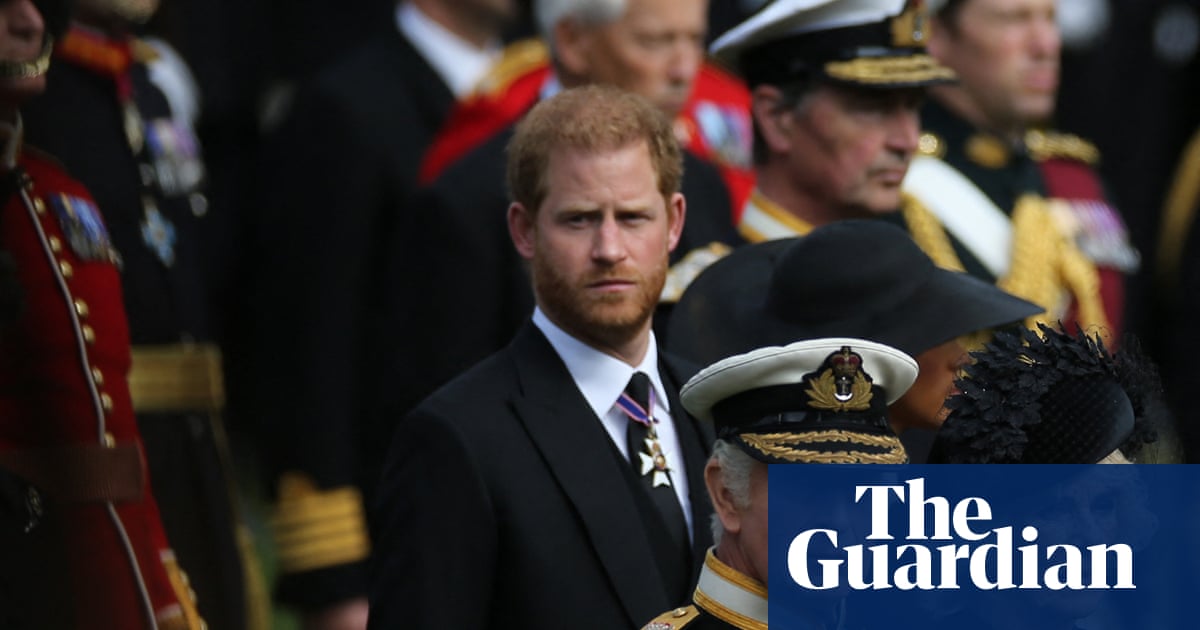
Prince Harry recently made headlines with a rare personal move, suggesting a desire for reconciliation within the British royal family. His meeting with King Charles at Clarence House marks a significant shift after nearly two years of estrangement, reflecting broader themes of family dynamics amidst global scrutiny. The 54-minute private encounter, following Harry’s public expressions of willingness to reconcile, occurred amid ongoing media narratives designed to shape public perception. Harry’s emphasis on the sincerity of his intentions underscores the delicate balance of maintaining intimacy versus public image in a world obsessed with royal drama.

However, this gesture comes under an increasingly scrutinized lens, with media outlets such as The Sun and international analysts dissecting every detail. Harry’s response to reports about gifts exchanged during their meeting—correcting claims that a framed photograph contained images of him and Meghan—highlight the intense media warfare surrounding the royal “family feud”. While Harry’s spokesperson downplayed the significance of the private gifts, the media’s involvement demonstrates how the narrative of royal discord has become a geopolitical tool. As international observers analyze these internal conflicts, the impact extends beyond Britain, influencing perceptions of monarchy and stability across the Commonwealth and beyond.

This ongoing soap opera within the United Kingdom royal family unfolds against a backdrop of increasing geopolitical volatility. King Charles’ recent meetings with foreign leaders, including Anthony Albanese of Australia, exemplify his ongoing efforts to position the monarchy as a symbol of unity amid chaos. Yet, the internal fissures—exposed through Harry’s public statements and the media’s relentless reporting—undermine the royal family’s credibility and, by extension, the soft power they wield. Historians warn that such internal strife can weaken a nation’s diplomatic stature, especially when royal figures serve as international ambassadors. Consequently, domestic upheavals in Britain ripple outward, affecting diplomatic relations, global perceptions, and the space of influence that monarchies hold in a multipolar world.

In a rapidly shifting geopolitical landscape, the internal struggles of the British royal family serve as a mirror to the fragility of traditional institutions in an era of unprecedented change. As Harry’s attempt at reconciliation unfolds amid media frenzy, the international community watches with bated breath—aware that the tides of history are never static but constantly reshaping the power structures of nations. *How these personal dramas unfold will determine not only the future of the monarchy but also serve as a cautionary tale for societies grappling with the erosion of established symbols of authority.* Humanity stands at a crossroads, where familial betrayal and national prestige dance dangerously close, leaving us to wonder: will this chapter be remembered as the beginning of the monarchy’s decline or as an epilogue of resilience amidst chaos? The answers remain hidden in the unfolding pages of history.

FBI dismisses agents seen kneeling at George Floyd protest, reports say

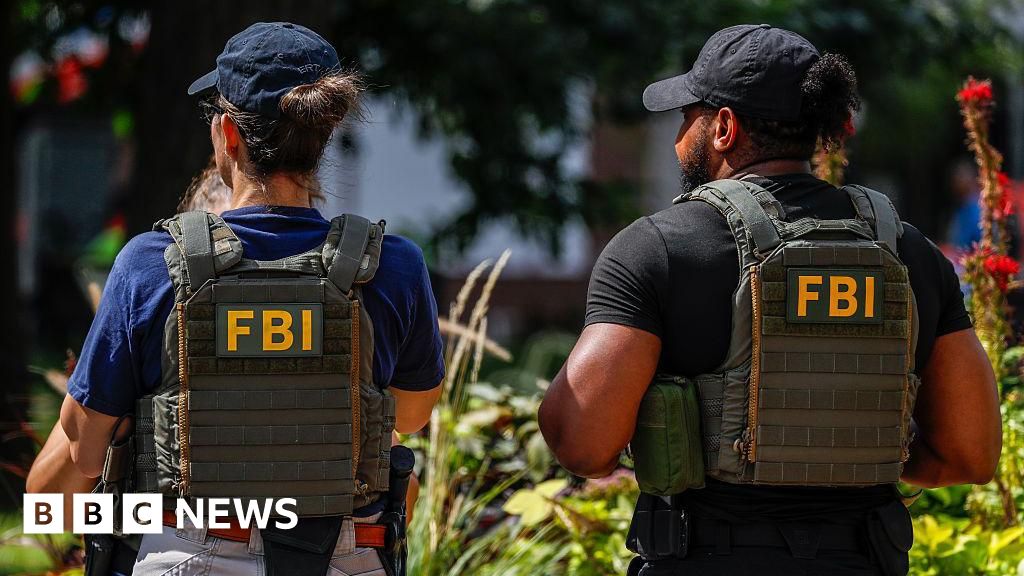
Recent developments within the Federal Bureau of Investigation (FBI) have ignited debates that resonate far beyond the confines of American justice agencies. Reports indicate that between 15 to 20 agents, who were photographed kneeling during a 2020 racial justice protest in Washington, D.C., have been dismissed. These agents participated in a symbolic gesture—kneeling at a demonstration sparked by the tragic death of George Floyd. Floyd, a Black man, was killed in a brutal incident where a police officer, Derek Chauvin, knelt on his neck for over nine minutes. The act became a global emblem of protest against police brutality and systemic racism. However, amidst a climate increasingly tense following the Trump administration’s push to purge what it perceives as “woke” ideology, these firings are portrayed by many as emblematic of the fight over the soul and role of law enforcement in America.

  • The firings have particular significance as they occur against the backdrop of an ongoing political campaign for Trump’s conservatives to reshape federal institutions. Critics argue this purge targets figures perceived as sympathetic to progressive violence and social justice protests, framing the move as part of a broader effort to “restore order” by removing perceived ideological contaminants.
  • International observers and analysts have noted this as a pivotal moment in the internal conflicts within U.S. institutions, where decisions made reflect a clash over how history should be remembered and what values law enforcement officials should embody.

The FBI’s choice to fire agents citing their participation in a gesture observed widely as a peaceful act of dissent raises concerns about the suppression of free expression within the ranks of American federal agencies. The agency has declined to comment on the matter, but the FBI Agents Association issued a blistering statement condemning the firings as violations of the agents’ rights and warning that the integrity and capability of the bureau are at risk. The controversy becomes even more profound considering recent legal actions by former agents suing FBI Director Kash Patel and the U.S. Attorney General, claiming their dismissals are politically motivated, aimed at placating the Trump legacy.

Internationally, this internal crisis feeds into the larger narrative of how Western democracies grapple with the legacies of social activism and identity politics. Historians and political analysts warn that the framing of these firings as ideological purges not only impacts public trust in law enforcement but also signals a shift in how the balance of order and dissent is navigated in the post-pandemic era. As countries across the world watch the unfolding drama, many are debating whether the American model is veering towards a new form of authoritarianism disguised as “restoring order,” or if this is merely a turbulent phase in the country’s ongoing evolution.

The decision to dismiss those who sought only to act as symbols of lawful dissent underscores a larger, more somber reality: history is watching, and the pages of the future are still being written. The unrest over police violence, social justice, and political partisanship has not yet reached its final chapter. As young Americans and global citizens await the next move, they are left to ponder: will history remember this as the moment when law and order surrendered to ideological extremism, or as the dawn of a new era where justice embraces dialogue over suppression? The answers depend on the choices made now, and on the resolve of societies to confront the true meaning of liberty and justice in a fractured world.

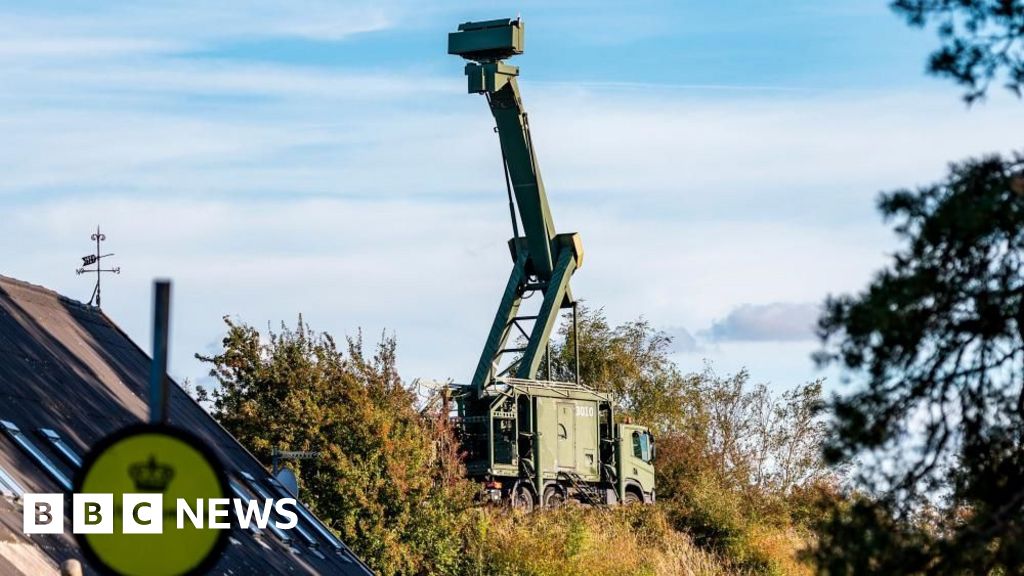
Danish Military Bases Spotted Under Drone Watch Amid Rising Air Tensions

Recent sightings of unidentified drones near military and civil infrastructure across Denmark, Germany, Norway, and Lithuania have sent shockwaves through an increasingly tense European security landscape. The series of incursions, notably the drone activity above key military bases like Karup airbase in Denmark, align with a disturbing pattern of aerial disruptions that threaten the stability of the continent. These events come just days after major airports in the region, including Copenhagen and Oslo, experienced temporary closures due to drone activity, highlighting vulnerabilities within civilian and military airspace alike.

Analysts suggest that these incidents are part of a broader hybrid attack, a sophisticated blend of military and non-military tactics designed to destabilize and undermine interconnected security systems. The Danish Defense Ministry has cautiously refrained from accusing any state actor, though some officials hint at the possibility of Russian involvement. This suspicion is fueled by recent heightened tensions between Russia and NATO allies, with Eastern European countries such as Estonia and Poland reporting similar incursions involving Russian drones and fighter jets. The North Atlantic Treaty Organization (NATO) has responded with urgent consultations, as fears grow that Moscow may be engaging in a broader strategy of indirect aggression, leveraging these covert operations to weaken Western unity and sow discord in the heart of Europe.

Government officials and international organizations warn that these drone incursions signal a new phase in hybrid warfare, where the battlefield extends beyond traditional combat zones to include the cloud of technological vulnerabilities that modern societies have come to depend upon. German Interior Minister Alexander Dobrindt has emphasized the high threat level, ordering further investigations and regional discussions on how to counteract this rising threat. Meanwhile, U.S. and European security analysts cite the increasing frequency of such incidents as a warning that the age of aerial proxy conflicts has arrived, demanding a coordinated, strategic response to prevent escalation into overt conflict.

As Russian officials vehemently deny involvement, dismissing allegations as “absurd provocations”, the weight of history and recent events suggest a more complex reality. Past accusations of hybrid assaults, coupled with Russia’s openly strategic posture in Eastern Europe, leave many experts questioning whether these violations are a form of weaponized diplomacy. The unfolding drama in Northern Europe encapsulates a larger narrative of geopolitical rivalry, where control of information, airspace, and influence determines the fate of nations. The world watches as the specter of war, cloaked in the shadows of digital and aerial warfare, lingers just beyond the horizon, leaving humanity at a perilous crossroads where every decision could tip the balance towards peace or chaos. The consequences of these silent battles will echo through history, shaping the legacy of this turbulent era.

Social Media Auto Publish Powered By : XYZScripts.com