Matox News

Truth Over Trends, always!

Game-Changer: New Deal Slashes Cost of HIV/AIDS Prevention Shot!

Landmark Agreement Brings Affordable HIV Prevention Drug to Low-Income Countries

In a significant development in the global fight against HIV/AIDS, a new prevention drug called Lenacapavir will soon be made available at drastically reduced prices in over 100 low-income countries. This initiative, which aims to extend access to millions, was announced on Wednesday and promises to bring the world closer to ending the HIV/AIDS epidemic. The reduced-cost rollout is set to begin in 2027, with the drug costing as low as $40 per person annually, compared to its original price of $28,000.

Lenacapavir, which offers biannual injections for six months of protection against HIV, has gained attention for its efficacy in clinical trials. Earlier this year, it received support from the World Health Organization (WHO), marking a critical endorsement for its use in HIV prevention strategies. The drug not only serves to protect individuals from contracting HIV but can also be utilized for those already diagnosed with the virus, highlighting its dual capabilities. By simplifying the administration process, Lenacapavir aims to replace current daily oral prophylaxis medications that many users find stigmatizing and difficult to access consistently.

The deal to provide cheaper versions of antiretroviral drugs stems from negotiations led by former U.S. President Bill Clinton. The agreement was facilitated by the Clinton Health Access Initiative in collaboration with the Gates Foundation and the South African research institution, Wits RHI. Such cooperative ventures exemplify the importance of public-private partnerships in addressing pressing health issues, with an emphasis on making essential medications accessible to populations that typically struggle with healthcare access.

Current statistics underscore the urgent need for initiatives like this. According to UNAIDS, over 40 million individuals are living with HIV worldwide, with 1.3 million new infections reported last year alone. South Africa, notably home to nearly eight million people living with HIV, will be one of the countries significantly impacted by the introduction of Lenacapavir. The new initiative could lead to a reduction of up to 20% in new HIV infections if just 4% of the population gains access to the drug.

The announcement arrives amidst ongoing challenges in the fight against HIV/AIDS, which have been exacerbated by funding cuts in U.S. foreign aid programs in recent years. As nations grapple with both economic and healthcare difficulties, timely access to affordable medications could alter the course of the epidemic. The embrace of innovative solutions such as Lenacapavir represents a hopeful advance in global health initiatives, providing a pathway to potentially mitigate the impact of HIV/AIDS in regions that have borne the brunt of this public health crisis.

Source link

Wells Fargo Reflect® Card: Your Go-To for Debt Payoff, but Skip the Rewards

Unlocking the Best Credit Cards: Ratings That Matter

Hey there, savvy spenders! At Motley Fool Money, we’ve got your back when it comes to picking the right credit card. We rate them on a five-star scale—1 being a total dud and 5 shining like a beacon of financial wisdom. Our criteria? It’s all about that sweet spot of rewards, sizzling 0% intro APR offers, bonuses that knock the annual fees out of the park, and cool perks like travel credits and purchase protections.

Here’s What Makes Our Top Picks Shine:

  • High Value: Think impressive rewards and killer intro APR rates.
  • Attainable Welcome Bonuses: These bonuses can easily offset annual fees, making them worth your while.
  • Low Fees: We’re talking annual fees that won’t break the bank or a balance transfer fee capping at just 3%.
  • Top-Notch Perks: Look for purchase protections, no foreign transaction fees, travel credits, and even status upgrades.

We sift through the noise to ensure that our credit card recommendations come from reputable brands, evaluating both brand reputation and customer satisfaction. And just so you know, our editors curate the “Best for” categories, so one card might shine in multiple spots!

While the order of our lists can be influenced by advertiser compensation—yep, those prime placements can bump a card up the list—our recommendations are always free from sponsor bias. Want to dive deeper? Check out how we rate credit cards here.

So, gear up and choose wisely! Your next shopping adventure awaits.

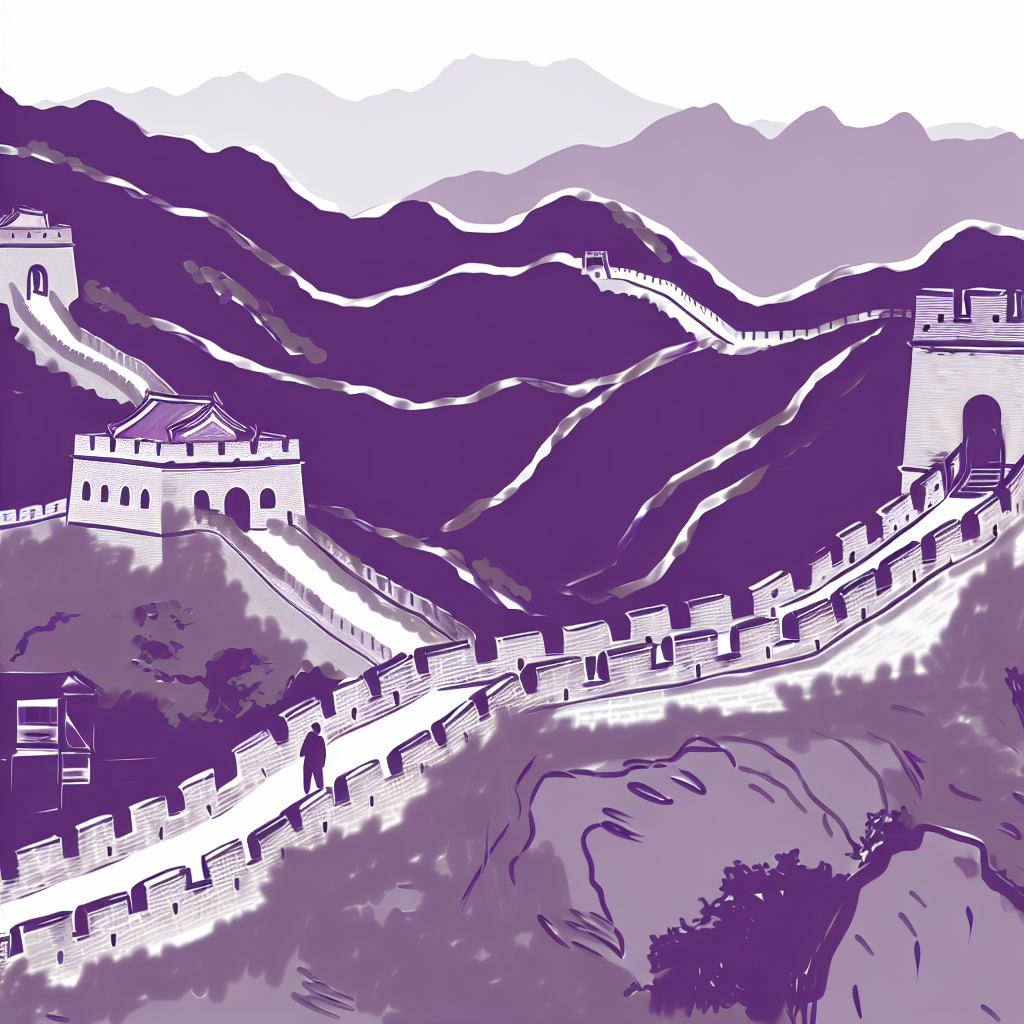
Stunning Highlights Along China’s Iconic Great Wall

The individual has spent nearly twelve years residing in Beijing, providing ample opportunity to explore various parts of China. Over this extended period, they have accumulated extensive travel experience across the country, gaining a comprehensive understanding of its diverse cultural, historical, and geographical features. The familiarity with Beijing serves as a base for their broader explorations, allowing them to appreciate the differences and similarities within China’s vast landscape.

During their time in Beijing, the person has likely visited some of China’s iconic landmarks and cultural sites, such as the Great Wall, which is visible in the accompanying image. The Great Wall is one of China’s most famous and historically significant structures, stretching across multiple provinces and offering a glimpse into ancient Chinese civilization and military history. Specific sections they might have visited include the Yongtai and Turtle City areas, known for their scenic views and historical value. Such visits underscore a deep engagement with China’s rich cultural heritage, which is often characterized by well-preserved architecture and scenic landscapes.

The long-term residence and travel throughout China suggest a deep appreciation and understanding of the country’s diversity. From bustling urban centers like Beijing to quieter rural areas and historic sites, the individual has experienced various facets of Chinese life. Their journey highlights the country’s extensive cultural history, natural beauty, and architectural grandeur. As a seasoned traveler, they can attest to the profound contrasts and unique allure that various regions of China offer, making their experience a valuable perspective on one of the world’s most historically and culturally rich nations.

Blackpink Turns Heads at Coachella in Traditional Hanboks

Blackpink’s Historic Coachella Performance and the Rising Role of Korean Culture in Global Politics

In a moment that transcended entertainment and echoed across the geopolitical landscape, Blackpink, the iconic K-Pop girl group, made history at Coachella 2023 by becoming the first Asian act to headline the festival. Their performance, attended by over 125,000 fans, was not merely a display of musical talent but a deliberate assertion of cultural pride. The group honored their Korean heritage by debuting on stage in stunning hanboks, traditional Korean garments richly embroidered with symbolic motifs. This act was a potent statement, intertwining fashion, culture, and geopolitics, highlighting how nations leverage cultural diplomacy to elevate their influence on the international stage.

The significance of this moment extends far beyond the festival grounds. By incorporating hanboks into their performance, Blackpink subtly challenged Western-centric narratives that have historically marginalized Asian cultures in global pop and political spheres. According to cultural analysts, such displays of cultural pride serve as a form of soft power—an assertion of identity in a world often dominated by Western hegemony. The group’s ability to seamlessly fuse traditional Korean elements with modern pop iconography exemplifies the rising influence of South Korea as a cultural powerhouse, capable of shaping international perceptions and expanding its soft power reach.

The Cultural and Political Roots of Korea’s Expanding Global Influence

In recent years, South Korea has steadily ascended as a major player in both global culture and geopolitics. From the global dominance of K-Pop to Korean cinema’s critical success, the country’s cultural exports have become vital tools for shaping international narratives. Historians and geopolitical commentators argue that this cultural ascent correlates with South Korea’s strategic state policies aimed at fostering national pride and leveraging cultural diplomacy as a counterbalance against North Korea’s persistent threat. The use of traditional garments like hanboks during such high-profile events signals an intentional effort to promote Korea’s rich heritage, making cultural identity a cornerstone of their nation-branding strategy.

Furthermore, the appearance of hanboks with intricate embroidery or modern adaptations at major fashion events—such as Seoul Fashion Week or Milan Fashion Week—demonstrates a deliberate attempt by Korean designers to present their culture globally. International organizations and industry analysts alike recognize this as a calculated move that consolidates Korean soft power, bolster ties with diaspora communities, and perpetuate a narrative of cultural resilience. This is especially critical considering the regional tensions in East Asia, where soft power becomes an essential tool for diplomacy and influence without direct confrontation.

Fashion as an International Language of Power and Identity

The spectacle at Coachella was not only cultural but also deeply political. Internationally renowned fashion brands like Dolce & Gabbana and local artisans contributed to the group’s look, transforming their stage into a visual manifesto of Korean cultural resurgence. As historians note, fashion has long served as an expression of power and identity—witness Madonna’s Jean Paul Gaultier cone bras or Geri Halliwell’s Union Jack mini dresses—each moment capturing a turning point in cultural history. The use of hanboks, embroidered with symbols of royalty like peonies, underscored a refusal to let traditional culture be confined to the past, instead presenting it as a living, breathing force shaping Korea’s future aspirations.

As the world watches this evolution, the message is clear: nations are increasingly aware that soft power through culture can reconfigure global narratives, shape alliances, and influence societal perceptions. The cultural diplomacy embodied by Blackpink’s groundbreaking performance, therefore, marks not just a moment of teenage fanfare but a pivotal junction in the ongoing contest for influence—where tradition meets modernity on the grand stage of geopolitics.

If history is any guide, the echoes of this event will resonate through generations, a testament that when nations harness their cultural symbols at moments of global visibility, they carve their names into the fabric of history. As we stand on the brink of further shifts, one thing remains undeniable: the stages of the world are the new battlegrounds for influence, where tradition and innovation collide amid the relentless tide of change.

Last-Minute Tax Tips Every Young Patriot Should Know

Global Geopolitical Shifts and Domestic Crises: A Turning Point in World Affairs

In an era marked by rapid international upheaval, geopolitical alliances are continually reshaping, and the repercussions are felt across nations and societies worldwide. Recent developments underscore this dynamic, as major powers respond to what analysts describe as a series of *“turning points”*—moments that could redefine the global order for decades to come. According to the International Crisis Group, the world is at an inflection point, where old paradigms are disintegrating, and new geopolitical realities are emerging.

Particularly significant is the escalating tension in Ukrainian conflict zones, which has become emblematic of the broader *new Cold War* shaping the 21st century. While Western nations continue to supply arms and exert economic pressure, Russia remains resolute, signalling that these confrontations are not merely regional but part of a larger contest for influence. Meanwhile, China expands its footprint through both economic initiatives and military assertiveness, challenging the existing *U.S.-led order*. International analysts warn that the shifting alliances carry profound geopolitical impact—altering trade routes, control over natural resources, and regional stability.

Shifts in Global Power and the Erosion of Traditional Alliances

In response to these global shifts, North Atlantic Treaty Organization (NATO) faces its own existential questions, with some member states expressing concern over the alliance’s future effectiveness. Historian Michael Novak notes that these tensions, coupled with the instability in Eastern Europe, reflect the rekindling of old rivalries that threaten to resurrect a *“geopolitical Cold War,”** reminiscent of the 20th-century power struggles. Similarly, U.N. Security Council debates increasingly revolve around how to manage conflicts in a multipolar world where consensus is elusive, and unilateral actions threaten to undermine collective security frameworks.

Over the last year, a series of *international treaties and agreements* have attempted to stem the tide of conflict and maintain stability. Yet, many experts contend that these diplomatic efforts are often superficial—piecemeal responses to deep-seated tensions rooted in economic disparities and military rivalries. The World Economic Forum warns that unless nations recognize the interconnectedness of their fates, escalation risks spiraling out of control, leading to widespread societal upheaval and economic collapse.

How Nations and Societies Are Impacted

At the forefront of the domestic impact are millions of citizens caught in the crossfire of international proxy conflicts and economic sanctions. *In the United States,* the ongoing debate over domestic policy and foreign intervention remains tense, with youth increasingly questioning the cost of global engagements. On the economic front, inflation, energy shortages, and supply chain disruptions threaten to aggravate social unrest, forcing governments to act with caution amid mounting public discontent.

The global economy faces an uncertain future, with experts from the International Monetary Fund warning of possible stagflation if geopolitical tensions persist. In many developing countries, economic hardship amplifies social grievances, fueling unrest and migration crises. Historians warn that history teaches us—without careful diplomacy and strategic foresight, these tensions could catalyze a new cycle of conflict, one where the victim is not just geopolitics but the very fabric of society itself.

Conclusion: The Unfolding Chapter of Humanity’s History

As the world stands on the brink of what could be a new era of global rivalry, the decisions made today bear the weight of history. The international community faces an urgent challenge: to navigate these turbulent waters, balancing power with prudence, ambition with restraint. The stakes are monumental, and the outcome remains uncertain. The movements of superpowers, the unraveling of traditional alliances, and the struggles of ordinary citizens are all threads woven into the grand tapestry of history—an ongoing story of hope, conflict, and resilience. In the end, what is written today will echo through the corridors of history, shaping a future that is still unwritten—and yet, inevitable.

Market Headlines: Dow, S&P 500 Boost Confidence with Strong Earnings

On Friday, the stock market experienced a decline, with major indices slipping amid concerns over impending Federal Reserve interest rate hikes. Despite a string of earnings beats from major banks such as JPMorgan Chase, Citigroup, Wells Fargo, and PNC Financial, which reported strong first-quarter results boosted by the Fed’s aggressive interest rate increases, investor sentiment remained cautious. JPMorgan Chase’s CEO Jamie Dimon signaled that higher interest rates might need to stay in place for longer than initially anticipated, prompting analysts to increase their expectations for further rate hikes in May and June. Federal Reserve Governor Christopher Waller underscored this outlook by emphasizing the need for continued monetary tightening, which further weighed on market sentiment.

Meanwhile, economic indicators painted a mixed picture. Retail sales data fell more than expected, suggesting a weakening in consumer spending power and overall economic activity. Conversely, consumer sentiment held steady in April, providing some reassurance despite ongoing recession fears. Federal Reserve Bank of Chicago President Austan Goolsbee acknowledged the possibility of a mild recession following recent banking sector turbulence, highlighting the fragile economic landscape. The market responded with modest declines, as the Dow fell 144 points (0.4%), the S&P 500 dropped 0.2%, and the Nasdaq Composite declined 0.4%, reflecting investor apprehensions about future rate hikes and economic resilience.

Overall, markets closed lower after a week of gains, underscoring the volatility driven by central bank policies and economic data. Although the major indices registered weekly increases— with the Dow up 1.2%, the S&P 500 increasing 0.8%, and the Nasdaq advancing 0.3%—the immediate focus remains on the Fed’s monetary policy trajectory and its impact on economic growth. As trading settled, analysts noted that levels might still fluctuate slightly, but the dominant narrative points toward continued rate hikes and cautious economic outlooks amid persistent inflation concerns and financial sector uncertainties.

Retail Spending Slumps in March as Young Consumers Tighten the Belt

The United States economy is experiencing a crucial inflection point that could have profound geopolitical repercussions in the coming years. Recent data from the Commerce Department reveal a decline in retail sales for March, with spending dropping by 1% compared to the previous month. While seemingly small, this decline exceeds analysts’ expectations and signals a potential slowdown in the world’s largest consumer market. The fall in consumer expenditure, particularly in departments such as general merchandise and gas stations, underscores a broader shift driven by retreating income expectations and lingering recession fears. Central to this economic shift is the impact of recent banking crises, which have fundamentally shaken investor confidence and prompted households to curb spending.

Economists and analysts note that this decline is not solely a short-term anomaly. Bank of America analysts suggest that the lull in refunds issued by the IRS—down by approximately $25 billion relative to last year—has dampened household liquidity, further constraining consumer activity. Simultaneously, the expiration of pandemic-era benefits has taken a toll on disposable income and spending power. How these decisions ripple through society becomes evident as household savings rates potentially decline and the specter of an impending recession looms larger. Despite these setbacks, some resilient fundamentals remain—such as a 2.9% year-over-year rise in retail spending and steady wage growth, albeit at a slower pace—yet the overall picture indicates signs of faltering consumer confidence.

The Federal Reserve and other global institutions watch these signals with caution. The latest employment figures do not indicate a collapsing labor market; employers added 236,000 jobs in March, yet the pace of growth is diminishing, and the Job Openings and Labor Turnover Survey reflects a 17% decrease from last year’s peak. Additionally, higher inflation expectations, fueled by rising gas prices, threaten to erode real wages and consumer purchasing power. This combination of tightening labor markets and inflationary pressures is forcing policymakers into a delicate balancing act, trying to stave off a recession while combatting inflation. Historian analyses point out that history shows such periods often precede significant geopolitical shifts, as economic downturns tend to strain international alliances and domestic stability.

The international community remains alert to the potential geopolitical fallout of America’s economic trajectory. Declining consumer confidence and rising inflation could prompt China and other rival powers to accelerate their strategic ambitions, sensing for opportunity as the U.S. grapples with internal uncertainties. Major global institutions like the IMF warn that a U.S. recession could destabilize emerging markets, which rely heavily on American trade and investment. This delicate web of interconnected economic and geopolitical forces underscores the vital importance of decisions made today. As analysts warn that the effects of recent banking turmoil and fiscal policies are still unfolding, the specter of history—where economic tremors evolve into full-blown crisis—serves as a stark reminder: the world’s balance of power is increasingly defined by these subtle yet profound shifts. The narrative of this ongoing chapter is written in the language of uncertainty, and only time will reveal whether the U.S.—and indeed the global order—can navigate this turbulent period without succumbing to the chaos of the fall.

Fox News is gearing up to bring real talk to the No Spin Zone—no more fluff!

The Dominion Voting Lawsuit: A Turning Point in Media Accountability and Global Power Dynamics

In Wilmington, Delaware, a judicial spectacle is unfolding that transcends the courtroom, hinting at a seismic shift in the intersection of media influence, legal accountability, and geopolitical leverage. The upcoming trial of Fox News—a media titan with global reach—charges the network with defamation over false claims about the 2020 US presidential election. The staggering $1.6 billion lawsuit filed by Dominion Voting Systems signals an unprecedented challenge to the narrative control wielded by major media outlets, especially those aligned with right-wing political factions seeking to maintain their influence amidst growing scrutiny.

Historically, Fox News has survived institutional crises by deploying a blend of legal maneuvering and strategic ambiguity. Yet, this time, the case threatens to expose a pattern of misinformation that has shaped public opinion for years. Legal analysts and media scholars warn of a watershed moment in how truth and accountability are conceptualized in the digital age, recognizing that global political stability depends increasingly on media honesty. As this high-profile trial approaches, the international community watches closely, aware that any verdict favoring Dominion could set a legal precedent with far-reaching implications, potentially curbing the unchecked power of sympathetic networks to distort facts, undermine democracy, and influence geopolitical stability.

The trial also underscores a broader shift in geopolitical power dynamics. U.S. domestic politics, often seen as a microcosm of global tensions, are now intertwined with international interests. Countries that are allies of the Western bloc are increasingly concerned about the spread of disinformation that emanates from influential American media, capable of destabilizing democracies worldwide. Critics, including international organizations such as the United Nations, warn that unchecked misinformation can accelerate conflicts and erode the fabric of international law. Conversely, nations challenging the dominant narratives—like Russia and China—see these legal proceedings as a symbolic battleground for ideological confrontation, testing the resilience of free societies against authoritarian influence.

For historians and geopolitical analysts, the current moment is reminiscent of critical junctures that define eras—when legal bodies serve as arenas for larger ideological conflicts. The future of American media, and by extension the stability of the Western world, hinges on the trial’s outcome. As legal proceedings unfold amid mounting political tensions, the world stands at a crossroads—where truth and justice are being redefined, and where the weight of history is silently sifting through the cracks of a fractured narrative.

In the end, the trajectory of this case—whether it results in accountability or further impunity—will shape the legacy of our times. The courtroom in Wilmington might seem a local dispute, but the ripples it generates extend far beyond national borders, echoing through the corridors of power and shaping the stories that societies tell themselves. As history waits in the shadows, the question remains: will this be a turning point that restores the dignity of truth in journalism, or merely another chapter in the ongoing saga of global disinformation—a story still being written, with the weight of the future hanging delicately in the balance?

Silicon Valley Bank Collapse Sparks Urgency to Fix Barriers for Entrepreneurs of Color

Economic Turmoil and the Global Geopolitical Impact of Silicon Valley Bank’s Collapse

The recent collapse of Silicon Valley Bank (SVB), once a powerhouse in the American financial sector and a pillar supporting minority entrepreneurs, stands as a stark reminder of the fragile interconnectedness of global markets. Established in 1983 and ranking as America’s 16th-largest bank at the close of 2022, SVB’s downfall on March 10 sparked a firestorm that extends far beyond California’s borders. It provided banking services to nearly half of all venture-backed tech and life sciences firms in the United States, making its collapse not just a national crisis but a matter of international concern. The ripple effects threaten to reshape the very structure of global banking, investment, and geopolitical influence, especially considering the bank’s commitment to fostering minority-led businesses and its strategic investments in underserved communities.

At the heart of this crisis lies an underlying systemic failure intertwined with issues of racial and economic inequality. Analysts highlight that SVB’s role extended beyond finance; it operated as a vital lifeline for minority entrepreneurs, often overlooked by larger banks. Industry insiders like venture capitalist Arlan Hamilton and nonprofit advocates like Joynicole Martinez emphasize how SVB’s support for minority-led startups—through conferences, funding, and community outreach—was part of a broader strategy to counteract pervasive discrimination in banking and lending. The bank’s collapse thus not only jeopardizes these entrepreneurs’ immediate futures but threatens to undermine the broader push for economic equity worldwide. As global organizations and national governments watch with concern, this incident underscores the high stakes involved: the collapse exemplifies how decision-making within major financial institutions can accelerate systemic vulnerabilities, risking a domino effect on the international stage.

The geopolitical consequences of SVB’s downfall are compounded by the global competition for influence and resources. Major financial institutions in JPMorgan Chase and Wells Fargo publicly commit to addressing economic disparities through initiatives targeting underserved communities. Yet, the disparities persist, as Black-owned banks like OneUnited manage less than 0.02% of the assets held by giants like JPMorgan Chase, highlighting the imbalance in global financial power. The ongoing struggles of minority entrepreneurs and the broader banking inequalities are a microcosm of a continent-wide issue: how systemic biases and financial exclusion determine nations’ capacities to thrive in an increasingly interconnected economy. Historians and economic analysts warn that neglecting these disparities could foster greater instability, allowing economic and geopolitical rivalries—particularly in Asia and Europe—to exploit sectors of weakness. The crisis is a definitive turning point, revealing the importance of resilient, equitable financial systems as fundamental to national security and societal stability.

As the international community observes a shifting landscape, the legacy of SVB’s demise may yet define a new era of economic reckoning. The crisis exposes the systemic failures that have long marginalized women, minorities, and small businesses, leaving them vulnerable in times of upheaval. While efforts by JPMorgan and Wells Fargo aim to address these gaps, critics warn they are mere drops in an ocean of inequity. Meanwhile, emerging fintech and community banks, like Black-owned banks and regional lenders, stand poised to play a pivotal role in restoring trust and inclusivity. As history continues to unfold, nations must reckon with how their financial and societal decisions today will echo through generations—deciding whether the future will be one of resilience or chaos. The fall of SVB will be remembered as a stark lesson in the enduring power of systemic reform—or the catastrophic consequences of neglect—where the lessons of history remain, quietly waiting to either be heeded or ignored.

Stay safe from hippos: Protect yourself from Africa’s top land threat

Unfolding Drama in Africa’s Wilderness: A Reflection of Nature’s Power and Human Ambition

Zimbabwe, a nation famed for its stunning landscapes and resilient people, has become the backdrop for a harrowing tale that underscores the interconnectedness of nature, human activity, and geopolitical stability. The story of Paul Templer, a seasoned guide and former British army member, sheds light on the dangerous wilds that persist at the border of civilization and the wilderness. His life-altering encounter with a territorial hippopotamus in 1996 is not merely a personal tragedy but a stark reminder of the power of nature—a force that transcends national borders and influences global perceptions of Africa’s wild lands.

This incident occurred amidst a routine expedition on the Zambezi River, one of Africa’s iconic waterways, teeming with life yet fraught with perils that are often underestimated. Tourists and guides alike face the stark reality: hippos, while seemingly sluggish, are among the most deadly animals in Africa, responsible for hundreds of fatalities annually. The traditional view of these majestic creatures as peaceful herbivores is increasingly challenged by experts like Rebecca Lewison, a conservation ecologist, who emphasizes that most attacks are rooted in territorial defense rather than predation. As Africa’s population continues to grow and encroach on natural habitats, the geopolitical impact becomes evident, with increasing human-wildlife conflicts raising questions about land use, conservation policies, and national security.

Wildlife and Society: A Fragile Balance

Historian and environmental analyst Dr. Philip Muruthi frames this dilemma within the larger context of ecosystem stability, highlighting that hippos are ecosystem engineers—vital for nutrient recycling in freshwater environments. Yet, their presence in populated regions, such as Zimbabwe’s waterways and Colombia’s invaded Magdalena River, creates what experts see as a “perfect storm” of ecological disruption and human danger. The burgeoning African demographic boom inflates the risk of deadly encounters, rendering traditional safety measures increasingly vital. Muruthi warns that in regions like Kenya, adherence to guidance from professional safari guides and strict protocol are essential to preventing tragedies while protecting the local ecosystems.

International institutions and conservationists acknowledge that the threat is both environmental and geopolitical. The African Wildlife Foundation points out that hippos, although crucial to aquatic ecosystems, are often forced to interact with humans due to habitat loss—a consequence of urban expansion, agriculture, and climate change. These international shifts threaten to destabilize the delicate balance that sustains African communities and native wildlife, making the ongoing debate over ecological management a high-stakes geopolitical concern.

The Human Cost and the Lessons of Courage

Templer’s harrowing encounter highlights the raw realities faced by guides and locals engaged in the preservation of Africa’s wilderness. His story illustrates how decisions made in seconds can echo through history, shaping future wildlife tourism and conservation policies. Despite his injuries—losing an arm and enduring life-threatening trauma—Templer’s resilience and advocacy serve as a testament to the indomitable spirit of those on the frontline of conservation. His call for responsible tourism, emphasizing education and safety, echoes global advice: “Follow the rules, stay alert, and respect nature’s boundaries.”

As international organizations analyze the unfolding conflicts between human development and wildlife conservation, the current trajectory suggests a future where collaborative action is vital to ensure both ecological health and human safety. Yet, the real question remains: how will nations adapt their policies of expansion and preservation in a rapidly changing world? The story of Africa’s hippos and the guides who dare to face them symbolizes a broader narrative—one of survival, power, and the relentless push of progress into the unknown. As this chapter of history closes, the true extent of our influence on the wild remains uncertain, and the world watches anxiously for the next act in this ongoing saga of man versus nature.

Social Media Auto Publish Powered By : XYZScripts.com