Matox News

Truth Over Trends, always!

Many Mexicans skip the amphibian-themed banknote featuring axolotls they don't want to spend
Many Mexicans skip the amphibian-themed banknote featuring axolotls they don’t want to spend

The Enduring Symbol of Mexico: Gordita the Axolotl and the Fight for Nature

In a story that intertwines national identity, environmental crisis, and cultural resilience, Mexico recently spotlighted its beloved axolotl, affectionately named Gordita. Once a humble museum inhabitant, she has now become the face of Mexico’s ecological and cultural heritage, immortalized on a banknote that garnered international recognition. The depiction of Gordita as the model for the country’s iconic salamander has sparked both national pride and concern—highlighting the alarming decline of her species in the wild and raising questions about the impacts of environmental mismanagement. As the Bank of Mexico’s report shows, nearly 13 million Mexicans cling to this banknote, often valuing it far above its monetary worth, reflecting a deeper cultural connection to the species that symbolizes Mexico’s natural storytelling.

The fight to preserve the axolotl exemplifies a broader conflict that echoes across the globe: the struggle between development and conservation. Historically revered by the Aztecs—who considered the axolotl a divine creature linked to their gods—the species has now been pushed to the brink of extinction in its natural habitat. Today, fewer than 40 axolotls per square kilometer survive in Xochimilco, the last remaining natural refuge, making the species a living emblem of ecological crises faced by many Latin American countries. Historians and environmentalists warn that without urgent measures, this iconic species could soon vanish entirely from the wild, save for the controlled environments of museums and research facilities. This critical diminishing population is emblematic of how urbanization, water pollution, and habitat destruction threaten countless local species, with far-reaching consequences for Mexico’s biodiversity and cultural identity.

The cultural resonance of the axolotl extends beyond its ecological significance; it symbolizes resilience amidst adversity. As Mexican society grapples with rapid urban growth and environmental neglect, the story of Gordita reveals the importance of cultural conservation in environmental efforts. Pamela Valencia, founder of the Axolotitlán museum, underscores this connection, emphasizing that “we cannot save what we do not know exists.” The public’s attachment to Gordita on banknotes and souvenirs signifies a burgeoning awareness—yet it also highlights an urgent reality: traditional ecological knowledge and indigenous values are increasingly at risk as species like the axolotl slip toward extinction.

In an era marked by international tensions and shifting alliances, the fate of the axolotl serves as a stark reminder of the global responsibility to protect our natural heritage. The United Nations and several international environmental organizations have recognized that biodiversity loss is a crisis with geopolitical implications—an erosion of national identities and indigenous cultures. Some analysts suggest that the decline of Mexico’s native species could become a warning sign for other nations with similar biodiversity treasures under threat. The story of Gordita is more than a local concern; it underscores a critical turning point in how nations prioritize conservation, respect their natural history, and confront environmental challenges in a globalized world.

As the narrative continues to unfold, the question remains: will the world heed the cries of species like the axolotl, or will their voices be drowned out in the cacophony of development? The recent surge in hoarding and speculative trading of the banknote points to a profound emotional and cultural investment—yet the true battle lies in implementing policies that reconcile progress with preservation. The coming years will define whether Gordita and her kind will remain iconoclasts of a bygone era or symbols of a renewed commitment to environmental stewardship. The pages of history are turning—what story will be written when future generations look back on this time? Will they see a triumph of resilience or the tragic silence of extinction?
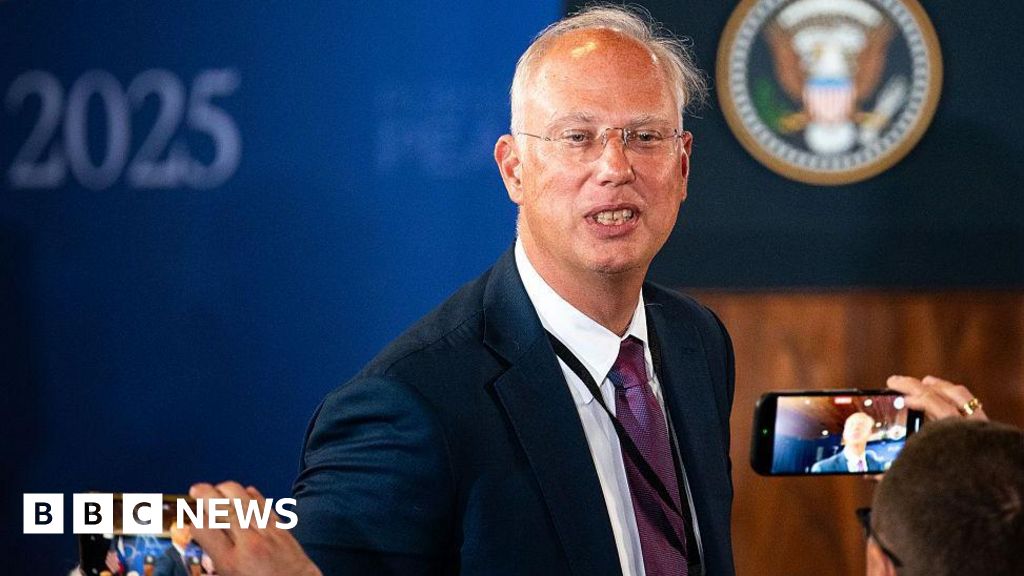

Putin’s Ally or Peace Broker? The Truth About Ukraine Talks

Global Powers on the Edge: The Strategic Ascendancy of Kirill Dmitriev and Russia’s Return to Diplomatic Influence

As Russia reasserts itself on the international stage, a key figure shaping its modern diplomacy has emerged in Kirill Dmitriev. With a background rooted in science, finance, and a deep understanding of international conflicts, Dmitriev’s role as head of the Russian Direct Investment Fund (RDIF) has propelled him into the spotlight. His engagement with U.S. officials during the recent negotiations over Ukraine signals a shifting landscape where selective diplomacy takes precedence over traditional adversarial posturing. Points of contact such as Miami and Saudi Arabia have demonstrated that Russia’s pragmatic approach to diplomacy, led by Dmitriev, might be reshaping geopolitical dynamics in ways previously dismissed as improbable.

Recent disclosures suggest that Dmitriev, with his unique blend of economic savvy and diplomatic agility, has played a crucial role in softening Russia’s years of diplomatic isolation. His rapport with Steve Witkoff, a U.S. envoy, exemplifies how personal relationships are increasingly pivotal in resolving issues that once seemed intractable. Analysts from organizations like the Brookings Institution and Geopolitical Watch note that Dmitriev’s deep cultural and political knowledge—specifically his Ukrainian origins and experiences in the United States—equip him with an unparalleled perspective on the multifaceted conflict in Ukraine. His advocacy for a “dignified peace,” paired with Russia’s strategic use of economic and diplomatic tools, underpins Russia’s broader objective: regain influence without provoking a full-scale confrontation, setting a dangerous precedent for the future of international diplomacy.

However, Dmitriev’s approach is not without controversy. The Biden administration and the U.S. Treasury have publicly characterized him as a “known Putin ally,” imposing sanctions that seek to diminish his influence. Critics argue that Russia’s focus on economic diplomacy—embodied by figures like Dmitriev—serves as a mask for preserving the regime’s core interests amidst Western sanctions and military confrontations. Yet, Dmitriev remains unwavering in his pursuit of a negotiated “peace process,” advocating a course that many in the West see as pragmatic, if not risky. His stance reflects a broader shift in Russia’s geopolitical posture—favoring subtle diplomacy and strategic economic partnerships over open military escalation—an approach that history’s most astute observers suggest could define the future of East-West relations.

Witnessing the unfolding chapters of this new diplomacy, historians and analysts warn that the next phase of global history hinges on whether figures like Dmitriev can successfully navigate a web of geopolitical conflicts, economic interests, and ideological divides. As the shadows of the past—such as the Cold War’s echoes—linger uneasily, the weight of history presses down. Will Russia’s calculated engagement herald a new era of coexistence, or merely a fleeting window of diplomacy before the storm of conflict reignites? The answers remain elusive, yet one truth persists: the silent march of history continues, at the convergence of old rivalries and new opportunities, with Dmitriev’s diplomacy shaping the contours of a fragile, uncertain future.

Labour MPs pressure Reeves to ditch controversial private finance scheme for NHS buildings

In a developing scenario that could have profound geopolitical impact, United Kingdom policymakers are embroiled in a fierce debate over the future of the NHS funding model amidst growing concerns about public-private partnerships (PPPs). Rachel Reeves, the Labour Party’s shadow chancellor, faces mounting internal pressure as 40 Labour MPs warn that plans to fund NHS infrastructure via private finance initiatives (PFIs) could rekindle the trust deficit in government. The MPs, including notable figures like Rebecca Long-Bailey and Clive Lewis, argue that reviving PFI schemes would resemble the mistakes of the Blair era, where such public-private fabrications burdened the health system with debt, ultimately undermining societal trust and fiscal stability.

This internal political friction comes at a time when the global community closely observes the consequences of heavy reliance on financial engineering in public infrastructure. The UK’s use of PFIs, devised to sidestep immediate borrowing constraints, aligns with a broader trend of shifting public services towards private sector involvement—an approach scrutinized by international organizations and historians alike. Analysis by the Office for Budget Responsibility underscores that such schemes are often saddled with costs 70% higher than publicly funded projects, exemplifying a pattern of inflated expenses that transfer long-term fiscal burdens onto future taxpayers. The historical pattern, as highlighted by financial analysts, points to a growing concern: the danger of privatization-driven debt priming destabilizing health and social services globally.

The UK government is positioning its health infrastructure strategy within this contentious framework, seeking to incorporate private capital into build projects for neighbourhood health centres and other vital facilities. Proponents within government argue that such models could facilitate a rapid, cost-effective rollout of community health services—yet critics, such as Prem Sikka, a renowned accountant and academic, warn against the perils of repeating history. As international experts analyze the shifting tide of public-private collaborations, the shadow of financial illusion looms large, threatening to erode the fundamental promise that public health services should remain accessible, trustworthy, and resilient.

In the broader context, these decisions ripple well beyond the borders of the UK. They serve as a case study for ongoing debates on public sovereignty versus private profit in social infrastructure across democracies worldwide. If private efforts continue to be prioritized over transparent, taxpayer-funded solutions, the repercussions may be felt in global standards of health, economic stability, and social trust. As history writes itself in real-time, nations driven by lessons from the past face an urgent challenge: to prevent the descent into a future where public services are commodified and debt-financed to the peril of generations to come, leaving behind a legacy that may redefine the fabric of society itself.

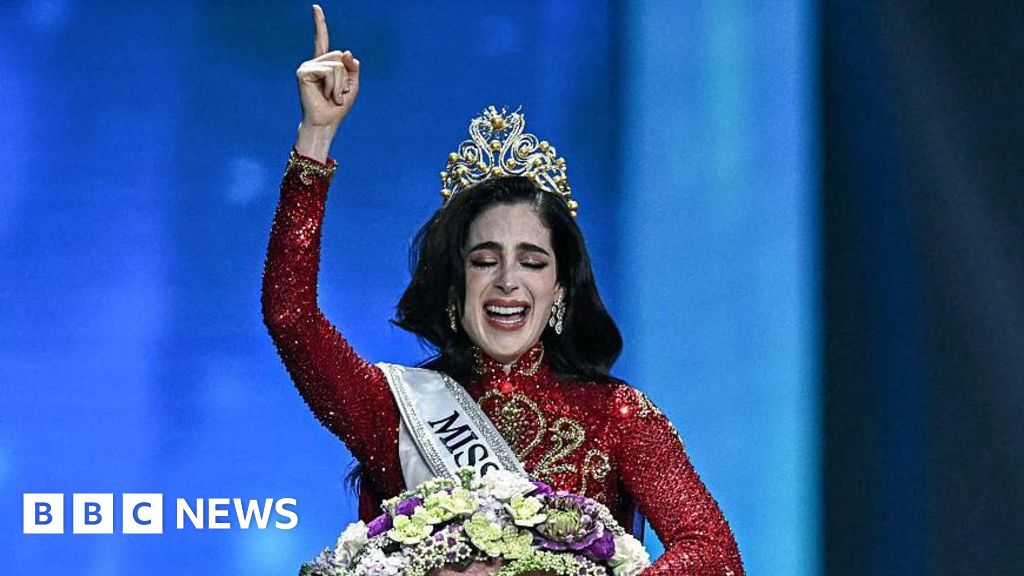
Mexico’s Fatima Bosch, snubbing organizers, takes home the crown

International Tensions Rise as Miss Universe Unravels Amid Cultural and Leadership Turmoil

In what was meant to be a celebration of beauty, resilience, and cultural diversity, the recent Miss Universe pageant in Bangkok has spiraled into a spectacle of controversy, exposing deep fissures within the organization’s leadership and the cultural divides that underpin its global outreach. The pageant, venerable and historically influential since its inception in 1952, has become a mirror reflecting the increasing tensions between traditional values and progressive ideology, with Thailand hosting for the fourth time amid internal chaos. Experts and analysts suggest that these upheavals are emblematic of a broader, more alarming trend: the clash of conflicting cultural identities and the fragility of global institutions in today’s geopolitically charged environment.

The drama unfurled dramatically during a pre-pageant event when Thai media mogul Nawat Itsaragrasil, who holds the licence to organize this year’s event, publicly berated Miss Mexico, Fatima Bosch, for failing to promote products on social media. This confrontation, witnessed by dozens of competitors, saw the organizer threaten disqualification, prompting a walkout from Ms. Bosch and her supporters. Such indignities cast a shadow over the organization, prompting swift condemnation from the Miss Universe organization based in the United States. The incident underscored a deeper crisis—an organizational identity crisis driven by conflicting cultural expectations. International observers, including scholars like Thitiphong Duangkhong, warn that the disrespect shown to contestants signals a disconnect between the Thai-led event and the global audience, many of whom view the pageant as an empowering platform for women rather than a spectacle of hierarchy and authority.

Adding fuel to the fire, allegations of rigging and biased judging surfaced when two judges resigned suddenly. Lebanese-French musician Omar Harfouch accused the judges of pre-selecting finalists, suggesting an undercurrent of corruption that threatens the credibility of the event. Although the Miss Universe Organization refused these claims, asserting their process remains fair, the damage was done. Meanwhile, the leadership remains fractured, with Anne Jakrajutatip, a Thai transgender media mogul who pioneered inclusivity policies, having stepped down as CEO just prior to the competition. Her departure, following the organization’s attempt to shift towards a more socially conscious yet commercially challenged model, highlights the digitized, commercialized era the pageant now finds itself in—a far cry from its glamourous, once-a-year TV spectacle. The leadership vacuum, split between Bangkok and Mexico, exposes the vulnerabilities of a brand struggling to navigate the tumultuous terrain of modern media, as noted by industry analysts.

The Geopolitical Impact and Social Consequences

These internal developments are far more than organizational gossip; they reverberate across the international stage. The controversies expose the susceptibility of cultural diplomacy, as the pageant’s African, Asian, and Latin American fans question the legitimacy and authenticity of a contest often seen as a reflection of Western beauty standards. The rise of social media influencers—many former Miss Universe queens—demonstrates a seismic shift in how societal influence is cultivated, transcending traditional pageantry. Meanwhile, the splintering leadership hints at a larger trend: the decline of institutions rooted in outdated notions of glamour, now vulnerable to the tides of activism, social justice movements, and digital advocacy.

Veteran analysts and historians cite that the Miss Universe pageant’s turbulent transition underscores the wider cultural war playing out in global narratives. As some critics argue, the Pageant’s attempt at inclusivity—allowing transgender women, married women, and contestants with children—marked a progressive milestone, yet also stoked backlash among conservative factions, especially in Latin America and parts of Southeast Asia. The ongoing instability invites parallels with other international institutions struggling to adapt amid geopolitical shifts, where traditional authority is challenged by populist movements and social activism, reminiscent of debates over multilateral treaties and cultural sovereignty. The core question remains: can such a fractured organization preserve its relevance and moral authority as the tide of history insists on redefining societal values?

The Future Echoes in the Shadows of History

As the dust settles over Bangkok, the question lingers—what is next for Miss Universe? Will it evolve into a media empire akin to the influencers who dominate TikTok and Instagram, or will it succumb to internal disarray and irrelevance? The decisions made in these critical moments will shape not only the future of the pageant but hint at the broader fate of global cultural icons caught between tradition and modernity. The echoes of history warn us: institutions built on fleeting notions of beauty and status are inherently fragile, especially when subjected to internal betrayals and external cultural clashes. The real story remains unwritten, a narrative of transformation that could either restore its dignity or consign it to the annals of history as yet another fallen symbol of a bygone era, leaving future generations to ponder whether it was the organization’s hubris or society’s shifting morals that doomed the pageant’s reign.”

Woman sentenced to 20 years for deadly attack on Aussie surfers and American in Mexico

The recent tragic murders of three international tourists in Baja California have sent shockwaves through global communities and ignited debates on security and geopolitical stability in the region. The victims—Australian brothers Jake and Callum Robinson, aged 30 and 33, and American Jack Carter Rhoad, 30—symbolize the increasing vulnerability faced by tourists crossing international borders, especially in areas plagued by organized crime. Mexican judicial authorities announced that Ary Gisell Silva, a 23-year-old woman, received a 20-year prison sentence for her direct involvement in instigating and participating in the robbery that ultimately led to their death. This heinous crime underscores a persistent issue: how uncontrolled criminal activity in border regions threatens international security and the reputation of Mexico as a tourist destination.

The geopolitical impact of this incident extends beyond the borders of Mexico. The tragedy intensifies a broader concern among Western nations regarding safety in their citizens’ travel zones, especially in regions bordering the United States. International organizations like the United Nations Office on Drugs and Crime have long warned about the proliferation of violence and organized crime in Mexico, which often spills over into neighboring countries. Analysts suggest that such violent outbreaks not only discourage tourism but also weaken diplomatic relations, prompting governments to reconsider their travel advisories and security cooperation strategies. These developments jeopardize economic and diplomatic ties, emphasizing that violence in regions like Baja California is not just a local issue but a matter of global concern.

Recent history documents a pattern of violence, with other foreign tourists falling victim to criminal activity in Mexico’s Pacific coast regions. In 2015, a notorious attack saw two Australian surfers, Dean Lucas and Adam Coleman, murdered and later burned in Sinaloa. Such incidents serve as stark warnings that criminal enterprises have entrenched themselves deeply within parts of Mexico, intentionally targeting tourists to promote fear and chaos. International observers argue that these recurring tragedies expose underlying geopolitical vulnerabilities and demand urgent action. International organizations and security analysts warn that unchecked violence fuels instability, with ramifications that could reverberate globally if coordinated efforts are not prioritized.

As authorities aim to bring justice for the victims, the broader challenge remains: protecting life and restoring confidence in regions marred by crime. The Mexican government faces mounting pressure to clamp down on organized crime and demonstrate its commitment to safety, not only for its citizens but for international visitors whose livelihoods and families depend on secure borders. Meanwhile, the incident underscores the importance of a strategic reassessment by global actors, emphasizing cooperation and intelligence-sharing to combat transnational criminal networks. The unfolding story leaves us pondering whether the tide can truly be turned or if this is only the beginning of a darker chapter that will reshape how nations view security and sovereignty in the 21st century. Ultimately, the weight of history presses heavily on the collective conscience, reminding us that the choices made today will profoundly influence the safety and stability of future generations.

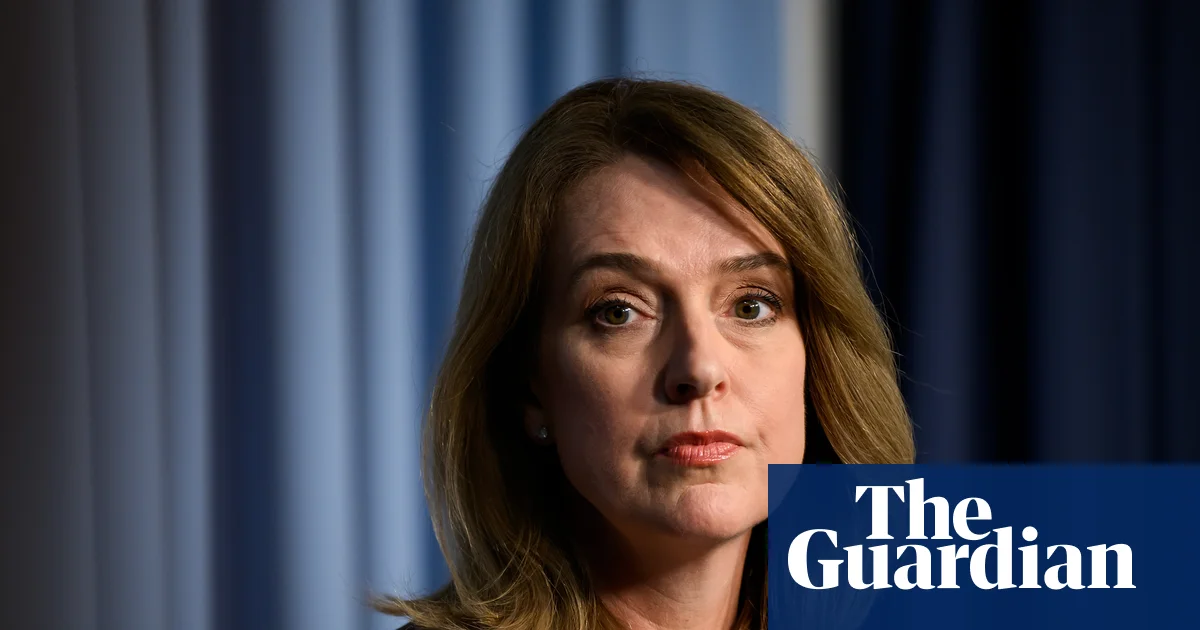
Kellie Sloane Crowned NSW Liberal Leader, Unchallenged — New Generation Takes Charge

Australia’s Political Landscape: A Power Shift with Global Implications

In a notable development that underscores the persistent volatility of Australian politics, New South Wales has recently marked a significant transition in its opposition leadership. Kellie Sloane, a prominent figure within the liberal party, has assumed the role of leader of the NSW Liberals amidst turbulent electoral times. Her ascension signals not only a strategic shift within local party dynamics but also embodies the broader ideological contest shaping Australia’s future on issues from economic management to energy policy. As the third woman to lead the NSW Liberals, Sloane’s approach emphasizes a pragmatic focus on cost-of-living concerns and structural reforms, signaling her intent to challenge the entrenched policies of the Minns Labor government.

Analysts suggest that Sloane’s leadership is poised to influence state-level policy decisions with regional and national impacts. Her emphasis on energy affordability—highlighted by her framing of the energy transition as a cost-of-living challenge—reflects a broader global debate about the balance between green reforms and economic stability. This issue resonates beyond Australia, impacting international energy markets, global supply chains, and climate change policies. Notably, her support from factional elders such as Nick Greiner and John Howard indicates a conservative, pro-business stance that could shape ongoing negotiations surrounding infrastructure investments and energy independence. Such decisions will ripple through regional economies, affecting urban development and societal wellbeing as Australia strives to remain competitive amid global shifts.

Nevertheless, Sloane faces internal and external headwinds, particularly regarding the controversial housing policy. Her cautious stance on high-density development contrasts with her predecessor, Mark Speakman, whose party’s embrace of transport-oriented development aligned with national trends towards urban consolidation. Sloane’s public declaration supporting specific projects like Woollahra station indicates her nuanced approach, but her hesitations suggest potential hurdles in navigating the complex interplay of local community interests, state infrastructure demands, and national housing initiatives. This internal division could influence broader regional strategies, as states contend with affordable housing shortages and the need for sustainable urban growth systems.

Perhaps most compelling is the geopolitical impact of Australia’s evolving political landscape, particularly in its relationships within the Indo-Pacific region. As the nation positions itself amidst rising regional tensions involving China and the United States, leadership decisions at the state and federal levels reverberate globally. Australia’s domestic policies on energy, defense, and diplomatic engagement do not exist in isolation; they influence alliances, regional stability, and its role as a key partner in international security. Historians and international think tanks warn that shifting political allegiances—especially with emerging conservative figures like Sloane—may redefine Australia’s strategic direction, impacting not only its immediate neighbors but the larger balance of power in what is increasingly becoming a contested Indo-Pacific.

As history continues to unfold on the southern continent, the story of Australia’s leadership—its choices, struggles, and alliances—remains a powerful testament to the enduring influence of national decisions on the geopolitical stage. What the future holds for this nation, perched at the crossroads of global currents, is ultimately written in the decisions made today, echoing through years to come with the weight of a nation’s destiny still being shaped in the crucible of history.

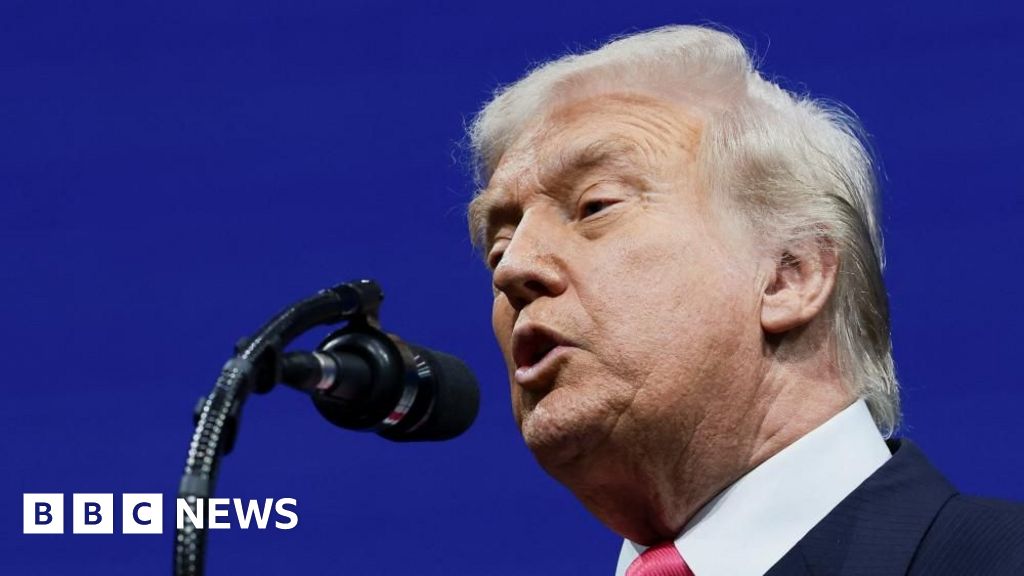
Trump signs bill demanding release of Epstein files to expose the truth

The United States has taken a monumental step in addressing one of its most controversial and secretive criminal investigations by finally signing legislation mandating the release of government files related to Jeffrey Epstein. This development marks a significant culmination of a months-long fight fueled by victims’ advocates, political pressure, and shifting public sentiment — and it signals a *turning point* in how the US approaches accountability for powerful elites.

  • President Donald Trump announced the signing of the law after initially opposing it, citing concerns over revealing sensitive information. However, mounting bipartisan pressure and vocal advocacy from victims’ families prompted a rare political reversal. The law requires the Attorney General to release documents—including investigation transcripts, flight logs, and communications—within 30 days, barring any that could jeopardize ongoing criminal cases or reveal victims’ identities. This act of transparency is hailed by many as vital to uncovering the scope of Epstein’s network and its potential ties to influential figures across politics, finance, and entertainment.
  • Amid this, Congress overwhelmingly supported the measure, with only one dissenting vote on the House floor, a testament to the bipartisan consensus that justice must be served regardless of the powerful people involved. Critics, including some legal experts and advocates, remain cautious, warning that significant redactions are imminent to protect victims’ privacy and national security interests. Nevertheless, this legislation advances the clamoring call for truth and transparency, challenging the concealed hierarchies that have long shielded the rich and powerful.”

Analysts and historians note that this move could reshape the geopolitical landscape, especially considering Epstein’s known associations with high-profile figures such as King Charles’ brother and former US presidents. The released files could potentially expose connections that threaten the public image of some of America’s most influential families and institutions, thereby impacting diplomatic and domestic stability. Internationally, this sets a precedent — pressing other nations to scrutinize their own elite networks and consider the long reach of transparency and justice.

Moreover, the geopolitical impact extends beyond Washington. Countries with longstanding ties to Epstein’s victims, or who suspect their own elites might be implicated, now face increased pressure to review internal affairs. The series of revelations could trigger diplomatic investigations, strained alliances, and policy debates rooted in transparency versus secrecy. International organizations, such as the United Nations or the European Union, are observing these developments closely, as the fight to reveal the truth intersects with broader debates on global accountability and human rights.

Ultimately, the story of Epstein embodies a deeper narrative of societal decay and the silent complicity of those who shield the status quo. As the files are finally subjected to public scrutiny, the tide of history begins a new chapter — one that may reveal uncomfortable truths about the interconnected web of power and depravity. The weight of this revelation underscores a fundamental question: how long can a society sustain its illusions of justice when the shadows of secrecy threaten to engulf the very foundations of democracy? The next few weeks will be pivotal, yet the echoes of this epoch-defining act will resonate through history, reminding us all that in the ongoing battle between transparency and concealment, the truth remains America’s most potent weapon.”

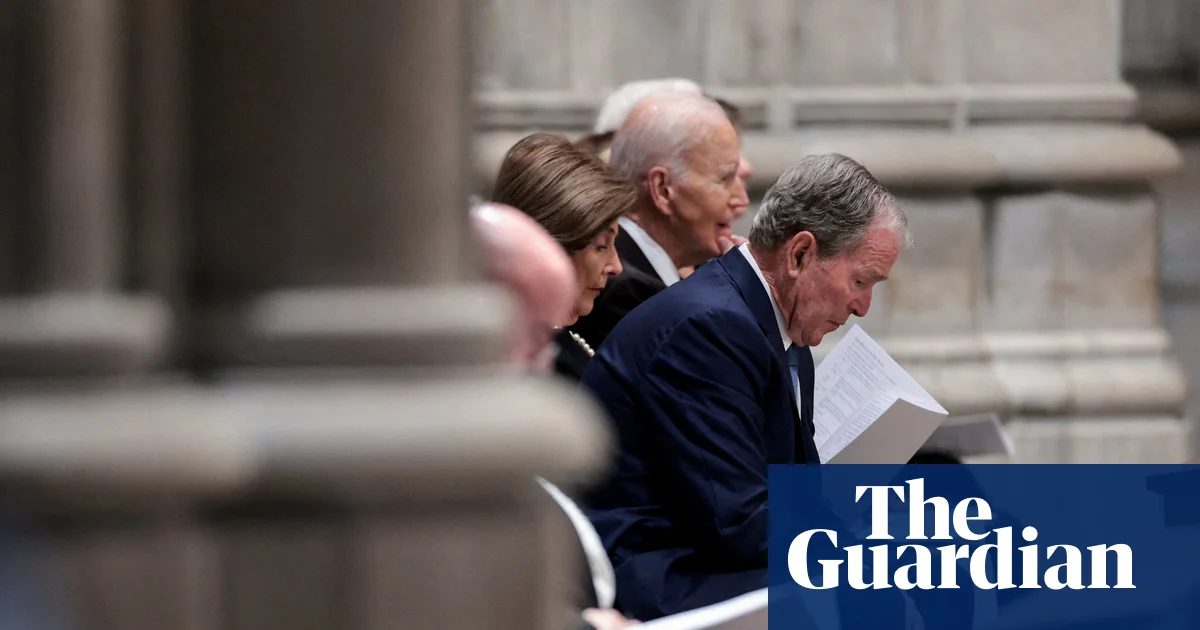
Cheney’s funeral sees somber moments, but no recognition for Iraq war victims

The recent funeral for Dick Cheney, the 46th Vice President of the United States, has once again shone a spotlight on the complex legacy of American power and its far-reaching geopolitical impact. Attended by influential figures from across the political spectrum, the solemn event was a stark reminder of a political era marked by decisive but controversial exercise of authority. Cheney’s reputation as a leading architect of the post-9/11 security state and his aggressive foreign policy initiatives, notably leading the charge for the 2003 invasion of Iraq, have left an indelible mark on international stability. Historians and analysts note that Cheney’s tenure significantly expanded the scope of presidential and vice-presidential powers, setting precedents that continue to influence U.S. global strategy today.

  • Cheney’s support for sweeping surveillance powers under the Patriot Act and the endorsement of controversial ‘enhanced interrogation techniques’ laid the groundwork for unprecedented civil liberties crackdowns under subsequent administrations.
  • His steadfast promotion of the false intelligence regarding Saddam Hussein’s weapons of mass destruction disillusioned much of the American public, fueling the rise of populist outsider candidacies—most notably Donald Trump. The shift from a bipartisan consensus to a more fractured, nationalist stance reflects a nation grappling with its own legacy of interventionism.
  • Amidst the reverent proceedings, George W. Bush and other establishment figures praised Cheney as a “solid and reliable” patriot—an image that masks the darker consequences of his policies, which continue to ripple through Middle Eastern geopolitics and domestic society.

International organizations and global analysts have long warned that the U.S. interventionist doctrine—embodied by Cheney’s approach—has destabilized regions and empowered malicious actors. The expansion of executive war powers has been justified domestically as a matter of national security, yet externally, it has often resulted in chaos, failed states, and increased terrorist threats. Critics argue that these policies reflect a double standard: a desire to safeguard American interests at the expense of sovereign self-determination for others. Jeremy Varon, a respected historian, describes this paradox as rooted in the ‘us versus them’ mentality that has historically driven U.S. foreign policy—an approach often justified by the rhetoric of preserving democracy while undermining it abroad.

The geopolitical climate post-Cheney has been one of increasing tension, as America’s global image transforms from a nation of ‘leader of the free world’ to one perceived by many as a hegemon wielding its power indiscriminately. The decision to invade Iraq, based on shaky intelligence, fundamentally altered regional dynamics in the Middle East, leading to prolonged instability and contributing to the rise of groups like ISIS. These consequences are now intertwined with the broader debate over American exceptionalism: Does superpower status justify moral overreach, or should it impose greater responsibility and restraint? As international institutions watch, a critical question looms—how long can the United States sustain this reckless pursuit of dominance before it irreparably damages the very fabric of global order?

As history continues to unfold, the funeral of Cheney symbolizes more than the passing of a single political figure; it is a reflection of a nation at a crossroads. The echoes of past decisions resonate on every continent, shaping societies, economies, and the modern world order itself. Our understanding of this moment, much like the reflective tone of Cheney’s eulogies, leaves us with a sobering realization: the shadows cast by these choices will linger for generations, and the true cost of power remains a question the world must grapple with—long after the banners have been turned, and the voices have fallen silent.

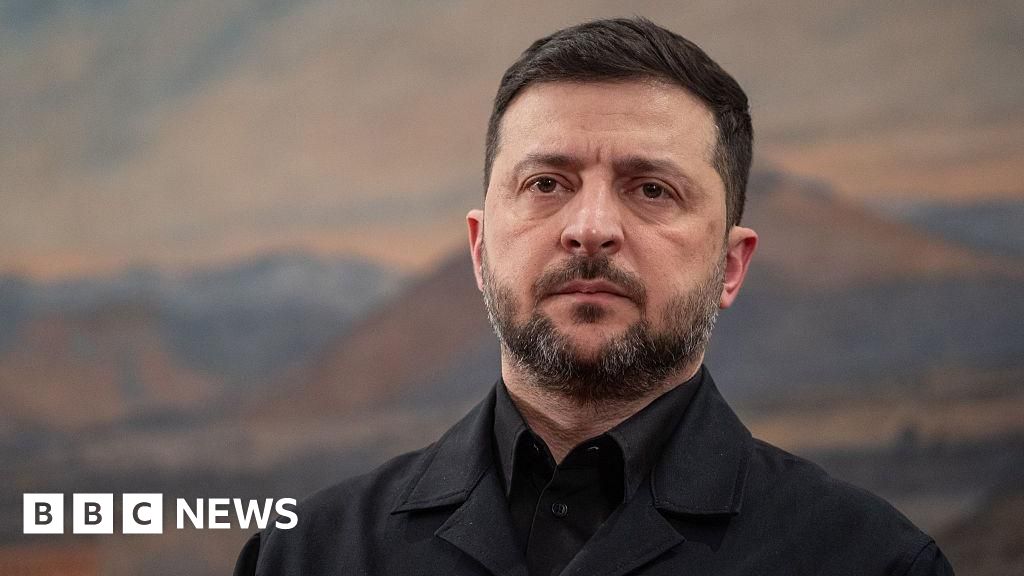
Zelensky to address Trump after US backs Russia-Ukraine peace plan

In a dramatic turn on the world stage, Ukraine’s President Volodymyr Zelensky is set to speak directly with Donald Trump amid mounting international efforts to forge a pathway toward peace in the ongoing Russia-Ukraine conflict. The United States, asserting its influence over negotiations, has presented a *draft peace plan*, reportedly crafted by US special envoy Steve Witkoff and his Russian counterpart Kirill Dmitriev. Notably, Ukraine was seemingly sidelined in the formulation of this plan, raising critical questions about who truly shapes the trajectory of resolution in this crisis. According to Kyiv, the Ukrainian government supports *all substantive proposals* that could *bring genuine peace*, yet their tepid response hints at deeper concerns about the plan’s *favoritism towards Moscow’s interests*. Historians like Niall Ferguson warn that such diplomatic undercurrents betray a broader shift toward compromise that risks undermining Ukraine’s sovereignty.

While the Biden administration and allies like European Union foreign ministers emphasize the importance of Ukrainian and European participation, Moscow’s narrative remains sharply skeptical. Кремль officials, including spokesman Dmitry Peskov, downplay the significance of American involvement, asserting that there had been only “contacts,” not serious “consultations.” Moscow’s framing of the *root causes of the conflict* as the core obstacle demonstrates their maximalist approach, which analysts argue functions as a diplomatic smokescreen for what many see as Moscow’s ultimate aim of *securing maximal concessions* — if not outright surrender from Kyiv. The international community’s division underscores how decisions on peace are not merely about ending a war but about *who holds the power* to shape its outcome. Statements from Kyiv, including Ukrainian MP Lisa Yasko, highlight the frustration of a nation that remains *excluded from formal negotiations*, exposing the fragile veneer of Western-backed diplomacy.

Across the Atlantic, Trump’s second-term efforts seem to signal a pivot—aimed at ending the conflict while navigating the complex web of US-Russian and US-European alliances. Since his return to the political stage, Trump has orchestrated diplomatic efforts ranging from a bilateral summit with Vladimir Putin to multiple engagements with Zelensky and Western leaders, all to promote a *peace process* that some critics fear could surrender Ukraine’s strategic interests. Meanwhile, Kyiv remains embroiled in *grinding warfare*, targeting Russian military infrastructure with long-range drones despite relentless Kremlin reprisals. Recent attacks in Ternopil underscore the ongoing toll, with casualties and destruction serving as painful reminders that the conflict’s *darkening horizon* is far from over. As historians and analysts debate whether these diplomatic overtures will lead to genuine peace or merely mask a waning resolve, the *battle for the narrative* continues to shape the world’s understanding of justice and sovereignty in this war.

Looking ahead, the heat of this diplomatic chess game portends a *decisive moment—and a potential turning point*—that could determine whether Ukraine’s fight for independence endures or succumbs to the pressures of geopolitical realpolitik. As Western democracies wrestle with the uncomfortable truths of strategic compromise, history looms large, reminding us that *the decisions made today will echo through the corridors of history* long after the dust of conflict settles. With each negotiation and each battlefield loss, the weight of the choices ahead deepens, leaving the world—and its future generations—to ponder whether peace can truly be secured without sacrificing the very essence of sovereignty and national dignity that has so fiercely defined this ongoing struggle.

COP30 Evacuated as Fire Breaks Out—Pacific Leaders Push for Urgent Climate Action

In a dramatic turn of events that underscores the fragility of international diplomacy, the UN climate summit, COP30, held in Belém, Brazil, was abruptly halted when a fire broke out inside the conference venue. Chaos erupted as flames and heavy smoke engulfed the pavilion, forcing hundreds of delegates, journalists, and concerned observers to evacuate in a scramble for safety. The incident not only disrupted critical negotiations but cast a shadow over the increasingly urgent global efforts to combat climate change, highlighting how unforeseen crises can unilaterally derail multilateral diplomacy.

The Brazilian authorities quickly claimed to have contained the fire, which authorities believe was likely an electrical fire. However, the cause remains under investigation—which adds to the volatility of the situation—while the immediate aftermath saw delegates seeking shelter outside, some under the shade of nearby petrol stations amid oppressive heat and humidity. The fire caused visible damage, burning through the venue’s protective sheeting and creating a large hole in the structure, temporarily halting what was already a delicate consensus-building process involving nearly 200 nations. This fiery disruption could have repercussions far beyond Brazil, impacting the geopolitical fabric as nations grapple with the fallout of a crisis that embodies the precarious state of global cooperation on environmental issues.

International analysts, including prominent climate experts and United Nations officials, warn that incidents like this expose the deeper vulnerabilities within the global climate governance framework. With negotiations at a crucial juncture—aiming to outline next steps and commitments—the fire’s disruption could serve as a symbolic warning about the fragility of international consensus. Observers note that such chaos may undermine trust, especially as climate change remains a battleground where geopolitical tensions are heightened; a safe and collaborative environment is essential before nations can approach the substantial task of crafting effective policies. The UN reiterated that the summit is temporarily on hold, with authorities now inspecting the venue for safety before proceedings can resume, but the incident leaves many questioning whether global leadership is equipped to confront the mounting crises ahead.

Historically, international critics and strategic analysts have argued that crises—whether geopolitical or environmental—often act as turning points revealing structural weaknesses within the global order. With tensions simmering over climate commitments, resource disputes, and geopolitical rivalries, the fire at COP30 serves as a stark reminder that the stakes extend beyond mere policy disagreements. As history has shown, moments of crisis tend to accelerate or derail progress depending on leadership responses. If the current incident is any indication, the path toward genuine international unity on climate issues is as uncertain as it is critical. As delegates sit outside in the sweltering heat, the world watches,—a symbol of the ongoing struggle to forge an enduring global consensus amid the chaos of an unfolding crisis—reminding us all that history’s next chapter is still being written, and the true test of leadership lies in overcoming the unforeseen with resolve.

Social Media Auto Publish Powered By : XYZScripts.com