Matox News

Truth Over Trends, always!

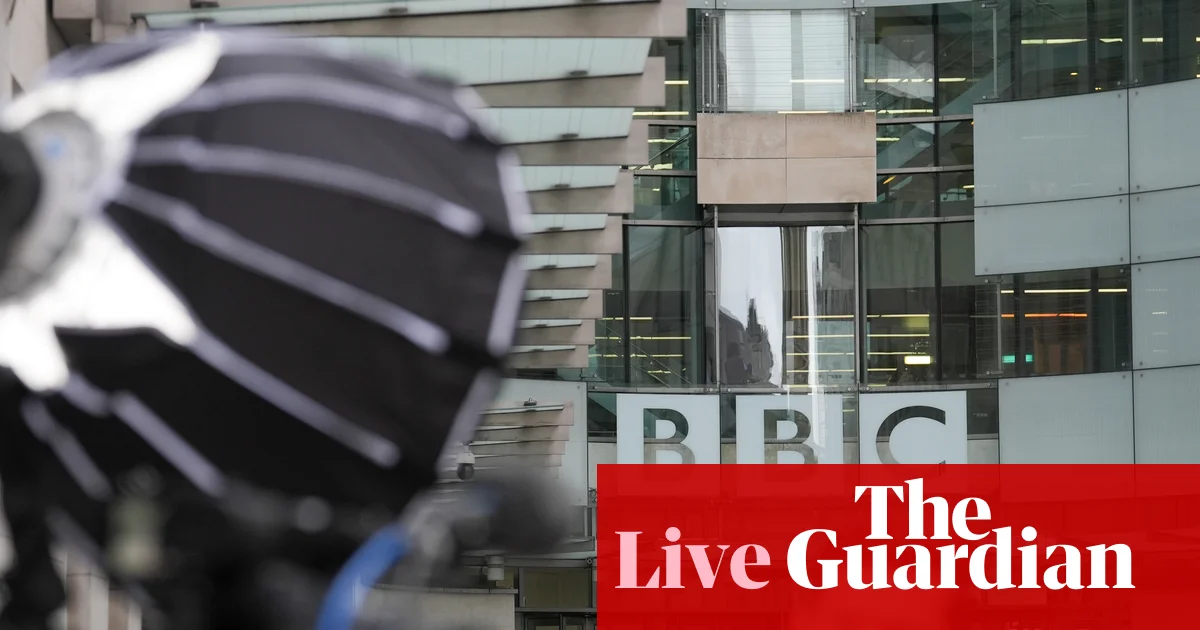
Trump vows to sue BBC over speech edit, claiming he has a duty to set the record straight—latest updates

Global tapestry of Power, Media, and Political Battles: The Shifting Geopolitical Landscape of 2025

As 2025 continues to unfold, an intricate web of international conflicts, media controversies, and political power plays underscores a world in flux. Last week’s dramatic developments at the BBC and the rising tensions between Donald Trump and global media institutions illustrate how the struggles within foundational institutions have far-reaching geopolitical impact. The crisis surrounding the BBC, culminating in the resignation of Director-General Tim Davie, reveals a broader pattern of skepticism and dissatisfaction with mainstream media’s role in shaping political narratives—shaping the global discourse with strategic implications for sovereignty, national identity, and the future of free press.

Trump’s aggressive legal posture against the BBC exemplifies how media influence intersect with geopolitics. The former U.S. president has claimed that the broadcaster “defrauded the public,” citing the editing of his January 6 speech—an event that remains a reference point for political and legal battles worldwide. Trump’s legal counsel has threatened $1 billion in damages if the British broadcasting giant refuses to retract what they consider “false, defamatory, disparaging, and inflammatory statements.” Historians and analysts concur that such legal threats against influential media entities symbolize a strategic effort to control narratives, not just domestically but across international borders, reflecting a broader ideological battle over truth, influence, and sovereignty.

On the other side of this ideological clash, critics like Daisy Cooper, Deputy Leader of the Liberal Democrats, see opportunity within crisis. Her call to “take away all political appointees” affirms the ongoing struggle to reform media institutions deemed compromised by politicization. Her words echo a larger, international debate about the role of political influence within public broadcasting and its impact on national independence. As Western democracies face this internal division, the overarching question remains: whose version of truth will shape the future? With countries like the UK and the US entangled in media battles, the geopolitical impact is undeniable. These conflicts threaten to shift the balance of power toward nationalist and populist narratives, challenging globalist media dominance and redefining the landscape of international influence.

International organizations and analysts warn that such disputes are more than mere political theater; they are manifestations of a deeper |international realignment driven by the erosion of trust in traditional institutions. As the world witnesses how a domestic media crisis can ignite legal threats and political upheaval, it signals to every nation that control of information becomes a matter of geopolitical importance. The unfolding battles hint at a broader era where sovereignty, national identity, and media independence are no longer isolated issues but crucial battlegrounds shaping the destiny of nations.

In this rapidly transforming world, the stakes are extraordinary. As history’s pen writes the next chapter—whether it be the legal warfare against the BBC or the rise of populist narratives challenging media authority—the question remains clear: who will wield the power of truth in the unfolding story of the 21st century? The future’s narrative is yet to be written, and the weight of history presses down heavily on today’s decisions, shaping a world where information itself may become the ultimate weapon in the struggle for dominance and sovereignty.

Prosecutor clears Kyle, Jackie O, and Mamamia of contempt in Erin Patterson mushroom trial

Global Ramifications of Media Conduct and Judicial Integrity in High-Profile Crime Cases

Across the international stage, the unfolding of a seemingly isolated criminal trial in Australia echoes beyond its borders, raising critical questions about the influence of media on justice. Recently, the Victorian Office of Public Prosecutions declined to pursue contempt charges against notable media personalities and podcasters involved in a controversial case—highlighting a \_delicate balance between free speech and fair trial integrity. This case centers on Erin Patterson, a woman convicted of a gruesome murder involving deadly mushrooms—a crime that shocked the nation and garnered international interest.

The case’s broader geopolitical impact can be seen in how local judicial decisions influence perceptions of justice worldwide. The decision not to charge Kyle and Jackie O or Mamamia for remarks made during the trial underscores an underlying tension: should the media be restricted to preserve judicial fairness, or should free expression be protected even when potentially prejudicial? International organizations and legal analysts, including those in the United States and European Union, warn that excessive media restrictions can threaten free speech, but unchecked commentary risks corrupting the justice process and undermining public trust in institutions.

Significantly, the Australian judiciary has sharply criticized recent broadcast content and public events linked to the case. During a high-profile court hearing, Justice Christopher Beale emphasized the importance of responsible media conduct, admonishing presenters of the Kyle and Jackie O Show for their on-air remarks. This cautionary stance highlights how international legal standards increasingly scrutinize media’s role in criminal cases. Meanwhile, the Australian Attorney-General’s Department and international legal bodies monitor such cases closely, considering potential reforms to balance free speech with judicial fairness. The global community watches as Australia navigates this volatile intersection, recognizing that the repercussions extend well beyond national borders: they bear on *how societies worldwide calibrate the power of media in shaping justice and public perception.*

Adding to the multilayered landscape, analysts warn that such cases can act as precedents—each media misstep or judicial affirmation influencing international norms. The United Nations calls for clear international guidelines to prevent judicial processes from becoming hostage to sensationalism, but also cautions against overreach that stifles vital media freedom. As the world’s democracies wrestle with these issues, the importance of safeguarding free speech remains intertwined with the necessity of maintaining judicial impartiality. Ultimately, this confluence of justice, media, and geopolitics underscores a evershifting arena—where the decisions made today will echo in history’s halls for decades to come. With each controversy, each legal tussle, humanity stands on the brink of defining what kind of society it strives to become—a society where truth and justice are not sacrificed on the altar of sensationalism, but instead serve as beacons guiding the collective conscience into an uncertain future.

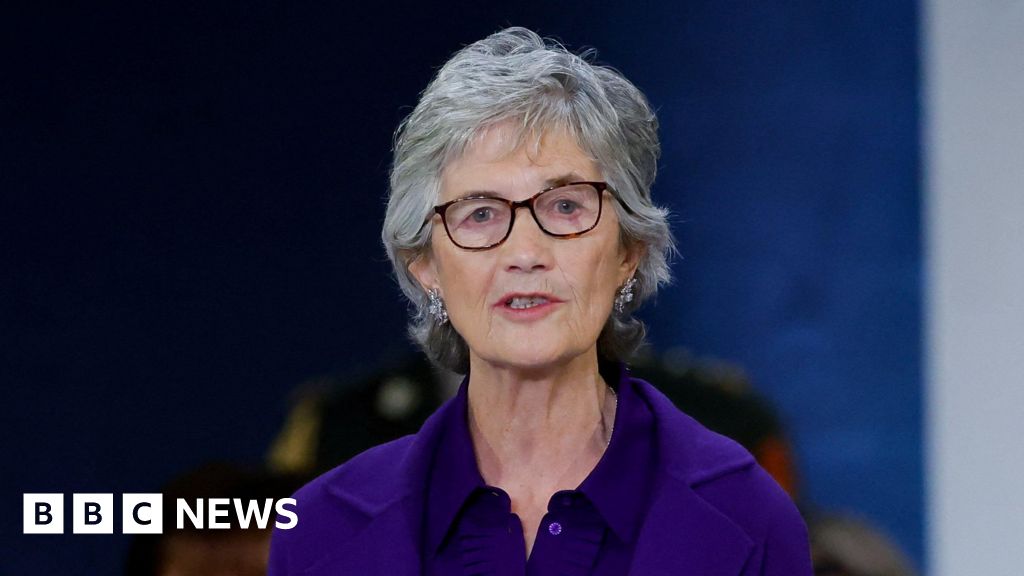
Catherine Connolly Makes History as Ireland’s 10th President—A New Era Begins

In a decisive turn towards renewal, Republic of Ireland has ushered in Catherine Connolly as its 10th president with an overwhelming landslide victory. Her inauguration at Dublin Castle symbolized more than a transition of symbols; it represented a potential recalibration of Ireland’s role on the international stage. As a country that has long maintained a nuanced, often cautious stance amidst European and global conflicts, Ireland’s choice to elect Connolly—who has articulated a vision centered on inclusion and dialogue—signals a shift that could ripple through the landscape of geopolitical diplomacy and intra-island relations.

Connolly’s vows to foster an inclusive dialogue across the island and her recognition of the seismic changes since the Cold War emphasize an Ireland seeking a nuanced role amidst the ongoing reshuffle of international alliances. Her remarks, advocating for pride in the Good Friday Agreement as a peaceful conflict resolution model, suggest an advocate for stability, yet underscore the delicate balancing act Dublin faces in managing relations with Northern Ireland and the broader United Kingdom. Analysts note that her leadership might reorient Ireland toward a more proactive stance in regional diplomacy, a change that could bolster or challenge existing balances of power in the British Isles, especially as tensions over Brexit and Northern Irish sovereignty persist.

The attendance at the ceremony underscores Ireland’s complex engagement with both unionist and nationalist communities. The absence of representation from the Democratic Unionist Party was explained as not a “snub,” reflecting the continued tensions and the importance of respect across sectarian lines. Ulster Unionist MLA Steve Aiken emphasized the significance of demonstrating respect “due to the president,” amidst ongoing debates about unionist identity and allegiance. Endorsements or abstentions like these ripple out, directly impacting how decisions made in Dublin are perceived in Belfast and beyond, shaping societal perceptions and diplomatic leverage alike.

The broader international landscape remains volatile as major powers recalibrate their strategies. From strategic disagreements over trade, security alliances, to the reshaping of EU borders and policies, Ireland’s positioning—balancing its historic neutrality with growing aspirations for a more influential role—becomes ever more consequential. Global organizations and seasoned historians warn that these internal rifts and external alignments, if mismanaged, could lead the country down a path of increased instability or unforeseen geopolitical consequences. How Ireland navigates this era of seismic shifts will not only define its societal fabric but could also serve as a litmus test for stability in an increasingly volatile world.

As the world’s eyes turn toward Dublin, the weight of history presses heavily on the unfolding chapters of Ireland’s story. With Connolly’s leadership seeking unity amid divergence and strategic ambiguity, her presidency might serve as a beacon or a warning—depending on how deftly her administration maneuvers through the tumult. In a world on the brink of transformation, the future remains as uncertain as it is inevitable—a relentless chapter of history still being written, with Ireland poised at a crossroads, its destiny intertwined with the shifting tides of global power.

US Ethics Officials Ousted for Investigating Mortgage File Breach Under Trump Administration

In a development that underscores the deeply polarized state of America, recent reports have unveiled intense internal conflicts within the U.S. government’s financial oversight bodies. The alleged politically motivated investigations and personnel upheavals at Fannie Mae and the Federal Housing Finance Agency (FHFA) highlight how domestic struggles for influence are increasingly intertwining with international perceptions of U.S. stability and governance. As reports detail the removal of ethics officials and the politicization of mortgage fraud allegations involving prominent Democratic figures, critics argue this reflects a broader pattern of internal disarray that could have repercussions beyond national borders.

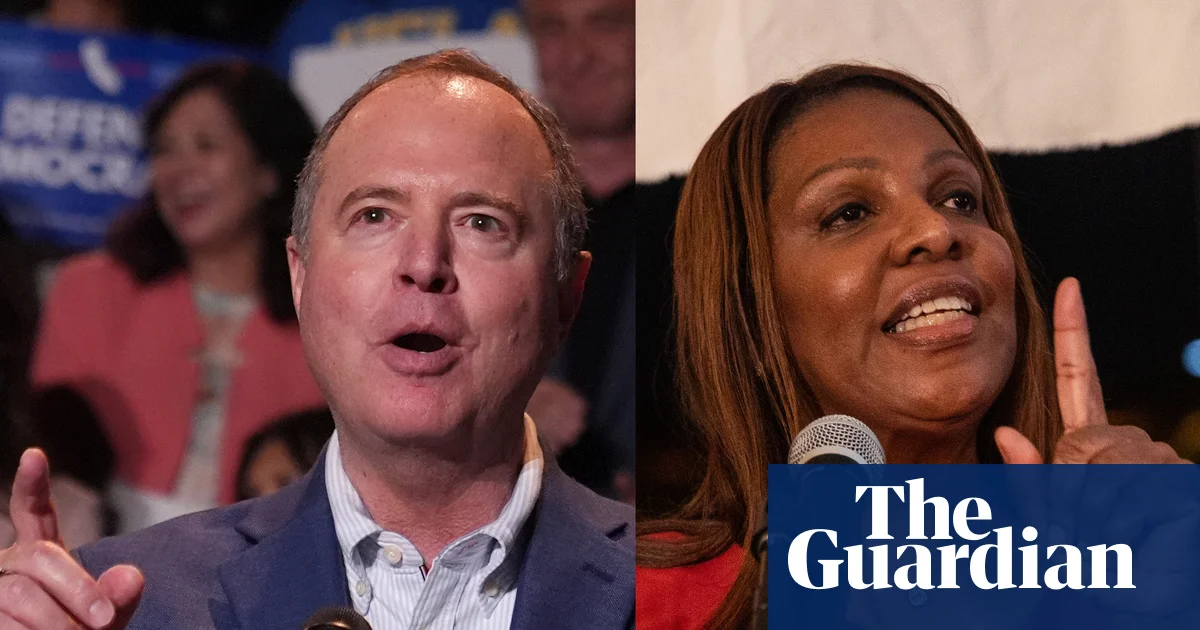
  • Ethics officials at Fannie Mae were sidelined after investigating claims that a top Trump ally improperly accessed sensitive mortgage documents involving Letitia James, the New York attorney general, and other senior Democratic officials.
  • Accusations by William Pulte, head of the FHFA, against figures like James, Senator Adam Schiff, and Federal Reserve Governor Lisa Cook have been branded as politically motivated, with experts questioning the legitimacy of such referrals.
  • The removal of key officials, including the acting inspector general, and the firing of senior staff, demonstrate an internal purge reminiscent of politically charged regimes, raising fears about the erosion of checks and balances within the American system.

International analysts and historians have voiced concern over how these internal power struggles may influence America’s global standing and its claim to uphold rule of law. The U.S., often perceived as a beacon of democracy and judicial integrity, now faces increasing scrutiny as internal conflicts turn towards systemic breakdown. The U.S. Department of Justice and Congressional bodies are under mounting pressure, with some observers warning that these internal disputes could weaken America’s credibility on the world stage. The increasingly evident politicization of investigative bodies fosters a narrative of internal chaos, weakening America’s diplomatic influence and opening a window for adversaries like China and Russia to question the country’s stability.

Prominent analysts, including those from the International Crisis Group, have noted that the internal disintegration of American institutions may embolden global authoritarian regimes who seek to capitalize on perceived American vulnerabilities. As history has warned, when a nation’s internal cohesion unravels, the international balance of power can shift rapidly. The political weaponization of federal agencies—a tactic increasingly visible in this saga—threatens to undermine Global faith in American leadership, particularly as the Biden administration grapples with the fallout of rising domestic unrest and institutional scandals. These events serve as a stark reminder that decisions within the halls of internal power are not isolated—they ripple outward, influencing societies worldwide.

As the dust settles on this latest chapter of American internal conflict, the weight of history remains heavy. The narrative continues to unfold, and the world watches as the United States faces an inflection point—whether it will emerge resilient or succumb to internal fracture. The ongoing fallout from these internal investigations and political purges could redefine the future contours of American democracy itself, shaping global geopolitics for generations to come. With every edifice of power shaken, the question remains: will this be the moment that the structure of the American republic is fundamentally redefined or a fleeting crisis in which renewal takes root?

Supreme Court Upholds Trump’s Block on $4B Food Aid Boost, Youth Grip Tightens

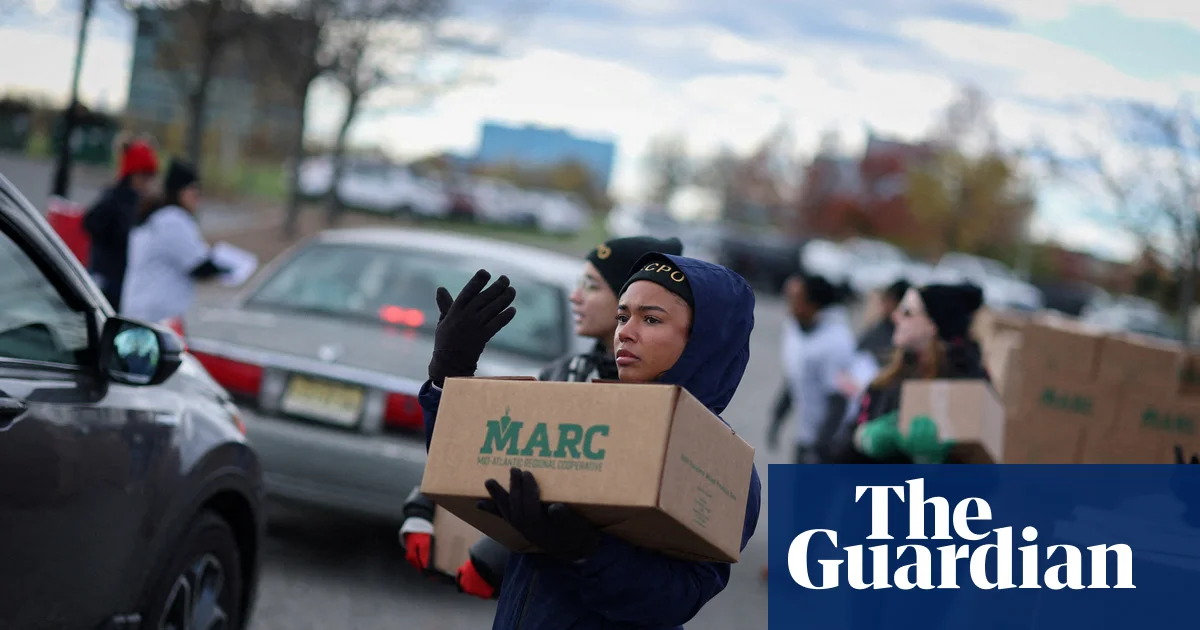
The United States finds itself at a critical juncture as a series of escalating political disputes threaten the social safety nets for millions. The Supreme Court recently upheld the Trump administration’s request to *pause* a federal judge’s order that would have apportioned $4 billion to the Supplemental Nutrition Assistance Program (SNAP). This decision has effectively frozen funds for the largest anti-hunger initiative in the nation, placing 42 million Americans—including countless vulnerable children and the elderly—at heightened risk of food insecurity during an already strained economic climate.

Analysts warn that this move not only jeopardizes immediate access to food for countless families but reflects a broader geopolitical impact. Plunging millions into uncertainty amidst internal political chaos underscores the fragile stability of America’s social fabric. As the House of Representatives prepares to vote on a package that could mark the end of the longest government shutdown in U.S. history, the Biden administration and Congress remain at loggerheads over federal funding. The administration insists that only through legislative compromise can vital programs be restored, a stance that continues to delay relief efforts and deepen the social crisis. The ongoing shutdown, intertwined with the clash over legislative priorities, continues to ripple outward, affecting states’ ability to deliver support and undermining public confidence in governance.

Meanwhile, the Department of Agriculture has issued directives for states to “immediately undo” benefits already disbursed, creating chaos at a local level where food pantries and community services are already overwhelmed. With only partial benefits issued for November, and no guarantee of federal reimbursement, the geopolitical ramifications extend beyond domestic borders, highlighting the profound impact of internal instability on local communities. According to observers like historians and social policy analysts, this episode exemplifies how political decisions—particularly those rooted in partisan deadlock—can have tangible consequences, exacerbating societal divisions and threatening the social contract.

The international community watches with concern as the United States, traditionally seen as a bastion of stability and economic power, falters in its moral obligation to protect its most vulnerable. As aid agencies scramble to fill the gaps, domestic disarray risks expanding into a broader crisis. The looming holiday season and the approaching winter threaten to intensify the suffering with no clear resolution in sight. This harrowing chapter in American history—marked by political infighting and social neglect—reminds the world that the internal stability of a nation often hinges on its ability to meet the basic needs of its citizens. Yet, the true cost may extend far beyond national borders, influencing global perceptions of U.S. leadership and stability.

As the pages of history continue to turn, the fate of the American social safety net remains in the balance, a stark reflection of a nation deeply divided. The unfolding drama raises profound questions about governance, moral responsibility, and international leadership—questions that will resonate long after the current crisis subsides. In a world where geopolitical shifts accelerate and alliances are tested, the true measure of a nation’s strength is revealed not in its wealth or military power, but in its capacity to care for its people during times of crisis. Whether the United States will rise from this moment stronger or succumb to internal disarray remains to be seen; yet, the weight of history presses heavily upon all—reminding us that in the darkest hours, the dignity of a society is truly tested.

Hamas Tunnel Defense Blocks Gaza Ceasefire Progress

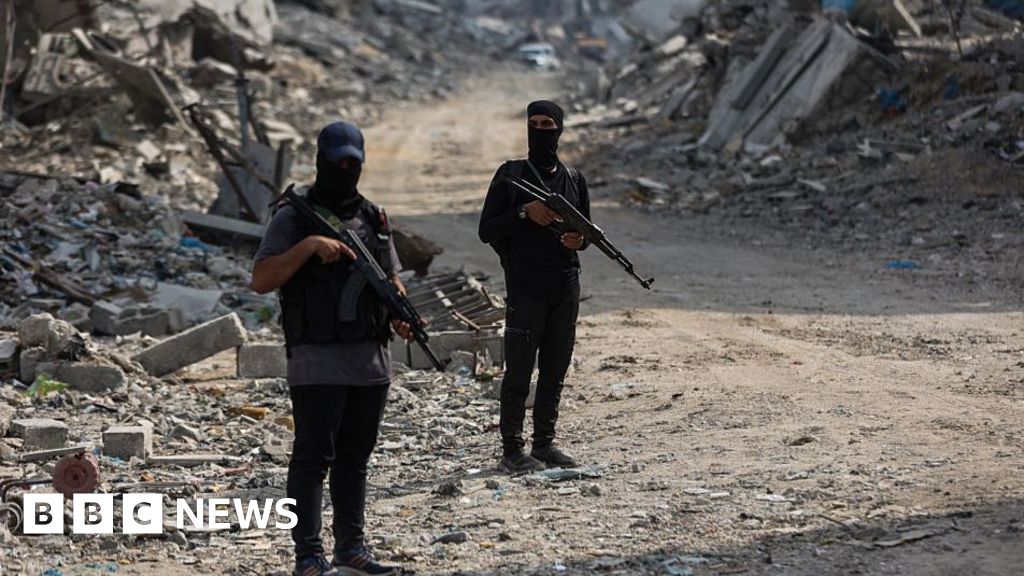
Amid escalating violence and political deadlock, Israel, the United States, and regional actors are embroiled in a tense effort to forge a lasting ceasefire in Gaza. The recent return of US envoy Jared Kushner to the region underscores the renewed diplomatic urgency. Despite the sporadic releases of hostages and humanitarian aid, fundamental issues such as Hamas’s disarmament, future governance of Gaza, and international security arrangements remain unresolved. Analysts from the International Crisis Group warn that these sticking points threaten to unravel international efforts, emphasizing how fragile peace still teeters on the brink of collapse.

Key negotiations have been marred by entrenched positions from both sides. Hamas continues to demand safe passage for its fighters in Rafah, which Israel has categorically rejected. Notably, the recent negotiations reveal a divide not only over tactical ceasefire measures but also over the overarching disarmament and demilitarization of Gaza. The plan, supported by some Western analysts, envisions a phased approach—initially securing the release of hostages and rebuilding trust, then progressing toward disarmament. However, Benjamin Netanyahu and his government maintain that any disarmament must be accompanied by the complete demilitarization of Hamas and the establishment of a robust international security force—a prospect that many nations and regional actors find problematic due to concerns over sovereignty and long-term stability.

Amid these negotiations, the regional geopolitical landscape is in flux. Arab countries, wary of the potential permanent division of Gaza, have issued cautious statements emphasizing the risks of a divided Palestinian territory. Meanwhile, Israel’s occupation of over half of Gaza’s territory and its resistance to involving the Palestinian Authority reflect a broader tension: how to reconcile security concerns with hopes for peace and Palestinian sovereignty. The Trump administration’s recent plan, notably excluding pathways to Palestinian statehood, has further deepened regional skepticism. Historians such as Rashid Khalidi argue that without a political solution rooted in Palestinian self-determination, the cycle of violence and fragmentation may continue indefinitely, with serious consequences for global stability.

As conflict continues, the weight of history bears down on negotiations that could define the future of the region. The ongoing tragedy—marked by over 69,000 lives lost and countless others displaced—reminds the international community that decisions taken today will echo through generations. With both sides entrenched and external powers cautious about full involvement, the possibilities for a sustainable solution appear so distant, yet the urgency to act remains clear. The story of Gaza is still being written, with each chapter promising either the dawn of peace or the descent into further chaos—here, history’s choice hangs in the balance, waiting to see which path will be forged in the sands of a conflict that has already reshaped the geopolitical map for a generation.

US Carrier Group Heads to Latin America, Strengthening Regional Presence

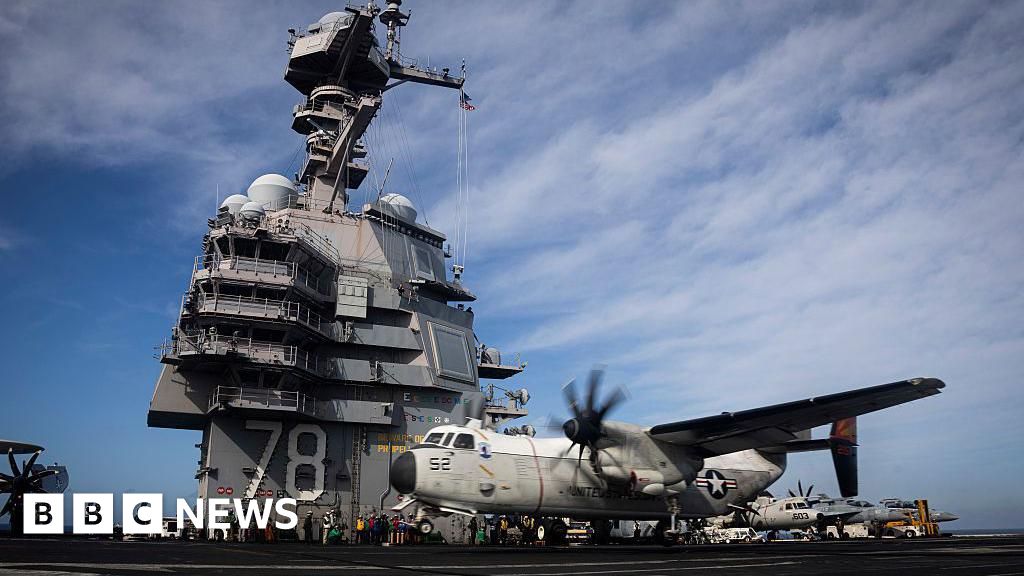
The recent deployment of a formidable US naval strike force to the Caribbean signals a significant escalation of America’s military posture in Latin America. Led by the USS Gerald R Ford, the world’s most advanced aircraft carrier, this deployment underscores Washington’s commitment to asserting its dominance in a region increasingly targeted by both illegal trafficking and political crises. The inclusion of guided-missile destroyers and a nuclear submarine among other vessels marks the largest US military presence in Latin America in decades, signaling a strategic pivot that many analysts argue is designed to control regional instability and assert influence amidst rising geopolitical competition.

According to Pentagon officials, this deployment aims to bolster capabilities to “detect, monitor, and disrupt illicit activities,” specifically targeting narcotics trafficking networks and criminal enterprises. However, critics and international observers warn that these operations are more than mere anti-drug initiatives; they are part of broader efforts to contain and influence the political landscape of the region, particularly in Venezuela and Colombia. Venezuelan President Nicolas Maduro and his government have long accused the US of attempting to provoke regime change under the guise of fighting crime, labeling US actions as “fabricated crises” meant to destabilize their socialist government. Such accusations highlight how military maneuvers are often intertwined with political motives, affecting the stability and sovereignty of regional nations.

Indeed, this intensified military presence comes at a time of heightened tension and ongoing conflicts. The US has conducted at least 19 strikes against alleged drug boats in the Caribbean and eastern Pacific, killing over 76 individuals. While the Trump administration defended these as necessary actions to prevent drug flow into the United States, many regional leaders and human rights groups have raised alarms over possible violations of human rights and due process. The escalation has also strained relations with Colombia and Venezuela, where governments have voiced concern over sovereignty infringements and the potential for these actions to provoke broader regional destabilization. Such developments are carefully scrutinized by historians and international bodies, who warn that unchecked military escalation risks igniting conflicts that could spiral beyond diplomatic control.

Some analysts suggest that these demonstrations of force are not just about regional security but also part of how international powers shift influence amidst a changing global order. The deployment coincides with rising power competition involving China and Russia, both of whom are expanding their footholds across Latin America. This move by the US can be viewed as an attempt to reassert dominance and contain the growing influence of rival powers in a strategic corridor vital for maritime trade and regional stability. History teaches us that such military gamesmanship often precedes larger conflicts or systemic shifts, with the region serving as a critical battlefield for influence between major global actors.

As the international community watches with cautious concern, the true impact of this military build-up remains uncertain. The coming weeks and months will reveal whether these show-of-force tactics will stabilize or exacerbate the ongoing crises across Latin America. The weight of history presses heavily on today’s decisions, with the specter of future conflict hanging in the balance. As the world’s eyes remain fixed on the Caribbean and beyond, one thing is clear: the unfolding geopolitical chess match is shaping the future of nations and societies, potentially rewriting the regional order for generations to come.

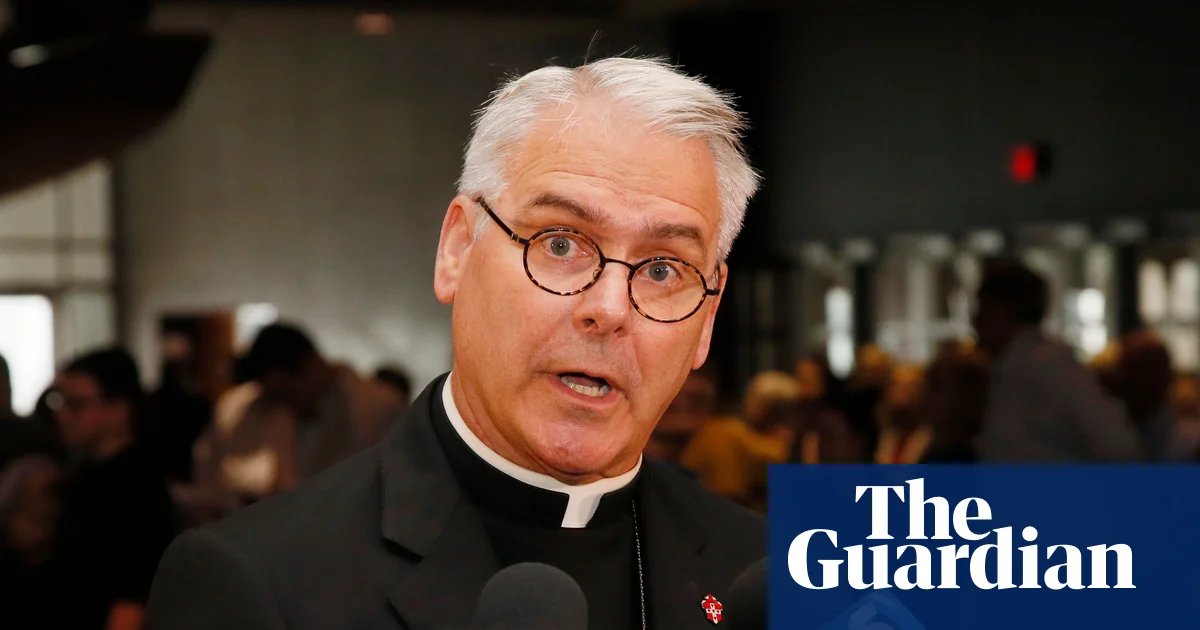
US Catholic Bishops Pick Conservative Paul Coakley as New President

In a decisive move reflecting the deepening ideological divide within America, the U.S. Catholic bishops have elected Archbishop Paul Coakley of Oklahoma City as their new president. His victory underscores a clear shift toward a conservative, culture-war orientation, positioning the church leadership in alignment with the policies of Donald Trump‘s administration. The vote, held amidst a landscape of internal division within the American hierarchy, reveals how longstanding religious institutions continue to influence, and are influenced by, broader geopolitical and cultural battles. The selection of Coakley, known as a staunch conservative with ties to the powerful Napa Institute, signals a strategic emphasis on defending traditional values against perceived societal erosion—a move that resonates beyond national borders, impacting the Church’s global posture.

Meanwhile, the bishops’ stance on immigration highlights the complex interplay between religious morality, national sovereignty, and international diplomacy. Despite their conservative leanings, the bishops have publicly affirmed their support for migrants, condemning harsh policies enacted under the Trump administration that have marginalized and detained countless individuals. Analysts from organizations like the International Crisis Group warn that such internal church debates mirror a larger geopolitical fissure: the clash between sovereign border control and international human rights standards. The bishops’ letter to the Vatican emphasizes their intent to stand with migrants, asserting that “the right to worship and due process” must be safeguarded, even as federal policies tilt toward stricter enforcement. This internal debate echoes in Europe and other regions, where migration remains a flashpoint of political conflict, and religious leaders are increasingly vocal about humanitarian obligations.

The international community watches intently as these internal church dynamics unfold amidst a global landscape riddled with uncertainty. The Vatican’s papal leadership, especially under Pope Leo XIV, whose recent call for “deep reflection” on the treatment of detained migrants, reflects a nuanced desire to influence American policy from within. Yet, their influence risks being overshadowed by the hardline policies embraced by segments of the global far right, which see in migration a threat to national identity and sovereignty. Prominent historians and geopolitical analysts argue that the internal polarization within the Catholic Church parallels the wider geopolitical shift toward nationalism and populism. The outcome of this internal religious struggle, coupled with national policy decisions, will almost certainly influence how nations cooperate—or clash—over issues of border security, migration, and human rights.

As this complex web of internal church politics and international relations continues to evolve, the weight of history presses heavily on future generations. The decisions taken now—whether to fortify national borders or to champion inalienable human dignity—will define the character of the 21st century. The world watches with bated breath, knowing that the lines of faith, policy, and power are converging in ways that could shape the global order for decades to come. The question remains: will the church and world leaders alike choose unity over division, or will this chapter of history be etched with further conflict, silence, and unresolved tensions—leaving future generations to navigate the fallout of decisions made in this pivotal moment?

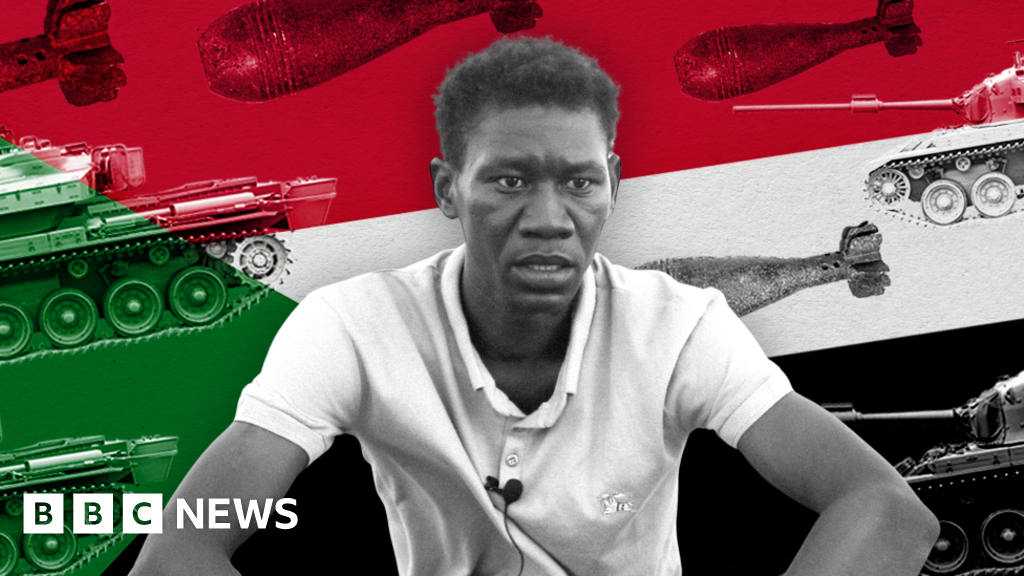
El-Fasher hospital worker warns of chilling terror ahead of suspected massacre exit

The ongoing Sudanese civil conflict has reached a catastrophic turning point with reports of mass atrocities in the city of el-Fasher. Since April 2023, a brutal power struggle between the Sudanese army and the Rapid Support Forces (RSF) has torn a nation apart, plunging countless lives into chaos, suffering, and despair. The recent escalation, especially in the western region, exposes a heartbreaking decline of humanity amid an already fragile geopolitical landscape. An eyewitness account from Abdu-Rabbu Ahmed, a doctor who survived the massacre at the Saudi Hospital, describes scenes of terror — bodies burned and buried in makeshift graves, hospitals devastated, and families shattered by violence. As analysts from international organizations highlight, this conflict is more than a domestic power struggle; it threatens regional stability and underscores the dangerous consequences when geopolitical interests collide with human rights.

Growing evidence indicates that the fighting has resulted in widespread atrocities, with satellite imagery suggesting the possibility of mass graves in el-Fasher’s hospitals and surrounding areas. Humanitarian agencies, such as the World Health Organization, condemn these acts as atrocities, while the RSF dismisses such allegations as propaganda, claiming all hospitals are abandoned. However, firsthand reports tell a starkly different story: witnesses describe bodies being dumped and set ablaze, medical staff kidnapped, and innocent civilians killed indiscriminately. These narratives, corroborated by satellite data and investigative footage, paint a grim picture of a city under siege. Historians and military analysts warn that such patterns of violence could establish a dangerous precedent for future conflicts in Africa and beyond, potentially destabilizing fragile states and encouraging similar tactics in regional insurgencies.

The geopolitical impact of this crisis extends far beyond Sudan’s borders. As neighboring nations grapple with the influx of refugees and displaced persons, global powers are divided in their responses, with some calling for intervention and others urging caution. The United Nations and regional bodies face mounting pressure to broker ceasefires, but institutional paralysis often hampers decisive action. Meanwhile, broader geopolitical interests — including strategic alliances, resource control, and influence over the Horn of Africa — complicate efforts to stabilize the country. Critics argue that foreign governments, by engaging in selective diplomacy, inadvertently embolden factions such as the RSF, worsening the humanitarian catastrophe. The loss of hope among Sudanese civilians, like Abdu-Rabbu Ahmed, serves as a stark warning of how international indifference can accelerate societal collapse. As the world’s gaze remains fixed on the unfolding chaos, many ask: how much longer can this cycle of violence continue before it tears the region apart?

The appalling images and testimonies emerge amid warnings from historians and political analysts that Sudan’s disintegration could ignite regional conflicts, drawing in rival states and creating a breeding ground for terrorism. The escalation demonstrates how international decisions—whether through embargos, peacekeeping missions, or diplomatic intervention—directly affect societal stability and the safety of millions. The conflict’s recent atrocities serve as a brutal reminder that the weight of history continues to unfurl, with each passing day shaping the future of a nation and the broader geopolitical universe. As Sudan’s cities burn and families flee, the silent question lingers: will the international community step up, or will Sudan be consigned to the pages of history as another victim of failed diplomacy and moral neglect?

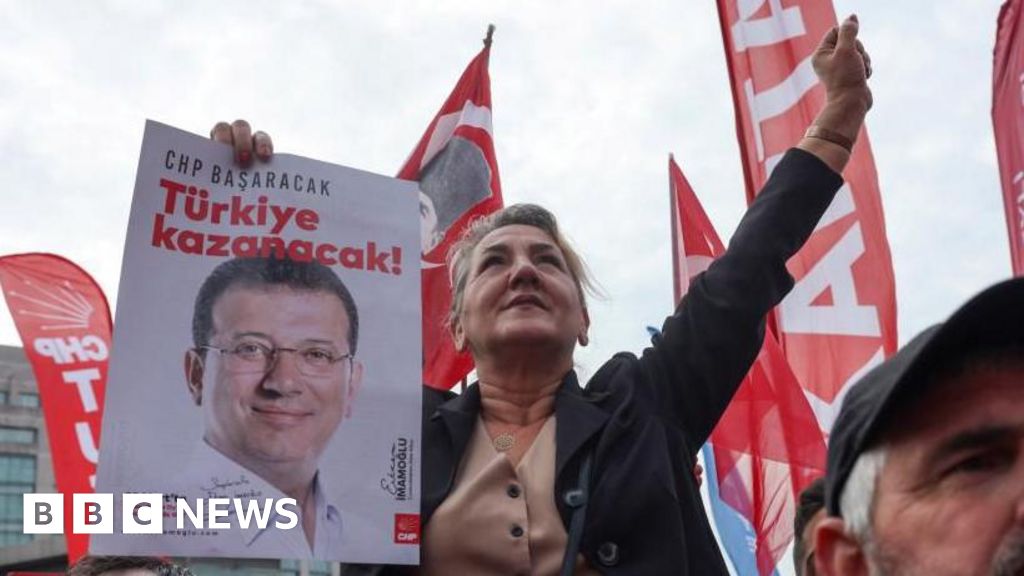
Turkey calls for over 2,000 years in prison for Istanbul’s popular Mayor Imamoglu

In a move that has sent shockwaves through Turkey’s political landscape, the mayor of Istanbul, Ekrem Imamoglu, faces a barrage of serious charges that threaten to reshape the nation’s trajectory. The prosecutor’s office in Istanbul has leveled accusations of 142 counts of corruption, bribery, and money laundering, claiming that Imamoglu was at the helm of a sprawling criminal network. Such allegations, if proven, could lead to a combined jail sentence exceeding 2,400 years — a staggering figure that underscores the gravity of what some analysts are calling an attempt to quash Turkey’s most prominent opposition figure.

The charges against Imamoglu, who achieved national prominence by defeating President Recep Tayyip Erdogan’s allies in the 2019 mayoral race and securing a landslide victory in April 2024, are widely viewed as a politically motivated crackdown. His supporters and opposition leaders alike argue that this move is aimed at dismantling the secular CHP’s strongest presidential contender for 2028. The Turkish government denies political bias, insisting that the judiciary operates independently and that these prosecutions are based on concrete evidence of corruption. Yet, many international observers, including analysts from the European Union and human rights watchdogs, see this as part of a broader pattern of eroding judicial independence under Erdogan’s increasingly authoritarian rule.

What makes Imamoglu’s case particularly significant is how it exemplifies the *turning point* in Turkey’s domestic politics — a nation increasingly polarized, with political rivals retreating into entrenched factions. Imamoglu, a figure representing secularism and democratic principles, has articulated a vision of reform that resonates with millions of Turks weary of authoritarian overreach. His detention, coupled with accusations of espionage, forging documents, and engaging in a criminal conspiracy, frames a critical geopolitical impact: Turkey’s internal political turmoil could ripple outward, unsettling regional stability and complicating its relations with Western allies. As society watches, the President’s supporters argue that this is a necessary step to root out deep-seated corruption, while opponents warn of the rise of a political witch-hunt disguised as justice.

Historically, such tactics — where judiciary processes are weaponized against opposition leaders — have been observed in other regimes transitioning from democratic ideals towards authoritarian consolidation. The United Nations and European Union have both expressed cautious concern over the increasing politicization of Turkey’s judiciary. Meanwhile, regional powers such as Greece and Europe are keenly monitoring the unfolding crisis, aware that Turkey’s internal stability directly influences broader geopolitical fluidity, especially in the context of conflicts in the Middle East and NATO dynamics.

As Imamoglu faces what many see as an orchestrated attempt to eliminate the opposition, the future of Turkey’s democracy hangs in the balance. His case has ignited protests across Istanbul and beyond, underscoring a profound societal divide. The decision of the courts next will forever shape the historical narrative of the nation: whether Turkey will regain its democratic footing or spiral further into a dangerous era of political repression. With history’s pen poised on the edge of a new chapter, the world remains watchful — for in Turkey’s fate lies a commentary on the resilience of democracy itself. The echoes of this tumult are sure to resonate, leaving a legacy that future generations will scrutinize — a story still being written with every bold step and every heavy silence in the corridors of power.

Social Media Auto Publish Powered By : XYZScripts.com