Matox News

Truth Over Trends, always!

California Bill Would Keep ICE Away from Polling Places—Protecting Your Vote

California’s Bold Move to Safeguard Voting Rights in a Divided America

In an era where the United States remains polarized, the recent introduction of a bill in California reflects a decisive stance on safeguarding electoral integrity amidst mounting tensions. Sponsored by state senator Tom Umberg and co-authored by Sabrina Cervantes, this legislation aims to protect voters by barring federal immigration agents, notably ICE, from stationing themselves near polling places during the upcoming midterm elections. The bill explicitly forbids federal agents from conducting enforcement actions within 200 feet of voting locations, citing concerns about potential intimidation and interference. This move underscores how domestic policy decisions are intertwined with international narratives about sovereignty and the preservation of democratic norms.

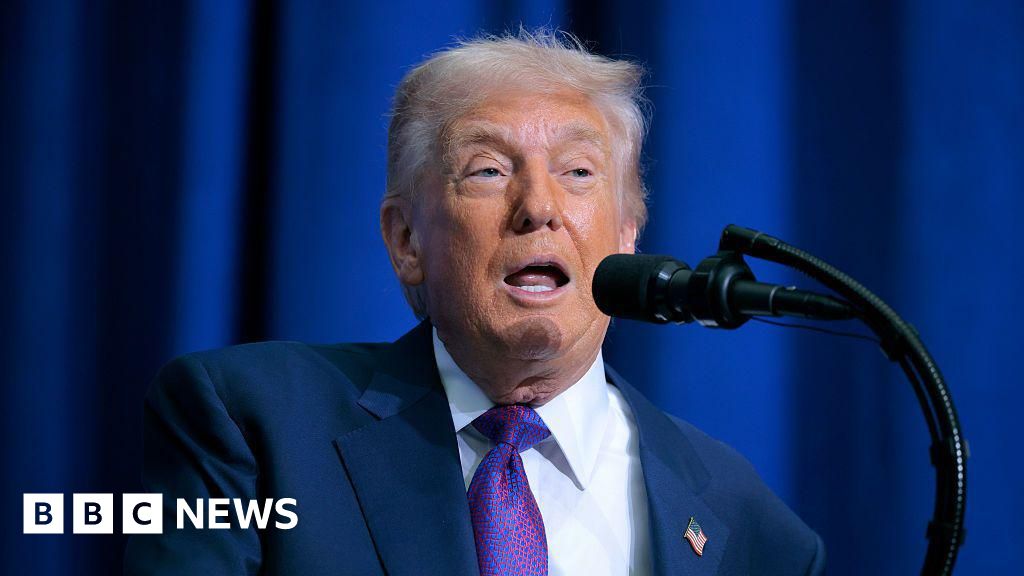
The legislation arrives in a context where former President Donald Trump and right-wing figures like Steve Bannon have amplified narratives alleging widespread voter fraud—claims that have repeatedly been debunked but continue to fuel political strategies. Trump’s call for voters to “nationalize” and “take over” voting in at least 15 locations reflects an alarming willingness to blur the lines between federal authority and partisan interests. These claims, dismissed by election security experts and international observers, serve as a pretext for advocates like California’s lawmakers to assert state-level protections against what they see as federal overreach. Analysts warn that such rhetoric threatens to undermine confidence in electoral processes, with long-term impacts on the stability of democratic institutions.

Adding geopolitical weight to the debate, international organizations have expressed concern about the potential erosion of electoral legitimacy driven by internal conflicts and misinformation campaigns. Historians note that extreme measures taken to manipulate or influence elections often echo tactics used by authoritarian regimes to consolidate power. The bill’s expansion of buffer zones and voting protections signals a commitment to uphold democratic principles, yet critics argue it also feeds into a narrative of crisis—one that could justify further federal intervention or inspire similar measures across other U.S. states. As the country teeters on the edge of an electoral precipice, the decisions made today could reverberate through generations, shaping how sovereign nations grapple with internal conflicts and external pressures alike.

International observers and political analysts emphasize that the stakes extend beyond California’s borders. The geopolitical impact of these domestic policies is profound: they exemplify a broader trend where internal disputes over sovereignty influence global perceptions of America’s stability. Historically, moments of internal strife, whether through civil war or political crises, have had ripple effects that reach far into international stability. As U.S. leaders prepare for a fiercely contested midterm season, the unfolding story of electoral security and federal-state conflicts remains a dramatic testament to the fragile architecture of democracy itself. The pages of history continue to turn, and with each chapter, the weight of human aspiration and the specter of authoritarian temptation hang in the balance, warning the world that the fight for free elections is a battle for the soul of nations.
Tariffs Ruling Deals Blow to Trump's Second-Term Plans
Tariffs Ruling Deals Blow to Trump’s Second-Term Plans

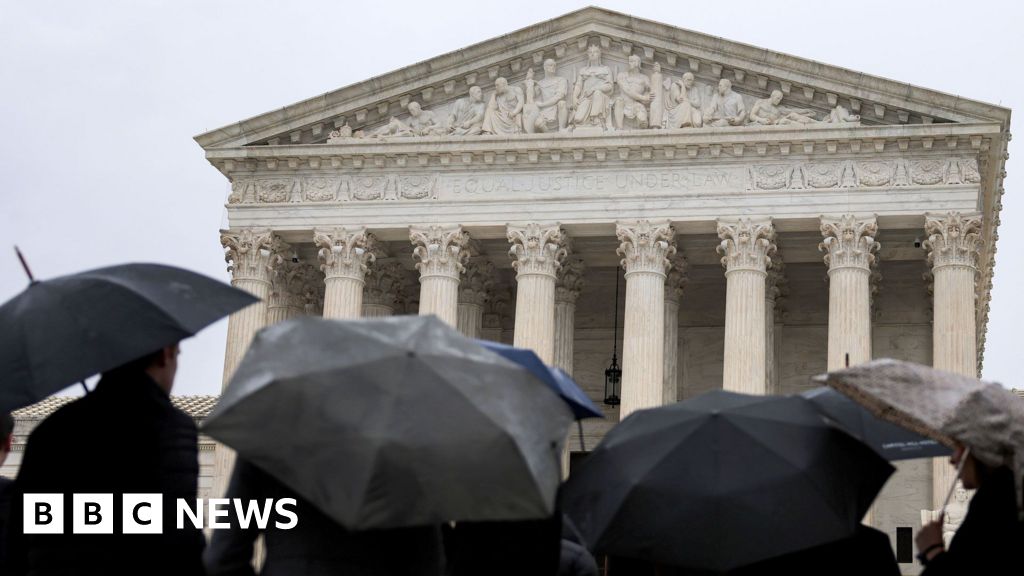
Recent developments in the United States judicial system have sent ripples through the international arena. According to renowned analyst Anthony Zurcher, the Supreme Court has taken measures that significantly diminish former President Trump’s capacity to negotiate and enforce international policies. This judicial pivot marks a critical juncture in US foreign policy, with potential consequences that extend well beyond American borders.

The core issue centers on the Supreme Court’s ruling which effectively constrains the executive branch’s ability to unilaterally engage in certain internationally oriented actions. Historically, US presidents have wielded wide-ranging authority in international diplomacy, often bypassing legislative hurdles through executive directives. However, recent rulings illustrate a shift towards judicial limitation, signaling a more cautious approach to executive power in global affairs. Experts and international organizations, such as the Council on Foreign Relations and the Brookings Institution, have expressed concern that this judicial stance could weaken the United States’ ability to project influence, negotiate treaties, or respond swiftly to global crises.

This legal development carries weighty geopolitical impact. As Washington grapples with domestic legal restrictions, allies and adversaries alike are reassessing the US’s reliability as a diplomatic partner. Countries like Russia and China view this as a signal of internal division, potentially emboldening their own strategic ambitions. Meanwhile, longstanding allies, especially in Europe, are watching these legal shifts closely, considering how forthcoming US actions—laden with legal uncertainty—will influence NATO and broader security arrangements. It is widely recognized among international analysts that legal constraints on unilateral action could inhibit the US from effectively countering rising threats like cyber-attacks, territorial disputes, and emerging military conflicts.

Adding to the complexity, historians caution that this judicial curtailing of executive power echoes a broader trend of institutional checks against prominent leaders, reflecting a delicate balance that has historically defined American democracy. Yet, some see it as a necessary correction to overreach, signaling a maturation of the US legal-institutional fabric. Nonetheless, the decision’s ripple effects may influence future administrations’ capacity to navigate the ever-changing web of international relations, for better or worse. As the world’s attention turns to these unfolding legal and diplomatic shifts, the question remains: what future will this new legal landscape carve in the annals of history?

In the shadow of these pivotal changes, the world holds its breath. The world’s nations, watching as the balance of power teeters on the knife’s edge of legal and political currents, are forced to ask: who will shape the future of global order—nation-states constrained or leadership unleashed? As history continues to write its complex narrative, one thing is certain: the impacts of this judicial decision will resonate across continents, affecting societies, economies, and the very fabric of international relations for generations to come.

US ramps up military presence with warships and fighters near Iran

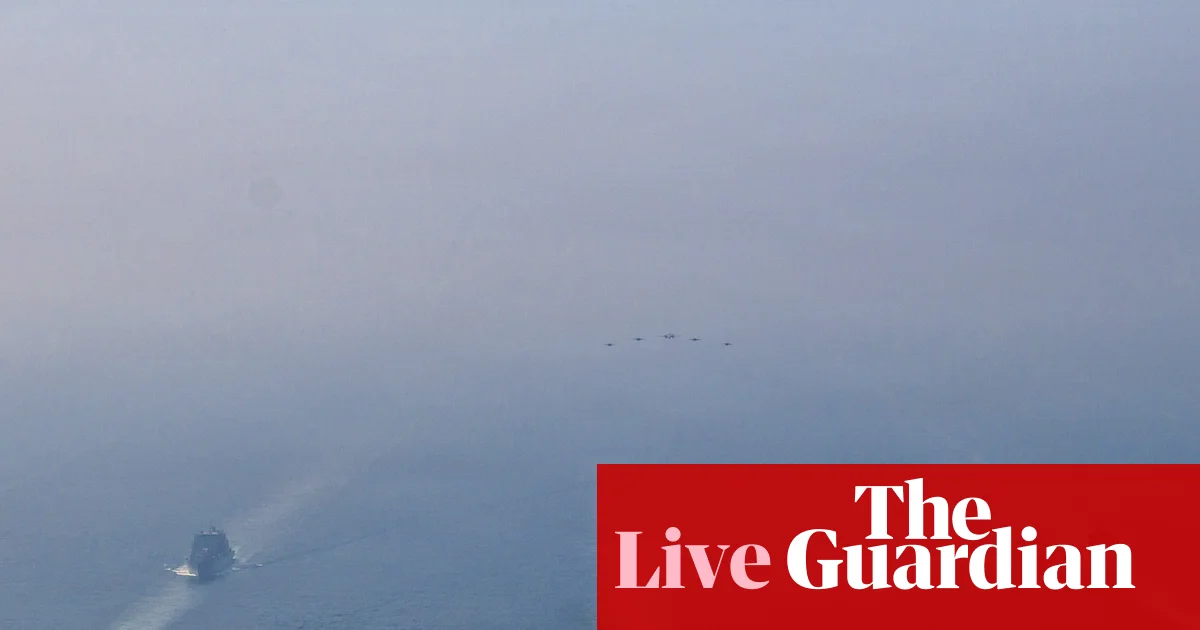
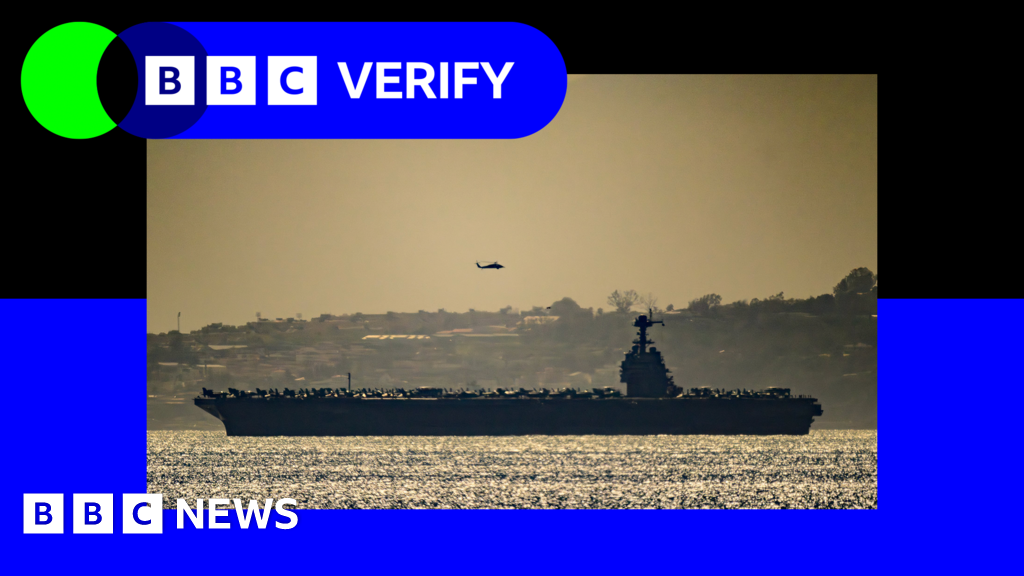
Recent international maritime activity underscores a significant shift in the geopolitical landscape, illustrating the readiness of the United States to project power amid mounting global tensions. Ship-tracking data confirms the movement of key naval assets, including the USS Mahan, a prominent destroyer in the US Navy’s strike group, which recently transited the strategic Strait of Gibraltar. This passage is not merely routine navigation but a clear signal reinforcing America’s military posture, particularly as the Gerald R. Ford aircraft carrier was observed off the coast of Morocco, suggesting a rapid redeployment towards an increasingly volatile Middle Eastern theater.

The U.S. military escalation was further evidenced by the tracked movement of another aircraft carrier, the USS Abraham Lincoln, earlier this week. Experts and analysts highlight that these movements are indicative of a broader strategic pivot, possibly in response to regional conflicts or emerging threats that threaten the stability of global order. Such naval deployments are often interpreted as signals to rival states, including Russia and China, as well as regional actors embroiled in complex conflicts. The active deployment of these formidable warships, capable of projecting air and sea dominance, underscores the U.S.’s commitment to maintaining freedom of navigation and safeguarding allied interests in strategically vital corridors.

International organizations, including NATO and the United Nations, have expressed cautious interest in these developments, with some analysts warning that such show-of-force maneuvers could escalate existing tensions or ignite new flashpoints. Historians warn that rapid naval movements by superpowers often precede larger confrontations, emphasizing the importance of diplomatic restraint. Yet, the current troop and asset mobilizations suggest that the calculus has shifted; the era of cautious diplomacy may be giving way to a more assertive posture. Countries in the Middle East and North Africa watch closely, aware that these demonstrations of military strength could influence regional alliances and political calculations.

This ongoing strategic ballet emphasizes how decisions at the highest levels of government ripple through societies worldwide, affecting not just geopolitics but the lives of millions. As these mighty warships cut through the Atlantic and reposition near tense hotspots, the world faces a critical juncture: a confrontation, a compromise, or an unpredictable turn in history. The unfolding narrative remains uncertain, but what is clear is that the great powers are once again aligning their ships and interests, shaping a future fraught with danger yet ripe with the potential for unforeseen change.

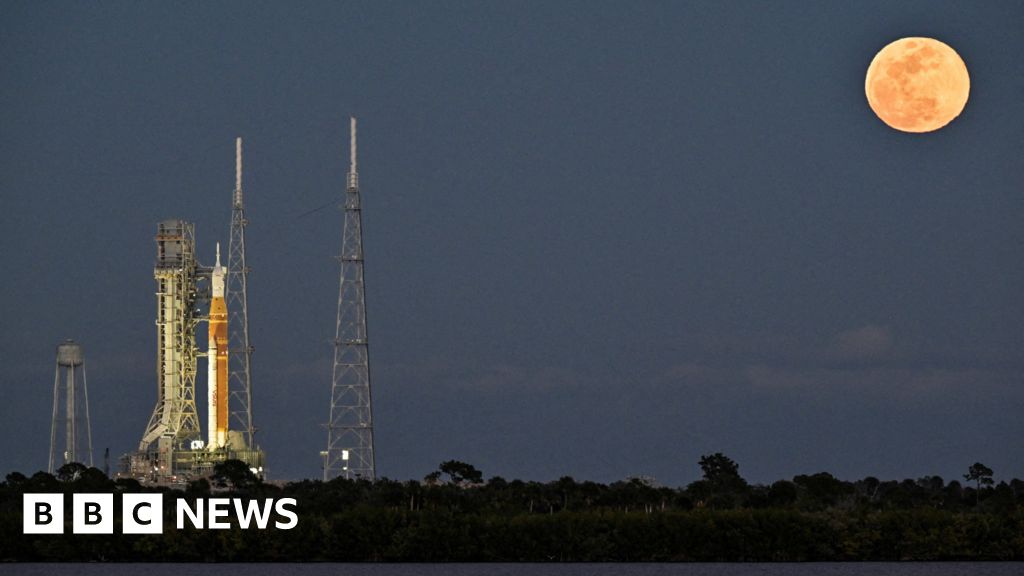
NASA plans to send humans back around the Moon as early as March—bold step forward for American leadership

In an exhilarating development for the global space community, NASA has officially announced the launch date for the highly anticipated Artemis II mission, following a successful “wet dress rehearsal”—a critical test simulating launch procedures and fueling operations. This marks a significant milestone in the United States’ renewed commitment to lunar exploration, positioning itself at the forefront of a new era driven by innovation, strategic competition, and international cooperation.

The recent checkmarks on the Artemis II mission are more than technical triumphs; they signal a pivotal moment in geopolitical and technological competition. As China and Russia accelerate their own space ambitions, the U.S. aims to solidify its leadership ahead of what many analysts call a “new space race.” This renewed emphasis on lunar exploration is not only about scientific discovery; it carries profound implications for national security, technological sovereignty, and influence in the emerging space economy. Experts from agencies like the European Space Agency (ESA) and China National Space Administration (CNSA) closely monitor these developments, understanding that space dominance is increasingly intertwined with Earth’s geo-strategic landscape.

Historically, space exploration has been a mirror reflecting the ambitions of the superpowers. The Artemis program, named after Apollo’s twin sister, aims to return humans to the Moon and establish sustainable presence by the end of the decade. NASA officials emphasize that this endeavor is not solely about scientific advancement but also about inspiring the next generation of explorers, engineers, and innovators. Yet, beneath this outward narrative lies a complex web of international dynamics: alliances, treaties, and emerging rivalries. As diplomatic tensions mount in other geopolitical arenas, space remains a crucial but contested frontier where the rules are still being written and the stakes are high.

As the countdown to launch begins, the weight of history looms large. The successful “wet dress rehearsal” has reinvigorated global attention, reaffirming the U.S. commitment to lunar exploration and technological primacy. However, global observers understand that this mission’s outcome will influence how nations chart their paths in space for decades to come. Will it herald a new era of international cooperation or deepen the existing rifts among powerful actors vying for dominance? The answer remains unwritten, but the world watches with bated breath as NASA prepares to take humanity a step closer to the stars, mindful that in the grand scheme of geopolitics, space is the next battleground—an uncharted domain where history’s next chapter is about to be written.

Consultancy Co-Founded by Peter Mandelson Hits Rock Bottom, Files for Administration

The recent collapse of Global Counsel, a prominent UK-based consultancy co-founded by Peter Mandelson, signals more than just a corporate failure—it highlights the far-reaching effects of personal associations and geopolitical reputation in the global arena. Once regarded as a leading public affairs firm with influence spanning Brussels, Berlin, Doha, and Singapore, the company’s downfall underscores the interconnected nature of domestic scandals and international affairs. As administrators from Interpath confirmed the company’s imminent liquidation, the ramifications resonate beyond business, exposing vulnerabilities in trust, reputation, and diplomatic influence.

The immediate trigger for this collapse traces back to public revelations that linked Mandelson to controversial figures1. Specifically, it emerged that Mandelson had sought advice from convicted offender Jeffrey Epstein in 2010—shortly after leaving office following Labour’s defeat in the general election. Despite efforts to dissociate the firm from Mandelson’s controversial past, client confidence evaporated virtually overnight, with many cutting ties amidst fears of reputational damage and unwanted scrutiny. This incident reveals how individual histories of prominent political figures can have direct consequences on the fortunes of their ventures—consequently impacting the broader political landscape, especially in the UK’s ongoing struggle to project influence through soft power.

Analysts and international organizations warn that such events have symptomatic significance: they reflect the fragility of alliances built on reputation rather than substantive policy. Historians, like Dr. Emily Johnson of the London School of Economics, argue that discrete episodes involving influential figures often ripple through the geopolitical fabric—altering perceptions, deterring foreign investment, and undermining diplomatic initiatives. The fallout from this scandal not only affects Britain’s soft power, but also casts a shadow of uncertainty across global policy corridors. Many see this as a warning that in today’s interconnected world, personal conduct of elites can become an external stressor capable of destabilizing departments of influence, especially those engaged in international consultation and policy advisory roles.

  • Client withdrawals and loss of trust have led Global Counsel to cease trading, with the loss of approximately 100 jobs in the UK alone.
  • Despite efforts to distance themselves, the scandal’s ripple effects impacted client confidence on an unprecedented scale, illustrating how reputational crises can quickly escalate into institutional failures.
  • The case poses questions about accountability within elite networks and the accountability mechanisms of global influence operations, echoing broader debates on transparency and ethical standards in public affairs.

As Wegg-Prosser resigned earlier this month, the collapsing empire of a once-renowned consulting firm underscores a larger truth: the age of unaccountable influence is waning, revealing cracks in the fortress of diplomatic and corporate discretion. This incident serves as yet another chapter in the ongoing story of how individual histories and personal scandals can reshape not only corporate trajectories but also the geopolitical narrative. Moving forward, nations and societies will increasingly scrutinize the personal backgrounds of those entrusted with shaping policy. History is watching, and the window for opaque influence is closing fast. As the global chessboard continues to shift, the question remains: in a world where reputations are currency, who will be the next to falter beneath the weight of history’s relentless gaze?

Montana Firefighter and Union Leader Battles to Prioritize Workers' Voice in the Big Sky State
Montana Firefighter and Union Leader Battles to Prioritize Workers’ Voice in the Big Sky State

In an era where geopolitical stability is increasingly intertwined with domestic policy shifts, the United States faces a pivotal crossroads. Recent upheavals within the U.S. Forest Service highlight the deeper fissures in the American political landscape—fissures that echo far beyond the borders of Montana. The abrupt termination of a quarter of Montana’s Forest Service employees, many with decades of service and personal hardship, exemplifies a trend of fiscal austerity measures and ideological assaults on public land stewardship. Such actions raise questions about how the priorities of government influence societal cohesion and the international reputation of a nation that claims to champion environmental conservation and social justice.

The story transcends local employment issues; it illustrates the concerted efforts by political elites, notably former Interior Secretary Ryan Zinke, to leverage public lands for corporate gain. Zinke’s record—characterized by his return to Congress and his tight alignment with industry interests—underscores a broader national and global debate. Critics argue that policies favoring extractive industries, under the guise of defending public lands, threaten not only environmental integrity but also social equity. International watchdogs, like the United Nations Environment Programme, warn of the long-term geopolitical consequences of unchecked resource exploitation—potentially fueling regional conflicts, displacing indigenous communities, and undermining international conservation treaties.

Within this turbulent domestic landscape, independent voices like Sam Forstag are emerging as defenders of the working class. Forstag’s candidacy for Congress disrupts the traditional politicization of public lands and workers’ rights—a battle that resonates globally. His campaign reflects a larger movement rallying around tangible policy solutions, including

  • expanding affordable housing
  • universal childcare
  • reforming healthcare

. Such policies, analysts argue, are essential not only for restoring domestic stability but also for asserting national sovereignty amidst powerful global forces seeking to suppress those who stand for their communities. The debate is about more than elections; it is about the future direction of a nation that once championed individual enterprise and community resilience, now threatened by a tide of corporate imperialism.

As the 2026 midterms approach, the world’s gaze turns to Montana—yet what unfolds there will ripple across seas and continents. The fate of leaders like Zinke and insurgent voices like Forstag is intertwined with the international ecosystem of geopolitics and environmental stewardship. The narrative of American policymaking underpins the shifting alliances and power dynamics that shape global stability. With each contested vote and policy battle, history is being written—one that may determine whether nations capita­lize on newfound unity or succumb to division and exploitation. The weight of history, once unfathomable, now presses firmly on this pivotal chapter: will the choices made today solidify a future of resilience and national sovereignty, or carve a path toward perpetual chaos? The answers remain unwritten, but the story is far from over.

Trump threatens strikes, demands Iran’s deal within 15 days — US warns Tehran

Rising Tensions and Strategic Movements: US Preparedness in the Middle East

In a clear demonstration of shifting geopolitical tides, the United States has amassed an unprecedented military presence in the Middle East. The deployment of the USS Abraham Lincoln aircraft carrier, along with an entire strike group equipped with F-35 Lightning IIs and F/A-18 Super Hornets, signals a readiness to escalate military options against Iran. For nearly a month, these naval forces have operated in the Arabian Sea, indicating a deliberate strategic posture aimed, analysts suggest, at exerting maximum pressure on Iran. Complementing this buildup, a second carrier, the USS Gerald R Ford, has been positioned in the Atlantic near Morocco, scheduled to traverse the Strait of Gibraltar en route to the eastern Mediterranean—a move that signals a potential for sustained air campaigns against key targets.

This military reinforcement coincides with recent comments by Donald Trump, publicly asserting a two-week ultimatum for Iran to negotiate on its nuclear program. Sources reveal that high-level discussions in Washington have circled around not only limited strikes targeting military or governmental sites but also the possibility of larger-scale operations aimed at dismantling Iran’s nuclear capabilities or even precipitating regime change. Military strategists within the Pentagon have emphasized that these carrier strike groups could generate “several hundred strike sorties a day for weeks,” exceeding even the intensity seen during the brief 12-days war in the Gulf. The precise intentions remain under wraps, yet the message to Tehran is unmistakable: the U.S. is prepared for a decisive escalation if diplomatic efforts falter.

Global Repercussions and the Balance of Power

The geopolitical impact of this military posturing extends far beyond regional borders. Historically, the presence of such formidable naval forces signifies more than mere deterrence; it signals America’s unwavering commitment to safeguarding its strategic interests and allies, particularly Israel. According to analysts from institutions like the Institute for the Study of War and the American Enterprise Institute, the deployment of forces—combined with intelligence movements such as the transfer of six E-3 Sentry Awacs aircraft to Prince Sultan Airbase in Saudi Arabia—indicates a readiness to launch an extensive aerial campaign. This potential for rapid escalation could destabilize the region further, risking wider conflict or drawing previously uninvolved nations into the swirl of wartime politics.

Notably, some military experts warn that the mere show of force might inflame tensions rather than resolve underlying issues. Several senior analysts contend that, given Iran’s robust underground facilities and asymmetric warfare strategies, conventional bombing could prove less effective and more destructive of regional stability. Yet, the Biden administration’s continued military buildup, reminiscent of the post-Iraq invasion surge, hints at an underlying resolve to influence Iran’s nuclear trajectory through maximum pressure. The broader geopolitical ripple effect will likely be felt across energy markets, NATO alliances, and the global balance of power, as nations recommit to the narrative of American dominance and interventionism.

Historical Warnings and the Fragile Path Forward

According to historians and diplomatic experts, the prolonged cycle of threats and military movements carries profound warnings. Since the 2003 Iraq conflict, the Middle East has been a theater where power decisions ripple into prolonged instability—consequences that nations and societies continue to grapple with. The current show of force, framed by some as a “prelude to conflict,” echoes Cold War dynamics and raises questions about the efficacy of military solutions in a complex geopolitical landscape. International organizations have urged restraint, concerned that an ill-judged attack could unleash chaos, destabilize nuclear negotiations, and threaten global energy supplies.

As the world watches the unfolding drama, the weight of history remains heavy on the horizon. Whether diplomatic negotiations will succeed or whether the specter of war will deepen, the decisions made today could define an era. With each carrier deployment and political declaration, a new chapter in the ongoing contest for influence is written—one where the boldest actions might yet carve a scar on history’s fabric, a reminder that in international politics, peace is often a fragile vessel, easily shattered by the weight of impending war.

Police Continue Search at Royal Lodge as Prince Andrew Faces Investigation—Latest Developments

In a development that has sent shockwaves across the United Kingdom and resonated on the international stage, the arrest of Prince Andrew of Windsor marks a historic deviation from centuries of royal immunity. Charged with misconduct in public office linked to sensitive emails concerning Jeffrey Epstein, the incident signifies a potential shift in how elites are held accountable, challenging long-standing perceptions of the monarchy’s inviolability. As law enforcement completes searches at the Royal Lodge and the Sandringham estate, the ramifications extend beyond British borders, threatening to redefine the global influence of the royalty and its connection with transnational illicit networks.

This unprecedented event underscores a palpable internal crisis within the UK monarchy amid mounting calls for transparency from political leaders, especially within the Liberal Democrats and international watchdogs monitoring human rights abuses. Notably, U.S. lawmakers, such as Representative Thomas Massie and Robert Garcia, have seized the opportunity to press for the disclosure of previously restricted Epstein-related documents, emphasizing that justice must extend across borders. These calls reflect a broader turning point—a recognition that accountability is no longer confined within national boundaries but is now a global imperative that transcends the walls of Buckingham Palace and the corridors of Washington D.C.

Analysts from institutions like the International Criminal Court warn that such high-profile arrests symbolize a precedent in diminishing the impunity historically enjoyed by historical elites. Beyond the legal implications, these events threaten to *alter* geopolitical dynamics, especially with King Charles scheduled to visit the US in April. As global leaders respond—ranging from Donald Trump calling the arrest a “shame” to UK officials asserting that “the law must take its course”—the scene is set for an era where international cooperation on justice intensifies, casting a long shadow over the latest chapter of monarchy and power.

Historians and geopolitical analysts agree that this incident signifies a *potential* reconfiguration of the longstanding imbalance of power between old-world aristocracies and modern democratic accountability. This moment may be remembered as the dawn of a new era where the myth of untouchable royalty gives way to a reality shaped by transparency, justice, and international consensus. Yet, the story is still unfolding, and as the British Crown navigates this crisis, the world watches with bated breath—knowing that within the corridors of power, the currents of history are shifting, and there are no certainties in how this chapter will ultimately be written.

Grey’s Anatomy Star Eric Dane, 53, Succumbs to ALS—A Wake-Up Call for Younger Audiences

In a stark reminder of the human toll inflicted by neurodegenerative diseases, the recent announcement of the actor, renowned for his starring role in HBO’s Euphoria, battling the most common form of motor neurone disease (MND), has sent shockwaves across international communities. This illness, often referred to as amyotrophic lateral sclerosis (ALS), continues to challenge nations, health organizations, and scientific research communities worldwide. The actor’s openness has humanized a condition that remains shrouded in uncertainty and despair, emphasizing the universal nature of this modern health crisis.

Motor neurone diseases are a class of neurodegenerative disorders characterized by the progressive loss of motor neurons—specialized nerve cells in the brain and spinal cord responsible for voluntary muscle activity. Despite advances in medicine, the precise causes remain elusive, with global research efforts hampered by limited funding, insufficient understanding, and complex pathology. As international agencies and medical institutions grapple with these challenges, the geopolitical impact becomes evident: certain nations are better equipped to lead breakthroughs, while others face exacerbated health inequalities. Countries like the United States, the United Kingdom, and multiple European nations continue to invest heavily in research initiatives; meanwhile, developing nations struggle with basic healthcare access, underscoring disparities that influence global health outcomes.

Historians and analysis from organizations such as the World Health Organization (WHO) highlight that the societal and economic consequences of neurodegenerative diseases extend beyond individual suffering, impacting healthcare systems, caregiving networks, and national productivity. The recent case of the actor underscores how international attention can catalyze funding, research, and awareness campaigns. Yet, critics argue that preventative measures remain underfunded and underprioritized on the global stage, with many policies outdated or ineffective. As the disease progresses in celebrities and public figures, there is a poignant reminder that this affliction does not discriminate—the vulnerable and the powerful alike face similar battles, shaking societal perceptions and urging action from policymakers and global health agencies.

Looking ahead, the strategic decisions made by nations, combined with the international community’s commitment to scientific innovation and ethical research, will shape humanity’s response to this incurable foe. Scientists warn that without a decisive shift in global investment and cooperation, ALS may continue to claim lives at an alarming rate, leaving families devastated and societies strained. The recent case study of this prominent figure acts as a catalyst for renewed urgency—urging governments, corporations, and individuals alike to recognize the urgent need for breakthroughs. History is watching, and the weight of choices made today will determine whether future generations will face the same relentless disease or finally overcome the darkness it casts upon humanity. The unfolding chapter is a stark reminder that humanity’s resilience is measured not only by the wars fought or the economies built, but by the unwavering pursuit of knowledge amid the shadows of despair.

Trump warns Iran: 10 days to seal deal or face serious consequences

The United States has recently initiated a significant military deployment to the Middle East, signaling a shift in both regional security dynamics and global strategic calculations. This move comes amidst high-stakes negotiations with the Islamic Republic of Iran over its contentious nuclear program. As diplomatic channels strain under the weight of decades-long mistrust, this military reinforcement underscores a broader narrative: the contest for influence and control in an already volatile region is intensifying, with worldwide implications.

The decision by Washington to escalate military presence is viewed by many analysts as a response to recent advancements in Iran’s nuclear capabilities, despite ongoing negotiations seeking a diplomatic resolution. According to experts such as Dr. James Steele, a senior analyst at the International Security Institute, “This surge of forces signals America’s readiness to project power and deter Iran from progressing further towards nuclear armament, which could destabilize entire regions.” The move also aims to reassure regional allies like Israel and Saudi Arabia, which have long expressed concerns about Iran’s regional expansionism and nuclear ambitions. The renewed military presence in key strategic locations around the Persian Gulf has consequently sent ripples through international markets, affecting oil prices and geopolitical alignments.

Historically, such troop movements often serve as a precursor to broader conflict or a reaffirmation of strategic commitments. In this instance, the decision comes at a critical juncture—as diplomacy remains fragile and trust diminishes. The United States is not acting in isolation: its allies in NATO and the Gulf Cooperation Council are watching closely, hinting at a potential escalation in regional security dilemmas. Meanwhile, Iran condemns these actions as provocative, warning that any aggression could be met with decisive responses, heightening fears of a wider confrontational spiral. The actions of Washington and Iran, therefore, underscore the delicate balance—where diplomatic efforts hang by a thread, and the possibility of conflict looms larger than ever.

International institutions and analysts recognize this moment as a turning point—one that could redefine the geopolitical landscape for decades to come. The United Nations and other global bodies have called for restraint, emphasizing that only through diplomatic engagement can peace be restored. Yet, history warns that such calls often go unheeded when national interests clash with the desire for regional dominance. The US and Iran now find themselves at a crossroads, where their choices will have profound implications for the future of international stability, regional sovereignty, and the global order. As the world watches with bated breath, the weight of history presses heavily on this moment—one that could either mark the beginning of a new era of diplomacy or plunge the Middle East into renewed chaos, forever shaping the course of the 21st century.

Social Media Auto Publish Powered By : XYZScripts.com