Matox News

Truth Over Trends, always!

Canadian amusement park considers euthanizing 30 beluga whales amid growing concerns

The ongoing controversy surrounding Marineland in Ontario has spotlighted broader issues of animal welfare, international diplomacy, and the responsibilities of governments toward their natural resources and societal values. The amusement park’s dramatic decision to threaten euthanasia for 30 beluga whales underscores the serious implications of regulatory decisions and the mounting pushback from animal rights groups. Marineland, a facility plagued by years of public scrutiny, sought to transfer these marine mammals to the Chimelong Ocean Kingdom in Zhuhai, China—a proposal now outright rejected by Canadian authorities.

The Canadian government’s refusal, led by Fisheries Minister Joanne Thompson, pivots on both conservation and ethical standards. She emphasized that recent legislation, including the 2019 refinement of fisheries laws, explicitly prohibits the use of whales and dolphins for entertainment purposes—an international shift aimed at phasing out captive cetaceans in favor of freer, more humane conservation efforts. This decision symbolizes a clear stance that public entertainment should not come at the expense of animal welfare. Critics and international observers, including marine biologists and independent watchdogs, view this as a vital step toward aligning policy with global ethical standards while challenging nations and corporations to rethink their engagement with captive marine life.

However, the dispute sharpens as Marineland rightfully argues it lacks alternative funding and lawful options to care for the whales. The park’s financial decline, exacerbated by declining visitor numbers and public outrage over previous welfare issues—such as the death of 20 whales since 2019—has grappled with the harsh realities of maintaining aging marine exhibits. The park’s plea for government aid was dismissed as “inappropriate,” illustrating a broader societal debate on whether economic necessity can justify compromises in animal welfare. This crisis resonates beyond Canada, highlighting how international treaties and national legislation are increasingly aligning against practices deemed outdated or inhumane, thereby affecting not only local industries but also international perceptions of national morality and policy.

  • In December 2022, the Canadian government reaffirmed its commitment to cruelty-free legislation, strengthening protections against using marine mammals for entertainment, symbolizing a decisive breach with past practices and setting a precedent strongly opposed by industries centered on marine captivity.
  • The international community increasingly views cetacean captivity as ethically unjustifiable, bolstered by organizations like World Animal Protection and others advocating for global bans on such practices, which could influence future trade and diplomatic deals.

Historian and geopolitical analyst Dr. Emily Carter notes that this event reflects a trend where national policies regarding animal rights serve as proxies for broader geopolitical dynamics. Countries projecting soft power through progressive legislation garner international goodwill, while those resistant may face diplomatic isolation. As the United States and European Union move toward stricter regulations, nations like China and Russia might perceive the rejection of such transfers as a challenge to their influence in the realm of international ethics and soft diplomacy. This case underscores the power of national legislative choices—though seemingly domestic—having far-reaching geopolitical impact, influencing international opinion, trade relations, and global standards.

As the darkness of this crisis looms—posing the possibility that these intelligent, sentient beings may face destruction—the world is faced with a stark choice. Will nations continue to prioritize economic and entertainment interests over moral responsibility, or will they embrace a new chapter where compassion guides policy? As history writes each chapter with the ink of decisions made today, the ongoing saga of the beluga whales serves as a stark reminder: in the realm of global morality, the weight of our choices will shape the future of human civilization and its relationship with the natural world. This unresolved chapter leaves us questioning—how much longer can society justify the commodification of life, when the moral compass of nations is being recalibrated amid the winds of change?

Tragic methanol overload claims life of young man in São Paulo

The recent surge of methanol poisoning in Brazil is shaping up as a significant public health crisis with far-reaching geopolitical implications. Over the past few weeks, reports from the state of São Paulo reveal a tragic toll—three confirmed deaths and over 225 confirmed cases, as authorities scramble to contain an outbreak associated with contaminated alcohol. The authorities’ investigations focus on both the source of the tainted drinks and the broader risks posed by illicit alcohol markets that often evade regulation in countries vulnerable to organized crime and economic instability.

While officials remain uncertain whether this crisis is accidental or part of a deliberate effort to undermine public safety, the situation underscores issues that transcend Brazil’s borders. In a global context, dangerous products—whether contaminated alcohol or counterfeit pharmaceuticals—highlight how illicit transnational trade flows threaten national sovereignty and public health. Experts from organizations such as the World Health Organization warn that the proliferation of toxic substances like methanol—frequently sourced from illegal fuel or cleaning product channels—poses systemic risks that are often underestimated. The death of a young woman, Bruna Araújo de Souza, along with the two men and dozens of hospitalizations, has intensified calls for stricter regulation, yet the problem persists, revealing flawed enforcement of existing laws.

The response of Brazilian authorities indicates a broader struggle against the shadow economy heavily intertwined with the illicit alcohol trade. More than 10,000 bottles have been seized, and at least 11 businesses have been shut down, yet the crisis continues. The impact extends beyond health; it questions the reliability of local businesses and the safety of daily consumption, particularly in urban hubs like São Paulo. The bar near Paulista Avenue—one of Latin America’s busiest districts—reported concerns from patrons and urged caution, exemplifying how trust in local commerce is eroding amid fears of contaminated products. These events threaten social stability and highlight the importance of international cooperation in trade regulation and public health safety.

Historians and analysts caution that these incidents are not isolated; instead, they serve as stark reminders of the digital age’s complexity in enforcing laws across borders. The United Nations and Inter-American Development Bank emphasize that unresolved economic inequalities and lax regulation create fertile ground for criminal enterprises, which exploit local vulnerabilities for profit. As the world watches, Brazil’s plight underscores how local health emergencies can quickly escalate, destabilizing geopolitical relationships, especially with nations involved in illicit trade networks. The ongoing investigation into whether the poisoning was deliberate or accidental adds a layer of complexity, yet the ultimate message remains clear: how nations respond to such crises will define their resilience in the face of transnational threats.

As the shadows of this crisis stretch across the political landscape, the heavy weight of history hangs in the balance. The unfolding story of methanol poisoning in Brazil is less about isolated incidents and more about a global struggle—an ongoing battle between lawful governance and criminal shadow economies. The outcome will determine whether societies can reclaim their streets, restore faith in local businesses, and prevent future tragedies from turning into yet another chapter in the ongoing saga of international disorder. As with all moments of upheaval, this chapter remains unwritten, yet its echoes will resonate through history’s corridors for generations to come.

Israel Sends Aussie Activists Back to Jordan Amid Gaza Tensions

Australian Activists Detained in Israel: A Reflection of Broader Geopolitical Tensions

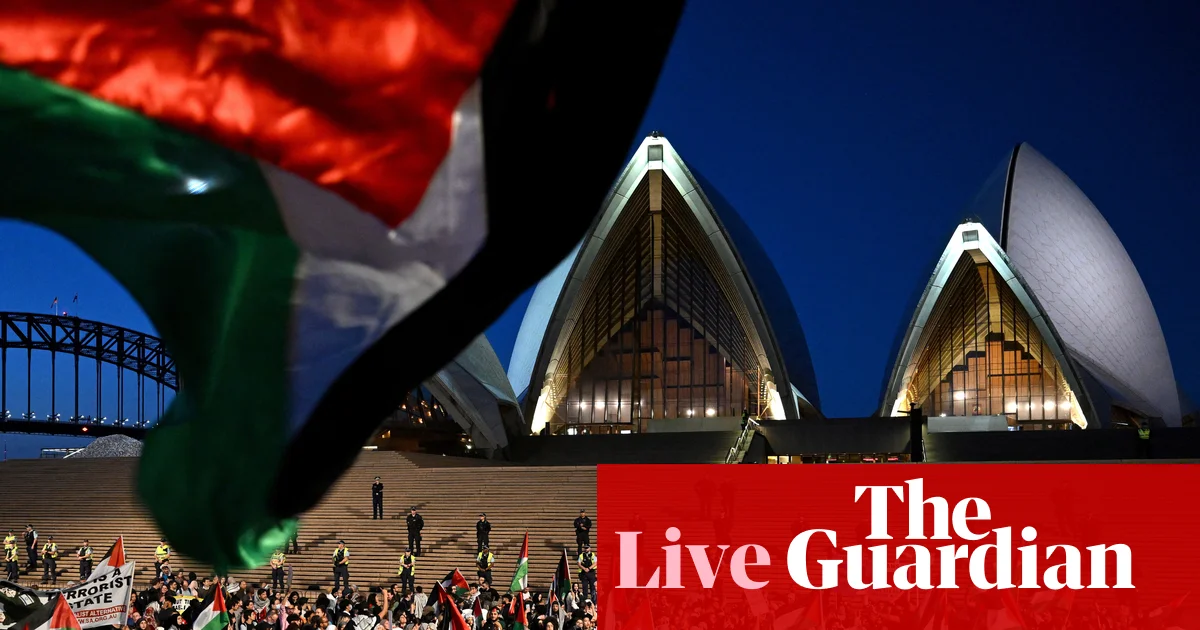
In a dramatic escalation of the ongoing conflict surrounding Gaza, a group of seven Australians detained during the interception of the pro-Palestinian flotilla has been deported to Jordan. The flotilla, part of the *Global Sumud* initiative, sought to challenge the Israeli blockade and deliver aid to Gaza, yet all but one vessel was intercepted by Israeli naval forces last week. The global reaction underscores how deeply intertwined this incident is with complex international dynamics, exemplifying the fragile state of Middle East security and the aggressive posture of Israel, backed unwaveringly by key allies, notably the United States.

Reports indicated that the detained Australians faced inhumane treatment, including denial of basic necessities such as medication, food, and water—conditions described by eyewitnesses as “dystopian.” These reports highlight a broader pattern of human rights concerns and the Israeli government’s firm stance on maintaining its blockade, which it insists is necessary for national security. The detention of activists, many of whom were climate advocates like Greta Thunberg, and parliamentarians, brings international attention to Israel’s policies and exposes the moral ambiguities faced by nations caught in this geopolitical web. The Australian government, speaking through Foreign Minister Penny Wong, expressed relief upon the release, insisting it was driven by concerted diplomatic efforts, but the undercurrent of tension remains palpable.

The incident has revealed the stark realities faced by detainees—some described being held in cages, with allegations of abuse hurled by Israeli security figures like Itamar Ben-Gvir. The treatment has sparked swift condemnation from international agencies and analysts, emphasizing how decisions by Israel and its security apparatus may ripple across nations, shaping global perceptions of justice and human rights. Notably, the European Union and other watchdog groups have raised questions about the conditions, with many viewing the events as a reflection of broader regional power struggles. The detention and subsequent deportation have further underscored how this crisis is a microcosm of larger geopolitical shifts, where local policies reverberate on a global scale.

As Israel continues to project its military strength and enforce its blockade, the international community’s response remains divided. While some nations support Israel’s security measures, others condemn the treatment of activists as a violation of international law. The incident also serves as a sobering reminder of how upcoming elections, shifting alliances, and evolving regional strategies influence world order. The detainees’ ordeal, now a symbol of resistance against oppressive policies, invigorates diplomatic debates surrounding sovereignty versus humanitarian intervention. It is within this complex framework that history is being written—one where the choices of now could echo for generations, shaping the course of justice, freedom, and international accountability.

Édouard Philippe Urges Macron to Hold Early Presidential Election for a Stronger Future

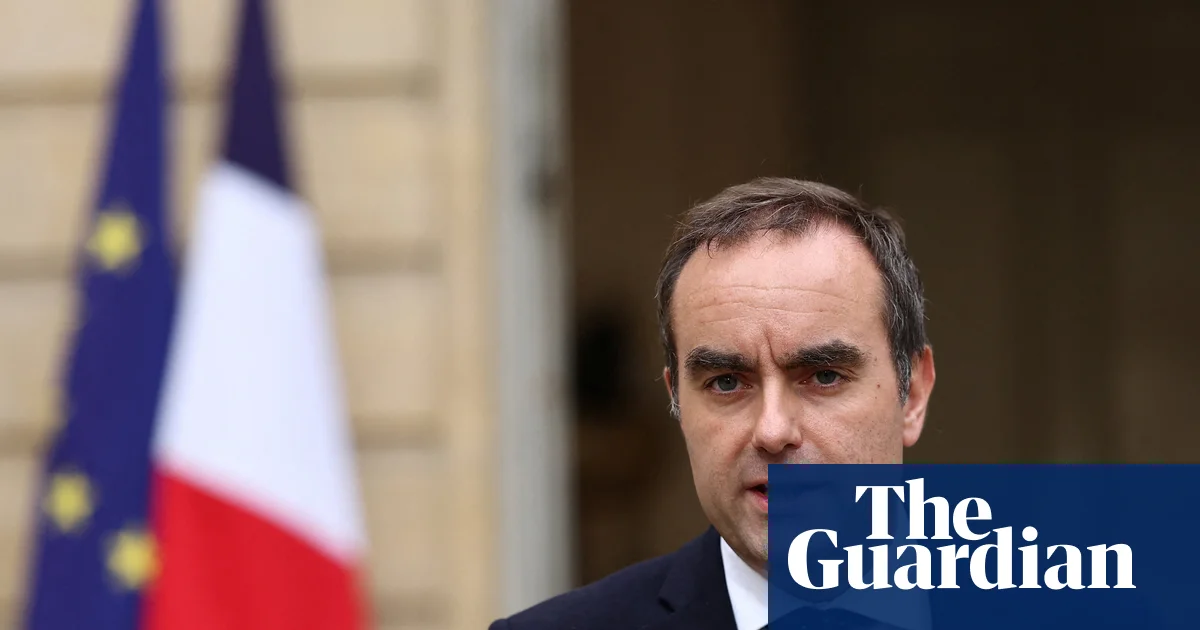
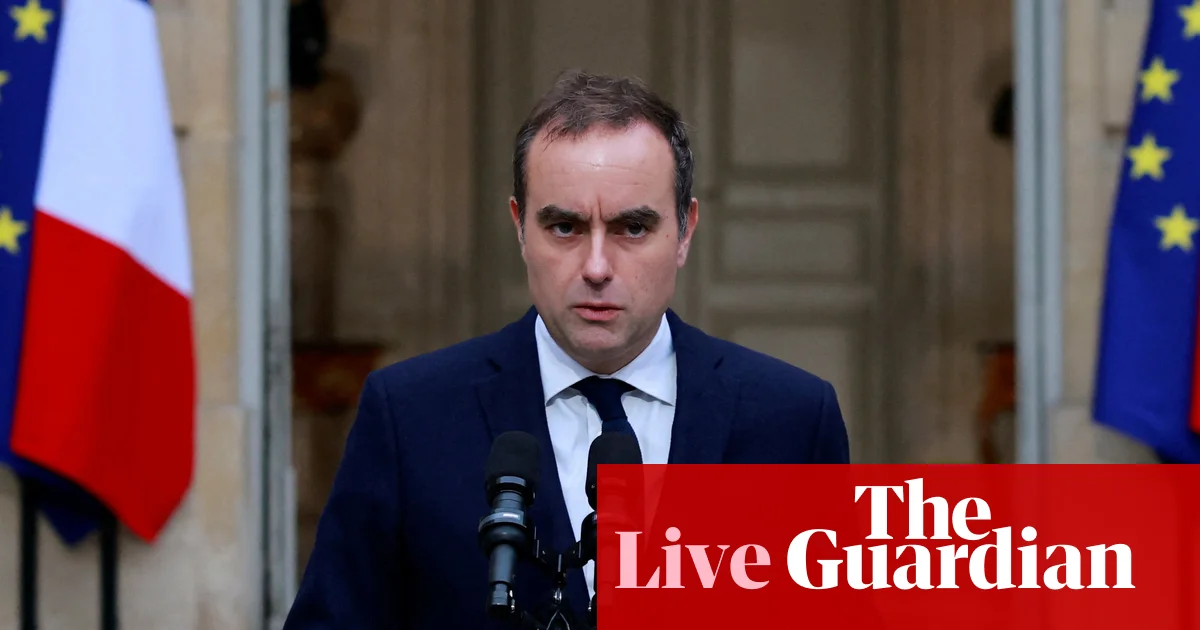
France finds itself embroiled in a phase of profound political instability that threatens not only its domestic stability but also has wider geopolitical implications. Since President Emmanuel Macron assumed office in 2017, France has grappled with mounting economic difficulties, a fractured parliament, and a loss of public confidence. The recent rapid succession of prime ministers—Sébastien Lecornu following Sébaud Lecornu’s resignation—illustrates the depth of the crisis. These upheavals have culminated in calls from within Macron’s circle for a strategic pivot: timing the appointment of a prime minister capable of rallying support for crucial economic reforms and then initiating early presidential elections.

Key political figures, including Macron’s former Prime Minister Édouard Philippe, have controversial opinions about the president’s handling of the crisis. Philippe’s recent remarks emphasize the need for Macron to exercise a pragmatic approach—placing national stability above partisan interests. “It’s up to the president to live up to his mandate,” Philippe asserted, underscoring the critical role Macron must play in resolving the status quo and ensuring a peaceful transition. Meanwhile, rising dissatisfaction within Macron’s own party, Renaissance, exemplifies waning support and growing dissent among his allies. Gabriel Attal, who briefly served as prime minister this year, publicly questioned Macron’s recent decisions—highlighting how internal party fractures are complicating efforts to stabilize governance.

International observers and analysts are warning of the potential fallout from a prolonged political crisis in France. The nation’s economic woes—particularly the soaring public debt projected to reach 5.4% of GDP—have only deepened unrest. Budget deficits, ineffective parliamentary support, and failed reforms have created a perfect storm, destabilizing French society and undermining Paris’s standing on the global stage. As France’s parliamentary majority appears increasingly tenuous, the risk of policy paralysis increases, which could cause ripple effects across European institutions. Critics suggest that without decisive leadership, France might descend into further chaos, with risks of social unrest and diminished influence in EU policy-making.”

Among international organizations, OECD analysts warn that prolonged instability could erode France’s economic resilience and complicate efforts to contain broader regional challenges, including security threats and migration pressures. Historians note that France’s current predicament echoes past crises where weak leadership led to upheaval—such as the fall of the Fourth Republic—serving as a stark warning that internal discord can rapidly escalate into wider instability. As Macron walks alone along the banks of the River Seine, his solitary figure symbolizes a nation at a crossroads—a country where the weight of history and the urgency of now collide, leaving the future shrouded in uncertainty. The question remains: will France’s leaders rally to forge a path forward, or will the mounting chaos plunge it into an irreversible decline? The answer—like history itself—remains unresolved, as time’s relentless tide continues to shape the fate of a nation.

Why is Trump pushing to send National Guard troops into American cities?

In an era marked by growing internal unrest and a contentious political landscape, the United States finds itself embroiled in a complex debate over the deployment of the National Guard. Under the leadership of President Donald Trump, federal authorities have taken unprecedented steps to involve military reserves in domestic law enforcement, primarily citing a need to quell violence and support immigration enforcement policies. As cities like Chicago, Portland, and others become flashpoints of protest, the legal and constitutional ramifications of these actions are raising alarms far beyond American borders. Prominent judicial figures, legal analysts, and international observers are scrutinizing whether these moves threaten the stability of civil liberties and the rule of law, or are a necessary assertion of federal authority in a fractured nation.

Legal Battles and Federal Powers in Question

  • The core of the controversy lies in 10 US Code § 12406, a rarely invoked clause that grants the president the authority to federalize National Guard units in cases of invasion or rebellion. President Trump has leveraged this law multiple times, deploying troops under the guise of defending national security, yet critics argue these justifications are stretched thin. California and Oregon have already filed lawsuits challenging these deployments—California’s governor, Gavin Newsom, labeling Trump’s actions as an attempt to ‘manufacture crises.’
  • Federal judges in Oregon, including Judge Karin Immergut, have temporarily blocked Trump’s efforts, ruling that such deployments amount to the imposition of martial law, which conflicts with the constitutional framework that limits military involvement in civil matters. These legal challenges underscore the delicate balance of power between the executive and judiciary, highlighted by the fact that the Posse Comitatus Act explicitly restricts military actions on American soil.

Through these court rulings, constitutional principles and legal boundaries have been thrust into the spotlight, exposing the tension between presidential authority and states’ rights. The ongoing legal saga reflects a broader geopolitical concern: how a nation handles internal dissent can ripple through international relations, especially as other nations watch a superpower at this pivotal crossroads.

Geopolitical Impact: A Nation Divided and Under Scrutiny

The unfolding crisis in the United States carries profound geopolitical implications. As the world’s leading superpower grapples with internal unrest, allies and adversaries alike are observing closely. China and Russia have seized upon the chaos, pushing narratives that portray the U.S. as increasingly unreliable and unstable—a narrative that could undermine the global influence of the West. Meanwhile, foreign leaders and international organizations warn that a fractured America risks losing its moral authority, especially when employing military force against its own citizens.

Some analysts warn that the perception of a nation willing to deploy armed forces within its borders to suppress dissent could set a dangerous precedent, emboldening authoritarian regimes worldwide. Historians specializing in American civil-military relations have noted that these actions echo past episodes of internal crisis where constitutional insurrection was met with military intervention—an epoch-shaping moment that redefines the country’s societal fabric.

The decisions made now, whether by judicial courts or the executive branch, will irrevocably influence the geopolitical landscape. Each deployment, each court ruling, and each political statement echoes in the corridors of power across continents, shaping history and the global perception of American resolve, stability, and adherence to constitutional principles.

The Unfolding Saga: A Nation in Transition

As the legal clashes continue and the National Guard remains a contentious symbol in the political arena, the weight of history presses heavily upon the present moment. With the world watching, the very essence of what it means to uphold liberty and justice is being tested. The choice of the United States—to deploy its armed forces in times of internal chaos—will echo through generations as either a reaffirmation of constitutional order or a shadowed chapter of authoritarian overreach. The story of this ongoing crisis remains unwritten, as history’s pen continues to document a pivotal chapter—a nation caught between preserving its founding principles and confronting the turbulence of its own making.

Mother of Hostage Tamir Nimrodi Holds Her Breath as She Awaits Trump’s Peace Initiative

The recent developments surrounding the ongoing conflict in Gaza have cast a spotlight on the fragile equilibrium of the Middle East, underscoring how decisions made at the highest international levels resonate deeply within the fabric of nations and societies. It has been nearly two years since the unprecedented attack by Hamas, which resulted in the brutal abduction of over 250 innocent civilians and the deaths of thousands of Israelis. The personal toll has been staggering; families like that of Herut Nimrodi continue to cling to hope for the return of loved ones, amid a landscape of unresolved conflict and political uncertainty. These stories, heartbreaking yet emblematic of resilience, are now intertwined with a critical diplomatic effort fueled by the United States and its proposed peace plan.

The emerging Trump peace initiative signifies a potential shift in how the international community might diffuse one of the most entrenched conflicts of the 21st century. While the plan is still under indirect negotiation, early signs suggest a different level of momentum—analysts and historians observe that such urgency might herald a rare window for peace. According to sources close to the negotiations, this plan aims to facilitate the *simultaneous* release of hostages and the de-escalation of hostilities, marking a pivotal turning point in regional diplomacy. The significance of these developments extends beyond immediate security concerns, highlighting what U.S. policymakers hope will be a blueprint for stability—yet how these decisions affect nations remains a complex calculus of geopolitics, public sentiment, and international law.

However, skepticism remains among seasoned analysts and international organizations. Many warn that such fragile negotiations could be derailed by regional factions or unforeseen escalations. The United Nations and other bodies have issued cautious statements emphasizing the importance of *verifiable* progress, but the delicate balance of trust among involved parties continues to erode. At the heart of this crisis lie real human tragedies—families torn apart, memories frozen in time, and the haunting hope of closure. As historian Dr. David Friedman notes, the history of peace negotiations suggests that this moment, while promising, could easily dissolve into another cycle of conflict unless concrete actions follow diplomatic rhetoric. The weight of history has often shown that the true turning point lies in whether human lives can be prioritized over geopolitical gains.

The geopolitical impact of the upcoming negotiations cannot be understated. Success could signal a new era of regional cooperation, potentially inspiring other conflict zones worldwide to pursue settlement through diplomatic means. Conversely, failure or missteps could deepen regional tensions, emboldening extremism and prolonging instability. The ripple effects of this moment will reverberate across borders, influencing economic, security, and social policies for decades. As the leaders of Israel, the Palestinian territories, and key global partners weigh their options, the world watches with bated breath, understanding that this is more than just another diplomatic effort—it’s a
battle for the soul of the Middle East and an enduring lesson about the high stakes of international decision-making.

In the shadows of diplomacy, the stories of ordinary families remind us what is truly at stake. The abduction of Tamir Nimrodi—captured in a haunting social media video—serves as a stark reminder of the human cost of ongoing hostilities. His mother’s unwavering hope, fueled by the belief that Trump’s plan might finally bring him home, underscores a resolve that echoes across countless families suffering in silence. Yet, their hopes are tinged with despair; days turn into years, and with every silence from Gaza, the fear of loss deepens, leaving a nation teetering on the brink of either reconciliation or prolonged chaos. The future remains uncertain, and as history continues to unfold, the world bears witness to whether justice, mercy, and diplomacy can transcend the cycle of violence, or if this chapter will once again be written in tragedy—an enduring story of hope and heartbreak intertwined on the pages of history.

Gaza Peace Talks Continue as Trump Calls Deal ‘Really Good’ Chance for Progress

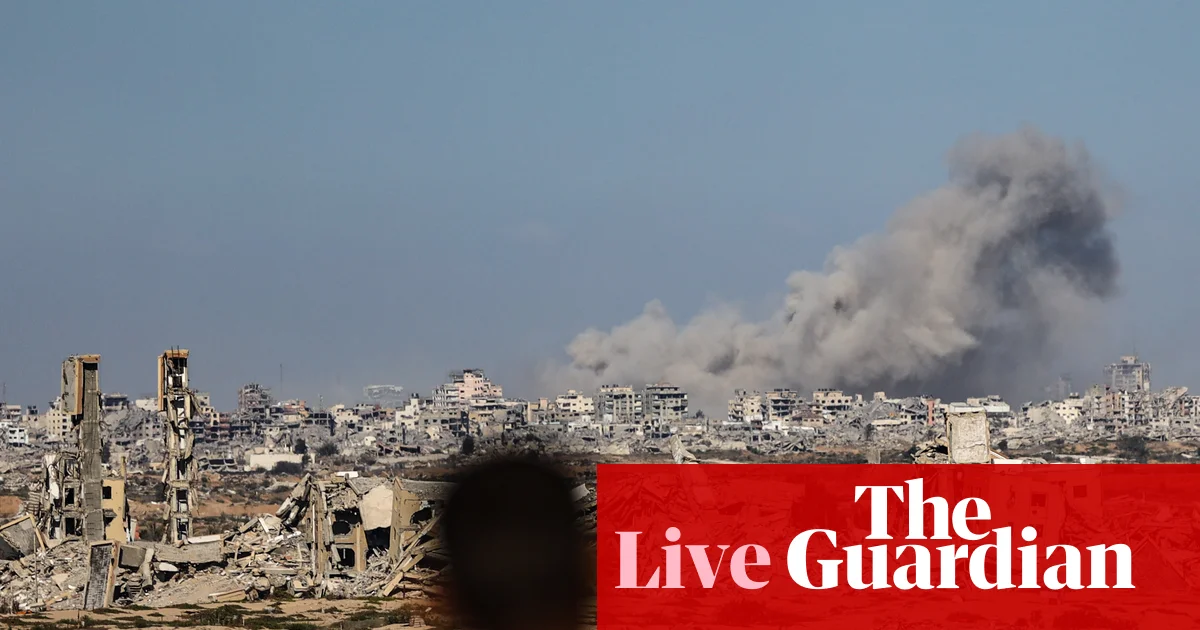
The Middle East remains at a pivotal crossroads, with recent developments in Gaza signaling both a potential shift in conflict dynamics and a test of international diplomacy. As Israel ratchets up its offensive in Gaza City, the international focus has shifted toward indirect negotiations aimed at forging a durable peace, with the U.S. peace plan emerging as a central, yet contentious, element of this process. The upcoming talks in Sharm El-Sheikh are crucial, as they seek to create the “field conditions” necessary for an exchange—one that could see hostages released and relative calm restored for the first time in months.

Leading this diplomatic push are influential figures like Donald Trump and **Israeli Prime Minister Benjamin Netanyahu**, who have expressed optimism about the possibility of an agreement. Trump, now a key envoy in the negotiations, publicly stated that the first phase of the peace effort—focused on the release of hostages—”should be completed this week,” indicating a real sense of urgency. Analysts and historians warn, however, that such optimistic rhetoric often masks deeply entrenched issues, particularly Hamas’s refusal to accept the plan’s **disarmament** clause and its insistence on remaining part of Gaza’s governance. Meanwhile, Palestinian factions and regional actors—especially **Qatar** and **Egypt**—are playing critical roles, facilitating shuttle diplomacy that is seen as essential given the profound mistrust between Israel and Hamas.

The geopolitical impact of these negotiations is profound. If successful, they could serve as a blueprint for a broader peace settlement—potentially reshaping societal relations and regional stability. Yet, the balance remains delicate. Israel’s security concerns persist, especially regarding Hamas’s future role, which remains a sticking point. Hamas’s statement indicated willingness to release all Israeli prisoners, both living and dead, but avoided addressing its disarmament—raising doubts among critics that foundational issues might plunge the talks into failure. International organizations such as the United Nations have called for restraint, with Secretary-General Antonio Guterres warning that the opportunity presented by Trump’s initiative “must be seized” to prevent further tragedy. Conversely, opponents argue that the peace plan, especially with its concessions, risks rewarding continued militant influence while failing to address broader issues of Palestinian sovereignty, thus challenging existing international norms.

As the conflict’s toll continues to climb—over 67,000 killed in Gaza alone, including thousands of children—the regional and global repercussions grow ever more urgent. Countries such as the United Kingdom and regional powers are now openly supporting the U.S. efforts, yet skepticism remains. Critics warn that history repeatedly demonstrates how fragile ceasefires and peace agreements can be, especially in a context where past promises have been broken and trust remains elusive. The voices of analysts like *Benny Morris* and *Rashid Khalidi* echo warnings that the deeper issues—like the status of Palestinian sovereignty, disarmament, and the future governance of Gaza—must be resolved for peace to hold. Otherwise, the cycle of violence threatens to erupt again, possibly even more devastating than before. As the world watches anxiously, the story of Gaza continues to unfold—each negotiation, each development, adding a new chapter to a conflict that Western leaders and regional stakeholders alike consider among the most complex and perilous the modern era has faced.

Skydiver loses life after tragic free fall—without a parachute

International Spotlight on Skydiving Safety as Tragic Incident Unfolds in Nashville

The recent fatal skydiving incident in Nashville, Tennessee, has ignited a global debate on the safety standards of extreme sports and the geopolitical implications of regulatory oversight. The incident, involving experienced skydiver Justin Fuller, underscores the risks faced by adrenaline enthusiasts worldwide, but it also highlights how national safety protocols can influence international perceptions and regulatory cooperation. As investigations unfold, analysts warn that such tragedies could prompt a reevaluation of safety standards across borders, potentially impacting the international skydiving industry.

The Federal Aviation Administration (FAA) has launched a comprehensive investigation into Fuller’s death, which authorities suspect resulted from a sudden separation from his client’s parachute during a tandem jump. Police reports confirm that Fuller, 35, appeared to have become disconnected from his parachuting rig, leading to his presumed fall from the sky, while his 46-year-old client survived by emergency parachute and was rescued hours later by Nashville Fire Department. This incident raises critical questions on international safety protocols and whether the current standards are sufficient to prevent such tragedies, especially for seasoned professionals like Fuller who dedicated their lives to teaching and advancing their sport.

From a geopolitical perspective, incidents like this resonate beyond local borders, affecting broader international discourse on regulatory harmonization. Historians and safety analysts argue that the globalization of extreme sports necessitates cohesive safety standards and transparent oversight, especially as international tourism and sports competitions grow. Notably, the skydiving community has seen increasing incidents worldwide, prompting calls for stricter international accreditation systems. Such evolutions could lead to potential treaties or agreements aimed at elevating safety benchmarks, yet they also risk complicating the industry’s competitive landscape.

  • The incident occurs amid rising scrutiny of safety practices following recent high-profile accidents in various countries.
  • Aviation and sporting authorities worldwide have debated the efficacy of current safety standards, with some advocating for stricter regulations modeled after FAA protocols.
  • International organizations, including the International Air Sports Federation, are under pressure to reinforce safety reforms, which could reshape industry norms.

As the world watches, the aftermath of this tragedy could serve as a catalyst for sweeping reforms that redefine international norms of adventure sports safety. While Nashville mourns its latest loss, the global community is reminded that the pursuit of thrill comes with profound responsibility — one that intertwines the fate of societies, the integrity of regulations, and the relentless march of history. The question remains: how many more must fall before the world collectively elevates the standards that safeguard human daring in the face of nature’s fury? In this unfolding story, the margins between safety and catastrophe are razor-thin, and the weight of history continues to press upon the present, demanding action before another life is lost to the skies.

Sudan militia leader found guilty of Darfur war crimes—justice for victims begins

Legacy of Justice and Shadows of Conflict in Sudan

The recent conviction of Ali Muhammad Ali Abd-Al-Rahman, commonly known as Ali Kushayb, by the International Criminal Court (ICC) marks a significant milestone in the ongoing quest for accountability amidst Darfur‘s tumultuous history. As the first individual tried by the ICC for atrocities committed during the 2003-2020 conflict, Kushayb’s guilty verdict on 27 counts underscores the global community’s recognition of the scale of violence inflicted upon non-Arabic populations during those dark years. Historians and analysts agree that this verdict serves as a pivotal acknowledgment of the systemic atrocities committed by the Janjaweed— a militia backed by the Sudanese government— which systematically targeted ethnic minorities with genocidal intent. The case emphasizes the enduring importance of international justice in addressing war crimes, even decades after the initial violence.

However, the shadows of Darfur extend beyond the courtroom, casting an ominous pall over present-day Sudan. The region is once again embroiled in conflict, this time unfolding between the nation’s military and the paramilitary Rapid Support Forces (RSF). The RSF’s origins lie in the Janjaweed, and recent years have seen their transformation into a formidable fighting force accused of ethnic cleansing against non-Arab communities—carrying the same lethal ideology that fueled past atrocities. Inspired by the same patterns of ethnic violence, the current civil war threatens to undo fragile efforts at stability, leaving many displaced and vulnerable. International organizations, including the U N, have condemned the RSF’s actions, which mirror the tactics of terror and systematic destruction witnessed during the Darfur crisis. This continuity highlights how ideological and military institutions ingrained in Sudan’s history continue to threaten regional stability.

Prominent voices such as Dr. Matthew Benson-Strohmayer from the London School of Economics warn that the current conflict is a “war of terror,” characterized by sexual violence, starvation, and wholesale destruction—paralleling the worst aspects of Darfur’s past. Despite the symbolic significance of Kushayb’s conviction, many remain skeptical about its immediate impact on ending the violence. The international community’s efforts to hold Sudanese officials accountable, including warrants against former President Omar al-Bashir, have yet to bring comprehensive justice or peace. This ongoing impunity allows the cycle of violence and ethnic cleansing to persist, undermining the rule of law and global efforts aimed at fostering reconciliation. As history lingers, it becomes increasingly clear that international justice alone cannot dismantle the deeply rooted factions fueling the conflict.

As the dust settles over The Hague, and the verdict stands as a stark reminder of past horrors, the fate of Sudan hangs in the balance. The recent events serve as a powerful warning: successful justice might offer a moment of moral victory, but without comprehensive political resolution and local reconciliation, the specter of war continues to cast its shadow over generations. History’s pen is still writing Sudan’s story, a tale of trauma intertwined with resilience, unresolved conflicts, and the relentless pursuit of justice—leaving the world to wonder whether this verdict will be a turning point or merely a pause before the next chapter of chaos unfolds in the heart of Africa.

Youth protests turn violent as shoe hurled at India's chief justice over religious row
Youth protests turn violent as shoe hurled at India’s chief justice over religious row

India’s Judicial Integrity shaken: Shoe hurled at Chief Justice amid religious controversy

The recent incident in India where an attorney launched a shoe at Chief Justice BR Gavai during a courtroom session has ignited a firestorm across the nation, exposing the profound tensions simmering beneath its democratic veneer. The act, widely condemned by leadership across the political spectrum, underscores a volatile intersection of religious sensitivities and the fragile fabric of Indian society. As Prime Minister Narendra Modi denounced the attack as “utterly condemnable,” analysts warn that the upheaval signals deeper fissures within the country’s delicate balance between tradition, law, and nationalism.

The confrontation appears rooted in escalating religious tensions, particularly surrounding comments made by the Chief Justice about a recent court petition involving Hindu beliefs. When Chief Justice Gavai dismissed a plea to reconstruct a revered idol of Lord Vishnu, his remark—”This is purely publicity interest litigation… Go and ask the deity himself to do something”—sparked accusations of mockery directed at Hinduism, one of India’s most influential religions. Although Gavai later articulated respect for all faiths, the controversy reflects the ongoing challenge of navigating religious sensitivities within an increasingly polarized nation. Historians and social commentators caution that such disputes, if unmitigated, could further entrench societal divisions and undermine the rule of law.

The attacker, Rakesh Kishore, was immediately detained and later suspended from his legal practice, yet the broader implications extend beyond individual culpability. The incident epitomizes a cultural clash—where traditional expressions of protest, like a shoe-throwing gesture, are symbolic acts of humiliation and disrespect. In recent history, similar acts have punctuated global moments of political unrest: in 2008, an Iraqi journalist hurled his shoe at then-U.S. President George W. Bush, and earlier this year, a shoe was thrown at Kenyan President William Ruto. These acts, though shocking, reveal how deeply frustrations with leadership and societal injustices have reached a boiling point. For India, the gesture may symbolize a dangerous shift where respect for institutions is eroding, replaced by raw protests that threaten stability.

Expressing concern over the ramifications, international organizations and foreign analysts emphasize that such confrontations threaten the very tenets of democratic discourse. The United Nations and regional watchdogs have historically warned that respect for judiciary independence and religious harmony are pillars of national stability. Failure to address these sources of tension, analysts argue, could lead India down a path marked by increasing societal polarization and diplomatic isolation. Prime Minister Modi’s intervention emphasizes the importance of societal cohesion, yet critics argue that without addressing underlying causes—religious intolerance, political polarization, and miscommunications—the cycle of conflict will only intensify.

The incident leaves the world at a pivotal juncture, with India’s future precariously balanced. As history witnesses moments when societal fractures threaten to escalate into conflicts, the weight of the unfolding crisis in India reminds us that the boundaries between respect, dissent, and chaos are ever fragile. The remarkable resilience of India’s democracy will now be tested—whether it can heal its scars or succumb to new forms of unrest remains an open question, emerging from a chapter where tradition and modernity clash in the shadow of history yet to be written.

Social Media Auto Publish Powered By : XYZScripts.com