Matox News

Truth Over Trends, always!

First wild beaver in Norfolk in 400 years sparks curiosity and debate

England’s Rewilding Shift: Beavers Make Wild Return in Norfolk

England is once again witnessing the return of a species long thought extinct in the wild, with a beaver sighting in Norfolk marking a significant milestone for conservation and rewilding efforts across the United Kingdom. After nearly five centuries of eradication, the sighting of a lone beaver navigating the River Wensun near Pensthorpe exemplifies the ongoing transformations in Europe’s ecological landscape. This resurgence, while inspiring, raises critical questions about international environmental policy and the future of native ecosystems.

Historically, beavers were hunted to extinction in England by the early 1500s, primarily due to their valued fur and the perceived threat they posed to timber transportation. Now, their return signals a *potential turning point* in the European environmental movement, emphasizing the importance of native species revival. Since 2015, when a wild litter was first documented in Devon, efforts by organizations such as Natural England to facilitate beaver reintroduction have gained momentum. According to recent reports, the UK government is considering licensing more projects aimed at restoring these ecological engineers, with at least twenty applications pending from entities like the Wildlife Trusts. These decisions are not merely about individual species but about shaping a new chapter in European nature conservation.

Yet, the geopolitical impact of these ecological initiatives extends beyond the British Isles. With Scotland having formally permitted the movement and release of beavers since 2021, the broader European response hints at a continent increasingly embracing rewilding as a tool for environmental stability and climate resilience. These efforts have fervent supporters among environmentalists and scientists, who argue that beavers enhance biodiversity, improve water quality, and mitigate flooding — benefits sharply contrasting with the fears of land-use conflicts and economic interests. However, critics caution that such reintroductions must be carefully managed to protect agricultural interests and prevent unforeseen ecological shifts that could destabilize existing habitats.

International organizations, like the European Environment Agency, emphasize the importance of cooperation and scientific oversight in these initiatives. Meanwhile, the UK’s fragmented approach, with nations like England still cautiously advancing, underscores the complex dance between ecological restoration and socio-political realities. Historians such as Dr. Elizabeth Hall have noted that the return of a species like the beaver is not merely a biological event but a powerful symbol of human commitment to correcting past ecological mistakes. The recent sighting in Norfolk, possibly the product of natural dispersal or a controversial ‘beaver bombing,’ highlights ongoing debates about the legal and ethical frameworks surrounding rewilding.

As the British landscape begins to reclaim its lost species, the larger narrative unfolds with a sense of historical gravity. The moment the beaver was first seen in Norfolk may seem small, but it resonates as a *warning* — a sign of how far the world has come in recognizing the importance of partnerships between nature and humanity. Still, with each return comes increased responsibility. The future of this ecosystem, and perhaps others across the continent, now hinges on a delicate balance. As the pages of history turn, the question remains: will these efforts forge a sustainable path forward, or will they become another chapter of ecological hubris? One thing remains clear: the story of the beaver, once lost to the depths of history, is only just beginning to be written in the chronicles of European renewal.

Indonesia Floods Claim Over 900 Lives in Devastating Disaster

Disasters Strike Asia: A Wake-Up Call for Global Geopolitics

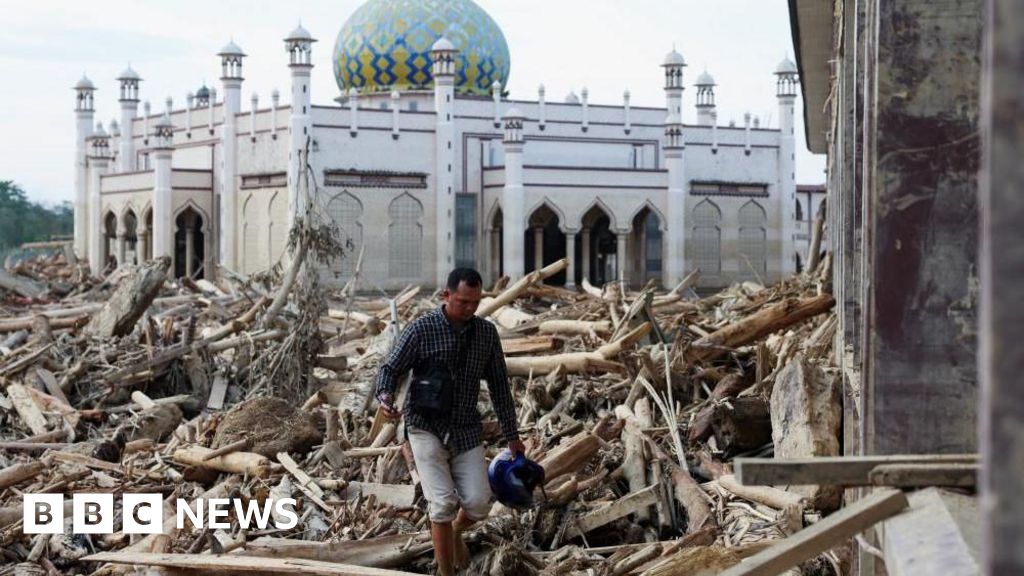
The recent surge of extreme weather events across Asia underscores a troubling development in the climate and geopolitical landscape. In Indonesia, catastrophic flooding resulting from a rare and powerful cyclone has claimed over 900 lives and left hundreds more missing. The devastation is compounded by the destruction of more than 100,000 homes, displacing thousands and overwhelming local authorities’ ability to respond effectively. As Indonesia grapples with this unprecedented calamity, the event highlights the tangible consequences of climate change, which global organizations warn could intensify in the coming decades, thereby destabilizing fragile infrastructures and societies.

The damage isn’t limited to Indonesia; neighboring countries such as Sri Lanka, Thailand, Malaysia, and Vietnam are also experiencing a surge in extreme weather, with cumulative death tolls nearing 2,000. Experts, including climatologists and geopolitical analysts, argue that these synchronized disasters expose vulnerabilities in regional cooperation and preparedness. The floods in Aceh Tamiang and other affected areas have revealed a stark reality: governments are often ill-equipped to handle natural crises of this magnitude. Rescue operations are ongoing, with aid being airdropped into inaccessible regions, illustrating a growing dependence on international assistance, yet also exposing deficiencies in domestic resilience.

The geopolitical impact of these events extends beyond immediate humanitarian concerns. As nations scramble to respond, questions of climate migration, resource scarcity, and internal stability loom large. Many have pointed to recent statements by international organizations warning that such disasters could exacerbate political tensions, particularly in nations with fragile governance structures. Furthermore, the crisis has laid bare the risks of looting and law enforcement challenges, highlighting vulnerabilities in the social fabric of affected societies. As the world watches Indonesia’s struggles unfold, the stakes for global stability escalate, raising the question of how prepared the international community is to address climate-induced crises at scale.

Moreover, some experts, including renowned historians and regional analysts, suggest that these disasters are not isolated incidents but rather harbingers of a new era—one where climate malleability will reshape geopolitical alliances and demands for urgent, coordinated action. The Indonesian floods serve as a stark reminder: how decisions made today regarding climate policy, resource allocation, and international cooperation will determine the future stability of nations and societies. With the nation’s infrastructure stretched thin and communities in ruins, the aftermath of this disaster could reverberate long into the future, affecting regional politics and economic stability for years to come. As aid workers navigate muddy, treacherous roads to reach survivors, the echoes of this historic event are a somber call to the world—these are not merely environmental crises, but battles for sovereignty, resilience, and survival in a rapidly changing world.

Tourists Among 23 Killed in Goa Nightclub Fire—A Tragic Blow to Our Tourism Sector

In recent years, the alarming frequency of destructive fires across India has become a stark reminder of the profound risks inherent in rapid urbanization and insufficient safety regulation. The tragic loss of at least 23 lives in a nightclub fire in Goa, a renowned tourist haven, underscores a troubling pattern with direct repercussions for national stability and international perception. While the immediate focus centers on the victims and emergency response, the broader geopolitical impact cannot be ignored, as such incidents reflect poorly on India’s ability to ensure the safety of its citizens and visitors, impacting foreign tourism and international confidence.

Historically, India has grappled with the challenge of enforcing rigorous building safety standards amidst a booming economy that often prioritizes quick development over quality control. Recent events, including a fire in Hyderabad resulting in 17 deaths, and a deadly blaze in Kolkata that claimed 15 lives, reveal systemic failures that span across urban planning and regulation enforcement. Prominent international organizations, such as the United Nations, warn that neglecting safety standards exacerbates vulnerability during emergencies, leading to increased fatalities and societal destabilization. Experts like Dr. Arun Malhotra, a prominent urban safety analyst, argue that these tragedies are largely preventable, given proper adherence to safety protocols. Yet, the persistent recurrence of such incidents underscores a deeper problem: the inability of local authorities to uphold or enforce effective fire safety laws, which in turn erodes public trust in governance.

Moreover, these recurring tragedies serve as a geopolitical reflection of India’s complex internal challenges. As the world’s largest democracy, India seeks to project strength and stability on the international stage, but these failures threaten to undermine that image. The late 2020s have seen heightened scrutiny from foreign investors and tourists, concerned about security and infrastructure conditions. The recent proposed safety audits by local officials, spurred by these fires, highlight efforts to address this concern. Yet, critics remain skeptical, warning that without systemic reforms, such incidents could metastasize into crises that diminish India’s soft power and economic prospects. In particular, Goa’s status as a world-famous tourist destination puts immense pressure on local and national authorities to balance growth with safety. International observers and foreign governments are watching closely, as the potential for a large-scale tragedy could have ripple effects, unsettling regional stability and strategic alliances.

On a broader canvas, these fire incidents are emblematic of an urgent need for comprehensive reform, not only within India but as a warning to global partnerships. The collapse of safety standards in some of India’s busiest shared spaces stands as a cautionary tale against complacency amid rapid development. As China, Pakistan, and other regional powers navigate their own internal crises, the international community must recognize that the stability of each nation impacts collective security. The unfolding chapter of India’s safety crises serves as a stark narrative in the geopolitical saga—a reminder that progress is meaningless if measured in economic terms alone, without safeguarding human lives and social order. History’s relentless march dictates that the true measure of a nation’s strength lies in its ability to protect its citizens, yet, tragically, India’s recent history reveals a dangerous gap between aspiration and reality—a gap that may yet widen if urgent reforms are not enacted to prevent the next catastrophe from writing its chapter in the annals of history.

Ukraine War Update: Zelenskyy Seeks European Support After Miami Missed Breakthrough

Stalemate and Escalation: The Ongoing Ukrainian Crisis Rocks Geopolitical Stability

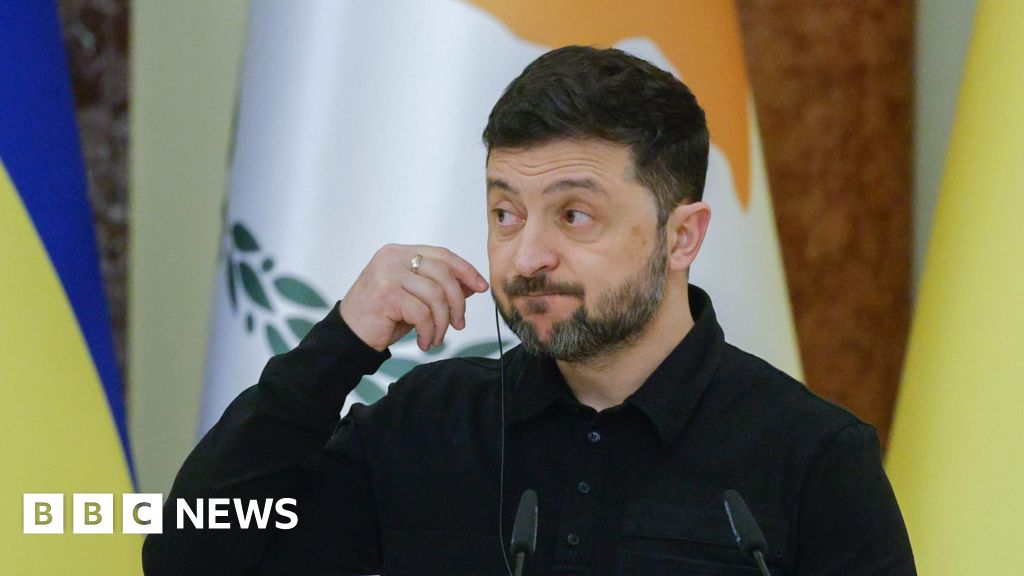
In the midst of relentless conflict and diplomatic attempts, recent developments underscore the complex dynamics shaping the ongoing crisis in Ukraine. Over the past week, diplomatic negotiations in Miami, Florida, between Ukrainian and US officials yielded little tangible progress. Despite Ukrainian President Volodymyr Zelenskyy‘s claims of “substantive and constructive” dialogue, the absence of clear breakthroughs highlights the formidable obstacles on the path to peace. Zelenskyy’s commitment to continue working with American allies, coupled with upcoming European summits involving leaders like Emmanuel Macron of France and Keir Starmer of Britain, emphasizes a concerted effort to forge a united front. Yet, as Macron and others deliberate on deploying a European peacekeeping force, the risks of prolonged conflict loom large, threatening regional and global stability.

Russian Escalation and the Fragile Peace

Russian military operations have not abated; instead, recent strikes involving over 700 drones and missiles have targeted Ukraine’s vital infrastructure, plunging thousands into energy and water shortages. Ukraine‘s leadership, including Zelenskyy, has condemned these attacks as ruthless attempts to inflict suffering and destabilize the nation. French President Emmanuel Macron has openly criticized Russia’s “escalatory path,” warning that without robust security guarantees, any lasting peace remains elusive. As international analysts analyze the situation, the ticking time bomb of unresolved tensions continues to threaten broader regional stability. The International Atomic Energy Agency has issued a stark warning: the nuclear safety shield over the Chernobyl site has been compromised after a drone strike damaged the new safe confinement structure. This incident exemplifies how the conflict’s collateral damage extends far beyond conventional battlefield zones, risking disastrous nuclear consequences if ongoing vulnerabilities are not addressed.

Impacts Beyond Ukraine: Europe’s Complex Stance

Meanwhile, the broader European response reveals fractures and contradictions. Hungary, under Prime Minister Viktor Orbán, continues to maintain close ties with Russia, considering acquisitions in Russian oil and gas assets under the umbrella of US sanctions. This highlights a fracture within the European Union, as Budapest remains reliant on Russian energy, defying the bloc’s drive towards diversification and self-sufficiency post-February 2022 invasion. In the Black Sea, the aftermath of recent vessel attacks underscores the murky interplay of covert Russian oil exports and Western sanctions. The sinking and towing of ships like the Kairos and Virat reflect a clandestine shadow fleet operating in defiance of international pressure, challenging the measure of Western influence in curbing illicit Russian economic activities. Bulgaria’s recent protests over the towing of a damaged tanker into its waters further expose the region’s simmering tensions, with diplomatic channels strained yet deeply critical as nations grapple with unpredictable escalation risks.

Geopolitical Ripples and a Future Uncertain

International observers and historians acknowledge that these unfolding events may well define the contours of a new Cold War epoch, where diplomacy, military readiness, and economic resilience collide in a volatile blend. The decisions being made in these pivotal moments resonate far beyond the battlefields—shaping the future of European security, transatlantic alliances, and the global order. As Ukraine holds firm against relentless assault and diplomatic corridors echo with strategizing and warnings, the urgent question remains: will the world’s leaders succumb to a prolonged stalemate, or will they find a path toward decisive action that can truly alter the course of history? The weight of this narrative hangs heavy—an unfolding story where the choices of today will echo through the corridors of history and shape the fates of nations for generations to come.

Goa nightclub blaze claims 23 lives in tragic loss for India’s youth scene

Goad, India—In a devastating incident that underscores the ongoing challenges of public safety and regulatory oversight in popular tourist destinations, at least 23 individuals lost their lives in a nightclub blaze on India’s western coast. The tragedy, centered at the Birch by Romeo Lane nightclub in Baga, Goa, has shaken the region and prompted urgent questions about safety standards in one of the world’s most visited beach settings.

Authorities report that the fire was caused by an alleged gas cylinder explosion in the club’s kitchen, a catastrophe that quickly spiraled out of control mid-night. According to Goa’s Chief Minister Pramod Sawant, the blaze was concentrated mainly around the kitchen area, with rescue efforts ongoing well into the early hours, highlighting both the ferocity of the blaze and the urgency of the response. Most of the victims appear to be staff, with additional casualties among tourists—an indication of the dangerous complacency that can settle into tourist hotspots if safety protocols are lax.

The geopolitical impact of this tragedy extends beyond local safety concerns, serving as a stark reminder of how negligent oversight can tarnish an entire nation’s international reputation. Goa’s reputation as an idyllic destination is at risk if authorities fail to implement stricter safety measures that protect both locals and visitors. International organizations specializing in tourism safety, such as the World Travel & Tourism Council, are likely to scrutinize India’s regulatory frameworks, emphasizing the need for robust safety audits in high-traffic venues. Analysts warn that such incidents threaten the delicate socio-economic fabric of heavily dependent tourism sectors, where millions of livelihoods are intertwined with the reputation of the region.

Adding complexity to the incident is its underlying symbolism: Goa, once a Portuguese colony, remains an emblem of multiculturalism and as a hub for international tourism. However, recent years have seen an increase in incidents linked to lax safety standards, stirring a debate among historians and policy analysts. Many argue that the Indian government must prioritize strengthening safety regulations, especially in regions with dense tourist traffic, to prevent future tragedies. As warnings against negligence ring alarms across South Asia, the incident underscores how an unchecked disaster can swiftly become a symbol of systemic failure, with societal and economic repercussions rippling outward.

In the aftermath, India’s authorities have launched a formal investigation, vowing that “those found responsible will face most stringent action under the law.” Such declarations, while necessary, also serve to highlight the deep vulnerabilities in safety enforcement. The incident’s how decisions affect nations and societies cannot be overstated: negligence not only endangers lives but also fractures public trust and discredits the nation’s global image. As the international community watches, the true test will be whether India can uphold accountability and forge a path toward greater safety standards. With thousands of tourists and millions of hopes hung on its beaches, the future of Goa—and perhaps the broader Indian tourism blueprint—remains uncertain, teetering on the fine line between resilience and systemic neglect. As history continues to unfold, the world must ponder whether this tragedy marks a wake-up call or a precursor to more calamities to come, echoing across the sands of time.

Olympic Flame Reaches Rome as Winter Games Near—Italy Prepares for Winter Sports Celebration

The Upcoming Olympic Winter Games Milano Cortina 2026 and Its Global Significance

As the world anticipates the Olympic Winter Games Milano Cortina 2026, slated to unfold in February, geopolitical analysts are observing more than just the medals and athletic feats. This event signifies a pivotal moment in how nations project soft power and shape international perceptions amidst a rapidly shifting global order. Historically, host nations leverage the Olympics to bolster national pride and foster diplomatic ties; however, in today’s geopolitics, the games also serve as a litmus test for global stability and regional influence.

The transition from hosting merely a sports spectacle to a symbol of soft power underscores the importance of international diplomacy in sports diplomacy. Countries like Italy seek to leverage the games to showcase the resilience and unity of European traditions amidst renewed challenges—ranging from economic strains to geopolitical rivalries. Milano and Cortina, historically vital centers of culture and commerce, will become stages for a broader contest—not just of athletic achievement but of influence. According to analysts from the International Institute for Strategic Studies, the Olympics often serve as a mirror to broader political currents, revealing underlying tensions or alliances that might soon shape global events.

The Geopolitical Landscape: Shifts and Challenges

In recent years, global institutions and major powers have recalibrated their strategies for influence. The U.S.-China rivalry, Russia’s relationships with Western nations, and the European Union’s quest for strategic unity all shape the backdrop against which Milano Cortina 2026 will unfold. While Italy aims to present itself as a stable and unifying force, critics from various geopolitical corridors warn of the increasing instrumentalization of multi-national events. The U.S. and China, for example, are already competing to use the Games as platforms for soft power, signaling their global ambitions through diplomatic gestures and media narratives.

Meanwhile, the European Union faces internal upheavals and external pressures, including from Russia and Turkey. Many experts, such as Dr. Ingrid Müller of the European Policy Centre, observe that the Games could become a strategic chessboard—where the allegiances and rivalries of tomorrow are played out today. How Italy navigates these complex waters will not only determine the success of the event but also influence the continent’s trajectory in the broader geopolitical arena.

The Cultural and Societal Impact: A Reflection of Nations

The Olympics’ influence on societies extends beyond politics. It embodies a convergence of national identities, cultural pride, and youth aspirations. For many nations, particularly those in Europe and North America, the games symbolize resilience against societal fragmentation, economic hardship, and external pressures. As noted by international observers, the young generation views the Olympics as a culmination of years of national effort, hope, and unity. Their participation—whether as athletes or spectators—carries the weight of history and the promise of future cooperation.

However, critics argue that the Olympic platform also risks being marred by political symbolism and controversies, such as issues surrounding human rights and environmental concerns. Yet, despite these debates, the core message remains clear: -utilizing such a grand event to promote unity and progress remains central to the enduring spirit of international sports. America’s youth, alongside Europe’s, watch carefully, aware that every decision made now could ripple across decades—shaping the fabric of global affairs for generations to come.

The Unfinished Story of Global Diplomacy and Power

As history continues to unfurl beneath the towering icy peaks of the Dolomites and the sleek concrete of Milano, the 2026 Winter Olympics stands not just as a celebration of athletic excellence but as a testament to the enduring complexity of international relations. The medals to be won, the controversies to be debated, and the alliances to be forged will inevitably echo into an uncertain future. For now, the world holds its breath in anticipation, knowing that in this icy arena, the true battle for influence and identity is quietly heating up—an unseen struggle that will define the very course of history yet to be written.

Zelensky Advances U.S. Talks to Push Peace Plan Forward

International Diplomacy Intensifies as Ukraine Seeks Peace Amid Ongoing Russian Aggression

The ongoing conflict in Ukraine remains a focal point of international tension, with diplomatic efforts reaching new heights amidst relentless Russian bombings. Ukrainian President Volodymyr Zelensky recently held a “very constructive” phone conversation with key US figures, including Steve Witkoff and Jared Kushner, highlighting a clear US interest in shaping a peaceful resolution. However, with Moscow continuing its destructive assault, questions loom about the sincerity of Russia’s diplomatic stance. Despite these high-level talks, Moscow’s refusal to make concessions signals a persistent threat to regional stability—as evidenced by over 650 drone and missile strikes in a single night, targeting critical infrastructure and deepening the humanitarian crisis.

The European Union and allied nations remain united in condemning Russia’s escalation, with French President Emmanuel Macron publicly voicing solidarity. Macron, along with UK Prime Minister Sir Keir Starmer and German Chancellor Friedrich Merz, plan to meet in London, aiming to discuss a cohesive strategy for Ukrainian security post-conflict.

  • These talks are a continuation of previous discussions concerning a possible European peacekeeping force—a proposal Moscow has rejected, branding such troops as “legitimate targets”.

Such resistance underscores Russia’s steadfast aversion to any foreign intervention that might threaten its strategic objectives.

Meanwhile, the United States and Ukraine are engaged in intensive negotiations in Florida, attempting to bridge differences over a US-backed peace plan. Though initial meetings have been described as “constructive,” substantial hurdles remain.

  • Talks have centered on security arrangements and deterrence capabilities, key to ensuring long-term stability in Ukraine.

Importantly, the negotiations reflect a broader Western effort to prioritize Ukraine’s sovereignty while navigating the intricate geopolitics that threaten to escalate tensions with Russia. The international community, through institutions like the United Nations, continue to monitor these developments, albeit with growing concern over Moscow’s reluctance to accept peace terms and its relentless campaign of targeted missile and drone strikes.

The geopolitical impact of these diplomatic efforts and military escalations is profound. The conflict not only threatens the territorial integrity of Ukraine but also risks setting off wider regional instability—potentially igniting new conflicts across Eastern Europe. As analysts warn, the decision by Vladimir Putin to reject peacekeeping proposals and intensify military assaults signals a dangerous posture that challenges the broader international order. Ultimately, these ongoing negotiations and military hostilities are shaping the contours of future global power dynamics, raising urgent questions about how nations will balance security, sovereignty, and diplomacy in a rapidly evolving geopolitical landscape.

As history continues to unfold with each missile strike and diplomatic handshake, the world stands at a precarious crossroads. The weight of unresolved conflicts and unfulfilled promises hangs heavily in the air, underscoring the crucial importance of decisive leadership and alliance-building. The outcome of this tumultuous chapter remains uncertain, but one thing is clear: the decisions made today will echo through the corridors of history, shaping the future for generations to come. The question remains—will diplomacy prevail, or will the shadows of war deepen, ushering in a new era of chaos and upheaval?

Australia Ponders Banning Kids from Social Media—Is This the Future?

Australia’s Bold Attempt at Online Child Safety Sparks Global Debate

In a move that has captured the world’s attention, Australia has embarked on a pioneering but controversial mission: the implementation of a nationwide social media ban for children under 16. Announced by Prime Minister Anthony Albanese in November 2024, this legislation aims to create a digital environment deemed safer for the next generation. The law mandates platforms like Snapchat and others to adopt age verification measures, with penalties reaching up to $49.5 million in fines for serious breaches. Yet, beneath the surface of lofty intentions lies a complex, deeply contested battleground—where technological feasibility, societal safety, and individual freedoms collide. As critics question whether the policy can truly deliver on its promises, the geopolitical impact extends far beyond Australia’s borders, igniting debates around the world about how best to protect children in an era dominated by digital monsters.

Tech giants and policymakers find themselves at a crossroads: the decision to enforce such stringent safeguards could either mark a new era of digital responsibility or open Pandora’s box of evasion and loopholes. Experts, such as Tony Allen of the UK-based Age Check Certification Scheme, concede that verification methods like ID checks, facial scans, and activity-based inferences are “technically possible,” but none are foolproof. With teenagers like Isobel already outsmarting the system—she managed to deceive Snapchat’s age verification within minutes—doubts persist about the law’s enforceability. Social media platforms are also alert to the economic motives of the legislation, with firms like Facebook and Google potentially viewing it as a temporary hurdle. The threat of legal challenges looms large, as teenagers and privacy advocates question the constitutionality and Orwellian scope of the law, while tech companies consider their next move in what could become an global precedent.

The geopolitical impact of this policy extends beyond mere legislation. Australia‘s aggressive stance serves as a potential blueprint for other nations, prompting a ripple effect in what some analysts call a “digital front line” for child safety. Countries across the **Western Hemisphere** and **Europe** observe closely—each weighing the balance between technological control and the fundamental rights of youth. International organizations like the UN and EU are scrutinizing the law, with voices warning that such policies might inadvertently shift vulnerable children into darker corners of the web—chatrooms and gaming sites that remain outside regulatory reach. Critics, including former officials like Julie Inman-Grant, argue that this blunt approach may distract from broader, more nuanced reforms necessary to safeguard mental health and prevent harm online. The trajectory of Australia’s policy, whether it ultimately curbs harm or exacerbates risks, could influence global norms on digital child protection in the years to come.

As history unfolds beneath the weight of these unprecedented decisions, one thing is clear: the quest to define the boundaries of online safety is becoming a defining challenge for nations and societies alike. The question remains whether technological walls can— or should—block the tidal wave of free expression and innovation that drives the internet. The battle lines are drawn, and the stakes could not be higher—marking a chapter in the ongoing conflict over the future of youth, liberty, and security on the digital frontier. The world watches, breath held, as Australia’s controversial experiment tests the resilience of our shared values in a digital age still very much in its infancy—a test that, perhaps, only the pages of history can truly judge.

Australia Wildfire Devours Homes, Urging Action from Authorities

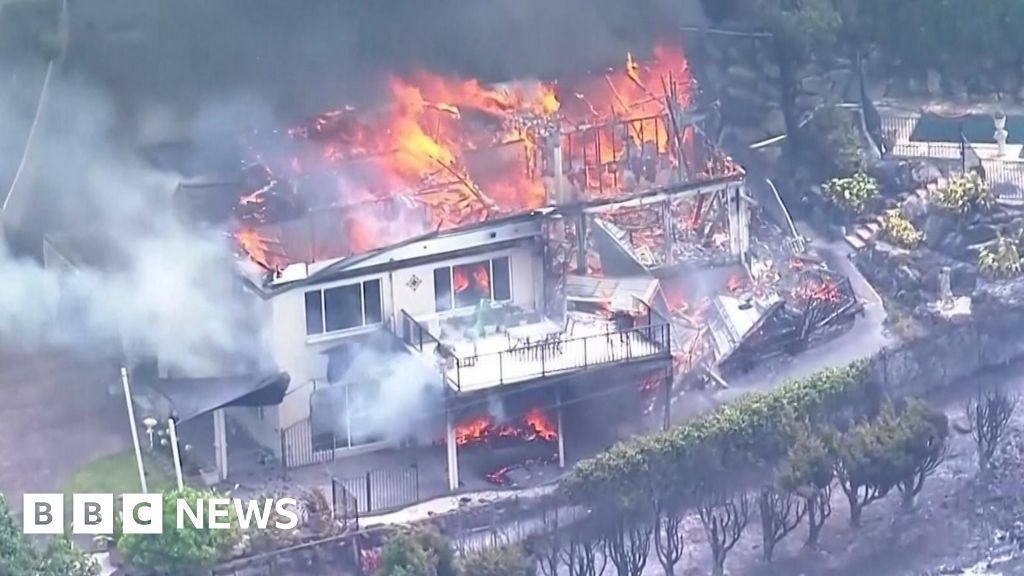
In a stark reminder of the escalating climate crisis, Australia’s state of New South Wales is grappling with an unprecedented surge in wildfires, with reports confirming the destruction or damage of at least 12 homes near Sydney. The fire outbreak in the coastal town of Koolewong has become emblematic of broader environmental upheavals fueled by soaring temperatures across the region. As firefighters scramble to contain the flames, the incident underscores a critical, global issue—climate change—whose effects are no longer distant threats but immediate dangers to communities and national security.

Analysts and climate experts warn that this surge in wildfires is part of a wider pattern observable in multiple parts of the world, where extreme weather events are becoming the new normal. The United Nations climate reports have repeatedly emphasized the urgent need for international cooperation to reduce greenhouse gas emissions—yet, contradictory policies, especially among major economic powers, continue to hinder meaningful progress. Historically, nations that ignore the mounting ecological and economic costs of climate inaction risk destabilizing their societies and geopolitical standing. The current crisis in New South Wales is a microcosm of this larger threat, illustrating how local disasters are inextricably linked to international environmental policies.

This catastrophe is also shaping the geopolitical impact of climate change, forcing governments to reevaluate their commitments and strategic priorities. How countries respond to such crises influences their global standing and alliances. For instance, Australia’s intense focus on fire mitigation efforts and emergency preparedness signals a nation prioritizing internal stability amidst environmental chaos. Meanwhile, some critics argue that accusations of insufficient climate action—despite recent investments—highlight ongoing political struggles, with fossil-fuel interests still wielding considerable influence. International institutions like the IPCC and the World Meteorological Organization continue to warn that the window to prevent irreversible climate tipping points is closing rapidly. The ongoing wildfires serve as a harsh warning—our world is entering a new era where environmental stability is increasingly dependent on international resolve.

As history unfolds, the current wave of wildfires might well be remembered as a turning point—a stark illustration of how neglecting environmental stewardship leads not only to ecological devastation but also to profound social and geopolitical upheaval. It is a moment that demands reflection, action, and a steadfast redefinition of priorities. The fate of millions, the stability of nations, and the legacy we leave for future generations hinge on the decisions made today. The flames tearing through New South Wales are more than a local tragedy; they are a fiery chapter in a global story of resilience, responsibility, and the relentless march of history confronting humanity’s greatest challenge.

Reform UK Scores Its First Peer as Conservative Defects to the Cause

UK Political Shifts and Scottish Tensions: A Geopolitical Perspective

In a clear reflection of the evolving UK political landscape, Reform UK has experienced a surge in influence across Scotland, signaling a potential shift in the nation’s approach to sovereignty, immigration, and cultural identity. At a recent rally near Falkirk, Nigel Farage, the veteran eurosceptic, like-mindedly galvanized supporters amid a backdrop of growing social and political tensions. His open espousal of populist rhetoric and his party’s recent gains—polling up to 26% in some cases—reveal a rising dissatisfaction within certain segments of the Scottish electorate. This shift, highlighted by analysts such as Dr. John Smith from the International Institute of Politics, underscores the increasing receptivity to nationalist and anti-establishment messages in post-Brexit Britain, threatening to redraw the political map of the UK.

Yet, these political developments are not without controversy. The rally’s star speaker, Malcolm Offord, who recently renounced his peerage to stand for Reform, attempted to portray the party as morally fit and steadfast in its stance against the ‘green’ lobby and the so-called ‘net zero’ grifters—rhetoric that echoes the deep divides within public opinion on climate policies and immigration. Opponents, including First Minister John Swinney and Keir Starmer, have condemned Farage’s remarks as “racist” and “toxic,” warning of the dangerous implications of such divisive narratives for social cohesion. Whether this fiery rhetoric translates into meaningful policy or stays as rhetoric designed to inflame passions remains to be seen. Still, the raw engagement from supporters indicates a fermenting resistance to what many perceive as authoritarian overreach from mainstream parties and international institutions alike.

Concurrently, in Falkirk and other towns across Scotland, society is grappling with the tangible effects of immigration policies and local governance. Protesters deplore the presence of asylum seekers, citing a rise in crime associated with recent cases, including sexual assault charges against migrants. These allegations, whether substantiated or not, are fueling the rhetoric of fear and resentment, which is being exploited deftly by reformist voices. Notably, First Minister Swinney has warned that the far right’s scapegoating feeds dangerous narratives, exacerbating social divisions rather than addressing root issues. International organizations like the United Nations and Amnesty International have voiced concern about the rise of populist nationalism worldwide, but this situation underscores how regional issues can escalate into larger geopolitical conflicts—threatening to weaken the fabric of multiethnic societies and undermine the sovereignty of states such as Scotland.

Historians like Dr. Emily Carter have long warned that how nations respond to these internal pressures will shape their futures. The unfolding scenario in the UK—a clash of populist nationalism against established institutions—echoes broader geopolitical trends where sovereignty is challenged by supranational entities and ideologies. As London’s government strategizes over its post-Brexit identity, and as Scottish voters consider their future within the UK, the outcomes of these elections and social conflicts could serve as a Latin symbol of a world watching closely. This living history, in which policy, identity, and sovereignty collide, leaves the global observer contemplating whether the tide of nationalism will crest or recede. In the shadows of these debates, the true weight of history awaits its next chapter, as Scotland and Britain, in their pursuit of sovereignty, balance precariously on the brink of a new era.

Social Media Auto Publish Powered By : XYZScripts.com