Matox News

Truth Over Trends, always!

Somali-Americans Slam Trump's ‘Garbage’ Comments—Stand Strong and Proud
Somali-Americans Slam Trump’s ‘Garbage’ Comments—Stand Strong and Proud

Geopolitical Shifts Unfold as U.S. Policy Sparks Global Tensions

In an era marked by intense geopolitical realignments, the United States under President Donald Trump has once again sent shockwaves through immigrant communities and international relations alike. Trump’s biting rhetoric targeting the Somali-American community in Minnesota has ignited fears that ripple beyond the local level, illustrating how domestic rhetoric can influence America’s standing on the world stage. His recent comments at the White House, where he declared, “I don’t want them in our country, I’ll be honest with you… their country is no good for a reason,” have been condemned locally and internationally, with community leaders describing his words as dangerous and stigmatizing. Such language not only jeopardizes the safety and integration of immigrant communities but also undermines the moral authority of the U.S. as a leader advocating for human rights and inclusion.

Furthermore, the escalating rhetoric has intensified fears among Somali-Americans, particularly in Minnesota, where the community constitutes a significant demographic. Aj Awer, a community leader, criticized the comments as “not becoming of a president” and warned of the potential for increased radicalization or violence. Analysts from institutions like the International Crisis Group warn that such rhetoric may embolden extremist groups and foster division among societies, ultimately weakening the social fabric of a nation built on diversity. Meanwhile, reports of aggressive immigration enforcement tactics, including federal operations targeting undocumented residents, have added to the climate of anxiety. Observers argue this stance risks alienating immigrant communities and fueling social fragmentation, thereby complicating America’s efforts to project stability and leadership in a turbulent world.

The internal domestic fallout mirrors a troubling trend of recurring accusations of fraud and corruption that the Trump administration has leveraged to justify these hardline policies. In Minnesota, allegations of charity fraud involving Somali immigrants and claims of broad-based “money laundering” have been politicized, leading to an investigation by congressional oversight. Such actions mirror a broader pattern where national security concerns are intertwined with political narratives, complicating efforts to differentiate between real threats and inadvertent stigmatization. Historians like Dr. Kevin B. MacDonald suggest that such policies, if unchecked, could accelerate societal polarization and heighten tensions within immigrant enclaves. Meanwhile, the ending of Temporary Protected Status (TPS) for Somali residents signals a shift toward stricter immigration enforcement, raising questions about the long-term geopolitical impact of these inward-looking policies.

As the world watches, this unfolding chapter underscores the fragility of global stability. The aggressive stance taken by the U.S. not only alienates minority communities but also signals a retreat from its traditional leadership role. International organizations like the United Nations have expressed concern, warning that such divisive policies could destabilize regions already grappling with crisis. The deepening shadows cast by rhetoric, enforcement tactics, and political manipulation threaten to transform domestic discord into an international crisis, rewriting the narrative of American exceptionalism. With history hanging in the balance, the true consequence of these choices remains yet to be written—an enduring testament to the power of words and policies in shaping the course of nations for generations to come.

Police Catch Suspect in DC Pipe Bomb Case, Wrap Up Long Search

The recent arrest of Brian Cole Jr, a 30-year-old man from Virginia, marks a pivotal breakthrough in the ongoing quest for justice surrounding the infamous 2021 Capitol riot. The FBI’s airtight investigation, stretching over two years, underscores both unwavering law enforcement resolve and the dangerous undercurrents of political violence seeping into the corridors of American power. Authorities confirmed that Cole was apprehended without incident early on Thursday, yet the case’s implications ripple beyond the borders of the United States, signaling a decisive moment in the global fight against domestic extremism.

While the details of Cole’s motives remain under seal, the evidence assembled paints a stark picture of premeditated sabotage. Court documents detail that he purchased components for constructing the pipe bombs—metal end caps, wires, timers, and steel wool—supplied from retail giants such as Home Depot, Lowes, and Walmart. Using sophisticated data analysis, investigators traced his movements and purchases, revealing that he was in the vicinity of both bombs during their placement on the night of 5 January 2021. Such meticulous law enforcement work highlights the importance of data-driven investigations, especially in a climate where threats of violence against democratic institutions remain high. As FBI officials emphasized, the effort to locate Cole was relentless, exemplified by the processing of three million lines of data, the analysis of cellphone movements, and surveillance footage that captured the suspect close to the scene.

Authorities and analysts argue that the case demonstrated the seriousness with which U.S. law enforcement treats threats to its constitutional order. FBI Director Kash Patel declared that “when you attack American citizens, when you attack our nation’s capital, you attack the very being of our way of life.” This framing echoes broader concerns about the rise of political violence within the context of internal divisions and misinformation. The incident also prompted discussions on how domestic radicals can pose a threat comparable to foreign adversaries, necessitating international cooperation and intelligence sharing. Moreover, the case’s resolution serves as a stark warning to those who believe they can evade justice by blending into the political fabric—a lesson reinforced by the FBI’s determination to “track you down to the end of the earth,” as Deputy Director Dan Bongino stated.

Historically, incidents like these have underscored the fragility of democratic institutions, especially in turbulent times marked by political polarization and social upheaval. Many analysts, including reputable historians and security experts, point to the need for vigilant safeguarding of constitutional norms. At the same time, this case reveals how global institutions must remain agile, adapting laws and tactical responses to the evolving nature of threats—domestic or foreign. The public, meanwhile, must grapple with the reality that the fight against extremism is ongoing, with no room for complacency. As the story unfolds, the weight of history continues to press down—reminding each generation that the resilience of a nation depends on relentless justice and the unyielding defense of its core values. The battle lines are drawn anew, and the outcome remains unwritten, left to the actions and resolve of those entrusted to safeguard the future amidst the chaos of an uncertain world.

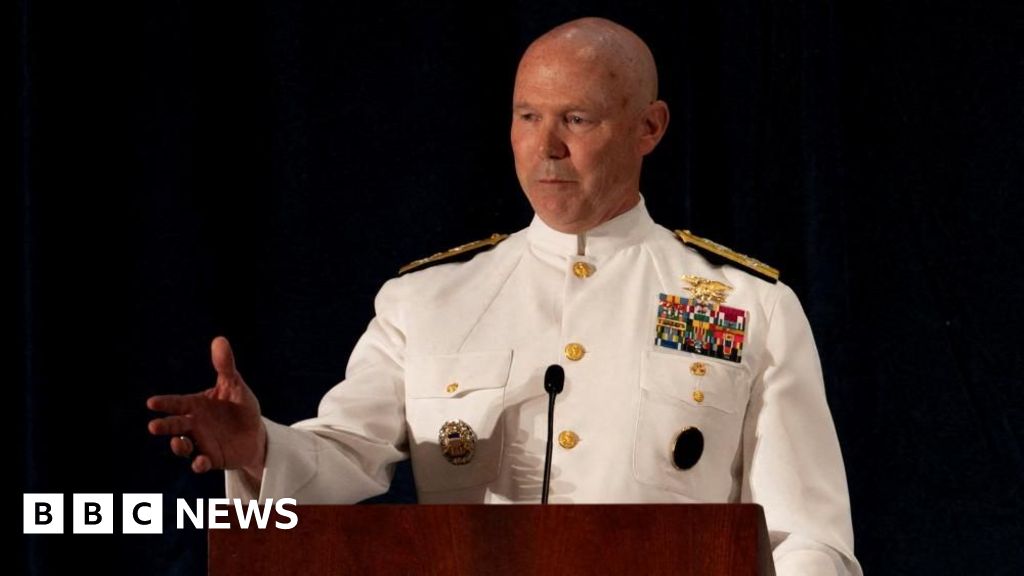
Admiral confirms Pete Hegseth didn't issue 'kill them all' order, lawmakers report
Admiral confirms Pete Hegseth didn’t issue ‘kill them all’ order, lawmakers report

Global Tensions Rise as United States Engages in Controversial Maritime Campaigns

In recent weeks, Washington has found itself under mounting scrutiny after a series of military operations in the Caribbean and Eastern Pacific regions. Allegedly aimed at dismantling drug trafficking networks, these strikes have sparked intense debate both domestically and internationally. Admitted by US military officials, the recent incident involving a second attack on a suspected drug boat has stirred controversy over the legality and morality of the use of force. A closed-door briefing before members of the House and Senate revealed testimonies from Admiral Frank Bradley that raised questions about the chain of command and the rules governing the US military’s engagement in these high-stakes operations.

During the briefing, multiple lawmakers, regardless of party affiliation, expressed concern over the decision-making process. Democratic Representative Jim Himes emphasized the respect owed to Adm Bradley but admitted that what was witnessed was “troubling.” Meanwhile, Republican Senator Tom Cotton defended the actions, asserting that the strikes aligned with the expected conduct of military personnel in such operations. The critical point in this narrative lies in the revelation that a second strike was ordered after survivors of the first had attempted to salvage the vessel—a move that legal analysts suggest could violate international law and the Geneva Conventions, which prohibit targeting wounded combatants or civilians. This raises a fundamental turning point: the legitimacy of the US’s emerging blueprint for combating narcotics in international waters versus the principles of humanitarian law.

International Reactions and the Broader Geopolitical Consequences

Venezuela, along with other regional actors such as Colombia and various Latin American nations, has condemned these operations, accusing Washington of provoking regional instability with aims extending beyond drug interdiction. The Venezuelan government explicitly contends that the US is fueling tensions to justify greater intervention, an allegation that echoes concerns from analysts about a possible shift in U.S. foreign policy towards Latin America. Experts from the International Criminal Court have noted that if such strikes are considered unlawful — especially when targeting survivors and wounded individuals — they could be classified as crimes against humanity. Such a designation would drastically impact the US’s international standing, casting a shadow over its military assertions of legality.

Furthermore, these operations signal a broader strategic recalibration for the US, which is expanding its presence in the Caribbean under the guise of fighting drug trafficking but may be sowing the seeds for long-term regional discord. The controversy is further compounded by allegations that Hegseth, the Defense Secretary, potentially ordered the second attack, an assertion quickly dismissed by the White House, which insists Adm Bradley acted within his lawful authority. These conflicting narratives reveal a multifaceted battle over accountability, with international organizations and legal experts warning that such actions threaten to undermine established norms of warfare and human rights. The unfolding debate underscores how U.S. decisions in these maritime conflicts directly impact regional stability and the rule of law.

History, Law, and the Weight of the Unfolding Crisis

As the dead toll from these operations continues to climb—over 80 lives lost and ongoing reports of survivors—historians warn of the dangerous precedent being set. The presence of survivors and the case of Colombia’s Alejandro Carranza, whose family is pursuing legal action before the Inter-American Court of Human Rights, highlight the fragile boundary between military necessity and legal morality. Critics, including former prosecutors from the ICC, argue that these strikes may constitute unjustifiable violations of international law, transforming what was purported to be a law enforcement effort into a series of covert, unaccountable acts.

In this crucible of geopolitics, justice, and law, America’s foreign policy is at a crossroads. As President Trump and his administration grapple with defining the limits of military authority, global eyes remain fixed on how the US will navigate this complex terrain. The truth, buried beneath a maelstrom of conflicting claims and classified footage, remains elusive—yet the weight of history presses heavily upon the shoulders of those in power. With each decision, the lines between legality, morality, and effective strategy blur, leaving the world to ponder: are we witnessing the dawn of a new blueprint for global conflict, or the unraveling of international norms that have held sway for generations? The story is still being written, and the pages of history are turning fast, leaving societies to confront what lies ahead in the shadows of unresolved justice and sovereignty.

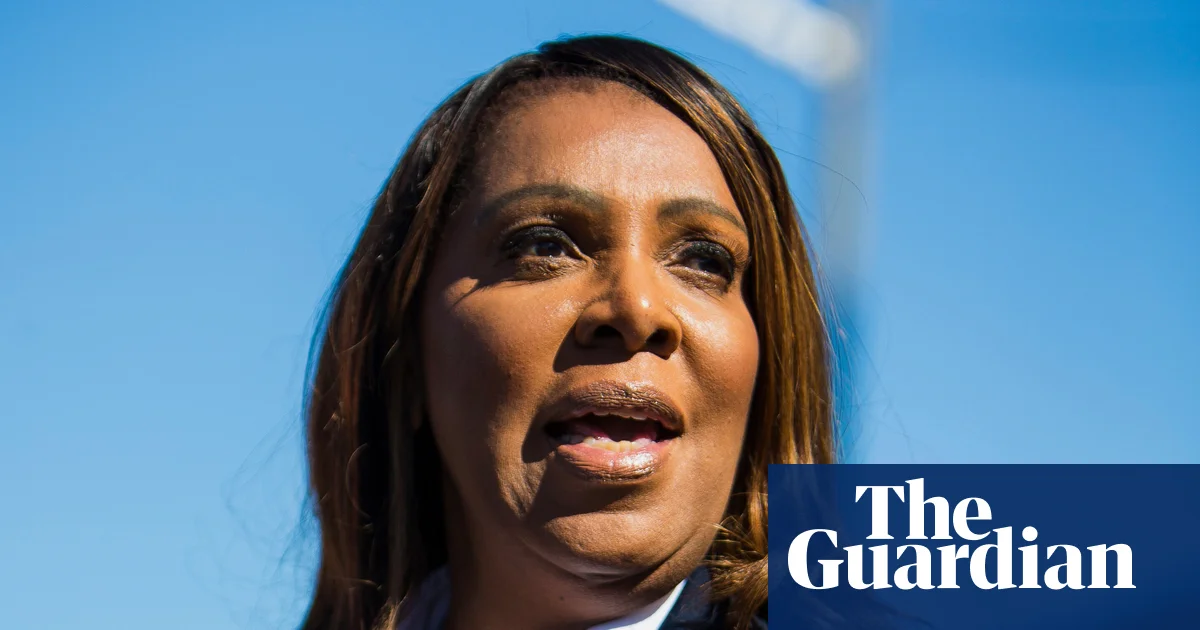
Grand Jury Won't Re-Indict Letitia James After Judge Dismisses First Case
Grand Jury Won’t Re-Indict Letitia James After Judge Dismisses First Case

In a noteworthy development that echoes the ongoing internal struggles within the United States’ legal and political landscape, the case against Letitia James, the New York Attorney General, has taken a dramatic turn. A grand jury recently declined to indict her, effectively halting the federal prosecution against one of the sharpest critics of former President Donald Trump. This sequence of events illustrates not only the volatile nature of American internal politics but also highlights the intricate web of legal authority and its potential to influence international perceptions of U.S. justice. The decision comes shortly after a federal judge invalidated a similar mortgage fraud case, citing procedural irregularities, which raises serious questions about the @rule of law within the American legal apparatus@.

Historically, judicial decisions and prosecutorial appointments have often been intertwined with political influence, especially when high-profile figures such as James, who has played a pivotal role in anti-Trump litigation, are involved. The case initially charged James with multiple counts of bank fraud and false statements related to a Virginia mortgage in 2020, with prosecutors alleging she manipulated mortgage terms to gain a financial advantage. However, legal experts and former prosecutors have criticized the flimsy evidence allegedly backing this indictment, suggesting the real motive may be political rather than criminal. The case’s unraveling—further compounded by questions regarding the legality of the appointment of the prosecutor—underscores how internal power struggles can hinder the pursuit of justice and potentially set a precedent for other nations observing the stateside clash of legal interests.

Analysts and international organizations warn that these internal conflicts could **undermine the credibility of the U.S. justice system** on the global stage, especially in an era where American influence is increasingly contested. Historian and legal scholars note that the saga of James reveals how the combination of partisan appointments, procedural technicalities, and political silencing serve to weaken the core principles of an impartial legal system. The controversy over her appointment—being unlawfully extended after exceeding the 120-day Senate confirmation window—demonstrates that even the most powerful federal institutions are susceptible to internal legal contradictions. These developments not only compromise trust within the nation itself but also signal to allies and adversaries that the U.S. system is vulnerable to **politically motivated investigations and prosecutions**.

Beyond the corridors of power, this ongoing saga raises profound questions about how decisions within the U.S. influence relations with allies and adversaries alike. Countries that observe the American legal battles see a nation at a crossroads—its justice system increasingly viewed through the lens of partisan conflict. As international institutions and global analysts cautiously monitor these battles, the potential ramifications extend beyond American borders, impacting geopolitical stability and alliances. The unfolding story underscores a stark reality: as U.S. internal conflicts persist and unfold with relentless intensity, history is writing itself into a new chapter that may challenge the very foundation of American authority and influence, leaving nations worldwide to wonder whether the home of liberty is still capable of upholding the rule of law or is merely succumbing to internal division.

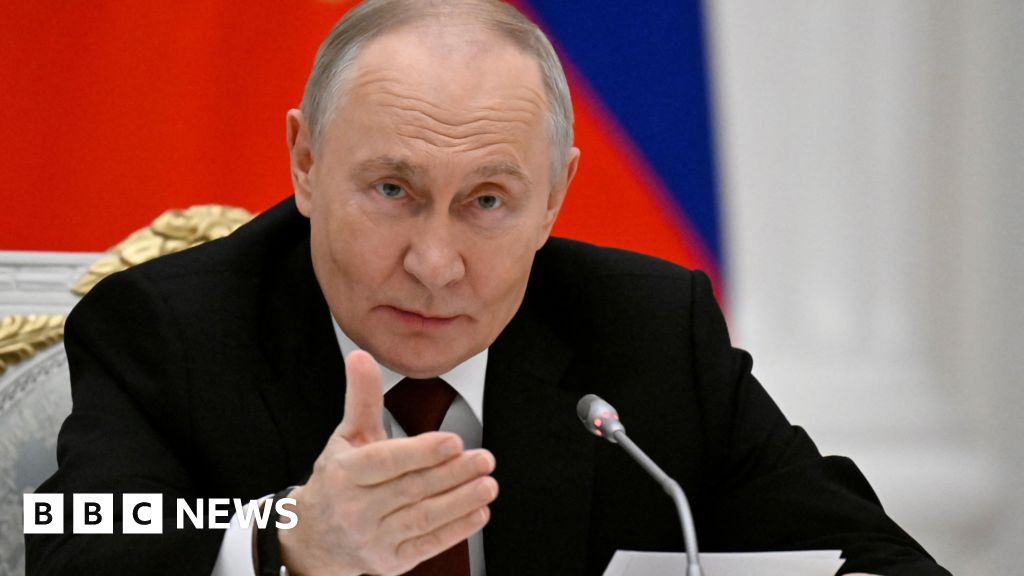
Putin: Russia will seize Donbas or Ukraine's forces will retreat — no third way
Putin: Russia will seize Donbas or Ukraine’s forces will retreat — no third way

As Russia intensifies its military campaign in Ukraine, the global geopolitical landscape is witnessing a critical turning point. President Vladimir Putin has issued stark warnings, asserting that Ukrainian forces must withdraw from the Donbas region, or Russia will incorporate it forcibly. Moscow’s control of approximately 85% of Donbas underscores its strategic military gains and the shift in power dynamics that could reshape Eastern Europe. Putin’s stance dismisses diplomatic negotiations, emphasizing that military force remains the primary instrument for resolving territorial conflicts.

Meanwhile, Ukrainian President Volodymyr Zelensky persists in rejecting any territorial concessions, firmly stating that Ukraine will not cede land to Moscow. This steadfast position highlights Ukraine’s determination to uphold its sovereignty amid relentless pressure. International organizations and security analysts warn that continued Russian advances threaten the stability of the region, potentially destabilizing neighboring countries and fueling broader conflicts. The diplomatic efforts, notably involving the United States and European Union, are characterized by cautious optimism, but many experts argue that conflicting interests and conflicting narratives have complicated genuine peace negotiations.

Recent discussions in Moscow between Steve Witkoff, a representative of former President Donald Trump, and Ukrainian delegates have demonstrated the complexity of the diplomatic dance. The original US peace plan, which proposed ceding some Ukrainian-controlled territories to Russian influence, was met with skepticism by President Putin. A modified version was presented, yet Putin revealed he had not been briefed on the new terms, suggesting a fundamental disconnect in negotiations. Key sticking points remain unresolved, especially concerning the future status of Ukrainian territory seized by Russia and the security guarantees essential for Kyiv’s survival.

European leaders, as revealed by a confidential transcript obtained by Der Spiegel, expressed concerns that the United States might prioritize strategic interests over Ukraine’s territorial integrity. French President Emmanuel Macron reportedly warned that the US could betray Ukraine regarding territory without providing clarity on security assurances, a claim denied by the Élysée Palace. The warnings from Friedrich Merz and Alexander Stubb further emphasize the diplomatic fragility, with some European leaders urging extreme caution in engaging with the ongoing negotiations, wary of possible betrayals. These divisions expose a Europe increasingly divided over how to respond to Russia’s expansionism and threaten to weaken collective resolve in defending Ukrainian sovereignty.

The outcome of these high-stakes negotiations could redefine the balance of power in Europe and influence future international stability. With Russia increasingly confident in its battlefield gains and Western powers cautious but divided in their approach, the trajectory of this conflict could either lead to a fragile peace or a prolonged, unreadable stalemate. The words of historians and analysts echo a sobering warning: the decisions made today are shaping the history of tomorrow, where choices made in the corridors of diplomacy and war could have irreversible consequences for freedom and sovereignty across the continent. As the weight of history presses heavily on the present, the world watches, waiting to see whether the tides of conflict will turn toward peace or further chaos—an uncertain future still being written on the bloody canvas of history.

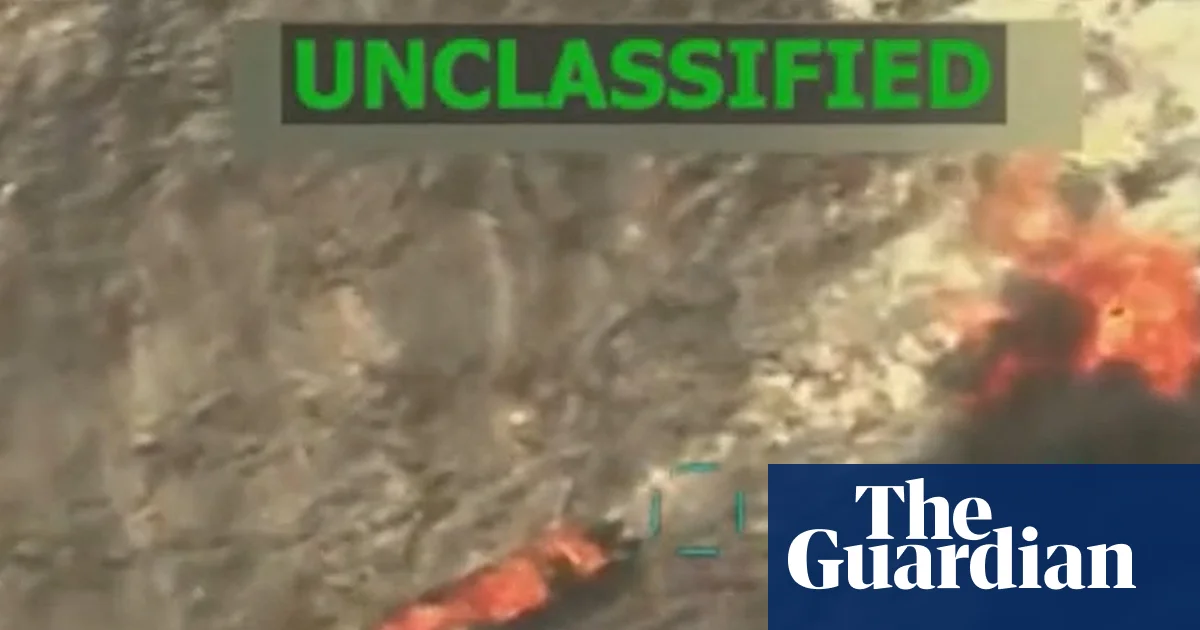
Experts demand release of boat strike footage as US admiral claims no ‘kill them all’ orders | US military

In a sharply escalating confrontation on the global stage, the United States has come under intense scrutiny over its recent military operations against suspected narcotics vessels in the Caribbean. The controversy erupted following reports that a U.S. military strike, ordered during the Trump administration, resulted in the death of survivors—an action that has ignited debates over legality, ethics, and the very nature of American military engagement in conflict zones. The attack, which took the lives of 11 individuals, is now a flashpoint in discussions about the use of force in international waters, especially when linked to the ongoing war on drugs and fentanyl trafficking from Venezuela.

This recent wave of strikes marks a paradigmatic shift from traditional interdiction efforts, moving toward a more aggressive and controversial strategy. Defense officials claim that the operations are intended to curb the flow of illegal narcotics into the U.S., but critics—including prominent human rights organizations and congressional investigators—argue that these actions breach international law and principles of due process. According to Sarah Yager of Human Rights Watch, the U.S. cannot legally justify killing presumed vesseľ operators without a formal declaration of war, warning that the current approach risks setting a dangerous precedent where extrajudicial killings become normalized without accountability, especially as the Biden administration faces mounting calls for transparency.

The controversy substantially deepened when allegations emerged that Secretary of Defense Pete Hegseth had issued explicit orders to “kill them all,” including survivors attempting to surrender or escape the wreckage. This claim has ignited bipartisan concern in Washington, as lawmakers from both parties question whether such directives violate rules of engagement and international humanitarian laws. During congressional hearings, military officials vehemently denied the existence of any explicit “kill all” orders, although some senators, such as Thom Tillis, expressed alarm at the possible implications of targeting defenseless individuals. The debate underscores the geopolitical impact of America’s expanding latitude for military action, which threatens to undermine the perceived legitimacy of U.S. foreign policy while risking new conflicts in fragile regions.

Analysts warn that, beyond its immediate legal and ethical questions, this campaign could have profound repercussions on global stability. Historian John Jones from the International Security Council states that when a superpower resorts to extrajudicial strikes, it risks eroding international norms that safeguard human rights and sovereignty. Critics contend that the U.S.’s aggressive tactics may fuel anti-American sentiments across Latin America and the Caribbean, fostering instability and empowering hostile actors. As the global community watches, the West’s confidence in its moral authority hangs in the balance, with the forces of geopolitics and justice colliding in a tumultuous contest for influence and moral legitimacy. The unfolding controversy leaves the world on edge, as history’s pen continues to chart a new chapter—one that might forever redefine the boundaries of military authority and the moral boundaries of intervention.

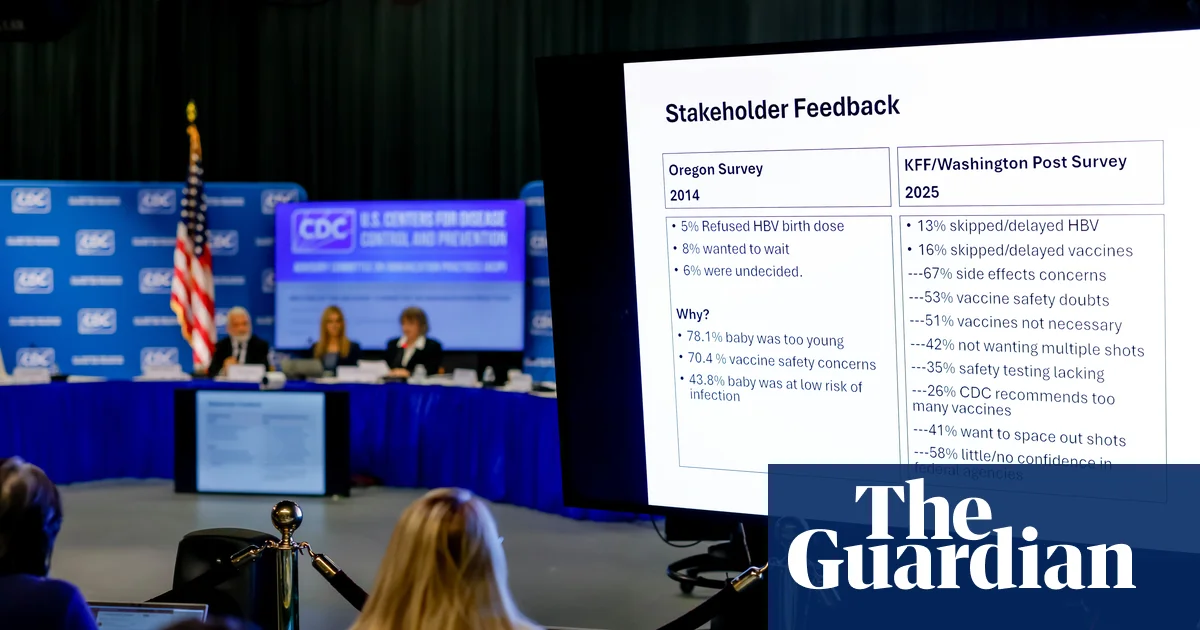
CDC advisers stall on banning infant hepatitis B shots in heated debate—Trump era clash

US Vaccine Debates and Their Geopolitical Impact

The recent convergence of United States healthcare decisions has underscored a profound shift in the nation’s approach to childhood immunizations. During a contentious meeting of the Advisory Committee on Immunization Practices (ACIP), a pivotal vote was postponed on restricting hepatitis B vaccination for infants. This unprecedented standoff reflected deep divisions that reach beyond domestic health policies, resonating across global health dynamics and geopolitical stability. The decision, or rather its delay, follows a series of recent recommendations that signal a retreat from the consensus historically practiced in vaccine administration, raising alarms about the future health sovereignty of the United States.

Critically, the debate was not rooted in new scientific evidence—no data demonstrating harm from the vaccine was presented—yet it spotlighted ideological rifts. Some members, appointed under controversial political influences, challenged the established safety record of the vaccine, which has protected over 1.4 billion people worldwide for more than three decades. The inclusion of vaccine skeptics within the advisory panels mirrors broader cultural and political tensions, often fueled by figures like Robert F. Kennedy Jr., whose anti-vaccine advocacy has gained notable traction among segments of the American youth. Analysts warn that such associations could erode trust in public health at a crucial juncture, potentially reversing decades of progress in childhood disease prevention.

Implications on National and Global Health Policies

  • In recent months, the ACIP has recommended more restrictive guidelines, including limiting access to vaccines for diseases such as measles, mumps, rubella, and chickenpox, echoing a shift that could challenge international childhood health standards.
  • This trend is compounded by the resignation of Martin Kulldorff, the former ACIP chair, who transitioned to the U.S. Department of Health and Human Services. His replacement, Kirk Milhoan, a pediatric cardiologist with a record of opposing some COVID-19 vaccination mandates, exemplifies a deliberate move away from scientific consensus and towards political influence.
  • World health experts and international organizations have expressed concern over the declining vaccination rates—amid rising vaccine hesitancy and the fallout of the COVID-19 pandemic. The recent surge in measles outbreaks across the U.S. underscores how policy shifts—whether to restrict or promote vaccination—directly influence national and how societies manage emerging health threats.

Historians and public health analysts emphasize that such decisions carry far-reaching geopolitical consequences. Countries worldwide watch as the U.S., a leader in vaccine development, grapples with internal divisions that threaten to weaken collective immunity and global disease control efforts. The focus on vaccine skepticism and political meddling in scientific institutions could redefine the international standing of American health diplomacy. As America navigates this precarious path, the weight of history presses heavily upon its shoulders, with the unfolding narrative of vaccine policies poised to leave an indelible mark on future generations.

In the shadow of these turbulent debates, the capstone remains clear: history continues to be written not just by the decisions of today’s leaders, but by the societal values they choose to uphold. The question remains—will the United States reaffirm its commitment to science and public health, or will it succumb to the divisiveness that threatens to unravel decades of progress? As the world watches with bated breath, the outcome of this internal struggle will undoubtedly shape the global health landscape for generations to come. The pages of history turn, and with them, the very fabric of societal trust and international stability hang in the balance.

Arrest Made in Pipe Bomb Plot Ahead of Capitol Riot—Justice Moves Against Threats to Democracy

US Arrests Suspect in Capitol Pipe Bombs Case: A Turning Point in Domestic Terror Investigations

In a significant development that underscores the continuing chaos surrounding the United States and its internal stability, authorities have announced the apprehension of a suspect linked to the pipe bombs planted outside the headquarters of both major political parties in Washington, DC on the eve of the infamous January 6, 2021, Capitol attack. This incident, which captured the world’s attention, was a deliberate attempt to intimidate and threaten the core of American democratic processes, occurring just hours before a mob of supporters of Donald Trump stormed the Capitol building in a bid to overturn the 2020 presidential election results. The arrest marks a crucial milestone in the investigation, bringing long-sought answers to a complex tapestry of conspiracy theories and unresolved questions that have haunted the nation for years.

Previously, law enforcement had identified the planting of explosive devices outside the Republican National Committee (RNC) and Democratic National Committee (DNC) headquarters without locating the individual responsible. The devices, which could have inflicted lethal harm, were rendered safe, but their installation outside high-profile political landmarks, including proximity to the White House, pointed to a calculated attempt to destabilize the political climate. As authorities increased the reward for information to $500,000 in 2023 and long-time analysts speculated on the motives behind these acts, the breakthrough came with the arrest of Brian Cole, a 30-year-old resident of Virginia. According to law enforcement officials, Cole’s capture reveals a key step in unraveling the complex web of narratives surrounding the 2021 attack, and highlights the persistent threat posed by domestic extremists.

Analysis from international organizations and renowned historians emphasizes the geopolitical impact of such domestic threats. Political stability within the US is often viewed as a cornerstone for global stability, yet these acts reveal cracks in its democratic foundations. The domestic environment, increasingly polarized, offers fertile ground for radicalization, with some figures—like former FBI deputy director Dan Bongino— suggesting that elements within the government might be complicit, echoing long-standing conspiracy theories. Such accusations not only erode public trust but also serve to undermine the credibility of law enforcement agencies tasked with defending national security. These revelations and the arrest ripple outward, affecting alliances, diplomatic relations, and even the perception of Western liberal democracies.

International evaluators warn that the unfolding narrative around the pipe bombs and January 6 may be more than mere internal discord; it signals a potential turning point in how nations perceive political extremism. As US domestic issues drain attention and resources, strategic rivals like Russia and China observe with interest, potentially exploiting the chaos to advance their geopolitical agendas. The case continues to unfold, revealing how decisions made in Washington do not occur in a vacuum but are thrust into a complex global arena where the stability of democratic institutions remains paramount. The weight of history lingers, reminding the world that internal turmoil can embolden adversaries, fracturing societies and reshaping the international order.

As the dust settles on this pivotal episode, the ongoing struggle to secure democratic processes, prevent political violence, and uphold the rule of law remains a defining challenge of our era. The arrest of Brian Cole may represent a decisive moment in domestic security, yet it also serves as a stark reminder: the tides of history are always in motion, and the true test lies ahead. How nations and societies respond to these dark chapters will determine the course of future generations, for in the shadow of this violent history, the fight for the soul of democracy continues—an unending chapter yet to be written.

Exclusive: Rare Photos Reveal Hidden Side of Epstein’s Island

In a development that continues to shake the foundations of international justice and expose the shadows lurking in the corridors of power, democratic lawmakers in the United States have recently released unprecedented images and videos from Jeffrey Epstein’s private island, Little St James. These revelations come amidst mounting pressure on the Trump administration to declassify a broad range of files relating to Epstein’s criminal enterprise. As the world watches, the implications of these disclosures threaten to ripple across countries and societal structures, challenging narratives of justice and transparency at the highest levels.

The newly surfaced imagery, characterized by detailed room layouts, personal artifacts, and disturbing scenes of abuse, serve as stark evidence of Epstein’s extensive and heinous crimes. The images depict opulent residences, including bedrooms, a room with masks on the wall, and even a dental chair amid other cryptic signs that victims and investigators believe are connected to human trafficking and exploitation. According to historians and analysts, such explicit visuals are a turning point—shedding light on the underbelly of a global network that may have involved influential figures from multiple nations. The U.S. Virgin Islands authorities have previously settled for over $105 million in a case alleging trafficking and abuse, yet many questions remain unanswered about the extent of Epstein’s international links.

This case exemplifies how decisions made within judicial systems and government agencies impact entire societies. The ongoing fight to release Epstein-related documents, including those held by the Department of Justice, exposes a broader struggle: whether accountability extends beyond local jurisdictions to influence global power dynamics. The newly released images, which include a walk-through video of Epstein’s island, hint at a carefully curated lifestyle of wealth and secrecy, while masks and other artifacts suggest a sinister undertow of intimidation and cover-up. Experts warn that withholding information under the guise of protecting ongoing investigations risks further eroding public trust—especially as prominent figures’ names potentially entwined in Epstein’s circle still remain shielded from scrutiny.

As international organizations and political actors debate the scope and timing of declassified files, the geopolitical impact becomes increasingly evident. The United States finds itself at a crossroads where transparency could lead to seismic shifts—possibly implicating foreign officials and altering diplomatic relations. The pressure on Attorney General Pam Bondi and the President to release these files underscores a wider debate about justice, sovereignty, and the accountability of the global elite. How nations will respond to the unveiling of such truths remains to be seen, but one fact is undeniable: the revelations mark a harbinger of change, forcing the world to confront uncomfortable realities.

In the ongoing narrative of political intrigue and justice, the imagery from Epstein’s island underscores a harsh reality—power often masks profound darkness, and accountability is a battle hard-fought at the crossroads of history. As the files are gradually released, with most expected by December 19th, the world holds its breath, knowing that this story is far from over. The play of shadows and light continues, and in the unfolding tapestry of this scandal, the most enduring question remains: who will be the last to reckon with the truth, and what shadows will emerge when history dares to look into the abyss?

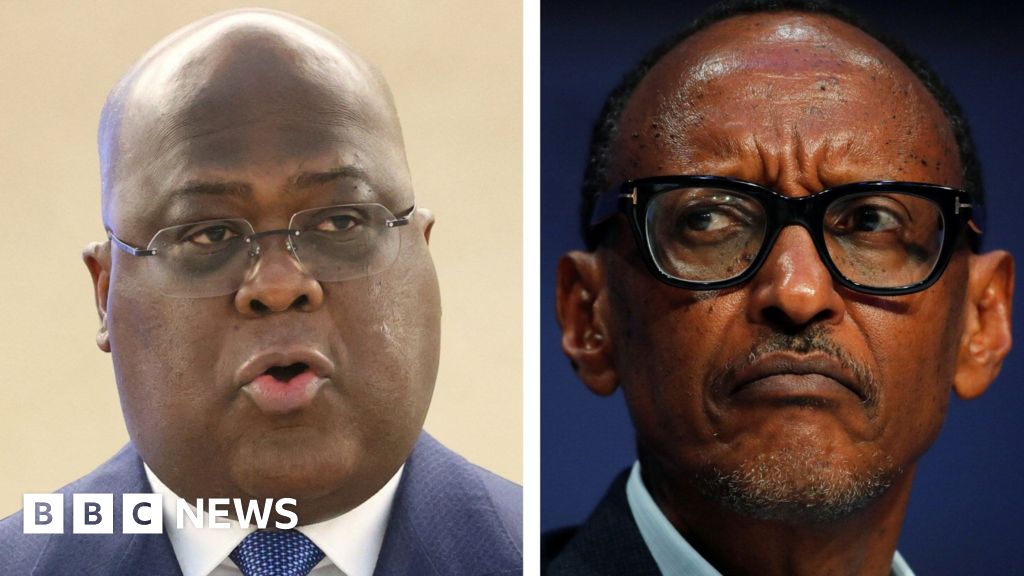
Trump Hosts Leaders from DR Congo and Rwanda to Seal Key Peace Agreement

Emerging Peace Deal in Central Africa: A Turning Point or Illusion?

In an era defined by shifting allegiances and resource-driven conflicts, the recent summit in Washington marks a pivotal moment for the tumultuous region of Central Africa. The presidents of DR Congo and Rwanda are poised to sign a landmark peace agreement aimed at quelling a decade-long insurgency that has destabilized eastern DR Congo. Hosted by then-U.S. President Donald Trump, the diplomatic gathering drew several international figures, including representatives from Qatar, Burundi, and Arab nations, signaling the global stakes intertwined with regional peace.

Despite the symbolic nature of the summit, beneath the diplomatic veneer lies a complex web of conflicting interests, historical grievances, and geopolitical calculations. The signing comes amid escalating violence, with the M23 rebel group recently seizing critical cities such as Goma and Bukavu, and ongoing accusations of Rwandan backing—an assertion Kigali continues to deny. The conflict’s roots trace back to the 1994 Rwandan genocide, with groups like the FDLR militias remaining a persistent threat, prompting Rwanda’s claims of needing to adopt defensive measures. Herein lies the core dilemma: Rwanda insists disarmament of FDLR is vital, but how to disarm a fearsome militia with a history of atrocities remains unresolved—especially when previous efforts have failed.

The Geopolitical Chessboard: Mineral Wealth, Regional Power, and International Influence

Analysts and international organizations emphasizing the region’s economic potential warn of a future shaped less by peace and more by resource extraction. The US State Department cites an estimated $25 trillion worth of mineral reserves within DR Congo, including cobalt, copper, lithium, and tantalum—key ingredients for modern electronics and defense industries. The United States has aggressively promoted economic accords, aiming to turn the region into a corridor of collaboration on hydroelectric and infrastructure projects. Political scientist Prof. Jason Stearns remarks that the true aim of the United States is to secure mineral rights and bolster strategic partnerships, while Rwanda’s role is nuanced—both as a key stakeholder and alleged supporter of rebel factions like M23.

As history illustrates, such resource-driven conflicts are often less about territorial control and more about economic dominance. Rwanda’s claims of disarming the FDLR and the DR Congo’s insistence on the rebels’ surrender expose the fragility of diplomatic promises. Past peace agreements, dating back to the 1990s, have repeatedly unraveled when accusations of inaction and betrayal surface. Critics argue this latest accord, while touted as “historic,” may merely be a strategic pause, allowing regional powers to consolidate economic gains without addressing the underlying nationalist and ethnic tensions.

Uncertain Prospects: A Fragile Glimmer of Hope or a Foreboding Prelude?

Furthermore, the ongoing clashes signal that true peace remains elusive. The DR Congo army reports recent offensives against rebels, who in turn accuse the government of collusion with foreign forces, notably Burundi. The enclave’s strategic importance—bordered by multiple nations and rich in resources—ensures that any resolution is susceptible to regional and external interference. The participation of Qatar and the U.S. in mediation efforts highlights the international stakes; yet, the enduring question remains—will the promise of peace translate into lasting stability, or merely herald another chapter of deferred conflict?

History’s shadow looms large, with experts warning that peace processes in Africa often falter due to entrenched interests, unfulfilled agreements, and the difficulty of disarming well-armed factions. The region teeters on the precipice of a new chapter—one that could either mark the demise of chaos or the birth of a protracted struggle. As the world watches, the unfolding story in DR Congo and Rwanda reminds us that the weight of history is still being written, and the future remains dangerously uncertain.

Social Media Auto Publish Powered By : XYZScripts.com