Matox News

Truth Over Trends, always!

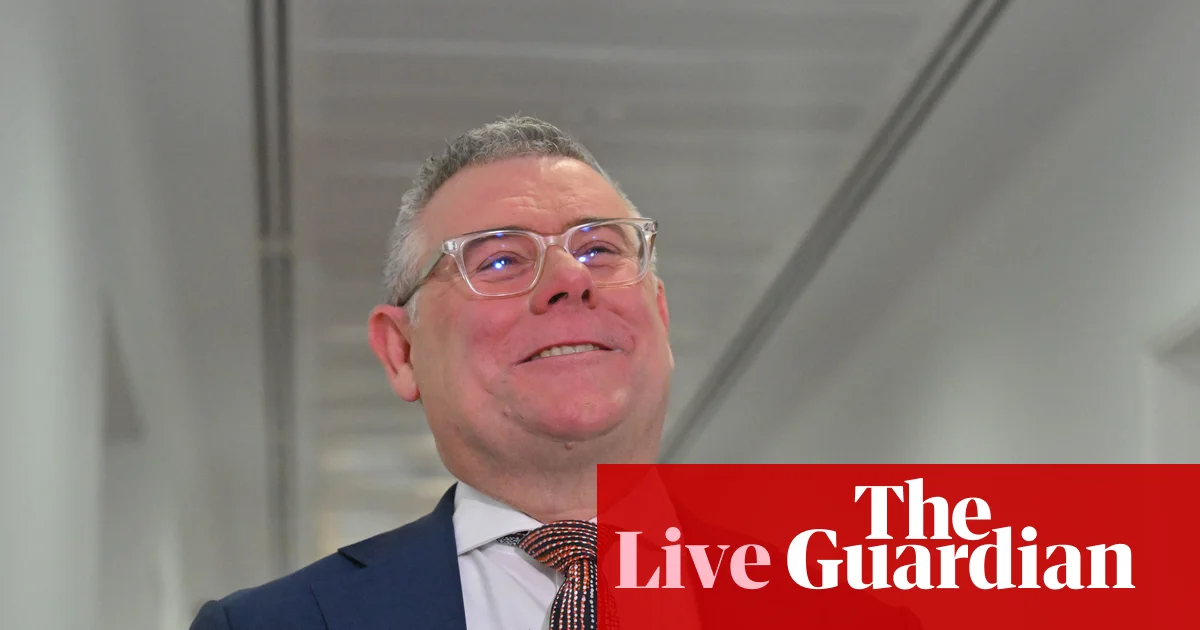
Australia Politics Update: Labor Tries to Win Greens and Coalition Support on Nature Laws in Final Week of 2025 Parliament

Global Power Dynamics in Flux: A Year of Unprecedented Shifts

As 2025 unfolds, the international arena witnesses a series of transformative developments that will undoubtedly leave a lasting imprint on the course of history. From the reaffirmation of aged alliances to emerging conflicts over resource control, the geopolitical landscape is shifting with unprecedented speed and intensity. Major world powers are recalibrating their strategies amidst the complex web of regional tensions and global challenges, signalling a new era where old paradigms are no longer sufficient to navigate the turbulent waters of the 21st century.

Key among these shifts is the continued resurgence of China and Russia, who are consolidating influence in strategic regions through economic, military, and diplomatic avenues. Western nations, particularly the United States and its NATO allies, are dispatching signals of renewed commitment to their traditional security pacts; however, cracks are beginning to surface within these alliances, driven by internal political shifts and divergent national interests. Yet, the most startling change may be the reassertion of sovereignty by emerging economies and regional powers asserting their independence from Western dominance, transforming previous unipolar narratives into a more multipolar reality.

Within this context, international organizations such as the United Nations and the World Trade Organization face increasing scrutiny and calls for reform, largely because their ability to mediate effectively has been hampered by national self-interests. The global climate crisis adds a layer of urgency to these diplomatic negotiations, with nations balancing the imperative for sustainable development against short-term economic gains. Historians and analysts warn that failure to adapt to these new realities could lead to heightened conflicts over resources and technology, with the potential for widespread instability.

Of particular concern is the escalation of conflicts over critical resources, including rare earth elements, water, and energy supplies, which are vital for technological and military superiority. Countries are increasingly turning inward, prioritizing self-reliance and securing their borders against what many perceive as external threats. This trend signifies a fundamental challenge to the post-World War order and a deliberate move toward geopolitical resilience. As nations navigate these turbulent waters, scholars emphasize the importance of maintaining open channels for dialogue to prevent misunderstandings from spiraling into all-out confrontations. The next few years are likely to be pivotal, as political factions and regional actors push for dominance, making the path forward anything but predictable.

In conclusion, the unfolding history of 2025 is a stark reminder that the decisions made today will echo through generations. As global players recalibrate their positions and face the consequences of their actions, the world stands at a perilous crossroads—where the pursuit of power and security risks eclipsing the common good. The cause-and-effect of these seismic shifts will shape the fabric of international relations for decades to come, leaving behind a legacy that history will scrutinize with relentless scrutiny. In this drama of diplomacy and conflict, the weight of the future remains uncertain, yet undeniably heavy—building a story of resilience, rivalry, and revolution that is still quietly being written in the shadows of the great halls of power.

Thinktank urges hospitals to downsize and end NHS 'permacrisis'—a call to fix the system for Britain’s young generations
Thinktank urges hospitals to downsize and end NHS ‘permacrisis’—a call to fix the system for Britain’s young generations

Assessing the Global Impact of Healthcare Restructuring: The UK’s NHS as a Case Study

Amidst a rapidly changing demographic landscape and escalating healthcare demands, the United Kingdom is contemplating a radical overhaul of its National Health Service (NHS) infrastructure. According to a recent report by the thinktank Re:State, the future of hospital care must shift from the traditional model of large, bed-intensive institutions to a leaner, more community-focused system. This transition isn’t merely an internal UK matter, but one with profound geopolitical impact: it signals a broader global trend towards reimagining healthcare delivery, emphasizing efficiency, preventive care, and technological innovation.

Historians and international analysts emphasize that this strategic pivot, if executed successfully, could serve as a blueprint for other nations grappling with aging populations and strained healthcare budgets. Considerations surrounding the downsizing of hospitals are not merely cost-cutting exercises but represent a fundamental shift in how societies perceive health and healing. The UK plans—to potentially shed thousands of hospital beds—align with advances that allow treatment at home and in local clinics, reducing the physical footprint of traditional hospitals. Experts warn, however, that such a seismic transformation raises questions about sovereignty, societal cohesion, and the race for technological supremacy in medicine.

International organizations, including the World Health Organization, have issued cautious praise, noting that innovation and efficiency are critical to maintaining universal coverage in an era of constrained budgets. Still, they warn that rapid reform must be balanced with safeguarding access, especially for vulnerable communities. The Re:State report highlights that the UK’s approach, offered as a model in reform debates, could shift the global healthcare landscape—particularly if other nations follow suit. As British policymakers push forward, the decision to transform hospitals into more agile, community-integrated centers could redefine geopolitical influence, giving the UK an edge in healthcare innovation and international aid diplomacy.

With global conflicts and economic uncertainties inflaming the geopolitical stage, the decision-making surrounding rapid healthcare reform goes beyond domestic borders. As Britain’s NHS reimagines itself, it simultaneously signals a broader challenge for global powers: do they prioritize national sovereignty or align with international models of efficiency? Given the stakes, the profound transformations underway may be a harbinger of a new epoch in global health—one where history is written in the choices of today, and the ripple effects of these decisions will echo for generations to come.

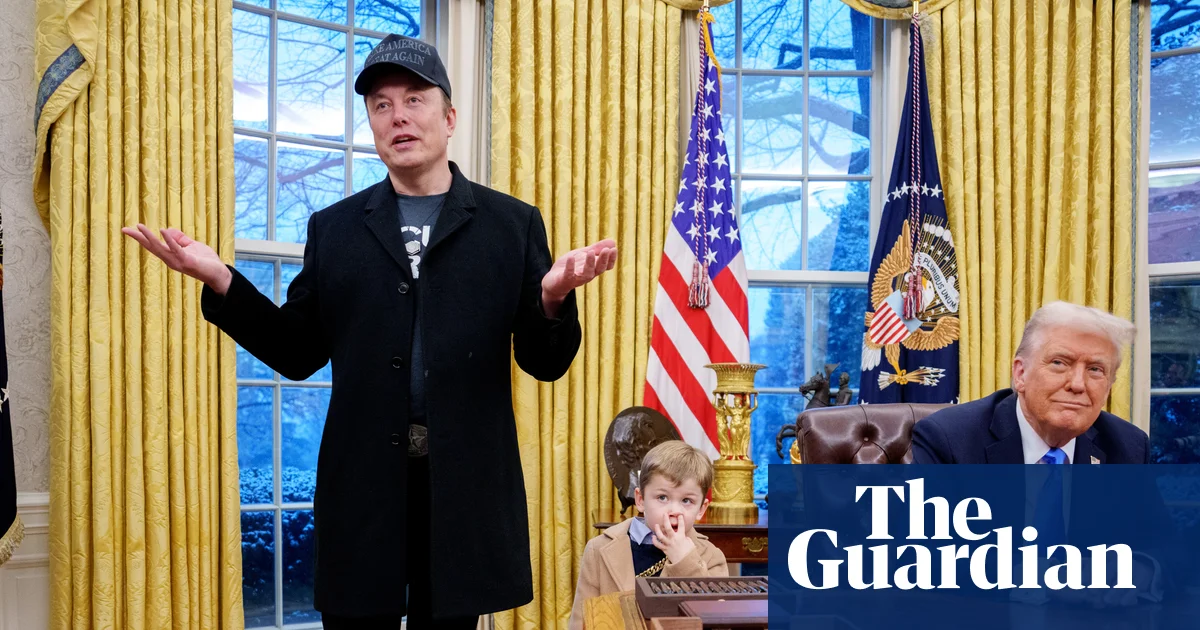
Doge Disbands Early—No Longer in the Game, Sources Say

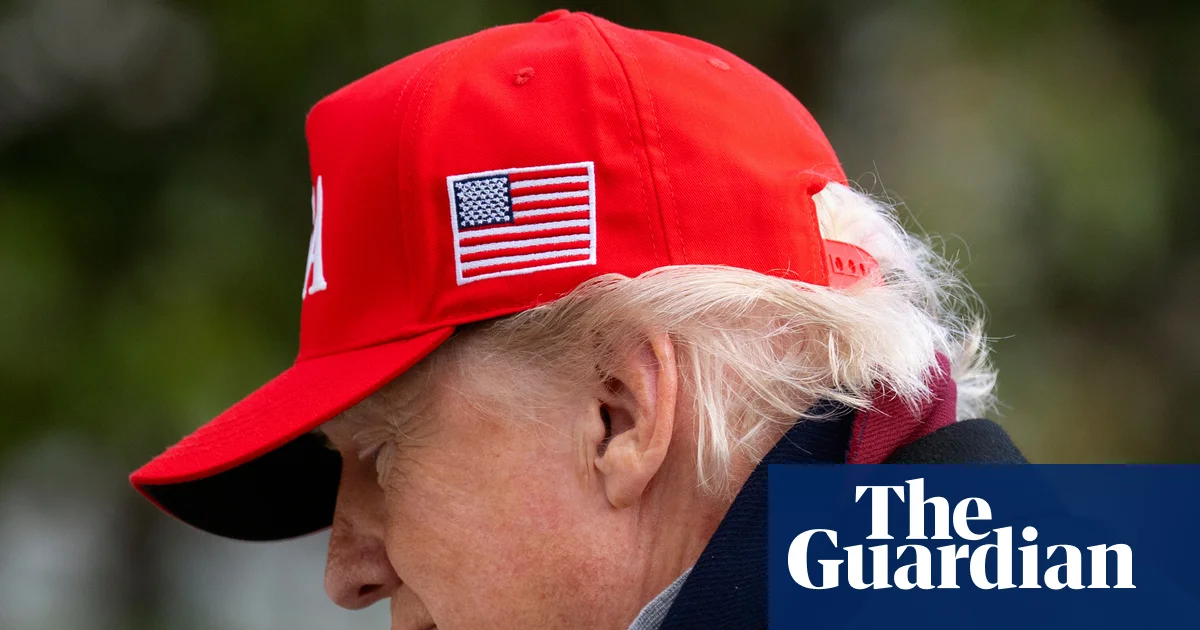
The recent disbandment of the “department of government efficiency” (Doge) in the United States marks an extraordinary turning point in the ongoing experiment of centralized federal reform. Once envisioned as a bold effort to overhaul and slim down federal agencies, Doge has been officially declared nonexistent, despite still being under contract merely eight months prior. This move signals a dramatic retreat from the ambitious reorganization championed by President Donald Trump and his allies, aligning with a broader shift in Washington toward traditional bureaucratic resilience rather than radical reform.

Leading figures like Elon Musk and Vivek Ramaswamy, originally appointed to spearhead Doge’s large-scale restructuring, now find themselves on the sidelines, their influence waning amid internal chaos and public controversies. Musk’s public comments on transparency, ironically, contrast sharply with reports from whistleblowers and government insiders who described the agency’s covert operations—refusing to identify agents, cutbacks without consultation, and a lack of accountability. These discrepancies reflect a profound crisis of trust and legitimacy within the federal reform movement, which, according to analysts, was never fully rooted in transparent governance but rather in untested experimentation that ultimately backfired.

Internally, critics argue that Doge’s aggressive layoffs—more than 200,000 federal workers affected—have precipitated a crisis of confidence across essential government sectors. While the official narrative touts billions in savings and streamlined efficiency, independent experts have expressed deep skepticism about these claims—a suspicion only amplified by the absence of clear public accounts. Leading historians like Dr. Marc Epstein warn that such drastic measures, driven by political and ideological agendas rather than pragmatic reform, threaten the stability of federal institutions at a time when geopolitical confidence in the U.S. is already strained. The fallout now extends beyond domestic governance, impacting the country’s international standing as allies and adversaries alike observe its internal struggles.

The seismic shifts within U.S. domestic policy are also echoing abroad. Russia and China, keenly aware of Washington’s internal disarray, are watching closely for any signs of vulnerability. The disbandment of Doge may symbolize a retreat from ultra-ambitious reform efforts, yet it also underscores a fundamental truth—decisions made in Washington ripple across the world’s geopolitical fabric, influencing alliances, military posture, and economic stability. As NATO and other international alliances reassess U.S. leadership, the chaos surrounding this audacious reform attempt reveals how internal discord can weaken even the most powerful nations on the global stage.

As history continues to unfold, the disbandment of Doge invites a sobering reflection for nations watching from afar: in the map of geopolitics, stability often hinges on the capacity of powerful nations to maintain internal cohesion. The fate of this short-lived endeavor to revolutionize federal efficiency underscores an enduring lesson—the weight of history does not rest solely on the decisions of global institutions, but on the resilience or fragility of their core institutions. With the echoes of this upheaval resonating across borders, the question remains: will the United States regroup and forge a new path forward, or will its internal chaos persist as a symbol of declining influence in a shifting world order?

Trump blasts Ukraine’s lack of gratitude for peace efforts amid global talks

Global Power Play in Ukraine: A Tense Flashpoint with Lasting Consequences

In what could be a pivotal moment in international relations, recent developments surrounding the ongoing situation in Ukraine reveal an intricate web of diplomacy, suspicion, and geopolitical tension. As U.S., European, and Russian actors converge in Switzerland and Geneva to discuss peace negotiations, the world watches with bated breath. The core of this crisis lies not only in Ukraine’s sovereignty but in the broader contest for influence—an ideological and strategic struggle that threatens to redefine the post-Cold War security order.

Amidst the dialogue, claims from Donald Trump and other U.S. officials about a proposed “peace plan” have stirred controversy. Trump accused Ukraine of ingratitude for U.S. efforts, while European leaders, including Ursula von der Leyen and Friedrich Merz, sharply criticized parts of the plan that suggest Ukraine cede territory and limit its military capabilities. These demands—crafted, according to reports, by Kirill Dmitriev, a key Kremlin figure—pose a direct challenge to the core principles of Ukraine’s territorial integrity and NATO’s eastward expansion, which is seen by many Western analysts as essential for European stability. The plan’s language, reportedly translated from Russian, hints at Moscow’s enduring desire to roll back NATO’s post-1997 borders, echoing Putin’s pre-invasion rhetoric and ambitions to restore what he perceives as Russia’s rightful sphere of influence.

Deciphering the Geopolitical Impact: Who Shapes the Future?

  • On one side, the United States appears to be caught between supporting Ukraine’s sovereignty and internal political debate, exemplified by recent mixed messages from figures like Marco Rubio. While some senators suggest the plan is a Russian-inspired leak, others insist U.S. involvement, with “input” from Russia, was significant—highlighting the complex, often contradictory nature of Washington’s diplomacy in this crisis.
  • Meanwhile, European leaders emphasize that any peace arrangement must respect Ukraine’s borders and security. German Chancellor Friedrich Merz has expressed skepticism about an imminent agreement, cautioning against accepting demands that would undermine Ukraine’s sovereignty or set a dangerous precedent for other nations.
  • Russia’s ambition remains clear: force NATO’s military footprint back to its 1997 boundaries and undo the strategic security architecture established in the post-Cold War era. Putin’s call for NATO to withdraw from Baltic states and central Europe signals an attempt to reassert Moscow’s dominance—a move that threatens European stability and global security.

The international community, especially European nations, fears that acquiescing to Moscow’s demands would trigger a dangerous precedent, potentially encouraging territorial revisions by authoritarian regimes elsewhere. A senior European diplomat warned that accepting such a plan would undermine decades of diplomatic progress and embolden other revisionist states, creating a fragile, unpredictable global order. Historians like John Mearsheimer have long warned that concessions to revisionist powers can encourage future aggression, and current signals appear to confirm these fears.

How the Decision Shifts Societies and the Arc of History

The stakes extend far beyond military borders. If Ukraine is forced into concessions, it risks losing not only territory but also its sovereignty—something that would resonate deeply across Europe and the West. President Volodymyr Zelenskyy faces a tragic dilemma: to compromise on core national interests or to risk losing vital Western support. The result would be a divided Europe, where the principles of self-determination and security are compromised in favor of expedient peace—potentially repeating the dangerous appeasements of the interwar period.

Furthermore, the emerging international consensus underscores a stark reality: the future security architecture of the continent hinges on decisions made today. As analysts caution that Russia aims to turn back the clock decades, the global balance of power remains unsettled. The unfolding negotiations are more than simple diplomacy—they are the battlefield of ideas and influence, where the outcome will shape the geopolitical landscape for generations.

As history continues its relentless march, the world stands at a fragile crossroads—a place where the choices made now will echo through the annals of history. Will nations defend their sovereignty and uphold the principles that underpin stability, or will they succumb to pressures that could unravel the delicate fabric of peace? In this unfolding drama, the weight of future generations rests on the resolve of leaders to stand firm, knowing that the course of history has yet to be written, and the story of Ukraine’s resilience remains a poignant testament to the ongoing struggle for sovereignty and global stability.

UK launches bold minerals plan to cut reliance on China

Britain’s New Critical Minerals Strategy Signals a Geopolitical Shift

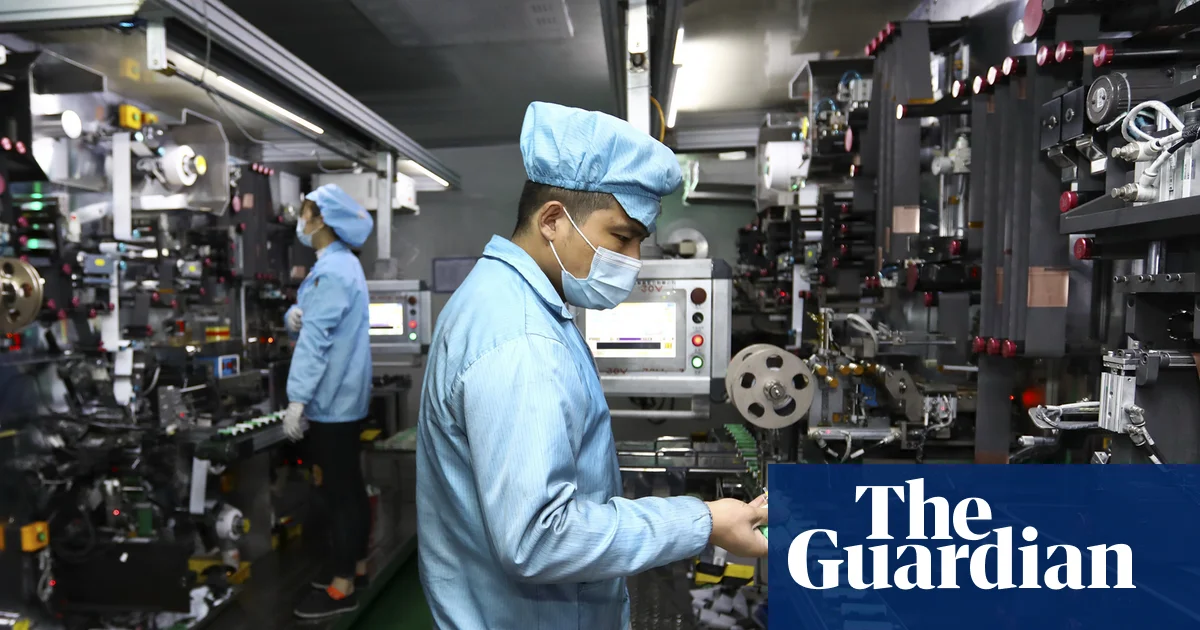
In a decisive move reflecting the mounting global rivalry over vital resources, Britain has unveiled a comprehensive critical minerals and rare earths strategy aimed at fortifying its supply chains against China‘s growing influence. Keir Starmer’s announcement underscores a broader international pattern—nations are increasingly recognizing that economic resilience in the 21st century hinges on securing domestically sourced and diversified supplies of essential materials. As analysts warn, the stakes are high: without strategic independence in critical minerals, Western economies risk falling prey to China’s geopolitical leverage, especially amid recent clashes over chip supplies and technological dominance.

The strategy, bolstered by a £50 million fund targeted at expanding domestic production in places like Cornwall—home to Europe’s largest lithium deposits—embodies a clear intent: diminish reliance on China and other authoritarian regimes. This initiative also aligns with Europe’s own efforts to break free from Chinese supply chains, as highlighted by the European Union’s acknowledgment of its lag behind the US in securing critical material stocks. The EU’s largest lithium deposits in Cornwall, coupled with potential support for tungsten mines, demonstrate a strategic pivot that aims to turn Britain’s resource wealth into geopolitical leverage. In this context, America and Britain are engaged in a high-stakes race to develop the infrastructure, technology, and investment necessary to dominate the critical minerals market—an arena increasingly recognized as the new frontier of global power.

How decisions made today ripple through societies is just as vital. As historians note, the previous reliance on overseas sources has left Western countries vulnerable during periods of diplomatic or trade upheaval. Last summer’s standoff between China and the EU over chip supplies exemplifies how political tensions can swiftly disrupt critical supply chains, with far-reaching implications for industries ranging from automobiles to artificial intelligence. Failure to secure reliable access to essential minerals could stall technological progress, inflate costs, and weaken national security. These risks emphasize why governments are prioritizing not just resource extraction, but also the development of recycling technologies and domestic refining capabilities, as seen with Germany’s five-year, £150m lithium refinery project.

  • The UK’s strategic goal: ensure no more than 60% of any critical mineral is imported from a single partner by 2035.
  • Investment in domestic processing aims to produce at least 50,000 tonnes of lithium annually by the same year.
  • Britain’s cooperation deal with Saudi Arabia signals an emerging network of alliances designed to buffer supply chain disruptions.

Despite these efforts, international organizations like the EU acknowledge that America currently holds a significant advantage, thanks to proactive stockpiling and strategic investments, which analysts say could guarantee a supply edge for years to come. The global landscape resembles a high-stakes chess game, where the control of critical minerals equates to geopolitical dominance. As history warns, nations that fail to adapt—those that depend excessively on unreliable external sources—risk falling behind in the new cold war of resource control. With the world watching, Britain is racing against time to secure its future, aware that the decisions shaping today will echo for generations and influence the very fabric of international power—a narrative still being written, with the weight of history uncertain and the stakes higher than ever.

Greenlandic Families Push Back as Parenting Tests Banned, Fight to Reclaim Their Kids

Greenlandic Families Fight for Justice Amid Danish Child Welfare Policies

In an unfolding chapter of international custody and cultural conflict, families from Greenland are challenging decades-long practices by the Danish government that have led to the removal of their children. Tied to a complex history of colonialism, these legal and social interventions have sparked protests, emotional trauma, and ongoing legal battles, exposing a deep-rooted crisis of cultural identity and human rights. As Greenland strives for recognition of its sovereignty and cultural integrity, the case of these families underscores how international decisions can reverberate across societal fabric—shaping laws, perceptions, and lives in powerful, often tragic ways.

Central to this controversy are the so-called FKUs—parenting ability assessments that, since their inception, have been used by Danish social services in complex welfare cases. Critics argue that these evaluations are heavily biased, culturally insensitive, and lack scientific validity—particularly when applied to Greenlandic families. Analysts and human rights advocates warn that these tests, administered in Danish and tailored around Danish norms, distort true parenting capacity, threatening to erase traditional Greenlandic values and foster a cycle of loss and despair. For many families, like Keira and Johanne, these assessments have resulted in the heartbreaking removal of their children immediately after birth or during early childhood, often based on superficial tests that critics say cannot reliably predict parental success.

The Human Cost and Cultural Clash

The stories of Keira and Johanne are emblematic of the personal tragedy woven into this larger international issue. Keira, a Greenlandic mother, recounts her agony of having only two hours with her newborn, Zammi, before social services took her away—an experience marked by uncontrollable sobbing and whispers of regret. Despite ongoing visits, she remains separated from her daughter, battling court decisions rooted in assessments that questioned her parental abilities based on questions about Mother Teresa or the speed of sunlight. Similarly, Johanne’s premature son was taken at birth, despite a brief period of contact, and subsequently adopted—the loss lingering painfully for both parents. Such cases illustrate how administrative decisions intertwined with cultural insensitivity can fracture families permanently.

While the Danish government announced a review of hundreds of such cases in the wake of mounting criticism and protests—some in Nuuk, Greenland’s capital—>the process remains slow and uncertain. As of now, only a fraction of cases have been reevaluated, with no children returned. Critics, including social workers and psychologists, contend these assessments are often based on outdated or culturally biased criteria. The recent ban on FKUs in Greenland was a significant step, yet advocates argue that systemic reform is necessary to prevent future tragedies and uphold the rights of indigenous communities.

Implications for Global Law and Sovereignty

The dilemma extends beyond individual families; it highlights the broader geopolitical impact of colonial legacies and sovereignty. Greenland, a territory with a rich indigenous culture and increasing strategic importance due to its natural resources, finds itself at the crossroads of international governance and cultural preservation. The families’ struggles reflect a wider debate: should colonial-era social policies continue to dominate or give way to indigenous-led justice? International organizations like the United Nations and European Court of Human Rights face mounting pressure to intervene, signaling a global shift towards recognizing indigenous rights and cultural autonomy in social policies.

As historians and analysts observe, this murky intersection of law, culture, and geopolitics is a *turning point*—a test of how modern nations reconcile their histories with contemporary human rights standards. For Greenlandic families, especially, the fight is about more than custody; it is about preserving identity and dignity amid an evolving global landscape. Time may echo with the resolutions of courtrooms and legislative chambers, but the weight of history continues to cast shadows. The ongoing struggle for the return of their children serves as a stark reminder: decisions made in distant boardrooms and courtrooms today will, in time, define the legacy of justice, cultural resilience, and sovereignty for generations to come. The story is still unfolding, and only history can tell whether humanity advances towards true equality or remains prisoner to its colonial past.

Brazil’s Former President Detained as Authorities Flag Flight Risk

The recent arrest of Jair Bolsonaro, the controversial former Brazilian president, marks a pivotal moment in Brazil’s tumultuous political landscape and signals a potential shift in Latin American geopolitics. Convicted of plotting a military coup aimed at seizing power after his electoral defeat in 2022, Bolsonaro’s detention has ignited both support and condemnation among international observers. The Supreme Court Justice Alexandre de Moraes justified the move by citing the risk of Bolsonaro fleeing—highlighting how state security measures are increasingly intertwined with political vendettas in a region grappling with political polarization. As Bolsonaro’s supporters gather en masse, the full geopolitical impact of this crisis remains uncertain, yet fundamental questions surrounding national sovereignty and regional stability are now at the forefront.

Bolsonaro’s conviction, which led to a sentence of over 27 years, centered on his alleged role in orchestrating a conspiracy to subvert democratic processes. Notably, courts accused him of inciting violence during the assault on government institutions on 8 January—an event widely condemned as a direct consequence of his rhetoric. Leading international organizations have expressed concern, warning that such actions threaten the fragile democratic fabric of Brazil. Renowned analysts warn that his detention and the subsequent crackdown could further polarize the nation, risking destabilization in the region and inspiring like-minded populist movements across Latin America. Meanwhile, the United States, under the rhetoric of trade sanctions and diplomatic caution, has observed these developments with a mix of apprehension and strategic calculation, aware that Brazil’s stability is a cornerstone for regional influence and global trade routes.

Moreover, the detention of Bolsonaro has a broader international dimension, symbolizing a clash between old-world populism and emerging forms of governance in the 21st century. His legal team challenged the custody measures, emphasizing that “supporters are willing to fight for democracy,” even as the court warned that the former president posed a serious flight risk. The specter of Bolsonaro seeking asylum at foreign embassies, notably in the U.S., underscores the potential for diplomatic flashpoints. Such threats not only complicate Brazil’s internal affairs but also ripple into U.S.-Brazil relations, with implications for trade, diplomacy, and regional alliances. International organizations, including the OAS, have called for calm, but the underlying tensions reveal a deep fissure—one that could define Brazil’s political trajectory for years to come.

As Brazil stands at this crossroads, historians note that the unfolding events echo past crises that have shaped the modern world—moments where the fight for democracy clashed with authoritarian impulses. The decision to imprison Bolsonaro, taking into account his role in inciting violence and attempting to destabilize the government, could serve as a precedent on how emerging democracies confront populist insurgents. Yet, the potential for unrest remains significant, as Bolsonaro’s supporters prepare to rally in his favor. This confrontation will test the resilience of Brazil’s institutions and the international community’s ability to prevent a descent into chaos. In this moment, history continues to write itself—reminding us that the fate of nations often hinges on choices made not just in courts but in the hearts and minds of their people, with each step edging closer to a new chapter in the ongoing saga of liberty versus tyranny.

Experts slam Free Birth Society for dangerous misinformation threatening mothers and babies

International Ramifications of the Anti-Medical Birth Movement

In recent months, the Free Birth Society (FBS), a controversial organization founded and led by two former social media influencers, has garnered significant international attention. Purporting to promote women’s rights to give birth outside of traditional medical settings, FBS’s platform champions a radical approach that rejects conventional obstetric care. Their message, which claims that birth can be safely conducted at home without medical intervention, has found a global following among young women seeking autonomy. However, key investigations, such as the recent expose by The Guardian, have linked FBS’s unorthodox practices to a disturbing rise in infant fatalities and maternal health crises worldwide.

This movement’s geopolitical impact is profound. From the Western nations with advanced healthcare systems to low-income nations where medical resources are already strained, the encouragement of unassisted childbirth threatens to undermine decades of progress in maternal and child health. International health agencies, including the World Health Organization (WHO), have issued warnings about the dangerous misinformation circulating via FBS’s social media channels. Prominent analysts argue that such rhetoric amplifies risks, especially in regions lacking access to emergency medical care, potentially reversing hard-won gains in reducing maternal mortality and neonatal complications. This situation exemplifies how decisions driven by ideological extremism on social media can destabilize fragile health systems and trigger avoidable tragedies.

Experts, including maritime and medical historians, have identified this phenomenon as a **turning point**—a challenge to the authority of scientific consensus and the practice of evidence-based medicine. Dr. Michelle Telfer of Yale University warns that propagating dangerous myths about childbirth, such as dismissing the importance of sepsis prevention or resuscitation, can have catastrophic consequences. In low-income countries, where the burden of infections like sepsis remains high, these misguided beliefs risk driving infant mortality rates upward. The International Federation of Obstetrics and Gynaecology (FIGO) emphasizes that these extremities are not merely health issues but pose a threat to social stability, especially when communities adopt practices that contravene basic medical science.

As this controversy unfolds, it underscores a broader debate about the role of sovereignty versus international standards, especially in an era where social media platforms wield tremendous influence over health narratives. The rise of FBS is a clear indicator of a wider global shift—a desire among some segments of society to reject what they see as excessive state intervention in personal choices, even when those choices threaten public health. How nations respond to this challenge, balancing individual freedoms with societal safety, will shape the trajectory of global maternal health for decades to come. The story is not yet over, and the weight of history now hangs in the balance, its future written by decisions made in the coming years regarding healthcare regulation, digital misinformation, and the sovereignty of nations’ health policies. In this ongoing saga, the stakes are nothing less than the safety and survival of the most vulnerable among us, and the world can only wait and watch as this dangerous chapter continues to unfold amidst the shadows of history’s unfolding narrative.

US asserts it crafted the peace plan—protecting American interests and leadership

In a rapidly shifting geopolitical landscape, the United States finds itself at the center of a contentious debate over the future of Ukraine. Recently, reports emerged indicating initial proposals for ending the ongoing conflict in Ukraine included concessions that many allies deem unfavorable. These proposals, leaked to the public, suggested that Ukraine would have to withdraw from eastern territories it currently controls and place limits on its military strength—appeasing Russia but raising alarms among Kyiv’s Western allies. The draft, which has not been officially released, is seen by many as a Russian “wish list” that threatens to undermine Ukraine’s sovereignty, prompting sharp pushback from European leaders and NATO members.

U.S. Secretary of State Marco Rubio has publicly insisted that the plan in question was authored by the United States, emphasizing that it incorporates input from both Russia and Ukraine. However, some senators and international analysts have challenged this narrative, suggesting that the proposal more accurately reflects Russian interests rather than a balanced diplomatic effort. During a forum in Geneva, Republican Senator Mike Rounds claimed Rubio stated the draft was not official U.S. policy, further fueling doubts over America’s true stance. In response, State Department spokesperson Tommy Pigott dismissed these claims as “blatantly false,” reiterating the administration’s position that the plan was developed with American leadership and strategic input. The conflicting narratives underscore the delicate, high-stakes diplomacy playing out behind closed doors, with the future of the conflict hinging on fragile negotiations.

The core of the debate revolves around a 28-point plan that has caused intense division among Ukraine’s allies. European nations, including Germany, France, and the UK, have publicly voiced concerns, emphasizing that the plan could leave Ukraine vulnerable to future attacks and undermine its territorial integrity. This skepticism was articulated at the recent G20 summit, where a joint statement from most European leaders declared the plan “would require additional work,” citing concerns over border changes and restrictions on Ukraine’s military capabilities. French President Emmanuel Macron warned that any peace accord must guarantee security for all of Europe, resisting any proposal that can be perceived as capitulating to Russian demands. Meanwhile, German Chancellor Friedrich Merz acknowledged the distance still remaining towards a comprehensive and equitable peace, warning that “we are still quite a long way from a good outcome for everyone.”

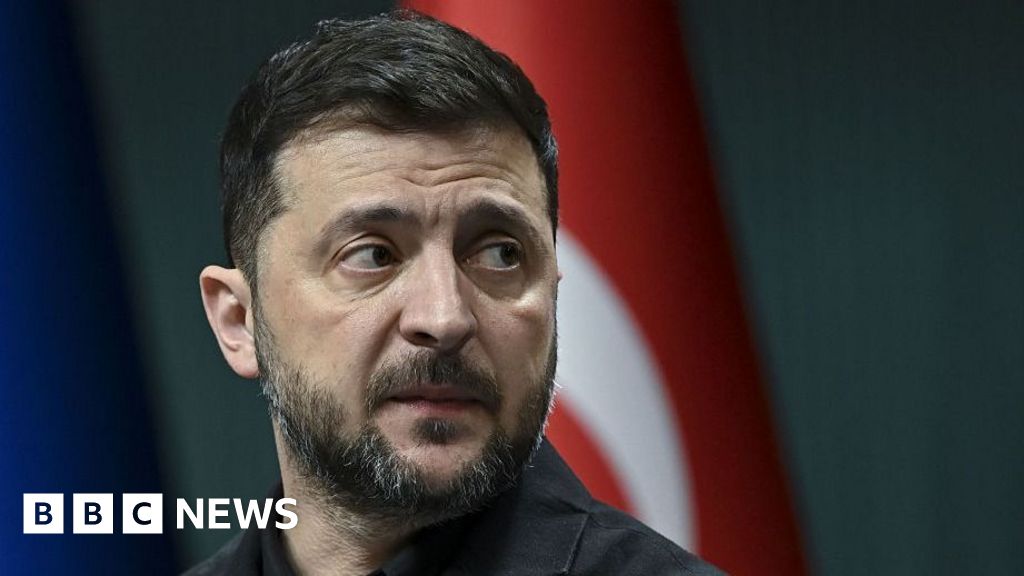
As the international community watches anxiously, the stakes have never been higher. Since Russia’s invasion of Ukraine in February 2022, the conflict has evolved into a larger confrontation involving NATO, the US, and the European Union—each seeking to preserve their strategic interests while navigating the complexities of international law and national sovereignty. The potential concessions within the proposed plan threaten to reshape regional security dynamics, with some analysts warning of a precedent that could embolden future aggressions. Meanwhile, Ukraine’s President Zelensky remains resolute, appointing a new negotiator to lead future talks and maintaining that his government will defend its sovereignty at all costs. But in the shadows of diplomatic negotiations, the weight of history presses down on every decision, hinting at a future where the line between peace and perpetual conflict remains perilously thin. The unfolding saga in Geneva could yet become a defining chapter—either fostering a fragile peace or unleashing new waves of uncertainty that will test the resolve of free nations for generations to come.

Venezuelans Fear Food Shortages Amid US Threats

Escalating Tensions in Venezuela: Geopolitical Impacts and Societal Struggles

The current crisis in Venezuela exemplifies the profound complexity of international conflicts and their ripple effects on societies. While global headlines focus on the military posturing of the United States and formal threats of invasion, the daily lives of ordinary Venezuelans remain overshadowed by economic despair and political repression. Despite aggressive troop deployments and heightened military activity near the country, the general mood on the streets of Caracas reflects prevailing **uncertainty and economic hardship** rather than imminent war. This divergence between geopolitical maneuvers and local realities underscores how decisions made in far-off corridors affect the lives of people caught in a web of **economic collapse and political repression**.

In recent weeks, Washington has escalated its military posture, deploying the largest warship in the world, USS Gerald R. Ford, along with thousands of troops and military assets near Venezuela. The move is presented as part of an effort to curb drug trafficking, yet critics and some analysts argue it is a thinly veiled attempt at regime change, echoing historical interventions in Latin America. An international wave of airlines cancelling flights and warning of **”heightened military activity”** signals a dangerous escalation that risks spiraling beyond diplomatic channels. Global institutions like the United Nations and international historians draw stark parallels with past Cold War crises, warning that such military brinkmanship could inadvertently ignite **regional conflict** or lead to humanitarian crises. The looming threat is not just a matter of military strategy but how such actions destabilize **sovereign nations** and threaten *fragile* social fabric*.

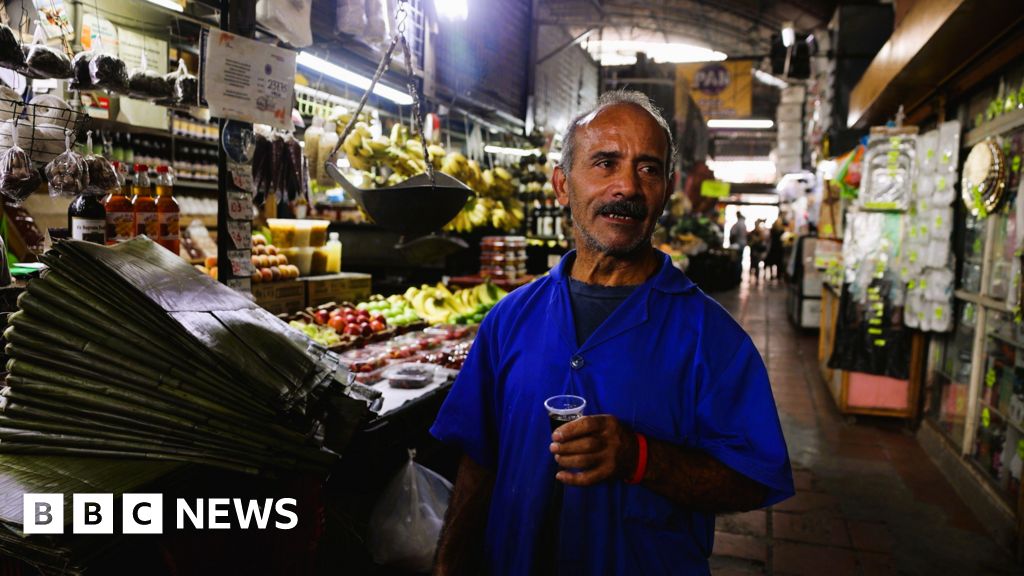
Meanwhile, the people of Venezuela face a harrowing reality marked by hyperinflation, food shortages, and pervasive fear. According to the International Monetary Fund, inflation could hit an unprecedented 629% by 2026 — the highest in the continent — ravaging purchasing power and deepening poverty. Even before the international tensions, Venezuelans were struggling to secure basic staples. Vendors such as Alejandro, who sells vegetables in a Caracas market, describe empty aisles and prices quadrupling, leaving most families unable to afford the **basic food basket**. Public sentiment reveals a dangerous mix of resignation and silent anxiety; many fear openly criticizing the regime or the burgeoning crisis, knowing repression has intensified since disputed elections in 2024. Opponents and analysts warn that **further repression and silence** may hide a growing insurgency or unrest that could explode if economic hardship persists or if international conflict engulfs the region.

How International Decisions Shape Societies

The decision to threaten military action or escalate tensions plays a significant role in shaping **how nations and societies evolve**. The United States’ posture signals its strategic interest in Latin America, but the aftermath often falls most heavily on local populations. As historians along with organizations like the Council on Foreign Relations warn, such show-of-force tactics risk undermining sovereignty and intensify **civil unrest**. Many Venezuelans, like Consuelo and Esther, express a sense of helplessness, caught between the fear of war and the daily fight for survival, with economic collapse overshadowing geopolitical concerns. Fear and repression have silenced protests and debates, creating an environment where hope is confined to whispers and secret exchanges. The international community’s role, whether through diplomatic engagement or sanctions, remains pivotal in either preventing disaster or unleashing a cascade of crisis that could leave history’s pages stained with the blood of innocence.

As the world watches a region teetering on the edge, the deeper truth emerges — nations are not isolated entities; they are intertwined in a web of **power struggles, economic interests, and human stories**. The convergence of military posturing, economic collapse, and political repression in Venezuela reminds us that the future is still to be written. Whether through diplomacy, confrontation, or catastrophe, history continues to unfold in the streets of Caracas, where everyday life persists amid an atmosphere heavy with uncertainty and the echoes of a legacy that will define generations to come. The full weight of history hangs in the balance, waiting to see if resolve or recklessness will shape the next chapter.

Social Media Auto Publish Powered By : XYZScripts.com