Matox News

Truth Over Trends, always!

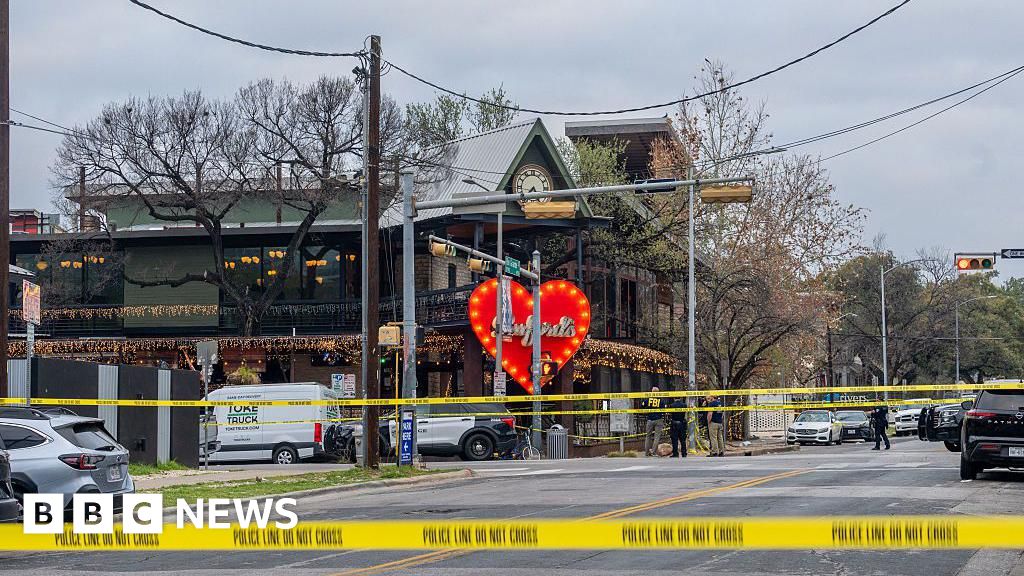
FBI: Texas Bar Shooting Could Be Terror Attack, Authorities Say

In a tragic incident that has captured international attention, a violent shooting event resulted in the deaths of **two individuals** and left **14 others injured**. Authorities confirmed that the suspected gunman was also shot dead at the scene, raising urgent questions about public safety, mental health, and the broader implications for security policies across nations.

Global leaders and security agencies have responded with immediate condemnation, emphasizing the critical need for coordinated efforts to prevent such tragedies. While the specifics of the attack remain under investigation, the incident underscores a common vulnerability: in a world grappling with escalating violence, individual acts of terror or impulse-driven violence can rapidly destabilize communities. Policymakers from **the United States**, **Europe**, and beyond are now scrutinizing existing laws and intervention strategies, with many calling for an urgent reevaluation of gun control measures, mental health support, and law enforcement preparedness.

The geopolitical impact of such events is profound. Countries with liberal attitudes toward firearms often face intensified domestic debates, but the ripple effects extend further. International organizations like **the United Nations** have long warned about the global escalation of violence and the importance of comprehensive security frameworks. As analysts note, moments like these are turning points that test the resilience of societal institutions and the ability of governments to uphold order amid chaos. The incident also intensifies the ongoing debate about **civil liberties versus public safety**, a tension that resonates across diverse political ideologies in multiple nations.

History and experts agree that such tragedies are not isolated incidents but part of a broader pattern that reflects social and psychological undercurrents in modern societies. According to security analysts and historians, these acts of violence often serve as stark reminders of the underlying fractures within communities—whether driven by economic disparity, ideological extremism, or mental health crises. The response to this shooting could either reinforce existing security policies or catalyze reforms aimed at more holistic societal resilience. As one renowned analyst remarked, “Today’s tragedy may ripple for decades, shaping policies and societal attitudes with consequences that will be debated by future generations.”

Amidst the fury of headlines and the grief of the victims’ families, history’s pen continues to write, capturing the unfolding narrative of a world where safety is increasingly fragile. As nations grapple with this latest tragedy, they are prompted to ask how humanity—young and old—can forge a collective path toward a future where such violence becomes a relic of the past. Yet, in the echoes of gunfire and tragedy, one truth remains clear: the weight of history presses heavily on the shoulders of all, a reminder that every decision, every policy, every society’s resolve, shapes the outcome of an uncertain tomorrow.

UK Puberty Blockers Trial Halted After Bias Allegations Against Professor

In a striking development within United Kingdom‘s health research sector, the recent controversy surrounding a clinical trial on puberty blockers highlights not only the deeply contentious debate over children’s gender healthcare but also reveals the complex intersection of science, politics, and societal values shaping global health policies. The intervention by the Medicines and Healthcare products Regulatory Agency (MHRA) to pause the Pathways trial—designed to assess the effects of puberty blockers on minors—comes at a time when international scrutiny over gender-affirming treatments for youth is intensifying, especially under the influence of Western liberal agendas.

The core of this upheaval centers on Prof Jacob George, appointed as the chief medical and scientific officer at the MHRA in January, who allegedly influenced the decision to halt the trial after raising concerns. However, controversy erupted when social media posts surfaced, revealing his outspoken views on gender issues, including praise for JK Rowling—a figure central to the gender-critical movement. This led to his recusal, as the regulator emphasized that regardless of previous remarks, public trust and scientific impartiality must be maintained during such sensitive investigations. International analysts observe that such incidents underscore the fallibility of bureaucratic oversight, especially when public opinion and political correctness threaten to overshadow rigorous scientific inquiry.

Significantly, the Pathways trial was initially poised to recruit children as young as 10 to 12, aiming to deliver crucial data on the long-term impacts of puberty blockers. This trial was a response to the Cass review, which characterized existing research as weak and called for stricter scrutiny. Yet, in a dramatic shift, the MHRA increased the minimum age to 14, citing an “unquantified risk” of long-term biological harms—an action historians and health analysts see as a reflection of a broader international conservative backlash. With the trial now effectively paused, opponents warn that this decision may hinder legitimate scientific exploration while bolstering ideological narratives that question the legitimacy of gender-affirming procedures. As Dr. Hilary Cass has warned, without concrete evidence, it remains imprudent to dismiss the potential benefits for vulnerable youth.

Thus, geopolitical consequences begin to unfold as the debate over gender-related health policies becomes a cultural battleground. Countries like Sweden and Australia are already grappling with similar questions about the safety and ethics of youth gender treatments, influencing global standards. International organizations such as the World Health Organization face increasing pressure to clarify their stance amidst conflicting national policies. Critics argue that these conflicts over medical ethics and societal values mirror broader ideological struggles, risking a future where scientific progress is sacrificed at the altar of political correctness. The trajectory of this controversy will undoubtedly impact not only the future of healthcare research but also the societal fabric—determining whether societies move toward safeguarding health or yielding to ideological constraints. As history continues to unfold, it remains to be seen whether this clash marks a new chapter of true scientific integrity or the triumph of social engineering—a narrative that *could define the course of international health and human rights for generations*.

US-Israel Blitz: Two-Minute Strike Unveiled

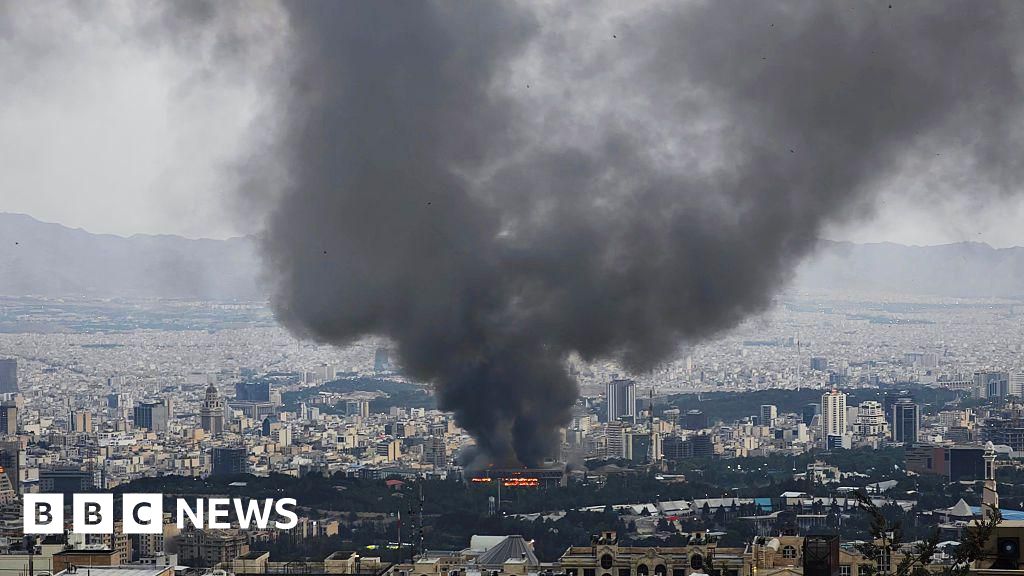
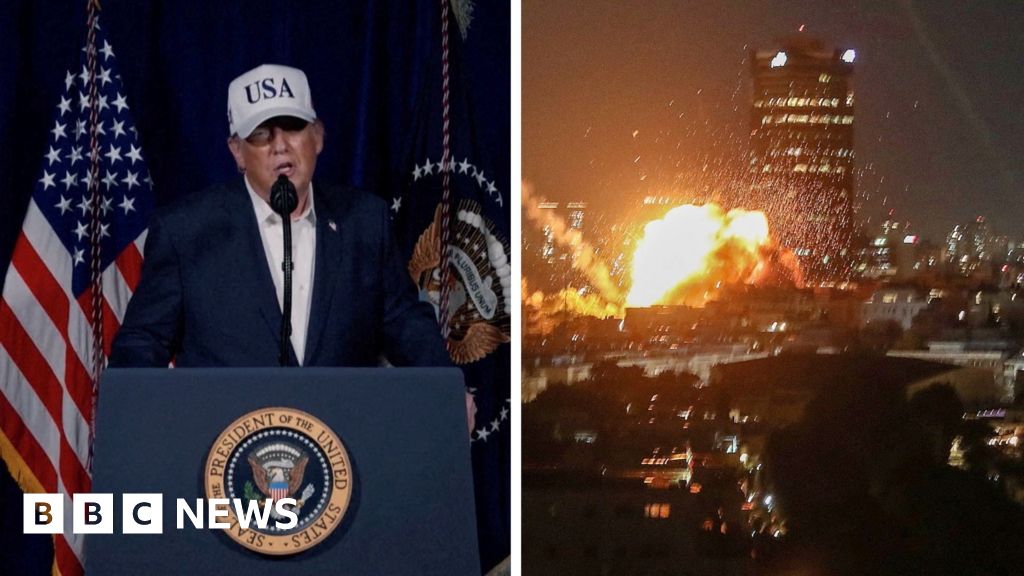
In a dramatic escalation of hostilities that threatens to reshape the geopolitical landscape, the United States and Israel launched a coordinated series of military strikes against Iran on Saturday. The precise targeting of Iran’s key military and political infrastructure marked a significant departure from decades of regional diplomacy and a stark warning to regimes that challenge Western influence in the Middle East. According to reports, Israeli Prime Minister Benjamin Netanyahu claimed that Khamenei’s compound in Tehran had been destroyed in a ‘powerful, surprise strike’, a statement that proved to be a harbinger of what many analysts now describe as a potential flashpoint for wider conflict.

Adding to the gravity of the situation, Iranian state media confirmed the death of Supreme Leader Ayatollah Ali Khamenei, an event that, if verified, signals a drastic shift in Iran’s internal stability and its ability to project power regionally. The turning point here isn’t merely the loss of a spiritual leader but the destabilization of Iran’s entire political hierarchy, which could unroll into unpredictable consequences for global security. Historians like Robert D. Kaplan and regional analysts warn that such a high-profile assassination or targeted strike could ignite all-out regional wars, especially as Iran responds with retaliatory missile and drone attacks targeting Israel and four Gulf Arab nations: Bahrain, Kuwait, Qatar, and the UAE—countries that host U.S. military bases, and whose security is tightly integrated with American military posture in the Gulf.

The geopolitical impact of these events is profound. The attacks and the subsequent retaliations threaten to undermine years of cautious diplomacy in the Middle East and may draw in international actors and alliances previously hesitant to get involved. The Middle East is at a crossroads, with each decision echoing through the corridors of international institutions like the United Nations and the Security Council, which are already under pressure to respond meaningfully. Countries across the world are watching, with some facing the choice of backing American and Israeli actions or condemning what they perceive as reckless escalation. The implications stretch beyond regional borders: a broader conflict could destabilize global markets, trigger refugee crises, and ignite terrorist threats fueled by chaos and power vacuums.

As the dust begins to settle—and it may take years to fully understand the implications—the world is left on the precipice of a new chapter, one where the curtains of conventional diplomacy have been drawn back. Decision-makers and international stakeholders must now grapple with whether this marked the beginning of a new, more dangerous era or if cooler heads might yet prevail amidst the chaos. With each passing moment, history writes its uncertain narrative, and the weight of the unfolding crisis serves as a stark reminder: the Middle East remains the epicenter of geopolitical friction, where every action sparks a ripple through the fabric of global stability, with consequences that will be felt for generations.”

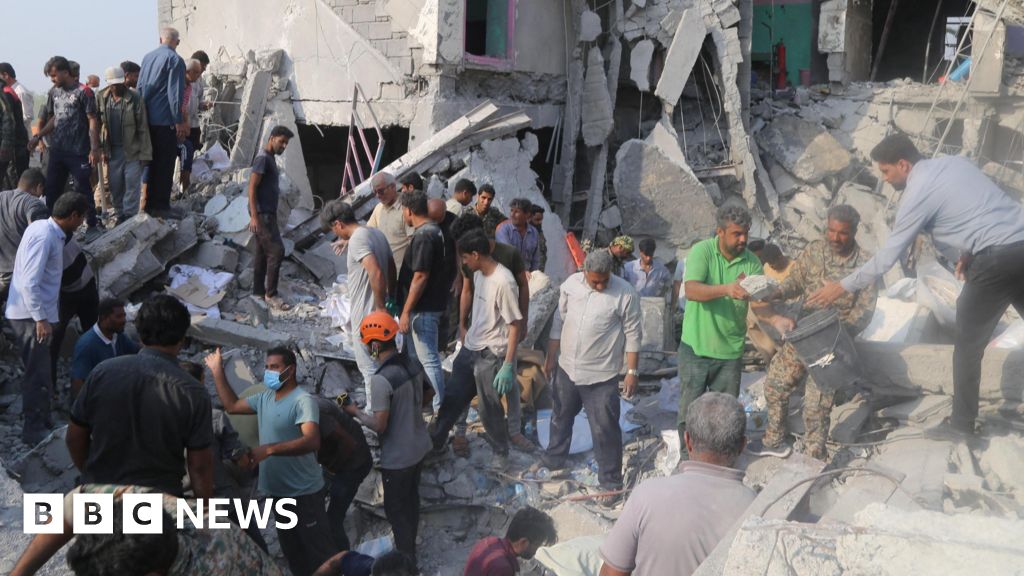
Iran blasts US and Israel for strikes that killed 108 students—who's really responsible?
Iran blasts US and Israel for strikes that killed 108 students—who’s really responsible?

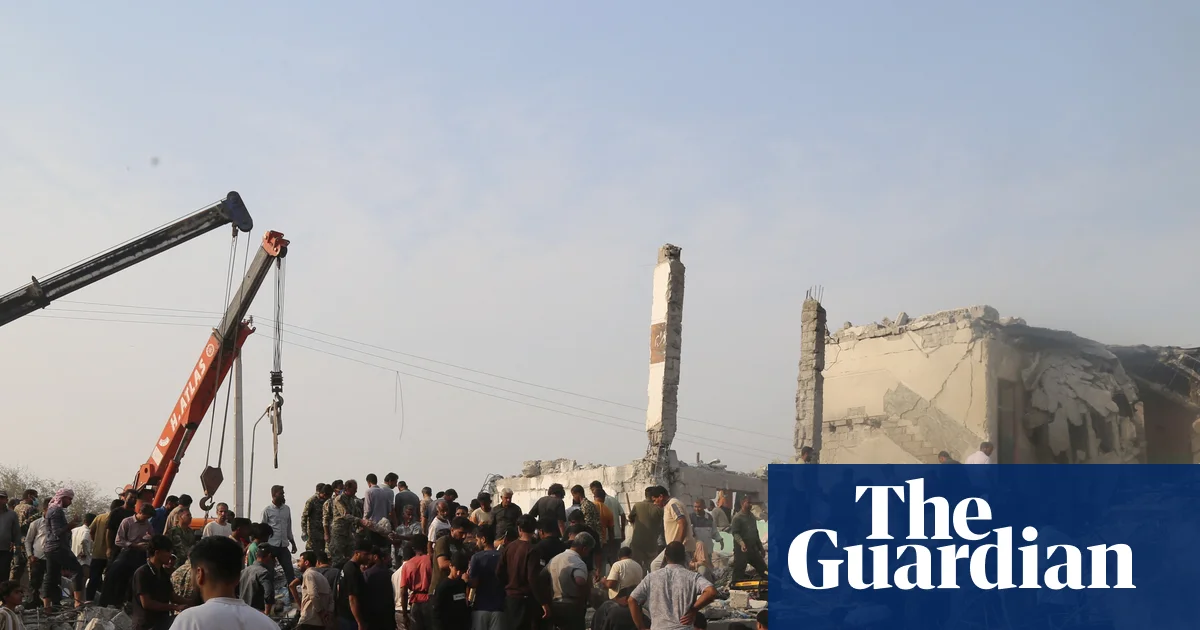
Emerging Uncertainty as US and Israel Silence on Recent Strike Near Military Installations

In an unfolding situation that has captured international attention, the United States and Israel have yet to officially confirm their involvement in a recent strike targeting a locale positioned near elite military troops. The incident, which reportedly took place in a strategic area, has raised numerous questions about the geopolitical ramifications of covert military actions in an already volatile region. While details remain murky, the absence of formal statements from key allies underscores a broader pattern of ambiguity that pervades modern conflicts—where the line between deniability and deliberate signal is often blurred.

This silence by Washington and Jerusalem fuels speculation about the degree of coordination and strategic intent behind such military operations. Analysts suggest that this could be a calculated move aimed at testing regional reactions or sending a discreet message to adversaries without escalating to full-scale confrontation. As noted by geopolitical experts and seasoned historians alike, covert actions often serve as a form of strategic ambiguity, allowing powerful actors to maintain leverage while avoiding immediate diplomatic fallout. The incident comes at a time of heightened tensions in the broader Middle East, where proxy conflicts, political upheavals, and international rivalries continue to shape the landscape.

The geopolitical impact of this event extends beyond the immediate region, with repercussions rippling through global alliances and security frameworks. The United Nations and numerous international watchdogs have expressed cautious concern, emphasizing the need for clarity and restraint. Yet, it is clear that decisions made in backrooms—or through clandestine military strikes—carry profound implications for how nations calibrate power, sovereignty, and security. Historically, similar covert interventions have often led to prolonged instability, as seen in the conflicts of the past where blurred lines between war and diplomacy have resulted in unintended consequences.

Renowned analysts and historians warn that this silence could presage a new era of plausible deniability and strategic unpredictability, which tend to destabilize already fragile peace accords. The absence of transparent communication complicates efforts for diplomatic resolution, potentially pushing the region toward further escalation. As diplomatic channels remain clogged and global powers weigh their responses, the world is left to wonder: are we witnessing a calculated escalation or the quiet prelude to a larger, more destructive conflict? In an era where information is weaponized and regional stability fragile, the choices made today will inevitably shape the course of history—leaving a trace in the annals of international diplomacy that will be studied for generations to come.

Lyse Doucet: Iran’s Been Ready for This Critical Moment

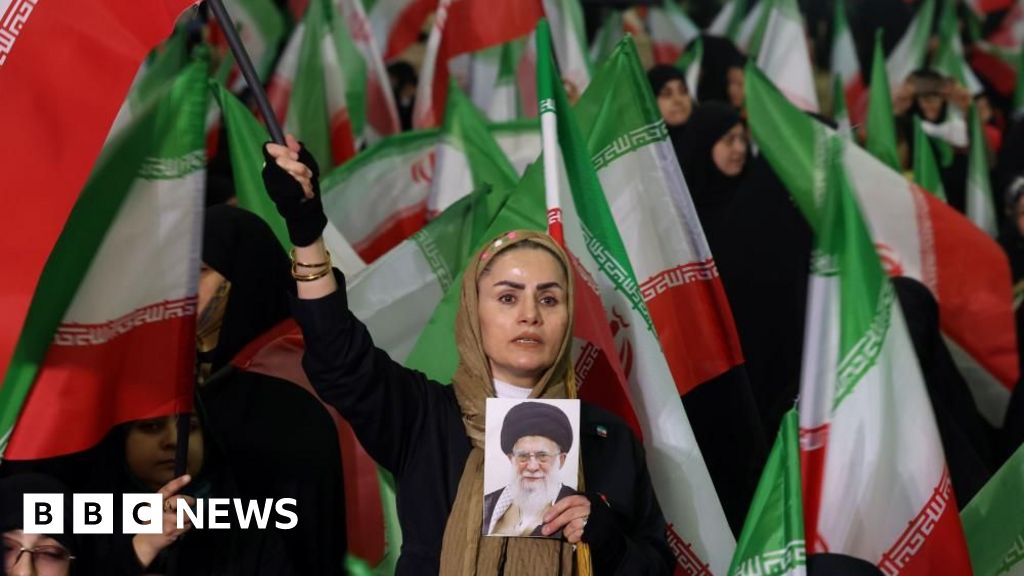
The recent assassination of Iran’s Supreme Leader marks a pivotal moment in regional and global geopolitics. Such a high-profile elimination not only represents a strategic blow to the Islamic Republic but also signals a potential shift in the balance of power across the Middle East. While officials in Tehran immediately vow to “show they have a plan,” analysts and international observers understand that the consequences extend far beyond the immediate grief and outrage. The assassination raises profound questions about internal stability, regional alliances, and the willingness of external actors to influence Iran’s future course.

Historically, leadership assassinations have often been catalysts for unpredictable upheavals. Some experts warn that this act could trigger a cycle of retaliation, destabilizing an already volatile region. As Western intelligence agencies scrutinize the event, many believe it was orchestrated by enemies seeking to weaken Iran’s internal cohesion. The mid-2020s have witnessed a surge in proxy conflicts, economic sanctions, and diplomatic confrontations involving Iran and various global powers, especially the United States and Israel. The targeted killing could serve as a catalyst for escalated military responses, further complicating efforts at diplomatic resolution.

Global and Regional Repercussions

The geopolitical impact of this event cannot be overstated. Iran’s strategic position as a regional power broker and supporter of allied groups from Lebanon’s Hezbollah to the Houthis in Yemen means that any upheaval at the top could trigger ripple effects across entire networks of influence. China and Russia have expressed concern over regional stability, emphasizing the importance of diplomatic solutions, yet malign actors might exploit the chaos to advance their agendas. Meanwhile, European nations, still reconnecting with Iran through fragile nuclear negotiations, face an uncertain path forward as Tehran seeks to consolidate power amid turmoil.

According to renowned geopolitical analyst Dr. Lisa Carter, “This assassination could serve as a turning point, forcing Iran into a mode of internal consolidation, which may result in increased militarization or even harsher anti-Western sentiment. The international community must carefully navigate this fragile juncture, recognizing the potential for a cascade of unforeseen consequences.” The United Nations has called for calm and restraint, but with history as a guide, such moments often spiral toward conflict rather than resolution.

How Decisions Shape Societies

For the Iranian people and their society, the fallout remains unpredictable. Internal stability will be tested as the regime seeks to demonstrate resilience, possibly by tightening internal security or intensifying rhetoric against foreign adversaries. The decision to retaliate or pursue diplomatic avenues will shape Iran’s future trajectory, directly impacting the lives of millions caught in the crossfire. As artists, students, and ordinary citizens watch their country navigate the aftermath, the question persists: how long can stability endure amid such a seismic shift?

In the grand tapestry of history, moments like these—marked by sudden violence at the top echelons of power—are often the prelude to larger upheavals. As historians note, the assassination of Iran’s supreme leader could either plunge the nation into chaos or catalyze a new era of resilience and reinvention. The world watches with bated breath, knowing that the decisions made in the coming days will echo through the corridors of history, shaping destinies of nations yet to be written. The arc of history bends at these critical junctures, and the weight of tomorrow’s stories rests on the choices of today.

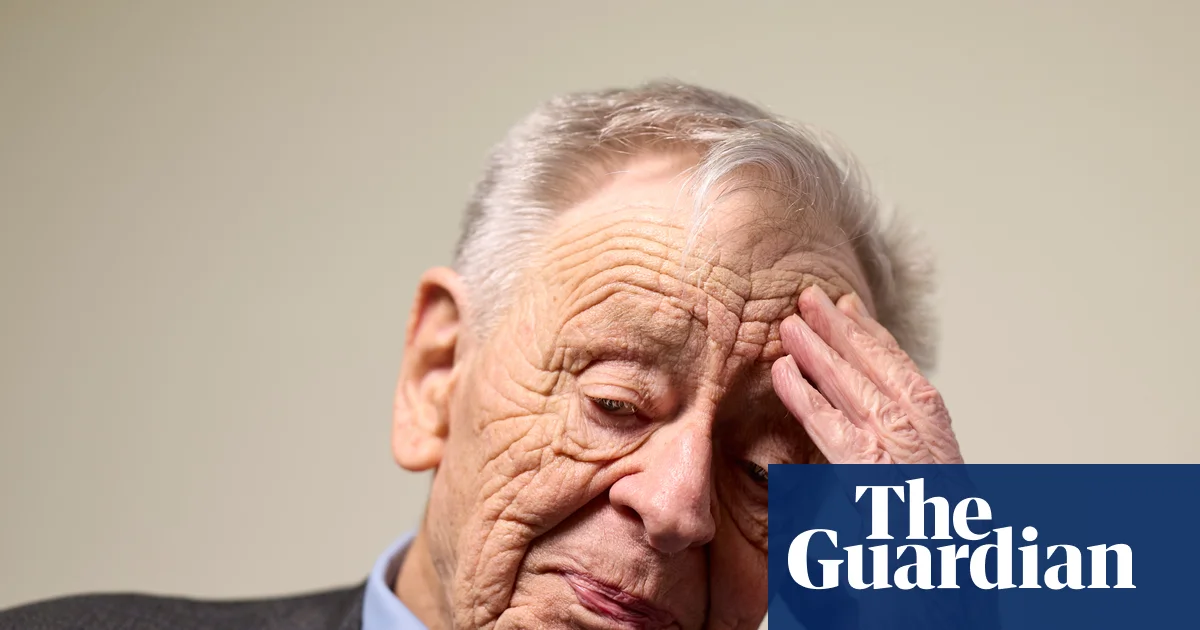
Alf Dubs criticizes Shabana Mahmood’s tough stance on immigration as disappointing

In Britain, recent political developments highlight a decisive shift in immigration policy, with profound geopolitical implications. The decision by the home secretary to intensify hardline reforms, amidst the Labour Party’s defeat in the Gorton and Denton by-election, underscores a broader global trend towards stricter border controls. The electoral loss to the Green Party, led by Zack Polanski, signals a significant realignment of voter sentiment—particularly among younger voters increasingly concerned about immigration and national sovereignty.

This political upheaval is not isolated within the UK. Internationally, similar nationalistic currents are sweeping across Western democracies. Analysts from the International Institute for Strategic Studies warn that these shifts could recalibrate global alliances and undermine longstanding commitments to humanitarian principles. The UK government’s proposed asylum reforms—mandating a 20-year wait for illegal entrants seeking indefinite leave to remain—mirror policies adopted elsewhere, such as the Danish model, which has faced fierce criticism for its perceived insensitivity to refugees’ plight. How these policies influence society’s perception of sovereignty and moral responsibility will define their lasting impact on international relations.

  • Labour’s internal split deepens, as senior figures like Shabana Mahmood insist on pushing a hardline agenda, despite backlash from backbenchers and union leaders.
  • The Green Party’s proposals advocating for more humane treatment—allowing asylum seekers to work and ensuring safe routes—highlight a contrasting vision grounded in humanitarian values.
  • Historical voices like Lord Alf Dubs, a child refugee himself, openly criticize policies that threaten vulnerable populations, warning they may have irreversible “damaging” consequences for families and children fleeing conflict zones.

The core geopolitical impact of these internal debates extends far beyond Britain. As countries worldwide grapple with similar questions—balancing sovereignty with international humanitarian commitments—the whole fabric of global migration governance is at a crossroads. The United Nations and European Union face mounting pressure to uphold human rights, even as nationalist parties gain traction on domestic fronts. The threat of increased deportations and prolonged wait times for refuge risks fracturing alliances and fostering resentment, both domestically and abroad. Young Europeans and emerging powers watch intently as Britain’s policies may influence or deter similar reforms elsewhere.

This turbulent period in British politics exemplifies the high-stakes decision-making that could shape the future of international migration for decades to come. As historians scrutinize this era, many warn that policymakers are risking a return to restrictive, insular attitudes that could undermine global cooperation and security. The world remains on the brink of a crucial turning point—where the values of compassion and sovereignty must find a delicate balance. The weight of history still lingers in the air, as nations weigh their choices amid the unfolding drama of migration and justice. Will they choose to uphold their moral obligations, or succumb to waves of populism that threaten to reshape the contours of international society forever?

Global Response Sparks Debate Over US and Israel’s Iran Actions

US Launches Strategic Strikes Against Iran: A Turning Point in Middle Eastern Geopolitics

In a decisive move that has reverberated across the international arena, the United States conducted targeted military strikes aimed at curbing Iran’s regional influence and technological advancements. During an emergency United Nations Security Council session convened on Saturday in New York, US Ambassador Mike Waltz articulated the objectives behind these actions, describing them as “**specific and strategic**” efforts to dismantle Iran’s missile capabilities, destabilize naval assets, and disrupt the machinery supporting proxy militias. The ultimate goal, as he emphasized, is to “ensure the Iranian regime never ever can threaten the world with a nuclear weapon.” This rhetoric underscores a determined stance by Washington to prevent a potential nuclear proliferation crisis—an issue that has long haunted global diplomacy.

What makes this development particularly significant is the context in which it occurs. Since the landmark 2015 Joint Comprehensive Plan of Action (JCPOA)—commonly known as the Iran nuclear deal—international diplomacy has sought to contain Iran’s nuclear ambitions peacefully. However, the subsequent U.S. withdrawal in 2018 under President Trump, coupled with Tehran’s increases in uranium enrichment levels, has escalated tensions significantly. The recent strikes mark a clear departure from diplomatic negotiations and signal a shift toward hard military intervention, a move that many analysts say could backfire, fueling regional instability.

Geopolitical Ramifications and International Response

The geopolitical impact of these strikes cannot be overstated. Iran’s strategic missile and naval capabilities are central to its regional influence, particularly in countries such as Syria, Iraq, and Lebanon, where proxy militias like Hezbollah serve as extensions of its power. Removing or degrading these assets could weaken Iran’s capacity for regional destabilization, but it also risks prompting retaliatory actions that could drag nearby nations into open conflict. Historically, military interventions based solely on strategic targeting, as some critics argue, tend to escalate rather than resolve underlying tensions, undermining recent attempts at diplomacy.

International reactions to the strikes vary widely. While the United States and its allies view this as a necessary step to counter Iran’s nuclear threat, some global voices, including members of China and Russia, have condemned what they describe as a violation of international norms. Moreover, the European Union has expressed concern over the potential for escalation, urging all parties to return to the negotiating table. Citation from analysts like Professor Helen Johnson of Harvard Kennedy School suggest that these actions could undermine the fragile diplomacy built over years, risking a wider regional conflict that could destabilize the Middle East for decades.

Historical Context and the Road Ahead

To understand the implications fully, one must consider historical patterns of escalation in the Middle East. Decades of conflict have demonstrated that military strikes aimed solely at military targets often have unintended consequences, leading to a cycle of retaliation and revenge. As international organizations monitor the developments, the human toll remains a stark reminder of the stakes involved. The decisions made in these moments will shape not only the fate of Iran but also the security and stability of the entire global order for generations.

As the dust settles over this critical juncture, historical narratives will surely scrutinize the weight of these decisions. Will they serve as a catalyst for enduring peace, or will they merely deepen a cycle of conflict that threatens the very fabric of international stability? The weight of history remains on the brink—once again, the world stands at a crossroads, where the choices made today will echo in the annals of history and determine whether peace remains an illusion or becomes a distant hope.

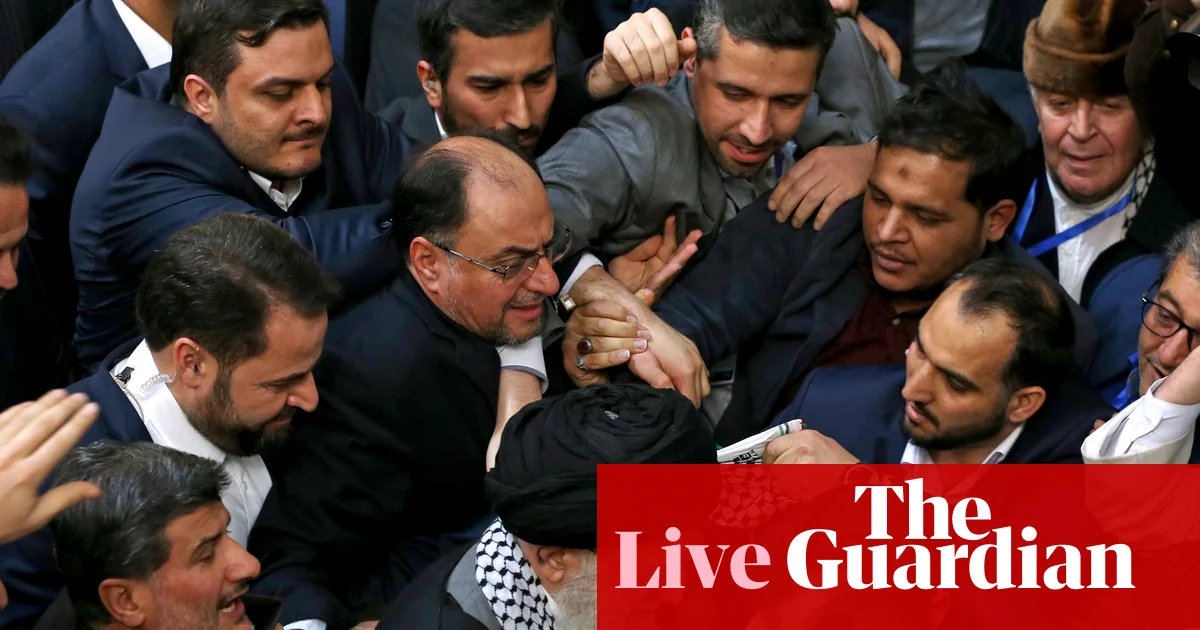
Breaking: Reports Claim Ayatollah Khamenei Dead Amid US-Israel Tensions with Iran

The geopolitical arena has reached a volatile flashpoint following revelations of a severe escalation in Iran. Iran’s Revolutionary Guards declared intentions to unleash the “most ferocious” operational assault in its history against US and Israeli military targets, signaling a dramatic shift in the Middle East’s longstanding regional tensions. This declaration coincides with an unprecedented wave of missile and drone strikes across Iran, which have already resulted in over 200 civilian casualties, according to Human Rights Activists News Agency. The ripple effects are cascading through international relations, raising questions about future stability and the potential for a broader conflict that could threaten global peace.

In an extraordinary turn of events, reports suggest that Iran’s supreme leader, Ali Khamenei, has been killed amidst the ongoing chaos, with claims originating from US President Donald Trump and later corroborated by Iranian state media. This sudden vacuum of power portends a perilous period of political uncertainty, reminiscent of Iran’s struggles post-1989, when the death of Khomeini triggered a reconfiguration of its leadership. The Assembly of Experts is under intense pressure to rapidly select a successor, and the interim leadership council, appointed to manage operations temporarily, faces mounting dependencies amid a rapidly evolving crisis. Such shifts threaten to destabilize Iran’s fragile political order and could embolden radical factions, increasing the likelihood of unrestrained military escalation.

The geopolitical impact of these developments extends beyond Iran’s borders. Iran’s retaliatory strikes across six countries, including a missile attack that wounded 22 in Tel Aviv and fires on the iconic Burj Al Arab and Fairmont hotel in Dubai, have pulled regional alliances—and their undercurrents—into sharp focus. Meanwhile, UAE forces intercepted the majority of over 130 missiles launched at their territory, yet at least one person was killed at Abu Dhabi’s Zayed International Airport. How nations respond to Iran’s upheaval will define the Middle East for decades to come. The broadest concern among global strategists is how this chaos influences the already delicate balance between power and diplomacy, especially as China urges restraint and respect for Iran’s sovereignty, warning against further escalation. The U.N. Security Council’s emergency session underscores the urgency for immediate de-escalation, yet the deeply entrenched interests and conflicting alliances suggest that this crisis could spiral into an unstoppable chain of events.

This unfolding chapter signifies more than just regional conflict; it exemplifies a pivotal moment where decisions made today could forge the world’s future landscape. As Western powers grapple with supporting their allies and maintaining stability, Russia and China are positioning themselves as defenders of sovereignty, challenging the prevailing narrative of interventionism. The divide widens with the United States’ Republican factions overwhelmingly endorsing the attack, contrasted sharply by Democratic voices condemning the aggression as unlawful. Such divisions within the U.S. reflect broader debates about the very nature of American foreign policy and its enduring role on the world stage.

In the shadow of this turmoil, the echoes of history command attention. The world stands at an uneasy crossroads, where the choice between reconciliation and conflict could either usher in a new era of diplomacy or plunge the Middle East—and perhaps the global order—into chaos. The fires ignited by Iran’s leaders, and the fateful power vacuums now forming, threaten to etch this tumult into the annals of history. As nations brace for the long shadows of war, the weight of these defining moments remains heavy upon the shoulders of all — a reminder that in the theater of geopolitics, peace is often but a fragile illusion, easily shattered beneath the weight of power and ambition.

Why is India's WhatsApp privacy policy facing legal backlash?
Why is India’s WhatsApp privacy policy facing legal backlash?

In 2021, Meta, the social media giant formerly known as Facebook, introduced a significant policy update that mandates users to share data specifically for advertising purposes to continue using its platform. This seemingly internal business decision carries far-reaching geopolitical implications, revealing the increasingly intertwined relationship between global corporations and national policies. As governments worldwide scrutinize digital privacy and data sovereignty, Meta’s move underscores a pivotal shift in how firms operate across borders, with their policies echoing through the fabric of international relations.

Major geopolitical actors have responded differently to this shift, highlighting the contest over digital sovereignty. European Union regulators, sensitive to privacy rights and data security, have historically pushed back against such corporate demands, emphasizing strict compliance with the General Data Protection Regulation (GDPR). Governments in North America and parts of Asia, however, have been more permissive, viewing such policies as a reflection of the rapidly evolving digital economy. The policy update, in effect, is a barometer for the broader contest over data control—a resource deemed as vital as traditional commodities in modern geopolitics. Analysts from institutions like the World Economic Forum warn that this could deepen the digital divide, where nations that accommodate corporate data demands may bolster economic growth while others risk being left behind in digital fragmentation.

Furthermore, this policy change has catalyzed intense debates among nations over privacy rights, security, and sovereignty. Historically, data has become the new frontier of power, as seen in recent years’ geopolitical conflicts involving cyber espionage and digital influence campaigns. In a landscape where information control fuels influence and stability, policies like Meta’s serve as flashpoints for international diplomatic discussions. Countries such as Russia and China continue to develop national internet policies that emphasize sovereignty over digital infrastructure, contrasting with Western frameworks that push for open data exchanges. The ramifications extend further, illustrating how decisions by tech giants are now bedrock issues in diplomatic negotiations. The United States and the European Union, guided by institutions like the European Commission, have urged for balanced policies that protect users’ rights without ceding too much control to mega-corporations—a delicate dance that shapes the future of global digital governance.

Historians and analysts emphasize that these developments mark a **turning point** in **digital geopolitics**. As some nations forge ahead with policies emphasizing data independence, others risk becoming dependent on corporate-controlled ecosystems. The informal yet powerful alliances formed around data policies could fundamentally alter alliances, economic power, and societal structures. The concerns articulated by international organizations echo the warning that **how nations regulate and assert sovereignty on these issues will define the global order for decades** to come. The ongoing tug-of-war reflects a broader struggle—one where the lines between corporate interests, state sovereignty, and individual rights are increasingly blurred, forever shaping the course of history.

As the world watches, history continues to unfold in real-time, inscribed in the policies that govern digital space. The decision by Meta in 2021 was more than just a corporate policy—it was a declaration of digital dominance, with consequences rippling far beyond the screen. The outcome of this new digital frontier remains uncertain, yet the message is clear: **the fight for control over information and influence is rewriting the global narrative in ways that no nation can afford to ignore**. Humanity now stands at a crossroads, where every click and data point echo in the halls of power—foretelling a future where the fabric of society itself is woven in the bytes and codes that global giants like Meta now command.

US and Israel Hit Iran: What’s Happening Now

In a dramatic escalation of tensions in the Middle East, reports confirm the assassination of Iran’s Supreme Leader, Ali Khamenei, marking a defining moment in the ongoing regional crisis. Claimed by former US President Donald Trump on social media, the death followed relentless waves of airstrikes across Iran, resulting in devastating casualties and destruction. As the world watches in alarm, the geopolitical landscape shifts rapidly, with international powers aligning on different fronts.

Iran’s government responded with a fierce barrage of retaliatory strikes targeting key American and Israeli military installations across multiple countries. The attacks included missile strikes on Tel Aviv, injuries at Dubai International Airport, and missile hits on U.S. naval bases in Bahrain. Such widespread conflict threatens to ignite a full-scale regional war with far-reaching consequences. Analysts warn this could fundamentally alter the balance of power, pushing the Middle East into a new era of instability and chaos. The UAE’s interception of the majority of Iranian projectiles and the destruction at Dubai’s iconic landmarks highlight the risk of an uncontrollable escalation that could draw the entire international community into a vortex of violence.

The international response has been swift yet conflicted. Leaders across the globe, including the UK, France, and Germany, issued statements condemning Iran’s attacks but stopped short of endorsing the US-Israeli regime change strategy. The UN Security Council convened an emergency session, with some nations emphasizing diplomacy and others lamenting the missed opportunities for de-escalation. Despite calls for restraint and negotiation, the situation appears to be spiraling beyond control, reminiscent of historical moments where diplomacy was sacrificed for war. The United States, divided along partisan lines, sees the conflict as a justified response, with Republicans largely supporting the strikes, while many Democrats decry what they call an illegal act that could have catastrophic global repercussions.

The geopolitical impact extends beyond immediate military confrontations. The death of Khamenei, whether real or orchestrated, signals a possible power vacuum that could lead to internal chaos and shifts within Iran’s political structure. Historically, such pivotal moments have either led to internal reform or intensified authoritarianism—either way, the societal fabric of Iran faces upheaval. Meanwhile, the broader Middle East stands at a dangerous crossroads, with countries like Lebanon and Kuwait experiencing the ripple effects of the conflict—fuel shortages, civil unrest, and economic instability—signaling how decision-making today will shape generations to come. As global powers navigate their interests amid this crisis, the careful balance between diplomacy and military action will determine whether peace endures or if we are on the brink of a prolonged regional war.

In this unfolding chapter of history, the essence lies not only in the immediate aftermath of violence but in the choices that will define a future where the shadows of conflict cast long over nations and societies. As international leaders grapple with the weight of their decisions, the world remains perched on the precipice of chaos—where the pen, or in this case the missile, might yet dictate the legacy of a generation. The question remains: Will diplomacy prevail, or are we witnessing the opening act of a new global confrontation, where the echoes of history’s darkest moments threaten to resurface anew?

Social Media Auto Publish Powered By : XYZScripts.com