Matox News

Truth Over Trends, always!

Polish PM Blames Ukraine Spies for Rail Sabotage, Ties to Russia

Poland has recently become the focal point of a mounting crisis that underscores the fragile balance of power in Eastern Europe. The Polish government, led by Prime Minister Donald Tusk, has publicly linked two suspects, both long-time operatives allegedly working for Russia, to a series of destructive acts on Poland’s railway infrastructure. These sabotage operations, classified as “unprecedented,” are not isolated incidents but are viewed as part of a broader campaign to destabilize the region and threaten NATO’s eastern flank.

The suspects, identified as foreign agents with ties to Russian intelligence, crossed into Poland from Belarus during the autumn in a move that signals coordinated effort and strategic planning. Tusk disclosed that one of the suspects had been convicted in absentia of sabotage activities in Ukraine, hinting at a deepening infiltration into Poland’s vital transit corridors. On November 15, an explosion involving a military-grade explosive device caused minor damage near Mika, a village southeast of Warsaw, and was captured on CCTV. Despite the minimal physical impact, the event conformed to a pattern of targeted attempts to derail supply lines, which are crucial for aiding Ukraine amidst ongoing conflicts with Russia.

The broader geopolitical impact of these incidents is profound. Poland’s railway network is a lifeline connecting NATO allies to Ukraine, facilitating military support, humanitarian aid, and economic cooperation. As Poland has become a strategic gateway in the escalating proxy conflict, these acts of sabotage could be interpreted as Russia’s efforts to destabilize NATO’s eastern defenses and weaken the cohesion of the alliance. Analysts from the International Crisis Group warn that such covert operations are part of a layered strategy to erode trust and create chaos at critical logistical junctures. The *turning point* could come if similar tactics are adopted elsewhere in Central and Eastern Europe, further complicating NATO’s defensive posture.

While Russia has yet to officially comment, the international community remains watchful. Many experts believe that these acts are indicative of a broader Russian strategy to rekindle Cold War tensions, this time with an emphasis on asymmetrical warfare. The potential for escalation remains high, especially as Poland prepares to increase alert levels and enhance security protocols across its railway lines. Historically, the dangerous precedent of state-sponsored sabotage has ushered in long-term regional instability, and this current development might be the first salvo in what analysts warn could be a sustained campaign to expand Russia’s influence beyond Ukraine. The **United States** and **European Union** are closely monitoring these events, recognizing that the stakes are no longer confined to regional security but threaten the future stability of the entire European continent.

The shadowy dance of espionage, sabotage, and diplomatic posturing reminds the world that history is still being written upon the battlegrounds of Europe. Where once Cold War fears haunted east-west relations, today’s geopolitical chessboard is marked by new players and old tactics. As Poland braces for further threats, the broader question remains: how will nations respond to the relentless encroachment of influence pitted against them? The pages of history are turning rapidly, and in this unfolding chapter, the stakes are nothing short of the future of democratic stability across the continent. The world watches—and waits—for what happens next.
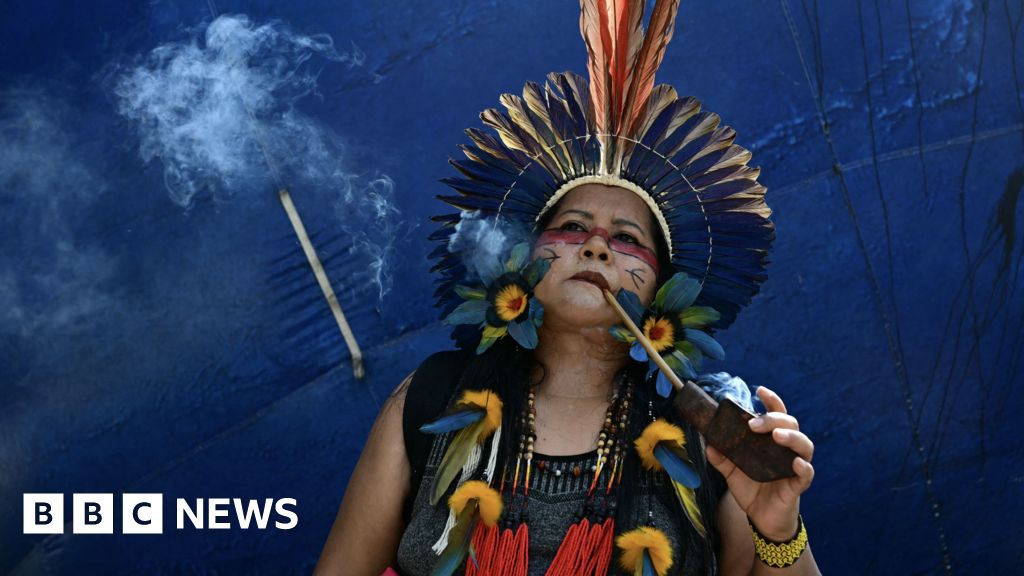
Brazil expands Indigenous lands following COP30 protests

In a notable move amidst the ongoing global climate crisis, Brazil has formalized the creation of 10 new Indigenous territories, a decision that echoes the rising tide of Indigenous-led environmental activism at the COP30 climate summit in Belém. This initiative, announced on Indigenous Peoples’ Day, is a significant shift from recent decades when protections for Indigenous lands had either been neglected or actively undermined. The measure, which encompasses vast areas including part of the Amazon rainforest—an ecological titan responsible for a major share of the planet’s carbon sequestration—aims to preserve both cultural heritage and vital biodiversity.

These newly designated Indigenous territories, covering hundreds of thousands of hectares and inhabited by thousands of Indigenous peoples such as the Mura, Tupinambá de Olivença, Pataxó, Guarani-Kaiowá, Munduruku, Pankará, and Guarani-Mbya, represent a strategic effort that aligns environmental conservation with Indigenous rights. Historically, under former President Jair Bolsonaro’s administration, policies tended to promote unregulated mining, logging, and commercial farming—actions that directly accelerated Amazon deforestation and contributed to rising global temperatures. Now, under the leadership of President Luiz Inácio Lula da Silva, Brazil appears to be reversing course, recognizing Indigenous claims forcibly suppressed under previous regimes. Analysts worldwide praise this shift, noting it could prevent up to 20% of potential deforestation and slash carbon emissions by 26% by 2030, according to studies by the Articulation of Indigenous Peoples of Brazil and environmental research groups.

This move holds significant geopolitical impact as it signals a broader push among nations to embrace tangible actions against climate change. The protection of these lands—especially ones overlapping over 78% with the Amazon National Park—serves as a critical bulwark against the global environmental shift. Indigenous territories have repeatedly shown to be effective buffers against deforestation and ecological degradation, and global experts such as climate scientists argue that these measures are essential in the fight to keep global warming below 1.5°C. The decision’s timing, coinciding with COP30’s focus on the “how to limit temperature rises,” underscores the growing international consensus on the need for immediate, enforceable action. Yet, critics warn that enforcement remains fragile and that the fight against illegal mining and logging persists as a civilizational challenge that threatens these fragile ecological and cultural sanctuaries.

As international organizations and countries grapple with the urgent task of climate mitigation, Brazil’s new policies highlight a pivotal point in global environmental politics. The question remains whether economic pressures—driven by a resilient global market’s thirst for commodities—will erode the gains made through Indigenous stewardship or bolster them as part of a broader strategy for sustainable development. Historians and climate analysts warn that neglecting Indigenous sovereignty and ecological knowledge risks repeating past failures. The future of the Amazon—and possibly the entire planet—rests on these decisions, with each government’s stance echoing through this unfolding chapter of history. The tale is far from finished; as the world watches and waits, the weight of history presses on every policy and every forested hectare protected or lost, shaping the legacy of this vital planet for generations to come.

Reform’s Benefit Cuts Could Spark Trade War with EU, Labour Warns

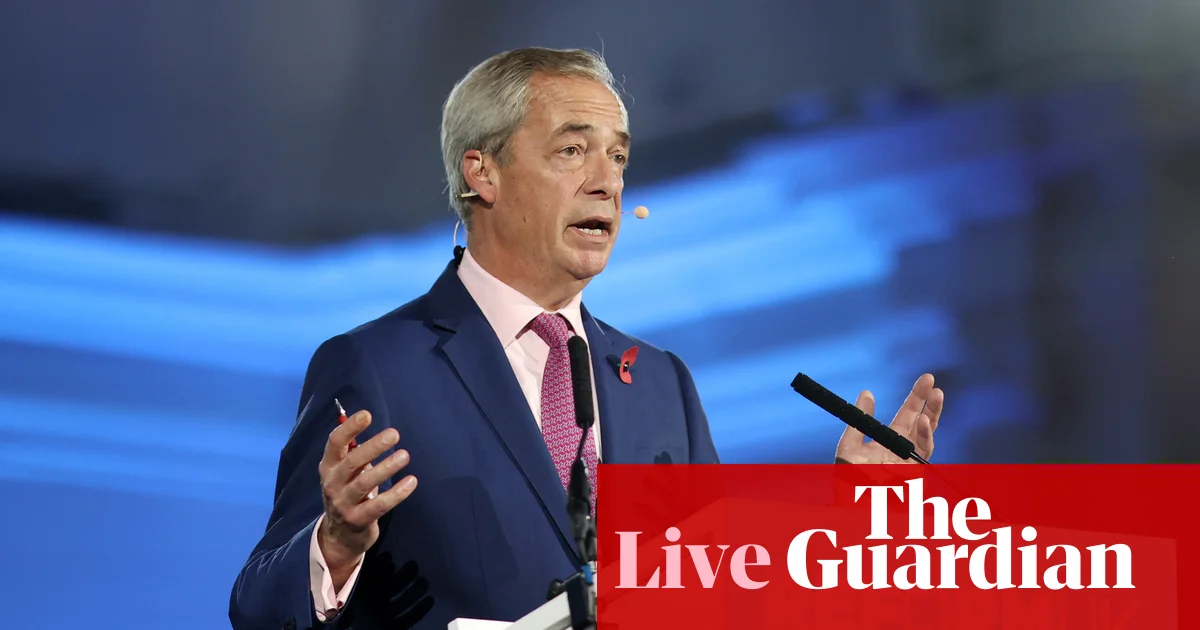
As the world continues to grapple with the aftermath of widespread political shifts and economic realignments, recent developments underscore a powerful surge of nationalist sentiments and protectionist policies that threaten the stability of traditional international alliances. The United Kingdom, for instance, stands at a nexus of these forces. The recent proposal by Nigel Farage, leader of Reform UK, to implement sweeping immigration and benefits reforms highlights this trend. These policies aim at removing the rights of EU nationals to claim benefits and increasing NHS surcharges, all purportedly to balance the nation’s finances. However, analysts warn that such measures could ignite a trade war with Europe, reminiscent of the Brexit dynamics that radically reshaped Britain’s relationship with its continental neighbors.

  • Farage’s proposals to slash benefits for EU nationals and hike visa costs are driven by a calculated desire to appeal to populist voters but raise significant geopolitical consequences. The potential breach of post-Brexit trade agreements, as indicated by Labour critics, could provoke retaliatory tariffs and other trade barriers, destabilizing the UK’s vital economic ties with the EU. Historian Dr. Mark Stevenson notes that “such unilateral moves, couched in nationalist rhetoric, risk unraveling decades of integration and economic cooperation.”
  • This wave of protectionism aligns with rising nationalist policies across Europe, exemplified by France’s far-right National Rally backing a wealth tax on the very rich—an approach Farage staunchly opposes, citing fears of high earners fleeing Britain. Nonetheless, polls demonstrate that a majority of Reform UK voters support a one-off wealth tax, revealing a societal undercurrent favoring redistribution measures that challenge free-market principles.

Meanwhile, the UK’s internal debates mirror these international tensions. Labour leaders, such as Steve Reed, have unequivocally stated that the proposed reforms would breach international trade commitments and could precipitate a trade conflict with Europe. The risks are exacerbated by the recent disclosure of rising net migration figures, which, despite declining estimates, factor heavily into the political calculus. The International Organization for Migration’s recent reports emphasize that such figures influence national policies, often stoking fears of cultural dilution—a narrative exploited by parties advocating strict border controls.

As Keir Starmer and other international leaders convene in European capitals, the emerging geopolitical landscape is fraught with uncertainties. The return of protectionist ideologies signifies a decisive shift away from multilateralism, threatening a new era of economic nationalism that could define the 21st century. This unfolding chapter underscores a critical point: decisions made in the corridors of power today will either forge a path toward renewed cooperation or plunge nations into prolonged confrontation. The weight of history presses heavily on this moment—each policy, each alliance, each confrontation writing a new narrative of global power and societal resilience.

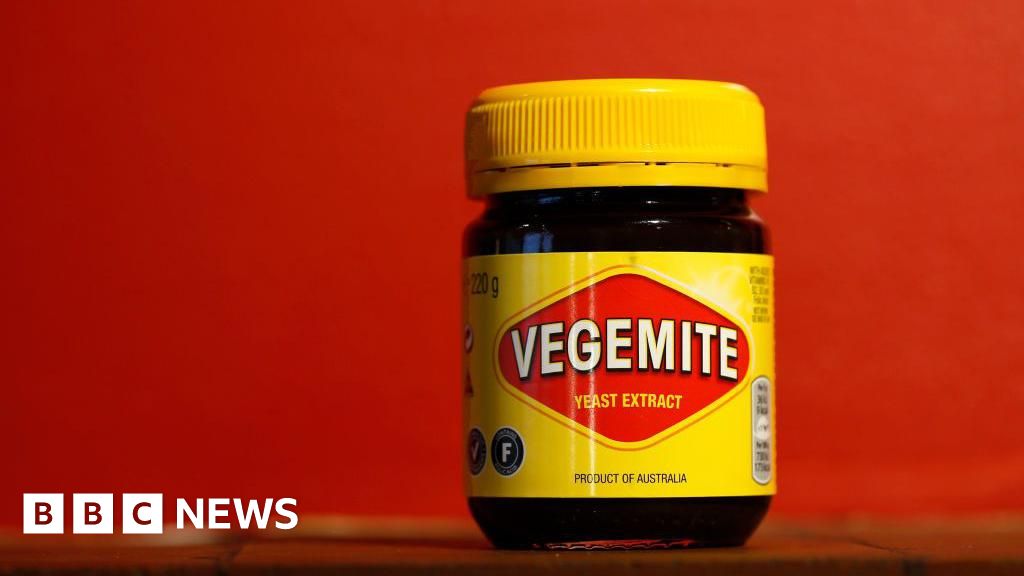
Australian inmate fights for Vegemite rights in prison

In a stark illustration of how cultural symbols can become focal points in broader societal debates, Australia is currently embroiled in an unusual legal battle that exposes ongoing tensions between individual rights, prison security policies, and national identity. Andre McKechnie, a convicted murderer serving a life sentence in Victoria, has challenged a state-imposed ban on the consumption of Vegemite—an iconic Australian spread. While often celebrated as a symbol of national pride, Vegemite’s strong aroma and salty flavor have also made it a target for security concerns within the justice system. Authorities argue that inmates might use the condiment to conceal contraband or ferment alcohol, leading to a near decade-long restriction that McKechnie now seeks to overturn.

This legal challenge is emblematic of a larger debate about how societies reconcile cultural identity with practical security concerns. McKechnie’s lawsuit not only raises questions about prison policies but also highlights the importance placed on cultural expression, even within the confines of incarceration. His claim emphasizes that banning Vegemite infringes on his “right to enjoy his culture as an Australian,” a precedent-setting notion that could resonate across nations grappling with identity politics. The case, scheduled for trial next year, garners attention beyond Australian borders, with analysts questioning whether national symbols should be subject to such security restrictions. Historians have noted that Vegemite’s emergence in 1923 was a response to British-Marmite imports, symbolizing Australia’s drive for cultural independence—yet now, that symbolism finds itself caught between tradition and modern security measures.

Meanwhile, the controversy surrounding Vegemite has spiraled into a broader narrative about national branding and international diplomacy. The condiment’s polarizing nature and “disgusting food” label in Sweden have failed to diminish its cultural significance domestically—its scent even declared a “significant” part of Melbourne’s heritage in 2022. Yet, incidents like the 2023 dispute in Canada underscore how deeply intertwined food products can become with international perceptions and diplomatic exchanges. Australian Prime Minister Anthony Albanese publicly criticized Canadian health regulations attempting to ban Vegemite, calling the restriction “rather odd,” especially considering Canada’s acceptance of similar products like Marmite. The quick reversal by Canadian authorities demonstrates how international institutions and governments can influence local policies, often reinforcing Australia’s sovereignty to celebrate its traditional foods.

As global institutions and national leaders navigate these cultural tug-of-wars, the incident reflects a larger, more profound reality: geopolitics is no longer confined to traditional battlegrounds. Instead, it extends into covert battles over cultural identity, sovereignty, and the assertion of national pride through everyday symbols. Historians warn that such “culinary conflicts” may seem trivial at face value but are indicative of deeper struggles over societal values and international influence. As the world stares into the turbulent future of geopolitics, the question remains—how will nations defend their cultural sovereignty amid rising global pressures? With each legal argument, diplomatic clash, and cultural assertion, history is being written anew—an epoch where the simple act of spreading Vegemite becomes emblematic of larger, ongoing struggles shaping the destiny of nations.

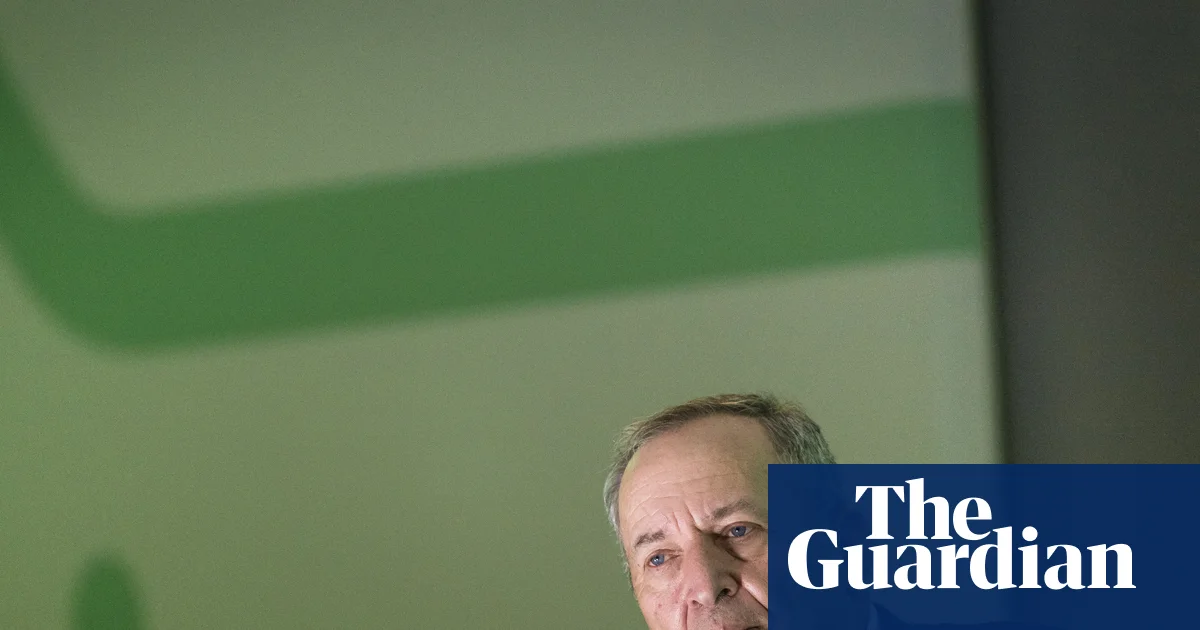
Larry Summers resigns from public duties amid Epstein email controversy

International Power Players Entwined in Washington’s Shadows

The recent disclosures involving former Harvard president Larry Summers and the infamous financier Jeffrey Epstein have sent shockwaves through the corridors of global influence. As emails between the two surfaced, revealing ongoing communication until Epstein’s 2019 arrest, questions about the complicity and accountability of prominent figures have taken center stage. These revelations come at a critical juncture for United States politics, with investigations expanding beyond mere scandals to touch upon high-level international diplomacy.

Accountability Sparks an International Inquiry

  • The US Department of Justice has announced a comprehensive probe into Epstein’s associations, particularly scrutinizing links with former President Bill Clinton and other leading Democrats. The inquiry also includes notable financial institutions such as JPMorgan Chase and Reid Hoffman’s LinkedIn, illustrating the interconnectedness of global finance and political influence.
  • President Donald Trump, whose mentions in Epstein-related emails have garnered media attention, has publicly distanced himself and called for a broader investigation. His statement that “Epstein was a Democrat, and he is the Democrat’s problem,” underscores the partisan undertones fueling this scandal.
  • International observers and analysts highlight the potential ramifications of these investigations, which threaten to expose a web of influence extending beyond American borders, impacting alliances, diplomatic relations, and the credibility of institutions supposedly committed to justice and transparency.

Geopolitical Implications and Societal Reckoning

Most notably, the scandal underscores how elites across political divides and economic sectors have played roles in a clandestine network that, if fully uncovered, could destabilize perceptions of power. Historians and political analysts warn that such revelations threaten to undermine trust not only in individual leaders but also in core institutions. The United Nations and other international organizations could become collateral in this game of shadows if connections between Epstein, global diplomats, and financiers come to light.

Furthermore, the international geopolitical impact extends into the balance of power. Countries allied with the US, especially those within NATO and key partners in Europe and Asia, are closely watching how Washington handles the fallout — a test of its commitment to transparency and justice. The entire crisis illuminates the dangers of unchecked influence among the world’s elite, emphasizing the necessity for reforms that could reshape the global order.

How Decisions Shape Societies and the Path Forward

As the investigations unfold and more files are released, they will inevitably influence societal perceptions of morality, justice, and authority. The global community faces a choice: continue to turn a blind eye to the corrupting influence of power, or confront the uncomfortable truths that threaten to undermine the foundations of Western civilization. The ongoing disclosures serve as a stark reminder that history’s greatest upheavals often stem from the exposure of hidden atrocities and hidden alliances.

This saga underscores a pivotal chapter in the ongoing battle for transparency and accountability, serving as a reminder that history is still being written. The weight of these revelations suggests we stand at a crossroads—an opportunity to redefine the moral compass of our institutions, or risk descending further into a shadowy obscurity where the powerful manipulate the future behind closed doors.

South African man caught at neo-Nazi rally loses Australian visa, protecting our values

In a disturbing display of rising populist extremism, Australia recently confronted a stark reminder of the global threat posed by far-right ideology and neo-Nazi sympathies. A South African immigrant, Matthew Gruter, who has been residing in Australia since 2022, was seen participating in a neo-Nazi rally outside the New South Wales parliament organized by the National Socialist Network. The event, attended by approximately 60 men dressed in black and chanting racist slogans, revealed that Europe’s old demons are finding fertile ground in the Pacific continent—a development that nations must take seriously in the face of returning fascist rhetoric and anti-Semitic mobilization. Australian authorities swiftly responded, revoking Gruter’s visa on character grounds and detaining him as they prepare to deport him, underscoring the government’s firm stance against hate speech and Extremism.

This incident comes amid heightened efforts by the Australian government to combat the resurgence of extremism in the region, which many analysts warn could threaten the fabric of multiculturalism that has defined Australia’s modern identity. Home Affairs Minister Tony Burke emphasized that visa holders in the country are considered guests, and those who actively promote hatred or division are unwelcome. “Like any household, if a guest turns up to show hatred and wreck the household, they can be told it’s time to go home,” Burke stated, making clear that the Australian government views such acts as unacceptable breaches of societal norms. The decision to deport Gruter was based on concerns that his participation in the rally not only contravenes Australia’s anti-racism laws but also undermines the nation’s commitment to multicultural values—a stance supported by many international organizations advocating for the preservation of pluralistic societies amid growing global intolerance.

The rise in neo-Nazi activity and anti-Semitic incidents in Australia has elicited alarm from various advocacy groups. The Jewish Council of Australia warned that such hate groups pose a direct threat to multiculturalism, emphasizing the need to distinguish between peaceful protests and acts of hate. The rally’s chants of “blood and honour,” a phrase linked to Hitler Youth, evoke a dark chapter of history that should serve as a warning rather than a rallying cry. The Australian government’s decisive action signals a broader commitment to uphold the values of modern, inclusive society in the face of divisive and extremist rhetoric. Meanwhile, international observers, including analysts from regional security think tanks, warn that what occurs within Australia could mirror a distrubing wave of similar radicalism elsewhere, as global politics ferment conflicts around identity and sovereignty.

History’s gaze lingers over this modern chapter where nations are forced to confront the re-emergence of dangerous ideologies: a reminder that the struggle against extremism is not confined within borders but is a shared, global challenge. With the resurgence of such hate-mongering, international institutions and governments alike find themselves at a pivotal crossroads. As the Australian government asserts its authority to cleanse its society of those who threaten its cultural harmony, the bigger story unfolds—a story of nations defending their sovereignty and values against forces that threaten to unravel them. Here, amidst the echoes of history’s darkest moments, the watchful eyes of the world remain, knowing the weight of the future is still being written, piece by piece, in this unfolding struggle for civilization itself.

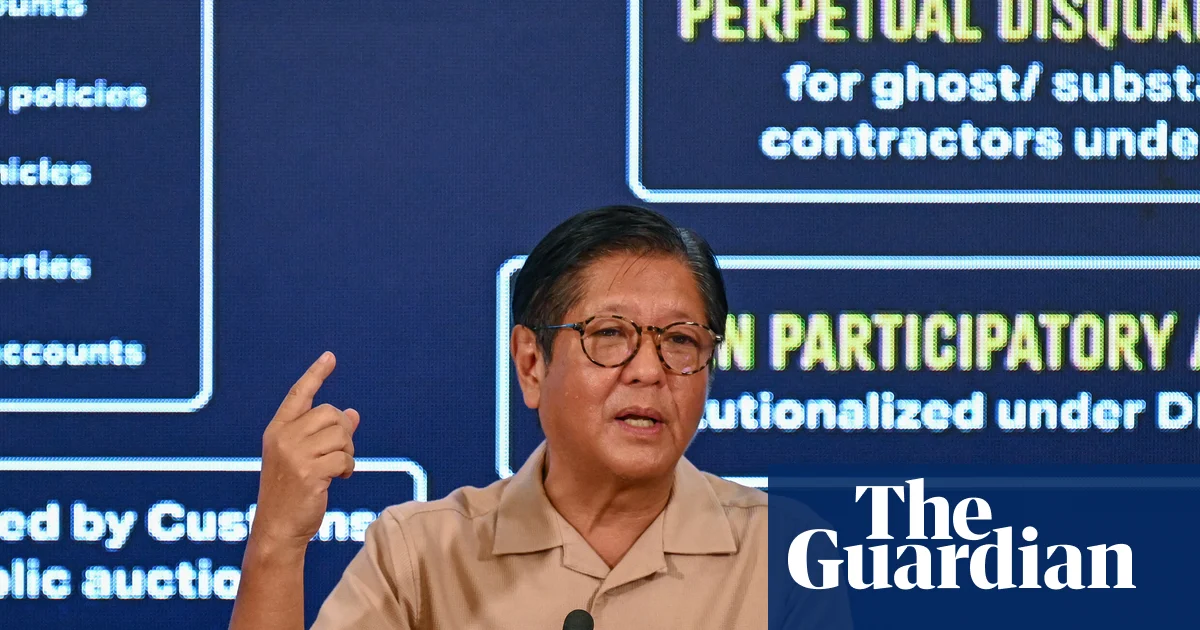
Marcos Denies Sister’s Cocaine Claims: Staying Focused as President

As Philippines grapples with a wave of political turbulence, recent statements by senator Imee Marcos have ignited a firestorm across the nation. Her unsubstantiated claims that President Ferdinand Marcos Jr. is a longtime drug addict, coupled with accusations of his supposed cocaine dependence, serve as a stark reminder of the fragile state of governance in a country plagued by endemic corruption, natural disasters, and social unrest. The allegations, rejected outright by the Marcos administration, appear to be an attempt to divert attention from a burgeoning scandal over flood-control funds that has incited mass protests in Manila.

The scandal revolves around allegations that influential members of Congress and the Senate, some linked to the Marcos family, siphoned off billions in kickbacks from construction companies responsible for flood control infrastructure. Investigations by a specially formed independent commission, alongside a Senate committee, have uncovered evidence suggesting that many of these projects were substandard or never completed at all—directly contributing to the suffering of millions during the Philippines’ deadly typhoon seasons. Historians and international organizations warn that such endemic corruption undermines national resilience, especially in a nation where flooding and natural disasters are recurrent existential threats. The geopolitical impact of this scandal extends beyond Manila, reflecting the broader destabilization of regional governance and the international distrust toward Philippine institutions.

Adding fuel to the political fire, senator Imee Marcos posited that her brother’s alleged drug dependency has hampered his capacity to lead effectively, a claim she presented during a rally after alleging that his addiction traces back to their father, a former dictator. Her remarks, which allege that Ferdinand Marcos Sr. was a drug user during his presidency, carry a symbolic weight, threatening to tarnish the legacy of the Marcos family and destabilize the current government further. Her accusation that the president’s wife and children are also involved in drug use, though unsubstantiated, demonstrates the deep divide within the family and highlights how personal conflicts are being weaponized in the national political discourse. Critics from across the spectrum warn that such accusations, lacking evidence, threaten to erode public trust in the legal and political processes at a critical juncture, where the nation’s stability hangs in the balance.

Furthermore, regional tensions are clearly rising. Rodrigo Duterte, the controversial predecessor, has been a persistent critic of Marcos, even with his own past admissions of fentanyl use, an issue now tangled in the broader narrative of drug-related allegations. His daughter, Vice President Sara Duterte, has publicly taken aim at the Marcos administration, criticizing corruption and political corruption in an echo of dissent that reflects the ongoing power struggles within the country’s elite. The global community watches with concern as the Philippines, a key strategic player in Southeast Asia, risks slipping further into instability where alleged corruption and internal disputes threaten to undermine regional security and economic recovery. Critics and analysts warn that these internal divisions could weaken the nation’s defenses against external influences and escalate regional volatility.

As this political saga unfolds, the weight of history bears heavily on the Filipino people and their institutions. From the shadowy past of authoritarian rule to the current accusations of corruption and personal downfall, the trajectory of the Philippines teeters on a historic precipice. The choices made by its leaders—whether to embrace transparency or indulge in political sabotage—will determine if the nation can withstand this storm or be lost in the turbulent tides of history yet to be written. The world watches, as the Philippines confronts its most confronting challenge yet—how to forge unity from chaos, justice from accusation, and a future from the shadows of its past.

Larry Summers withdraws from public life amid Epstein ties—A wake-up call for accountability

Jeffrey Epstein Scandal Reshapes Global Power and Trust

The recent revelations about Larry Summers, a prominent economist and former U.S. Treasury Secretary, have ignited a whirlwind of controversy and a renewed scrutiny of America’s elite circles. Documents released by the House oversight committee unveil a disturbing pattern of elitist entanglements, with Summers exchanging emails with Jeffrey Epstein, the convicted sex offender who referred to himself in one message as Summers’ “wing man.” These disclosures are not just personal failings; they threaten to erode the foundations of trust in institutions that shape global policy and economic leadership.

Analysts contend that the implications extend well beyond individual misconduct. The emails reveal Summers maintaining contact with Epstein despite his 2008 conviction for soliciting prostitution from minors, highlighting a troubling allegory of unchecked privilege and moral decay among America’s ruling class. Democratic voices, including Senator Elizabeth Warren, have called for accountability, arguing that such connections diminish confidence in the very institutions meant to uphold justice and morality. The scandal underscores a wider pattern of elite impunity that critics claim fosters a dangerous disconnect from societal values, with ramifications reaching into global governance.

The Geopolitical Ramifications of Elite Corruption

The fallout from these revelations is fueling calls to reassess America’s leadership credibility, particularly as President Donald Trump has launched a new investigation into Democrat figures linked to Epstein’s network, broadening the scope of the scandal to include questions about how much the inner circles of power may have known or tolerated. Reports suggest that Summers’ relationship with Epstein was more than mere acquaintance—emails reveal Summers sought Epstein’s advice on diverse issues, including funding for personal projects, such as his wife’s poetry, as disclosed by The Wall Street Journal. Such links exacerbate fears that elite networks are more akin to a closed club of self-interest than transparent institutions dedicated to democratic principles.

This narrative echoes concerns raised by international observers that global institutions—be they in Europe, Asia, or beyond—are often disillusioned with Western leadership’s ability to uphold moral authority. The scandal encapsulates a broader issue of how the personal and political intertwine within global policymaking, raising alarms that elite misconduct can undermine international initiatives tackling critical issues such as economic inequality, security, and human rights. Historians warn that when the moral fabric of a nation frays, the ripple effects weaken alliances and embolden adversaries who thrive on discord and decay.

Societal Impact and The Weight of History

Meanwhile, the public outcry continues to intensify, with educators and students at Harvard denouncing Summers’ associations as disgraceful. The scandal resonates beyond national borders, stirring debates about the moral compass of leadership in a world where information and transparency are more accessible than ever. As global tensions rise and international alliances face mounting pressures from emerging geopolitical rivals, the integrity of America’s leadership is under scrutiny. Experts argue that the ongoing revelations serve as a stark reminder: history’s judgment will be harsh on those who abuse their power and betray societal trust.

As the weight of this unfolding saga presses down on political and societal institutions, nations across the world watch with bated breath. For if the moral underpinnings of the West continue to erode under the weight of these scandals, what hope remains for future generations? Will this generation’s choice to shield the corrupt and protect the powerful be recorded as the decline of an era? Or can the winds of justice still sweep away the darkness cloaking the corridors of power? The answers lie in the unfolding pages of history—stories yet written, destinies yet shaped, and the future teetering on the edge of an uncertain horizon.

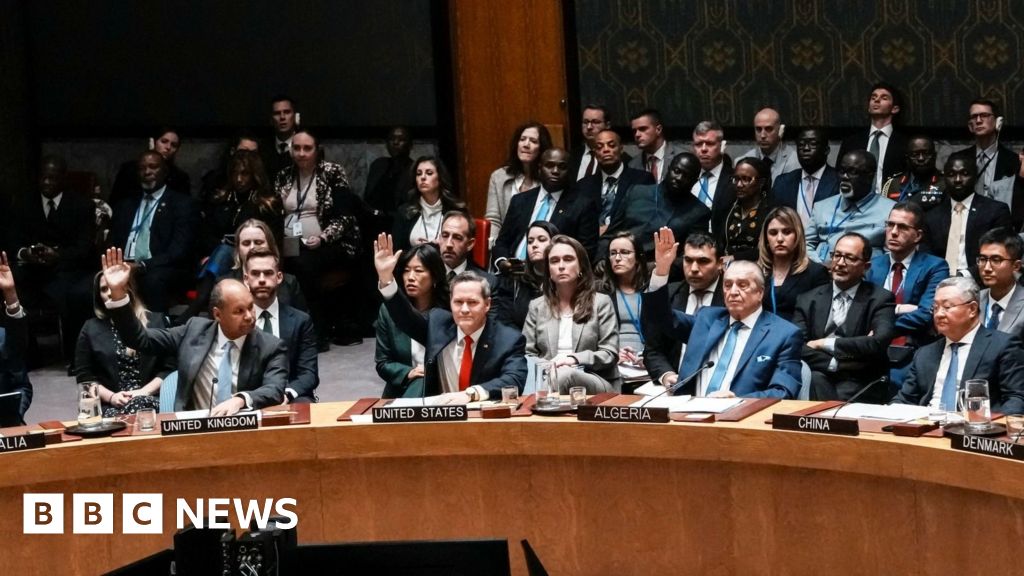
UN Security Council Backs Trump's Gaza Strategy, Youths Take Note
UN Security Council Backs Trump’s Gaza Strategy, Youths Take Note

The United Nations Security Council has taken a decisive step by passing a US-drafted resolution endorsing Donald Trump’s 20-point peace plan for Gaza. This resolution, supported by 13 nations including the UK, France, and Somalia, reflects a significant shift in international approach to the ongoing Israeli-Palestinian conflict. The plan’s core involves the deployment of an International Stabilisation Force (ISF), aimed at disarming non-state armed groups, ensuring civilian security, and facilitating economic reconstruction. The US’s strategic push aims at transforming Gaza’s brutal cycle of violence into a “peaceful” rebuilding process, but critics argue that it risks entrenching external influence over Palestinian sovereignty.

However, this move has ignited fierce resistance from Hamas, which categorically rejects the plan, labeling it as a veiled attempt to impose “international guardianship” that violates Palestinian rights. Hamas officials have condemned the deployment of the ISF, alleging it would disarm and weaken their resistance, turning the group into a “party to the conflict” aligned with Israel and its allies. The group’s rejection highlights a fundamental divide—while international actors seek stability, many Palestinians see this effort as eroding their national aspirations. Historians and analysts warn that such external interventions risk further destabilizing Gaza by undermining the Palestinian Authority’s legitimacy, potentially prolonging the cycle of violence.

The resolution’s implications extend beyond immediate security concerns. It introduces a framework for future Palestinian statehood, a notion vehemently opposed by Israel. The inclusion of potential statehood naturally complicates U.S. and regional diplomacy, with Israel emphasizing a rejection of any plans that threaten its dominance over Jerusalem and the West Bank. The Obama-era Arab Peace Initiative—once a beacon for regional reconciliation—seems to be giving way to new, unpredictable dynamics as Arab countries navigate their relationships with Israel and the United States. The geopolitical impact is profound, redefining alliances and strategies across the Middle East.

Meanwhile, the plan has broader consequences for regional stability. The envisaged ISF’s coordination with Israel and Egypt is a calculated attempt to stabilize the borders and rebuild Gaza’s infrastructure, but it also raises questions about sovereignty and the role of foreign troops within Palestinian territories. The deployment of a new Palestinian police force—operating under a U.S.-backed authority for the first time—signals a possible shift in local governance, although Hamas remains firmly opposed, promising to resist what it calls a “foreign occupation.” The ongoing conflict, marked by the recent ceasefire and the tragic toll on civilians—over 69,000 Palestinians reportedly killed—remains a stark reminder of how fragile peace remains in this turbulent region. Diplomats warn that misjudgments or renewed conflicts could plunge Gaza back into chaos, with the weight of history pressing heavily against hopeful prospects for peace.

As the world watches, the unfolding saga in Gaza embodies a complex interplay of ambition, resistance, and international power. The resolution’s passage is a pivotal episode in a story that stretches beyond the borders of the Middle East—one that could either herald a new chapter of cautious stability or accelerate a cycle of conflict that seems unending. The questions remain: will outside forces foster peace, or will they deepen the divide that has long scarred this land? As history continues to unfold, the fate of Gaza hangs in the balance, a stark reminder that peace is often the most fragile of victories in a region still haunted by its turbulent past.

First in 320 Years: Lost Pieces Make Historic Return

Historical Discovery Reshapes the Legacy of Johann Sebastian Bach

In an extraordinary revelation that transcends centuries, two previously unknown organ compositions by Johann Sebastian Bach have been unveiled in Germany for the first time in over 320 years. This discovery has not only thrilled music historians and enthusiasts worldwide but also holds significant geopolitical impact by reaffirming Germany’s stature as the cradle of classical Western music. These works—titled Chaconne in D minor BWV 1178 and Chaconne in G minor BWV 1179—were first identified in 1992 during a cataloging effort by researcher Peter Wollny, who, after three decades of investigation, confirmed their authenticity.

The pieces were hidden within the archives of the Royal Library of Belgium, their untitled and unsigned status cloaking them in mystery. As historians and analysts study their stylistic nuances, it is clear they echo Bach’s early composition style, likely created during his tenure as an organ teacher in Thuringia, around 1705. The confirmation that they were written by Bach raises profound questions about the scope of his earlier catalog of works and the artistic mysteries still lurking beneath historical obscurities. Such revelations bolster Germany’s cultural prominence, drawing renewed global attention to its musical heritage amidst contemporary geopolitical tensions.

Global Significance of the Discovery and Cultural Legacy

Performed at the St Thomas Church in Leipzig—an enduring monument to Bach’s legacy—these works were brought to life for audiences thanks to the masterful Dutch organist Ton Koopman. His rendition illuminated the high artistry of these compositions, described as “of a very high quality” and adaptable to smaller organs—making them accessible for both historical and modern performances. The unveiling of these works is not merely a local achievement but a cultural milestone, acknowledged by Germany’s Cultural Minister, Wolfram Weimer, who called it a “great moment for the world of music.”

Many international scholars—including the Bach Archive in Leipzig—have underscored the unique stylistic characteristics that distinguish these works from Bach’s other compositions.

  • They underscore Bach’s evolving compositional techniques during his early years—an era little understood until now.
  • They also offer new insights into the pedagogical environment of Bach’s youth, shedding light on the influence of his pupils, such as Salomon Günther John.

Furthermore, the discovery serves as a stark reminder of how intertwined the cultural heritage of Germany is with its broader national identity, especially amidst threats to global stability. As international organizations warn of ongoing geopolitical shifts, the continued preservation and celebration of classical traditions serve as anchors of cultural resilience. Historians warn that such heritage, if lost or overlooked, diminishes the collective memory of a civilization.

Unfolding Threads of History in a World on the Brink

As the world watches these revelations unfold, one must consider how such discoveries animate the ongoing narrative of history—reminding us that the past is never truly dead but constantly evolving. The uncertainties of international diplomacy and the shifting alliances threaten to reshape the geopolitical landscape, yet cultural achievements like this echo across nations, reinforcing the enduring power of shared human achievement.

Indeed, as the legacy of Johann Sebastian Bach continues to influence generations, today’s societies find themselves at a crossroads—where decisions made in quiet archives or sunlit concert halls can echo through history’s halls. The unfolding story of these newly discovered works is a testament to our perpetual search for understanding and the unyielding resilience of cultural identity amidst the chaos of global politics. It is a poignant reminder that, in the shadows of conflict and upheaval, the timeless melodies and the stories they carry still have the power to shape the future—a future still being written, note by note, in the grand symphony of history.

Social Media Auto Publish Powered By : XYZScripts.com