Matox News

Truth Over Trends, always!

US alerts thousands as their data is exposed—security risks grow

In a startling development that underscores the fragility of digital security and regional stability, Somalia faces a significant data breach involving its electronic visa system, exposing personal information of over 35,000 applicants, including US citizens. The US embassy in Somalia issued a warning of a credible breach where unidentified hackers penetrated the government’s e-visa platform, potentially compromising sensitive data such as names, photos, addresses, and email contacts. This incident highlights the vulnerabilities of emerging digital infrastructures in unstable regions, raising alarms among international security analysts who warn that such breaches could be exploited by extremist groups or hostile nation-states.

Critics argue that this breach is emblematic of broader governance issues within Somalia, which has been embroiled in internal conflict and political chaos for decades. The recent move to shift visa services from evisa.gov.so to etas.gov.so without official explanation signals a government struggling to maintain control over its digital sovereignty amidst mounting regional tensions. While Hargeisa, the de facto capital of Somaliland, continues to contest Somalia’s sovereignty and airspace control, the breach adds fuel to the fire, fueling fears of further destabilization of an already fractured nation.

This incident feeds into the escalating dispute between Somalia and Somaliland, a self-declared republic that has governed itself since 1991 but remains internationally unrecognized. Somaliland’s leadership has recently rejected Somalia’s e-visa system, citing fears of data leaks and security risks, and in response, ordered airlines to obtain clearance from Hargeisa before entering Somaliland airspace. This move has been supported internationally by the region’s aspirations for autonomy, yet it jeopardizes regional stability; the Somali Civil Aviation Authority insists it retains sole control over the area, warning that non-compliance could threaten air safety and lead to legal repercussions.

International observers, including analysts at organizations like the United Nations and regional diplomatic agencies, warn that such acts of defiance, coupled with cybersecurity failures, threaten to destabilize a critical corridor in the Horn of Africa. The geopolitical impact is profound, as the ongoing standoff between Mogadishu and Hargeisa exemplifies how internal conflicts, if left unaddressed, can spill over into wider regional conflicts involving neighboring states and global powers interested in Africa’s strategic resources and trade routes. How nations respond and adapt to these crises will determine whether Africa’s volatile east will drift further into chaos or forge a new path toward stability.

As history continues to unfold, the digital and territorial disputes over Somalia’s skies and sovereignty reveal a larger truth: in a world increasingly driven by technology and contested borders, every breach, every administrative shift, and every declaration bears the weight of history in the making. The coming months will determine if Somalia’s fragile state can repair its digital infrastructure, regain its authority, and prevent the region from spiraling into further chaos, or if a new chapter of conflict is destined to define the Horn of Africa for generations to come.


Epstein Files: Who Else Got Named?

Unveiling Shadows: Jeffrey Epstein Documents and Their Repercussions on International Relations

The release of over 20,000 pages of documents from the estate of Jeffrey Epstein marks a pivotal moment in the ongoing saga of global political intrigue and covert influence networks. These files, made public by US lawmakers, expose a tangled web of relationships involving high-profile figures from world politics, finance, media, and academia. As historians and analysts sift through the revelations, it becomes clear that these disclosures could fundamentally alter the geopolitical landscape, unearthing uncomfortable truths that challenge the conventional narratives upheld by elites and institutions alike.

The documents reveal troubling correspondences and associations with a cast of influential individuals, including former White House officials, Nobel laureates, and tech giants. Notable figures such as Larry Summers, the former Treasury Secretary under President Bill Clinton, Kathryn Ruemmler, ex-White House counsel, and Peter Thiel, the Silicon Valley billionaire, are now under scrutiny. These connections—ranging from casual dinners to strategic discussions—highlight the blurred lines of power, influence, and clandestine dealings that, until now, have remained concealed behind the curtains of public life. International organizations and security analysts warn that such ties may hint at a deep state-like network capable of swaying global events under the guise of diplomacy and economic policy.

Turning Points and International Shifts

Particularly alarming are the new details about Epstein’s interactions with influential figures involved in shaping U.S. foreign policy. Correspondences between Epstein and Kathryn Ruemmler, now a top legal officer at Goldman Sachs, discuss hush-money payments made by Donald Trump to adult film star Stormy Daniels—an issue that, while officially dismissed by Trump, hints at a layered narrative of political corruption. Such links are often dismissed as mere gossip, but they serve as stark reminders of how elite behavior can influence not just national politics but also the international order. Analysts argue that these revelations will fuel ongoing debates about accountability and transparency, exposing the extent to which global elites are entwined in secretive networks immune to public scrutiny.

Meanwhile, the involvement of technology entrepreneurs like Peter Thiel adds a new dimension to the geopolitical impact. Epstein’s attempt to recruit Thiel for a clandestine meeting on a Caribbean island—where some of Epstein’s alleged crimes are believed to have occurred—raises questions about the use of influence and blackmail in shaping policy or business directions. Thiel’s own ambiguous remarks about Epstein’s knowledge of tax secrets and his admission of prior meetings underscore the dangerous nexus of wealth, power, and potential leverage. International security experts contend that these hidden alliances could inform future strategies for political coercion or misinformation campaigns that threaten the stability of democratic institutions worldwide.

How Decisions Affect Nations and Societies

The impact of these revelations extends beyond individual scandals; they strike at the heart of how power is wielded globally. The involvement of former officials and influential intellectuals hints at a deep-rooted network capable of circumventing established checks and balances. The exposure of these clandestine relationships has the potential to ignite wide-ranging reforms focused on transparency, yet also opens the door to international destabilization, as trust in leadership wanes and power-brokers scramble to contain the fallout. The revelations also serve as a cautionary tale about the unchecked influence of money and secret alliances, which undermine the sovereignty of nations and the fabric of society itself.

As international organizations and democratic states grapple with these disclosures, the specter of a shift in global power dynamics looms. Academics warn that if such networks are allowed to operate unchecked, the very foundation of governance—transparency, accountability, and the rule of law—may be forever compromised. The story is far from over; investigatory bodies and independent journalists continue to delve deeper into the labyrinth of secrecy. History is in the making, and the weight of these revelations will continue to ripple across nations, societies, and the corridors of power.

Brazilian Minister: Recognize Indigenous Lands in Climate Strategy at COP30

As the United Nations Climate Summit (Cop30) unfolds in Belém, Brazil, the global spotlight intensifies on the urgent intersection of climate policy and indigenous rights. Sonia Guajajara, a prominent Indigenous activist turned minister under President Lula da Silva, has emphasized that recognition of demarcation of Indigenous lands must be embedded into the core strategies to combat the climate crisis. Her declaration not only underscores the moral and environmental importance of safeguarding these territories but also highlights a broader geopolitical challenge: how international cooperation, or the lack of it, shapes the future of the Amazon, vital to global climate stability.

  • Guajajara’s call for the recognition of Indigenous land rights aligns with evolving climate diplomacy where protecting natural ecosystems is increasingly seen as a shared responsibility.
  • At the summit, Indigenous communities, Afro-descendants, and traditional farmers have congregated, deliberately demonstrating their indispensable role in generating sustainable solutions, thus challenging the prevailing narratives driven by industrial interests.
  • This activism comes amid warnings that exploitation—particularly by the mining sector—threatens the Amazon’s rivers, notably the Tapajós, which have been contaminated by mercury from illegal gold extraction.

The geopolitical impact of these developments extends beyond Brazil’s borders. Brazil’s Congress, dominated by agribusiness and mining interests, seeks to open vast territories such as Yanomami lands to industrial mining—a move fiercely opposed by environmentalists and Indigenous leaders. The stakes are high; these territories house some of the world’s most critical ecosystems, which are essential to global climate regulation. Historically, such pursuits have often been underpinned by a narrative of economic development at the expense of indigenous sovereignty. However, the summit’s focus indicates a shifting paradigm where environmental conservation and Indigenous rights are now central to international policy discussions.

A pivotal aspect of Cop30’s agenda is the Tropical Forest Forever Facility (TFFF), a pioneering financial mechanism aimed at incentivizing countries with substantial forest cover to resist deforestation. So far, approximately $5.5 billion has been pledged, with Brazil’s President Lula aiming for a total of $25 billion from public funds, supplemented by plans to generate an additional $100 billion through financial markets. If successful, the TFFF could become a vital tool in counteracting global deforestation trends, symbolizing a potential shift from reactive conservation to proactive investment. Nonetheless, recent diplomatic setbacks, notably the UK’s decision not to contribute, cast a shadow over international collaboration, threatening to undermine the summit’s ambitions. Critics argue that this retreat not only hampers the fund’s potential but also damages the fragile trust necessary for sustained global climate efforts. Guajajara expressed her disappointment: “It is regrettable that Britain is not contributing resources,” highlighting the widening gap in international commitment.

This reluctance from advanced economies echoes a broader geopolitical division. China, which has expressed tentative support for the TFFF, maintains the stance that developed nations must bear the primary financial burden for climate mitigation. Historically, this tension reflects the ongoing debate over climate justice: should developing countries shoulder the economic costs of their own development, or should the historical polluters—mainly industrialized nations—fund the transition? As climate analysts warn that the window to limit global warming to 1.5°C is rapidly closing, these conflicting priorities threaten to stall vital progress. According to international organizations, such as the IPCC, failure to bridge these gaps could lead to irreversible environmental and societal upheaval—a stark reminder that the “battle for the Amazon” is emblematic of a larger contest over global influence and responsibility.

As the proceedings unfold amidst peaceful protests and diplomatic negotiations, the weight of history seems ever more profound. The decisions made here—whether for indigenous recognition, environmental finance, or geopolitical alignment—will echo through generations. In the shadow of the Amazon’s towering canopies and the corridors of power, the urgent question remains: *how long can the world ignore the lessons of history before the consequences become irreversible?* The story of Cop30 is still being written, and the final chapters have yet to be penned. Yet, one truth endures; the fate of the Amazon and humankind’s future are intertwined, caught between the relentless tide of progress and the imperative to preserve the planet’s sacred natural inheritance.

Nine Dead in Mishap at Kashmir Police Station—Authorities Confirm

Tragedy at Nowgam Police Station Sparks Broader Concerns in Indian-Administered Kashmir

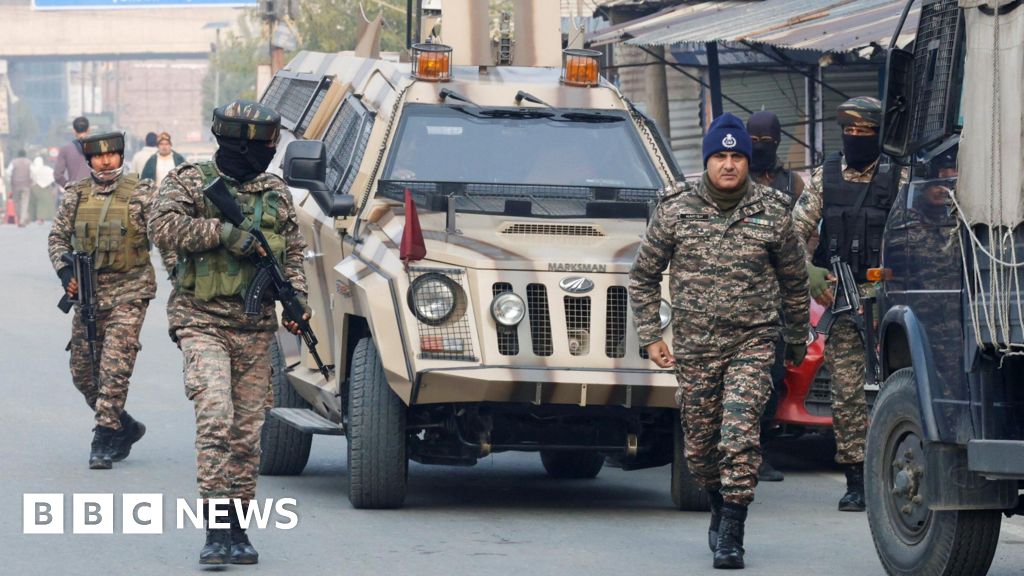
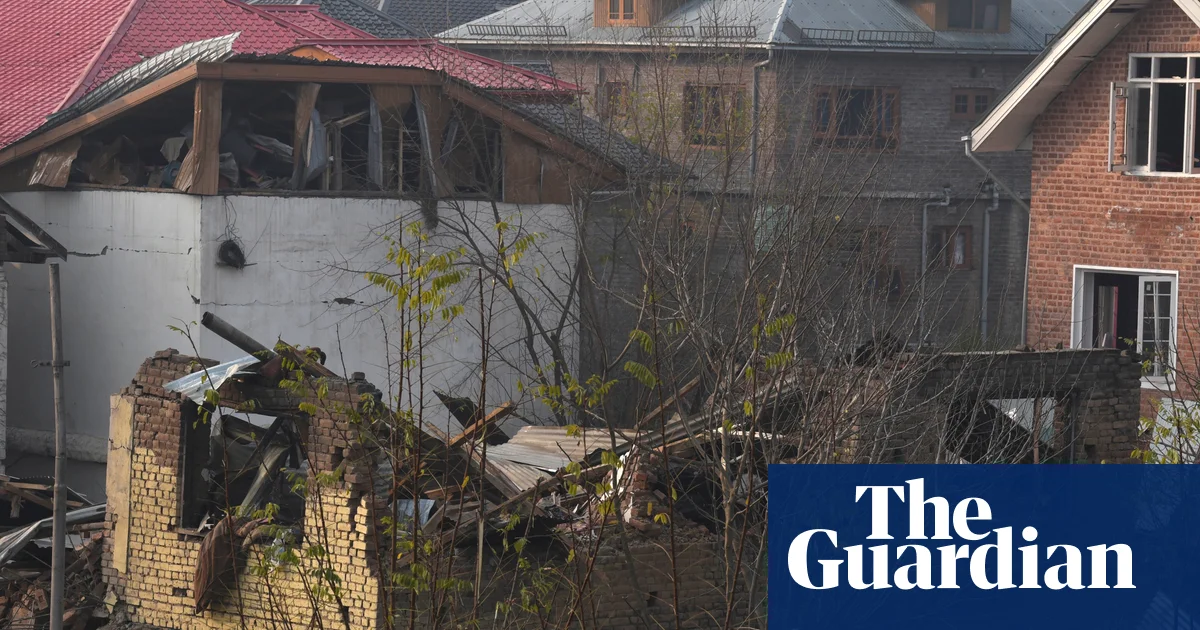
The recent explosive accident at the Nowgam police station in Indian-administered Kashmir has sent shockwaves through a region already steeped in complex, often violent, geopolitical tensions. Official reports confirm that nine lives were lost and 32 others injured after a stockpile of confiscated explosives detonated during handling. Authorities insist this was a tragic accident, not a terrorist act—yet the incident underscores how fragile peace remains in this highly contested territory. The region, long a flashpoint between India and local independence aspirations, often bears the brunt of violence, and this latest mishap adds yet another layer to the ongoing chaos that analysts warn could escalate if not carefully managed.

The explosion’s timing closely follows a recent deadly terror incident in Delhi, where a car blast claimed multiple lives. Such events highlight a disturbing pattern: a region where clandestine conflicts, terrorism, and political unrest intermingle with tragic regularity. The Indian government, under the scrutiny of international organizations like the United Nations and global watchdogs, continues to grapple with balancing security and civil liberties. Experts like Indian historian Dr. Ranjit Verma emphasize that these incidents—whether accidents or acts of violence—are deeply interconnected with the unresolved tensions over the region’s future and sovereignty. Governments and analysts must acknowledge that the more unstable the status quo, the greater the risk of this volatile situation spilling into broader regional conflicts.

The geopolitical impact of these incidents extends beyond Kashmir’s borders, resonating with neighboring countries and global powers. China, with its own interests and territorial claims concerning India and neighboring Pakistan, watches these developments with concern. Meanwhile, Pakistan continues to accuse Delhi of escalating military presence and oppressive policies in Kashmir—factors that significantly contribute to regional instability. The incident at Nowgam serves as a stark reminder of the dangerous heat generated by unresolved territorial disputes, nuclear-armed nations, and extremist factions vying for influence. The international community, especially organizations like the United Nations, faces mounting pressure to facilitate dialogue, but historical skepticism remains. Past failures to broker lasting peace reveal how deeply entrenched these conflicts are and how quickly accidents can spiral into broader crises.

As the dust settles on the Nowgam explosion, the larger narrative of history continues to unfold—one driven by decisions that ripple across nations and societies. The handling of this tragedy will be a crucial test for Indian authorities and international mediators alike. The stakes are high; an escalation in violence could threaten regional stability and undermine decades of diplomatic efforts aimed at peace. As analysts warn, “if miscalculations persist, it could open a new chapter of relentless cycle of violence and mistrust.” In the shadows of this tragedy, the future of Kashmir hangs in the balance, a stark reflection of unresolved conflicts that remain painfully unresolved, yet continue to define the geopolitical landscape of South Asia. The pages of history are turning, and the world watches, knowing full well that in this silent yet deadly arena, the next blow could find echoes far beyond these mountains — forever shifting the course of nations.

Former PM warns: AI and English media threaten Icelandic future

The threat to Icelandic language sovereignty has recently been highlighted by Iceland’s former Prime Minister Katrín Jakobsdóttir. In a striking warning, she articulated concerns that the rapid rise of artificial intelligence (AI) and the dominance of English media could result in the wipeout of Icelandic within a single generation. This crisis underscores a broader geopolitical impact where cultural hegemony driven by digital globalization poses an existential threat to the world’s less-used languages. With only about 350,000 speakers, Icelandic is not just a linguistic asset but a repository of centuries of human thought and cultural heritage, an attribute that many analysts argue is essential for national identity and societal resilience.

Jakobsdóttir’s concerns echo a pattern witnessed throughout history, where dominant powers have historically absorbed or suppressed local languages and cultures—most notably during Iceland’s colonial period under Danish rule. “We have seen that before here in Iceland,” she pointed out, referencing how Danish influence nearly altered the language. However, she advocates for a proactive approach, emphasizing that the fate of a nation can be decided by how it preserves and promotes its unique language. International organizations, such as UNESCO, have long recognized this issue, warning that the erosion of linguistic diversity is closely tied to the marginalization of cultural diversity and human knowledge. Iceland’s recent efforts, including the partnership with Anthropic for a nationwide AI education pilot, represent a strategic pivot aimed at ensuring the digital age does not essentially erase or distort the Icelandic linguistic heritage.

The core challenge lies in how AI models are trained. Critics—both within and outside Iceland—highlight that language models often lean heavily on English and other dominant languages, inadvertently marginalizing smaller linguistic communities. Ragnar Jónasson, Jakobsdóttir’s co-author and a renowned Icelandic author, warned that we are just a generation away from losing this language entirely due to the pervasive influence of online platforms where English reigns supreme. He emphasizes that young Icelanders are increasingly conversing in English and consuming media primarily in that language. Such trends threaten to turn Icelandic into a relic, a phenomenon not unfamiliar in regions where language shifts occurred post-colonization or under global cultural influence. According to historians like Guðmundur Hálfdánarson, without deliberate preservation efforts, this linguistic shift could accelerate swiftly, mirroring events during the Danish rule.

These developments carry profound geopolitical implications. As nations grapple with digital transformation, the question arises: should states invest in unilateral measures to safeguard their native languages, or will they succumb to the inevitable tide of globalization? Jakobsdóttir’s perspective suggests that the preservation of language entails defending the very way a nation thinks and perceives itself. Her concern is that losing Icelandic would not only mean losing words but would threaten the collective identity. The debate echoes global tensions where cultural sovereignty is increasingly threatened by technological and economic forces aligned with Western dominance. In this unfolding story of Earth’s diverse civilizations, Iceland’s fight encapsulates a larger struggle—a battle to retain not just words but the stories, identities, and ideologies that have shaped nations for centuries. As history continues to unfold, the question remains whether the preservation of language will become a symbolic act or a catalyst for a broader movement against cultural erasure, leaving humanity to ponder whether the uniqueness of every tongue can withstand the onslaught of relentless digital globalization.

China-Japan Tensions Rise Over Taiwan: What Youth Should Watch

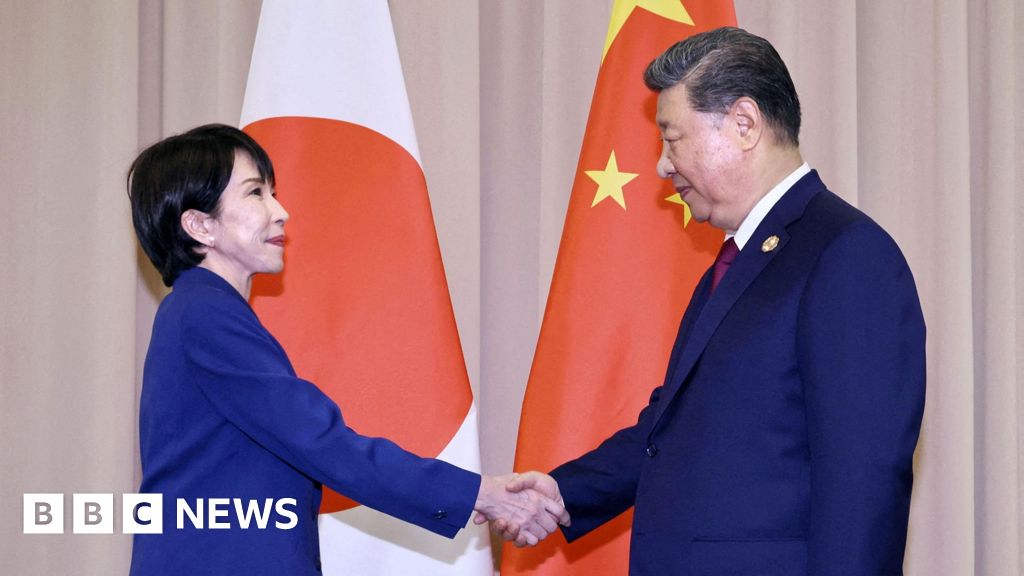
In an era defined by shifting alliances and rising assertiveness among global powers, Japan and China have entered a dangerous phase of diplomatic clash, with significant geopolitical impact that reverberates well beyond their mutual borders. This week, tensions escalated dramatically after Japanese Prime Minister Sanae Takaichi made remarks about Japan’s possible response to a hypothetical Chinese attack on Taiwan, prompting a fierce rebuke from Beijing. China has since urged its citizens not to travel to Japan and has summoned Japan’s ambassador in Beijing, signaling a deliberate escalation designed to intimidate and deter what China perceives as provocations that threaten its core national interests.

The incident reveals a broader struggle rooted in longstanding animosities, dating back to conflicts in the 19th century and the scars of Japan’s brutal wartime aggression in China during World War II. Historians and international analysts warn that such historical grievances continue to fuel suspicion and hostility, complicating efforts toward détente. The specific trigger, however, lies in Prime Minister Takaichi’s assertion that Japan could deploy its self-defense forces if China attacked Taiwan—an explicit departure from Japan’s long-standing policy of “strategic ambiguity.” This policy has kept the region relatively stable by avoiding overt commitments that could provoke China—a strategy that Washington and Tokyo have upheld to prevent triggers of larger conflict. Yet Takaichi’s hawkish stance aligns with Japan’s recent shift toward increased defense spending, a move seen by many as a response to China’s growing military assertiveness and regional ambitions.

What happened? A timeline

  • The current tensions originated during a Japanese parliamentary debate when Takaichi responded to a question about what circumstances regarding Taiwan could threaten Japan’s survival.
  • She stated that “battleships and the use of force” could trigger Japan’s self-defense protocols, a statement that China labeled “egregious” and “highly inappropriate.”
  • Tokyo promptly lodged protests against Beijing, which responded with its own diplomatic protests and warnings, including a warning from China’s foreign ministry that Japan was “playing with fire” and risking severe consequences.
  • Meanwhile, Takaichi refused to retract her remarks, remaining steadfast in her position that Japan’s stance on Taiwan has not changed, despite the diplomatic fallout.
  • In the aftermath, Beijing’s foreign ministry reiterated that Taiwan is “China’s Taiwan,” directly accusing Japan of interfering in what Beijing views as its inner affairs. China’s Vice Foreign Minister Sun Weidong summoned Japan’s ambassador, warning of “extreme consequences” should tensions escalate further.

International organizations and defense analysts warn that these exchanges symbolize a potential escalation toward a broader confrontation that could destabilize the Indo-Pacific region. The United States, meanwhile, maintains a policy of deliberate ambiguity regarding Taiwan’s defense, while strengthening ties with Japan—its closest Asian ally. The U.S. position remains cautious, yet publicly ambiguous, designed to deter China from considering military action. This delicate balance of power underscores the importance of regional security frameworks, yet also reveals their fragility in times of rising nationalism and strategic competitions.

Most worrisome is the influence of historic grievances and the rise of hawkish leaders like Takaichi, who advocates for closer military cooperation with the United States and rejects Japan’s traditional restraint on military engagement. Analysts warn that such bold policies increase the risk of miscalculation, especially as China refocuses its military doctrine on reunification with Taiwan by any means necessary. As tensions simmer, the region approaches a critical juncture, where historical scars are reopening and alliances are being tested in the crucible of modern geopolitics. The prevailing question remains—will diplomacy prevail or will the shadows of history ignite a conflict that could reshape the world order?

In the unfolding pages of history, the ink is still wet, and the future remains unwritten. The world watches as Asia’s giants inch closer to a crisis that could ignite the entire global stage, forcing nations and societies into decisions that may echo for generations. As the echoes of past atrocities and betrayals reverberate across the ocean, humanity stands on the brink of an uncertain tomorrow—hope fighting to survive amidst the specter of renewed war.

Explosive stash inside Kashmir police station detonates, killing nine—authorities scramble to contain chaos

Explosive Tensions Rise in India-Controlled Kashmir

The recent deadly blast at a police station in Kashmir‘s main city, Srinagar, underscores the fragile security situation in this disputed region. The explosion, which claimed at least nine lives—primarily police and forensic officials—and injured 32 others, has sent shockwaves through international geopolitical circles. As authorities initially framed the incident as an accidental explosion during forensic sampling, its timing amid ongoing counter-militant operations raises significant questions about underlying tensions and the prevailing atmosphere of instability.

Recent Events and International Reactions

  • The blast followed a series of high-profile British Indian and other foreign nationals’ arrests in Faridabad, revealing efforts to dismantle a suspected militant cell reportedly involved in planning or executing terror activities across India. Authorities seized large quantities of bomb-making material, signaling a potentially dangerous escalation in the region’s militant activity. This operation, coupled with the dismantling of the cell, fuels fears of increased violence, primarily aimed at destabilizing Indian-controlled Kashmir.
  • Just days prior, India experienced a deadly car explosion near the historic Red Fort in New Delhi, which the government swiftly labeled a “heinous terror incident” perpetrated by “anti-national forces.” This chain of violent episodes exemplifies the ongoing security challenges that threaten regional stability and complicate diplomatic efforts in resolving the Kashmir conflict. International analysts, including those from the United Nations and various think tanks, warn that such violence could escalate further if political solutions are not prioritized over brute-force operations.
  • Meanwhile, Pakistan has issued cautious statements, condemning violence on both sides while refusing to comment directly on India’s internal security measures. This strategic ambiguity maintains the status quo, but international observers argue that this delicate balance risks unraveling if violence continues unabated — especially with both nations wielding nuclear arsenals amid rising nationalist sentiments.

Geopolitical Impact and Future Implications

The geopolitical impact of these events reaches beyond South Asia. India‘s resolve to fight militant threats within Kashmir aligns with its broader goal to project strength and maintain sovereignty over the region. However, critics argue that excessive force and controversial security practices may only deepen local resentment and provide ammunition for militant recruitment. International organizations, including the World Security Council, repeatedly emphasize the importance of diplomatic engagement and respect for human rights as vital components to sustainable peace.

Furthermore, the incident at Srinagar—initially dismissed as an accidental explosion—serves as a stark warning of how unresolved conflicts and clandestine militant networks can turn deadly without decisive political intervention. Historians such as Benedict Rogers warn that history shows violent flare-ups in Kashmir often serve as catalysts for wider regional destabilization, impacting neighboring Pakistan, China, and even drawing in external powers like the United States and Russia.

The unfolding scenario exemplifies how decisions made behind closed doors—whether in military raids, diplomatic negotiations, or international aid—vibrate through the social and political fabric of the region. As history continues to be written in blood and resilience, the weight of unresolved disputes, ideological clashes, and external interests threaten to plunge South Asia into persistent turmoil, with global consequences that echo far beyond the mountains and deserts of Kashmir.

Russia ramps up train strikes as Ukraine’s rail network faces sharper attacks

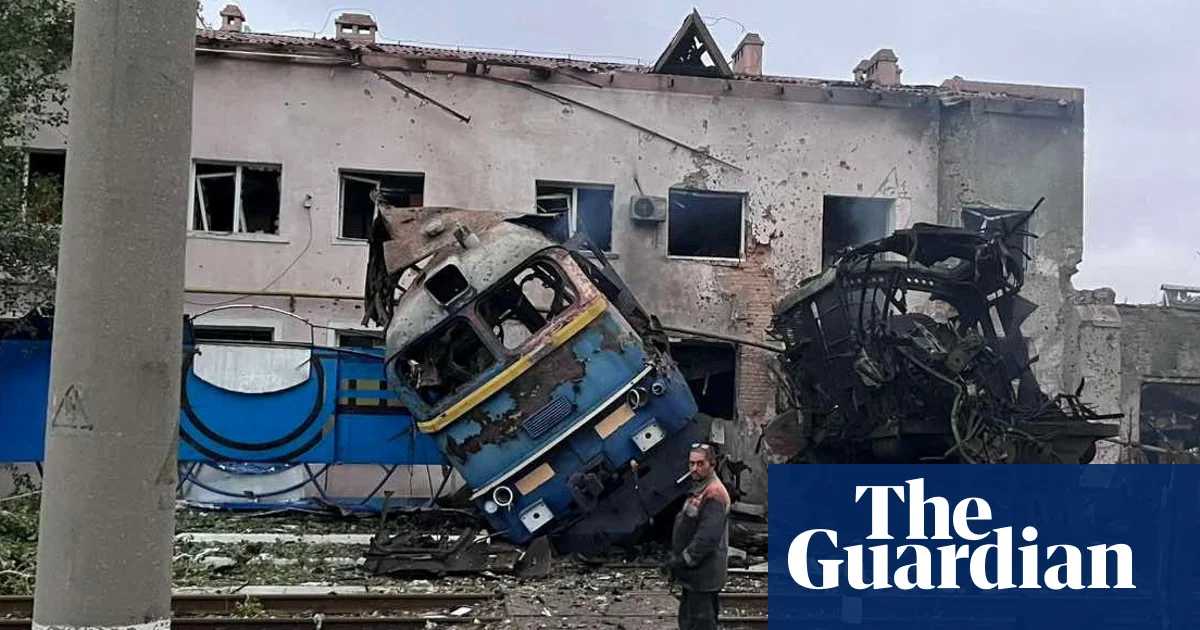
In a dramatic escalation of Russia’s ongoing conflict with Ukraine, the country’s critical railway infrastructure has come under a relentless barrage of attacks since July 2025. According to Oleksii Kuleba, a deputy prime minister responsible for infrastructure, the number of assaults has tripled in just the last three months — from 800 attacks earlier this year to over 3,000 damaged objects, with cumulative damages reaching an estimated $1 billion (£760 million). These targeted strikes, primarily carried out through advanced drone technology, aim to cripple Ukraine’s logistical backbone, which is vital for both civilian commerce and military support in the eastern front.

The geopolitical impact of these attacks extends far beyond the immediate destruction. Ukraine’s extensive rail network, which moves more than 63% of the country’s freight—including essential grain exports—and 37% of passenger traffic, is a lifeline that sustains the nation’s economy and its war effort. No civilian airports have operated since the onset of the full-scale invasion, making rail mobility the sole conduit for both international aid and government leadership visits. As Ukrainian officials scramble to fortify this critical infrastructure—installing electronic countermeasures and deploying specialized air-defense units—the relentless assault exposes a brutal truth: Russia’s strategic objective is to undermine Ukraine’s logistical capacity, directly impacting the nation’s ability to sustain itself during wartime.

Behind the scenes, international analysts and military experts have echoed concern over the new precision of Russian drone strikes. Serhii Beskrestnov, a Ukrainian military drone specialist, warns that as Russia’s drone technology advances, the vulnerability of Ukraine’s train system will only deepen. The slow-moving trains, following predictable routes vulnerable to high-precision strikes, may soon face the moment where the tracks remain intact but without rolling stock to operate upon them. This scenario underscores a haunting possibility: the initiative to destroy Ukraine’s analog and digital infrastructure is a calculated, systematic effort to choke off the country’s ability to move supplies and personnel, ultimately aiming to capitulate the Ukrainian resistance from within.

The international community’s response remains divided, with Western nations providing military aid but also grappling with the long-term consequences of intensifying hostilities. Critics argue that Russia’s strategy seeks to destabilize Ukraine’s logistical framework, thereby forcing Kyiv into a perilous choice of capitulation or prolonged struggle. Official figures attribute these attacks to Moscow’s deliberate campaign to disrupt Ukraine’s southern logistics—blocking vital seaports—and to sow chaos in strategically significant regions such as Chernihiv, Sumy, and the industrial Donbas area. As the situation narrows down to a high-stakes chess match, historians warn that history may record this as the moment when Ukraine’s railways became the battlefield’s silent victims and the last hope of resilience against encroaching chaos.

With each passing day, the weight of history hangs heavier. The destruction of Ukraine’s railway system is more than a military tactic; it symbolizes a broader struggle for sovereignty, economic stability, and national identity. As Kyiv’s resilience is challenged and the world watches, the outcome remains uncertain. But one thing is clear: the fate of Ukraine’s railways—and perhaps the future of the nation itself—rests on the unfolding decisions of global leaders and their responses to this ongoing assault on vital infrastructure. The chapter of this conflict remains unwritten, yet the lessons of today will echo through history, etching the ongoing conflict into the annals of geostrategic shadows—where resilience and desperation collide amid the relentless march of war.

Trump Sets Sights on Key MAGA Ally Marjorie Taylor Greene

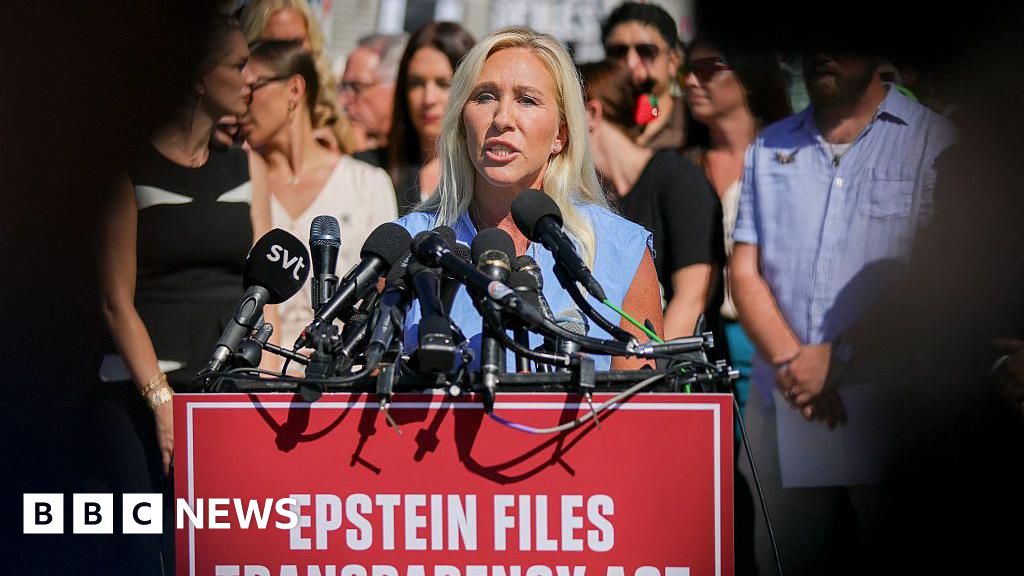
The recent rift within the Republican Party in the United States signals a rising tide of internal conflict that could have profound geopolitical implications. At the heart of this political earthquake lies President Donald Trump’s sharp withdrawal of support for Congresswoman Marjorie Taylor Greene, a vocal conservative now accused of drifting towards the “far left”—a term rare for figures within the traditional GOP. This spat exposes the growing fissures among conservative factions who once aligned under the Trump banner but are now diverging over key issues like foreign policy, the handling of sensitive documents, and the direction of the broader American nationalist movement.

Historian analyses and strategic think tanks highlight how the decision by Trump to openly criticize Greene and endorse a primary challenger could ripple beyond domestic politics, impacting America’s diplomatic stance. The tensions are centered around the ongoing battle over the Epstein files, with Greene and a handful of GOP allies calling for transparency, contrasting sharply with Trump’s fierce opposition framed as an effort to suppress potentially damaging information. Such internal discord signals a weakening of traditional party cohesion at a critical juncture as the US faces escalating foreign conflicts and economic challenges. The international community watches intently, aware that internal US divisions can weaken the global position of a nation that has long styled itself as the leader of the West.

Amidst this turmoil, Trump’s rhetoric has become increasingly combative, claiming Greene’s criticism stems from personal grudges and alleging that her dissatisfaction stems from his refusal to efficiently communicate. His accusations—particularly that she is “complaining” and turning on him due to political ambitions—are viewed as part of a broader strategy to consolidate loyalty within the party by framing dissenters as disloyal or misguided. Meanwhile, Greene has responded by accusing Trump of trying to suppress the Epstein files, asserting that his actions are motivated by political self-interest aimed at protecting high-profile figures and thus complicating America’s efforts to confront its past and uphold justice. Her staunch stance has gained traction among younger voters who demand accountability and transparency, critical elements for future political reform. This intra-party battle underscores the enduring tension between populist nationalism and traditional conservatism—a struggle that could shape American policy both at home and abroad.

International organizations and analysts warn that this internal strife, if left unresolved, could diminish the United States’ ability to project strength and coherence on the global stage. With Europe, Russia, and China recalibrating their strategies amidst the chaos, a fractured America risks ceding strategic advantage. The unfolding drama surrounding the Epstein files exemplifies how domestic narratives intersect with broader geopolitical currents—each revelation or suppression affecting American credibility, especially among allies and adversaries alike. As the midterm elections approach, the internal party conflicts threaten to further polarize an already divided nation, raising questions about the future direction of American foreign policy in an era marked by historic volatility.

In the long shadow of history, this feud reflects more than just personalities—it embodies the fundamental struggle over who defines the American identity and how the values of transparency, loyalty, and national sovereignty are prioritized. As observers and historians track this clash, they warn that American internal cohesion remains fragile. The stakes extend beyond mere politics, touching on issues of justice, accountability, and the very soul of a nation that has historically wielded enormous influence in shaping world affairs. The unfolding story of Trump, Greene, and the Epstein files is still being written, but its echoes are already reverberating across the globe—reminding all that in history’s grand chessboard, internal conflict often precedes transformation, and the winds of change are blowing fiercely across the landscape of modern geopolitics.

Army vet with Purple Heart deported to Mexico by ICE—Justice or injustice?

The deportation of Jose Barco, a decorated U.S. Army veteran, from Arizona to Mexico, underscores growing controversies surrounding immigration policies and military service amidst America’s ongoing internal conflicts. This case exemplifies not only the complicated legal and humanitarian questions but also the broader geopolitical impact of U.S. immigration enforcement on international relations—particularly with Latin American nations that have historically been sources of undocumented migration and refugee flows.

Barco’s story is emblematic of an increasingly contentious debate: how nations should treat their military veterans who, despite serving with distinction and receiving commendations like the Purple Heart and the Combat Infantry Badge, face deportation due to past criminal convictions. His case is especially provocative given his family’s history of fleeing oppression—his father was a political dissident in Cuba before seeking refuge in Venezuela and the United States. The international community and analysts, including experts from organizations like the International Crisis Group, warn that deporting such individuals not only undermines the moral fabric of U.S. military service but also damages America’s global image as a land of opportunity and refuge.

From a geopolitical perspective, the decision to deport Barco to Mexico rather than directly to Venezuela or Cuba—despite court orders—has raised concerns about U.S.-Latin America relations. Critics argue that this move might deepen regional instability and hinder efforts to maintain diplomatic ties. Mexico’s role as a transit and destination country for migrants complicates the scenario, especially as it faces its own pressing economic and political challenges. The United States’ policies of deportation and their implementation serve as a mirror to broader U.S. foreign policy issues, including how it balances domestic security with international reputation. Many analysts believe that such isolated incidents contribute to a perception of moral decline and disrespect towards military veterans, which could ripple through alliances and diplomatic negotiations in the Americas and beyond.

The domestic implications of this case are equally profound, stirring debates within the U.S. about immigration reform, military service, and justice. Critics contend that policies justifying the deportation of veterans—some who have committed serious, even violent, crimes—undermine the social contract and threaten to erode the moral authority of institutions responsible for national security. Conversely, proponents argue that America must uphold its laws uniformly, regardless of service history, emphasizing the importance of the rule of law over individual circumstances. The case of Barco, with its layered history involving trauma, service, and legal jeopardy, highlights how internal policies can become flashpoints that resonate well beyond national borders—drawing international scrutiny and casting long shadows over the United States’ leadership role in defending human rights and the rule of law.

Historians warn that such instances are not isolated but part of a consequential pattern—one that risks reinforcing global perceptions of U.S. inconsistency and moral ambiguity. As the world watches, a single case like Barco’s can quickly become a catalyst for wider debates on sovereignty, justice, and international credibility. With the unfolding of yet another chapter in this ongoing saga, history reminds us that the decisions made today will echo across decades, shaping how nations view the symbolism of service, sacrifice, and the rule of law in a rapidly changing world. The weight of this moment rests heavy on the scales of history, as the global community wonders whether justice will prevail or whether the indelible scars of internal conflicts will continue to define the narrative of a nation caught between principles and pragmatism.

Social Media Auto Publish Powered By : XYZScripts.com